Hi-Fi Audio
Best Hi-Fi Components of the Year So Far: 10 Standout Contenders
Ten amplifiers, speakers and one phono cartridge that stood out this year, with the strengths and trade-offs worth knowing before you buy.
Introduction
Hi-fi shopping rarely offers a clean answer, and most years the market delivers a steady trickle of competent components rather than a handful of genuinely memorable ones. This year has been different. Across power amplifiers, floorstanding speakers, a hybrid integrated, a low-power tube design and one phono cartridge, ten products have stood out enough to be worth flagging now rather than waiting for a year-end summary.
What follows is not a ranking. Each of these components earned attention for a different reason, and the right pick depends on your room, your speakers and the sound you are chasing.
How These Components Stood Out
Four things separated this group from the rest. The first is sound quality under normal listening conditions rather than in a short audition: how a component handles long sessions, quiet passages and demanding material. The second is build and finish, from chassis metalwork to cabinet lacquer, because high-end audio is also furniture you live with. The third is practicality, including power output, input options, tube requirements and how much space a speaker genuinely needs. The fourth is price, weighed against what the component actually delivers.
Value in this category is rarely about being cheap. A $3,200 speaker that outperforms expectations can be a smarter purchase than a $1,500 one that always leaves you wanting more, and the reverse is true when a design asks for a room or an amplifier you do not have. The sections below keep that trade-off in view.
Schiit Vidar 2: A Warmer Take on a Familiar Power Amplifier
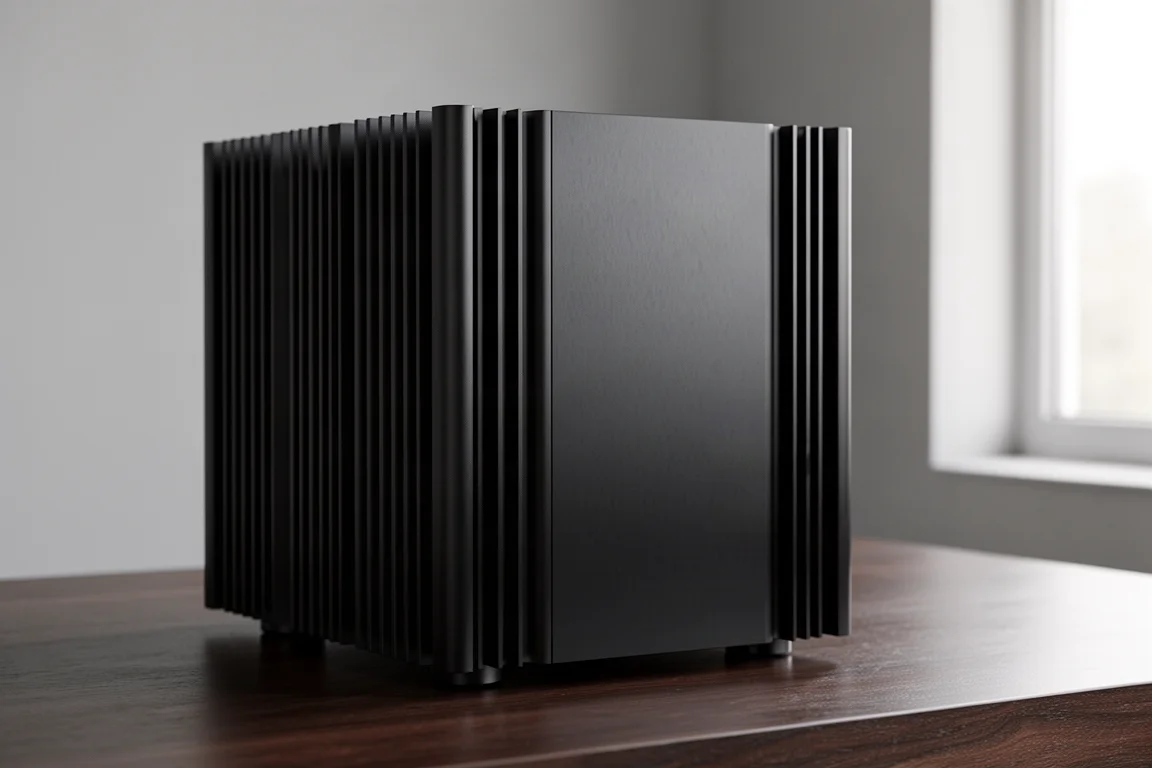
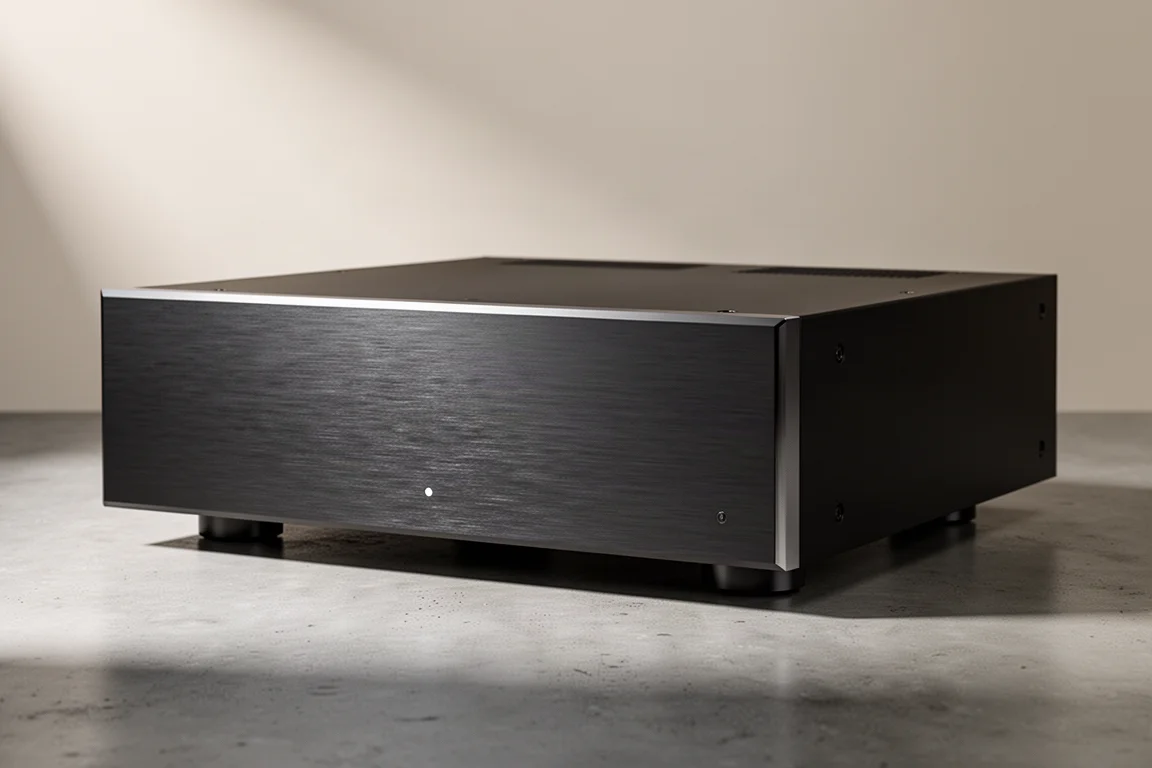
The Vidar 2 is a stereo power amplifier rated at 100 watts per channel into 8 ohms and 200 watts per channel into 4 ohms. It keeps the same output rating as the model it replaces, which had gone roughly six years without a change, so the differences are concentrated in the details that matter day to day. The most obvious one is a standby button on the front panel, a small round control that replaces reaching behind the chassis to switch the amplifier on and off.
In a direct comparison with the earlier version, the Vidar 2 sounded more powerful and noticeably warmer and sweeter. That voicing favors long, relaxed listening over clinical analysis, and for anyone who finds most affordable solid-state amplifiers a little thin, it is the main argument for the upgrade.
Vandersteen 2Ce Signature III: An Icon Rebuilt From the Inside
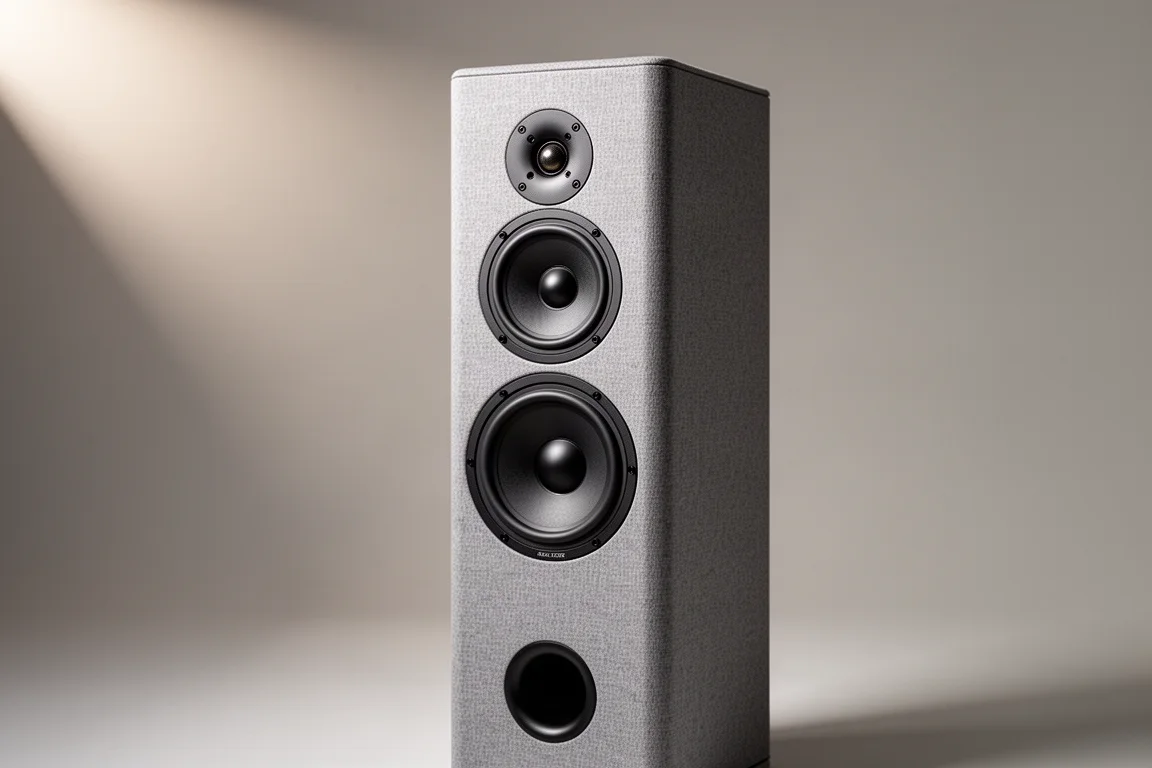
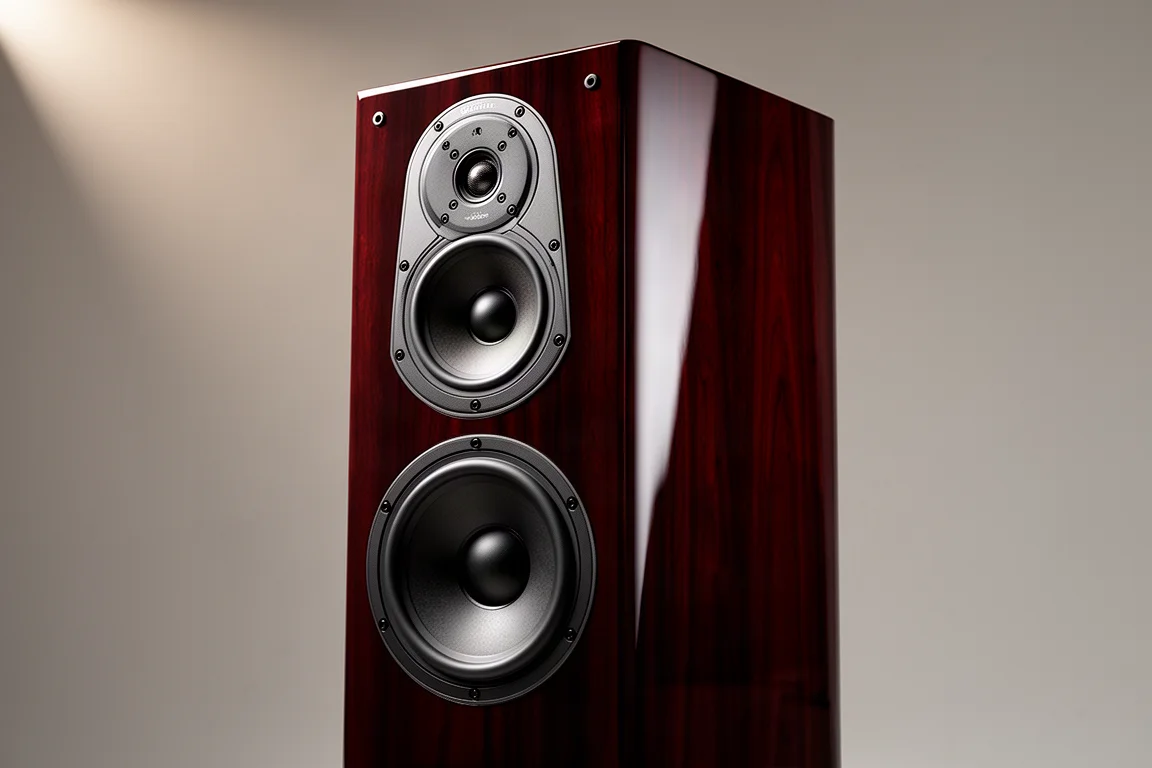
The 2Ce Signature III is the eighth revision of a design with roots stretching back to the 1980s, and it is still made in California. From the outside it looks much like its predecessors, but every part inside is new. That matters, because the earlier version was warm, sweet and rich, while this one is far more neutral and noticeably higher in resolution, with imaging that is focused and clear.
Bass reaches genuinely low, and the speaker is surprisingly dynamic for a low-sensitivity design. The tweeter is a highlight. At $3,600 per pair it sits in a crowded price band, but few rivals carry this much history or this level of internal reworking.
NAD M23: Class D Done With Care
The M23 is a Class D power amplifier rated at 200 watts per channel into 8 ohms and 380 watts per channel into 4 ohms, with both balanced and single-ended inputs. It uses Purifi Eigentakt Class D modules that NAD builds in house, paired with a power supply NAD designed itself, which is a meaningful detail given how much of a Class D design’s character comes from its power delivery.
Class D is often described as bland, and this amplifier is anything but. It sounds powerful, clean and precise, and the chassis metalwork is beautifully rendered. At $3,749 it is not an impulse purchase, but it drives demanding speakers with real authority.
KEF R7 Meta: Big Sound for Big Rooms
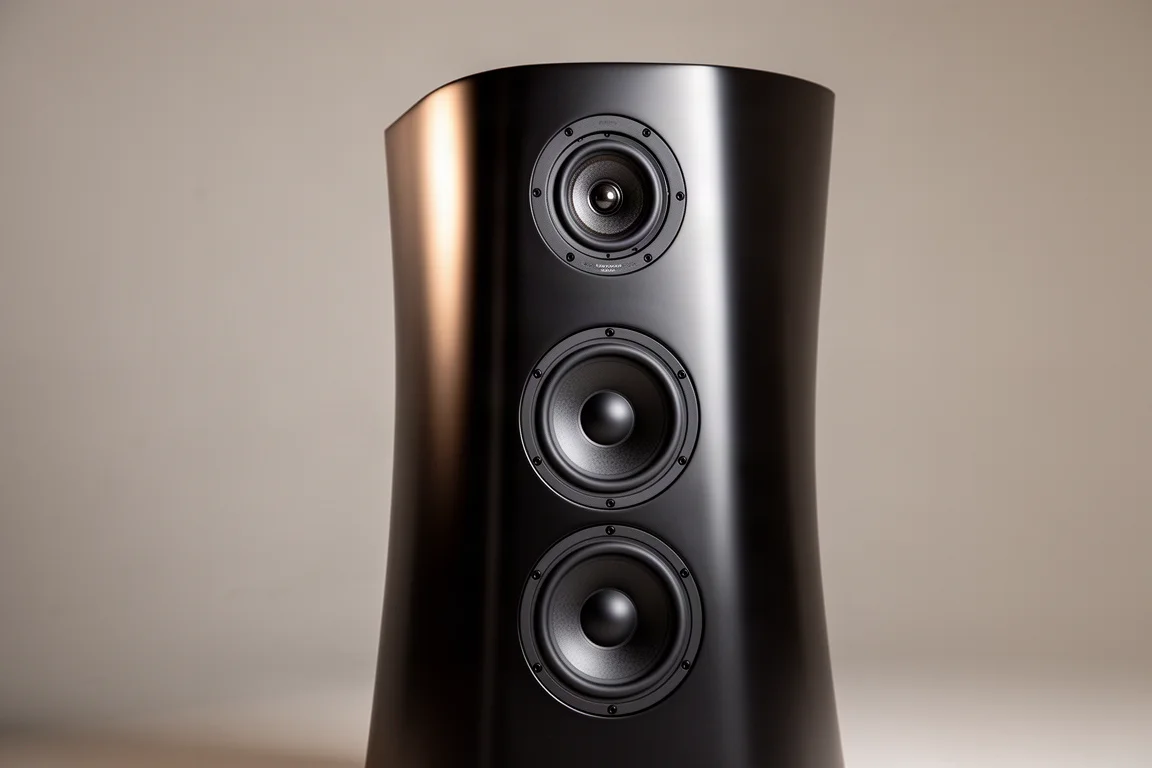
The R7 Meta is a larger floorstanding speaker than the Vandersteen, built around a five-inch Uni-Q driver handling midrange and treble duties, supported by two 6.5-inch woofers. At $5,000 per pair it also offers some genuinely striking paint finishes.
Where the Vandersteen leans toward refinement, the KEF brings more brawn and more kick. If you have a large room, like to play loud and want impact from your system, this is a very sensible place to start. It is one of the strongest speaker designs of the year so far.
Lyra Delos: The Cartridge That Keeps Coming Back
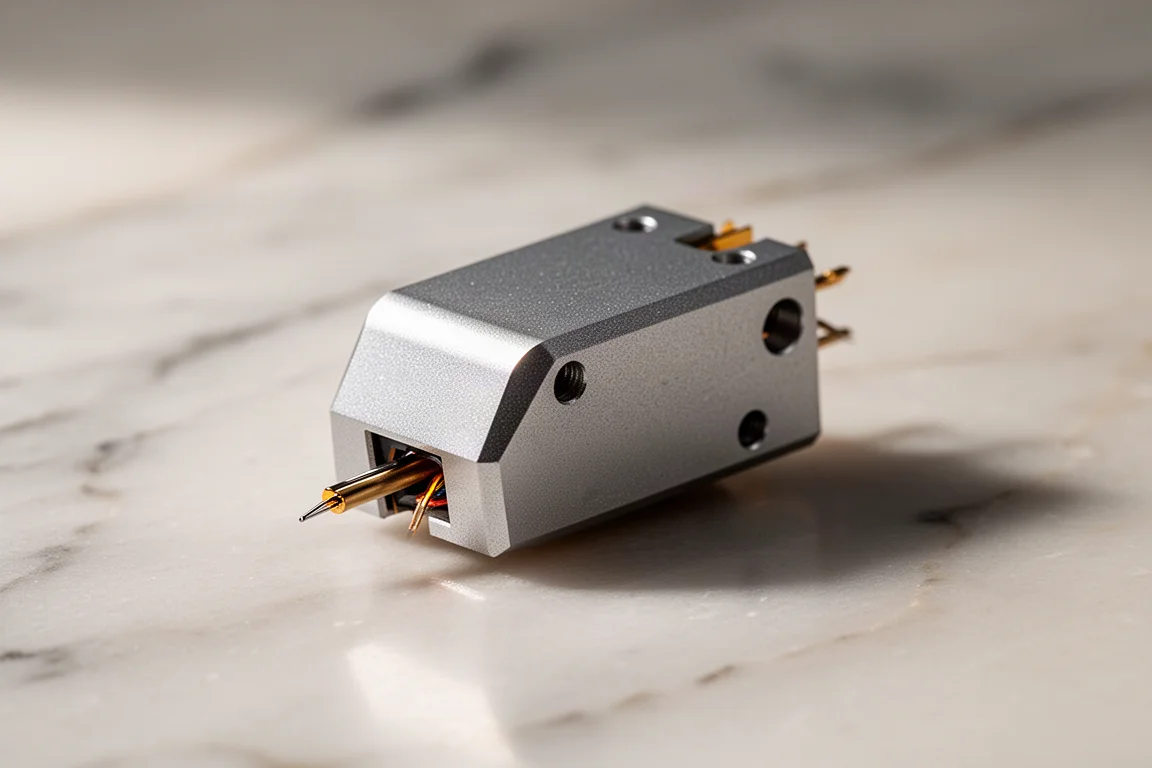
The Delos is a moving coil phono cartridge, and it has quietly become the most-used cartridge in a large collection. Part of that is tracking: it locks into the groove more securely than almost anything else in the same company. Part of it is character. Dynamics are vivid and alive, the tone is pleasing, and the presentation is transparent with a real sense of depth in the soundstage.
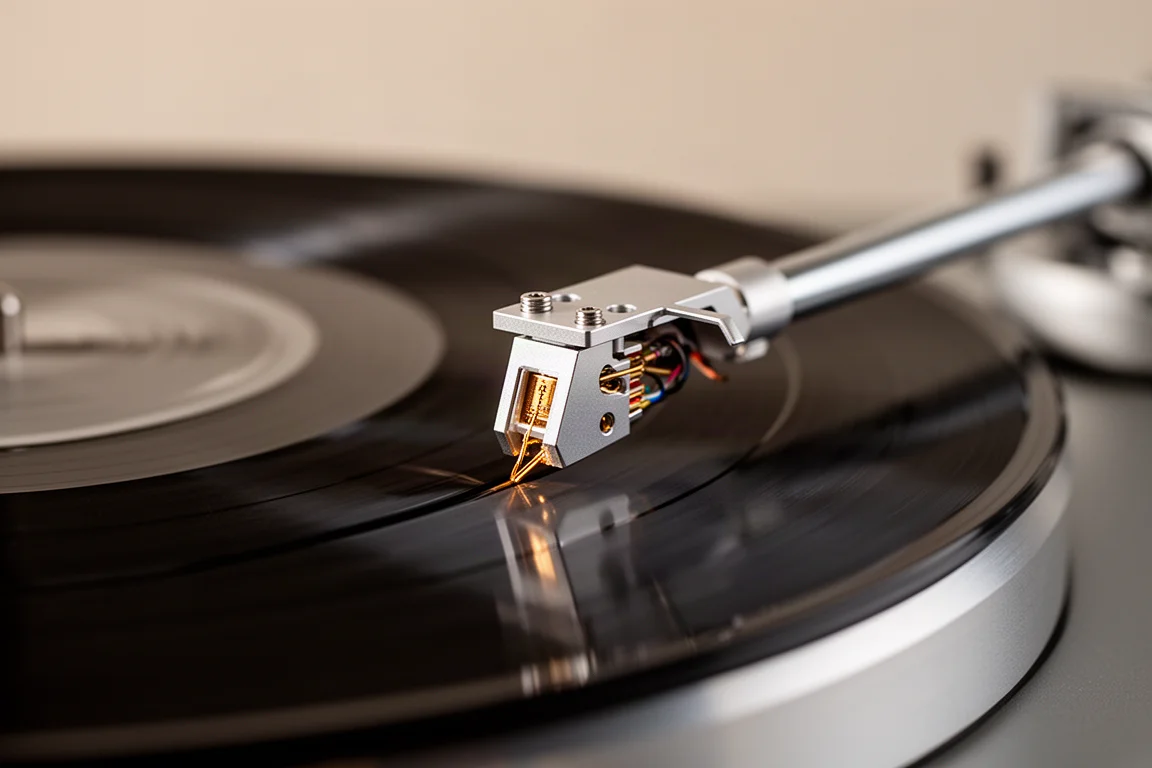
That combination makes it a natural fit for listeners who value a secure, quiet ride through worn records and who want an open, three-dimensional presentation rather than a forward or overly bright one. It is the kind of component that keeps earning its place rather than simply impressing on first listen.
Decware Sarah 300B: Seven Watts of Presence
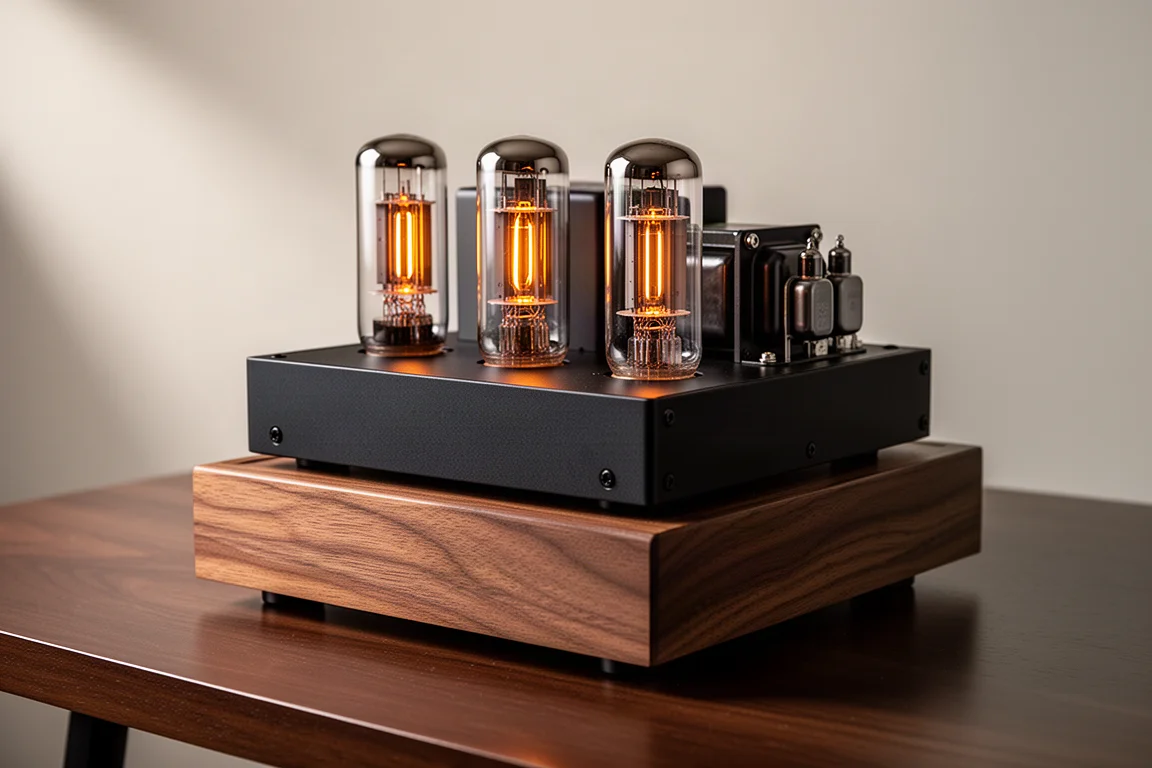
The Sarah 300B is an integrated amplifier made in the USA using mostly US-sourced parts, and its review sample sat on a solid walnut base an inch and a half thick. It is a functional-looking design in the best sense, and genuinely beautiful in person. The Western Electric 300B tubes it uses are themselves made in the USA.
With only seven watts per channel, it demands the right partner: horn speakers, open-baffle designs or anything reasonably high in sensitivity. Within those limits, presence is the single best word for its sound. Pricing is $4,200 without tubes, or $4,800 with the most basic tube set.
Vivid Kaya 25: Distinctive Looks, Effortless Sound
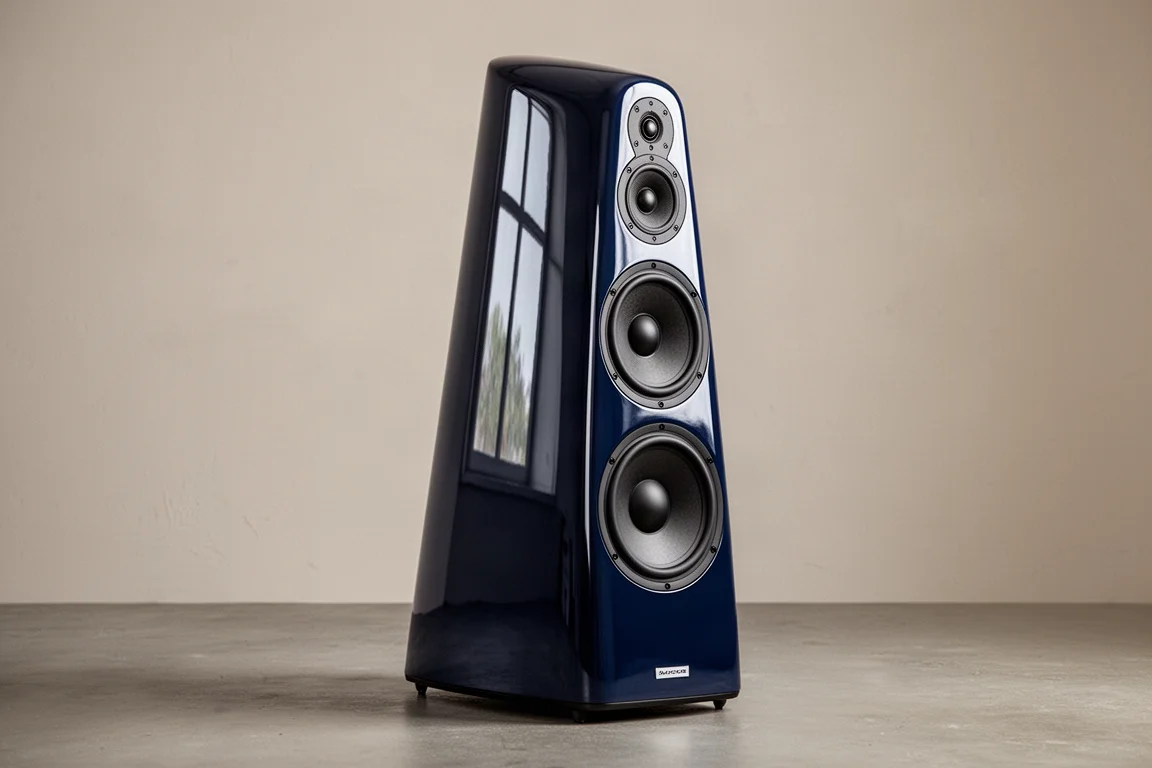
Nothing else on the market looks quite like the Kaya 25, and the paint finishes are automotive grade, with optional colors available at extra cost. More importantly, the drivers are designed and made entirely in house, a rare achievement for a small loudspeaker manufacturer.
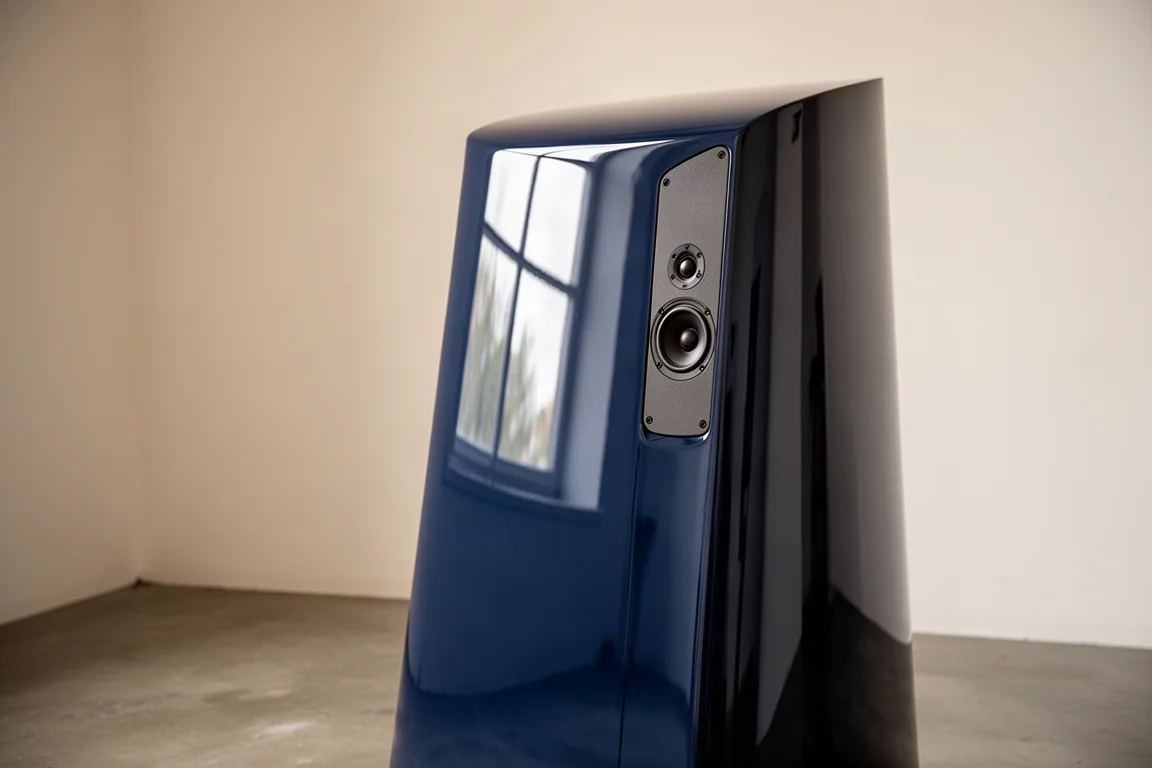
The result is a sound that feels effortless and high in resolution, clear and open with a spacious quality that never seems to strain. At $14,000 per pair for the standard finishes it is a serious investment, but it is one of the most distinctive high-end speakers available, in both appearance and voice.
Heaven 11 Billie MkII: A Compact Hybrid With Warmth
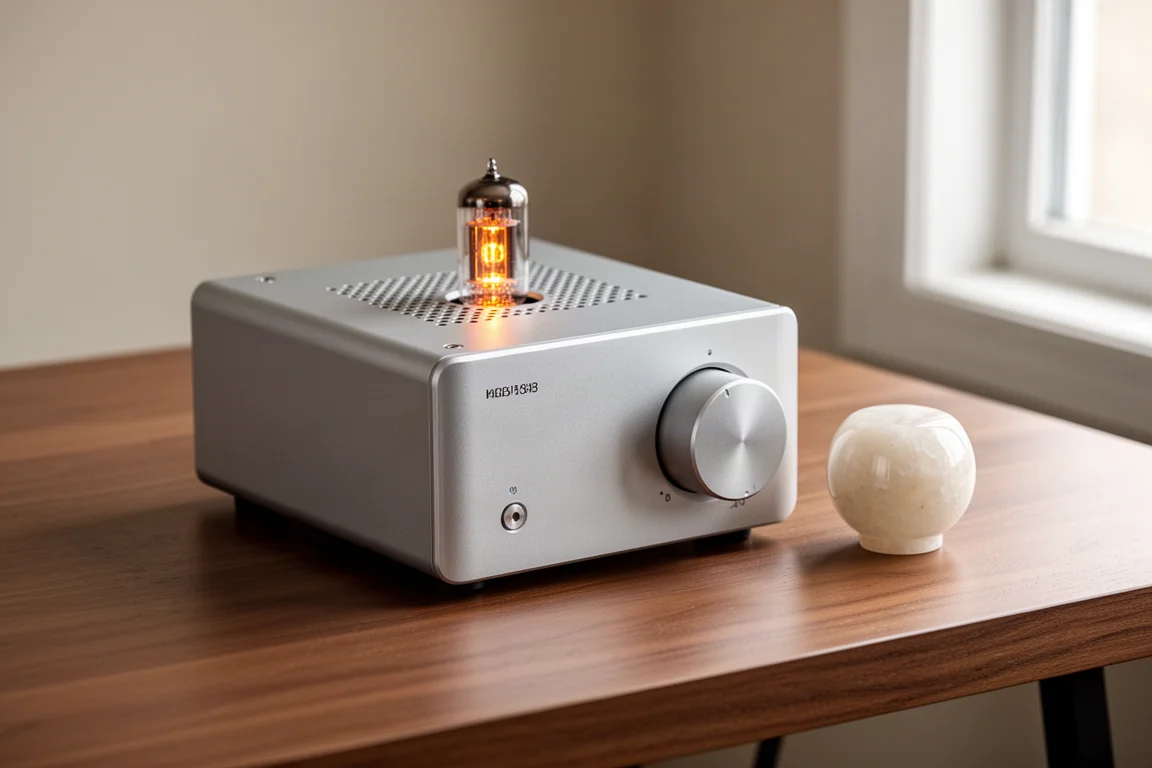
The Billie MkII is a hybrid integrated amplifier designed and made in Canada. Its preamp section runs on tubes while the power stage is Class D, and it is rated at 120 watts per channel into 8 ohms and 215 watts per channel into 4 ohms. That is enough to drive demanding panels such as the Magnepan LRS without complaint.
This is not an amplifier chasing absolute neutrality. It has warmth and body, which is precisely what makes it enjoyable over long sessions. It is also compact and unusually well equipped for its size, and the control knobs can be specified in marble or in beautifully finished wood. At $1,939 in the US it is one of the more accessible entries on this list.
TAD CE1TX: Neutrality With Exceptional Finish
The CE1TX is a high-end floorstanding speaker designed and made in Japan, and its roots in professional sound are audible. This is an extremely neutral loudspeaker, and the fit and finish goes beyond anything else encountered in high-end speakers at this level.
At $32,500 per pair it occupies a different tier from everything else here, and it should be judged that way. For a listener who wants a truthful, uncolored presentation and is prepared to build a system around it, it is a compelling reference point rather than a value proposition.
Eminent Technology LFT-8B: A Dipole That Surprises
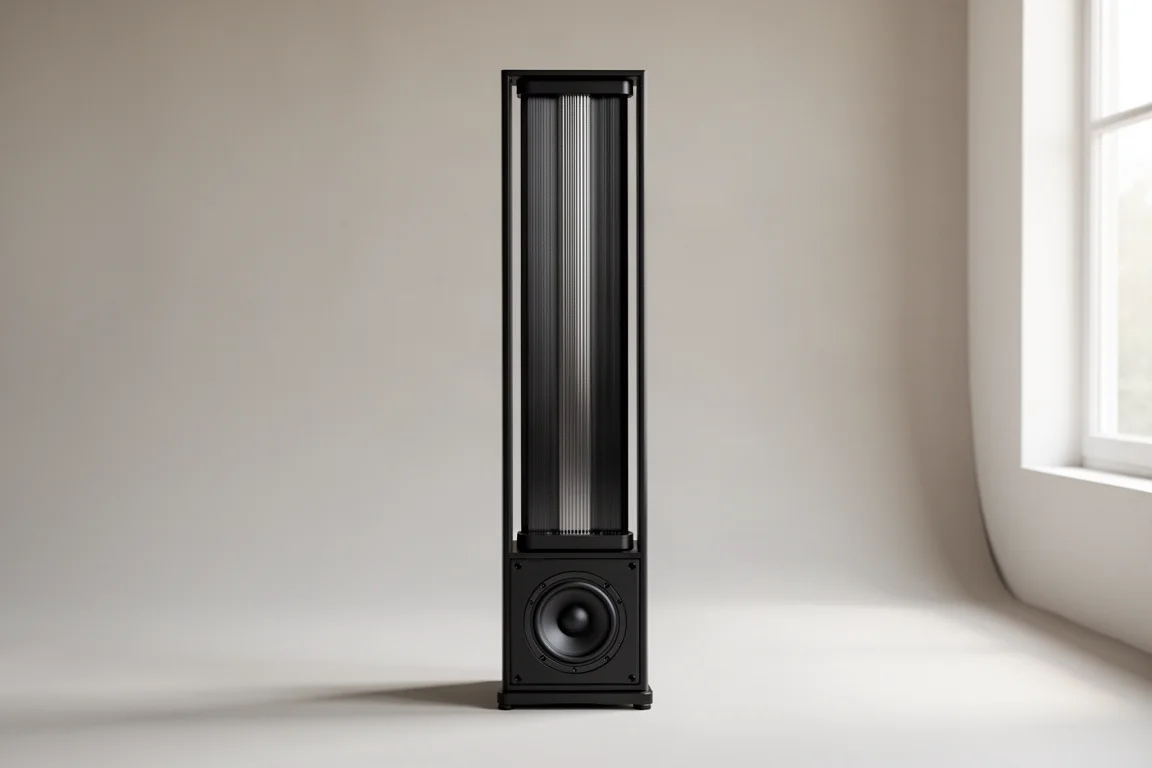
The LFT-8B pairs a planar magnetic midrange driver with an eight-inch sealed-box woofer, and it is made in Tallahassee, Florida. The basic design has been around since 1990, refined in small steps rather than replaced, which is remarkable given how few listeners have heard it under good conditions. At $3,200 per pair it is also the most affordable speaker in this group.
Its character is not what you might expect from a planar design. Against the Magnepan models that have passed through the same room, including the LRS, 0.7, 1.7, 3.6 and 3.7i, this speaker came out ahead on purity, transparency and dynamics. A step-up model with a dipole woofer, firing both forward and backward, has also arrived recently, and it is worth watching for anyone who likes what the LFT-8B does.
Buying Advice: Matching Components to Your Room and Taste
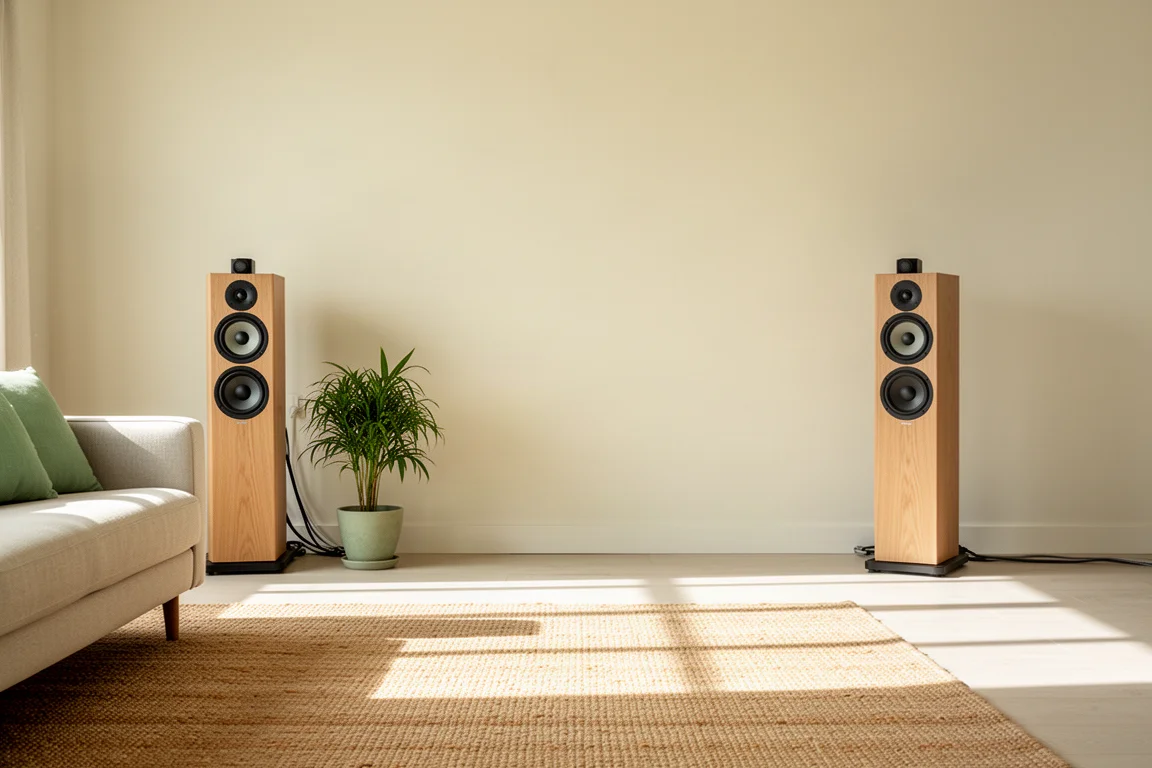
The most common mistake in this category is buying a component in isolation. A seven-watt tube amplifier is a revelation with high-sensitivity horns and a disappointment with a low-sensitivity floorstander. A large, brawny speaker that fills a big room with impact can overwhelm a small one. Before choosing, work out three things: how large your listening space is, how sensitive your speakers are, and how loud you actually listen.
On budget, the sensible approach is to spend where the difference is audible in your room. A $1,939 hybrid integrated paired with the right speakers will outperform a far more expensive amplifier driving the wrong ones. If you are building around vinyl, budget for a cartridge that tracks well rather than one that simply sounds exciting for a week. And if you are considering a speaker at the $14,000 or $32,500 level, audition it in your own space, because neutrality and scale behave very differently depending on the room.
Conclusion
This group covers a wide spread of prices and philosophies, and that is the point. The Schiit Vidar 2 and Heaven 11 Billie MkII show how much value remains in the affordable amplifier market. The Vandersteen 2Ce Signature III and KEF R7 Meta prove that two speakers at similar prices can serve completely different rooms. The Lyra Delos remains the quiet overachiever of the year, the Decware Sarah 300B is a specialist delight, and the Vivid Kaya 25, TAD CE1TX and Eminent Technology LFT-8B each make a distinct case for spending more, or in the LFT-8B’s case, considerably less.
Match the component to your room and your taste, and any of these ten will reward the decision for years.
Further reading
Related Reviews
Hi-Fi Audio
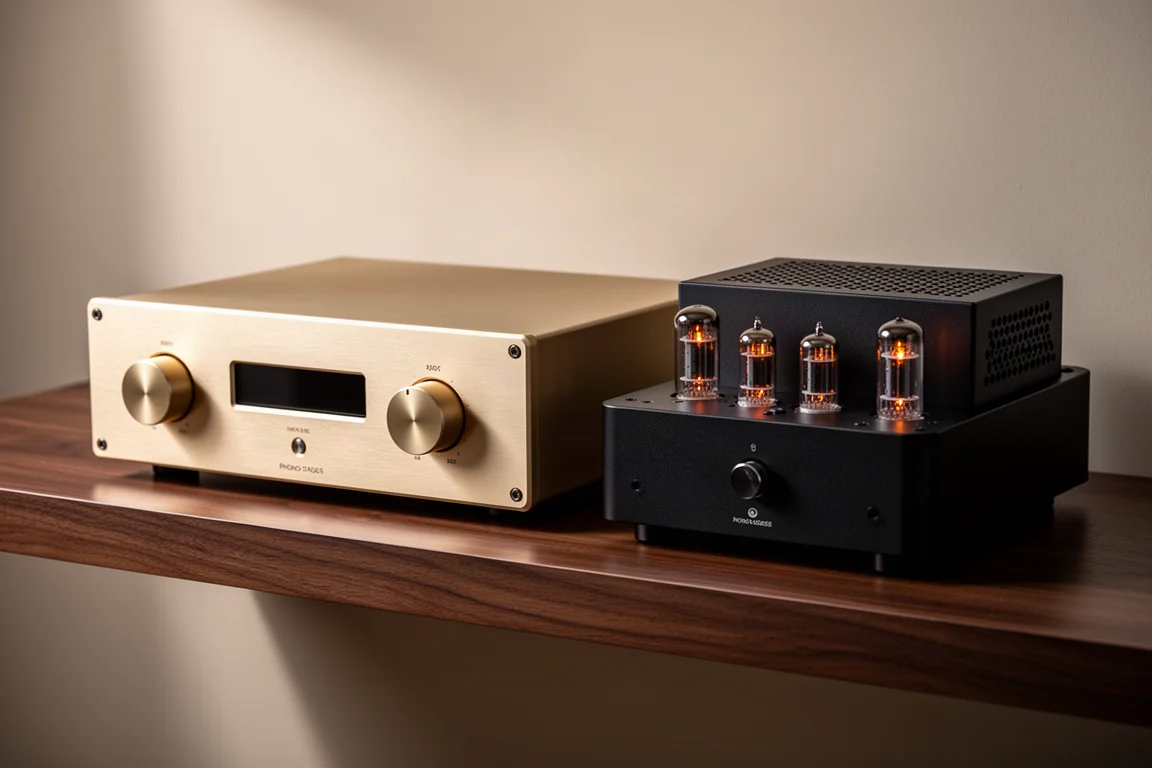
Accuphase C-57 vs Allnic H-7000V: Two High-End Phono Stages Compared
A fully balanced solid-state phono stage with a pitch-black noise floor meets a tube design built for well-loved records. Here is how to choose between them.
Hi-Fi Audio
Active vs Passive Hi-Fi: Five Components for a Modern System
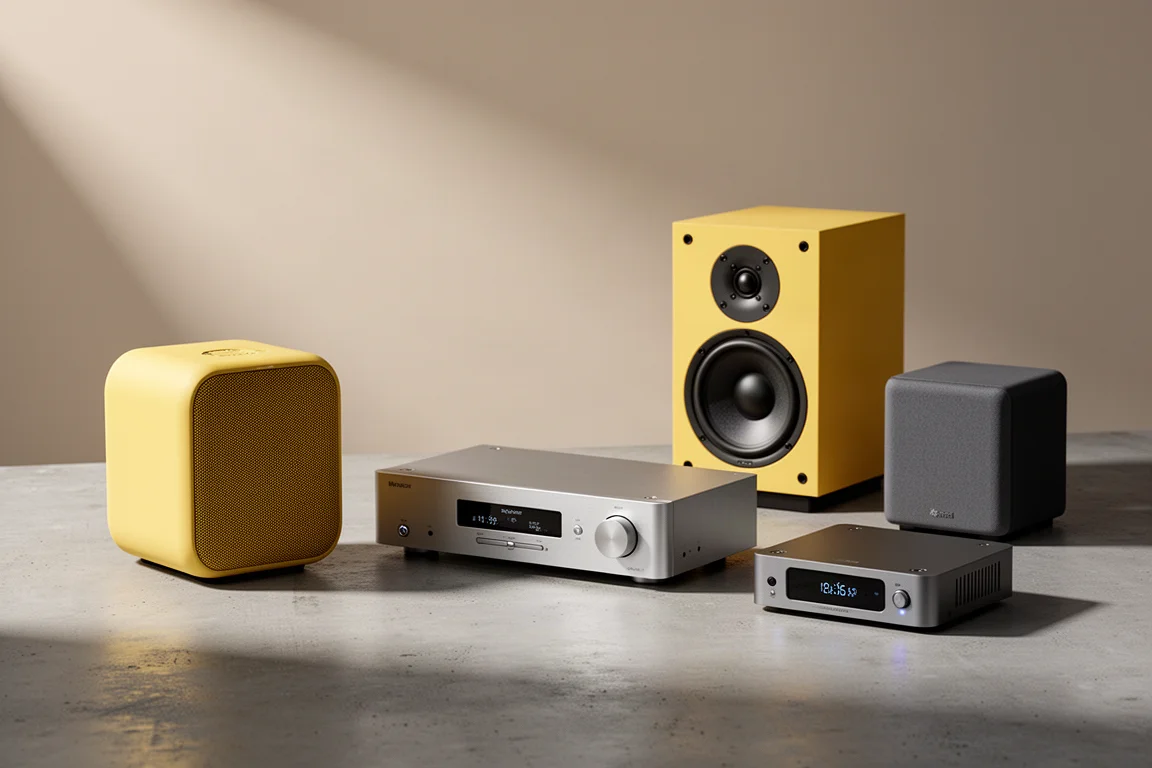
Five components that define modern active and passive hi-fi systems, with the strengths, trade-offs and setup details worth weighing before you buy.
Hi-Fi Audio
Advance Paris A10 Apex Review: A Hybrid Integrated Amplifier That Covers a Lot of Ground
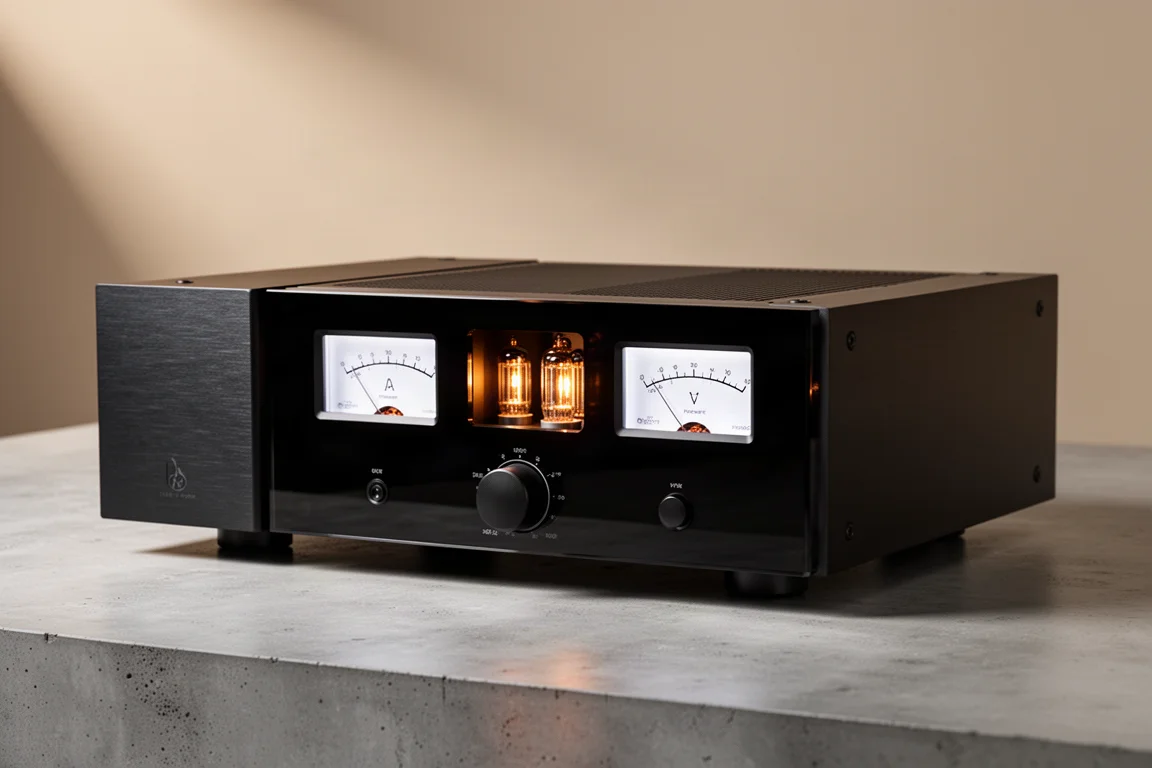
A French hybrid integrated amplifier with a class A tube preamp stage, analogue power meters, and an internal DAC and phono stage good enough to make extra boxes unnecessary.