Hi-Fi Audio
Best Hi-Fi Components: DACs, Amplifiers and Speakers Worth Buying
A practical roundup of standout DACs, amplifiers and speakers, with the strengths, trade-offs and system-matching notes that matter before you buy.
Introduction
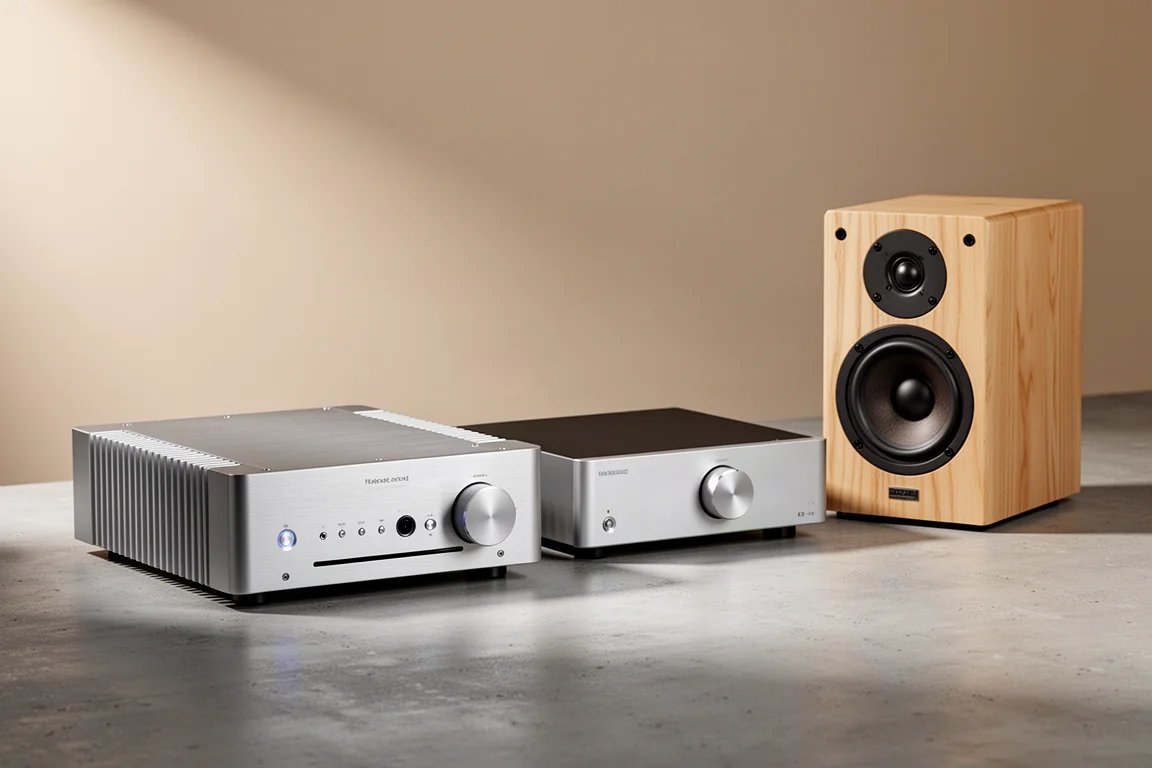
Choosing a digital-to-analog converter, an amplifier and a pair of speakers is the core of building a two-channel system, and each of those three decisions changes the sound in a different way. This roundup brings together the components that stood out over the past year of listening, with a clear winner in each category alongside strong alternatives that make sense for different rooms, budgets and priorities.
The aim is not to crown a single product as universally best. It is to explain what each component does particularly well, where it asks for a compromise, and which kind of system it suits.
How These Picks Were Selected
Every component here earned its place on the same set of practical questions. How much detail does it pull out of a recording? Does it sound natural across a wide range of music, or does it push a particular character onto everything? How well is it built, and how likely is it to still feel like a sound purchase several years from now? And what does it offer within its own price band, whether that is features, flexibility or outright sound quality?
Resolution, tonal balance, build and value carried the most weight. Features only counted when they solved a real problem, such as room correction in a difficult space or a phono stage for a turntable. That approach keeps the recommendations grounded in how these components are actually used.
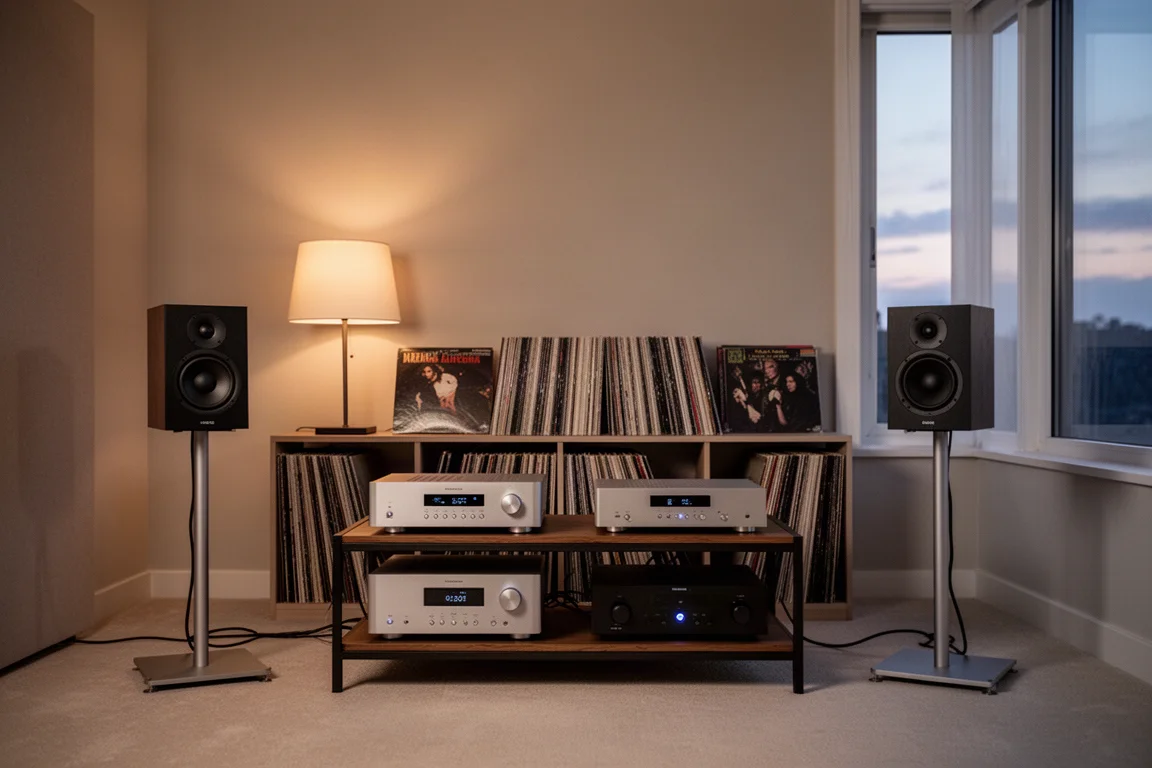
A useful side effect of judging components this way is that the strongest options tend to partner well with a wide range of equipment, which makes them easier to recommend to anyone building a system around them.
Best DAC: Holo Audio Spring 3 Level 2
The Holo Audio Spring 3 Level 2 is a high-end converter with a chassis that feels as substantial as anything in its class. Sonically it is a little cleaner than the Denafrips Pontus II, though not necessarily better: the Pontus II offers more harmonic richness, so the choice between the two comes down to taste rather than an outright win.
What separates the Spring 3 is flexibility. The Level 2 version includes a remote control, and digital-only listeners can add a fully balanced analog preamp module for around €600. That module is heavily based on a standalone preamplifier that sells for considerably more on its own, which makes the upgrade path unusually good value in a product at this level. The converter itself retails for €2,649 direct from the European distributor.
Runner-Up DAC: Denafrips Pontus II
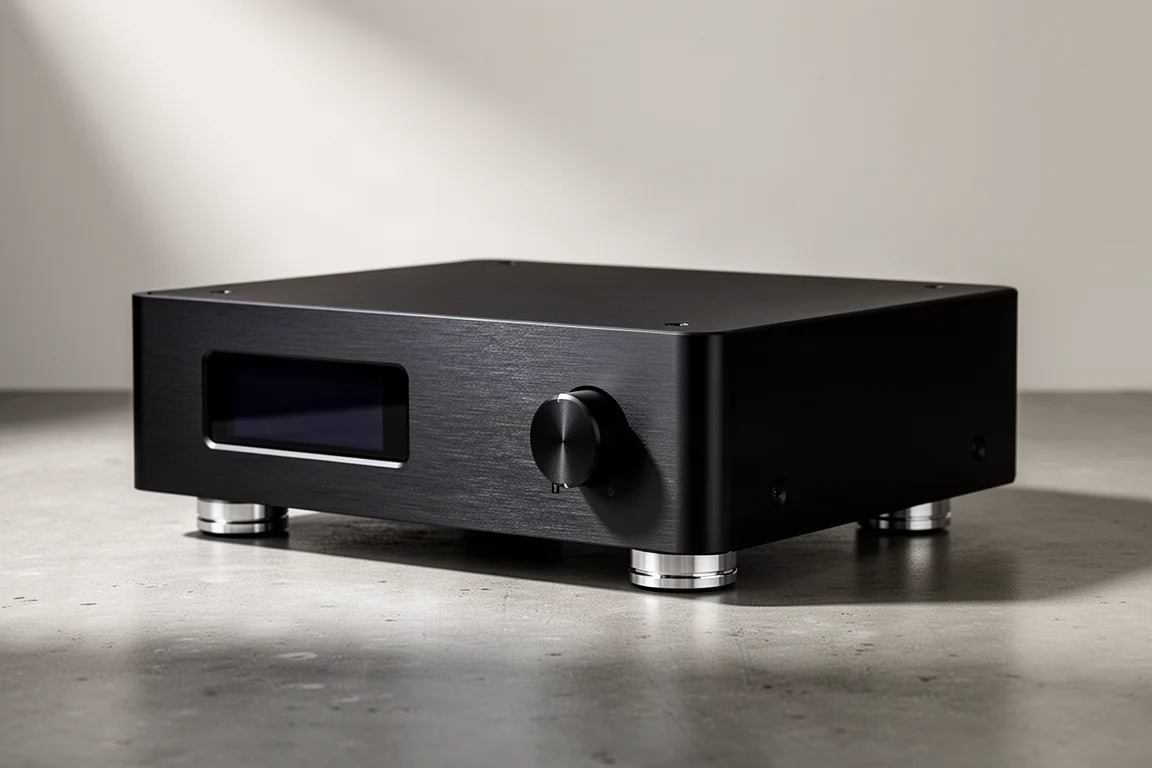
At £1,900, the Denafrips Pontus II delivers a greater sense of detail and more space between instruments, along with a stronger impression of the room where the recording took place. Its build quality is exceptional, with a heavyweight chassis that signals the intent behind it.
The trade-off is control. There is no remote and no volume control, which matters if the converter will sit at the centre of a system rather than feeding a separate preamplifier. For listeners who do not need those features, it remains one of the most convincing options available at its price.
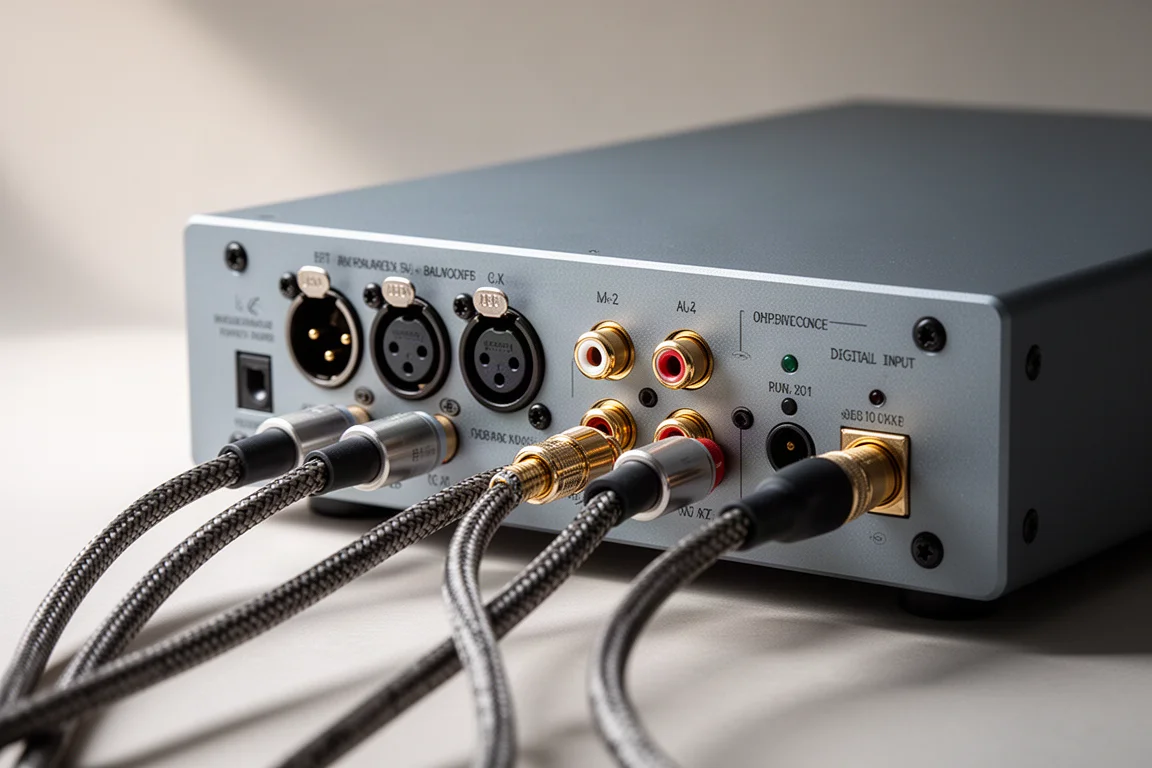
Consider where the converter will sit in the signal chain before deciding between these two. A model without volume control works best when a preamplifier or integrated amplifier handles level, whereas a converter with its own volume stage can drive active speakers directly.
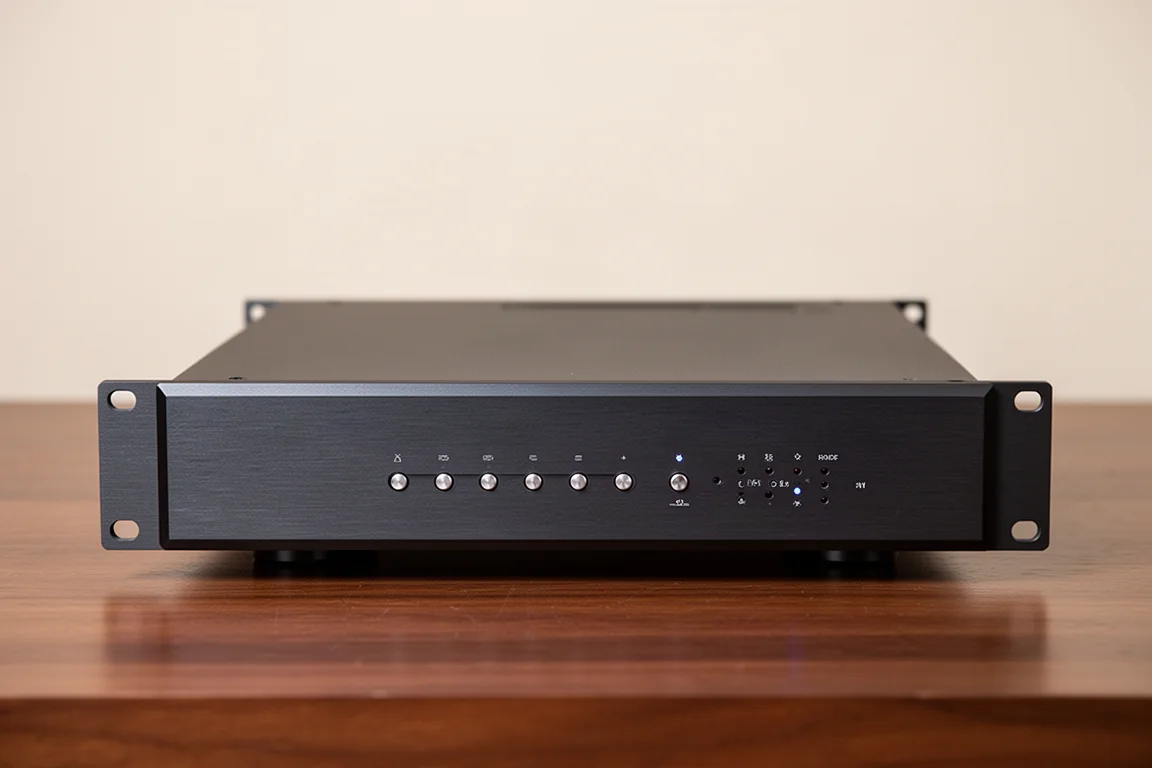
Best Value DAC: SMSL VMV D1 SE
The SMSL VMV D1 SE retails for around £700 and is regularly discounted to roughly £570. It is a resolving and neutral converter, which makes it a straightforward way to hear what a well-implemented chip-based design can do without spending four figures.
Its soundstage is relatively flat, a trait shared by many converters at this price, so it will not create the depth and separation that the more expensive options manage. Within its own segment, though, it is a clean and honest performer.
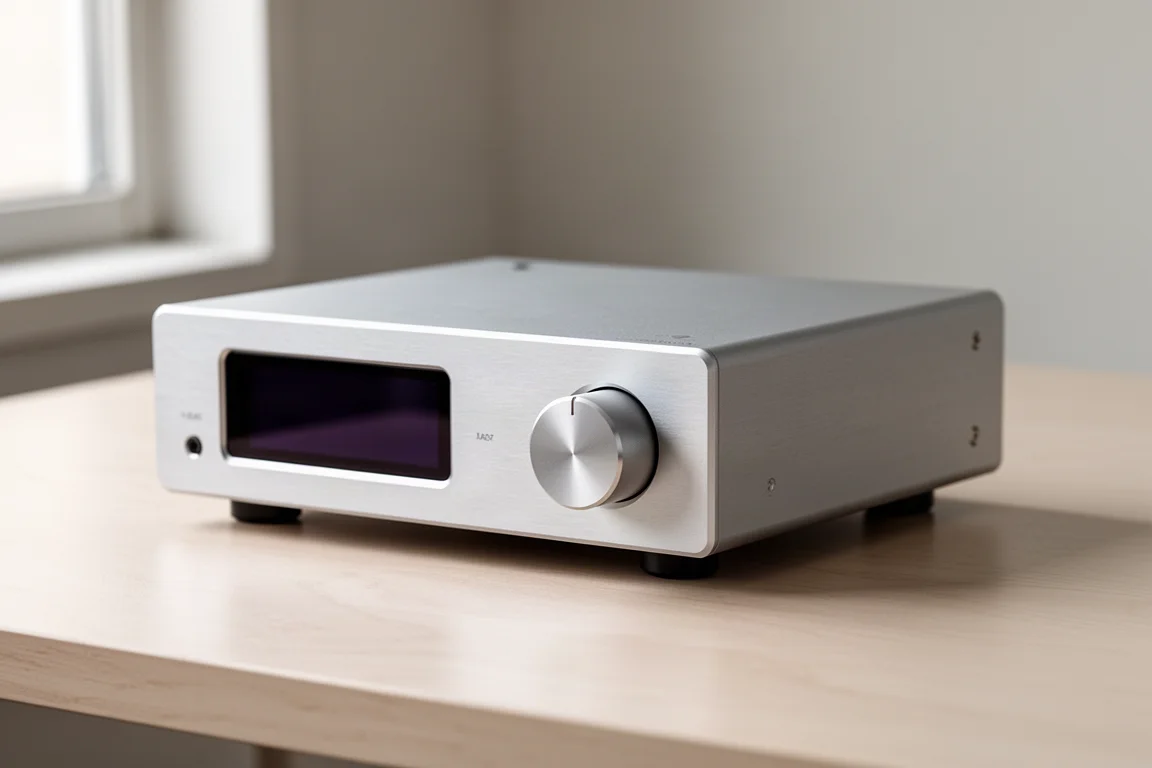
Best Amplifier: Exposure 2510
The Exposure 2510 is essentially a power amplifier with a passive preamplifier stage, built around an Alps Blue Velvet volume control and including a moving magnet phono stage. At £1,599 it takes the strengths of a good valve design and adds clarity and refinement.
Tonally it is natural rather than coloured, with greater dynamics and control than most rivals, and its even response means it partners well with a wide variety of speakers. It is not the last word in authority, but its refinement and its ability to reveal nuance are what make it the pick of this group.
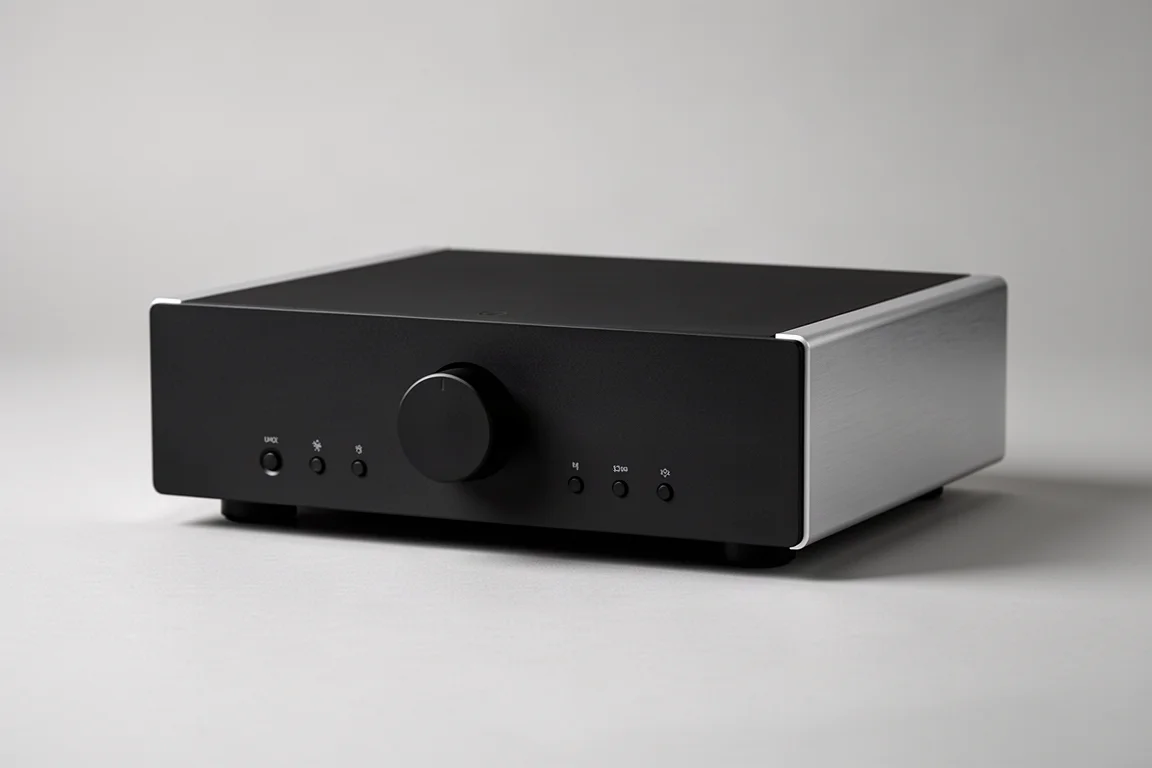
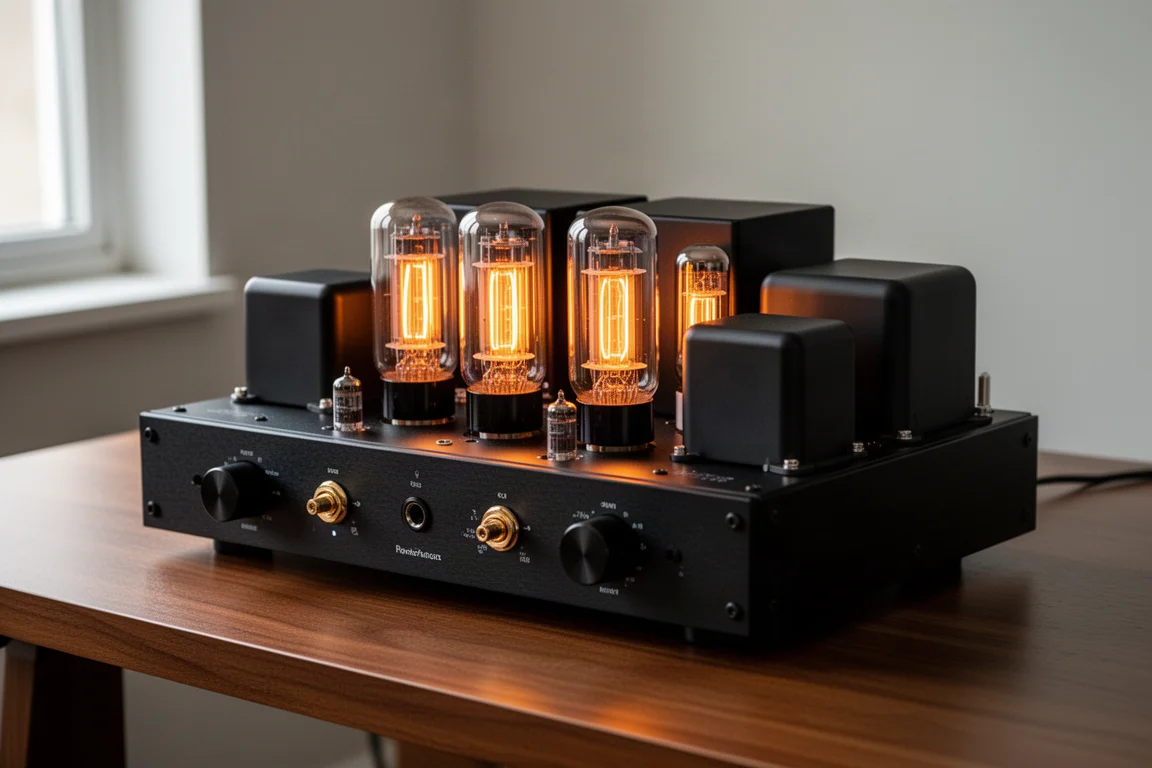
Best Value Tube Amplifier: Willsenton R8
The Willsenton R8 is available from China Hi-Fi for $893 plus shipping and taxes, which works out to roughly just over £1,000 delivered in the UK. It is a genuinely capable valve amplifier rather than a novelty, and it is the strongest amplifier in this roundup around the £1,000 mark.
Its appeal is the ability to switch between modes. A pseudo-triode setting delivers the warm, cosy presentation that draws many listeners to valve gear, while ultra-linear mode adds power and improves clarity and dynamics. That flexibility lets the same amplifier suit different speakers and different listening moods.
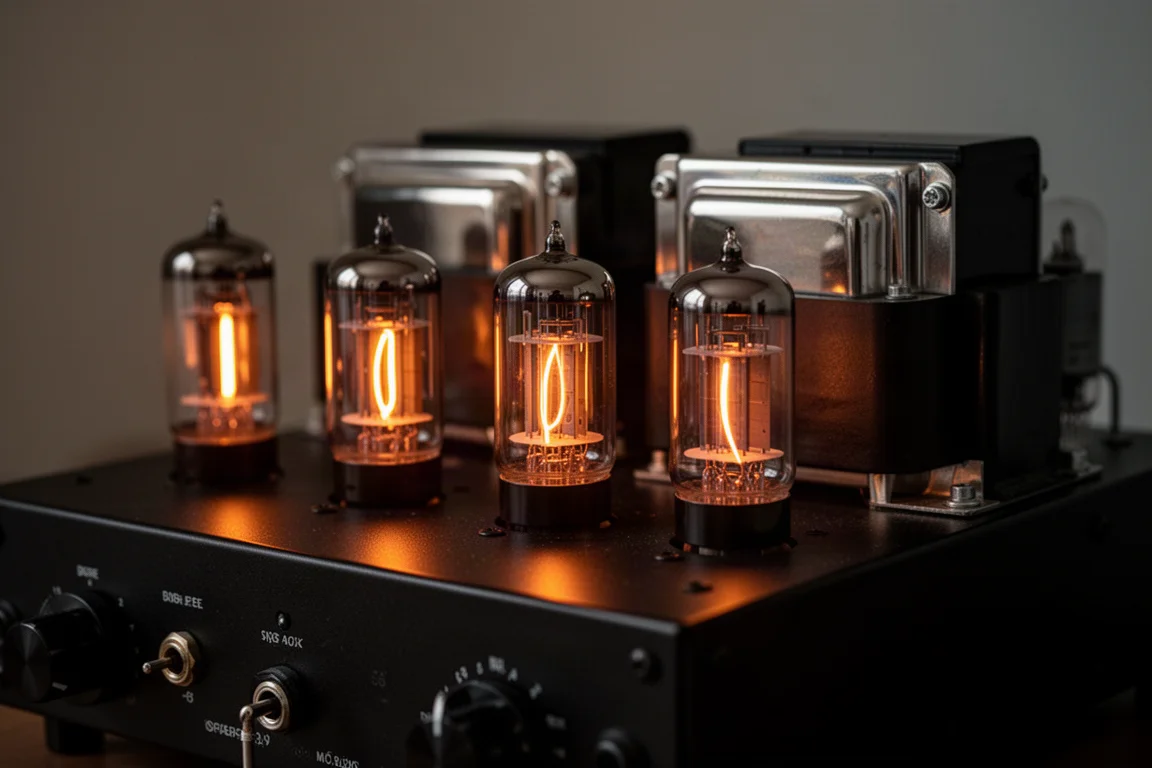
One practical note applies to any valve design: budget for the space and ventilation it needs, and plan on the amplifier being a longer-term part of the system rather than a quick experiment.
Best Streaming Amplifier: NAD M10
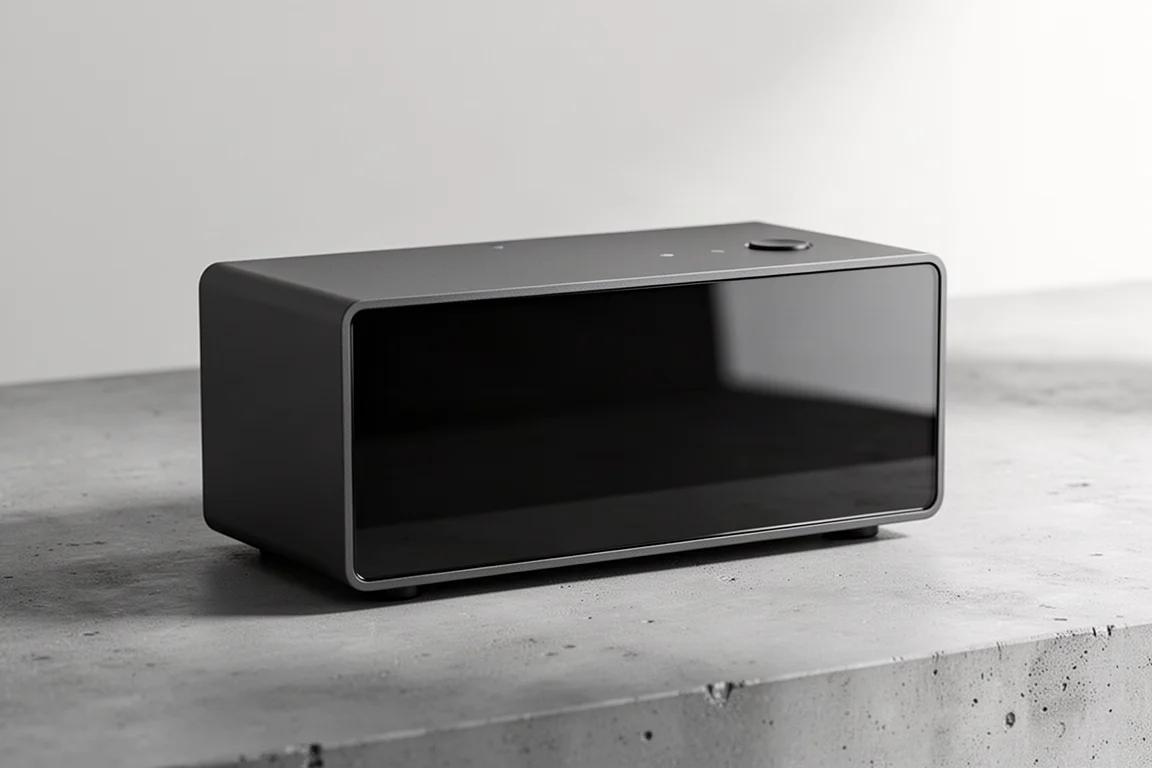
The NAD M10 at £2,199 solves the problem of too many boxes. Hypex nCore class D power handles demanding speaker loads, an integrated BluOS streamer covers network playback, and Dirac Live room correction addresses the room itself, which is often the largest single influence on what you hear.
The presentation is clean and dynamic, with a little less body in the midrange than some rivals. It has recently been updated to a version two, which keeps the platform current. For a compact one-box system, the combination of power, streaming and correction is hard to argue with.
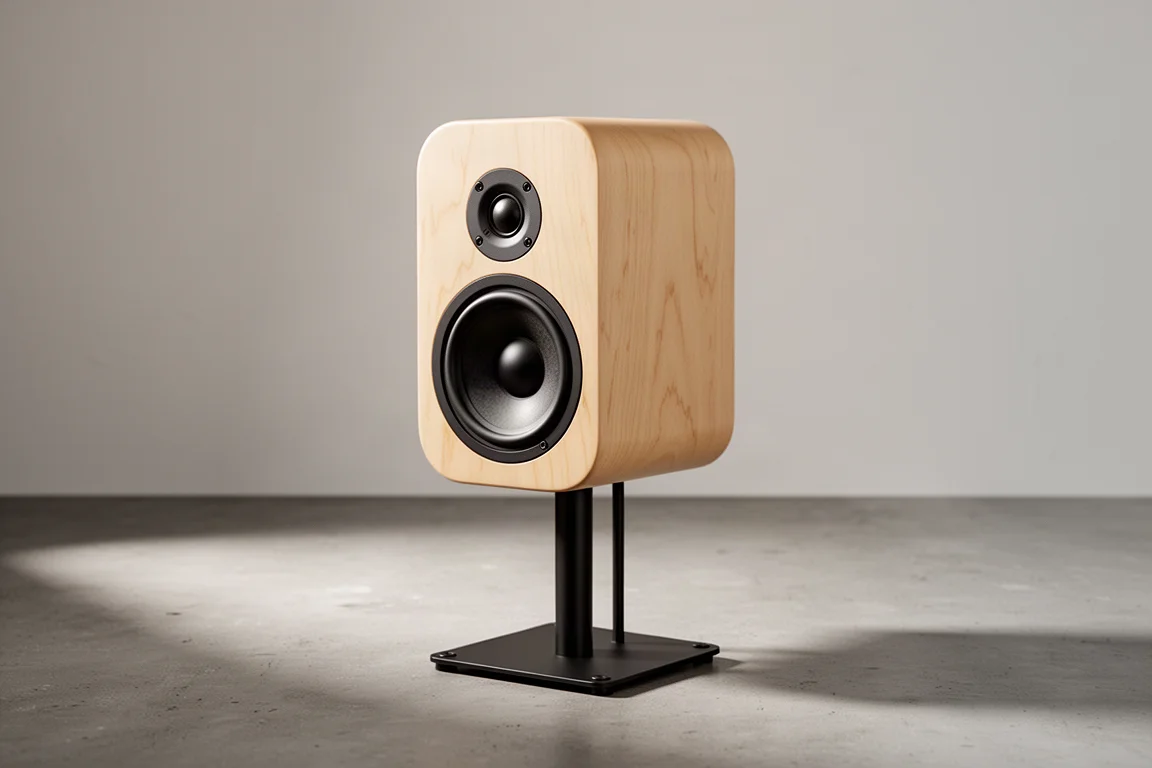
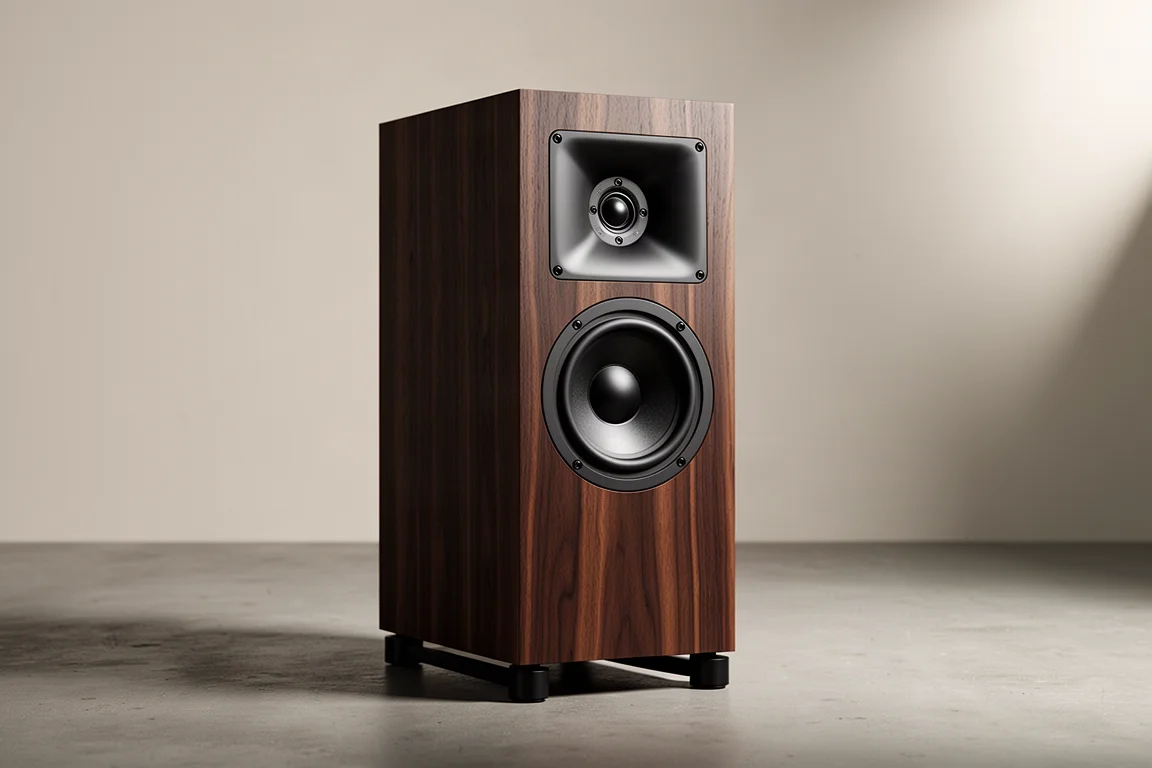
Best Speaker: Amphion Argon 1
Speakers shape the sound of a system more than any other component, and the Amphion Argon 1 does more with a modest budget than almost anything else here. The price has crept up to £1,200, but it remains a remarkably capable design: superbly detailed, wonderfully dynamic, and right about most of what matters.
The one criticism worth noting is a touch of leanness in the midrange, though it is less pronounced here than in its larger sibling. Given a sensible amplifier and a room that is not excessively bright, it delivers a level of insight that is unusual at the price.
Best Active Speaker: ATC SCM19 Active
The ATC SCM19 Active is the most convincing speaker in this roundup if the budget allows. At £4,600, each cabinet carries 182 watts of class AB power and a fully analog active crossover, which removes the losses and compromises of a passive crossover network.
The result is breathtaking clarity and natural tonality, close to what many listeners would call reference quality. If the assumption is that a passive system of similar quality can be assembled for the same money, that assumption deserves testing before committing.
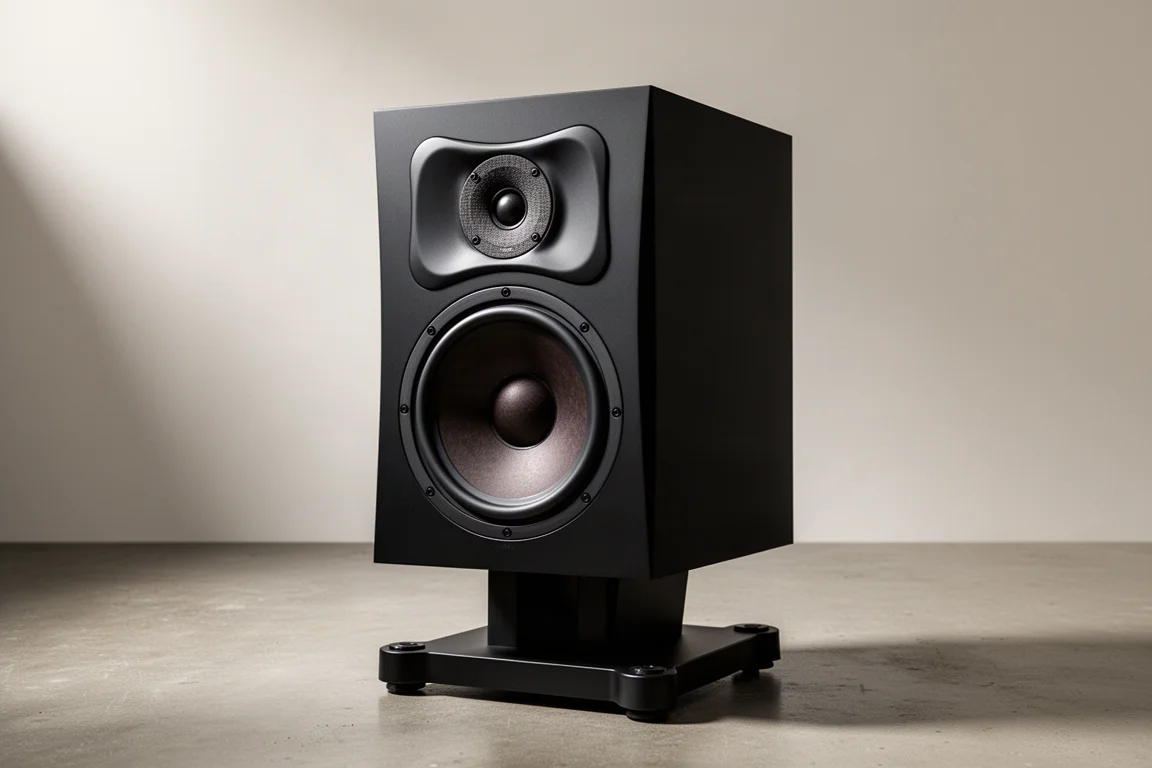
Best Revealing Compact Speaker: Amphion Argon 3S
The Amphion Argon 3S comes from Finland and sits in the Studio Heritage range, and it makes no attempt to flatter a recording. At £1,999 it is exceptionally revealing, with a slightly cool and analytical character that suits listeners who want to hear exactly what is on the file.
Tonally it is less well balanced than the Argon 1, and the extra insight comes with a certain detachment. As a studio-oriented speaker for a listener who values precision above warmth, though, it is a fine choice.
Buying Advice: Matching Components to Your Room
The room has the biggest single influence on the sound of a system, with speakers next and electronics after that. That order is worth remembering when dividing a budget, because a modest pair of speakers in a good room will usually outperform an expensive pair in a difficult one.
For digital sources, decide early whether the converter needs a volume control and a remote. A model with a preamp module can drive active speakers or a power amplifier directly, while a simpler converter needs a preamplifier or integrated amplifier to handle level. For amplifiers, match the design to the speakers: valve designs work best with higher-sensitivity, friendlier loads, while class D and class AB designs handle more demanding speakers with ease.
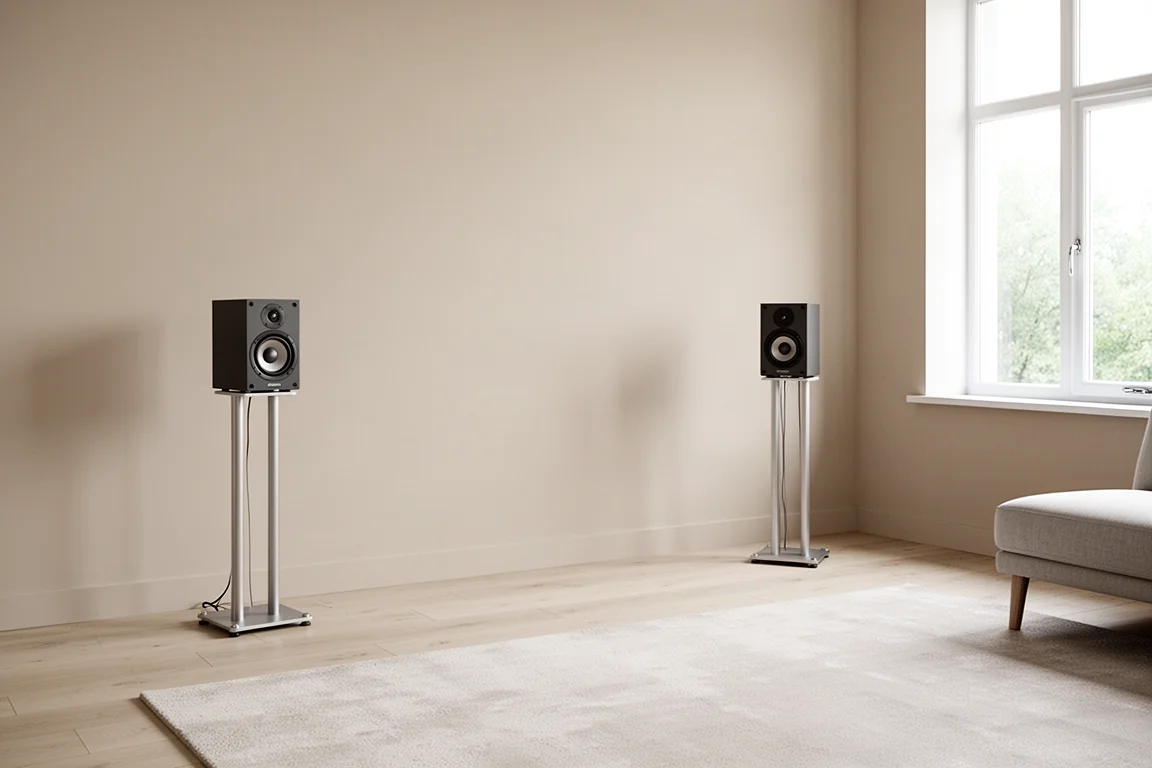
Room correction and careful speaker placement are worth as much attention as component choice. Even a simple correction system can tame a difficult space, and moving speakers away from walls often resolves boom and midrange congestion that no electronics upgrade will fix.
Conclusion
Three components stood out across the year. The Holo Audio Spring 3 Level 2 takes the converter category on the strength of its build and the flexibility of its optional balanced preamp module. The Exposure 2510 wins among amplifiers for its natural tonality and even response, with the Willsenton R8 offering the best value around the £1,000 mark. The Amphion Argon 1 takes the speaker award by doing nearly everything well for £1,200, while the ATC SCM19 Active shows what is possible when the budget stretches further.
The right choice still depends on the room, the speakers and the way the system will be used. Start with the room and the speakers, choose an amplifier that matches their demands, and pick a converter with the control and connectivity the rest of the system actually needs.
Further reading
Related Reviews
Hi-Fi Audio
Accuphase C-57 vs Allnic H-7000V: Two High-End Phono Stages Compared
A fully balanced solid-state phono stage with a pitch-black noise floor meets a tube design built for well-loved records. Here is how to choose between them.
Hi-Fi Audio
Active vs Passive Hi-Fi: Five Components for a Modern System
Five components that define modern active and passive hi-fi systems, with the strengths, trade-offs and setup details worth weighing before you buy.
Hi-Fi Audio
Advance Paris A10 Apex Review: A Hybrid Integrated Amplifier That Covers a Lot of Ground
A French hybrid integrated amplifier with a class A tube preamp stage, analogue power meters, and an internal DAC and phono stage good enough to make extra boxes unnecessary.