Hi-Fi Audio
Best Hi-Fi Components: 18 Picks Worth Building a System Around
Eighteen hi-fi components chosen for how they perform in a real system, from a valve-hybrid integrated amplifier to a $600 subwoofer and a turntable setup that reaches around $3,500.
Introduction
Most system-building advice starts with a budget and works backwards. This list does the opposite. Every component here earned its place because it was used over time in a real system, and because it made the rest of the chain sound better than it had any right to. Some of the picks are genuinely affordable. A few are not. None of them were chosen because of a price tag, and several were preferred over more expensive alternatives that were also on hand.
That last point is the interesting part. Price and performance diverge more often in hi-fi than almost anywhere else, and the components below are the evidence.
How These Picks Were Chosen
Two rules shaped the list. First, only components that were lived with over an extended period were considered, and gear that only made a brief impression was left out. Second, each pick had to justify itself inside a complete system rather than on its own. A converter, a phono stage or a power amplifier can look impressive in isolation and still be the wrong choice once it is wired into a room.
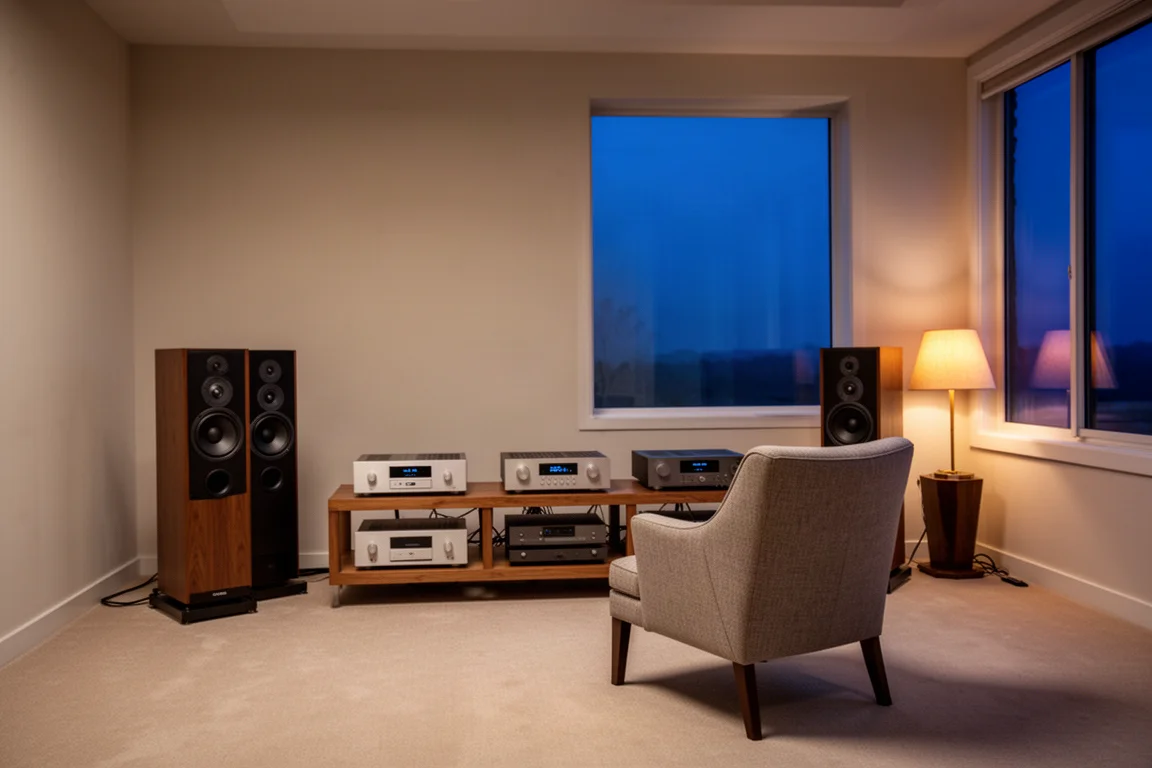
That second rule is why several of the recommendations here are less expensive than the alternatives sitting next to them. A streamer that is easy to operate every day beats a more elaborate one that is not. A preamplifier with the right inputs and meters beats one with a better specification sheet. What follows is a working system, not a wish list.
Integrated Amplifiers
An integrated amplifier puts the preamplifier and the power amplifier in one chassis, which keeps a system compact and reduces the number of cables in the rack. Some designs lean on features. Others strip everything back so the owner can choose the rest of the chain. Both approaches are represented here.
Unison Research Unico Primo
The Unico Primo sits at around $2,000 and is deliberately analog-only. There is no built-in DAC and no phono stage as standard, although a phono stage can be specified. That restraint is the point: it leaves the digital source and the phono stage to the owner.
What the amplifier does bring is current. It runs partly in class A, uses a tube in a way that adds character without thinning out the low end, and has driven every speaker connected to it. Its strongest quality is a three-dimensional soundstage that makes familiar recordings sound larger and better organised. Around $2,000 is not a trivial sum, but this is the amplifier that gets used for pleasure rather than for comparison.
Advance Paris A10 Classic
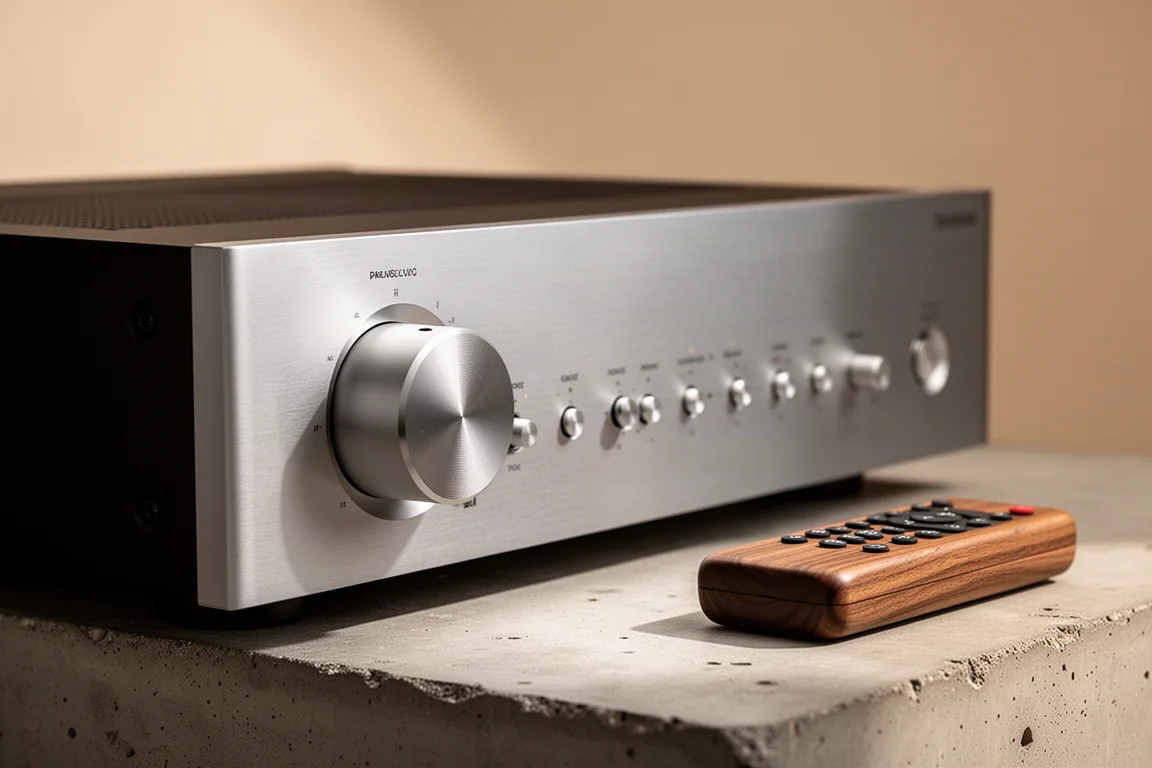
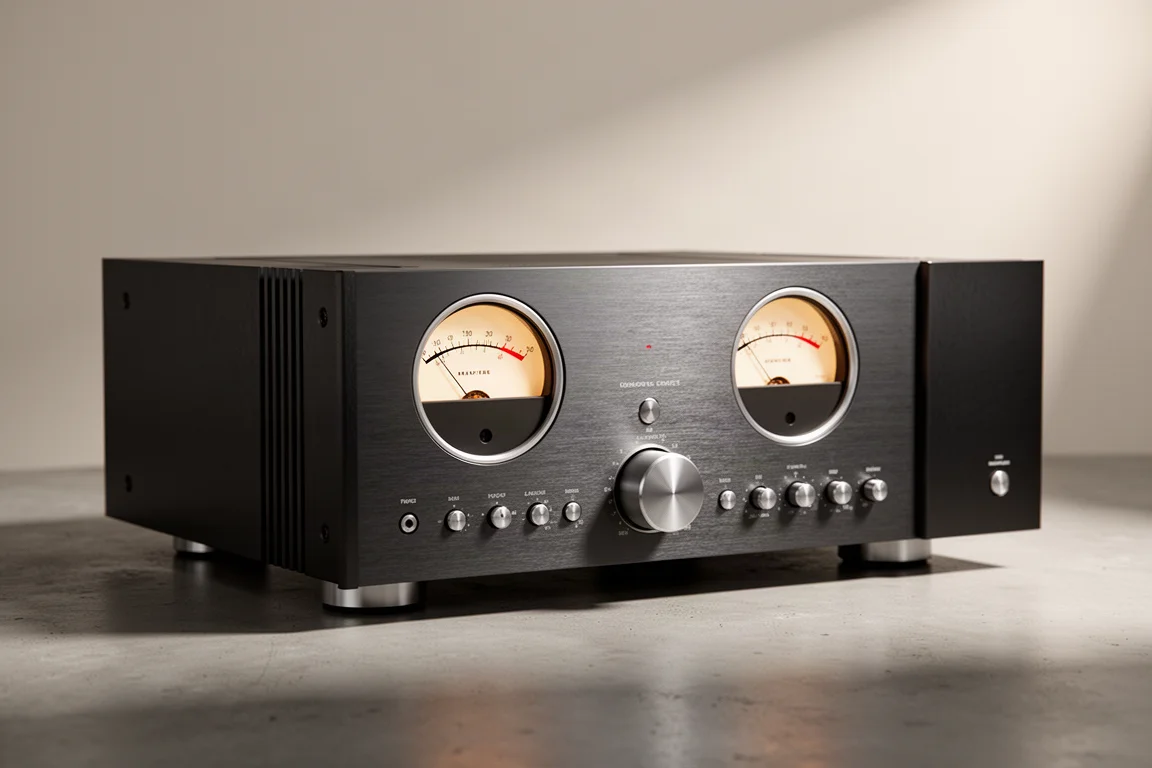
The A10 Classic is an integrated amplifier, but in this system it serves as a preamplifier for a separate single-ended power amplifier. It earns that role with HDMI ARC, which lets a television run through the main system, and with a pair of VU meters that look excellent next to the meters on the power amplifier. It also has a capable built-in DAC, though a dedicated converter is the better choice for critical listening.
Turntables and Phono Stages
Analog is the most personal part of a system. A turntable, tonearm, cartridge and phono stage all have to work together, and the best combination for one room is rarely the best for another. The picks here reflect that reality: one table that requires the owner to choose the arm and cartridge, one cartridge worth building around, and two phono stages at very different levels.
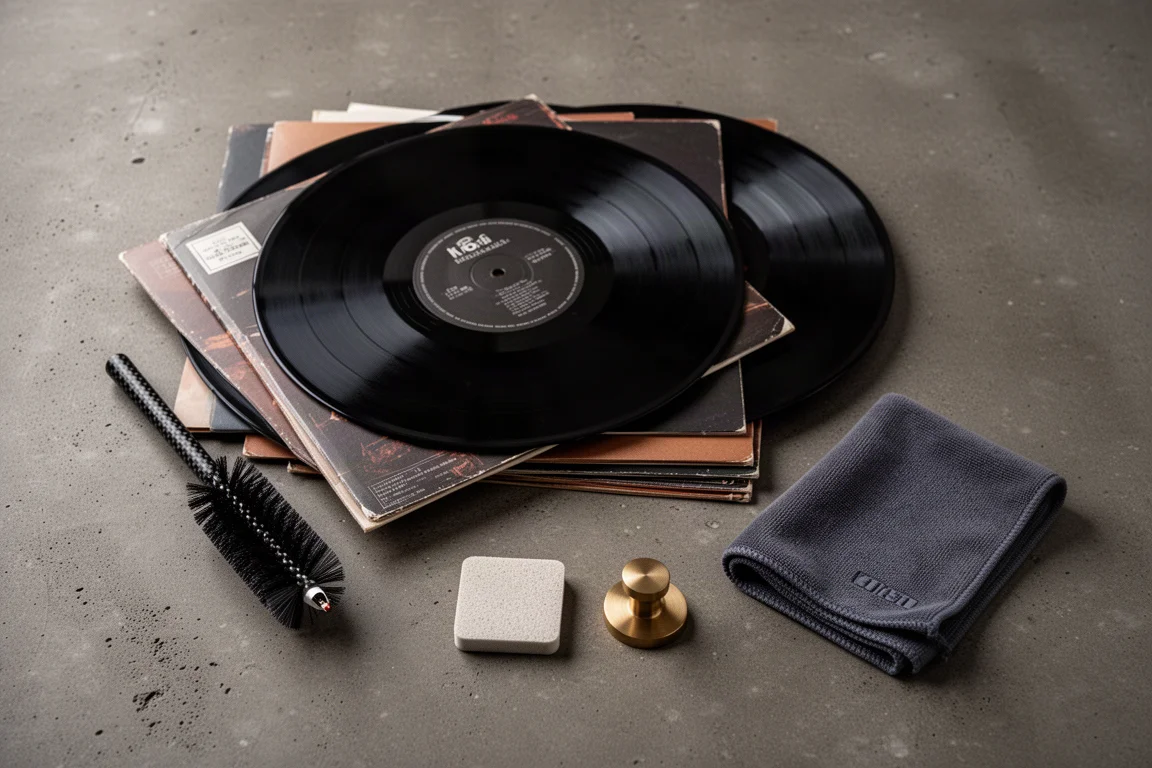
What separates these components is interaction. A turntable is handled constantly, so how it looks and how it feels to use matter as much as a specification. Both phono stages take the same idea in different directions: one adds tube character at a moderate cost, the other aims at the top of the category.
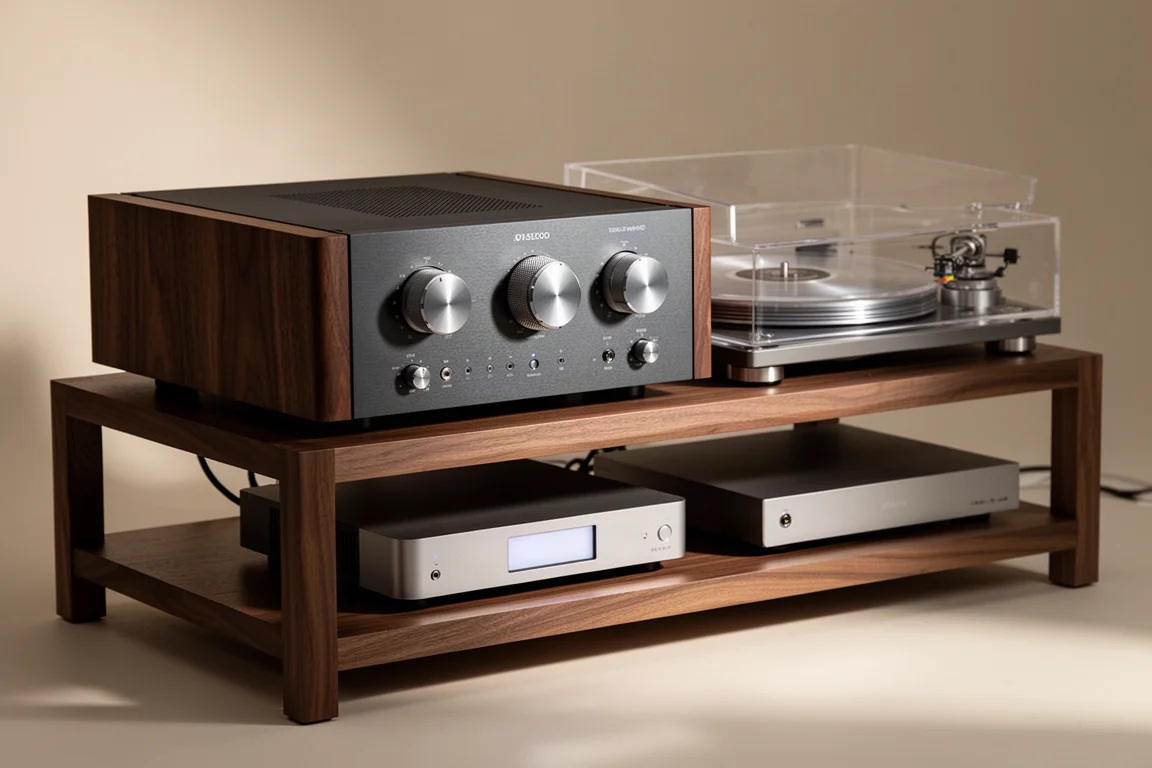
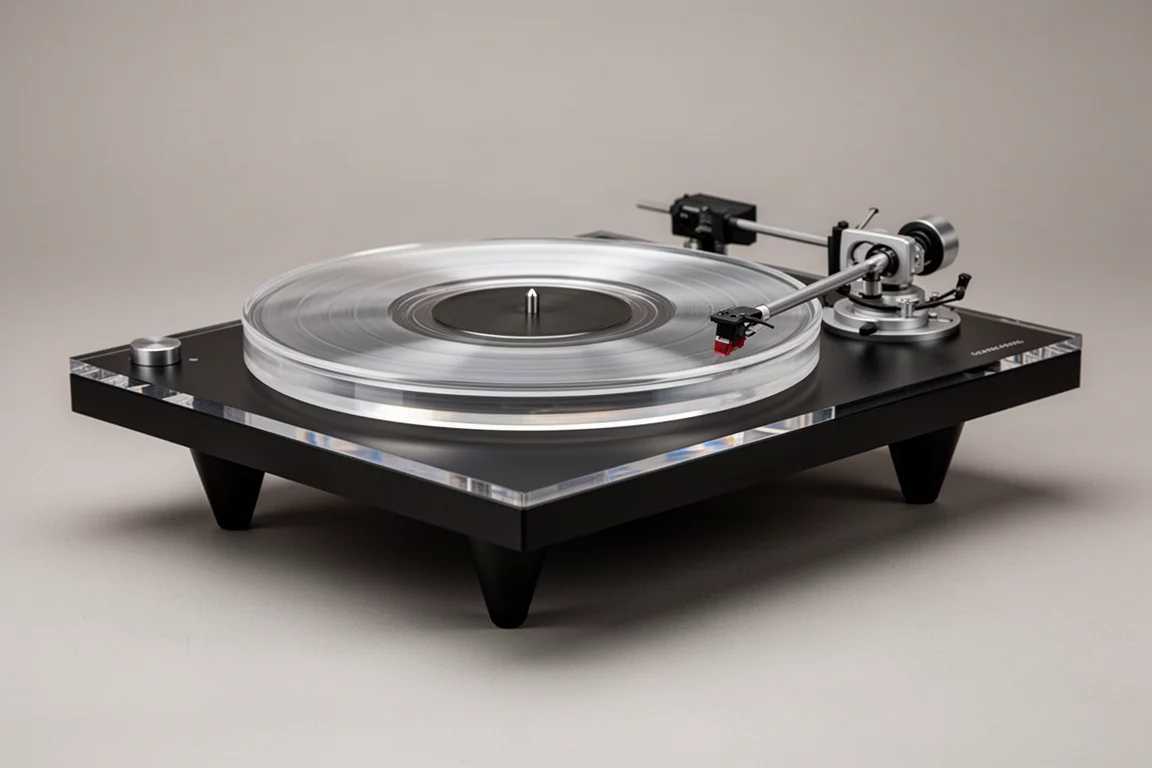
Michell Audio TechnoDec
The TechnoDec is sold without a tonearm or cartridge, so the final cost depends entirely on what is added. With the cartridge below fitted, a complete setup reaches around $3,500. It is worth the extra effort. The table is distinctive to look at, pleasant to operate and excellent to listen to, and it is difficult to think of another deck at the price that does all three as convincingly.
Goldring E4
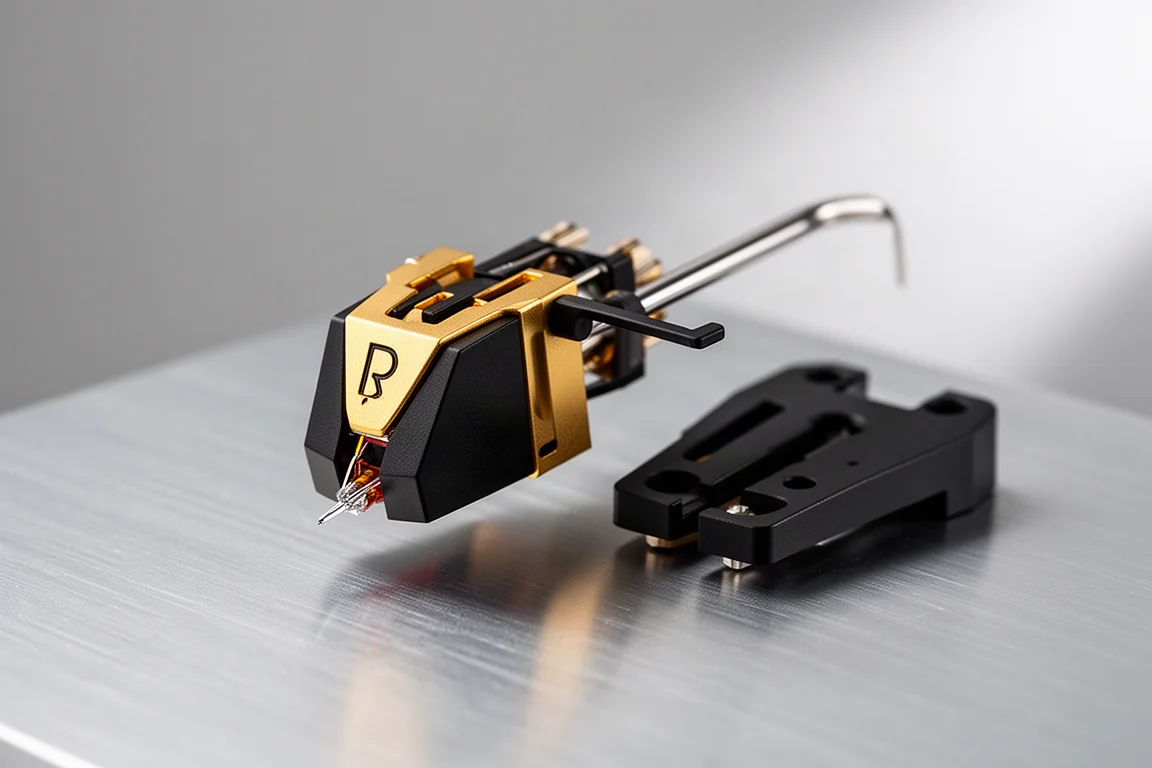
The E4 is the cartridge fitted to the reference setup here, and it is a long-term favourite rather than a recent discovery. It gives the TechnoDec the balance the table deserves, and it has stayed in place while other components have come and gone.
Pro-Ject Tube Box S2
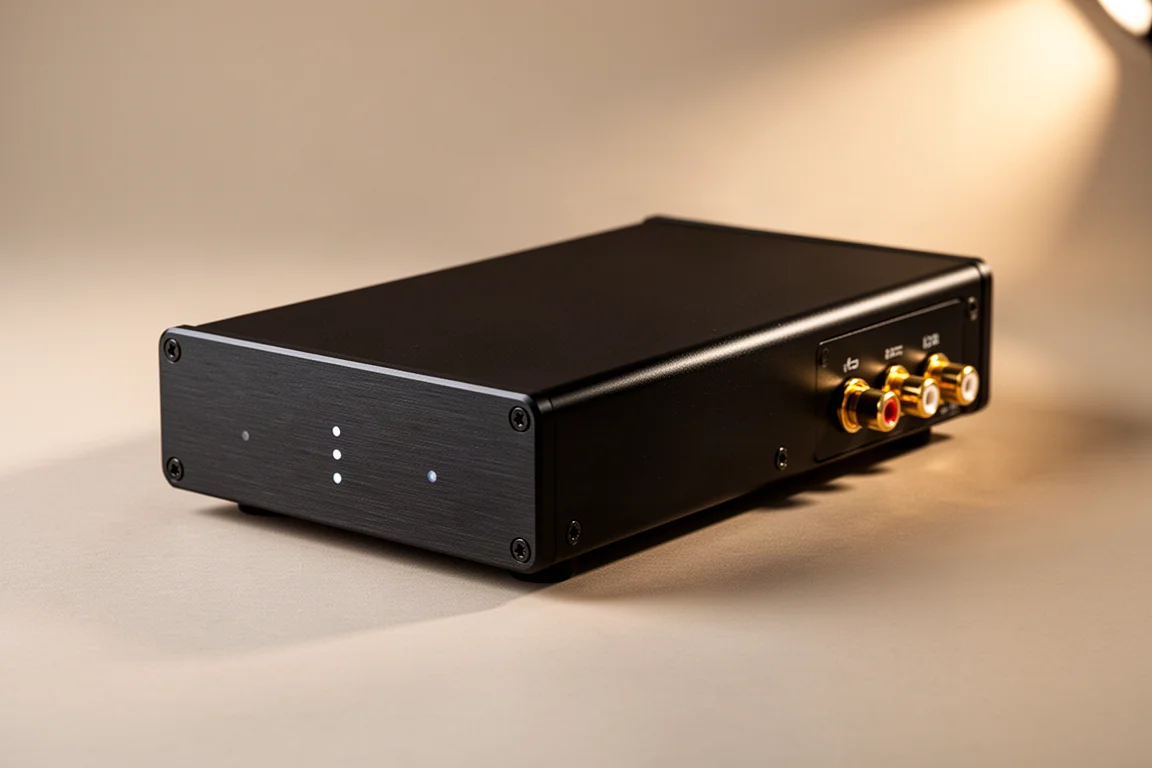
For listeners who want valves in the phono stage, the two-box Tube Box S2 is the pick. It delivers tube character without the cost of the high-end alternative below, and it is easy to live with in a system that already has plenty of boxes in the rack.
Gold Note PH-5
When the budget is not the constraint, the PH-5 is the phono stage to reach for. It performs at a level that stands out even in a system assembled from carefully chosen parts, and it is the natural endpoint for an analog chain that is already settled.
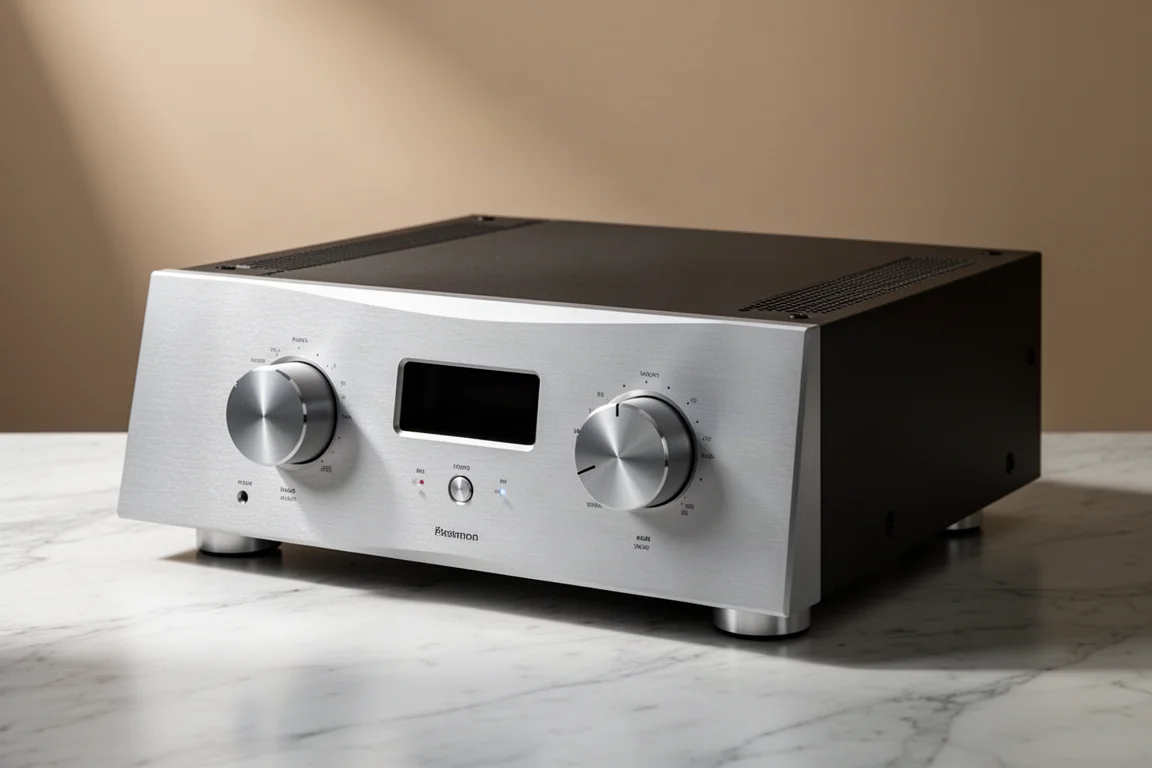
Digital Sources
Digital is where convenience and sound quality usually pull in opposite directions. The four components below resolve that tension in different ways: a converter built around a pair of chips, a streamer chosen for usability, a cassette deck kept for enjoyment, and a CD transport kept for its design.
Geshelli Labs Daisy
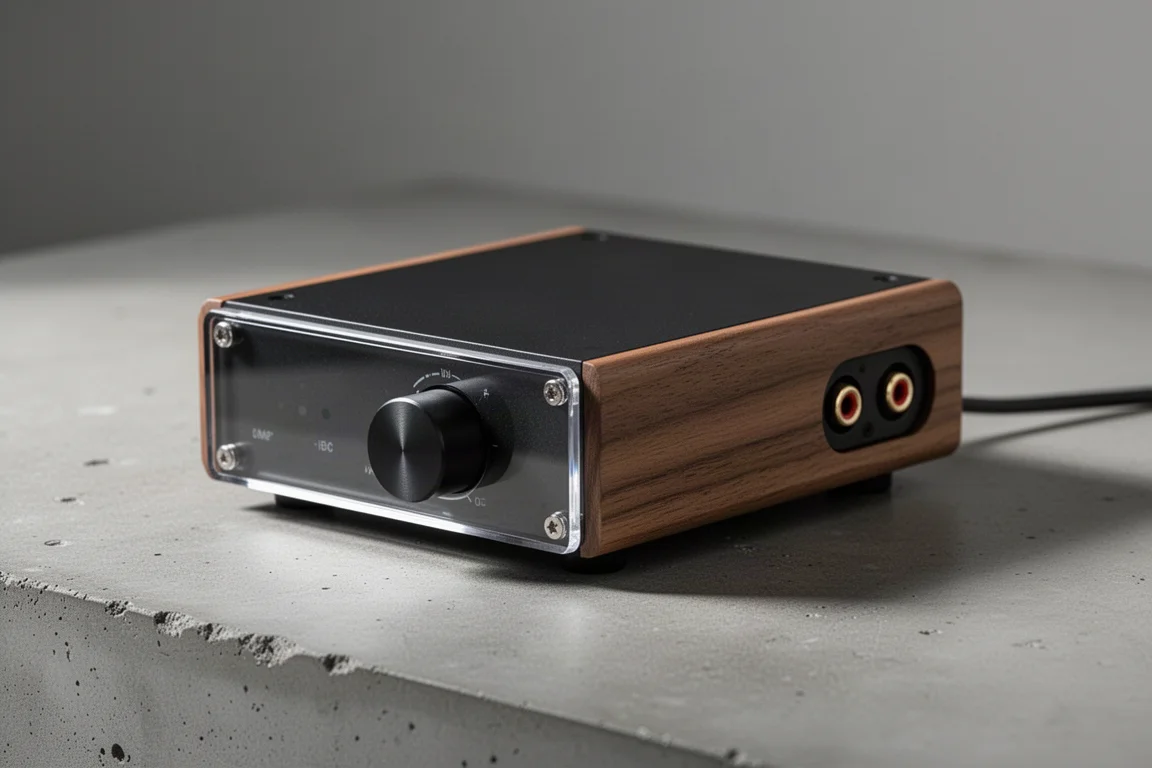
The Daisy costs around $1,300 depending on configuration and uses a fixed output, which means volume has to be controlled elsewhere in the chain. In exchange it offers balanced and single-ended outputs, a transparent acrylic case, and two AKM 4499 converter chips that amount to one converter per channel.
Eight op-amps are socketed and swappable, so the sound can be tuned further, and a better linear power supply can take it another step. With the stock Texas Instruments op-amps it already outperforms everything heard at a similar price.
WiiM Ultra
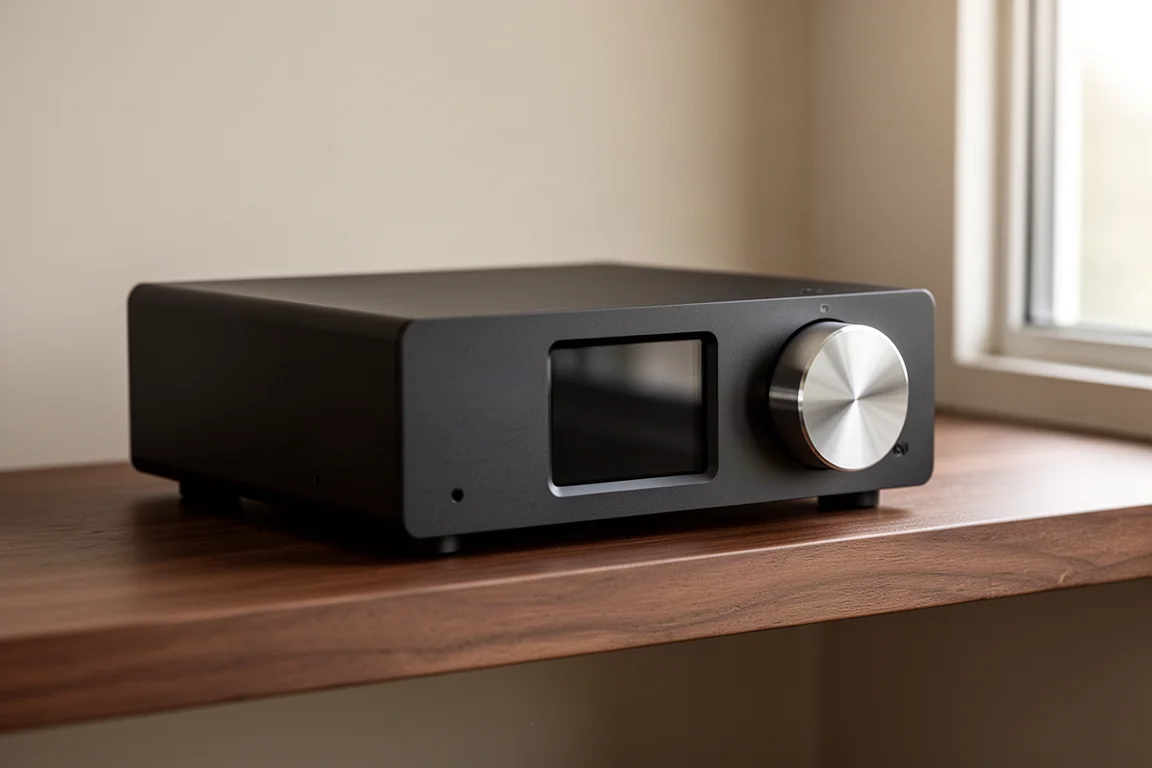
More expensive streamers are available, and they are not in use, because the Ultra is simply easier to operate. HDMI ARC means a television can run through the same system, room correction and subwoofer control are built in, and volume can be adjusted from the streamer when needed.
The usual arrangement is to send the Ultra’s digital output to the Daisy and the Daisy’s analog output to the integrated amplifier. With an external converter in the chain, the differences between this streamer and far more expensive ones become very small.
TEAC AD-850
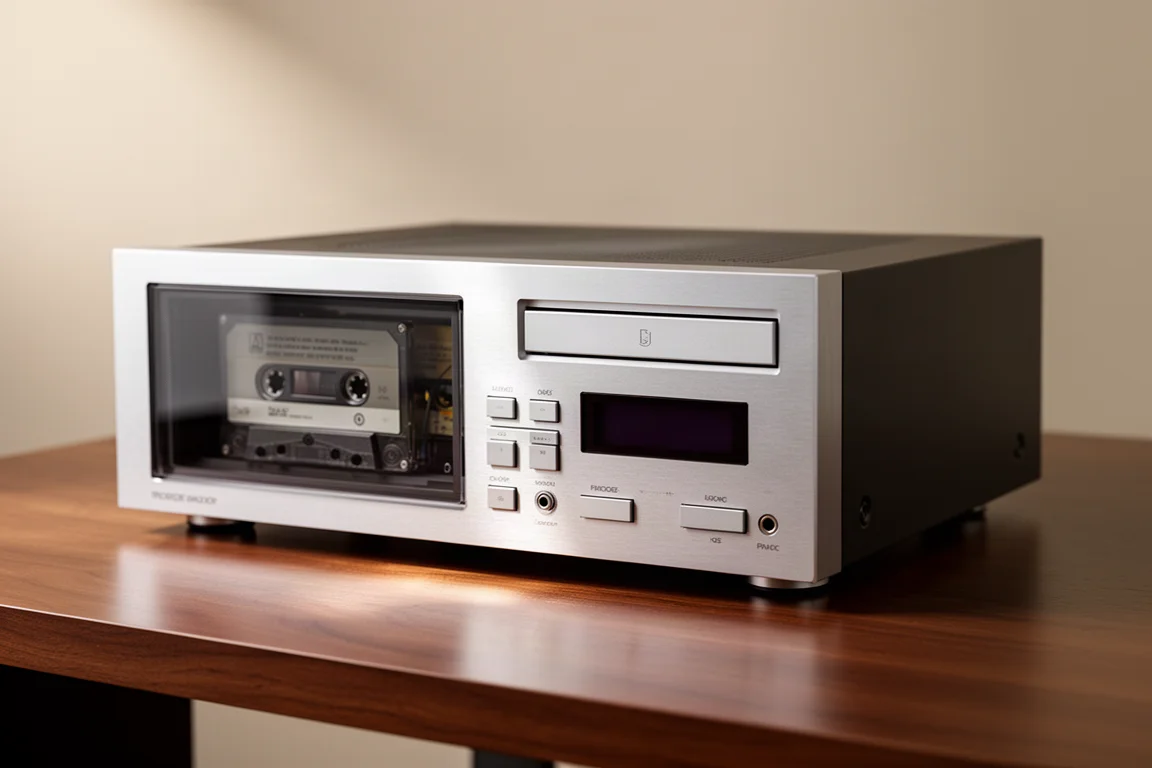
The AD-850 is a cassette deck with a CD player built in, priced at around $550, and it exists for the pleasure of playing tapes. It is not the primary disc player in this system, and it does not need to be. An equivalent model sold under a different name costs more, which makes this version the sensible one to buy.
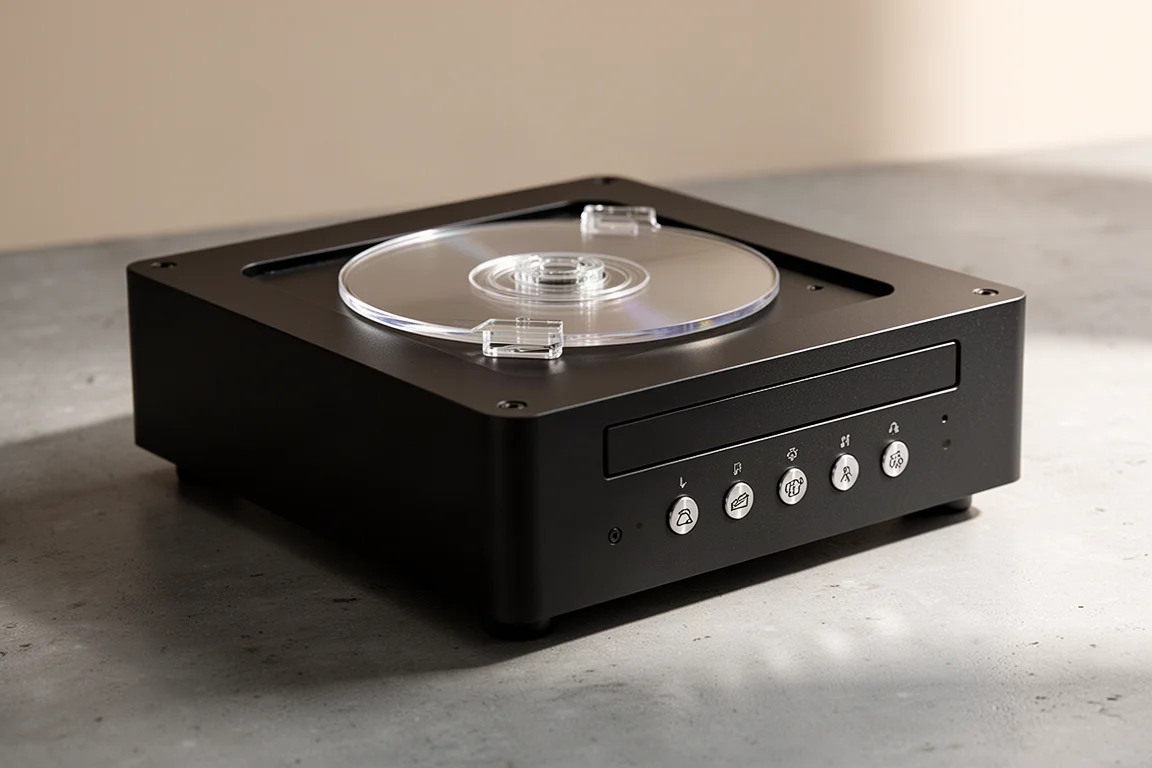
Schiit Urd
The Urd costs around $1,300 and plays gapless, which matters for albums that run continuously. Its controls use symbols rather than words, which takes a little learning, and its appearance is a large part of why it stays. If something better came along for less money, it would not be a deal breaker to change it.
Power Amplifiers and Preamps
Amplification is where the two halves of this list diverge most clearly. One path is single-ended, built around an amplifier paired with an integrated model used as a preamp. The other is balanced, built around high-output designs with a simpler preamplifier ahead of them.
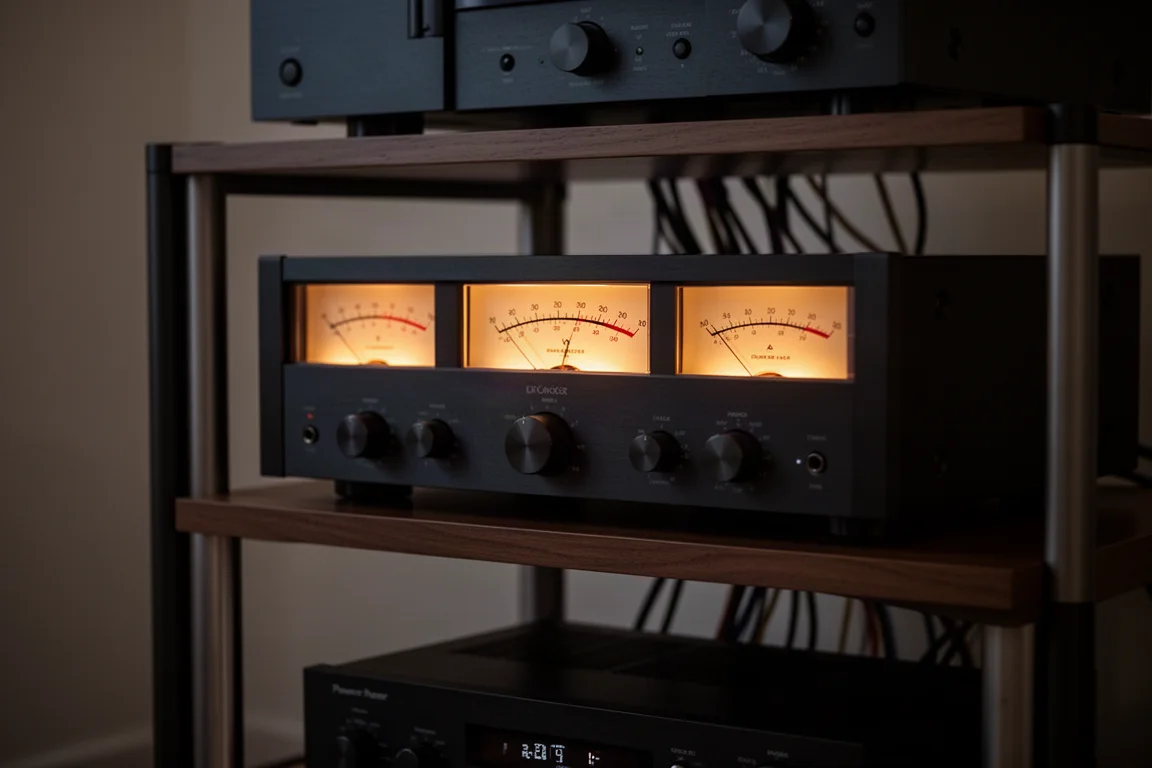
Both paths share the same priority: headroom. Each of these amplifiers has enough power and control to make a pair of speakers sound larger and more confident than their price suggests.
Advance Paris X-A160
The X-A160 is the single-ended power amplifier of choice, and it pairs naturally with the A10 Classic acting as preamplifier. The combination brings two sets of VU meters to the rack, which is a genuine pleasure, along with enough current to drive the speakers in this list.
Emotiva DR1
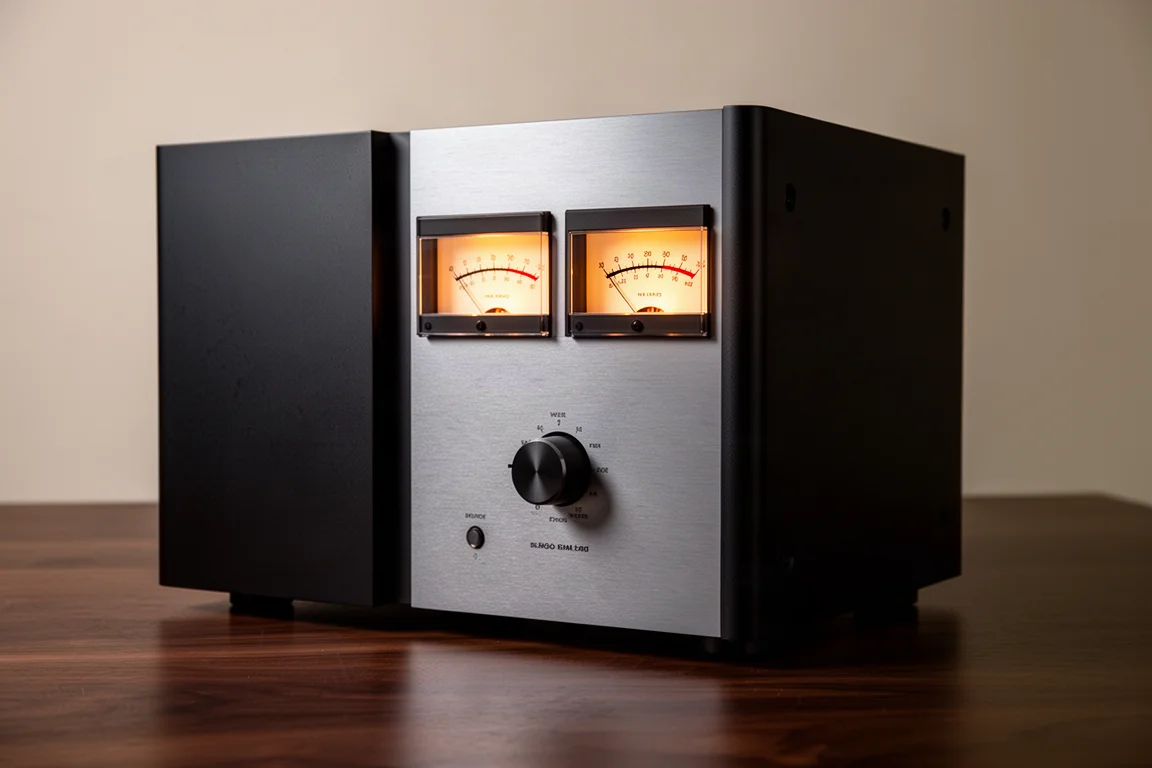
For the balanced path, the DR1 is the single-channel option. It is a large amplifier that produces 650 watts into 8 ohms and 1,000 watts into 4 ohms, which is far more than most rooms will ever need and exactly the point. Speakers that sound controlled rather than strained are usually being driven by an amplifier with reserves like these.
Emotiva DR2
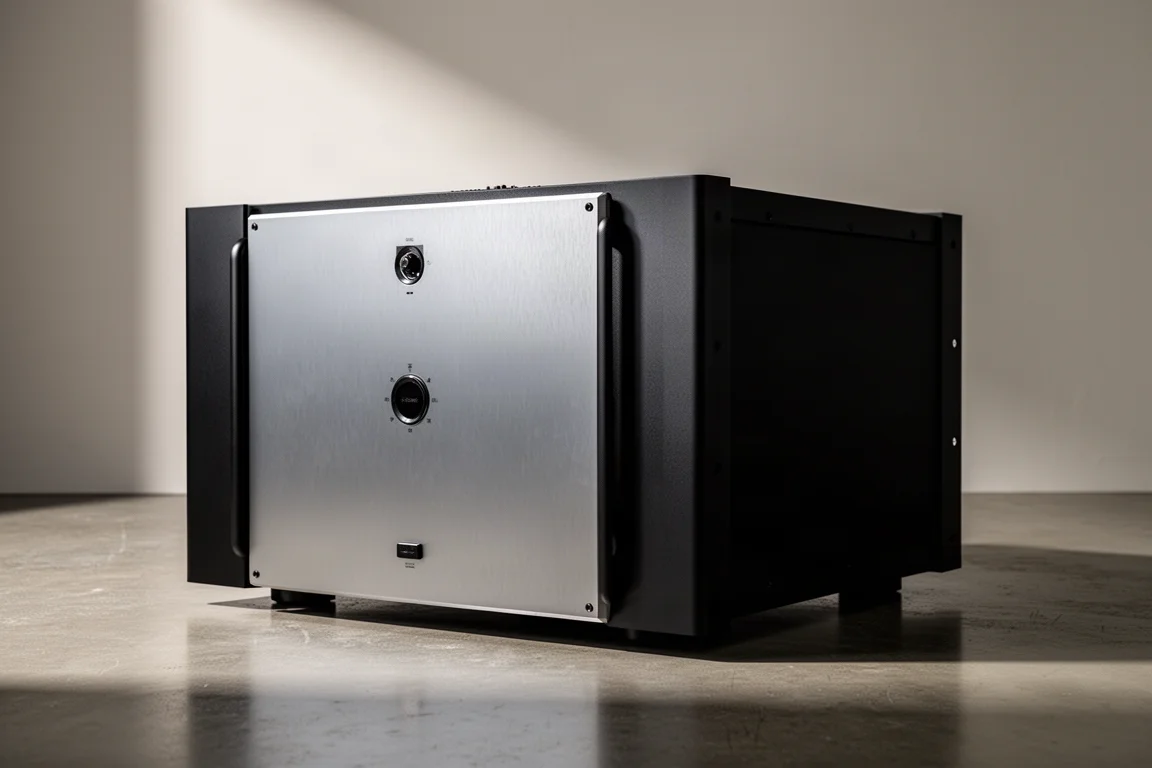
The DR2 is the two-channel version of the same amplifier, with the same rated output. Anyone buying today should take this route, because a single chassis holding both channels is simpler to place, simpler to cable and simpler to own than a pair of monoblocks.
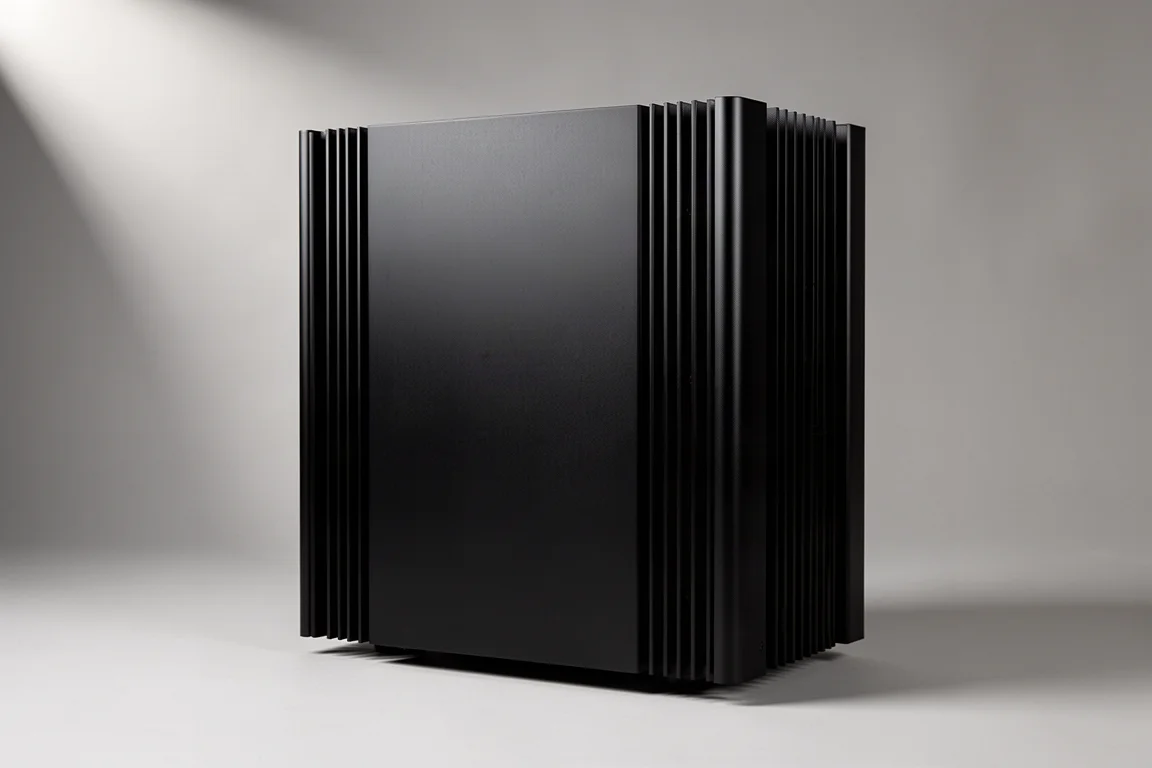
Schiit Kara
The Kara is a balanced preamplifier at $700, which is a modest sum for balanced architecture. It is the sensible partner for the Emotiva amplifiers and leaves budget for the speakers, where the money tends to matter more.
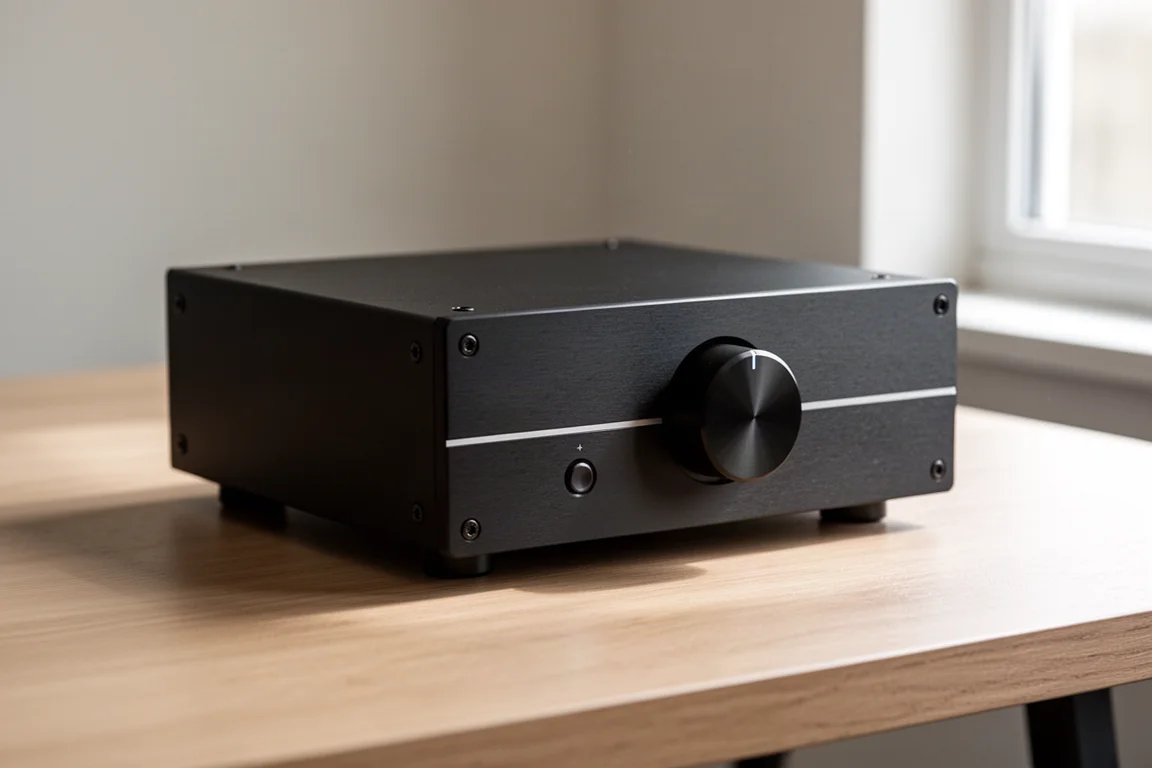
Advance Paris X-P700
The X-P700 is the alternative preamplifier for the balanced path, with a genuinely balanced architecture of its own. It is the better choice for listeners who prioritise circuit design over features, with the one caveat that it does not bring VU meters to the rack.
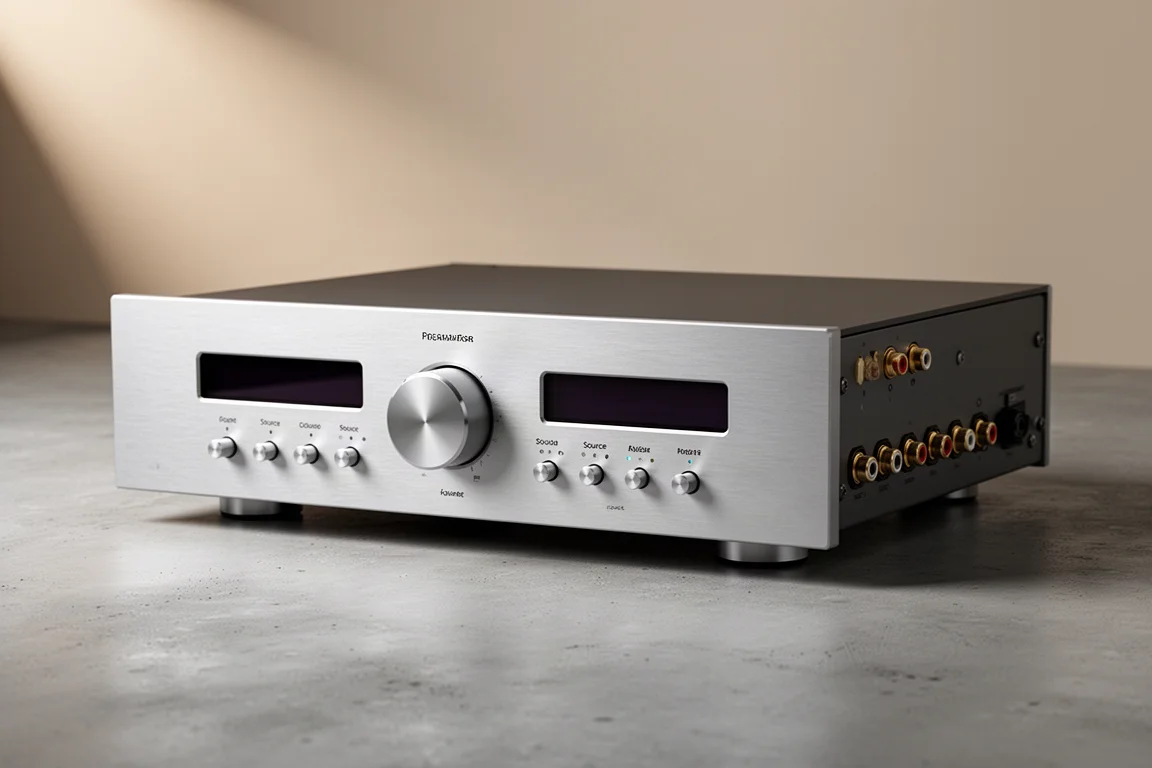
Speakers and Subwoofers
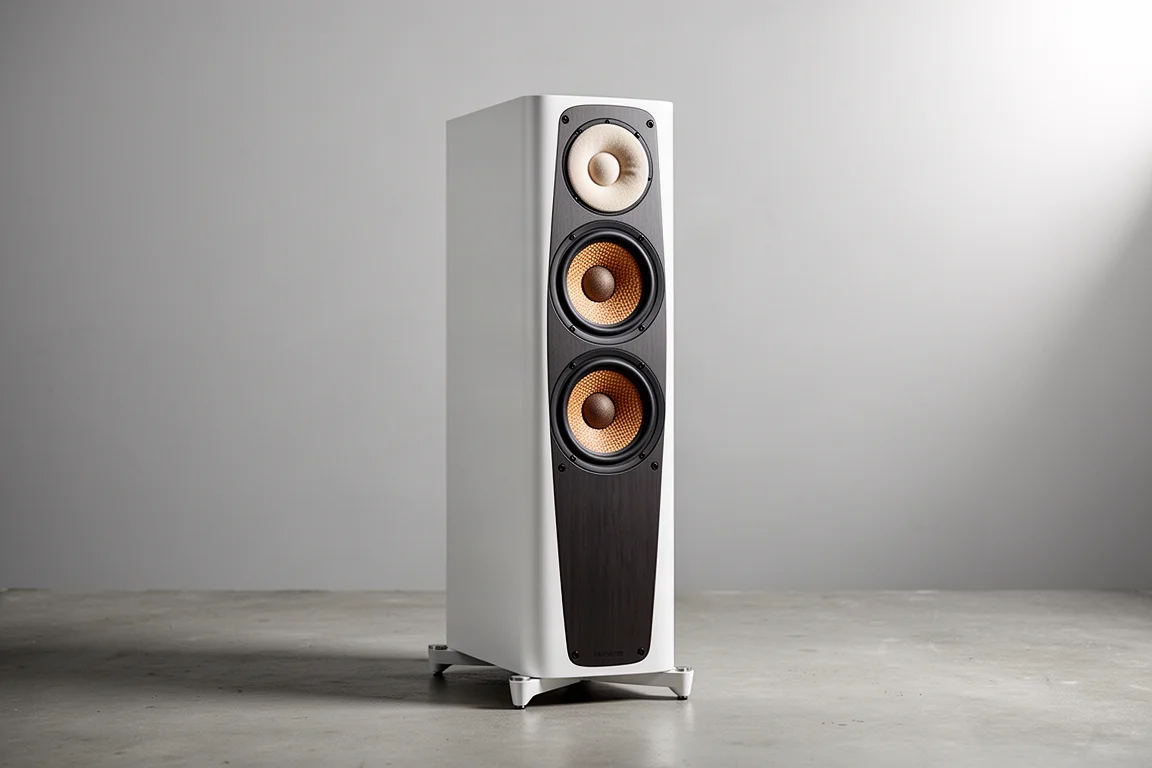
Speakers change a system more than any other component, and they are also where the biggest surprises happen. The two towers below are relatively affordable, and both were preferred over considerably more expensive designs. The subwoofer completes the picture for rooms and systems that need a little more weight at the bottom.
Emotiva XT1
The XT1 is a tower speaker priced at $1,000 with three woofers, a midrange driver and a tweeter mounted on top. It sounds punchy, clean and clear, and it would still be the choice over far more expensive speakers. For the money, it is one of the strongest arguments in this entire list.
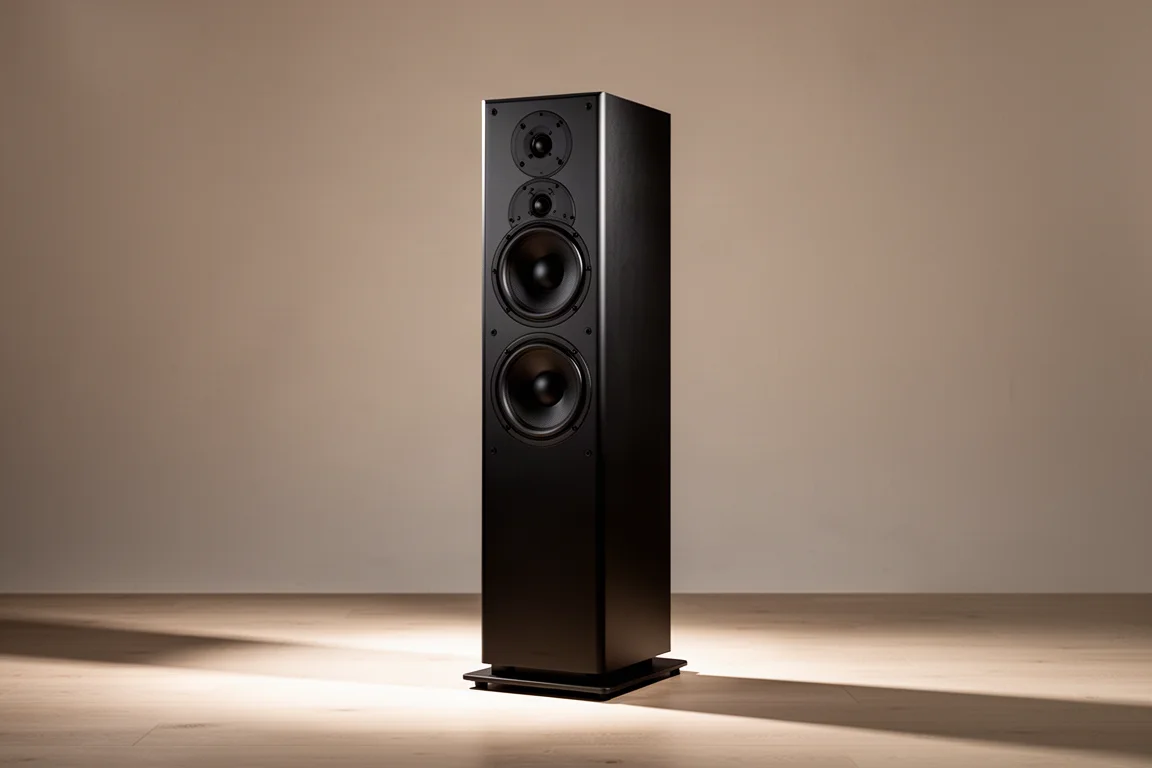
Q Acoustics 5040
The 5040 costs $1,500 and is not the largest tower in its range. That is exactly why it works. In a large room, the bigger model produced more bass than the room could comfortably handle, while the 5040 landed in the sweet spot. It is the speaker to choose when a room is generous in size but not in acoustic treatment.
SVS SB-1000 Pro
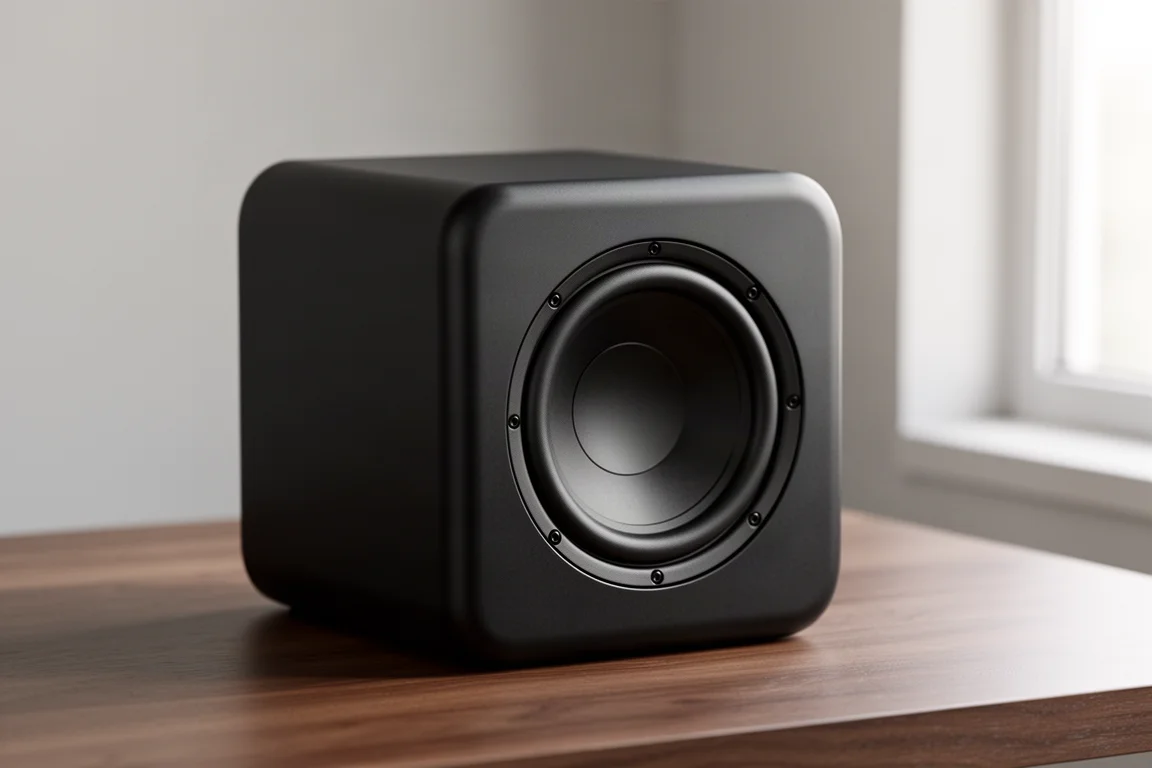
The SB-1000 Pro is a $600 subwoofer with app-based control that covers everything needed and responds quickly enough to keep up with music rather than just films. In a two-channel system it adds weight without drawing attention to itself.
Buying Advice
Two complete systems can be assembled from this list, and both make sense.
The first is single-ended and centred on the Unison Research Unico Primo for listeners who want one box and no fuss, or on the Advance Paris A10 Classic paired with the X-A160 for those who want meters, HDMI ARC and a separate power amplifier.
The second is balanced and built around the Emotiva DR1 or DR2, with either the Schiit Kara or the Advance Paris X-P700 in front of it. Choose the Kara to keep the cost down and leave more for speakers. Choose the X-P700 if balanced circuit design matters more than meters.
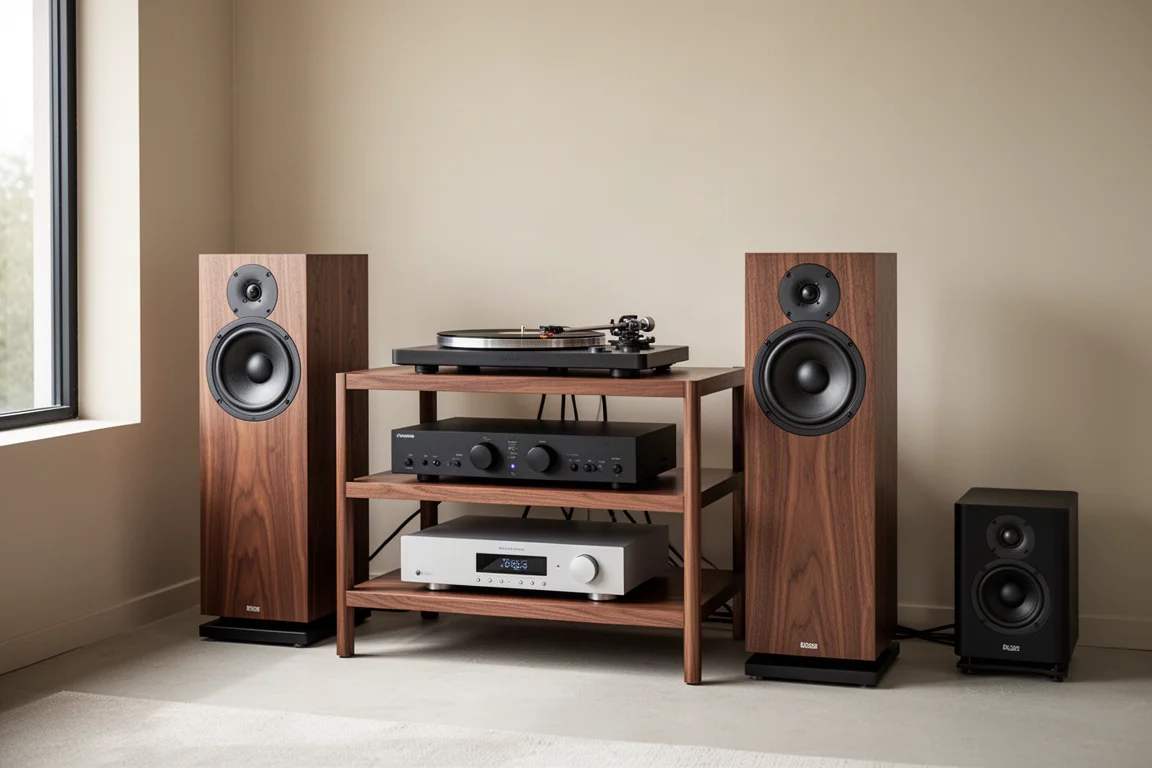
Around either system, the analog side is straightforward. The Michell Audio TechnoDec with the Goldring E4 is the turntable setup, and the phono stage depends on budget: the Pro-Ject Tube Box S2 for tube character at a moderate cost, or the Gold Note PH-5 when the analog chain deserves the best available.
On the digital side, the WiiM Ultra feeds the Geshelli Labs Daisy, and the Daisy feeds the amplifier. Add the TEAC AD-850 if cassettes are part of the collection, or the Schiit Urd if CDs still get played. Finish with the Emotiva XT1 or the Q Acoustics 5040, and add the SVS SB-1000 Pro if the room asks for more low end.
One theme runs through all of it. None of these components were chosen because they were the most expensive option available, and several of them were chosen over more expensive alternatives. A system built this way tends to stay in place for years.
Conclusion
The most useful lesson from this list is that price is a poor guide to performance. A $1,000 tower speaker can be preferred over far more expensive designs. A $700 preamplifier can sit happily in front of amplifiers with enormous reserves of power. A streamer chosen for usability can replace more elaborate ones without any sense of loss.
Start with the component that limits the system most, whether that is the amplifier, the speakers or the source, and build outward from there. Everything on this list has already proved itself in a real room, which is the only test that counts.
Further reading
Related Reviews
Hi-Fi Audio
Accuphase C-57 vs Allnic H-7000V: Two High-End Phono Stages Compared
A fully balanced solid-state phono stage with a pitch-black noise floor meets a tube design built for well-loved records. Here is how to choose between them.
Hi-Fi Audio
Active vs Passive Hi-Fi: Five Components for a Modern System
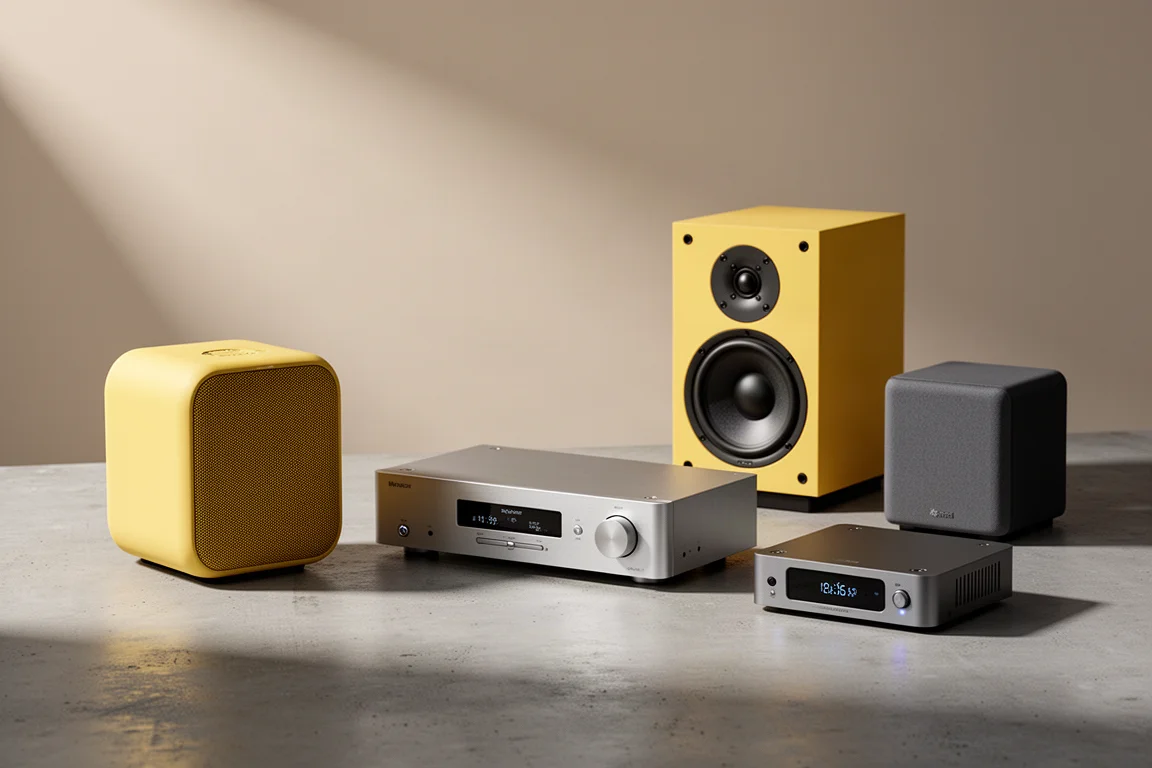
Five components that define modern active and passive hi-fi systems, with the strengths, trade-offs and setup details worth weighing before you buy.
Hi-Fi Audio
Advance Paris A10 Apex Review: A Hybrid Integrated Amplifier That Covers a Lot of Ground
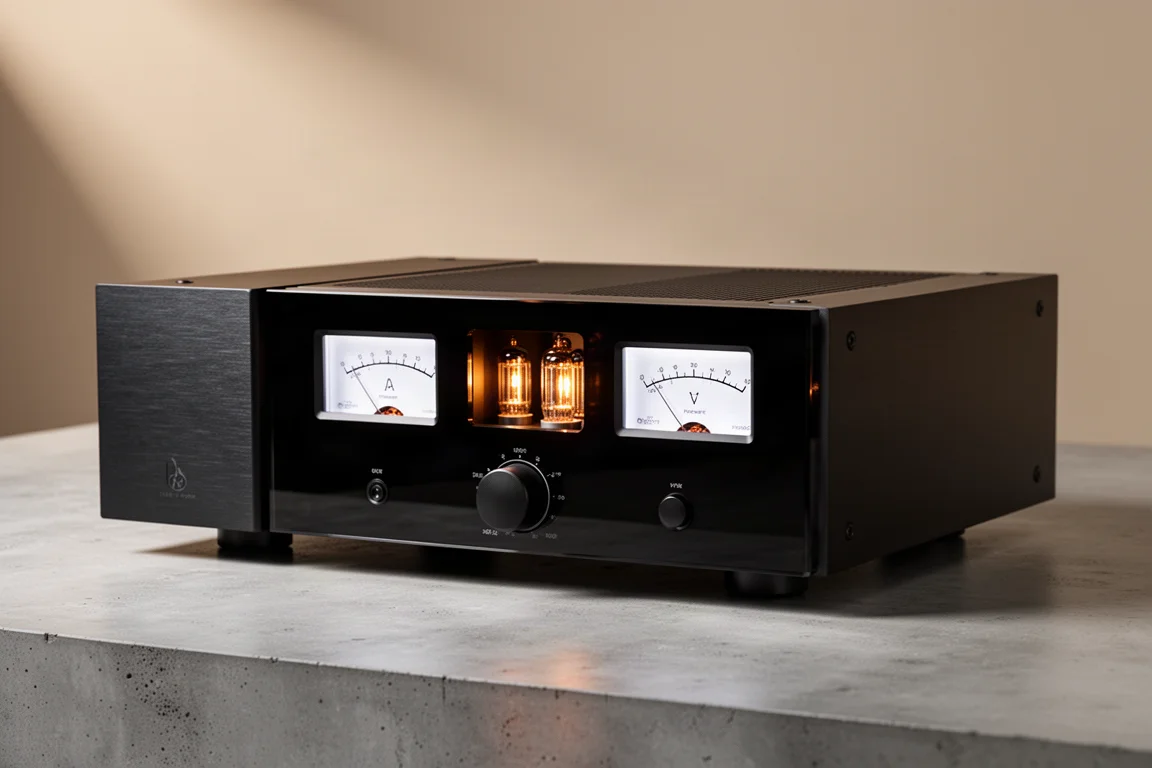
A French hybrid integrated amplifier with a class A tube preamp stage, analogue power meters, and an internal DAC and phono stage good enough to make extra boxes unnecessary.