Hi-Fi Amplifiers
Best Hi-Fi Amplifiers: 12 High-Value Picks From $80 to $850
A practical roundup of twelve high-value stereo amplifiers, from an $80 desktop Class D amp to an $850 AV receiver that excels at two-channel listening.
Introduction
Amplifiers come in different sizes, shapes, colours, and levels of capability, and that variety is exactly what makes shopping for one confusing. Some are integrated amplifiers that handle input switching and tone control. Others are pure power amplifiers that need a preamp in front of them. A few bundle a DAC, Bluetooth, or streaming into the same chassis.
The twelve amplifiers below cover roughly $80 to about $850, and every one of them earns its place for a different reason. Some are the best value at their price. Others offer a sound signature that is hard to find elsewhere. A couple are genuinely unusual, including a kit amplifier that can be built at home.
How We Evaluated These Amplifiers
The criteria here are practical. Sound quality comes first: how much body an amplifier gives to the low end, how much detail it retrieves on top, and whether it leans warm, neutral, or slightly cool. Power and drive capability matter next, because an amplifier that struggles with a low-impedance speaker will never show its best. Feature set is weighed against price, including input count, input switching, tone controls, DAC, Bluetooth, streaming, subwoofer output, and remote control. Finally there is upgrade potential, since a good amplifier should still make sense a few years from now.
Price is treated as a range rather than a ranking. An $80 amplifier and an $850 amplifier are not competing for the same buyer, and the right choice depends far more on the speakers and sources already in the room than on the number on the receipt. Where a product sits in this list reflects what it offers for its price, not a claim that it outperforms everything above it.
AIYIMA A07: Best Budget Class D Amplifier
At around $80, the AIYIMA A07 is the most affordable amplifier here and arguably the best value in the entire group. It is a Class D design that sounds very good straight out of the box, with a surprising amount of body for a Class D amplifier, although it can sound slightly lighter on top-end detail than some of the more expensive options. The op-amps are socketed and can be swapped, from about $5 up to $150 depending on the type chosen, and the supplied power supply can be upgraded for more output. There is no remote control and no Bluetooth. What you get is a volume control, an RCA input, and speaker outputs, so a source is required. It is small enough to sit almost anywhere.
SMSL DA9: Balanced Class D With Tone Controls
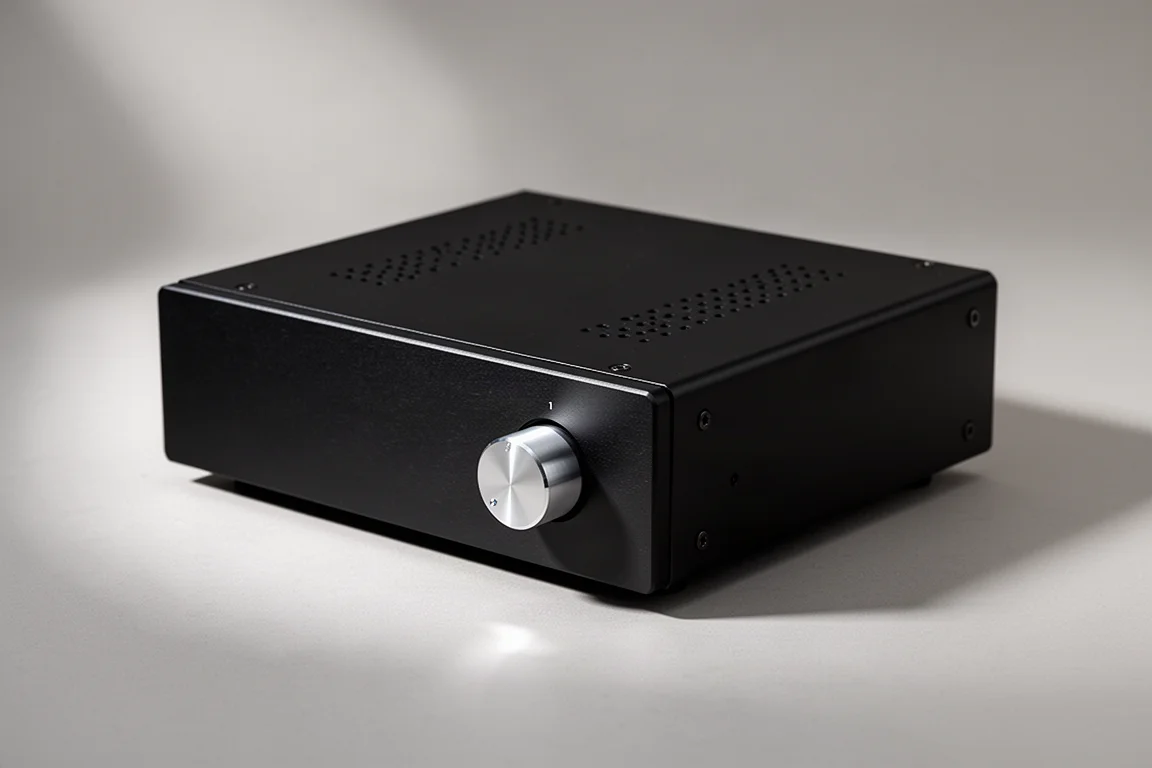
The SMSL DA9 steps up to around $250 and brings a balanced amplifier design built around an Infineon 12070 amplifier chip. It includes EQ settings baked into the firmware, tone controls, Bluetooth, and a subwoofer output. Bluetooth is the only source built in, so anyone who wants to play digital music from a computer or a streamer will need a DAC. It puts out plenty of power and accepts a balanced input as well as a single-ended one, giving two inputs in total, one balanced and one RCA. Depending on which EQ setting is selected, or whether the tone controls are used at all, the DA9 can deliver noticeably more top-end detail than the amplifiers below it in price.
SMSL AO200: The DA9 Alternative With USB Playback
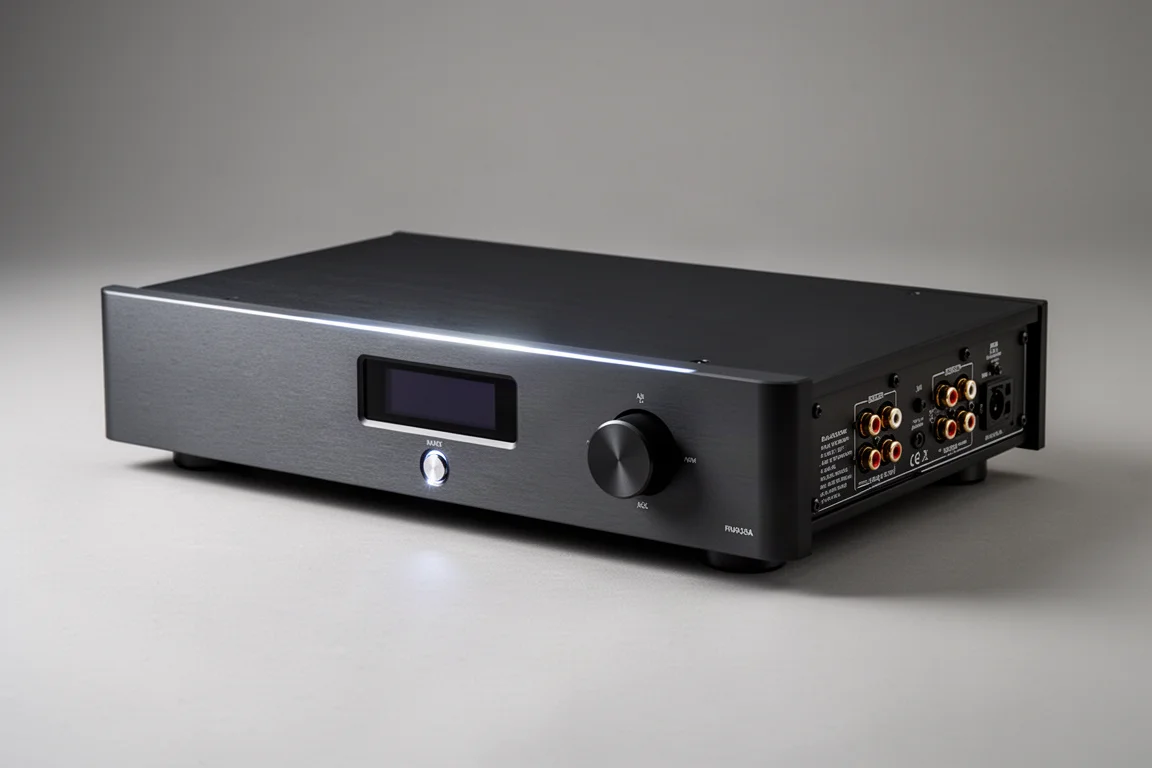
If the SMSL DA9 is difficult to find, the SMSL AO200 is the practical substitute. It uses the same Infineon amplifier chip family and, in practice, sounds the same, with one clear addition: a USB port so a thumb drive or similar device can be connected directly with a music library stored on it. For anyone who wants the DA9 sound without hunting for stock, this is the version to look at.
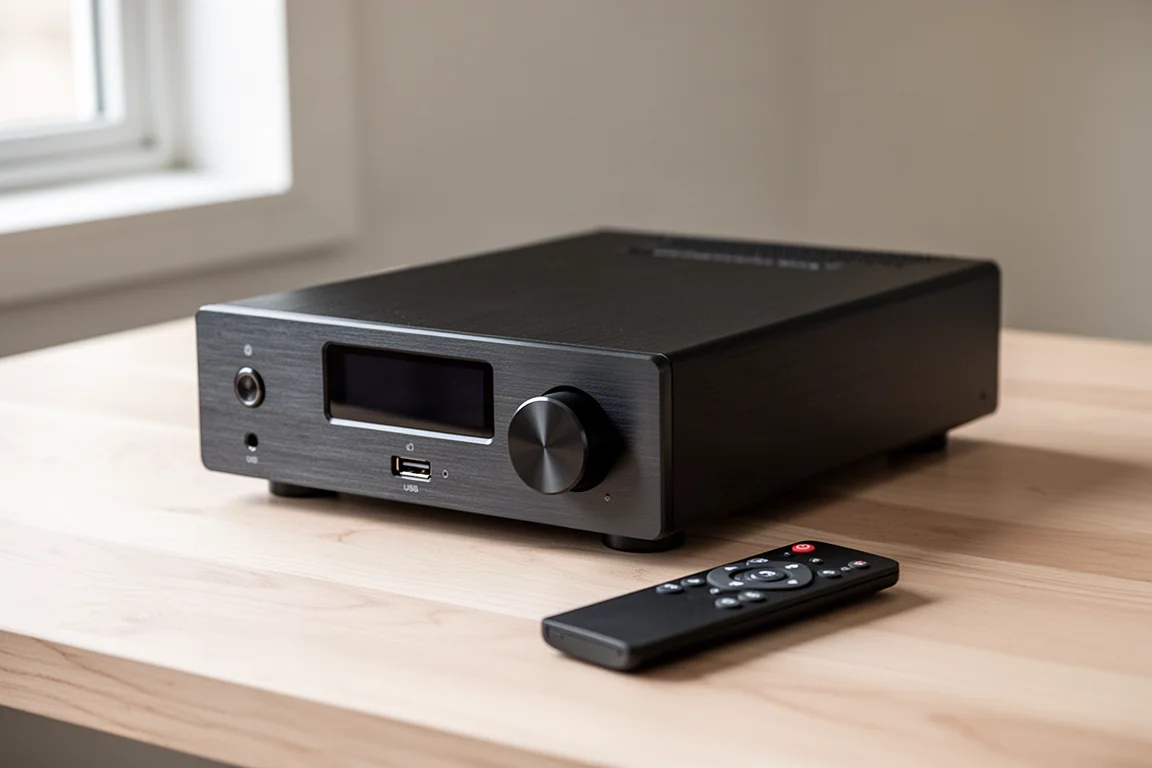
Emotiva BasX A2m: Compact Power With a Headphone Amp
At $300, the Emotiva BasX A2m is a different animal. It is a Class AB design rather than Class D, rated at 50 watts into 8 ohms and 90 watts into 4 ohms, and it uses an internal switching power supply instead of a toroidal transformer. The rear panel is simple: RCA inputs, speaker outputs, and a switch that selects variable or fixed output, which lets the unit work as a straight power amplifier. There is also a headphone jack, and the step-down resistors can be jumpered to send full power to headphones.
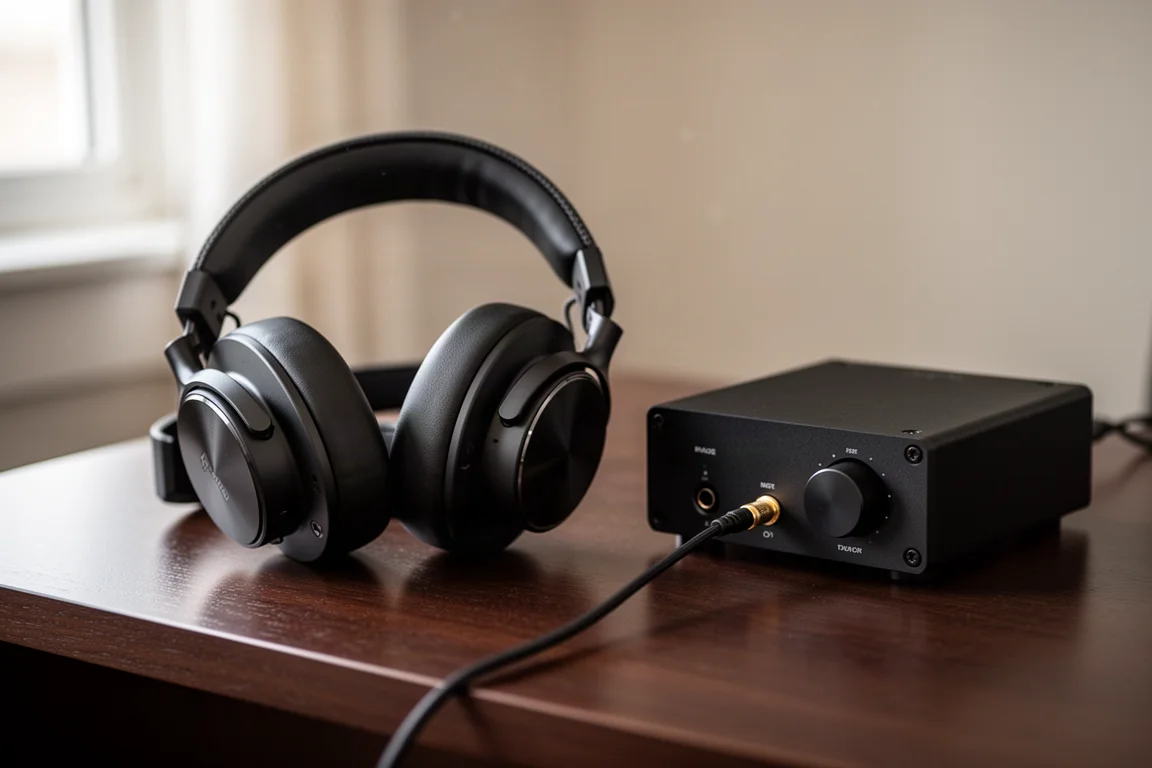
It has an integrated volume control but no input switching and no DAC, so it is best understood as a power amplifier with volume control rather than a traditional integrated amplifier. That is the same concept as the AIYIMA A07, but with far more power and a headphone output that can drive demanding headphones. It makes an excellent foundation for a two-channel system, or as a replacement for a soundbar.
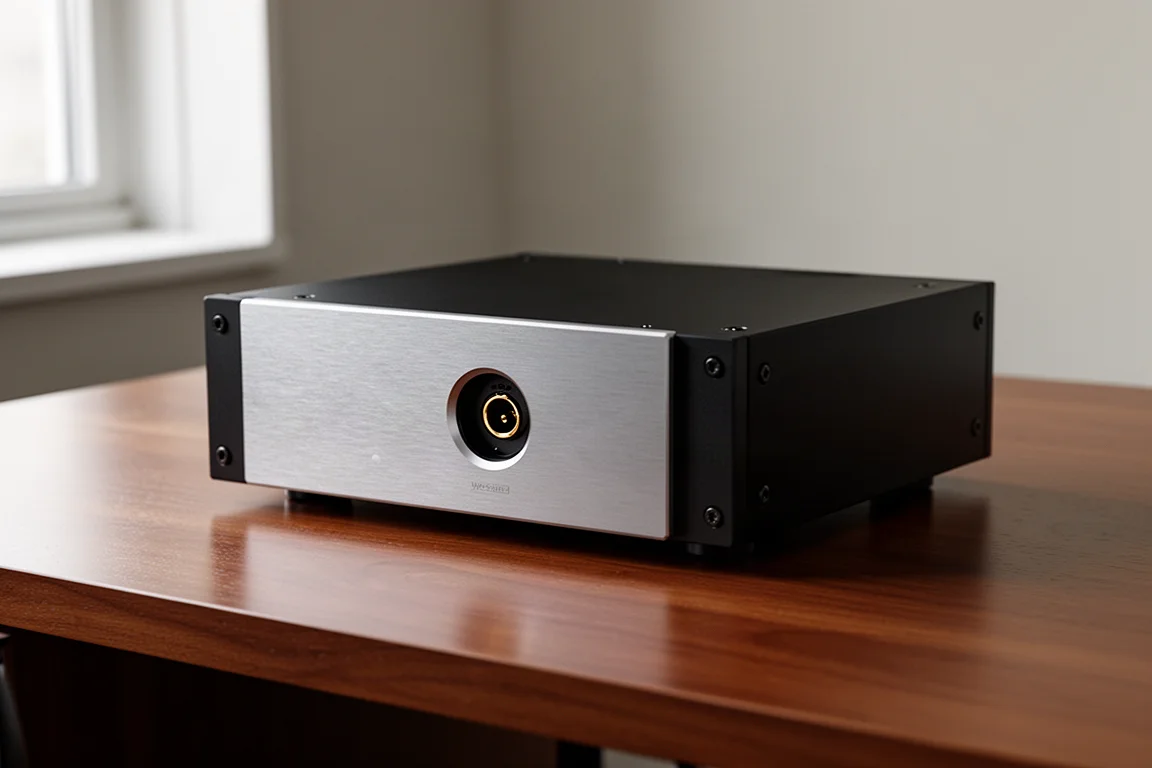
Cambridge Audio AXA25: Entry-Level Integrated With Input Switching
The Cambridge Audio AXA25 is priced at $250 and delivers 25 watts per channel. Its importance in this list is not raw power but capability: it has multiple inputs and proper input selection, so a CD player, a turntable, and other components can all stay connected and be switched from the amplifier itself. It also has tone controls, and it produces a fuller sound than its power rating might suggest.
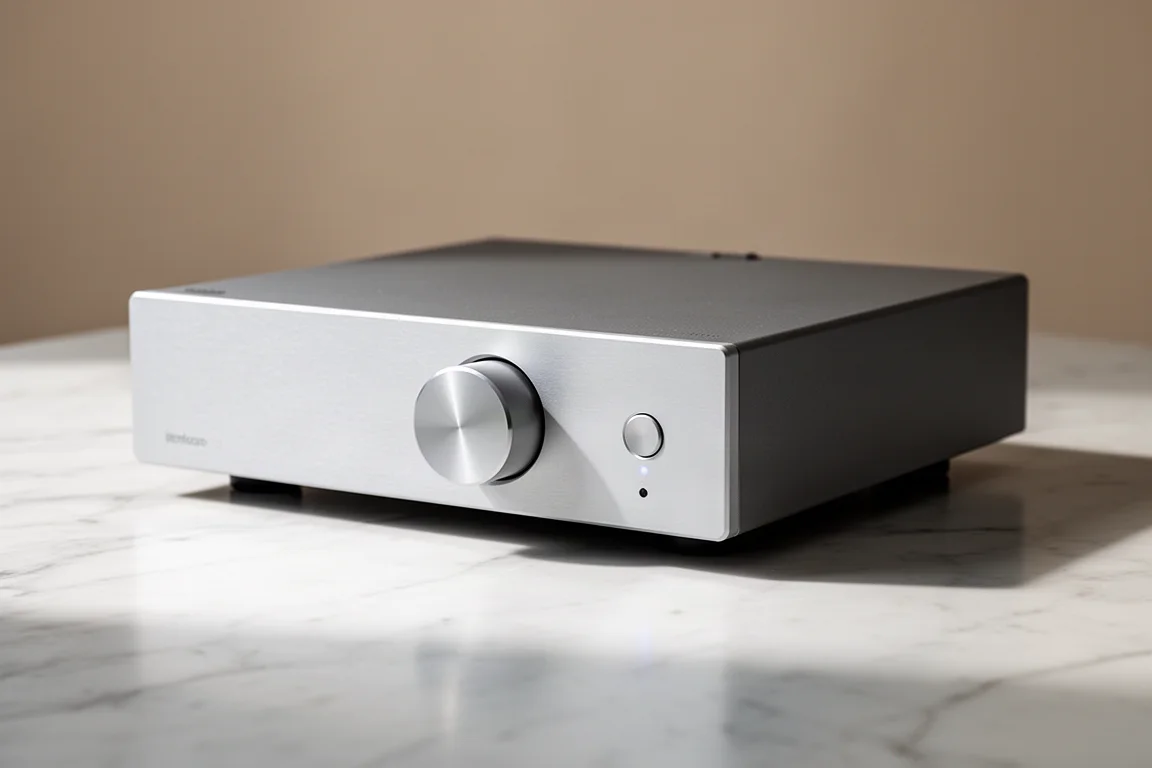
Cambridge Audio AXA35: More Power in the Same Formula
The Cambridge Audio AXA35 follows the same formula for $350, with output raised to 35 watts per channel. It keeps the multiple inputs, the input switching, and the tone controls, and it offers the same full-bodied character with a little more headroom for speakers that need it.
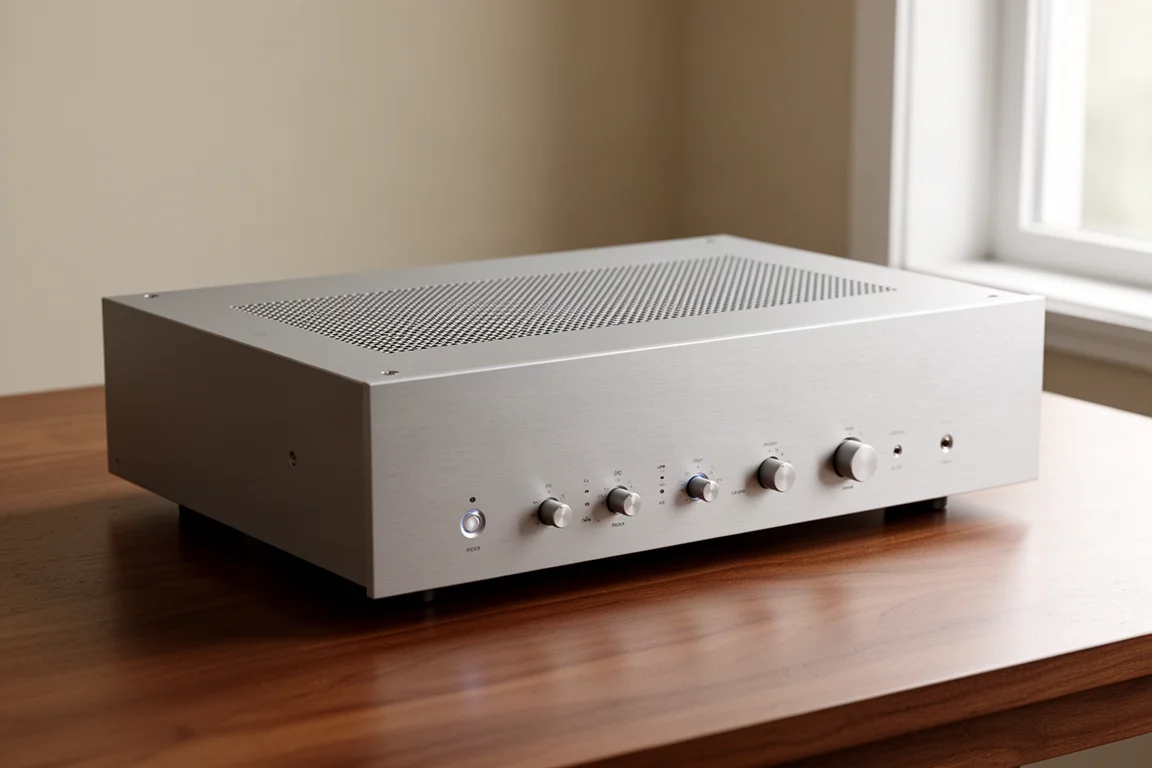
SVS SoundBase: Streaming, DAC, and Amplification in One Box
The SVS SoundBase is what most people picture when they hear the word integrated, because it combines an amplifier, a DAC, and a streamer in a single chassis. The streaming side uses Play-Fi, which is not the strongest platform available but works reliably enough. Around the back there are two analog inputs, one RCA and one 3.5 mm, a subwoofer output, and RCA outputs that let the unit serve as a preamp. An optical input and Bluetooth round out the connections.
It is very powerful, and small volume adjustments move the level quickly. The Class D amplification here is notably smooth and avoids the harshness that some Class D designs show in the treble. There are no tone controls and no remote control, so the appeal is the combination of sound quality and built-in sources rather than adjustability.
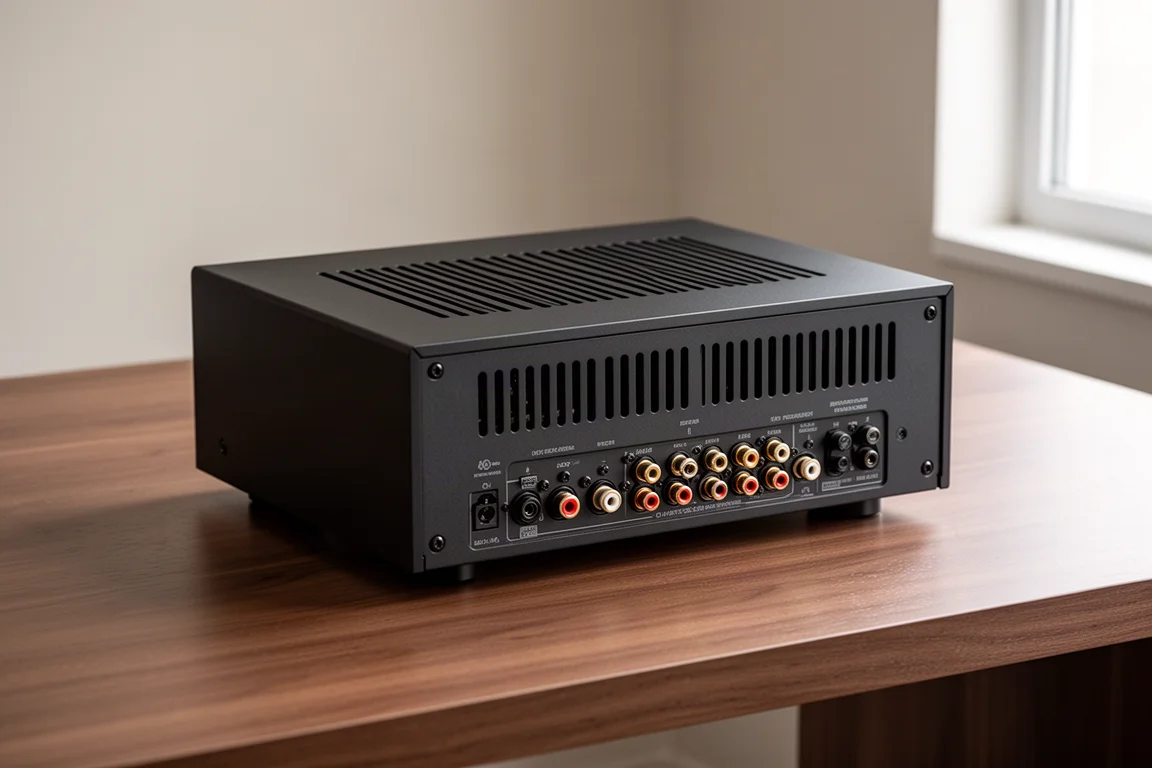
Vista Audio Spark: Clean Analog Chip Amplification
The Vista Audio Spark is a small amplifier with 20 watts per channel, and those 20 watts are clean. For most speakers rated around 87 dB sensitivity or above, that is more than enough. The sound signature is very clean while still carrying real body at the bottom, with a top end that is crystal clear.
Technically it is a chip amp rather than a Class D amplifier. Inside there is a traditional toroidal transformer, with a chip handling tasks such as biasing. There is no remote control, no Bluetooth, and no digital section at all. What it offers is two RCA analog inputs with a switch on the front panel, and at $389 it is a fantastic analog amplifier for a simple system.
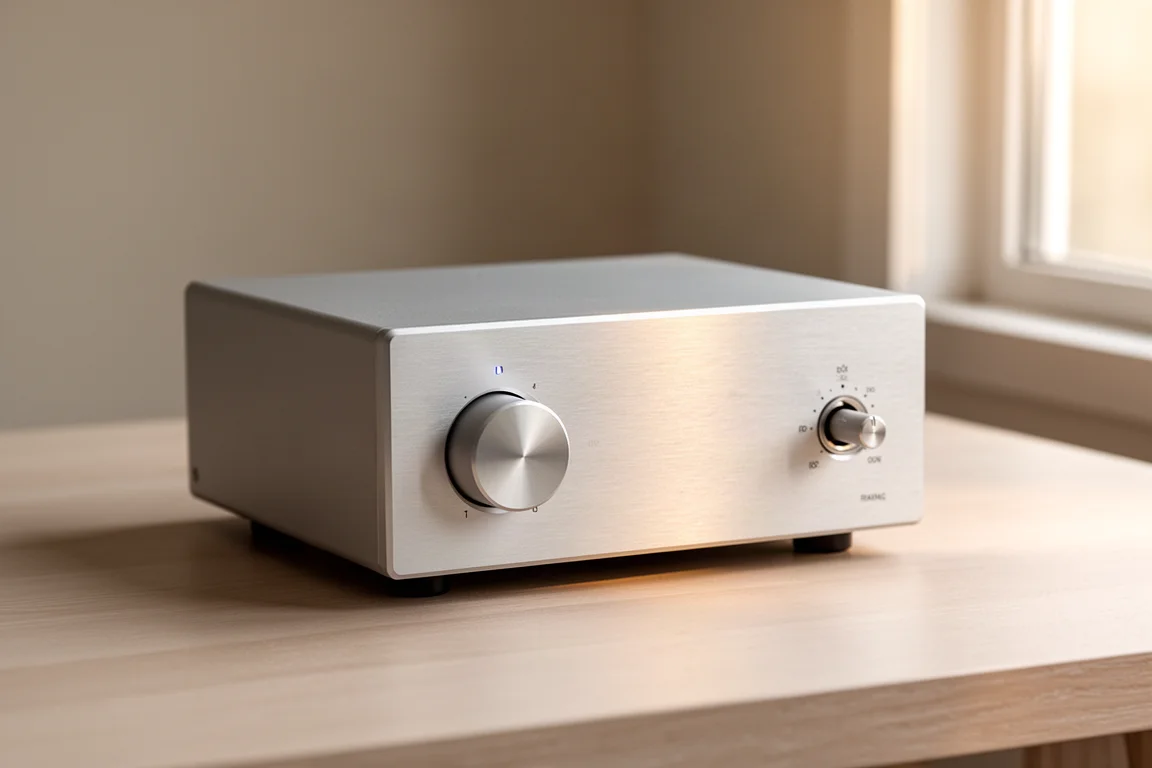
Marantz NR1711: An AVR That Makes Sense for Music
The Marantz NR1711 is a seven-channel AVR, and it belongs on a list of favourite amplifiers because of how well it handles two-channel listening. It includes a Direct mode and a Pure Direct mode for stereo, the latter shutting down different sections of the receiver to reduce noise. Set against a considerably more expensive two-channel amplifier, the NR1711 gave up only a little ground.
The feature list is long: a DAC with coaxial and optical inputs, Bluetooth, HEOS streaming, full DSP processing with EQ settings, time delays, room correction, and room setup. There are two subwoofer outputs, preamp outputs for the front channels, a phono stage, and a full remote control. It is rated at 50 watts per channel into 8 ohms, and it has driven harder loads, including the KEF LS50, without complaint.
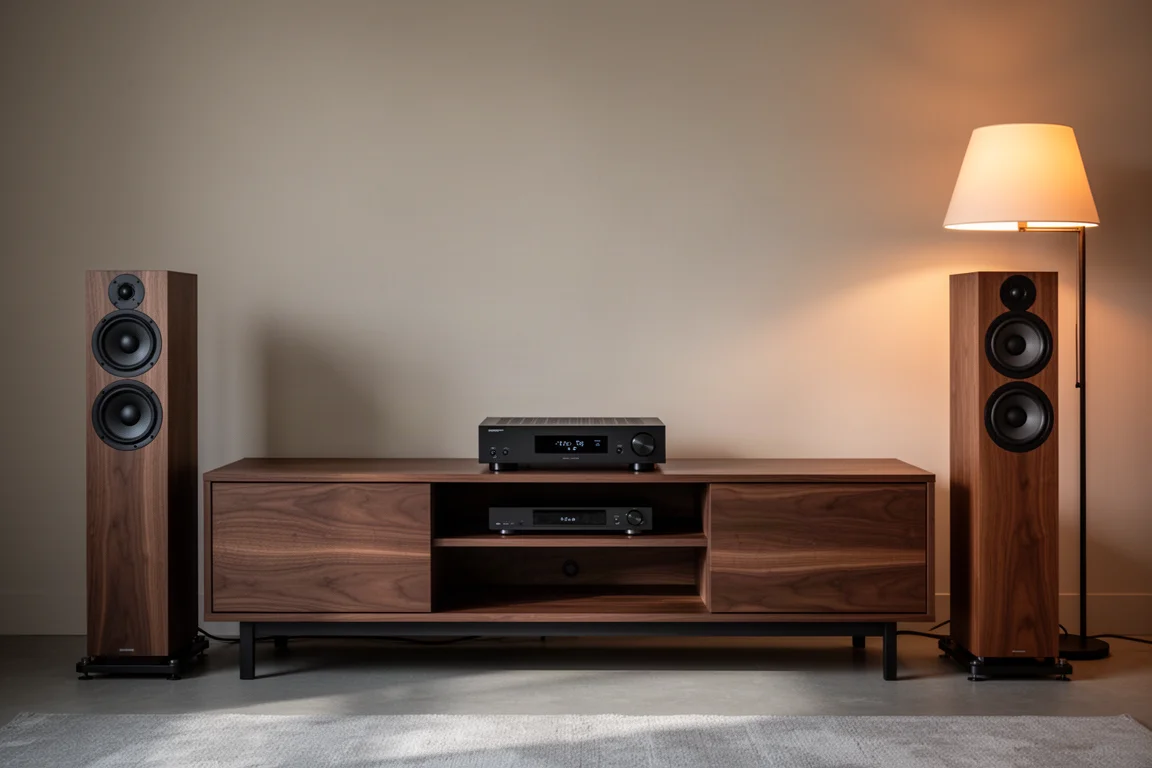
What makes it such good value is the flexibility. It can run a dedicated five-channel surround system and a dedicated two-channel stereo system from the same box, which means one purchase covers both music and film. Prices on it move around, but it sits in the region of $850.
Emotiva TA-100: An All-in-One That Covers the Essentials
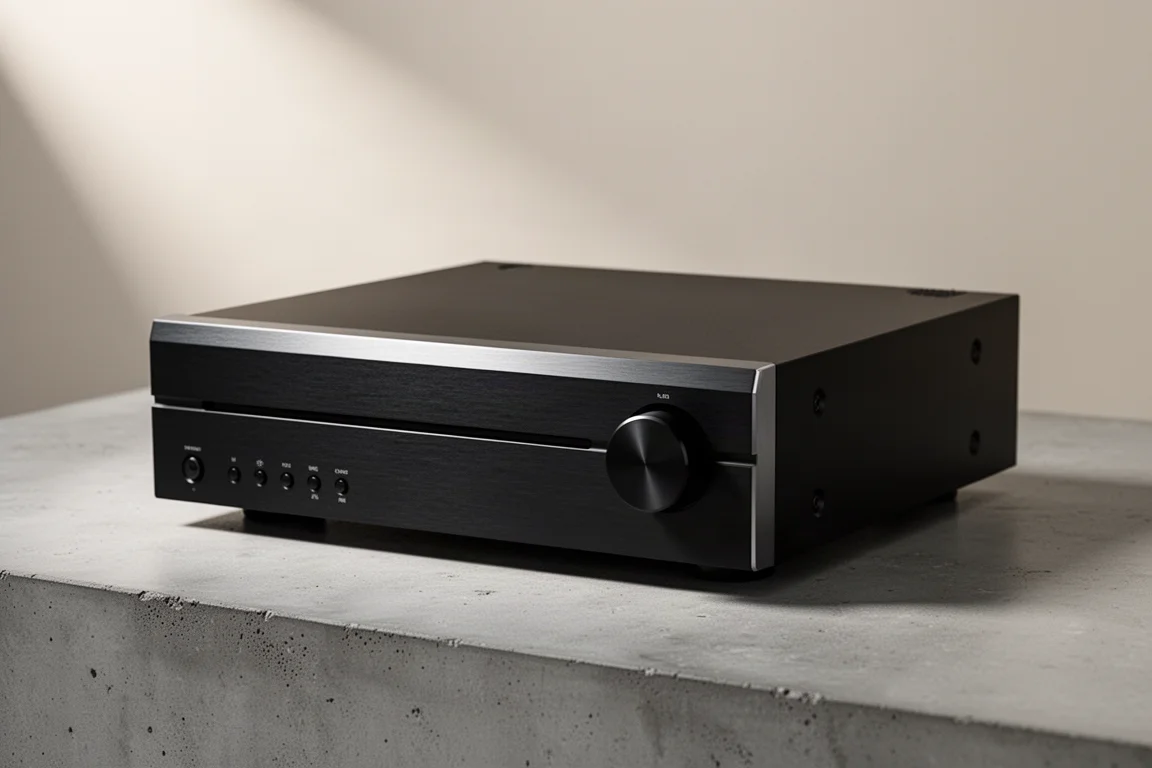
The Emotiva TA-100 is around $550 and is one of the best integrated amplifiers available for the money. It includes a subwoofer output, a preamp output with a high-pass filter so the bass can be sent to a subwoofer while the main speakers are relieved of low-frequency work, a phono preamp, a DAC, Bluetooth, and analog inputs for the rest of a system. It also comes with a remote control.
The sound is typical Emotiva: full but not warm, detailed, with a mild u-shaped emphasis on bass and treble. It does not retrieve quite as much detail as the Vista Audio Spark or the SMSL DA9, but as a single box that covers nearly every source, it is a brilliant value. Later on, a dedicated power amplifier such as the BasX A2m can be added.
Schiit Vidar: A Power Amp for Separate Systems
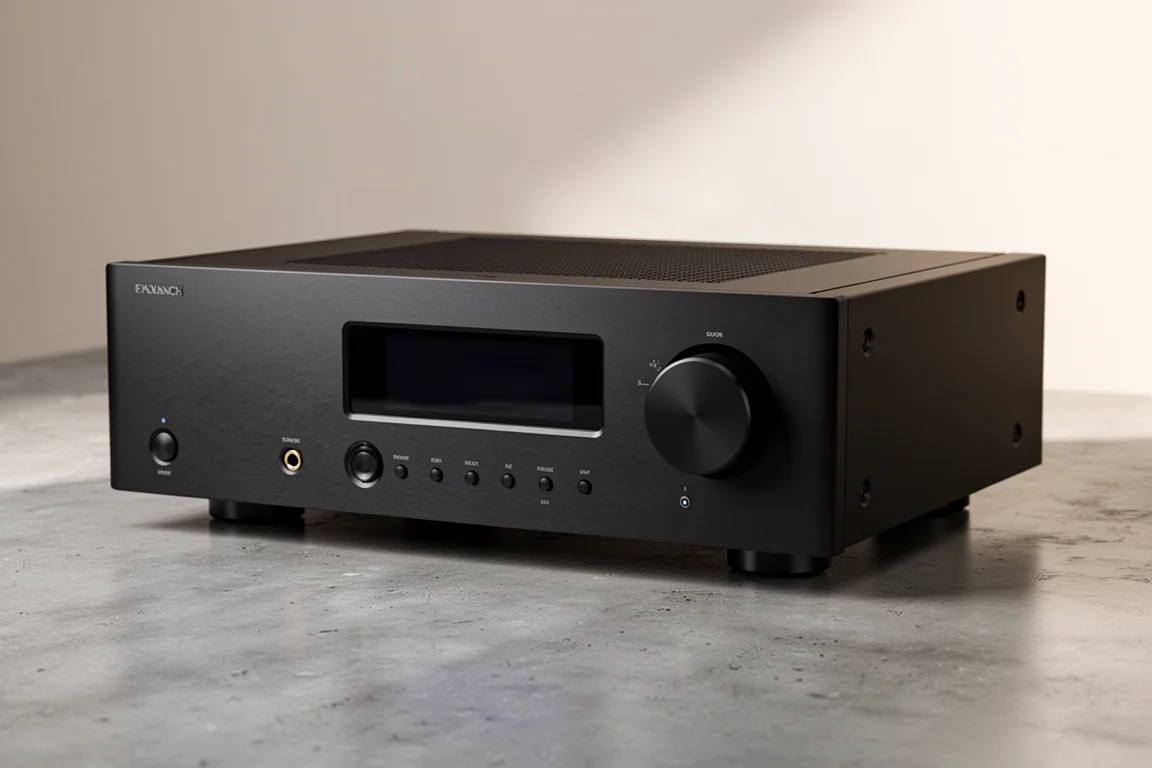
The Schiit Vidar is a power amplifier at around $700 with no volume control, so it needs something in front of it. That something can be as simple as a DAC with variable output or a dedicated preamp. The sound signature is very clean, with firm control over the bass, and it leans slightly cool compared with the Emotiva amplifiers, a character some listeners actively prefer.
Adding a preamp brings the total to roughly $1,000, and a tone control unit can be added on top of that. A more affordable front end with a DAC, tone controls, and Bluetooth will also work well. As a power amplifier, the Vidar is hard to beat.
Akitika GT-102: A Kit Amp With Holographic Imaging
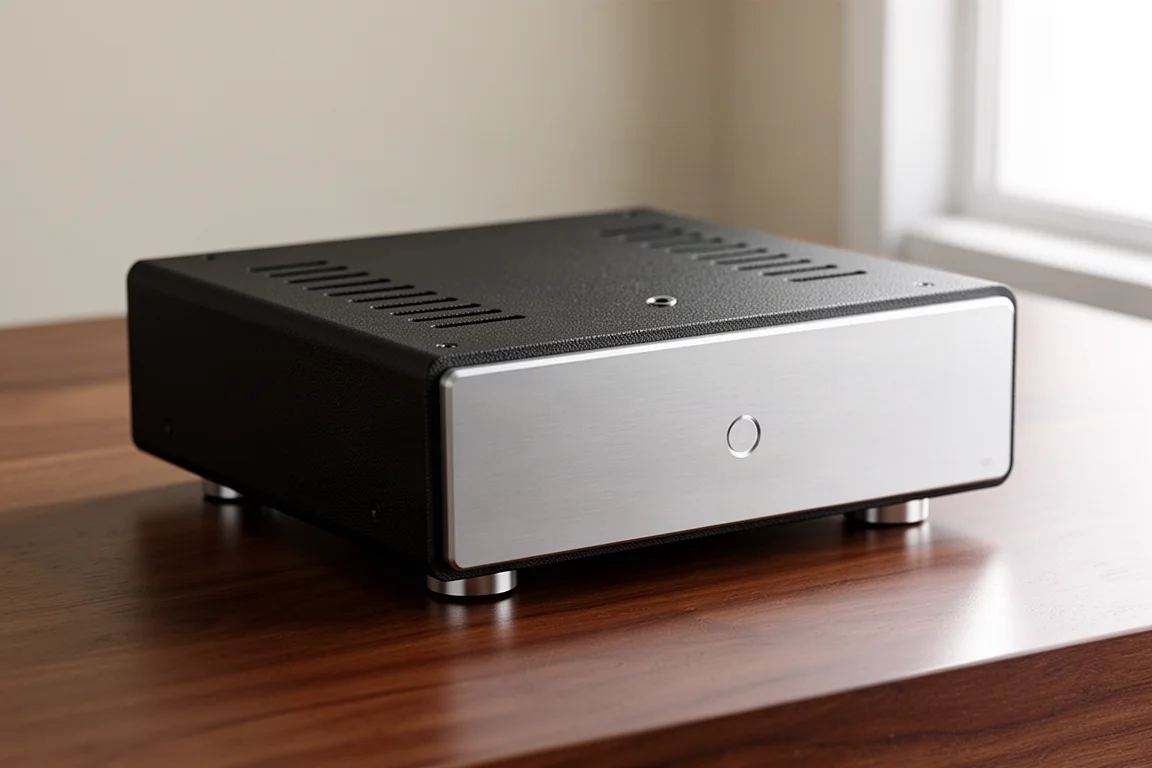
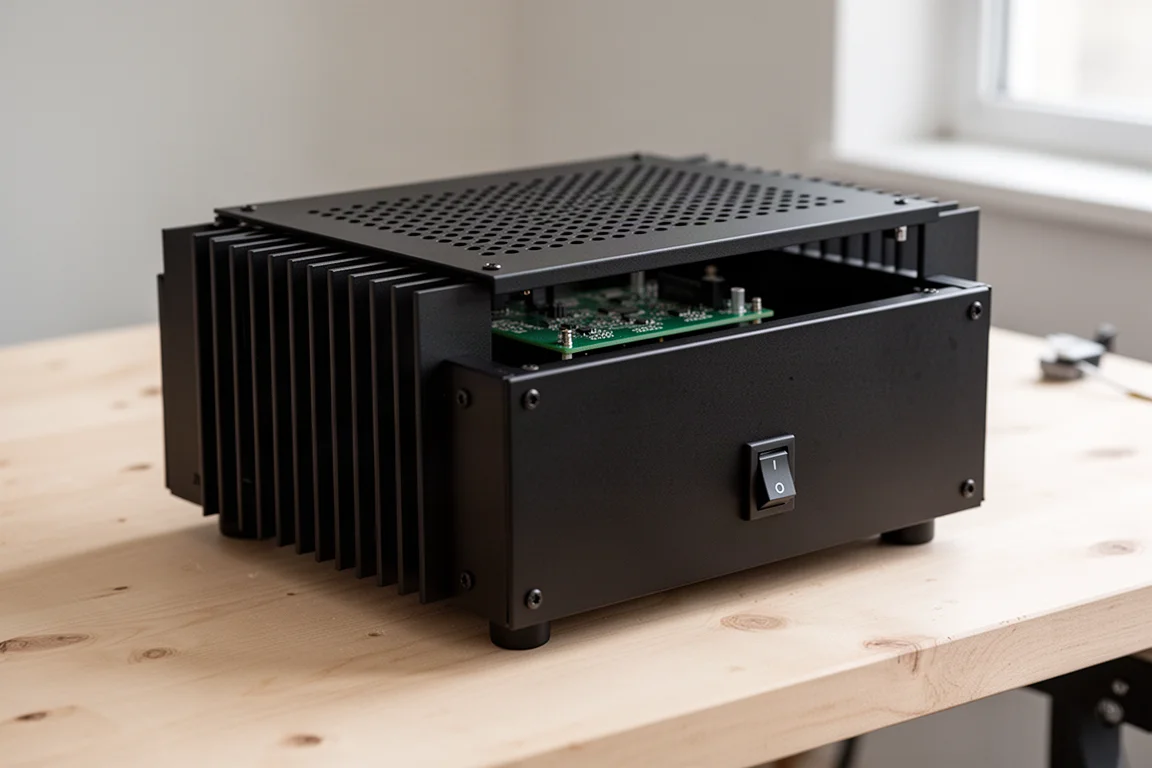
The Akitika GT-102 is the most unusual amplifier here. It is available as a kit in 8 ohm and 4 ohm versions, and it can be assembled by the buyer or built by Akitika for an assembly fee of under $200, which still brings the total in under $700. The design comes from decades of amplifier repair and building experience, and it uses careful grounding along with a chip amp topology similar to the Vista Audio Spark.
Power is rated at 50 watts into 8 ohms, with a separate version rated at 50 watts into 4 ohms. That may not sound like much, but the current delivery is there to drive even low-impedance, hard-to-drive speakers. Two units can be bridged for roughly 100 watts, and two assembled amplifiers come in around $1,200.
The character is not as warm as the Emotiva amplifiers, but it is close to perfectly linear. Where it stands apart is imaging: it places instruments and performers in space around the listener and well behind the speakers, an effect closer to a tube amplifier than to a typical solid-state design. Akitika also makes a preamp that pairs naturally with it.
Buying Advice: Matching an Amplifier to Your Speakers and Sources
The first question is not which amplifier sounds best but which amplifier suits the speakers in the room. Efficient speakers, roughly 87 dB and above, will work happily with lower-powered designs such as the Vista Audio Spark or the Akitika GT-102. Harder loads, including low-impedance speakers, benefit from the current delivery of the Emotiva BasX A2m, the Schiit Vidar, or the Akitika, and from the headroom of the Marantz NR1711.
The second question is how many sources need to be connected. A single RCA input is enough for a dedicated desktop setup, which is where the AIYIMA A07 and the Emotiva BasX A2m fit. Several components, including a turntable, call for input switching, a phono stage, or a DAC, which points toward the Cambridge Audio models, the Emotiva TA-100, the SVS SoundBase, or the Marantz NR1711.
A simple way to narrow the field:
- Under $100: the AIYIMA A07, for a first system or a desk setup.
- $250 to $400: the SMSL DA9, the Emotiva BasX A2m, the Cambridge Audio AXA25 and AXA35, the SVS SoundBase, and the Vista Audio Spark, each with a different strength.
- $550 to $850: the Emotiva TA-100, the Schiit Vidar, and the Marantz NR1711, for listeners who want more power, more inputs, or both.
- Kit or assembled: the Akitika GT-102, for anyone willing to build something or pay to have it built.
Third, decide whether to keep things separate or combined. An all-in-one amplifier simplifies the system and usually costs less overall, while separates allow each part to be chosen individually and upgraded over time. Both approaches can sound excellent, and the right answer depends on how much control you want over the next upgrade.
Conclusion
Twelve amplifiers, twelve different reasons to choose one. The AIYIMA A07 proves that $80 can buy genuinely good sound. The SMSL DA9, the Cambridge Audio AXA25 and AXA35, and the Vista Audio Spark cover the middle of the market with different strengths. The Emotiva BasX A2m and the Schiit Vidar serve listeners who want power or separates. The Marantz NR1711 and the Emotiva TA-100 show how much a single box can cover. And the Akitika GT-102 is there for anyone willing to build something, or to have it built, that images like almost nothing else in its price range.
The honest summary is that value and price are not the same thing. Match the amplifier to the speakers and the sources, and almost any of these will keep a system sounding good for years.
Further reading
Related Reviews
Hi-Fi Amplifiers
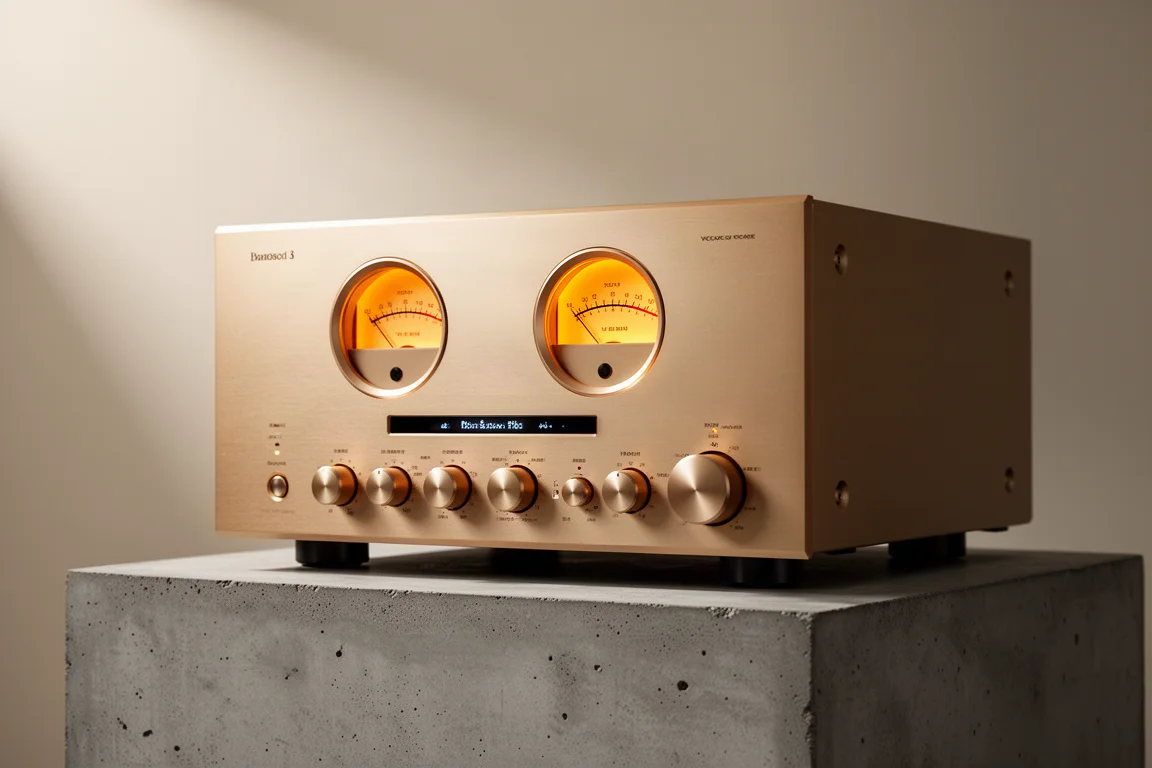
Accuphase E-280 Review: Entry-Level Accuphase With Flagship Attention to Detail
A close look at the Accuphase E-280 integrated amplifier, covering its champagne build, AAVA volume control, sound quality, and the speakers and sources that suit it best.
Hi-Fi Amplifiers
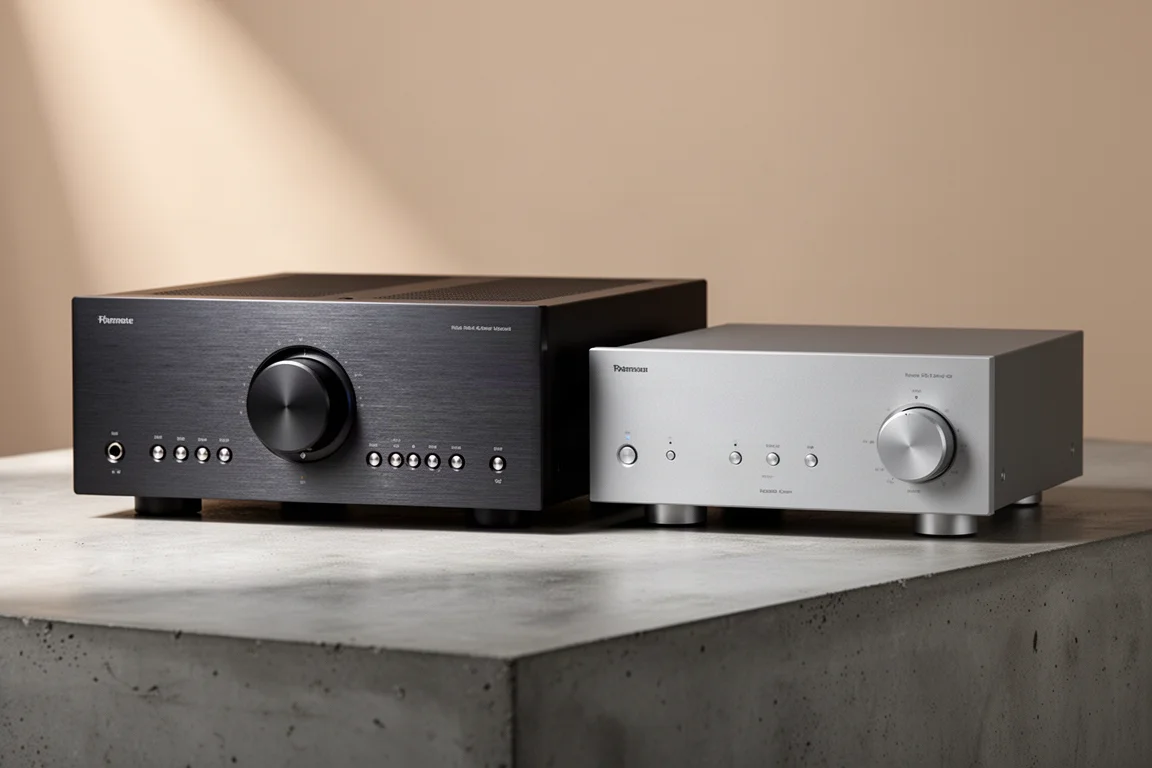
Advance Paris A10 Classic vs Yamaha A-S301: Two Integrated Amplifiers Compared
A practical comparison of a $350 integrated amplifier and a $2,500 reference model, covering the differences that matter and the ones that do not.
Hi-Fi Amplifiers
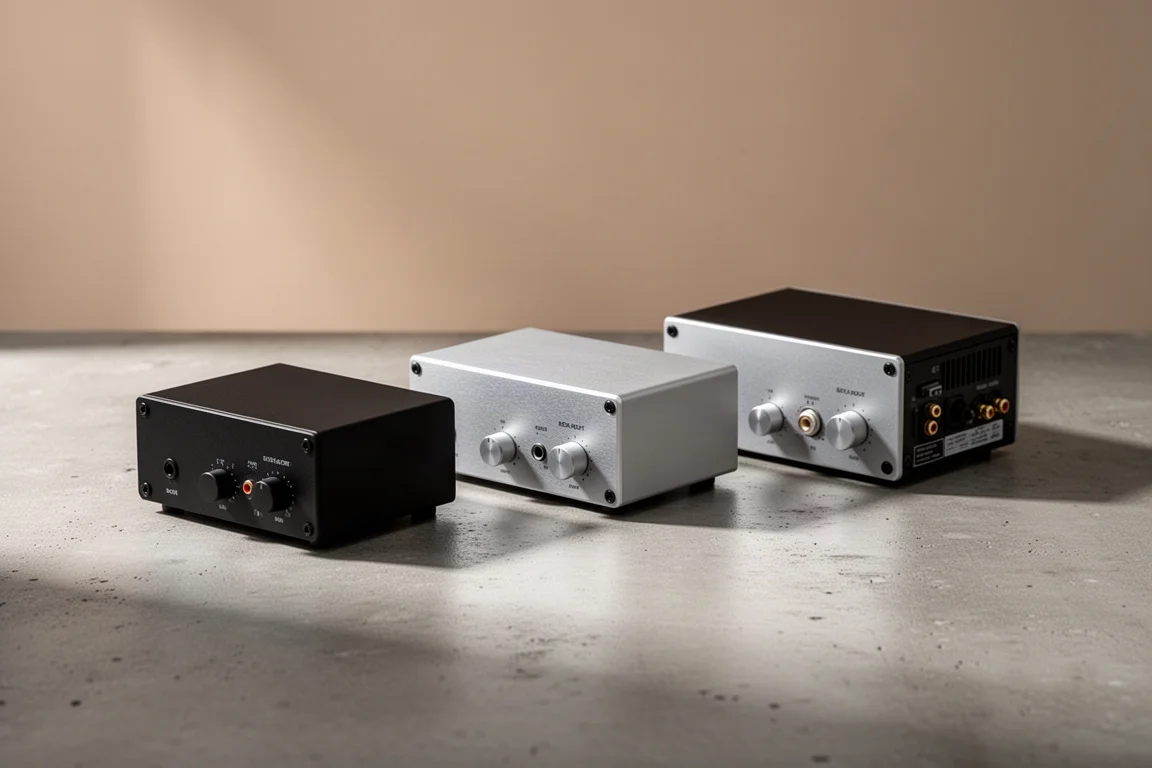
Affordable Chinese Amplifiers Worth Buying: Five Budget Hi-Fi Amps Compared
A practical look at five affordable amplifiers, what each one does well, and the trade-offs to weigh before you buy.