Hi-Fi Amplifiers
Best Hi-Fi Amplifiers 2026: Nine Integrated Amps Ranked by Sound Quality
A sound-quality hierarchy across nine integrated amplifiers, from an affordable entry point to a reference-grade flagship, with the trade-offs that matter at each step.
Introduction
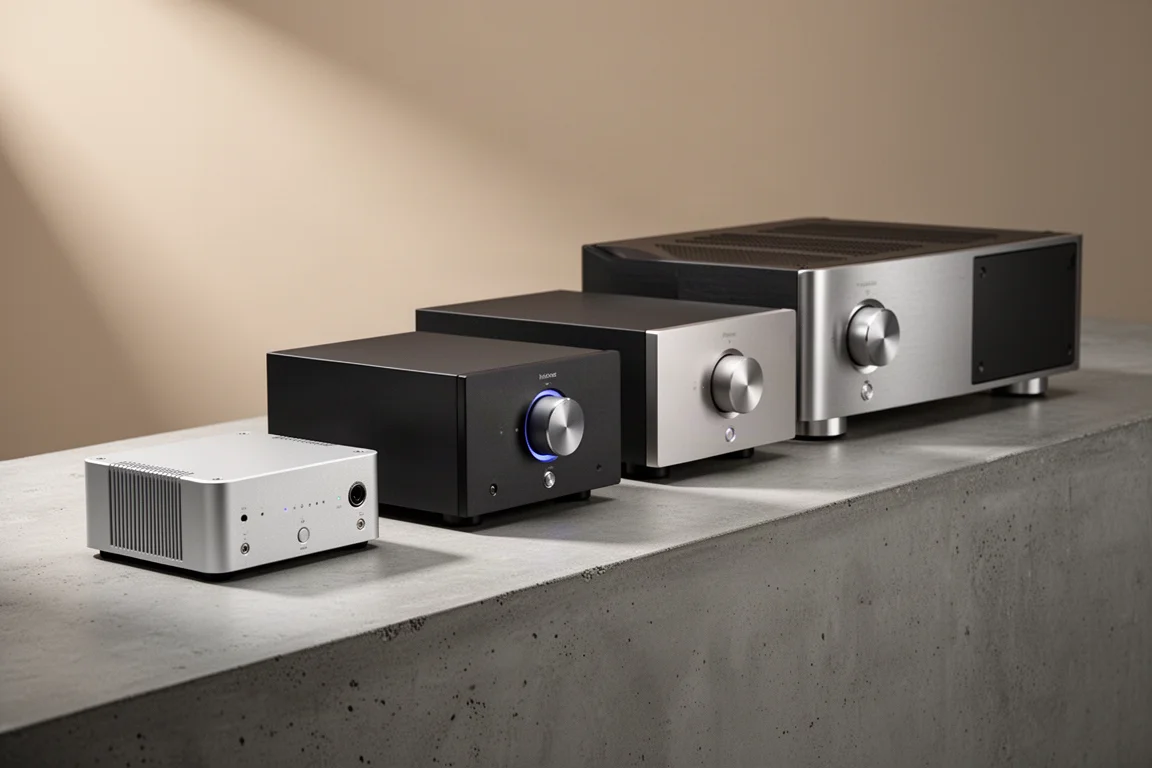
Nine integrated amplifiers, one listening room, and one question: how do they actually compare? Over the past eighteen months we worked through a sequence of amplifiers that grew steadily more expensive, beginning with an affordable streaming integrated and finishing with a reference-grade flagship. Each new arrival was placed alongside the amplifier that came before it, and the differences that survived those direct comparisons form the hierarchy below.
This roundup trades depth for breadth. Every amplifier here has a fuller assessment behind it, but the goal of this piece is to show how the whole ladder fits together and what each step up actually buys you.
How These Amplifiers Were Compared
Every comparison in this roundup was conducted side by side: two amplifiers, the same speakers, the same room, the same day. Quick level-matched A/B switching came first, followed by slower sessions in which one amplifier stayed in the system for several days before swapping back. A single pairing can take up to two weeks to work through.
The reason for that discipline is straightforward. Hearing one amplifier in a store in March and another in the same store in June, through different speakers, tells you very little. Long-term audio memory is fragile, and it erases precisely the small differences that most buying decisions rest on. Comparing side by side removes the source, the speakers, and personal preference from the equation as far as possible, and leaves the amplifiers to speak for themselves.
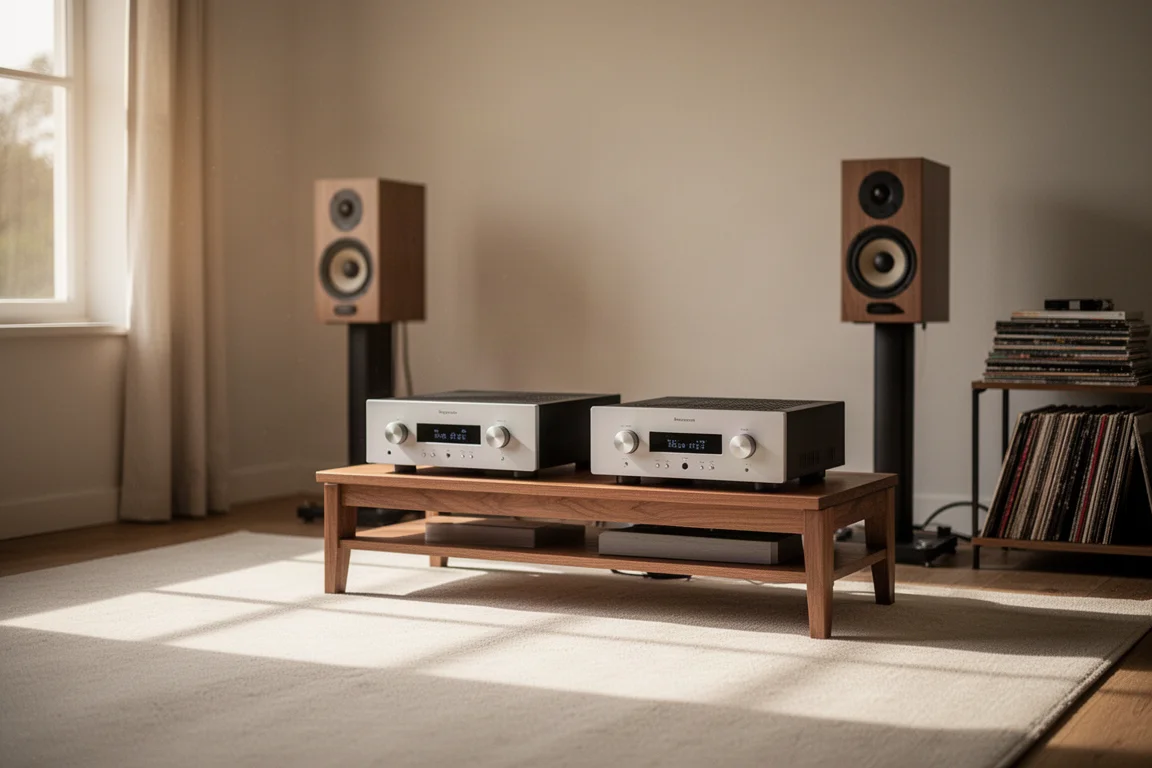
Speaker choice mattered as much as the amplifiers. Highly resolving loudspeakers reveal more about a weaker source, so the three most expensive amplifiers in this group were used with a revealing floorstanding pair. The more affordable models were matched with price-appropriate speakers, simply because the revealing pair was not on hand at the time.
WiiM Amp: The Affordable Entry Point
The WiiM Amp is where this sequence began, and it remains the least expensive amplifier here. Its balance leans slightly lean, lighter than anything further up the list. Judged on sound quality alone it sits at the bottom of the hierarchy, which is what you would expect from the amplifier that every later model was measured against.
It deserves a fair hearing, though. This is a compact and affordable route into a proper stereo system, and the distance between it and the reference flagship only becomes dramatic when the two are heard back to back. On its own, it does the basic job without fuss.
Marantz Model M1: Cleaner and More Refined
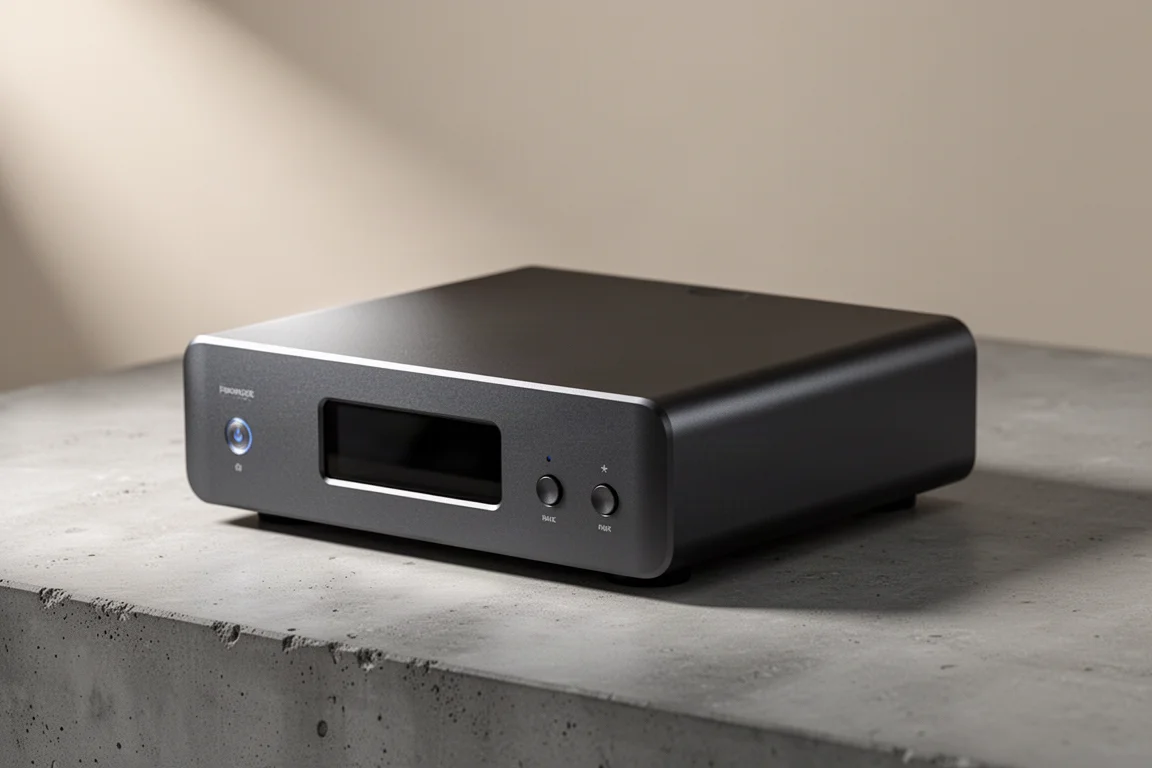
Placed directly against the WiiM Amp, the Marantz Model M1 produced a cleaner and more refined sound. Both amplifiers share a slightly lean character, but the Marantz resolves detail with more composure and gives the impression of a tidier, better organised presentation.
Its trade-off sits inside the Marantz family. The larger Stereo 70S sounds fuller and fatter, while conceding some transparency to the Model M1. That makes a move from one Marantz integrated to the other a sideways step rather than a clear upgrade, which is worth knowing before choosing between them.
Marantz Stereo 70S: Fuller Body, Less Transparency
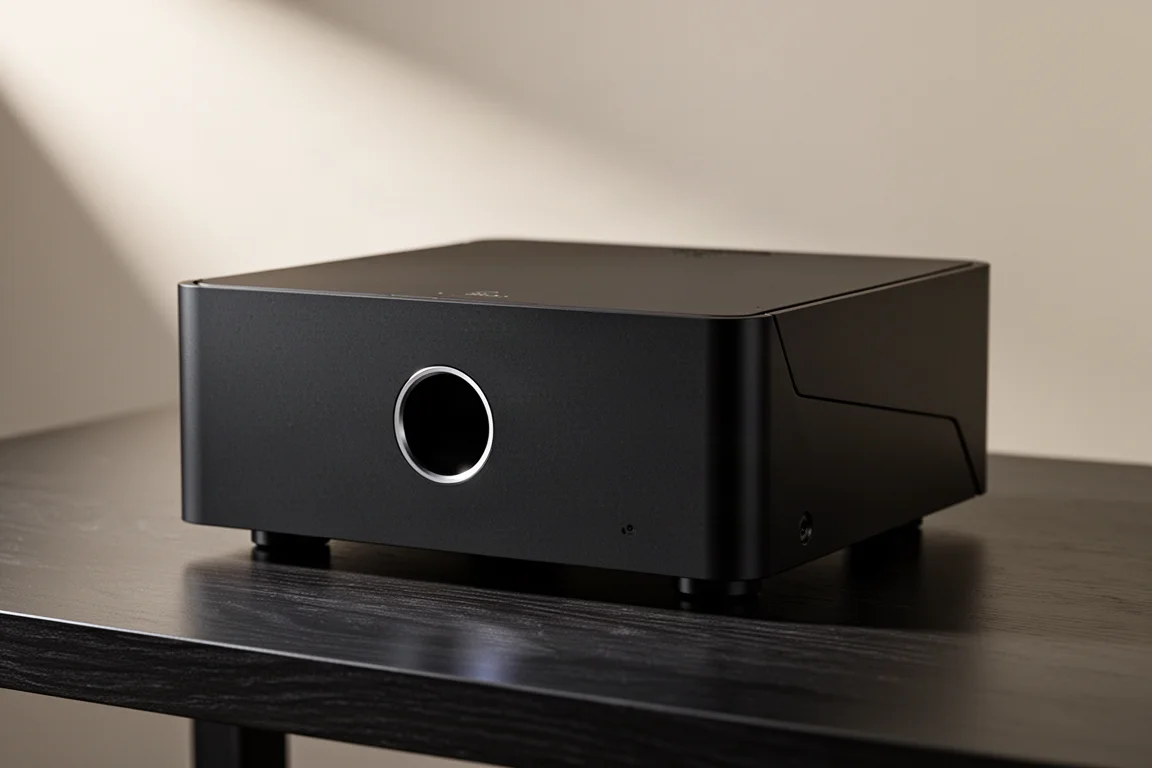
The Marantz Stereo 70S is the warmer of the two Marantz amplifiers in this group. It delivers a fatter, more substantial sound than the Model M1, and that extra weight makes it the easier listen on thinner or brighter recordings.
The cost is transparency. Compared side by side with the Model M1, the Stereo 70S gives away some of the smaller detail and the sense of air around instruments. The two models finish level on the sound-quality scale below, so the choice between them comes down to whether you prefer body or clarity.
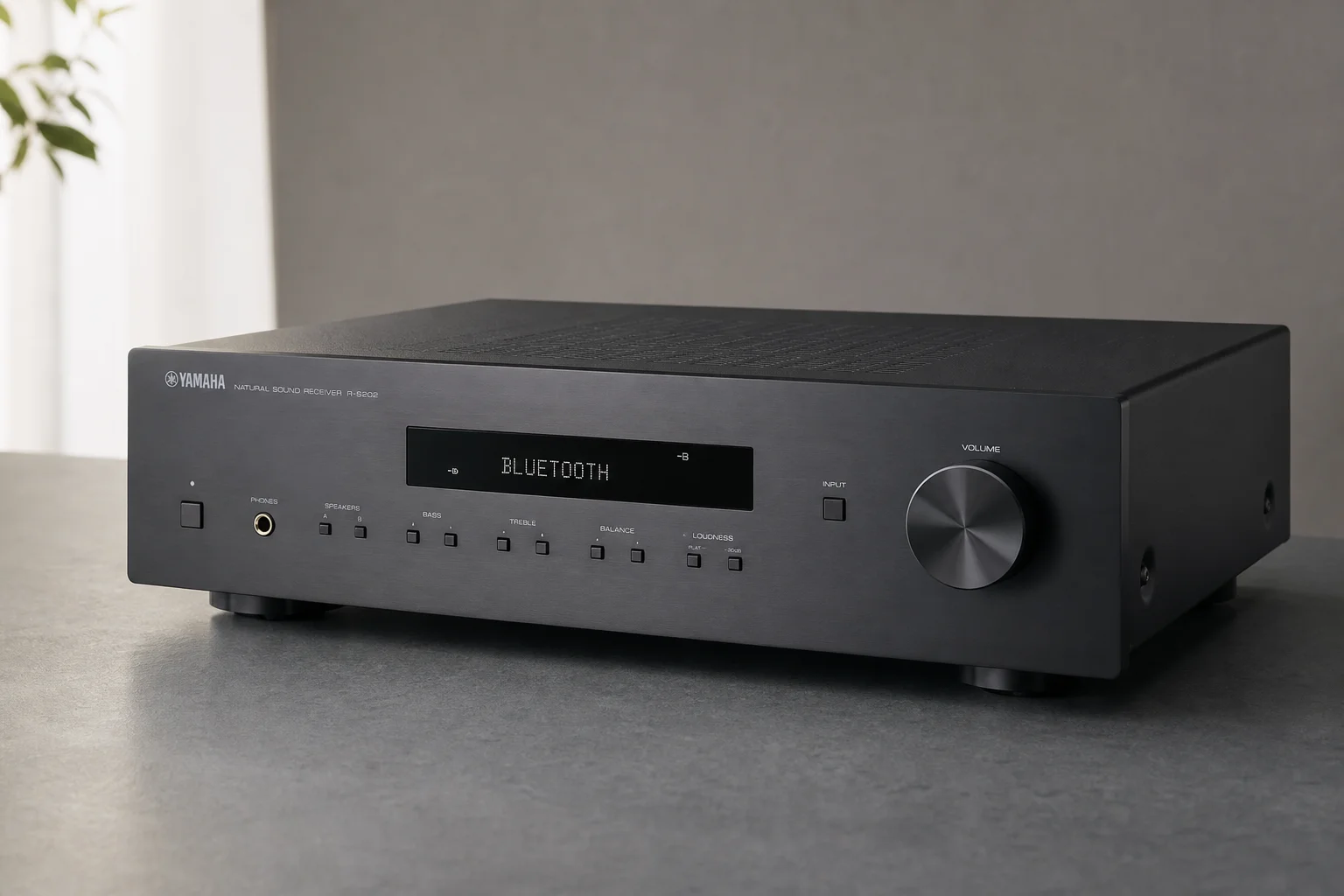
Musical Fidelity A1: More Dynamic Punch
Fed by an outboard streaming source, the Musical Fidelity A1 produced more dynamic punch than the Marantz Stereo 70S. Transients land harder and the music feels more driven, which is a meaningful step for listeners who care about rhythm and attack rather than tonal richness.
Its limitation appears later in the list. The Quad pre and power pairing delivered a similar level of dynamic punch while throwing a considerably larger soundstage, so the A1’s advantage is concentrated in drive rather than in space.
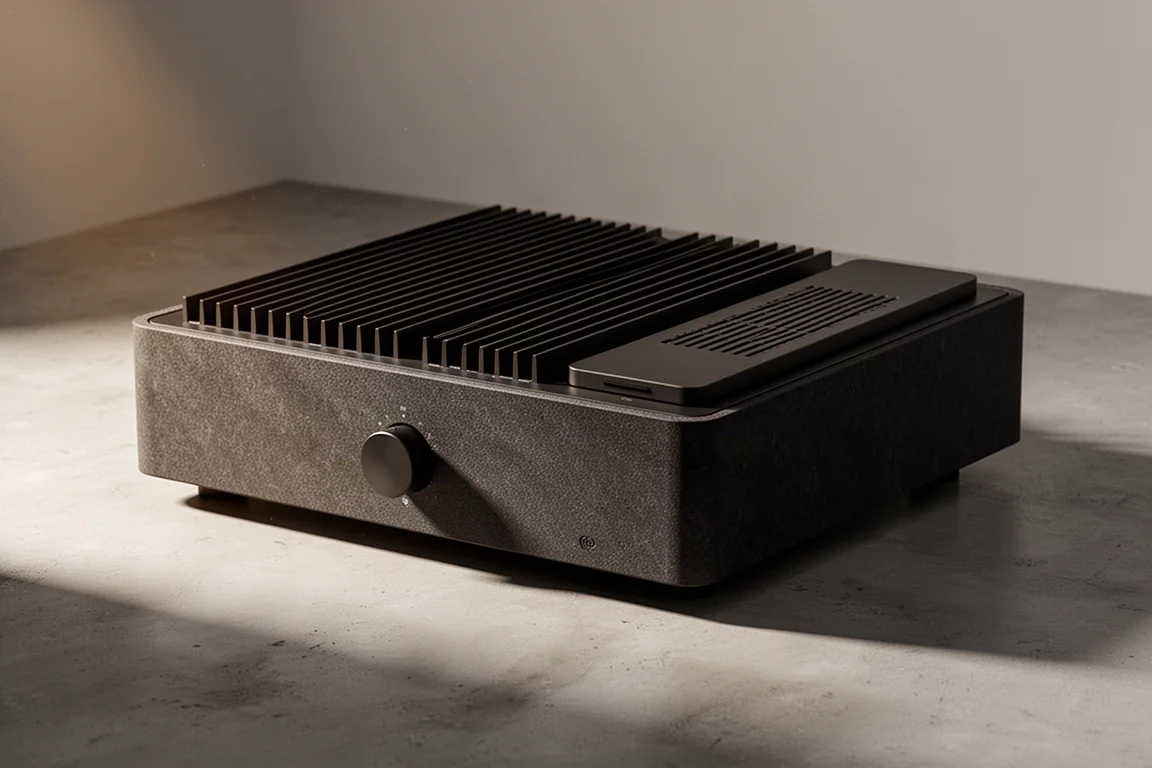
Quad 33: The Preamplifier Half of the Pairing
The Quad 33 preamplifier, partnered with the Quad 303 power amplifier, matched the Musical Fidelity A1 for dynamic punch while opening up a much larger soundstage. Instruments spread further beyond the speakers, and the presentation gains a sense of scale that the integrated amplifiers at this level struggle to match.
There is a catch, and it only appears in a direct comparison. Set against the Luxman integrated further up this list, the Quad combination can sound a little lifeless, with less of the sparkle that makes small details stand out.
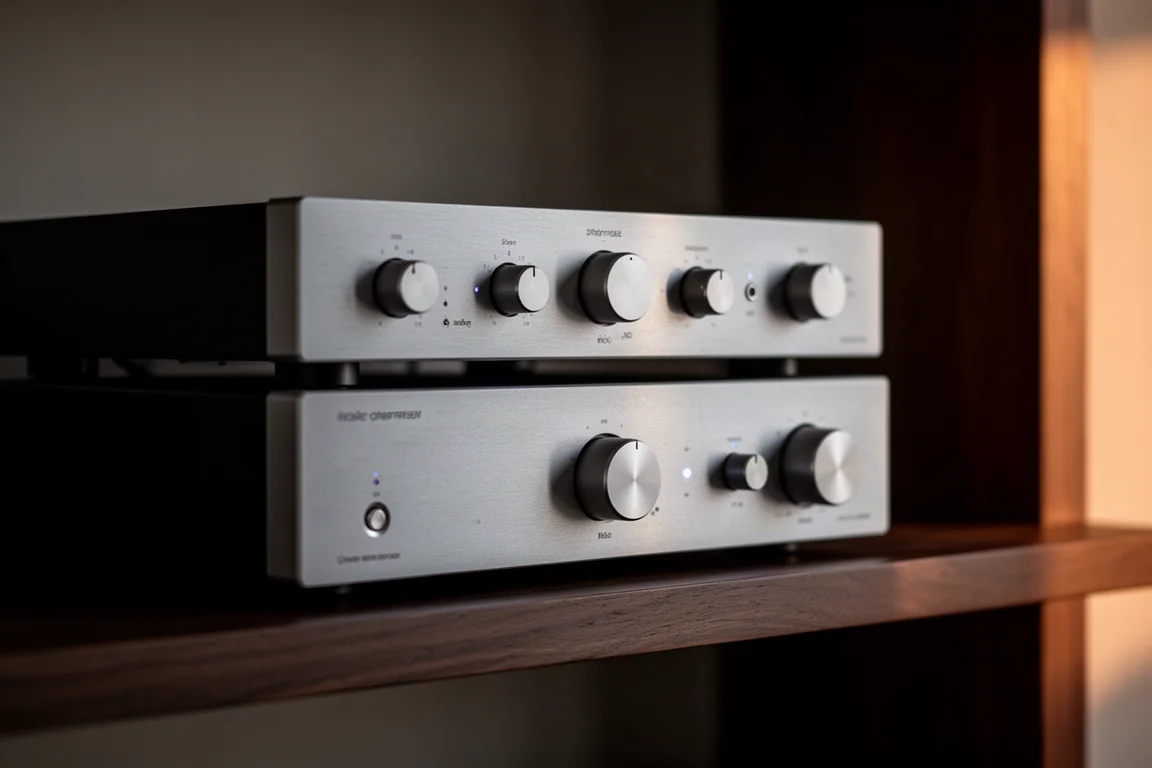
That contrast is instructive rather than damning. Heard on its own, the Quad pairing sounds expansive and confident, and the shortfall only becomes audible when a more microdynamically agile amplifier is standing next to it in the same system.
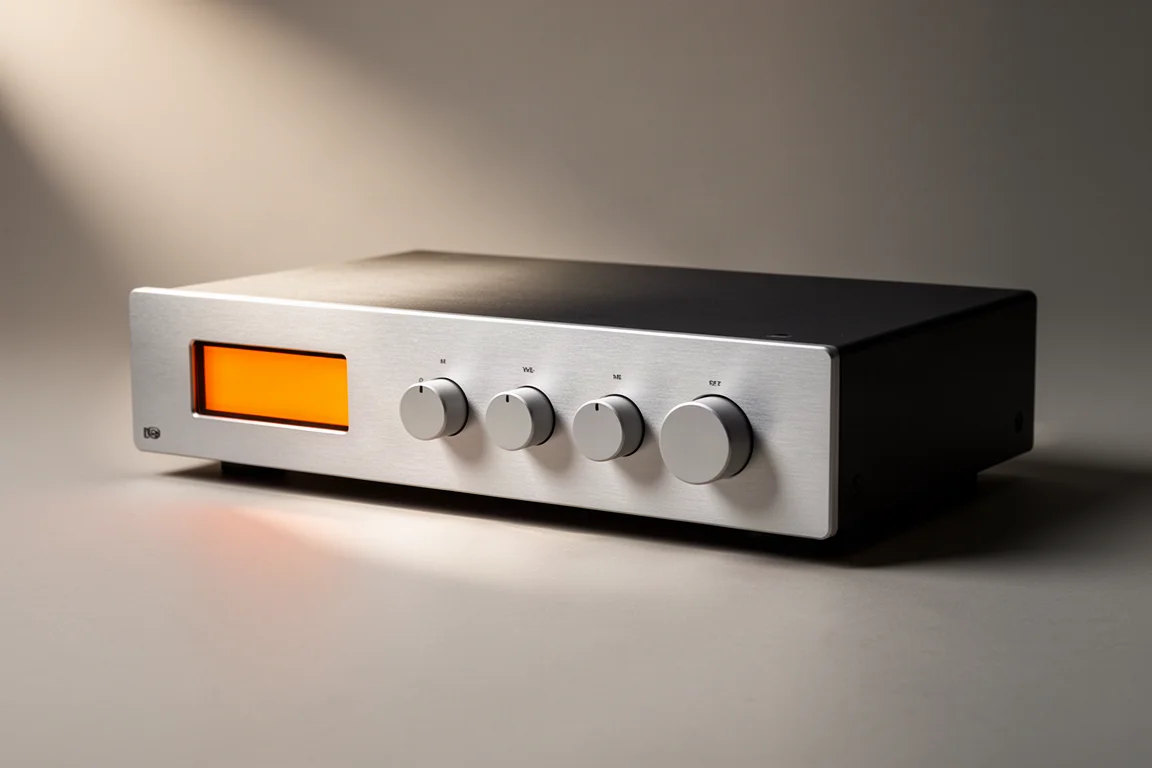
Quad 303: A Second Unit Adds Heft
Adding a second Quad 303 power amplifier to the system pumped up the overall weight and forward heft of the music, pushing the presentation further into the room. The difference is not subtle, and it lifts the pairing’s standing on the sound-quality scale.
Running two power amplifiers is a deliberate choice rather than an obvious one, and the single-unit configuration scores lower. Buyers considering this route should treat the second 303 as a genuine upgrade path rather than an optional extra.
Luxman L-505Z: Zest and Microdynamic Presence
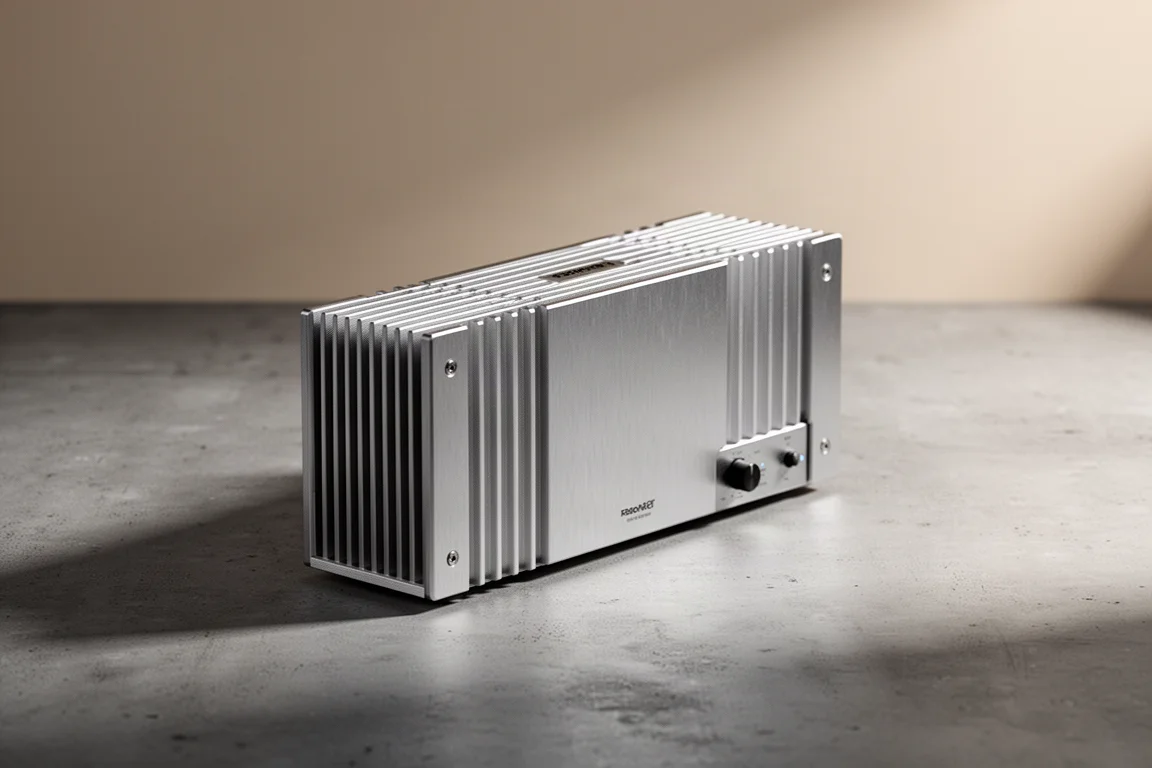
The Luxman L-505Z is a class-AB integrated that brings extra zest to everything it plays. Its microdynamic presence helps smaller details pop harder, and music simply sounds more exciting through it than through the Quad system. That quality is easy to miss when the Quad is heard alone, which is exactly why side-by-side listening matters.
Source pairing shifts the result. Fed by a high-quality external converter, the Luxman pulled ahead of the Technics in one direct comparison. With a more modest streaming converter in front of it, the Technics takes the advantage instead, so the outcome depends heavily on what is feeding the amplifier.
Technics SU-R1000: Clarity and Dynamic Wallop
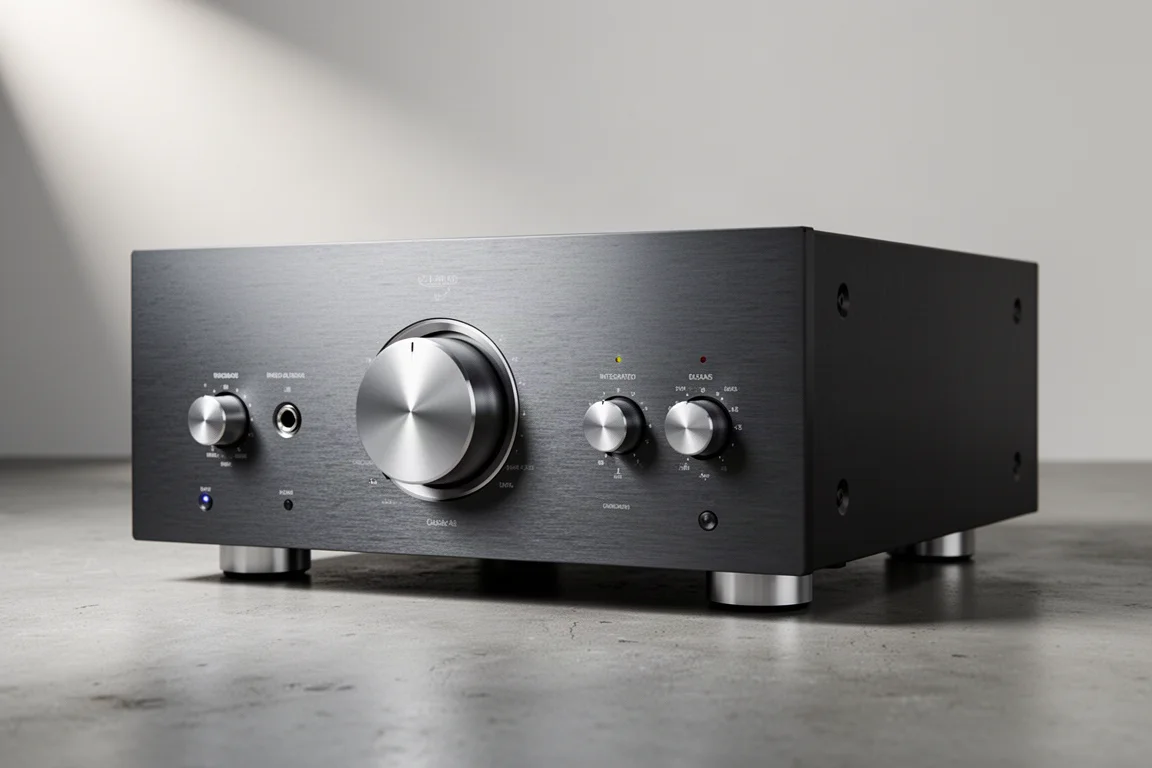
The Technics SU-R1000 is a switching amplifier, and its strengths lie elsewhere. Microdynamics take more of a backseat here, but macrodynamic wallop and overall clarity are excellent, and the amplifier takes the listener deeper into the recording than the Luxman does when the Luxman is fed by a more modest streaming converter.
Because its direct digital circuit handles conversion internally, the SU-R1000 does not necessarily need an external converter to perform at its best. That self-contained approach is a real advantage for listeners who would rather not build a stack of separate boxes.
Marantz Model 10: The Reference Point
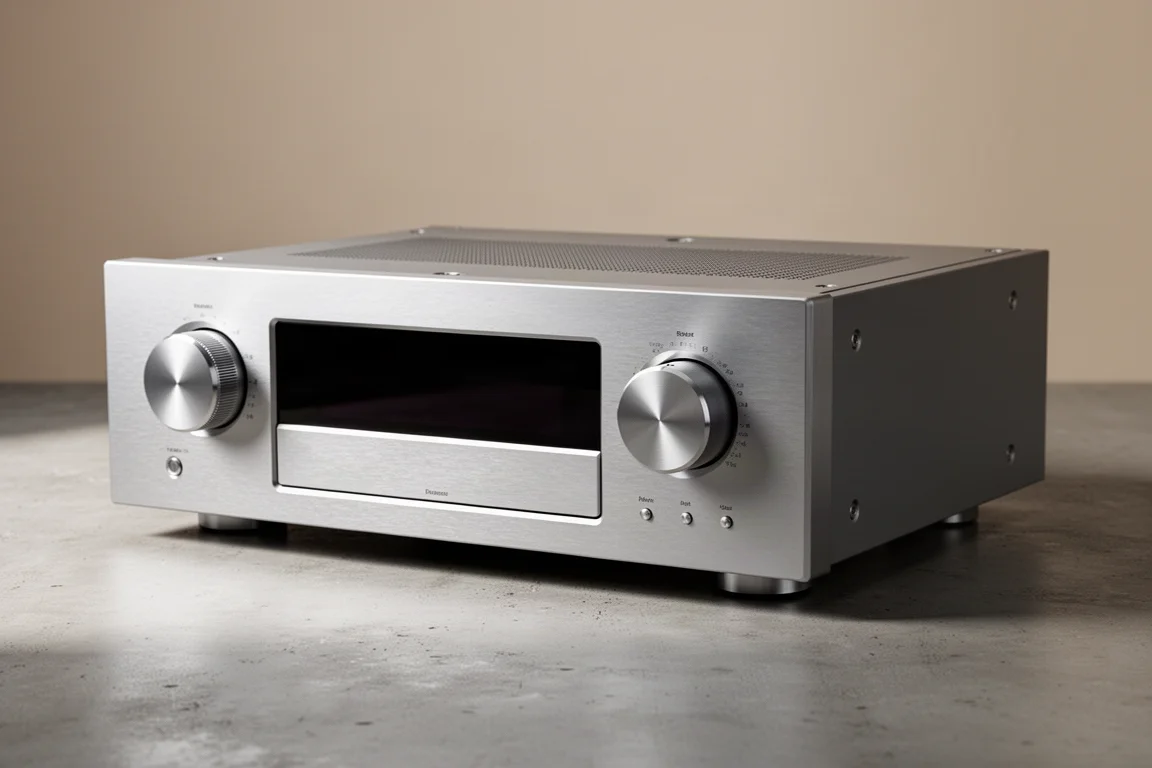
The Marantz Model 10 is the best-sounding amplifier in this group and the most expensive. Connected to a high-quality external converter, it produced better defined bass notes and a more refined treble than the Technics working alone. Even when fed by a softer-sounding converter, it still outperformed the SU-R1000 on top-to-bottom transparency and effortless bass dynamics.
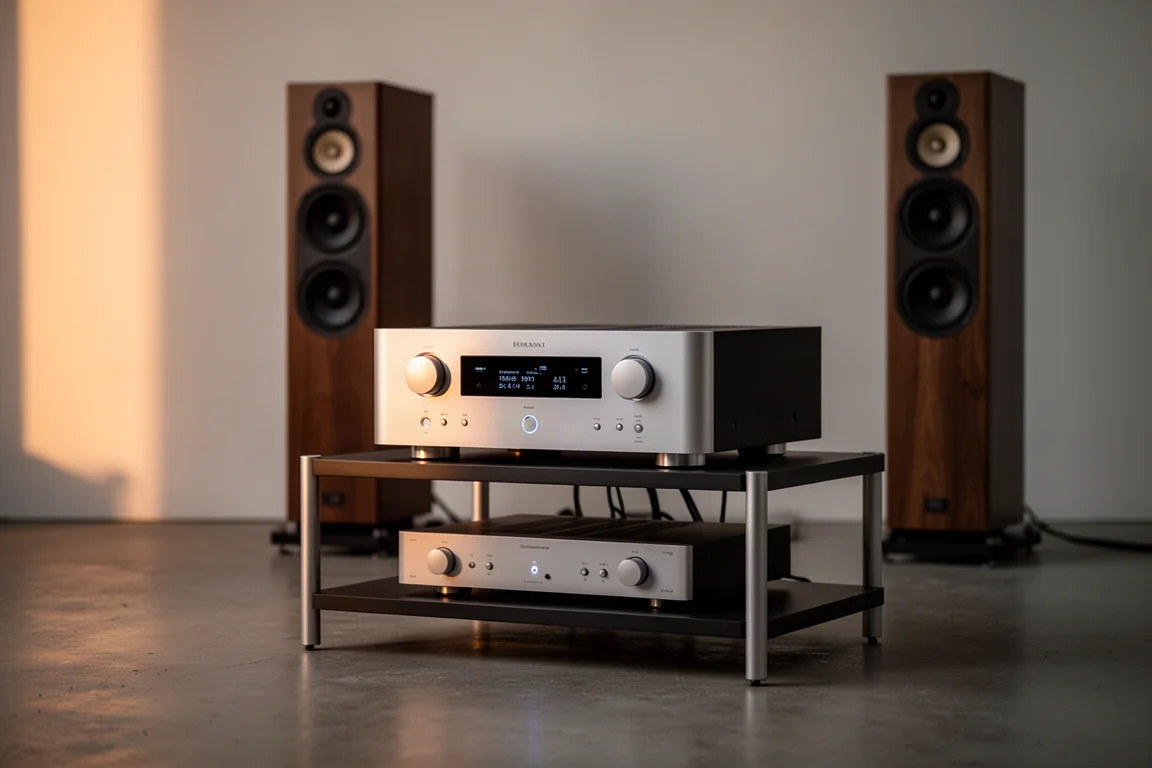
Build quality reinforces the gap. Next to the Model 10, the smaller Marantz amplifiers look almost like toys, and the flagship’s casework and finish make the price difference visible as well as audible. For listeners building a system around an amplifier at this level, the chassis alone signals how far the ladder has climbed.
The Amplifier Hierarchy at a Glance
The scores below reflect sound quality only. Functionality, appearance, and price are deliberately excluded, and the scale is intentionally coarse. The top of this list cannot be a 10 out of 10, because that would leave no room for better amplifiers that we have not yet heard.
- Marantz Model 10: 8 out of 10
- Technics SU-R1000: 7 out of 10
- Luxman L-505Z: 6 out of 10
- Quad 33 with two Quad 303 power amplifiers: 5.5 out of 10
- Quad 33 with one Quad 303 power amplifier: 5 out of 10
- Musical Fidelity A1: 4 out of 10
- Marantz Stereo 70S and Marantz Model M1: 3 out of 10
- WiiM Amp: 2 out of 10
Read as a whole, the scale shows a steady, incremental climb rather than a series of leaps, and it shows how much of the gap between the entry point and the flagship only becomes obvious when the two are compared directly.
Buying Advice: Where the Money Goes
Two lessons stand out from working through this ladder. The first is that better amplifiers are more revealing of weaker sources. A more transparent amplifier will expose a modest converter or streamer more readily than a cheaper one will, so the source matters as much as the amplifier once you move up the list. To hear that reveal, you also need a highly resolving pair of speakers, because a forgiving speaker will smooth over exactly the differences you paid for.
The second lesson is that there is no unicorn here. None of these amplifiers destroys models selling for two or three times the price, and the claim that a budget amplifier competes with far more expensive ones rarely survives being asked which specific products it beats. Diminishing returns are real, and each extra step up the ladder buys less than the one before it. But the more expensive amplifiers in this group do sound better than the cheaper ones, and they generally beat them on build quality as well. You get what you pay for, and you do not get what you do not pay for.
That also shapes how to audition. If you are evaluating an expensive amplifier, listen to it with more than one converter, and ideally include one of lower quality than the other. That way you can separate what the amplifier contributes from what the converter is contributing, and you avoid crediting the wrong box for the improvement you hear.
Conclusion
None of these nine amplifiers sound the same. The differences are not night and day across the whole group, and anyone expecting a dramatic transformation at every step will be disappointed. But the extremes are genuinely far apart, and the steps in between are real, repeatable, and audible when the comparison is conducted properly.
For buyers, the practical takeaway is that the ladder is worth climbing only as far as your speakers and source can support. An affordable integrated matched to sensible partners will deliver a satisfying system, and a reference amplifier will reward you only once the rest of the chain is good enough to show what it can do.
Further reading
Related Reviews
Hi-Fi Amplifiers
Accuphase E-280 Review: Entry-Level Accuphase With Flagship Attention to Detail
A close look at the Accuphase E-280 integrated amplifier, covering its champagne build, AAVA volume control, sound quality, and the speakers and sources that suit it best.
Hi-Fi Amplifiers
Advance Paris A10 Classic vs Yamaha A-S301: Two Integrated Amplifiers Compared
A practical comparison of a $350 integrated amplifier and a $2,500 reference model, covering the differences that matter and the ones that do not.
Hi-Fi Amplifiers
Affordable Chinese Amplifiers Worth Buying: Five Budget Hi-Fi Amps Compared
A practical look at five affordable amplifiers, what each one does well, and the trade-offs to weigh before you buy.