Hi-Fi Speakers
Best Hi-Fi Speakers: 13 Standmount and Floorstanding Models Worth Hearing
A curated roundup of 13 hi-fi speakers, from compact standmounts below £1,000 to subwoofers, floorstanders and transmission line designs above £3,000.
Introduction
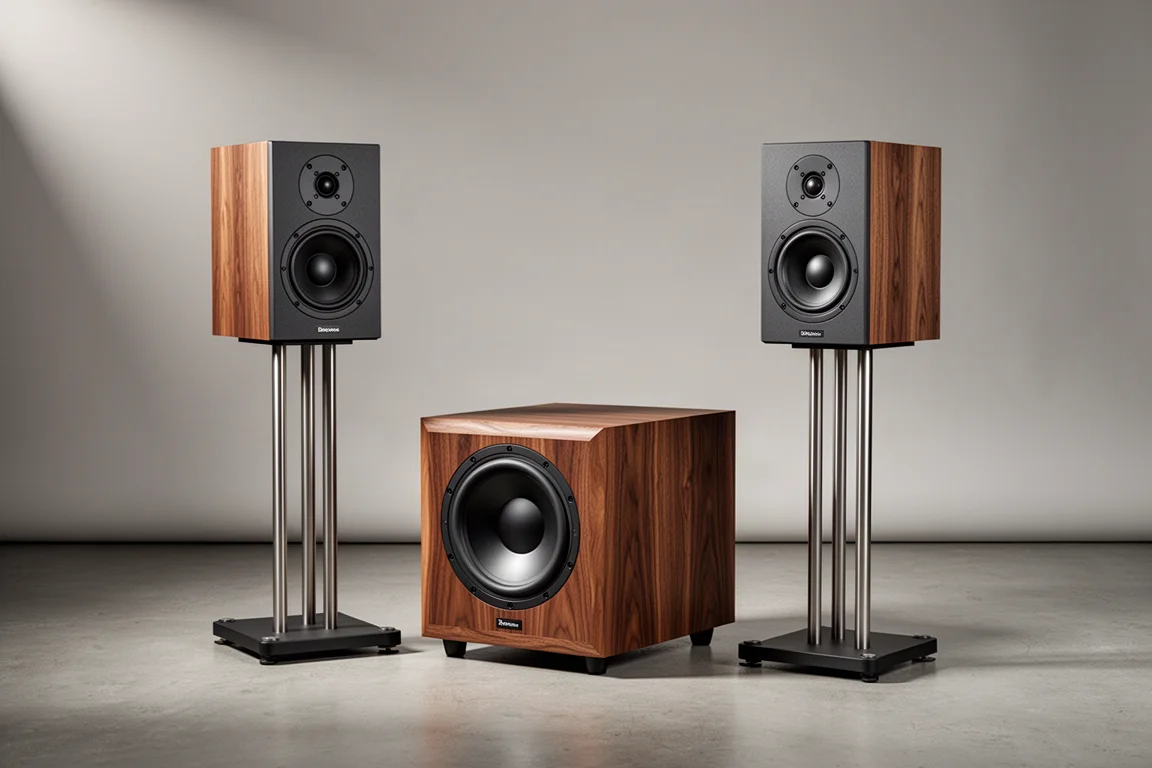
Thirteen speakers stood out over a year of listening, and together they cover a wide spread of prices, cabinet types and design philosophies. Some are compact two-way standmounts that suit smaller rooms, others are floorstanders with the cabinet volume to move real air, and one is a sealed subwoofer built specifically to integrate with a two-channel system.
This roundup groups them roughly by price so you can see what each tier actually buys. Every model here earned its place by doing at least one thing exceptionally well, whether that is resolution, bass depth, driver integration or sheer musical communication.
How These Speakers Were Chosen
Each speaker was assessed against the same criteria: detail retrieval, tonal balance across the frequency range, bass quality and extension, dynamics at realistic listening levels, soundstaging and stereo imaging, and how convincingly the drivers integrate with one another. Practical matters counted too, including finish quality, cabinet construction, placement demands and how forgiving each design is with different amplifiers.
Price was never treated as a proxy for quality on its own. Several of the most affordable models here resolve detail that costs considerably more elsewhere, while some pricier designs trade absolute transparency for a warmer, fuller presentation. System matching matters enormously: a speaker with a lively tweeter benefits from warm amplification and careful placement, while a compact midwoofer has physical limits that no amplifier can remove.
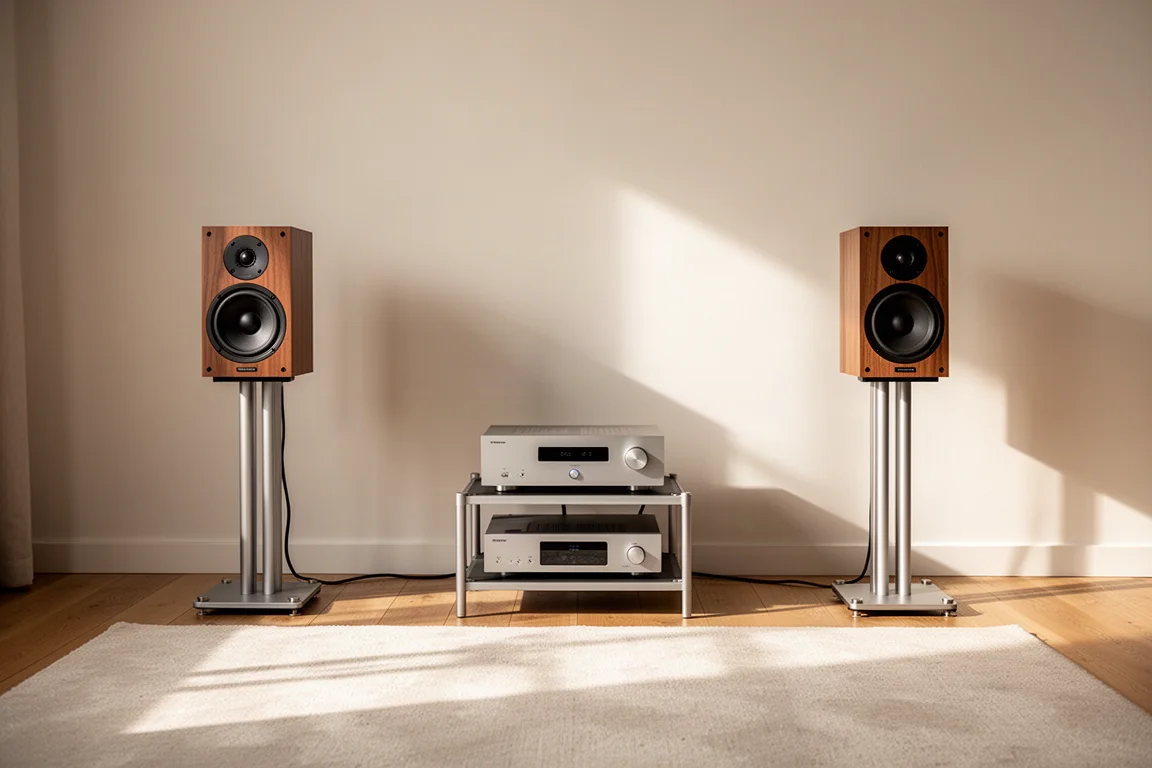
The notes below focus on what each speaker does well and where it asks for compromise. Where a design has a clear partner requirement, that is called out, because getting the match right is often the difference between a good system and a great one.
Dali Opticon 2 Mark 2: Danish-Built Detail at the Entry Point
The Opticon 2 Mark 2 is the most affordable DALI speaker built in Denmark, retailing at around £999 a pair. It pairs a 29 mm (1.2 in) soft dome tweeter, slightly larger than the norm, with a 165 mm (6.5 in) midwoofer made from a proprietary paper pulp and wood fibre material that is a DALI trademark.
Sonically these are detailed, natural-sounding speakers with excellent soundstaging and imaging, plus fairly decent dynamics for a medium-sized two-way standmount. The cabinet at this price uses a vinyl wrap rather than a real wood veneer, a reasonable trade to keep Danish assembly at the price point, though a wood veneer option would be welcome.
Acoustic Energy AE500: Compact Real-Wood Refinement
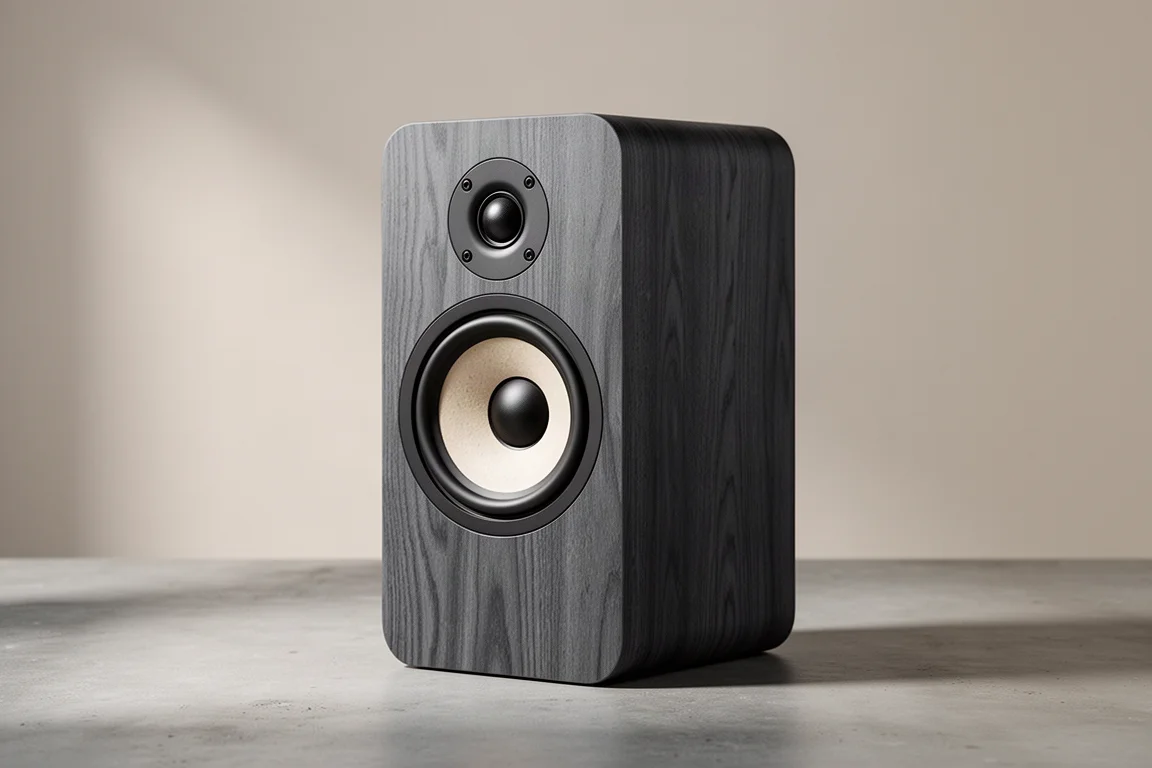
The AE500 is Acoustic Energy’s flagship standmount, retailing at around £1,049 and built in China, which allows a genuine wood veneer finish at this price. A 125 mm (5 in) carbon cone midwoofer is joined by a 25 mm (1 in) dome tweeter made from the same carbon material to promote tonal consistency between the drivers, set into a shallow waveguide.
Detail retrieval is very good, the midrange sounds wonderfully natural, and the small cabinets help the speakers pull off a convincing disappearing act, with the sound seeming to detach from the boxes. The trade-off is physical: that compact midwoofer shows signs of dynamic compression on busy tracks once average levels climb to around 80 dB and above.
Wharfedale Super Denton: Heritage Looks, Relaxed Sound
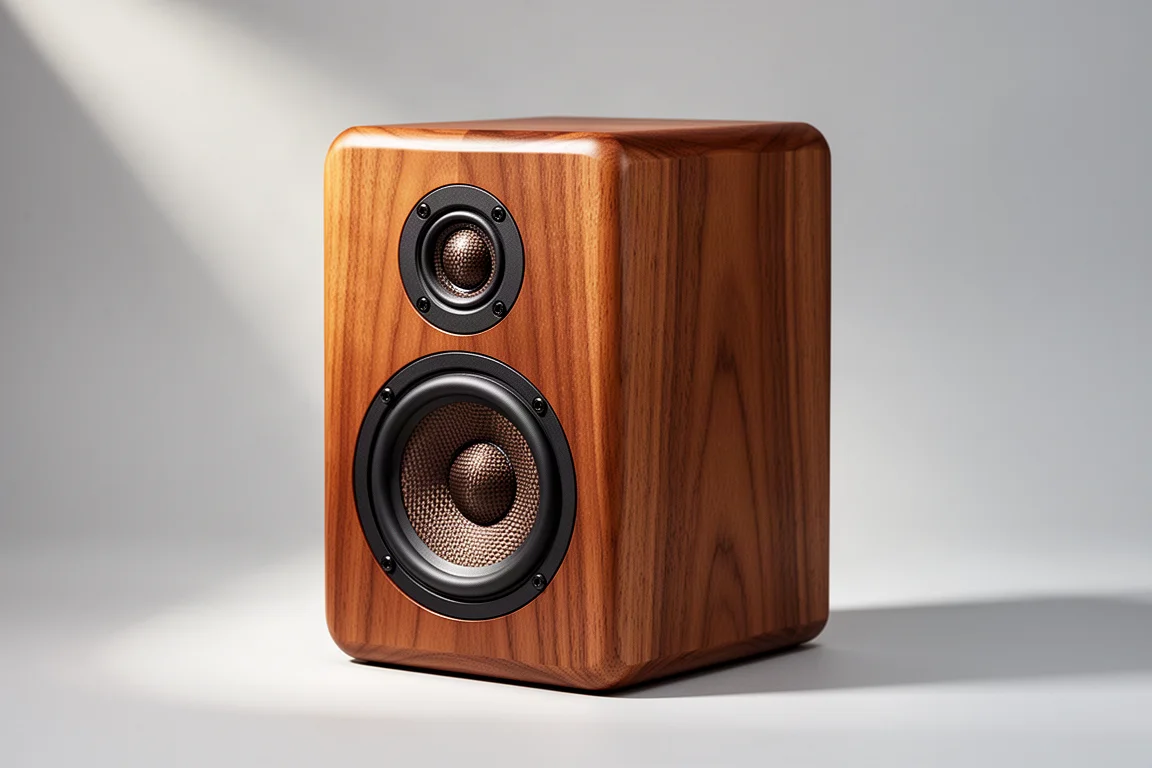
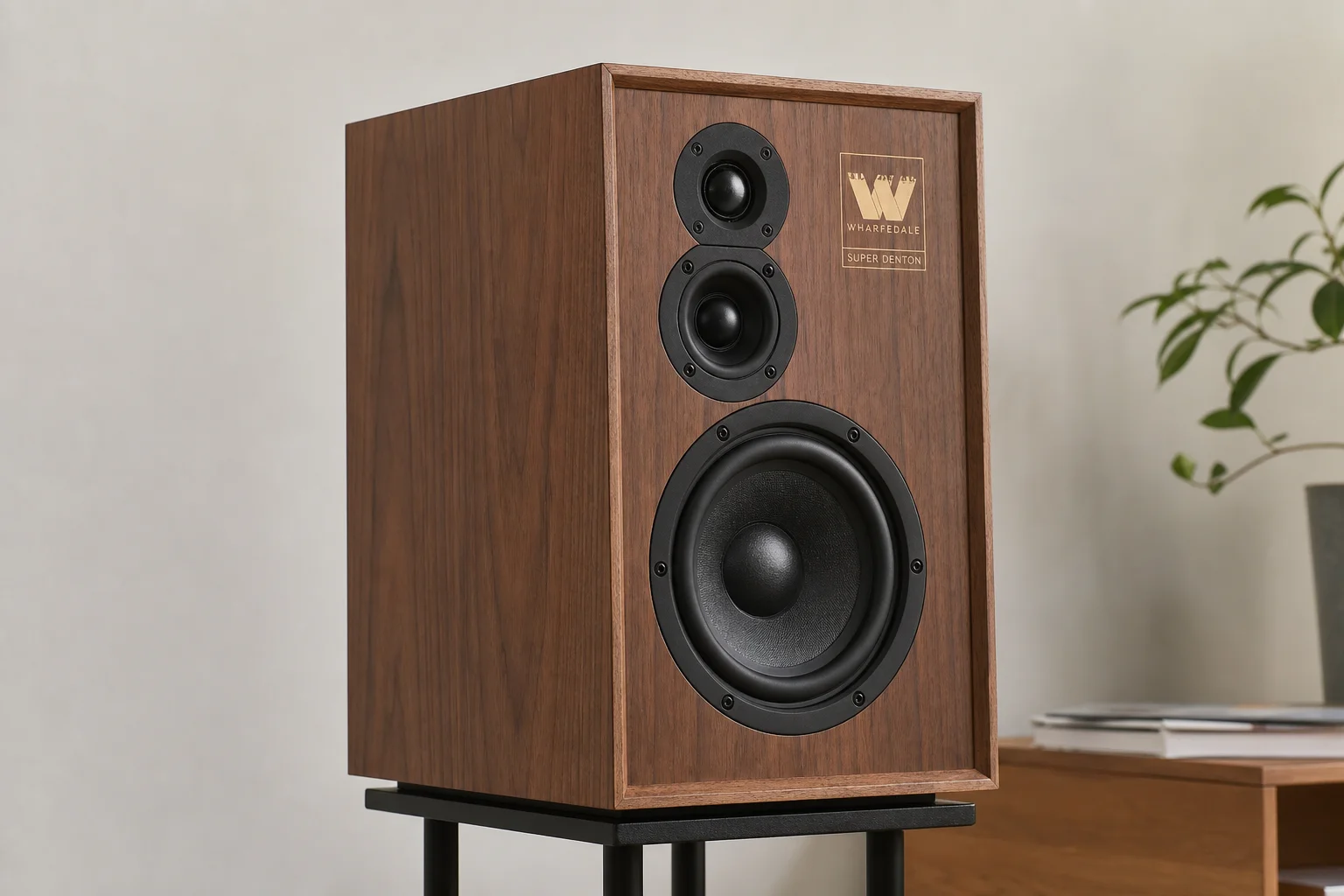
Released in March 2024 at around £999 a pair, the Super Denton sits in the Heritage range and is a compact three-way design with a cabinet finished in real walnut veneer. An offset 25 mm (1 in) soft dome tweeter is married to an offset 50 mm (2 in) soft dome midrange unit and a 165 mm (6.5 in) woven Kevlar cone woofer.
These are dynamic, warm-sounding speakers with a big soundstage, weighty bass and plenty of high-frequency extension. The midrange defines the character: full through the lower midrange and vocal region, with the upper midrange slightly pulled back for a relaxed presentation. Expect the Super Dentons to win as many admirers for their looks as for their sound. The compromises sit in information retrieval, which does not reach the level of the sharpest speakers here, in imaging that is a little diffuse, and in bass that is weighty but somewhat soft.
Monitor Audio Silver 100 7G: The Best Value Below £1,000
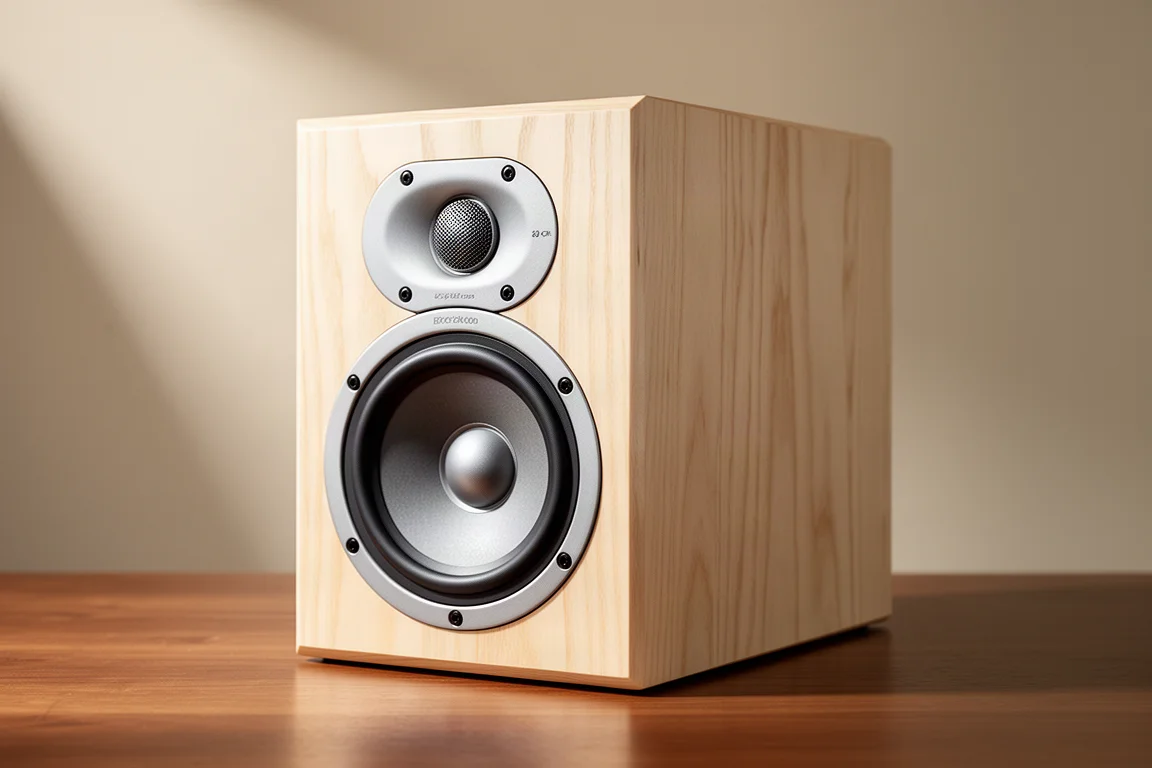
At around £799 a pair, the Silver 100 7G is the standout value in this roundup. Buyers can choose piano gloss or real wood veneer finishes. A 200 mm (8 in) midwoofer is built from C-CAM, a ceramic-coated aluminium-magnesium alloy, and the 25 mm (1 in) tweeter uses the same material, mounted in a shallow waveguide to aid dispersion.
Resolution is exceptional at the price, with percussive elements delivered with clarity and authority and note-to-note separation across the range that makes individual performers easy to follow in a busy mix. The large midwoofer and generously sized cabinet allow bass to extend down to 35 Hz at the -6 dB point.
Two things need managing. There is a little leanness in the midrange and the tweeter runs slightly hot, so partnering equipment and room placement deserve care. Warm-sounding amplification helps, and the speakers work best pointing straight down the room with no toe-in. Do that and a fairly neutral tonal balance is within reach, which is why the Silver 100 7G is our pick below £1,000.
REL Classic 98: Classic Looks, Modern Subwoofer Discipline
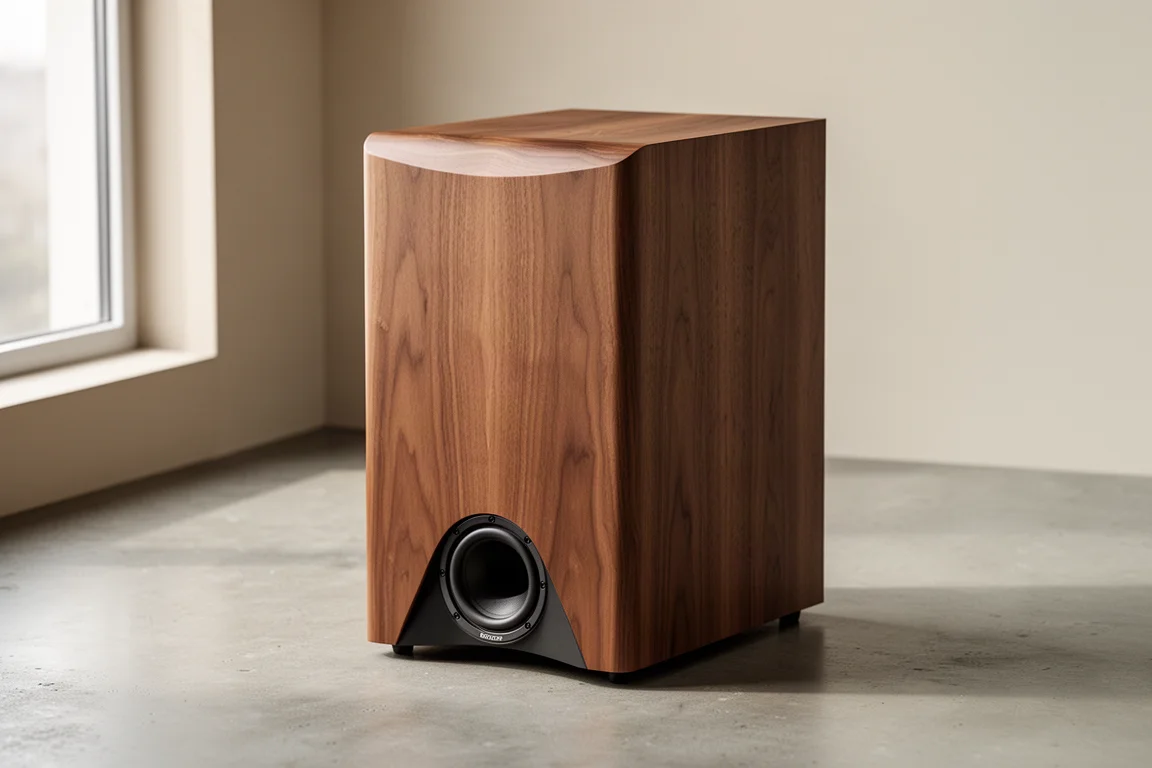
REL builds nothing but subwoofers, and almost all of them are designed for two-channel systems rather than home cinema. The Classic 98, at around £1,299, revives the understated look of older REL designs with a real walnut veneer finish that lets it pass for a piece of furniture. It is a sealed box with a downward-firing 250 mm (10 in) paper cone driver in the manner of the earlier designs, whereas most current REL models use front-firing carbon drivers with downward-firing passive radiators.
The result is cleaner than the older Strata 3, but softer in the bass than a T/7x, and it costs about £300 more than the T/7x, with the wood finish accounting for much of that. For listeners who want a well-judged two-channel subwoofer that looks at home in a living room, it is a nice proposition for the money.
MoFi SourcePoint 8: A Full Lower Midrange From an American Newcomer
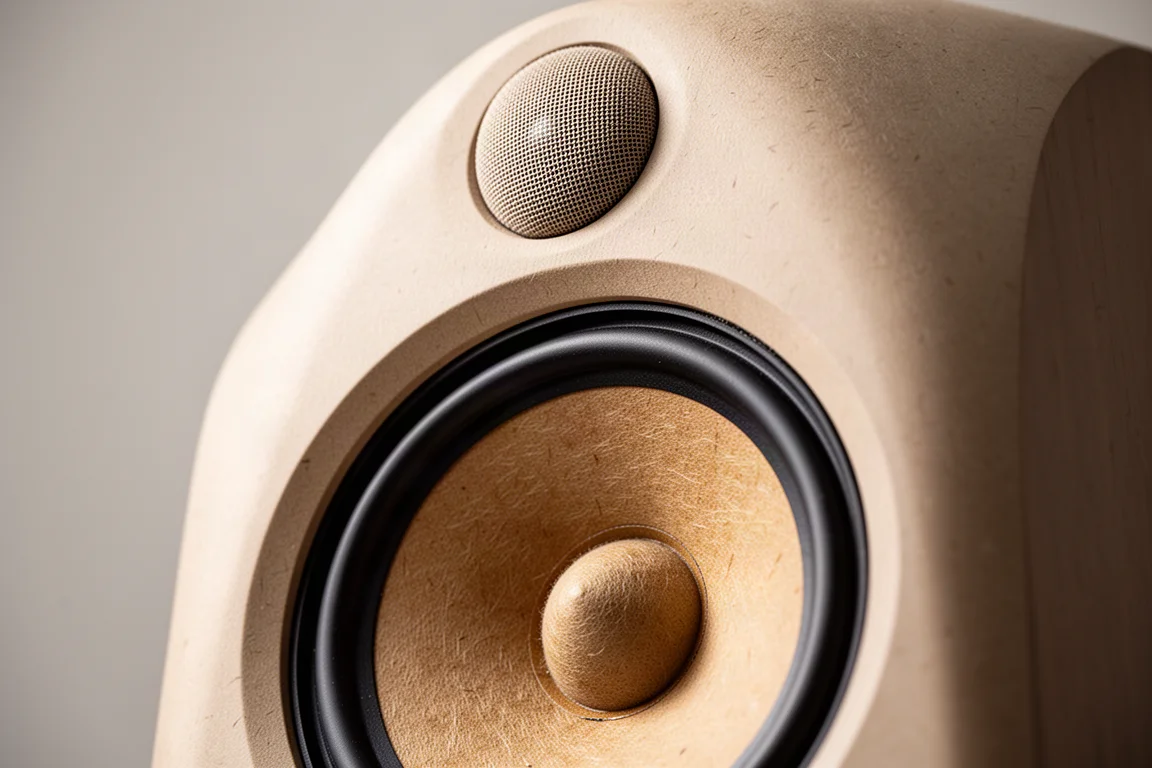
The SourcePoint 8 asks around £2,999, and the interesting question is how an American design competes with established British and European offerings once distributor margins are applied. The 200 mm (8 in) paper cone woofer is designed for minimal excursion to keep distortion low, and rather than a concentrically mounted horn tweeter, there is a 32 mm (1.25 in) soft dome unit.
It is not the most resolving speaker at the price, the bass is a little polite and soft, and the treble is not as well expressed as ideal. What makes it appealing is the lower midrange, which is very full and fleshes out vocals and lead instruments, with information extracted freely and openly thanks to that large driver.
That combination gives the SourcePoint 8 a generous, communicative character rather than an analytical one. Listeners who value body and warmth in voices and lead instruments over forensic detail should put it on the shortlist.
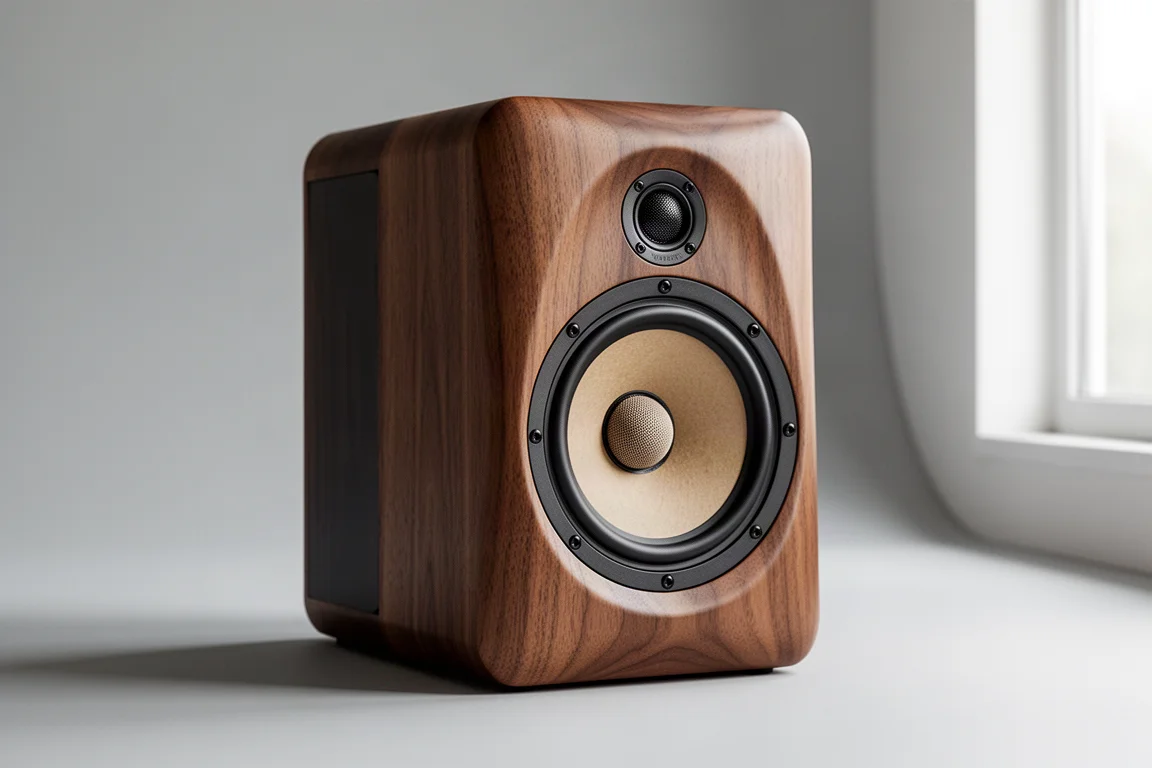
Audio Note AX One-Two: Best With Valve Amplification
The AX One-Two is the most affordable Audio Note speaker on the market at around £1,950, built in Austria. It uses a custom 125 mm (5 in) ScanSpeak paper cone woofer and an 18 mm (1/4 in) silk polyamide tweeter.
With valve amplification, whether the brand’s own amplifier or a separate valve design, the results are pleasing: decent dynamics for a speaker about the size of an LS3/5A, even tonality and good resolution. With the solid state amplifiers tried, the same speakers sounded flat, as if the drivers were being over-damped by transistor-based amplification. Anyone drawn to an all Audio Note system should audition the AX One-Two with more than one amplifier to confirm the match. At around £2,000, Austrian assembly also makes it a relatively pricey option.
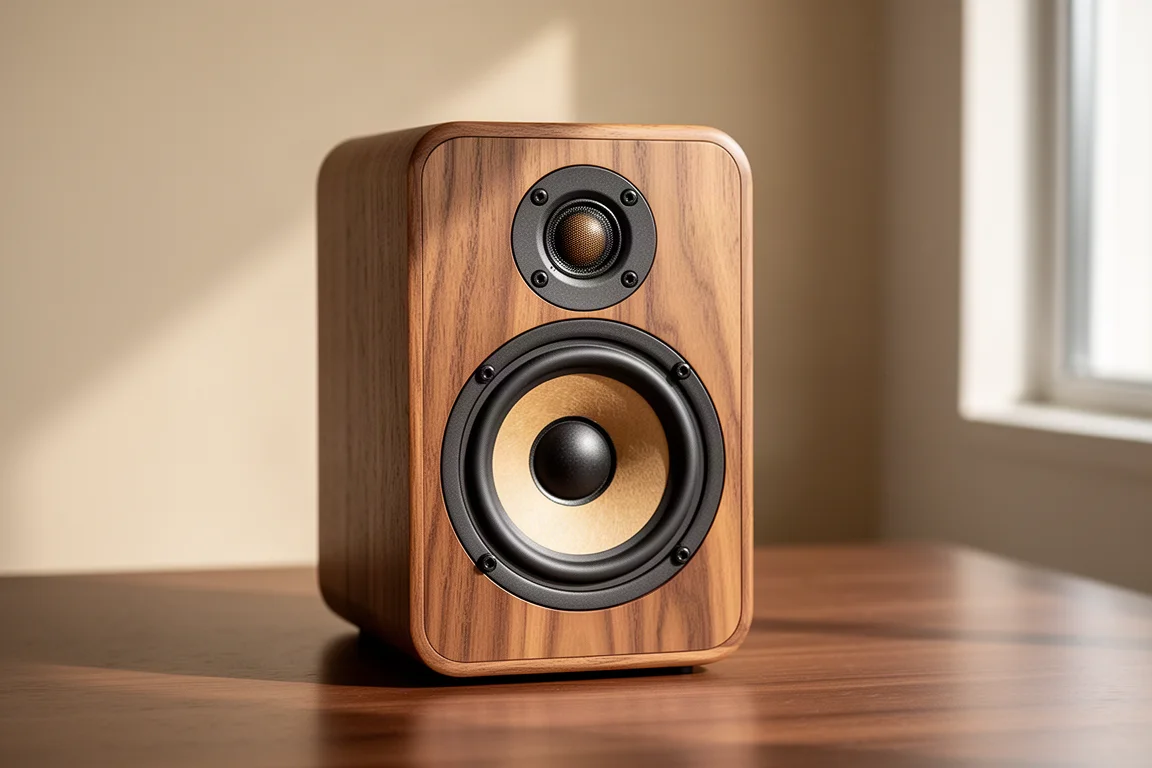
Monitor Audio Studio 89: MTM Clarity and Striking Design
Released on 1 July 2024 at £1,999, the Studio 89 puts its drivers in an MTM configuration: two 108 mm (4.25 in) C-CAM midwoofers sandwich an AMT tweeter. Optional matching diecast aluminium stands add around £500 and complete a striking look. All drivers are developed in house, with technology trickling down from the more expensive Platinum series.
With a good recording and capable partnering equipment, the clarity and stereo imaging are stunning, and you can track the location of each performer within a layered soundstage. The leading edge and decay of notes is simply beautiful. The limitations are physical: a touch of leanness to vocals and instruments, and a loss of composure at higher volumes, particularly with heavy basslines played above 80 dB. Two 4.25 in drivers cannot bend the laws of physics.
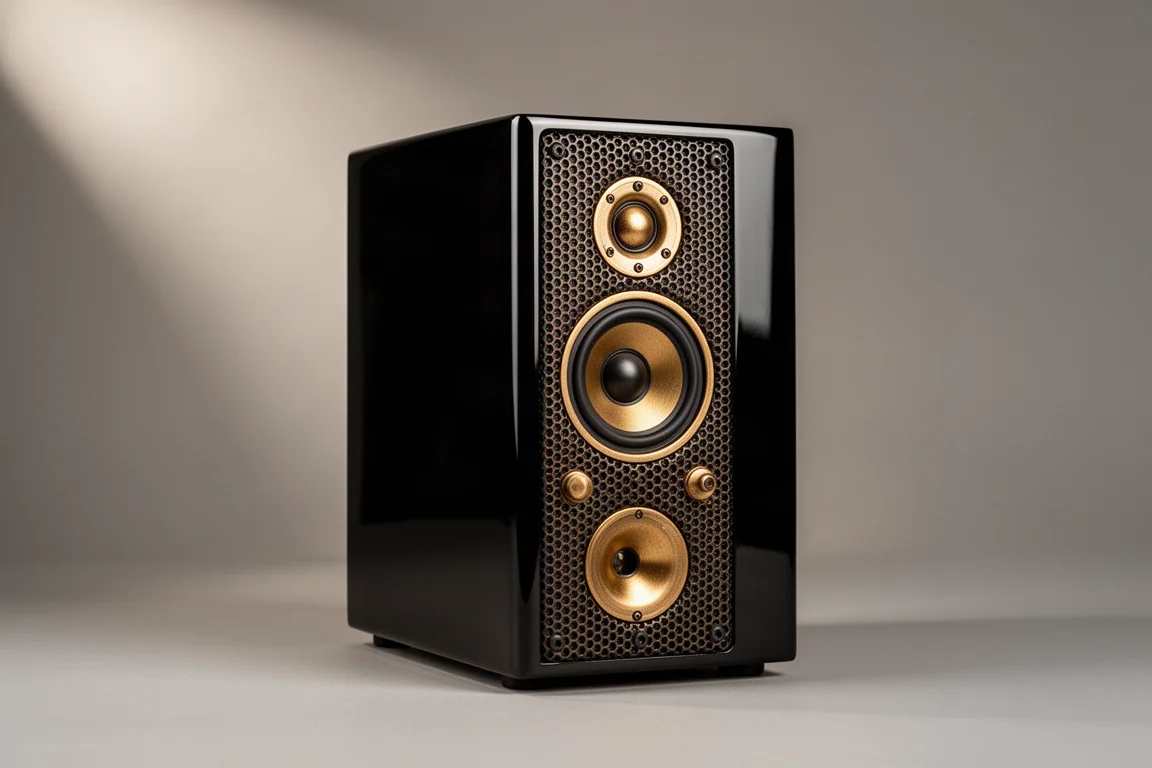
Quad Revela 1: Ribbon Treble Done Right
At around £1,800, the Revela 1 is one of the strongest value stories in hi-fi. A 165 mm (6.5 in) wood paper pulp cone, damped with para-aramid materials termed Revel and developed specifically for the Revela project, is mated to a 60 mm (2.4 in) pure ribbon tweeter similar to the one used in the Junior Z series but with an improved magnet structure and waveguide.
Most speakers at this price with a ribbon or AMT tweeter sound bright, and even the best often show a disconnect between a nimble tweeter and a more pedestrian midwoofer because of the difference in inertia between the two drivers. Not here. The pair is integrated so well that it is hard to find a misstep, with great soundstaging and imaging, weighty, punchy and tight bass, a resolving and natural midrange, and highs that are articulate without brightness. The black and gloss walnut finish is a little flashy for conservative tastes, and a satin option would be welcome, but the sound is beyond criticism at the price. This is the pick between £1,000 and £3,000.
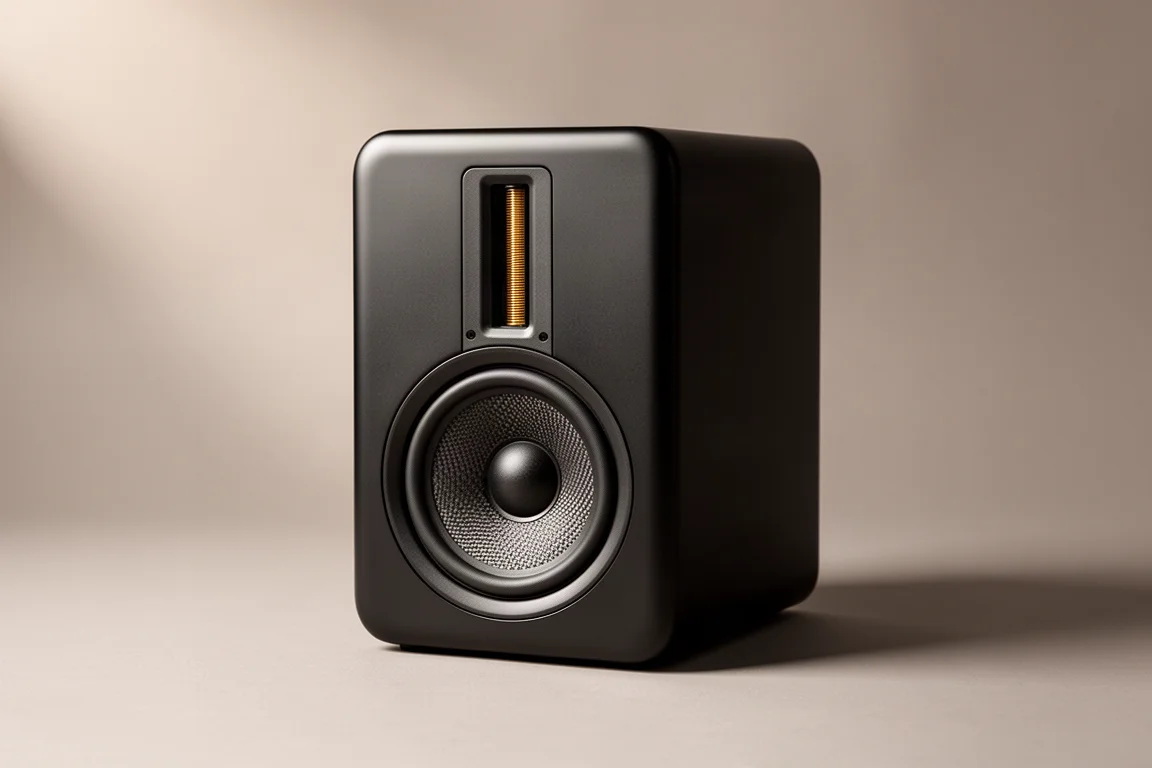
CSS Typhon: A Modular Two-Cabinet Design
The Typhon sells directly for $5,500 plus shipping and taxes, and has been offered at $3,000 in a sale. Cabinets are hexagonal, finished in walnut veneer and matte black, and the design is split across two separate boxes.
The lower cabinet houses two 178 mm (7 in) paper cone woofers that reach down to 31 Hz anechoically, and well into the 20s with some room gain. The upper section uses an identical driver for midrange duties above 230 Hz before handing over to a soft dome tweeter at 2,400 Hz. Beyond premium crossover parts, a standout feature is the ability to tilt the top section by up to 5 degrees in 1 dB steps to align the drivers with the listening position.
The bass is gorgeous, deep and clean, among the very best heard from any speaker here. The midrange is rich and open, though not the last word in extracting every micro detail, and the tweeter is capable but not the most articulate at this price. Everything is presented in a very deep soundstage with a tonal balance that leans warm and dark, similar in character to the MoFi SourcePoint 8 but with greater bass. At the sale price it is an absolute bargain.
Dali Rubicon 6: Floor-Standing Scale With Some Caveats
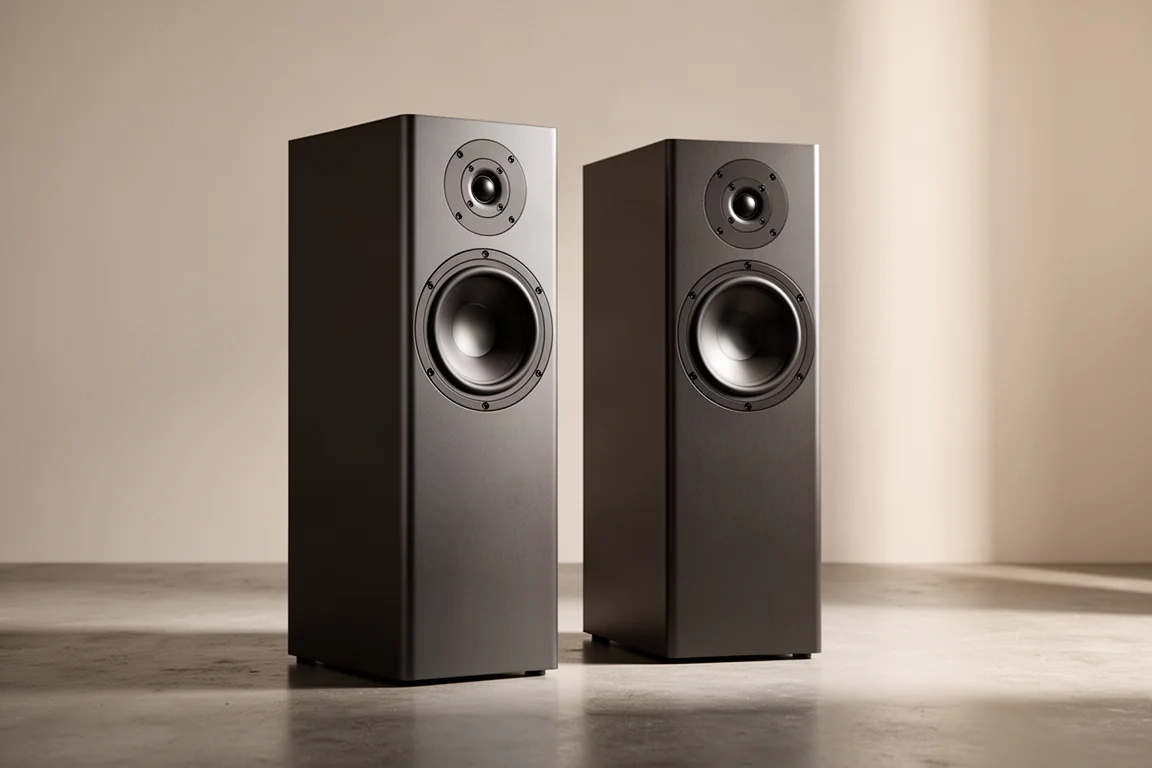
The Rubicon 6 launched in mid-2024 at around £4,499 and addresses one recurring reservation about DALI designs, which is that some higher-priced models offer great resolution and natural tone but can be dynamically shy. The extra cabinet volume and cone area should help, and in absolute terms these floorstanders do offer decent dynamics.
Two 165 mm (6.5 in) paper pulp wood fibre midwoofers are used, with the lower one operating up to 800 Hz in a two-and-a-half way configuration. Above 2,600 Hz a 29 mm (1.2 in) soft dome tweeter takes over, and a planar magnetic super tweeter kicks in above 14,000 Hz to ensure wide dispersion. As with a lot of DALI speakers, the presentation is very detailed and natural.
The caveat is value. The Rubicon 6 is almost a metre tall and carries two midwoofers, yet similar capabilities are available from compact floorstanders with a single midwoofer that cost around £1,000 less.
That is less a criticism of the sound than of the proposition. Buyers who want a tall, room-filling DALI floorstander will find plenty to like, while those prioritising dynamics per pound have cheaper alternatives worth auditioning alongside it.
Kerr Acoustics K300 Mark II: Transmission Line Craftsmanship
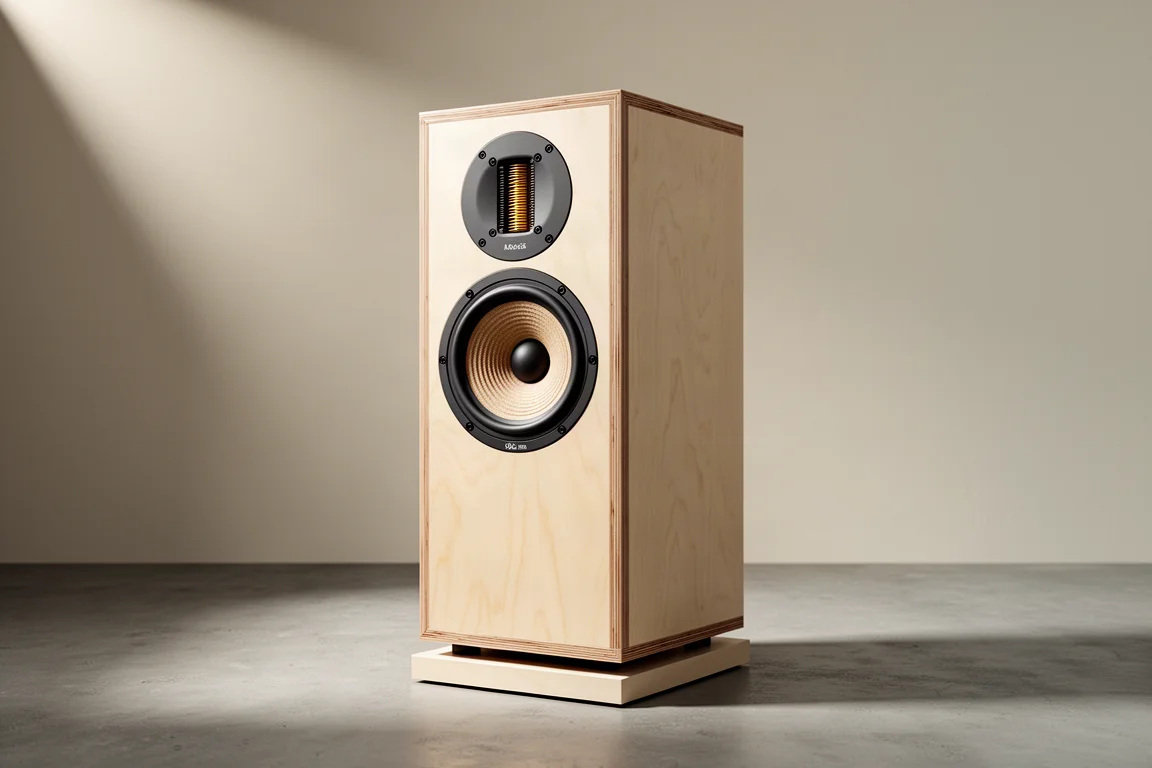
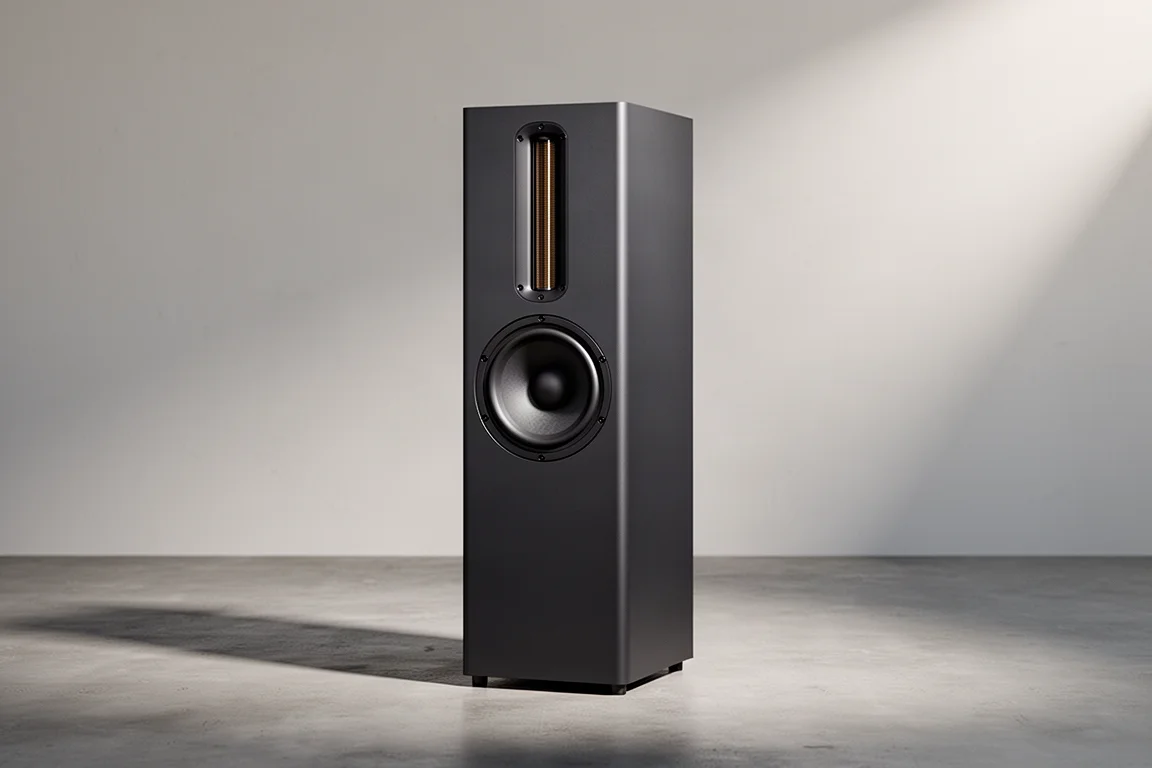
The K300 Mark II comes from an up-and-coming UK brand and costs around £6,395. It is a transmission line design with Baltic birch ply cabinets, a 165 mm (6.5 in) wood pulp premium version of the well-known ScanSpeak Revelator midwoofer, a 60 mm (2.4 in) Fountek pure ribbon tweeter, and high-calibre crossover parts. Everything about it is aimed at delivering the best possible quality for the price.
The bass digs down cleanly to 33 Hz, which embarrasses many compact floorstanders, while the midrange combines organic warmth, energetic presence and excellent detail. High frequencies are exquisite and superbly integrated. The speakers need a lot of space to breathe: in a smaller room there can be a smidgen of bloom in the bass and lower mids, likely a room interaction rather than a speaker flaw, and that touch of opaqueness disappears in larger rooms with more space around the cabinets. Performance here is equal to the finest speakers in this roundup.
Ophidian Audio Lector: The Best Above £3,000
The Lector, at around £5,000, shares some design elements with the Kerr K300 Mark II, including a very similar Fountek pure ribbon tweeter, but pairs it with a 150 mm (6 in) injected polymer Morel midwoofer and transmission line bass loading. That loading is unusual: a hybrid between transmission line and bass reflex.
Separating the Lector from the Kerr is difficult. Both are exquisitely detailed and wonderfully natural, with awesome bass delivery, and both can disappear into a totally immersive sound field. The Lector is a tiny bit cleaner through the bass and lower mids, likely because it suits the room slightly better, while the K300 Mark II is a little bigger and bolder in presentation. The decisive difference is price: the Lector is £1,400 cheaper. That makes it the best speaker above £3,000 in this roundup.
Overall Buying Advice
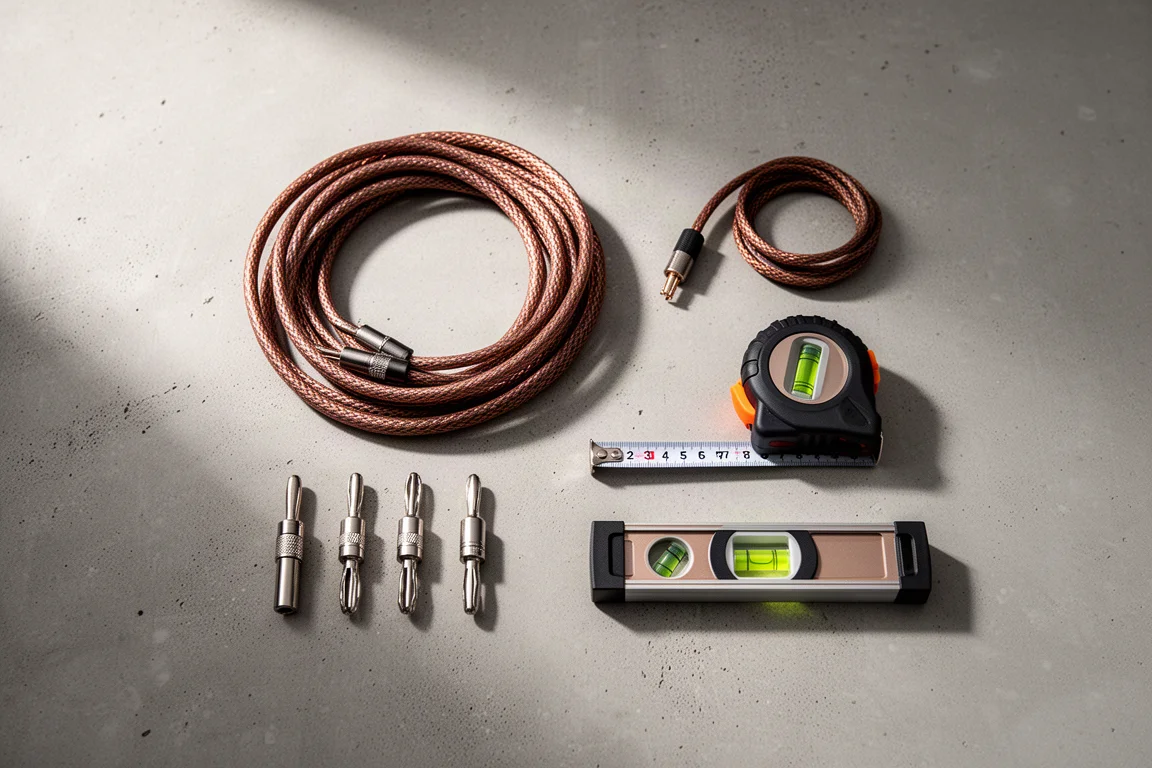
Start with the room and the amplifier, not the price tag. A lively tweeter such as the one in the Monitor Audio Silver 100 7G rewards warm amplification and a straight-ahead placement with no toe-in, while the Audio Note AX One-Two only came alive with valve amplification in these sessions. The CSS Typhon’s adjustable upper cabinet and the Kerr Acoustics K300 Mark II’s appetite for space both show how much setup affects the final result.
Then decide what you are optimising for. If resolution and value matter most below £1,000, the Silver 100 7G is the obvious starting point. Between £1,000 and £3,000, the Quad Revela 1 is the most complete performer, with the MoFi SourcePoint 8 as the warmer, fuller alternative and the Dali Opticon 2 Mark 2, Acoustic Energy AE500 and Wharfedale Super Denton covering the compact standmount options. Above £3,000, the Ophidian Audio Lector and Kerr Acoustics K300 Mark II are the two to compare directly, while the Dali Rubicon 6 and CSS Typhon offer very different routes to a large, room-filling sound.
Finish choices deserve early thought, since several models here offer real wood veneers while others use vinyl wrap or gloss lacquer, and the REL Classic 98 shows how much a wood finish can influence both looks and price. Where a speaker has a clear partner requirement, budget for the amplifier as carefully as for the speaker itself.
Conclusion
The strongest theme across this group is that price predicts less than setup. Compact standmounts such as the Monitor Audio Silver 100 7G, the Quad Revela 1 and the Acoustic Energy AE500 deliver extraordinary detail for their size, provided they are matched with suitable amplification and placed with care. Larger designs such as the CSS Typhon, the Ophidian Audio Lector and the Kerr Acoustics K300 Mark II add bass depth and scale, but they also ask for more room and more attention to positioning. Choose the model whose strengths match your room, your amplifier and the way you actually listen, and audition more than one candidate before committing.
Further reading
Related Reviews
Hi-Fi Speakers
1723 THX Tower vs 1528 Bookshelf: Which Speaker Fits Your Room?
Two speakers at roughly the same price, built very differently. How the 1723 THX tower and the 1528 bookshelf compare on construction, bass, power needs, and sound.
Hi-Fi Speakers
Acoustic Energy AE 300 Review: Deep Bass From a Compact Standmount
A two-way standmount with real wood veneer, surprising low-end weight, and a warm, easygoing character. Here is what to know before buying.
Hi-Fi Speakers
Acoustic Energy AE1 40th Anniversary Review: A Modern Take on a British Classic
A compact standmount that revives a 1980s favorite with all-new parts, a warm mid-centric balance, and a price of £1,499 per pair.