Hi-Fi Audio
Best Hi-Fi Speakers and Amplifiers: A Curated Roundup of Standout Gear
Fourteen hi-fi speakers, streamers, and amplifiers that stood out for sound quality, engineering ambition, or plain value, with the trade-offs spelled out.
Introduction
Choosing hi-fi gear is really a series of trade-offs: how much power you need, how much low-frequency extension your room can actually support, and how much you want to shape the sound yourself. The products in this roundup stood out for very different reasons. Some are remarkable values, some are engineering statements, and a few do things that are genuinely difficult to find elsewhere at any price. This is a curated list rather than a ranking, and the order carries no significance.
How This Roundup Was Put Together
A product earned a place here if it sounded convincing, measured well, offered an unusual combination of features, or delivered performance that would normally cost considerably more. Value matters, but so does character. A speaker with a slightly softer top end can be the right answer in a reflective room where a brighter design becomes fatiguing, and a narrower radiation pattern can be an advantage in a space where sidewall treatment is not practical.
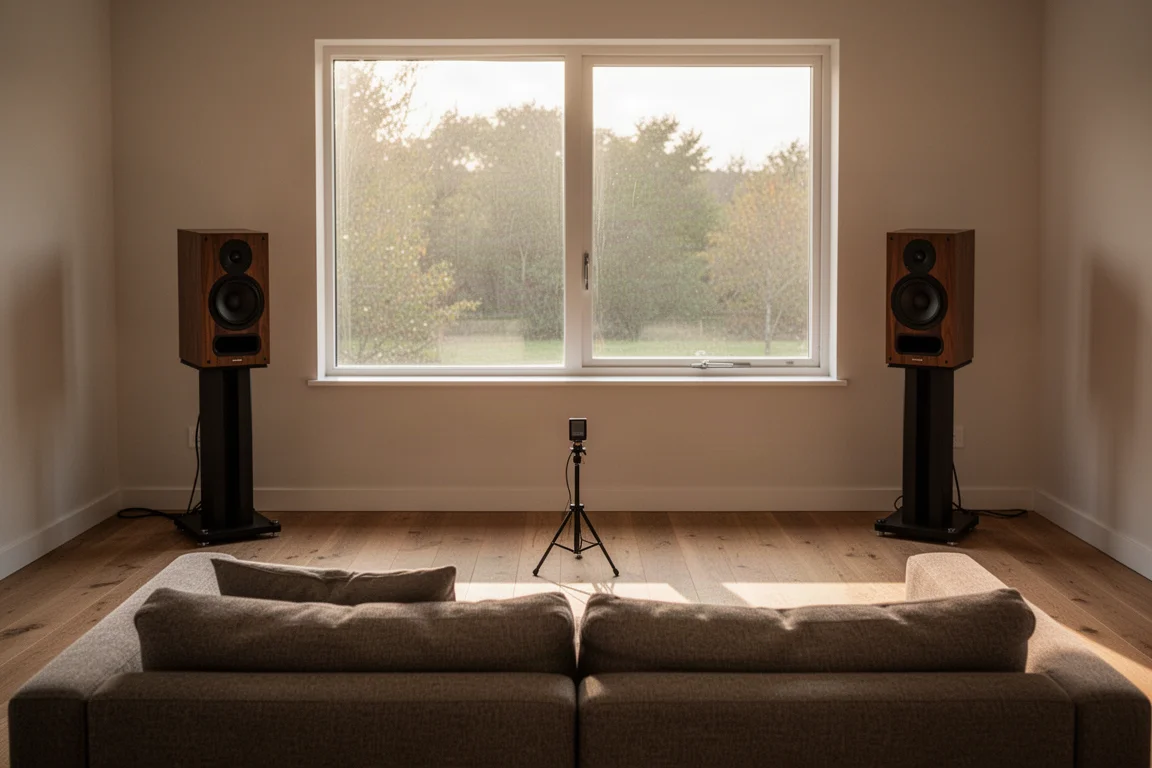
Room correction and equalization came up again and again, which is not a coincidence. Most listening rooms introduce problems below a few hundred hertz, and the ability to address those problems in software is often more valuable than a small hardware upgrade. Several products here build that capability in, and several others accept external correction particularly well.
A note on power: sensitivity figures across this list range from roughly 81.5 dB to about 87.5 dB. That spread matters more than it looks, because a low-sensitivity speaker needs substantially more amplifier output to reach the same listening level as an efficient one.
WiiM Amp
The WiiM Amp is a compact two-channel integrated amplifier that covers an unusual amount of ground for its price. It includes a phono input and an HDMI ARC input, and it delivers roughly 60 watts into 8 ohms and around 100 to 120 watts into 4 ohms.
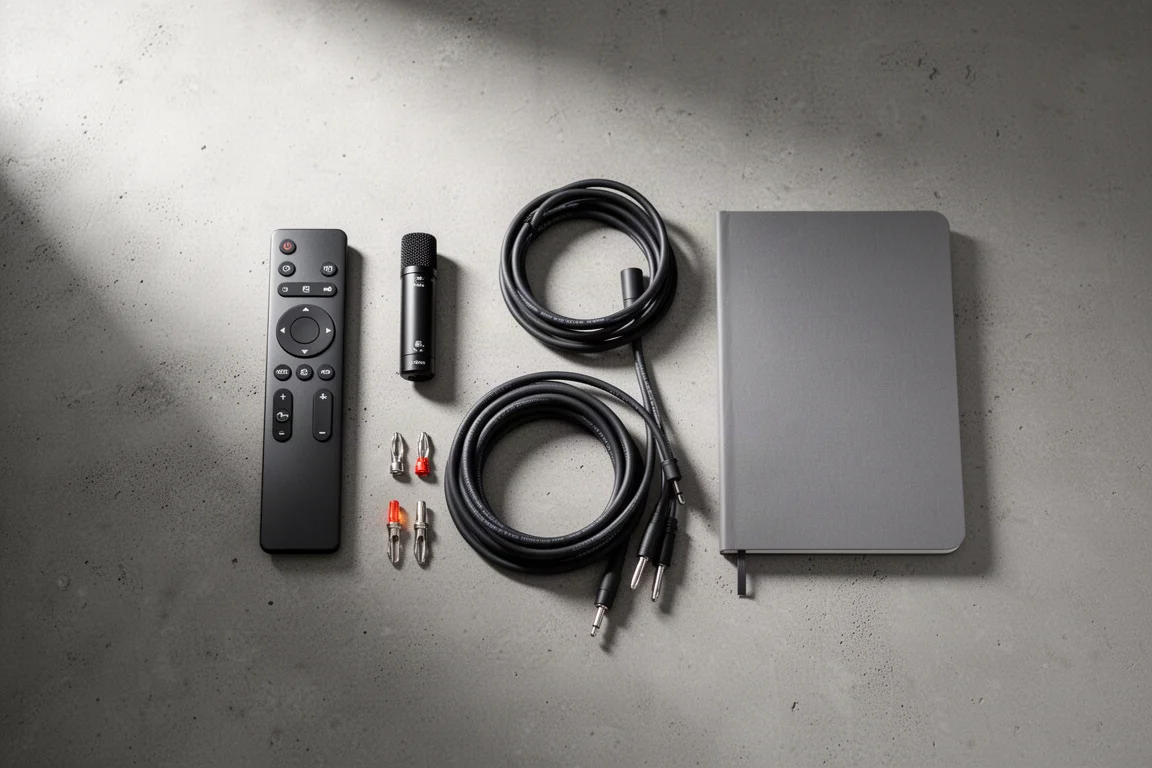
The real feature is the app-based equalization. There are about ten bands of parametric EQ, or you can switch over to a graphic EQ, and the correction can be applied to both channels together or split between left and right. With a measurement microphone you can capture your in-room response and use it to fix room problems, or to adjust the tonal character of a speaker toward something you prefer at your seated position. For a first serious system built around an affordable pair of speakers, that flexibility is worth more than a small bump in output.
WiiM Amp Pro
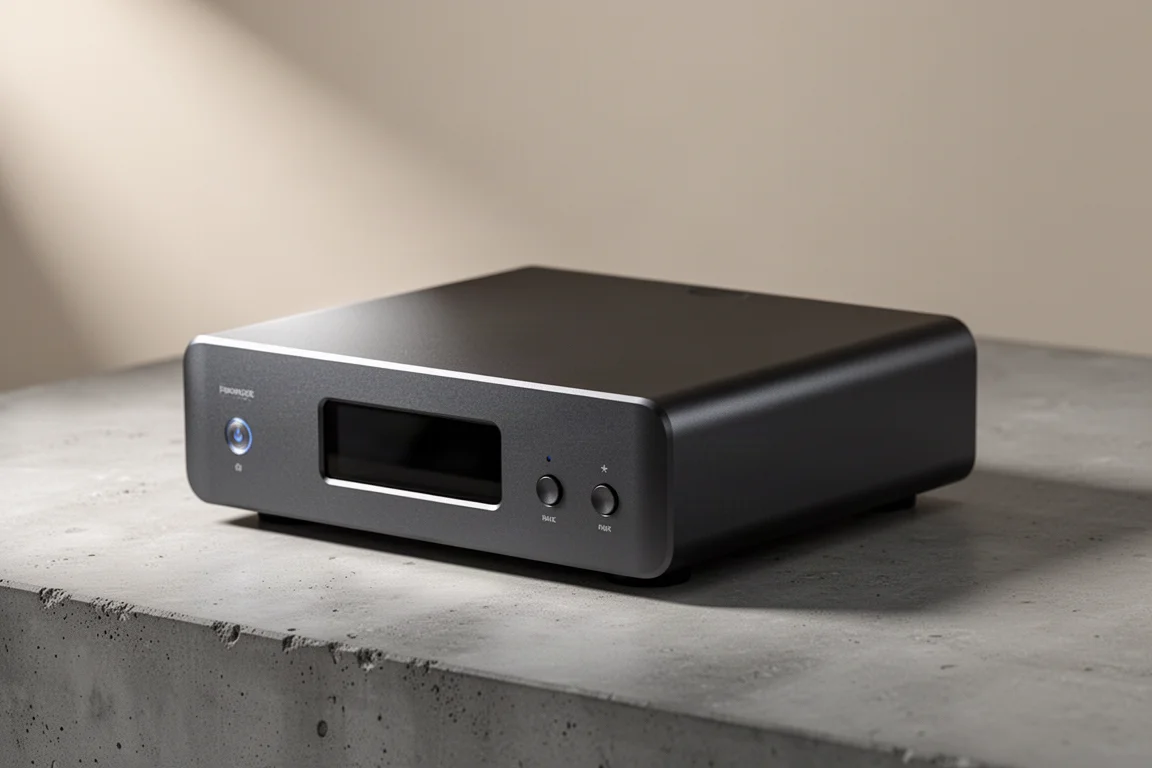
The WiiM Amp Pro is the step-up version of the same concept, seen at around $329 to $370 depending on the retailer. It is a solid, well-built piece with the same essential appeal: one small box that handles streaming, amplification, and correction, which makes it an easy recommendation for anyone who would rather not assemble a stack of separate components.
WiiM Ultra
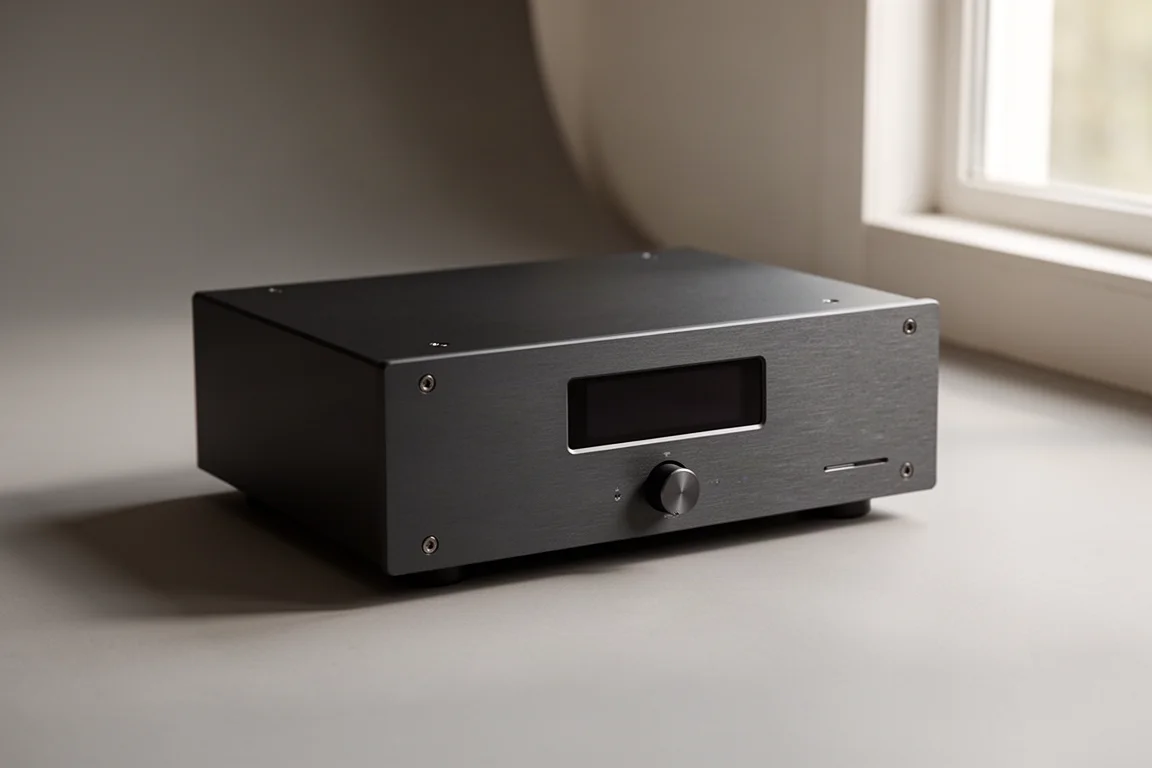
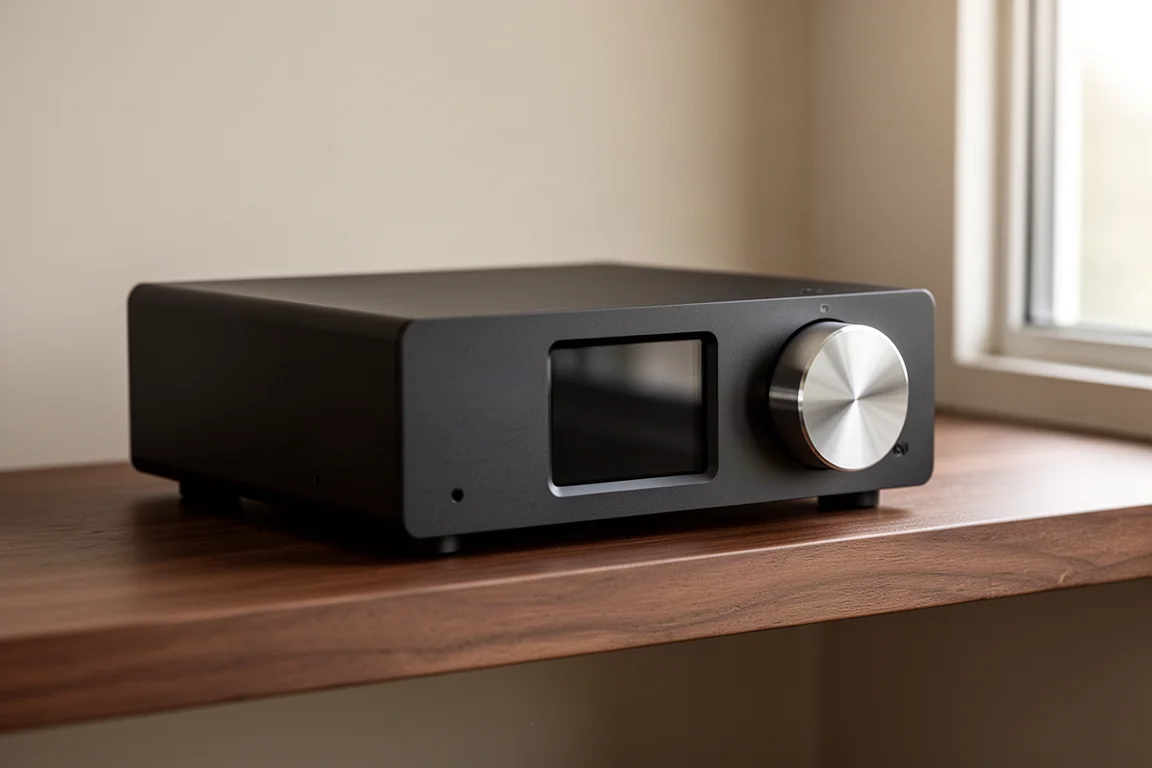
The WiiM Ultra is a streamer rather than an amplifier, priced at about $329. It has a display on the front panel and a large round volume knob, and it uses the same app-based equalization as the amplifier models. Inputs and outputs include HDMI ARC, optical, and phono, along with a few others that will cover most systems.
It has been in steady daily use for several months without any issues, which says something about how well the platform holds up. Because the amplification is external, it also suits listeners who want to drive a more demanding pair of speakers with a separate power amplifier.
Kali LP-UNF
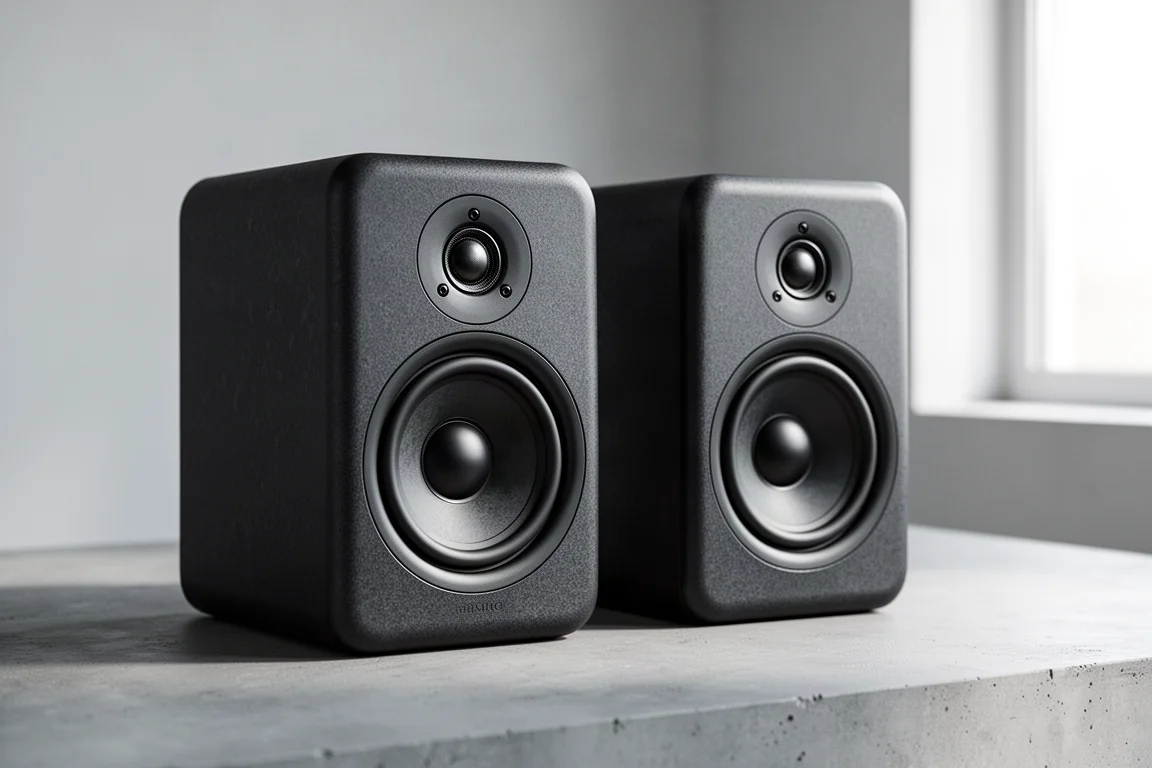
The Kali LP-UNF is a powered two-way monitor at $299, and it is built for nearfield listening. Above roughly 200 Hz the response is linear to within about a decibel, which is excellent at this price. Below that point there is a bass bump that some listeners will enjoy and others will want to correct, and extension reaches about 50 Hz.
The limitation is level. These are not intended for farfield listening, because they simply do not play very loud. Used at a desk or in a small, sensibly treated space, they are hard to beat for the money.
KEF Blade 2 Meta
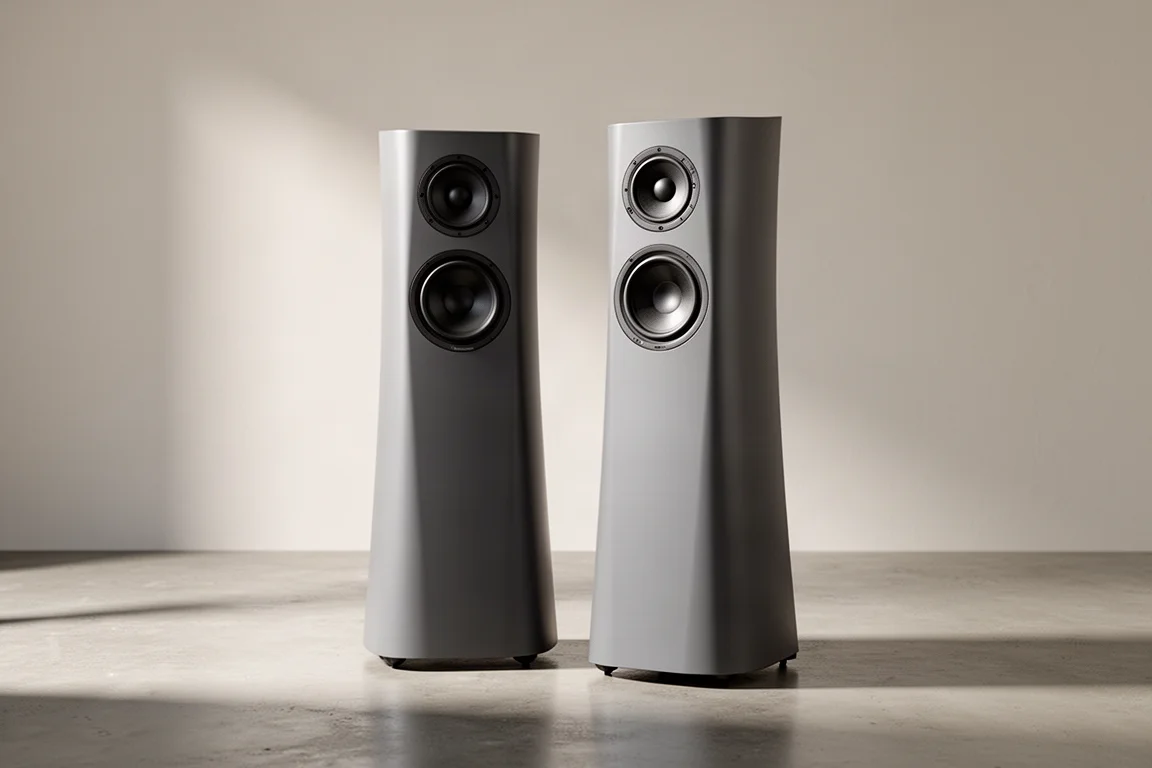
The KEF Blade 2 Meta, at about $29,000 per pair, is the most impressive speaker in this roundup. Spaciousness, staging, tonality, and low-frequency response are all present at a level that is difficult to find anywhere else. The cabinet is available in a wide range of colours, and the grey finish shown here is one of the more restrained options. It is a statement product in every sense, including price.
MoFi SourcePoint 888
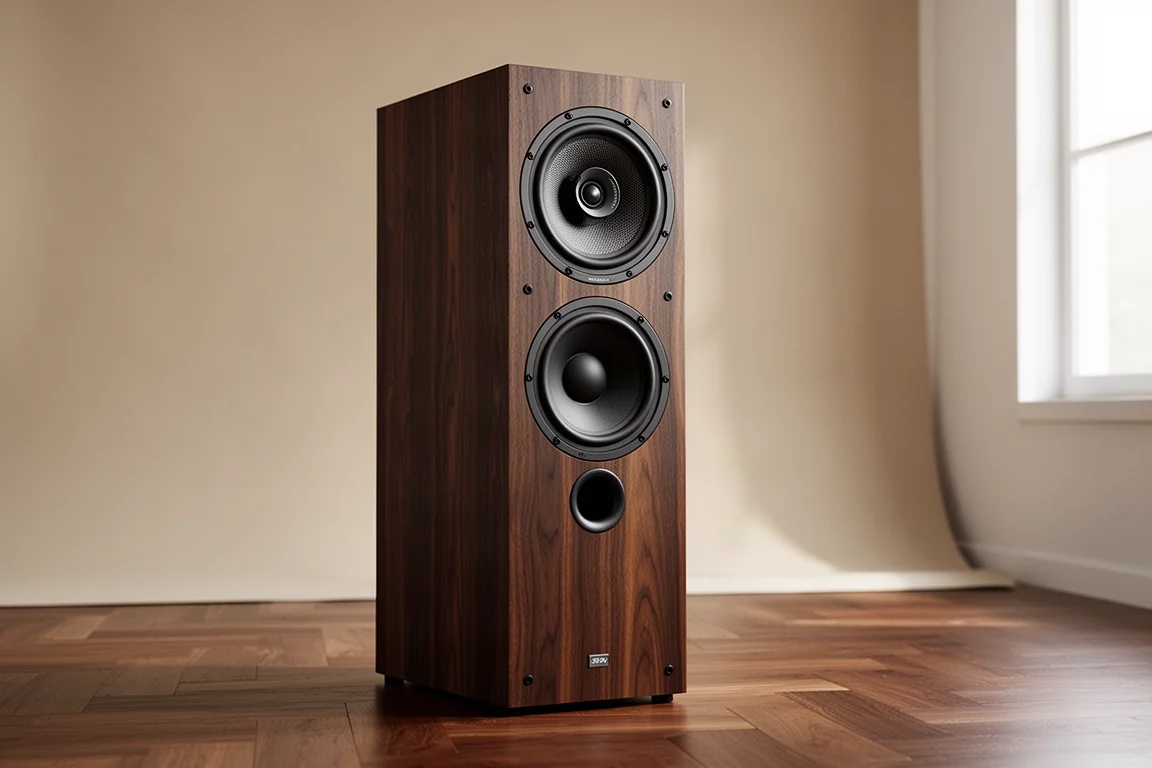
The MoFi SourcePoint 888 sits at around $5,000 per pair and comes in walnut, black, and white finishes. Its strengths are linearity, depth of frequency response, and a low end that reaches roughly 30 to 35 Hz in room, which means a subwoofer is not strictly necessary.
It also pairs particularly well, both electrically and visually, with the NAD integrated amplifier further down this list, which makes it a natural anchor for a complete system rather than a one-off purchase.
Polk R700
The Polk R700 is a floorstander at about $2,200 per pair, and it stands out for reasons that have nothing to do with fashion. It extends to roughly 40 Hz in room, has a sensitivity of about 87.5 dB, and shows genuinely low distortion for its price class along with a nice dynamic range.
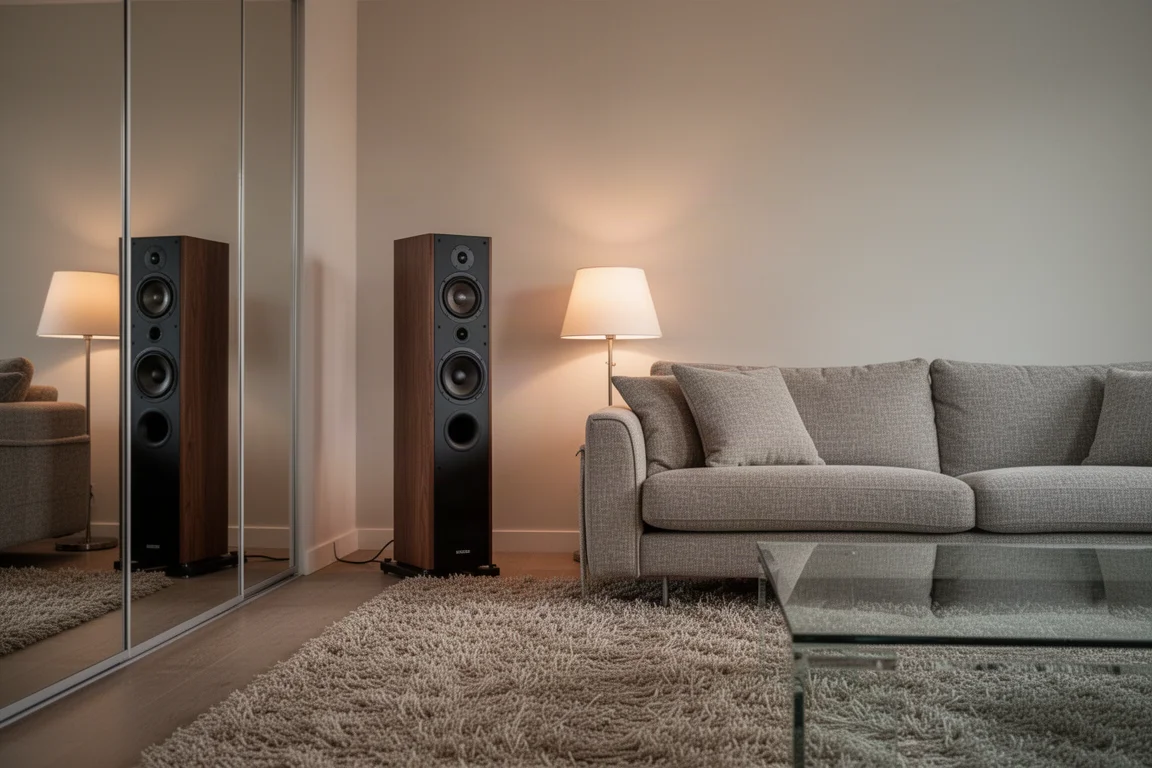
The trade-off sits in the top end, which sounds a little narrower than some listeners will want. Around 3 kHz the tweeter flares slightly, which adds brightness in the lower treble, and the speaker benefits from sidewall absorption. In a reflective room where treatment is not practical, that narrower high-frequency character can actually work in your favour.
Buchardt A10
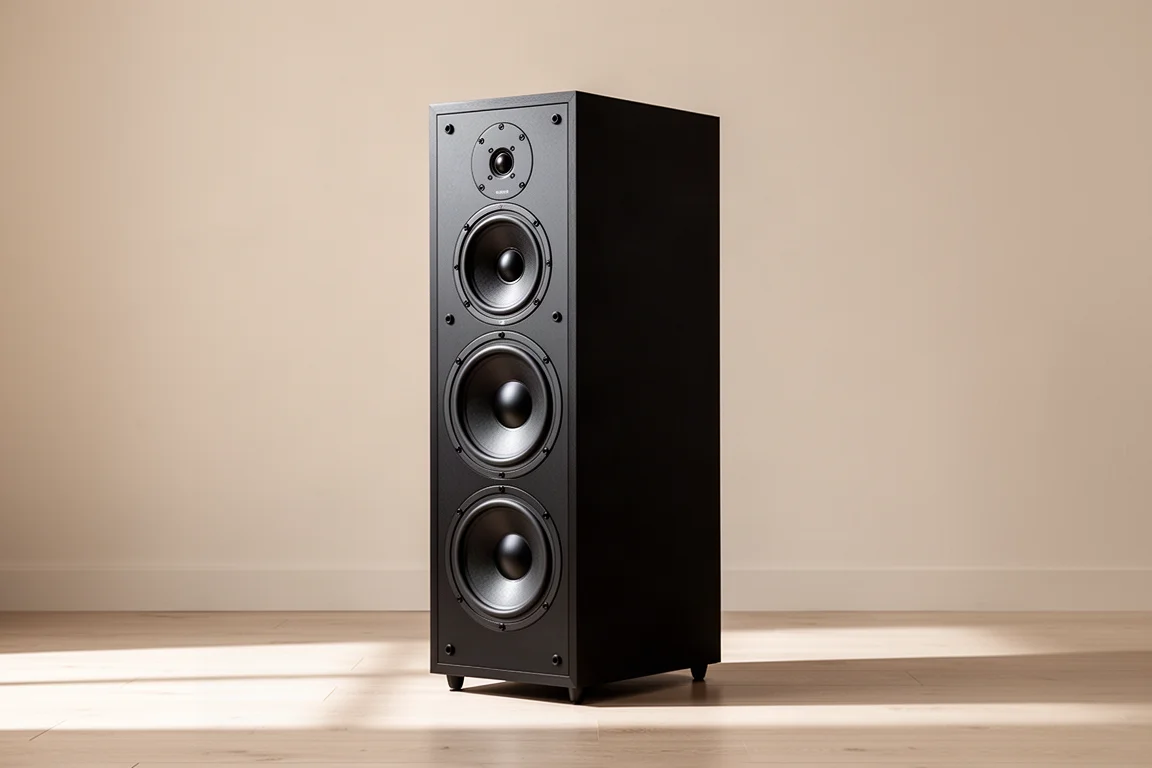
The Buchardt A10 is a powered bookshelf speaker at $4,100 that reaches down to about 30 Hz. It manages that with DSP, which flattens the low-frequency response at lower volumes. As level rises, a limiter progressively reduces low-frequency extension to protect the woofers from excessive excursion and distortion, so extension near 30 Hz at moderate levels may become closer to 40 or 45 Hz when you turn it up.
That behaviour makes the A10 an excellent fit for a small or medium room, or for anyone who listens at sensible levels. Because the amplification is built in, no external amplifier is required. The main caveat is a presentation that is narrower than some listeners prefer, so it rewards an audition if a wide, enveloping stage is a priority.
KEF Q Concerto Meta
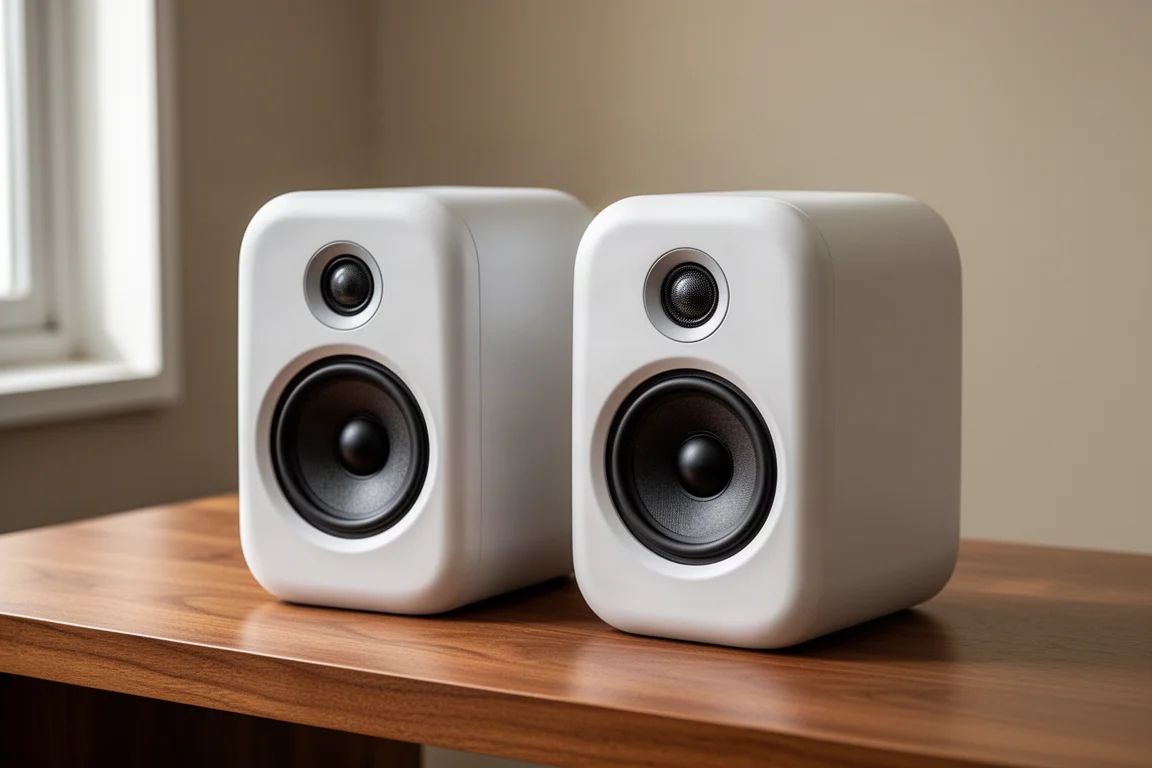
The KEF Q Concerto Meta is a bookshelf speaker at about $1,300, available in a few finishes, and it represents one of the strongest values here. Its high-frequency response is linear but rolls off slightly, which means listeners used to a brighter presentation may describe it as dark. In practice that balance, combined with constant directivity, produces a very smooth and even in-room response.
Directivity is where this speaker earns its place. It behaves much like the Blade 2 Meta and the SourcePoint 888 in that respect, which means it can be equalized freely without the usual problems. On most two-way non-coaxial designs, correction around the crossover region runs into integration issues, especially in the vertical plane. A coaxial driver avoids that.
Wharfedale Super Linton
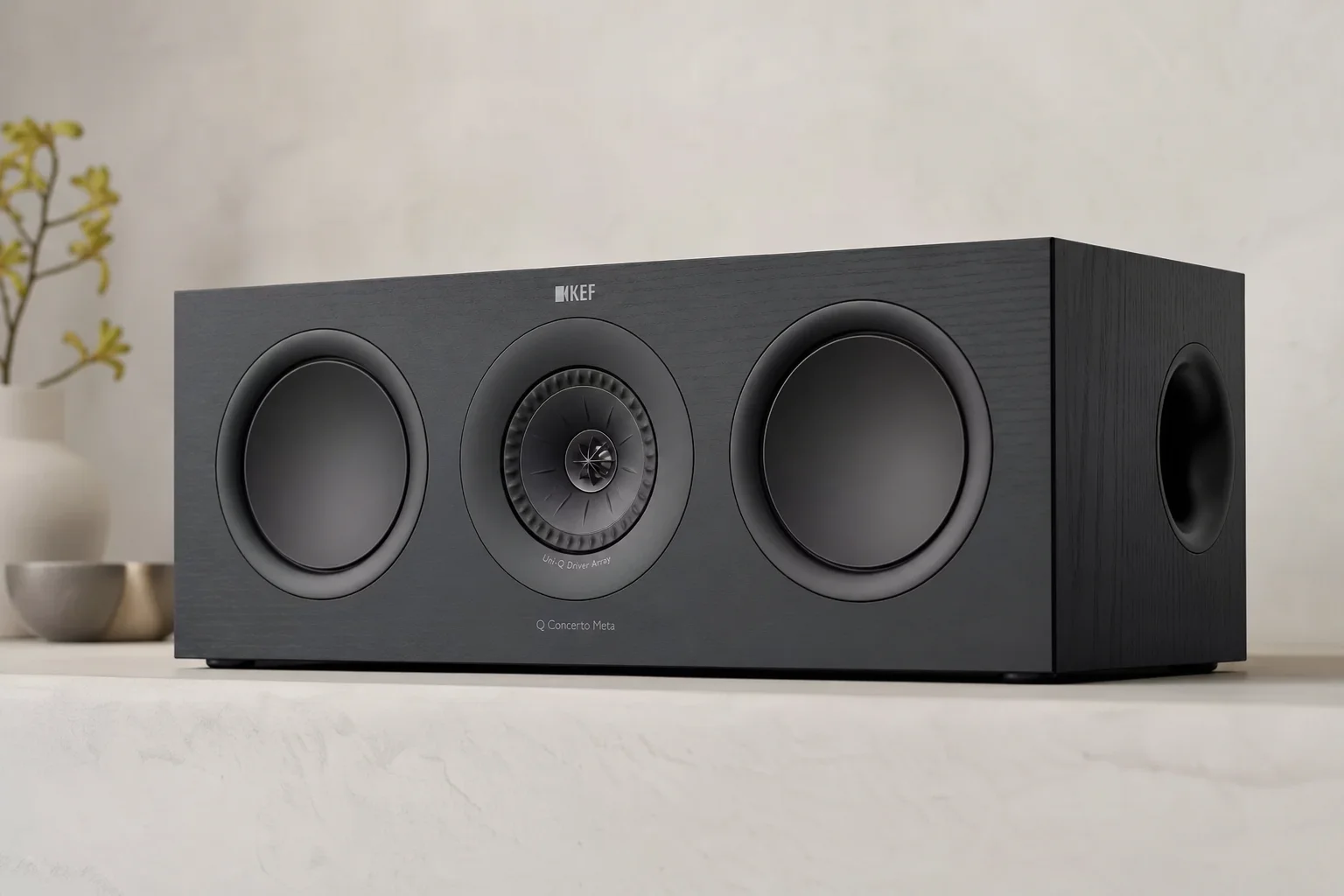
The Wharfedale Super Linton improves on the Linton in one particularly practical way: it was designed to be placed closer to a wall. An extended bass shelf rolloff means the response knees down sooner and rolls off at a different rate, which allows a closer wall position without the excess boominess that usually comes with it.
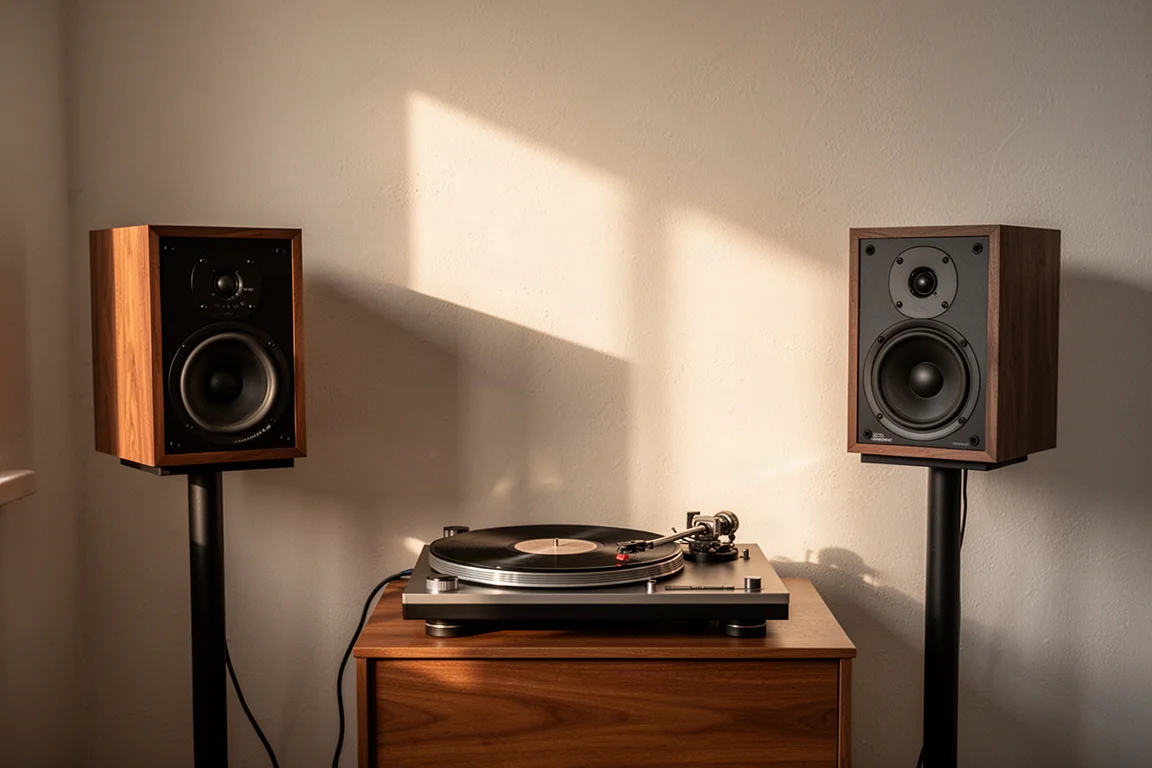
Neutrality is the other headline. This is a more accurate speaker than the version it replaces, with wide radiation of about plus or minus 70 degrees. That is wider than the 50 to 60 degrees typical of most speakers, and it holds up through the treble region, which makes placement noticeably more forgiving. As a stand-mount design, it does need a pair of stands, which adds to the total cost of ownership.
Audio First Fidelity
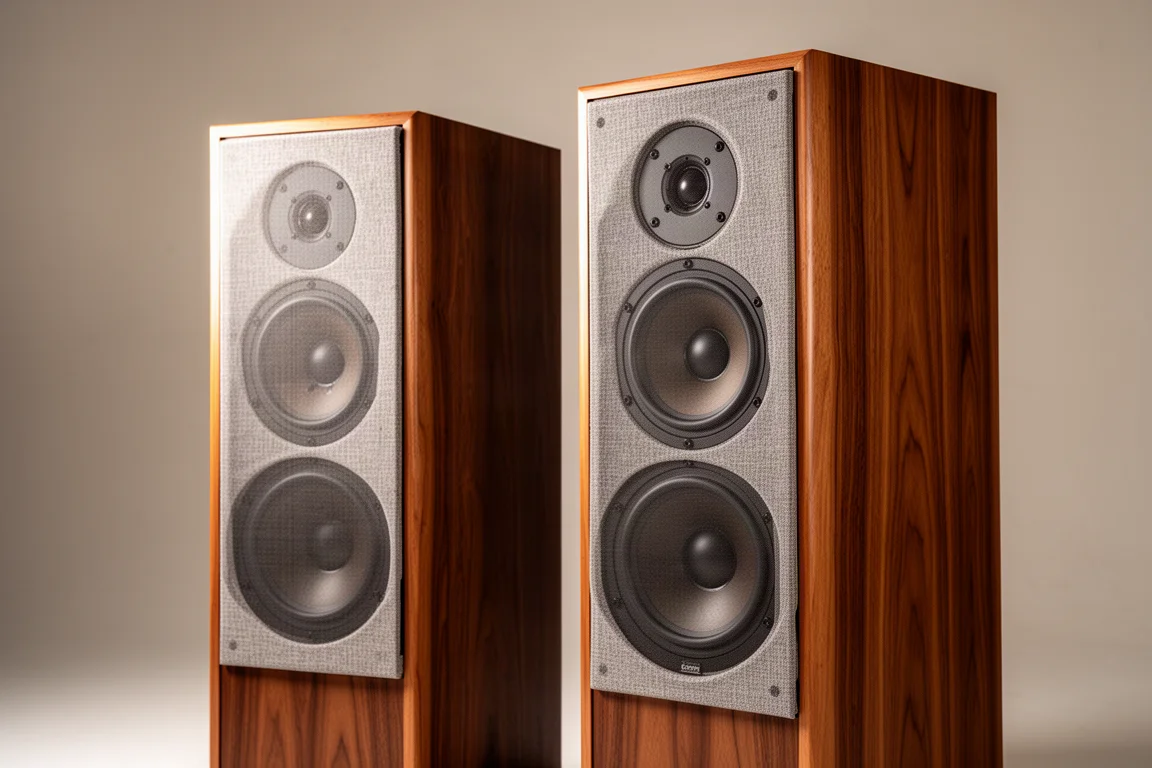
The Audio First Fidelity is supplied in kit form at about $1,300, and it rivals speakers costing two to three times that. Its response is among the most linear measured here, and its radiation profile is wide at roughly plus or minus 70 degrees.
Sensitivity is the compromise, at about 83.5 dB, so it needs a capable amplifier behind it. Building it yourself saves a substantial amount of money, and for listeners who would rather not pick up a soldering iron, the underlying performance is still worth knowing about when comparing finished speakers at this price.
Radiant Acoustics Clarity 6.2
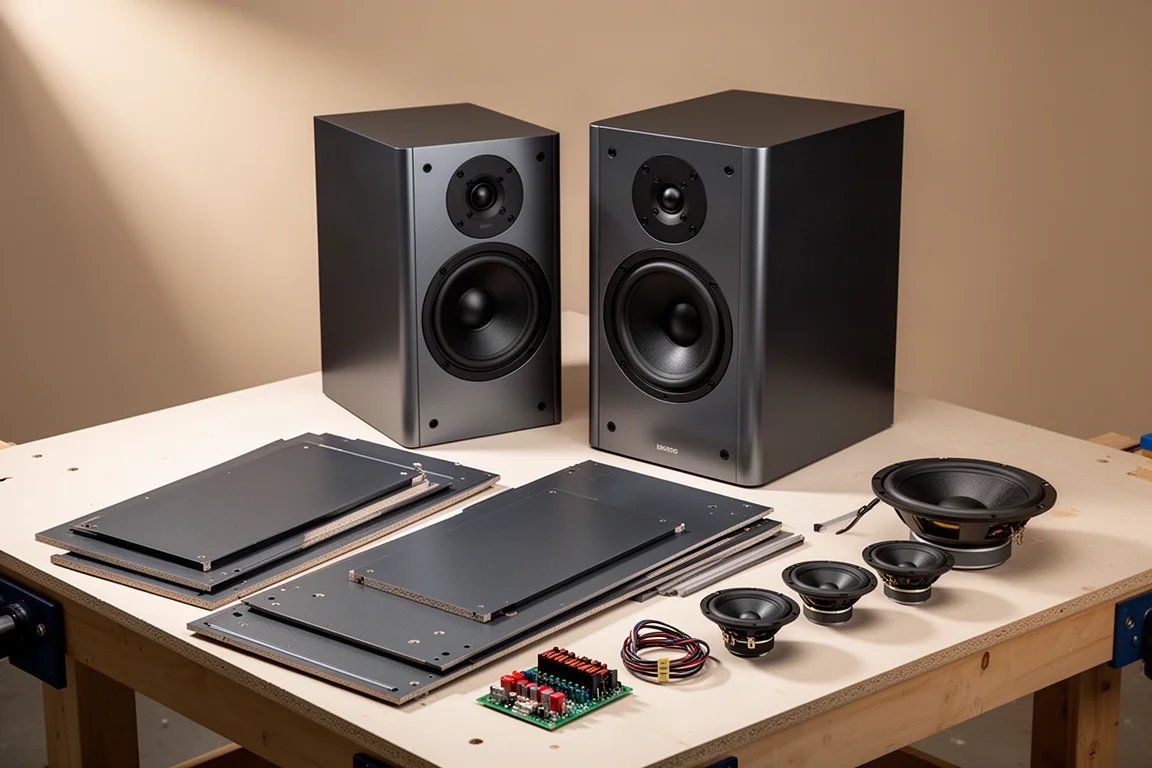
The Radiant Acoustics Clarity 6.2 is priced at about $44,000 and offers a nice linear response, but setup matters a great deal. Toeing the speakers out by roughly 15 to 20 degrees, so each one aims toward the shoulder or just behind the ear on its own side, produces the intended balance. Aimed straight at the listener it can sound too bright, though some listeners will read that same quality as detail and resolution.
In-room extension reaches about 45 Hz, and average sensitivity is around 84.3 dB, which is reasonable for a design of this type.
NAD C3050
The NAD C3050 is an integrated amplifier delivering about 100 watts into both 4 and 8 ohms. Two versions are offered, and the one to choose is the version with BluOS and Dirac Live, priced at about $1,800.
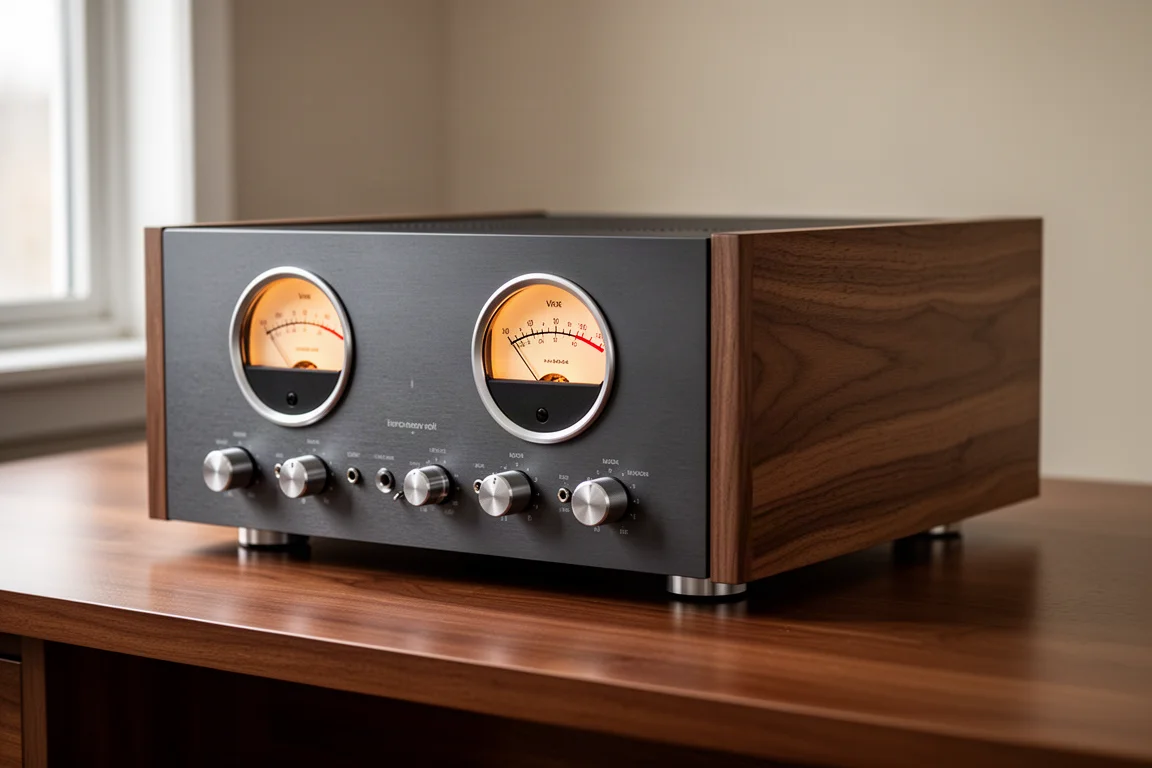
Dirac Live corrects up to about 500 Hz, which is exactly where room problems live. If you have chosen a speaker you already like, there should be little reason to touch its response above that point in most rooms, so the limited correction range is a sensible design decision rather than a compromise. The walnut casework and the front-panel VU meters give it a vintage character that pairs naturally with the MoFi SourcePoint 888, both in power delivery and in appearance.
March Audio Sointuva
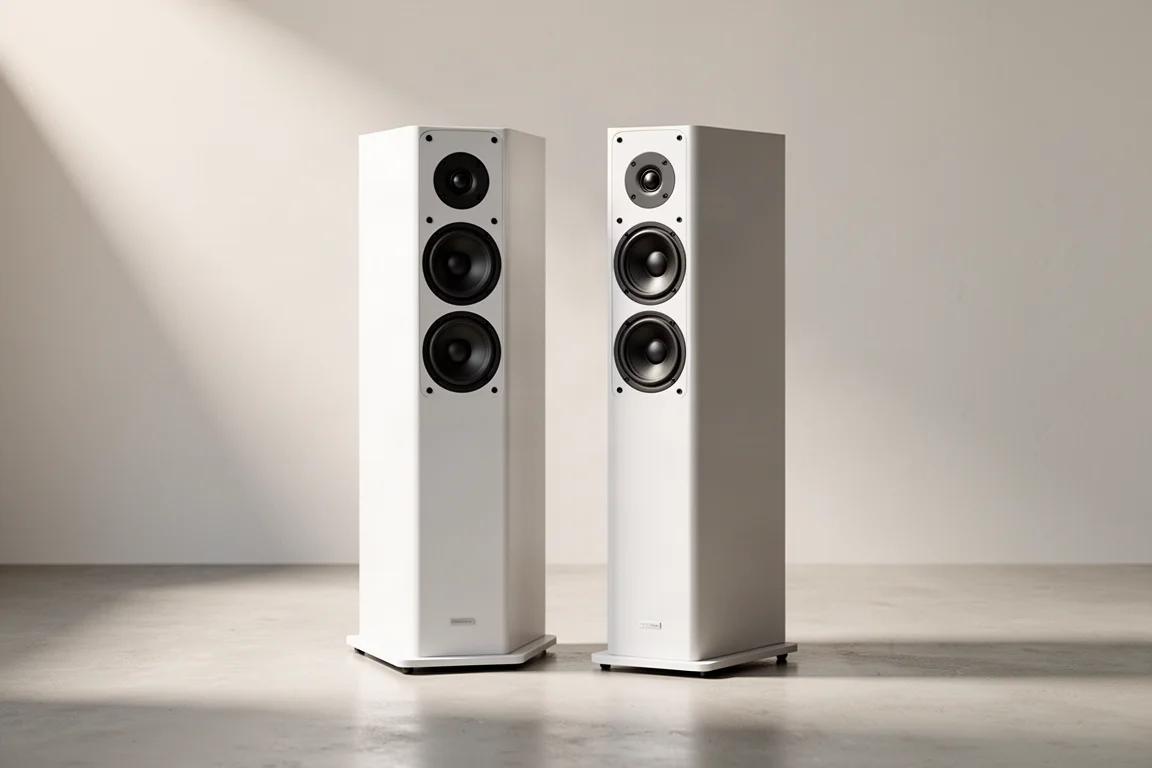
The March Audio Sointuva comes from Australia and retails for about $4,100. It is an extremely linear speaker, close to the Blade 2 Meta in that respect, and it reaches about 30 Hz without much fuss.
That linearity and bass extension come at a cost, and the cost is sensitivity, at around 81.5 dB. In a farfield setting such as a typical living room, you will need a strong amplifier to reach normal output levels, so budget for that alongside the speaker itself.
Overall Buying Advice
Start with the room and the listening level rather than the specification sheet. If you listen nearfield or at moderate volumes in a small to medium space, the Kali LP-UNF at $299 and the Buchardt A10 at $4,100 both make a great deal of sense, and the A10’s built-in amplification removes an entire component from the budget.
If you want to shape the sound yourself, prioritise designs with strong directivity. The KEF Blade 2 Meta, the MoFi SourcePoint 888, and the KEF Q Concerto Meta all accept equalization gracefully, and the last of those does it at a fraction of the price of the other two. The Wharfedale Super Linton is the natural pick when the speakers have to sit close to a wall.
Then match the amplifier to the speaker. Sensitivity across this group ranges from about 81.5 dB to 87.5 dB, and that difference is significant. The Audio First Fidelity kit and the March Audio Sointuva both need real power behind them. If you want the simplest possible entry point, the WiiM Amp at around $240 covers streaming, amplification, phono, HDMI ARC, and a capable parametric EQ in one box. The WiiM Ultra does the same job for listeners who would rather bring their own power amplifier, and the WiiM Amp Pro splits the difference at around $329 to $370.
Conclusion
There is no single best product here, and that is the point. The Kali LP-UNF and the WiiM Amp show how much performance is available at entry level. The KEF Q Concerto Meta and the Wharfedale Super Linton sit in the sweet spot where most listeners will actually shop. The Audio First Fidelity kit and the Radiant Acoustics Clarity 6.2 reward buyers who are willing to work for the result, whether that means assembly or careful placement. And the MoFi SourcePoint 888, Buchardt A10, NAD C3050, March Audio Sointuva, and KEF Blade 2 Meta represent the upper end of what is currently possible. Match the product to the room, the listening level, and the amount of control you actually want, and the decision becomes far simpler.
Further reading
Related Reviews
Hi-Fi Audio
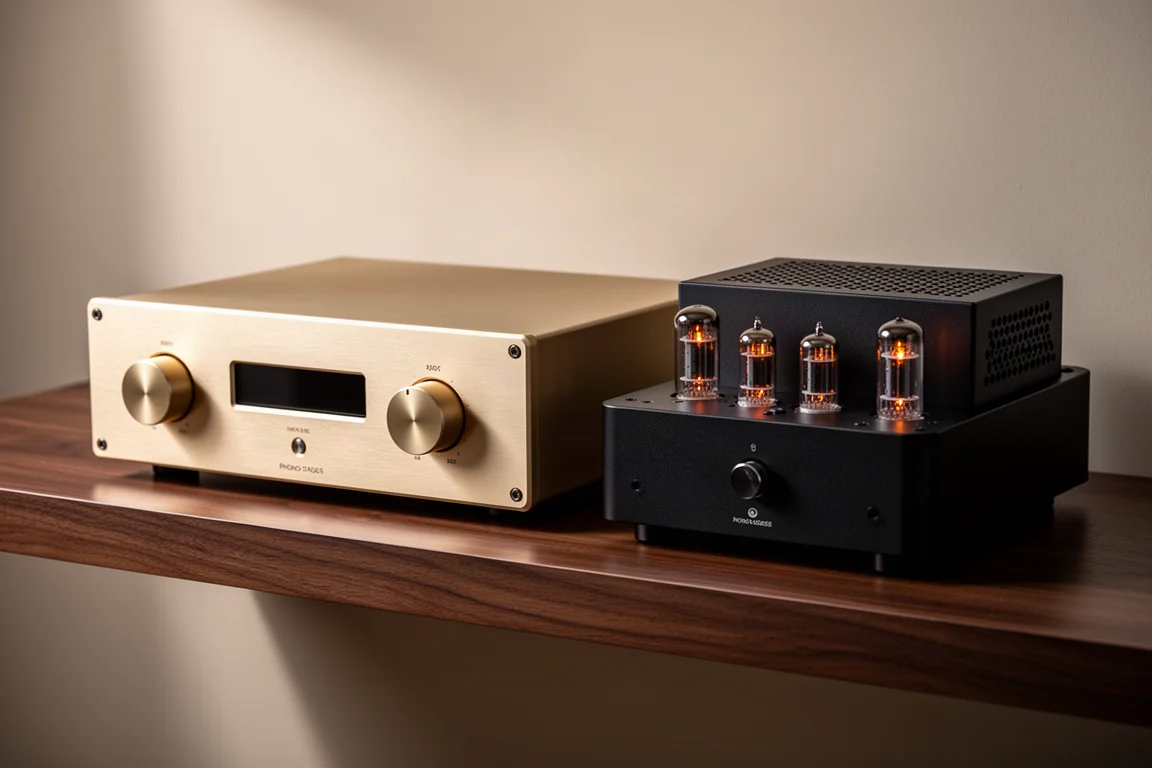
Accuphase C-57 vs Allnic H-7000V: Two High-End Phono Stages Compared
A fully balanced solid-state phono stage with a pitch-black noise floor meets a tube design built for well-loved records. Here is how to choose between them.
Hi-Fi Audio
Active vs Passive Hi-Fi: Five Components for a Modern System
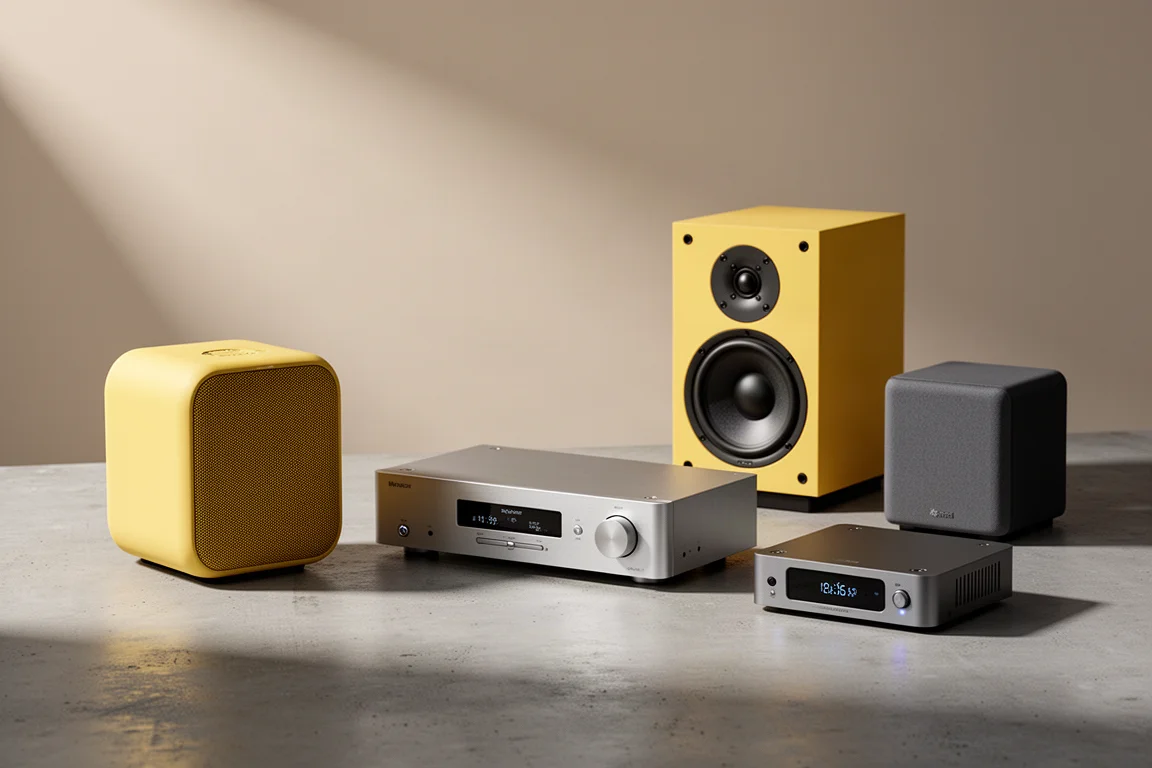
Five components that define modern active and passive hi-fi systems, with the strengths, trade-offs and setup details worth weighing before you buy.
Hi-Fi Audio
Advance Paris A10 Apex Review: A Hybrid Integrated Amplifier That Covers a Lot of Ground
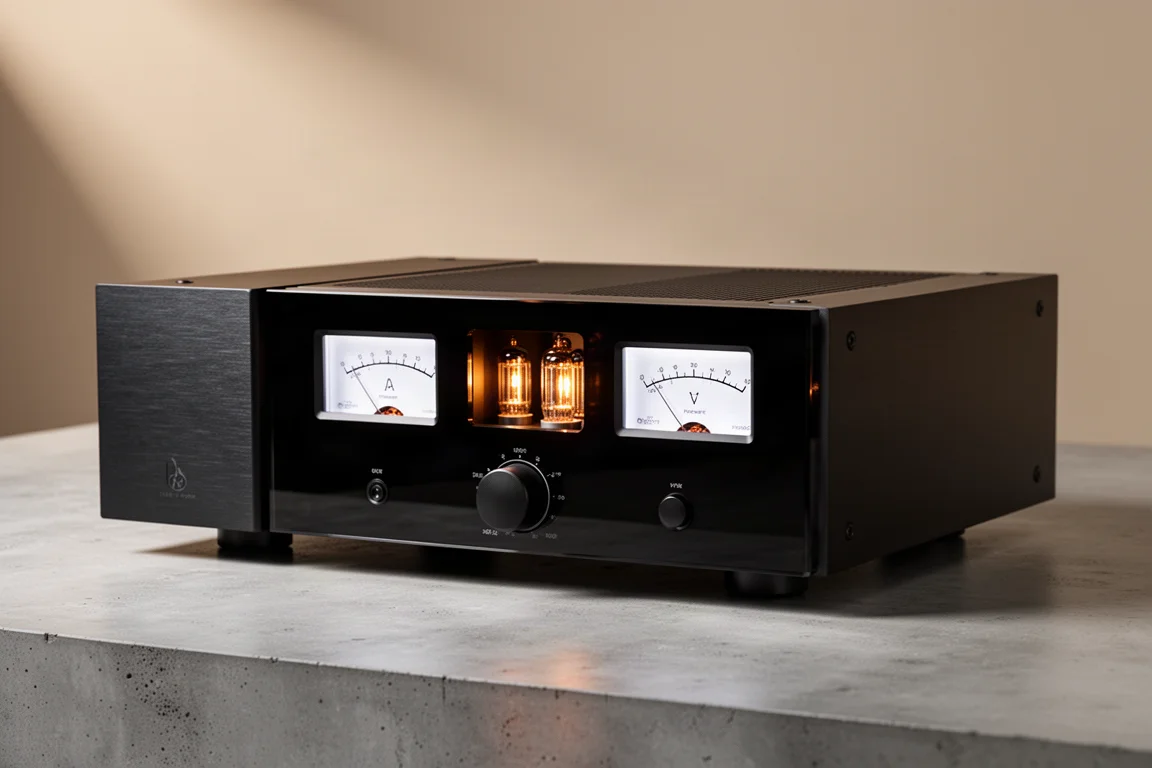
A French hybrid integrated amplifier with a class A tube preamp stage, analogue power meters, and an internal DAC and phono stage good enough to make extra boxes unnecessary.