Hi-Fi Audio
Best Hi-Fi Deals Under $300: Ten Audio Picks Worth a Closer Look
Ten audio products currently selling for under $300, from a credit-card-sized AI recorder to neutral bookshelf speakers and compact Class D amplifiers.
Introduction
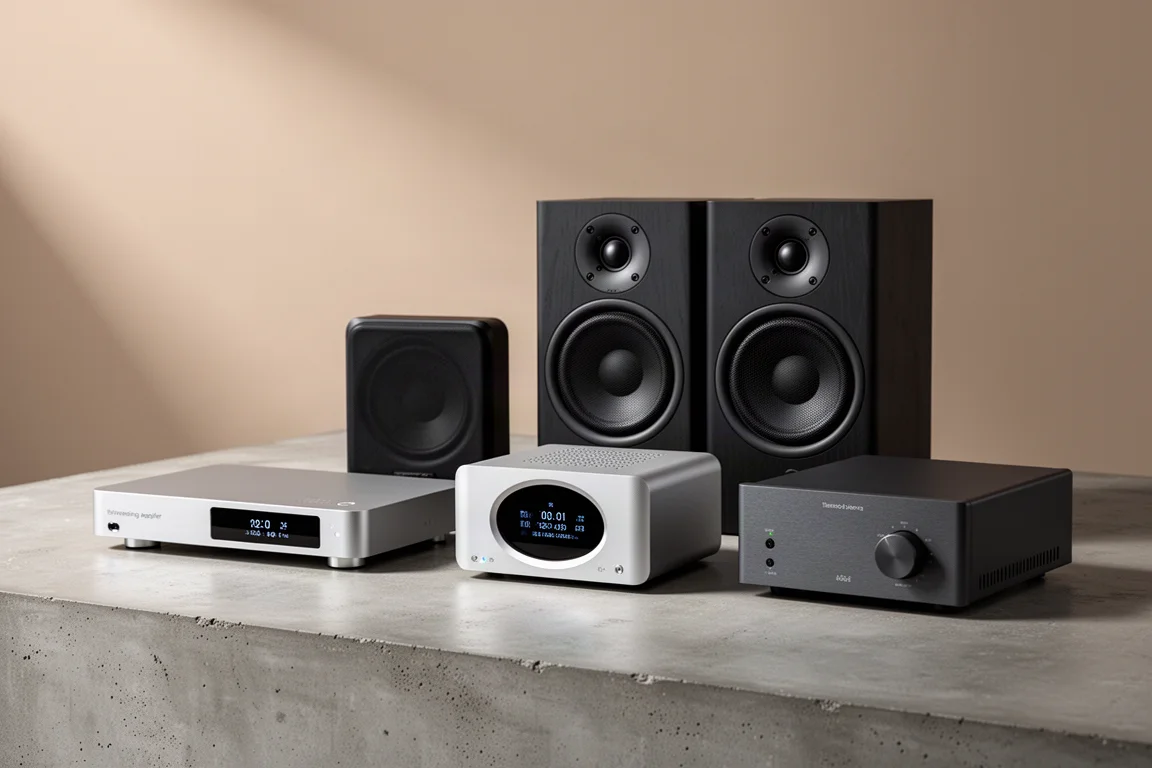
Under $300 is where a lot of the most interesting audio gear lives right now. The ten products in this roundup cover a wide spread: a credit-card-sized AI recorder that transcribes meetings on its own, a streaming hub that has become a reference point for affordable Hi-Fi, a pair of matching desktop components from the same design family, and several bookshelf speakers and compact amplifiers that have been discounted recently.
Most of these picks are on sale at the moment, and a few are older generations that are being phased out, which is usually where the sharpest value sits. Each entry below explains what the product actually does, who it suits, and where the compromises are.
What to Look For in Sub-$300 Hi-Fi Gear
At this price, the goal is not to chase the last word in resolution. It is to find components that are well built, easy to live with, and honest about what they offer.
Two things matter more than specifications. The first is connectivity. HDMI ARC, optical, coaxial, USB, and a subwoofer output determine how easily a component slots into a real system, especially one built around a television. The second is character. A neutral speaker and a forward, energetic speaker can cost the same and suit completely different rooms and tastes.
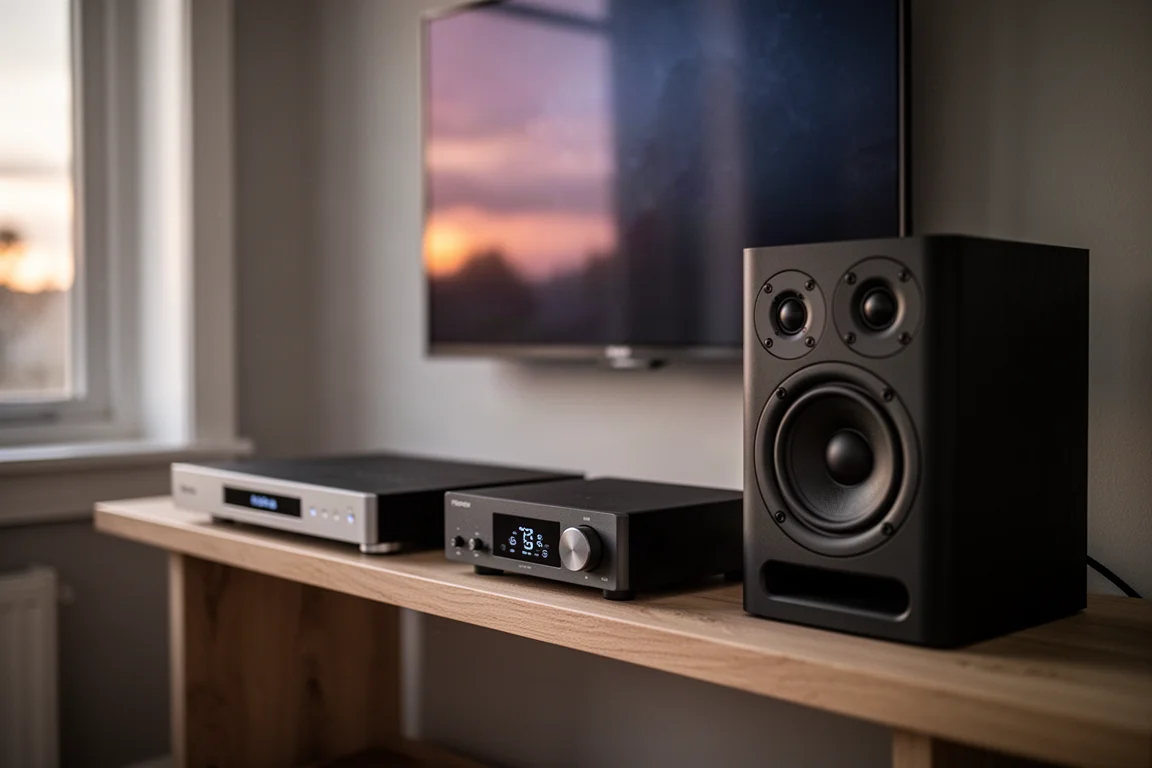
One more pattern is worth noting. Discontinued generations are frequently the best value in this bracket, because the previous version of a well-regarded speaker often sells for less than the current one while keeping most of the performance. The trade-off is availability, which can disappear quickly once word gets around.
Plaud Note: AI Transcription in a Credit-Card Footprint
The Plaud Note is a voice recorder built around transcription rather than storage. It captures meetings, phone calls, and voice memos, then passes the audio to its own app, where recordings are transcribed into precise text and summarized into notes, to-do lists, and similar formats. The brand reports more than 500,000 users worldwide and a number one ranking in the AI voice recorder category on Amazon, and the recorder is built on GPT-4-class AI processing.
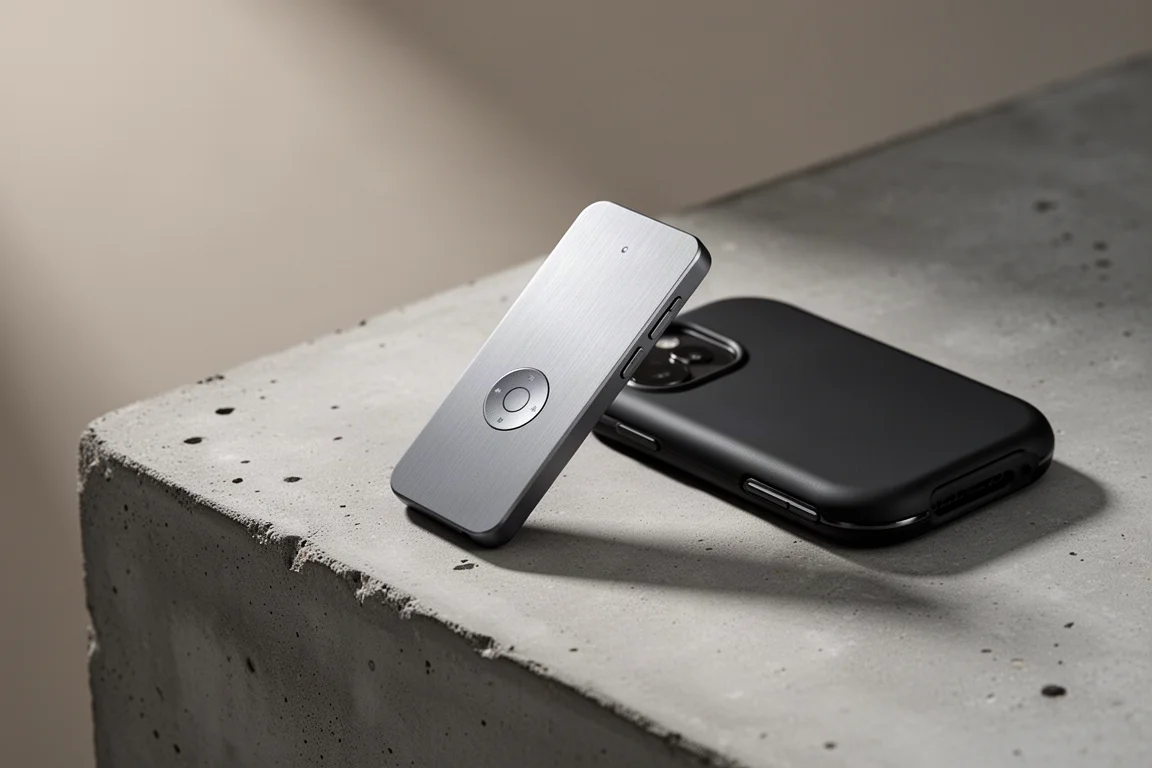
The hardware is the size of a credit card, and the included case mounts on the back of a phone, so it travels with you instead of sitting in a bag. Recording can run all day, and longer sessions support segment previews plus selective transcription and summarization for recordings up to 20 hours long. The free plan covers 300 minutes of transcription and automated summaries per month.
Transcription supports 112 languages, and there are more than 20 professional templates, with custom templates available for anyone who wants a different structure. Recordings can be exported and shared to most destinations, and the advanced AI features can search back through previous recordings to surface information you had forgotten. It is sold through Amazon and Best Buy. For anyone who loses good ideas in the gap between a meeting and a notebook, this is the most productivity-focused product in the roundup.
WiiM Ultra: The Streaming Hub That Keeps Earning Its Reputation
The WiiM Ultra was named product of the year for 2024, and the feature list explains why. It includes a phono stage, an additional RCA input, preamp outputs, a subwoofer output, coaxial and optical inputs, an optical output, a trigger output, a USB connection that works in or out, and HDMI ARC. There is also a wired ethernet port and an internal power supply, plus a display on the front panel.
The HDMI ARC input is the practical highlight for most rooms. Turn on an Apple TV, the television wakes, the Ultra wakes with it, and a trigger output can switch on a connected power amplifier at the same time. That chain turns a television setup into a proper stereo system without a second remote or a separate switcher.
The one area with room for improvement is the internal digital clock. A separate clock device can be added to clean up the clocking, which is worth knowing before you buy. At $330 the Ultra is already strong value; a 10% coupon currently brings it below $300, and this is a product that does not sit at that price for long.
Fosi Audio ZD3: A Desktop DAC Built for Tinkering
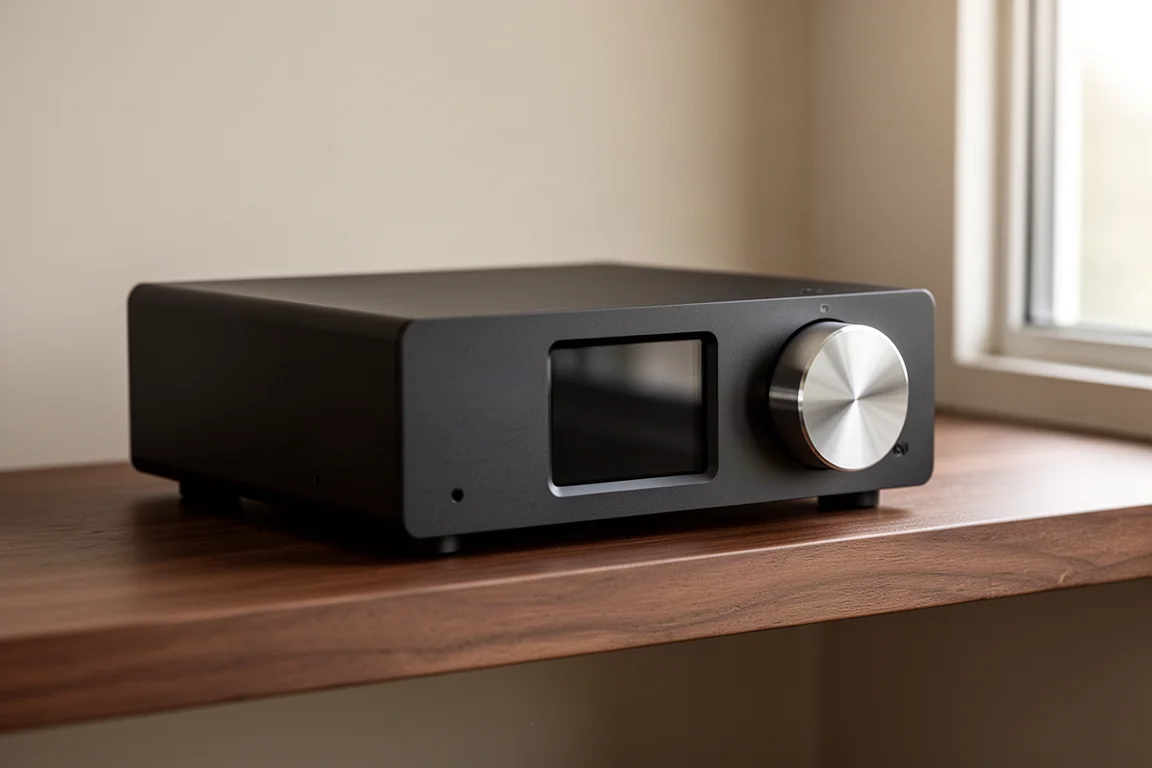
The Fosi Audio ZD3 is a desktop DAC and digital preamp that pairs visually and functionally with the ZA3 amplifier. Calling it a preamp is generous in one respect, since it has no analog inputs, but as a digital hub it covers a lot: HDMI ARC, coaxial, optical, and a full-size USB input, plus 12 volt trigger inputs and outputs so it can switch on other components in a chain.
Inside, the ZD3 uses an XMOS XU316 USB interface and an ES9039Q2M converter chip. Op-amps can be swapped, which makes it an unusually playful component at this price, and a bypass switch on the underside lets it run at full output permanently. The front panel uses beveled edges and a rounded porthole display, and because it runs cool there is no need for the side venting found on the brand’s amplifiers.
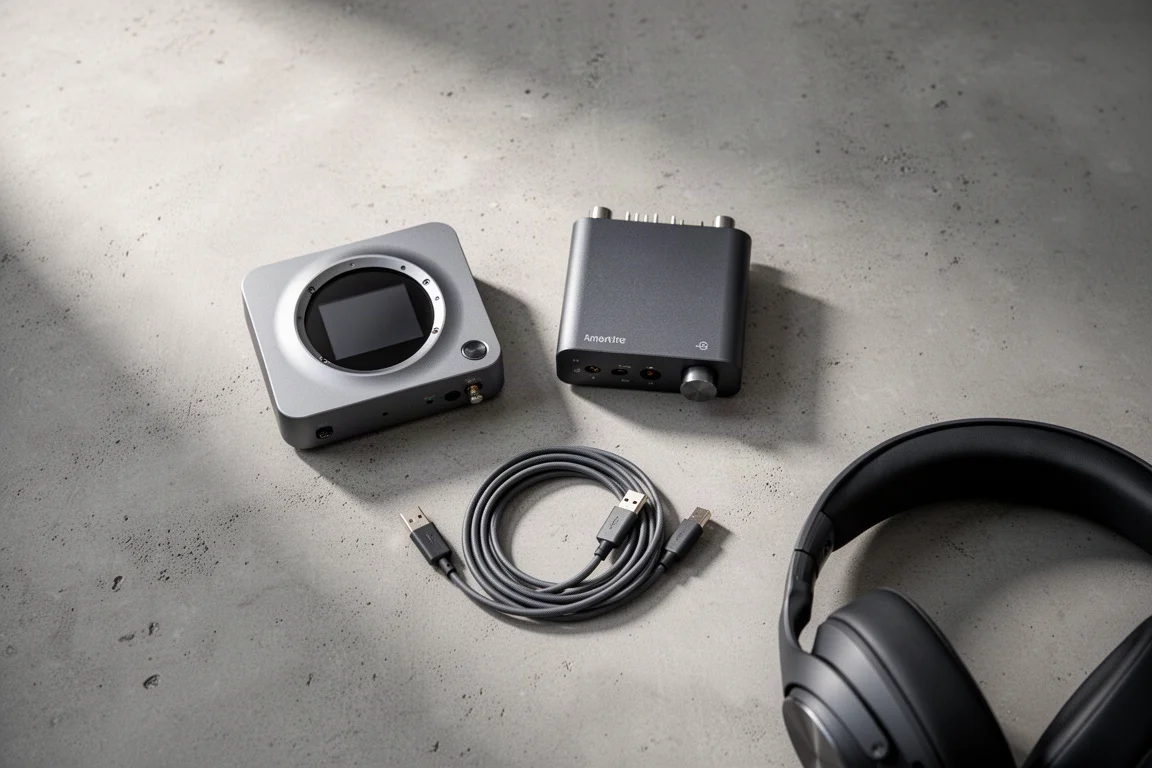
At $189 the ZD3 was already reasonable. It is currently listed at $152.99, described as the lowest price in the last 30 days, which is a more comfortable position for what it offers. If you want a compact digital front end with HDMI ARC and the freedom to experiment with op-amps, this is one of the more interesting options under $300.
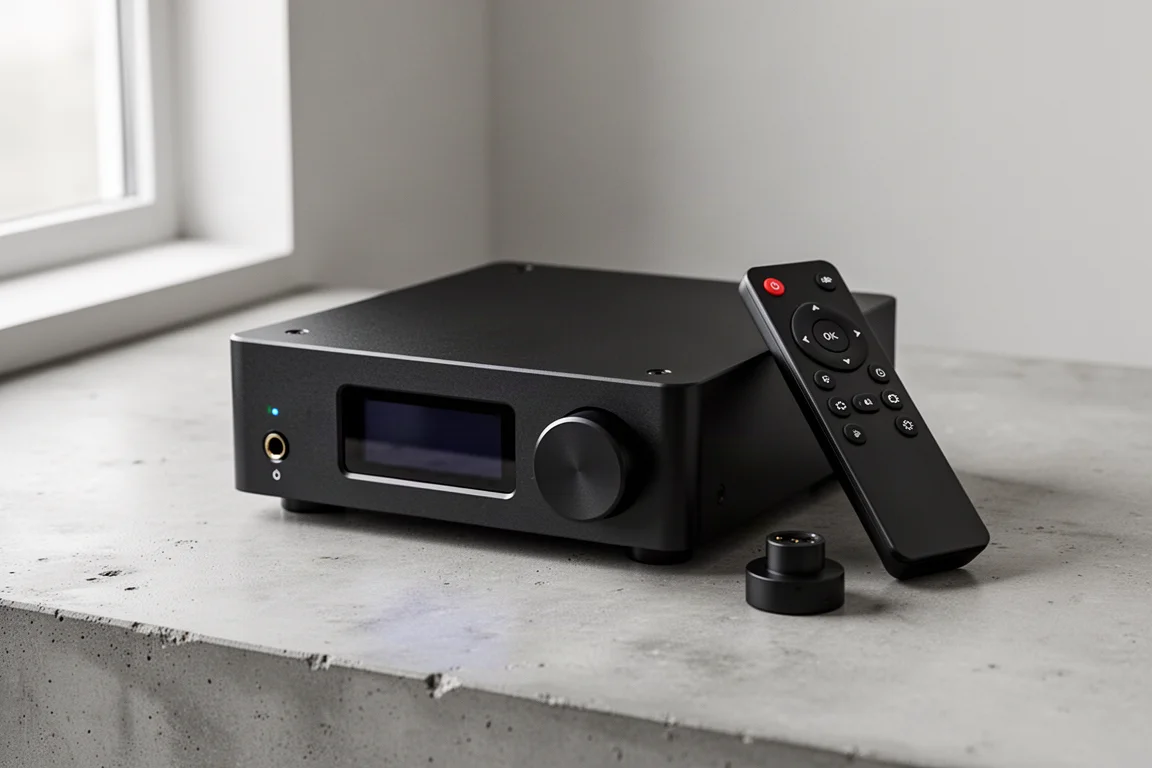
Fosi Audio ZA3: The Amplifier That Matches the ZD3
The Fosi Audio ZA3 is the companion piece to the ZD3, and the two share a design language that makes them look like a set rather than two unrelated boxes. It is a small stereo amplifier with balanced and single-ended inputs and a subwoofer output, which covers the essentials for a desktop or small-room system.
The balanced input is the detail that separates it from the cheapest amplifiers in this bracket, and the subwoofer output means a small pair of speakers can be supported by a sub rather than asked to do everything. Paired with the ZD3, the trigger connections allow the DAC to bring the amplifier on and off with the rest of the chain.
For listeners building a compact system around a computer or a television, the ZA3 is a sensible middle step. It is more flexible than a bare budget amplifier and less expensive than a full streaming integrated, and it pairs naturally with the ELAC and Klipsch speakers further down this list.
WiiM Amp: Streaming Amplification for Less
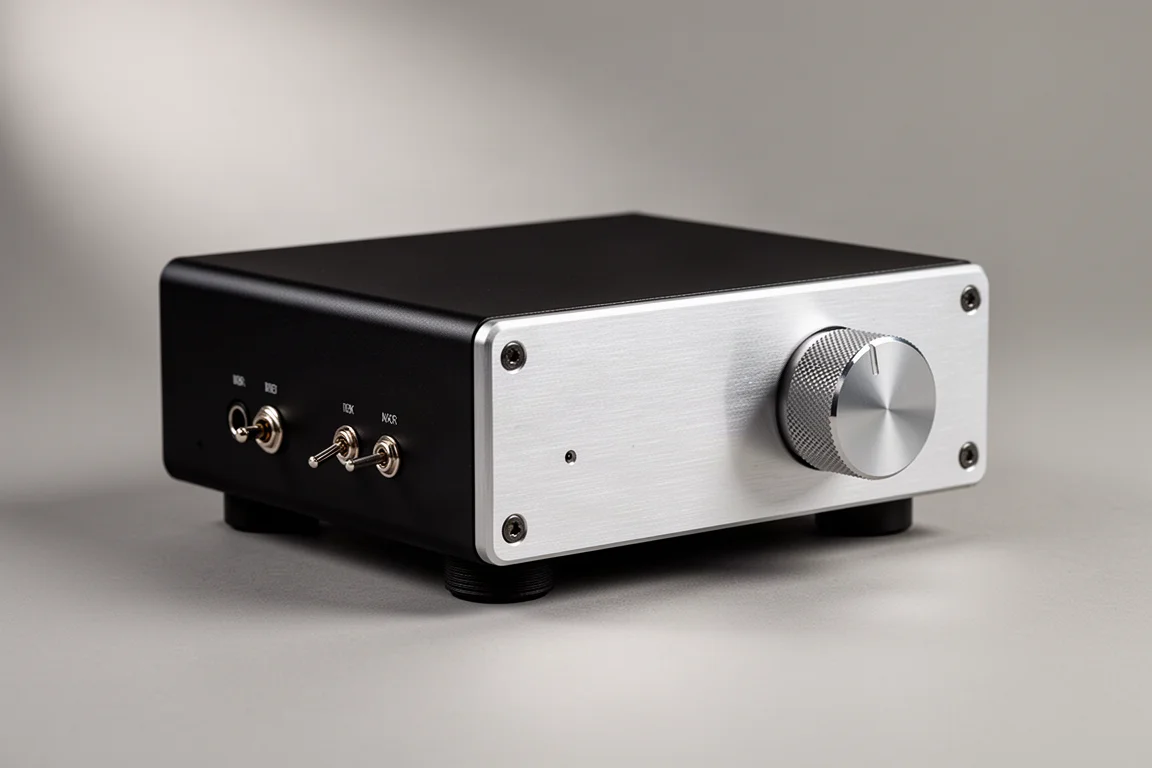
The first-generation WiiM Amp is the original streaming amplifier in the line rather than the newer Pro model, and it remains a strong value. It includes HDMI ARC, one analog input, a subwoofer output, and a USB connection, along with a TPA3255 class D amplifier stage inside. Add a pair of speakers and you have a complete system.
The Pro version adds a newer feedback loop design that balances power delivery more evenly across the range. The original does not have that circuit, but at $270 it covers the same core job: streaming, television audio, and speaker amplification in a single small box. It has been seen as low as $260, so the current price is close to the floor for this model.
If you do not need the extra connections the Ultra provides, the WiiM Amp is the simpler and cheaper route into the same ecosystem, and it is one of the least complicated ways to start a streaming system from scratch.
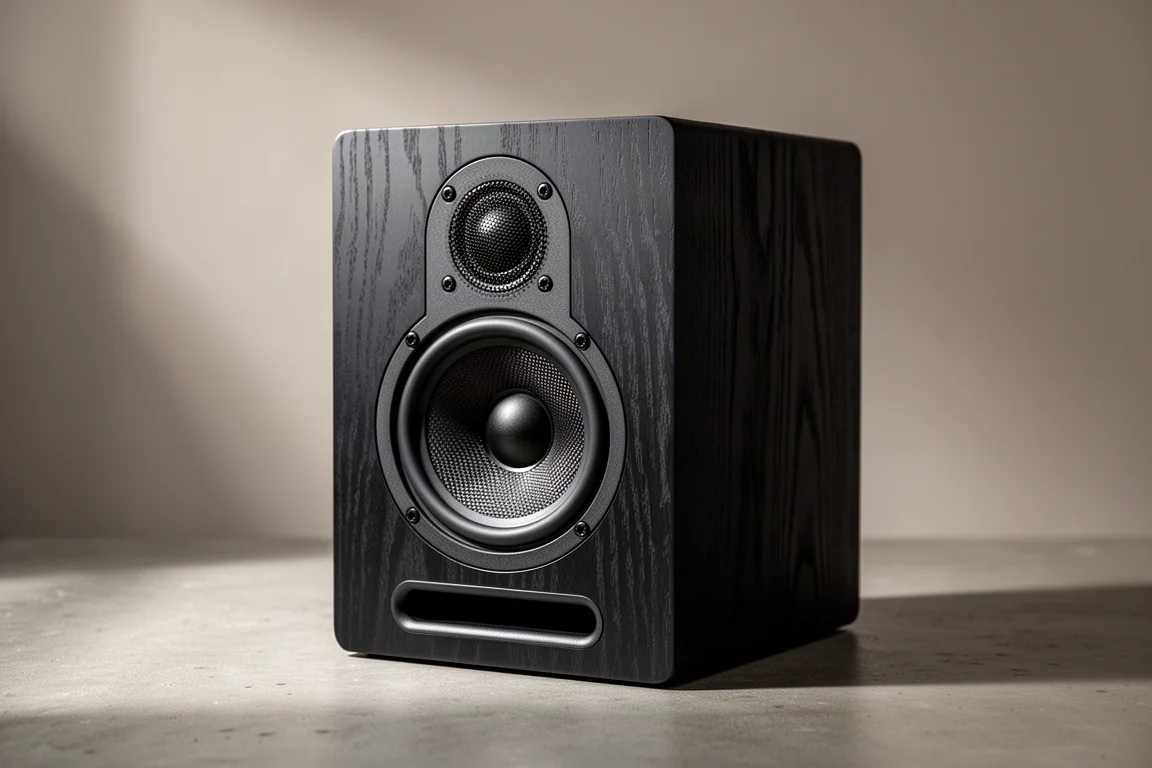
ELAC Debut 2.0 B5.2: Neutral Bookshelf Value
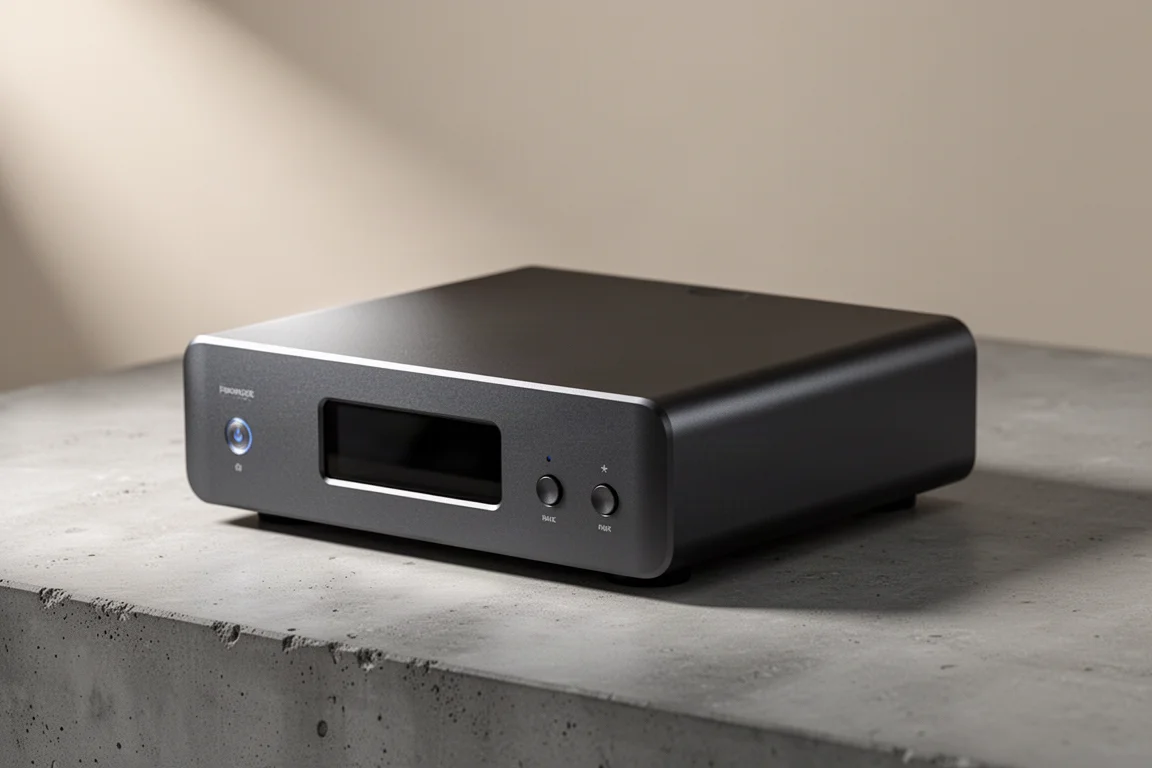
The ELAC Debut 2.0 B5.2 comes from the previous generation of the line and is being phased out, which is exactly why it is worth a look at $230. It marks a clear departure from the first generation’s warmer, fuller presentation, moving toward a more neutral balance that suits listeners who want accuracy rather than warmth.
Within this generation, the smaller B5.2 is the more dynamic of the two models. It can sound slightly grainy at the top end, but it avoids the sharp sizzle that some budget tweeters add. The cabinet is front-ported and solidly built, which makes placement easier in smaller rooms where a rear-ported speaker would need more breathing space behind it.
For a neutral, unfussy bookshelf speaker at a discontinued price, the B5.2 is one of the easier recommendations in this roundup.
ELAC Debut 2.0 B6.2: The Larger Cabinet With Caveats
The ELAC Debut 2.0 B6.2 is the larger model in the same generation, with a six-inch woofer, a front port, and a solid cabinet. It sells for around $280. It is also the harder recommendation of the two, because its sound stays focused on the midrange in a way that never quite comes together.
That is a matter of taste rather than a fault, but it is worth knowing before choosing the bigger cabinet on the assumption that more driver area automatically means a better result. Buyers also report that this model needs roughly 100 hours of break-in before it settles into its final balance.
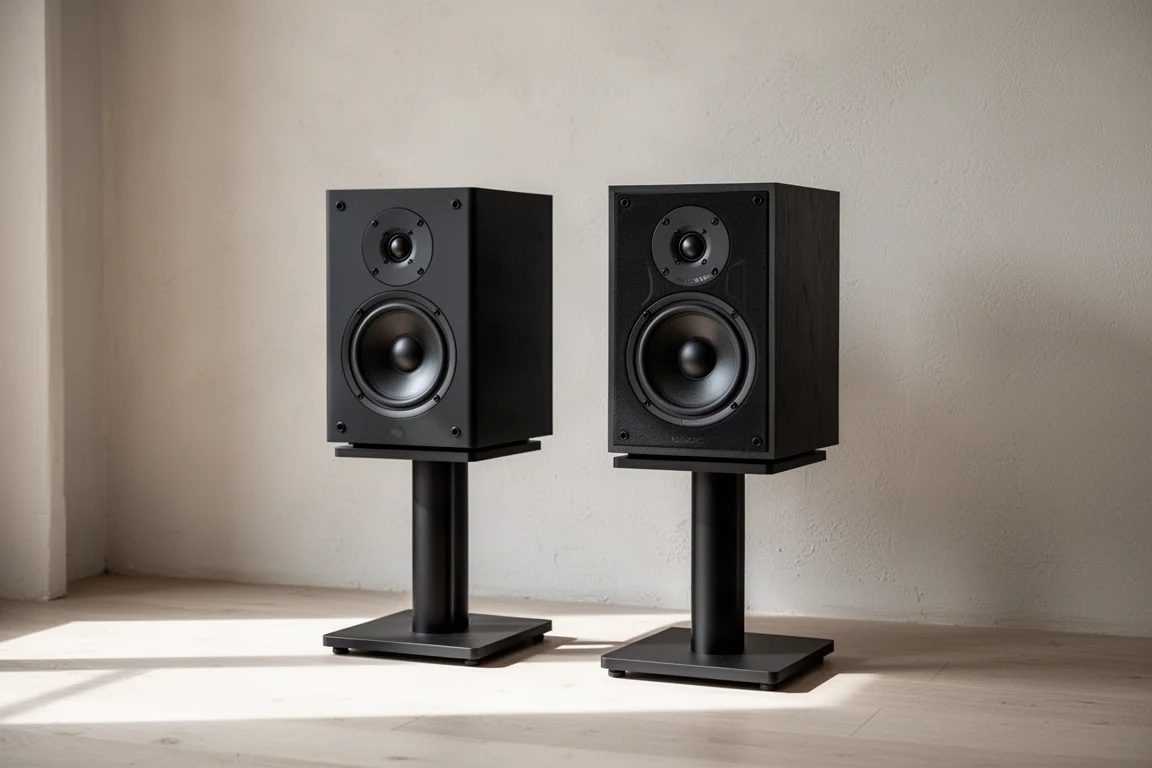
If you want the extra low-end presence and you are prepared to give it time, the B6.2 is still a well-built speaker at a discontinued price. If you want the more engaging listen of the two, the B5.2 is the safer choice.
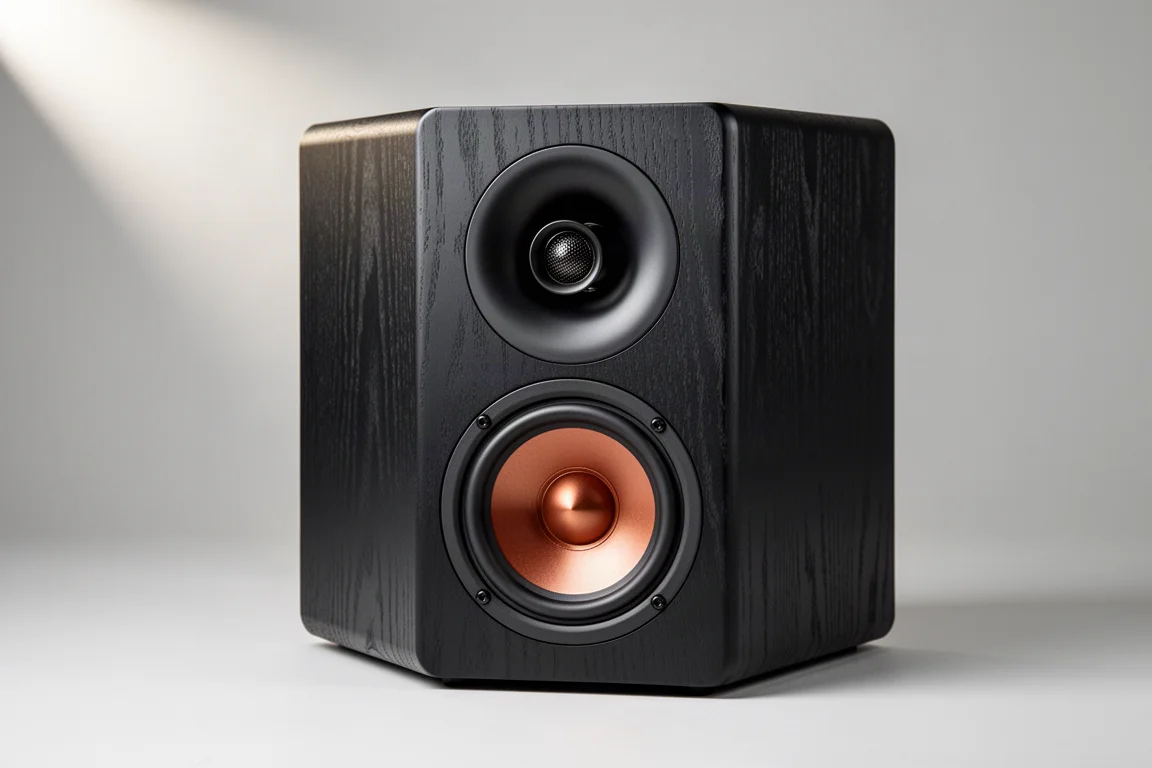
Klipsch RP-500M: Forward, Fun, First-Generation Value
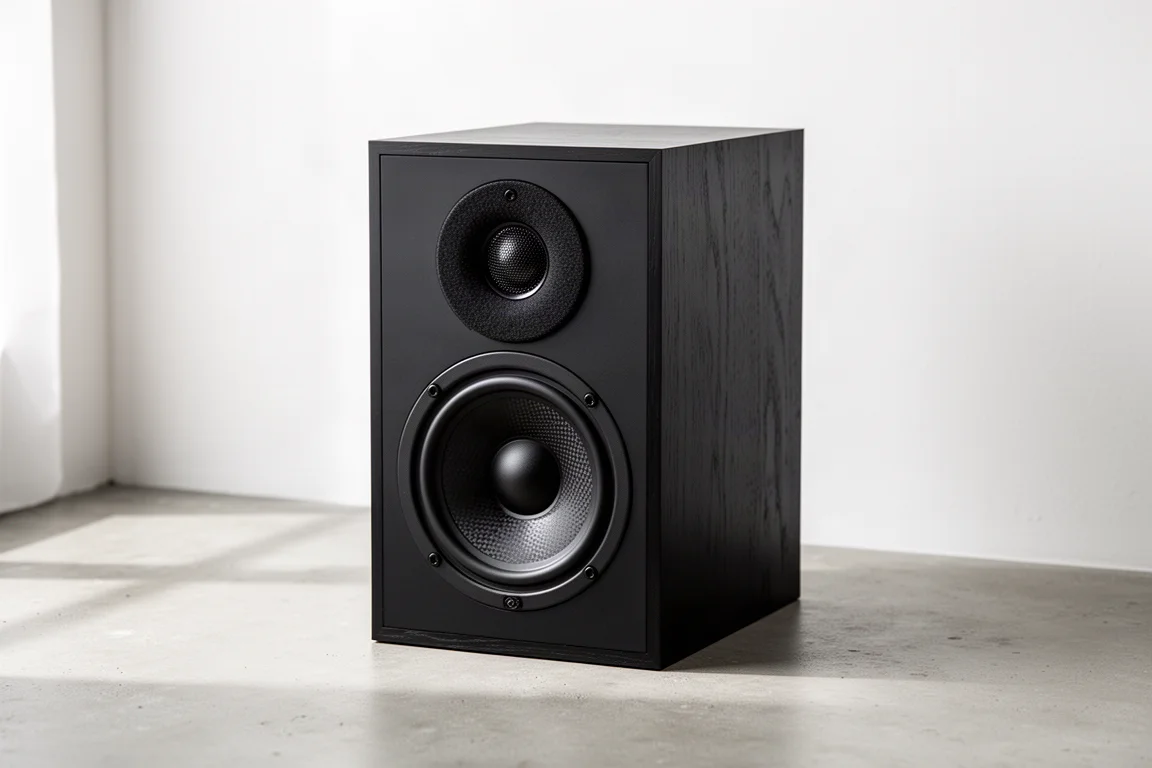
The Klipsch RP-500M is the first generation of a well-liked bookshelf speaker, and a second generation is now current. The first-generation model carries a large number of strong user ratings, though its sound is opinionated enough that ratings alone do not tell the whole story.
Klipsch speakers lift the upper midrange, which pushes vocals forward and makes the presentation energetic and fun. The flip side is that at 80 dB or louder for long stretches, that forwardness can become tiring. The cabinet is well built and the design is attractive, but it is not the most inert enclosure, so some resonance comes through. It is rear-ported, which is worth planning for in a small room.
A pair currently sells for around $279. Refurbished first-generation units have appeared at a similar price through third-party sellers, with no public detail about what the refurbishment involved, so anyone going that route should listen carefully during the return window.
Klipsch RP-600M: The Bigger Klipsch and Its Trade-Off
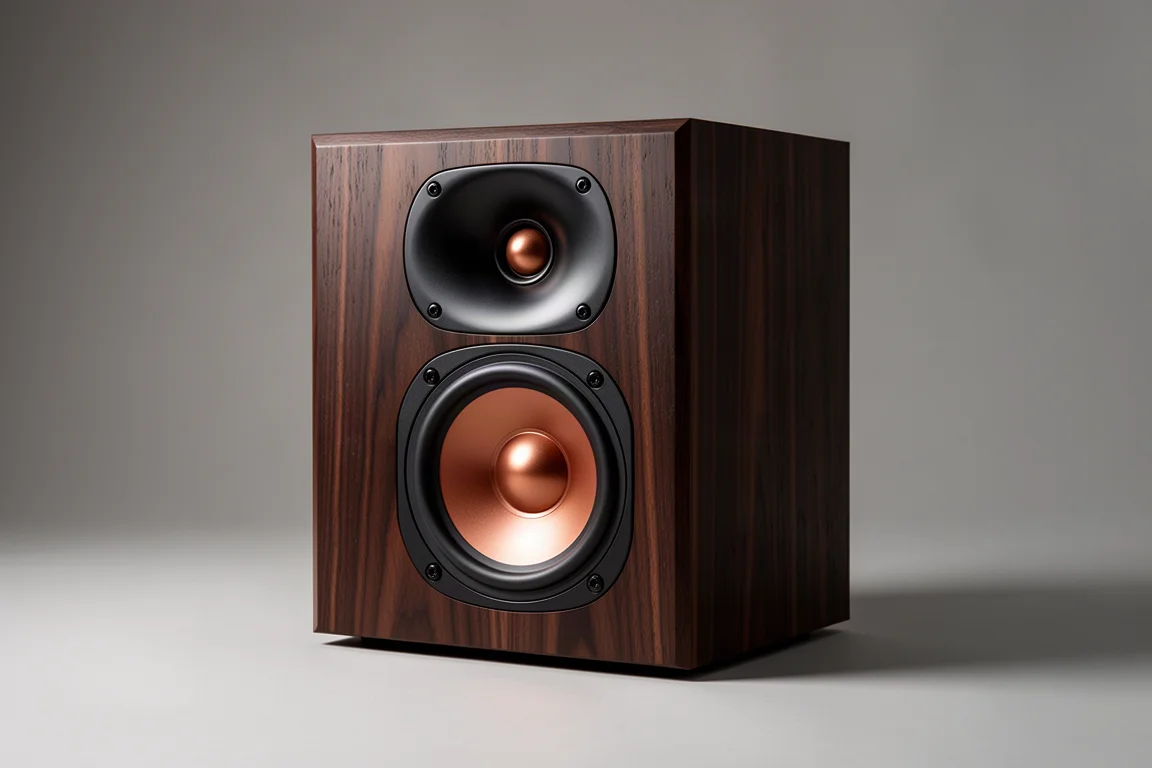
The Klipsch RP-600M is the larger bookshelf in the same family, and it follows the same pattern as the ELAC pair: the bigger cabinet is not automatically the better speaker. In the first generation, Klipsch moved toward a more restrained presentation, which softened some of the character the brand is known for without gaining much in return.
The smaller RP-500M comes across as the more dynamic of the two, which is why it gets the stronger recommendation here. That does not make the RP-600M a bad speaker, but it does mean the choice should be based on the sound you actually want rather than on cabinet size.
If you already know you like the Klipsch house sound and you want more output and low-end weight for a larger room, the RP-600M is the logical step up. If you are buying blind, the RP-500M is the more engaging listen.
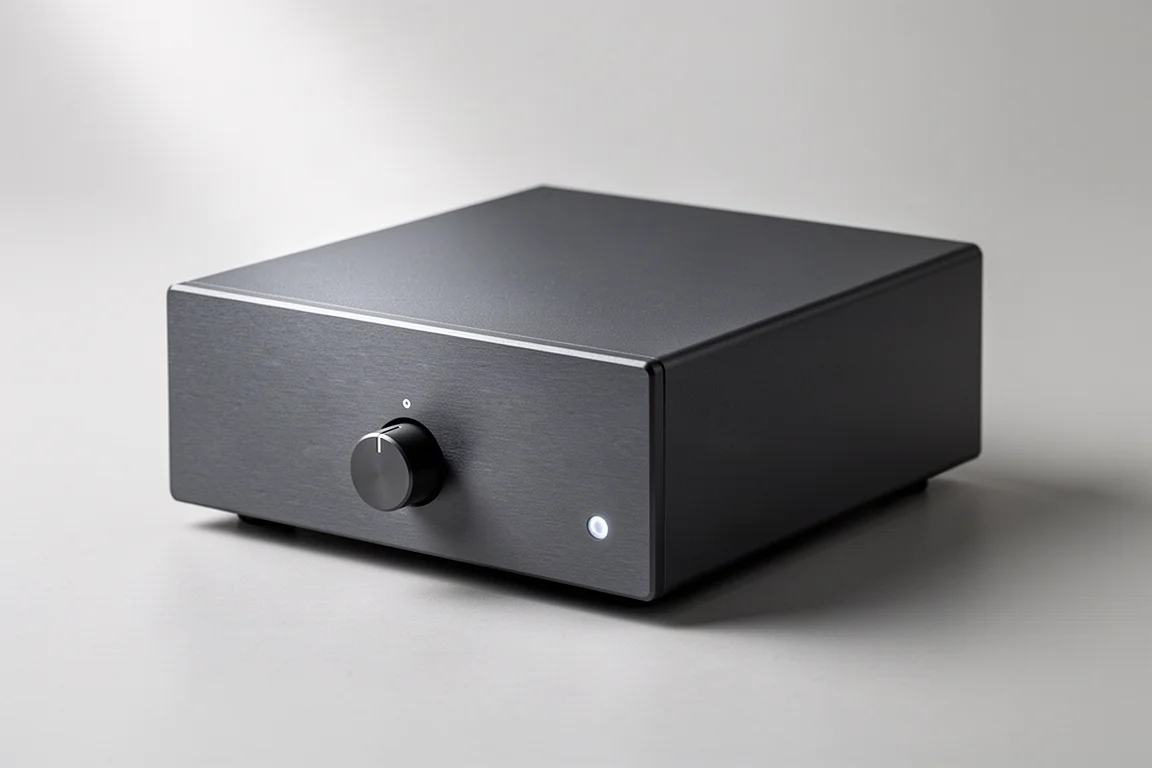
Aiyima A07 Max: The Lowest-Cost Way Into Class D
The Aiyima A07 Max lists at $91.99, and a 15% coupon brings it down to about $78 per unit. It uses the TPA3255 amplifier chipset, which is the same foundation as several more expensive amplifiers in this roundup.
The interesting part is its flexibility. Each unit runs in stereo, but it can be switched to mono operation, where one channel per unit gives excellent channel separation. A pair, at roughly $156, effectively becomes two compact mono amplifiers. Because the power supply is external, it can also be upgraded: the included 36 volt, 6 amp adapter drives most speakers, while a 48 volt, 5 amp or 10 amp supply extracts more from the amplifier.
Amazon flags the A07 Max as a frequently returned item, which is worth knowing before ordering. The practical upside is that returns are straightforward, so it remains a low-risk way to try Class D amplification in a second system or a desktop setup.
How to Choose Between These Picks
The decision usually comes down to the system you already have rather than the product you like most on paper. If your main source is a television, HDMI ARC and a trigger output are worth paying for, which points toward the WiiM Ultra or the WiiM Amp. If you are building around a computer, the Fosi ZD3 and ZA3 pair covers the same ground in two small boxes.
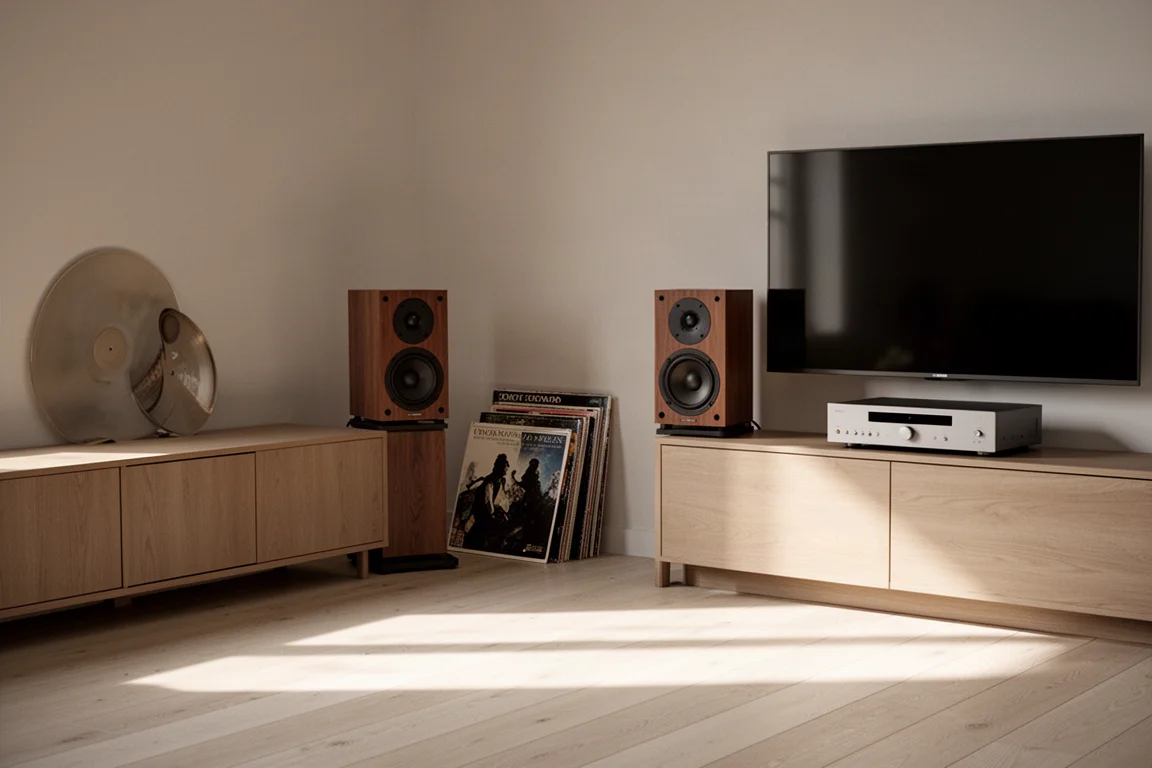
Speakers are the harder call, because they are the most opinionated part of any system. The ELAC Debut 2.0 B5.2 is the neutral option, the Klipsch RP-500M is the energetic one, and the larger cabinets in both ranges come with trade-offs that are easy to overlook in a specification table. The Aiyima A07 Max sits at the bottom of the price range and makes sense for anyone experimenting with a second system or a desktop setup.
Conclusion
Ten products, one price ceiling, and few genuinely bad choices. The WiiM Ultra is the most complete single box in the group, the Fosi Audio ZD3 is the most enjoyable to tinker with, and the ELAC Debut 2.0 B5.2 is the safest speaker for listeners who want neutrality rather than character.
Where the choice gets difficult, the smaller cabinet usually wins on dynamics and the discontinued generations usually win on price. If one of these fits the system you already own, the current discounts make this a reasonable moment to decide.
Further reading
Related Reviews
Hi-Fi Audio
Accuphase C-57 vs Allnic H-7000V: Two High-End Phono Stages Compared
A fully balanced solid-state phono stage with a pitch-black noise floor meets a tube design built for well-loved records. Here is how to choose between them.
Hi-Fi Audio
Active vs Passive Hi-Fi: Five Components for a Modern System
Five components that define modern active and passive hi-fi systems, with the strengths, trade-offs and setup details worth weighing before you buy.
Hi-Fi Audio
Advance Paris A10 Apex Review: A Hybrid Integrated Amplifier That Covers a Lot of Ground
A French hybrid integrated amplifier with a class A tube preamp stage, analogue power meters, and an internal DAC and phono stage good enough to make extra boxes unnecessary.