Hi-Fi Audio
Best Hi-Fi Deals: 14 Audiophile Components Worth Buying on Sale
A tier-by-tier guide to 14 hi-fi components on sale, from a $67 desktop DAC and sub-$150 speakers to premium standmounts and integrated amplifiers.
Introduction
Sale season is the best time of year to build a hi-fi system on a sensible budget, and this roundup covers 14 components worth a look right now, from a $67 desktop DAC up to a pair of premium standmounts just under $1,000. Each pick has a clear job in a system, and most of them leave room to upgrade later rather than locking you into a dead end.
Prices move quickly during promotional periods, and some of the deals below may change or end without notice. What does not change is the underlying value: the components here earn their place in a system on merit, not only because the number next to them is temporarily lower.
How These Picks Were Selected
Three things mattered. First, a clear role: a speaker, an amplifier, a DAC, a streamer, or a turntable that solves an actual problem in a starter or mid-level system. Second, an upgrade path, so a purchase made today still makes sense if your budget grows next year. Third, price discipline, meaning the component has to be competitive in its own band rather than merely discounted.
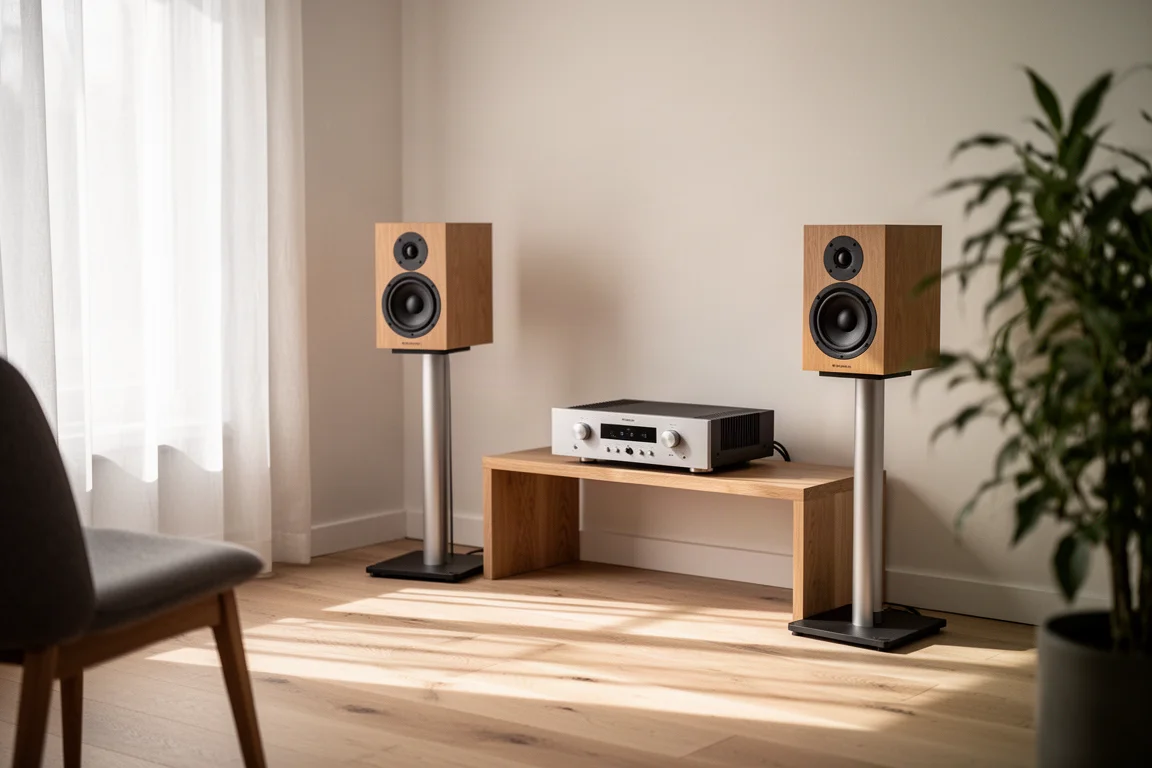
The list runs from under $150 into premium territory, so it works whether you are assembling a first desktop system or refining a room that already has decent speakers. Budget class D amplifiers, external DACs, and streamers are the easiest places to start, because they add capability without demanding much space or a large commitment.
SMSL SU-1: A Tiny DAC That Punches Above Its Price
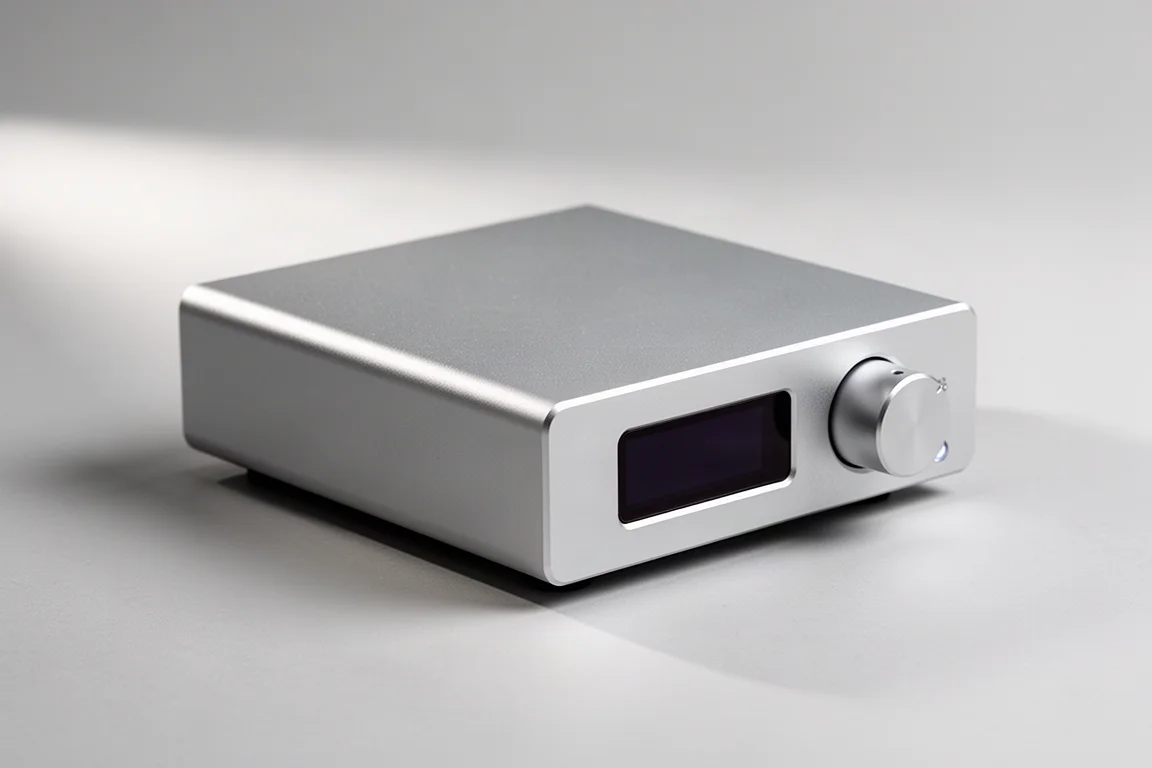
The SMSL SU-1 is a small external DAC built around the AKM 4493S chipset. It offers coaxial, optical, and USB inputs, and it draws power over the USB connection, so it can run directly from a computer or from a basic 5V phone charger. On sale at roughly $67, it is one of the least expensive meaningful upgrades in this list.
An external DAC improves the conversion stage of whatever digital source you already own, whether that is a computer, a television, or a disc player. The SU-1 is small enough to disappear behind a desk or a rack, and its sound quality is the reason it keeps turning up in budget system builds.
Neumi BS5: A Neutral Budget Bookshelf Speaker
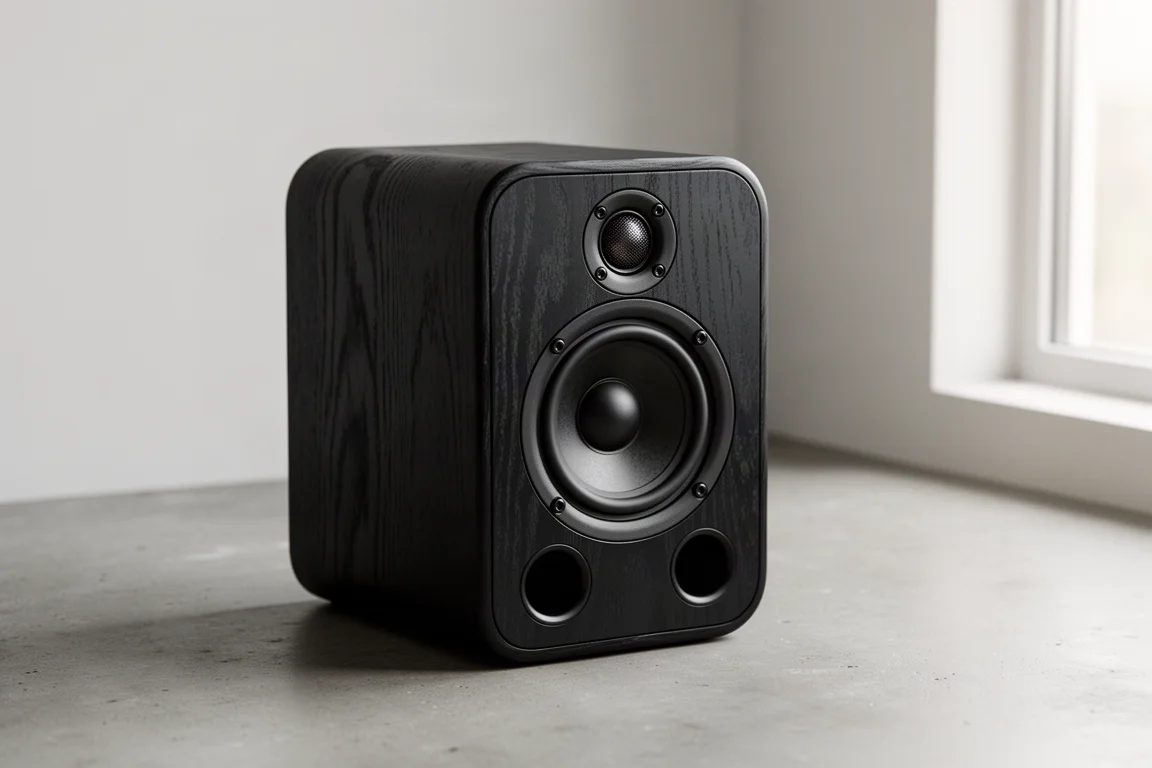
The Neumi BS5 is a long-running budget favorite: a front-ported standmount with a 5.25-inch woofer and a small soft dome tweeter, priced at about $109. It is compact, relatively easy to drive for its size, and notably neutral, which suits listeners who want an honest sound rather than a heavily flavored one.
Because the cabinet is small and the port faces forward, the BS5 is forgiving about placement near a wall or on a desk. Pair it with a compact class D amplifier and a modest DAC and you have a complete system for a very small outlay.
WiiM Pro: The Most Flexible Budget Streamer
The WiiM Pro is a streamer that doubles as a preamplifier, thanks to an analog input and onboard volume control. Around the back you get optical input, optical output, coaxial output, and a trigger output, which means it can sit at the center of a small system or feed an external DAC later. It is on sale at about $119.
Software is where the WiiM Pro separates itself. It includes a 10-band EQ, a parametric EQ, and room correction, and it supports AirPlay, Bluetooth, and the major streaming services, including Tidal, Spotify, and Qobuz. Because it has a digital output, it also has a clear upgrade path: add a better DAC when your budget allows and the streamer stays.
Sony SSCS5: A Familiar Budget Standout
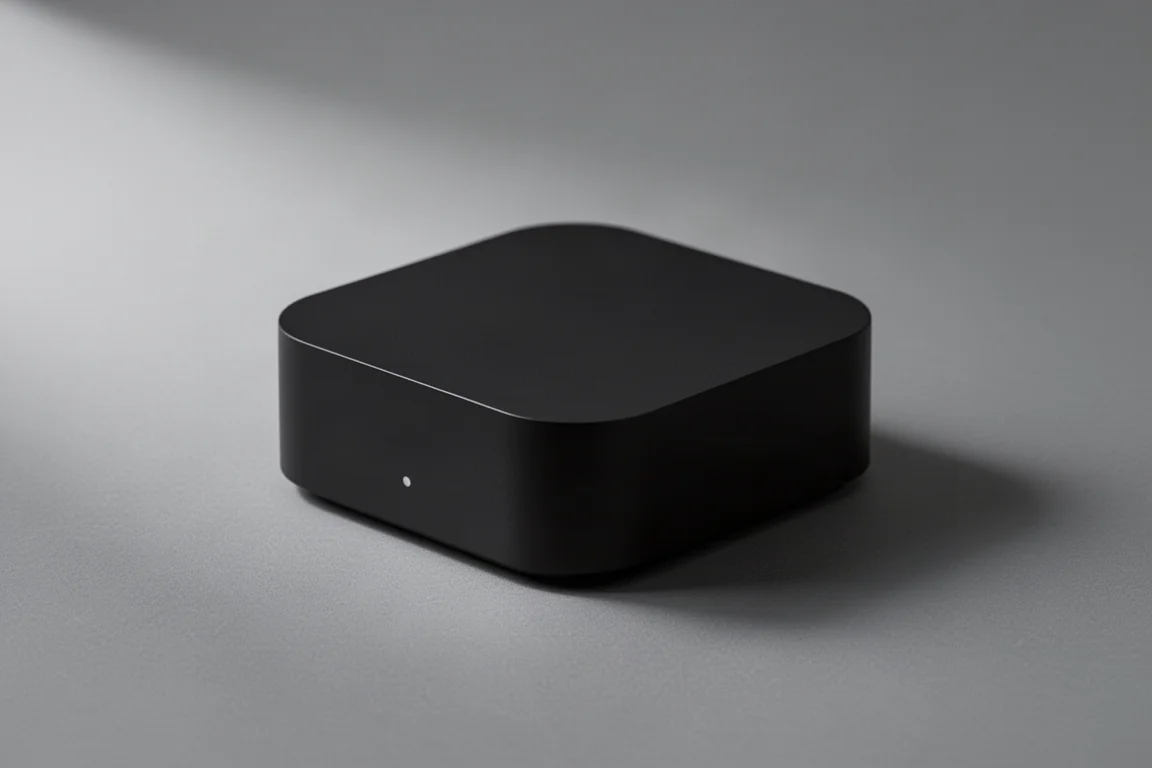
The Sony SSCS5 is a 2.5-way design with a 5.25-inch woofer and a super tweeter, and it has spent years as one of the default recommendations in the budget category. The regular price has risen to about $199, but it is currently available for around $130, which puts it back in reach for a first system or a desktop setup.
Its character is worth knowing before you buy. The midrange is slightly scooped and the top end can sound bright with some recordings. Both traits respond well to placement: keeping the tweeter slightly below ear level or toeing the speakers outward reduces the intensity without losing detail.
Schiit Modi: A Straightforward Desktop DAC
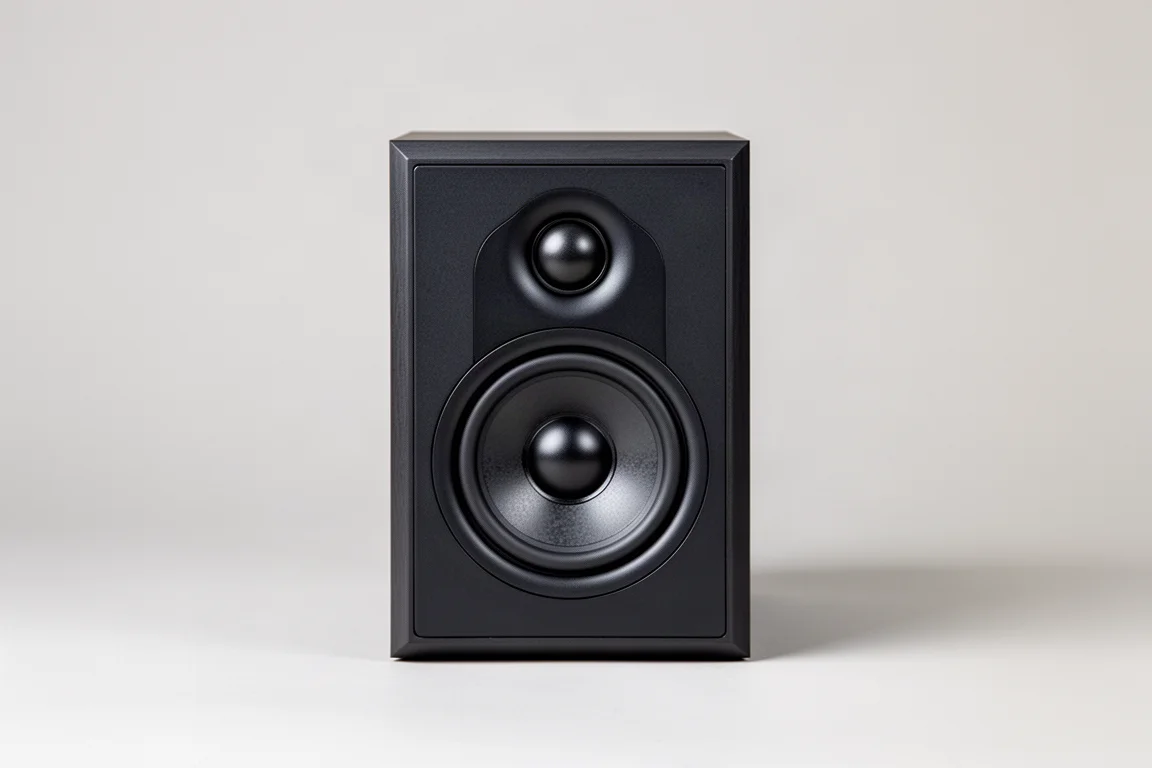
The Schiit Modi is a compact desktop DAC at about $130 with an input set similar to the SMSL SU-1, but a different tonal character. It is a simple, well-established component, and it is manufactured in the United States, in Texas.
If you are choosing between the two budget DACs, the decision comes down to voicing and budget rather than features. The Modi has been in production long enough that used examples turn up regularly, which is one way to spend even less.
Polk XT15: A Well-Rounded Budget Bookshelf
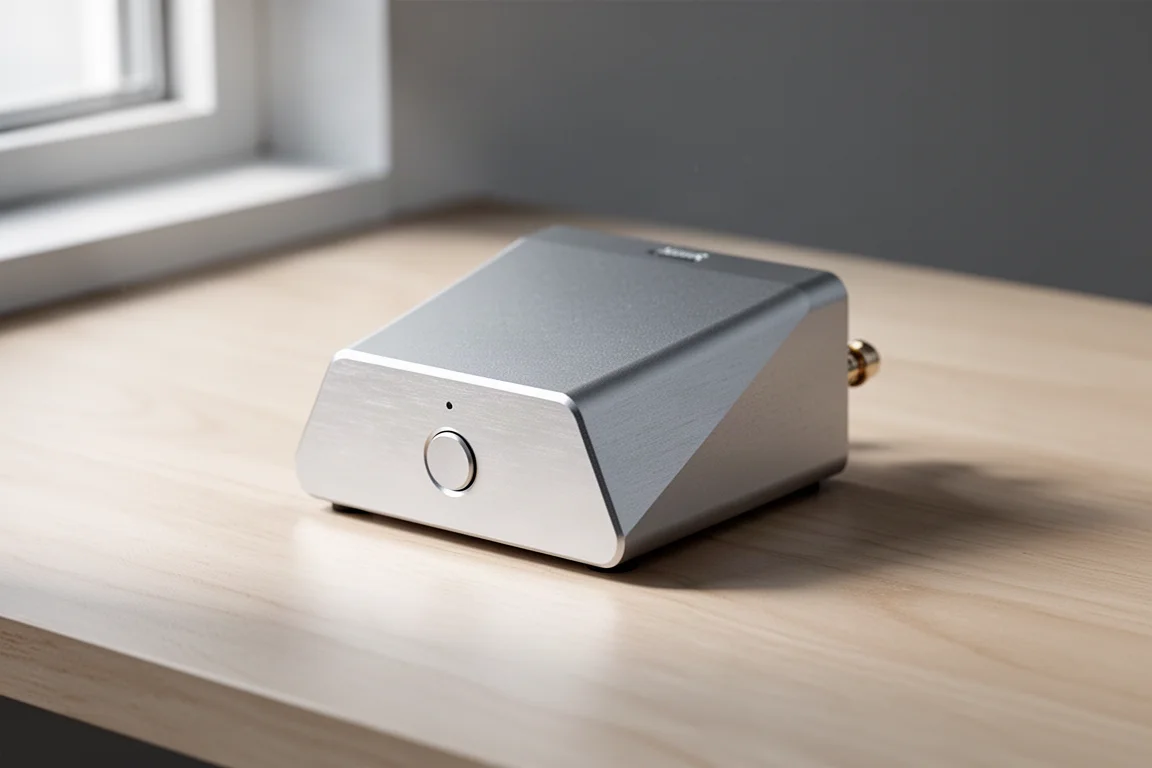
The Polk XT15 is a two-way standmount with a 5.25-inch woofer and a 1-inch soft dome tweeter, and it is discounted to roughly $139. It is the most balanced speaker in the sub-$150 group: more neutral than the Sony SSCS5 and more dynamic than the Neumi BS5, which makes it the safest all-rounder here.
It is also the easiest of these budget speakers to drive, so it works well with inexpensive class D amplifiers. If you want one small speaker that handles a wide range of music without asking much of your amplifier, this is the one to shortlist.
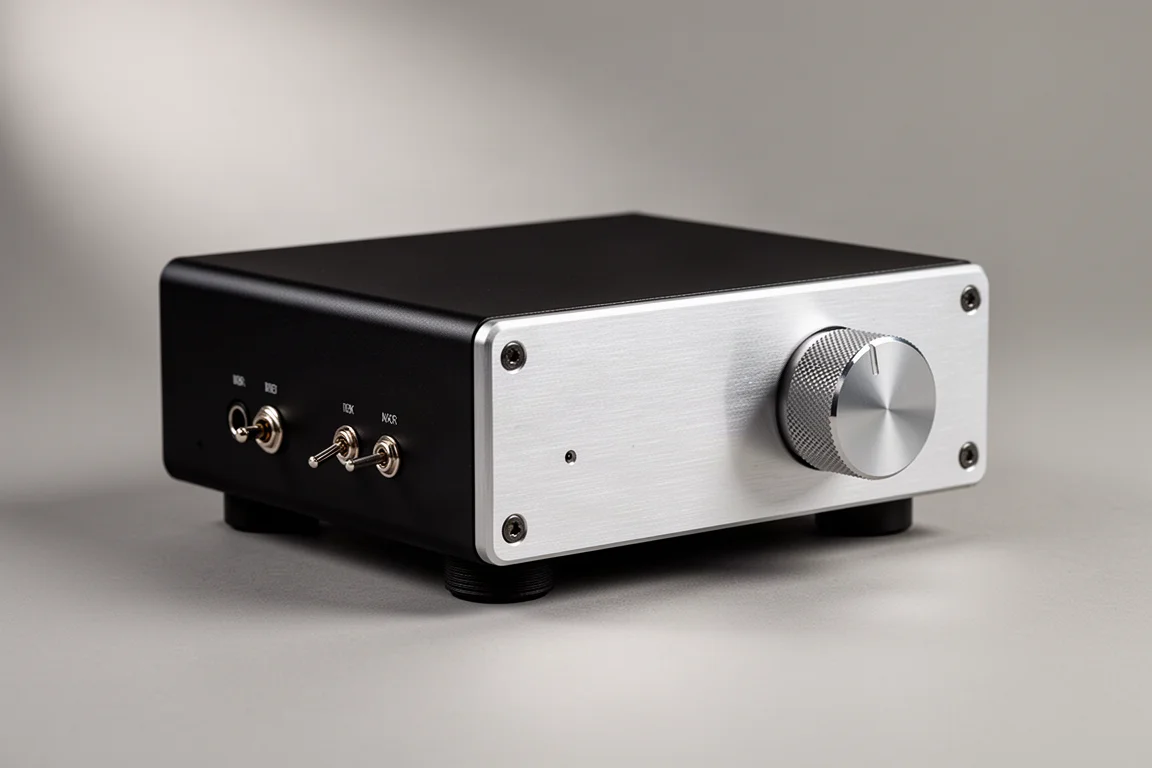
Fosi Audio ZA3: A Bridgeable Budget Amplifier
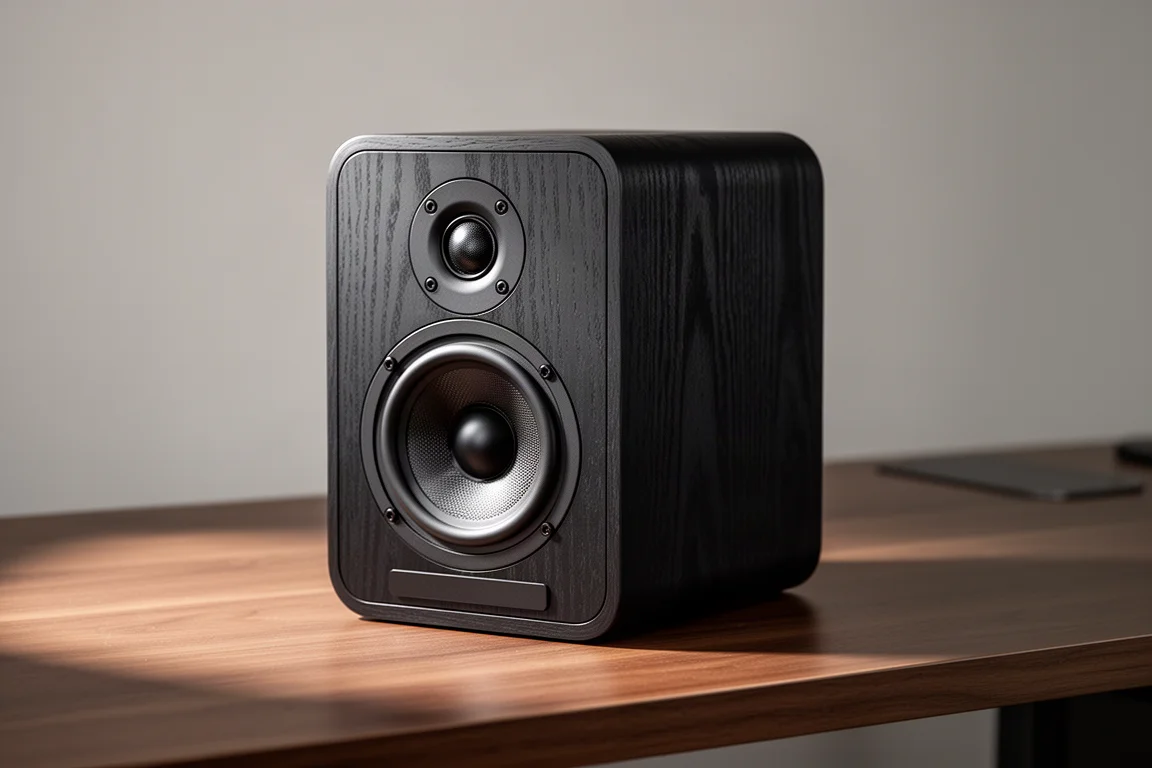
The Fosi Audio ZA3 is a compact class D amplifier at about $150 that can be bridged to run in mono. That matters because it gives you a path forward: buy one now to drive a pair of speakers, then add a second unit later and run two monoblocks for more power.
It also supports op-amp rolling, so you can change the character of the amplifier over time. Reputable options include Sparkos and Burson, along with more affordable Texas Instruments parts, and buying from established brands is worth the small premium. Inputs cover balanced and single-ended RCA.
Fluance RT80: An Entry-Level Turntable With a Built-In Phono Stage
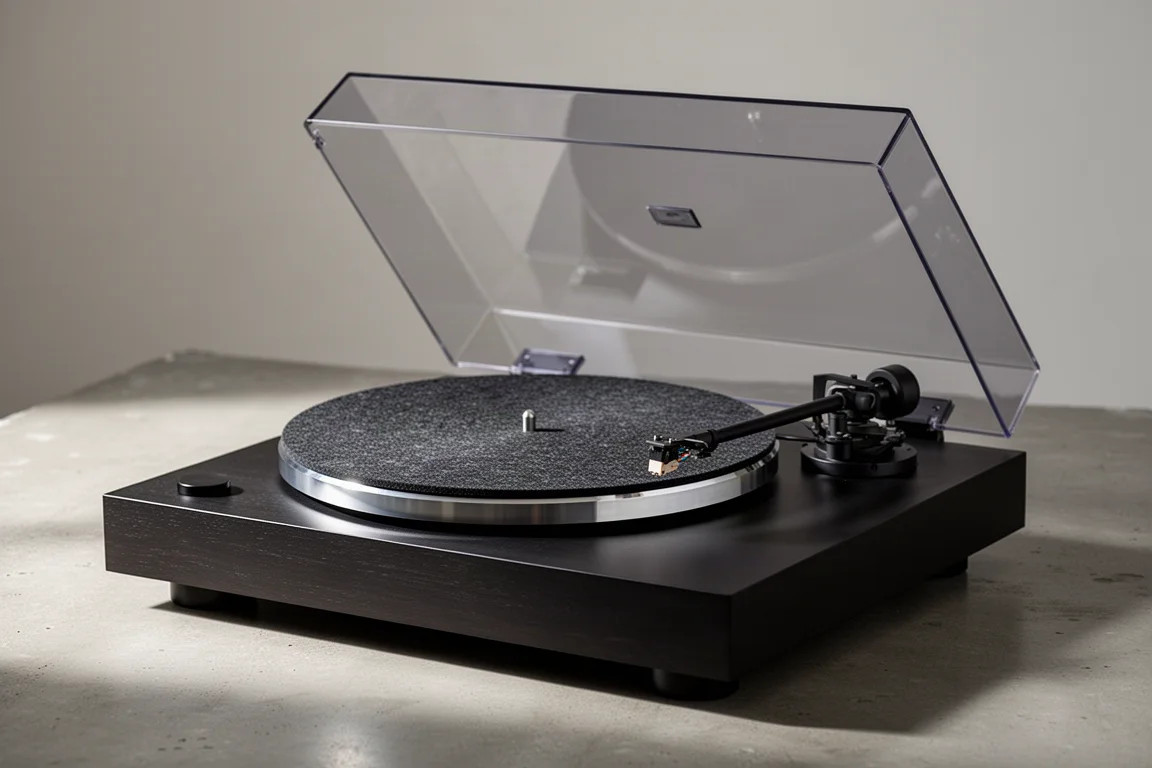
The Fluance RT80 is an entry-level turntable normally priced at about $200 and currently on sale for around $159. It ships with a pre-installed phono preamp and an auto-stop feature, so it plugs straight into compact class D amplifiers like the Fosi Audio ZA3 without extra boxes.
The build is the reason to consider it over similarly priced alternatives. The plinth is thick and solid, and the overall construction feels more substantial than several competing entry-level decks. The RT80 uses a different motor than the higher RT82 through RT85 models, so it is the starting point of the range rather than the top of it.
KEF Q150: A Mid-Range Speaker With Real Character
The KEF Q150 is a standmount speaker that lists at around $350 a pair during promotions. Its frequency response reaches from 51 Hz to 28,000 Hz, with a rated sensitivity of 86 dB and a nominal impedance of 8 ohms, and the concentric driver arrangement gives it a cohesive soundstage that is unusual at this price.
It is not a neutral monitor. The Q150 has a touch of warmth and a bit of personality, which is exactly why many listeners prefer it to more analytical designs. Give it an amplifier with some current on tap and it rewards the investment.
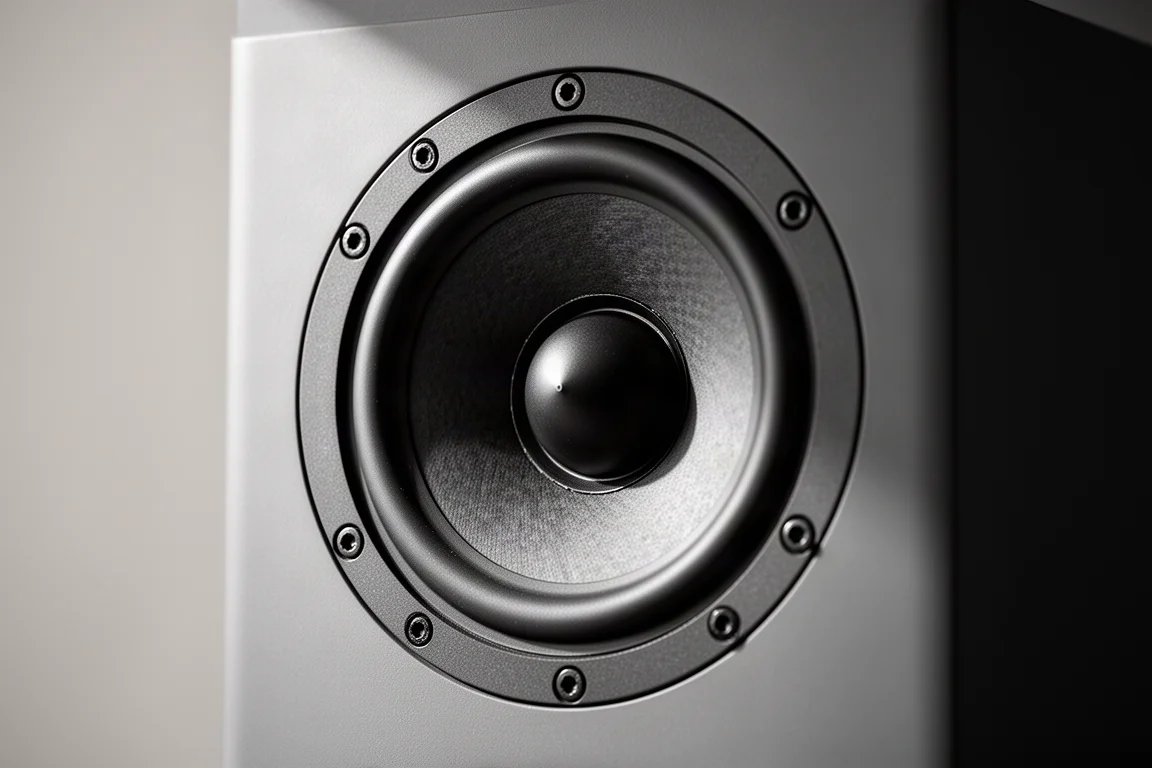
Because the Q150 plays lower than several larger alternatives in the same family, it can work in a small room without a subwoofer, though adding one later remains an option. It is a strong choice for a first serious pair of speakers.
SVS Prime Wireless Pro SoundBase: A Powerful Streaming Amplifier
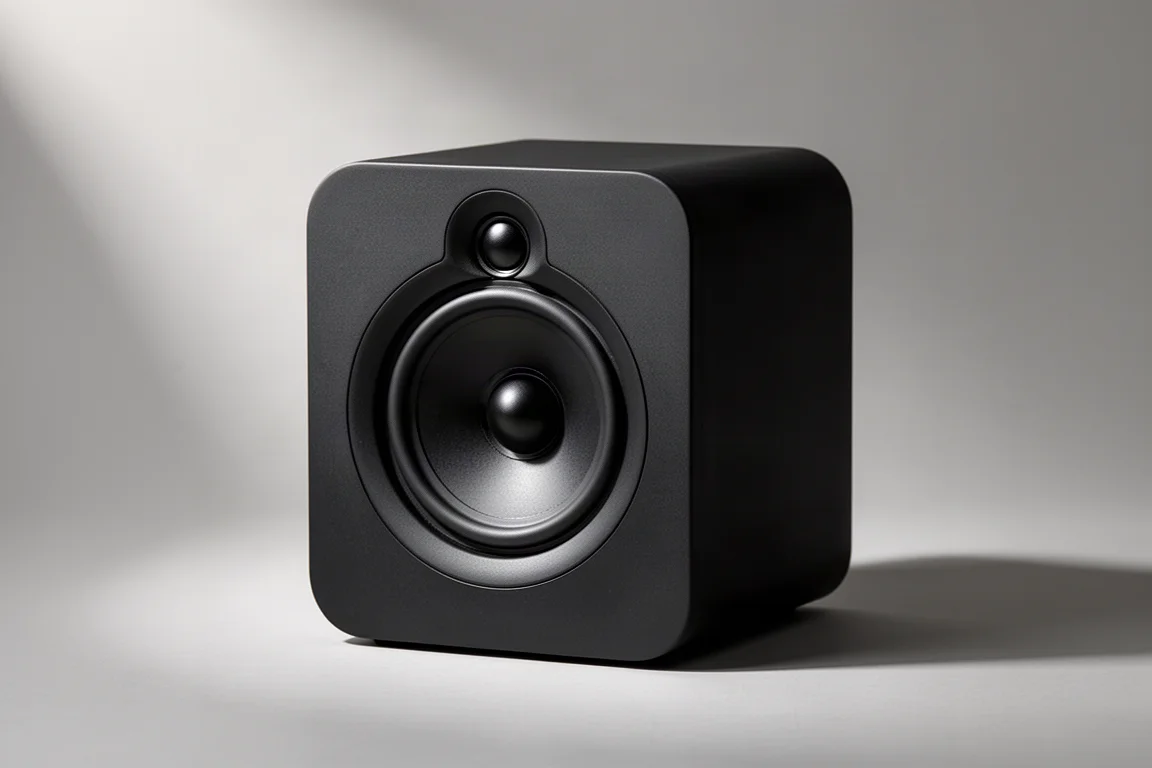
The SVS Prime Wireless Pro SoundBase is discounted by about $200 to roughly $500, and it is a genuinely powerful integrated amplifier. It includes HDMI ARC input, an optical input, and a line output that lets you use it as a preamplifier with a separate power amplifier later.
Its streaming side is the compromise. The built-in Play-Fi platform is not as polished as the leading budget streamers, so the smart approach is to buy this as an amplifier with HDMI first and treat streaming as a bonus. Judged that way, it is excellent value.
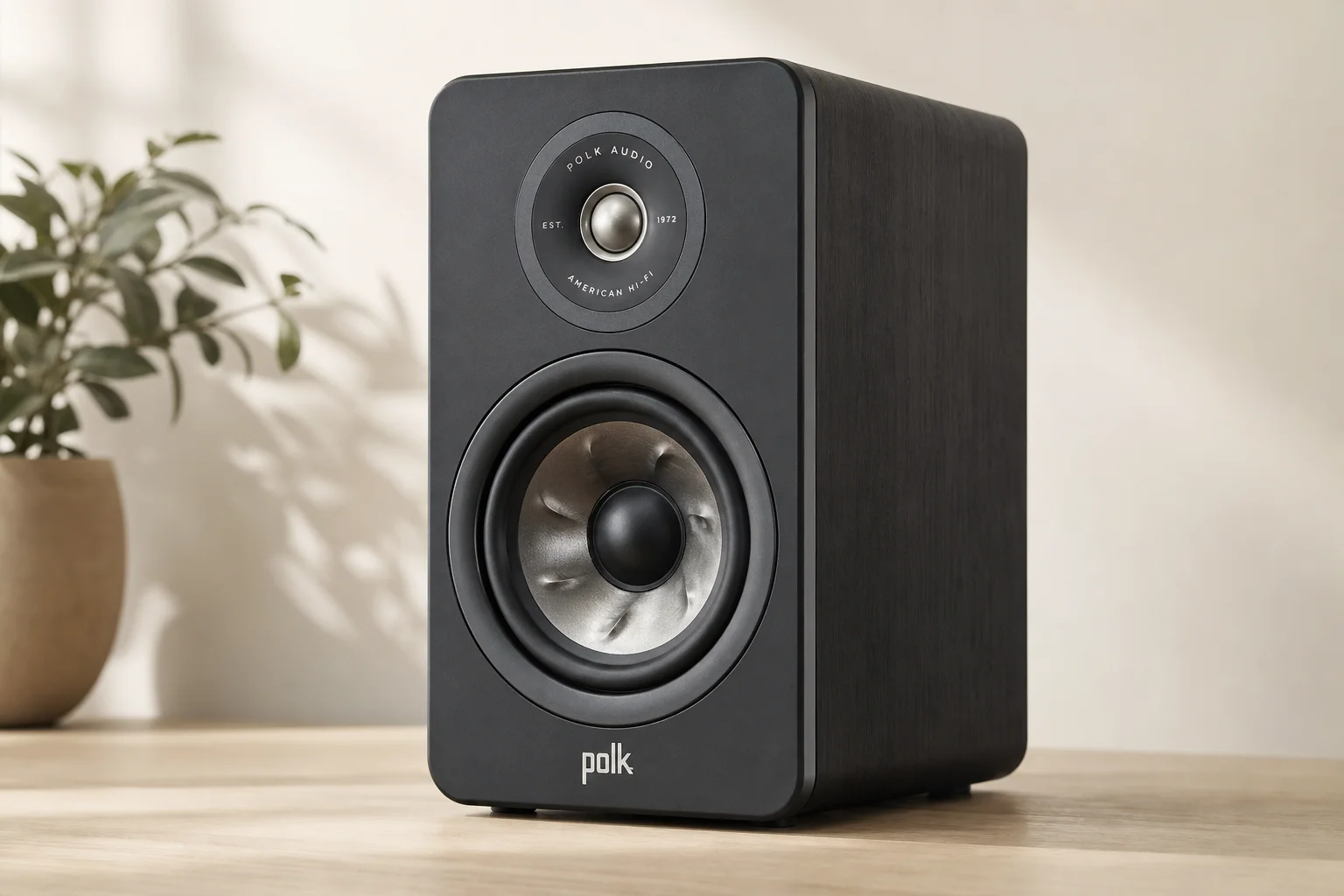
Polk Audio Reserve R200: A Punchy Mid-Range Standmount
The Polk Audio Reserve R200 is on sale at about $525, down from a retail price of $749. It pairs a 6.5-inch woofer with a 1-inch ring radiator tweeter, reaches down to 51 Hz, and puts out serious energy in the 80 to 100 Hz region, which gives drums and bass lines real weight.
The woofer uses technology carried down from Polk’s top-of-the-line Legend series, and the rear turbine port helps the cabinet breathe cleanly. If you want a standmount that sounds big and dynamic rather than delicate, this is the one to audition.
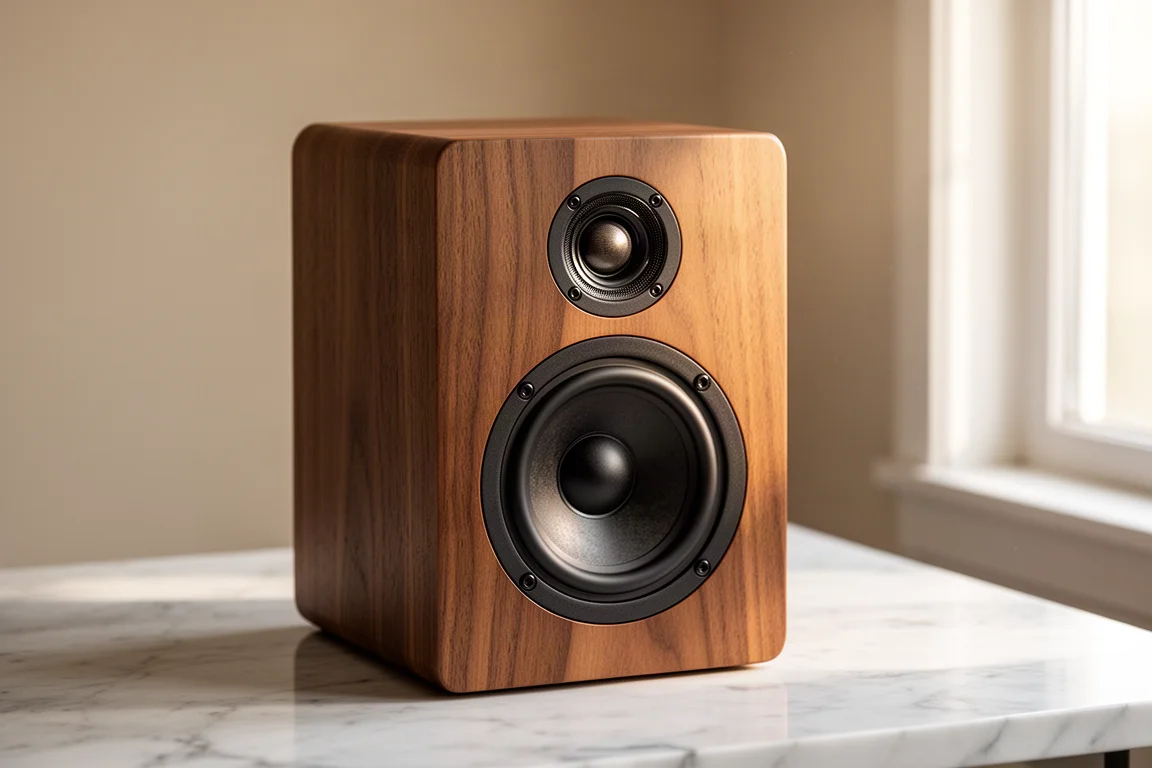
Wharfedale Evo 4.1: An Upper Mid-Range Speaker With Warmth
The Wharfedale Evo 4.1 is discounted to about $649 from a typical selling price near $800. It uses a 5-inch woven Kevlar woofer, reaches down to 58 Hz, and is rated at 87 dB with a nominal 8-ohm impedance, all wrapped in a cabinet finished in real wood veneer.
The balance leans slightly warm, which is unusual for a speaker in this class and makes it easy to live with over long listening sessions. The binding posts on the rear are unusually well executed for the price, and the finish is a step above what the category usually offers.
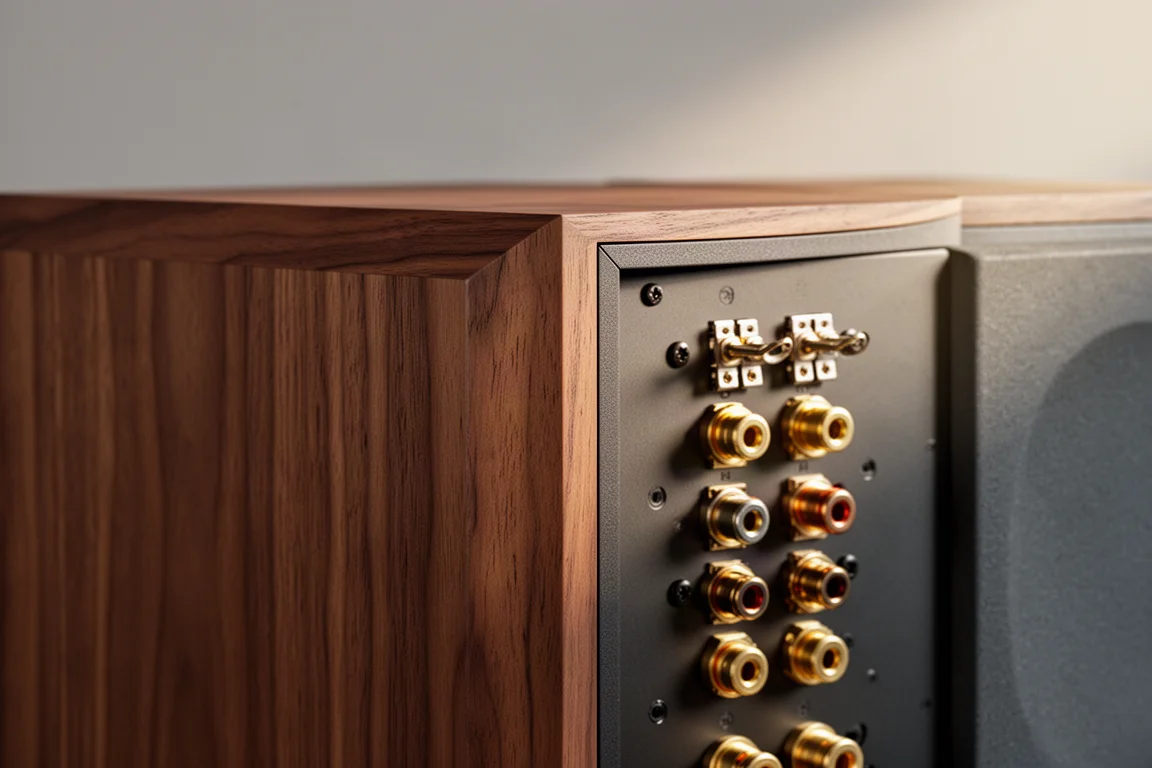
If you like the idea of a refined, unfatiguing standmount that still looks like furniture, the Evo 4.1 is worth a close look. Pair it with a neutral amplifier to keep the warmth in check.
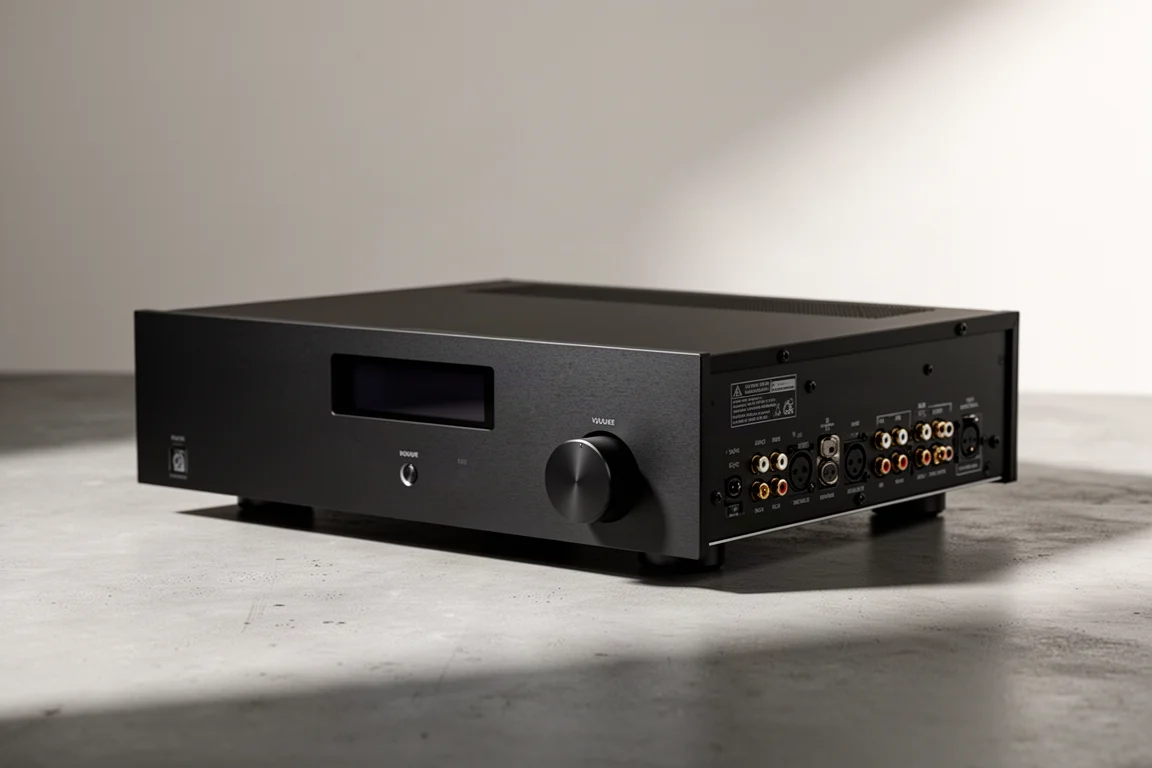
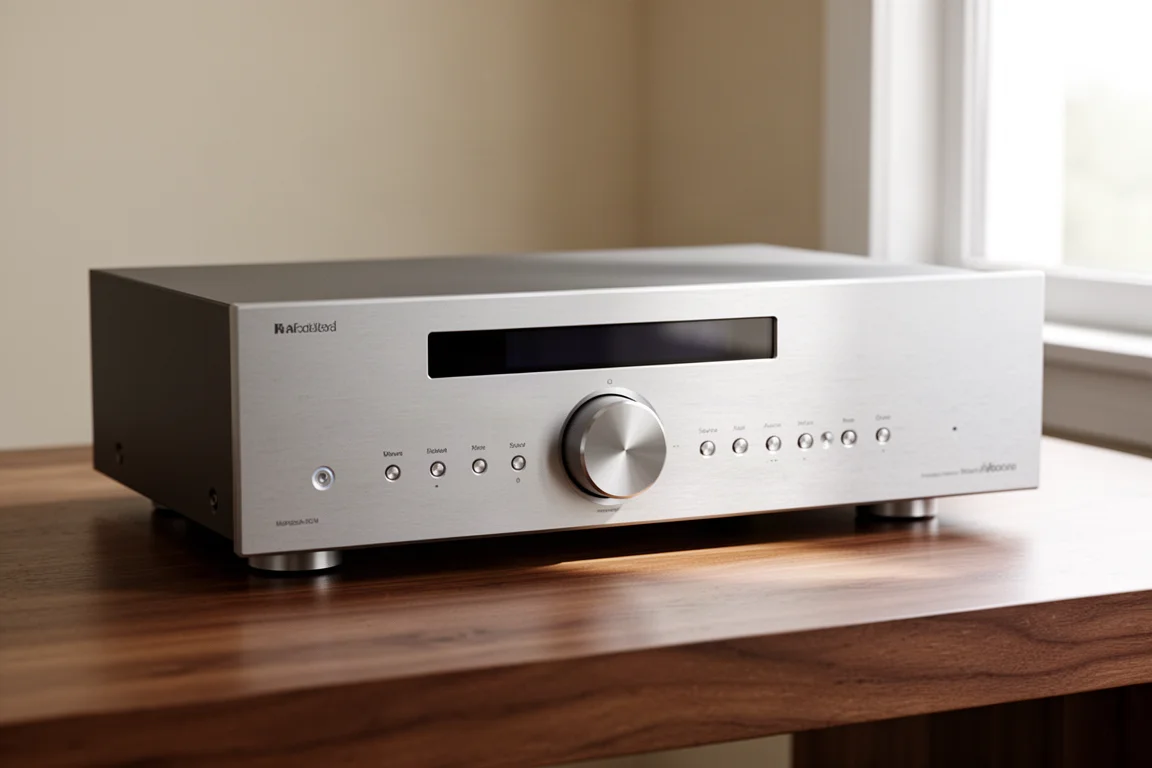
Audiolab 6000A: A Premium Integrated With a Rich Feature Set
The Audiolab 6000A is an integrated amplifier discounted by about $300 to roughly $900. It delivers 50 watts per channel into 8 ohms and 75 watts into 4 ohms, uses a toroidal transformer, and includes a Sabre 9018 DAC along with Bluetooth and a remote control.
Connectivity is generous for the money: two optical inputs, two coaxial inputs, three line-level inputs, and a phono stage, plus preamplifier outputs. It can also be used purely as a power amplifier, which makes it flexible if your system grows. For listeners who want one box that handles both digital and analog sources, this is a strong value.
KEF LS50 Meta: A Premium Standmount for Curious Listeners
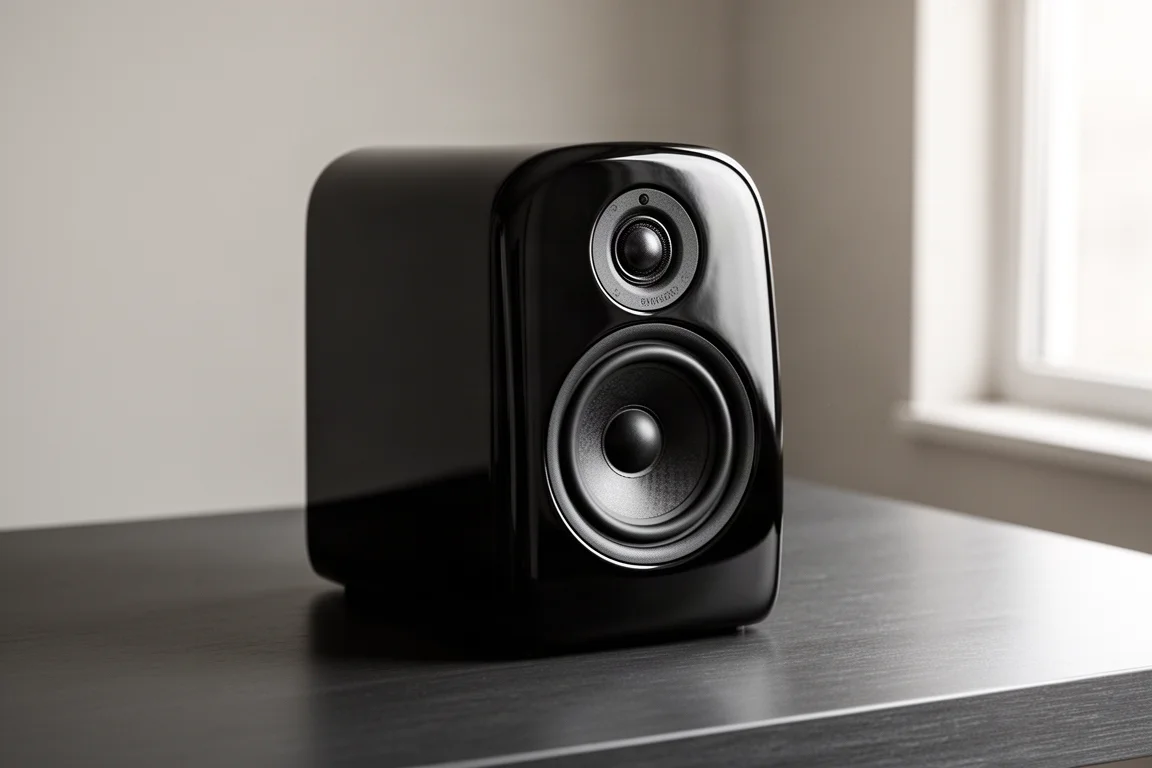
The KEF LS50 Meta is on sale at about $999 a pair, a discount of roughly $600, and it is one of the most discussed standmount speakers of the past several years. It uses a 5.25-inch aluminum cone woofer and a 1-inch vented aluminum dome tweeter in a concentric arrangement, reaches from 79 Hz to 28,000 Hz, and is rated at 85 dB with an 8-ohm nominal impedance. Several finishes are available, including carbon black, titanium gray, blue, and a cream white with copper-colored drivers.
It is also a demanding speaker. Because low-frequency output stops at 79 Hz, most owners will want a subwoofer, and the speaker responds noticeably to the amplifier it is paired with. Raw wattage is not the whole story: a modest 25-watt class D amplifier can sound more convincing than a far more powerful design in the right room. Treat the LS50 Meta as the start of a project rather than a plug-and-play purchase, and it can be deeply rewarding.
Buying Advice: Matching Components to Your Budget
The most common mistake in a budget system is spending everything on speakers and leaving nothing for the amplifier. Small standmounts like the Polk XT15 and the Neumi BS5 need a competent amplifier more than they need a bigger cabinet, and compact class D models with tone controls let you tune the sound to your room and taste.
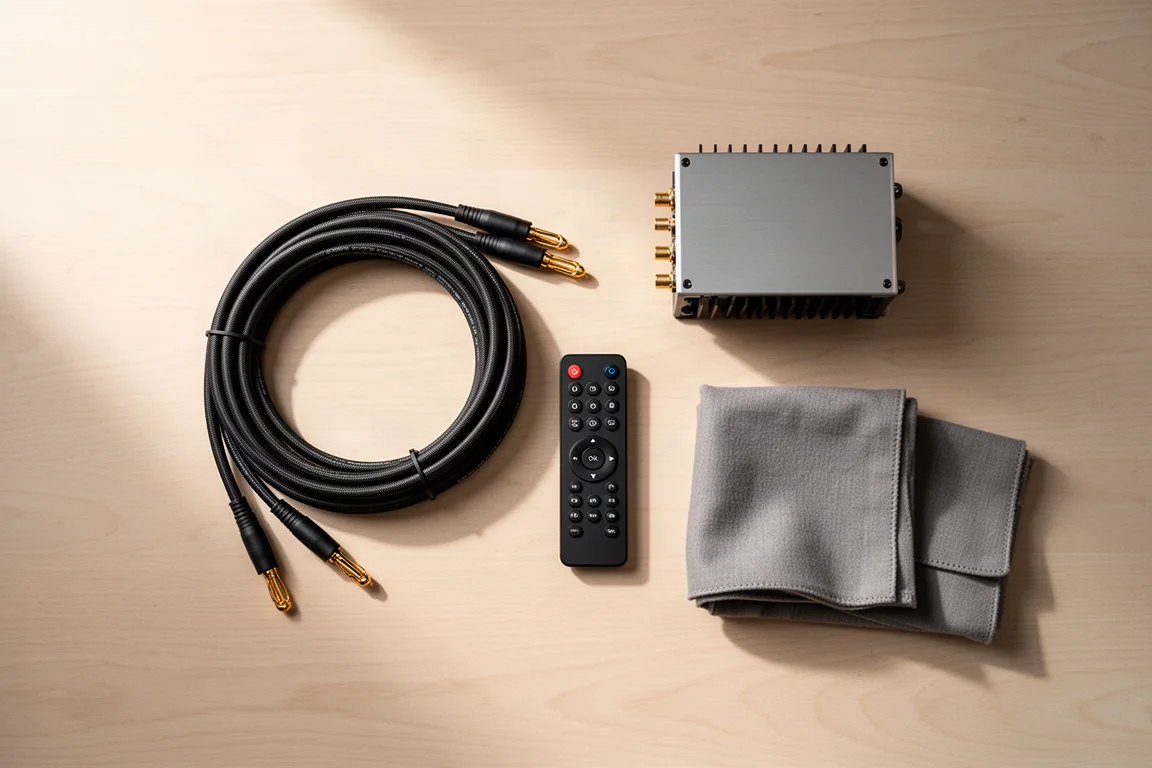
A second useful principle is to buy components that can grow. The Fosi Audio ZA3 can be bridged and run as a pair of monoblocks. The WiiM Pro has a digital output that lets you add a better DAC later. The Audiolab 6000A can serve as a power amplifier if you eventually move to a separate preamp. Choosing parts with an upgrade path keeps a system useful for years.
Finally, check the return policy before you commit. Extended audition windows and price-match guarantees make it far easier to try a component at home, which is the only way to know whether a speaker suits your room. Sale prices change quickly, so it is worth confirming the current price at checkout rather than assuming the discount still applies.
Conclusion
This list spans a wide range of budgets, but the logic behind it is consistent. Start with the component that limits your system most, choose gear that can grow with you, and take advantage of promotional pricing when a component you already wanted happens to be discounted. A small DAC, a compact amplifier, and a well-rounded budget speaker can deliver a genuinely satisfying system, and each of the premium options here is a legitimate step up when your budget allows.
Further reading
Related Reviews
Hi-Fi Audio
Accuphase C-57 vs Allnic H-7000V: Two High-End Phono Stages Compared
A fully balanced solid-state phono stage with a pitch-black noise floor meets a tube design built for well-loved records. Here is how to choose between them.
Hi-Fi Audio
Active vs Passive Hi-Fi: Five Components for a Modern System
Five components that define modern active and passive hi-fi systems, with the strengths, trade-offs and setup details worth weighing before you buy.
Hi-Fi Audio
Advance Paris A10 Apex Review: A Hybrid Integrated Amplifier That Covers a Lot of Ground
A French hybrid integrated amplifier with a class A tube preamp stage, analogue power meters, and an internal DAC and phono stage good enough to make extra boxes unnecessary.