Hi-Fi Amplifiers
Best Hi-Fi Amplifiers: A Practical Roundup From Budget to High-End
A price-tiered look at integrated, desktop and valve amplifiers, from compact class D units to pure class A designs, with the strengths and trade-offs that matter most.
Introduction
An amplifier is the beating heart of a system. It is easy to get lost in specifications, features and circuit topologies, whether that means Class A, Class AB or Class D, but what most listeners actually want is an amplifier with enough character to work with their speakers, drive them confidently and bring them closer to the music.
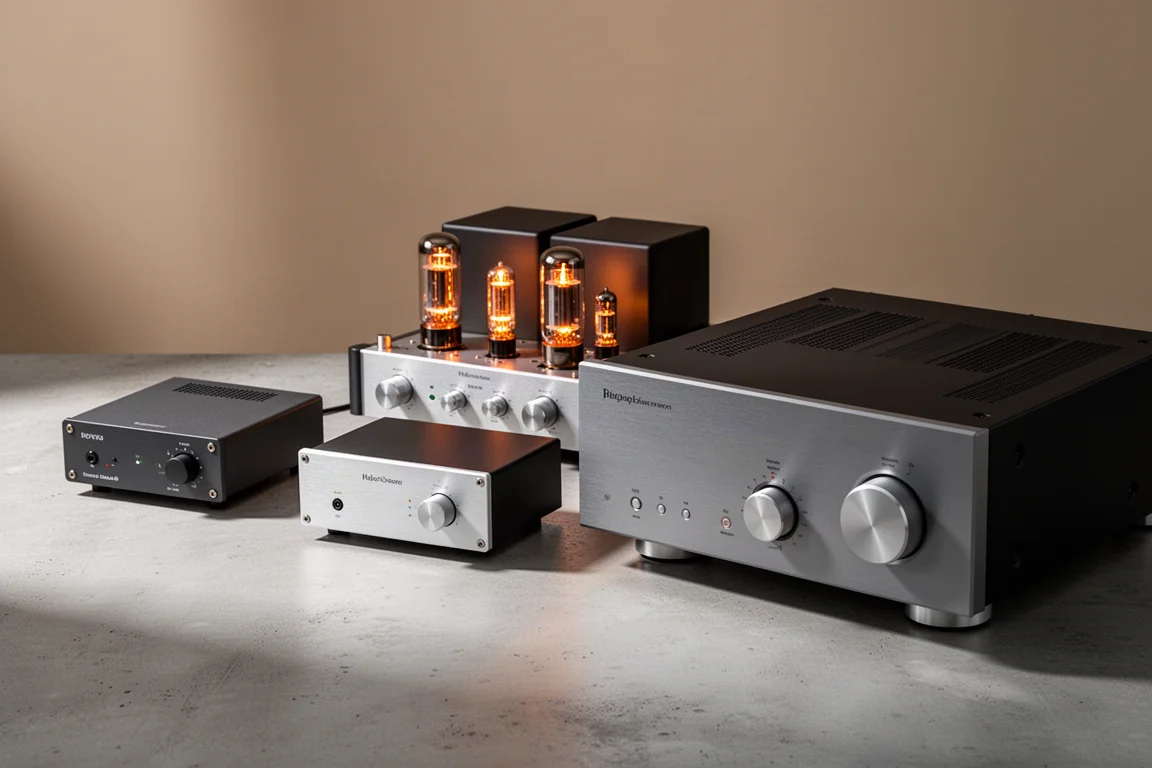
This roundup covers a wide spread of designs: compact class D desktop units, small integrated amplifiers with built-in converters, valve amplifiers, hybrids and high-end solid state models. Some come from long-established brands and others from smaller outfits. Each entry focuses on what the amplifier does well, what it asks of your speakers, and where the trade-offs sit.
What Matters More Than Specs
Power output is the number most buyers look at first, and it does matter, but it is rarely the whole story. Several amplifiers here produce only 8 to 35 watts per channel and still deliver a level of insight and musical engagement that is hard to find elsewhere. What they ask for in return is a speaker that is easy to drive, not just sensitive, but stable in impedance.
Implementation matters as much as the chipset or the topology. A converter built around an older chip can outperform a newer one if the circuit around it is better executed. The same applies to amplifier stages: the quality of the power supply, the parts chosen and the way the circuit is voiced all shape what you hear.
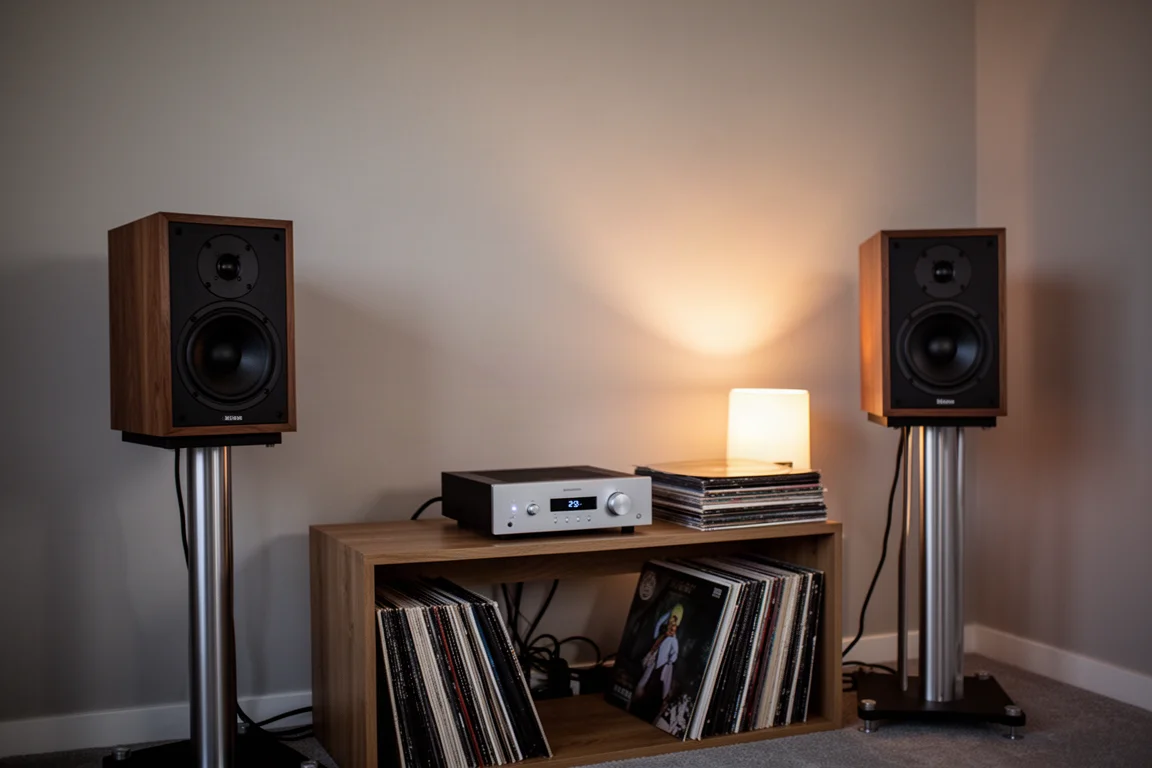
Synergy is the other variable. An amplifier that sounds lean and forward will not flatter a bright speaker, and a low-powered design will struggle with a demanding load. Matching the amplifier to the speakers you already own, or budgeting for both together, is far more useful than chasing a specification sheet.
Best Budget Amplifier: Fosi Audio V3
The Fosi Audio V3 is a class D amplifier roughly the size of a pencil case, and it remains one of the most convincing budget options around. The version supplied with the upgraded 48V 5A power supply sells for around £130. It is a stripped-back design with a single input, yet the parts inside are of a higher quality than the price suggests.
It suits a desktop system or a small room where space is tight. Tonally it leans warm, which makes long listening sessions easy, and it has already proved itself as one of the strongest amplifiers in the sub-£1,000 category.
Fosi Audio ZD3: A DAC and Preamp in One Small Chassis
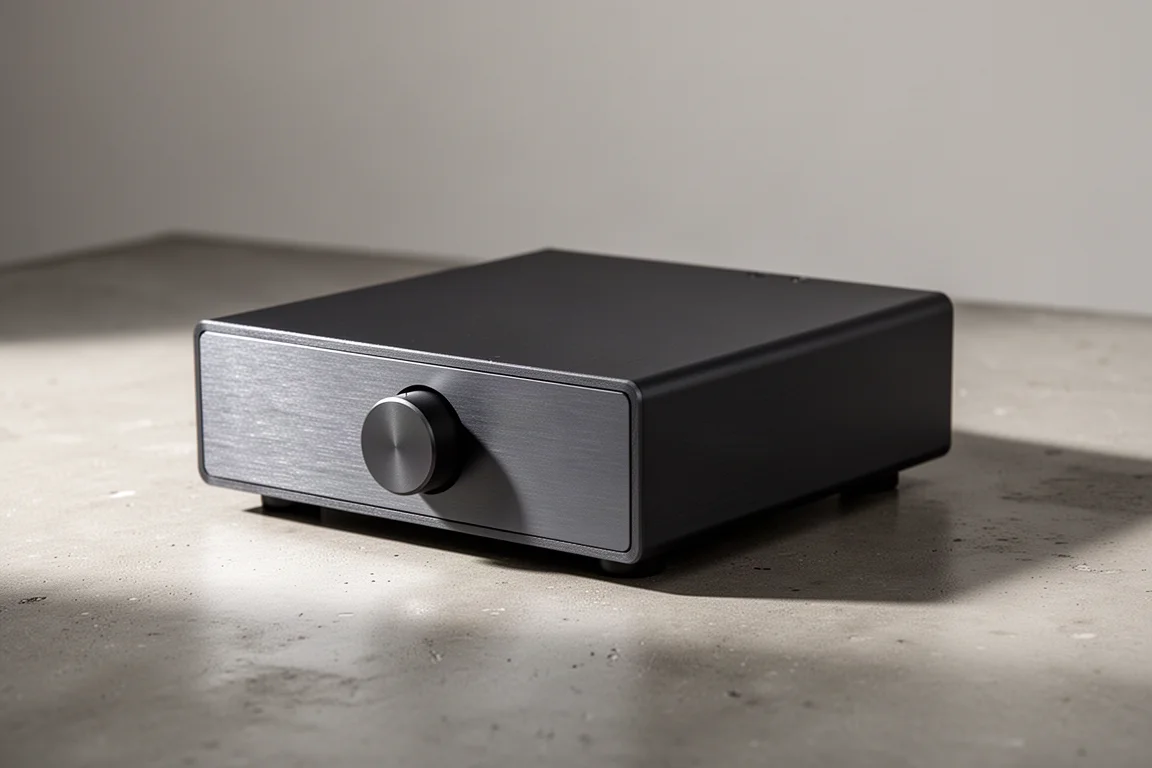
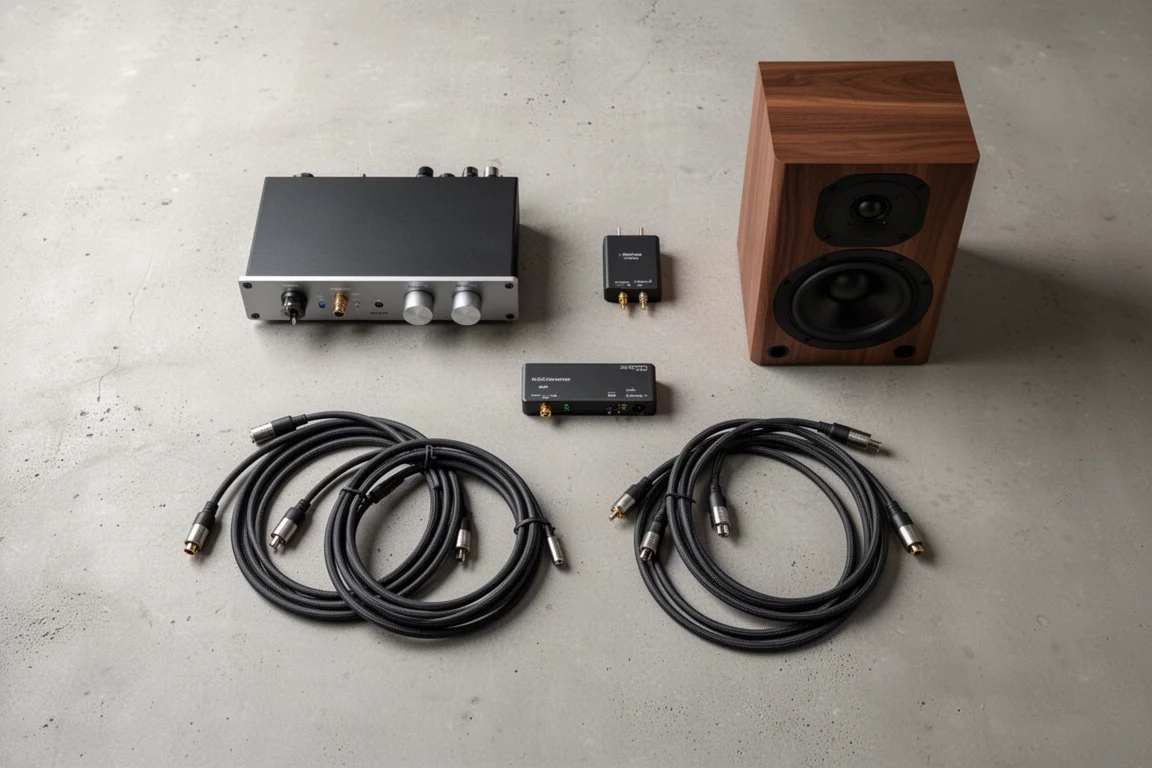
The Fosi Audio ZD3 is the brand’s first converter with preamp functionality and sells for around £180. It arrives in a solid metal jacket with a clean circular porthole display, and the specification is unusually generous for the money: a converter built around an ESS Saber 9039Q2M chip, digital inputs on optical, coaxial, USB and HDMI ARC, plus both single-ended and balanced XLR outputs.
Those balanced outputs can be connected directly to the balanced inputs on the V3 monoblocks. Single-ended connections work as well, but the sound is cleaner through XLR. Judged purely as a converter and preamplifier, the ZD3 is a really good buy.
Fosi Audio V3 Monoblocks: Cleaner, but Less Warm
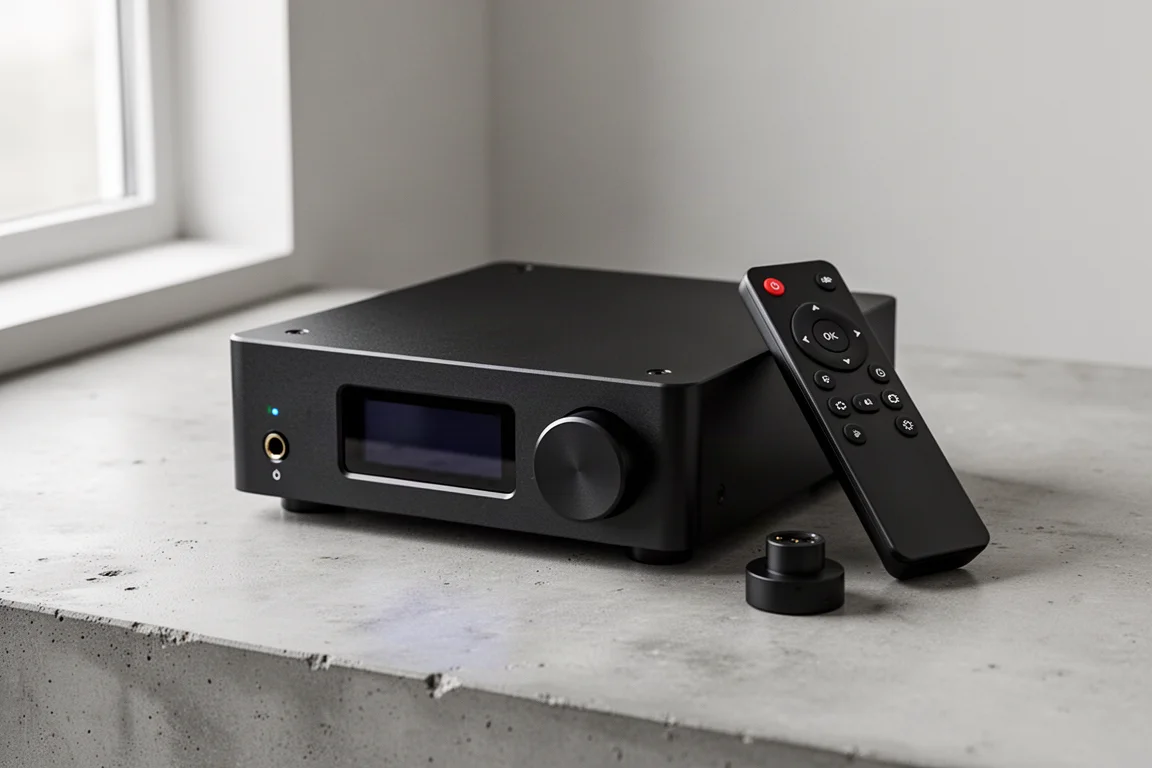
The V3 monoblocks sell for around £50 each and offer more drive and a cleaner presentation than a single V3 stereo amplifier. The trade-off is a more sterile character. Listeners who value the warmer tone of the stereo V3 may prefer simply to stay with that amplifier.
Cost is worth weighing carefully. Once you add the cables needed between the ZD3 and a pair of monoblocks, the total reaches at least £500. At that point the tangle of wires is harder to justify, because there are well-regarded integrated amplifiers with built-in converters for similar money.
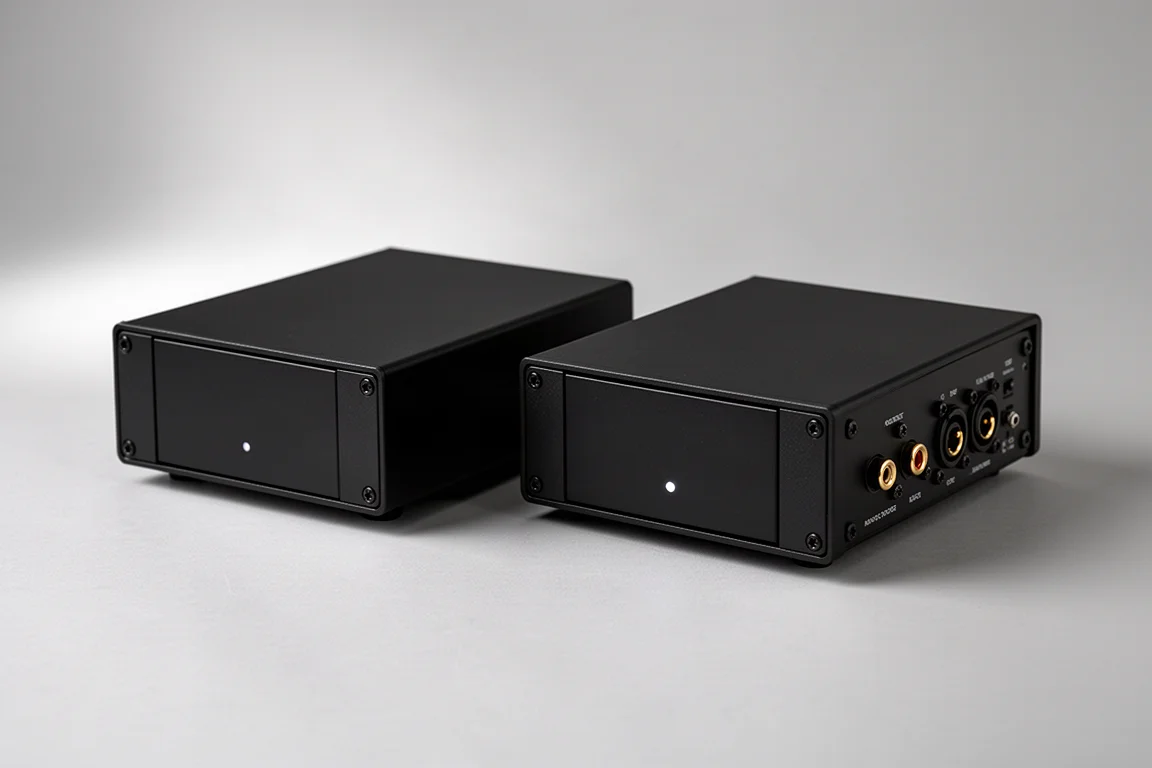
Mission 778X: A Compact Integrated With a Built-In DAC
The Mission 778X costs around £549 and is a half-rack width integrated amplifier with an internal converter built around the ESS 9018K2M chip. That is not the newest chip available, which is rather the point: it demonstrates that sound quality depends more on implementation than on chasing the latest converter.
The amplifier section sits a level above what the Fosi V3 monoblocks deliver in terms of clarity, dynamics and refinement. Tonally it is a little on the cool and analytical side, but not excessively so, and the converter section is ideally suited to the amplifier, so an external DAC would be money thrown away. Competition in this price band is fierce, which is the main reason it does not stand even further clear of the field.
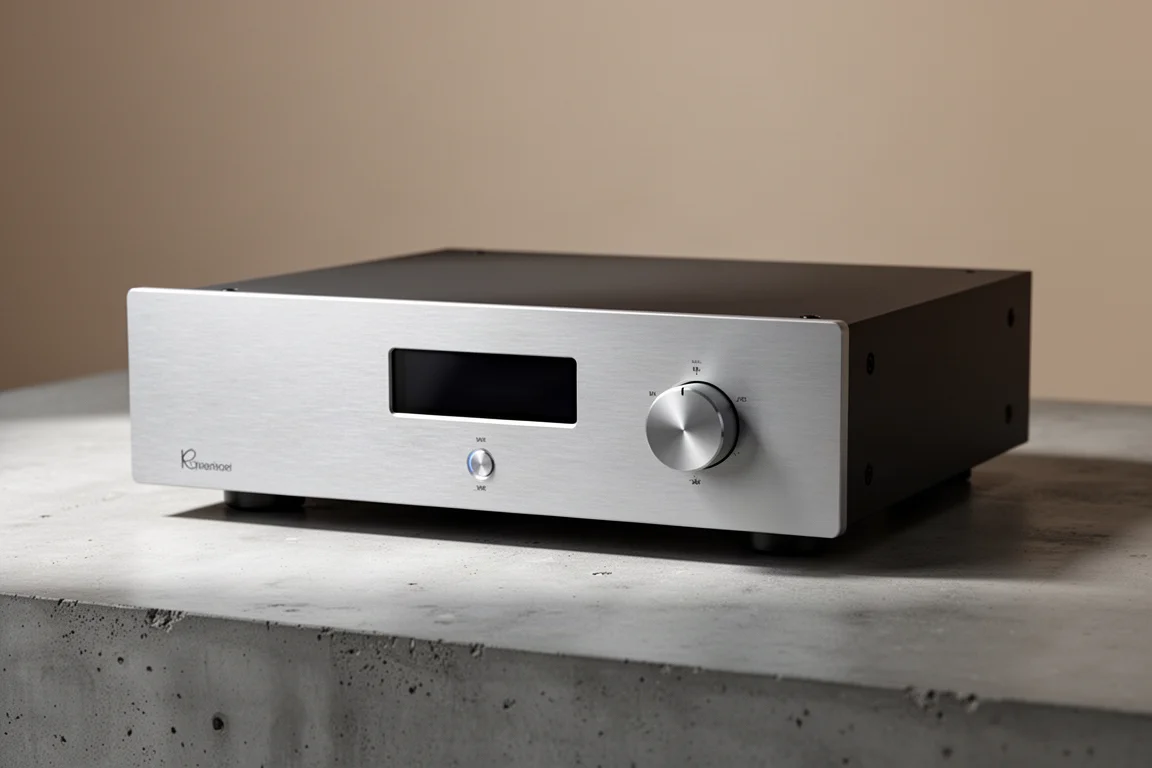
Audiolab 6000A: More Fidelity and More Power
For around £100 more than the Mission 778X, the Audiolab 6000A offers better fidelity and greater power. It is the natural step up for listeners who can stretch the budget slightly and want more headroom from the same compact integrated formula.
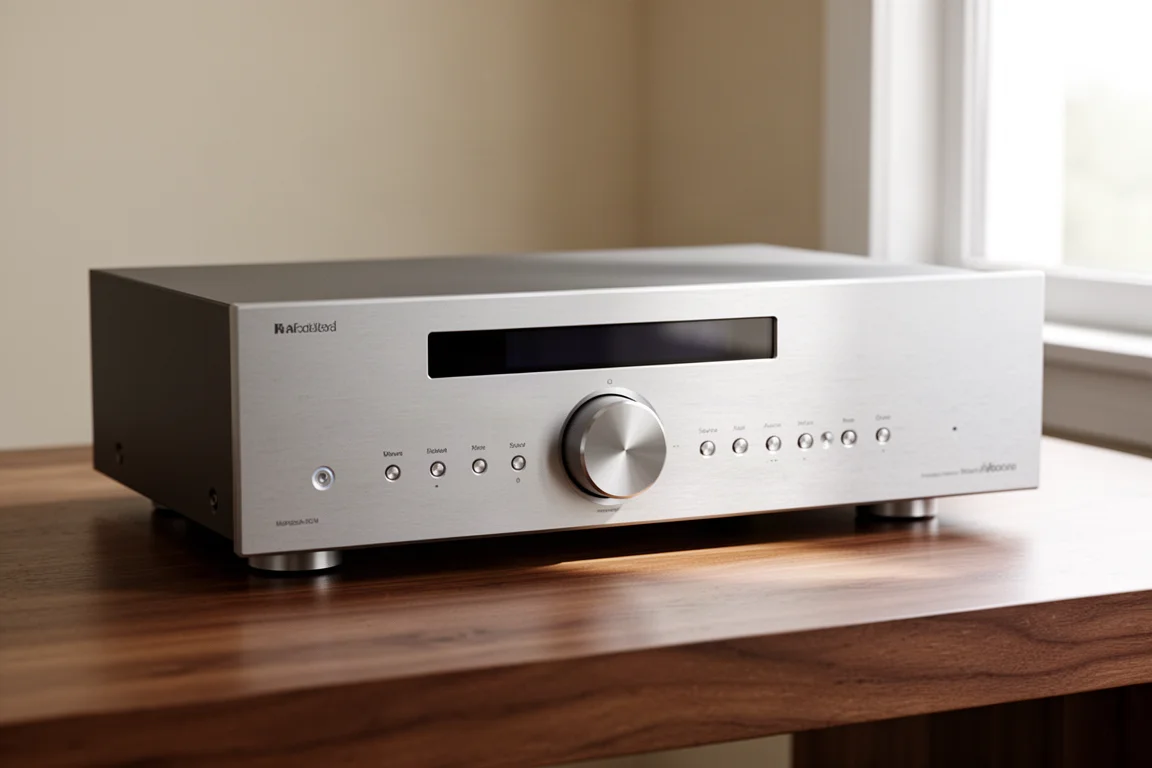
Rega io: Handbuilt in the UK at a Modest Price
The Rega io costs around £420 and is handbuilt at Rega’s own facility in the UK, which is quite something at this price and a testament to the brand’s commitment to value. It is larger than the Fosi Audio V3 but considerably smaller than the Mission 778X, roughly the size of a cigar case.
Output is 30 watts per channel into 8 ohms from a robust but modestly sized power supply. Clarity and an impeccable sense of timing are the standout qualities: transients, textures, reverb and decay come through with a level of insight you have no right to expect at this price.
Speaker pairing is critical. The io needs resolving speakers that present a benign load, not just in sensitivity but in impedance swings. A little forwardness in the midrange and the limited power are the main criticisms. The advice is not to be fooled by the price of the amplifier and skimp on speakers: set aside a budget of up to about £1,000 and audition carefully. Get the pairing wrong and the sound turns muddy; get it right and the little Rega is a marvel.
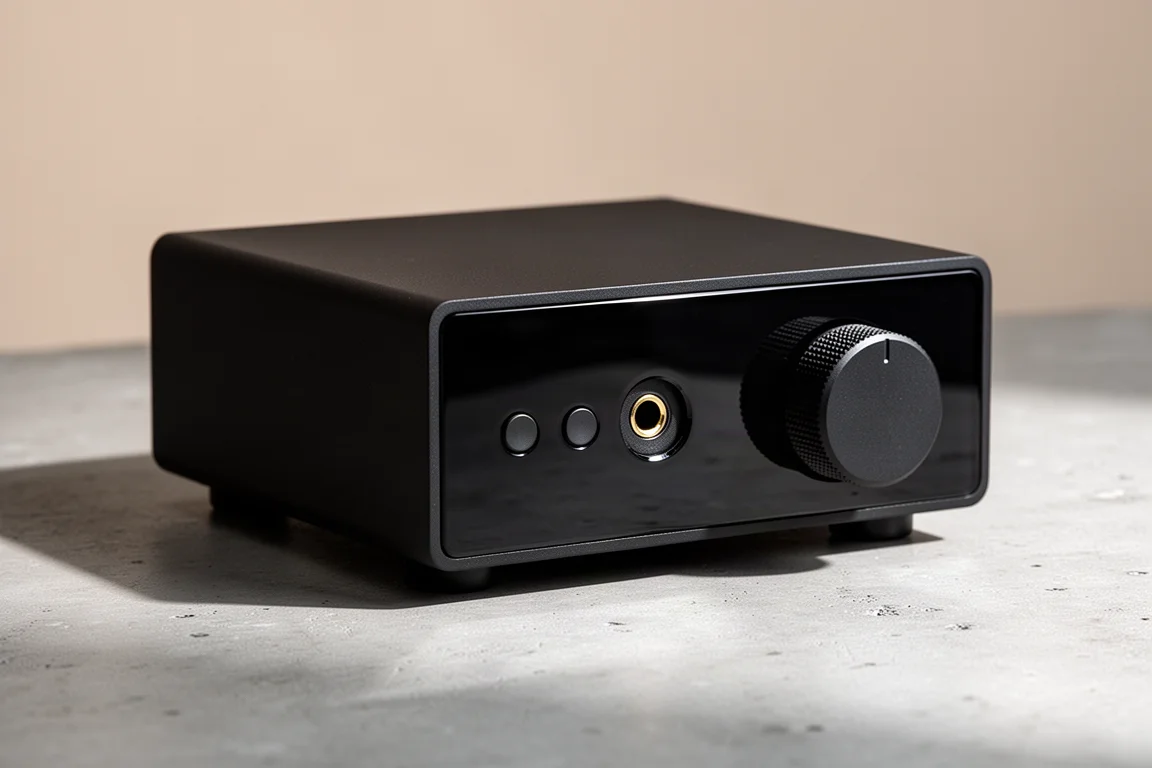
Willsenton R300 Plus: 300B Character With Caveats
The Willsenton R300 Plus sells for just under $1,100 plus shipping and taxes. It arrives in a beautifully constructed aluminium chassis with automotive-grade paint finishes, and it delivers much of what listeners expect from a 300B design: good detail, large scale and a very rich tonal balance.
Some engineering points are worth knowing before buying. Independent analysis has highlighted asymmetrical clipping and anomalies in square wave performance, most likely down to limitations in the output transformers. A bias part issue on one sample led to higher distortion on one of the channels. The 300B tubes also run hot, and they are not cheap to replace.
There is a design question too. The amplifier relies on negative feedback to lower distortion and improve bandwidth, and in a 300B design that is not ideal, because these tubes are prized for their linearity. How much feedback is applied is unclear. These are points to weigh rather than reasons to dismiss the amplifier outright.
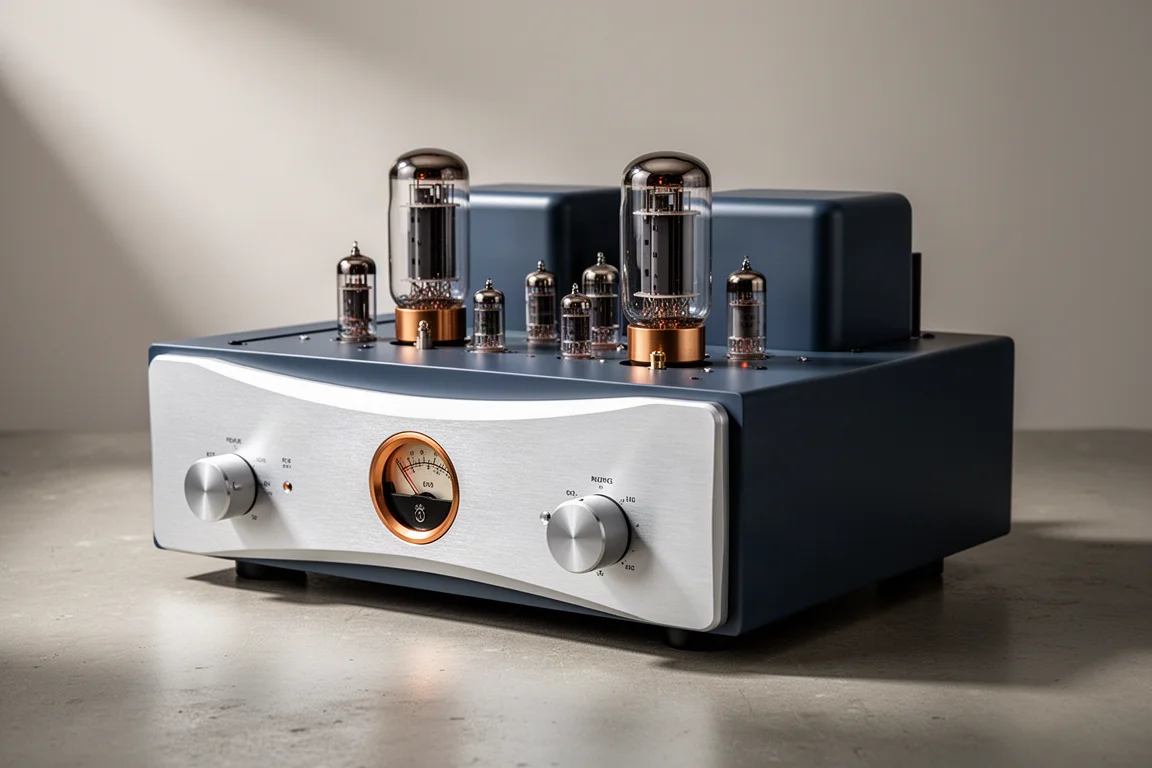
NVA AP20 LE: Purist Detail Below £2,000
The NVA AP20 LE sells for around £1,200. It is a straightforward 35 watts per channel class AB amplifier housed in an acrylic case. The non-metallic case is only part of a deliberately purist, no-compromise design ethos, and the performance reflects it: detail retrieval and precise stereo imaging go beyond anything else below £2,000, and the sound is very natural.
It does ask something of your speakers. The AP20 LE needs very resolving, easy-to-drive speakers to keep the bass lines in check. Partnered well, it stands alongside reference designs in this price bracket.
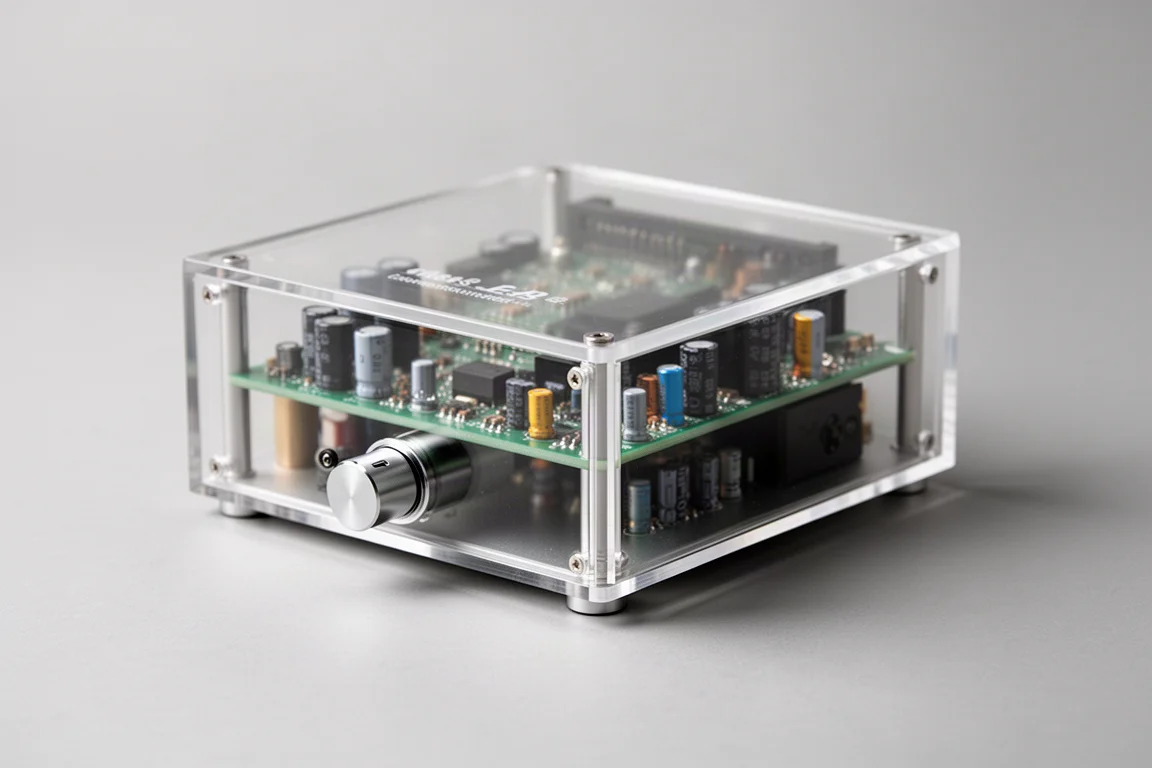
Densen B-130: A Flexible, Neutral Alternative
The Densen B-130 is a conventional 50 watts per channel class AB amplifier in a half-width chassis, selling for around £1,350. The custom version adds upgraded capacitors, higher-spec resistors, an Alps Blue Velvet volume control and WBT connectors.
It does not gather quite as much information as the NVA amplifiers, but the extra power makes it far more flexible when it comes to speaker pairings. Tonally it is neutral to sweet and refreshingly no-nonsense for the money.
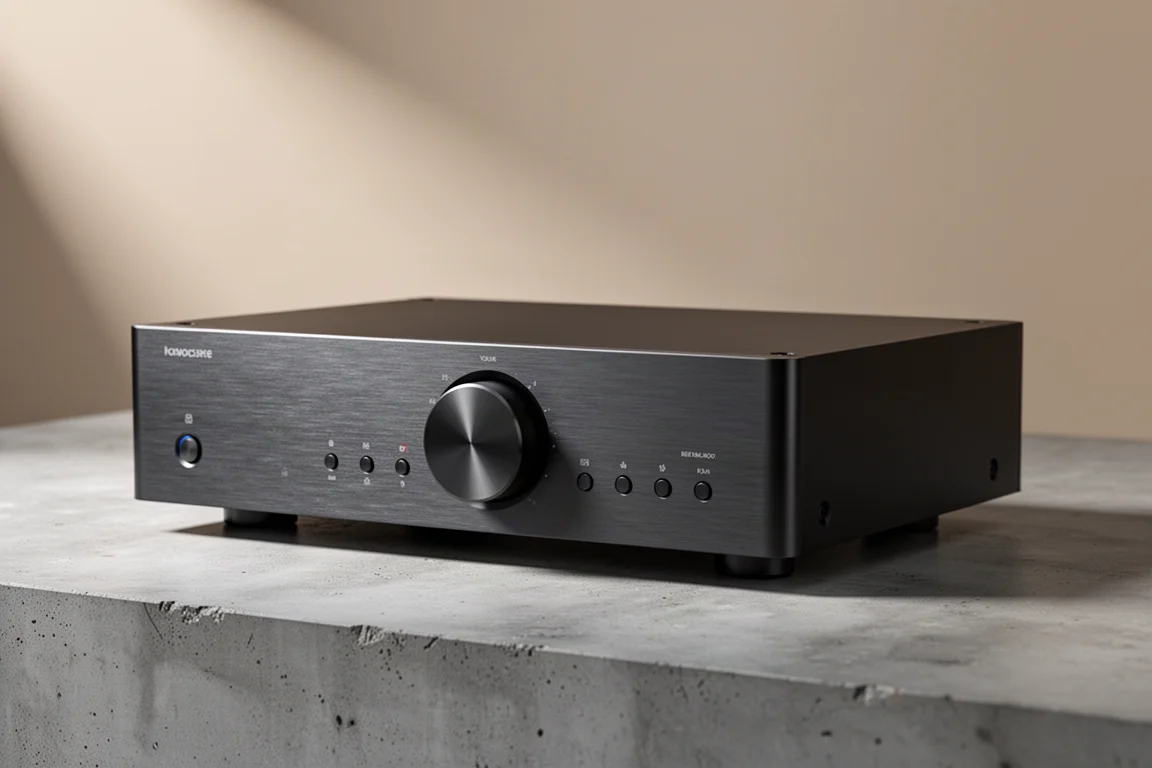
Audio Note Oto: Eight Watts of Musical Engagement
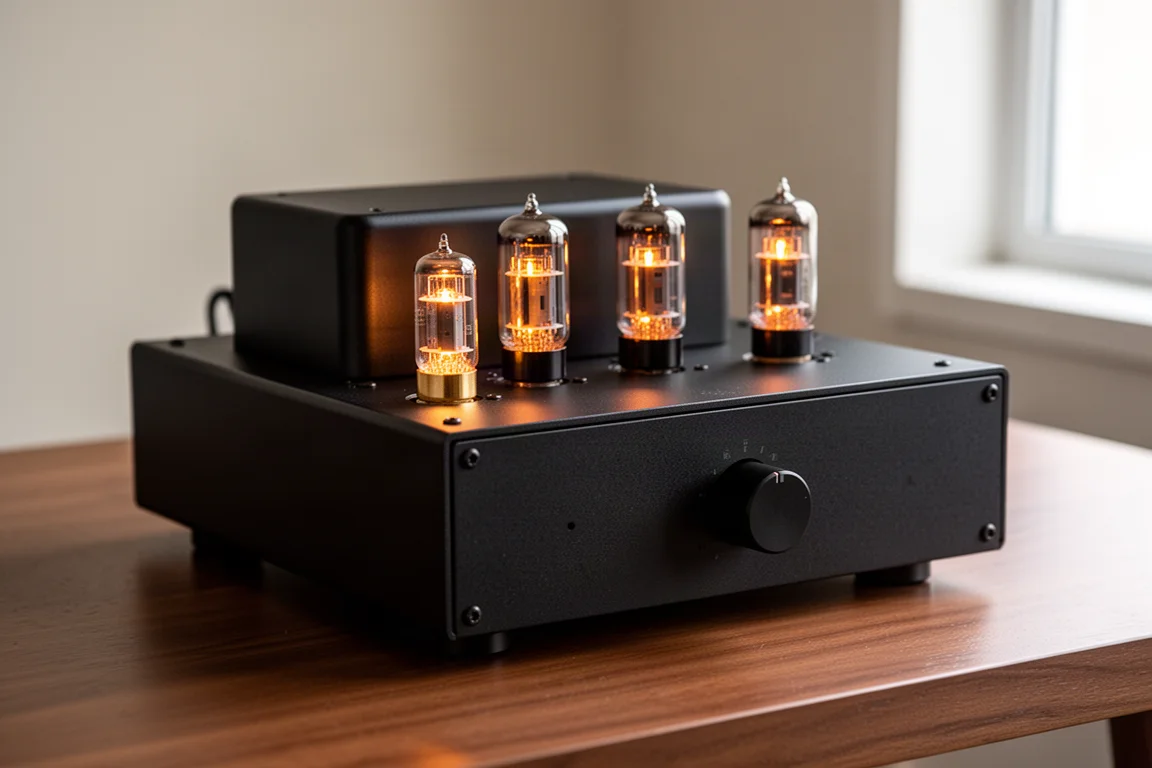
The Audio Note Oto costs around £2,155 and runs four ECL82 dual pentode tubes in a class AB push-pull configuration, with Rubicon capacitors and a custom transformer manufactured in house. Body and richness in the mids are perfectly balanced by enough presence on top, which makes it one of the most musically engaging amplifiers around.
The catch is power. Those four small tubes produce just 8 watts per channel. That is more useful than many listeners expect, but speaker pairing matters enormously, and the Oto rewards careful matching.
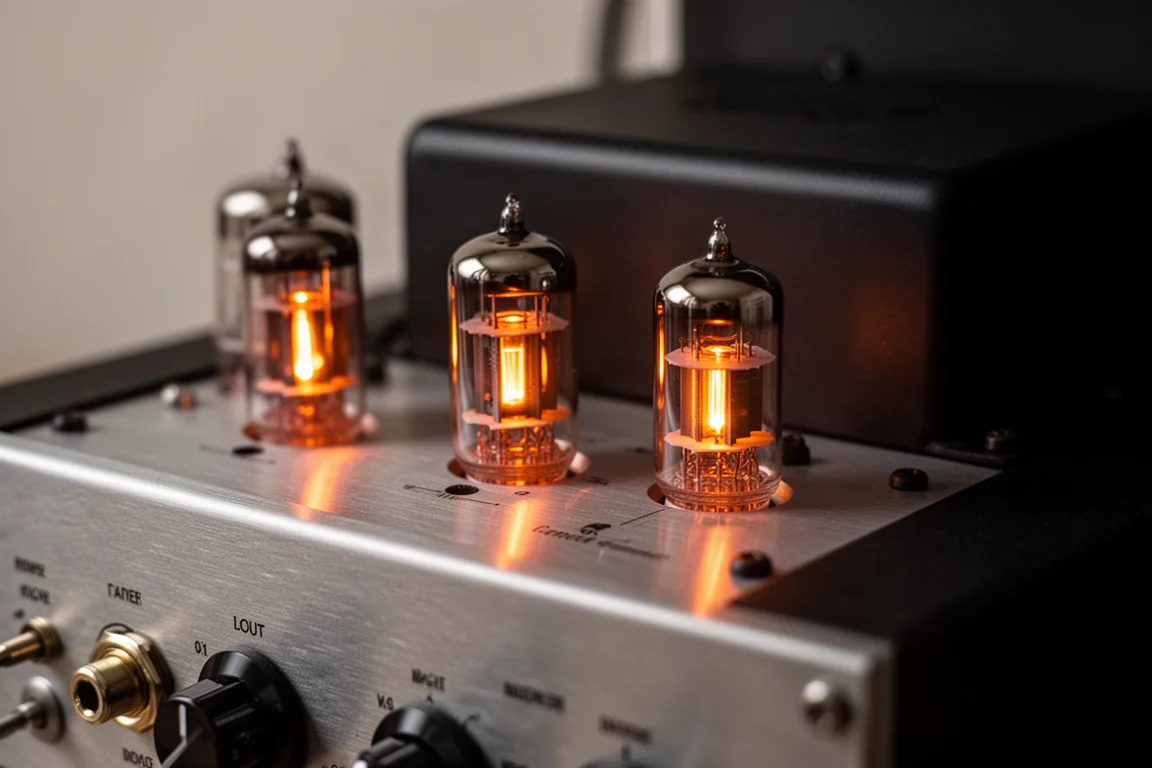
Where the pairing works, the Oto brings a sense of engagement that is difficult to find at any price.
Zen Amp SSD: Current Dumping With a Warm Midrange
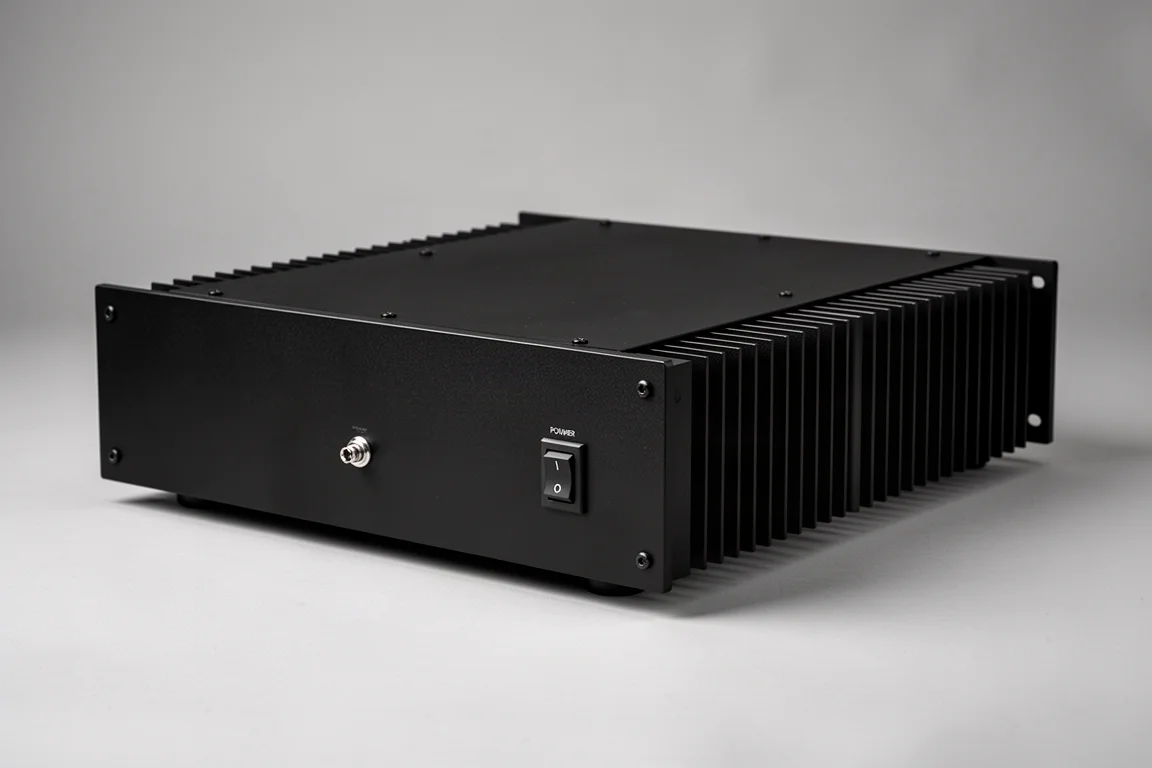
The Zen Amp SSD sells for around £1,999 in standard form and produces a healthy 120 watts per channel into 8 ohms. Some of the chassis work may look as though it was assembled from a kit, but make no mistake, this is a serious amplifier. It refines the current dumping principle behind the Quad 405, designed to deliver more current when it is needed most.
The midrange is purposefully warm and liquid, achieved by adding second harmonic distortion to imitate a class A presentation. It slightly overcooks that effect. Pulling those second harmonics back a little would clean up bass transients and make the amplifier better balanced, though it remains an interesting design.
Quad 33 and Quad 303: A Vintage Pair Reimagined
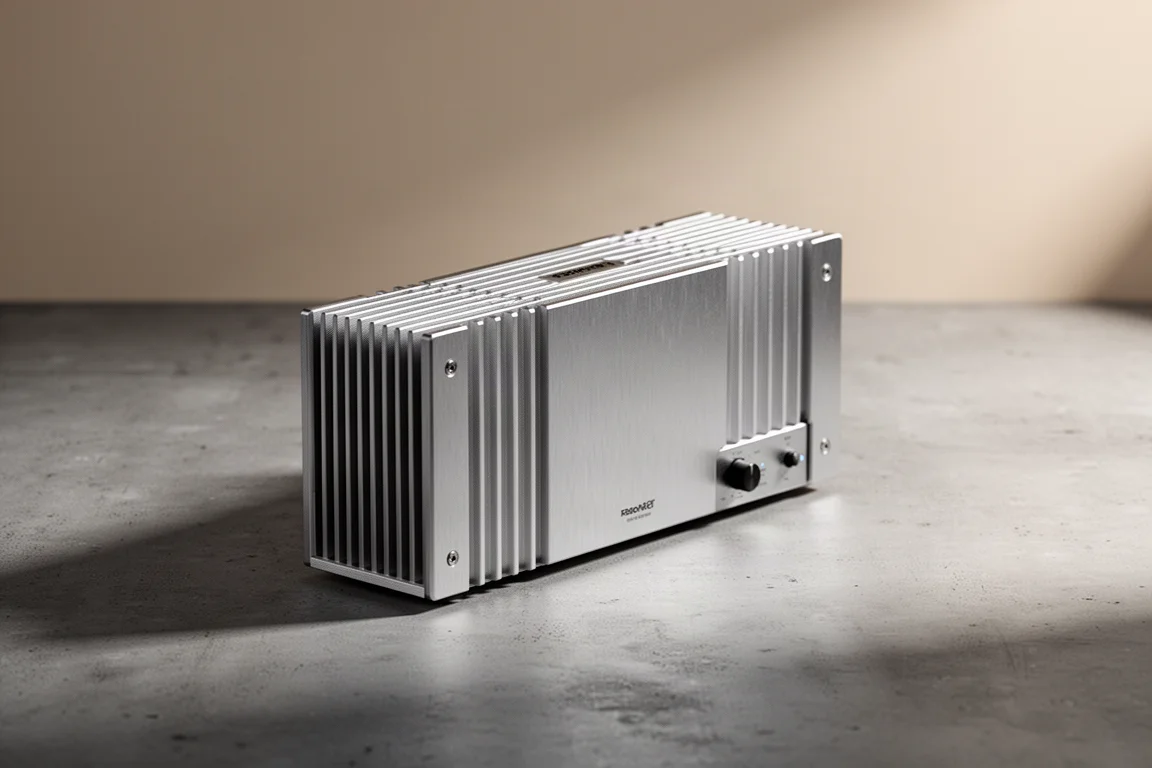
The Quad 33 preamplifier and Quad 303 power amplifier have been reimagined, with each unit selling for around £1,199. The originals were among the first transistor amplifiers not to sound harsh, and they hold an important place in the chronology of hi-fi.
These new versions are very good amplifiers, but ultimate clarity is set aside in favour of a stereotypically vintage warm sound. Nostalgia has a way of making the past seem worth a little more than it was, and the designers leaned heavily in that direction. Modern topologies might have produced something even better.
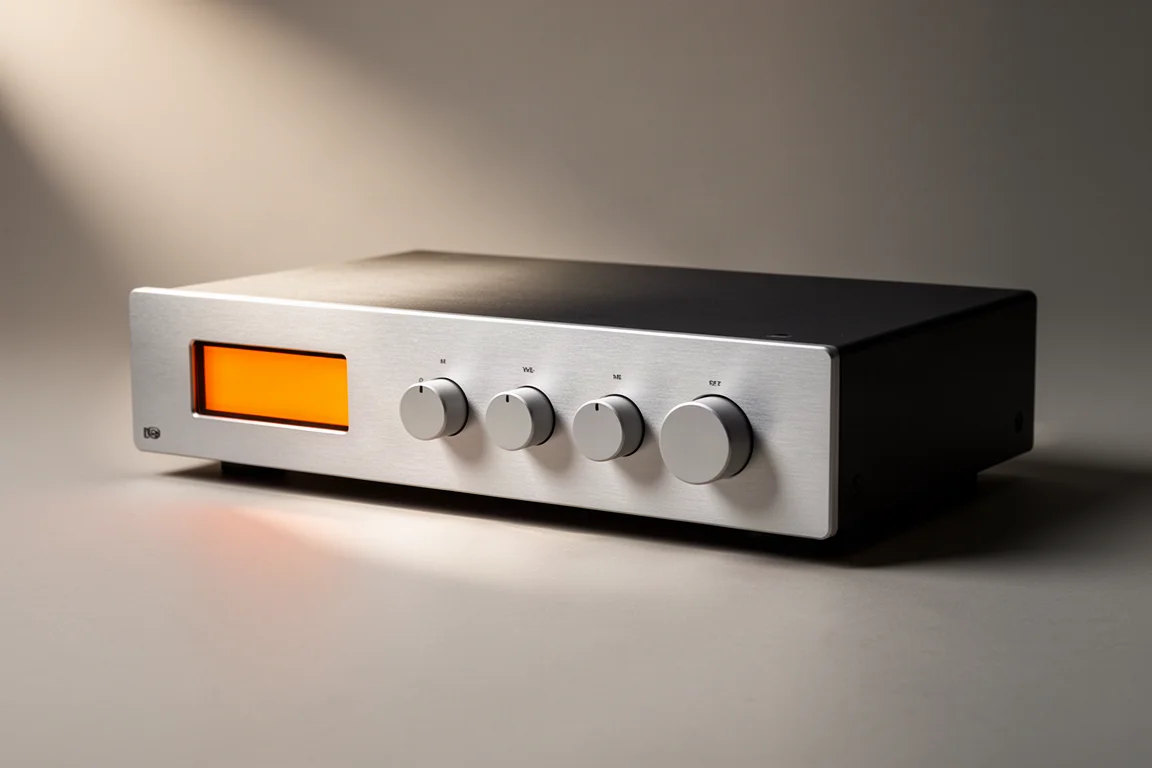
Both units are built to a high standard, and the 303 power amplifier carries the same vintage-flavoured presentation as the preamplifier it is designed to partner.
Heaven 11 Billie MkII: Tube Warmth With Class D Control
The Heaven 11 Billie MkII is a boutique Canadian design selling for around £1,600 plus shipping and taxes. Two ECC99 dual triode tubes in the preamplifier stage inject harmonics, married to an ICEpower 200AS2 class D power module capable of 120 watts per channel into 8 ohms. Custom knobs are offered in olive wood, panda marble and other finishes.
A well-integrated converter based on the ESS 9018K2M chip is included, though inputs are limited to coaxial and optical. The bass grip and control from the class D module are exceptional, and they combine with the tube stage to give the midrange body and warmth.
Timbre is not quite as natural as some reference designs, but the Billie sounds cleaner, and its soundstage is just as wide and deep with more precise stereo imaging. A MkIII version is planned with a modular design, improved switching relays for channel separation and signal integrity, plus options for a Hypex NC252MP class D power module and two converter options built around newer ESS 9039Q2M chips in single or dual configurations.
Gallion TS120 SE: Flexibility in Class A
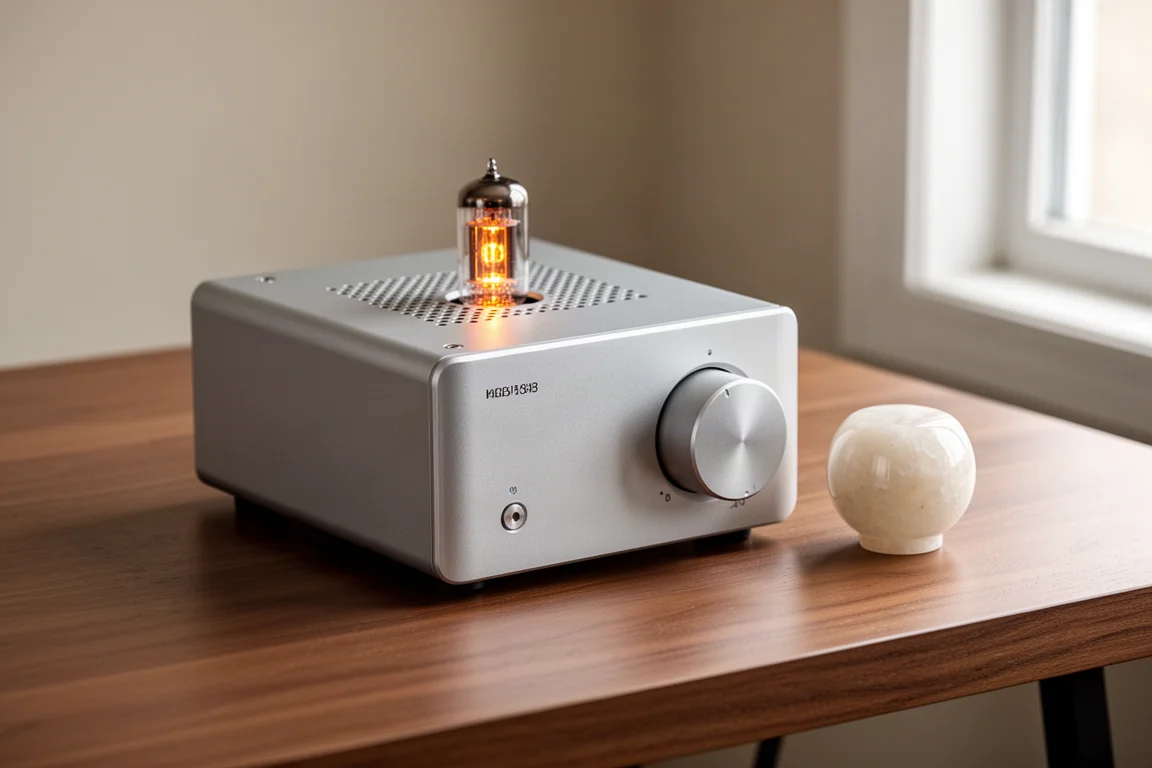
The Gallion TS120 SE is sold directly for $4,495, and the SE version comes with upgraded capacitors. It is a brave product in one respect: it costs roughly three times as much as the most successful tube amplifier of recent years, even allowing for a decent set of tubes across all three stages.
Does it sound significantly better? In class A mode with the high feedback setting, no. In class A mode with the low feedback setting, yes: there is more detail and a better spatial presentation. That combination makes the other settings largely redundant, though plenty of owners will appreciate the extra flexibility.
Trilogy 21: Detail and Timing From a Single Gain Stage
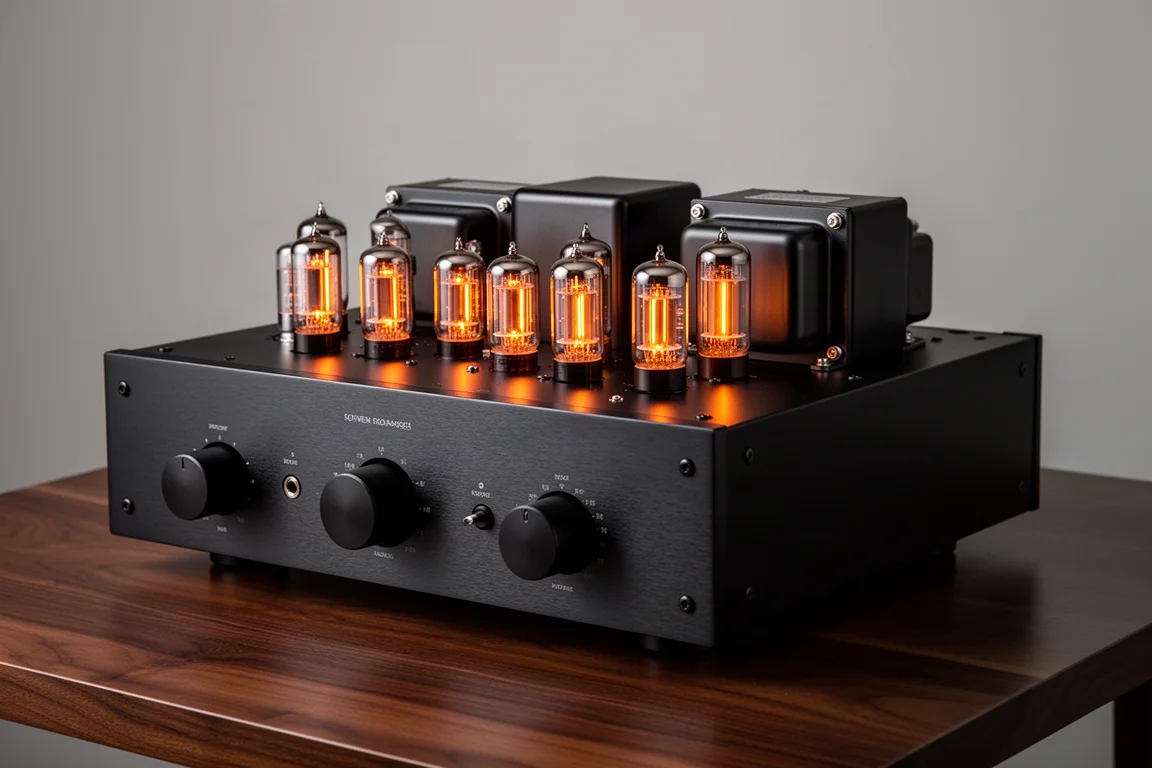
The Trilogy 21 brings the entry price of a respected UK high-end brand down to around £5,900. It is a 75 watts per channel class AB amplifier that unusually deploys a single gain stage, linear enough to need only 10dB of shunt feedback to achieve its bandwidth and distortion parameters.
The result is an amplifier that is highly detailed with an excellent sense of timing, and bass control is strong. Listeners who want more authority in the low end and more richness in the midrange are pointed towards the bigger 925 model, which costs almost three times as much.
Sugden Masterclass IA-4: Pure Class A Refinement
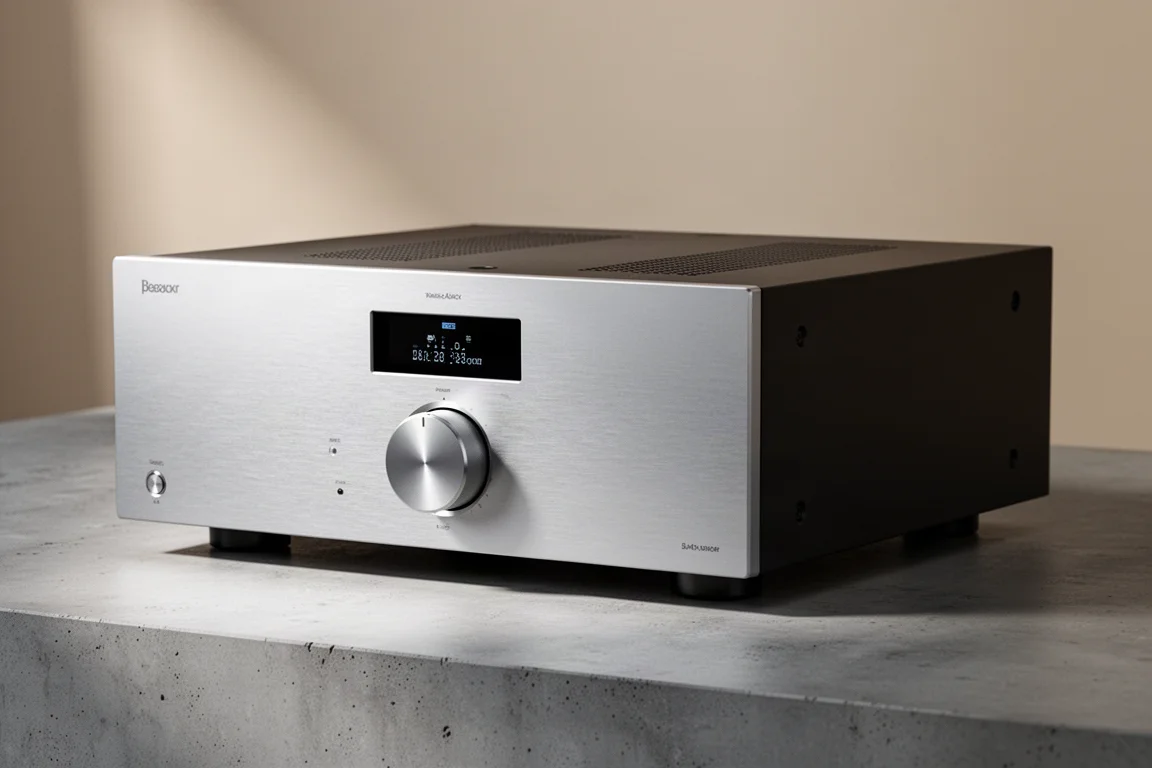
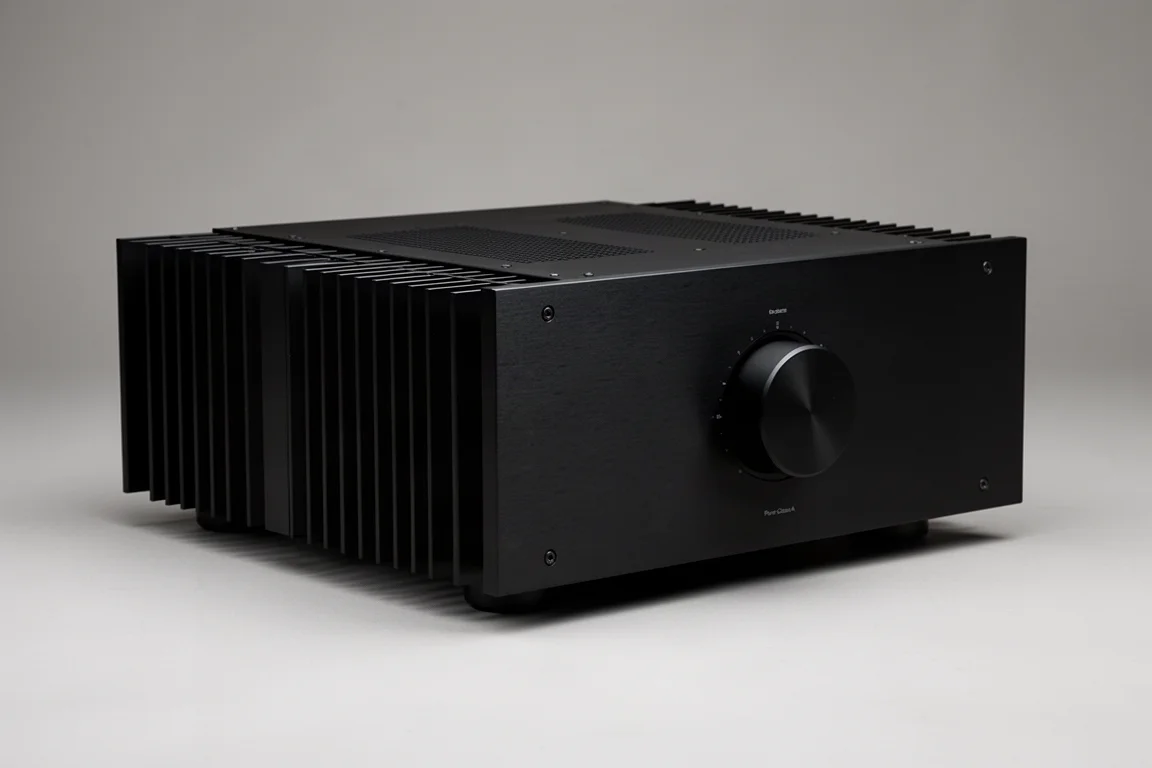
The Sugden Masterclass IA-4 is a 33 watts per channel pure class A single-ended design retailing for around £6,670, with front plates available in 13 custom colour finishes.
Detail, and tonal shading in particular, is exquisite, with plenty of harmonic saturation. There is richness in the lower midrange balanced by energy in the upper midrange, and the soundstage is big and wonderfully layered. It is not the airiest amplifier on top, there is a little bloom in the bass, and midrange transients are softened. Some listeners will care about those points; others will simply enjoy what the amplifier does well.
Hegel H400: The Most Accomplished All-Rounder
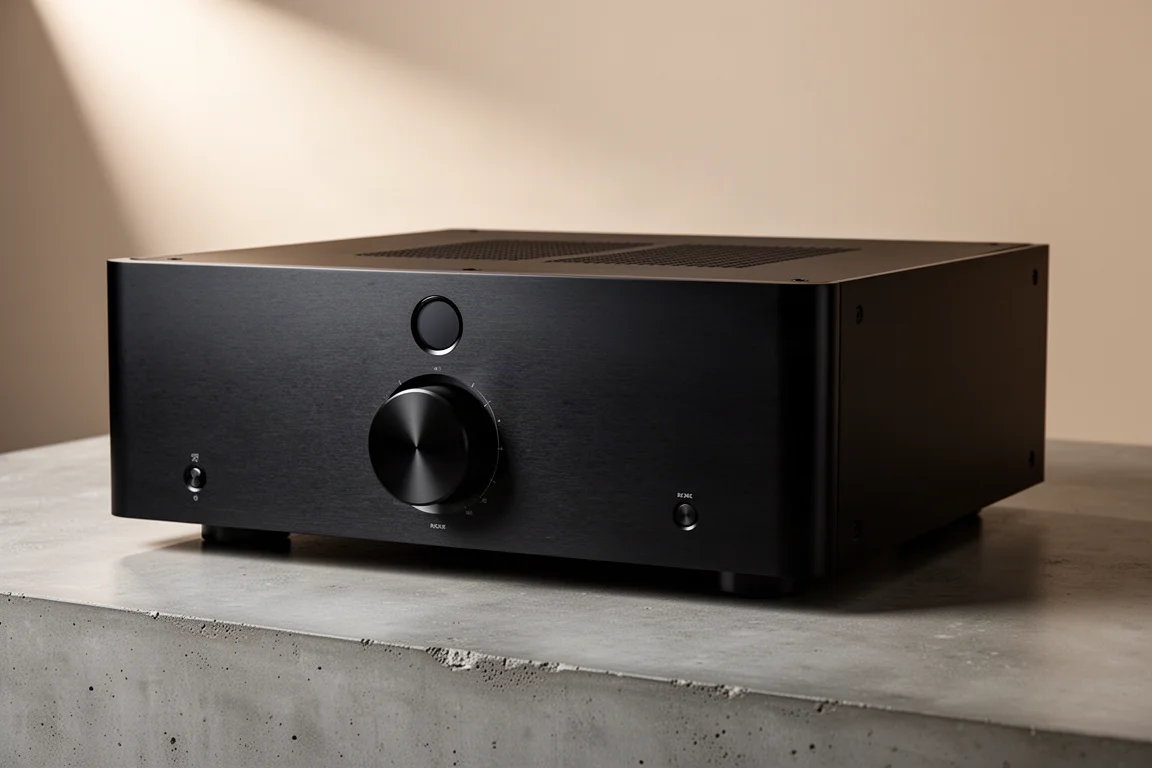
The Hegel H400 sells for around £5,995 and behaves like the Norwegian equivalent of a Swiss army knife. It delivers 250 watts per channel and a damping factor of 4,000, enough to harness any speaker you are likely to own. The soundstage is vast and equal to the best valve amplifiers, and it is particularly good at pinpointing the location of performers.
Detail is among the best encountered in this roundup, and the presentation is very neutral. It is not as timbrally insightful as the very best amplifiers available, but as an all-round integrated design it is the most accomplished model here.
Buying Advice: Matching an Amplifier to Your Speakers
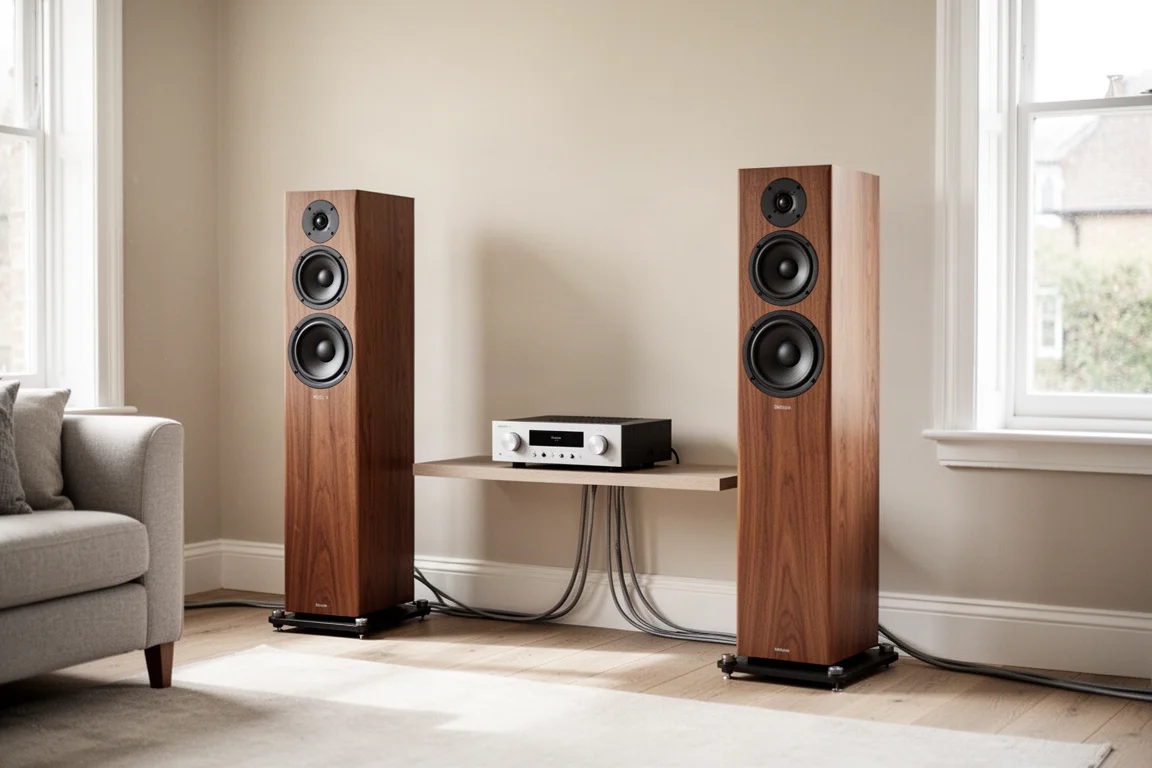
Amplifier shopping works best when it starts with the speakers. Low-powered designs such as the Rega io, the Audio Note Oto and the NVA AP20 LE can be extraordinary, but they need speakers that are easy to drive and resolving enough to show what the amplifier can do. Budget accordingly: with the Rega io, for example, it makes sense to set aside up to about £1,000 for speakers.
If you want one box and minimal fuss, the integrated amplifiers with built-in converters are the sensible route. The Mission 778X and the Audiolab 6000A cover that ground affordably, while the Hegel H400 does the same thing at the top of the range with far more power and damping.
Budget also shapes what makes sense. A desktop system built around the Fosi Audio V3 costs very little and delivers a warm, easy sound. A pair of V3 monoblocks with the ZD3 preamplifier and the necessary cables reaches around £500, at which point a compact integrated becomes the cleaner solution.
For valve enthusiasts, the trade-offs are real. The Willsenton R300 Plus offers 300B character and scale for just under $1,100 plus shipping and taxes, but it comes with engineering caveats and hot-running tubes that are expensive to replace. The Audio Note Oto asks for careful speaker matching and offers only 8 watts per channel. The Gallion TS120 SE costs considerably more and only shows its best in class A mode with the low feedback setting.
At the higher end, the Trilogy 21, the Sugden Masterclass IA-4 and the Hegel H400 each take a different route to a similar destination: a detailed, engaging sound. Which one suits depends on whether you prioritise tonal shading, timing, or sheer flexibility with almost any speaker.
Conclusion
Specifications and topologies are useful starting points, but the amplifiers that stand out here are the ones that work with the speakers they are paired with. The budget end is stronger than ever, with the Fosi Audio V3 and the Rega io showing how much is possible for very little. The mid-range is crowded with good options, and the high end rewards careful auditioning.
If you take one thing away, make it this: decide on your speakers first, understand how demanding a load they present, and choose the amplifier that suits them. That single decision will do more for your system than any specification on a page.
Further reading
Related Reviews
Hi-Fi Amplifiers
Accuphase E-280 Review: Entry-Level Accuphase With Flagship Attention to Detail
A close look at the Accuphase E-280 integrated amplifier, covering its champagne build, AAVA volume control, sound quality, and the speakers and sources that suit it best.
Hi-Fi Amplifiers
Advance Paris A10 Classic vs Yamaha A-S301: Two Integrated Amplifiers Compared
A practical comparison of a $350 integrated amplifier and a $2,500 reference model, covering the differences that matter and the ones that do not.
Hi-Fi Amplifiers
Affordable Chinese Amplifiers Worth Buying: Five Budget Hi-Fi Amps Compared
A practical look at five affordable amplifiers, what each one does well, and the trade-offs to weigh before you buy.