Headphones and Audio
Best Headphone Upgrades 2026: Three Headphones and the Chain That Drives Them
Three open-back headphones from $379 to $2,999 compared side by side, plus the amplifier, DAC, and linear power supply that shaped how each one sounded.
Introduction
Headphone shopping at the top of the market rarely ends with a single purchase. The headphone sets the ceiling, but the amplifier, the DAC, and even the power feeding them decide how close you actually get to it.
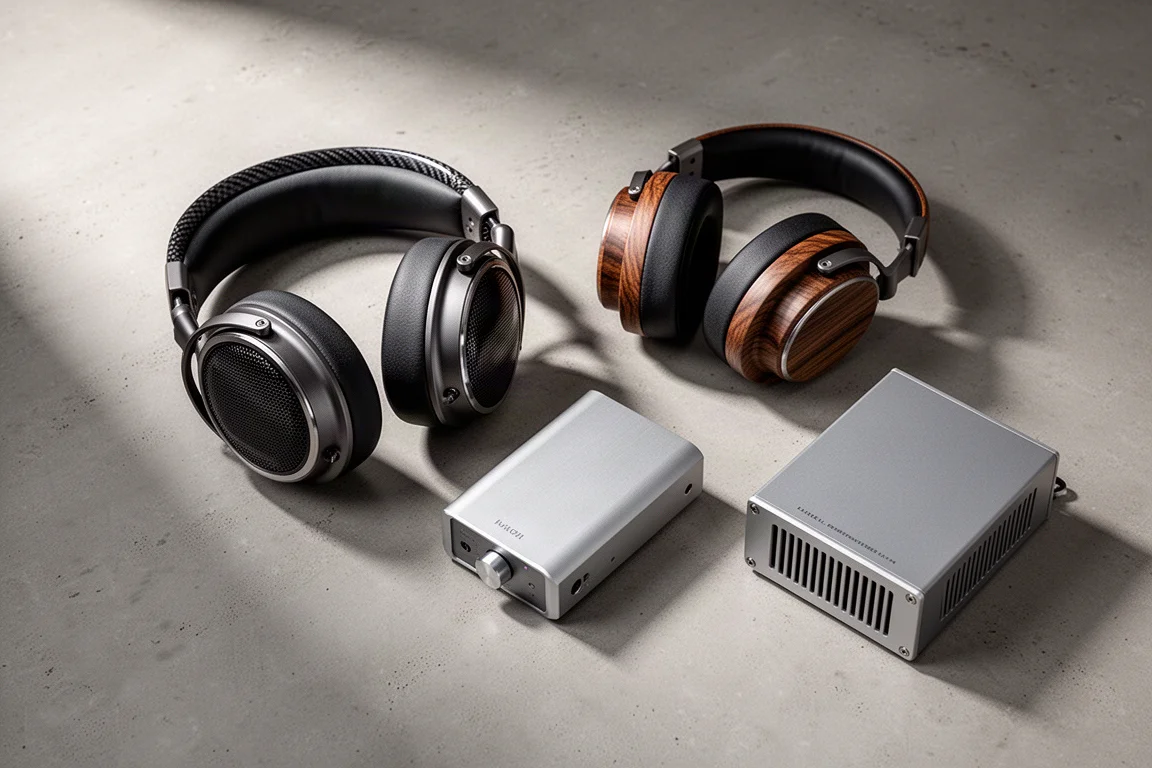
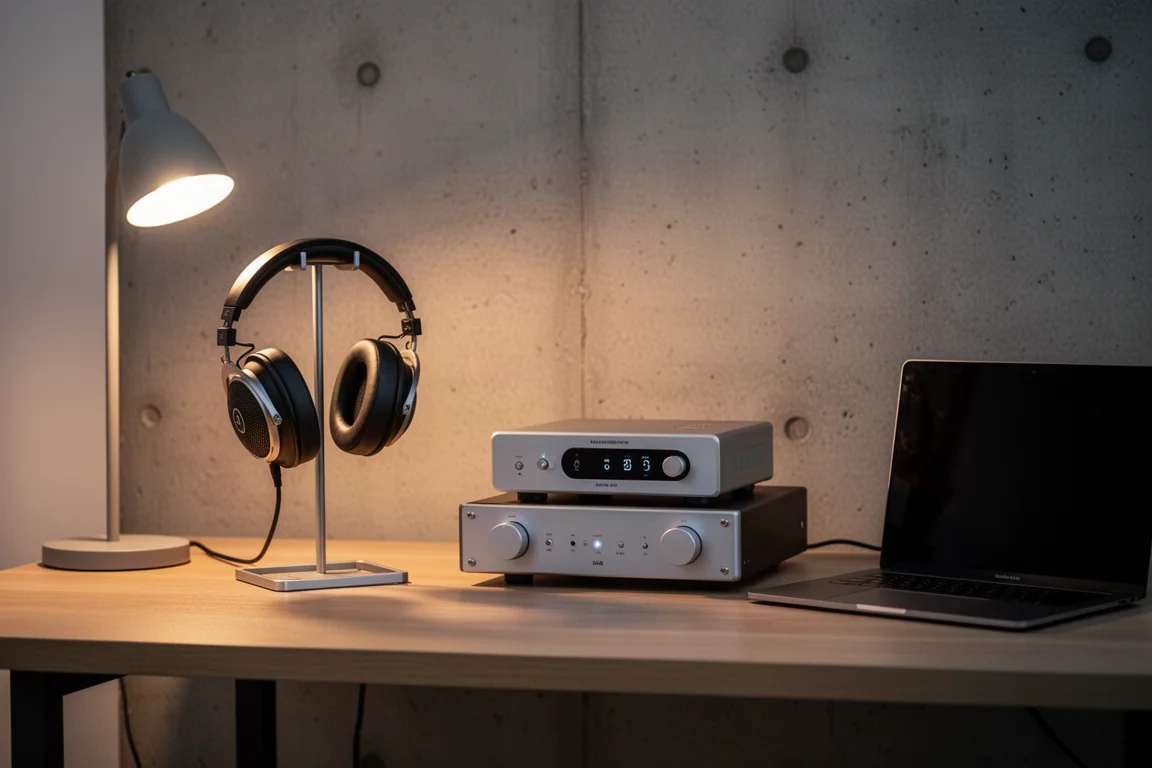
This guide compares three open-back headphones at three very different price points, from a planar magnetic model at $379 up to a flagship at $2,999, and then looks at the desktop chain that drove them: a headphone amplifier, a DAC, and a linear power supply. Each section explains what the product does well, where it gives ground, and which listener it suits.
How These Comparisons Were Made
All three headphones were driven from the same desktop chain, so the differences heard were differences between the headphones rather than between systems. Volume was matched by ear, and both the DAC and the amplifier were left in their highest gain setting throughout.
The three headphones do not ask the same thing of an amplifier. The planar magnetic models have lower sensitivity and needed more volume on the dial, while the dynamic Meze 109 Pro, at roughly 32 ohms with high sensitivity, needed noticeably less.
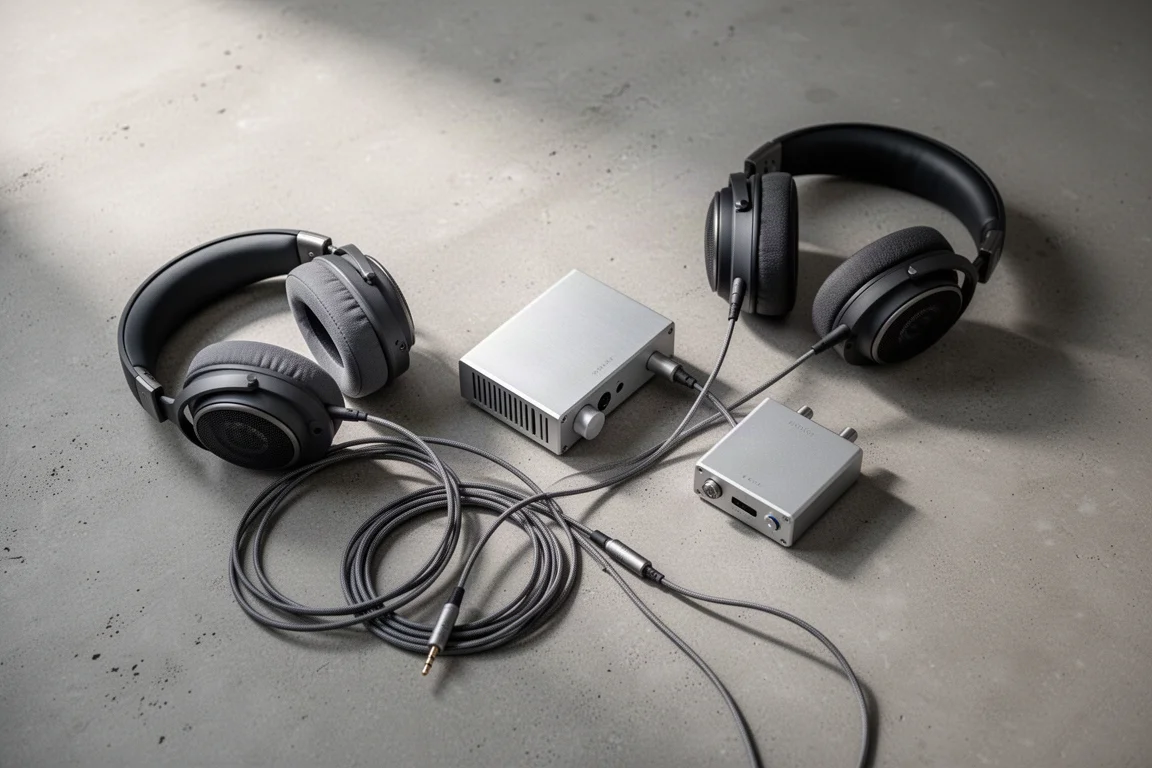
Swapping back and forth between familiar tracks was the most useful part of the process. Across a long session the two planar magnetic models became easy to confuse with each other, which says something about how close the value option gets to the flagship. The dynamic model was always easy to identify.
Meze Empyrean II: The Reference Pick
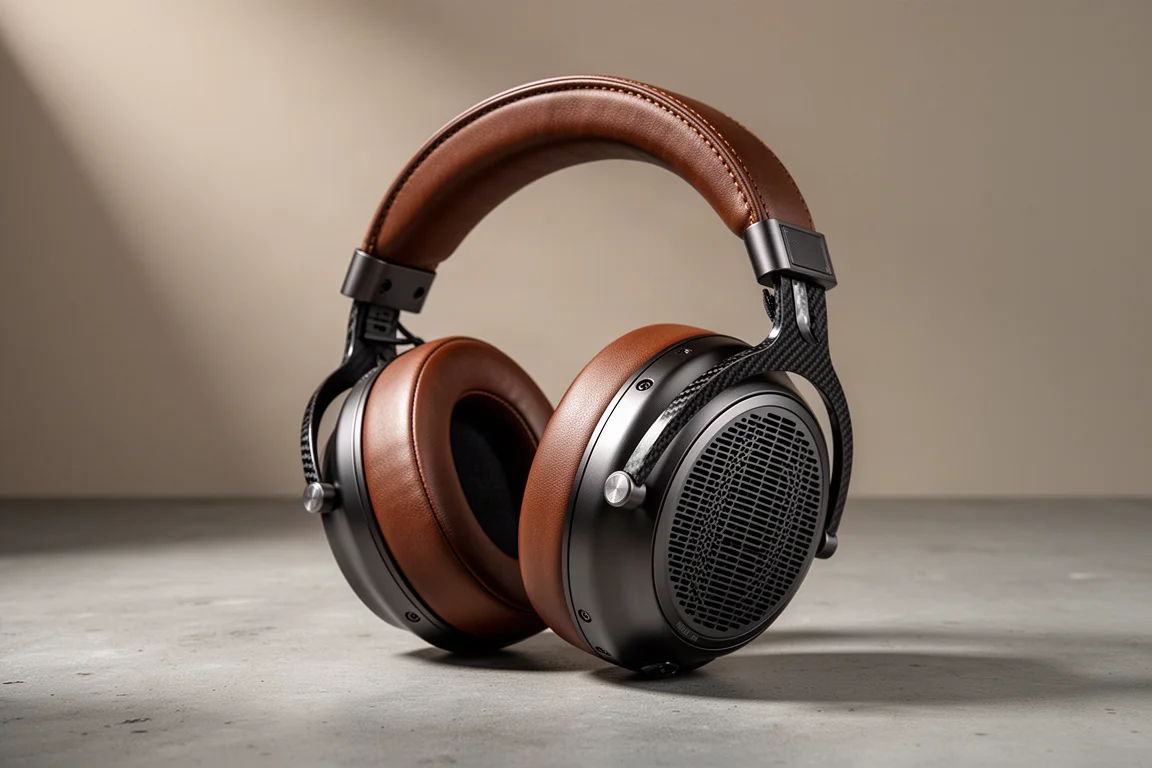
The Empyrean II is the flagship of this group at $2,999. The build is the first thing you notice: a leather suspension headband, carbon fibre detailing, and machined metal throughout, with a friction fit sliding adjustment that feels precise rather than loose. The ear cups detach magnetically, and a second set of angled ear pads is included alongside the stock pair.
In sound terms it is the most detail-focused of the three, with more air and a larger sense of space than the alternatives. Bass is present enough that it never feels thin, but it is not tuned for extra punch. Compared with the warmer Meze Elite, the Empyrean II leans further toward clarity and separation. A warm class A desktop amplifier that was on hand did not pair with it convincingly, and a small USB dongle DAC fell short as well. A quality cable and a hard case are included.
Meze 109 Pro: The Laid-Back Dynamic Option
At $800 the 109 Pro sits in the middle of this group but behaves quite differently. It uses a dynamic driver with high sensitivity and an impedance of roughly 32 ohms, so it is the easiest of the three to drive from modest sources.
It gives up detail next to the two planar magnetic models. The presentation is more relaxed, with a gentler top end and less separation between instruments. Against the entry-level Meze 99 Classics it is still a clear step up in detail. What it does well is stay fun: it works across a wide range of music without demanding attention, and it was the one headphone in the group that was instantly recognisable when switching back and forth.
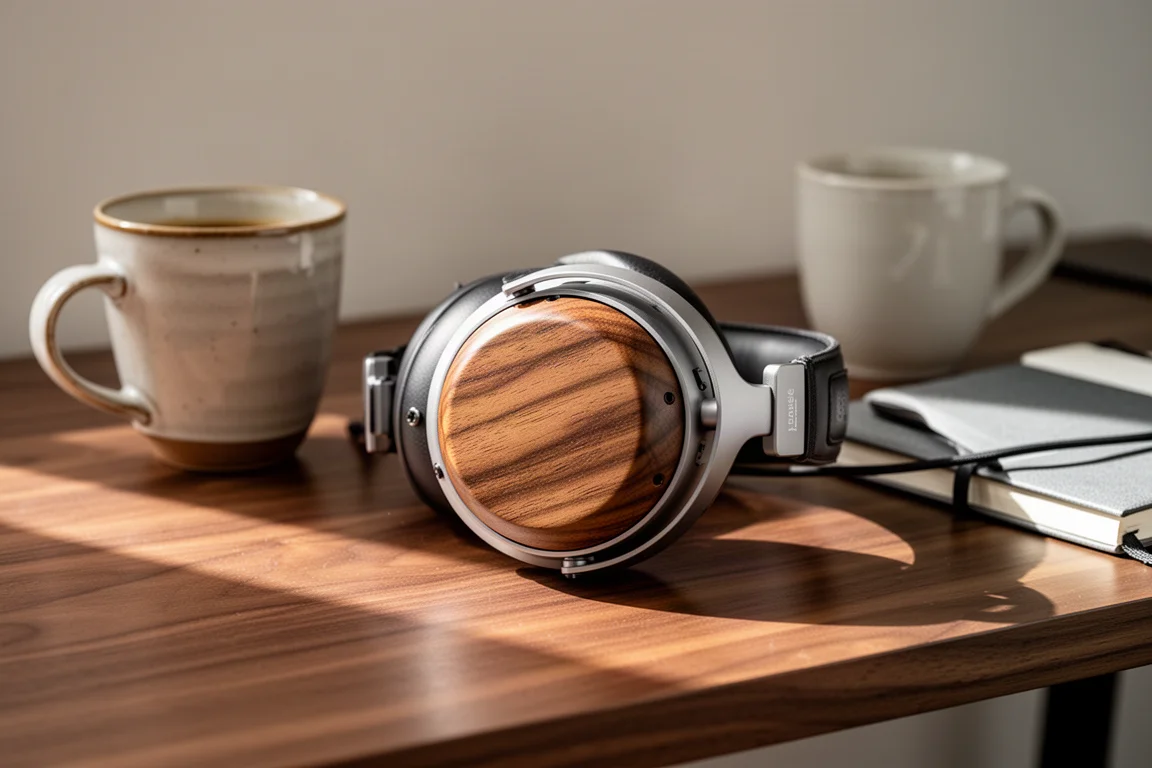
For listeners who mostly want a comfortable, low-hassle headphone that does not need a serious amplifier, that trade is a sensible one. For listeners chasing the last word in resolution, the planars in this group are the better answer.
HiFiMan Edition XS: The Value Standout
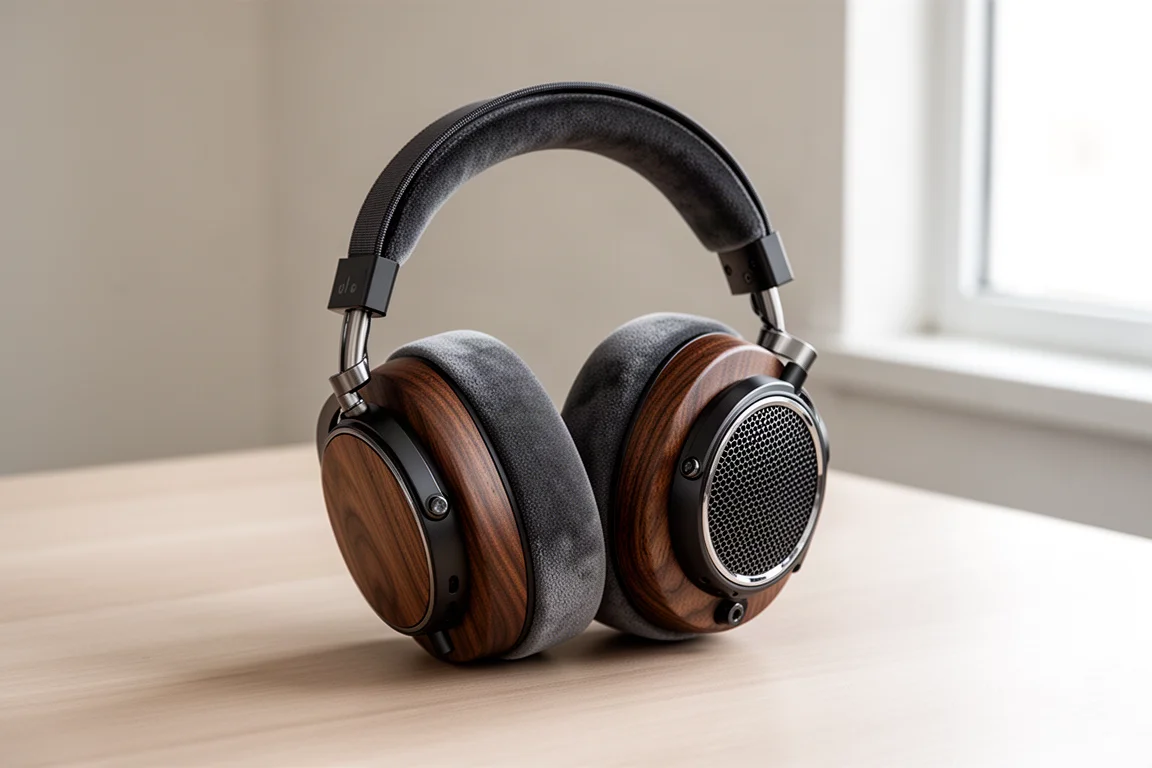
The Edition XS is the value story here at $379. It was already a strong option under $500, and at its current price it is a straightforward recommendation for anyone who wants planar magnetic sound without flagship spending.
Its character is punchier than the Empyrean II, with a mild v-shaped, loudness-curve flavour that adds energy rather than strict accuracy. Some listeners will prefer that, and it is a large part of why the headphone is so enjoyable across different genres. Against the flagship it gives up refinement at the top end, instrument separation, and soundstage size, and its lower sensitivity means it wants more volume on the dial.
Geshelli Labs Archel 3 Pro: The Amplifier That Paired Best
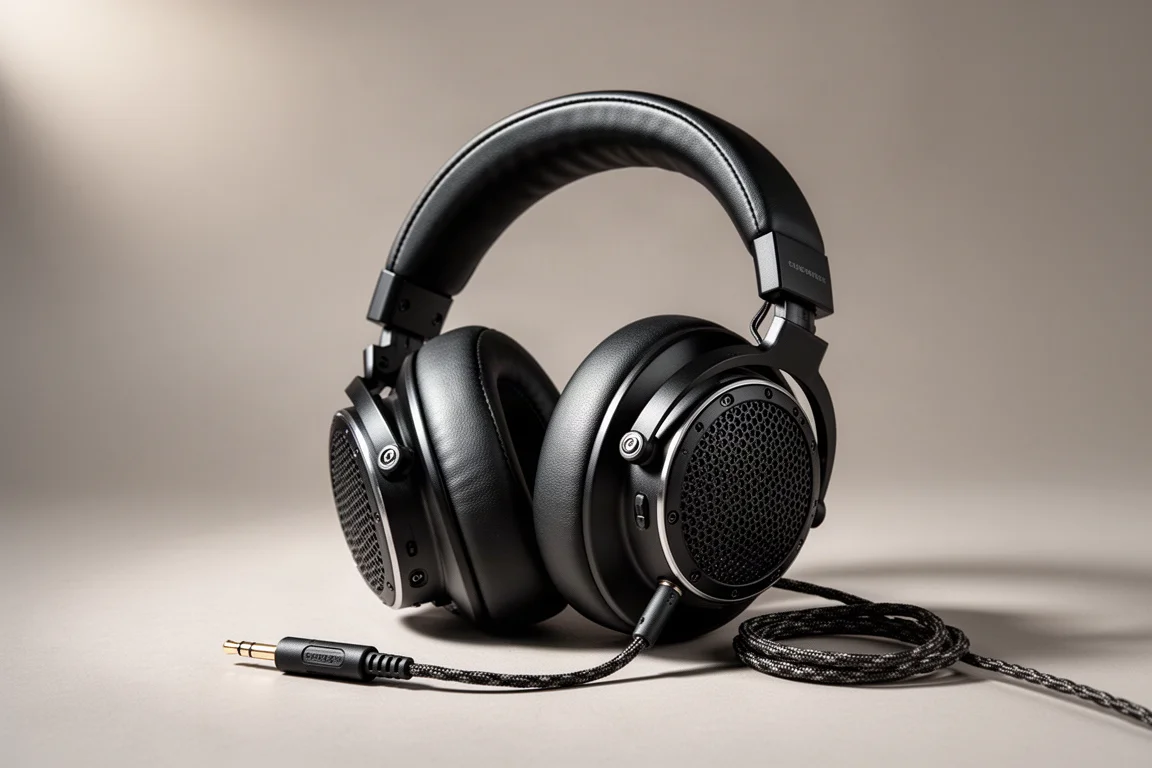
On paper the Archel 3 Pro does not put out a huge amount of power, yet it produced the most convincing sound with the Empyrean II of anything available for these comparisons. It offers selectable gain settings, and the highest setting was used throughout.
That result is worth keeping in mind when matching a flagship headphone to an amplifier. The pairing with the strongest specification sheet is not automatically the pairing that sounds best, and the amplifier that suits one headphone may not suit the next.
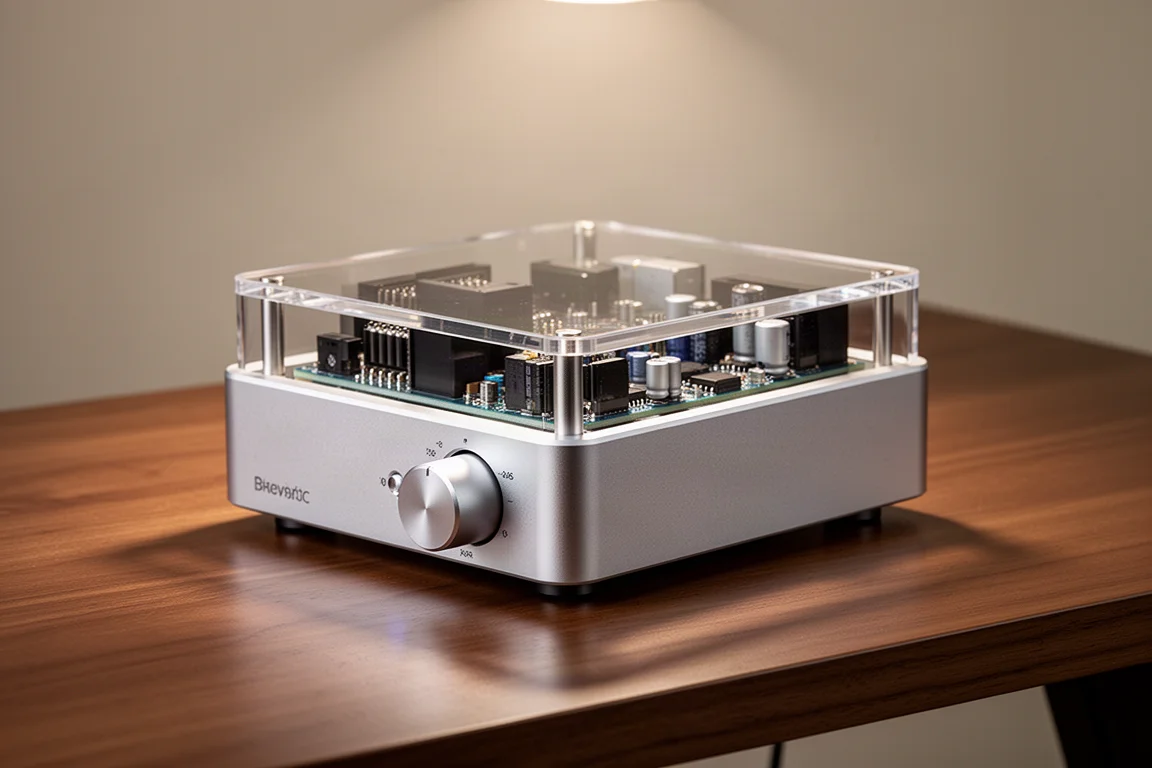
Geshelli Labs J2: The DAC in the Chain
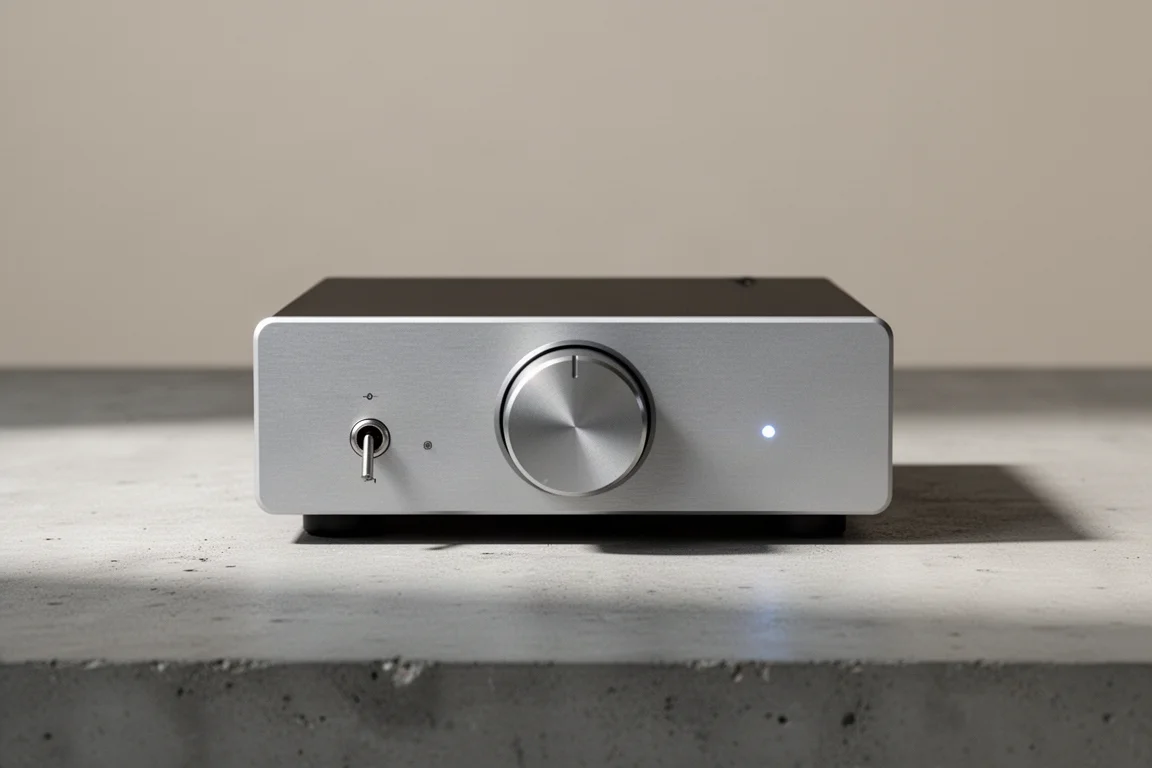
The J2 is a DAC offered with Sparkos op amp upgrades, and it has three gain settings. Like the amplifier, it was kept in its highest gain setting for the headphone comparisons, and it anchored the rest of the chain.
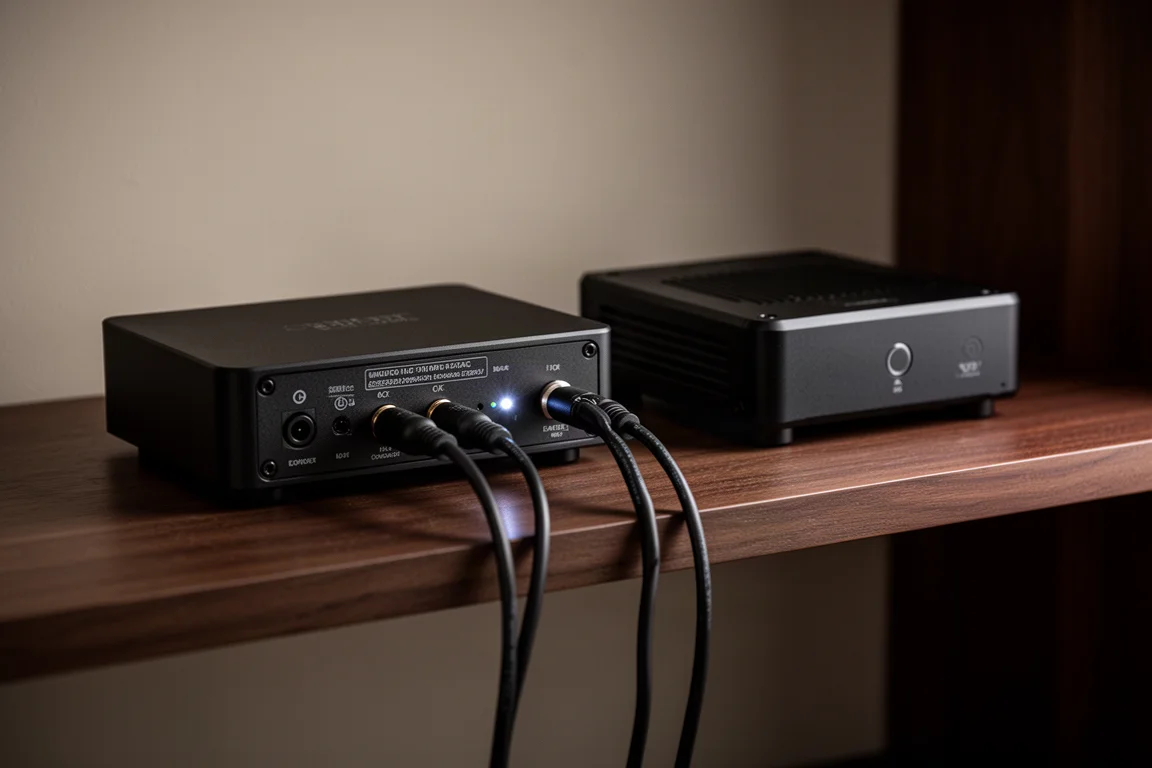
Its most interesting behaviour came later, when it was moved off its stock power supply. That change is covered in the next section, because it affected every headphone in the group rather than just one.
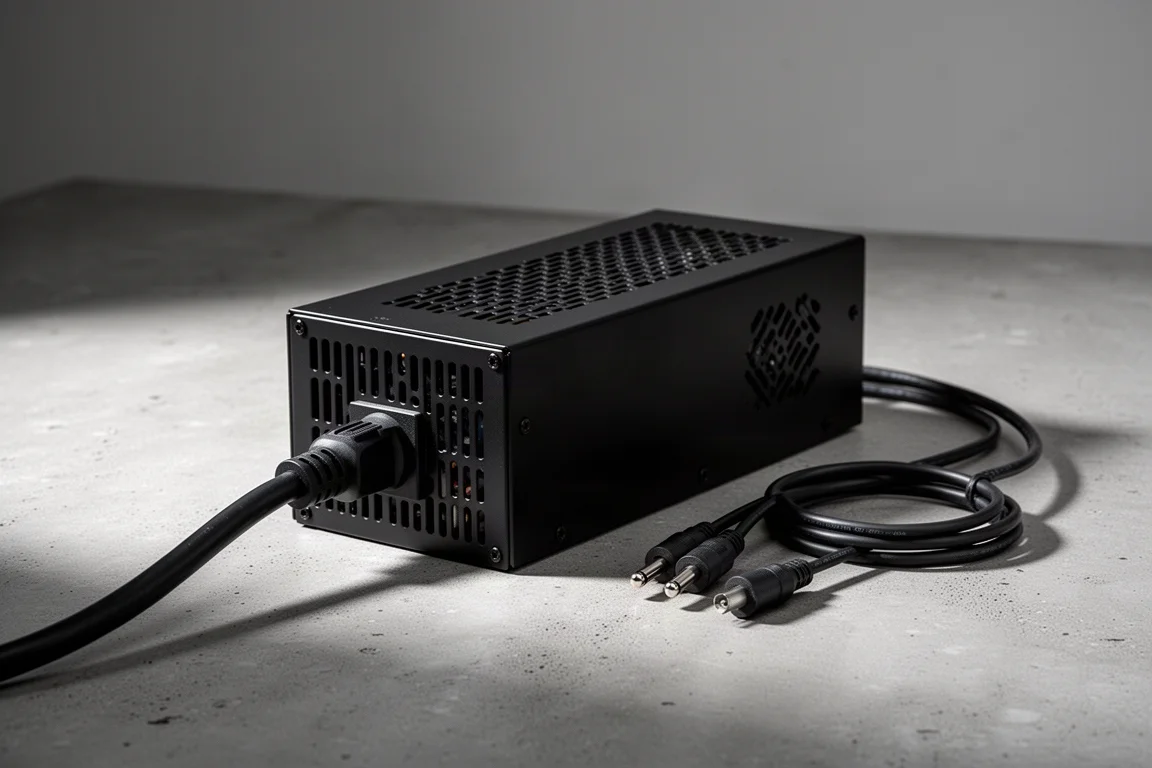
LHY Audio LPS 25VA: The Linear Power Supply Surprise
The LPS 25VA is a linear power supply that can feed two 12 volt components at once, which meant both the J2 and the Archel 3 Pro could run from a single unit. Two things changed when it was connected.
The first was level. With the gain settings untouched and the volume knob where it had been, output increased enough that the volume had to be turned down. The second was overall quality: everything sounded better, and that held true across all three headphones, including the 109 Pro, the Edition XS, and the Empyrean II.
Some listeners will argue that a linear power supply cannot make an audible difference. That position is reasonable, and no electrical explanation is offered here. What can be reported is the practical result: on this chain the change was not subtle, and it was the cheapest single improvement in the whole comparison.
Buying Advice
Start with the headphone, then match the chain to it. The Empyrean II is the best of the three, but the gap is smaller than the price gap suggests.
The Edition XS costs roughly an eighth as much and remains genuinely enjoyable, so nobody should feel short-changed by choosing it. The 109 Pro is the pick for anyone who wants a relaxed listen that runs happily from simpler equipment.
If a DAC and amplifier are already in place, the linear power supply is the lowest-cost experiment in this group. It is also the one where expectations should be managed, because it is exactly the kind of upgrade that reasonable listeners disagree about.
A more expensive and more refined option is not automatically the more enjoyable one. The Edition XS makes that point clearly, and it is worth remembering before stretching a budget for the flagship.
Conclusion
All three headphones in this group are easy to recommend to the right listener. The Empyrean II is the most capable and the most beautifully built, the 109 Pro is the easiest to live with, and the Edition XS delivers most of the experience for a fraction of the money.
The less obvious finding is that the desktop chain matters as much as the headphone. An amplifier that pairs well, a DAC with sensible gain options, and a linear power supply that lifted every headphone in the group all shaped the final result. Get the headphone right first, then improve the chain around it.
Further reading
Related Reviews

Backpacking Gear
Building a 10 lb Base Weight: An Ultralight Backpacking Gear List
A practical walkthrough of the ultralight pieces behind a 10 lb base weight, from a 765 g pack and a roomy one-person tent to a full camp chair and a dependable water filter.
Road Bikes
10 New Road Bikes Worth Watching: Aero, Titanium, Steel and Endurance Standouts
A practical roundup of 10 new road bikes, from aero flagships chasing single-watt gains to titanium, steel and endurance platforms built for real roads.
Bikepacking Gear
11 Bikepacking Essentials for Long-Distance Cycling
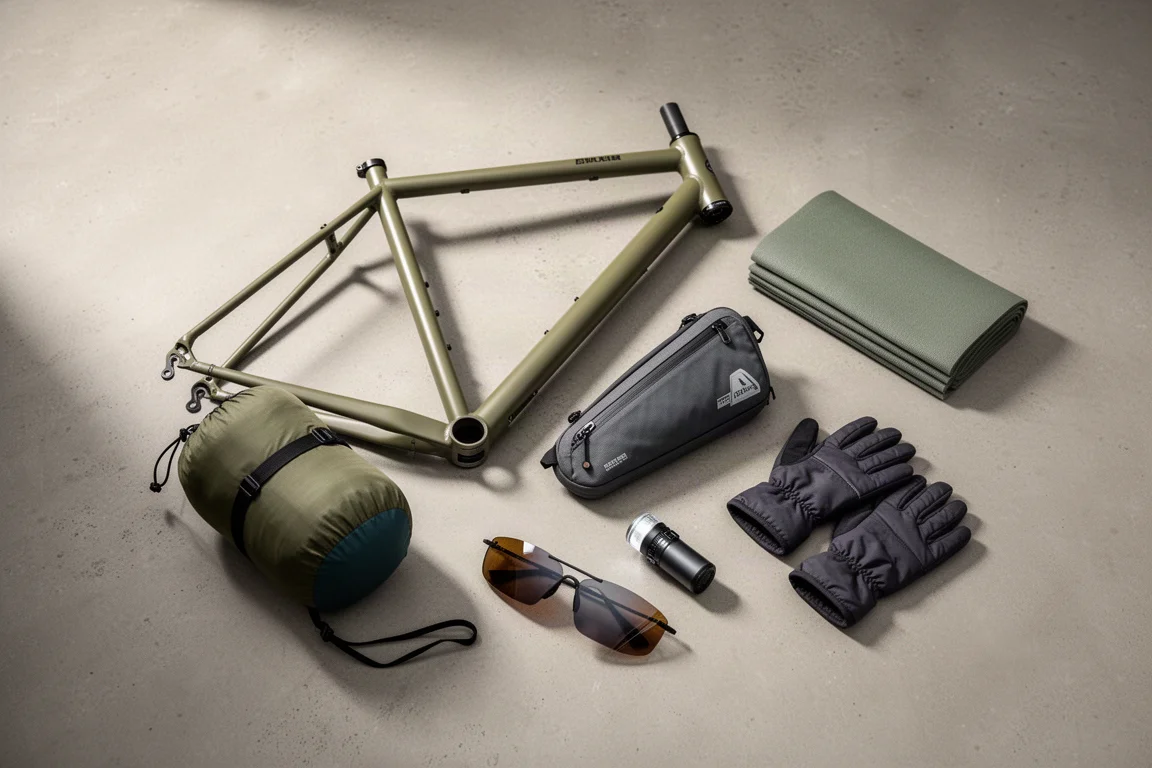
Eleven bikepacking essentials for long-distance cycling, from a steel gravel frame and a two-person tent to helmet lights, packable gloves, and a frame bag that puts weight in the right place.