Cycling Components
Best Gravel Suspension Forks 2026: Six Models Tested and Compared
Six gravel suspension forks assessed for ride performance, build quality and ease of servicing, with clear guidance on which riders each one actually suits.
Introduction
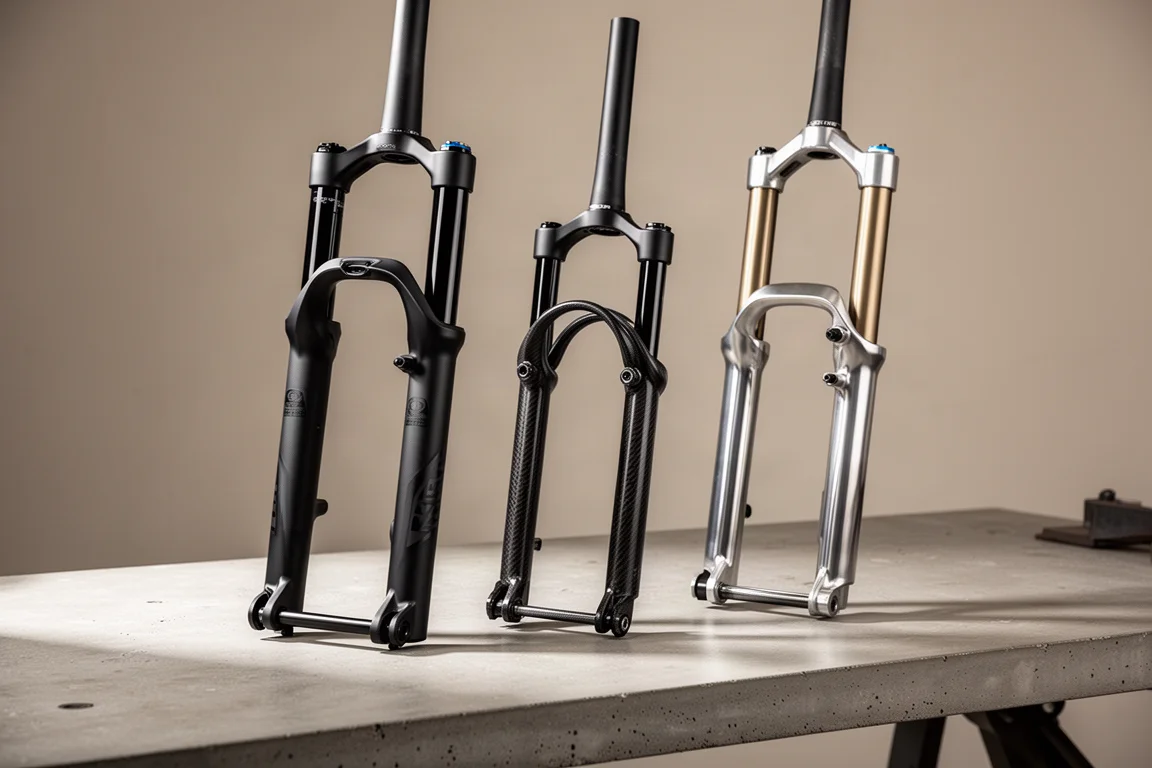
Gravel suspension forks have moved from curiosity to genuine category, and there are now enough credible options that choosing one is a real decision rather than an impulse buy. Six of the latest models were ridden back to back on rough roads, dry trails, chunky gravel and technical singletrack, and each one was also stripped down and assessed for build quality and ease of servicing.
Most of these forks are worth upgrading to for a particular kind of rider. One or two are not. This guide covers what each fork does well, where it falls short, and who should realistically consider it.
What Matters in a Gravel Suspension Fork
Ride performance is only part of the picture. Build quality, internal construction and how straightforward a fork is to service all shape how it feels after a season of hard use. Travel, weight and adjustability matter too, but the balance between them is what separates a good fork from a great one.
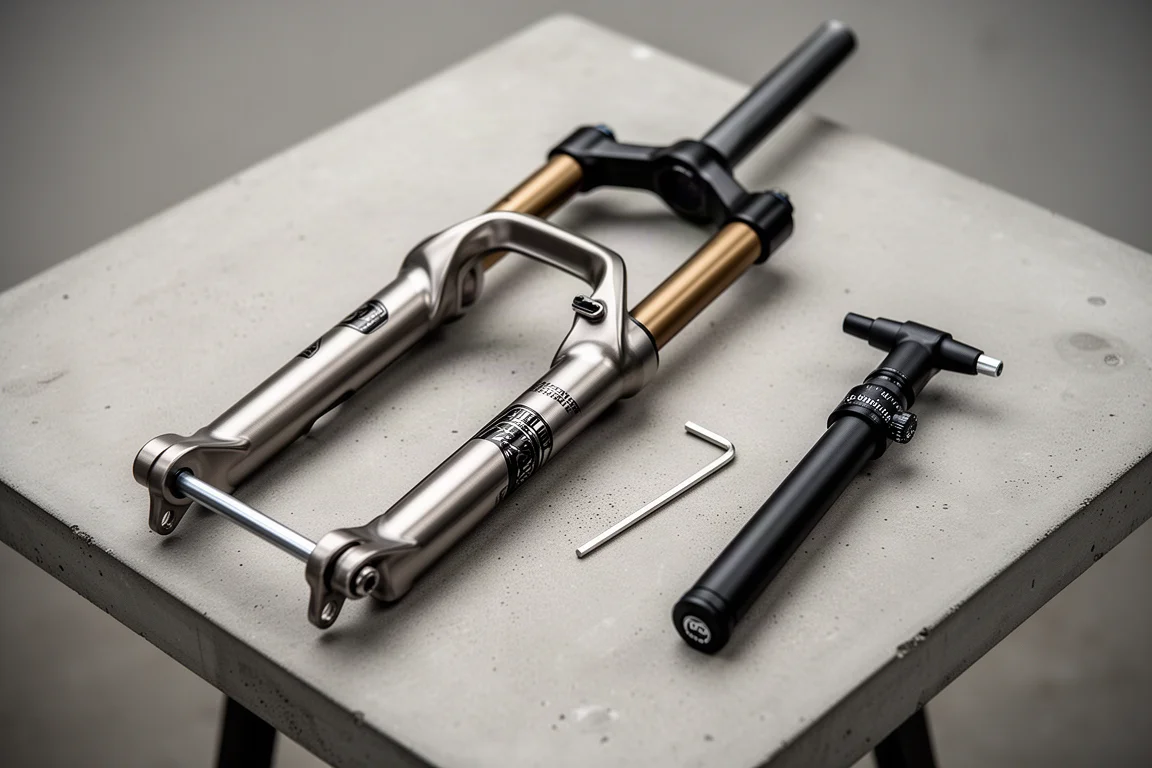
Setup is another dividing line. Forks that can be tuned quickly with common tools are far easier to live with than those that demand proprietary equipment or long service intervals. Out on the trail, the qualities that count most are a sensitive initial stroke, progressive ramp-up so the fork does not bottom out on big hits, and enough stiffness to keep the steering precise.
Price is the final variable. Gravel suspension forks are a pricey investment, and the gap between a budget option and a premium one is wide enough to change the whole calculus of a build. With that in mind, here is how the six forks compare.
Best Overall: RockShox Rudy Ultimate
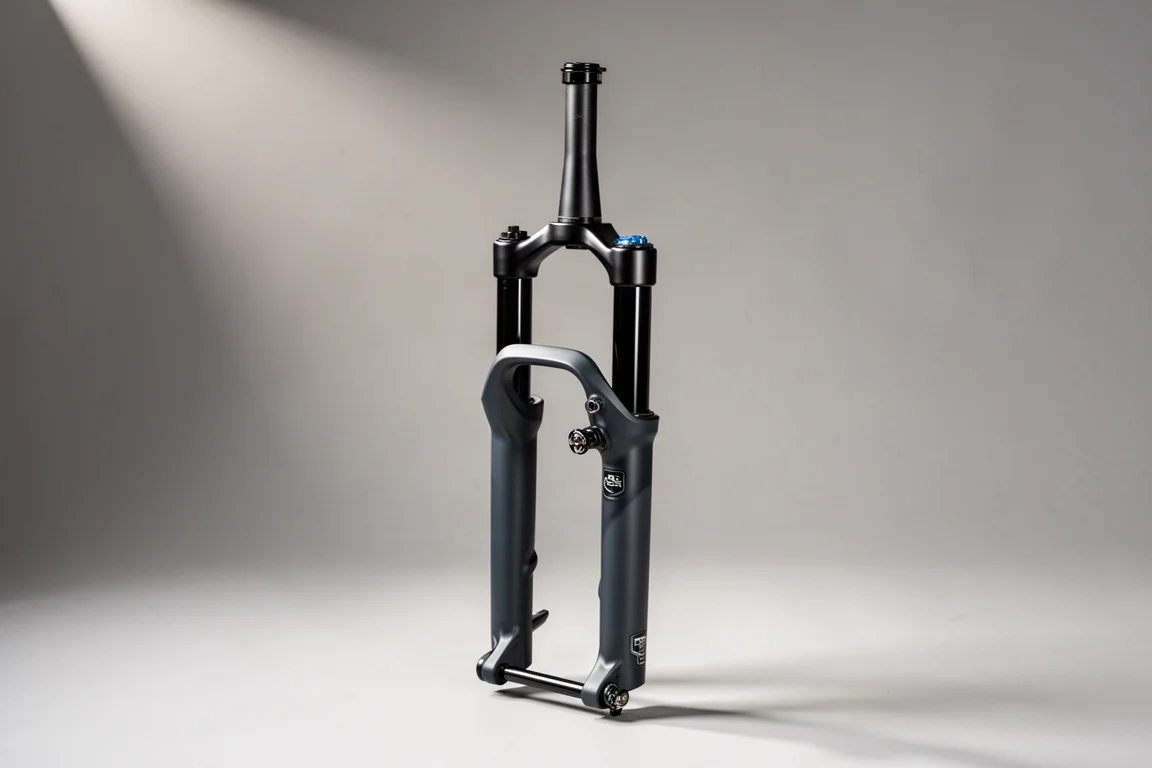
The Rudy Ultimate takes the top spot. Its sensitive initial stroke soaks up impacts from rough roads, dry trails and even golf-ball-sized gravel, and it delivers noticeably better performance than relying on larger-volume tires alone. The movement is supple and swift, which keeps the tire in optimal contact with the ground and allows lower pressures for riders running a tubeless setup.
Concerns about bottoming out on big hits are misplaced. Compression ramps up progressively, so the fork stays smooth even with its relatively limited 40mm of travel. Performance holds up whether you are seated or standing, with stability on steep climbs and a near-rigid feel that keeps the front end efficient.
Inside, the fork is impressively finished, with all-alloy, polished and anodized parts. Setup is refreshingly simple: a small 2.5mm Allen key handles both spring air pressure and rebound damping adjustments. Other forks may edge ahead in one individual area, but the Rudy Ultimate balances performance, handling, weight and price better than anything else in this group.
Best for Technical Terrain: Fox 32 Taper-Cast Factory
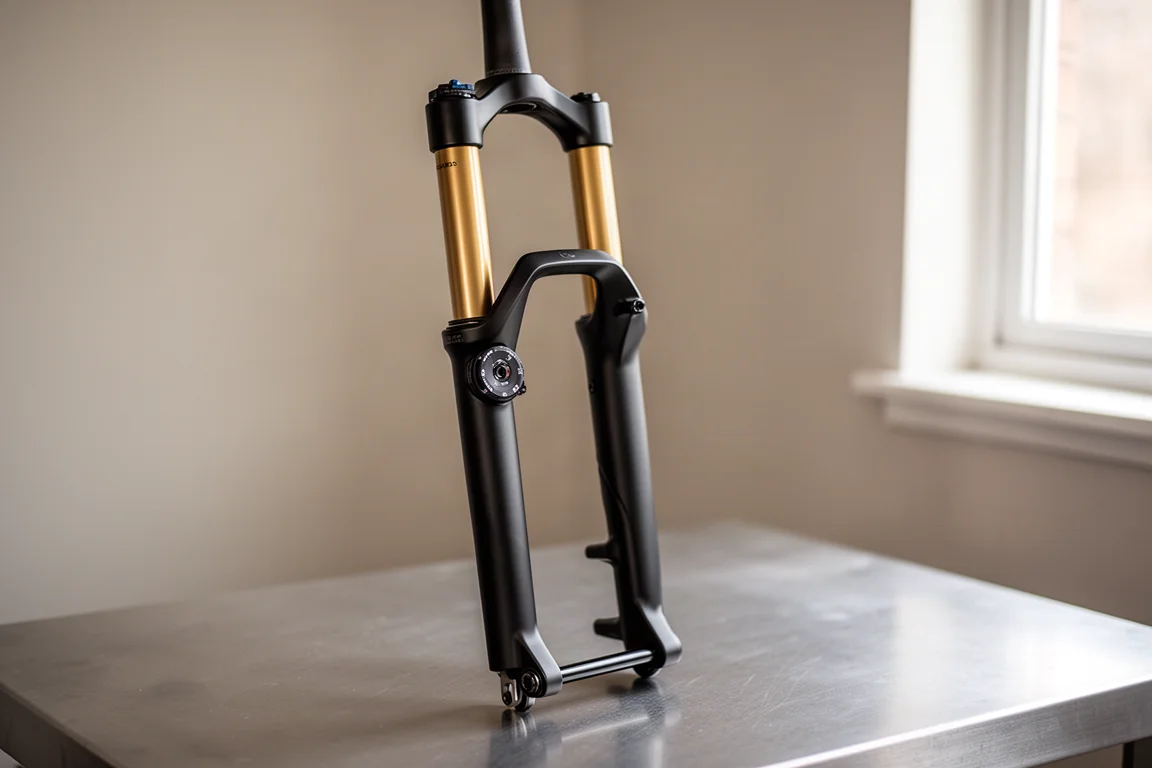
The Fox 32 Taper-Cast Factory is the Rudy’s closest rival. Its 50mm of travel makes it one of the longer options here, and it brings the plush, smooth feel the brand is known for. The Factory version wears a gold Kashima coating on its stanchions, which adds a visual flourish on top of the performance.
Tuning is where this fork shines. There are three settings to work with plus rebound adjustment on the lower leg, and an open-mode dial tucked inside the compression dial allows on-the-fly changes. There is no full lockout, but the firm setting keeps bobbing and diving in check when you are climbing or sprinting. Jarring hits are handled with composure, and vibrations on gravel roads are smoothed out well.
At 1,320g it is remarkably light for a longer-travel fork, just 20g more than the RockShox despite the extra 10mm of travel. A strip-down revealed that the lowers need a special tool for maintenance, although the finished product is exemplary. The catch is cost: it is priced above the Rudy Ultimate, and that premium is difficult to justify unless you specifically want the longer travel and the extra tuning range for singletrack and more technical terrain.
Best Budget Pick: KS GTC
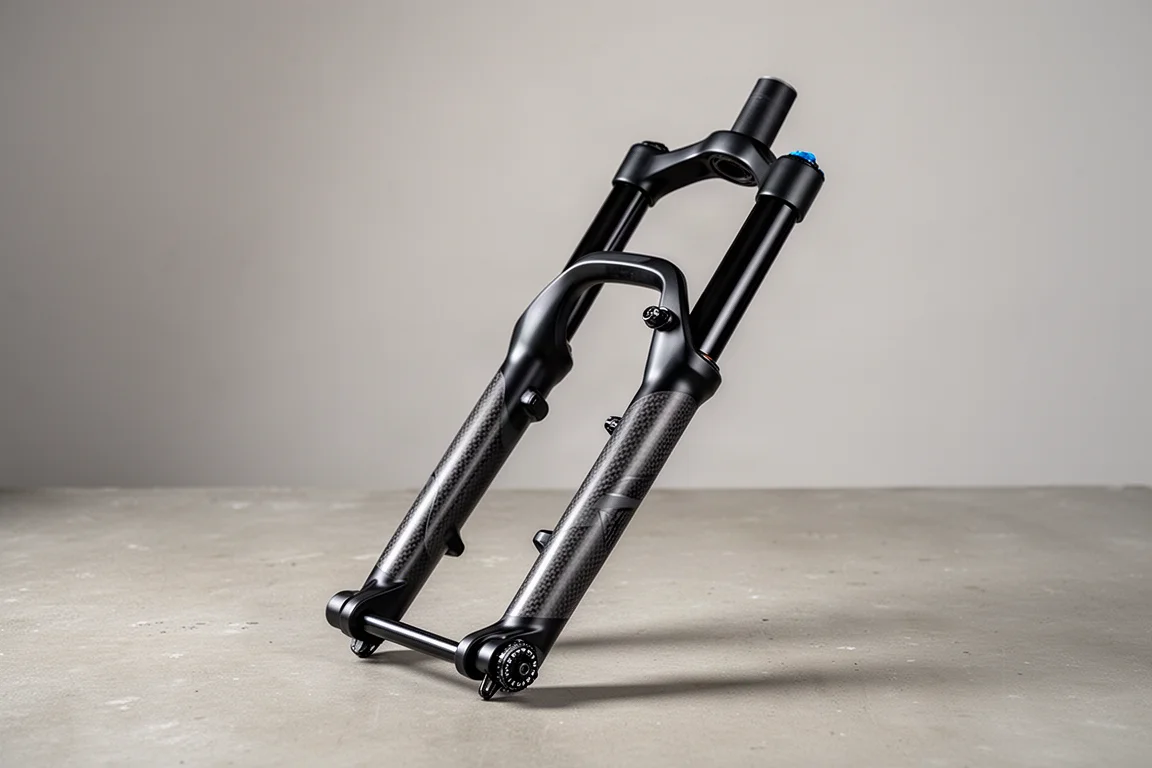
For riders who want suspension without stretching the budget, the KS GTC is the pick. It is well put together and uses high-quality soft seals that you would not normally expect at this price point. At just under £600 it undercuts the RockShox Rudy Ultimate by £179, leaving money for the rest of the bike.
Stiffness is a genuine strength. Despite running the smallest-diameter stanchions in this test, the thickness of the material used makes it one of the stiffest forks here. That same material also accounts for it being one of the heaviest at 1,470g, even though the lowers and brake arch are carbon.
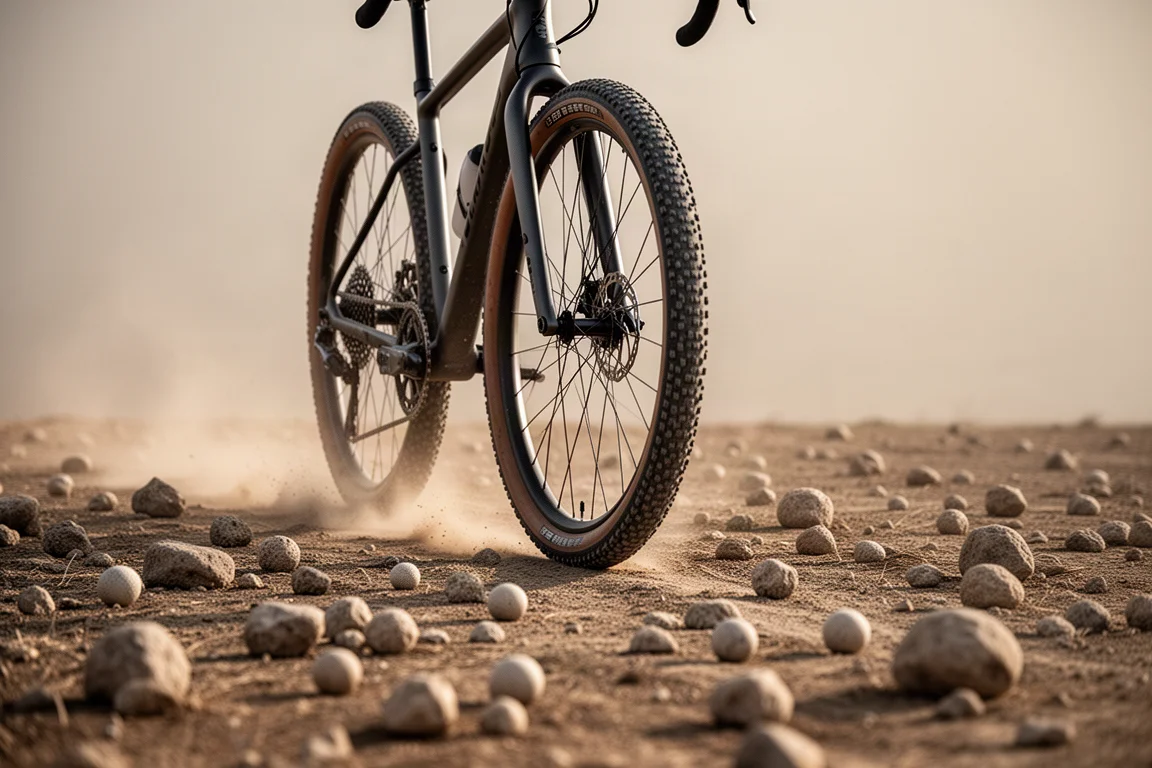
Rebound adjustment is the weak point. There are no clicks within the dial and it takes a lot of turns to induce any real change, so increasing rebound speed on medium to bigger hits can make the fork feel like you are riding through oil. The action is relatively slow, and there is no increase in stiction to worry about. Ramp-up through its progression is good, though, and the fork never tops out or bottoms out. Overall it is very well made and a solid upgrade option for riders on a budget.
Lightest Option: Lauf Grit
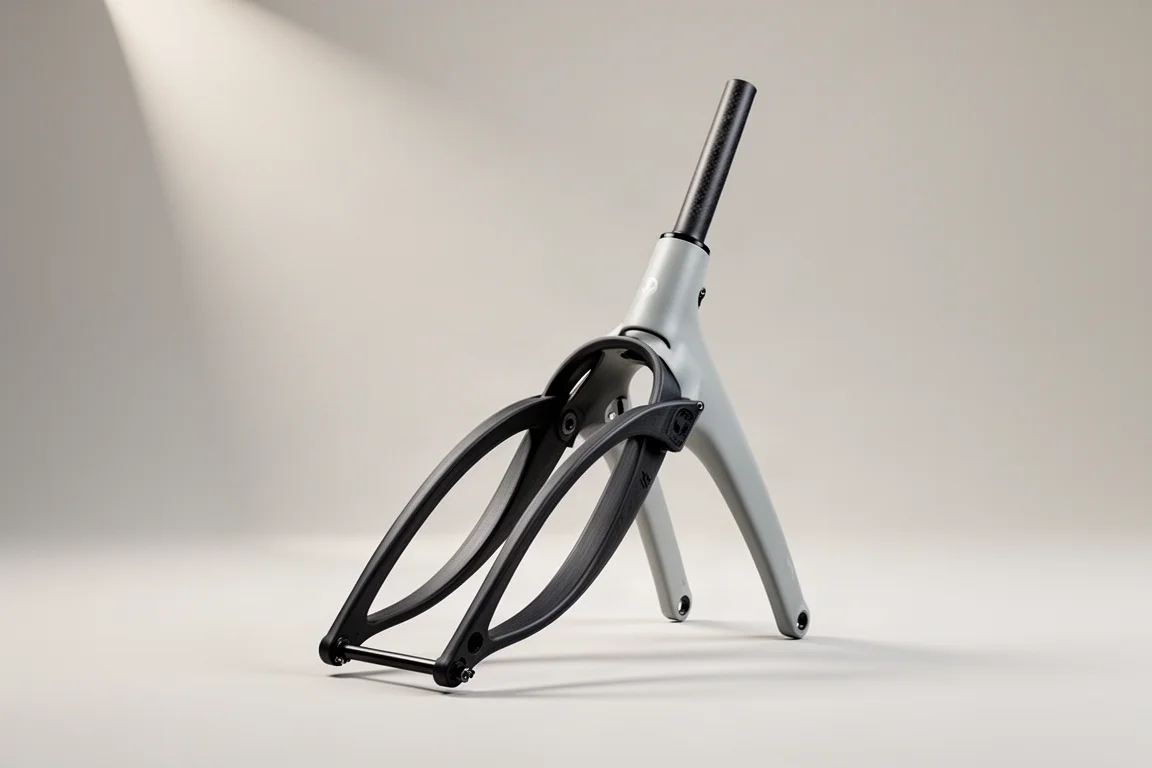
The Lauf Grit is the lightest fork in the group, and it looks nothing like a conventional suspension fork. Its unique leaf springs suspend the fork dropouts and offer 30mm of travel. There are no internal moving parts, which makes it the easiest suspension fork here to maintain. The flip side is that its performance cannot be tuned at all.
At 960g it is the lightest suspension fork available in this test, weighing only around 400g more than a typical rigid carbon gravel fork. On gravel roads the smooth nature of the leaf springs working in unison is a dream for upper-body comfort and endurance riding, and it works best when you are seated.
It suffers when you get out of the saddle. With no rebound control and no lockout, the fork bobs. On rough or rocky descents it can feel choppy, with the rebound of the leaf springs becoming overwhelmed. For smoothing out rough surfaces it is all the fork you will ever need, and it is a great match for a lightweight build. For technical singletrack trails, look elsewhere.
Best for Rough Terrain: MRP Baxter
Riders who want to tackle tougher terrain should look at the MRP Baxter. It is available with either 60mm or 40mm of travel, and the included volume spacers let you change your mind later. Set up at 60mm, the axle-to-crown length increases to 456mm, which provides clearance for 50mm gravel tires.
In that configuration it can be run with much more sag than its rivals, producing a fork that outstrips the rest on bigger hits and when traversing rooty forest terrain. The downside is that it does not soak up smaller bumps as well and does not smooth chatter as effectively as the other forks here. Adding the spacer to reduce travel to 40mm improved chatter response and speed dramatically.
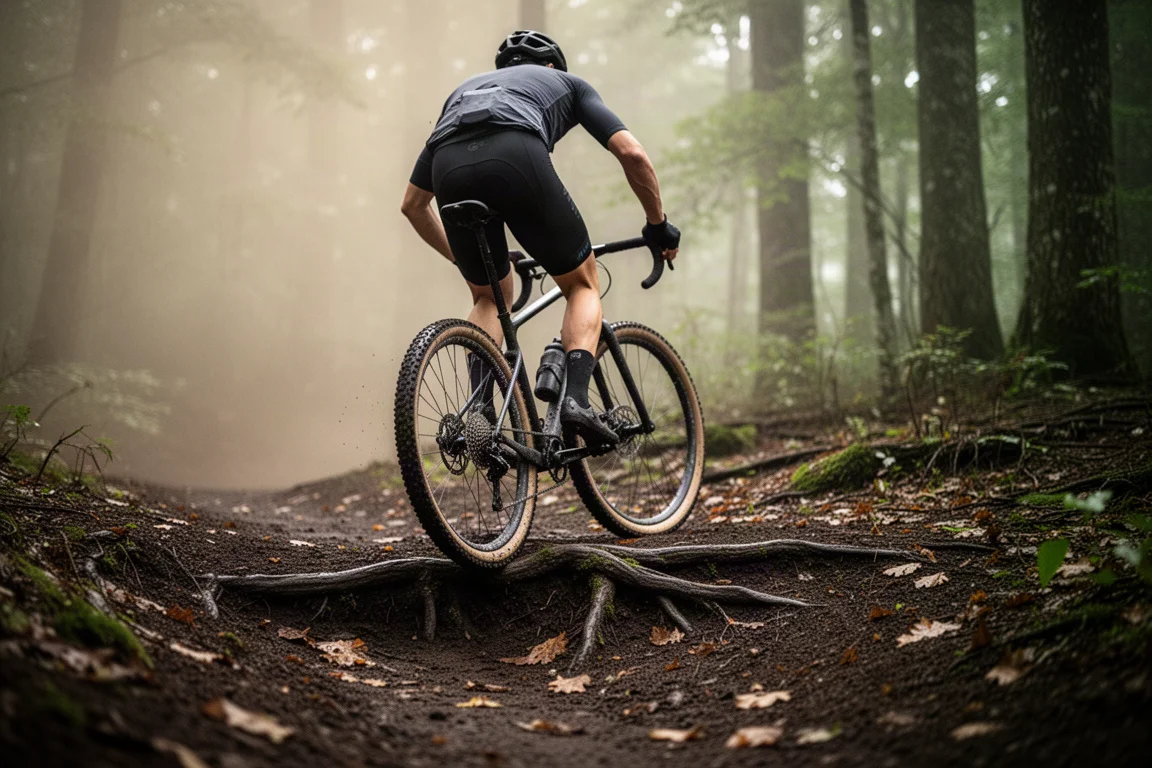
Three settings allow the fork to be adjusted for different surfaces, and they are genuinely useful in practice. At 1,680g the Baxter is heavier than its rivals, but it handles its heft well. Stiffness is abundant, which keeps the handling tight, and the stroke is silky smooth. For twisty technical trails and big-bump prowess, it is an excellent companion and the go-to choice for super rough terrain.
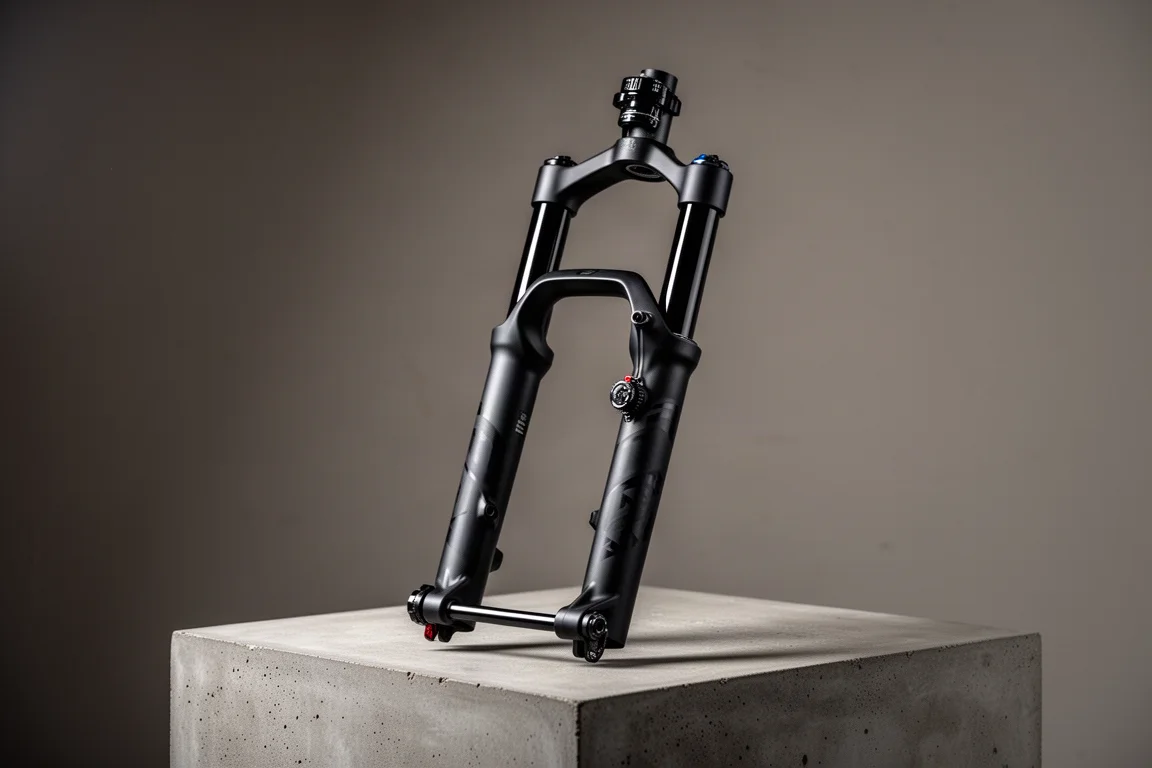
Cannondale Lefty Oliver: Impressive Engineering, Limited Appeal
The Cannondale Lefty Oliver is a single-size inverted suspension fork and an impressive technical achievement. That does not make it worth upgrading to. If you buy a Cannondale gravel bike with this fork already fitted, it works really well on light gravel roads.
The Lefty feels super smooth, isolating rebound damping and compression, and it resists bobbing when sprinting or climbing out of the saddle. A lockout at the top of the fork leg stiffens things up for road riding and is designed to blow off if you hit a big obstacle, protecting the fork. On technical terrain it performs impressively even with its short 30mm of travel, and the stroke ramps up progressively without topping out or clunking at either end of its travel.
It is a rather complex fork. Keeping it clean helps, but the service schedule means extra expense. It also requires a new front wheel, which adds further cost on top. Combined, that makes it too expensive to recommend as an aftermarket option.
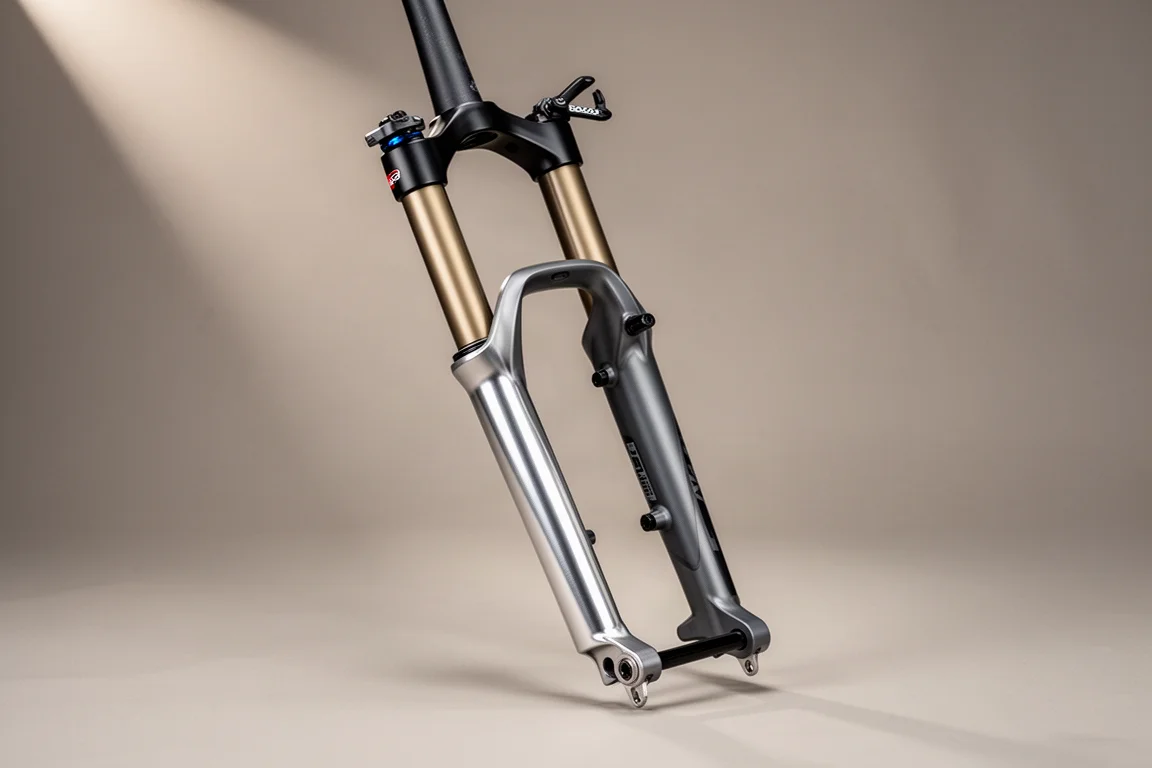
How a Suspension Fork Changes Your Bike’s Geometry
If you have never ridden a suspension fork, the geometry question is worth understanding before you buy. Most rigid gravel forks measure 395mm to 405mm from axle to crown. The average gravel suspension fork is around 435mm, so even after accounting for 10mm to 15mm of sag, the stack height will be higher.
Some modern gravel frames are suspension corrected, but on older frames a suspension fork will add to handlebar height and slacken the head angle. The result is a bike that feels a little calmer on steep descents, but the steering can feel slower and it becomes harder to get aero. If you are a racer or a fan of fast rides, a gravel suspension fork may be best avoided.
Cheaper Ways to Add Comfort to a Gravel Bike
Gravel suspension forks are a pricey investment, so it is worth considering cheaper ways to make a gravel bike more comfortable. A suspension seat post absorbs vibrations while you are in the saddle. A suspension stem is a less common option, and the Redshift ShockStop stem is one example that has scored well in testing, absorbing bumps through interchangeable internal elastomers.
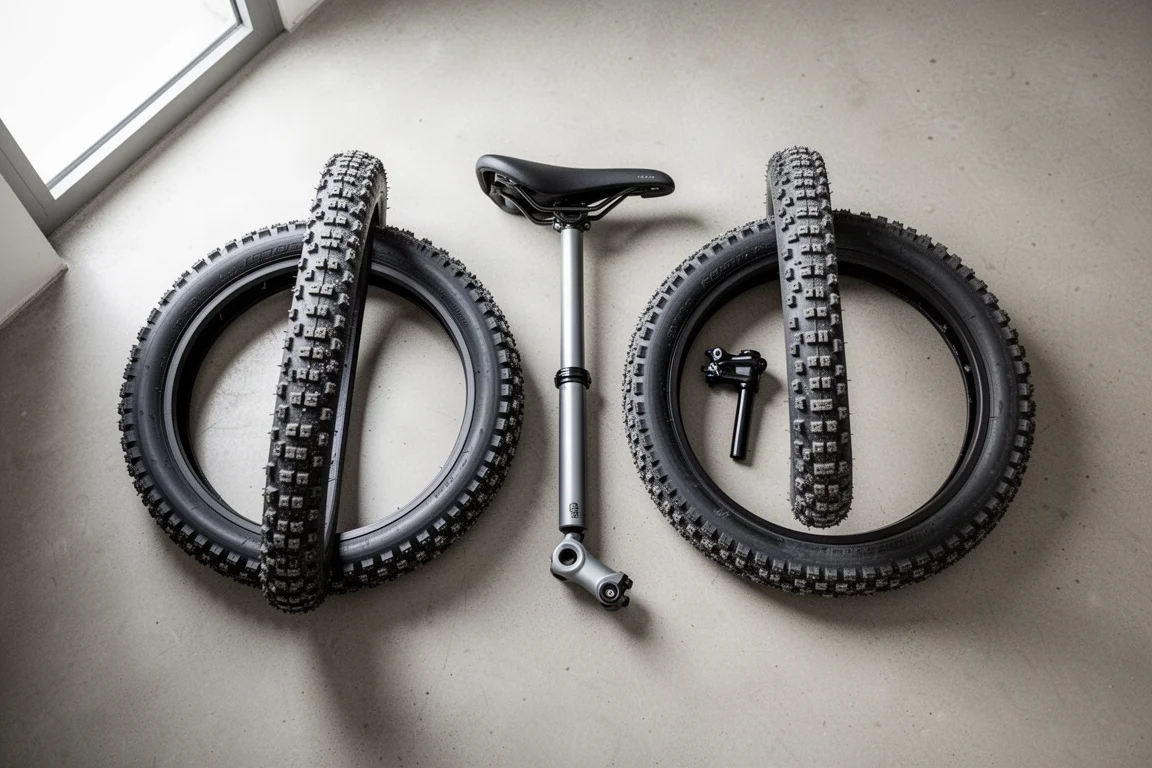
The easiest way to bring more cushion to your ride is to fit wider tires. Check the maximum tire clearance on your frame first, but many of the latest gravel bikes can accept tires wider than 50mm. If a suspension fork is out of reach for now, wider rubber is a sensible place to start.
Conclusion
A gravel suspension fork is a meaningful upgrade, but only when it matches the riding you actually do. The RockShox Rudy Ultimate remains the benchmark, balancing performance, handling, weight and price better than the rest of the group. The Fox 32 Taper-Cast Factory is the more tunable, longer-travel alternative if that premium makes sense for your terrain. The KS GTC delivers the essentials for considerably less, the Lauf Grit is the lightest and simplest route to comfort, and the MRP Baxter is the clear choice for genuinely rough ground. The Cannondale Lefty Oliver is a superb fork when it comes fitted to a complete bike, but it is not one to buy separately.
Further reading
Related Reviews
Cycling Components
A 20,000-Mile Budget Race Bike Build: Five Parts Worth Knowing
A rim brake race bike assembled from low-cost components and ridden for 20,000 miles. Here is what delivered real speed, what caused problems, and what to weigh before copying the formula.
Cycling Components
7 Bike Fit Products Fitters Avoid: What to Check Before You Buy
Seven bike components that regularly cause knee, foot and saddle problems, with the specific concerns behind each one and what to look for instead.
Cycling Components
Four Affordable Bike Upgrades That Improve Ride Feel
Four low-cost cycling products that make a real difference to ride feel, plus the free setup changes worth trying first.