Cycling Components
Best Gravel Bikepacking Components for Ultra-Distance Rides
A seven-part gravel bikepacking build for a 2,700 km unsupported route, from progressive frame geometry and suspension forks to dynamo wheels and drivetrain reliability.
Introduction
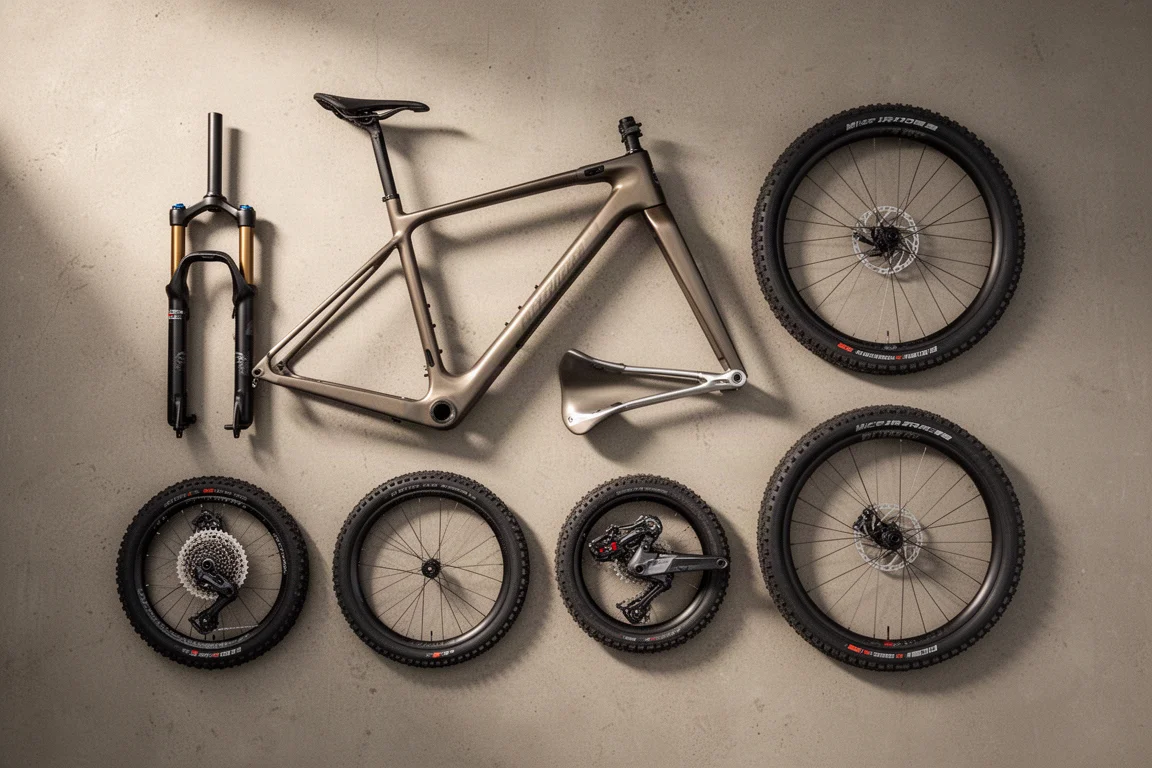
Ultra-distance bikepacking asks different questions of a gravel bike than a weekend race does. A 2,700 km unsupported route running from Chile to the southern tip of Argentina is less about outright speed and more about finishing comfortably: staying stable on loose surfaces hour after hour, carrying water and luggage without upsetting the handling, and keeping electronics alive between towns. The build below was assembled specifically for that kind of event, and the seven components in it are worth understanding individually, because each one solves a different long-distance problem.
Parley Tal Carbon Fiber Frame
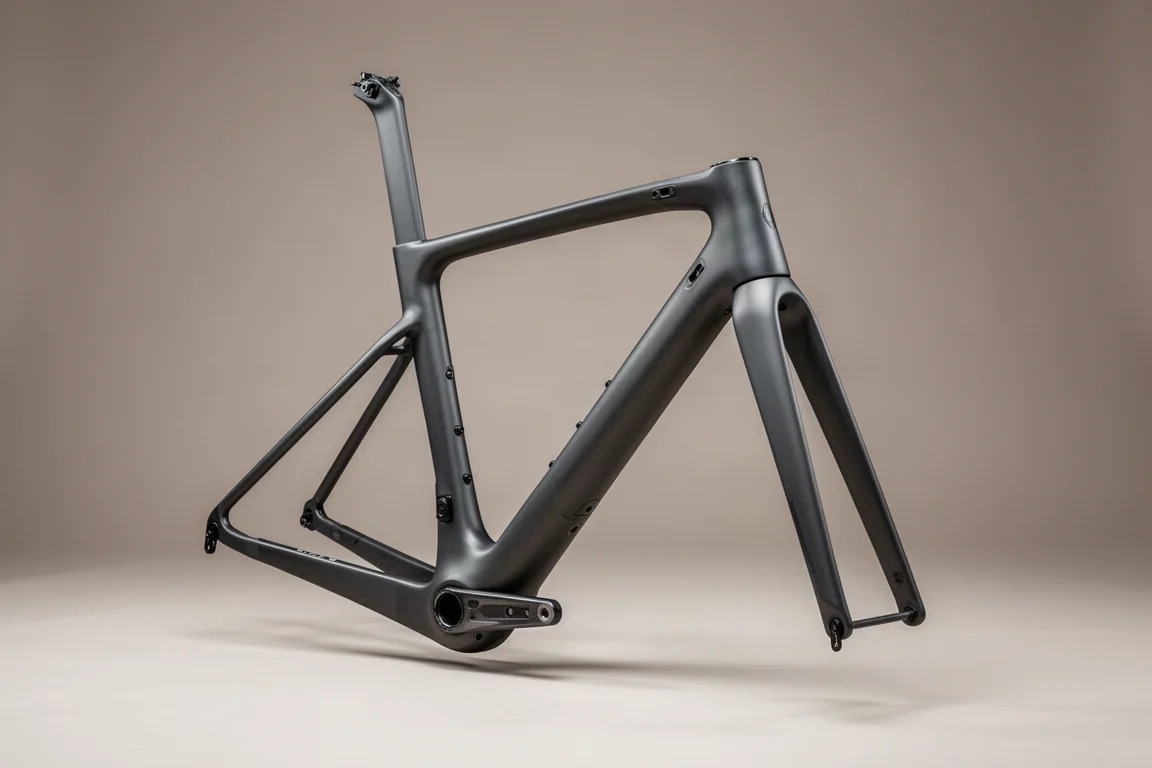
The Tal is a carbon gravel frame with deliberately progressive geometry: a higher stack and a shorter reach than a conventional gravel race bike, plus a strongly sloping top tube that gives it a compact, almost mountain-bike silhouette. The practical effect is a more upright front end, which takes load off the back, neck and shoulders over a multi-week ride without turning the bike into a sluggard. On faster surfaces it still rolls along comfortably at around 20 mph, and the drops and clip-on extensions offer a lower position when the wind picks up.
Frame details matter as much as geometry here. There is clearance for 50 mm tires, a UDH interface at the rear dropout that accepts a modern wide-range drivetrain, and a generous spread of mounting points and bash guards for luggage and protection. Most importantly, the frame is designed around a suspension fork: the rigid fork is the same length from axle to crown as the suspension unit fitted here, so adding suspension leaves stack, reach, head angle and overall fit untouched.
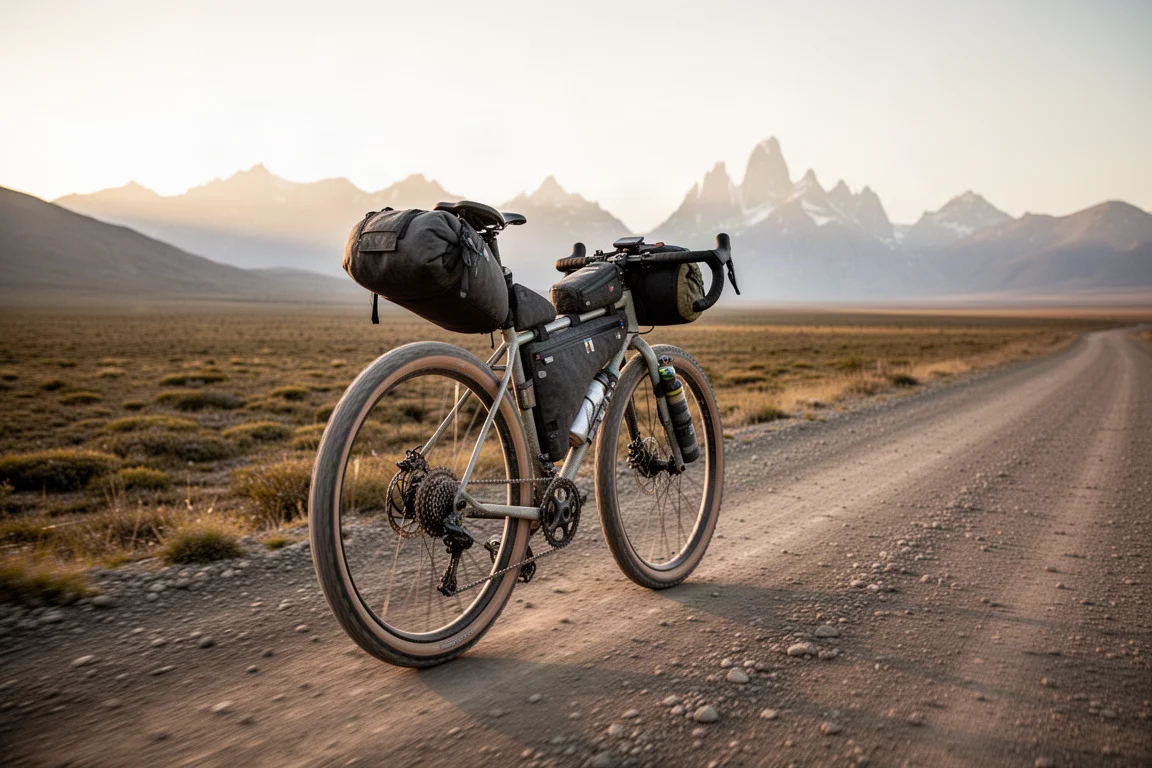
That design choice is unusual. On most gravel frames a longer suspension fork lifts the front end, raises the bottom bracket and slackens the head angle, which disturbs the handling the frame was built for. Here the geometry is preserved, so riders get the comfort benefit without the usual penalty. It suits bikepackers who want a planted, upright position across very long days, and it is worth being honest that it is not a low, aggressive race fit.
RockShox Rudy Suspension Fork
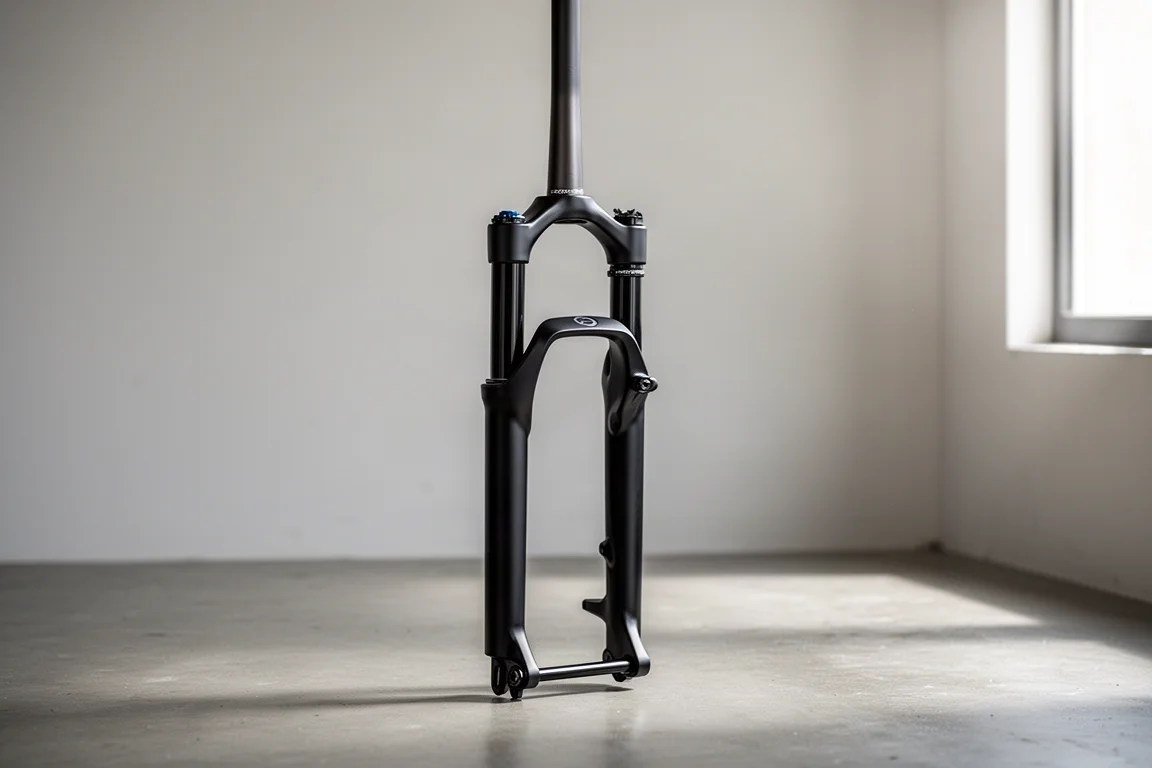
The Rudy brings 40 mm of travel, roughly twice what a suspension stem provides, and it does so below the head tube rather than above it. That placement feels more natural under load and keeps steering response predictable. The trade-off is weight at the front end, but weight is a low priority on a bike that will be carrying bags, bottles and water regardless, so the comfort gain is close to free in practical terms.
Over two to three weeks of riding, reduced vibration at the hands and wrists translates into less cumulative soreness, which is the core argument for a fork rather than a stem. Suspension stems offer less travel and place their moving parts above the head tube, where the rider feels them less directly, so on a long rough route a proper fork is the more dependable comfort solution.
Hunt Limitless Carbon Wheels and Dynamo Front Hub
Power management is one of the quiet problems of unsupported ultra-distance riding. A single large battery bank has to keep a GPS computer, lights, a phone and cameras running, and if that bank fails mid-route the navigation and lighting go with it. The alternative used here is a dynamo front hub, which generates power while riding and feeds a USB port. The plan is to carry two smaller battery banks rather than one large one: one sits on charge from the dynamo during daylight hours while the other runs the computer and phone, so a single failure is no longer a catastrophe.
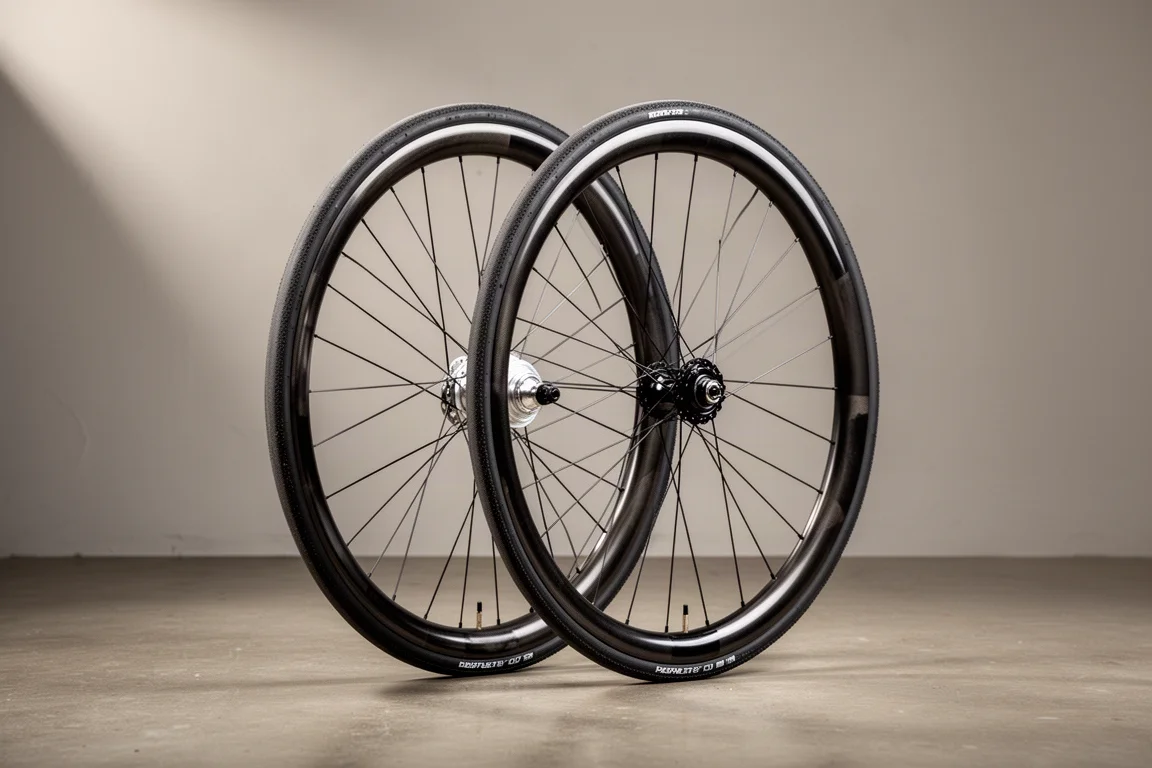
Hunt is one of the relatively few brands offering an off-the-shelf carbon gravel wheelset built around a dynamo front hub, which makes this a straightforward route rather than a custom build. A dynamo hub also powers a front light, though on an event where riding through the night is not planned, the charging capability is the more useful half of the equation.
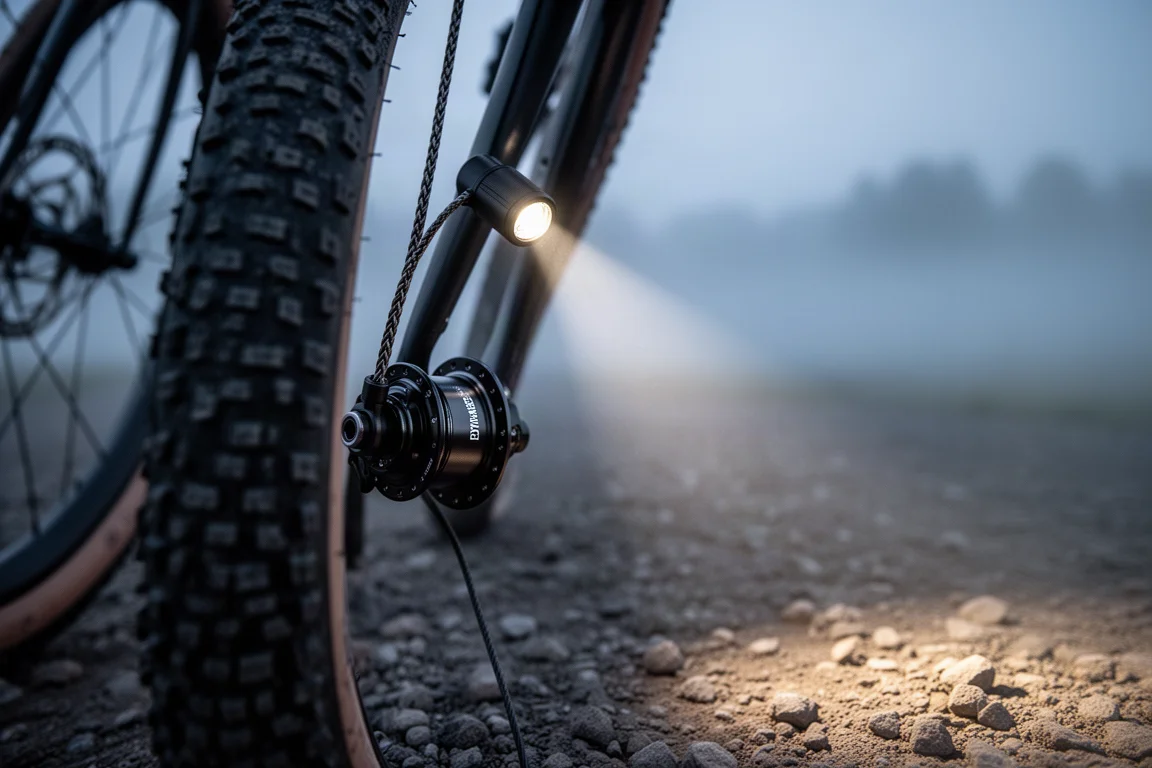
It is worth noting the trade-off: dynamo hubs add a small amount of weight and rotating drag at the front wheel, so they suit riders who value self-sufficiency above marginal speed gains.
SRAM Force Explore Drivetrain
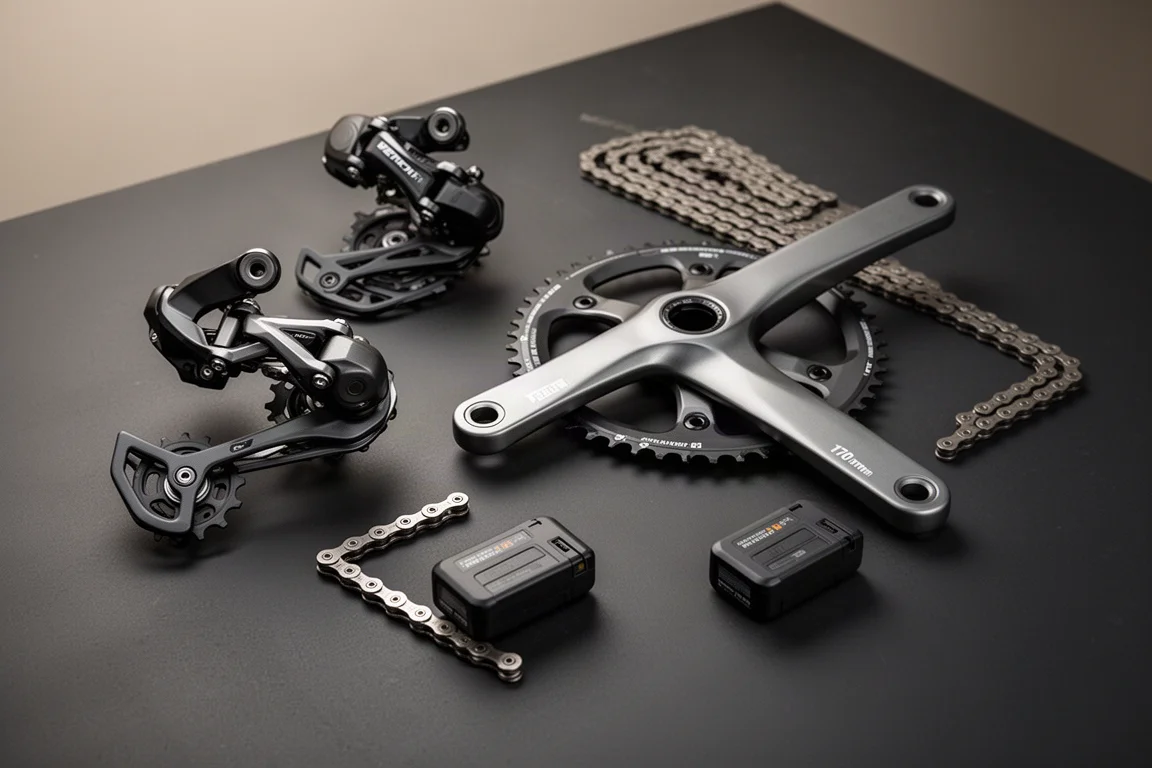
The drivetrain choice came down to range, reliability and serviceability. The Force Explore group set offers a wide gear range for loaded climbing, and it runs on removable batteries, which means two or three spares can be carried and swapped or recharged without any workshop time. The rear derailleur interface is robust enough that a knock in transit or a low-speed fall is less likely to bend a hanger and end the trip.
Two smaller details round out the choice. The cranks are 170 mm, and the hood shape and brake lever ergonomics are a meaningful part of long-distance comfort, since the hands spend most of the day resting there. Riders weighing this group set against a mechanical alternative should factor in the battery logistics: there is more to carry, but also no cables to fray far from a bike shop.
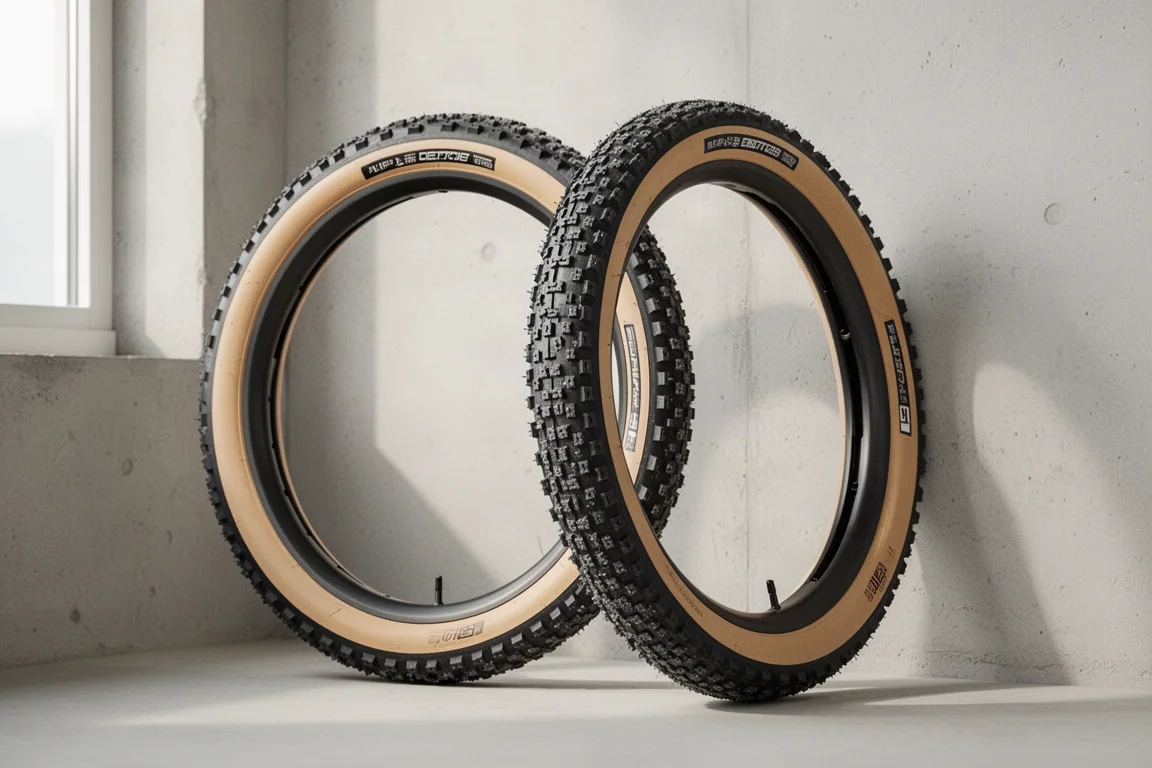
Michelin Power Gravel Tires
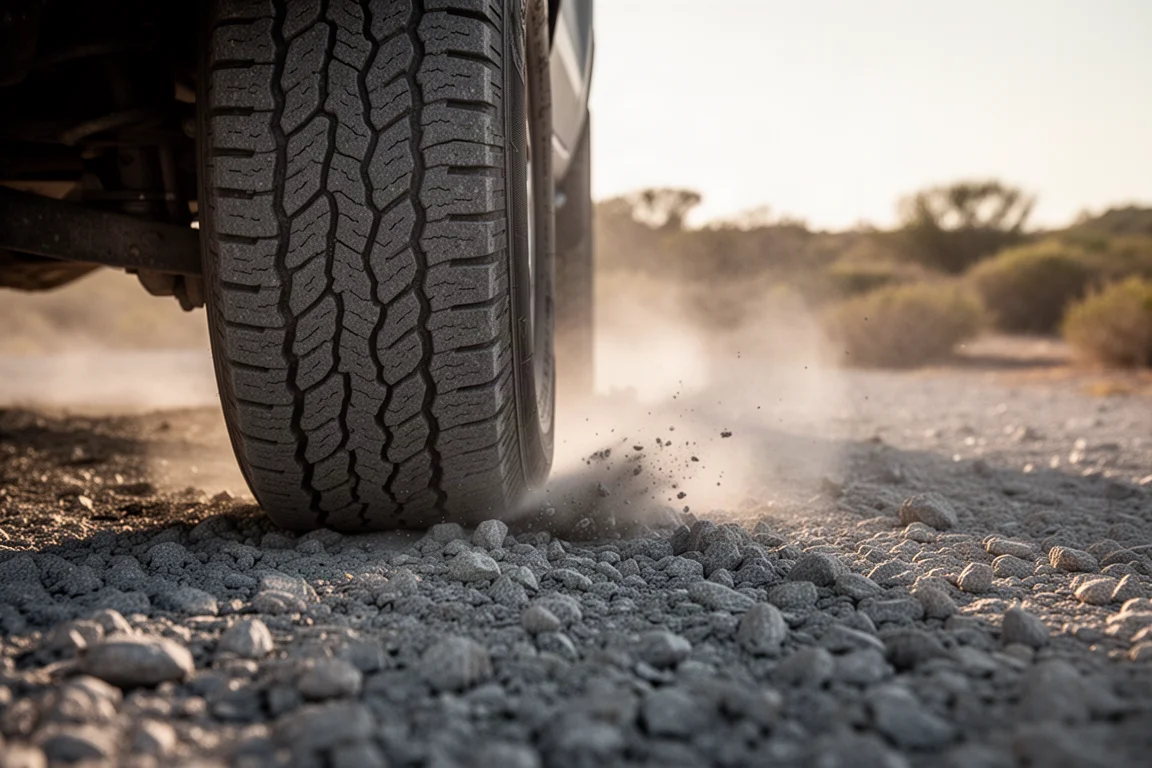
The Power Gravel comes in a 47 mm nominal width that measures closer to 50 mm once mounted on wide rims, which fills the frame clearance almost exactly. That is a useful place to be. Organizers of this kind of event typically recommend between 40 and 50 mm, and the upper end of that range maximizes comfort and float on loose surfaces. These tires roll quickly on both tarmac and gravel and offer usable grip, so the size question is effectively settled.
Durability is the open question. A 2,700 km route punishes thin casings, and the trade-off between a fast, supple tire and a heavier, more puncture-resistant one is a real decision rather than a formality. Riders facing a similar choice should weigh how much they value speed against how much they value finishing without a long roadside repair.
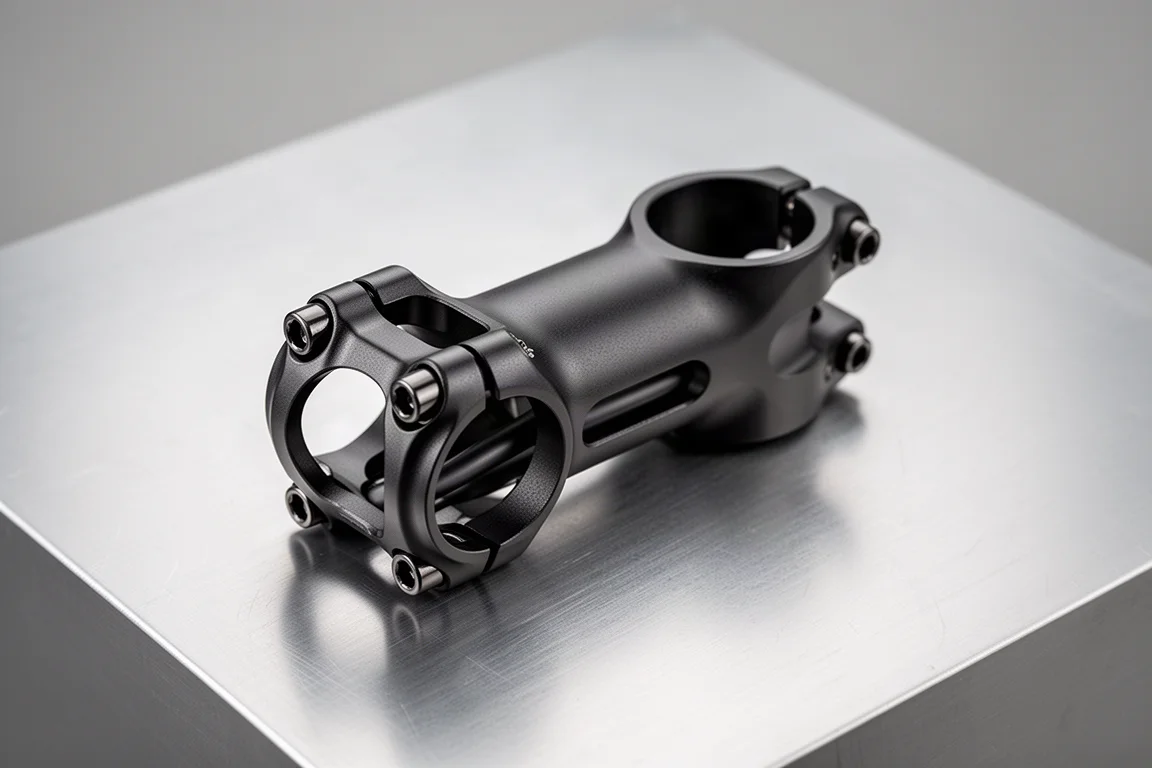
FSA SMR Stem and Cockpit Details
The SMR stem uses semi-internal routing: brake hoses run externally along the handlebar, and only the rear brake hose passes into the frame beneath the stem. That arrangement keeps the cockpit tidy while leaving the bike easy to dismantle and pack into a travel box, which matters when a build has to survive long flights in each direction.
The rest of the contact points follow the same durability-first logic. An alloy handlebar was chosen over carbon for toughness and for the confidence to clamp lights, computers, bags and extensions directly to it. A straight in-line seat post keeps the position simple and serviceable. For anyone building a travel-friendly gravel bike, this stem is the detail that most often decides how painless packing becomes.
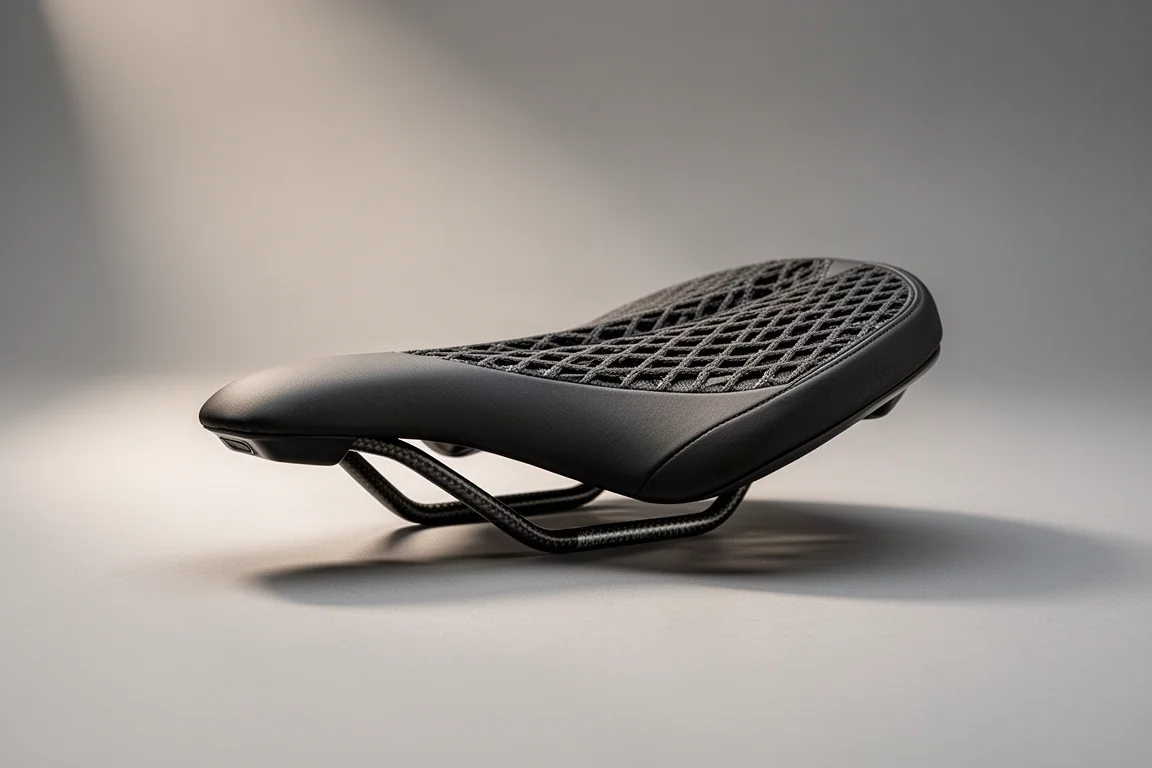
Fizik Argo Adaptive Saddle
Saddle choice is the one part of this build that remains genuinely open. The Fizik Argo Adaptive is a short-nosed design suited to an endurance-oriented riding position, and it is being weighed against a conventional alternative for a ride where the rider will spend close to three weeks sitting down. There is no single correct answer here: the shakedown period exists precisely to find out which shape stays comfortable at hour eight of a long day.
That is the sensible way to approach saddle selection on any ultra-distance build. Treat it as a testable decision rather than a spec-sheet one, ride the candidate for several hours at a time on the surfaces the event will use, and be prepared to change it before the start rather than after the first week.
Overall Buying Advice
Builds like this reward thinking in systems rather than parts. The frame’s suspension-fork compatibility underpins the comfort of the whole bike; the dynamo hub underpins the electronics strategy; the drivetrain’s removable batteries underpin serviceability far from a workshop. When choosing components for a long unsupported ride, prioritize the parts that stop a single failure from ending the trip, and accept extra weight where it buys reliability.
Tire choice and saddle choice are the two areas where personal preference should override specifications, because both are tested in hours rather than kilometres. Fit, clearance and carrying capacity come next, and outright weight comes last on a bike that will be loaded anyway.
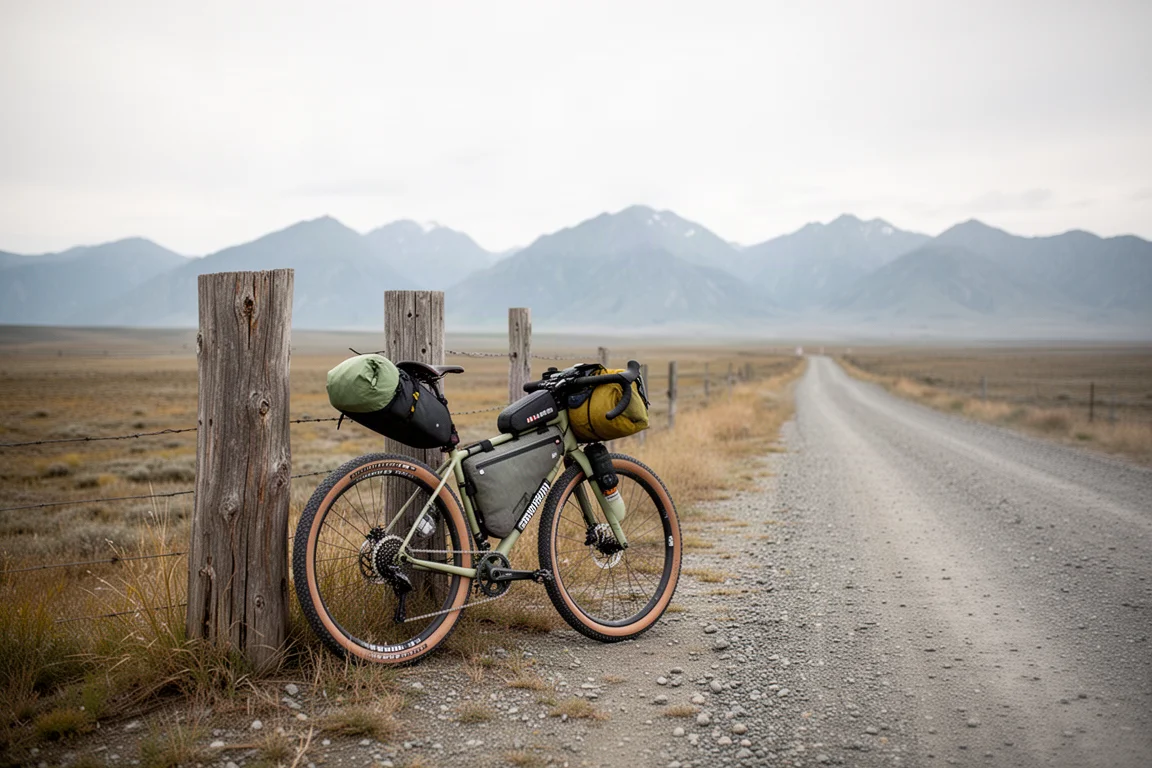
Riders building for a similar event can borrow the logic even if they choose different brands: comfort at the contact points, power independence, and mechanical simplicity in remote places are the three pillars worth spending on first.
Conclusion
Seven components, one consistent idea: choose parts that make a 2,700 km unsupported route more survivable rather than merely faster. A progressive-geometry carbon frame with suspension-fork-ready geometry, 40 mm of front travel, a dynamo-charged wheelset, a wide-range drivetrain with swappable batteries, wide dependable tires, a travel-friendly stem and a carefully tested saddle all point in the same direction. That is the framework worth carrying into any ultra-distance gravel build.
Further reading
Related Reviews
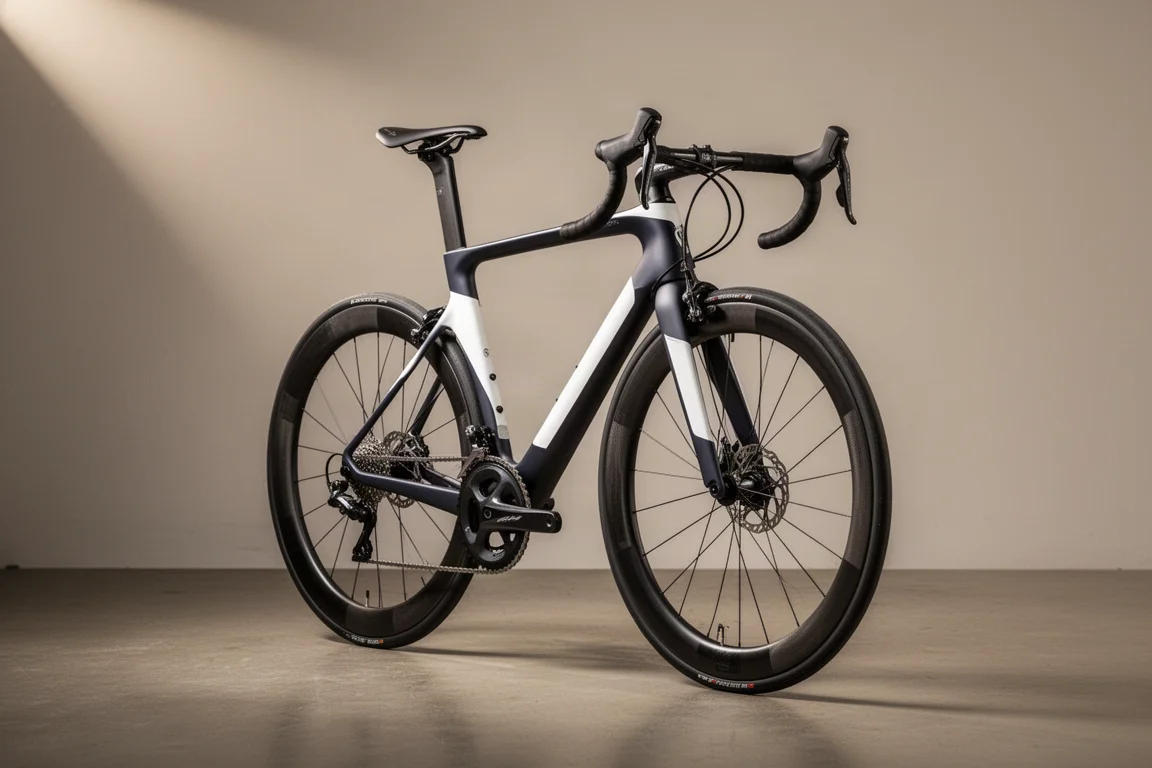
Cycling Components
A 20,000-Mile Budget Race Bike Build: Five Parts Worth Knowing
A rim brake race bike assembled from low-cost components and ridden for 20,000 miles. Here is what delivered real speed, what caused problems, and what to weigh before copying the formula.
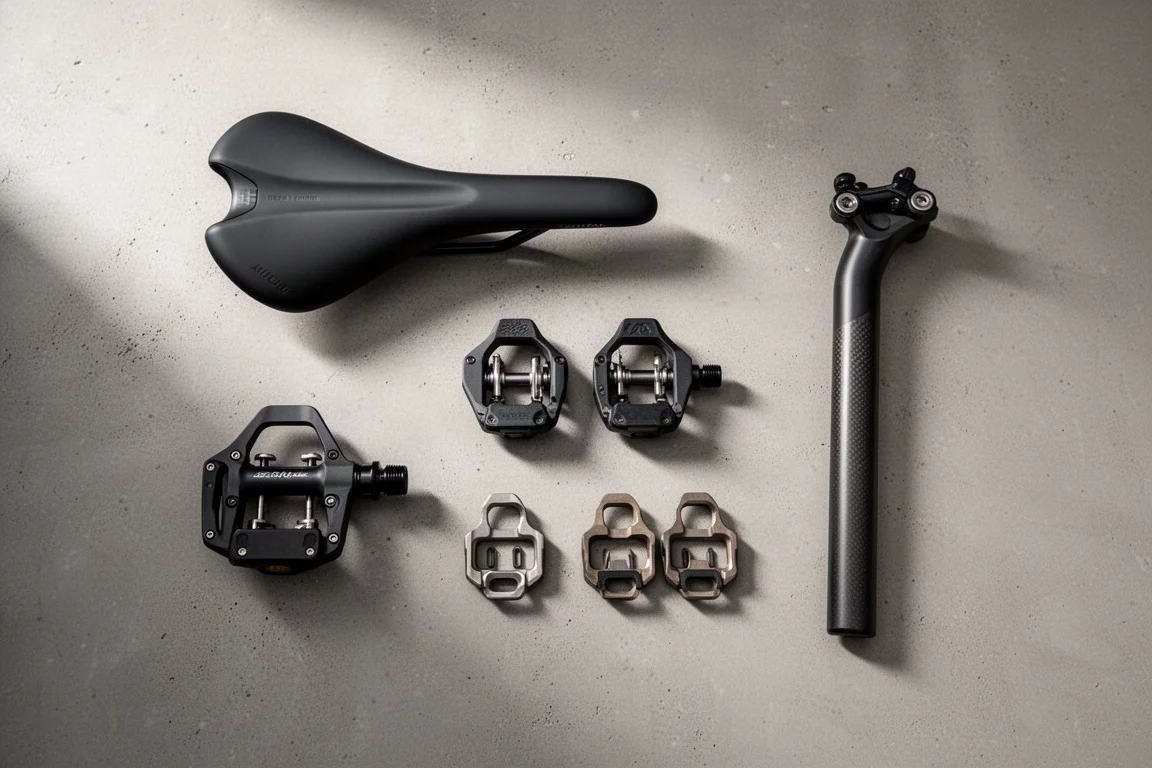
Cycling Components
7 Bike Fit Products Fitters Avoid: What to Check Before You Buy
Seven bike components that regularly cause knee, foot and saddle problems, with the specific concerns behind each one and what to look for instead.
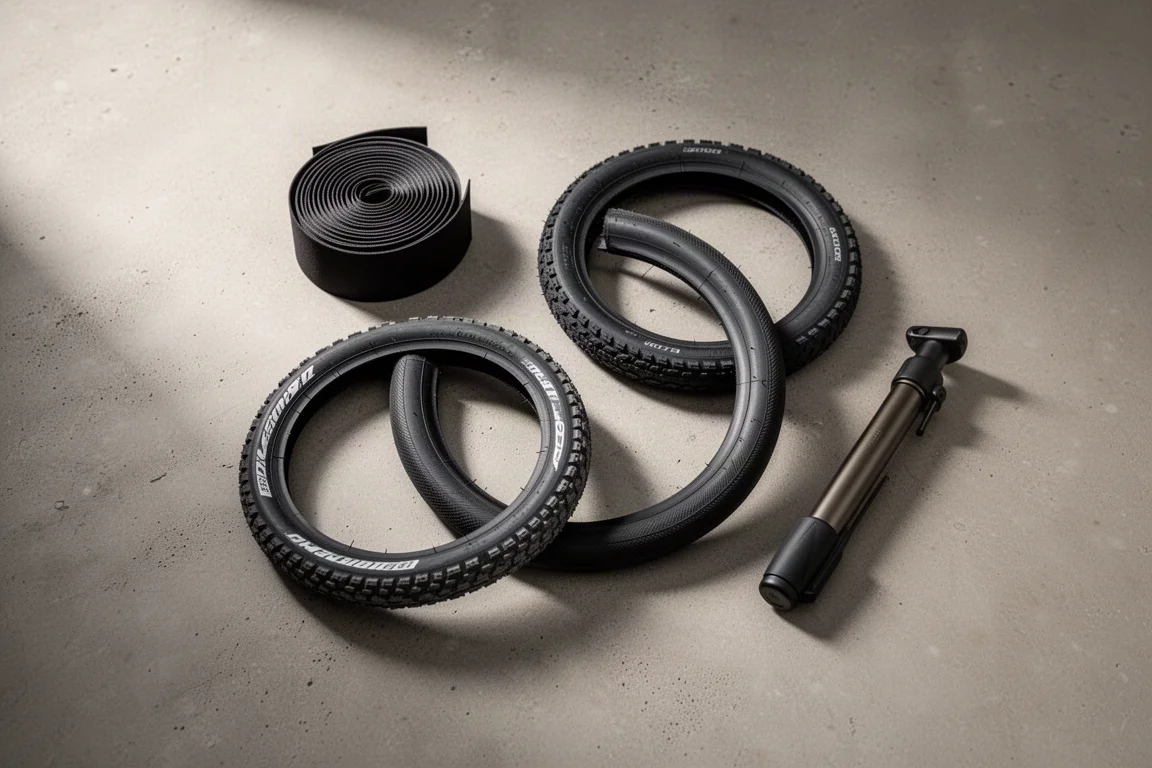
Cycling Components
Four Affordable Bike Upgrades That Improve Ride Feel
Four low-cost cycling products that make a real difference to ride feel, plus the free setup changes worth trying first.