Cycling Computers
Best GPS Cycling Computers: Four Standout Options for Riders
A practical look at four GPS cycling computers, from a compact button-driven unit to a high-resolution touchscreen model, with the strengths and trade-offs that matter before you buy.
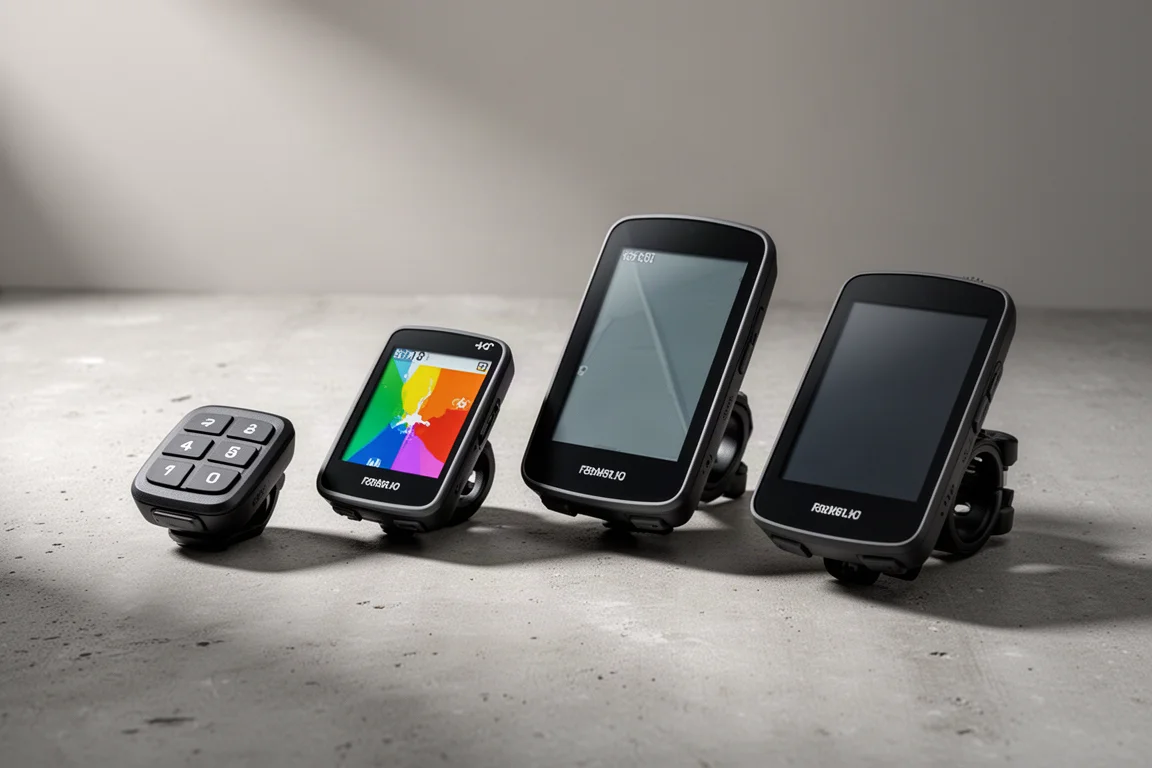
Introduction
A dedicated GPS cycling computer exists for one job: recording rides and guiding you along a route without draining your phone or leaving you squinting at a screen strapped to your wrist. The four units below approach that job from different angles. One keeps things simple with physical buttons and a compact housing. Another brings a colour display and smarter rerouting. A third goes large and sharp. The fourth tries to balance size, cost and features more evenly than anything else here.
They are not interchangeable, and the right pick depends on how you ride rather than on which one has the longest specification list.
What to Look For in a GPS Cycling Computer
Display type is the first dividing line. Button-only units avoid the risk of a touchscreen misreading a tap through gloves or rain, and plenty of riders prefer that certainty. Touchscreens make panning maps and moving through menus faster once you are used to them, and some models add droplet rejection so a wet screen still responds the way you expect.
Screen size matters just as much. A compact housing keeps weight and handlebar clutter down, but a larger panel is easier to read at speed or when your eyes are watering on a descent.
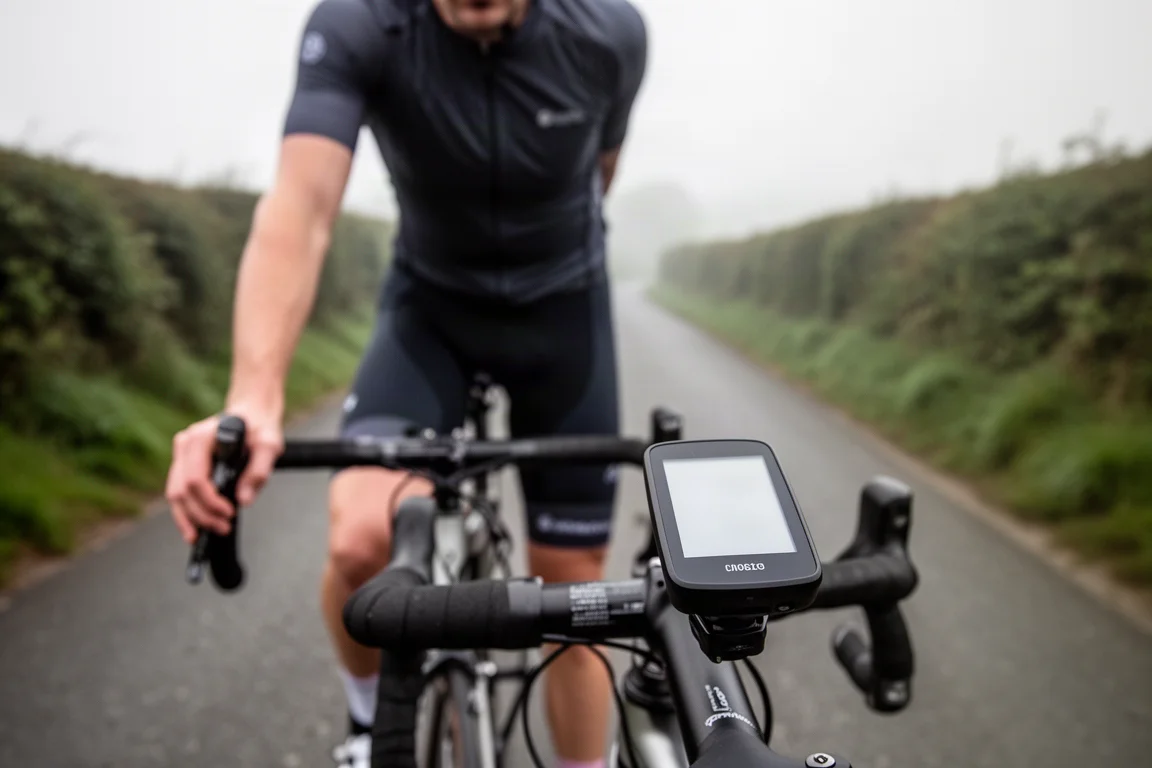
Navigation depth is the second consideration. Basic turn-by-turn directions cover most rides, but off-course recalculation, back-to-start routing and mid-ride destination changes are the features that earn their place when a route goes wrong. Then there is integration: the sensor standards, drivetrain partnerships and training platforms you actually use. Battery life closes the list, and a claimed runtime that comfortably covers your longest rides is worth more than a marginally brighter screen.
Garmin Edge 520 Plus: Performance Without a Touchscreen
The Edge 520 Plus is aimed squarely at competitive riders, and the feature list reflects that. Strava live segments, FTP testing and tracking, VO2 max calculation and Di2 integration all sit inside a housing that stays out of the way on the bars. There is a lot of capability packed into a small unit.
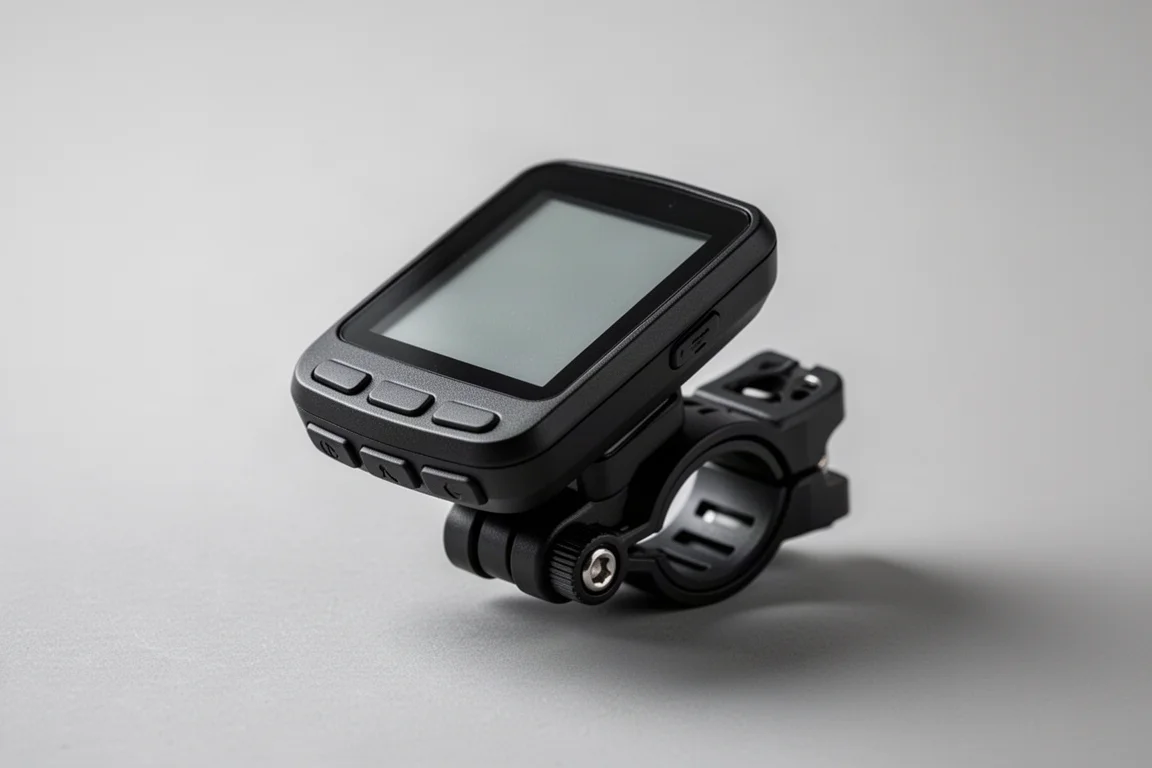
It is buttons only, so anyone who wants a touchscreen will need to look at other options. For many riders that is a positive, since physical buttons behave predictably in gloves and bad weather. The trade-off is size: the display is relatively small, so if you want a large premium panel this is not the one.
Navigation is solid despite the compact screen, with turn-by-turn directions, off-course recalculation and back-to-start routing all present. Garmin sells the unit at £199.99, though cheaper deals are often available, which makes it strong value for a performance-focused computer.
Wahoo Elemnt Bolt V2: Colour and Smarter Routing
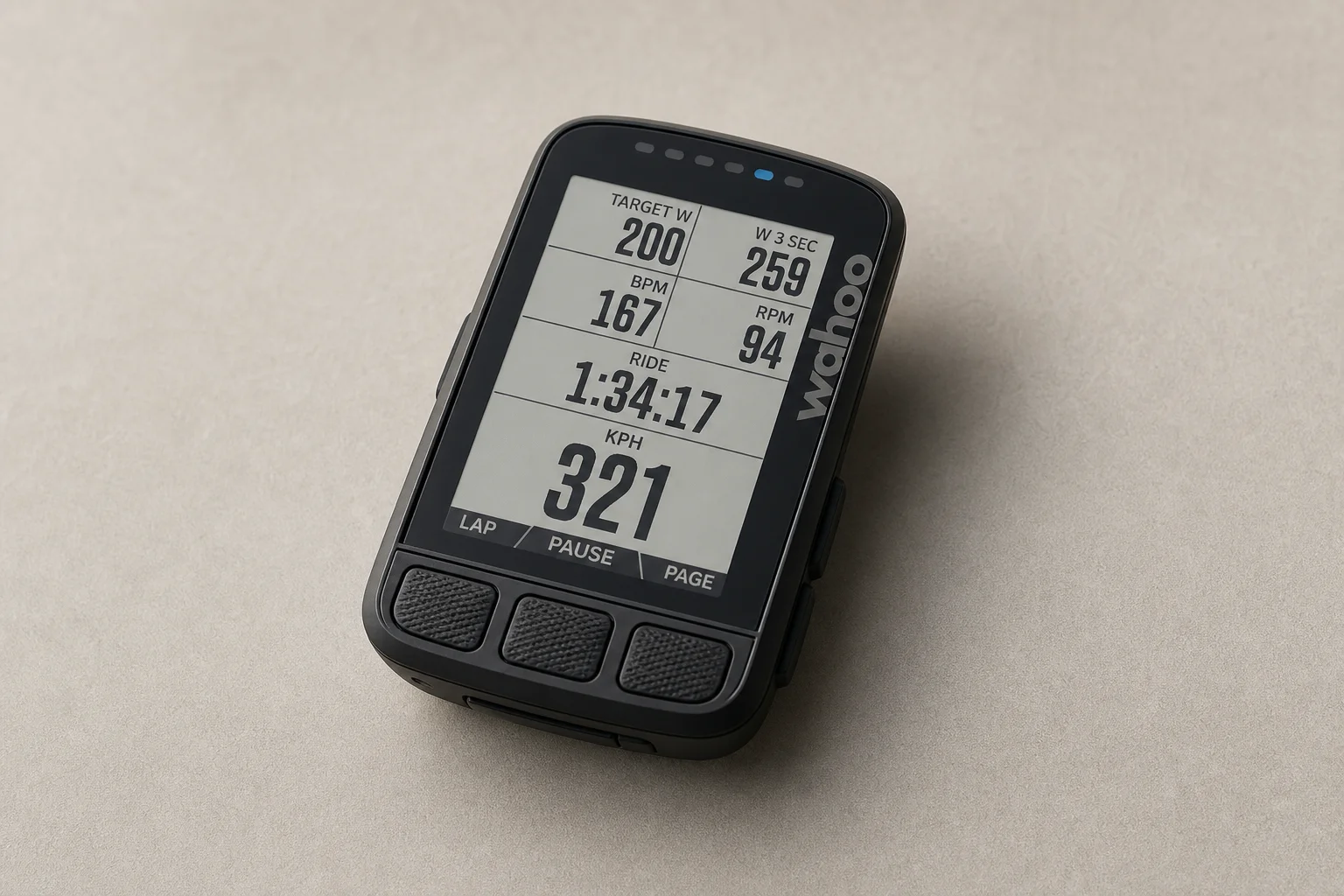
Wahoo shook up the category when the original Bolt arrived in 2017, aimed at performance-minded riders with out-front mounting included. The latest generation Element Bolt keeps that focus but adds a full-colour screen and several meaningful upgrades.
The display is the same 2.2 in size as before and now includes an ambient light sensor, so the backlight adjusts to the conditions you are riding in and helps stretch battery life. You can also choose what appears in colour, which means your power figures can be made to stand out while everything else recedes.
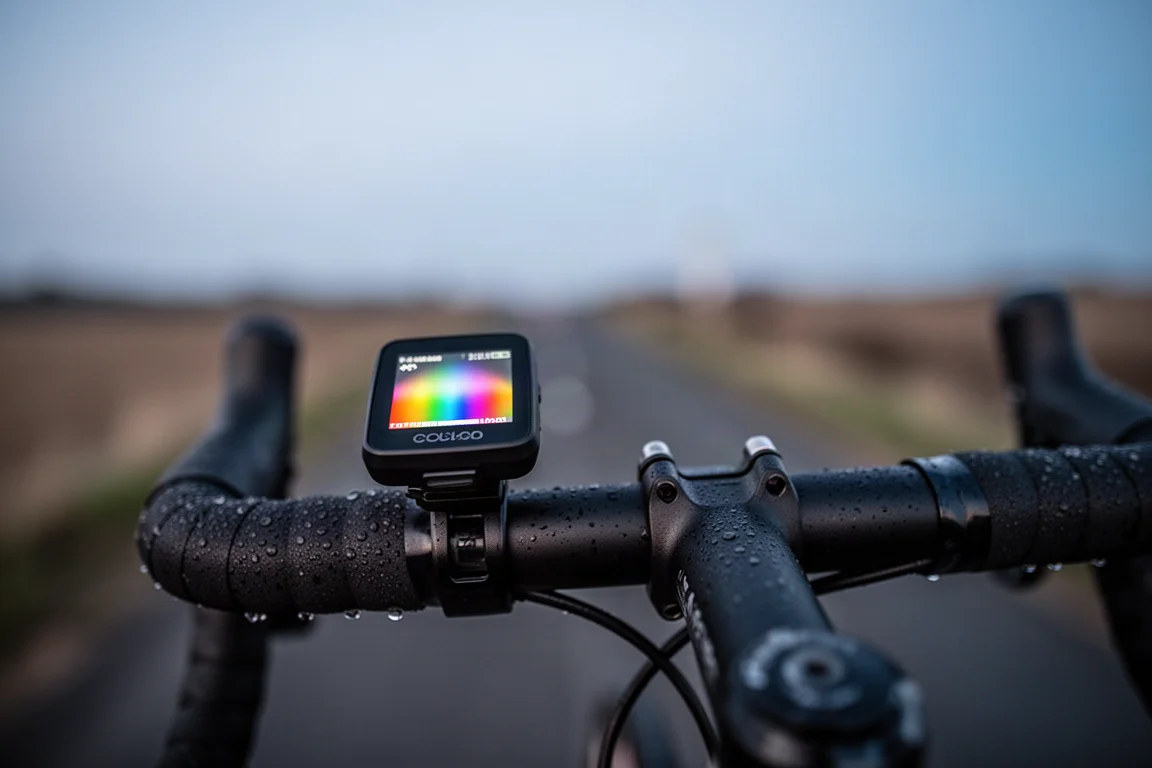
Smart navigation is the other headline change. The computer can automatically reroute your ride if you stray from the planned course, and you can change destination mid-ride, route back to the start or retrace your ride without reaching for a phone. At 68 g without the mount, it is also the lightest unit in this group by a wide margin, which matters if you count grams.
Hammerhead Karoo 2: The High-Resolution Challenger
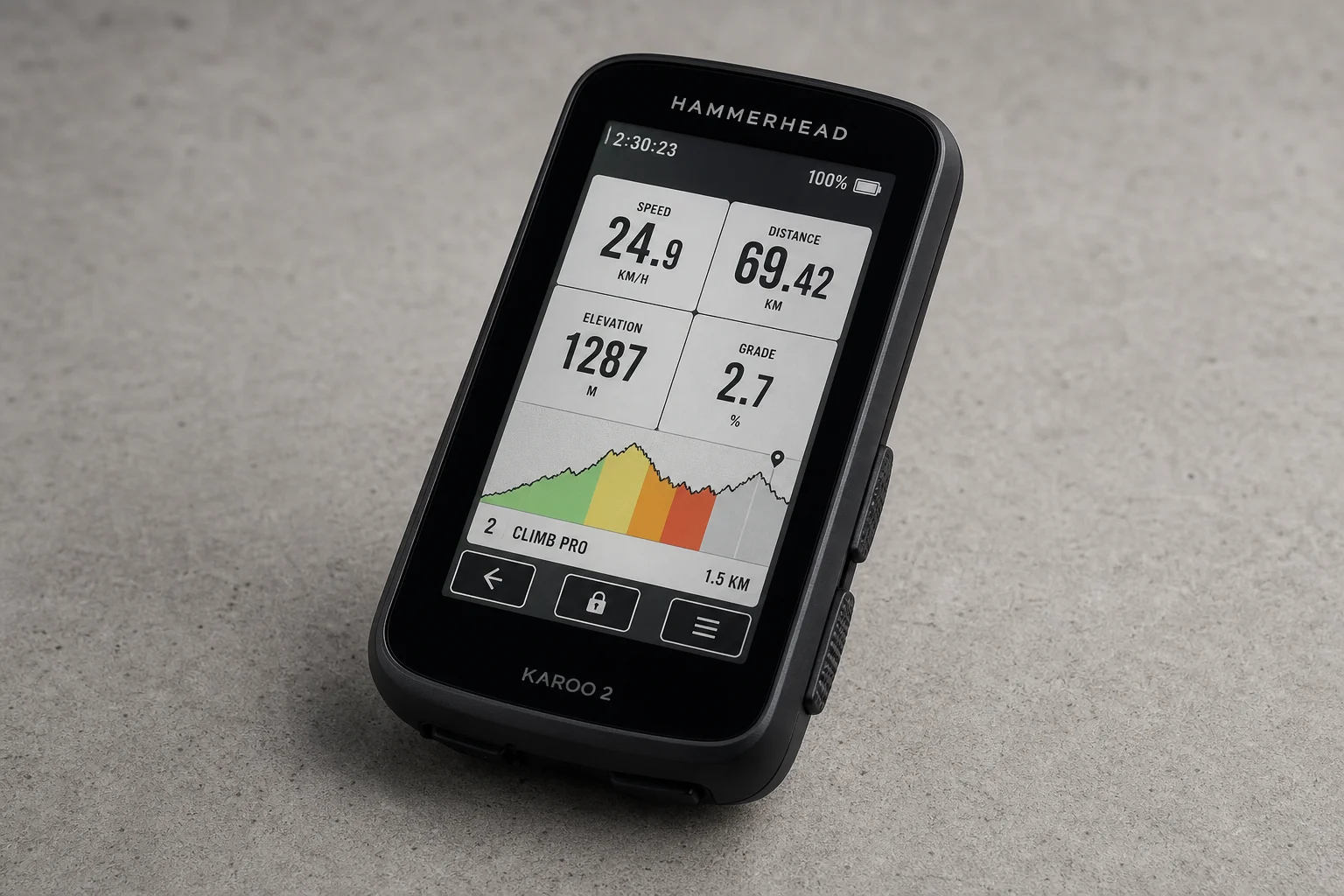
The Karoo 2 arrives with everything expected of a modern GPS unit: navigation, Strava integration, ANT+ and Bluetooth support, custom riding profiles and a responsive touchscreen with droplet rejection. That last point is more useful than it sounds, since a screen that keeps responding when you are deep in effort and covered in sweat is a genuine practical advantage.
The display is the standout feature. At 3.2 in it is generously sized, and it offers what may be the clearest high-resolution panel of any cycling computer on the market.
Hammerhead took note of the criticism aimed at the original Karoo, which many felt was too big and too heavy. The Karoo 2 now weighs around 135 g, rising to 167 g with the mount. That is a real reduction, but it is still roughly double the weight of the Wahoo Element Bolt V2. Riders who obsess over grams may want to look elsewhere. Everyone else gets a highly regarded computer with a fantastic screen and a deep feature set.
Garmin Edge 830: The Balanced All-Rounder
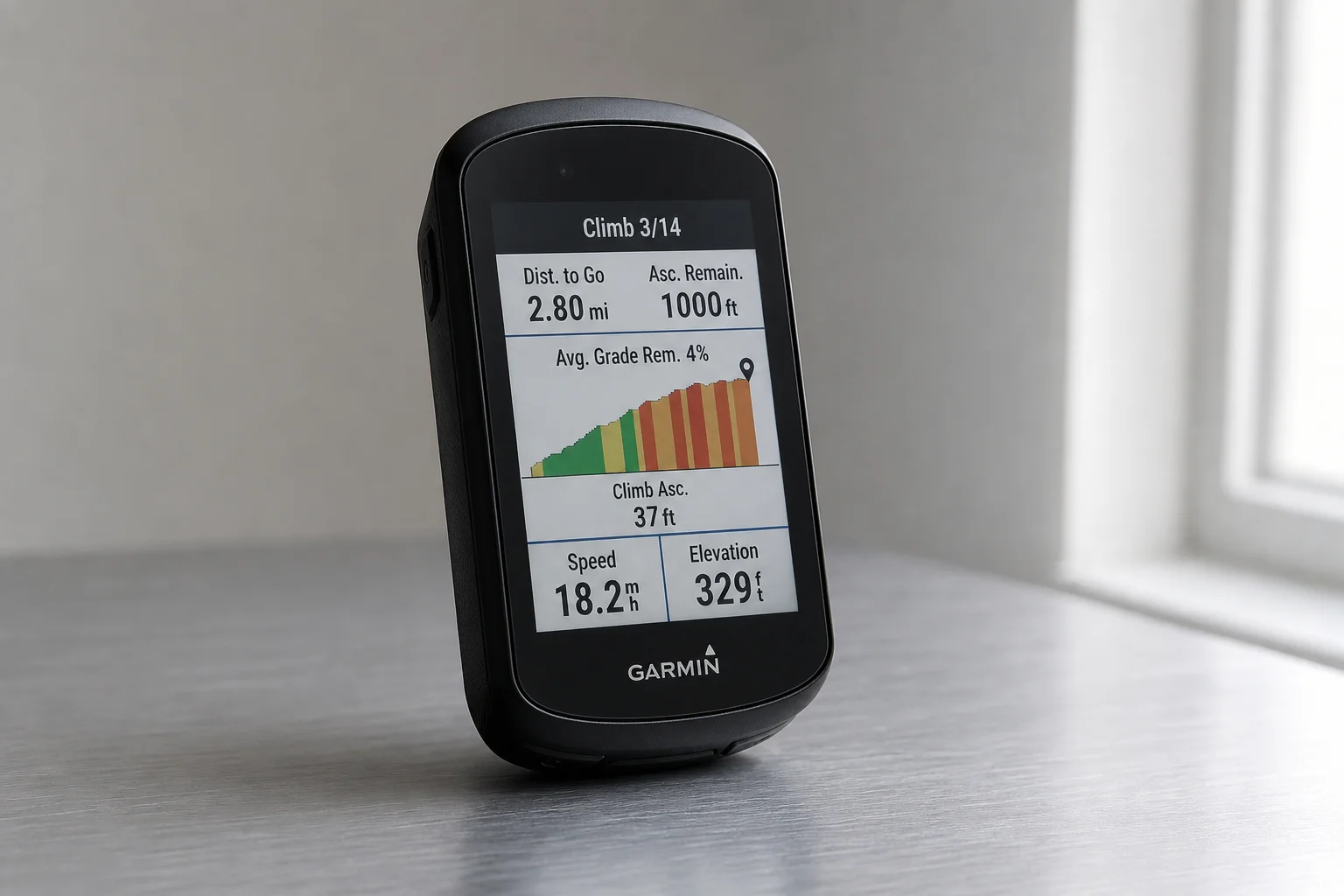
The Edge 830 is the unit you will most often see mounted on bars during long testing days, and the reason is balance. At 48 by 74.5 mm it is not oversized, at £350 it is not the most expensive option here, and it is packed with capable technology.
Navigation is the highlight. Zoomed in, the on-screen map shows excellent detail and issues accurate guidance instructions, and the computer can display helpful safety warnings when a sharp turn is approaching.
Battery life is another strength: Garmin claims 20 hours in GPS mode, and while real-world figures will likely be lower, it remains a solid improvement over the model it replaced. Perhaps the most compelling argument is that the 830 carries nearly all the functionality of the higher-tier Edge 1030 and 1030 Plus at a significantly lower cost.
Cycling Computers vs Smartphones and Smartwatches
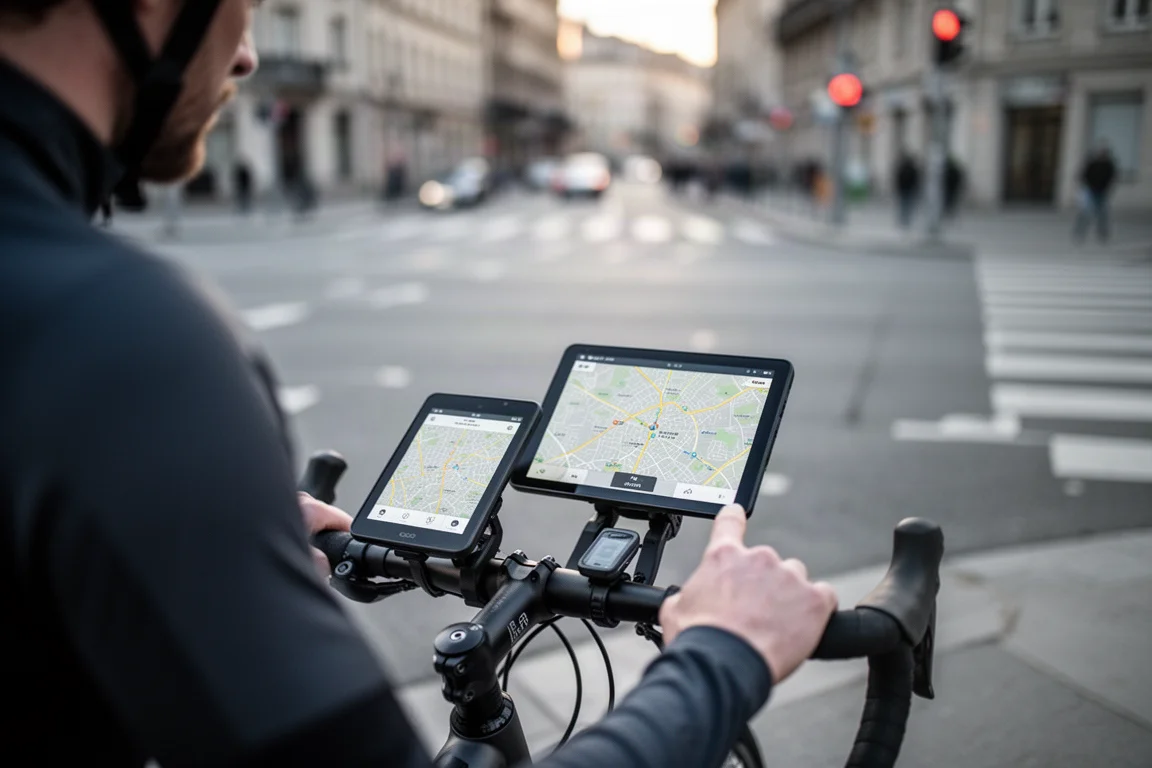
A GPS cycling computer is designed specifically for riding, but it is not the only option. Plenty of riders already own a smartphone, which makes it the cheapest way to start recording rides, and the popular tracking apps are widely available on that platform, so uploading and reviewing a ride is straightforward. The downsides are real, though: GPS tracking puts a heavy strain on phone battery life, and phones are far less durable against weather or a crash.
Smartwatches suit riders who also train across other sports such as running and swimming, and they carry many of the same features found on a bike computer. The obvious drawback is readability. A watch is harder to glance at while riding, which becomes a genuine problem when you are navigating, and the data it presents is generally less detailed than what a dedicated cycling computer provides. If most of your riding is on the bike and you care about route guidance, a computer remains the more practical choice.
Buying Advice
Match the computer to the riding you actually do rather than to the longest feature list. If you race, chase segments and value a light, unobtrusive unit with no touchscreen quirks, the compact button-driven option is a natural fit and the most affordable of the four. If you want a colour screen, automatic rerouting and the lowest weight here, the Wahoo Element Bolt V2 covers that ground well.
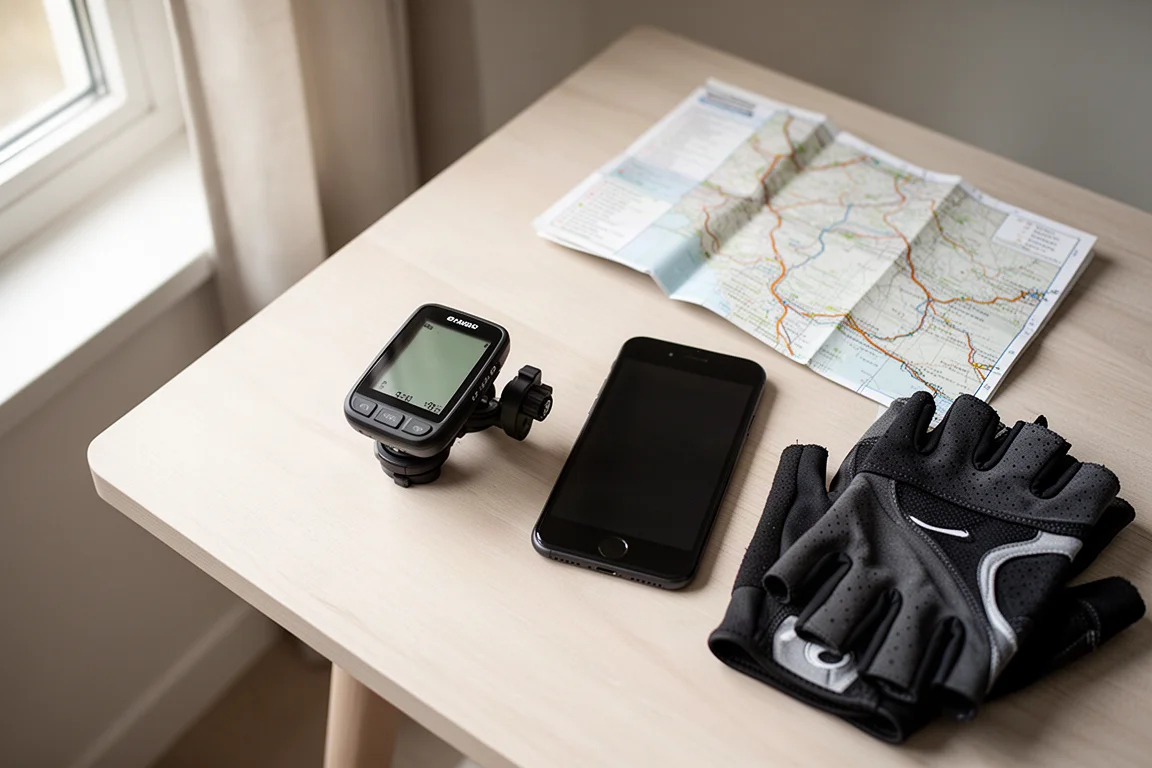
If screen quality is what you notice most, the Hammerhead Karoo 2 delivers the largest and sharpest display in this group, at the cost of extra grams on the bars. And if you want the fewest compromises across size, navigation detail, battery life and price, the Garmin Edge 830 is the steadiest all-round pick.
Whichever you choose, confirm that the sensor standards, training platforms and drivetrain integrations you rely on are supported before buying. That single check prevents most of the disappointment people run into after a purchase.
Conclusion
These four computers solve the same problem in noticeably different ways: buttons versus touch, light versus large, budget-friendly versus feature-dense. None of them is a poor choice in isolation. The one that fits is simply the one whose strengths line up with how, and where, you ride.
Further reading
Related Reviews
Cycling Computers
Best Cycling Computers: 11 Options Compared
A practical look at 11 cycling computers, from the premium Garmin Edge 1050 to the budget Coros Dura, with strengths, trade-offs, and buying advice.
Cycling Computers
Best Cycling Computers 2026: 10 Head Units Across Every Price Point
A practical guide to ten cycling computers, from a $9.99 wired unit to solar-assisted flagship head units with colour mapping, sensor pairing and long battery life.
Cycling Computers
Best Cycling Computers Under £200: Seven Capable Head Units Compared
Seven cycling computers below £200 compared on navigation, sensor support, battery life and everyday value.