Cycling Computers
Best GPS Bike Computers for Cycling: A Comprehensive Roundup
A detailed look at the top GPS bike computers, from premium training aids to budget-friendly ride trackers, to help you choose the right one for your riding.
Introduction
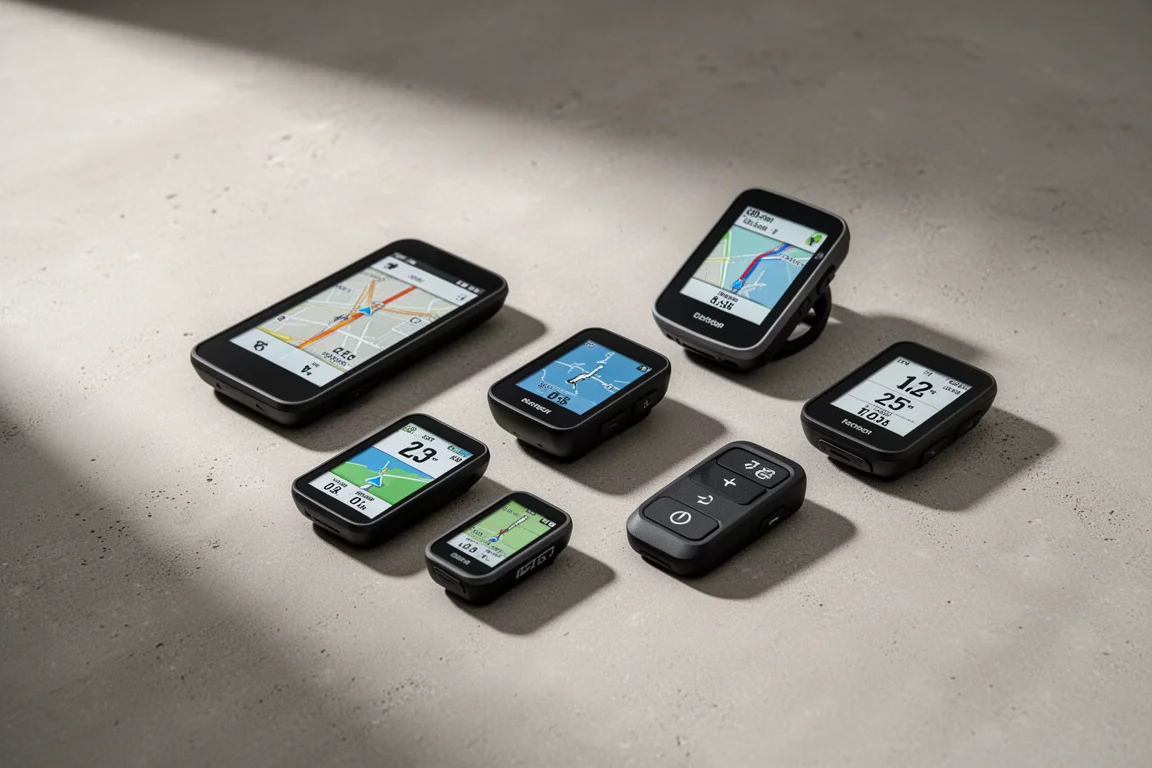
A GPS bike computer can transform your riding, turning every outing into a data-rich experience. Whether you are chasing personal bests, exploring new routes, or simply want to keep track of your miles, the right computer makes a difference. The market offers a wide range of options, from feature-packed training aids to simple ride trackers. This roundup covers the best GPS bike computers available, highlighting their strengths and weaknesses so you can make an informed choice.
We will look at models from Garmin, Wahoo, Hammerhead, Sigma, and Bryton, covering a spectrum of prices and capabilities. Each has its own approach to navigation, training metrics, and usability. By the end, you should have a clear idea of which computer suits your riding style and budget.
What to Consider When Buying a GPS Bike Computer
Before diving into specific models, it helps to understand the key factors that differentiate bike computers. Price is an obvious starting point. There are excellent options in the £200 to £300 range, but costs can climb quickly for top-tier units. If you want to save money, consider older models that still offer solid performance.
Navigation versus ride tracking is another major decision. Navigational GPS units come with built-in maps, additional storage, navigation software, and often a larger screen. These are ideal for exploring unfamiliar roads. If you only need to see your ride data, a smaller, lighter, and cheaper device may suffice.
Battery life is crucial. Mapping and large screens can drain power, but most units offer 15 to 20 hours of runtime. Anything less can be frustrating for long rides, so look for a bigger battery if you regularly go on epic adventures.
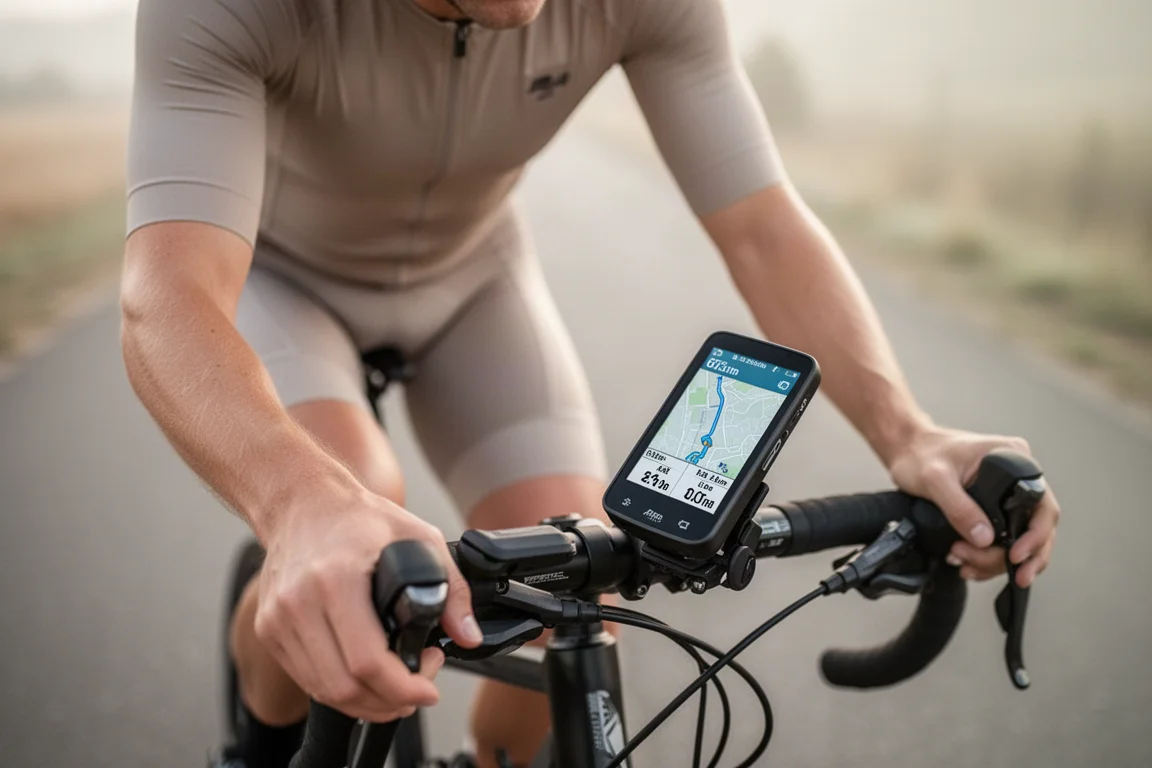
Connectivity matters too. Bluetooth and ANT+ allow you to pair heart rate monitors, cadence sensors, speed sensors, and power meters. Smartphone and Wi-Fi connectivity simplify setup, let loved ones track your location, and automatically upload rides when you get home.
Training data is a key differentiator. Beyond live readouts, some computers can estimate VO2 max and functional threshold power (FTP), and provide insights into recovery time and training load. These features can guide your training and help you improve.
Finally, climbing features are a boon for those who love or dread hills. Some computers show how far you have to the top, helping you pace your effort and enjoy the climb more.
Garmin Edge 1040 Solar
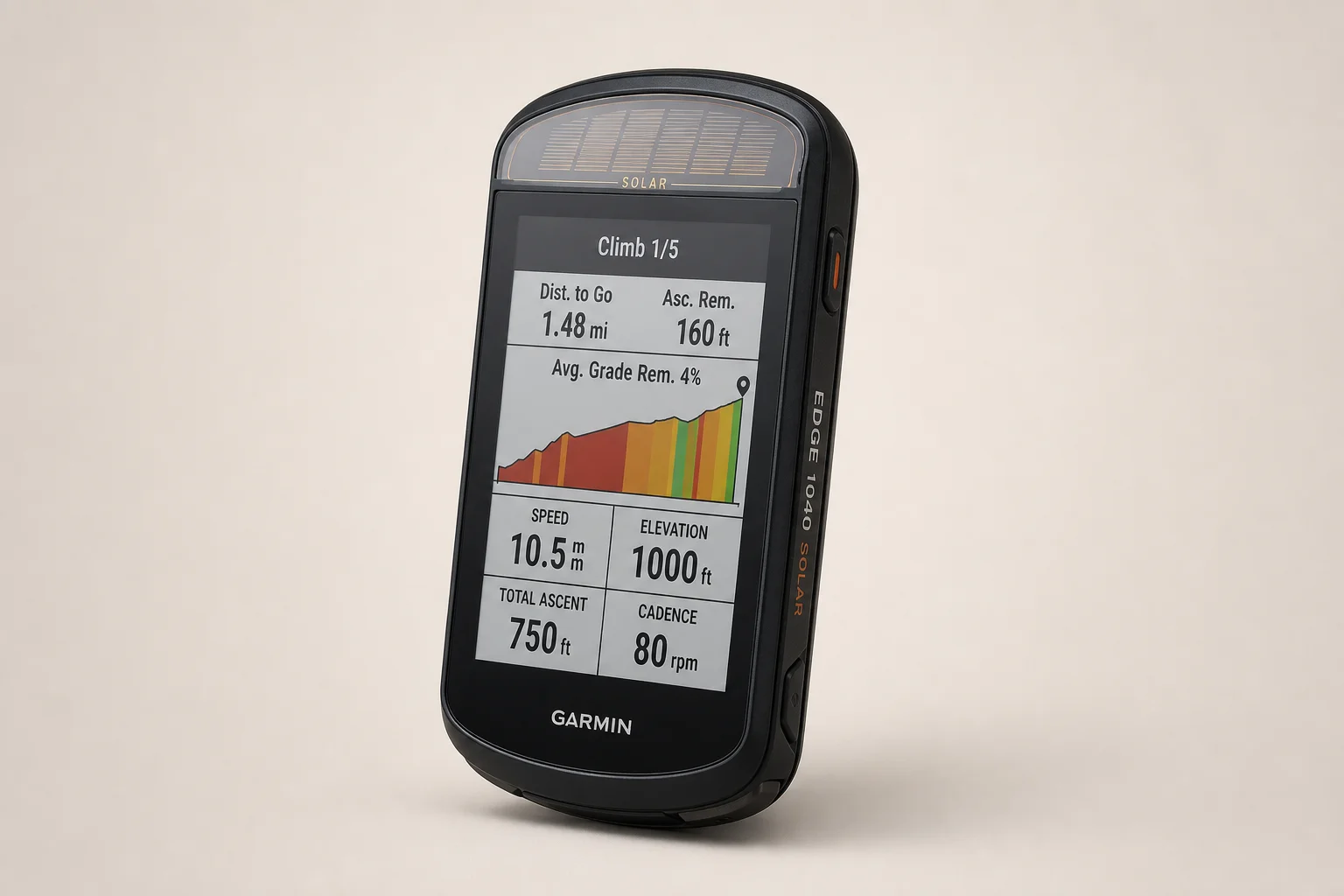
The Garmin Edge 1040 Solar is Garmin’s latest top-end computer, and it comes with a solar glass screen that can extend runtime up to a claimed 45 hours. In practice, you can gain around 10 extra minutes per hour of charge on summer rides. If you do not need the solar charging, there is a non-solar version that costs significantly less.
This unit is more than just a ride recorder; it is a full training aid. It provides training status, recovery time, and a wealth of configurable data fields. It integrates seamlessly with Garmin Connect, offering route planning using heat maps from the rider community and extensive post-ride analysis options that other platforms often charge for. The massive battery life and easy-to-read screen make it a brilliant choice if you have the budget.
Garmin Edge 1040
The Garmin Edge 1040 is identical to the Solar version but without the solar charging glass. It offers the same extensive training features, Garmin Connect integration, and large, easy-to-read screen. The main advantage is the lower price, saving you over a hundred pounds compared to the Solar model. If you do not ride in sunny conditions often or do not need the extra battery boost, this is a smart way to get the same performance.
Garmin Edge 1030 Plus
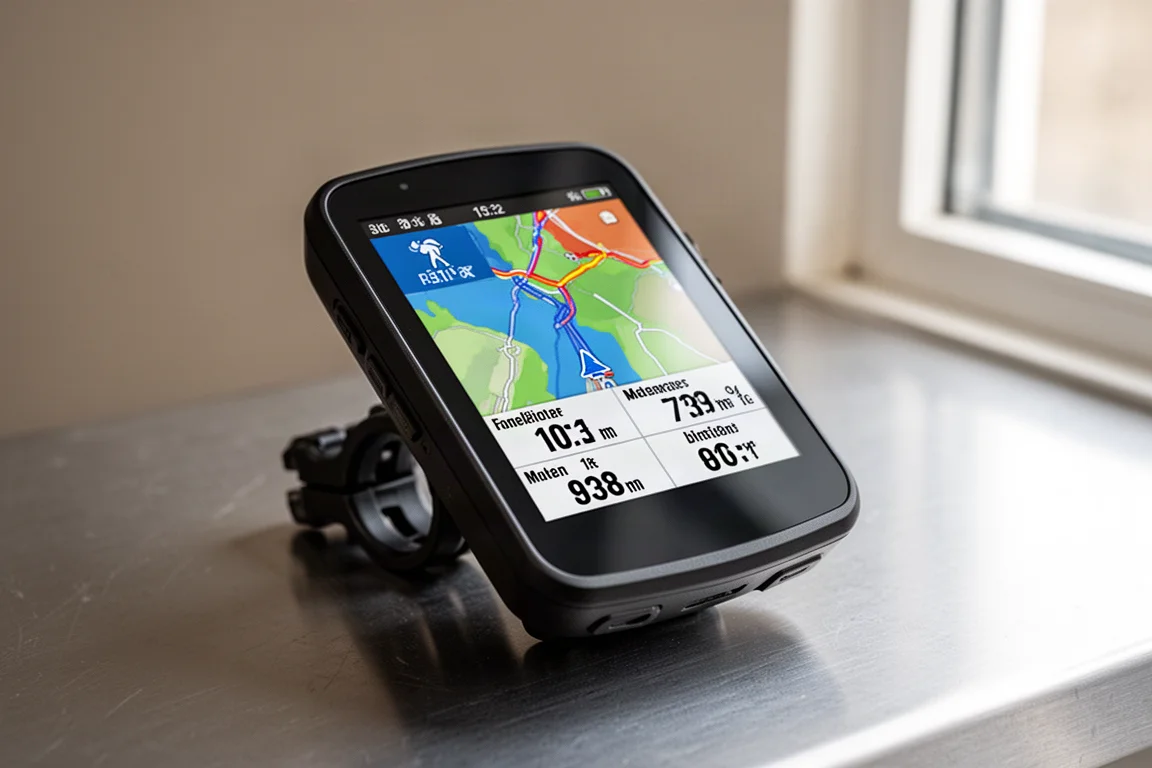
If you want a massive screen but cannot justify the price of the 1040 series, the older Garmin Edge 1030 Plus is a compelling option. It shares the same physical dimensions as the 1040, but packs a less powerful processor, so scrolling through maps may be less smooth. However, its 36-hour battery life and huge display make it excellent for daily use. It remains a capable computer for riders who prioritize screen size and battery longevity over the latest internals.
Wahoo ELEMNT ROAM
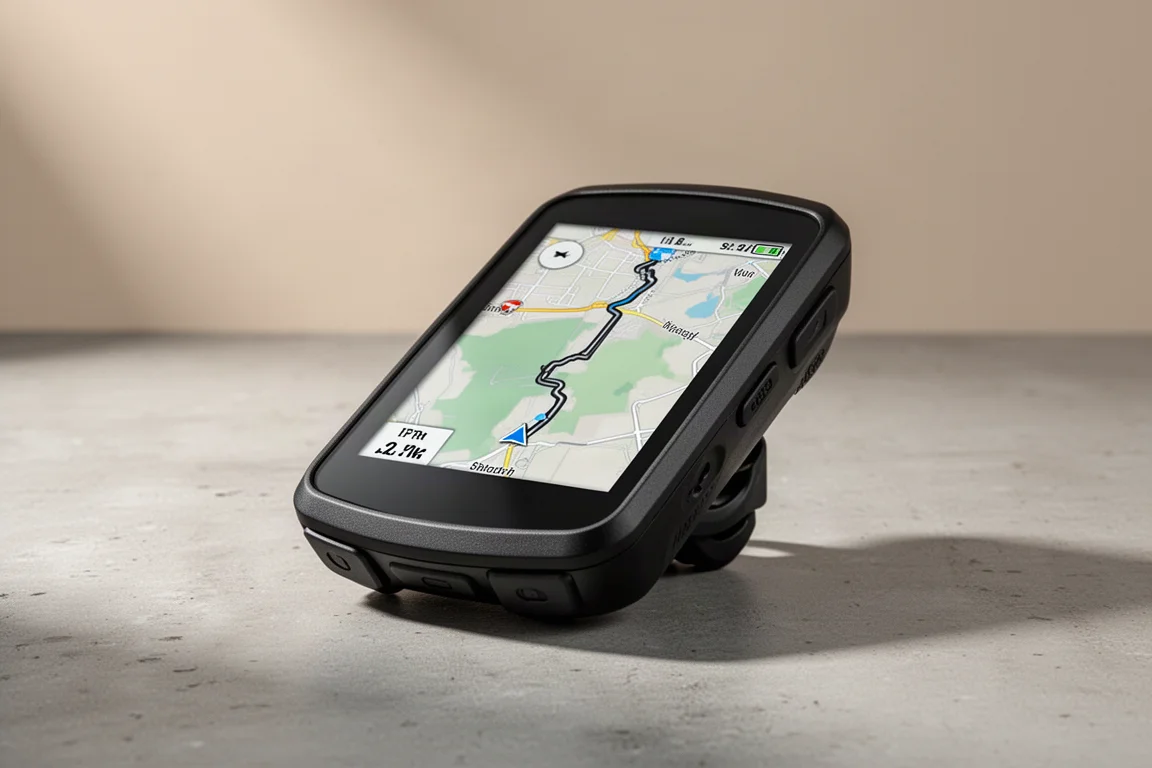
The Wahoo ELEMNT ROAM improves on an already excellent bike computer. While externally similar to its predecessor, it now offers more data storage, a more colorful display, and new functionality including climb profiles on pre-mapped routes. Memory has increased from 4GB to 32GB, and dual-band GPS provides a more accurate and reliable fix.
Setup through the smartphone app is incredibly simple, and once riding, the screen is clear and routing easy to follow. The addition of Summit segment climb profile data makes tackling climbs a little easier. USB-C charging ports are a welcome touch, and battery life stands at a healthy 17 hours. Overall, it is a polished and user-friendly computer.
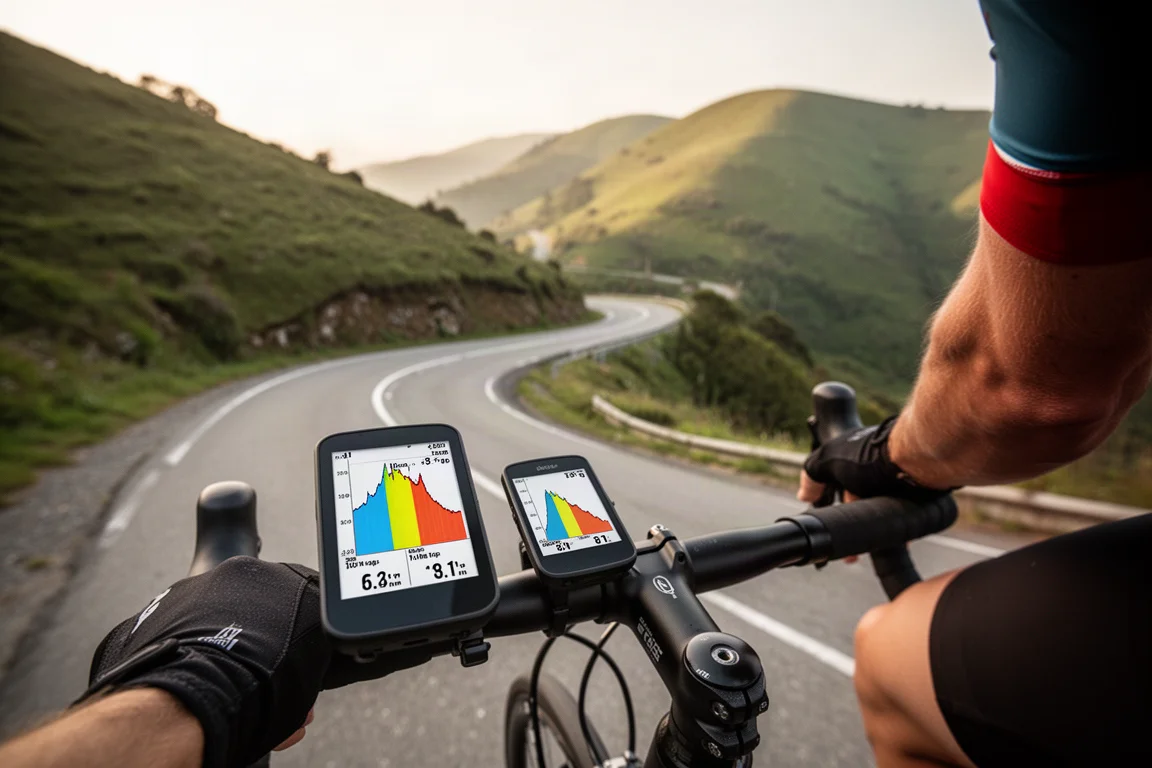
The ROAM’s navigation capabilities are robust, and the integration with third-party apps is seamless. It is a strong choice for riders who want a reliable, easy-to-use device with modern features.
Hammerhead Karoo 2
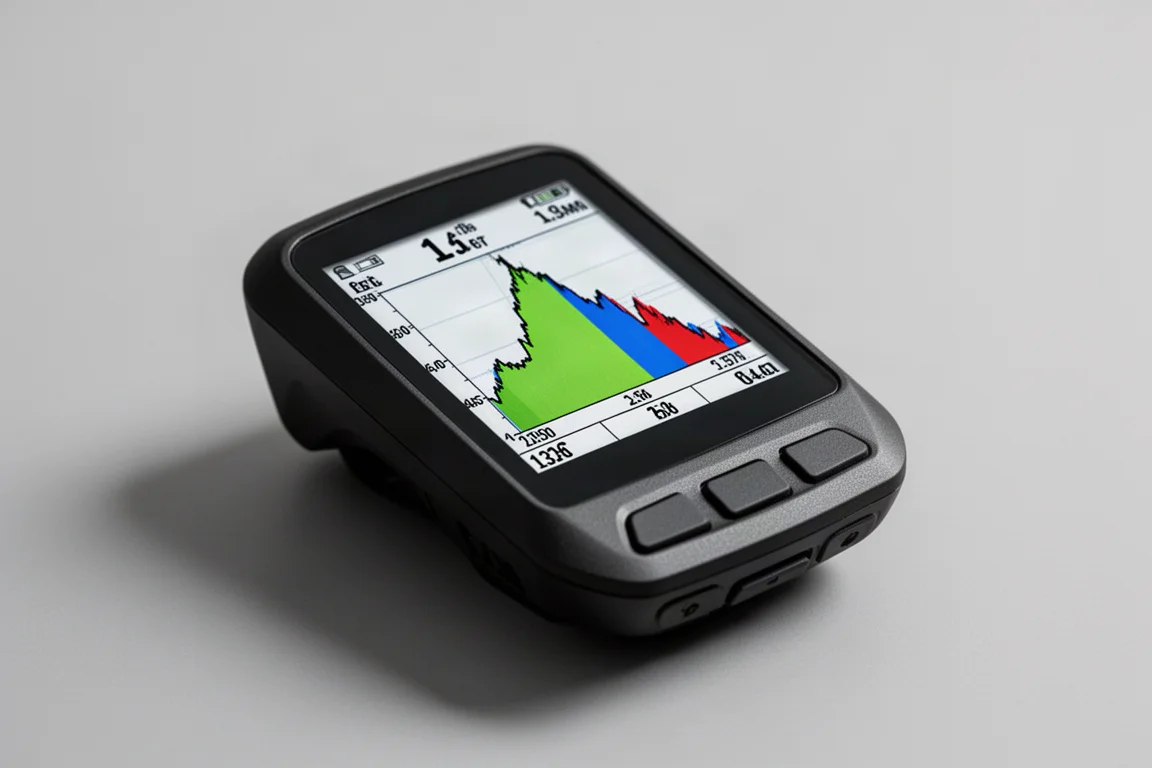
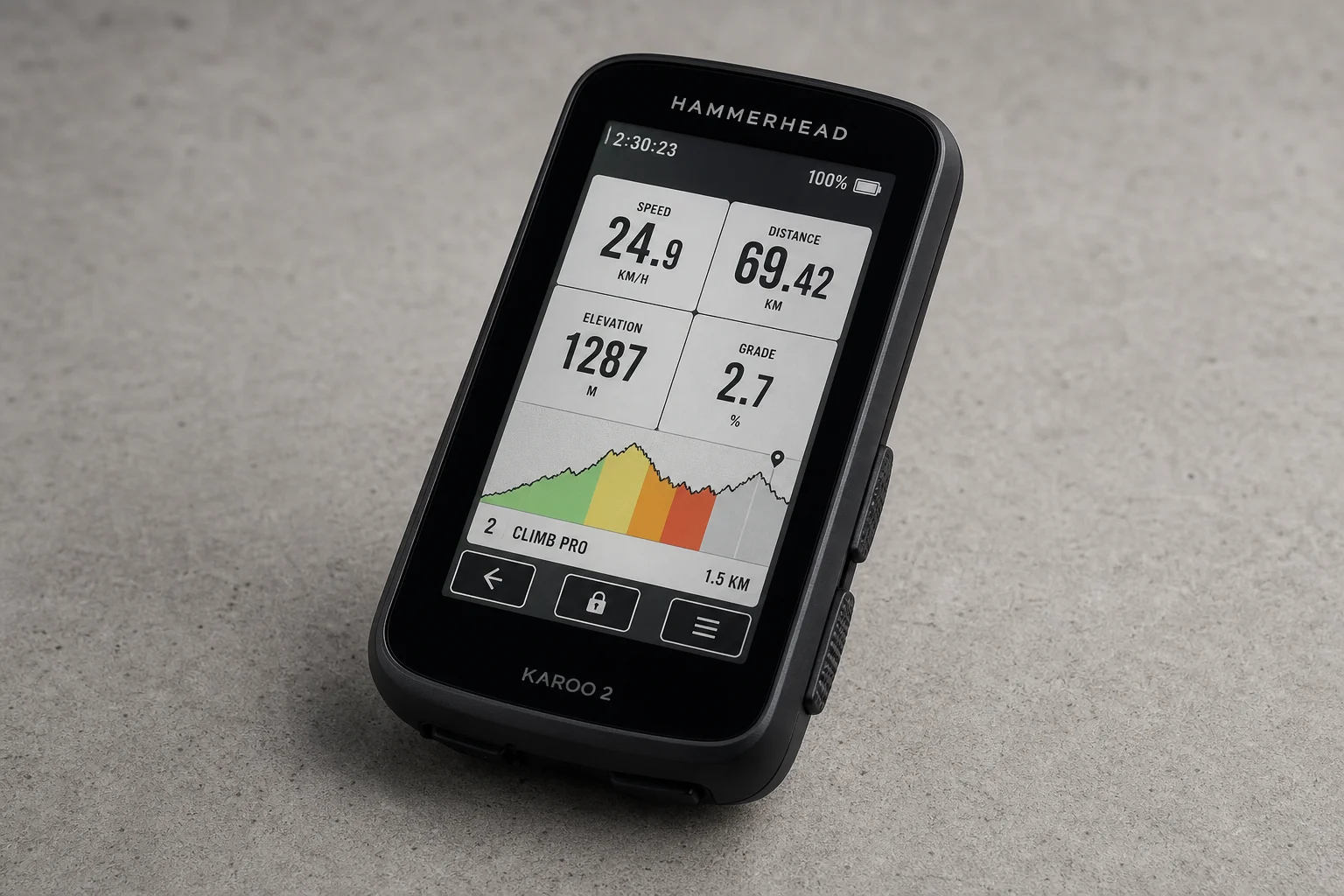
The Hammerhead Karoo 2 does things differently. It runs on an Android operating system, which gives fast screen response and Android-style fields and gestures. The sharp color touchscreen has a resolution much greater than competitors, making it really nice to use. It is currently the only cycling computer that provides climb profiles on the fly as you ride, so no pre-planning is needed to see gradient and distance to the top.
What you see on screen is completely configurable; you can use stock profiles or add, remove, and configure your own on the device itself. You can even insert a SIM card for a fully wireless experience. The trade-off is battery life, which is on the shorter side at just 8 hours. For riders who prioritize advanced features and screen quality, the Karoo 2 is a standout.
Garmin Edge 830
The Garmin Edge 830 builds on the impressive feature set of the 820. It offers on-device route creation, turn-by-turn navigation, customizable apps, Strava integration, group messaging and tracking, and even an alarm function. On top of that, it provides performance monitoring insights such as VO2 max, recovery status, training load, heat and altitude acclimation, and nutrition and hydration status.
It can be almost too much information, but the maps and navigation features are easy to understand, and programming routes is relatively simple. The data displays are fantastically simple to read when on the move. To get the most out of it, it is worth investing in additional sensors if you do not already have compatible ones. For riders who want a touchscreen and deep performance data, the Edge 830 is a strong contender.
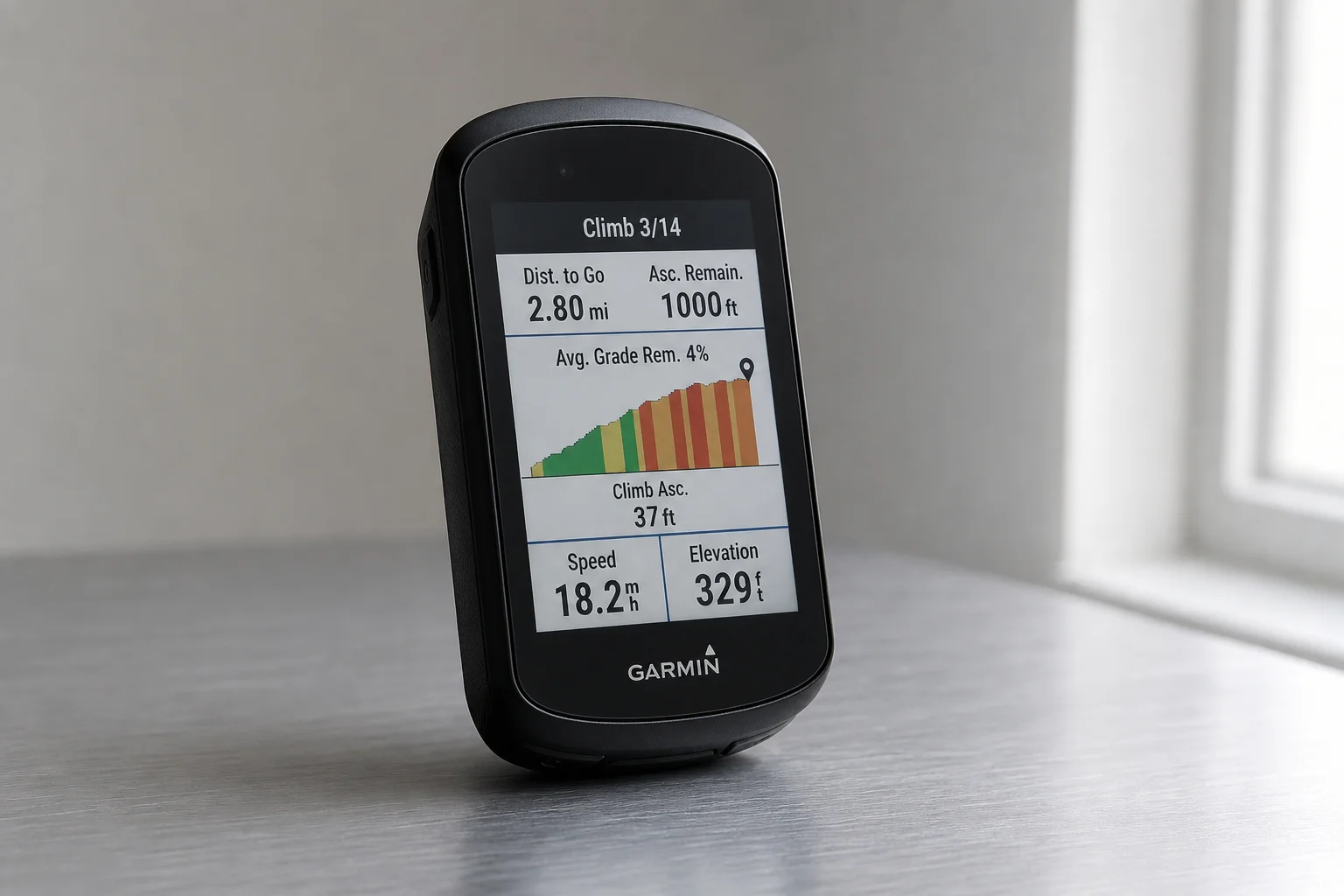
Garmin Edge 530
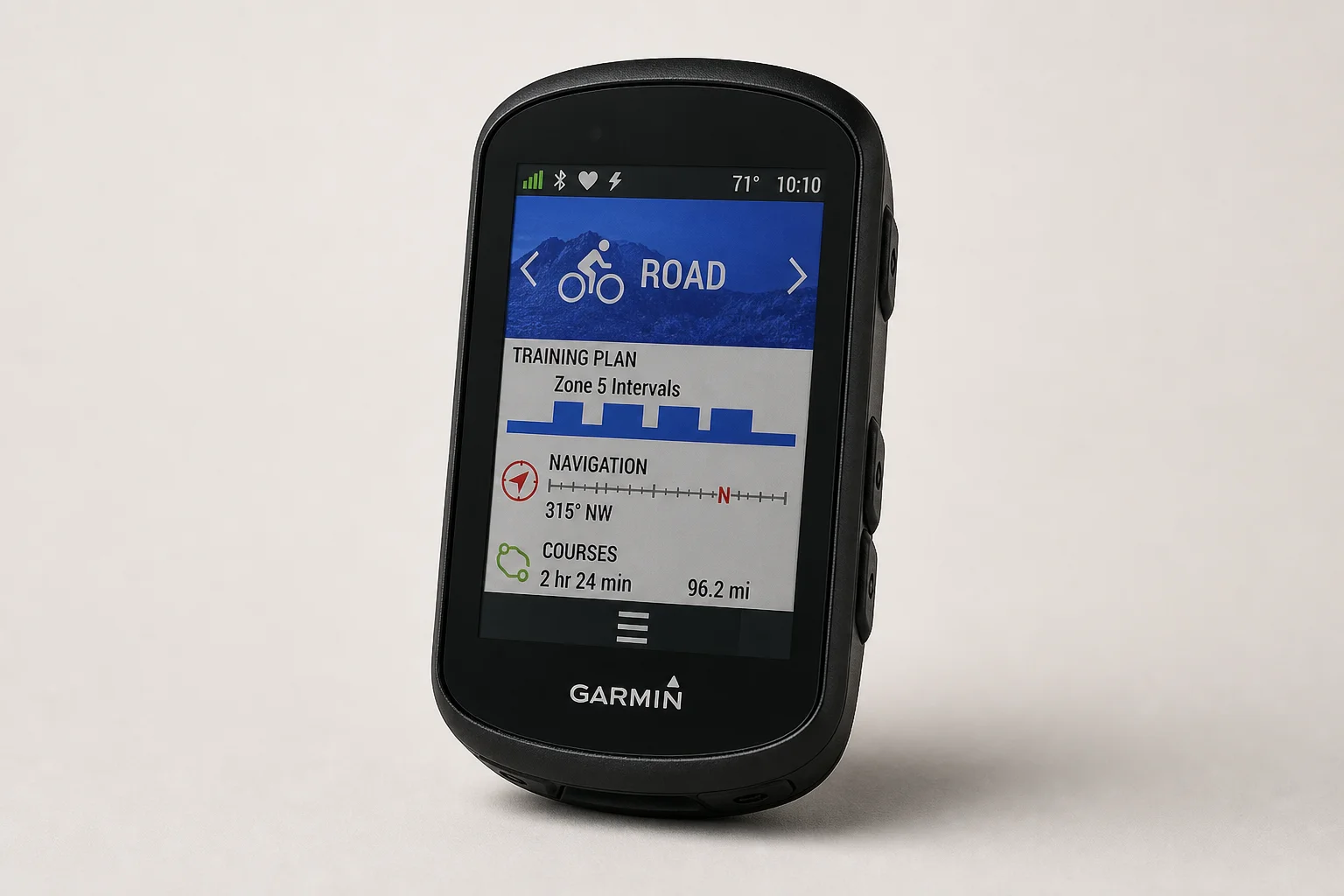
If you can manage without a touchscreen or simply prefer buttons, the Garmin Edge 530 is a brilliant and cheaper alternative to the Edge 830. Externally almost identical, it shares almost all of its features with the more expensive model. It has garnered a good number of fans over the years, thanks to its blend of performance and value. You get the same comprehensive training metrics, navigation capabilities, and connectivity, just without the touch interface.
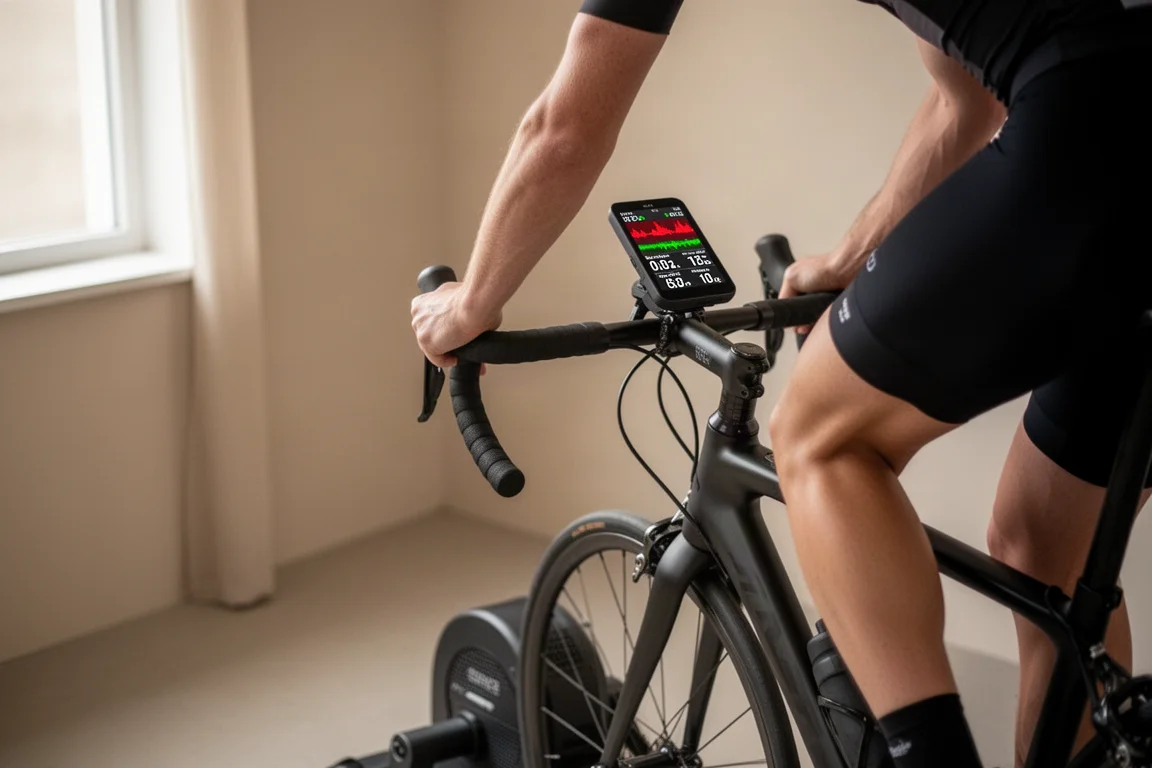
The Edge 530 is a workhorse that delivers reliable performance for riders who want high-end features without paying for a touchscreen. It is an excellent choice for those who prefer physical buttons for ease of use with gloves or in wet conditions.
Sigma ROX 11.1 EVO
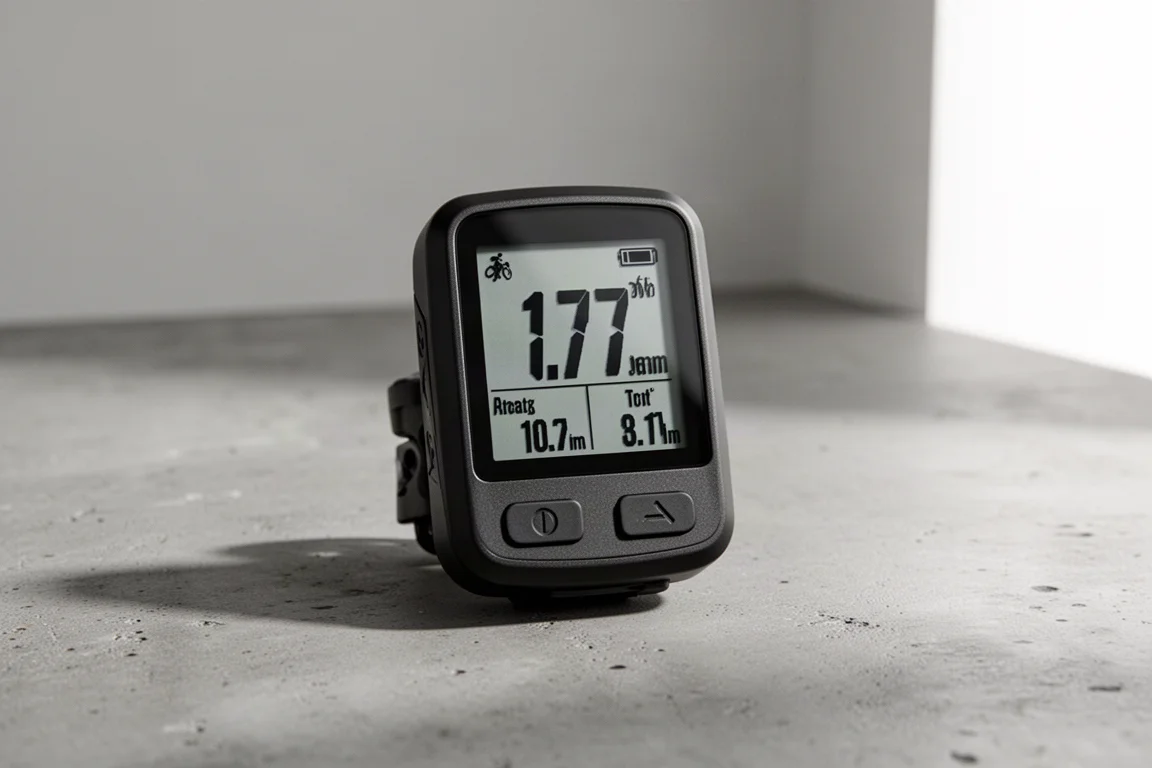
The Sigma ROX 11.1 EVO may not be as well known as Wahoo and Garmin, but it is an excellent bike computer that combines a user-friendly interface with solid riding and training data. It features a 1.77-inch display, which is smaller than many others, meaning it sits unobtrusively on the handlebar. The unit offers over 150 functions, including an emergency crash notification feature, and you can save up to 20 profiles to display different information, making it great for multiple cycling disciplines.
For mapping, you can upload routes from komoot via the smartphone app. The display shows only a breadcrumb trail, which is fine for road and gravel rides but not so great for mountain biking. If simplicity is what you are after, the ROX 11.1 EVO is a very good bet.
Wahoo ELEMNT BOLT V2
The Wahoo ELEMNT BOLT V2 has it all when it comes to the user interface. All setup is done via the smartphone app, and it now offers a color screen, smart navigation, USB-C charging, and improved battery life over the original Bolt. It syncs seamlessly with most third-party apps and performs well on the bike, on the road, and on the smart trainer.
If you are looking for a GPS computer to track your performance with over 170 functions and an impressive 15-hour battery life, all in a neat minimalist package, the BOLT V2 is probably for you. You will be best off doing your route planning before you set out, as the mapping capabilities are not as good as on the Hammerhead and Garmin computers. However, the BOLT is more affordable, making it a great value option.
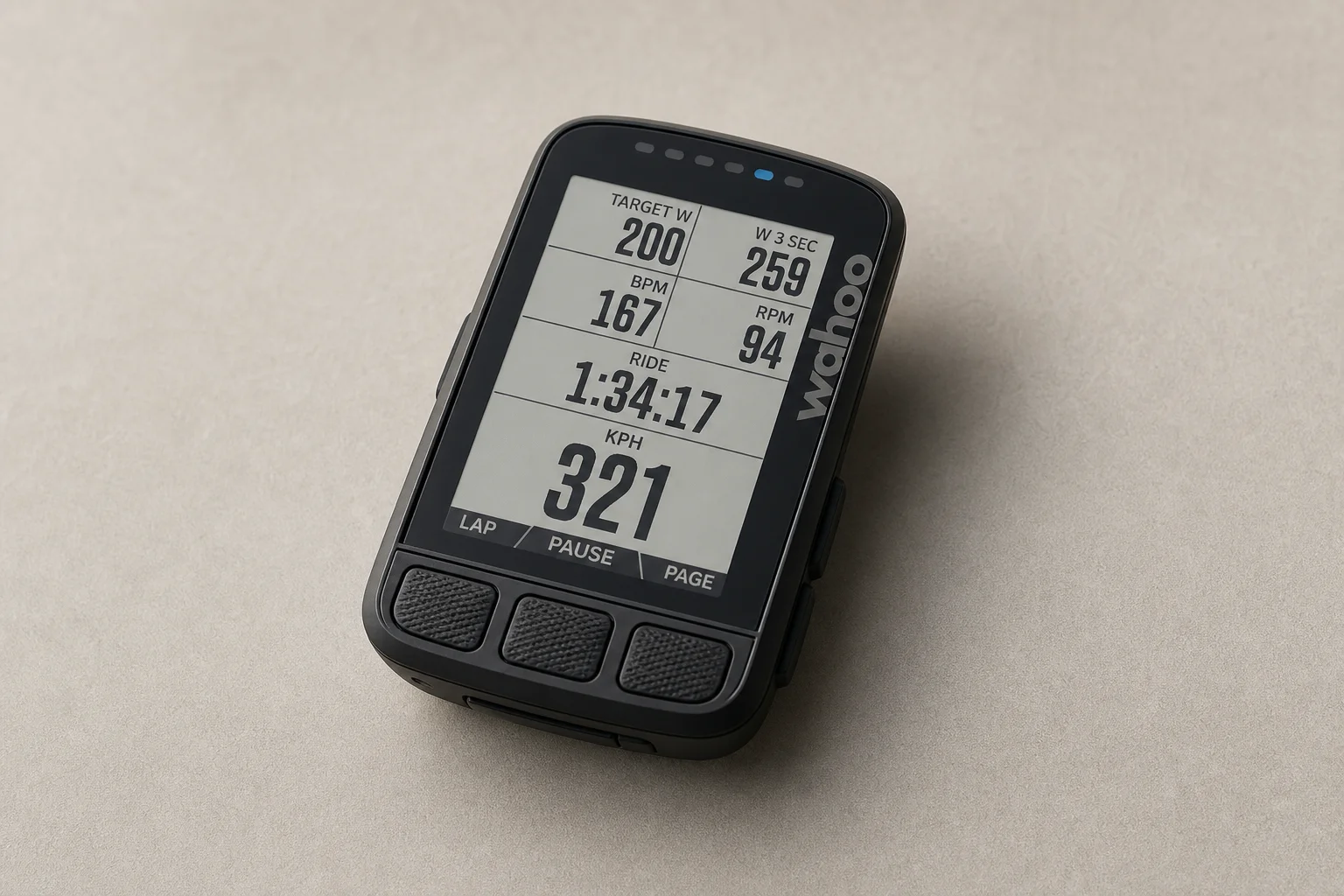
Garmin Edge Explore 2
Positioned as a tool primarily for navigation, the Garmin Edge Explore 2 strips away some of the myriad data that the most expensive Edge units offer. While the Solar 1040 will set you back over £600, the Explore 2 can be had for less than half that, a significant cost saving.
The Explore 2 lacks the Power Pin connections on the rear of recent Edge models, so it misses out on compatibility with Garmin’s power-extending battery pack. Garmin does offer a more expensive power mount bundle with the power pins if you want to go beyond the claimed 16-hour battery life. The main catch is that it lacks the full suite of features you get with other Edge models. There is no Wi-Fi connectivity for direct uploading; instead, it uploads to Garmin Connect and Strava via your phone. Garmin has also removed the ability to connect to electronic drivetrains and cut the majority of structured training support.
However, unlike its predecessor, it comes with both ANT+ and Bluetooth connectivity, improving compatibility with all the sensors you might want to use. It can even connect to record from and operate a smart trainer. The Edge Explore 2 could be described as an Edge light, but for many prospective buyers, it will deliver all the bike computer you ever need at a decent price.
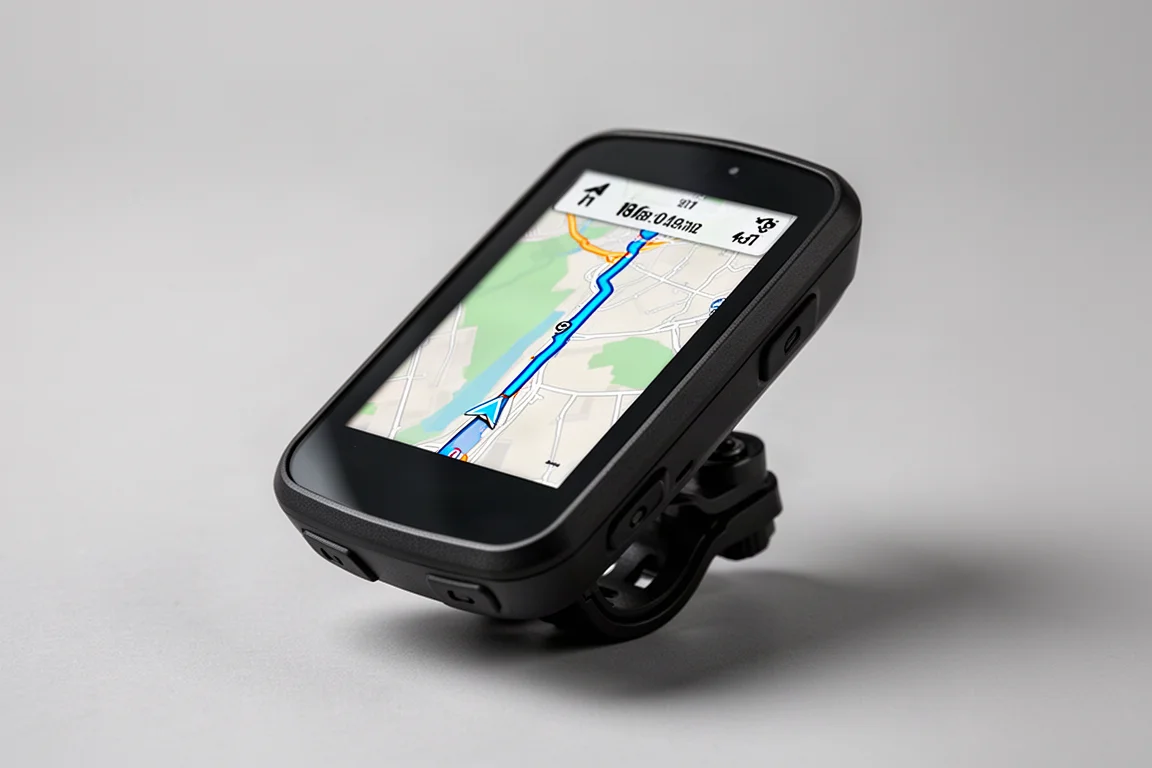
Bryton Rider 420T
The Bryton Rider 420T is a competitively priced cycling computer that comes with a heart rate monitor and cadence sensor included. You can also get the standalone 420E head unit for just over a hundred pounds. The computer has an impressive 77 functions, including everything you need for training, such as heart rate and power readings, which it can present as averages and maximums.
The 420T does not have mapping, making it more of a training tool than a computer that will help you exploit your surroundings. That said, you can load a GPX file for basic turn-by-turn navigation. A claimed 35-hour battery life and a four-hour charge time set the Bryton Rider 420T apart from much of the competition.
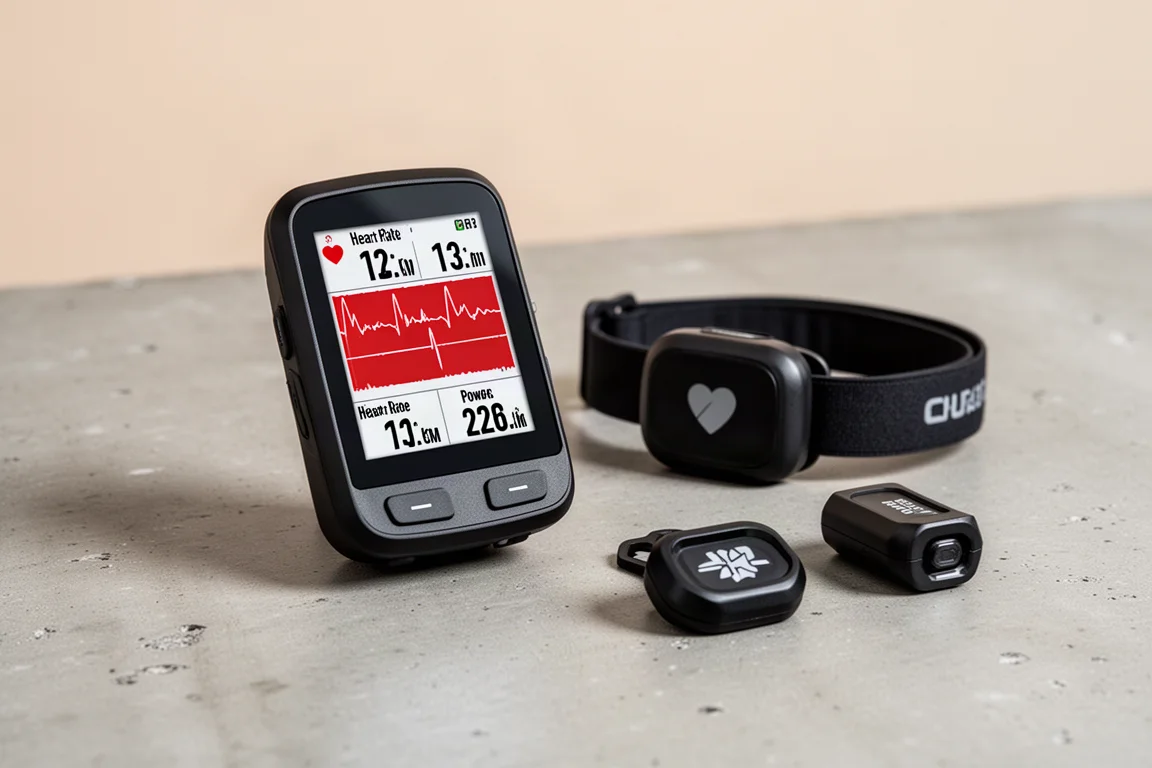
Bryton Rider 420E
The Bryton Rider 420E is the standalone head unit version of the 420T. It shares the same 77 functions, impressive battery life, and quick charging, but does not include the heart rate monitor and cadence sensor. It is an excellent budget option for riders who already own sensors or just want to track basic ride data. With a price tag of just over a hundred pounds, it offers exceptional value.
Overall Buying Advice
When choosing a GPS bike computer, match the features to your needs. If you are a data-driven rider who wants the most advanced training metrics and longest battery life, the Garmin Edge 1040 Solar or Edge 1040 are top choices. For a large screen at a lower price, the Edge 1030 Plus remains compelling. Riders who value easy setup and reliable navigation will appreciate the Wahoo ELEMNT ROAM, while the Hammerhead Karoo 2 appeals to those who want cutting-edge features and a superior touchscreen, albeit with shorter battery life.
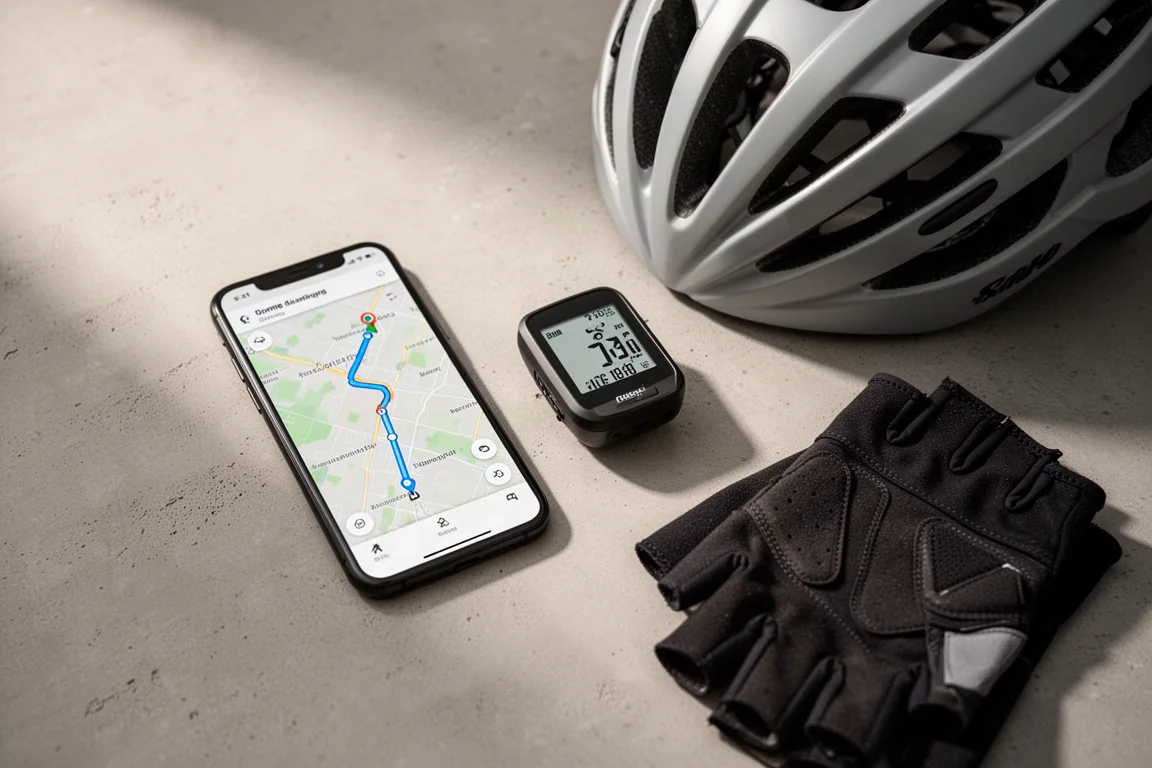
If touchscreen operation is not essential, the Garmin Edge 530 offers fantastic value, sharing most features with the Edge 830. The Sigma ROX 11.1 EVO is a great pick for simplicity and multiple disciplines. The Wahoo ELEMNT BOLT V2 is a neat, affordable package for performance tracking. For navigation-focused riders on a budget, the Garmin Edge Explore 2 delivers the essentials. Finally, the Bryton Rider 420T and 420E cater to training-focused riders who want sensors included or a very low price.
Consider your priorities: battery life, screen size, navigation detail, training metrics, and budget. Each of these computers excels in different areas, so there is likely a perfect match for your riding style.
Conclusion
The best GPS bike computer for you depends on how and where you ride. Whether you need turn-by-turn navigation, in-depth training analysis, or simply a reliable way to record your rides, the options in this roundup cover every need and budget. We hope this guide helps you make a confident choice and enhances your time on the bike.
Further reading
Related Reviews
Cycling Computers
Best Cycling Computers: 11 Options Compared
A practical look at 11 cycling computers, from the premium Garmin Edge 1050 to the budget Coros Dura, with strengths, trade-offs, and buying advice.
Cycling Computers
Best Cycling Computers 2026: 10 Head Units Across Every Price Point
A practical guide to ten cycling computers, from a $9.99 wired unit to solar-assisted flagship head units with colour mapping, sensor pairing and long battery life.
Cycling Computers
Best Cycling Computers Under £200: Seven Capable Head Units Compared
Seven cycling computers below £200 compared on navigation, sensor support, battery life and everyday value.