Garage & Outdoor
Best Gas Cans Compared: 13 Fuel Cans Tested for Flow, Leaks, and Durability
From a $25 Garage Boss to a $140 Wavian NATO can, thirteen five-gallon fuel cans go head to head on pour speed, tip-over resistance, durability, and corrosion resistance.
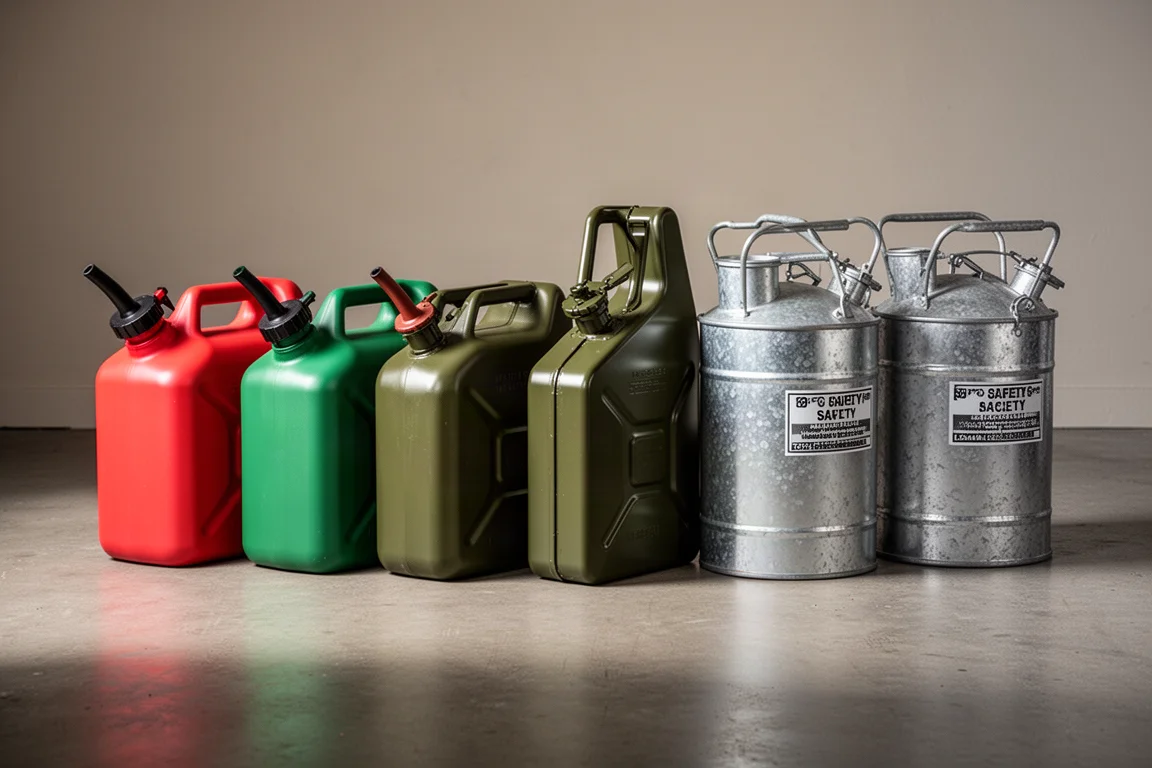
Introduction
A spill-proof gasoline container that actually avoids spills sounds simple, but the difference between a $25 can and a $140 can is worth understanding before you buy. We compared thirteen five-gallon (approximately 19 L) fuel cans on flow rate, leak resistance, tip-over angle, drop durability, crush strength, and corrosion resistance. If you just want the short version: the fastest cans were the Wavian NATO can at 87 seconds and the Eagle galvanized steel can at roughly 90 seconds, while several mid-priced plastic cans hovered around the two-minute mark.
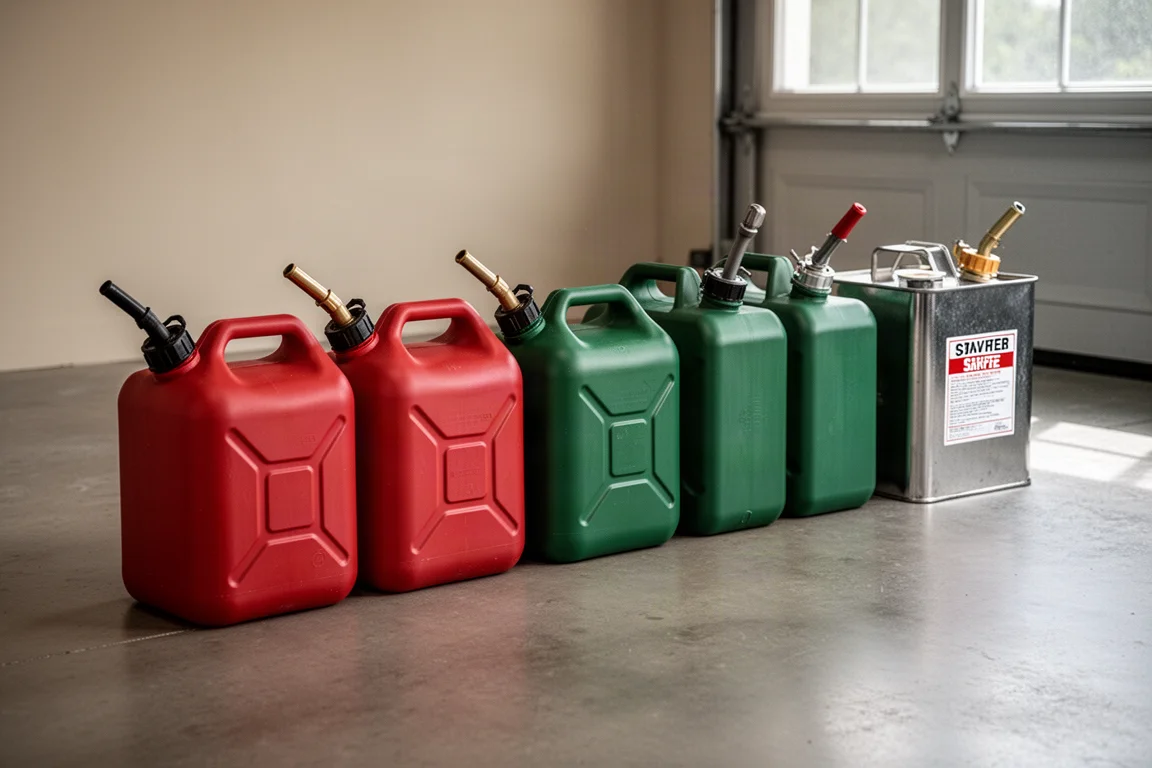
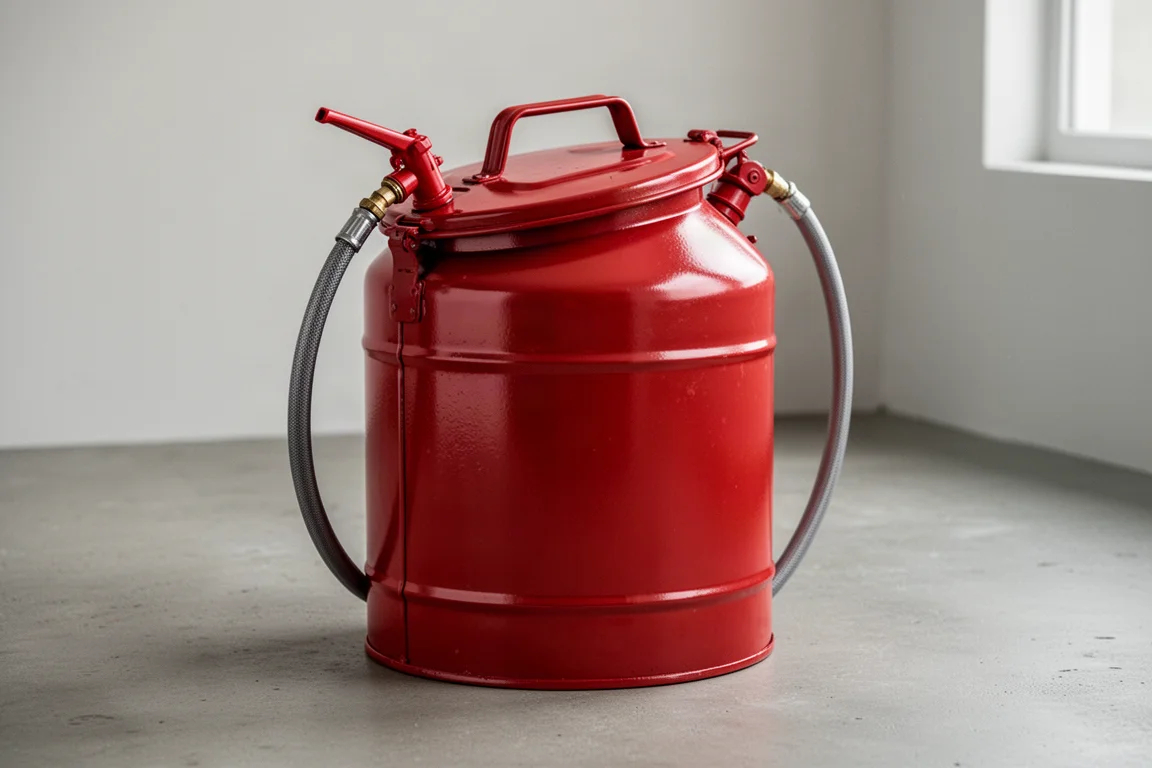
Briggs & Stratton Garage Boss
At $25, the Briggs & Stratton Garage Boss is the least expensive can tested. It has a flame mitigation device just under the pour spout, an ergonomic design, and a button-controlled spout that requires pushing forward and pressing down to start fuel flow. It weighs 2.6 lb and is made in the USA.
In testing, it did not leak when tipped on its side and moved most of five gallons in 3 minutes and 2 seconds, slowed by poor venting and a few ounces trapped by the flame mitigation hardware. The tapered top helped it resist tipping at 34 degrees.
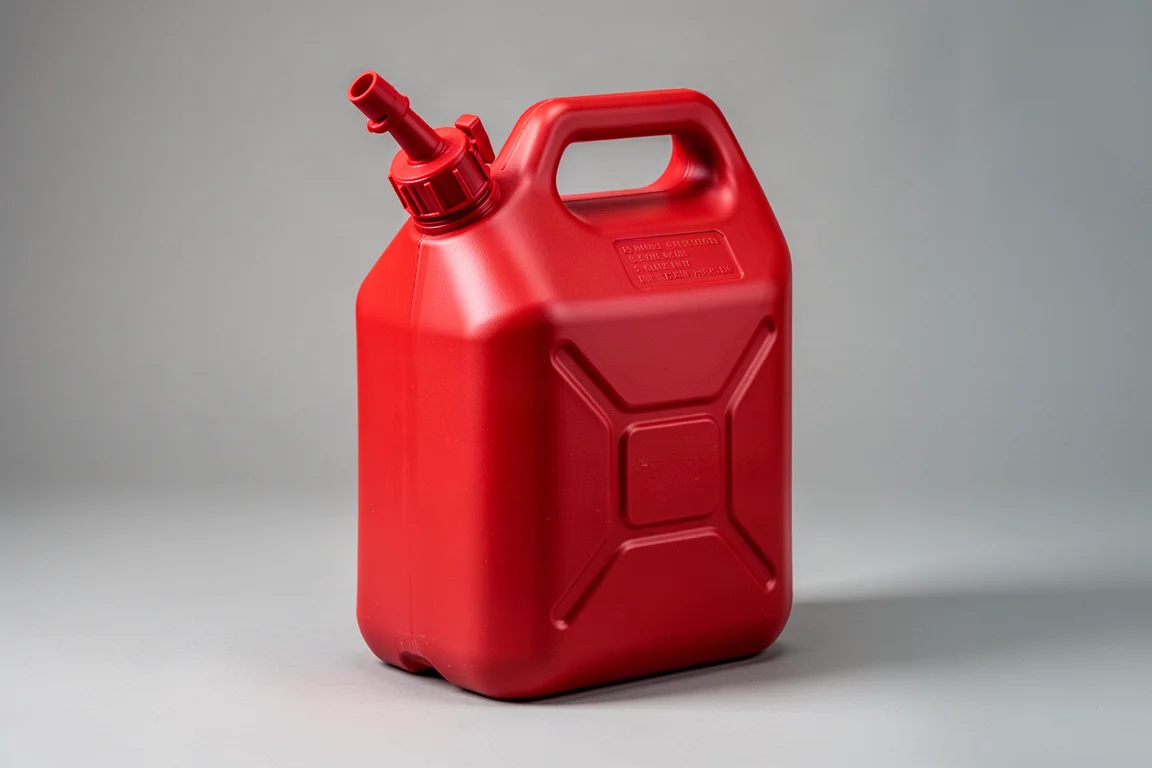
Scepter Gas Can
The Scepter costs the same $25 as the Garage Boss and also weighs 2.6 lb. It uses a simple spout with a flame mitigation device and claims flow of up to 3 gallons per minute. To pour, you press the dark green tab with your palm and keep it depressed; the spout removes by pressing the green tab and twisting counterclockwise. It is made in the USA.
It leaked nothing on its side and drained five gallons in 1 minute 55 seconds, venting noticeably better than the Garage Boss. The short, wide body with a tapered top tipped over only at 39 degrees, and it stayed upright in the moving-vehicle test.
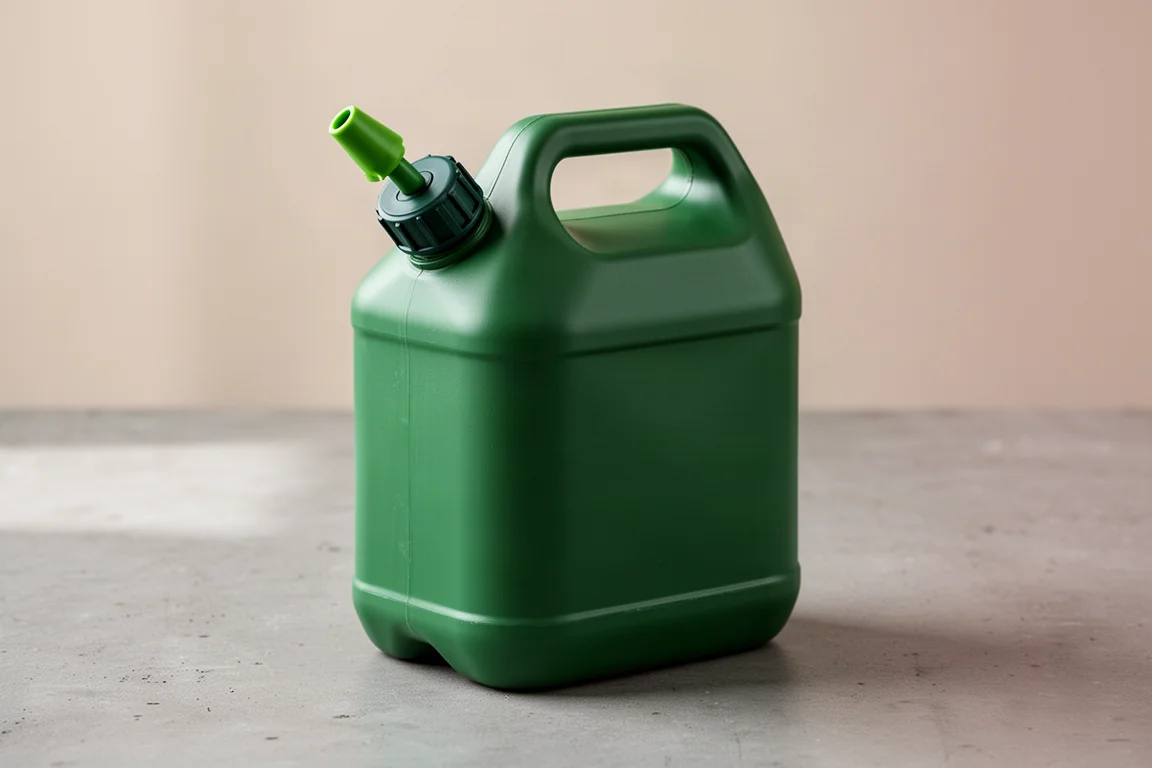
Briggs & Stratton Smart Fill
For $28, this Briggs & Stratton Smart Fill can adds a blow-molded body and an auto shutoff spout that engages by turning the green collar a quarter inch to the right until it locks. It weighs 2.7 lb and is made in the USA.
Flow started well but slowed after about five seconds due to venting, finishing at 2 minutes and 45 seconds. It tipped at 35 degrees, and where it truly excelled was fueling a vehicle: the spout tilts high enough to nearly drain the tank into a recessed filler.

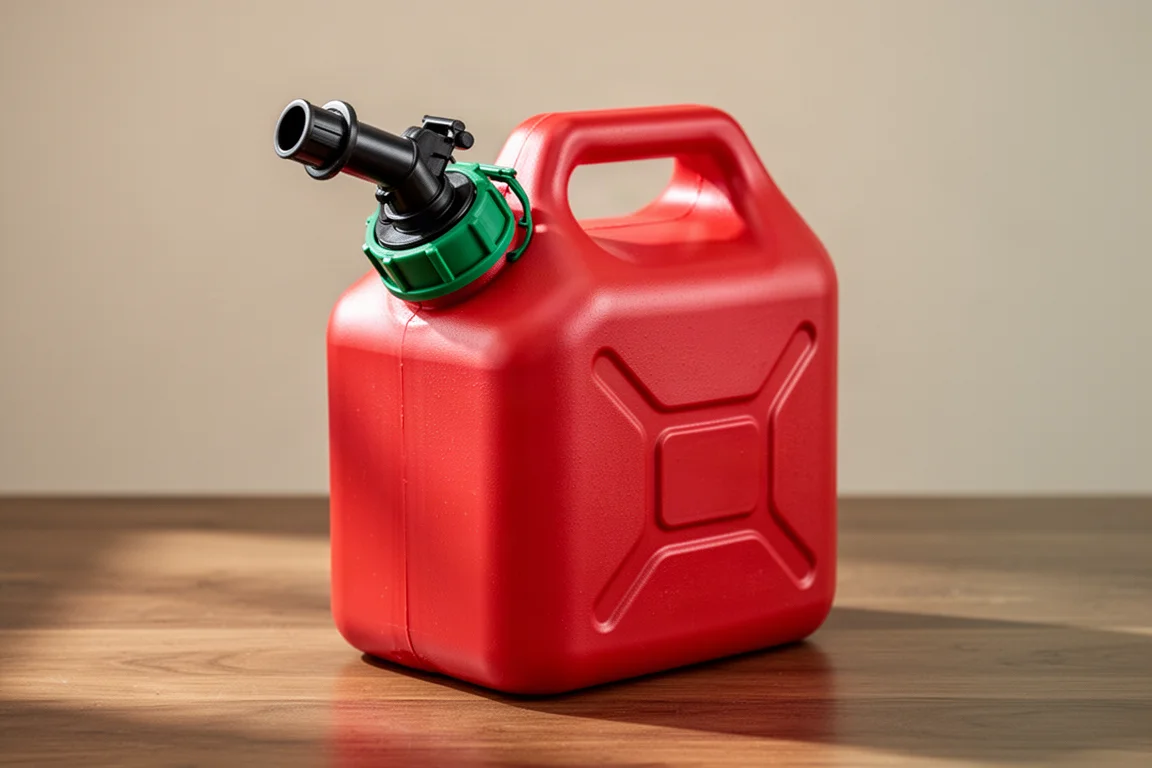
Midwest Gas Can
At $29, the Midwest can features two handles, a lower center of gravity to reduce tipping, and a click-to-unlock spout that must be re-unlocked each time it returns to the home position. It weighs 3.2 lb and is made in the USA.
It leaked nothing and emptied in 2 minutes 40 seconds, with almost no liquid trapped inside, the best drain result of the plastic cans to that point. It tipped at 35 degrees and, along with the Scepter, was among the last cans standing in the moving-vehicle test.
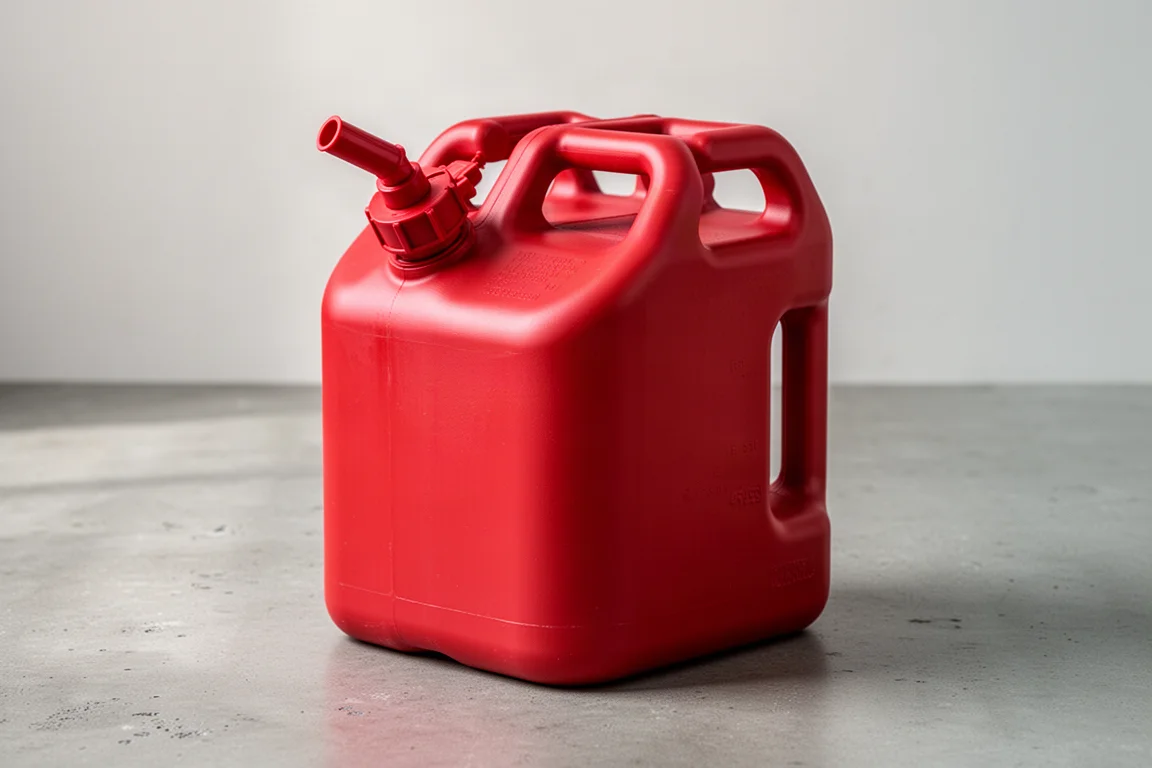
Scepter Military Style Gas Can
The $39 Scepter military style can uses durable high-density polyethylene that is rust-proof and non-corrosive, with a tall narrow footprint that saves storage space. Pouring involves pressing to unlock, resting the hook on the tank edge, and pushing the can down. It weighs 3.9 lb and is made in Canada.
The self-venting spout struggled to keep up, finishing last at 3 minutes 30 seconds, but it drained almost completely with less than an ounce left inside. The tall profile tipped at just 25 degrees, though it survived the drop test very well apart from the spout.
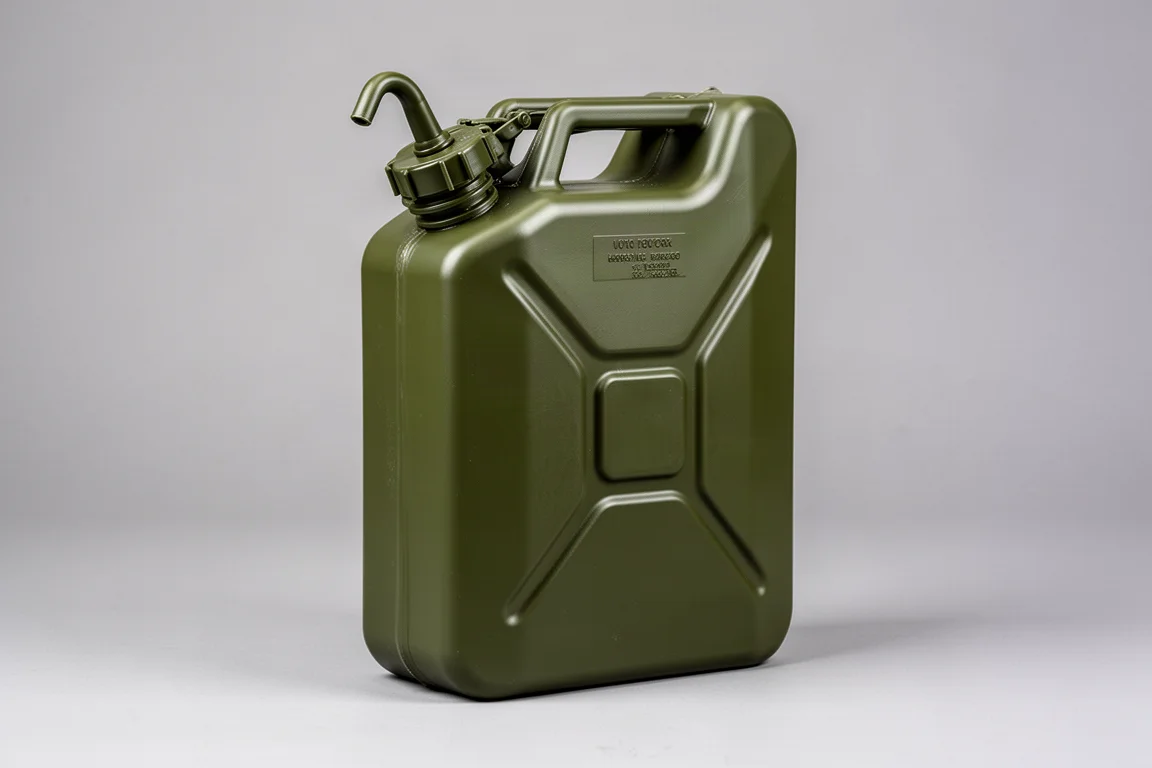
No-Spill Gas Can
At $42, the No-Spill can has handles on top and at the back, flows up to 3 gallons per minute, and stops fuel automatically when you release the green button. Note that it is not intended for refueling on-road motor vehicles. It weighs 3.1 lb and is made in the USA.
It drained five gallons in 2 minutes 5 seconds with only minor spillage at the spout base, and the parallel neck design let it drain fully once the spout was removed. It led the tip-over test among plastic cans at 40 degrees, but left over 3 gallons inside during the vehicle-fueling test.
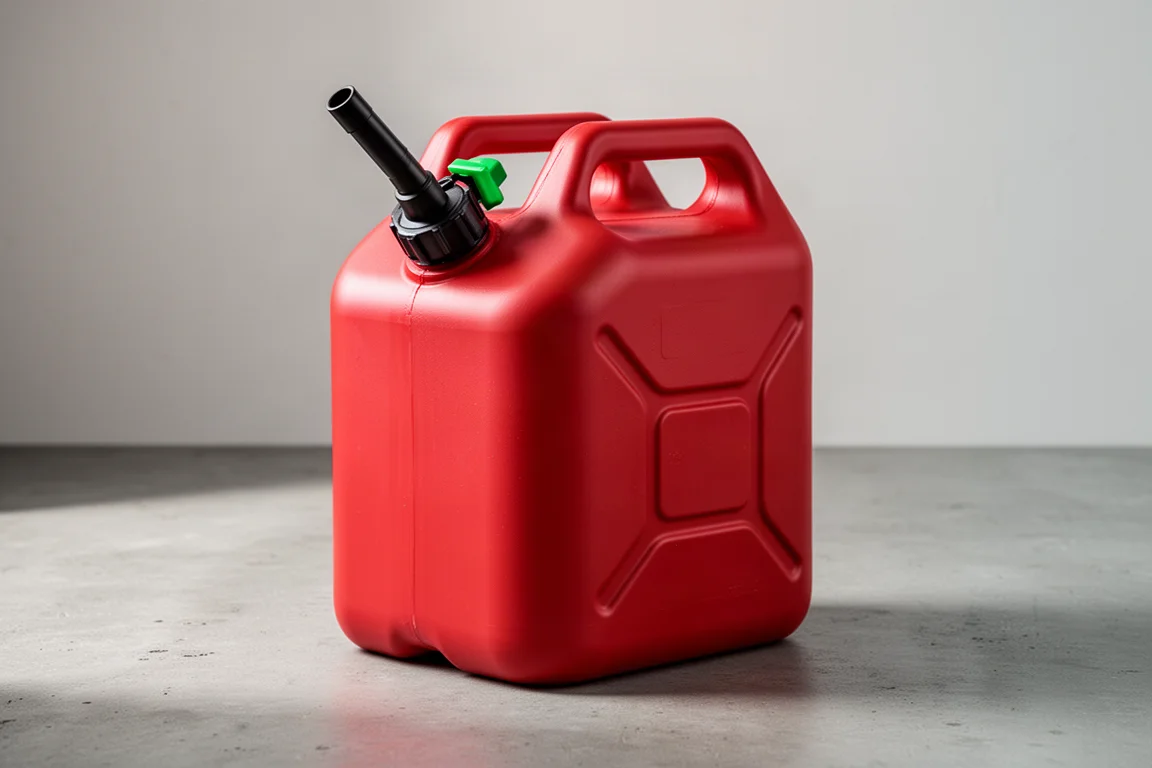
VP Racing Fuel Can
For $45, the VP Racing can includes a 14-inch hose kit with a contoured handle, bottom grip, and non-breakable cap. Importantly, it is not ASTM or EPA approved and is designed only for racing fuels. It weighs 3.7 lb and is made in the USA.
It was the fastest at the time of its test at 1 minute 53 seconds and drained completely with less than an ounce left, but the vent sits close to the spout and can leak a little when pouring full tilt. It also shrugged off the drop test with no visible damage.
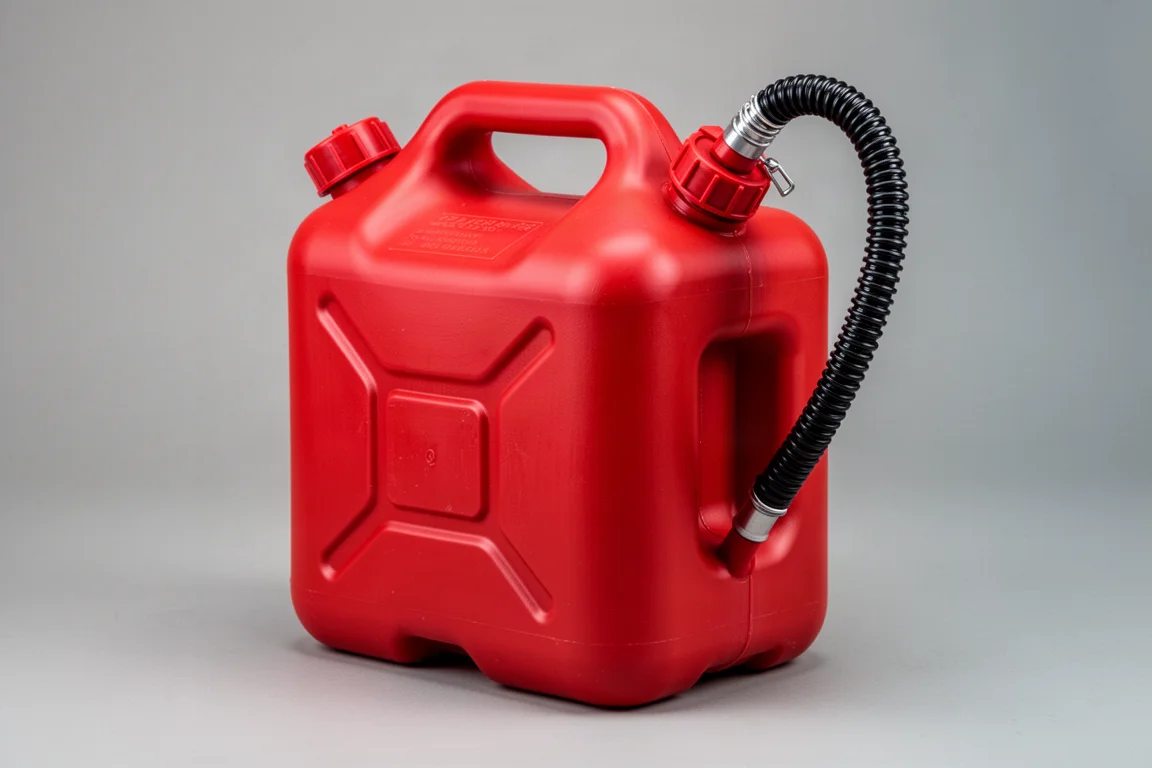
Midwest Harbor Freight Gas Can
Also $45, this Midwest can sold at Harbor Freight is the first metal can tested, with a flame shield safety system, a red safety lock, and solid welded handle and seam construction. It weighs 8.9 lb and is made in Latvia.
Venting slowed it to 3 minutes 30 seconds, and it needed the nozzle removed to drain fully, but it produced no leaks or spills. In the crush test its handle finally broke at over 2,000 lb, and the interior paint fully protected it in the corrosion test. The rounded bottom and tall narrow profile tipped at only 19 degrees.

Stark Jerry Can
The $53 Stark Jerry can is aimed at rugged off-road use, with anti-corrosive coated paint inside and out, a self-locking lid, and anti-leak protection. Unlike the premium metal cans it uses spot welds rather than a solid weld, and some welds are unpainted. It weighs 8.7 lb.
With nothing restricting flow, it was easy to cause spillage, and it took 3 minutes 5 seconds to drain due to venting issues, though it drained well overall. The handle, held by spot welds, broke at 864 lb, and the unpainted, non-galvanized interior rusted quickly in the corrosion test.
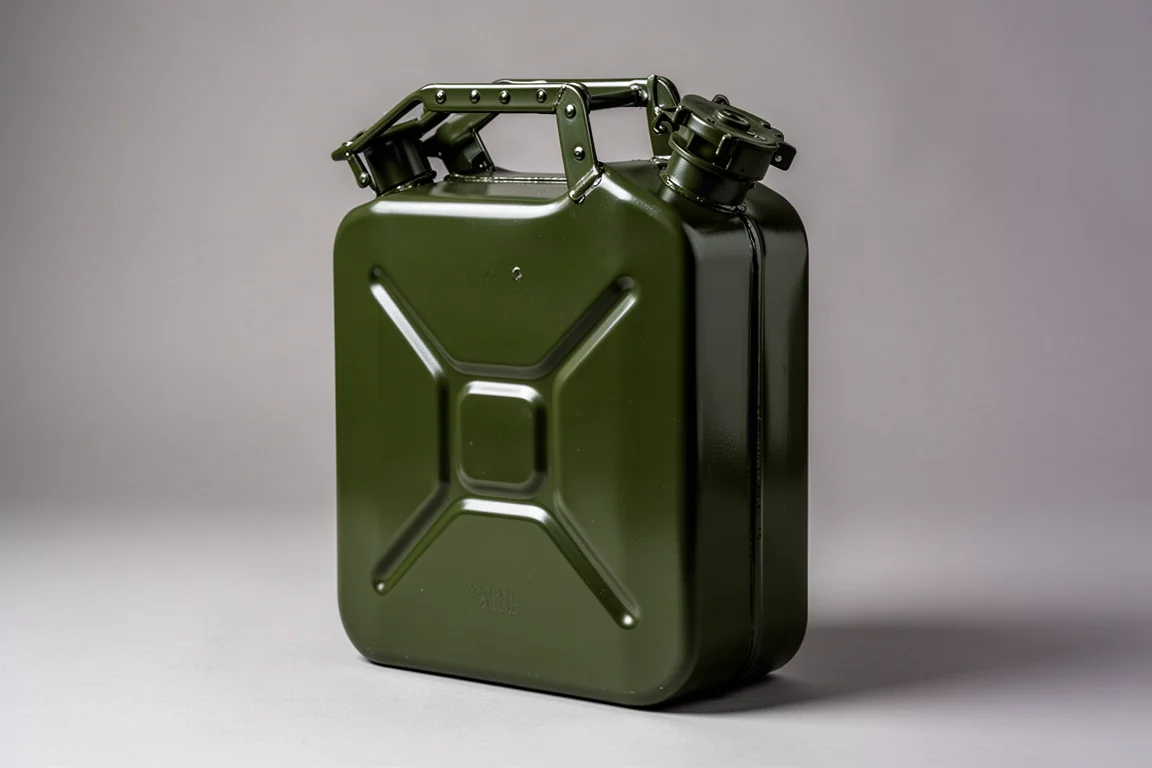
Eagle Galvanized Steel Gas Can
At $59, the Eagle can is built from 24-gauge hot-dipped galvanized steel with a baked-on powder coat finish, a double interlock no-weld bottom seam, a spring-closing lid, a flame arrester screen, and 100% leak testing. It weighs 5.4 lb and is made in the USA.
With no restricted spout, it finished in roughly a minute and a half, the fastest of any can at that point. Its short, wide, round body gave it the best tip-over angle of the entire test at nearly 47 degrees, and the galvanized interior showed no rust at all. The main caveat: the funnel angle was barely enough for recessed vehicle fillers.
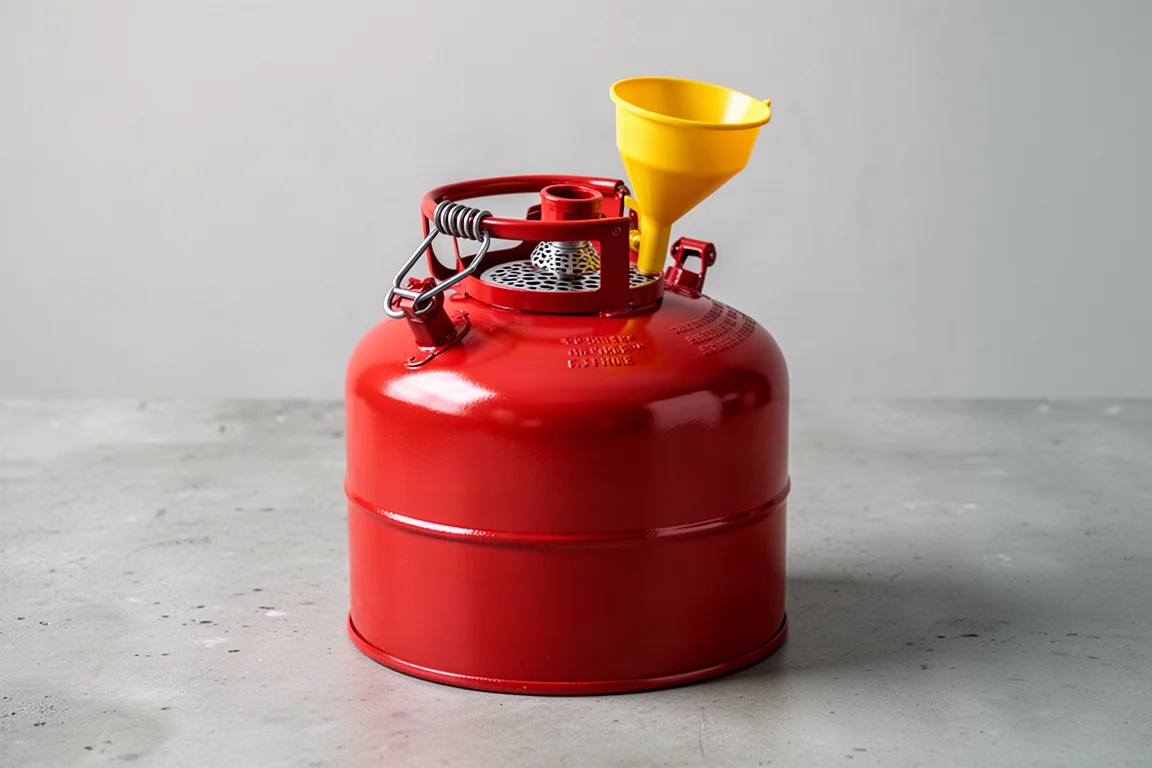
SureCan Gas Can
The $63 SureCan has bottom hand grips to support its weight and a thumb trigger on the top that controls flow. You vent it by briefly loosening the fill cap, rotate the spout into the tank, then pull the trigger to dispense. It weighs 3.9 lb and is made in the USA.
A smaller spout held it to 2 minutes 45 seconds, but resting the can on top of the tank while refueling is genuinely convenient, and it showed no leaks or spills anywhere. It held up fine in the drop test with no damage and tipped at a solid 38 degrees.
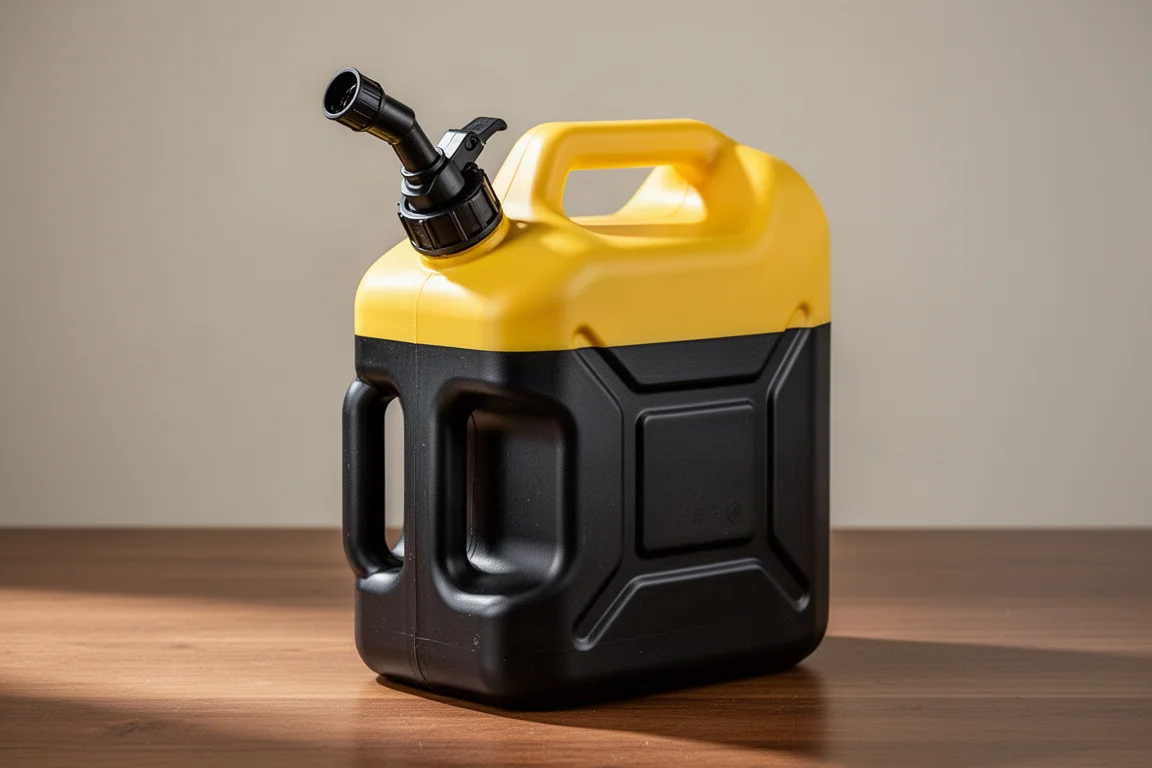
Just Right Gas Can
At $104, the Just Right can requires minor assembly to fit its 1-inch hose and gasket. Pouring is as simple as squeezing the handle, and filling is done by lifting the lid. It weighs 8.4 lb and is made in the USA.
The 1-inch unrestricted spout combined with good venting finished at 1 minute 56 seconds, and it had no trouble draining a vehicle tank thanks to its long spout. It performed well across every category, tipping at 39 degrees and showing no corrosion, with the only drawback being its weight compared to plastic cans.
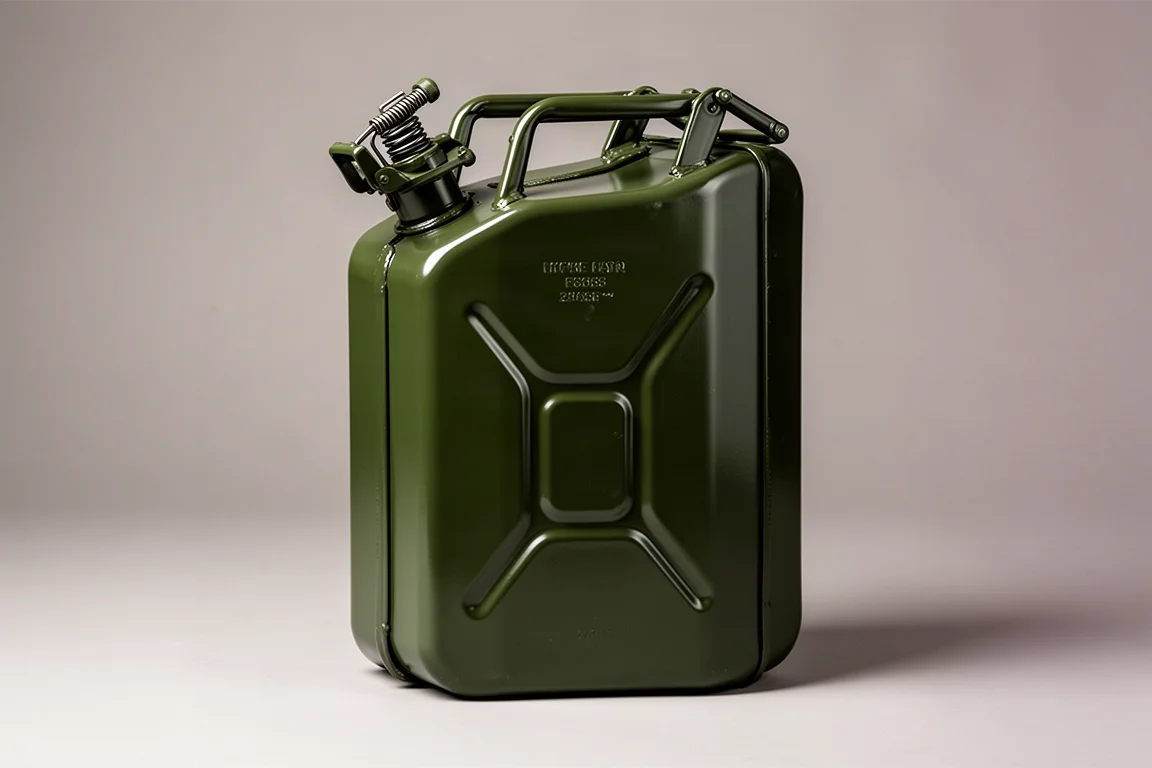
Wavian NATO Fuel Can
At $140, the Wavian NATO fuel can is the most expensive tested, and the build quality shows: fully welded handle and seams, and a safety spout designed for fast, non-spill pouring with nothing to push or click. It weighs 10 lb, and no country of manufacture is marked on the can.
It drained five gallons in just 87 seconds, the fastest overall, and emptied almost completely. It survived the drop test with only a small dent, withstood a 2,081 lb handle load, and showed no corrosion. The tall narrow profile tipped at 20 degrees, so secure it when hauling.
Tip-Over and Transport Stability
If you haul fuel in a vehicle or trailer, the tip-over point matters. The Eagle led at 47 degrees, followed by the No-Spill at 40, the Scepter and Just Right at 39, and the SureCan at 38. The tall narrow metal cans fared worst: the Harbor Freight Midwest at 19 degrees, the Stark at 20, and the Wavian at 20 with the spout removed.
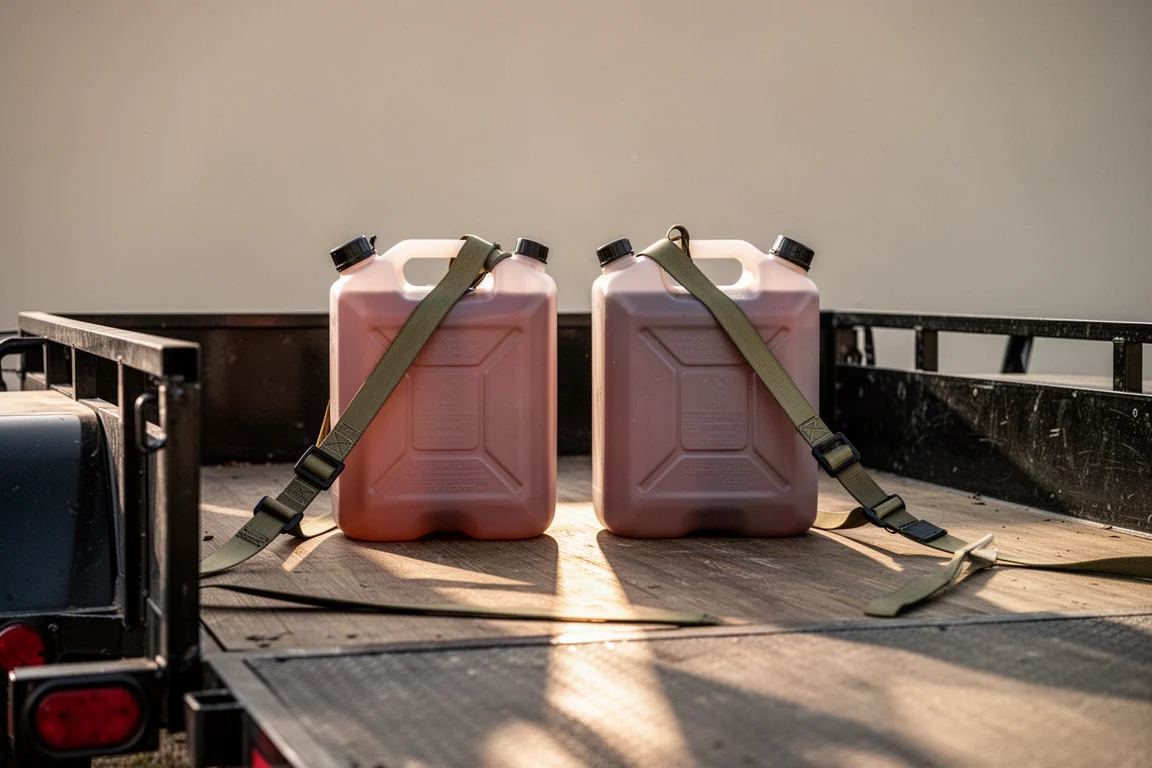
In the moving-vehicle test, the Eagle outlasted every other can to take the win, while most of the military-style cans toppled easily.
Final Thoughts
A few clear patterns emerged. Plastic cans from the Scepter (2.6 lb) to the Wavian (10 lb) differ by about seven and a half pounds, so weight alone may decide the choice. Fast flow saves time and fatigue, with the Wavian at 87 seconds, the Eagle at 90, VP Racing at 113, the Scepter at 115, and the Just Right at 116. Drainability matters too, since a trapped last ounce of fuel makes cleaning nearly impossible, and about half the cans drained as well as possible.
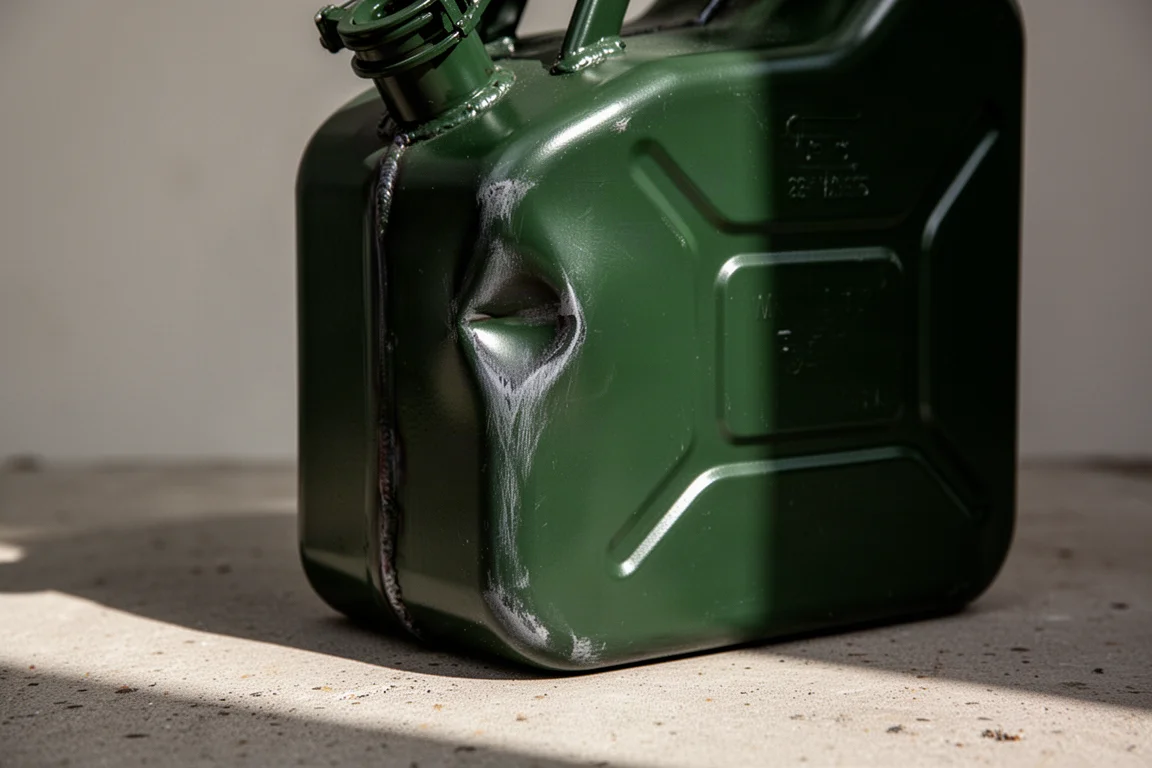
The Wavian performs well in almost every category but tips over easily unless secured. The Just Right performed well across the board with weight as its only real trade-off. Match the can to how you will actually use it: vehicle refueling favors the Briggs & Stratton Smart Fill, Midwest, Just Right, or Wavian; transport stability favors the Eagle; and racing fuel use is where the VP Racing can belongs.
Conclusion
There is no single best gas can for everyone. Budget buyers get genuine value from the Scepter and Garage Boss at $25, the Eagle and SureCan reward mid-spending with stability and control, and the Wavian justifies its price with the fastest pour and the toughest build if you secure it during transport. Choose based on where the can will live and what it will fuel.
Further reading
Related Reviews

Backpacking Gear
Building a 10 lb Base Weight: An Ultralight Backpacking Gear List
A practical walkthrough of the ultralight pieces behind a 10 lb base weight, from a 765 g pack and a roomy one-person tent to a full camp chair and a dependable water filter.

Road Bikes
10 New Road Bikes Worth Watching: Aero, Titanium, Steel and Endurance Standouts
A practical roundup of 10 new road bikes, from aero flagships chasing single-watt gains to titanium, steel and endurance platforms built for real roads.

Bikepacking Gear
11 Bikepacking Essentials for Long-Distance Cycling
Eleven bikepacking essentials for long-distance cycling, from a steel gravel frame and a two-person tent to helmet lights, packable gloves, and a frame bag that puts weight in the right place.