Garage and Outdoor Equipment
Best Gas Can Spouts and Fuel Transfer Pumps: Tested Picks That Stop the Spills
We compared flow rate, durability, leak resistance, and ease of use across a dozen replacement fuel spouts and two battery-powered transfer pumps. Here are the picks worth buying.
Introduction
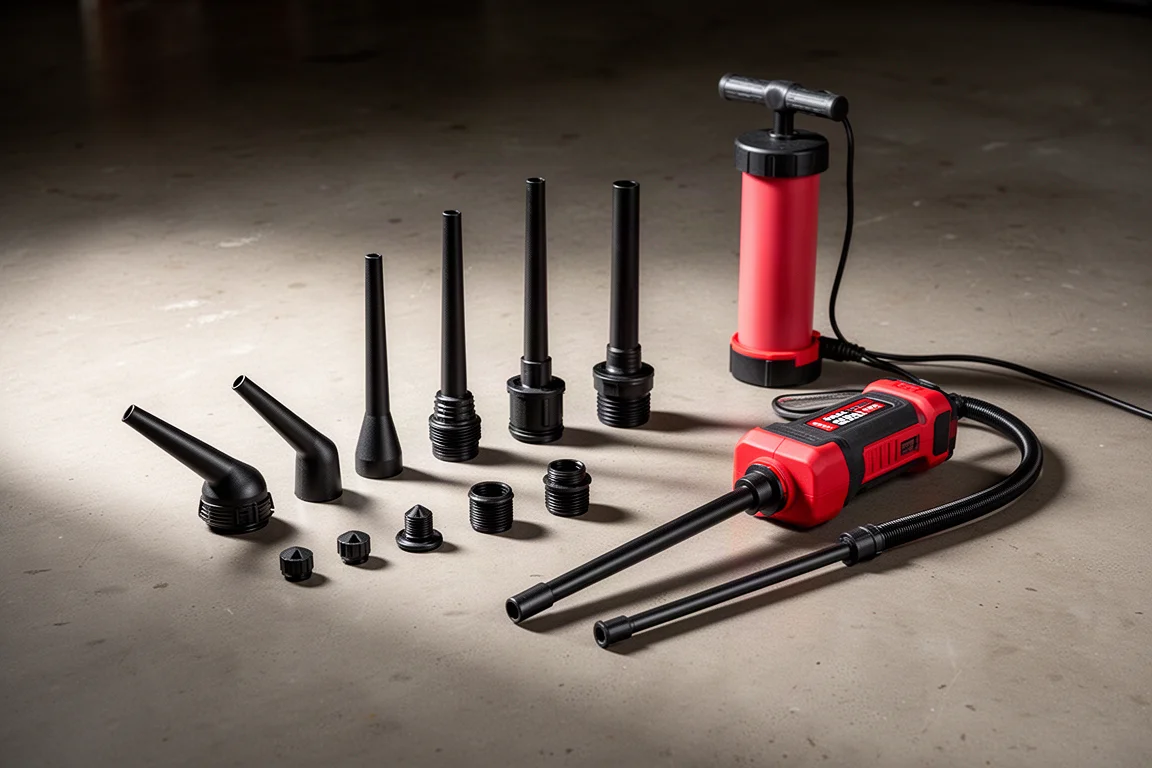
Fuel is expensive, and the spouts that come bundled with modern fuel cans do not make life any easier. Press-and-unlock mechanisms, restrictive openings, and awkward hooks turn a simple five-gallon pour into a slow, messy chore. The good news is that a whole market of replacement spouts and battery-powered transfer pumps exists to fix exactly this problem, and most of them cost less than dinner out.
We put more than a dozen replacement nozzles and several factory fuel cans through a head-to-head comparison covering flow rate, leak resistance, durability under force, and overall ease of use. The results were surprisingly lopsided, with a few clear winners and a few products best avoided.
How the Spouts Were Tested
Each replacement nozzle was installed on the same five-gallon Midwest fuel can, a baseline can whose factory spout required a two-step unlock, more than 14 pounds of force to start fuel flow, and a sluggish 2 minutes and 18 seconds to drain five gallons. That clunky stock nozzle set the bar every replacement had to beat.
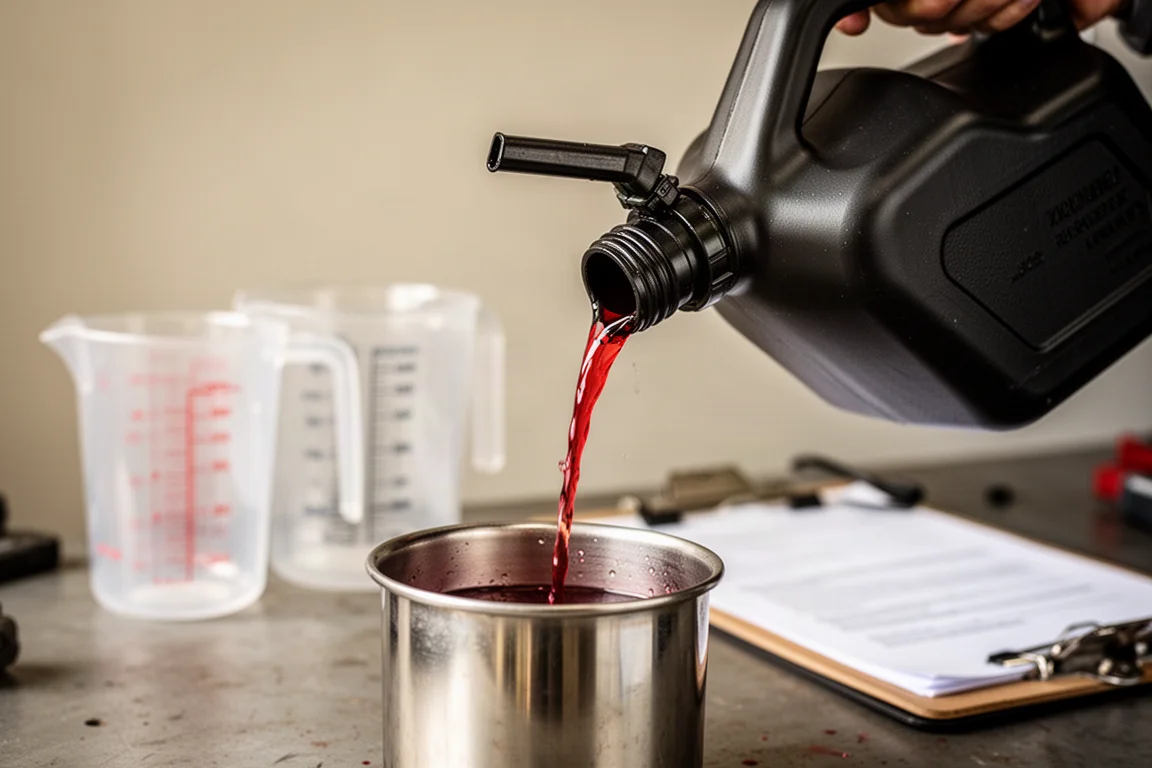
Testing covered four areas: timed flow rate draining five gallons of dyed liquid, leak checks during and after pouring, durability measured by applying force to each nozzle until it leaked or failed, and fit compatibility across a range of fuel cans including Midwest, Garvey, Vaver, VP Racing, Scepter, and vintage containers.
One note before the results: several of these spouts need a vent cap installed on the can, which means drilling a half-inch hole. The kits include the vent, but you will need your own drill bit for most of them.
Flow Rate Results
Flow rate separated the field dramatically. The slowest replacement spout needed over three minutes to drain five gallons, while the fastest finished in just 40 seconds. The stock Midwest nozzle’s restrictive internal hardware and lack of a vent were the main bottlenecks, which is exactly what a well-designed replacement spout fixes.
The top three finishers were the Easy Pour at 40 seconds, the Osprey at 56 seconds, and the Mojo at 1 minute 7 seconds. The Yamataka followed at 1:18, with the Suala at 1:15 and Mr. Yellow close behind at 1:16. At the slow end, the Reliable needed 2:15 and the Aliposa dragged in last at 3:02.
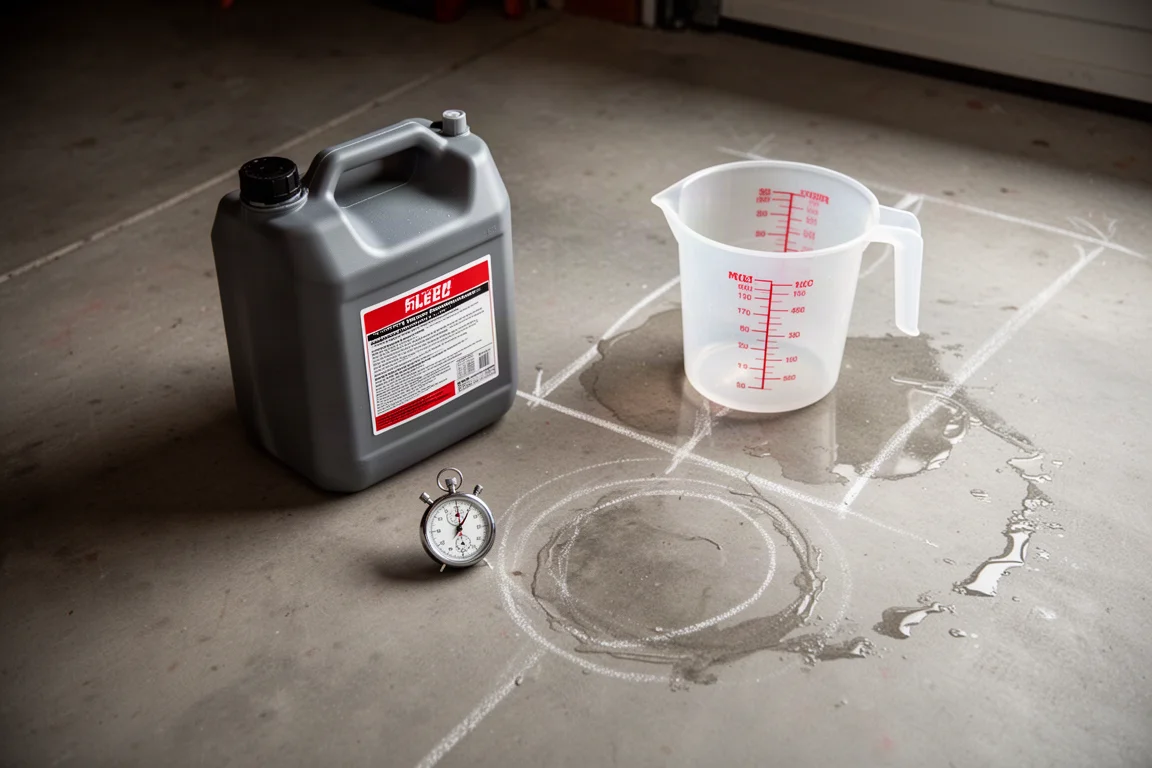
Among factory fuel cans, the Fuel Works container was the fastest stock option by far, draining five gallons in about 55 seconds thanks to its claimed five-gallon-per-minute flow design.
Best Overall: Easy Pour
The Easy Pour spout earned the top spot overall with first or second place finishes across the testing categories. It features a large 25.49 mm opening designed for high flow, and it drained five gallons in only 40 seconds, running circles around everything else tested. Sold at $27 for two spouts, it is designed to fit 1.75-inch openings and comes with an extension that increases reach up to 16.5 inches.
It also proved remarkably tough, withstanding around 63.5 pounds of applied force before leaking, second only to the Aliposa in the durability test. The main drawback is that the hose nozzle is too large for unleaded filler necks on some cars, so it is best suited for equipment, generators, and containers rather than every vehicle.
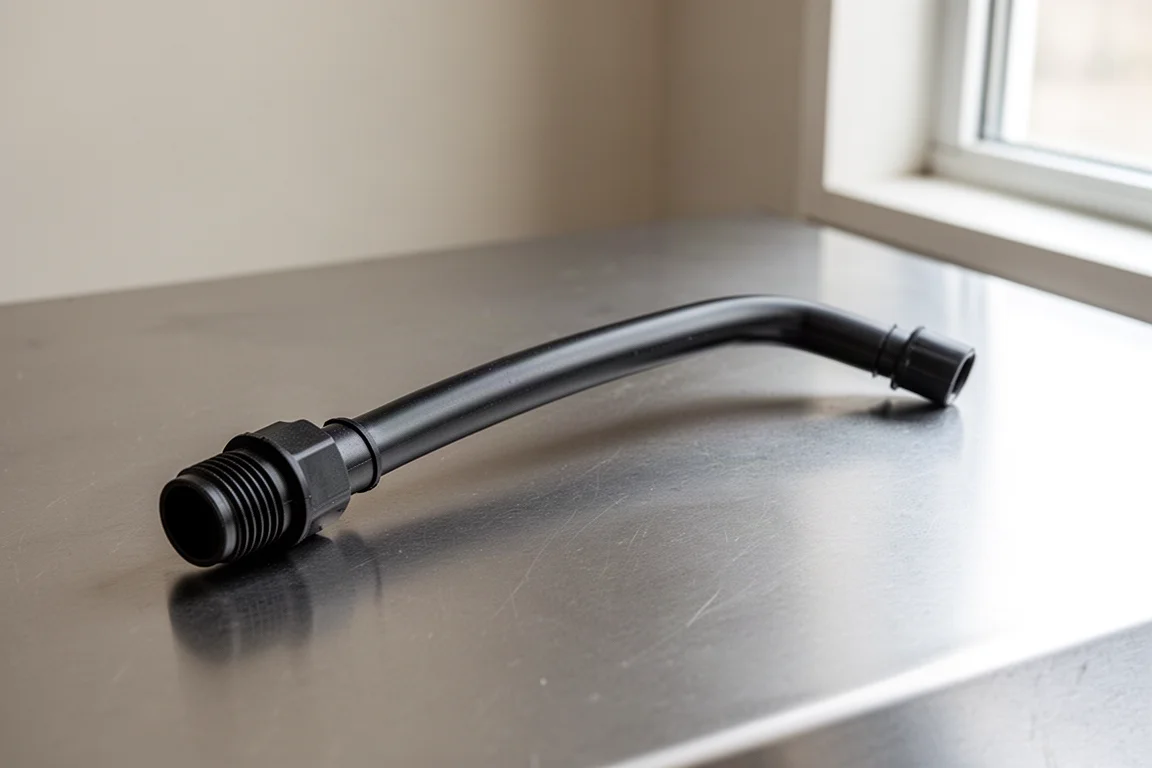
Best Flexible Spout: Yamataka
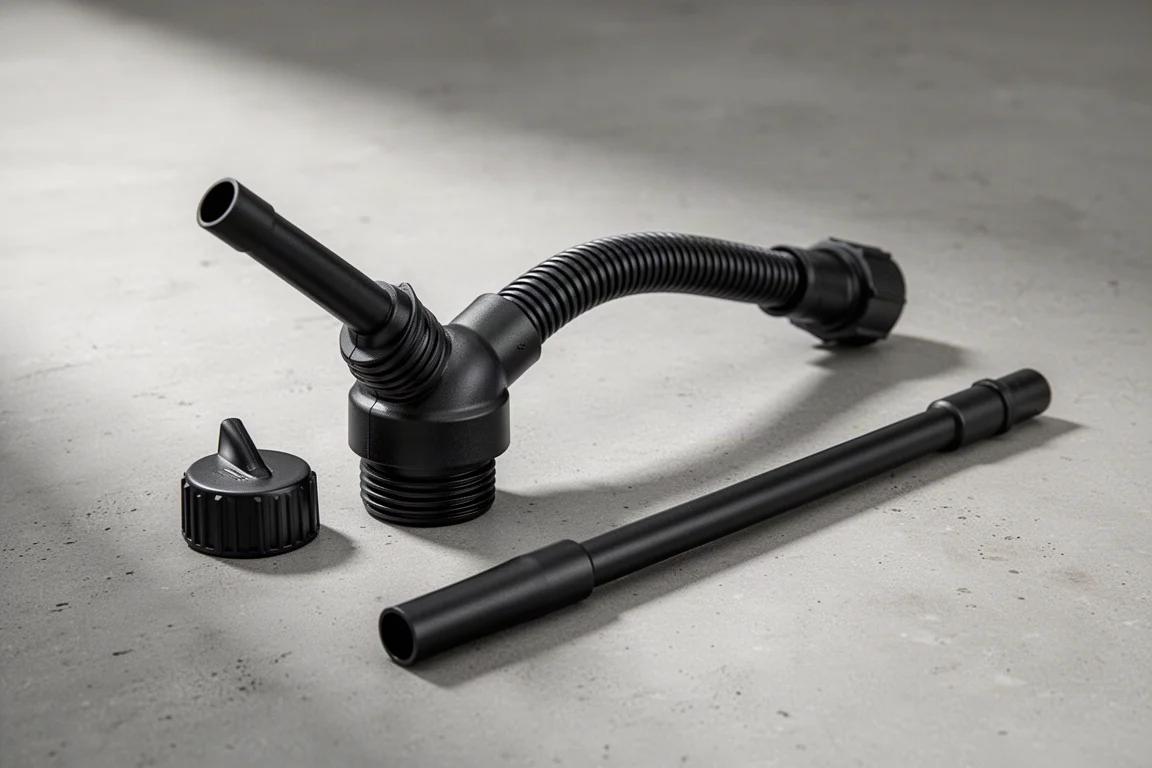
The Yamataka spout, sold at $16 for five spouts, delivered an excellent 1 minute 18 second pour time and the best durability result of any spout tested, holding up to 48.4 pounds of force with no permanent damage. The nozzle is close to 8 inches long with an opening just over 13 mm, and it is designed to work with 1, 2, 5, and 10 gallon cans with mouth sizes from 1.7 to 1.82 inches.
The kit includes both fine and coarse thread caps, and one of its base caps fit the test can perfectly with no leaks. For a flexible-nozzle option that can take real abuse, this is the pick.
Fastest Budget Opening: Osprey
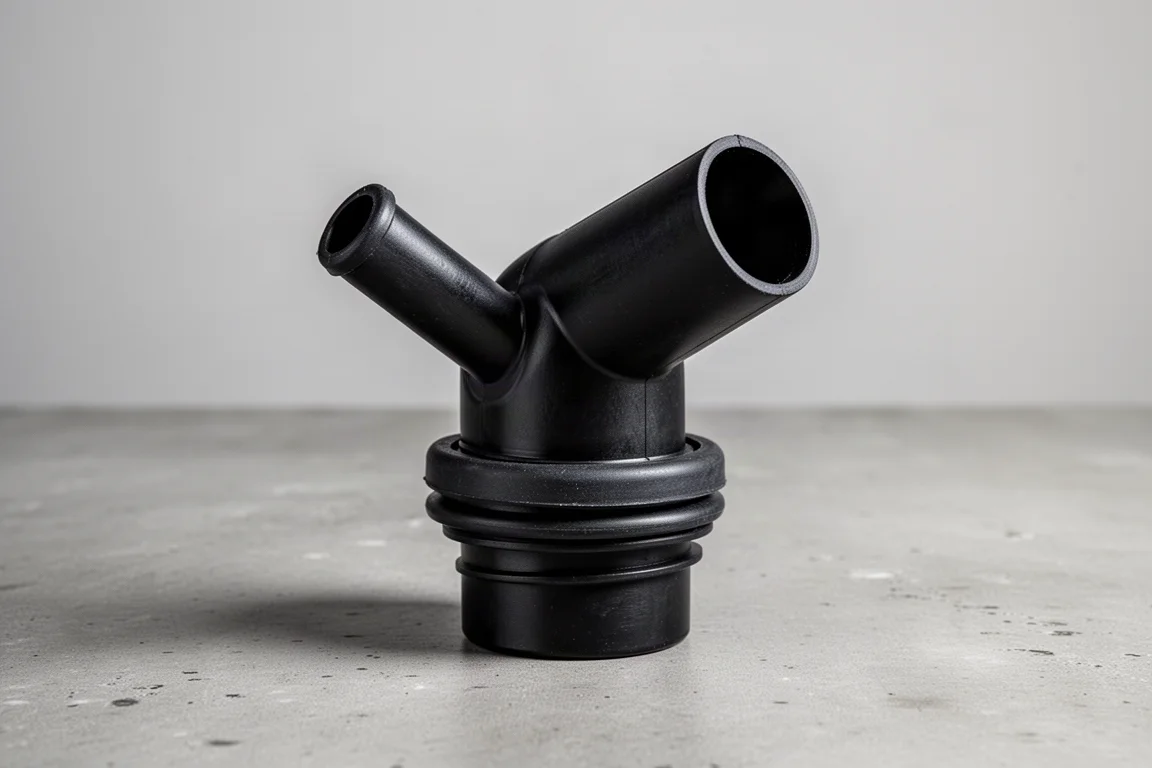
The Osprey posted the second-fastest flow time at 56 seconds, thanks to the largest rigid spout opening in the test at 16.65 mm. At $9 for two spouts, it is made from HDPE with thick rubber gaskets, fits one, two, and five gallon cans, and sealed tightly on the test can with no leaks.
The trade-off is durability. The Osprey began leaking at just 2.1 pounds of applied force, making it by far the lightest-duty spout in the test. If you pour carefully and want maximum speed on a budget, it works well, but it is not built for rough handling.
Strong Value: Mojo
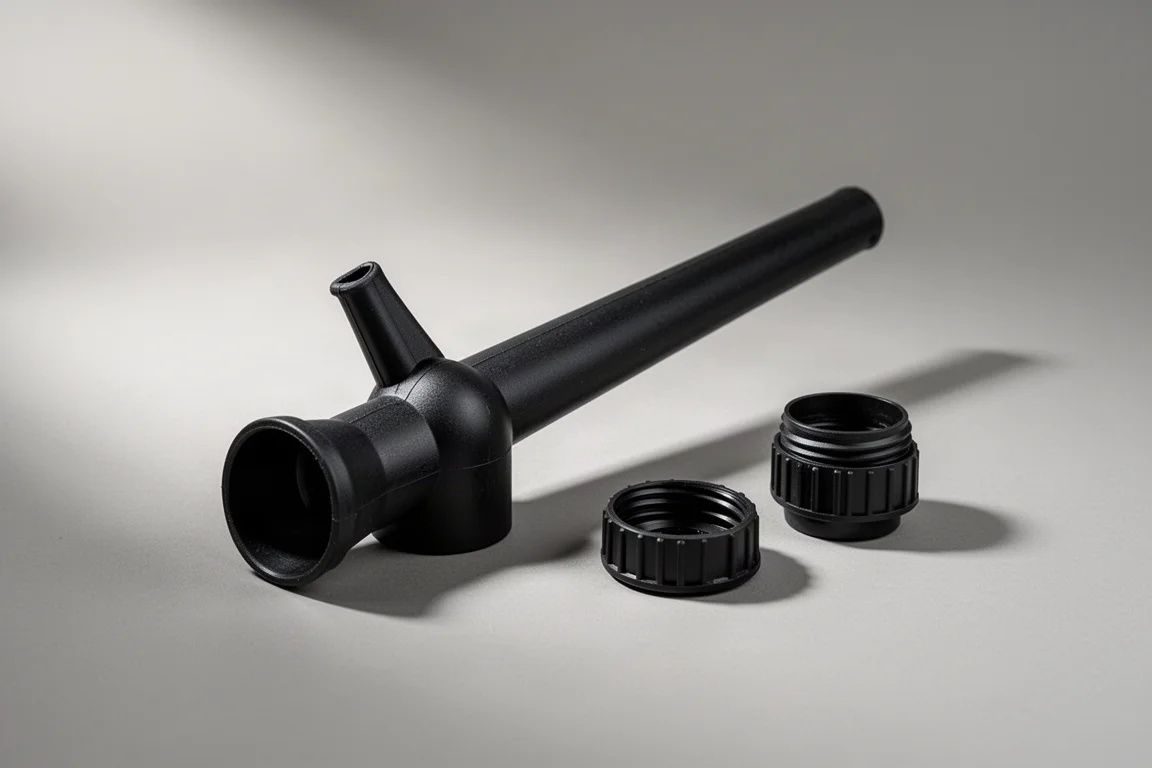
At just $7, the Mojo spout is one of the best value picks here. Its nearly 15 mm opening helped it finish third overall in flow rate at 1 minute 7 seconds, and it handled 26 pounds of force in the durability test, comfortably better than average.
It is designed for 1, 2, 5, and 10 gallon fuel cans with a 1.75-inch mouth size, includes two screw collar cap sizes, and fit the test can with no leaks. For a single low-cost spout that pours fast and holds up reasonably well, the Mojo is easy to recommend.
Effortless Fueling: Key Plug Transfer Pump
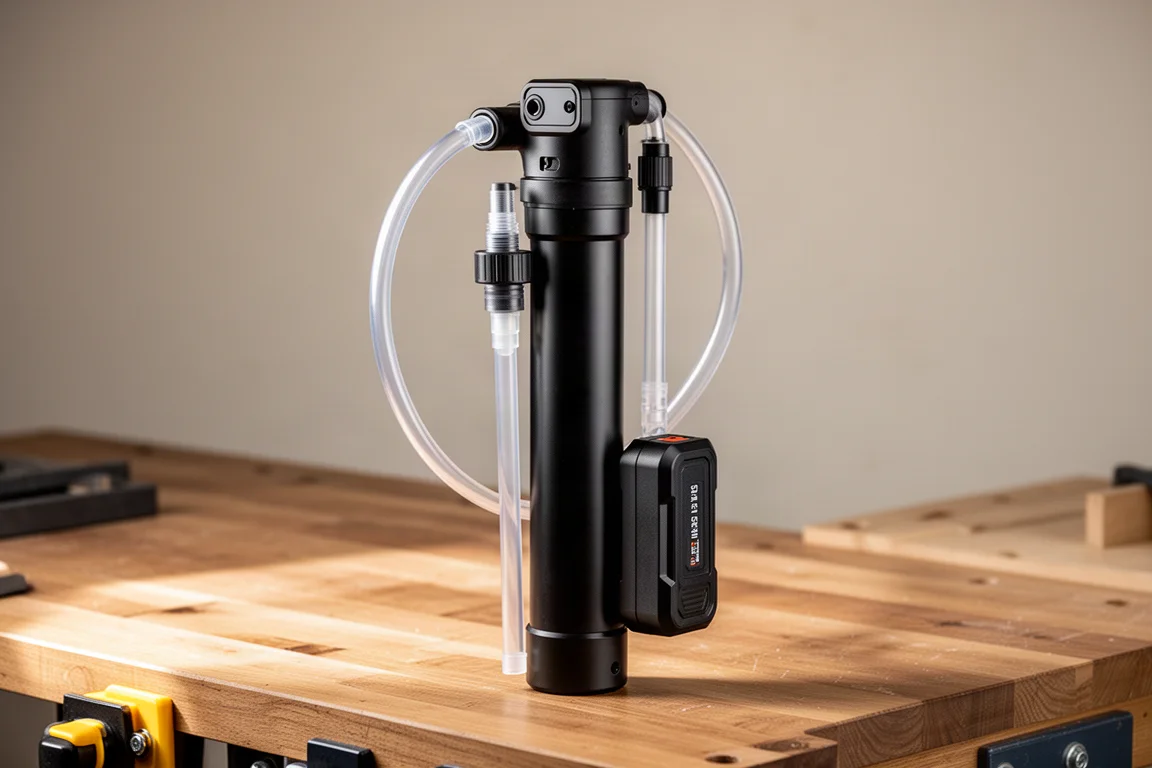
If saving your back matters more than raw speed, a battery-powered transfer pump changes the experience entirely. The Key Plug pump is a cordless unit powered by 18 to 20 volt lithium batteries, and it works with both DeWalt and Milwaukee packs, which is a genuine convenience if you already own tool batteries. It claims a flow of 12 liters per minute with auto stop protection, and it drained five gallons in 1 minute 25 seconds, 36 seconds faster than the competing XR Market pump.
Like the XR Market, it requires removing the flame arrestor hardware from some cans, and it will leak if tipped over on its side. But with user fatigue eliminated and your hands free while fueling, it is hard to beat for frequent, high-volume pours.
Durability: Which Spouts Survive Real-World Force
Accidents happen, and a nozzle that cannot survive an accidental bump can spill fuel around the base cap. The stock Midwest spout started leaking at just over 14 pounds of force, which set a low bar. The Yamataka led the field at 48.4 pounds, followed by Mr. Yellow at just over 40 pounds, and the Easy Pour at around 63.5 pounds.
The Aliposa ultimately outperformed everything, refusing to leak even beyond 88 pounds, though its very slow flow rate keeps it off the recommendation list. The Osprey, at 2.1 pounds, was the clear outlier on the fragile end, and the Reliable gave up early at just over 10 pounds.
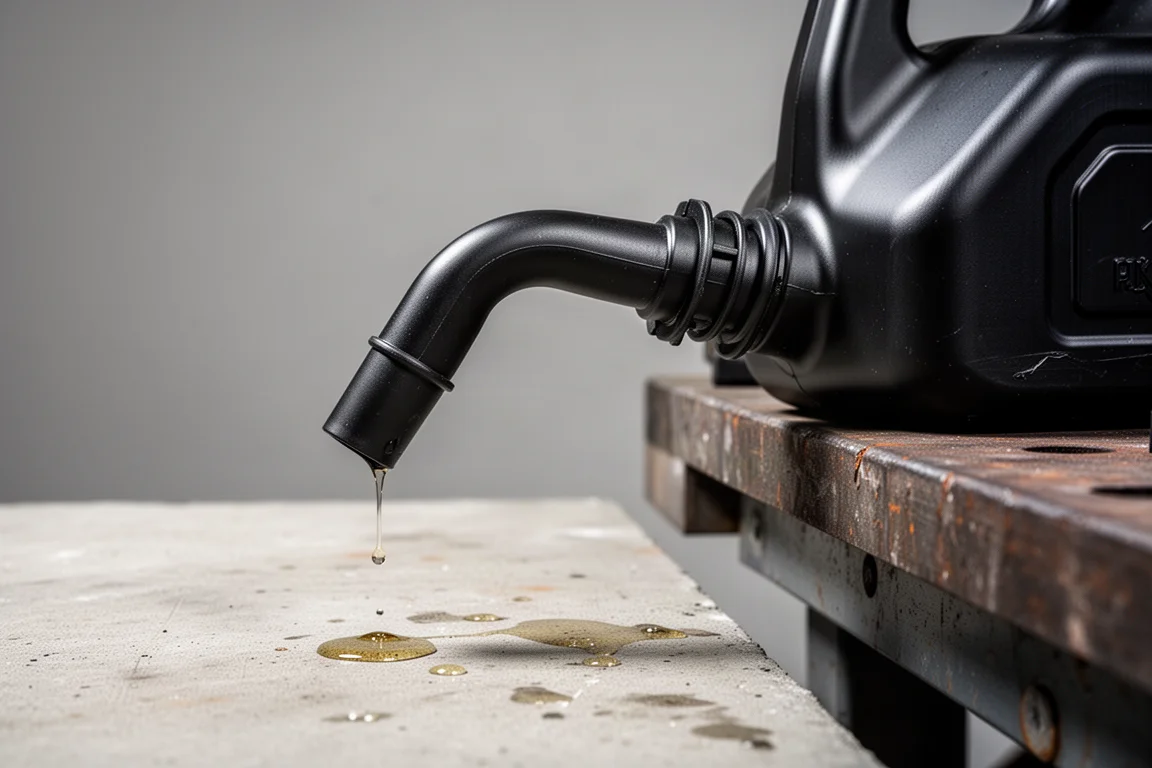
If durability is a priority, the Easy Pour, Yamataka, and Mr. Yellow are the rigid and flexible spouts most likely to shrug off a mishap.
Factory Fuel Cans: How the Stock Options Compared
Not everyone wants to modify an existing can, so several complete fuel containers were tested with their factory nozzles. The Fuel Works can at $42 was the standout, delivering on its claim of five gallons in roughly 55 seconds, and it tipped over at 43 degrees, the best stability of any can tested. The catch: none of the replacement spouts fit it, so you are committed to its own nozzle, which needs 19.5 pounds of force to start flow.
The Garvey at $34 poured in 1:32 but demanded an excessive 23.2 pounds of force and spilled during the car-refueling test. The Vaver at $36 needs under 7 pounds of force but is not vented properly and took nearly 3 minutes to drain. The VP Racing at $39 was the only factory can that refueled a car without spilling, though poor venting stretched the drain to over 3 minutes. The Scepter at $42 had the best tip-over angle among the slower cans but needed 28.7 pounds of force and nearly 5 minutes to empty.
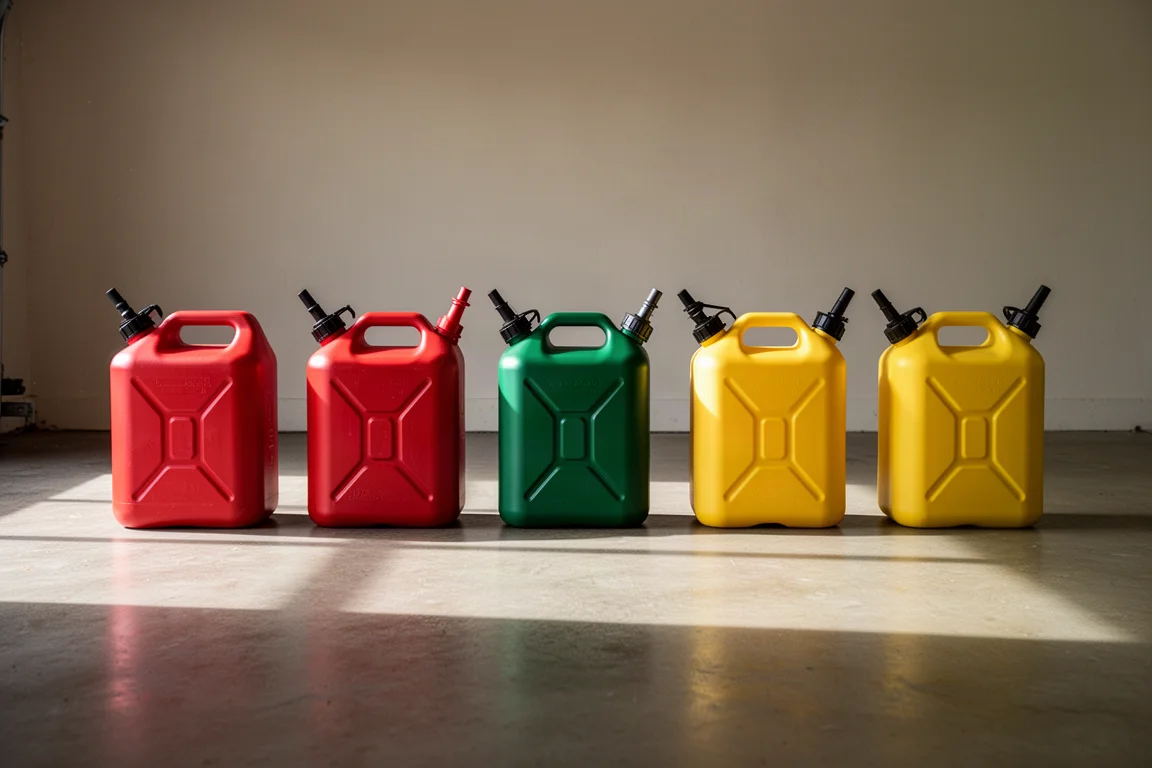
A compatibility note worth knowing: every replacement spout tested fit the Garvey and Vaver cans, all fit the Scepter except the Key Plug, and all fit the Midwest can except the Gedlex. The No-Spill 2.5-gallon container only works with the two transfer pumps.
Buying Advice
If you want the single best replacement nozzle, the Easy Pour is the top pick. It moves fuel faster than anything else tested, it is built to survive accidents, and the included extension gives it up to 16.5 inches of reach. Just be aware it is too large for some unleaded filler necks.
For flexible-nozzle fans, the Yamataka is the durability winner at a great per-spout price. On a tight budget, the Mojo offers the best mix of speed and toughness for $7. If you already own DeWalt or Milwaukee batteries and want fueling to be effortless, the Key Plug transfer pump is worth the premium. And if you would rather buy a can that performs well out of the box, the Fuel Works is the fastest factory container tested.
Conclusion
The frustrating spouts that come with new fuel cans are not a problem you have to live with. A well-chosen replacement nozzle turns a slow, spill-prone two-minute pour into a fast, clean one, and the Easy Pour, Yamataka, Osprey, and Mojo all outperformed the factory hardware decisively. For hands-free fueling, a battery-powered pump like the Key Plug removes the effort entirely. Match the pick to your cans and your typical pour, and you will stop paying for fuel that ends up on the ground.
Further reading
Related Reviews

Backpacking Gear
Building a 10 lb Base Weight: An Ultralight Backpacking Gear List
A practical walkthrough of the ultralight pieces behind a 10 lb base weight, from a 765 g pack and a roomy one-person tent to a full camp chair and a dependable water filter.

Road Bikes
10 New Road Bikes Worth Watching: Aero, Titanium, Steel and Endurance Standouts
A practical roundup of 10 new road bikes, from aero flagships chasing single-watt gains to titanium, steel and endurance platforms built for real roads.
Bikepacking Gear
11 Bikepacking Essentials for Long-Distance Cycling
Eleven bikepacking essentials for long-distance cycling, from a steel gravel frame and a two-person tent to helmet lights, packable gloves, and a frame bag that puts weight in the right place.