Satellite Communicators
Best Garmin inReach Devices for Hiking: 7 Options Compared
A practical walkthrough of seven Garmin inReach and GPSMAP devices for hiking, from the compact inReach Mini 2 to the marine-ready GPSMAP 86i.
Introduction
Choosing a satellite communicator for hiking comes down to three questions. How much navigation do you want on the device itself rather than on your phone? How long does the battery need to last between charges? And how easy is the unit to operate when your hands are cold, the light is poor, and something has actually gone wrong?
The Garmin inReach family answers those questions differently depending on the model. Some units are small enough to forget about until you need them, others put full topographic mapping on a dedicated screen, and a few are built for very specific situations. This guide walks through seven options, starting with the one that suits the widest range of hikers and moving through the more specialised picks.
What Matters Most in an inReach for Hiking
Three things separate a communicator that stays in your pack from one you end up leaving at home. The first is size and weight, because a device only helps if you actually carry it. The second is the interface. Physical buttons and a readable screen matter far more on a cold, wet, stressful day than any specification sheet suggests. The third is battery life, particularly on multi-day trips where charging is not an option.
It also helps to separate two distinct jobs. One is sending an SOS or a check-in message over satellite. Every device here handles that. The other is navigation, and the split is where the models really differ: some guide you back to your starting point or keep you on a loaded course, while others carry full maps and routing on board.

Backup navigation is worth thinking about before you buy. If your phone is your primary map, a device that can return you to your start point or confirm you are still on course gives you a safety net that does not depend on a charged phone.
Garmin inReach Mini 2: The Best Overall Choice
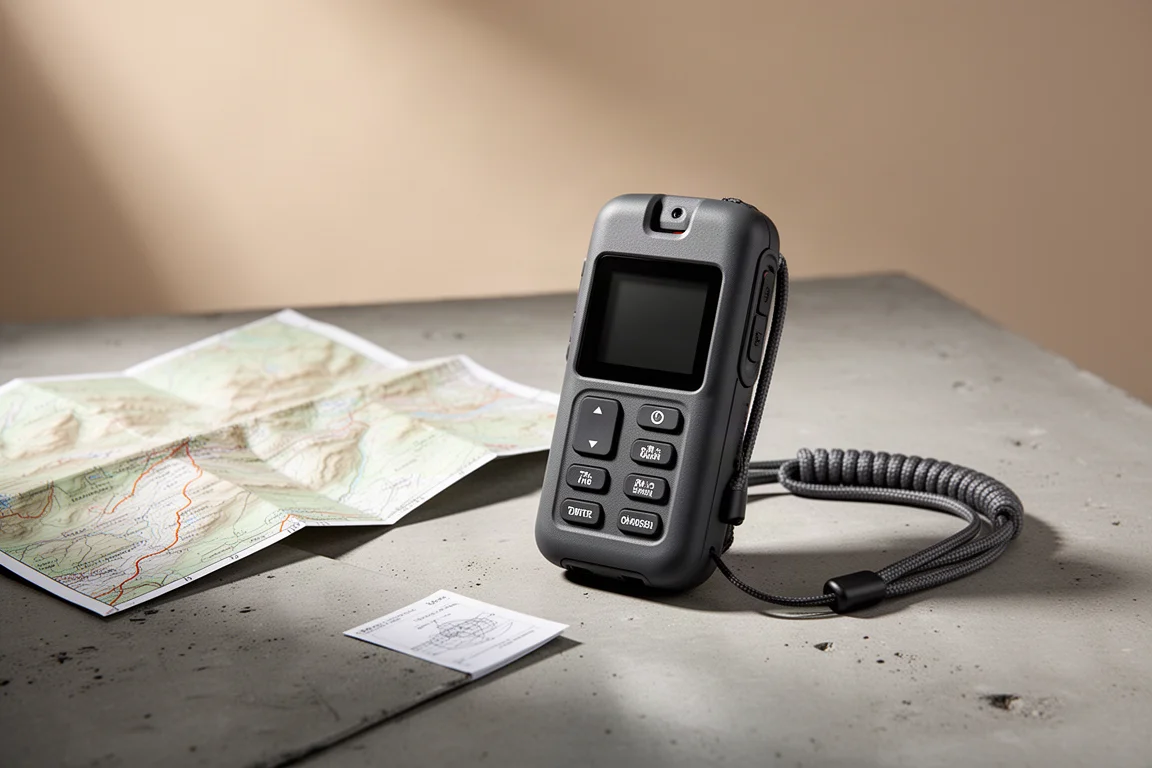
The inReach Mini 2 is the model to start with if you want one device that covers the widest range of hiking situations. It is small, lightweight, and durable, and it retains the full set of inReach messaging functions. The button layout makes it straightforward to use directly, and it clips onto a backpack so it stays within reach.
It also pairs with the Messenger app, which lets you control it from a phone when you would rather type on a larger screen. As a navigation tool it works best as a backup. Track back will guide you to where you started if your phone dies, and you can load courses onto the unit before a long hike. It does not include maps, so you will not see terrain detail, but it can still show whether you are on course and help you get back.
That combination of size, messaging, and backup navigation makes it the most well-rounded option for general outdoor use, and it is frequently available at a discount.
Garmin GPSMAP 67i: Best for Built-in Mapping
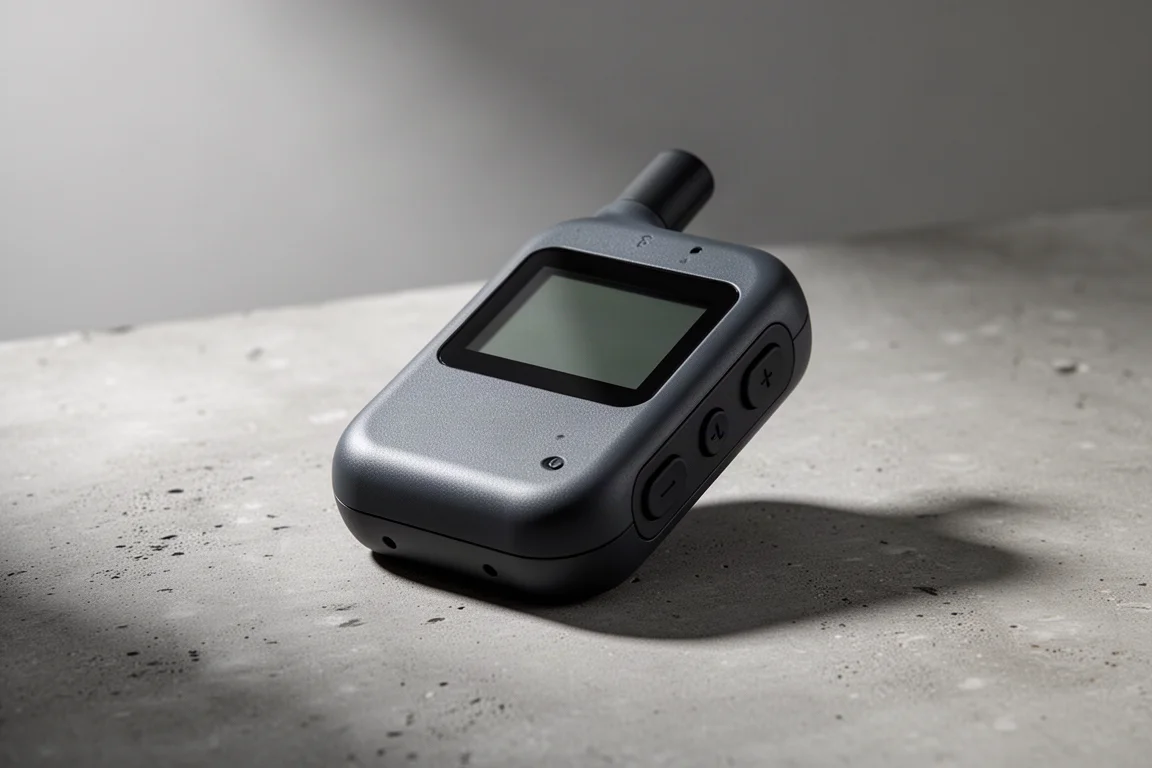
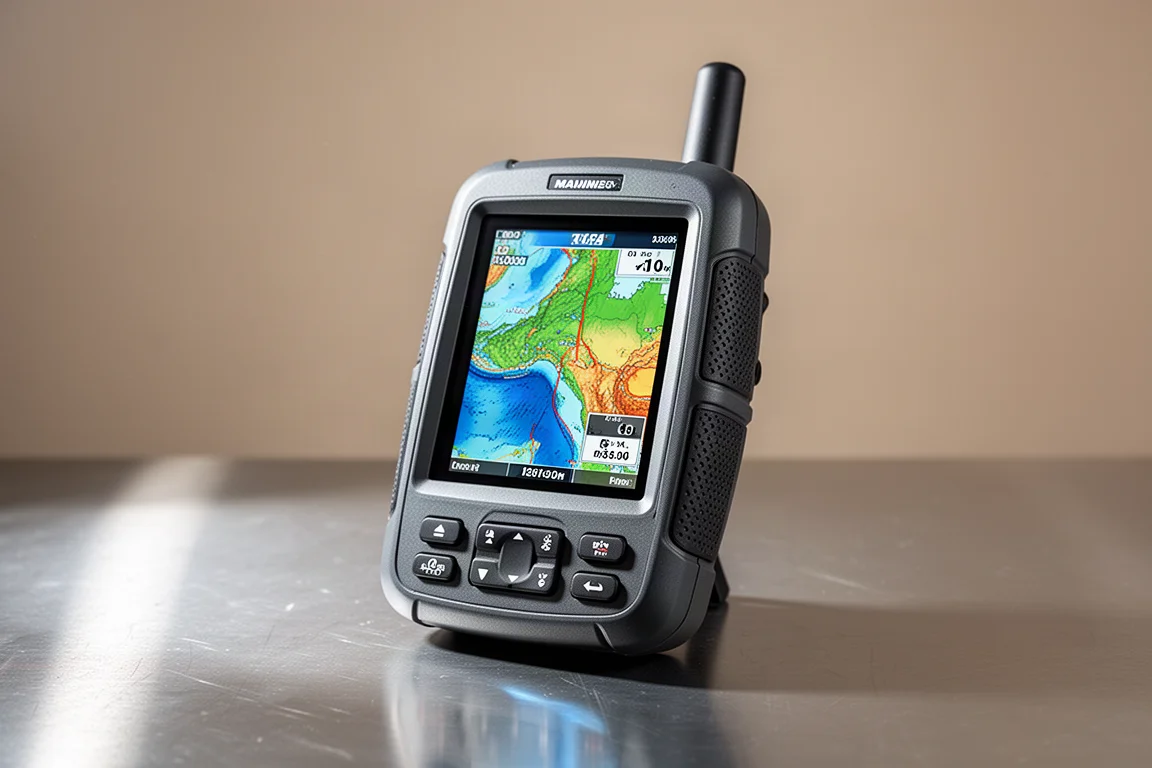
If you would rather have navigation living on the device than on your phone, the GPSMAP 67i is the stronger pick. Its large colour screen makes inReach messages and weather reports much easier to read at a glance, which matters when you are checking conditions in flat light or bad weather.
Mapping is the bigger difference. The 67i comes preloaded with trail maps and topographic maps for your area, including trail names, so there is nothing to load before a trip. Routing and navigation work offline, with no cellular connection and no inReach connection required.
For hikers who plan routes in advance and want the map on a dedicated screen rather than behind a phone battery, that is a meaningful upgrade over a phone-first setup.
Garmin inReach Messenger: Long Battery Life, Phone-First
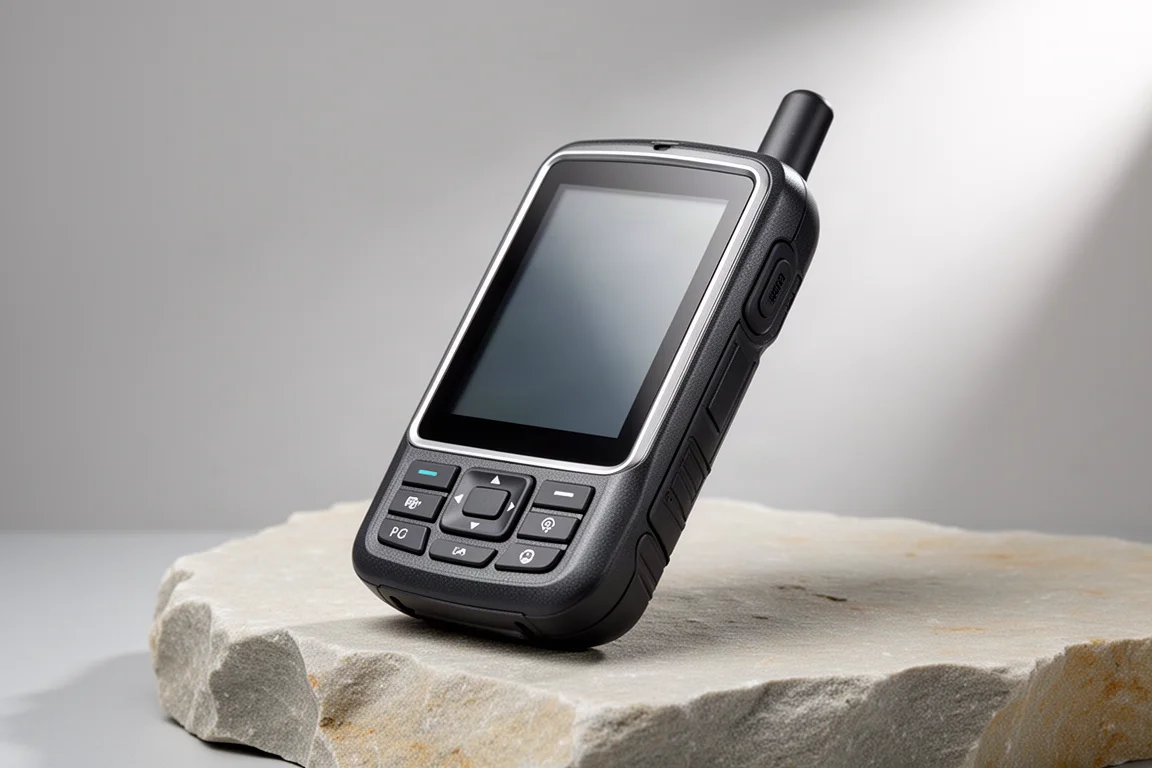
The inReach Messenger is designed to be used alongside a phone. It does work on its own, but the small screen and small buttons make it fiddly to operate without one. That matters in an emergency, because those are exactly the moments when you do not want to be hunting through tiny menus.
Where it stands out is battery life, which is very long. If endurance between charges is the single most important factor for your trips, that trade-off may well be worth accepting.

The practical way to think about the Messenger is as a satellite link for a phone you already carry and already like using, with the option to fall back to the device itself when you need to.
Garmin inReach Messenger Plus: Satellite Voice Notes and Images
The inReach Messenger Plus adds voice notes and image sharing over satellite. Those features are genuinely useful if you have a specific need for them, for example sending a photo of a route condition or a quick voice message home when typing is impractical.
For most hikers, though, that capability is not necessary, and the device is expensive. It uses the same form factor as the standard Messenger, which means the same small screen and the same small buttons if you end up operating it without a phone in an emergency.
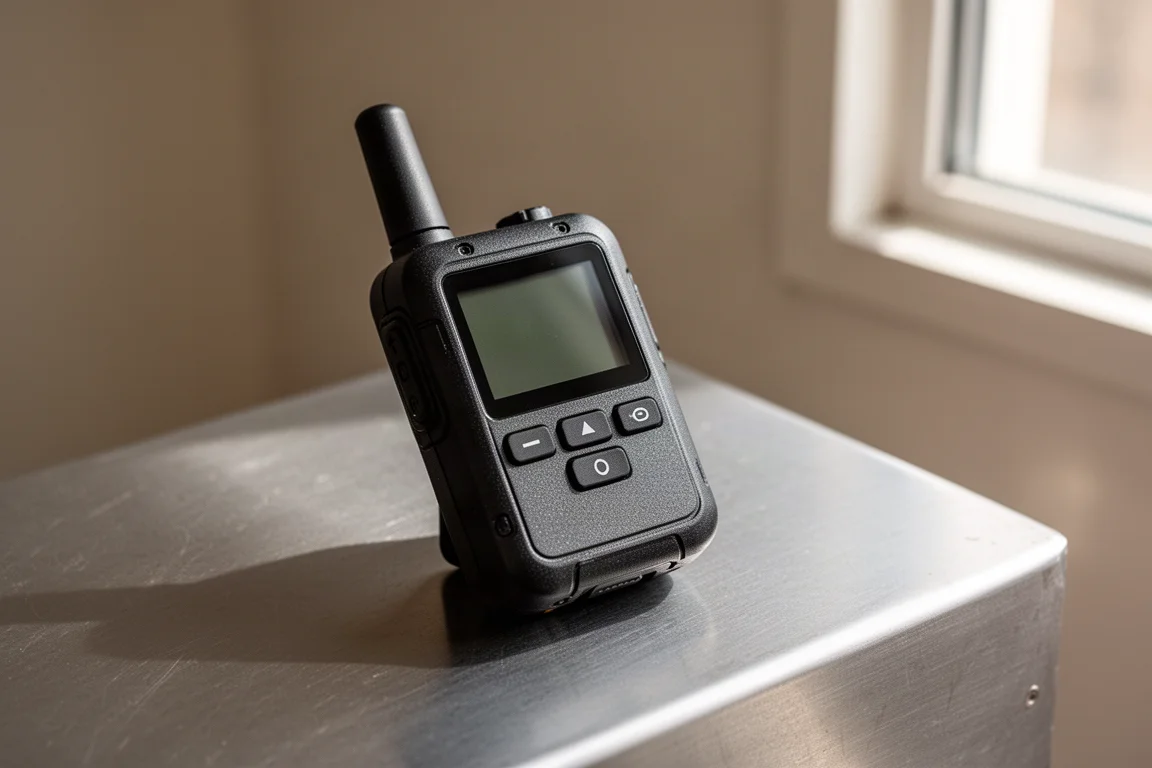
Garmin Montana 700i and 750i: Hard to Recommend
The Montana 700i and 750i are large handheld units with inReach built in. They are bulky, and in everyday use they feel quirky and buggy rather than refined. Unless one of their specific capabilities is exactly what you need, they are difficult to recommend over the alternatives above.
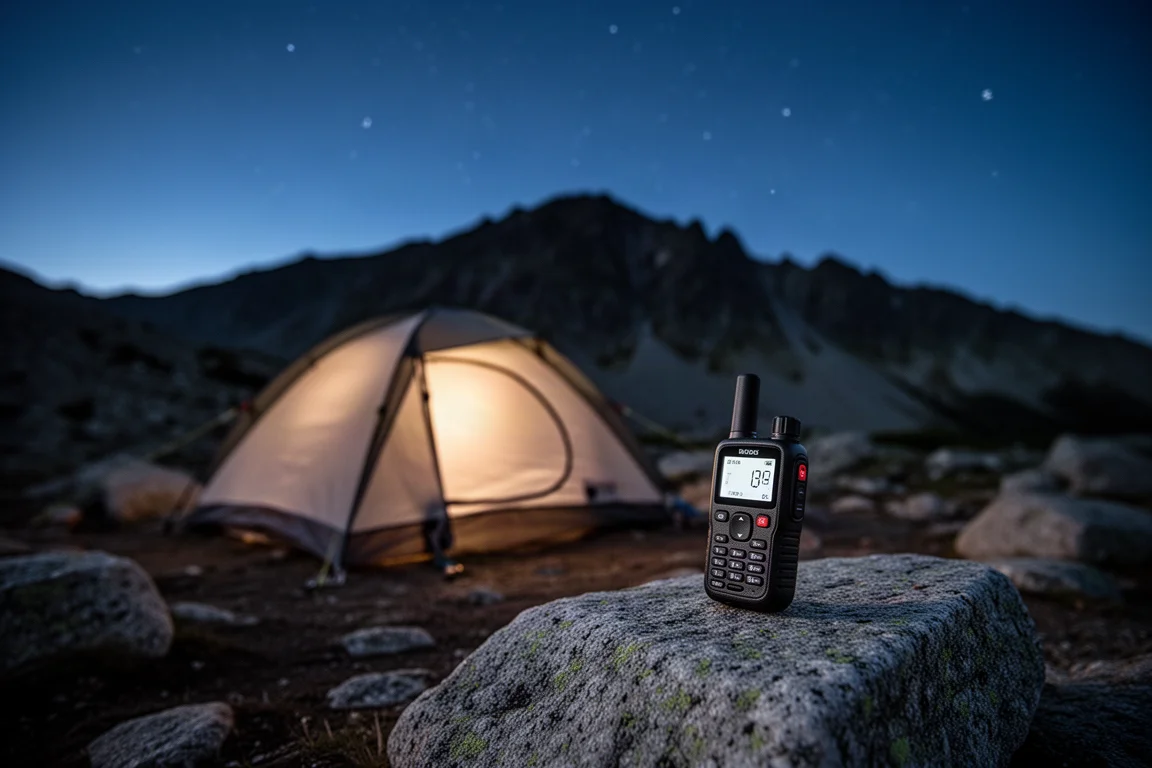
For the 700i, the appeal is the large handheld form factor and the built-in capability that comes with it. The size and the day-to-day experience are what hold it back for most hikers.
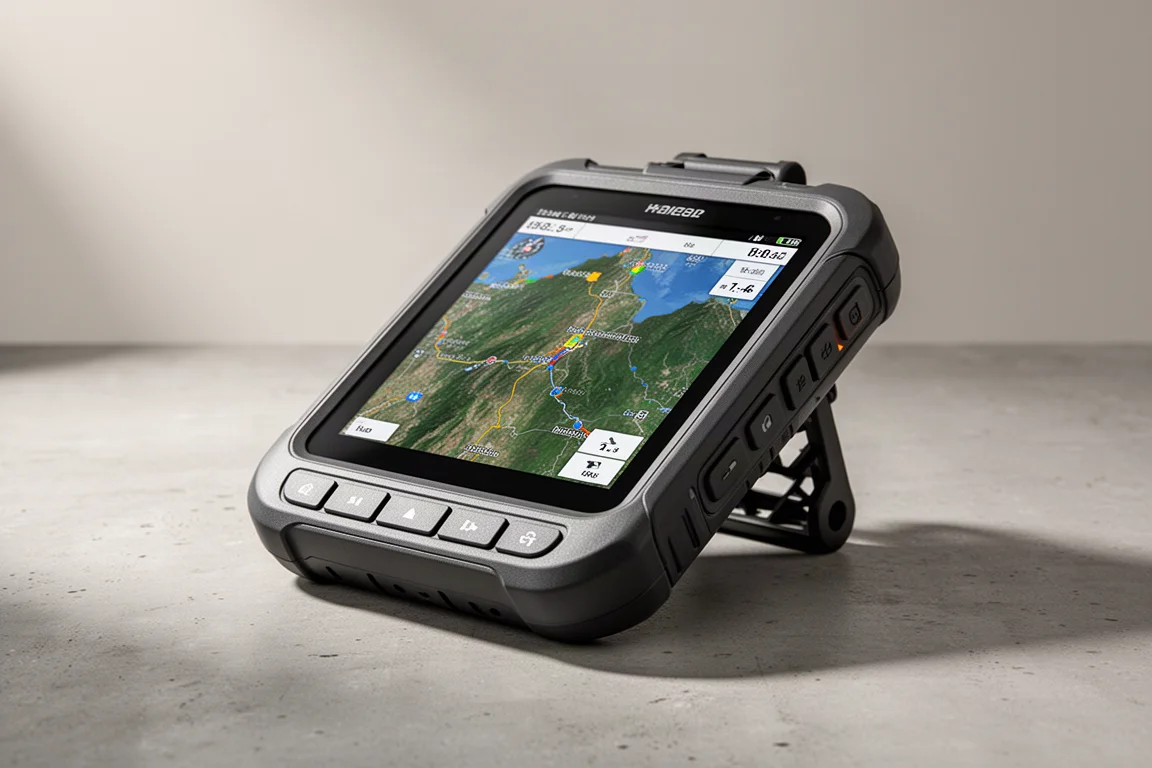
The 750i sits on the same platform and carries the same caveats about bulk and usability. A specific feature you genuinely want would be the only reason to choose either of these over a smaller communicator or a GPSMAP handheld.
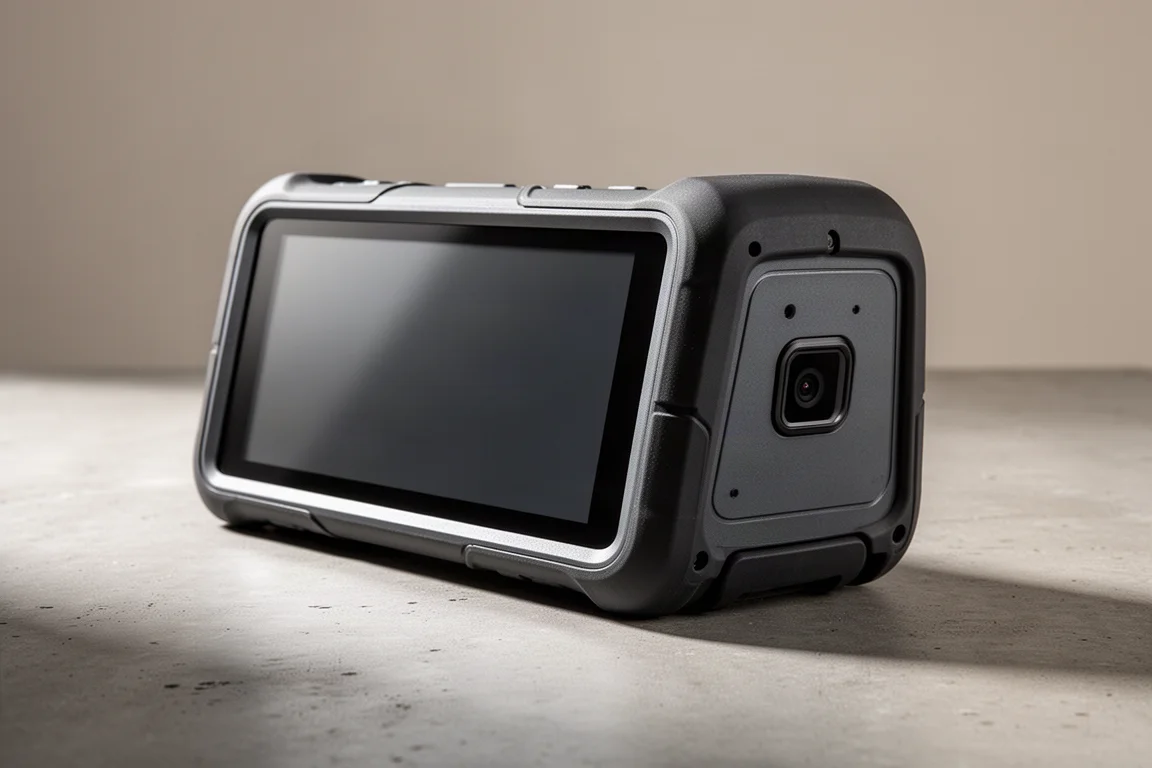
Garmin GPSMAP 86i: Best for Boating and Waterways
The GPSMAP 86i is essentially the equivalent of the GPSMAP 67i with marine mapping added. If you spend time on the water and want satellite messaging and navigation there, it covers waterways the way the 67i covers trails.
For pure hiking, the extra marine mapping is not something you would use, which is why the 67i remains the more general-purpose option of the two. The 86i earns its place when your trips genuinely include water.
Buying Advice
Start with the inReach Mini 2 if you want a small, durable communicator that handles messaging, works with your phone, and provides backup navigation without adding a second map screen to your kit. It is the safest default for mixed hiking.

Choose the GPSMAP 67i if mapping on the device matters to you, because preloaded trail and topographic maps plus a large colour screen change how the unit is used on the trail. Choose the inReach Messenger only if very long battery life outweighs awkward standalone controls, and consider the Messenger Plus only if satellite voice notes and images are a real requirement rather than a nice-to-have.
The GPSMAP 86i makes sense when your trips include waterways. The Montana 700i and 750i are the ones to skip unless a specific feature on them is the reason you are buying in the first place.
Conclusion
There is no single right answer, but the ordering is fairly clear. The inReach Mini 2 covers the most ground with the fewest compromises, the GPSMAP 67i is the pick when you want real maps on the device, and the GPSMAP 86i serves anyone who splits time between trails and water. The Messenger models trade screen comfort for battery life or satellite media, and the Montana handhelds are hard to justify for most hikers.
Further reading
Related Reviews
Satellite Communicators
Garmin inReach Messenger vs inReach Mini 2: Which Satellite Communicator Belongs in Your Pack
A practical comparison of two compact Garmin satellite communicators, covering navigation, screen size, battery life, reverse charging and price.
Satellite Communicators
Garmin inReach Messenger vs Zoleo: Which Satellite Communicator Is Right for You?
A practical comparison of two satellite communicators, covering price, battery life, messaging, apps, satellite coverage, and standalone SOS use.
Satellite Communicators
Garmin inReach Mini 2 vs inReach Mini: Is the Newer Satellite Communicator Worth It?
A practical comparison of the Garmin inReach Mini 2 and the original inReach Mini, covering battery life, USB-C charging, navigation, app support, and upgrade advice.