Watch Brands
Best French Watch Brands 2026: A Guide to the Nation's Watchmaking Renaissance
From heritage houses like Cartier and Hermès to modern independents, these are the French watch brands shaping the industry in 2026.
Introduction
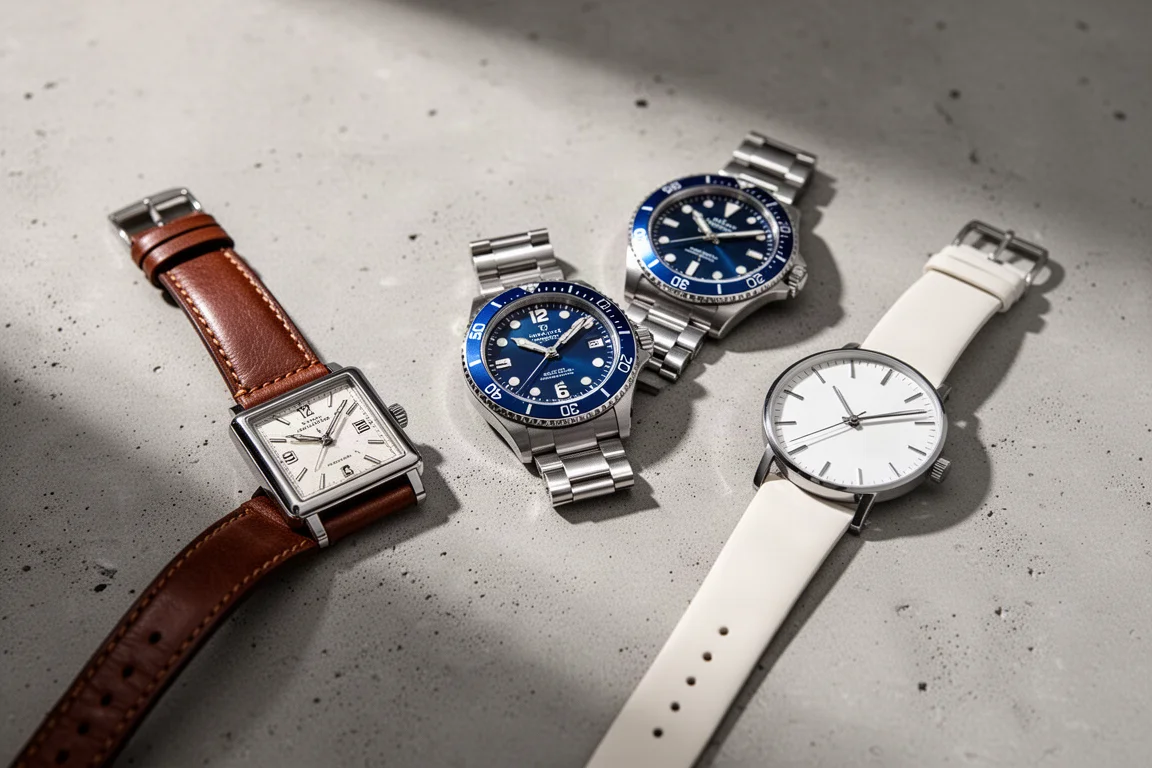
When people talk about great watchmaking nations, Switzerland, Japan, and Germany typically come up first. But France has had an incredible influence on the global watchmaking stage. During the 17th and 18th centuries, France was at the center of European watchmaking. When French Protestants fled the country, many brought their expertise directly to the Swiss Jura, helping lay the foundation for the industry Switzerland would later dominate.
For decades, France largely became less involved in the conversation. That is changing. Today, a new generation of French brands alongside revived historical names is fueling a renaissance that stretches from accessible brands to serious high-end independents. This guide looks at some of the best watch brands from France, proving that one of watchmaking’s oldest nations still has plenty keeping its watchmaking spirit alive.
A quick note on selection: a brand on this list must have a meaningful connection to France. It cannot simply be someone born in France now doing everything outside of France. The brand must have some type of corporate identity still connected to France, even if some watches are produced elsewhere. Some brands have manufacturing capabilities outside of France, say in Switzerland, but maintain corporate offices, design capacity, or strong ties to the nation.
Cartier: The Jeweler of Kings
Cartier stands as not only one of the world’s leading jewelers but also one of the most notable watchmakers globally. Established in 1847, it has transcended its modest beginnings to become one of the world’s leading luxury empires, characterized as the jeweler of kings and the king of jewelers. Louis Joseph Cartier designed his first wristwatch in 1904, the square case Santos, to address the practical needs of a friend, Brazilian aviator Alberto Santos-Dumont.
As wristwatches began to supersede pocket watches in popularity, Cartier was inspired to create new designs, and in 1917, the Tank was the result. As the 70s rolled into the 80s, Cartier’s ownership was in flux, and the multinational firm that eventually became known as Richemont first acquired stakes in 1988. From that point, Cartier’s prestige was on the rise, and the company began creating more manufacture movements by 2005.
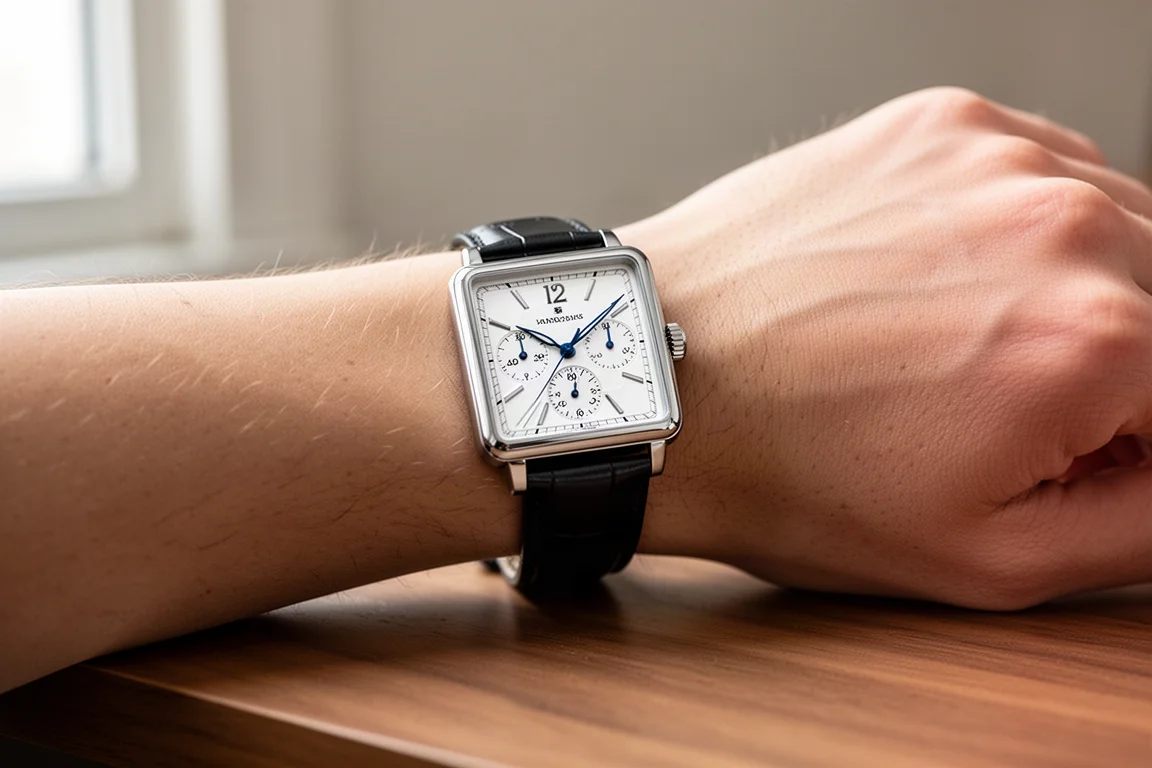
Today, Cartier is a powerhouse of watchmaking, consistently being one of the largest sellers of wristwatches globally each year. They have a wide array of models including several iterations of the Tank, the Panthère along with the Santos, the Ballon Bleu, the Pasha, and the newly reintroduced Roadster, along with outrageous expressions of high horology with prices to match.

Hermès: From Saddles to Haute Horlogerie
Hermès got its start back in 1837, founded in Paris as a maker of fine leather goods, including saddles and riding harnesses. Today, along with their highly coveted handbags, the brand has developed an exceptional reputation in luxury watchmaking. Their first connection to watchmaking dates back to 1912 when Hermès created a leather wrist attachment for a pocket watch worn by Jacqueline Hermès.
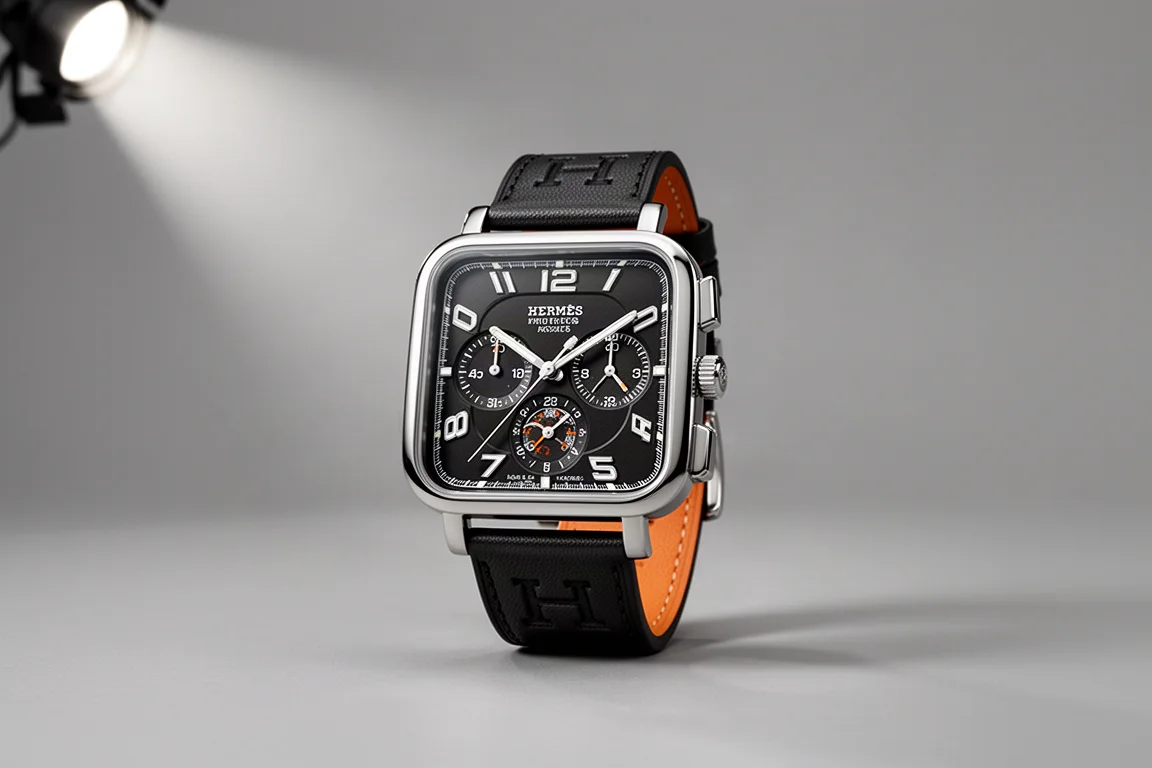
In 1928, Hermès introduced its first signed watch and would go on to sell double-signed timepieces produced in collaboration with Swiss makers such as Movado and Universal Genève. In 1978, the brand started to shift some of its strategic production into Switzerland, the heart of watchmaking. Along the way, some of their most recognizable models appeared, including the Arceau with its stirrup-shaped lugs calling back to the brand’s equestrian roots. Another iconic model is the Cape Cod with its square within a rectangle shape inspired by their anchor chain motif.
The 21st century is where Hermès truly legitimized its ability in watchmaking. Hermès made some great strategic decisions to further this along, including taking a minority stake in the movement manufacturer Vaucher along with taking ownership stake in a dial and case manufacturer. This has enabled them to create high horology pieces that take advantage of their in-house capabilities. Their vertical integration also extends to their sporty models like the rectangular H08 series, along with the surprise hit of the stylish Cut model launched back in 2024. Far removed from just a fashion brand, Hermès is a legit player in luxury timepieces with in-house capabilities for not only movements but cases, dials, and straps as well.
Baltic: The Microbrand Success Story
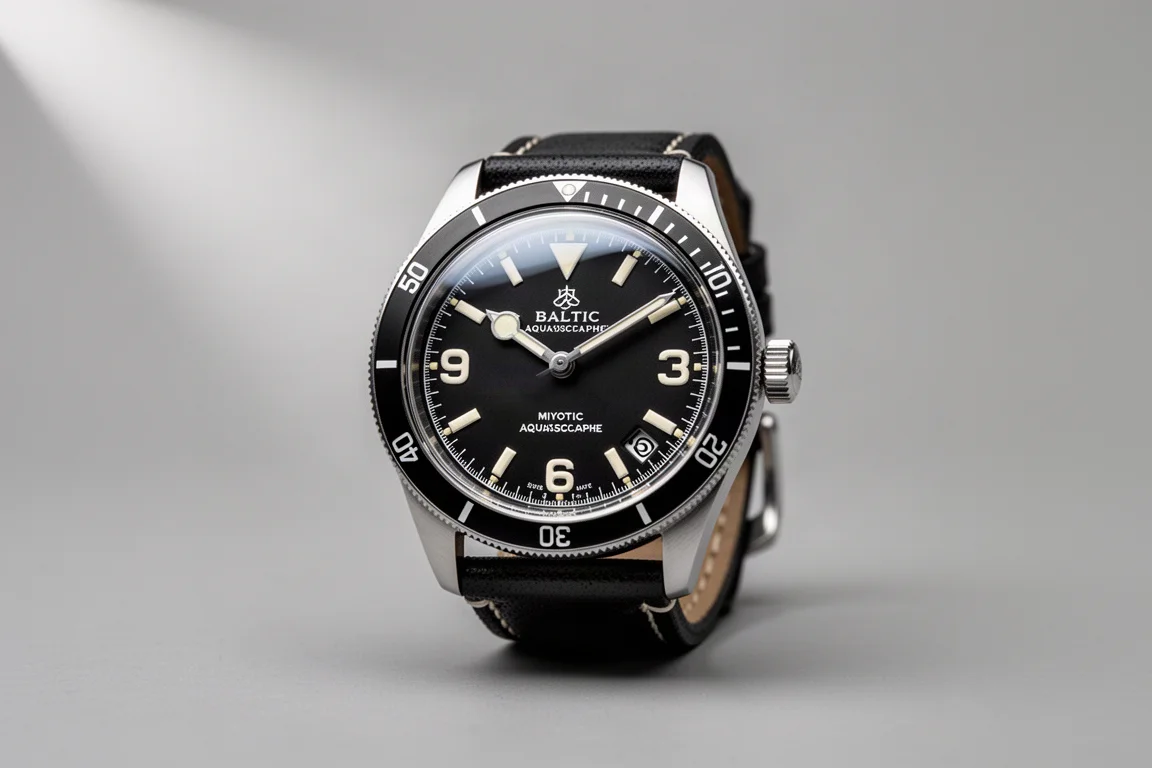
French microbrand Baltic has come a long way since its genesis in 2016. The microbrand launched on Kickstarter with two models: the Miyota powered automatic three-hand HMS, an art deco take on a refined field watch, and the Bi Compax, a manual chronograph with classic refined looks and a Seagull ST1901 caliber on the inside. The vintage style watches were restrained in design, assembled in France, and well speced for the price, becoming a huge hit among collectors.
Things really escalated for Baltic upon the release of their Aquascaphe diver. With its 39mm case, Miyota movement, sapphire bezel insert, and retro aesthetics, it became a standout. Many sequels have followed, including a bronze version, a dual crown model with an internal bezel, a GMT, and even a titanium diver, as the Aquascaphe paved the way for future expansion.
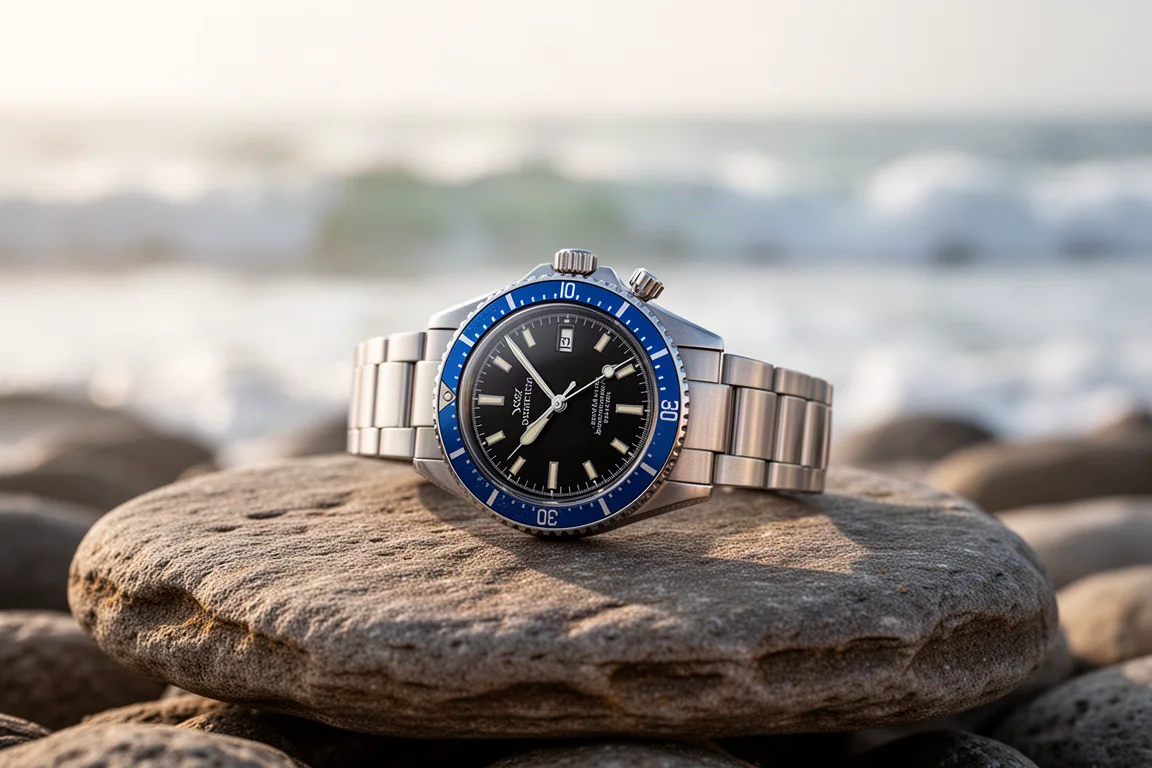
Baltic hasn’t slowed down since with its 37mm Aromatic, their sophisticated Prismic series, and most recently the futuristic jump hour Baltic Space 1 second measure. Baltic has basically emerged as an A-list microbrand, becoming widely known within the enthusiast community and being greatly responsible for the surge in French microbrands entirely.
Yema: A Storied French Heritage
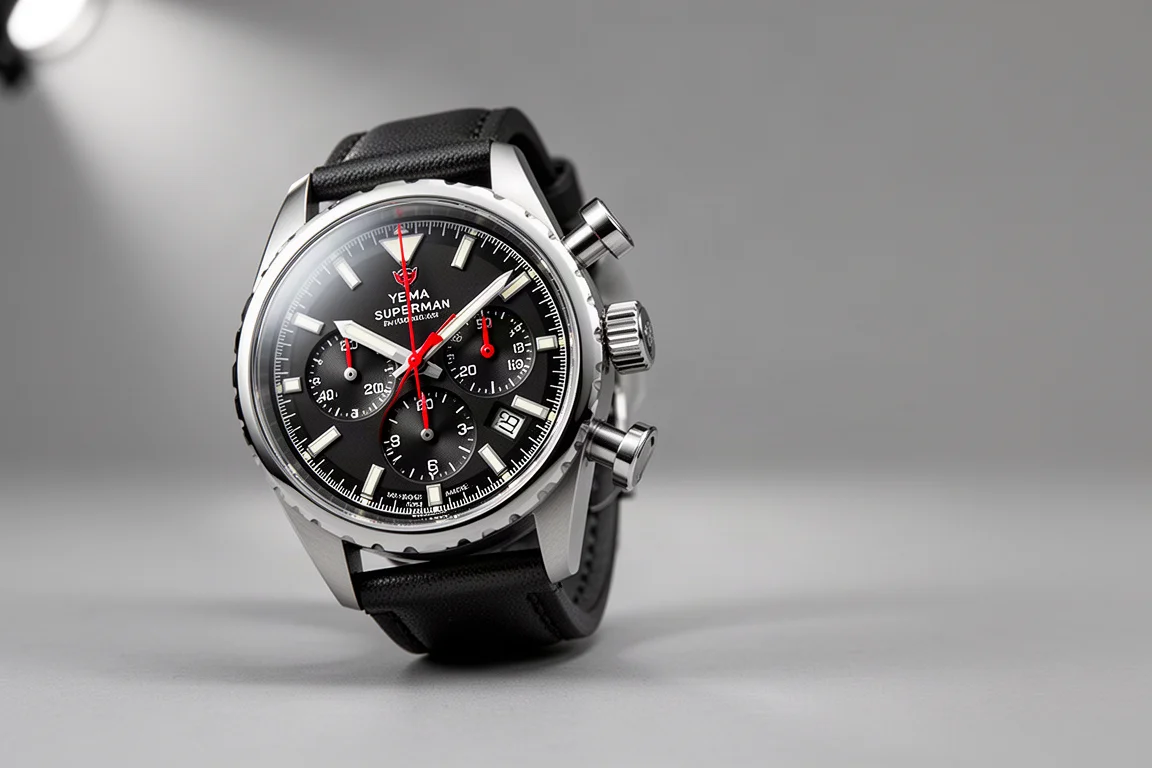
Yema is one of the larger French brands on our list with a storied heritage that dates back to 1948. During the mid to late 60s, the brand was exporting 400,000 watches a year to more than 50 countries. It is celebrated for tool watches like the Superman diver, which found favor among military professional users, and the Rallygraph chrono worn by Indy 500 champion Mario Andretti.
Yema wasn’t immune to the quartz crisis, however, and a period of changing ownership saw the company managed for a time by Richard Mille and later Seiko before returning to French ownership in 2009. Today, Yema has doubled down on French manufacturing and a shift in in-house assembly for many of its movements, including a micro-rotor CMM.20 caliber.
The current Yema catalog is broad with favorites such as the Skin Diver, the Navygraph, and Superman prominently featured in the lineup. More daring designs come in the form of their Urban Traveler and Wristmaster integrated models, as well as their dressed up Granville Renaissance, featuring a retro-inspired cushion case and micro-rotor small seconds movement.
Bell & Ross: Aviation Inspired Design
One of the most instantly recognizable brands on our list is Bell & Ross, founded back in 1992 by two college friends. Designed as rugged, functional aviation themed timepieces for professionals, the brand early on gained credibility through watches designed for military, aviation, and professional users, including adoption by select French military and law enforcement units.
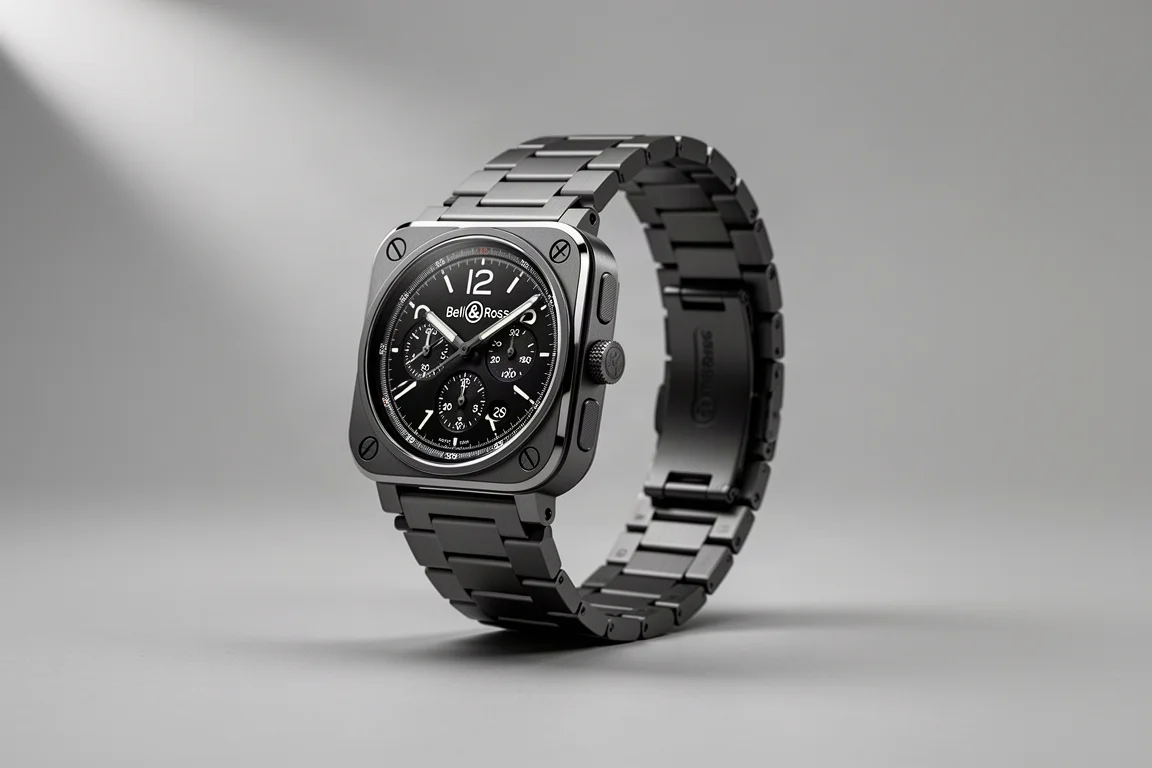
Designed for the utmost in legibility, the square Bell & Ross models feature a circular dial that follows the form of an analog cockpit instrument, with special editions that recall the look of gauges like altimeters, compasses, and radar screens. A range of materials followed, including bronze, titanium, and even full gold. The company has ventured out into other shapes as well, including the integrated BR05.
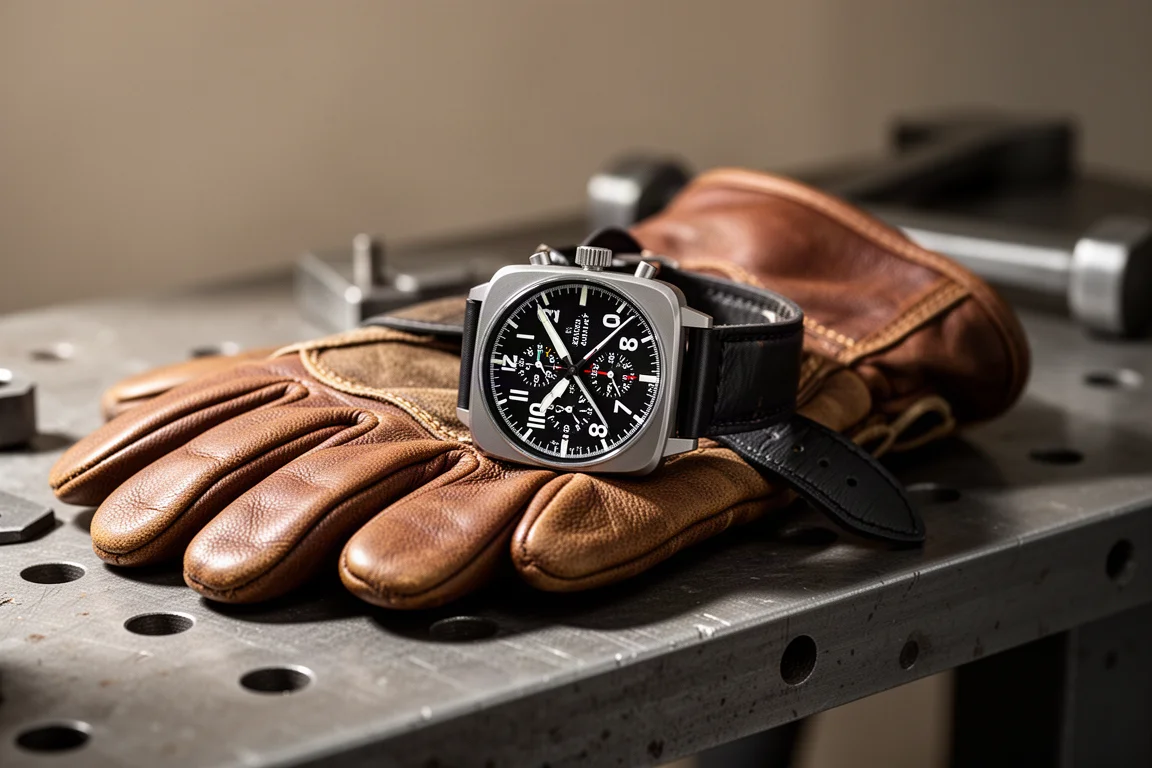
Today, Bell & Ross offers a host of options, including dive watches, chronographs, GMTs, along with smaller case sizes. Movements are largely Sellita based with some models utilizing manufacture movements from Kenissi, with Chanel holding a minority stake in the brand.
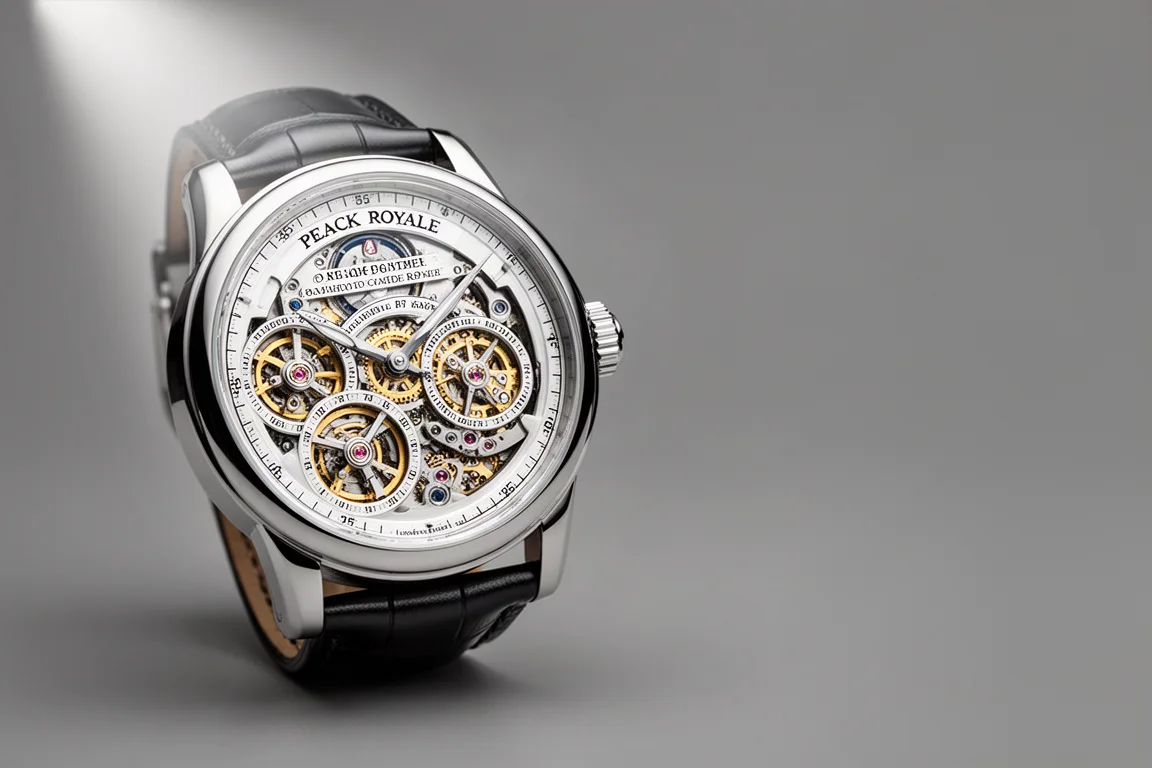
Peack: A French Manufacture
Founded in Morteau, France in 1973, Peack stands as one of the few French manufacturers of their own movements, with several in-house assembled calibers throughout their stylish lineup. The company established its own haute horlogerie laboratory in 2008, opening its movement manufacture facility two years later.
Their flagship movement, the 88-hour automatic caliber Royale, was introduced in 2011, the first movement made in France to incorporate multiple complications on a single main plate. It serves as the heart of many model families, including the Royale Paris, the sapphire dialed Royale Sapphir, the Extreme 300 diver, and even serves as the basis for the Royale Tourbillon, introduced at Watches and Wonders in 2024.
Along with those movements, Peack manufactures a manual version of the Caliber Royale, as well as a more accessible movement, the Caliber Initial, found in models such as their integrated Concord collection.
Serica: The Modern Independent
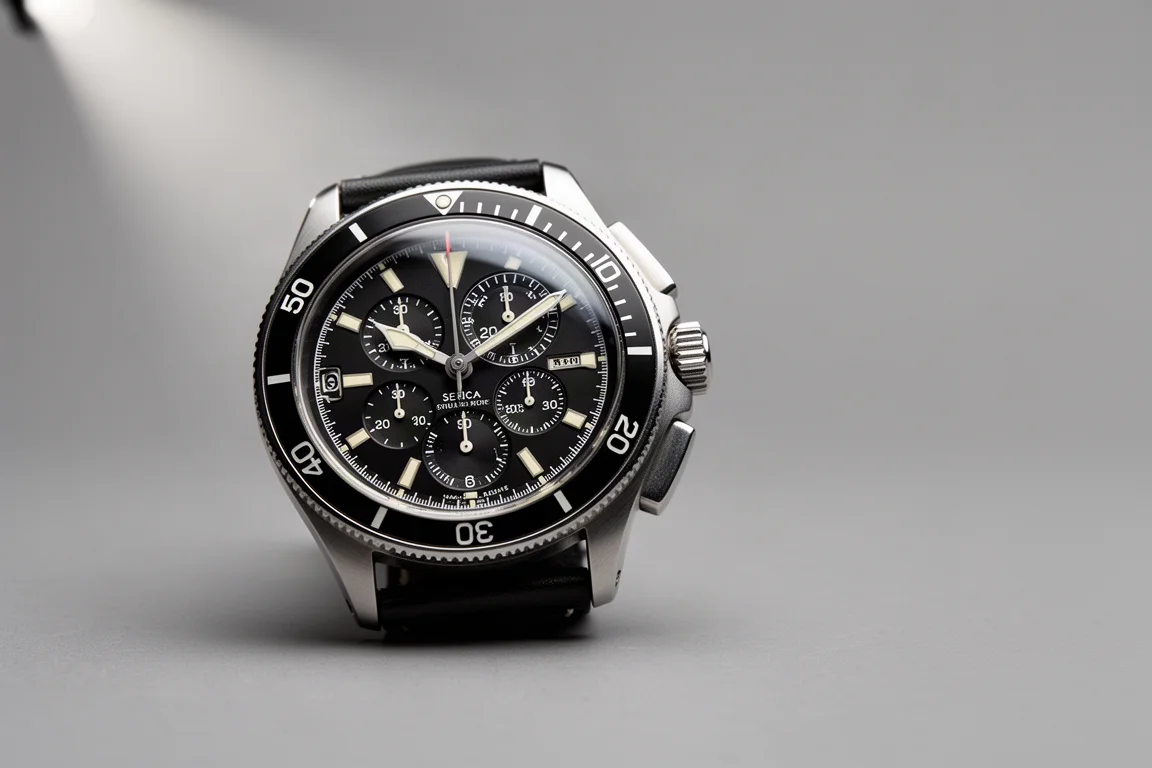
First established in 2019, the independent Serica has quickly become one of the most talked about modern French watch brands. Starting with an elevated take on a field watch referencing the wrist waterproof watch specification, the brand distinguished itself with a vintage inspired design language, strong real-world usability, and elevated finishing.
This was followed by the 300 meter 5303 dive watch, and in 2022 the 8315 GMT, a COSC-certified model powered by a Soprod based movement that offered a distinctive take on the GMT format. Several subsequent models continued this trajectory with COSC certified movements in select references.
In 2024, Serica expanded into dress watches with their Parade, a refined design that retains 100 meters of water resistance. More recently, the brand introduced the 7505 field watch, featuring a compact case, wide bezel, and spherical cardinal markers that reinforce its utilitarian aesthetic.
Reservoir: Instrument Inspired Design
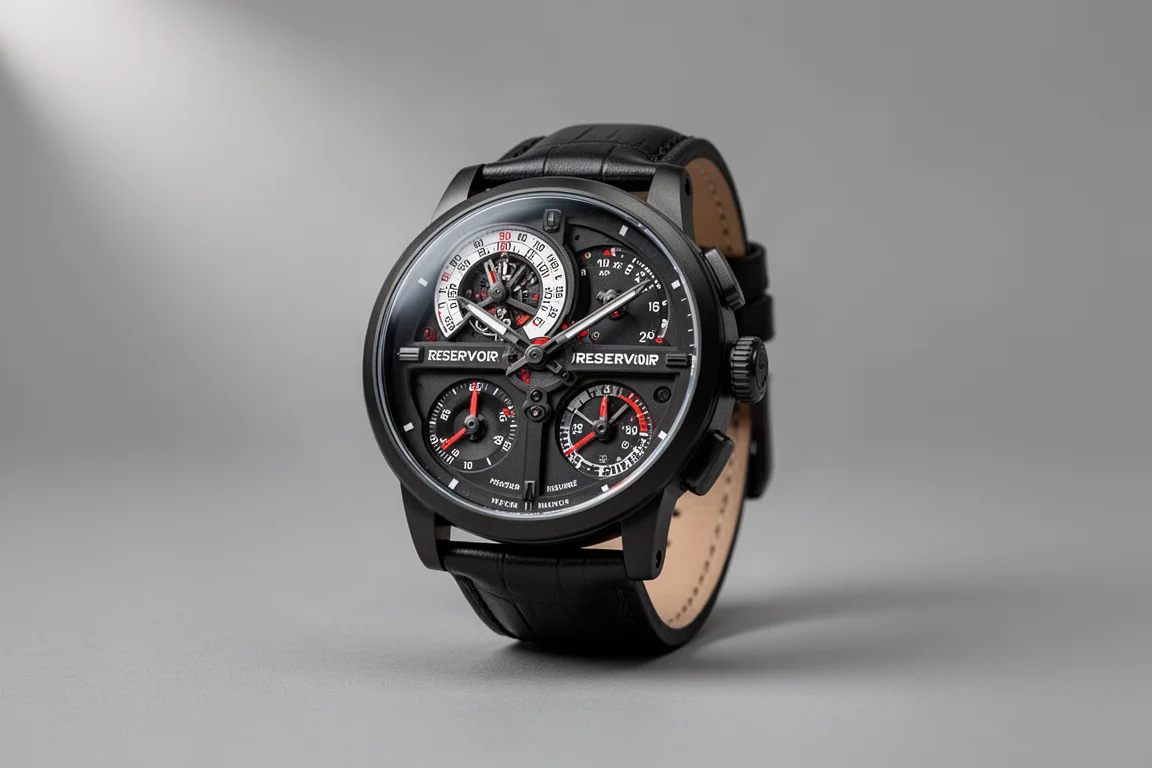
Reservoir is a Paris-based watch brand known for its instrument inspired approach to mechanical watchmaking. Its design language draws heavily from automotive gauges, cockpit instruments, and industrial meters, translating those visual cues into wristwatches powered by Swiss mechanical movements with proprietary display modules.
The brand is defined by three signature display systems: jumping hours, retrograde minutes, and power reserve indicators, each styled to evoke dashboard instrumentation. In collections such as the GT Tour and Supercharge, the retrograde minute sweep is used to mimic a speedometer or tachometer, while the jumping hour and power reserve indicator complete the illusion of a functional automotive dashboard on the wrist.
Designed in France and assembled in Switzerland, Reservoir offers a growing range of core models, collaborations, and limited editions. Prices typically start around $3,000 to over $8,000 at the higher end of the brand, positioning the brand as an accessible entry to highly conceptual mechanical watch design.
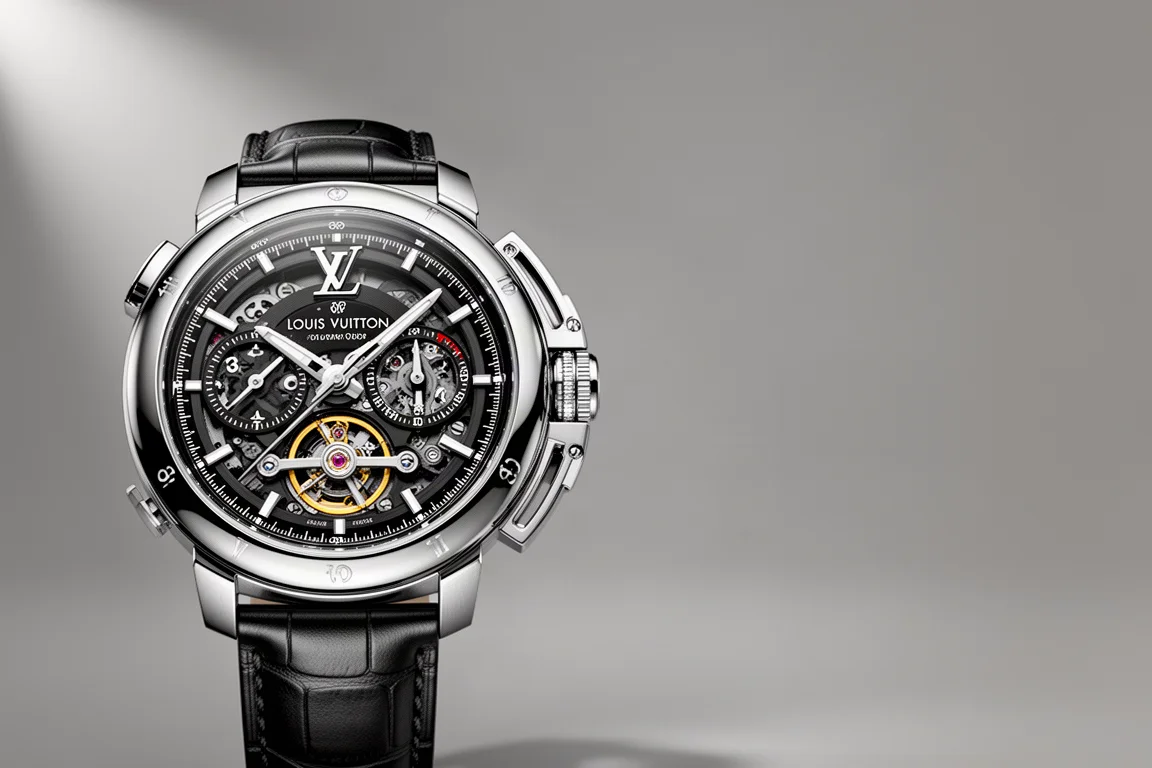
Louis Vuitton: From Fashion to Haute Horlogerie
To close out our list, we look at the largest name in French luxury, Louis Vuitton. The broader conglomerate of LVMH owns some of the most recognizable names in watchmaking, including Zenith, TAG Heuer, Hublot, and Bulgari. That said, the French luxury house Louis Vuitton is unquestionably a symbol of opulence for the nation, and they have made exceptional growth when it comes to their own watchmaking.
For years, timepieces from this brand were not really seen as being the highest examples of the craft, more as just luxury fashion watches. That began to change gradually when Louis Vuitton in 2011 acquired the Swiss watchmaking workshop La Fabrique du Temps. Apart from being the firm that serves as the group’s movement provider for high horology concepts, which has already been put to use with relaunching the Daniel Roth brand, it has also been responsible for the re-imagined watchmaking of Louis Vuitton.
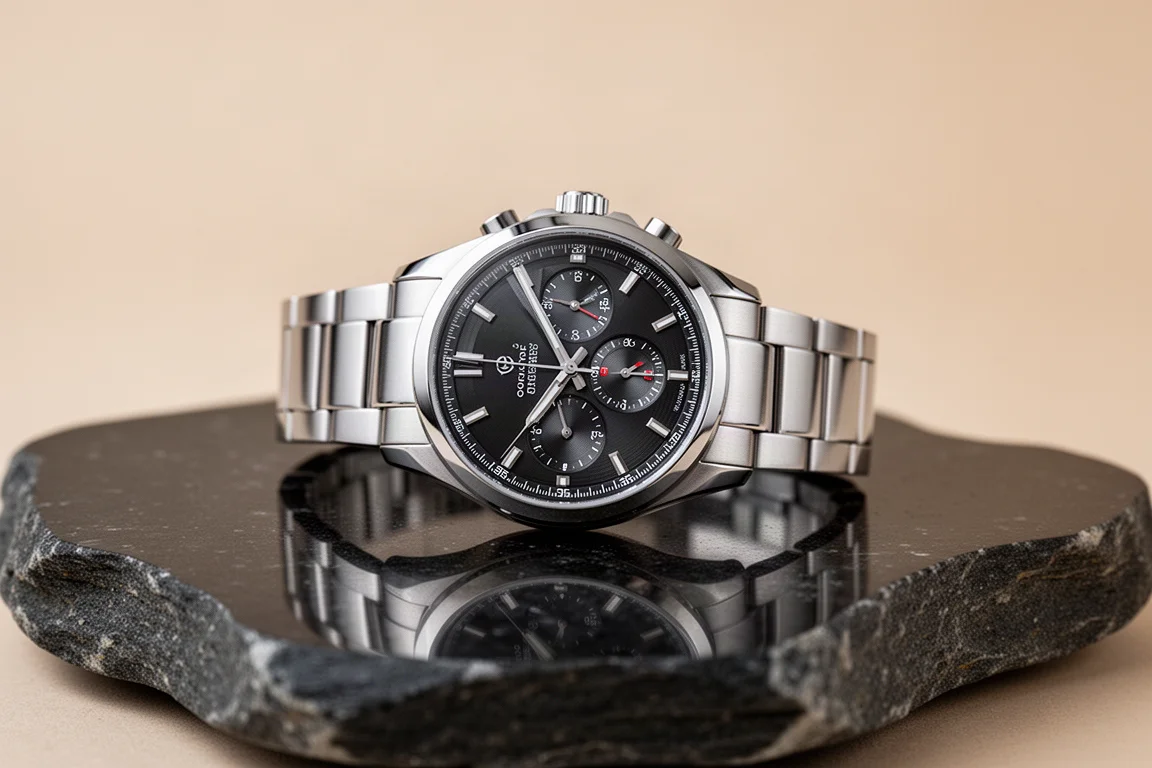
Highlights of the shift for LV include the Tambour Street Diver, the Monteray, a limited edition yellow gold reinterpretation of Louis Vuitton’s first watches from 1988, and pieces like the Tambour Tao Spin Time, which uses a unique system of rotating cube indices to tell the time, as well as the dragging hour display found on the Convergent series. You even have more mass market appealing designs like the Tambour Automatic revamp with a new 40mm integrated design for the case and a micro rotor caliber LFT023. With this, the brand has really demonstrated that long gone are the days where watches were an afterthought for the Maison.
Overall Buying Advice
When choosing a French watch brand, consider what matters most to you. If you value heritage and iconic design, Cartier and Hermès offer pieces with centuries of history and unmistakable style. For accessible entry points into mechanical watchmaking, Baltic and Yema deliver strong value with vintage-inspired aesthetics.
If you prefer modern independent brands with distinctive design languages, Serica, Reservoir, and Peack each offer something unique, from field watches to instrument-inspired pieces. And for those seeking the ultimate in luxury and brand recognition, Louis Vuitton has transformed its watchmaking into a serious contender with in-house movements and high horology concepts.
Conclusion
France’s watchmaking renaissance is real and multifaceted. From the heritage houses that defined the industry’s early days to the microbrands and independents pushing design forward today, French watchmaking offers something for every collector. Whether you are drawn to the classic elegance of a Cartier Tank, the rugged tool watch appeal of a Yema Superman, or the avant-garde displays of a Reservoir, the French watch industry proves that one of watchmaking’s oldest nations still has plenty to offer.
Further reading
Related Reviews
Pickleball Paddles
2025 Paddle Awards: The Best Pickleball Paddles of the Year
A category-by-category breakdown of the best pickleball paddles of 2025, covering value, control, all-court, power, and paddle of the year.
Automotive Accessories
70mai Dash Cam Comparison: A200 vs A510 vs A810
Three dash cameras from 70mai across different price points reveal how resolution and sensor quality impact real-world footage clarity, especially for number plate visibility and low-light performance.
Mobile Gaming Accessories
8BitDo FlipPad vs GameSir Pocket Taco: Which Vertical Phone Controller Fits You Best?
Two compact vertical phone controllers with very different approaches to connectivity, controls, and everyday use. Here is how they compare across seven practical categories.