Backpacking Food Storage
Best Food Storage for Desert Backpacking: Five Options Compared
Five practical ways to protect your food in treeless desert terrain, from odour-proof sacks to bear-resistant bags and hard canisters, with the weight, capacity, and cost trade-offs of each.
Introduction
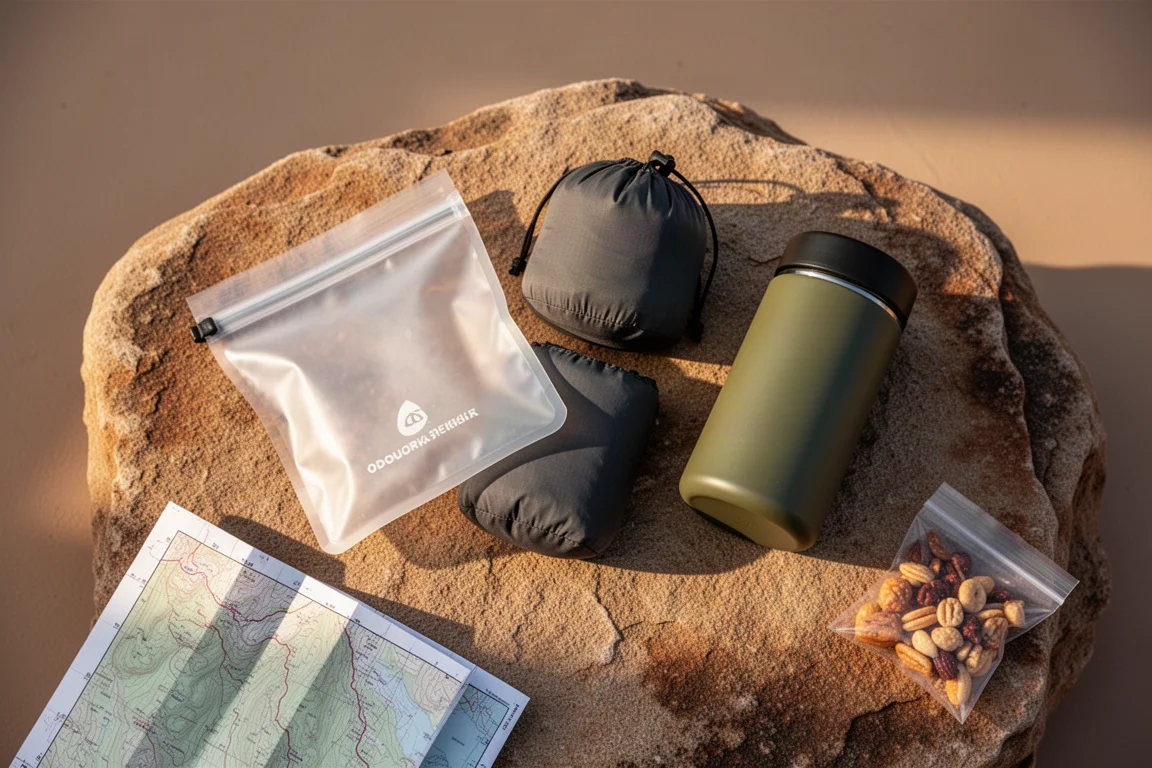
In forested terrain, food storage is usually simple: hang the bag from a branch, well away from where you sleep. Desert backpacking takes that option off the table. Cacti and scrub will not hold a loaded food bag, and across long stretches there is nothing tall enough to hang from at all. That leaves three practical approaches: odour-proof sacks, bear- and critter-resistant soft bags, and hard-sided canisters. Each one solves a different part of the problem, and none of them solves all of it. This guide covers five specific options across those three categories, along with the weight, capacity, and cost trade-offs that matter when you are carrying everything on your back.
How to Evaluate Desert Food Storage
Four things separate one option from another. The first is what the product actually resists: some sacks only block scent, while others are built to survive an animal physically attacking them. The second is weight, which matters more on a desert carry where water already dominates your pack. The third is volume, since food capacity decides how many resupply days you can cover. The fourth is price, and the spread here is wide. There is also a practical question that is easy to overlook: whether the product is designed to stay inside your tent or to be left outside camp. That single distinction changes how you sleep at night.
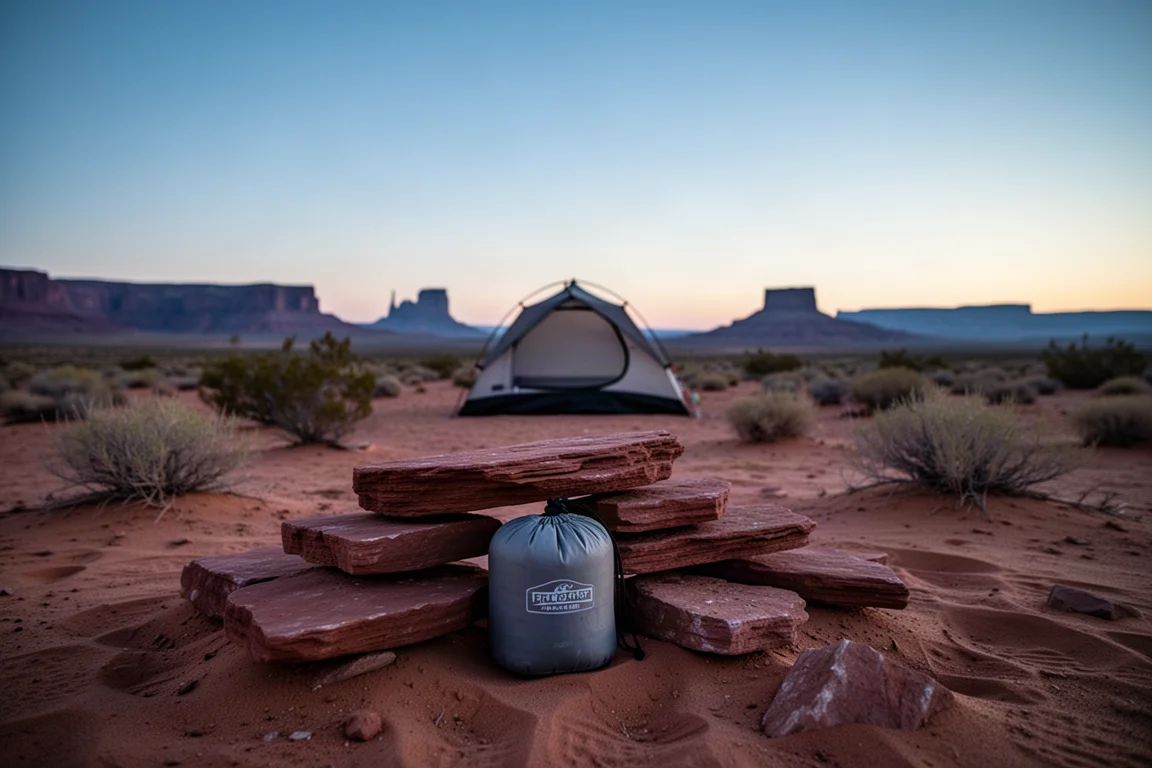
A useful way to think about it is layers. Odour control keeps animals from knowing your food exists. Physical resistance keeps them from getting to it if they do find it. Hard-sided protection removes the possibility almost entirely, at a weight and cost penalty.
Odour-Proof Sacks: Opsak
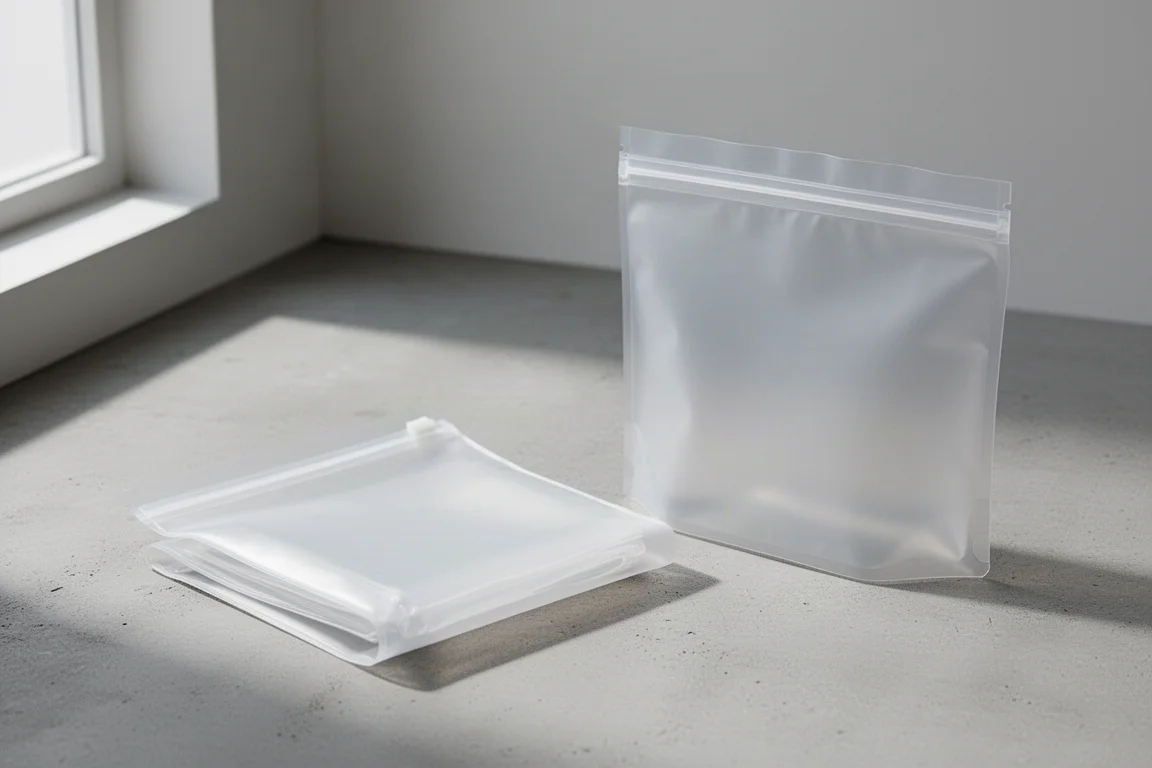
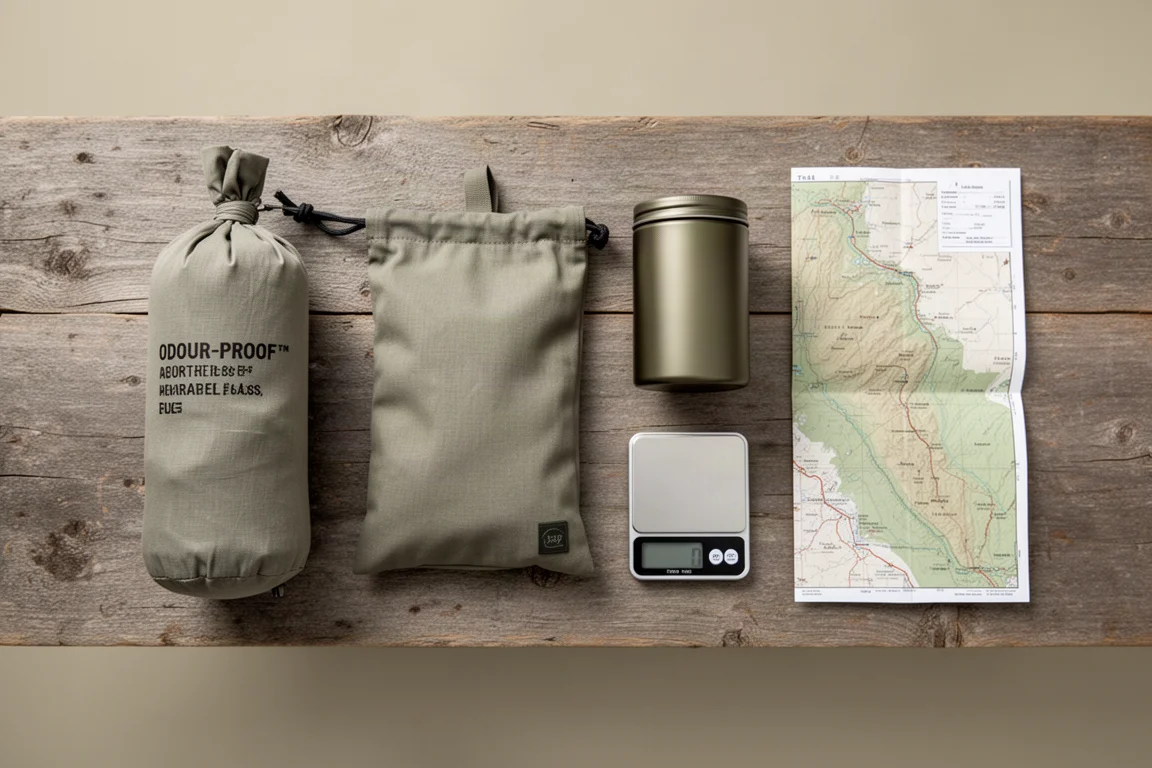
Odour-proof sacks are essentially large reusable zipper bags. Seal them properly and the claim is that scent no longer escapes, so animals have no reason to investigate your pack in the first place. Opsak is the best-known name in this category, though cheaper alternatives exist; a two-pack of unbranded sacks has been available for around $13, with each sack weighing a little over 2 ounces.
The important limitation is that these sacks offer no physical protection. They are not rodent resistant and they are not bear resistant. If you leave one on the ground, a curious animal may chew through it simply to find out what is inside. For that reason, odour-proof sacks are designed to stay with you, inside your tent, rather than stashed away from camp. A common approach is to seal food inside the sack, place it inside a pack liner as a second layer, roll the liner closed, and keep the whole bundle in your pack overnight. Ursack also recommends pairing its own bags with an Opsak.
Bear-Resistant Bags: Ursack Almighty
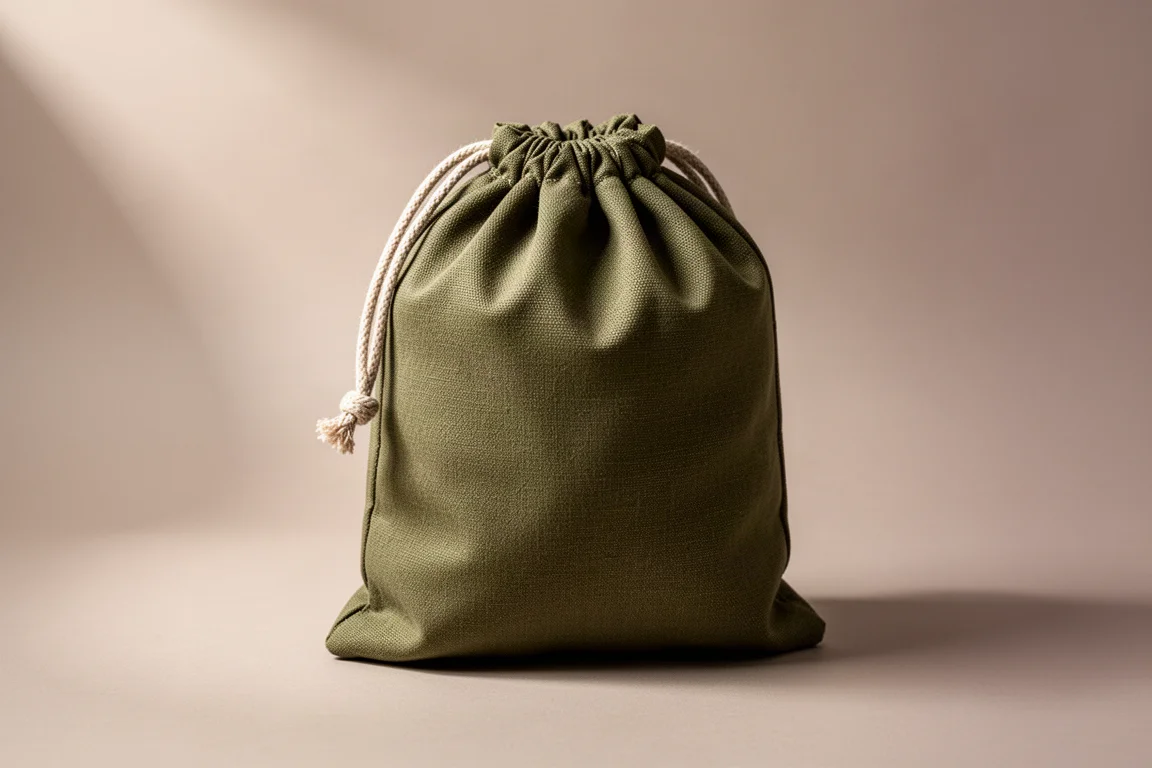
Soft-sided resistant bags sit in the middle of the range. They are not hard containers, but they are built from materials that resist tearing, which means you can leave them outside your camp instead of sleeping next to your food. Ursack is the long-standing name here, and the current model in this class is the Ursack Almighty: 10.5 L of capacity, a weight of around 9 ounces, and a body made from laminated ultra-high-molecular-weight polyethylene and Kevlar. It sells for $182.
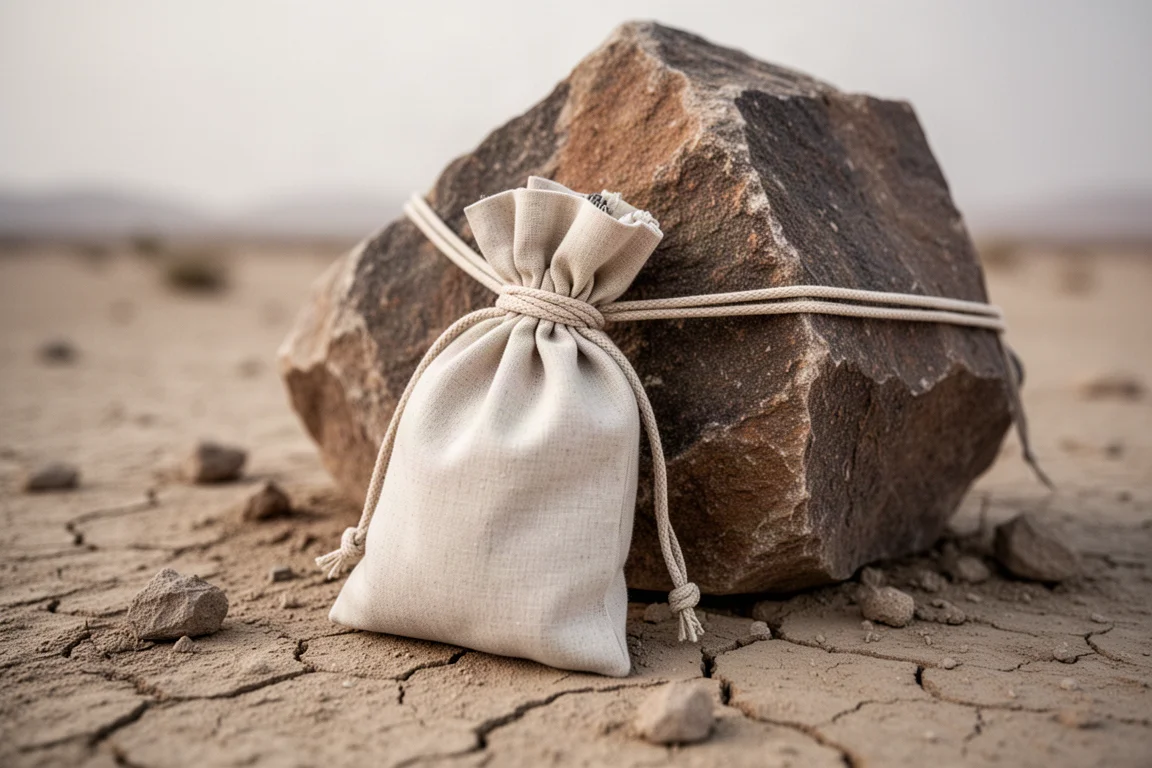
Because these bags are soft, they need to be anchored. In forest you would tie one to a tree, but in desert terrain there is often nothing to tie to, so the usual approach is to wedge the bag under a pile of rocks or otherwise fix it in place so an animal cannot carry it off. It is also worth being precise about what resistant means. These bags are bear resistant, not bear proof, and there are reports of bears shredding them. That is a meaningful difference from a canister.
Ultralight Certified Option: Adoteex Food Locker Bag
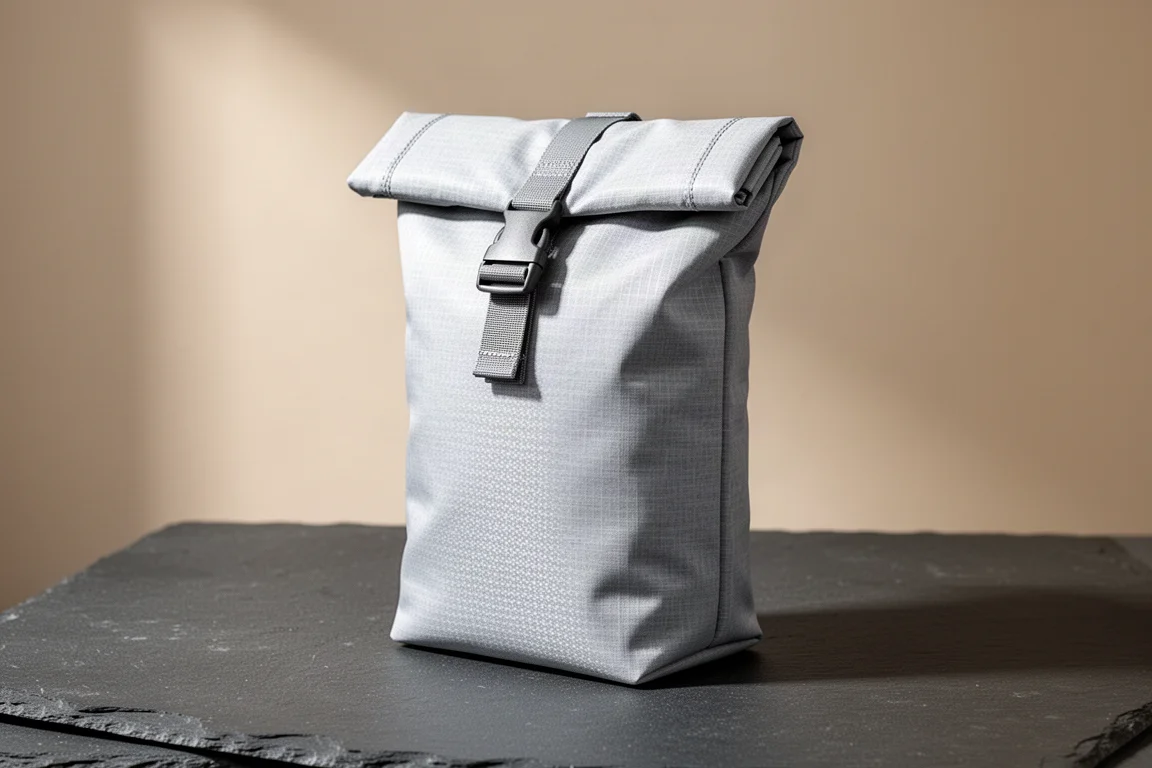
The Adoteex ultralight food locker bag takes a similar soft-sided approach but adds certification. It is rated grizzly resistant and rodent resistant, and the manufacturer describes it as the lightest certified grizzly-resistant food storage bag on the market. Sizes vary; the 14 L version is the closest match to the Ursack Almighty at $163.
That combination of certified grizzly resistance and rodent resistance is what makes this category appealing in desert country, where the realistic threat is often a small animal chewing through a pack rather than a bear. Like other soft bags, it needs to be carried well away from camp and anchored, since a determined animal will try to move it.
Hard-Sided Protection: BearVault BV500
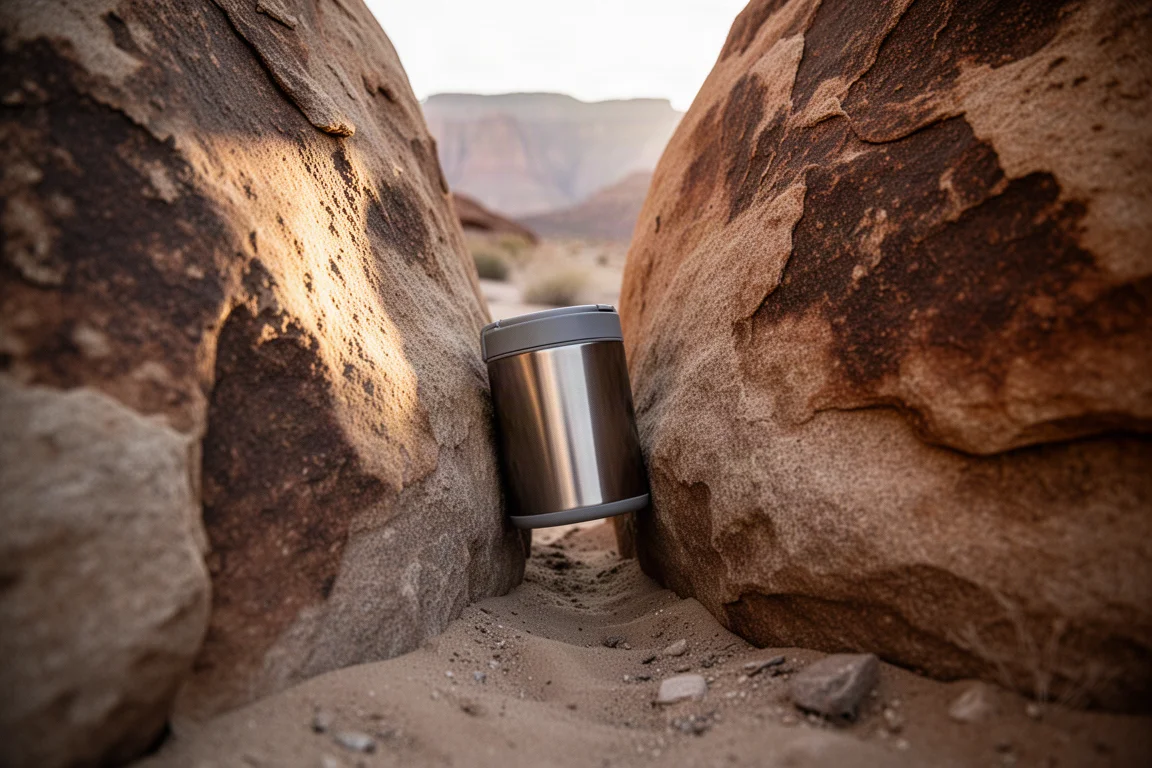
A bear canister is the closest thing to a guaranteed answer. You treat it much like a food bag: carry it at least 200 feet from camp, then wedge it against a rock or a tree so it cannot be rolled away. Cords are best avoided, since a cord gives an animal something to grab. In the worst case a bear will roll the canister around a little; getting into a properly closed one is rare enough that it is not a realistic concern, and rodents cannot chew through the shell at all.
The price of that security is weight and bulk. The BearVault BV500 is a widely used model with 11.5 L of capacity and a weight of 2.5 lb. It costs less than the bear-resistant soft bags, but it is substantially heavier, and a rigid cylinder takes up pack space in a way a soft bag does not.
For desert trips the trade is straightforward: you carry more and pay less than you would for a premium soft bag, and in return you get protection that does not depend on how determined the animal is.
Ultralight Canisters: Wild Ideas Weekender
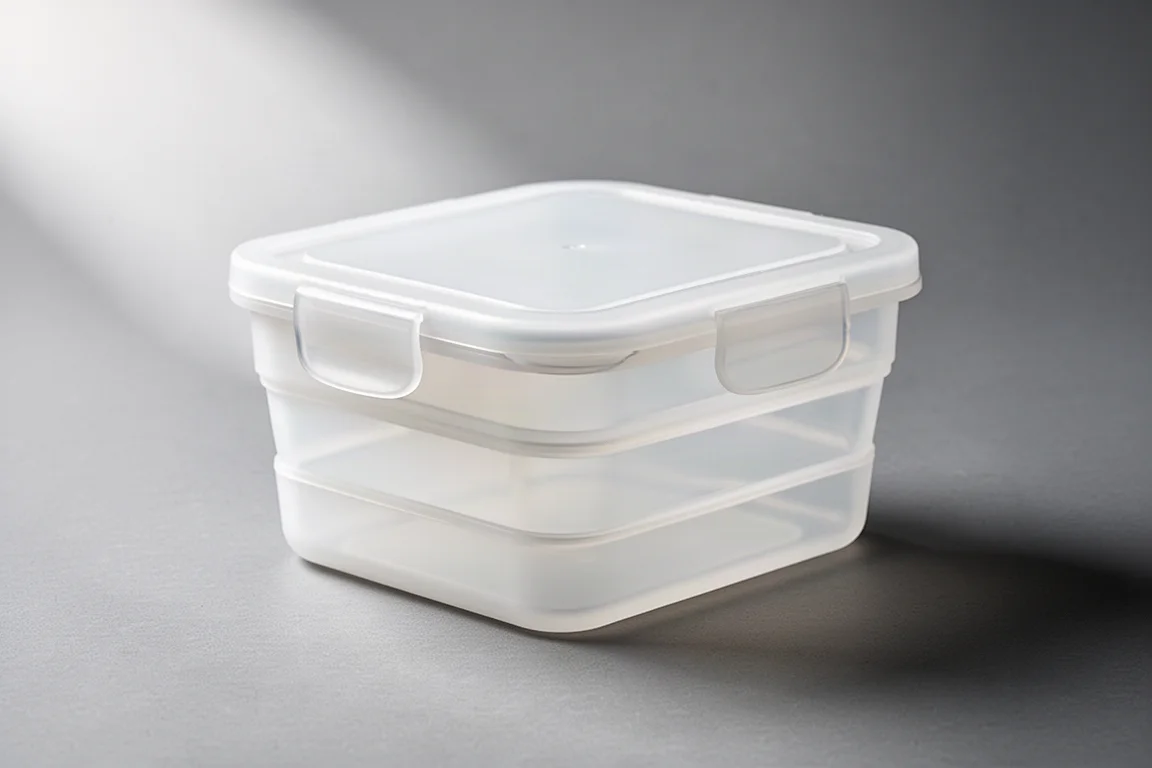
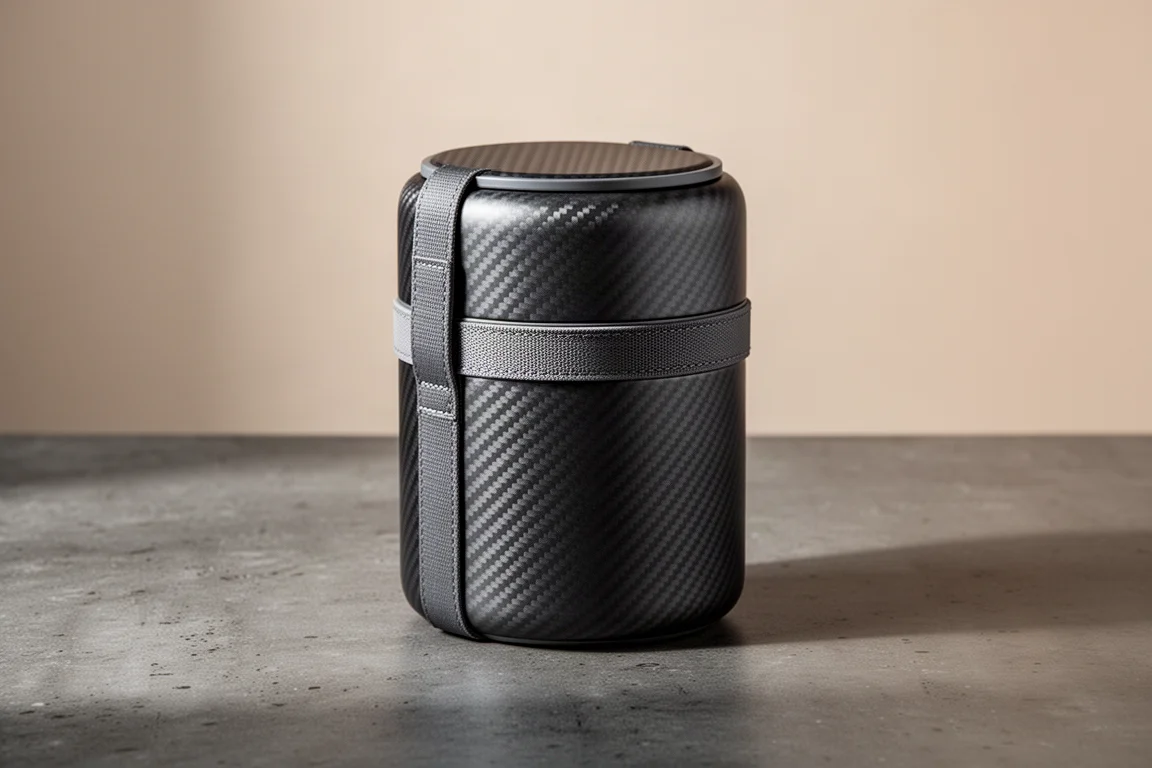
Wild Ideas builds the lightest canisters available, and the Weekender is the smallest of them: 31 ounces with 10.75 L of storage. The weight saving comes from a carbon-fibre construction, which is also why it costs $359.
It is still a hard canister, so it is still heavier than any soft bag, and it is the most expensive option covered here. For shorter trips, renting a canister can be a more cost-effective route than buying one outright, which is worth checking before committing to a purchase.
Buying Advice
Match the product to the threat you actually expect. If you are hiking desert terrain where rodents and curious small animals are the main concern, an odour-proof sack used properly inside your tent is light, inexpensive, and effective at keeping your food off the radar. If you want your food outside camp and you are willing to anchor it, a bear- and rodent-resistant soft bag such as the Ursack Almighty or the Adoteex locker bag offers a real step up in protection at a fraction of canister weight.
If you want the highest level of certainty and you are prepared to carry the weight, a hard canister is the safer bet. The BearVault BV500 keeps the cost down; the Wild Ideas Weekender keeps the weight down. Rentals can make the canister route more affordable for a single trip, so it is worth pricing both before you decide. Whichever option you choose, habits matter as much as hardware: seal food properly, keep scented items together, and store everything well away from where you sleep whenever the product allows it.
Conclusion
There is no single best answer for desert food storage, because the three approaches solve different problems. Odour-proof sacks hide your food; resistant bags let you leave it outside camp; hard canisters make access genuinely difficult. Pick the level of protection that matches your route and your risk tolerance, then use the product the way it was designed to be used.
Further reading
Related Reviews
Backpacking Food Storage
Bear Bag Alternatives: Ursack Major, Bear Vault 450 and Ultraglide Bear Line Compared
Three practical ways to store food in bear country, compared on weight, time at camp and how much protection each one actually provides.
Backpacking Food Storage
Backcountry Exposure Food Bags Compared: Mesa and Aven for Every Trip Length
A practical comparison of the Mesa zipper food bags, the Aven roll top food bags and the Aven rock sack, with sizing guidance from overnight trips to a week between resupplies.
Backpacking Food Storage
Backcountry Exposure Food Bags Compared: Mesa vs Aven
A practical comparison of the Backcountry Exposure Mesa and Aven food bag families, covering capacity, closure style, durability, and which size suits which trip.