Backpacking Gear
Best Fleece for Backpacking: Five Lightweight Options Compared
Five backpacking fleeces compared on weight, breathability, warmth, durability, and price, with practical guidance on which one fits how you actually hike.
Introduction
Fleece has a very specific job in a backpacking kit. It is the layer you can actually hike in: warm enough to take the chill off a cold morning, breathable enough that you are not soaked in sweat ten minutes after leaving camp. A puffy jacket is warmer, but it is usually too warm and too sealed up to wear while moving.
There is a wet-weather argument too. Down loses its loft once it gets soaked and stops insulating, while fleece keeps providing warmth when it is wet. Add low weight, a small packed size, and a price that undercuts down jackets by a wide margin, and fleece becomes one of the most useful items in a pack. Simple fleece sweaters can be found for as little as $15, many solid options sit in the $70 to $100 range, and down jackets commonly run $200 to $500.
The one real trade-off is warmth. A fleece will never be as warm as a puffy, which is exactly why the lightest fleeces work so well: they serve as an active layer during the day and as camp insulation in the evening when paired with a puffy.
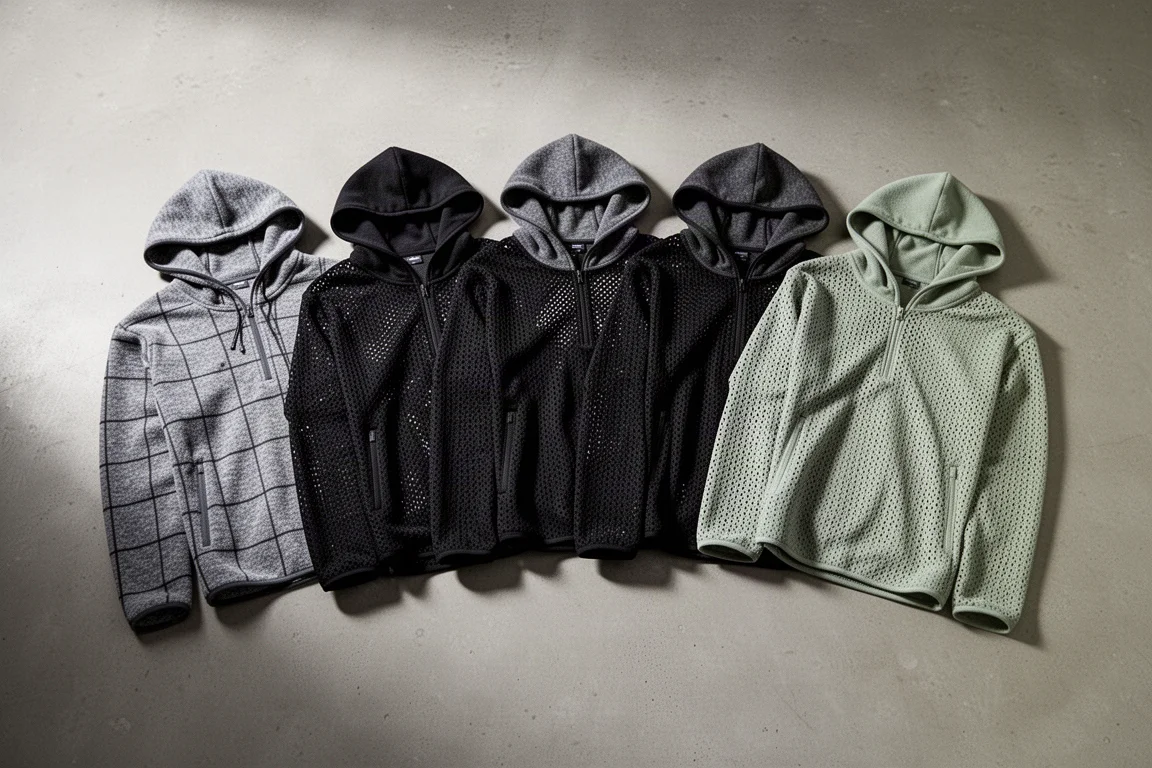
This guide covers five fleece hoodies that span the current range of what is available, from a classic grid fleece to ultralight Alpha fabrics and a durable perforated mesh knit.
What Makes a Fleece Good for Backpacking
Five qualities decide whether a fleece earns a permanent place in a pack.
Breathability comes first. A fleece that is too warm to hike in defeats its own purpose, because you end up stripping it off within minutes of starting a climb. The best options let you keep moving for an hour or more without overheating.
Layering ability is next. Fleeces are thin, so they slide under a puffy without restricting movement, and the combined warmth is noticeably greater than either piece alone. Weight and packed size matter for the same reason: a fleece that weighs almost nothing is easy to bring along even when the forecast is uncertain.
Wet-weather performance is the quiet advantage. Fleece retains warmth when damp, so it stays useful in sustained rain or after a river crossing.
Durability and price round out the list. A fleece that survives brush, granite, and packed dirt for several seasons is worth more than a lighter one that shreds. On cost, a plain fleece picked up at a thrift store for around $10 can still deliver the core benefits, which makes this an unusually accessible layer.
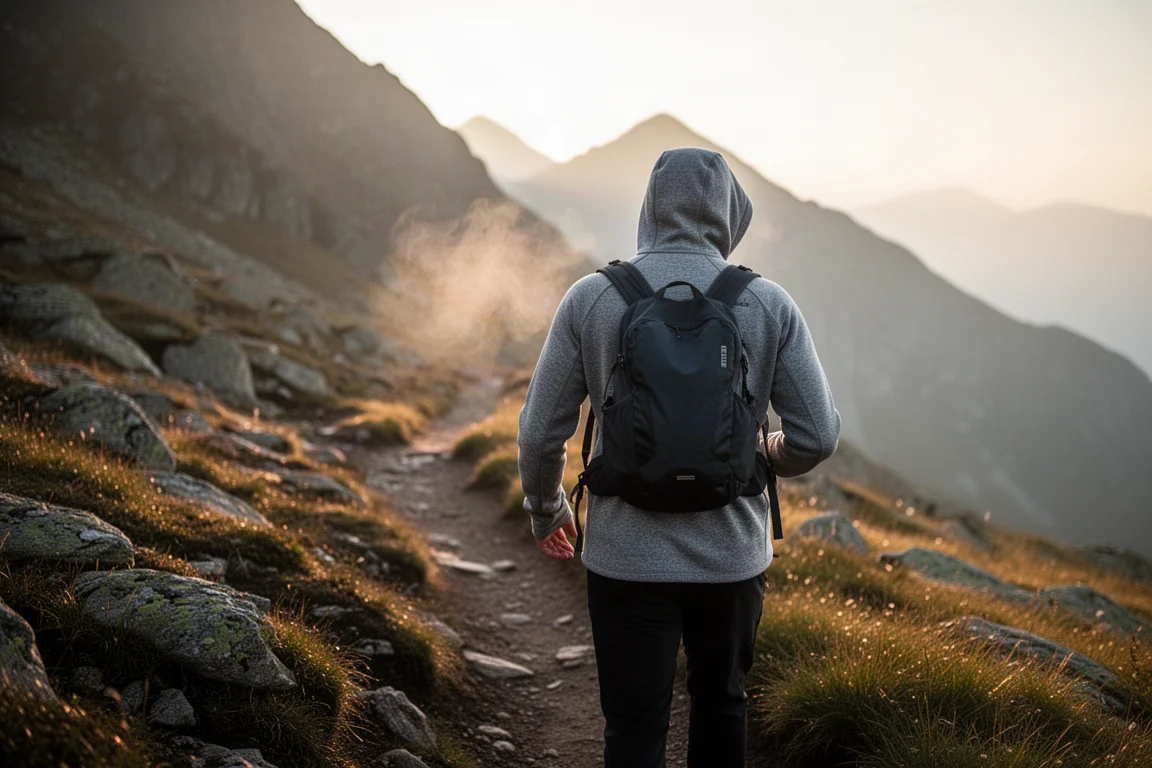
One trade-off is worth naming up front: a fleece is never going to match a puffy for raw warmth. That is less a flaw than a design choice. Fleece exists to be worn while moving, and the lightest examples here are best understood as part of a two-piece system alongside a puffy rather than as a replacement for one.
Melanzana Micro Grid Hoodie
The Melanzana Micro Grid Hoodie is the classic of the category, and it weighs 13.6 ounces. That is only about an ounce less than a plain thrift-store fleece and roughly twice the weight of a down puffy, which is a lot of pack space for a layer that is meant to be worn while hiking.
What it does well is comfort. The fabric is soft, the fit is loose and relaxed, the hood is well designed, and the pocket layout is genuinely useful. It is also very warm, and that warmth is the source of its main limitation: it is warm enough that hiking in it quickly becomes uncomfortable. Anyone who wants a fleece mainly for camp and cold breaks will get a lot out of it, but as an active layer it runs hot.
It is also worth noting that the micro grid fabric is widely used, and fleeces built from the same material tend to behave the same way. The strengths and the limitations carry across.
Senchi Designs Alpha 60
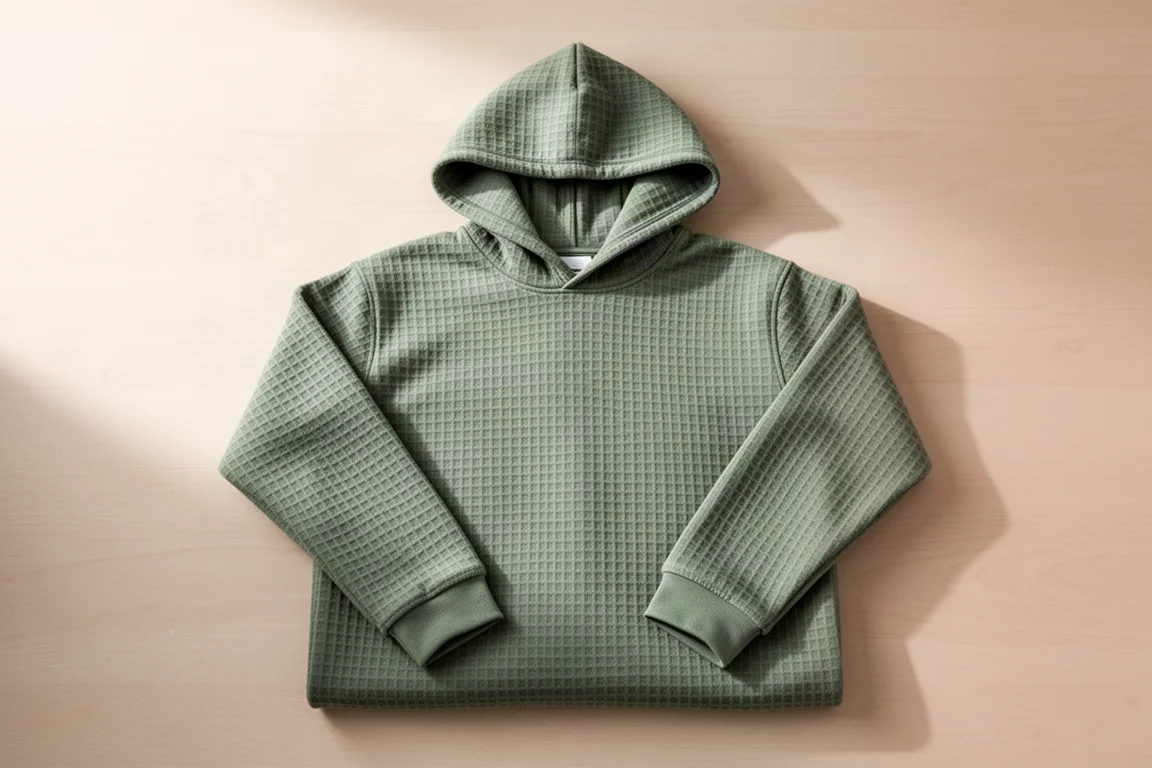
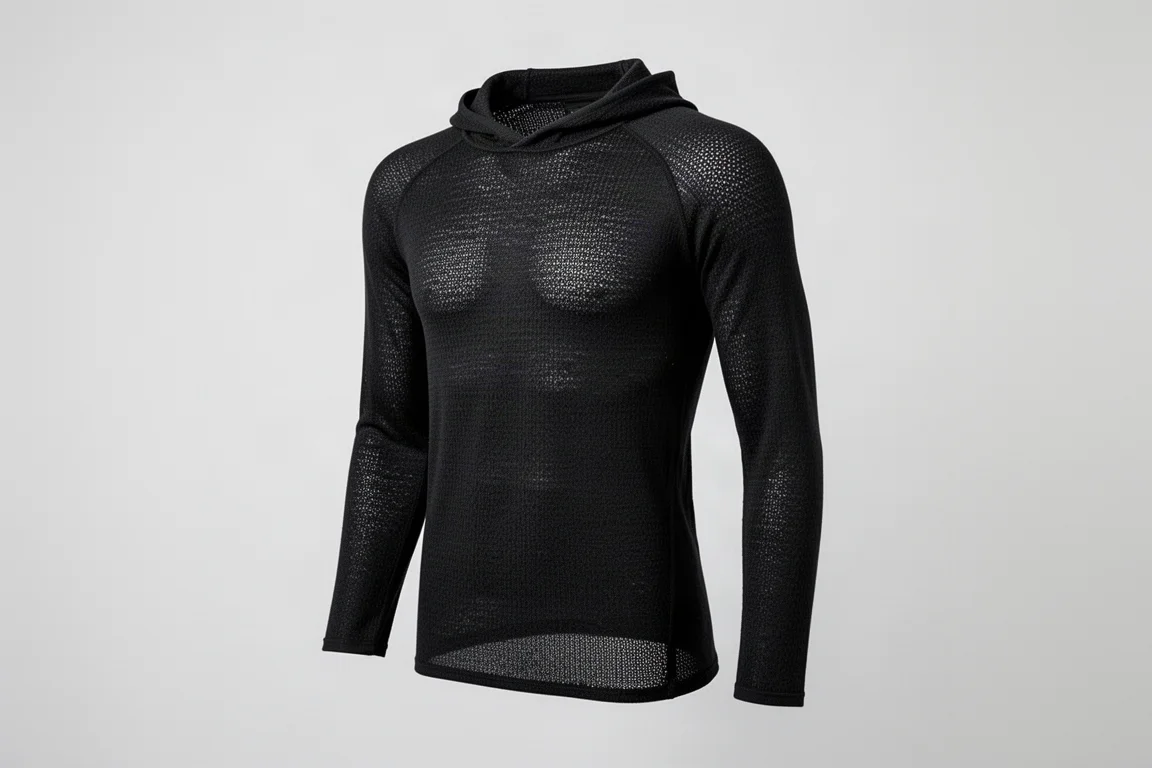
Alpha 60 is the lightest and most breathable version of the Alpha fabric family, and the Senchi Designs hoodie weighs about 4.3 ounces. That is roughly one third of the Melanzana, and light enough that carrying it just in case costs almost nothing.
The fabric is nearly see-through, which means it needs a base layer underneath, but that same openness is why it works so well while moving. It can be worn for hours in the morning or evening without overheating, and it stays comfortable across a wide band of temperatures.
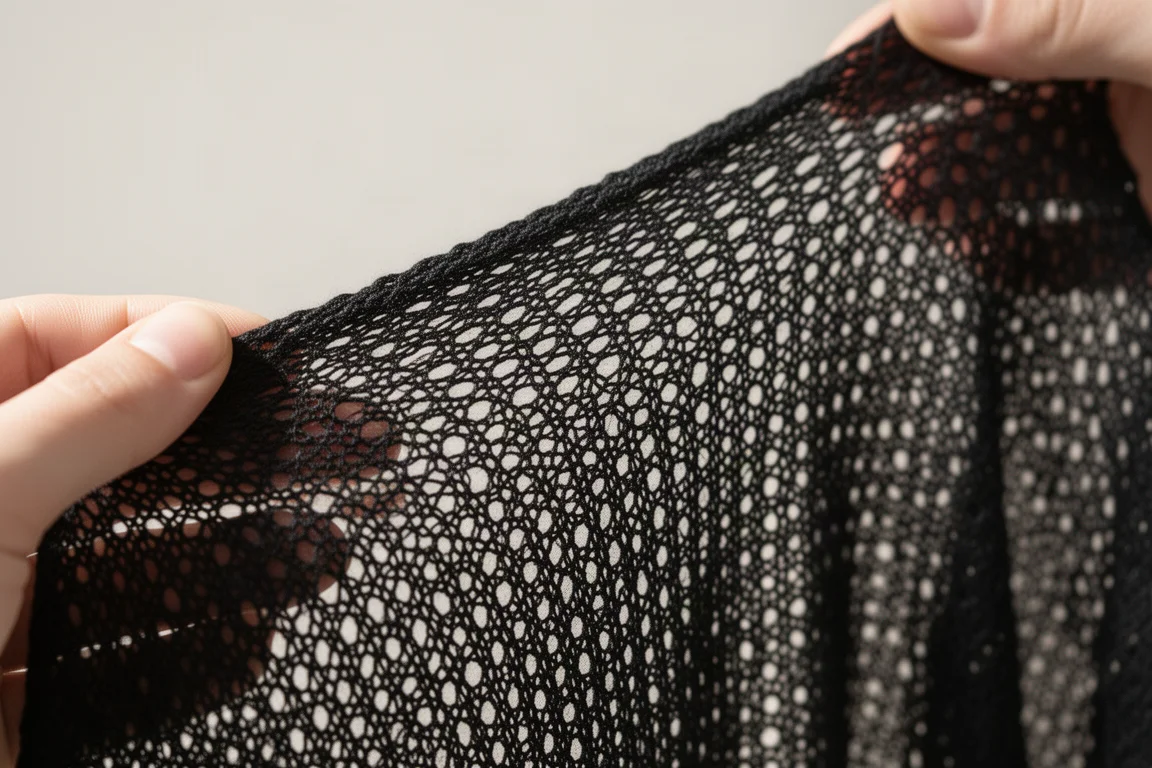
Wind is the obvious weakness. On a gusty day the air passes straight through, so a windshirt or a rain jacket is the practical fix. Durability is better than the fabric’s fragile appearance suggests: over roughly 1,400 miles of trail use, one Alpha 60 has picked up small snags and some matting but remains entirely usable, with plenty of life left.
The wider Alpha ecosystem is another advantage. Many small makers now build fleeces from this fabric, so hoods, zippers, thumb holes, and colorways are available in far more variety than with any other option here.
FarPointe Alpha 90
The FarPointe Alpha 90 uses the same fabric family in a slightly warmer grade. Measured weight lands around 4.2 ounces, essentially identical to the Alpha 60 despite the extra warmth. Alpha 90 is less breathable than Alpha 60, though both are exceptionally open fabrics, and the difference shows up mainly on fast, sustained climbs.
For most trips the choice between the two comes down to conditions rather than weight. The warmer grade handles cold mornings and long breaks more comfortably, while the lighter grade vents better on the move. There is also an Alpha 120, but the 60 and 90 are more versatile: for a genuinely cold trip, a light Alpha fleece plus a puffy covers more ground than a single heavier fleece.
Warmth is the surprise with this family. An Alpha 60 has been used as a sole insulating layer over hundreds of miles of hiking, which is remarkable at this weight, and the warmer 90 simply adds margin on colder days. The main practical cost is long-term durability, where the open knit will mat and thin faster than a denser fabric.
KUIU Peloton 97
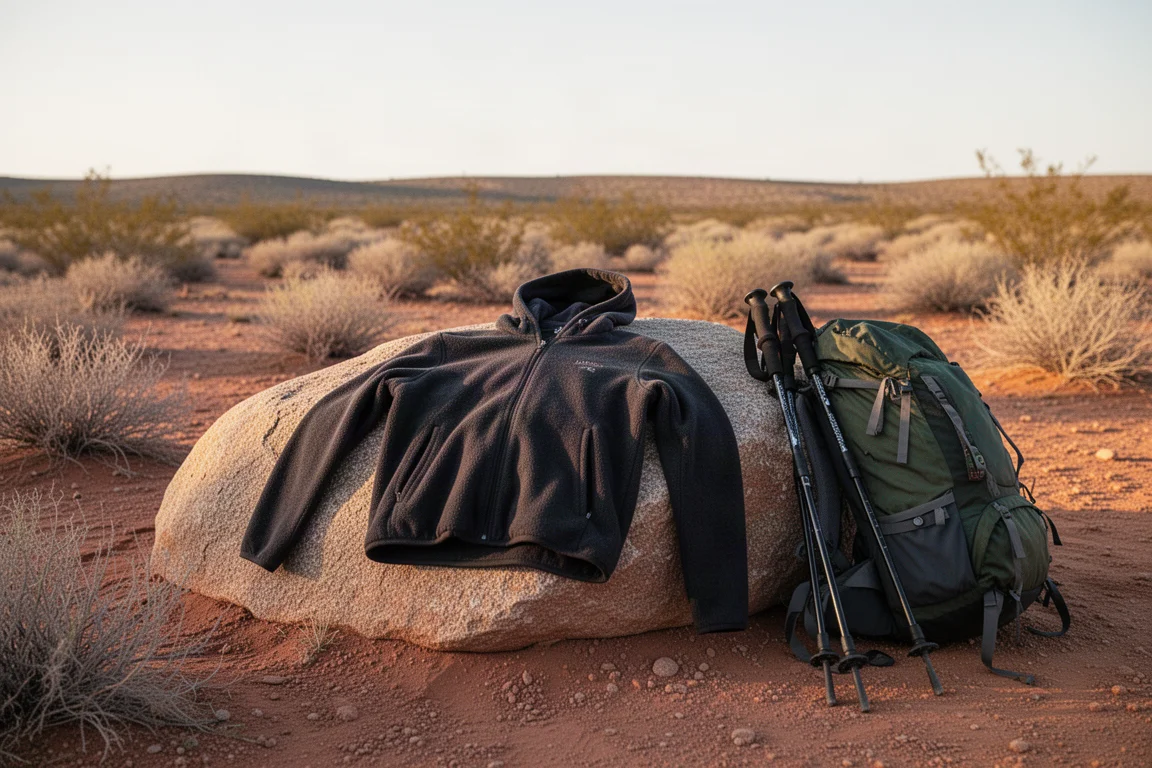
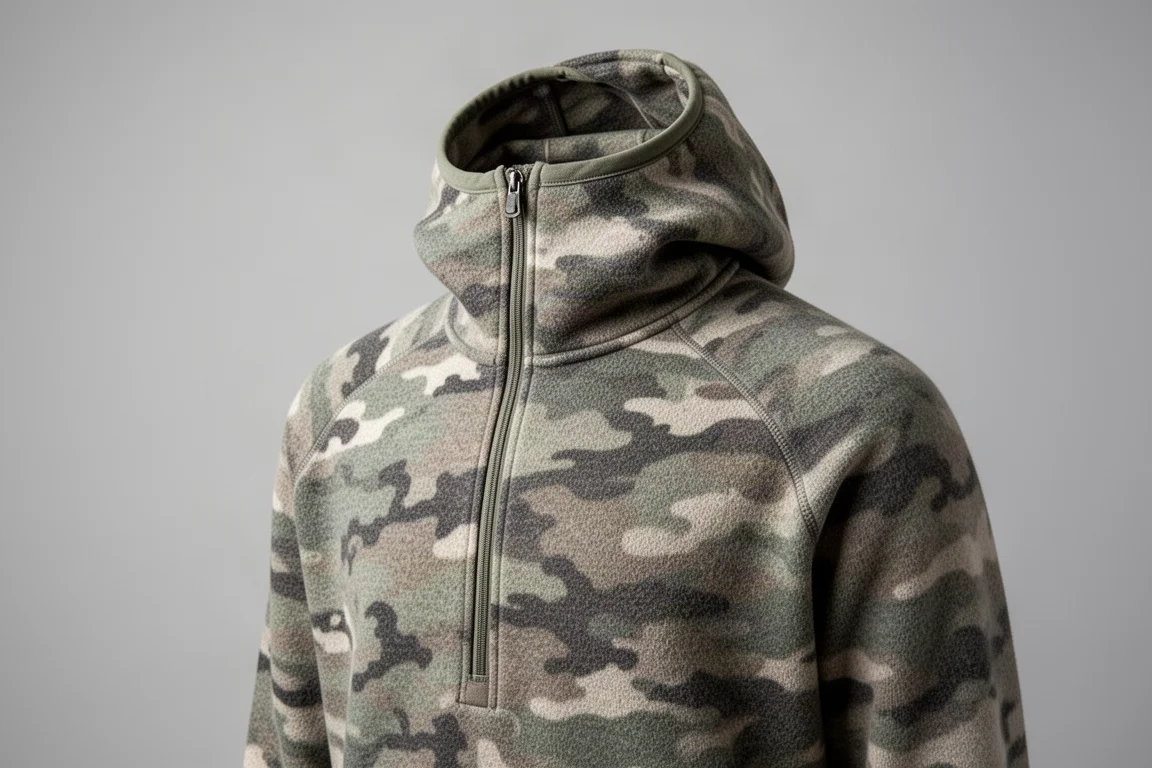
The KUIU Peloton 97 weighs 5.9 ounces in a size large. It has been the reference point for this category for a long time, and durability is the reason. Roughly 6,000 miles of use, including heavy bushwhacking and long stretches of dusty desert terrain, have left it with very little visible wear. Nothing else here comes close on that front.
Warmth and breathability are both solid rather than extreme. It can be worn for hours in the morning and evening without overheating, and it blocks enough wind to stay comfortable on gusty days, which is more than the Alpha fabrics manage. The cost is weight and bulk: it is heavier than the Alpha options and does not pack down as small, so it layers a little less cleanly under a puffy.
Availability is the other consideration. There are only a couple of configurations, colors are largely limited to camo patterns, and no other company uses this fabric, so there is no alternative source if the fit or the styling does not suit you. It also comes from a large hunting-focused brand, which some backpackers factor into the decision.
Mountain Hardwear AirMesh Hoodie
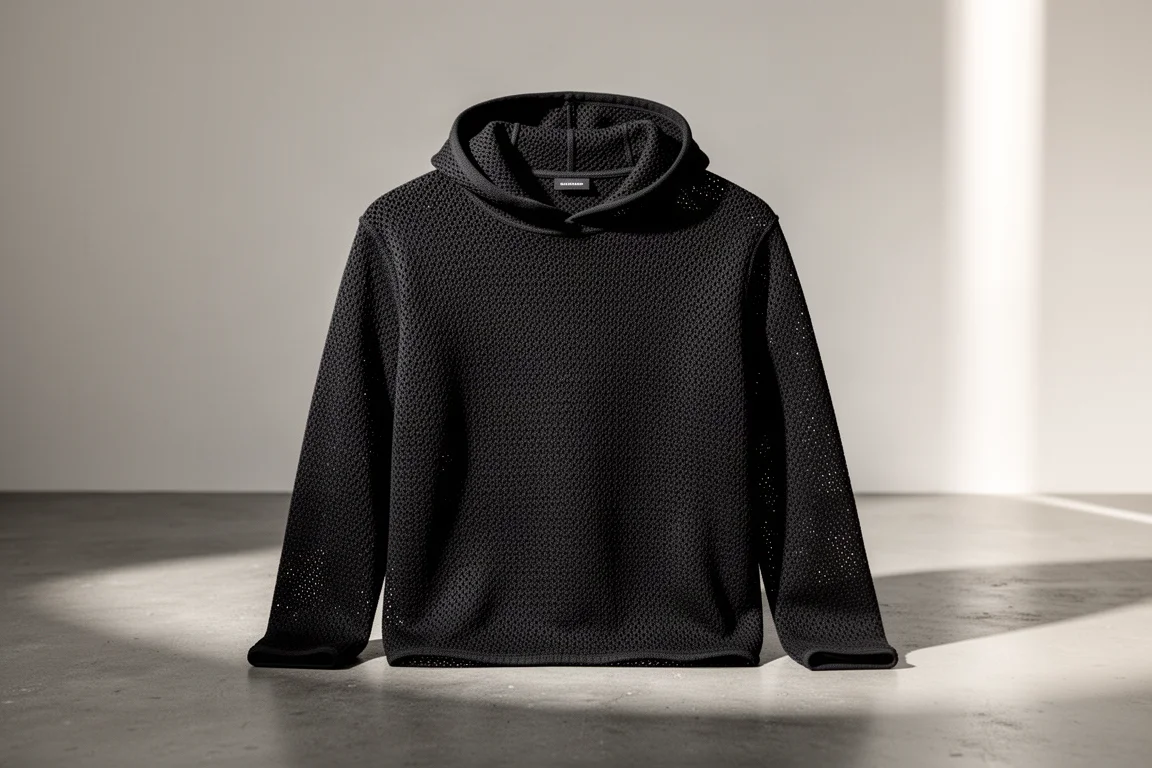
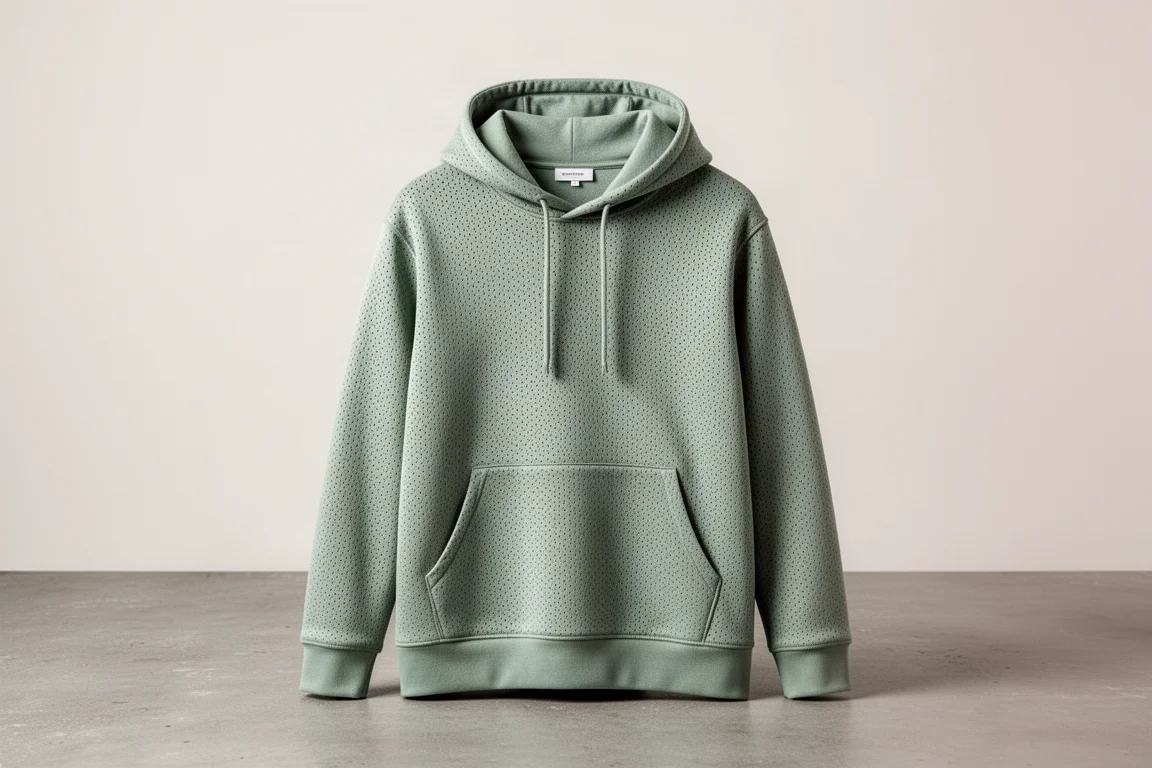
The Mountain Hardwear AirMesh Hoodie weighs 5.1 ounces, sitting between the Alpha fleeces and the Peloton 97. The fabric is a knit full of tiny perforations, and that structure gives it a balance of breathability and durability that neither extreme quite matches.
It can be worn for an hour or two of hiking without overheating, and on a genuinely cold day it stays comfortable all day long. Very windy conditions still cut straight through, the same limitation the Alpha fabrics carry.
Durability is where it stands out. After roughly 1,100 miles, including a full thru-hike in a historically cold year with weeks of below-freezing daytime temperatures, the fabric looks essentially unchanged. Alpha knits tend to mat and lose their surface texture over time, and this one does not.
Options sit in the middle as well: more colors and configurations than the Peloton 97, though nowhere near the variety available across Alpha fleeces.
How to Choose the Right Backpacking Fleece
Start with what you want the fleece to do.
If the goal is the absolute lightest layer that can still be hiked in, the Alpha fabrics are the answer, and the choice between Alpha 60 and Alpha 90 comes down to how cold your trips tend to be. If durability and predictable performance over many seasons matter more, the AirMesh Hoodie and the Peloton 97 are the stronger picks, with the AirMesh offering better breathability and lighter weight and the Peloton 97 offering the longest track record of the group.
If you want the widest choice of styles, colors, hoods, zippers, and thumb holes, the Alpha category wins by a wide margin because so many small makers use that fabric.
And if you simply want the warmest fleece here, the Melanzana is the one, though at 13.6 ounces it is worth asking whether a puffy would serve that role better for your trips.
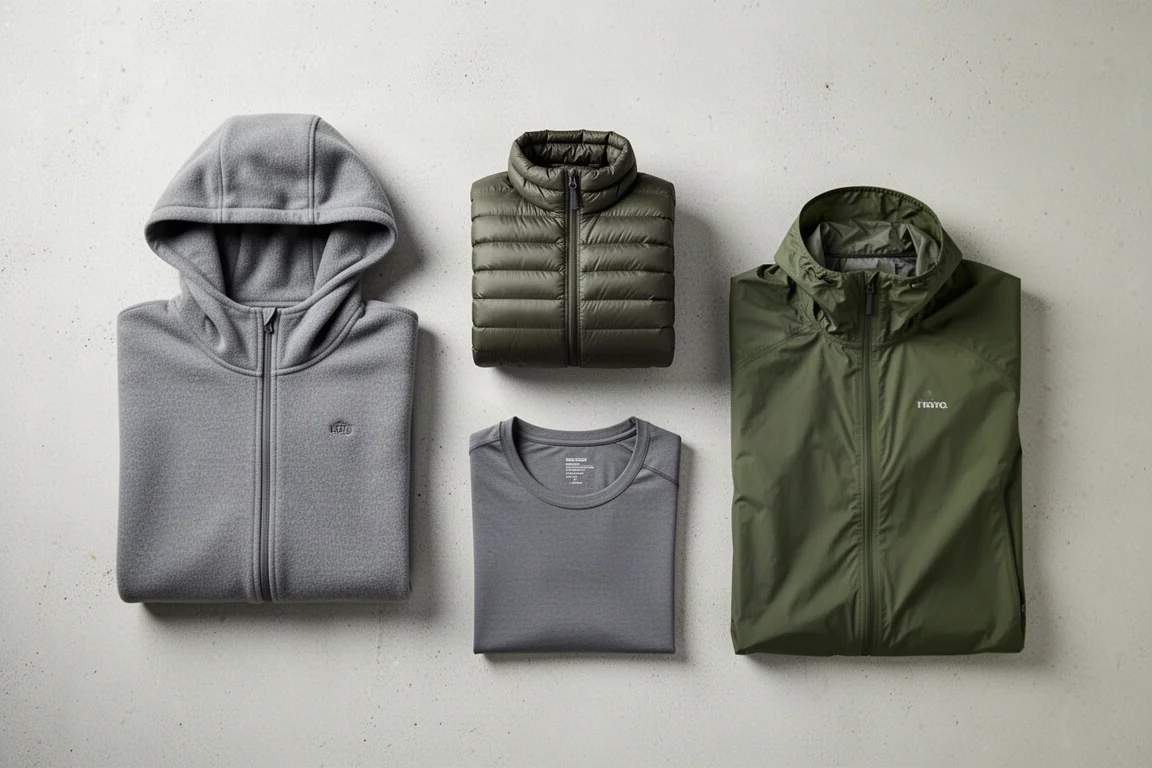
The most practical setup for most three-season backpacking is a light fleece plus a puffy. The fleece handles moving and damp conditions, the puffy handles camp and cold breaks, and together they cover far more than either piece alone. That combination also usually costs less than a single high-end down jacket.
Conclusion
Fleece earns its place because it is the layer you can wear while moving, it keeps working when wet, and it costs far less than down. Weight is the main variable that separates these five options, and the lightest fabrics here are light enough to carry without a second thought.
For most backpackers the decision narrows to two paths: an Alpha fleece for minimum weight and maximum breathability, or the AirMesh Hoodie for a better all-round balance of breathability, durability, and appearance. The Peloton 97 remains the durability benchmark, and the Melanzana remains the most comfortable and warmest of the group, provided the extra weight and warmth match how you actually use it.
Further reading
Related Reviews

Backpacking Gear
Building a 10 lb Base Weight: An Ultralight Backpacking Gear List
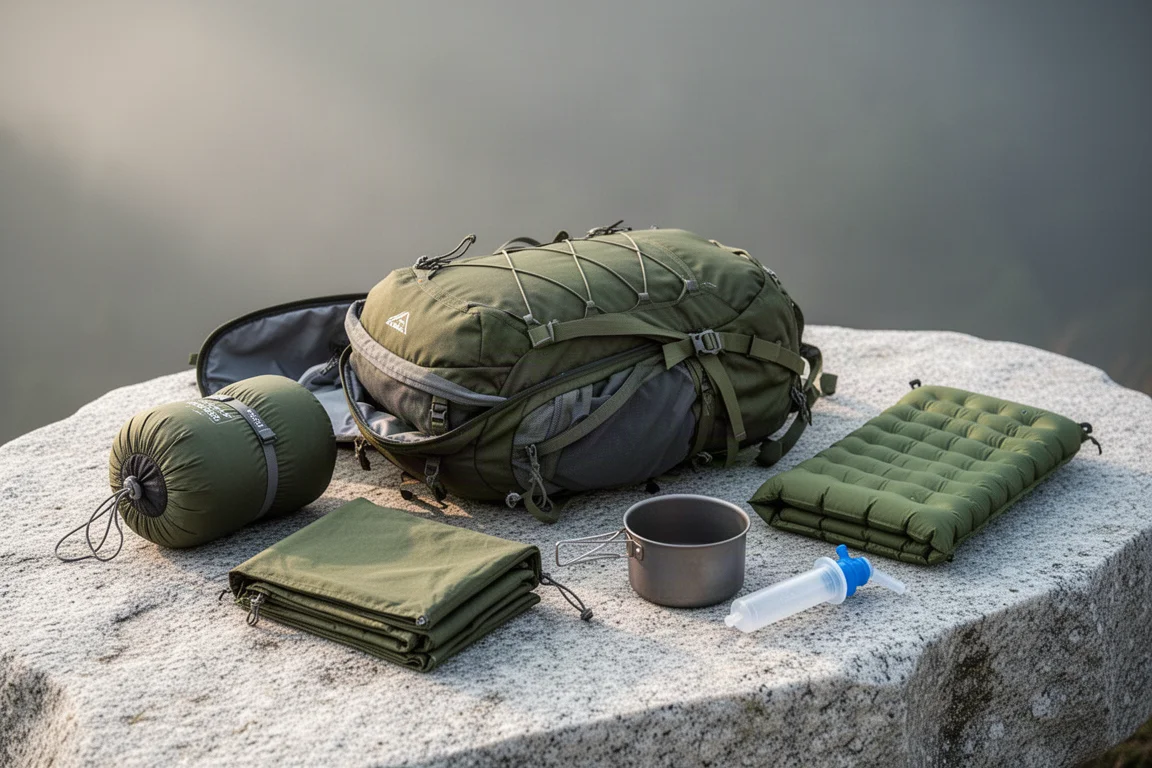
A practical walkthrough of the ultralight pieces behind a 10 lb base weight, from a 765 g pack and a roomy one-person tent to a full camp chair and a dependable water filter.
Backpacking Gear
A 15-Pound Lightweight Backpacking Gear List for Solo Trips
A beginner-friendly 15-pound backpacking setup built from easy-to-find gear, with notes on what each piece does, how it packs, and where to spend your attention.
Backpacking Gear
8 Ultralight Backpacking Gear Upgrades Worth Carrying
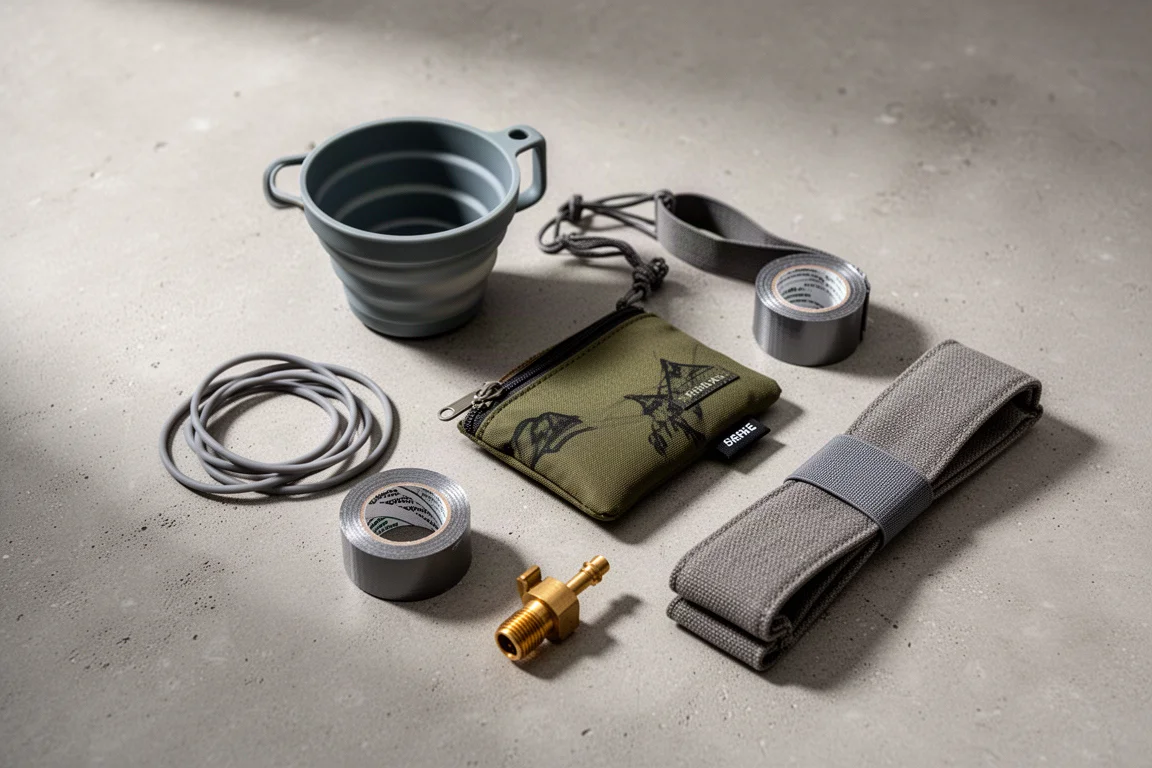
Eight small, affordable backpacking upgrades that solve real trail annoyances, from a pillow that stays put to a fuel valve that rescues leftover canister gas.