Camping Tents
16 Best Family Camping Tents for 2026: Picks for Every Budget, Group Size, and Season
A tested roundup of 16 family camping tents, from roughly $100 budget domes to premium instant, screen room, and all-season shelters.
Introduction
Family camping tents are one of the few pieces of gear where the differences between models show up the moment you use them: headroom, how quickly the tent goes up, how it behaves through a night of rain, and how many sleeping pads actually fit on the floor. After working through more than 30 family tents, we narrowed the field to 16 worth recommending, grouped by the job each one does best.
Peak height turned out to be one of the most useful numbers to compare. We measured it on every family tent in this roundup, and the range runs from about 68 inches up to 90 inches, which is the difference between crouching to change clothes and standing up straight to hang a lantern.
Capacity claims deserve a second look as well. Most tents list a maximum number of people, but that figure usually assumes sleeping pads laid edge to edge with nothing else inside. This guide notes both the pad count and the more realistic comfortable capacity for each tent.
How We Evaluated These Family Tents
Every tent here was judged on the same set of practical points.
- Peak height and interior headroom, measured at the center and at the corners.
- Sleeping capacity in regular pads and in queen beds, plus a realistic comfortable headcount.
- Setup and pack-away time, which matters most for instant tents.
- Rain performance, including how long seams stayed dry in heavy rain and whether the floor stayed dry.
- Ventilation, judged by the fabric-to-mesh ratio and whether mesh extends beyond the ceiling.
- Storage, counted in pockets, gear loops, and vestibule square footage.
- Materials and warranty, since poles, flooring, and waterproofing are where budget tents give ground first.
Core Equipment 10-Person Cabin Tent: The Tallest Peak Height
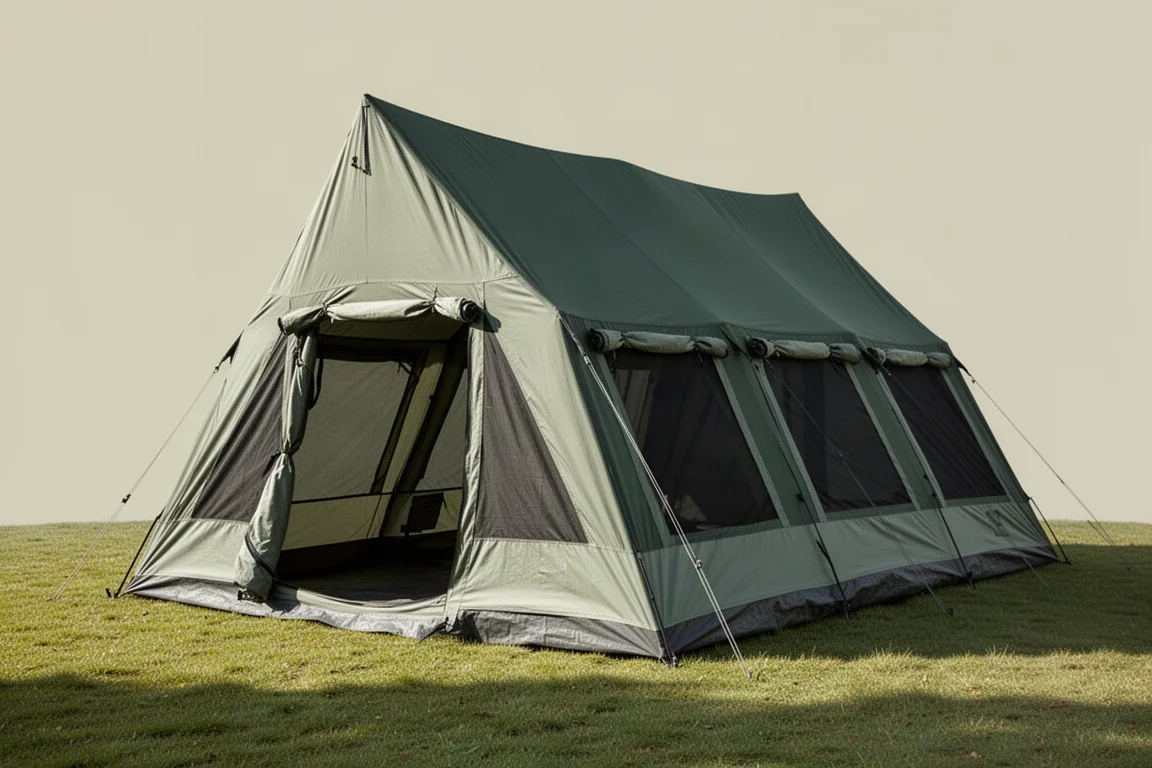
The Core Equipment 10-Person Cabin Tent has the tallest peak height of any family tent here at 90 inches, and nothing else in this roundup comes close. That number matters more than it sounds: it is the difference between a tent that feels like a shelter and one that feels like a room.
The trade-off is reach. If you are not tall, the ceiling can be awkward, because hanging a lantern or reaching into the gear loft may mean standing on a chair. Around 5 feet 6 inches or taller is the comfortable range for this tent.
One caveat applies to cabin tents generally. They are not the right choice if you expect strong winds, because the tall, flat-sided shape catches wind and can move around in a gust. In calm summer conditions, though, the interior volume is hard to beat.
Coleman Sundome 6: Best Budget Family Tent
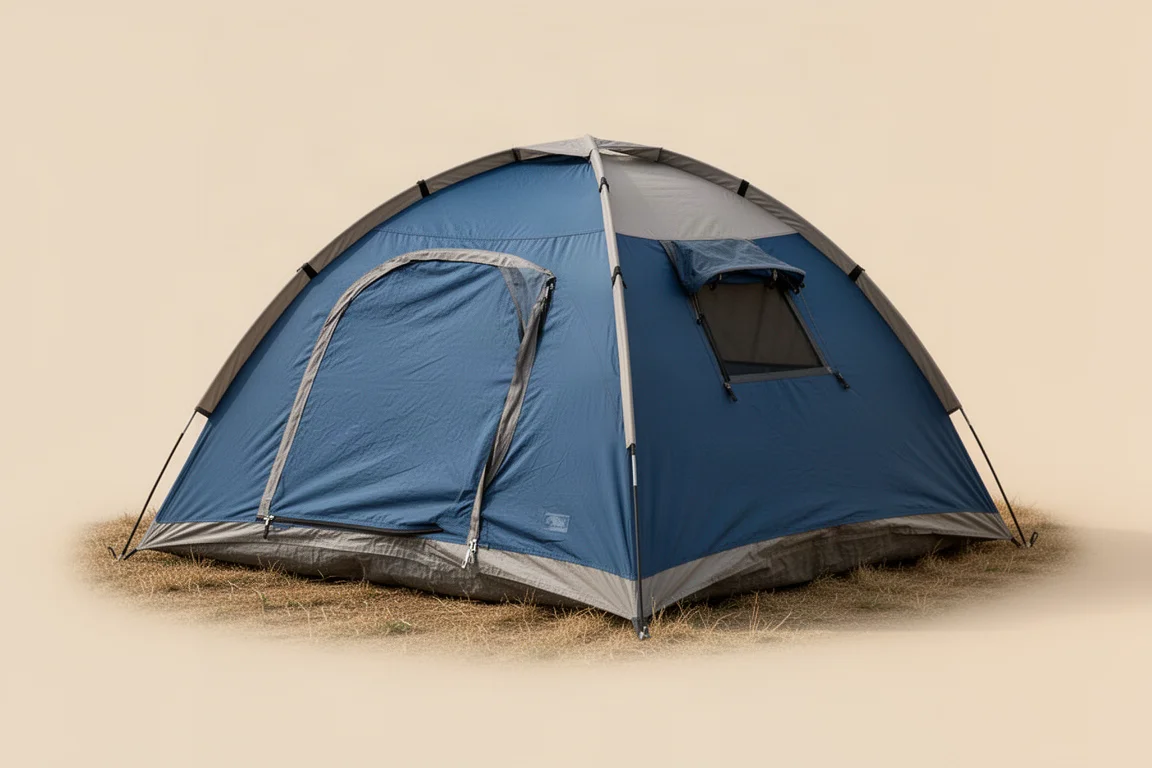
At about $100, the Coleman Sundome 6 is the least expensive tent here that still feels like decent quality. It is listed as a six-person tent, and six will technically fit, but four adults on two queen beds is the more comfortable setup.
Rain performance is where the Sundome separates itself from cheaper rivals. In heavy rain, its seams took roughly 30 minutes to start feeling damp. Budget alternatives we have handled began feeling damp after about 15 minutes of very light rain, and their overall build quality sits a step below Coleman’s, which is why the Sundome takes the budget recommendation.
Coleman Montana 8: Best Budget 8-Person Tent
The Coleman Montana 8 is essentially a larger, extended Sundome, and at about $120 it costs only a little more. Both tents share a peak height of roughly 74 inches, but the Montana fits eight regular sleeping pads instead of six, and three queen beds instead of two.
Two features set it apart from the Sundome. The first is a small porch area at the front, which keeps footwear out of direct sun instead of overheating it. The second is a hinged door: grab the handle, pull it open like a door at home, step in, and close it behind you.
Coleman WeatherMaster 10: Best Budget 10-Person Tent
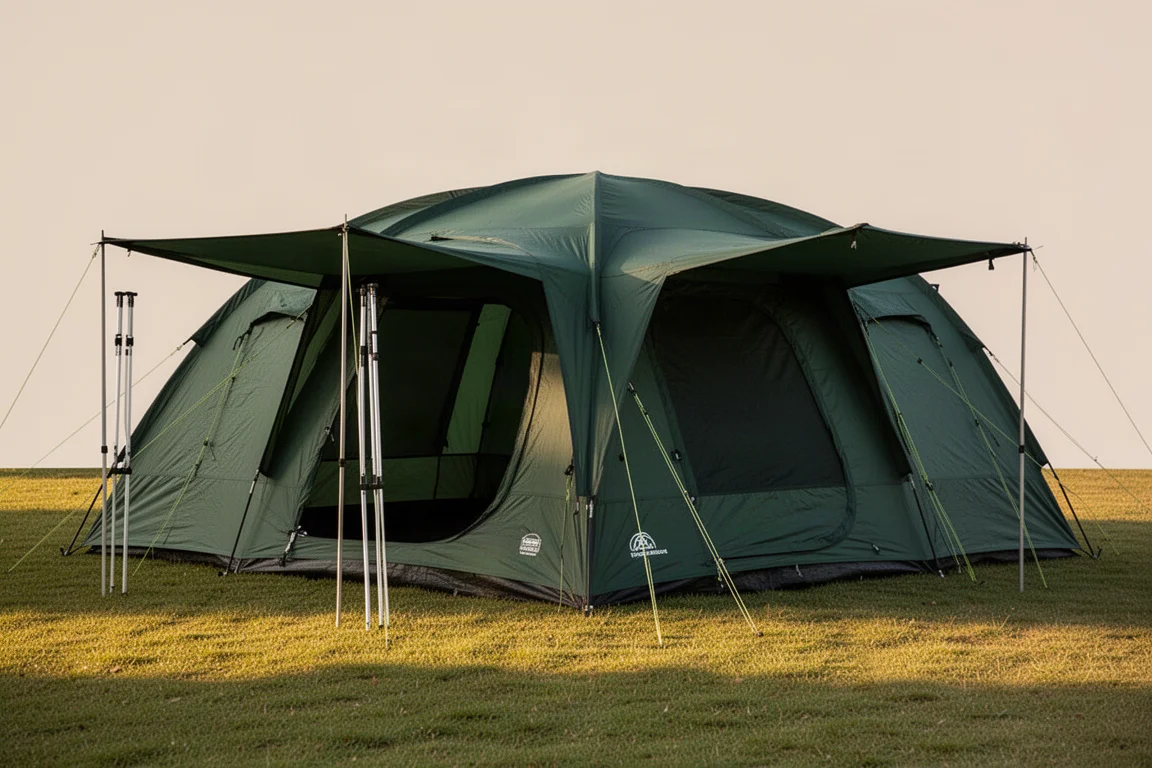
The Coleman WeatherMaster 10 sits at about $250, roughly double the Montana, and the extra money buys six clear upgrades: thicker and more durable steel poles instead of the thinner fiberglass poles used on the Sundome and Montana, a peak height of 80.5 inches, a removable room divider, large angled windows that keep air moving even in rain, an extra door, and a hinged door.
It fits 10 regular sleeping pads or three queen beds. For a group of six who want room to spread out, that is a comfortable amount of floor space.
Coleman Sundome Dark Room: Best Blackout Tent
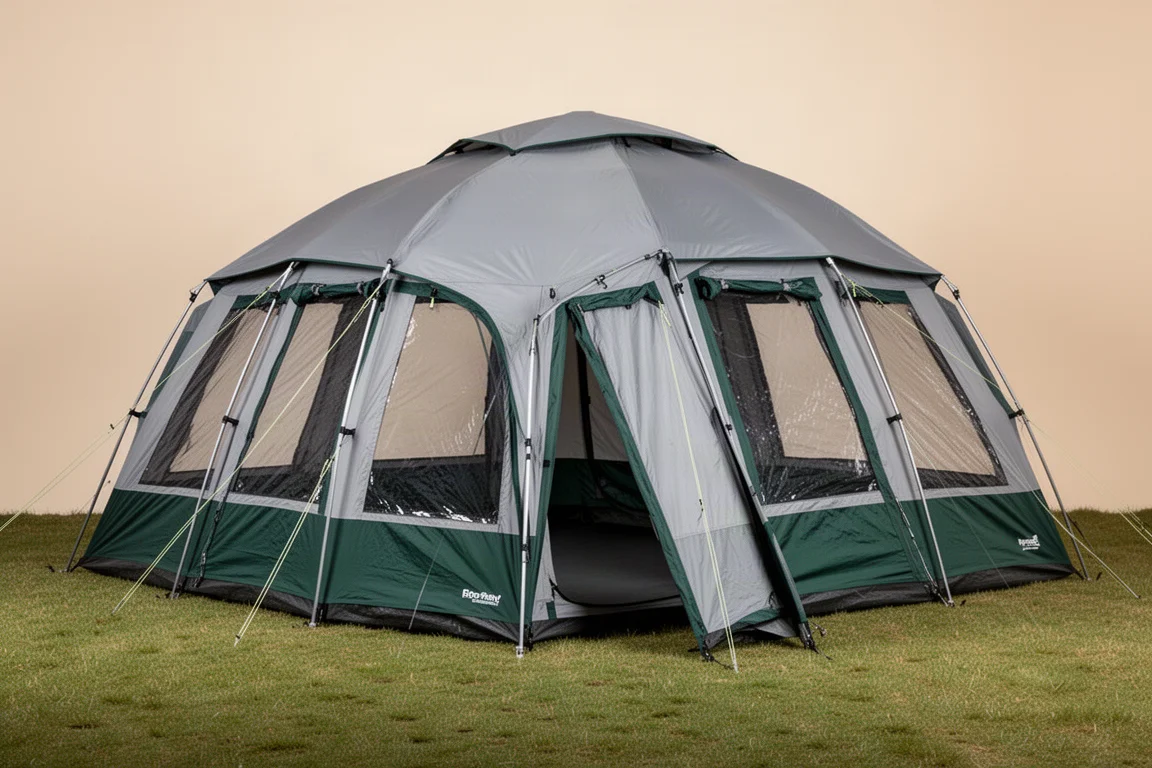
The Sundome Dark Room is almost identical to the standard Sundome apart from Coleman’s dark room fabric. In the middle of the day the difference is obvious: the dark room version lets in far less light, which makes it easier to sleep in past sunrise.
Blackout coatings are where cheaper tents tend to fail. One rival blackout tent we stored for a year started degrading and left a sticky residue on the walls, while the Coleman blackout fabric was still fine after three to four years.
Coleman Evanston 6: Best Budget Screen Room Tent
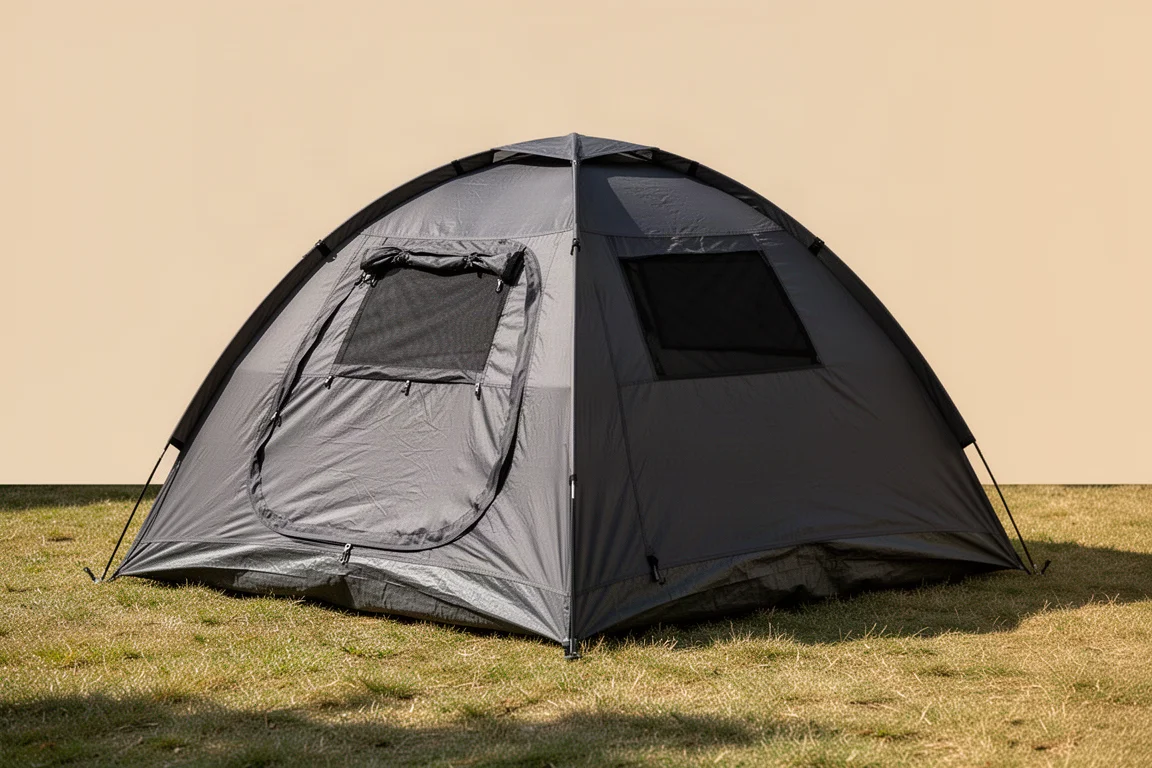
The Coleman Evanston 6 takes the Sundome layout and adds a screen room at the front, which contributes an extra 42 square feet of covered space. Total floor area comes to about 20 square feet more than the Montana 8, whose base area is roughly 103 square feet.
The catch is rain protection. There is very little rainfly coverage over the screen room, so water gets in during even light rain, and heavy rain is worse. Adding a tarp over the tent solves it, but that is extra setup. Core’s screen room tents follow a similar design and share the same weakness.
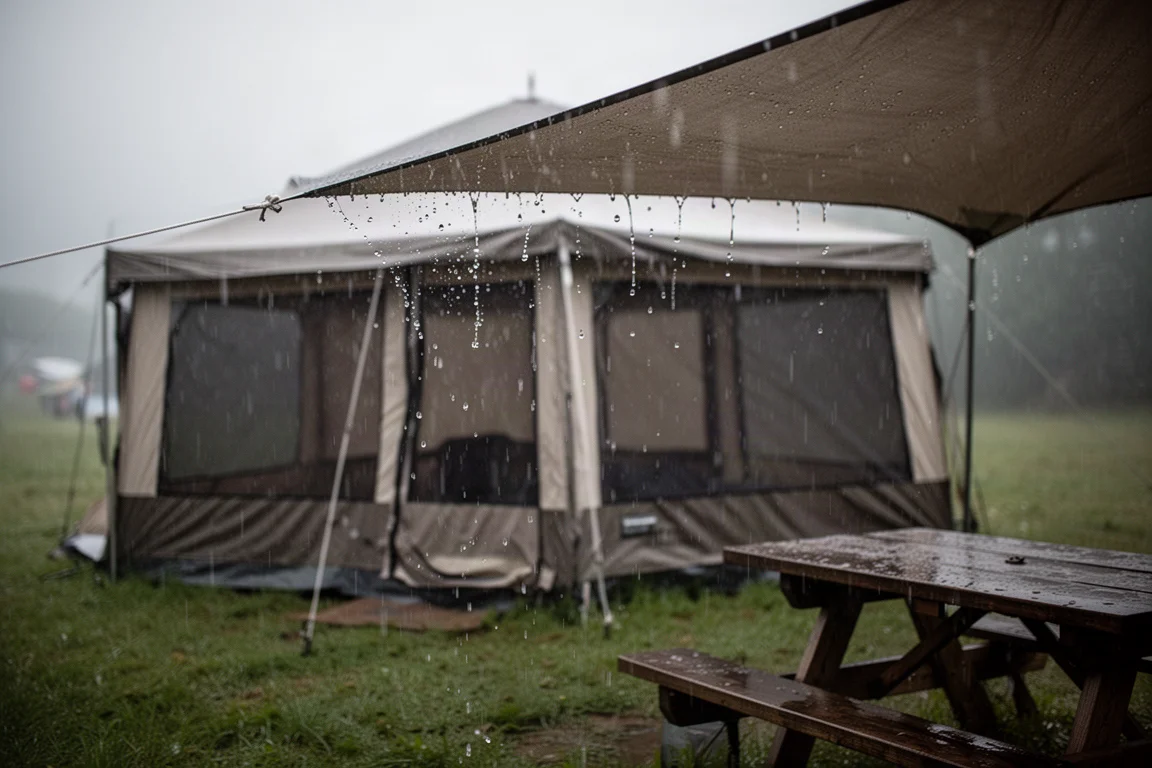
For dry summer trips with a bit of shade, the screen room is a genuinely useful place to sit and eat without bugs. Plan around the rain limitation rather than expecting the screen room to stay dry on its own.
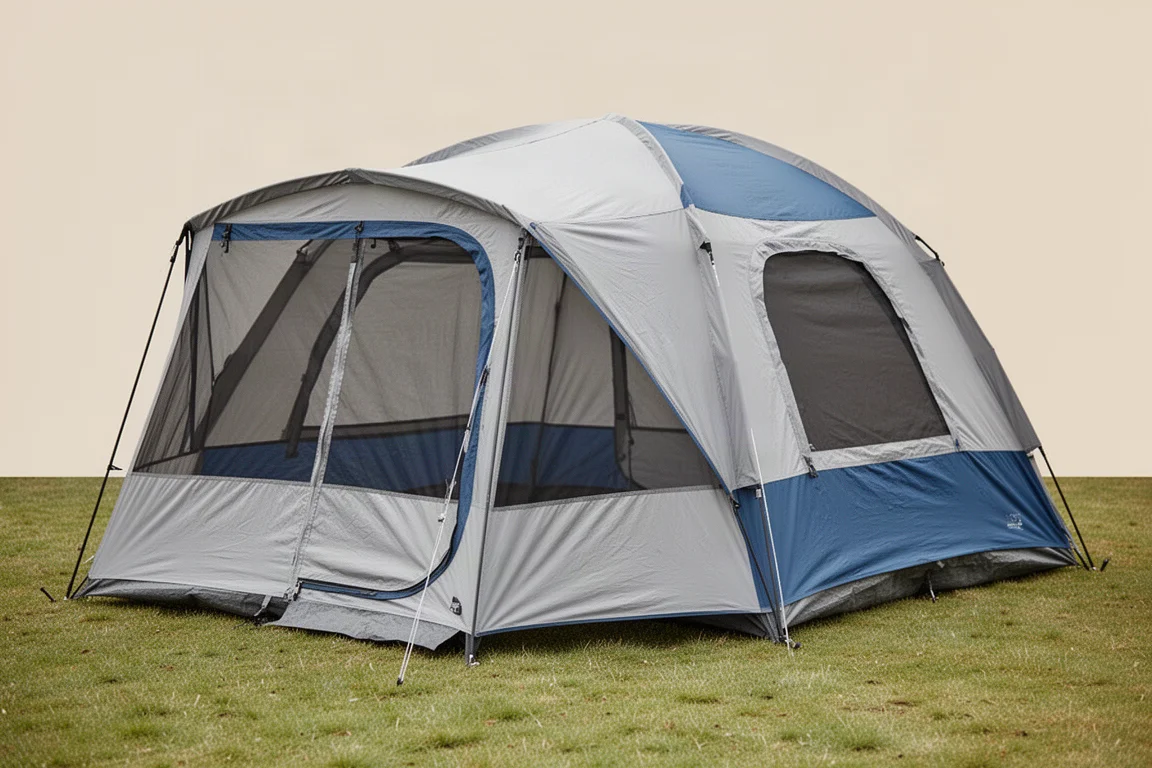
Gazelle T4 Plus Hub Tent: Best Screen Room Tent
If a screen room is the priority and the budget allows, the Gazelle T4 Plus Hub Tent is the best version of the idea here. Its screen room panels close completely, so the covered area can be sealed off in rain, which is exactly the problem that limits the Coleman Evanston 6 and the comparable Core screen room tents.
The price reflects that. At roughly $1,500 it costs about three times as much as the Evanston, but it also delivers more livable interior space, more features, and higher quality materials.
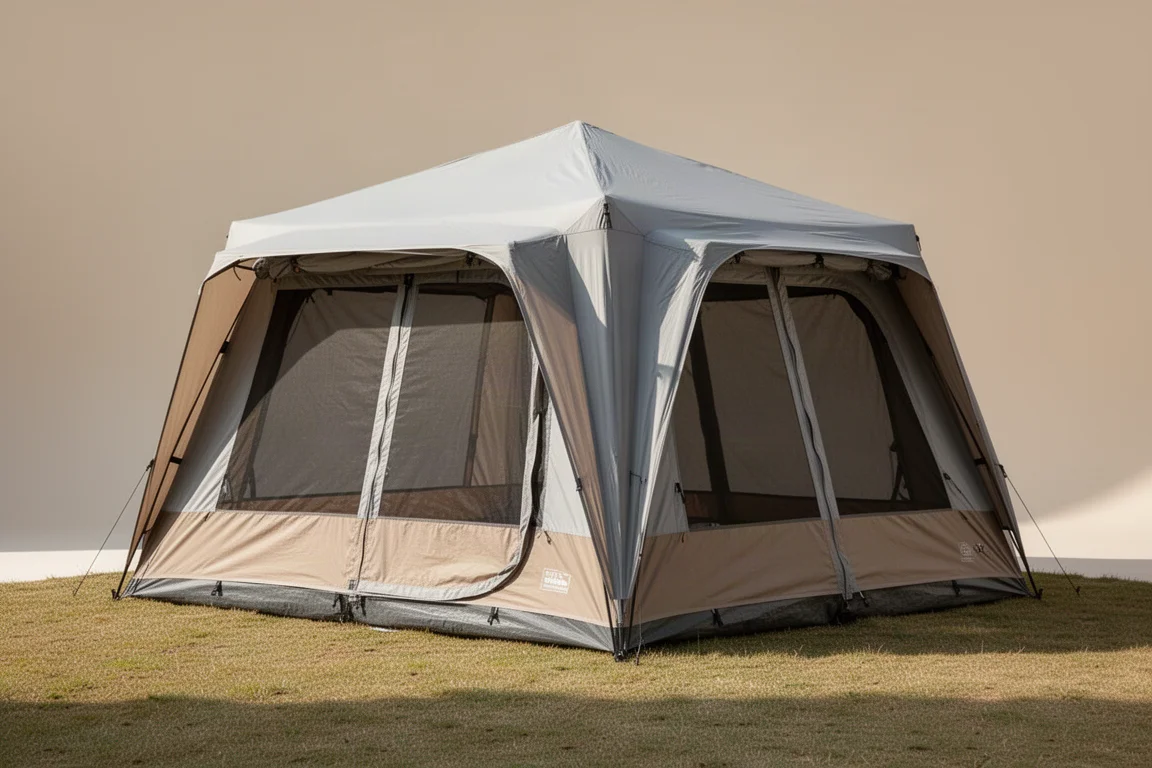
Gazelle T4: Best Instant Tent
The Gazelle T4 is the fastest tent to set up and the fastest to pack away in this entire roundup, and nothing else comes close. That alone makes it the pick for campers who arrive late and want the tent standing before dark.
The rest of the package is unusual for a four-person tent. Peak height is 77.5 inches, which puts it close to much larger six- and ten-person tents, and the side walls are completely vertical, so you can walk around the whole interior rather than crawling into the corners. Four people fit properly, and two double pads still leave a little floor space free. The one gap in the lineup is capacity: there is no six-person version of this tent.
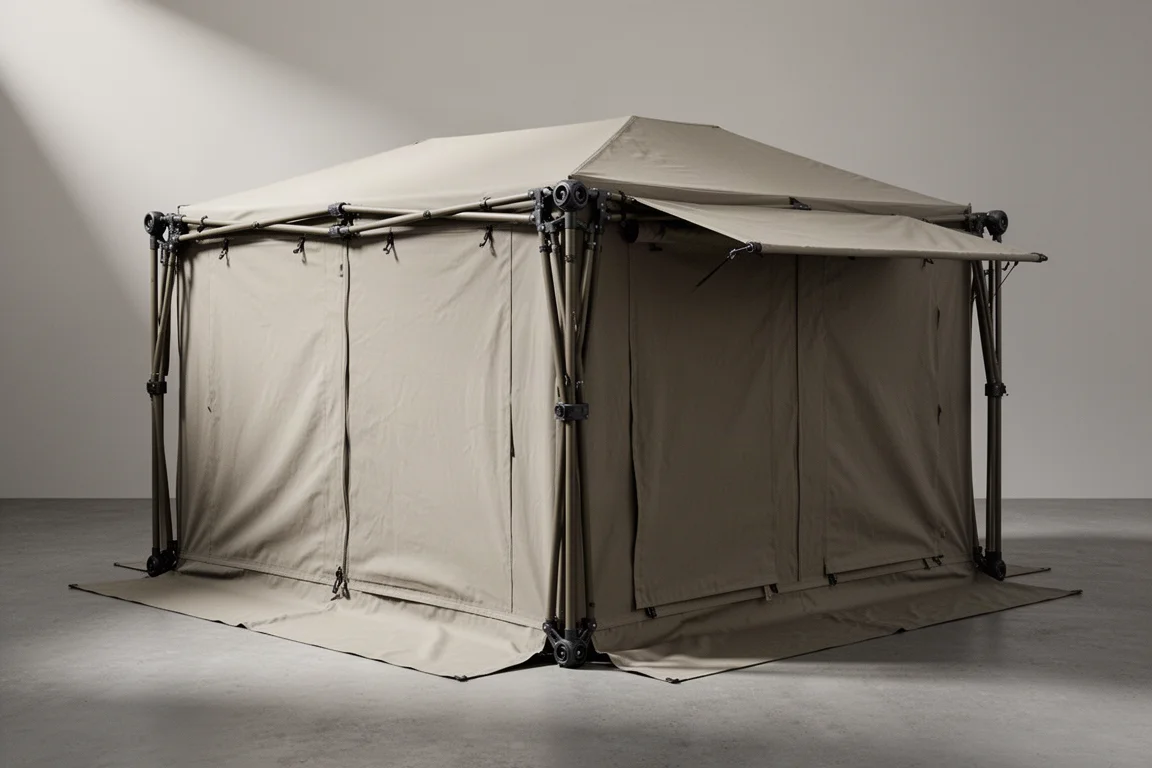
Caddis Rapid 6: Best Value Instant Tent
The Caddis Rapid 6 is the second-best instant tent here and the one to consider if the Gazelle T4 is out of reach. There are two main reasons to choose it: capacity and price. It has a maximum of six people, with four on two queen beds as the comfortable setup, where the Gazelle T4 tops out at four and really suits two or three.
The second reason is cost, since retail pricing runs about 25 percent below the Gazelle. Materials hold up well at that price, with flooring and tent body only slightly thinner than the Gazelle’s, thicker and beefier steel poles instead of fiberglass, and micro-mesh instead of standard mosquito netting.
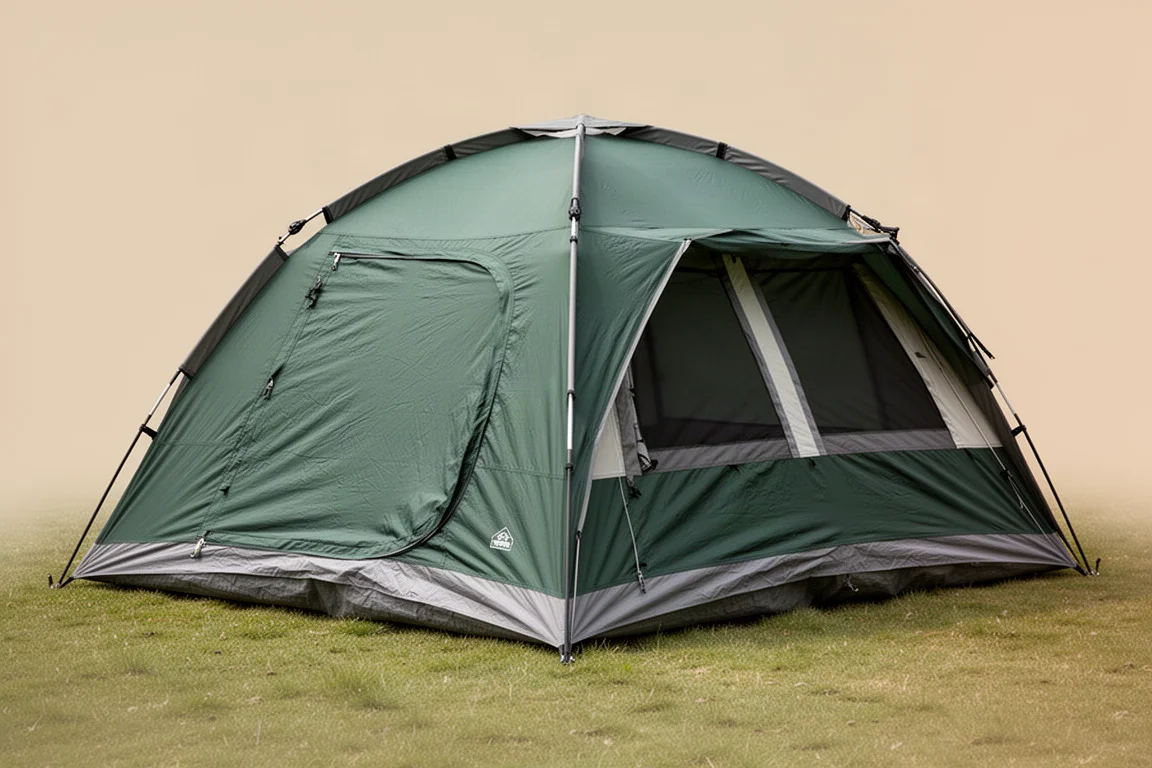
Core 9-Person Instant Tent: Best Large Instant Tent
For a big group that still wants fast setup, the Core 9-Person Instant Tent is the best large tent we have tested. It fits nine regular sleeping pads, which is a lot more floor space than a four-person Gazelle or even a six-person Caddis.
Speed is the headline. Against other 8-person and 10-person family tents, the Core sets up anywhere from one and a half to more than two times faster, and the pack-away times follow the same pattern.
Outdoor Products 10-Person Instant Tent: Biggest Instant Tent
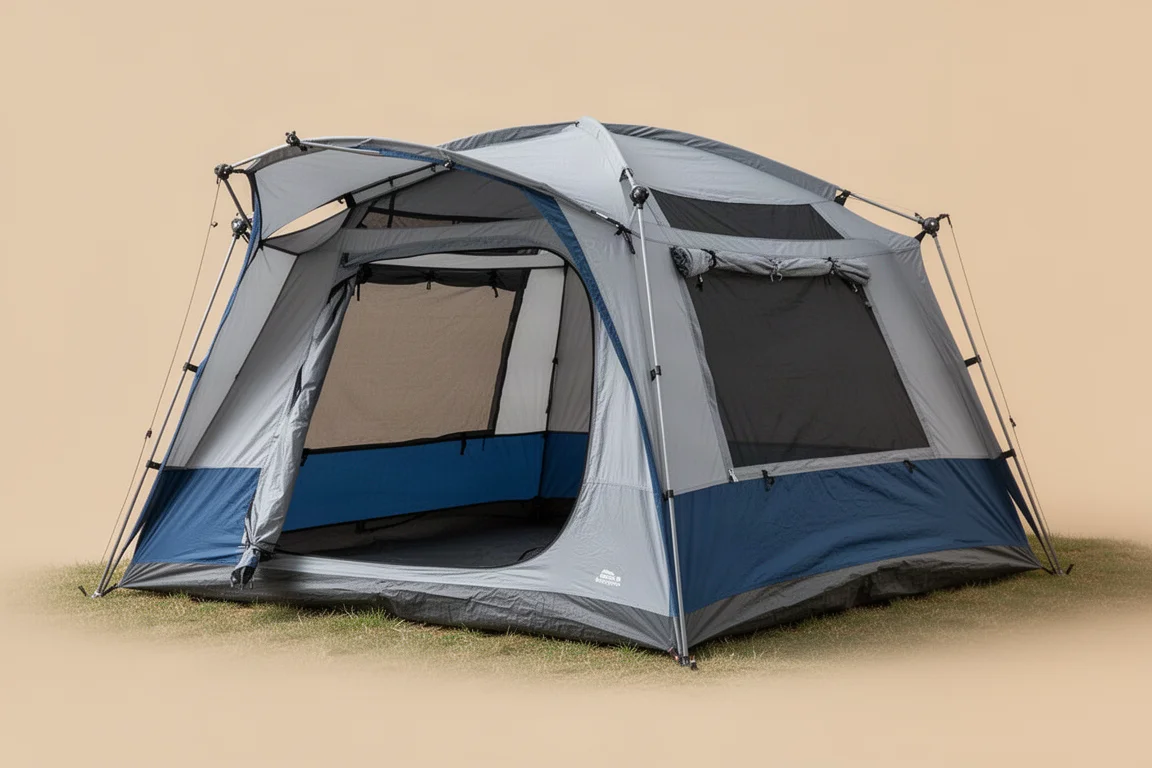
The Outdoor Products 10-Person Instant Tent is the biggest instant tent here and a direct step up from the Core 9. It fits four queen beds with no space left over, while the Core fits two queens with plenty of room to spare. It also fits 10 single sleeping pads if squeezing everyone in matters more than comfort.
The two tents share the same instant mechanism: identical poles, identical hubs at the top, and the same flooring, tent body, and rainfly fabric quality. The materials are more budget friendly than ideal, but the mechanism is the best of the large instant tents here. The practical advice is to check both prices and buy whichever one is cheaper.
Eureka Copper Canyon LX 12: Best Large Cabin Tent
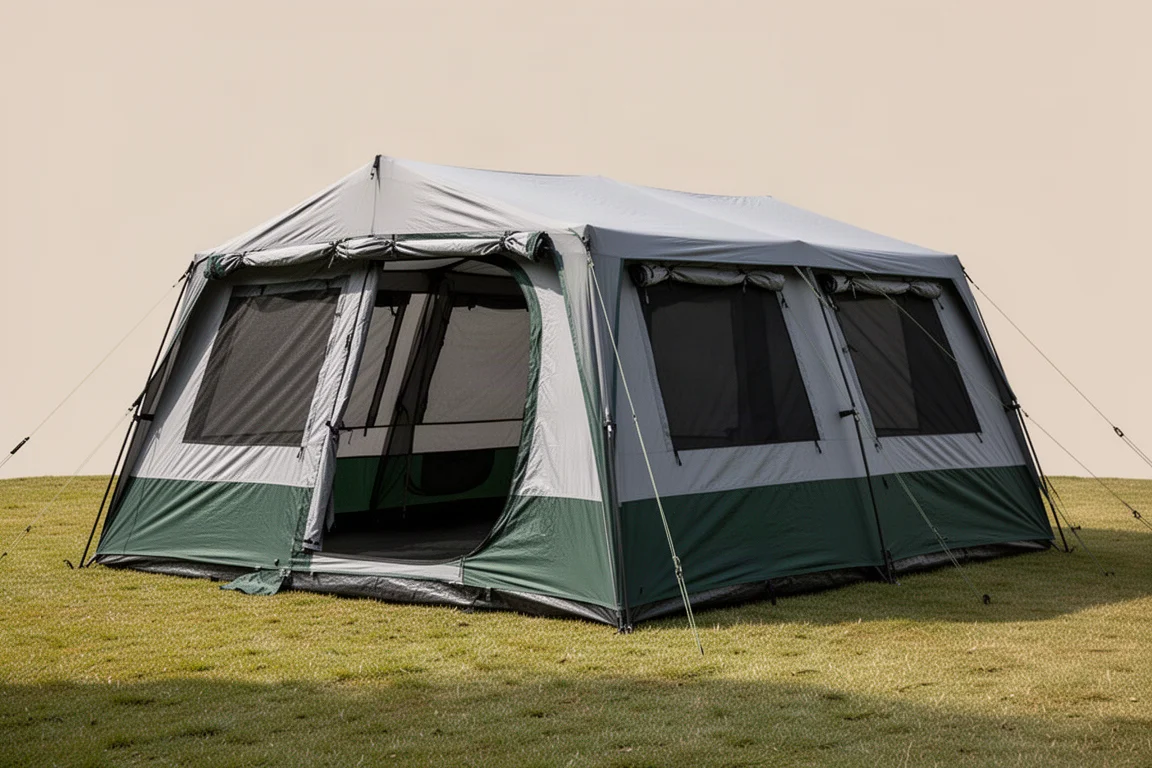
The Eureka Copper Canyon LX 12 is the biggest large family tent worth recommending. The smaller LX 6 shares the same peak height as the 12-person model at a full seven feet, which is second only to the Core cabin tent in this roundup.
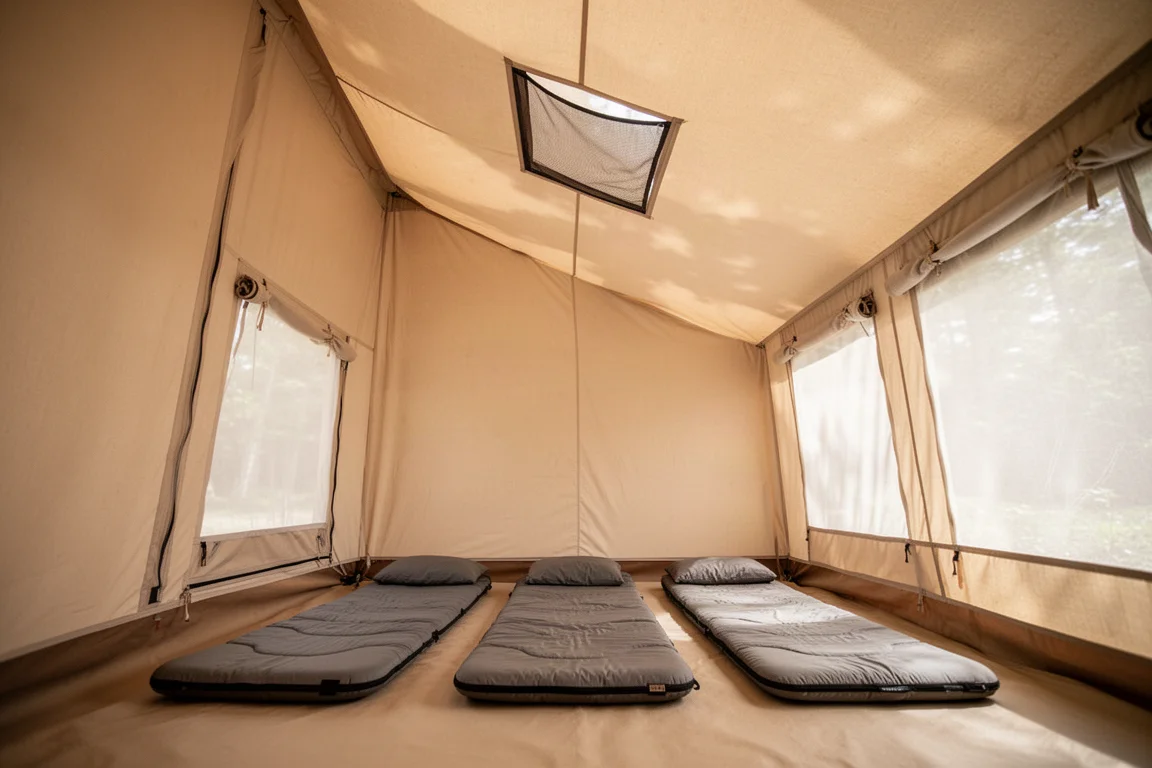
Standing room extends well beyond the center. You can stand upright everywhere inside, including the corners, where the lowest height is 66 inches, and the near vertical side walls mean you can walk around rather than duck.
The bigger argument for Eureka is longevity. Compared with the budget 12-person options, it brings a lifetime warranty, thicker and beefier fiberglass roof poles, and much better waterproofing. The budget alternatives typically offer a one-year warranty, or as little as six months, along with thinner poles and weaker waterproofing.
If you plan to keep a large tent for a decade rather than a few seasons, that warranty and material difference is the main reason to spend more here.
Columbia Mammoth Creek 10: Best 10-Person Tent
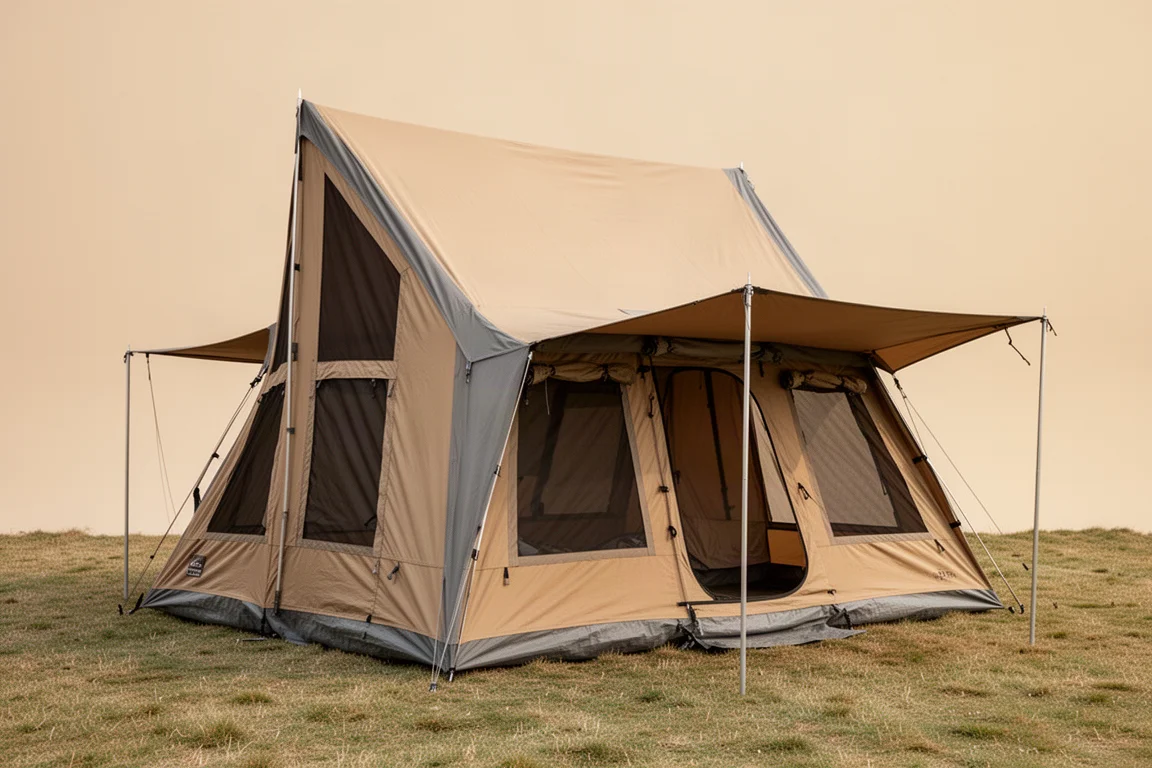
The Columbia Mammoth Creek 10 finished first overall when tested against five other 10-person tents, scoring well on both space and quality. It is the best 10-person tent in this roundup.
A few features stand out. The room divider is the best here because it runs the full length of the tent and provides real privacy. The T-door on the left is huge, most of the windows are large for summer airflow, and two pull-out windows can stay open in rain. On top of that, it was the only 10-person tent to come through an hour of heavy rain with no leaks at all.
Base Camp: Best for Off-Season Camping and Storage
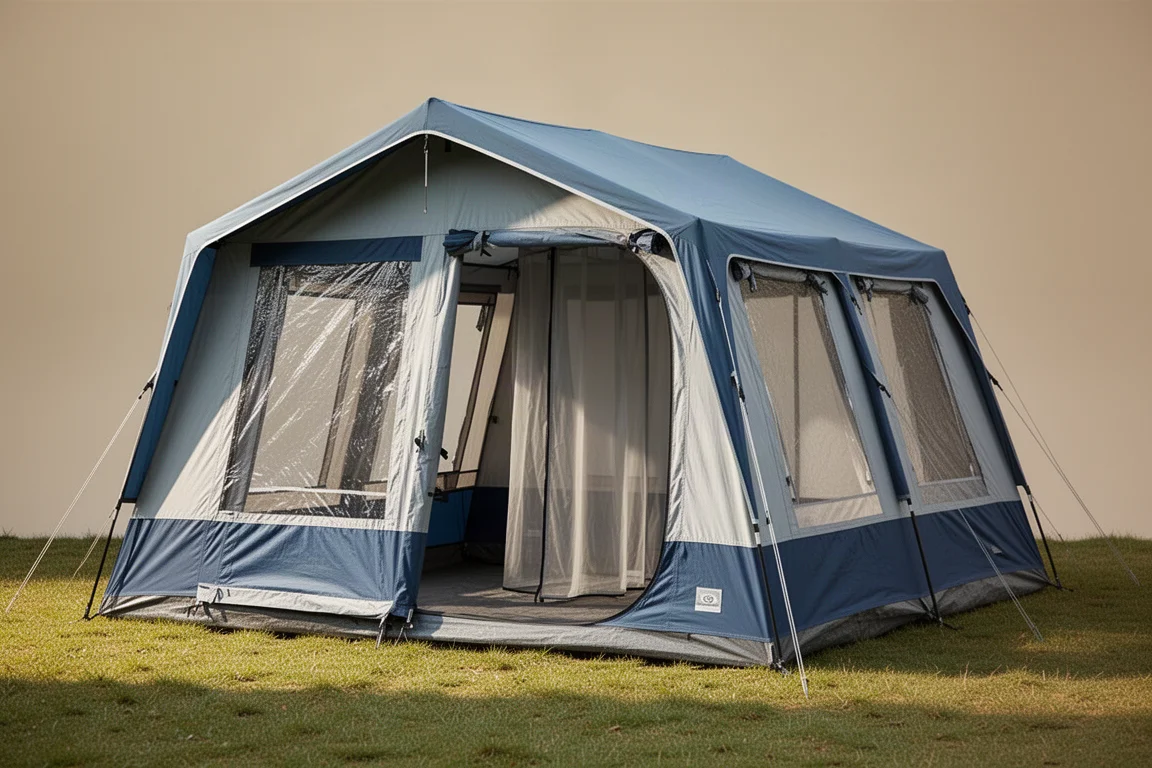
Most tents here are three-season summer shelters. The Base Camp is the only three-plus-season family tent in the roundup and the only one with a full-length rainfly that extends all the way to the ground, which is why it came through an hour of heavy rain with no leaks.
The high fabric-to-mesh ratio suits off-season camping, where warmth retention matters more than airflow. Storage is in a class of its own: a large front vestibule plus a rear vestibule add 52.5 square feet of extra space, total square footage is on par with the 10-person tents here, and there are 14 pockets and 20 gear loops around the interior.
The vestibules are for gear rather than lounging. The front one fits a maximum of two chairs, and the rear one cannot fit even one.
Wonderland: Best Summer Ventilation
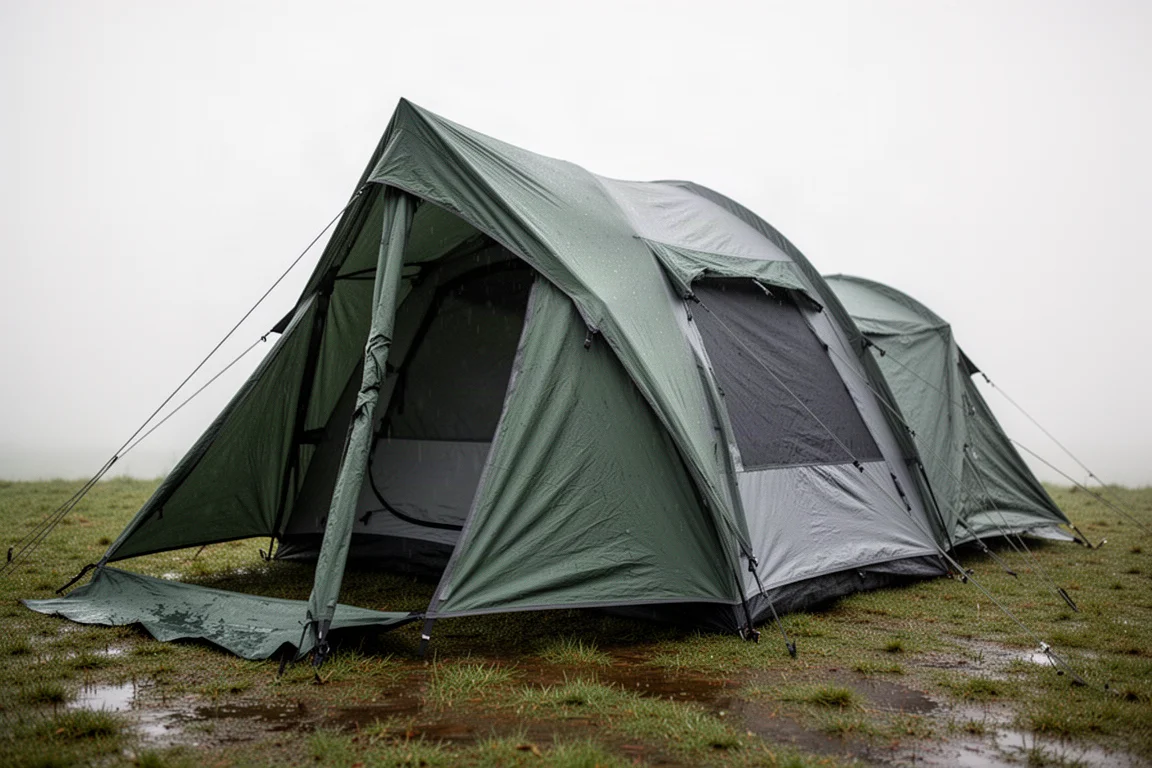
The Wonderland takes the opposite approach to the Base Camp. It has the maximum amount of mesh of any family tent here, and the mesh is not limited to the ceiling: it extends down the sides, covering well over half the tent. None of the other tents in this roundup carry mesh beyond the ceiling.
Headroom is unusually consistent as well. The lowest height at the left and right sides is 76 inches, the best of any tent here, and the center peak is about 81 inches. In practice that means peak-level height is available along almost the entire length of the tent, which is rare for a six-person model.
The North Face Wawona 6: Best Weather Protection
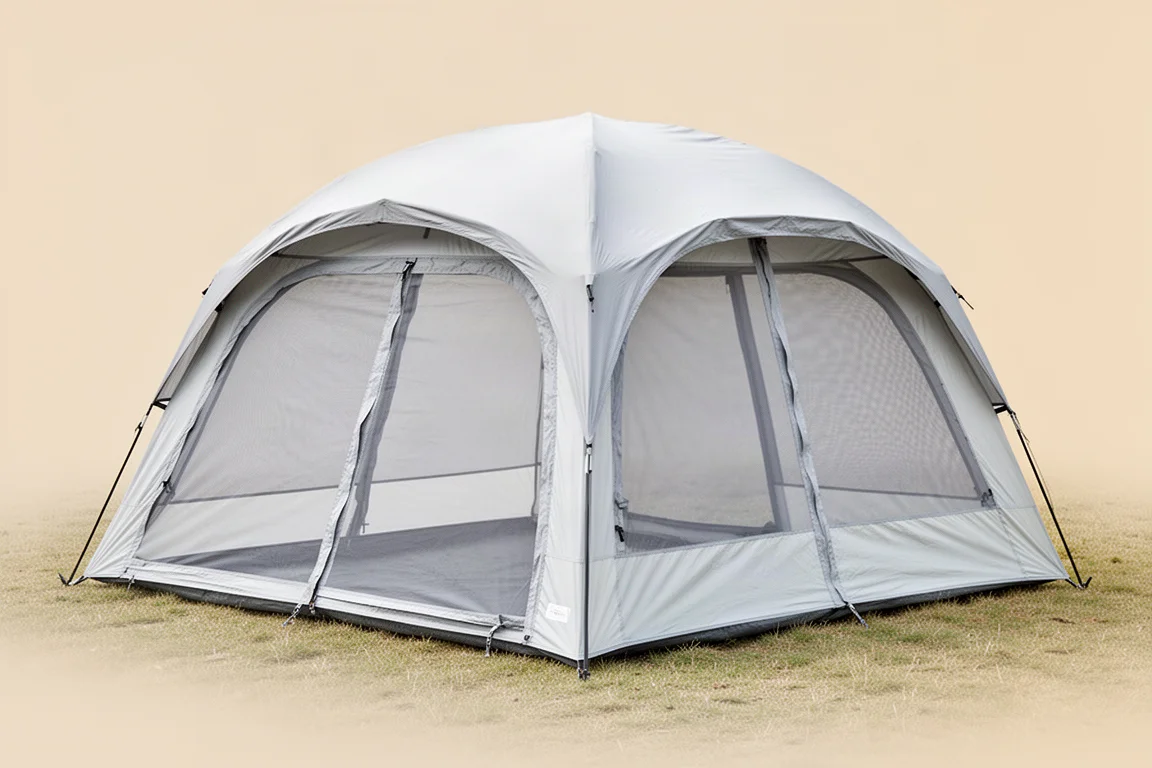
The North Face Wawona 6 is the strongest performer in bad weather. It was the only family tent here to go through three days of heavy afternoon rain, with the yard flooding and the floor sitting underwater, and it did not leak.
Wind performance is just as solid. It held up in 15 mph winds when fully guyed out, and it carries the most guylines of any dome-shaped family tent in this roundup along with the highest quality DAC MX aluminum poles. Cabin tents are a different story in wind, which is why the Wawona’s dome shape matters for exposed sites.
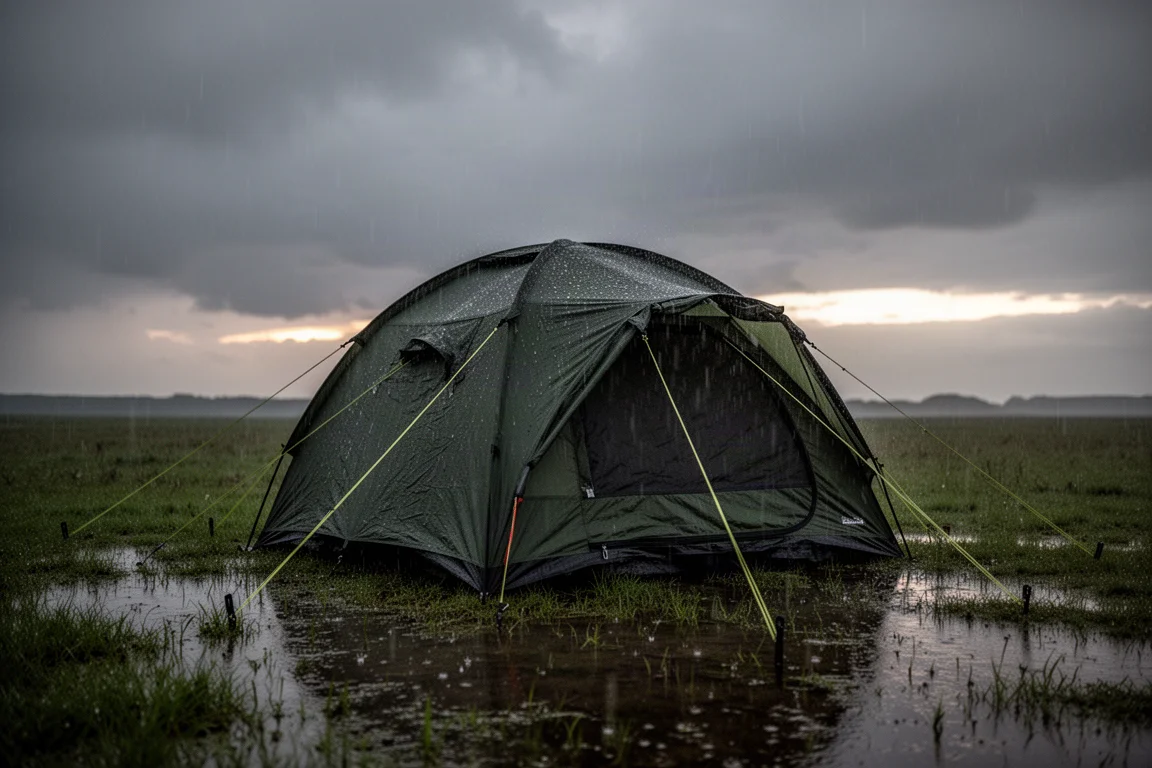
The vestibule is the best here too. Its base area is slightly smaller than the Base Camp’s, but livability is much better: you can stand up throughout the vestibule and fit two camping chairs with room left for a table. For a higher-end family tent, this is also the best value in the group.
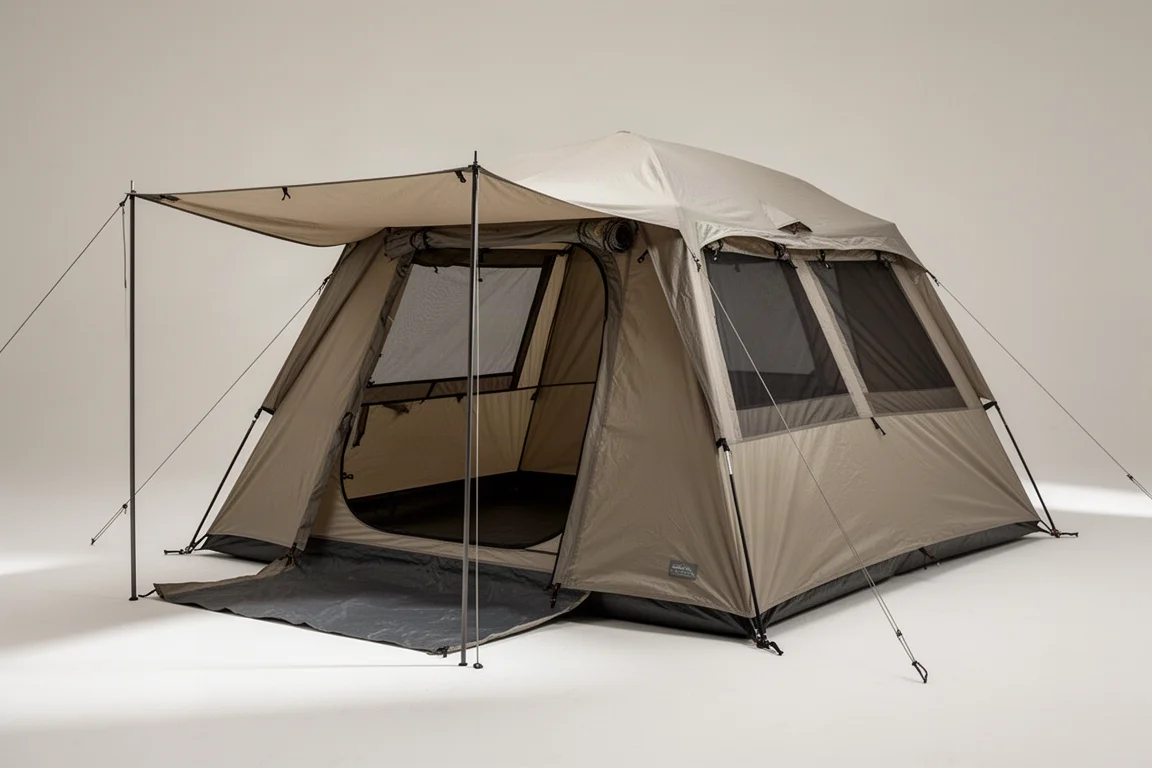
Buying Advice: Matching a Family Tent to How You Camp
Start with budget and work outward. The Coleman Sundome 6 at about $100 and the Montana 8 at about $120 cover most small-group trips, and the WeatherMaster 10 at about $250 adds steel poles, a higher ceiling, and a room divider for larger families.
Match capacity to sleeping pads rather than to the number on the box. A six-person tent is usually comfortable for four adults, and a ten-person tent is comfortable for six.
Check rain coverage before buying, especially on screen room tents. Panels that cannot be closed will let water in during light rain, and the tents that handled an hour of heavy rain without leaks are the Columbia Mammoth Creek 10, the Base Camp, and the Wawona 6. The Eureka Copper Canyon LX 12 backs its waterproofing with a lifetime warranty.
Take wind seriously when choosing a shape. Dome tents with plenty of guylines, like the Wawona 6, handle gusts far better than tall cabin tents, which catch wind easily.
If setup speed matters most, look at instant tents. The Gazelle T4 is the fastest overall, the Caddis Rapid 6 is the value option with six-person capacity, and the Core 9-Person and Outdoor Products 10-Person instant tents are the fastest of the large family sizes.
For heat, the Wonderland’s side-wall mesh is the most ventilated design here. For cold and wet shoulder seasons, the Base Camp’s full-length rainfly and fabric-heavy construction are the better match.
Conclusion
Sixteen tents, sixteen different jobs. If you want the least expensive tent that still holds up, the Coleman Sundome 6 is the starting point. If you want a tall, roomy interior for a big group, the Core Equipment 10-Person Cabin Tent and the Eureka Copper Canyon LX 12 deliver the most standing room. If setup speed is the priority, the Gazelle T4 and the Core 9-Person Instant Tent are the fastest here. And if weather is the deciding factor, the Columbia Mammoth Creek 10, the Base Camp, and The North Face Wawona 6 are the three tents that came through the heaviest rain without leaking.
Match the tent to the trips you actually take, and the right choice is usually obvious.
Further reading
Related Reviews
Camping Tents
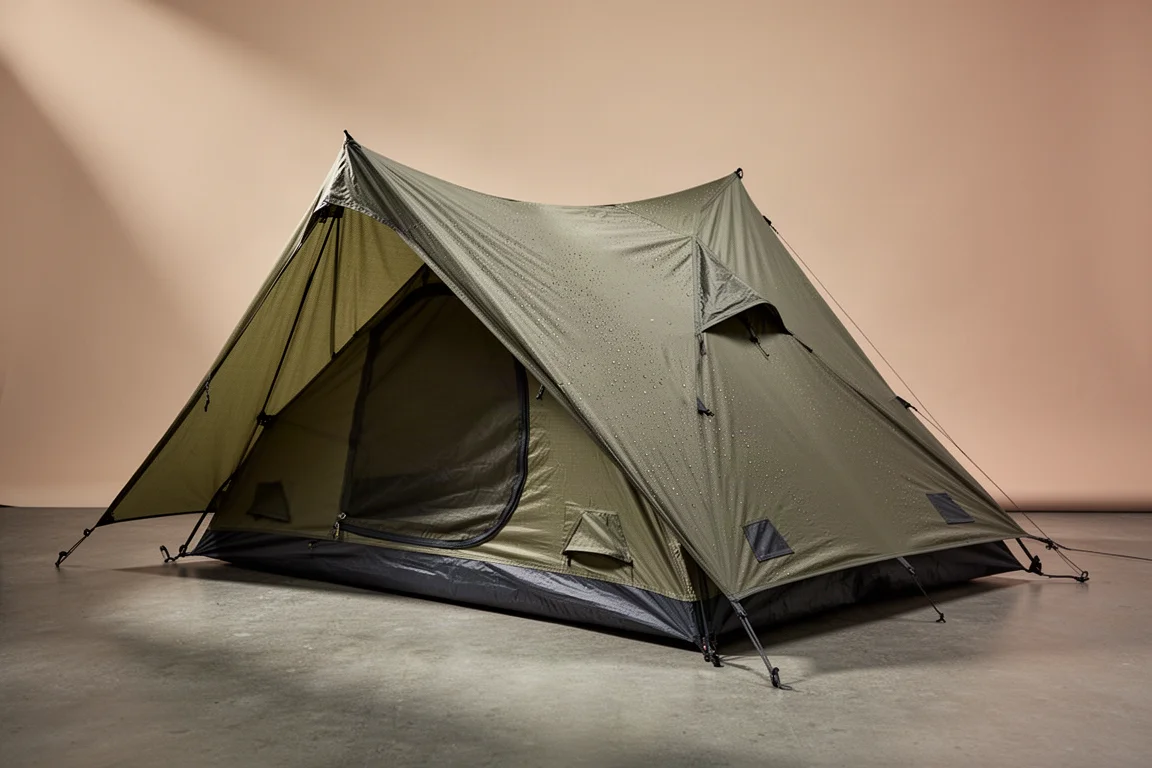
3F UL Gear Taiji Two-Person Tent Review: Field Waterproofing Results and Buying Advice
The Taiji pairs an attached fly with a removable inner, but sustained rain exposed untaped vent seams that need sealing before this shelter can be trusted.
Camping Tents
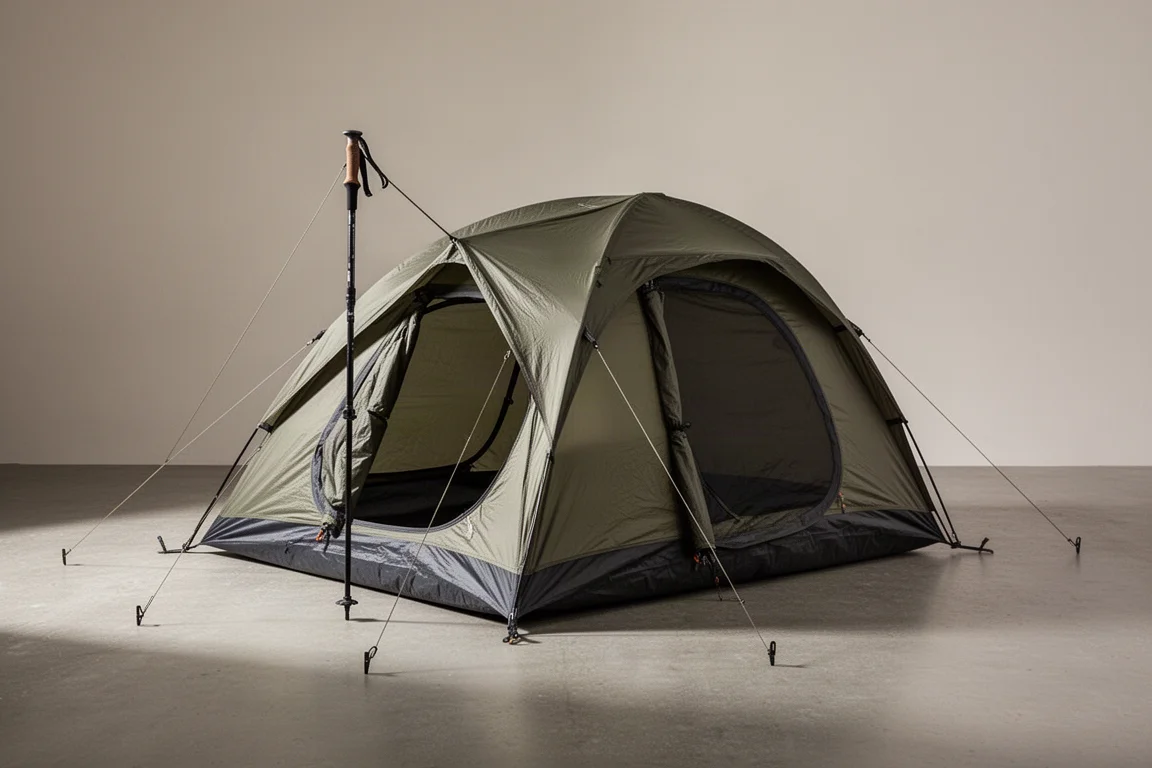
3FUL Gear Lanshan 2 Pro 4-Season Review: A Sub-$200 Single-Wall Trekking Pole Tent
An early look at the 3FUL Gear Lanshan 2 Pro 4-Season, covering its straightforward pitch, generous interior space, and the condensation and seam-sealing questions that come with any single-wall shelter.
Camping Tents
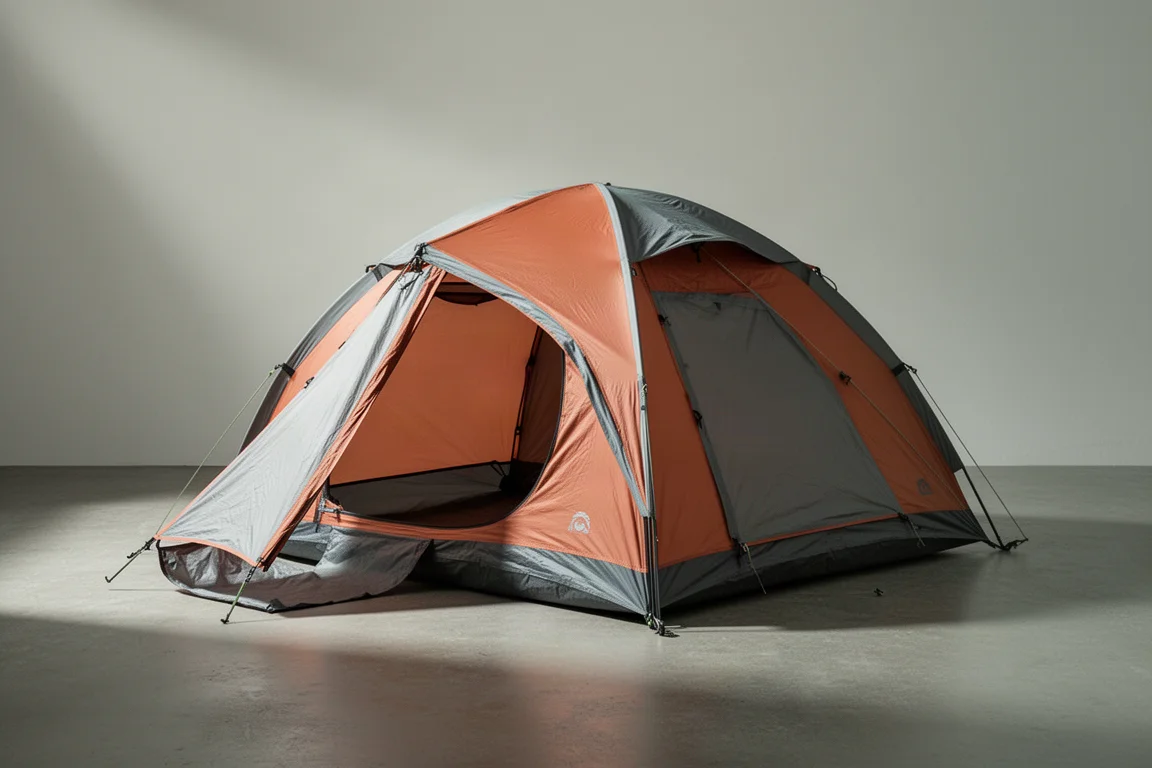
Alps Mountaineering Lynx 1-Person Tent Review: Big Value in a Small Budget Tent
A close look at the Alps Mountaineering Lynx 1-Person Tent, covering real interior dimensions, materials, setup time, ventilation limits, and who should buy it.