Welding & Fabrication
Five Shop Tools That Make Metal Fabrication Faster and More Satisfying
From marking and clamping to hole transfer and cleaner welds, these are the fabrication tools and consumables worth adding to your welding shop.
Introduction
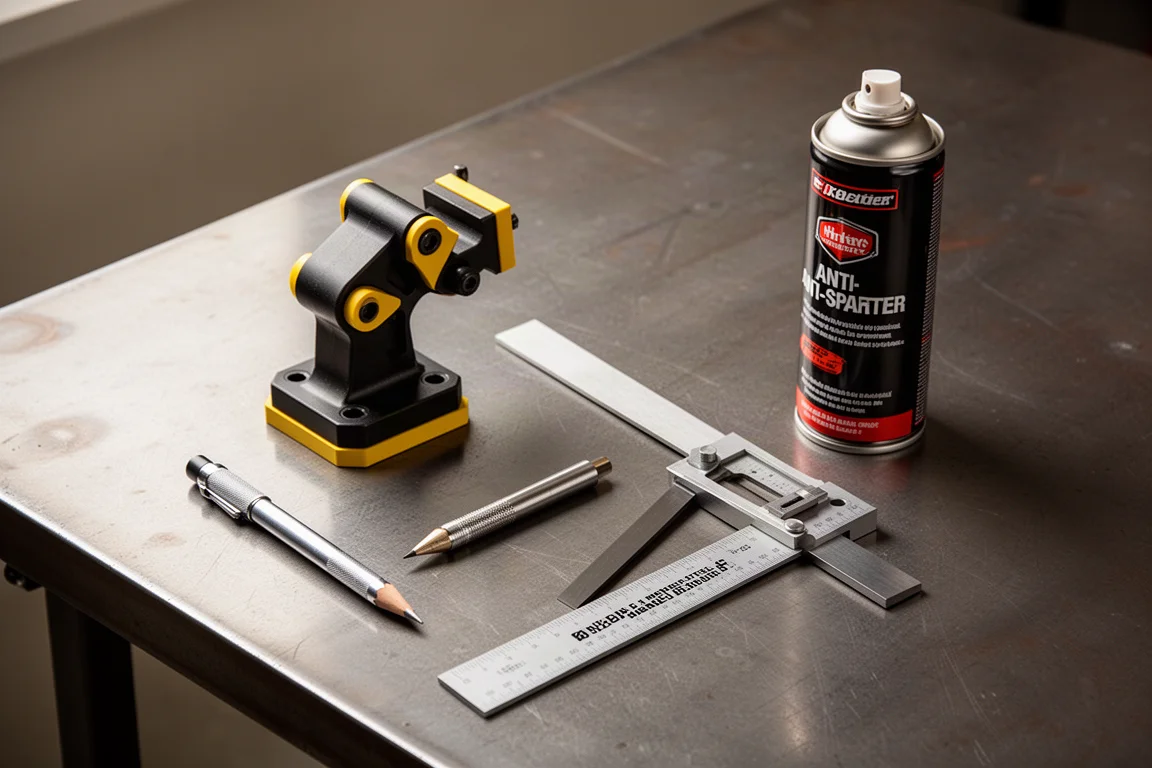
Every fabrication shop eventually accumulates the tools that actually change how you work. The interesting ones tend to be small, inexpensive, and easy to overlook: things that do not make the work faster so much as they make it more accurate and more satisfying. The items here all arrived in one shop late in the game, and each one earned its place through daily use on real projects, from gate building to enclosure work.
Marking Before You Cut
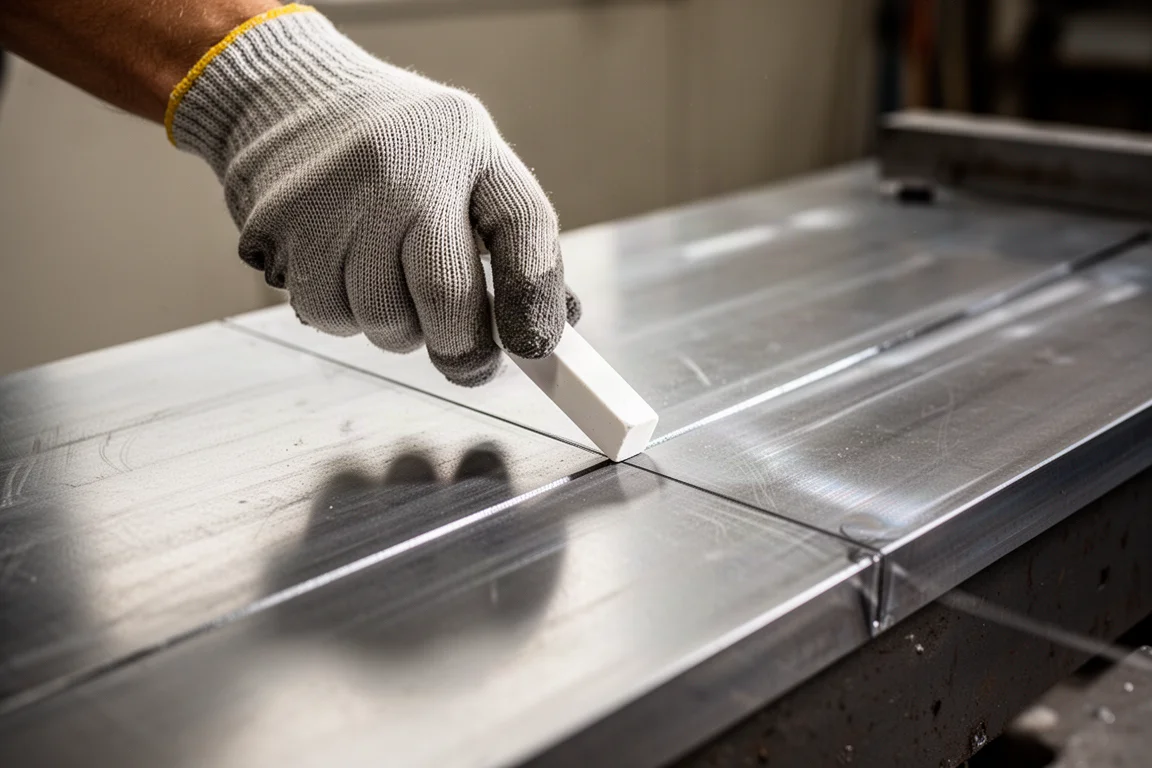
No matter the craft, you have to mark before you cut. Marking steel is its own challenge, especially when the cut involves heat. Pencils and markers from the woodworking aisle simply do not survive that environment. Soapstone does, and it remains the standard for a reason. One practical upgrade: buying soapstone by the box rather than a few pieces at a time. When a piece inevitably gets broken, dropped, or lost, having a drawer full of spares means you never walk away from a job to hunt one down.
Silver Streak Pencil
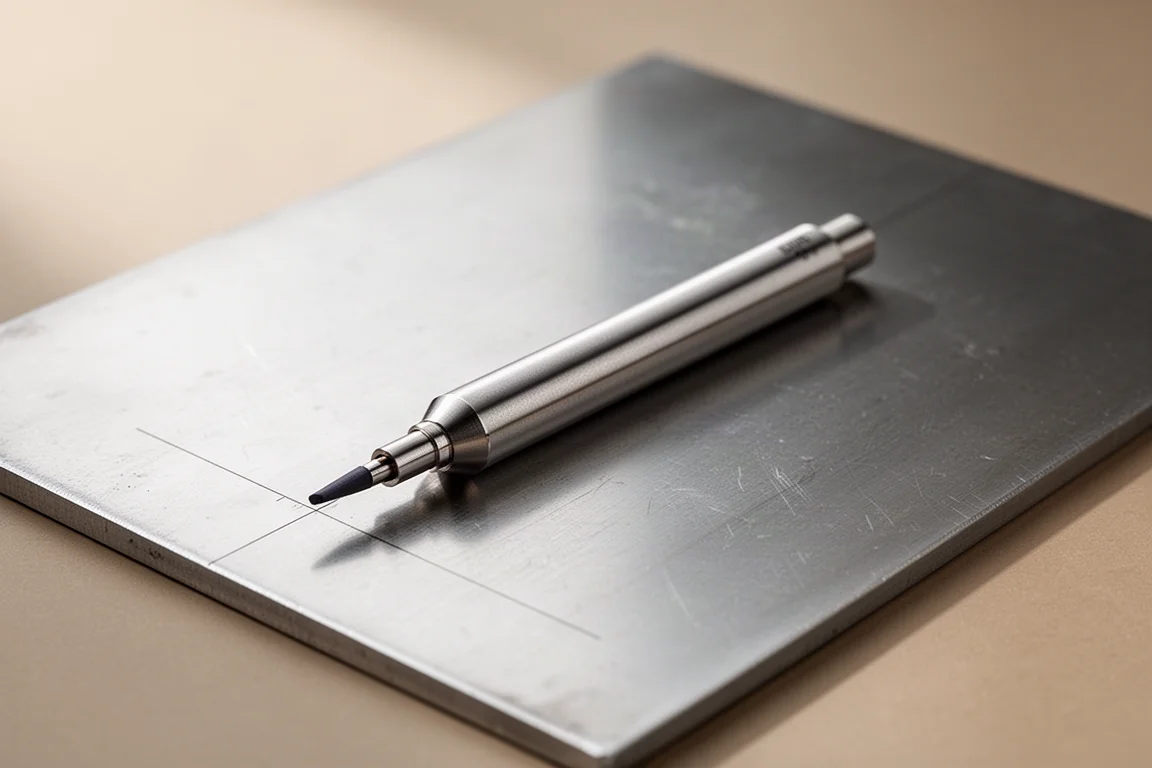
For finer layout work, a Silver Streak mechanical marking pencil produces a crisp, tight line that soapstone struggles to match. It is especially useful when cutting with a band saw, a cutoff wheel, or a plasma cutter, where line precision directly affects cut quality. The trade-off is simple: it works brilliantly, but only if you can keep track of it. The unit shown in regular use is worn nearly out, which says something about how often it gets picked up.
Magswitch Mini Multi-Angle
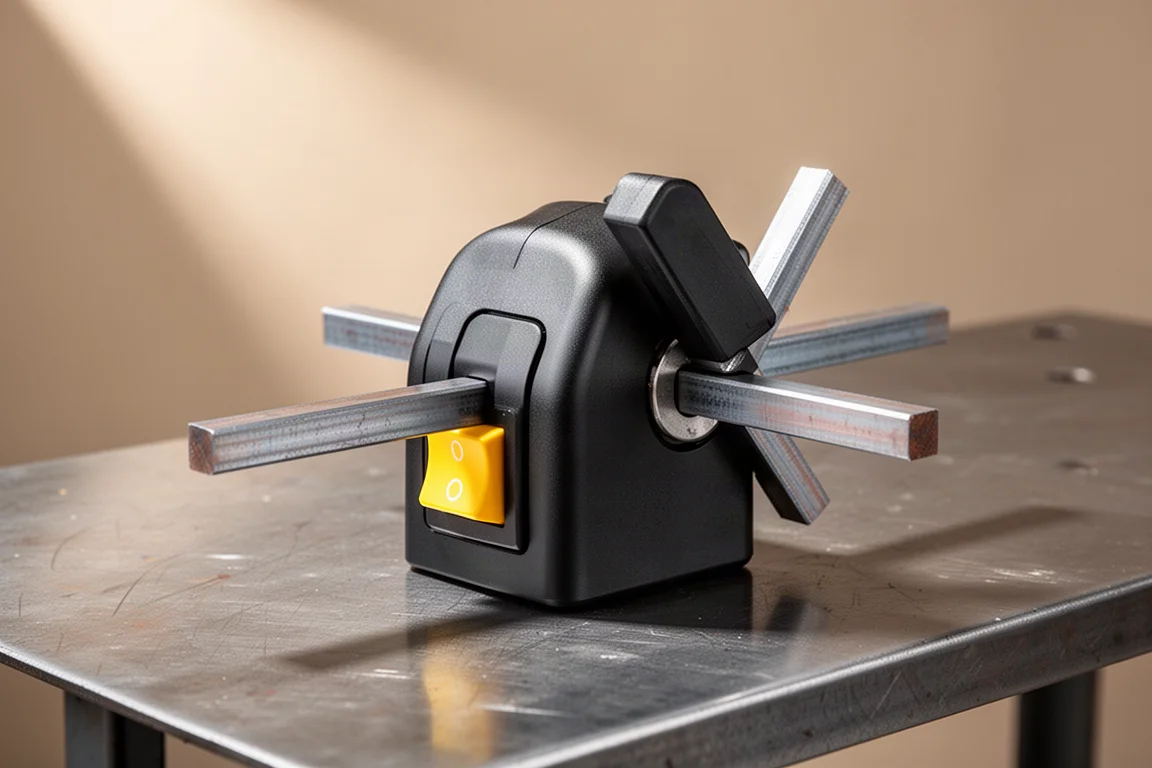
Holding pieces exactly where they belong while you weld them is one of the core challenges of fabrication. Ordinary welding magnets help, but the Magswitch Mini Multi-Angle changes the experience entirely. You position the piece, bring the tool in, flip the switch, and it locks in place. The on-demand magnetic action, presumably moving a rare-earth magnet toward or away from the steel, means you can set work up precisely rather than fighting a magnet that is always on.
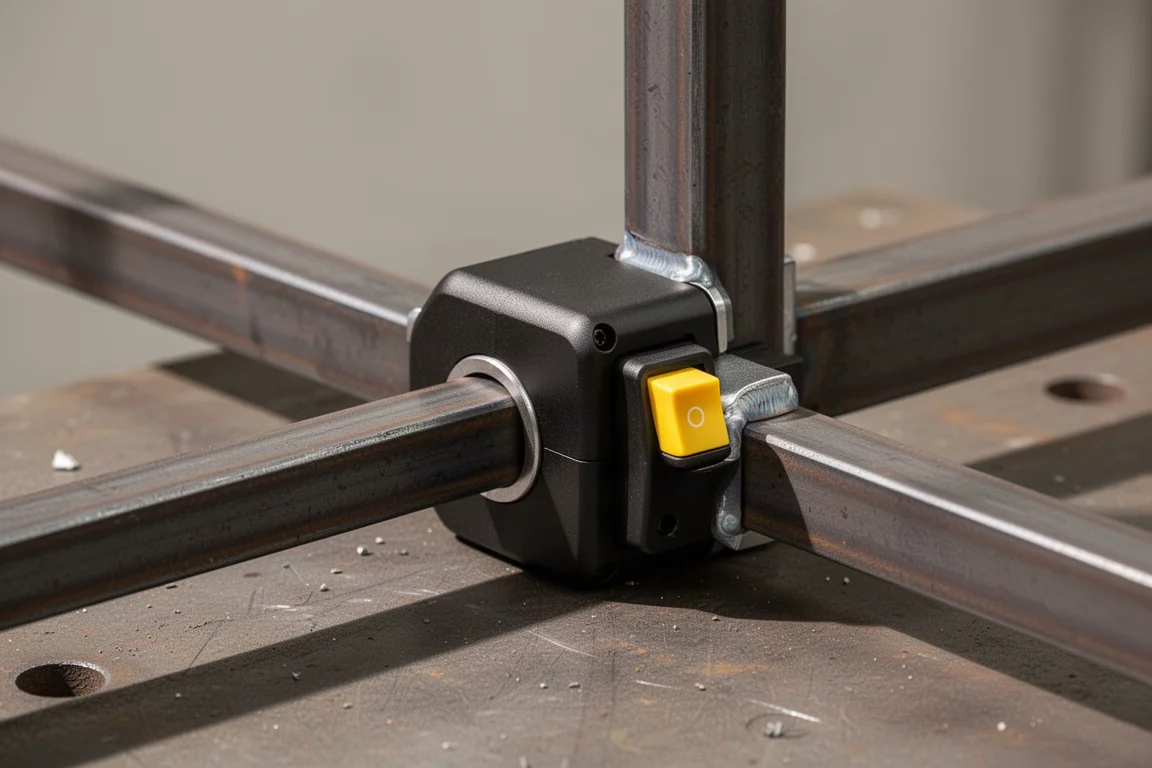
It also offers multiple holding angles, which makes it useful well beyond simple square joints. Once you have worked with one, it is genuinely hard to go back to layout and tacking without it.
Vice Grips and Clamping
Fabrication, much like cabinet building, is fundamentally about clamping. Irregular shapes and long spans need to be squeezed hard, and often in a hurry. Beyond the familiar locking pliers and C-clamp variants, large long-reach locking clamps deserve a spot in the rack. They cover the long distances that ordinary clamps cannot, and they are the kind of ugly, useful tool worth grabbing whenever you spot one at a parts house or a garage sale.
Cruise Industrial Combo Square
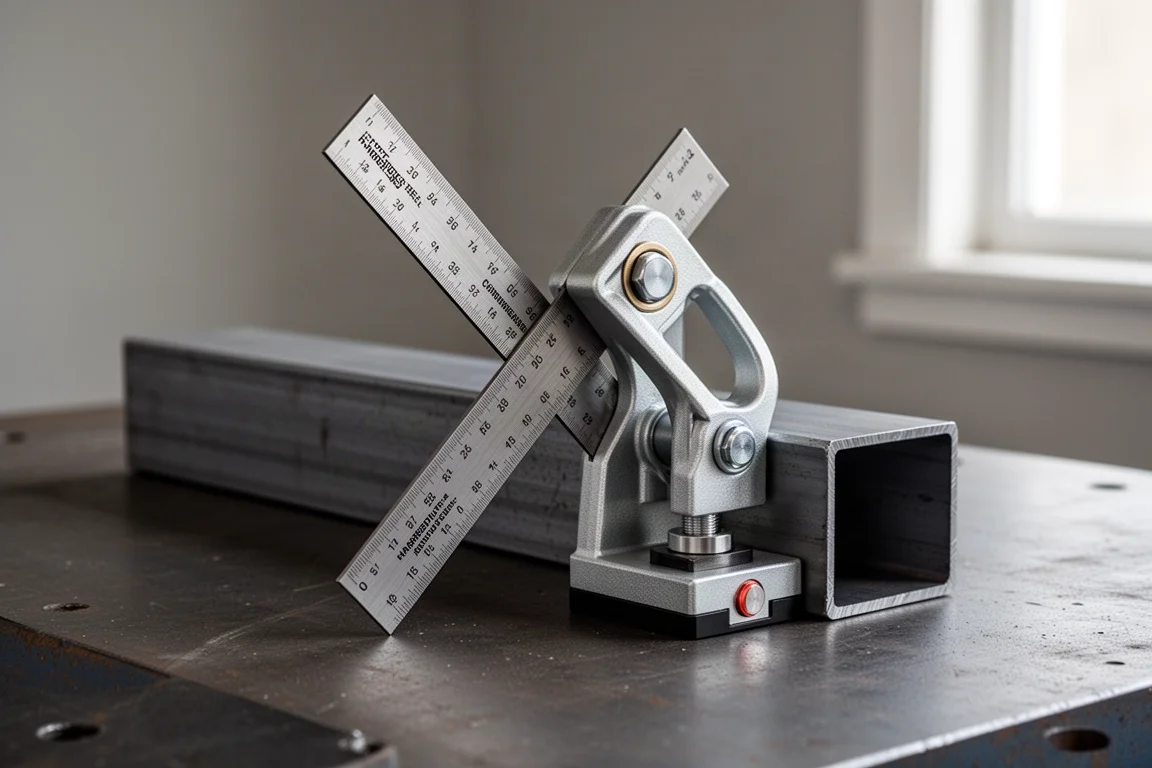
Squaring work against round or curved stock defeats a regular framing square and frustrates a standard carpenter’s combination square. A combo square made by Cruise Industrial solves this with greater reach to the vertical reference surface, letting you get a good reading clear up onto the edge of tubing. It is particularly well suited if you cut with a plasma cutter, since you can run the cut right along the blade’s edge.
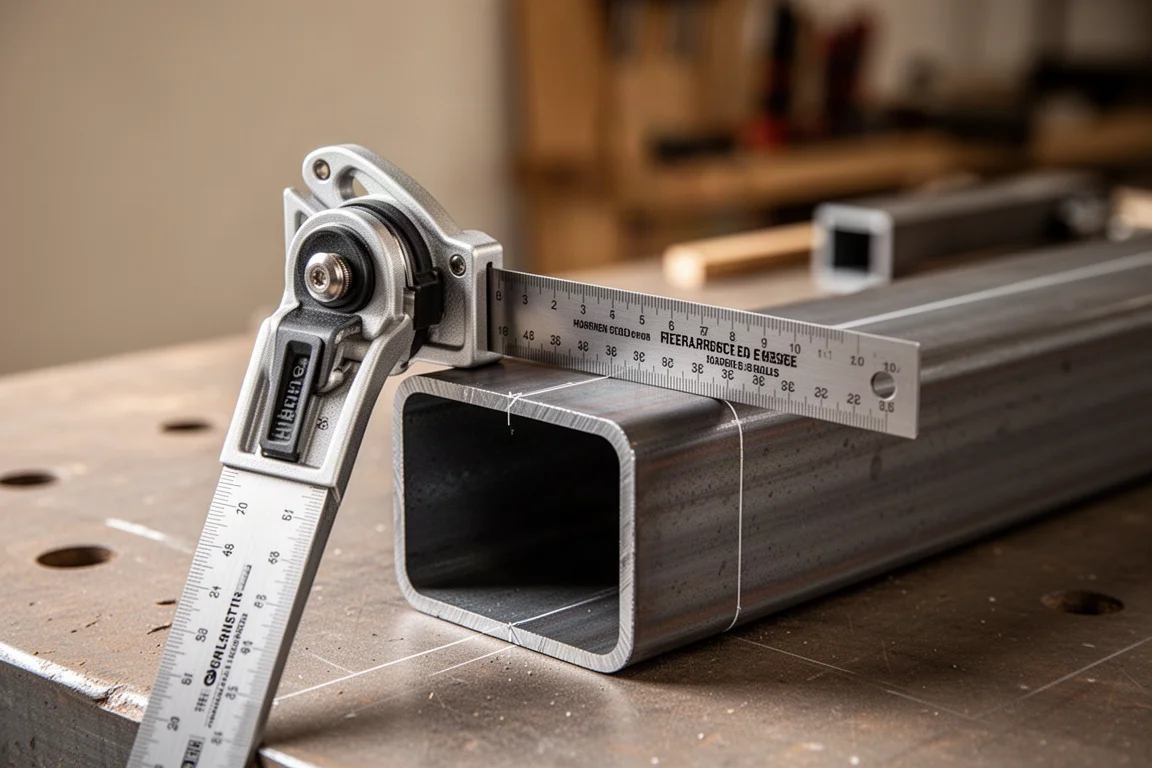
The magnetic base adds another practical trick: on reasonably clean steel, the square will hold itself to plate stock so you can simply run your cut along it.
Transfer Punches
Transfer punches look like drill bits, but they have no cutting capacity. Instead, each carries a center punch at the exact center of its circle, letting you transfer hole positions from one piece of work to the next. Slide the correct size through an existing hole, tap it, and you have a precise center-punch mark showing exactly where to drill so the new hole lines up perfectly. They sit naturally in a machinist’s kit but are just as useful in a fabrication shop, and they earn their keep the moment you need to replicate hole patterns between mating parts.
Weld-Aid Anti-Spatter
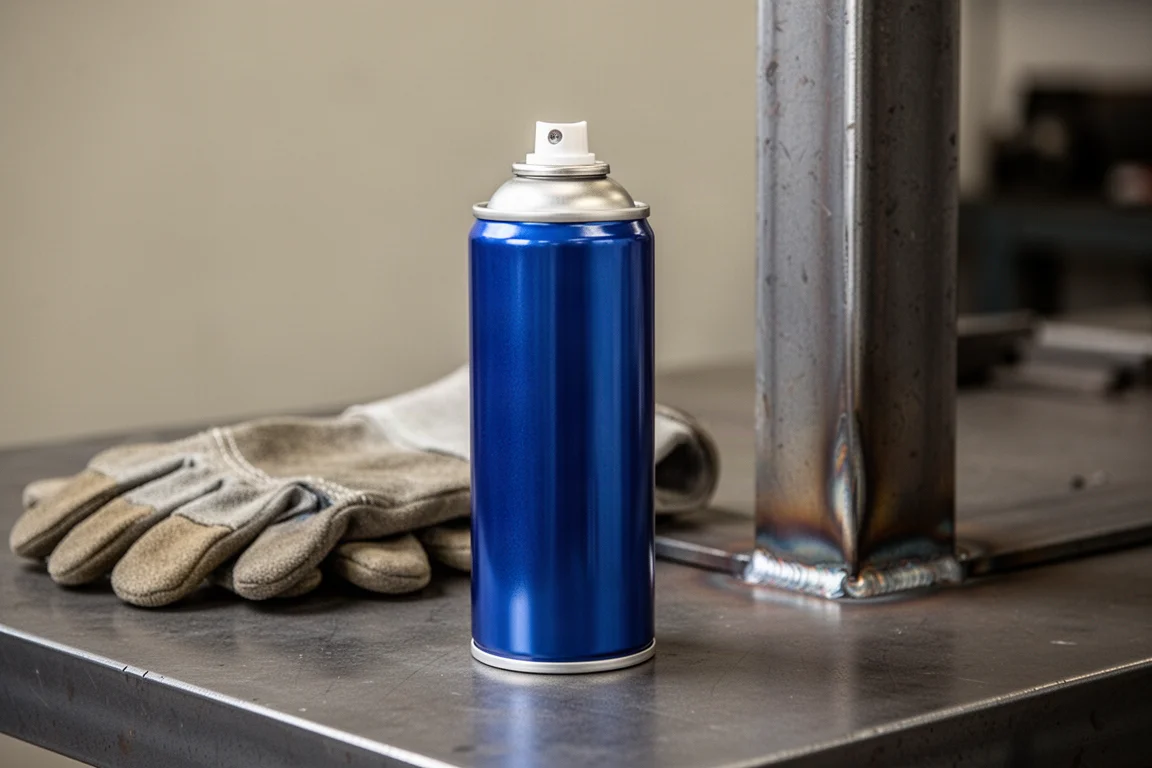
The final item is not a tool but a consumable, and it is easy to underrate. Almost anything sprayed on parent stock will reduce weld spatter sticking, and even common household sprays help somewhat. Weld-Aid anti-spatter simply works better and is far more convenient. Applied before welding, it keeps the little weld BBs from sticking to the surrounding metal, and used consistently it produces clean weld areas with virtually no spatter to grind or chip off afterward.
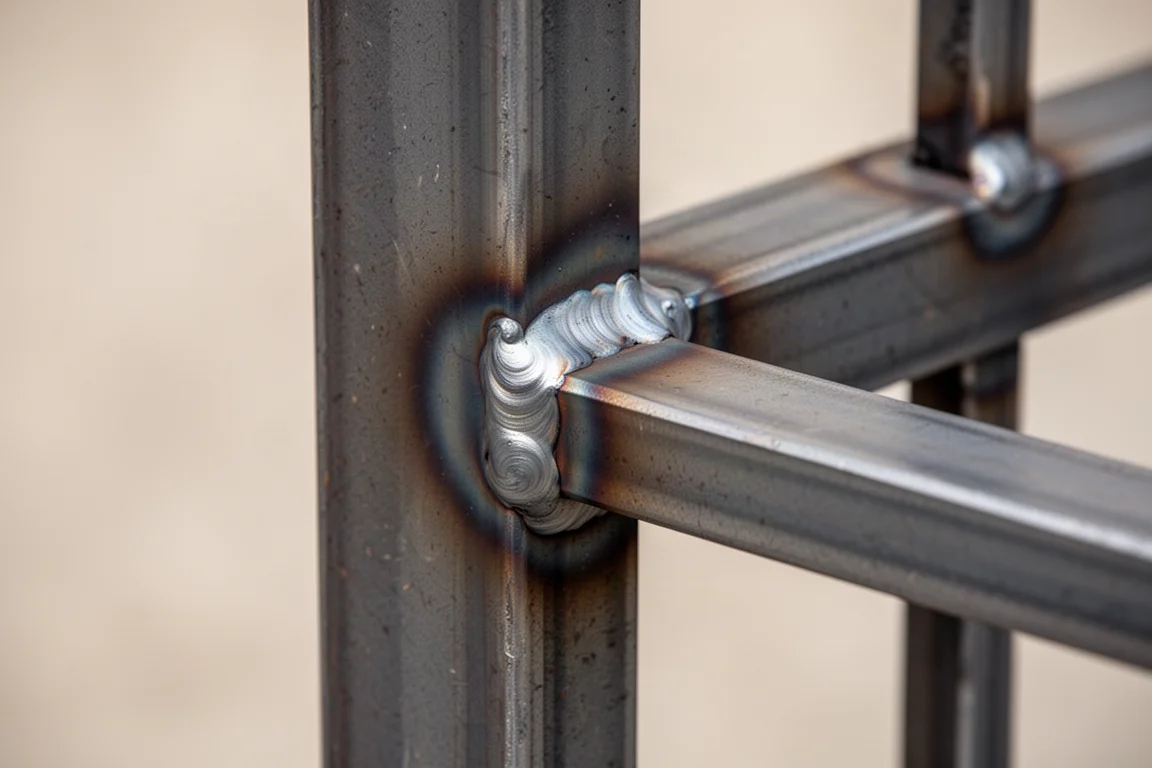
It is the kind of low-cost consumable that quietly improves the finish of every project in the shop.
Buying Advice
None of these items requires a big investment, which is exactly why they are worth adding early. If you are prioritizing: start with the marking solution that fits your cutting style, add a multi-angle magnetic holder for faster, more accurate setup, and keep a spatter-free spray on hand before your next visible weld. Toolmakers keep refining these simple categories, so it pays to keep your eyes open for smart adaptations of familiar tools.
Conclusion
Better tools mean better work. A box of soapstone, a fine-line marking pencil, an on-demand magnetic holder, a magnetic combo square, a set of transfer punches, and a good anti-spatter spray will not replace skill, but each one removes a small daily frustration. Together they add up to fabrication that is faster, more accurate, and considerably more satisfying.
Further reading
Related Reviews

Backpacking Gear
Building a 10 lb Base Weight: An Ultralight Backpacking Gear List
A practical walkthrough of the ultralight pieces behind a 10 lb base weight, from a 765 g pack and a roomy one-person tent to a full camp chair and a dependable water filter.

Road Bikes
10 New Road Bikes Worth Watching: Aero, Titanium, Steel and Endurance Standouts
A practical roundup of 10 new road bikes, from aero flagships chasing single-watt gains to titanium, steel and endurance platforms built for real roads.
Bikepacking Gear
11 Bikepacking Essentials for Long-Distance Cycling
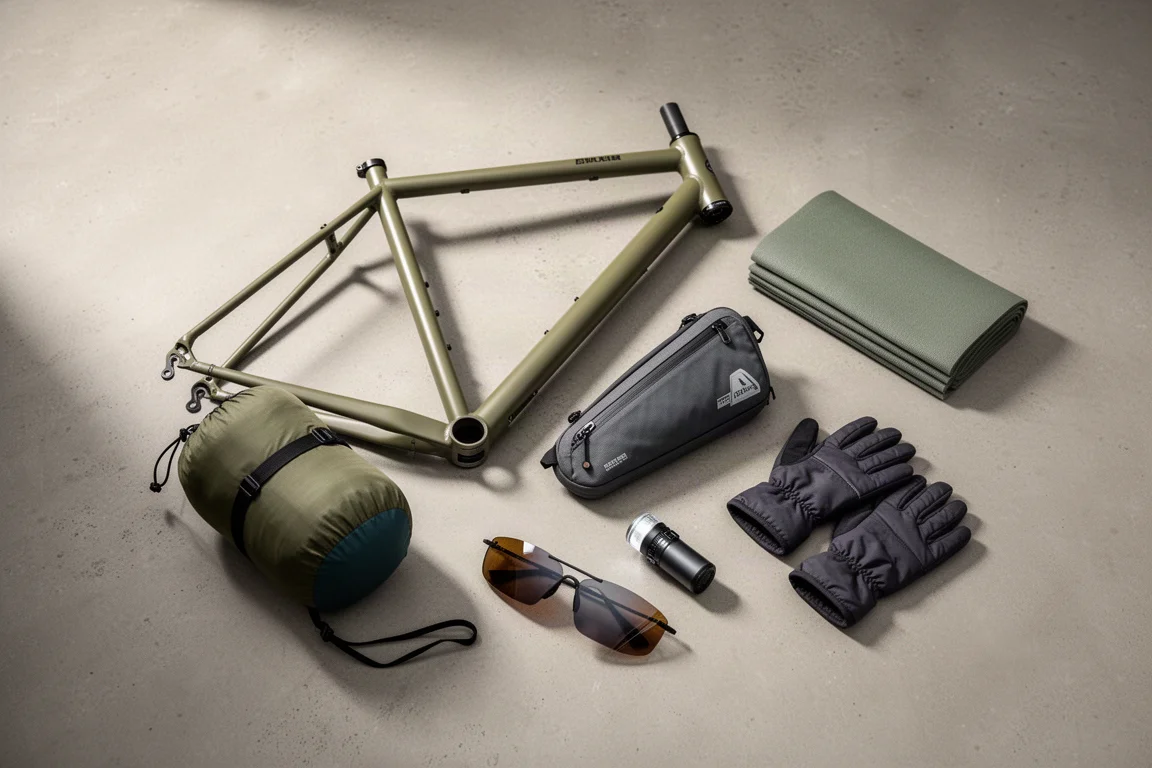
Eleven bikepacking essentials for long-distance cycling, from a steel gravel frame and a two-person tent to helmet lights, packable gloves, and a frame bag that puts weight in the right place.