Espresso Machines
Best Espresso Machines by Effort Level: From Zero-Effort Pods to Full Hands-On Control
Six tested picks across four effort levels, from a one-button pod machine to a fully manual prosumer setup plus the grinder to pair with it.
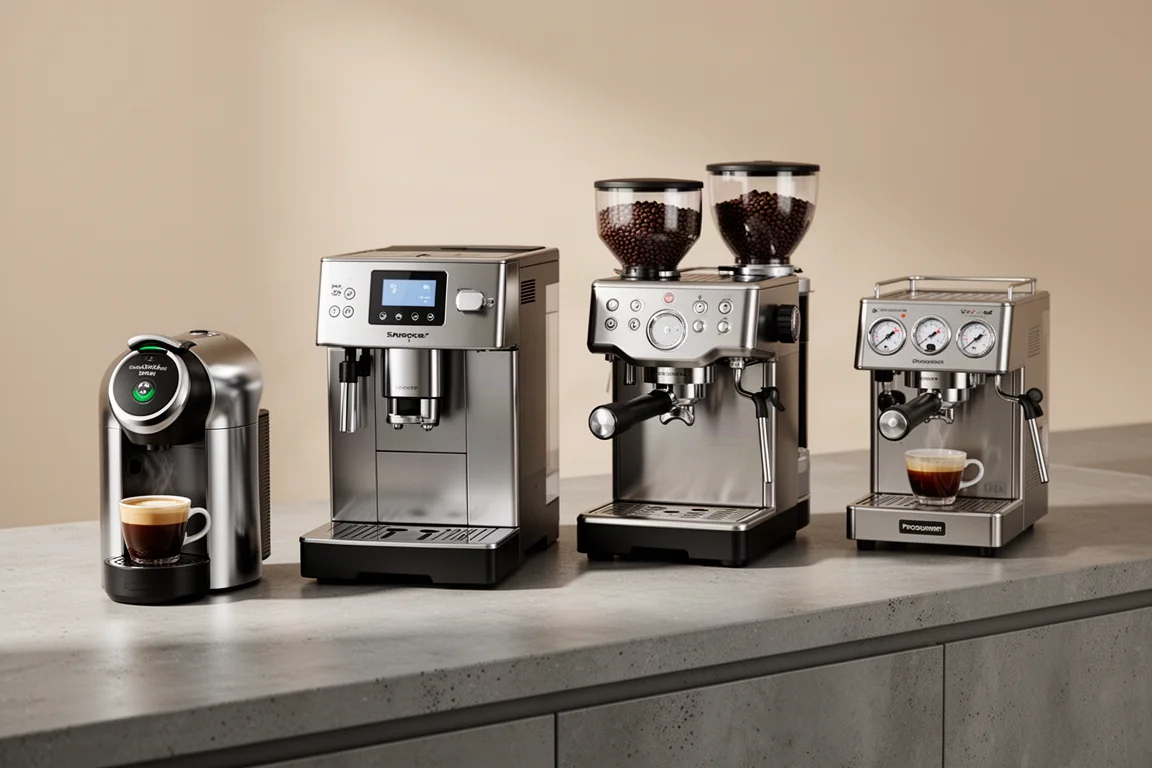
Introduction
Choosing an espresso machine is mostly about one question: how much effort do you want to put into your morning shot? Machines range from true one-button pod makers to fully manual setups where you weigh, grind, tamp, and time every shot yourself. After eight months of testing across the category, with a price cap of $1,000, a clear picture emerged: there is a strong winner at every effort level, and the right choice depends on knowing yourself rather than chasing the “best” machine overall.
This guide walks through the winners at each level, from the easiest possible coffee to the most customizable, plus the grinder you will need if you go fully manual.
Zero Effort: Nespresso Pixie
The Nespresso Pixie is about as close to effortless as home espresso gets. It uses pre-ground coffee sealed in small aluminum pods, so there is nothing to grind, tamp, or transfer into a portafilter. One button and you have an espresso, even before you are fully awake. Any guest in your house can make one too, without waiting for a tutorial.
The pods themselves have a sustainability angle: when you are done, you can mail them back to be opened, composted, and the aluminum recycled.
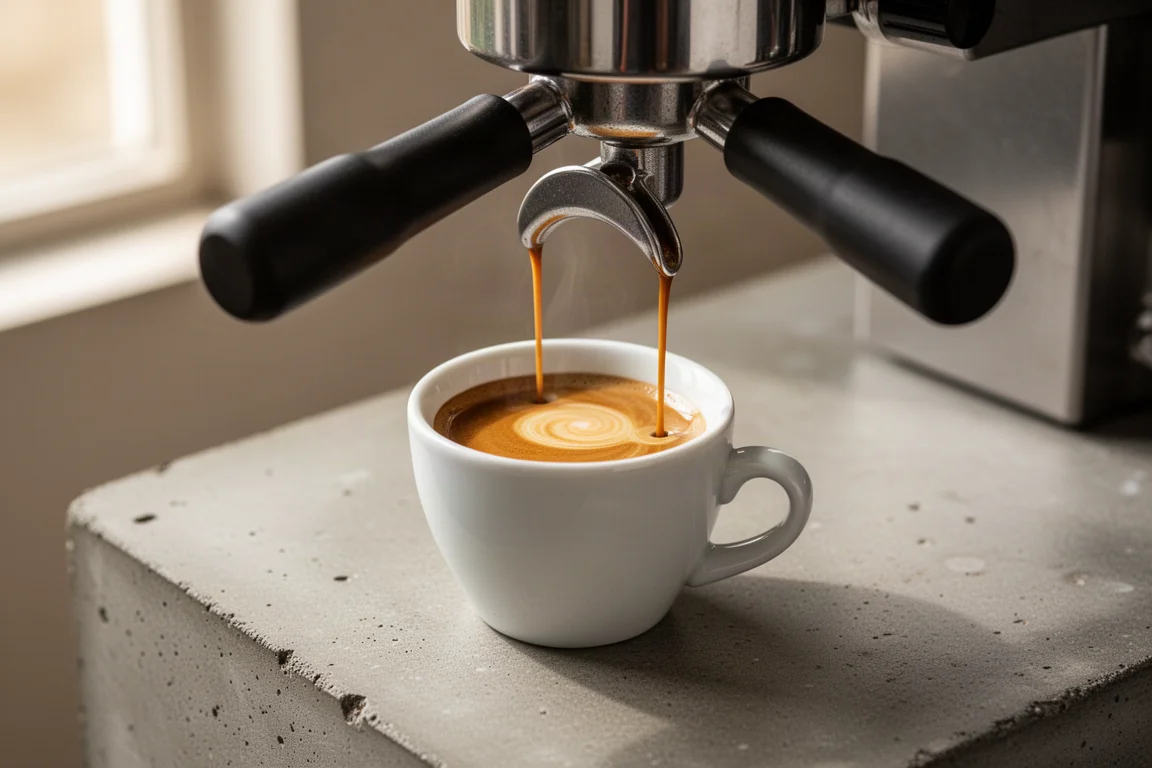
There is a flavor trade-off to know about. The coffee produces a lot of crema with a relatively thin body, and the espresso itself is not the most remarkable cup. In the morning, when this is what is available, it is perfectly satisfying, but flavor purists will notice the compromise.
On cost, the machine itself was the least expensive tested, coming in a little over $200. The ongoing cost is in the pods, which run roughly 85 cents to $1.10 each. That works out to something like $95 to $100 per pound of coffee, far more than buying beans. You are paying for convenience, portability, a small footprint, and a stylish look rather than maximum flavor per dollar.

Push-Button Cafe Drinks: Gaggia Magenta Prestige
The next step up is the fully automatic, or super automatic, category. These machines do most of the work for you, and the Gaggia Magenta Prestige is the standout pick here. It has a built-in burr grinder with about five grind settings, and unlike a pod machine, it uses fresh whole coffee beans of any kind you like. Fill the hopper from your favorite local roastery and you are set.
Where it really earns its place is milk drinks. A small milk container froths the milk and dispenses it directly into your cup, then pulls the espresso and combines everything. A menu of about 12 drinks covers lattes, cappuccinos, and more, all at the push of a button.
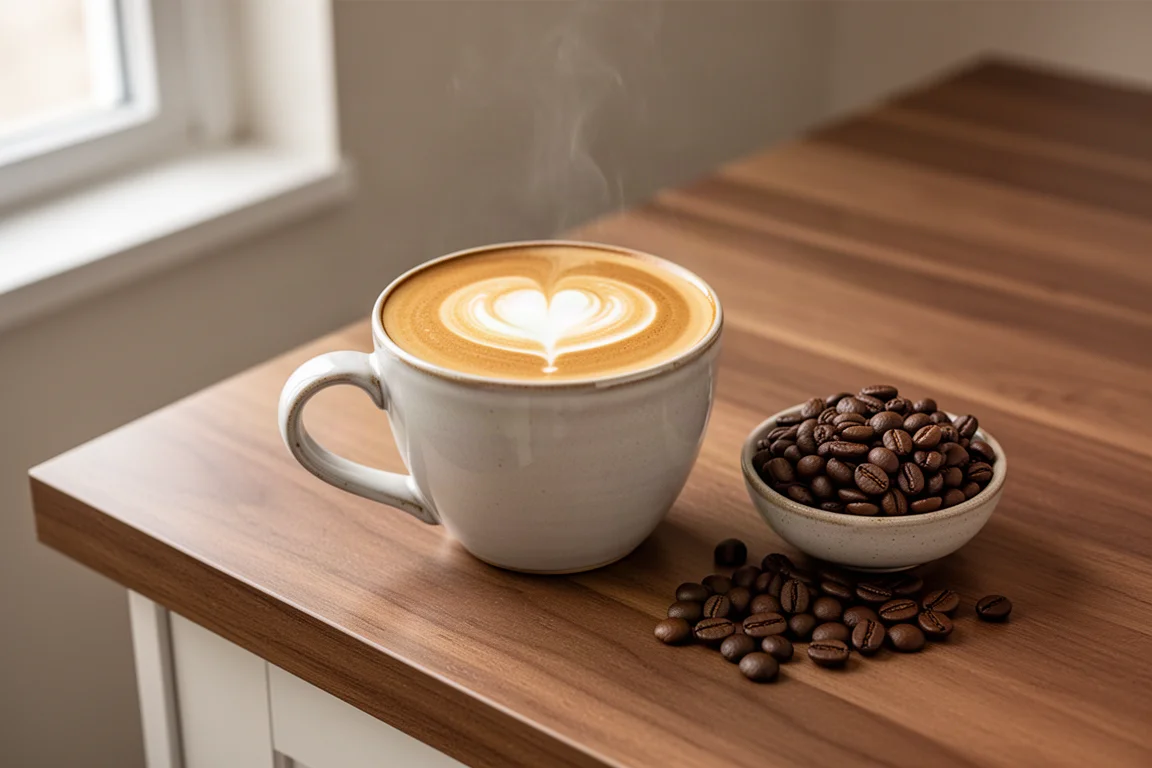
Among the fully automatic machines tested, this one stood out because the drinks are actually good, the machine is genuinely compact where many rivals are huge, the controls are obvious, and cleaning and maintenance are simple. If you want a home cafe without learning barista skills, this is it.

The Proven Workhorse: Gaggia Anima
If you want the same super automatic convenience in a machine with a long track record, the Gaggia Anima remains a solid recommendation. It has spent close to a decade in a busy test kitchen, used constantly and abused by everyone, with nobody ever reading the manual, and it still works. That kind of durability says a lot.
The Magenta Prestige is essentially an upgraded version of the Anima, so choosing between them comes down to whether you want the same toughness and coffee quality with a fuller cafe-style menu of drinks, or the simpler established model.

The All-Rounder: Breville Barista Express
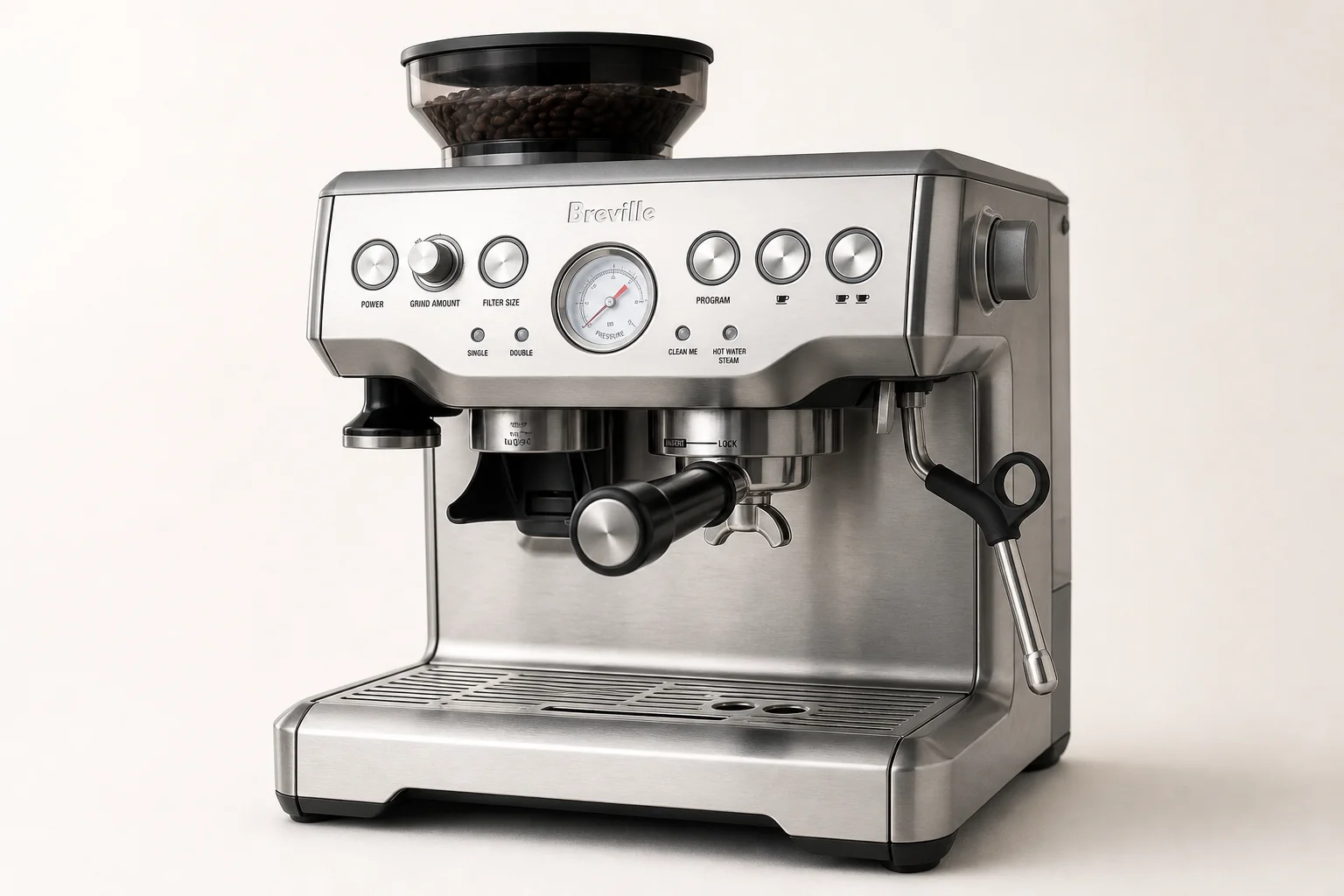
The Breville Barista Express is a semi-automatic machine and the overall favorite of everything tested, because it hits the middle ground so well. It is an all-in-one unit with a built-in grinder and a steam wand, and it makes you feel like a real barista without demanding expert knowledge.
You grind the coffee, transfer it to the portafilter, lock it into the group head, brew the shot, and steam your own milk. But the machine has presets that carry you if you do not want to think about it. Use the factory settings and you get a very respectable espresso. Want to learn more? You can adjust grind size, dispense different amounts, and program shot length to chase the flavor you want from any coffee, including lighter roasts.
The portafilter system matters here. The basket holds the coffee grounds and locks tightly into the machine so all the pressure passes through the coffee puck rather than escaping as steam. That need to hold temperature and pressure safely through a small puck of coffee is a big reason espresso machines cost what they do.
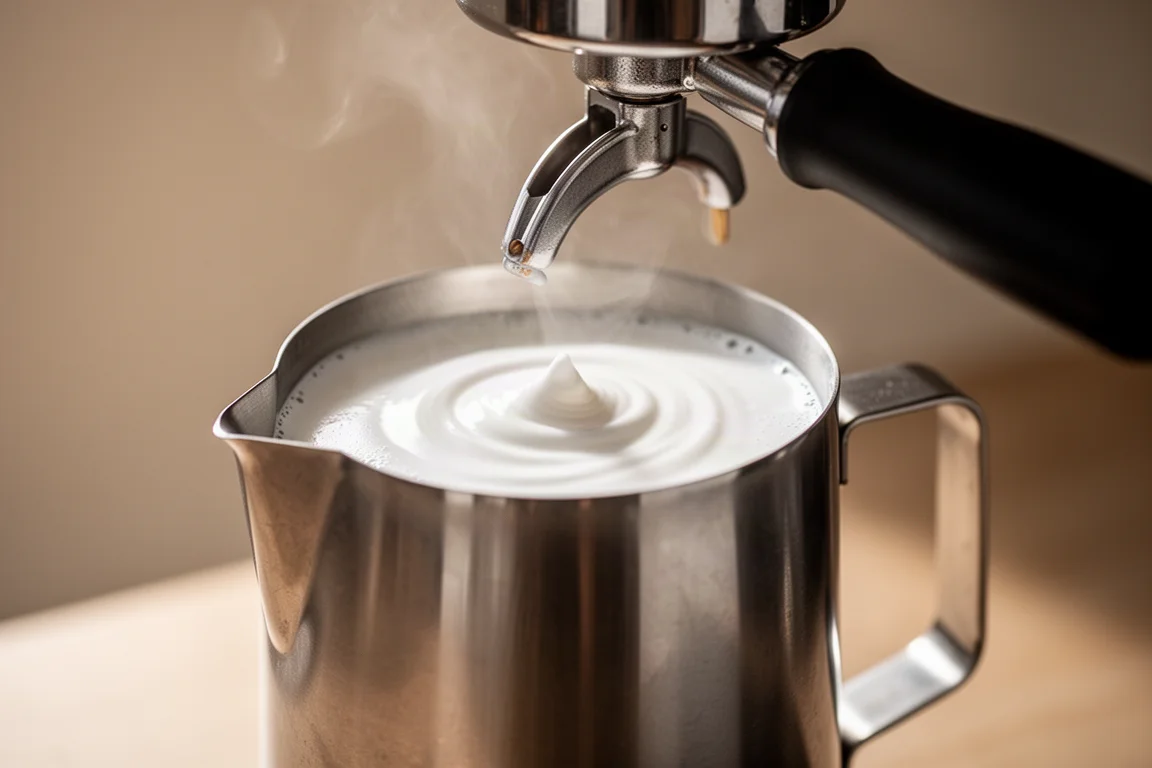
It also comes unusually well equipped. The included steam wand works like the ones on high-end machines for lattes and cappuccinos, and the machine ships with a milk pitcher and many accessories that other machines leave out.
Maximum Control: Lelit Anna
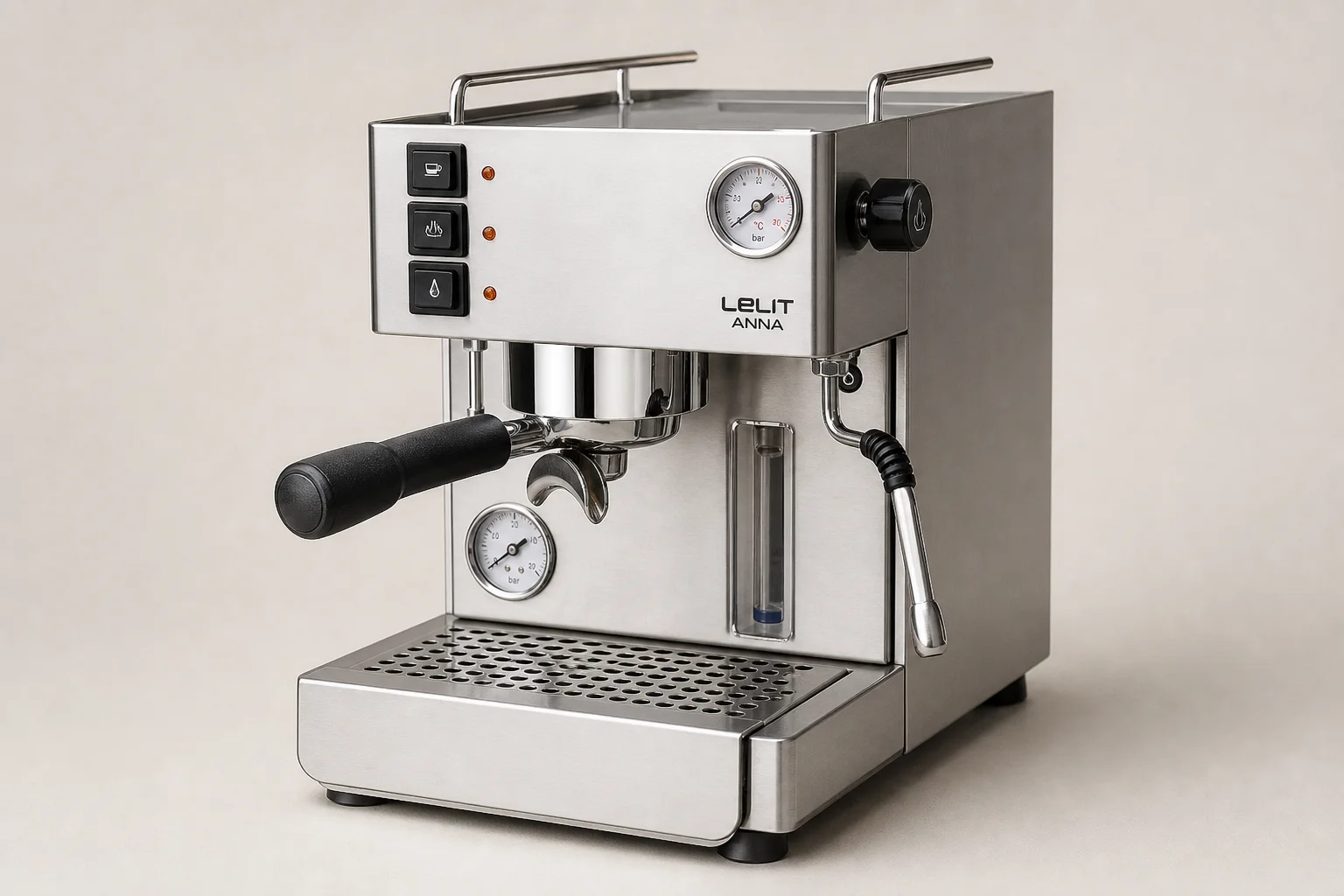
At the most effort-heavy end sit prosumer machines: semi-automatics like the Barista Express in name, but with no presets and nothing done for you. The Lelit Anna is the favorite here, built for people who want complete control over every variable to pull exactly the shot they want.
With this machine you do all the steps yourself: weigh and grind your dose, transfer it to the portafilter, tamp, load it, wait for the machine to reach temperature, then run the pump manually while weighing and timing your shot. The commonly agreed ideal is nine bars of pressure and a 1:2 ratio, for example 18 grams of coffee producing 36 grams of liquid espresso, and from there you tweak endlessly. It is a hobby in itself, and it rewards you with dramatically better coffee.
What makes the Lelit Anna the pick among the prosumer models tested is that it helps where it counts. A front-mounted temperature gauge with a blinking light tells you when the machine is ready, and a pressure gauge shows you are in that ideal nine-bar range, giving you real information about what is happening inside rather than leaving you guessing.
The Grinder That Makes It Work: Baratza Encore ESP
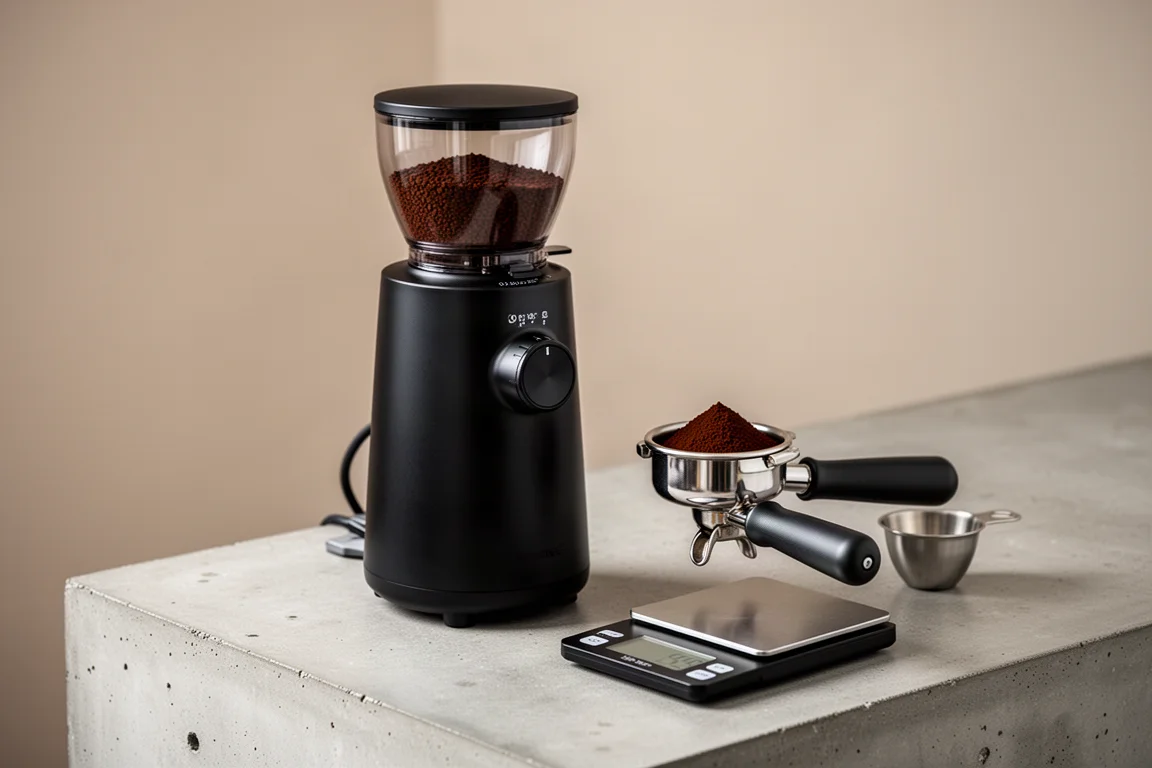
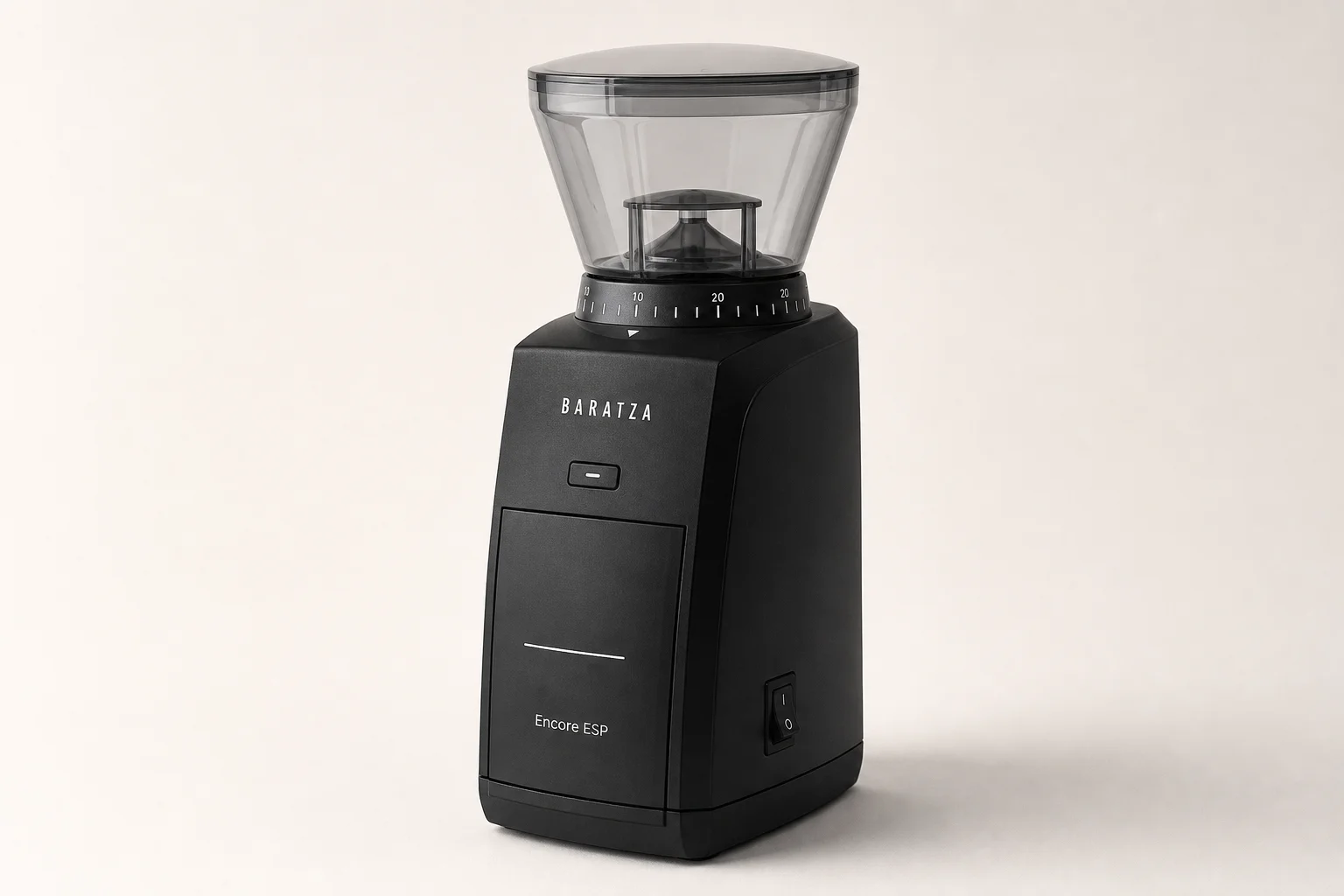
Unlike the Barista Express, a prosumer machine has no grinder built in, so a good burr grinder is essential. The Baratza Encore ESP, with ESP standing for espresso, is the overall grinder winner. It offers 22 settings suitable for espresso out of 40 total, and from there grind size and dose are entirely up to you.
This matters because grind size, temperature, and pressure all change how water interacts with the coffee, which changes the body and flavor of your espresso. Pair it with the Lelit Anna and every part of the process is in your hands. The grinder itself is simple, small, and handsome, a genuine investment in quality for the serious hobbyist.
How to Choose
The honest advice is to match the machine to your morning, not to a spec sheet. If you want coffee with zero thought, the Nespresso Pixie wins, accepting a flavor compromise and higher per-pound coffee cost. If you want cafe drinks at a button press, the Gaggia Magenta Prestige, or its proven predecessor the Gaggia Anima, is the way to go.
If you want the best balance of quality, control, and ease, the Breville Barista Express is the overall favorite: it does the work for you when you want, and teaches you when you are curious. And if espresso is your hobby, the Lelit Anna plus Baratza Encore ESP gives you full control over every variable. Whatever level you choose, there is a tested winner waiting.
Conclusion
Espresso at home is not one product but a spectrum of effort. The tested winners cover every point on that curve, from a one-button pod machine to a fully manual prosumer setup. Know how much work you want to do in the morning, pick the machine that matches, and you will get coffee you actually enjoy every single day.
Further reading
Related Reviews
Espresso Machines
Best Espresso Machines Under £1500: Six Capable Machines Compared
A detailed comparison of six espresso machines under £1500, examining build quality, brewing performance, steaming capability, and real-world usability.
Backpacking Gear
Building a 10 lb Base Weight: An Ultralight Backpacking Gear List
A practical walkthrough of the ultralight pieces behind a 10 lb base weight, from a 765 g pack and a roomy one-person tent to a full camp chair and a dependable water filter.
Road Bikes
10 New Road Bikes Worth Watching: Aero, Titanium, Steel and Endurance Standouts
A practical roundup of 10 new road bikes, from aero flagships chasing single-watt gains to titanium, steel and endurance platforms built for real roads.