Espresso Machines
Best Espresso Machines Under £1500: Six Capable Machines Compared
A detailed comparison of six espresso machines under £1500, examining build quality, brewing performance, steaming capability, and real-world usability.
Introduction
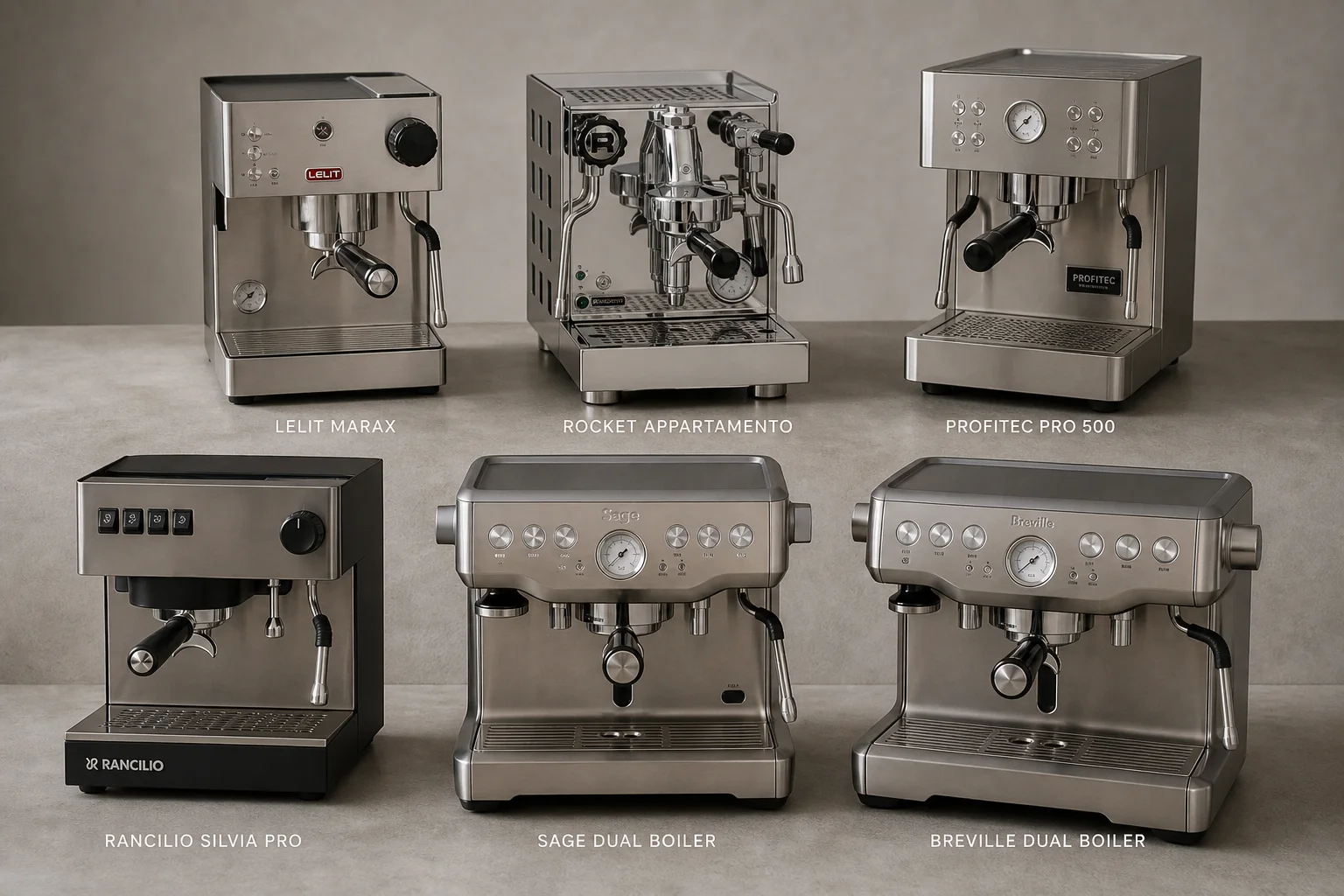
Finding the right espresso machine under £1500 means balancing build quality, brewing performance, ease of use, and long-term reliability. This comparison examines six popular machines in this price bracket: the Lelit MaraX, Rocket Appartamento, Profitec Pro 500, Rancilio Silvia Pro, Sage Dual Boiler, and Breville Dual Boiler. Each represents a different approach to espresso machine design, with distinct trade-offs in technology, features, and user experience.
Heat Exchanger vs. Dual Boiler Technology
The machines in this comparison fall into two main categories. Three use heat exchanger technology with E61-style group heads: the Rocket Appartamento, Profitec Pro 500, and Lelit MaraX. These machines feature a single boiler that produces both steam and very hot water, with heat exchanged into brew water on its way to the group head. The E61 group head design, named after the machine released by Faema in 1961, uses a lever to control water flow and pump engagement, allowing nine bars of pressure during extraction.
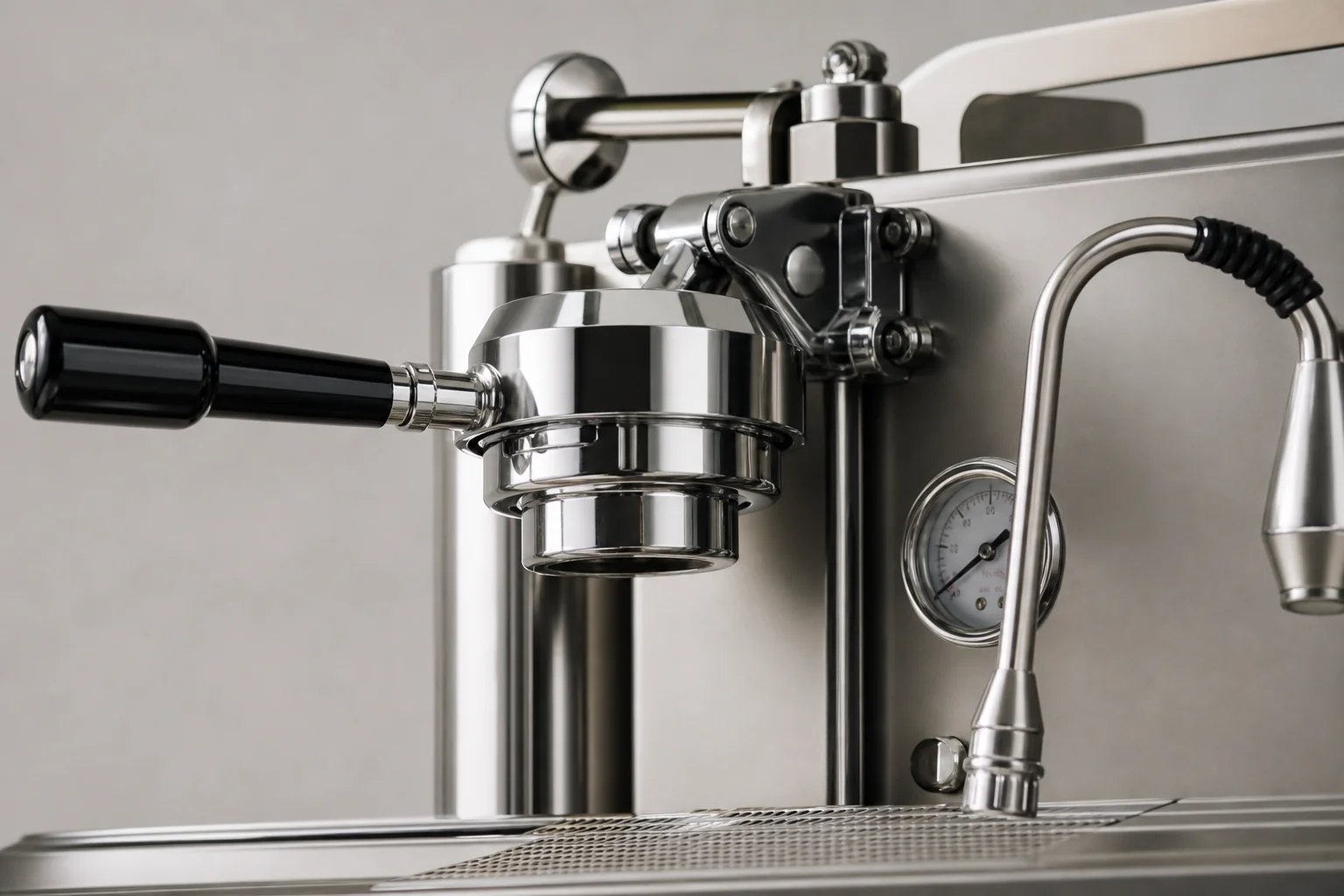
The other three machines—Rancilio Silvia Pro, Sage Dual Boiler, and Breville Dual Boiler—use dual boiler technology. This approach separates the brewing water boiler from the steam boiler, allowing independent temperature control. With a dual boiler, you can adjust brew temperature without affecting steam pressure, and vice versa. Heat exchanger machines, by contrast, link brew temperature and steam pressure together, meaning cooler brew temperatures result in lower steam pressure.
Lelit MaraX: Compact and Affordable
The Lelit MaraX is the most affordable option at £999, offering a compact footprint without sacrificing functionality. Its small size is genuinely likeable, and it manages to avoid the clutter around the group head that affects other heat exchangers. The machine feels well-made with substantial stainless steel construction, though the proportions feel slightly unbalanced visually.
The MaraX includes a three-position temperature switch (low, medium, high) rather than precise digital control. In testing, low temperature ranged around 85-88°C, while high reached approximately 92°C. This simplistic approach works reasonably well for different roast profiles, though it lacks the transparency of knowing exact brew temperatures. The machine does include two gauges—steam pressure and brew pressure—which is useful for monitoring what’s happening inside.
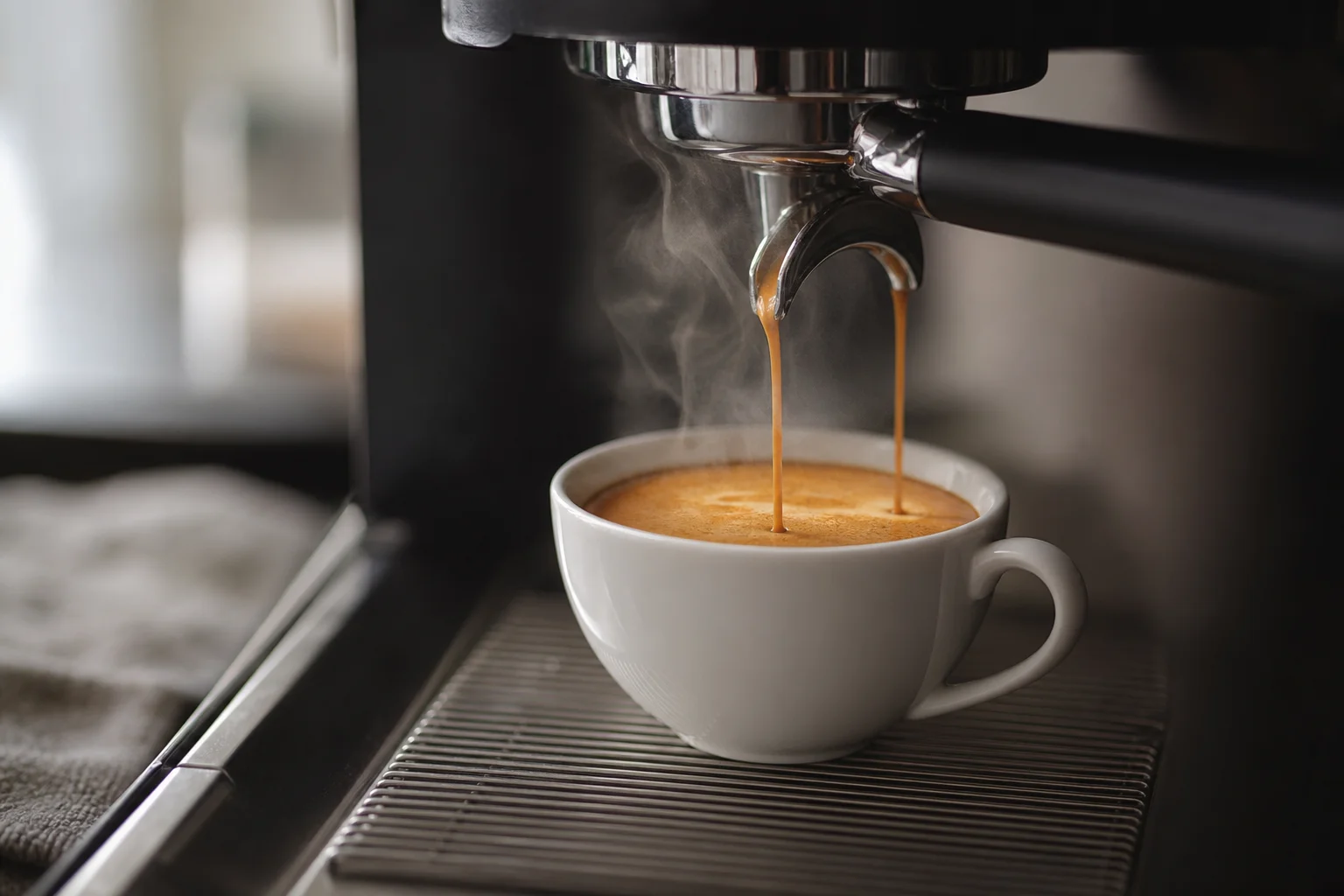
One notable quirk is the portafilter design, which features an unusual splitter shape that directs espresso toward you during brewing. While this adds a longer travel path and makes cleaning more difficult, some users may appreciate the design. The compact cup warmer provides adequate space for home use.
Brew pressure runs slightly high at just above nine bars, contributing a touch of additional bitterness to shots. Despite this, the espresso quality is very good, with consistent shot-to-shot performance and a slow ramp-up to pressure that allows for finer grinding. The slow heat-up time of 30+ minutes is typical for heat exchangers and requires planning ahead if you want coffee ready on demand.
Rocket Appartamento: Classic E61 Design
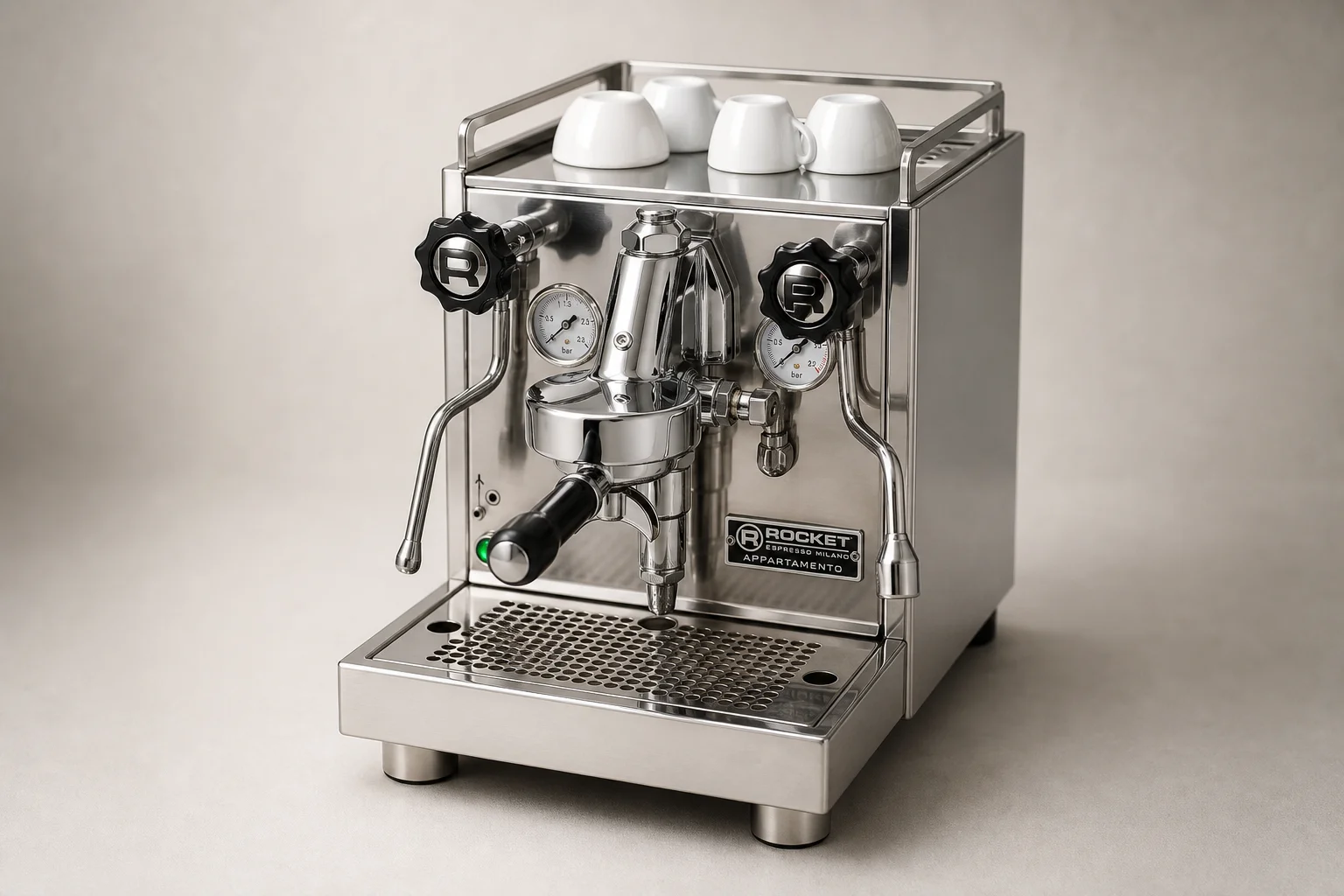
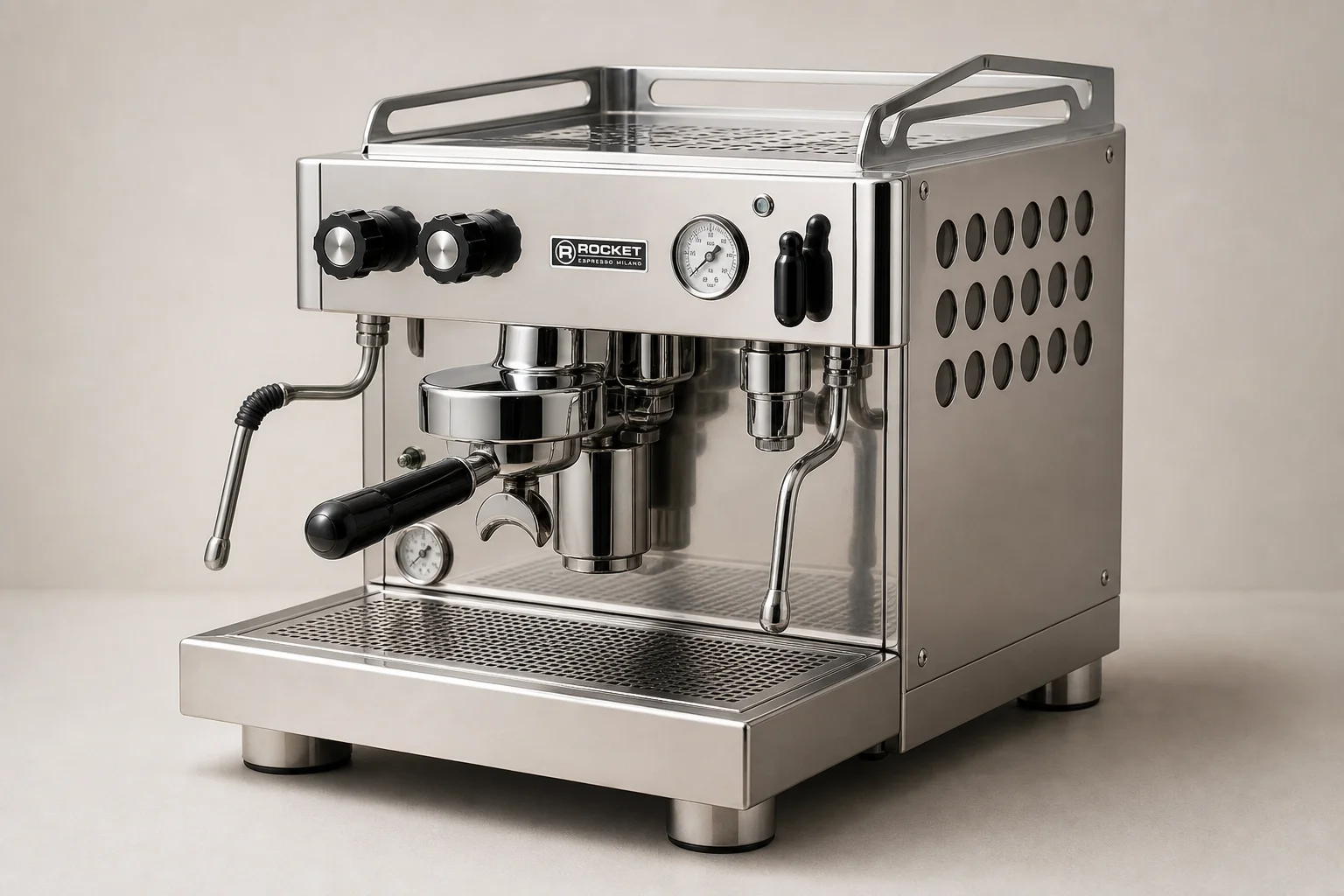
The Rocket Appartamento at £1,225 represents the traditional heat exchanger approach. It looks attractive with nice detailing on the side panels and feels compact without appearing cluttered. The solid stainless steel construction conveys a premium feel, though it requires regular polishing to manage fingerprints.
The portafilter comes with spouts facing forward, which the manual shows in both configurations—an odd design choice that forces cups to the back of the drip tray. The machine offers minimal user interaction: an E61 control lever, steam and hot water taps, and no direct temperature control. You get what the factory sets, with no consumer-facing adjustments to temperature or pressure.
In testing, the Appartamento produced brew pressures around 145 PSI on a Scace device, indicating pump pressure closer to 160 PSI—nearly 13 bars. This is significantly higher than the ideal nine bars and contributes noticeable bitterness to shots. Brew temperatures were stable at 92-94°C, though recovery after pulling shots was occasionally slow. The machine is capable of producing good espresso but would benefit from OPV adjustment to optimize pressure.
The 30+ minute heat-up time and single steam pressure gauge limit visibility into machine operation. While the cool-touch steam wand is a nice safety feature, the overall user experience feels limited at this price point compared to machines offering more control.
Profitec Pro 500: Most Feature-Rich Heat Exchanger
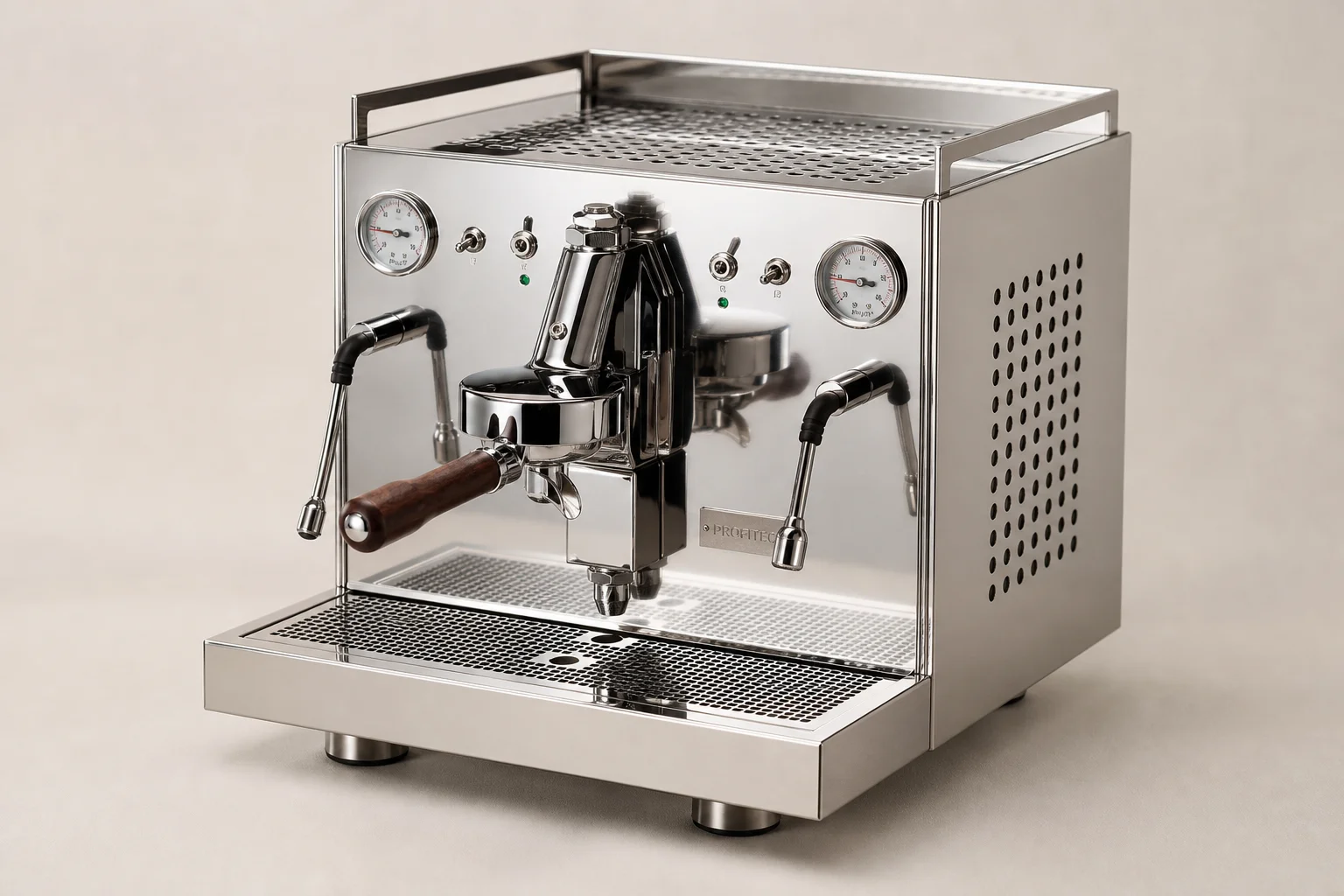
The Profitec Pro 500 at £1,399 is the most expensive heat exchanger in this comparison. It features extensive stainless steel construction and a spacious, professional appearance. The water tank sits underneath the cup warming tray, requiring removal of cups to access it—a functional but slightly awkward design choice.
This machine offers the most features among the heat exchangers, including both steam and brew pressure gauges. Temperature control is accessible under the drip tray, allowing adjustment of the steam boiler temperature to influence brew temperature. Programming the temperature requires navigating a menu system that could be more intuitive, and ideally the machine would display desired brew temperature rather than steam boiler temperature.
Brew pressure runs at approximately 150 PSI on a Scace device, indicating nine bars in the group head—correct for optimal extraction. This is one of the few machines tested that performs as intended from the factory. Brew temperatures align with the programmed settings, and the machine delivers reliable, consistent espresso without the pressure issues affecting other models.
One instance of thermosiphon stall occurred during testing, where water circulation in the heat exchanger temporarily stopped, causing the group head to cool. While this can happen with any heat exchanger machine, it’s worth noting as a potential consideration. Overall, the Profitec Pro 500 is a capable, well-featured machine that performs well, though the long heat-up time and menu-based temperature control are minor drawbacks.
Rancilio Silvia Pro: Dual Boiler Simplicity
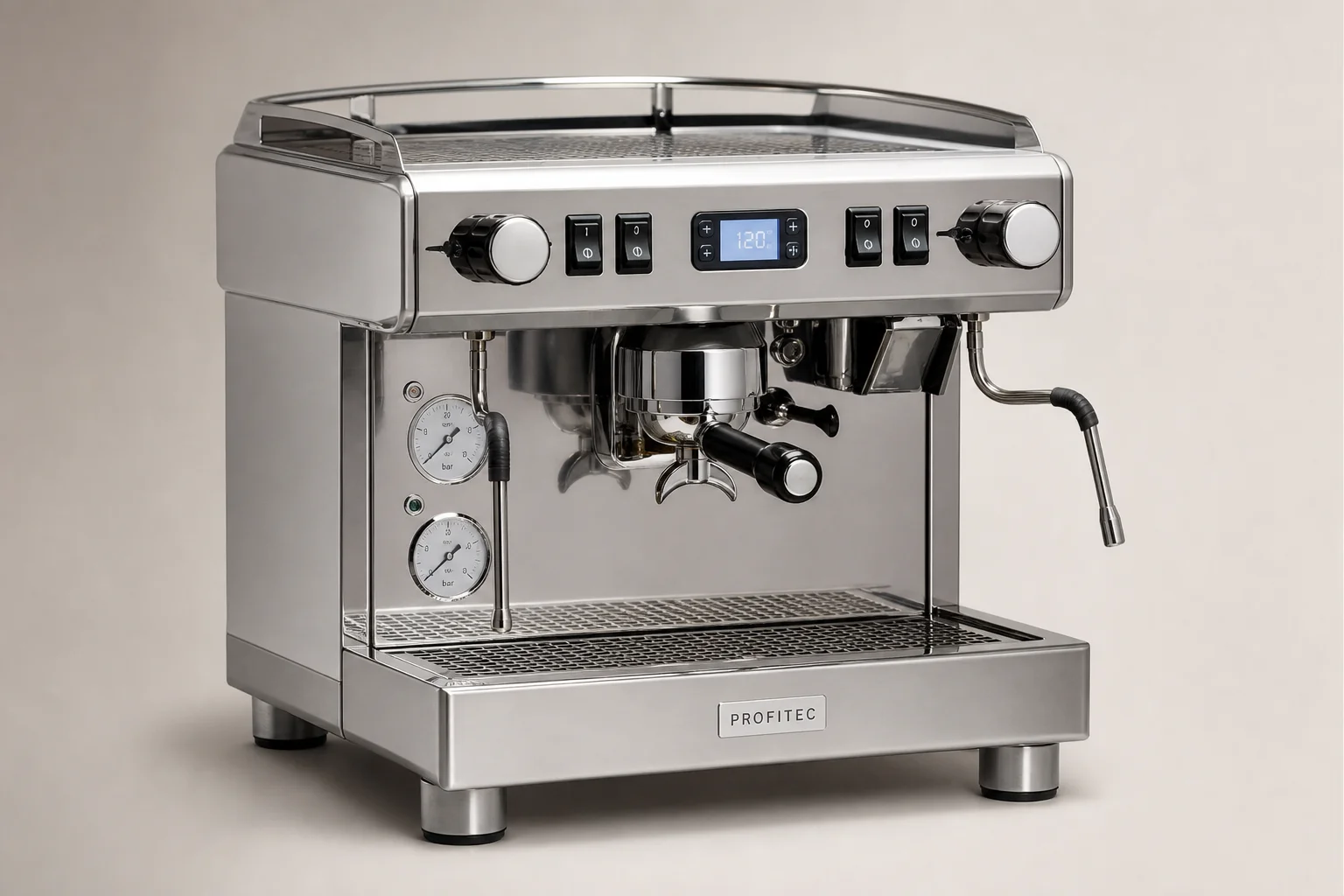
The Rancilio Silvia Pro at £1,320 represents Rancilio’s response to the heavily modified original Silvia. The dual boiler design addresses the temperature control limitations that made the original Silvia popular for PID kit modifications. However, the machine feels large and somewhat inelegant in its execution, with a brute-force aesthetic throughout.
The rocker switches on the front behave inconsistently. The main power switch operates as expected, but other switches bounce back to center rather than staying in position. The steam function turns off the steam boiler entirely rather than heating it to a higher temperature, which is an interesting approach but creates confusing interaction patterns. The shot button bounces back up even while the machine runs, which feels unintuitive.
A digital control box on the front displays live boiler temperature and serves as a shot timer—a useful dual function. However, the programming interface is not particularly intuitive. The wake-up timer requires programming hours until wake-up rather than setting a specific time, which feels unnecessarily complicated.
The drip tray design has two notable issues. First, adjustable height pieces use locking wheels that feel brute-forced rather than elegant, though they do function. More problematic is the lip that prevents seeing how full the drain tray underneath has become, creating a risk of overflow and mess if you’re not careful when removing the tray.
Brew pressure runs at approximately 10 bars on the gauge, about one bar too high. Despite this, espresso quality is good, and the higher brew temperature works well. Steaming is excellent, with plenty of pressure and controlled flow that allows time for proper milk texturing. The machine is capable and performs well, but the pressure issue and design quirks prevent it from being ideal.
Sage Dual Boiler: Feature-Rich Consumer Design
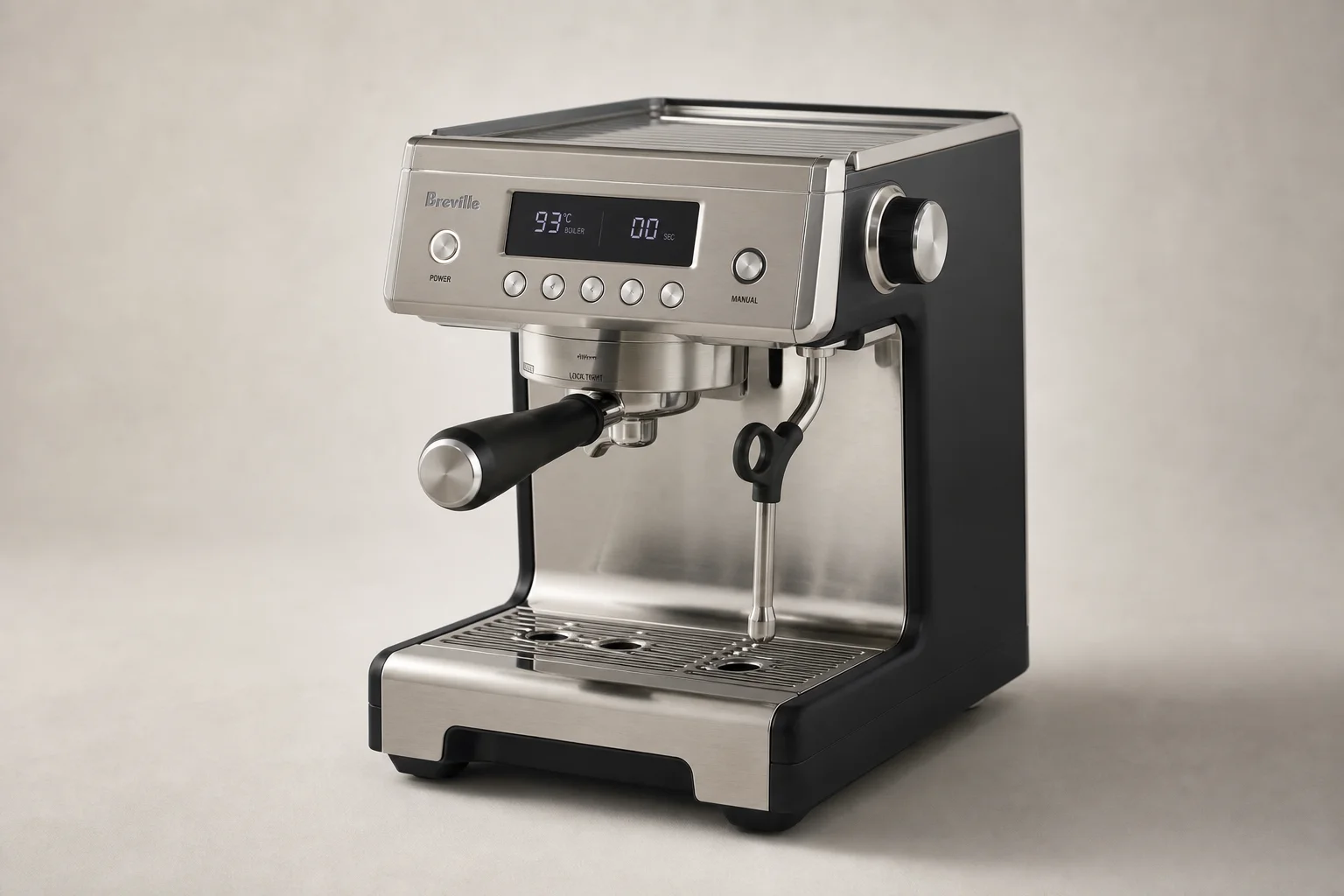
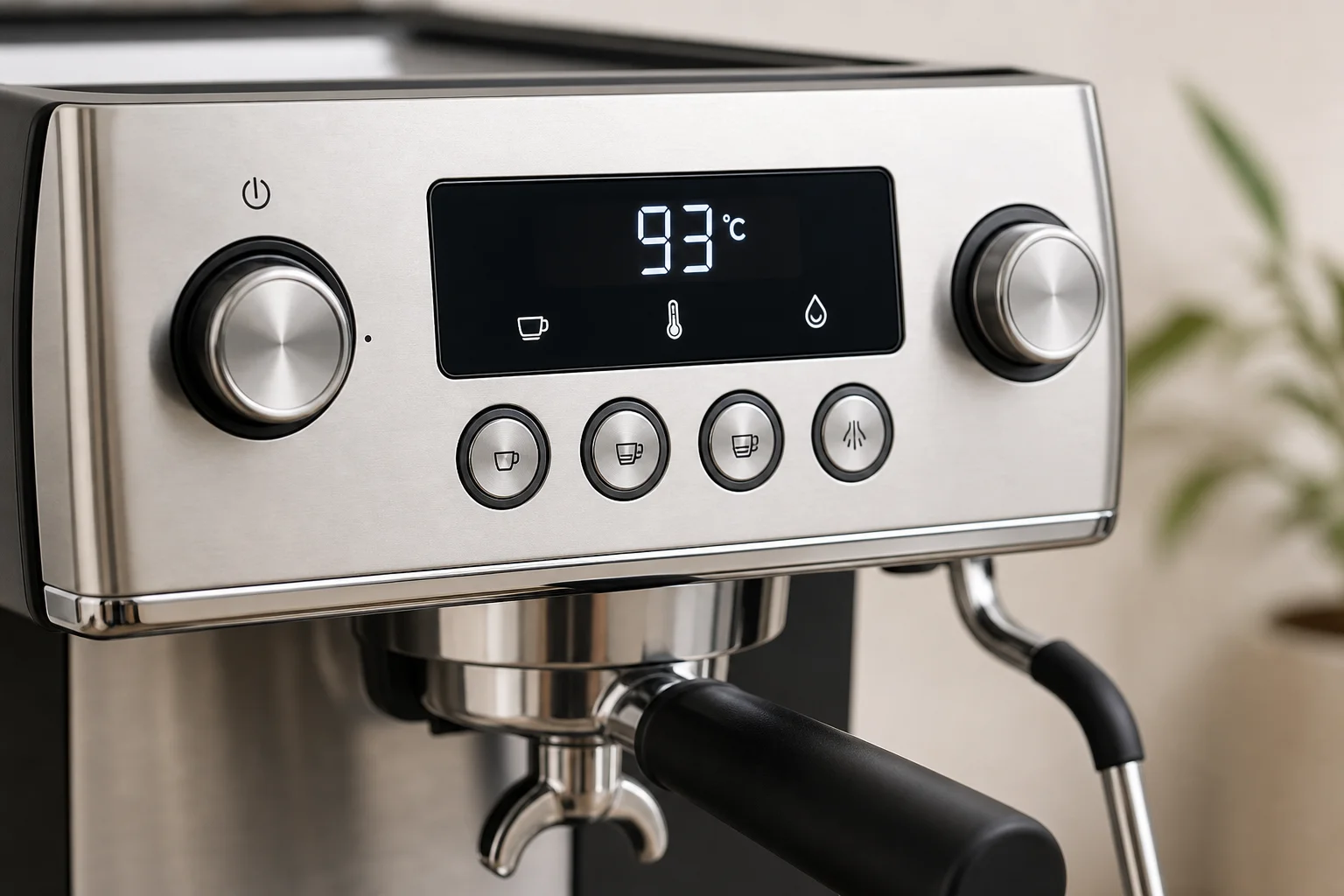
The Sage Dual Boiler (Breville in some regions) at £1,199 stands out for its extensive feature set and modern design. On paper, it exceeds the competition: dual boiler, temperature control to one degree Celsius, shot clock, programmable wake-up and shutdown, adjustable pre-infusion duration and pressure, and time or volume-based delivery on programmable buttons. A small rotating knob under the machine lifts smoothly—a detail that exemplifies thoughtful design.
However, the machine is built differently from the other five. While the heat exchangers and Rancilio Silvia Pro feel substantial and pro-sumer in character, the Sage feels like a consumer machine. It’s noticeably lighter, uses less stainless steel, and lacks the visual cues suggesting internal access for modifications. The warning “Don’t put milk in the water tank” printed on the fill point indicates the machine targets a less experienced audience, though it still appeals to espresso enthusiasts.
The portafilter uses a 58 ml basket with different lug sizes, preventing use of standard testing equipment like a Scace device. Pressure appears to run at 10-11 bars during brewing, higher than ideal. Temperature control works well and delivers consistent results, but the pressure issue creates slightly harsher shots than desired.
From a user experience perspective, the Sage excels. The interface is intuitive, features are genuinely useful, and the machine feels refined in daily use. Steaming is very good, with easy control and excellent milk texture. The machine makes great espresso reliably, though the pressure issue and lighter build quality compared to the pro-sumer machines are worth considering for long-term durability.
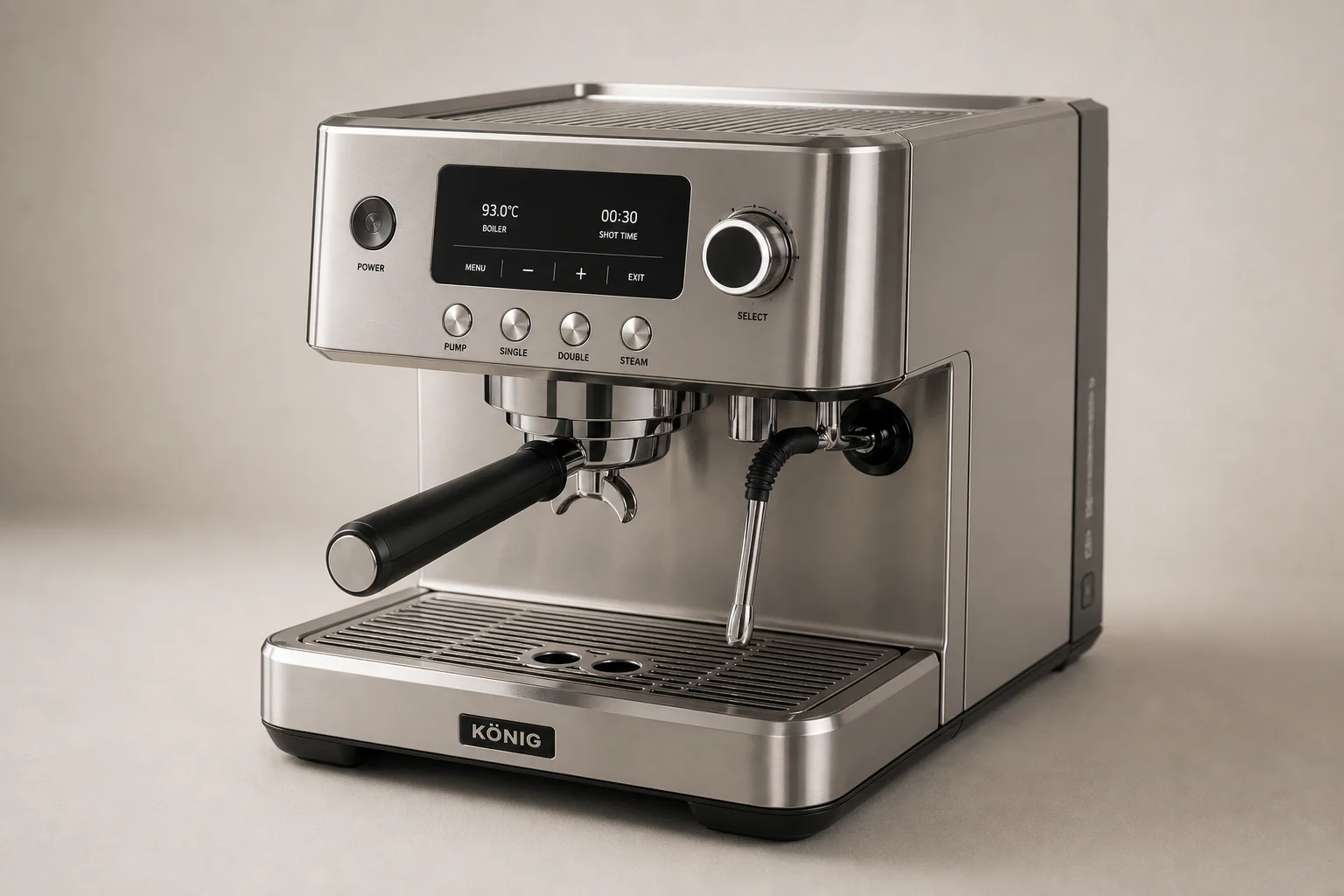
Breville Dual Boiler: Alternative Dual Boiler Option
The Breville Dual Boiler at £1,199 offers similar dual boiler technology to the Sage, with comparable features and pricing. Like the Sage, it delivers reliable temperature control and good espresso quality. The machine performs well in steaming, producing nice texture with good pressure and controlled flow.
Brew pressure runs at approximately 10.5 bars, slightly higher than optimal. Despite this, espresso quality is good and consistent. The machine makes excellent coffee when properly dialed in, and the dual boiler design allows independent control of brew and steam temperatures, a significant advantage over heat exchangers for users who want flexibility.
The machine feels capable and well-designed for home use, though like the Sage, it lacks the substantial, pro-sumer feel of the heat exchanger machines. For users prioritizing features, ease of use, and temperature control flexibility, this represents a solid choice.
Steaming Performance Across the Range
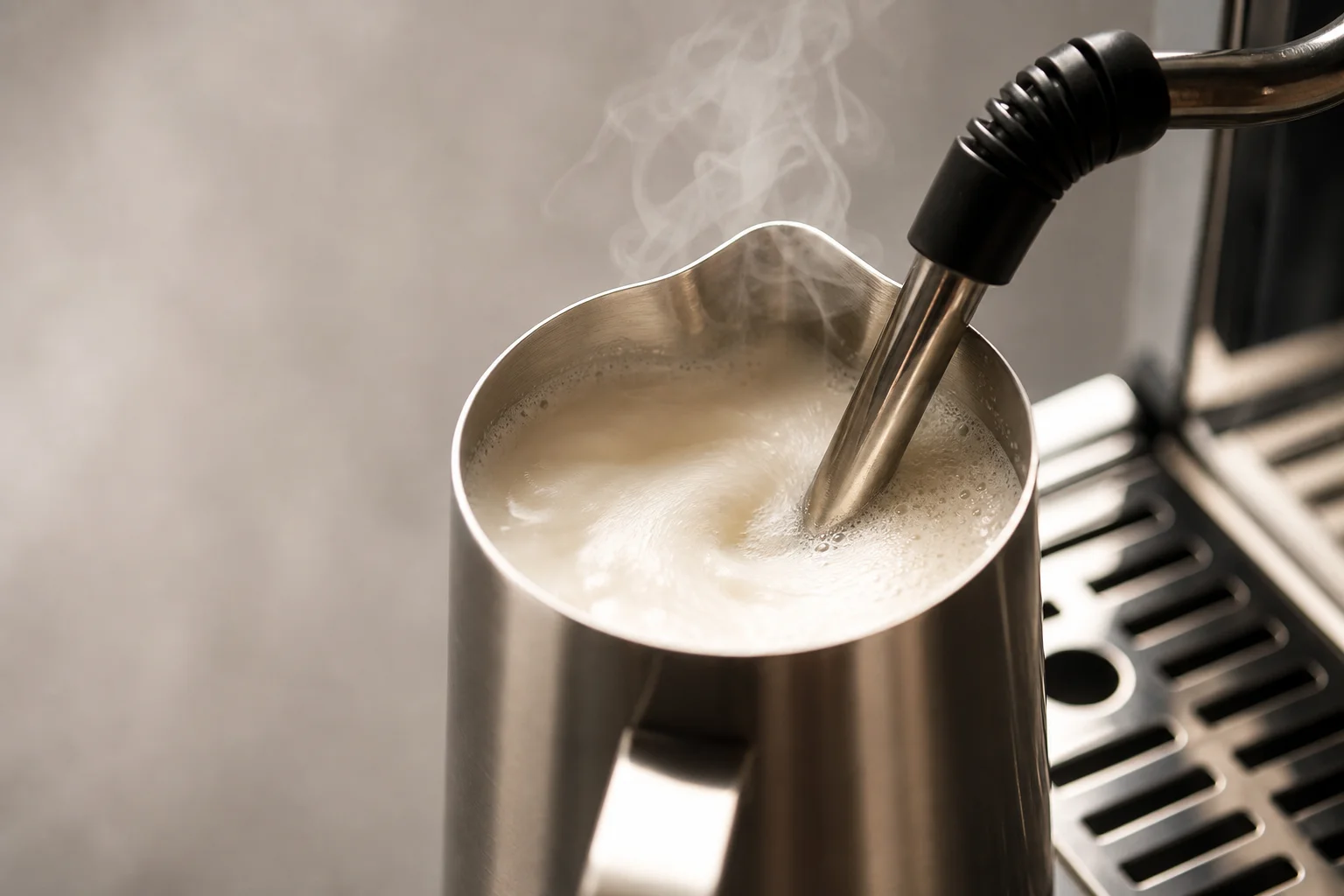
All six machines steam milk effectively, though with different characteristics. The Rocket Appartamento and Profitec Pro 500 produce nice, easy-to-control steam with good texture. The Lelit MaraX steams well but exhibits variable steam pressure depending on brew water usage, which is unusual but not problematic in practice.
The Rancilio Silvia Pro excels at steaming, offering plenty of pressure with controlled flow that gives you time to texture milk properly. The steam doesn’t feel aggressive like a commercial machine, but rather refined for a domestic setting. Both the Sage and Breville Dual Boilers steam very well, with easy control and excellent milk texture. The dual boiler design ensures consistent steam pressure regardless of brew activity.
Buying Recommendations
If you already own one of these machines, upgrading to another in this group is unlikely to yield substantial improvements in espresso quality. The machines are all capable of producing excellent coffee when properly set up. The key differentiator is whether you prefer the simplicity and compact size of heat exchangers or the temperature control flexibility of dual boilers.
For new buyers, the choice depends on priorities. The Lelit MaraX offers excellent value and compact size, making it competitive with more expensive options. The Profitec Pro 500 is the best-performing heat exchanger, delivering correct pressure and temperature from the factory. The Rancilio Silvia Pro provides dual boiler benefits with excellent steaming but suffers from design quirks.
The Sage and Breville Dual Boilers offer the most features and most intuitive user experience, with superior temperature control and programming options. However, they feel less substantial than the pro-sumer machines and may not have the same long-term durability perception.
A significant frustration across most machines tested is that four of the six ship with incorrect pump pressure settings, requiring user adjustment to optimize performance. Only the Profitec Pro 500 and Rancilio Silvia Pro performed as intended from the factory. This is a notable quality control issue at this price point.
Conclusion
The espresso machine market under £1500 offers genuine choices with different philosophies. Heat exchanger machines prioritize simplicity and compact design, while dual boilers offer flexibility and features. All six machines are capable of producing excellent espresso with proper setup and technique.
The best choice depends on your kitchen space, desired level of control, and whether you prefer the pro-sumer aesthetic of heat exchangers or the consumer-friendly features of dual boilers. Consider your priorities carefully: if you want the smallest footprint and lowest cost, the Lelit MaraX delivers. If you want the best-performing heat exchanger, the Profitec Pro 500 is worth the premium. If you prioritize features and ease of use, the Sage or Breville Dual Boilers offer excellent value despite their lighter construction.
Further reading
Related Reviews

Backpacking Gear
Building a 10 lb Base Weight: An Ultralight Backpacking Gear List
A practical walkthrough of the ultralight pieces behind a 10 lb base weight, from a 765 g pack and a roomy one-person tent to a full camp chair and a dependable water filter.

Road Bikes
10 New Road Bikes Worth Watching: Aero, Titanium, Steel and Endurance Standouts
A practical roundup of 10 new road bikes, from aero flagships chasing single-watt gains to titanium, steel and endurance platforms built for real roads.
Bikepacking Gear
11 Bikepacking Essentials for Long-Distance Cycling
Eleven bikepacking essentials for long-distance cycling, from a steel gravel frame and a two-person tent to helmet lights, packable gloves, and a frame bag that puts weight in the right place.