Mountain Bikes
Best Enduro Mountain Bikes: Three Standout Machines Compared
Three enduro mountain bikes with very different personalities, compared on frame design, geometry, spec and trail feel.
Introduction
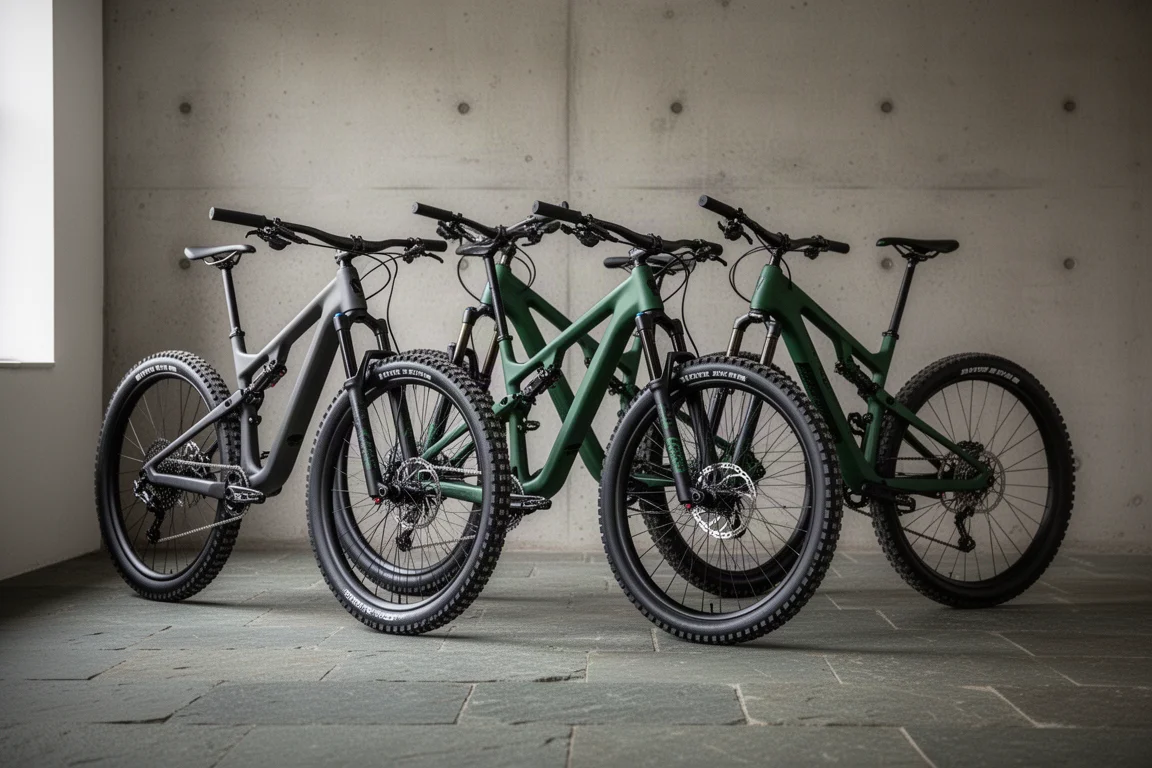
Choosing an enduro bike means choosing a set of compromises, and the three machines here show how differently that can be done. The all-new Marin Alpine Trail XR, the YT Capra Core 4 and the Trek Slash 8 Gen 6 all target the same rider, yet they arrive at the trail with different frame materials, different suspension layouts, different geometry and noticeably different spec choices.
After a broad field of current enduro bikes was narrowed down to these three, the differences that mattered most were not the headline numbers. They were the details: how each bike climbs, how it behaves when the trail turns steep and rough, and how much work is needed to get the best out of it.
How These Three Enduro Bikes Compare
Pricing across the three spans roughly $1,000, and the ordering is not the one most riders would guess. The Trek Slash 8 Gen 6 is the most affordable of the trio, the YT Capra Core 4 sits in the middle, and the Marin Alpine Trail XR is the most expensive. Only one of the three uses a carbon frame, and that is the YT, not the priciest bike.
Rear travel is close but not identical. The Capra runs 165mm through YT’s virtual four-link platform on 29-inch wheels front and rear. The Slash uses an alloy frame with a high-pivot design and a more rearward axle path through 170mm of travel. The Alpine Trail XR is also alloy, but moves to a four-bar linkage after years of single-pivot designs, and rear travel rises from 150mm to 160mm. Both the Trek and the Marin run mixed wheel sizes as standard.
Geometry tells a similar story of three different philosophies. The YT and Trek sit close together with head angles of 63.9 and 63.4 degrees respectively, while the Marin is the slackest at 62.1 degrees in its slack setting, which can be changed using the supplied headset cups. That contributes to an 825mm front centre, longer than either rival. All three use steep seat tube angles for efficient climbing, with the Marin the most upright at 79.6 degrees effective. Reach is tight across the medium frames, with the YT shortest at 447mm and the Marin longest at 454mm. Flip chips allow adjustment on all three, and the Trek can also take aftermarket shock mounts and headset cups.
Marin Alpine Trail XR: A Downhill-Focused Alloy Build
Marin’s new enduro platform is the most radical of the three in shape. The four-bar linkage is a significant change for the California brand, and the 160mm of rear travel is controlled by a RockShox Super Deluxe Ultimate coil shock, chosen to maximise rear wheel traction. Up front there is a RockShox Zeb fork, and the build is finished with SRAM GX Eagle AXS wireless transmission and SRAM Code brakes.
Tires are Maxxis Assegai with the 3C Max Grip compound at both ends. Grip is excellent, but rolling speed does not come naturally to this bike, and the rear tire was swapped for something faster for the bulk of testing. The own-brand rims and hubs are the other weak point: freehub engagement is gappy, which is noticeable when accelerating out of slow corners.
Point the Alpine Trail XR downhill, though, and the picture changes. The slack front end and long wheelbase deliver stability, the low bottom bracket encourages commitment in turns, and the 160mm of rear travel plus the Zeb up front make light work of rock gardens.
YT Capra Core 4: The Most Complete Package
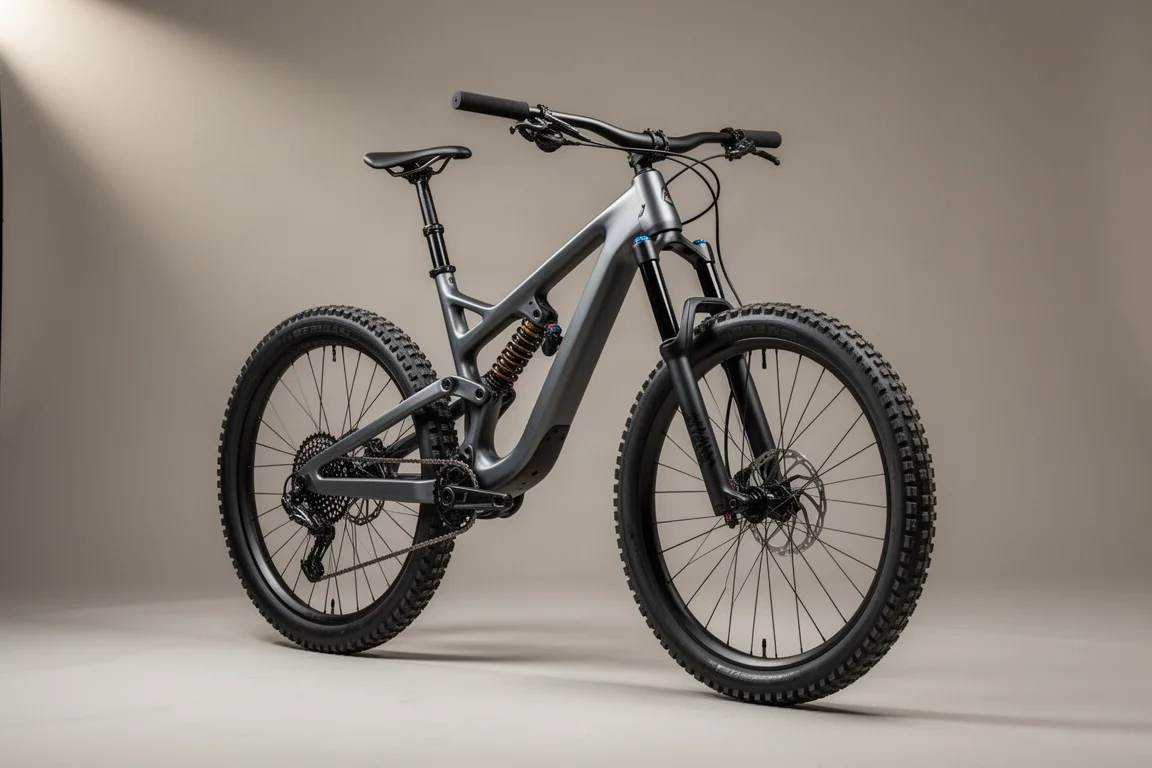
The Capra is the only carbon frame here and the only bike running 29-inch wheels at both ends, with 165mm of travel from YT’s virtual four-link layout. Suspension is top level for the money: a 170mm RockShox Zeb Ultimate fork paired with the latest Vivid Ultimate rear shock. SRAM GX Eagle AXS transmission handles shifting, and SRAM Code brakes provide the stopping power.
Tires are a highlight. Maxxis Assegai up front in 3C Max Grip and a Minion DHR II at the rear in the faster-rolling 3C Max Terra compound, both in tough DoubleDown casings. The alloy wheels feel great on the trail, though freehub engagement could be quicker.
The geometry is the middle ground of the group, with a 63.9-degree head angle and the shortest reach at 447mm. That balance is deliberate, and it pays off: the Capra is nimble when the trail is tight but still confident once the pace rises.
Compared with the previous version run with a different rear shock, this one feels calmer under power, bobs less and sits higher in its travel. The seated position is comfortable and efficient, so long ascents never feel like a chore.
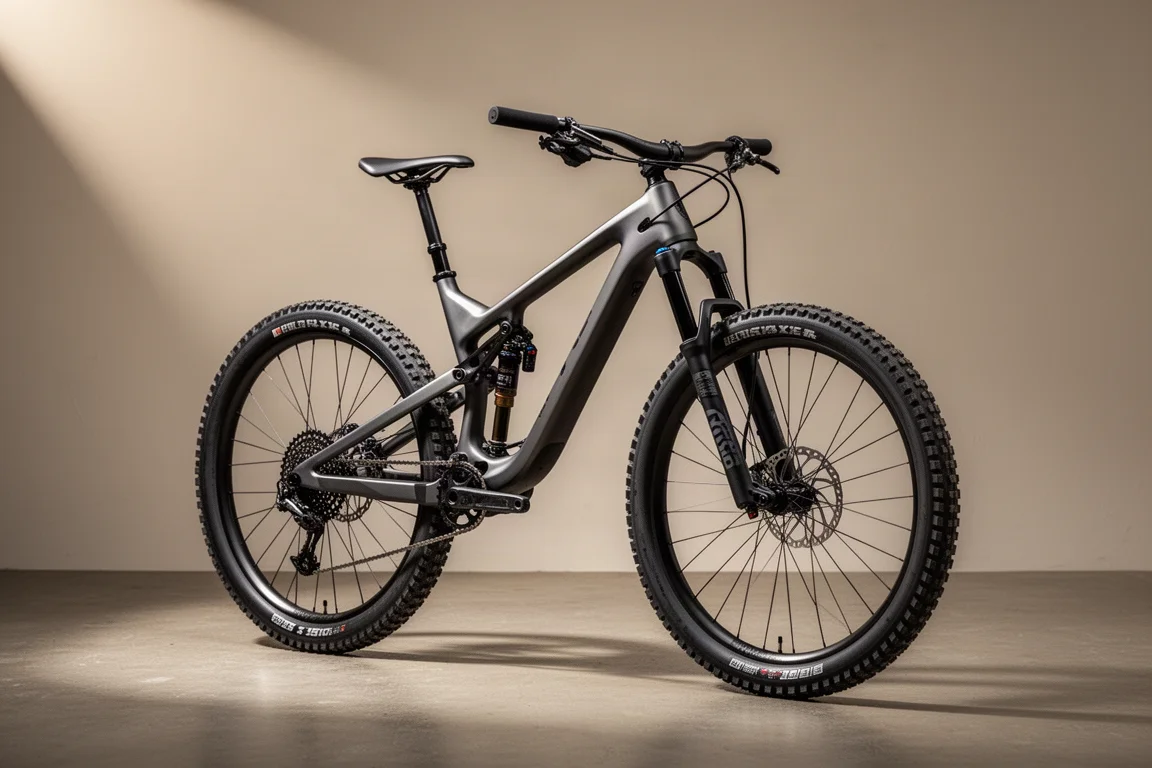
Trek Slash 8 Gen 6: High-Pivot Value
The Slash is the most affordable bike of the three, and it is also the one with the most distinctive suspension layout. Its high-pivot design produces a more rearward axle path through 170mm of travel, which helps it deal with square-edge hits. A flip chip at the lower shock mount adjusts progression and allows a coil shock to be fitted.
Suspension is where the budget shows. A Fox 36 Rhythm fork with the GRIP damper offers limited adjustment compared with the Charger 3 units on the other two bikes, though the Fox Float X Performance rear shock is tuned well enough to manage the travel competently. The Shimano XT drivetrain is a dependable workhorse, paired with a Deore crank set, and the Shimano brakes deliver real power and lever feel, particularly on longer, steeper descents.
The in-house Bontrager XR5 Team Issue tires are the clearest compromise. They roll fast but lack grip when it matters, and tire pressures had to be raised to stop them burping in high-load turns. The Bontrager wheels pick up quicker than the Marin’s own-brand hoops.
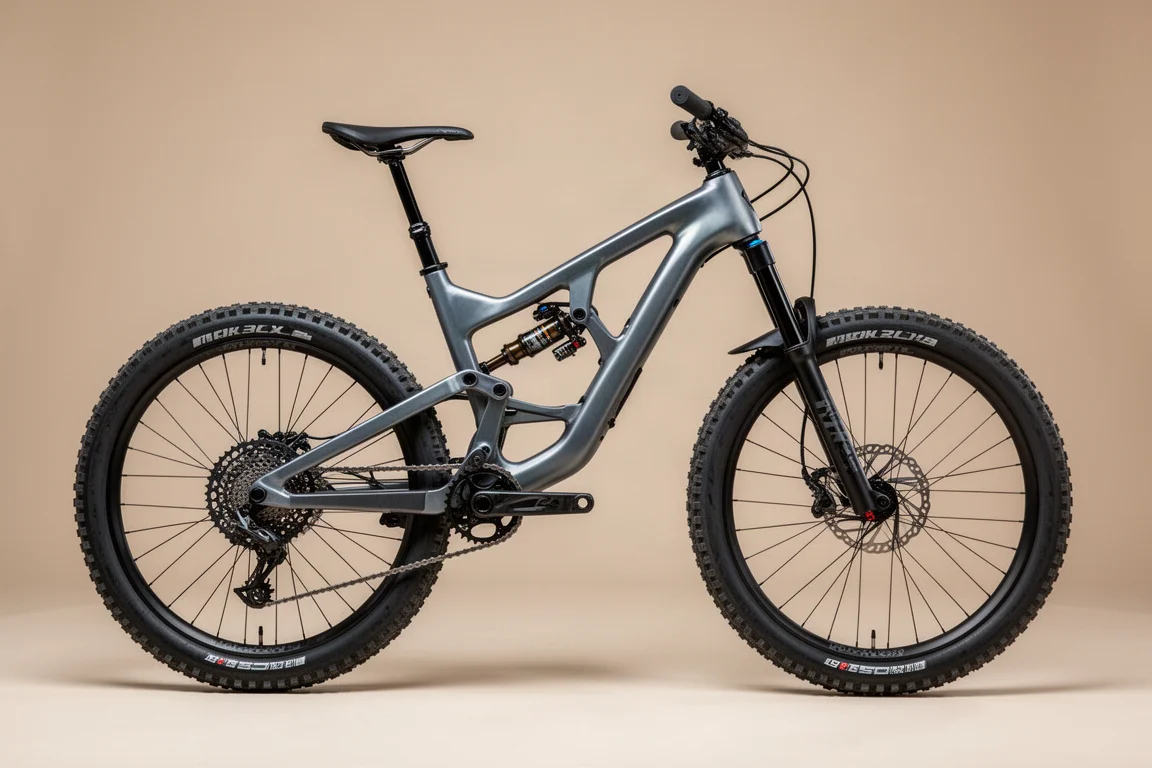
Climbing Character and Pedaling
Uphill performance split the group more than expected. The big-travel, high-pivot Trek was the least fussy of the three on the way up: the comfortable seated position works with a stable back end that stays unusually still when grinding away at the pedals, and the tires roll at a decent speed. On steep, muddy pitches, though, rear traction is often lacking.
At the other end of the scale is the Marin. It is only marginally heavier than the Trek, but the Max Grip rubber front and rear slows progress and drains energy on long drags. Switching to a firmer rear compound makes life noticeably easier without giving away much grip, and the very steep seat angle keeps the position comfortable even when the effort is higher.
The YT sits close to the Trek in climbing manners. It feels calm under power, holds a higher position in its travel and pairs that with an efficient seated position, so lengthy ascents stay pleasant.
Descending Performance and Composure
On flatter, slower trails the Capra is immediately comfortable and almost eager, ducking in and out of turns and carrying speed easily. Its numbers are not extreme, but the middle ground it occupies delivers agility when the trail is tight and confidence once the pace picks up.
The Trek is the playful option. The shock tune gives this big bike a lively feel, and the fast-rolling tires make mellow flow lines and slower tech trails genuinely fun to ride. Push it hard, though, and the fork starts to feel flustered. The GRIP damper is comfortable, but more support means running higher spring pressures, and balancing comfort against support takes time to master.
The Marin is the opposite character. On shallow gradients it needs muscle, and the gappy freehub makes it hard to get back up to speed out of slow corners. Get it onto something steeper or faster and it suddenly makes sense. The slack front end and long wheelbase give stability, the low bottom bracket lets you commit to a turn and hold speed through it, and the rear travel smooths out impacts impressively. Point it into a rock garden and it simply gets on with the job.
The Slash’s high pivot does a similarly good job of shaving the peaks off ugly square-edge hits, keeping the bike composed at speed on rough ground.
Buying Advice
On value, the YT is the clear winner. It is the mid-priced bike of the three, yet it carries the strongest overall spec, from the Zeb Ultimate and Vivid Ultimate suspension to the wireless GX Eagle AXS drivetrain and the well-chosen Maxxis tire combination. As a direct-to-consumer brand, YT also tends to offer more build for the money.
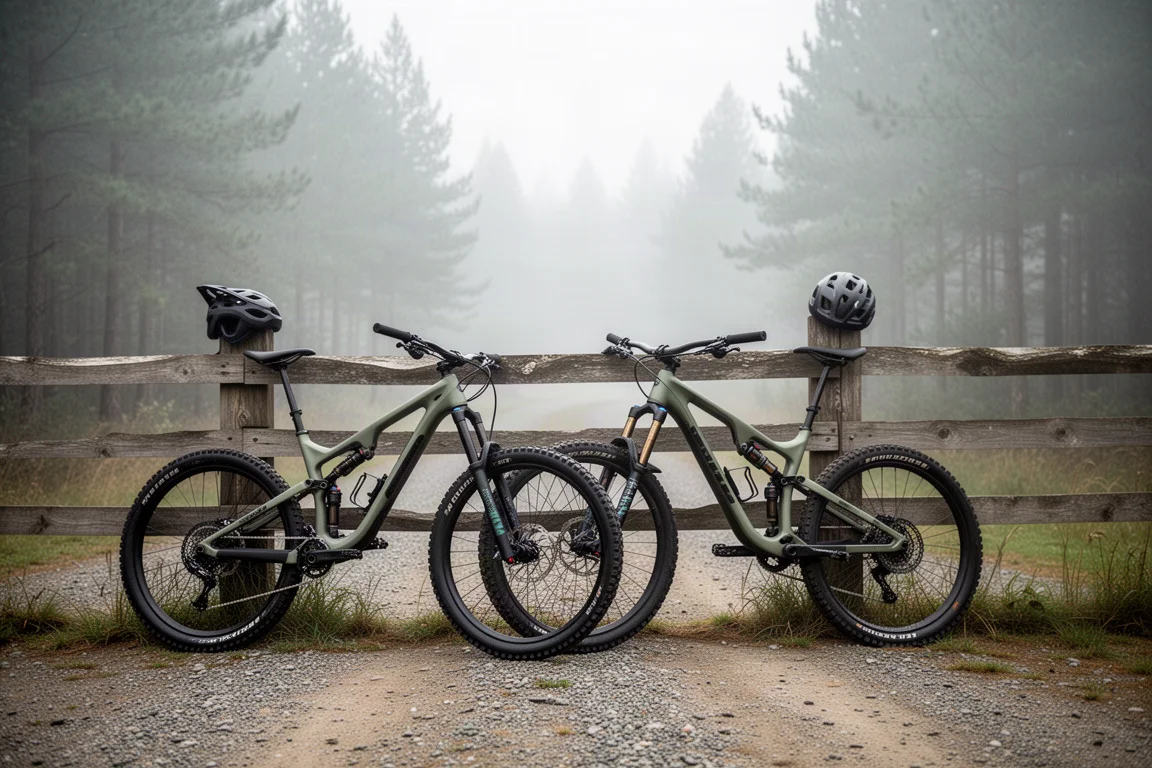
The other two need a little work to reach their potential. The Marin is a serious downhill machine, but a faster-rolling rear tire and a closer look at the freehub would make it far easier to live with on the climbs that lead to the descents. The Trek is the cheapest way into a high-pivot enduro bike, and a better set of tires would unlock more of its potential immediately.
Match the bike to the riding you actually do. If your trails are steep, rough and gravity-fed, the Marin’s stability and coil-shock traction make a strong case. If you want a bike that is fun on flow trails and still capable when it gets serious, the Trek delivers a lot for the lowest price here. If you want the fewest compromises across the widest range of terrain, the YT is the one to beat.
Conclusion
Picking a winner from these three was genuinely difficult, because each bike has a distinct character and each shines in specific situations. The Marin is a flamboyant downhill machine that comes alive when gravity takes over, and the Trek is an impressive high-pivot performer for the money once its tires are sorted.
In the end, the YT Capra Core 4 had the edge. It quietly dispatched trail after trail with a calmness and pace that neither rival matched everywhere, and it showed fewer weaknesses no matter the terrain or conditions. Recent spec changes and a price drop only strengthened its case. For riders who want one enduro bike that works well almost everywhere, it is the most convincing of the three.
Further reading
Related Reviews
Mountain Bikes
Atherton AM.130 Review: 3D-Printed Titanium Lugs and a 130mm Trail Bike That Descends Like a Bigger Machine
The Atherton AM.130 pairs 3D-printed titanium lugs with carbon tubes and a DW6 suspension platform. Here is how it rides, what the build delivers, and who it suits.
Mountain Bikes
Beginner Mountain Bike Buying Guide: What to Look For in a Trailworthy Hardtail
A practical framework for evaluating beginner mountain bikes, whether new or used, by examining key components that indicate real trail capability.
Mountain Bikes
Best Aluminum Mountain Bikes 2026: Five Alloy Bikes Worth Your Attention
Five aluminum mountain bikes that show how far alloy has come, from a 120mm trail bike and a versatile machined frame to a 180mm freeride machine.