Mountain Bikes
Best Enduro Bikes: Five Race-Ready Rides Worth Considering
Five long-travel enduro bikes compared on suspension design, geometry, frame storage and value, with clear notes on who each one suits.
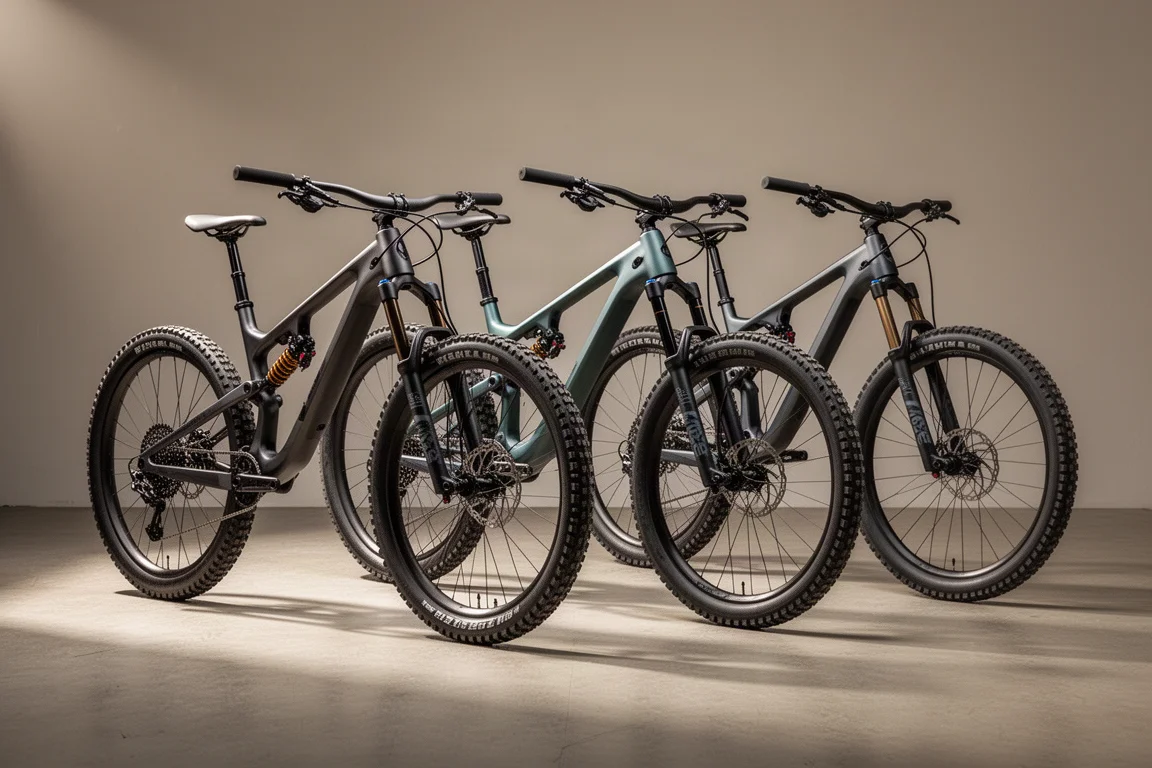
Introduction
Enduro racing has changed a great deal since its early days, and the bikes have changed with it. Modern enduro machines are asked to climb efficiently enough for long days in the hills, then survive repeated high-speed descents on rough, steep terrain. That dual brief puts more strain on frames, suspension and geometry than almost any other category of mountain bike.
The five bikes below all take a slightly different route to the same goal. Some lean on race-focused adjustability, others on value, and one or two still carry features that newer rivals have quietly dropped. Here is what each one does well, and where it might not suit you.
How We Chose These Enduro Bikes
Every bike here runs a carbon frame, long-travel suspension and geometry built around steep, technical descents. Beyond that, the differences are what matter: how the suspension behaves under pedalling, whether the frame can take a coil shock, how much room there is for a long dropper post, and whether the frame offers internal storage.
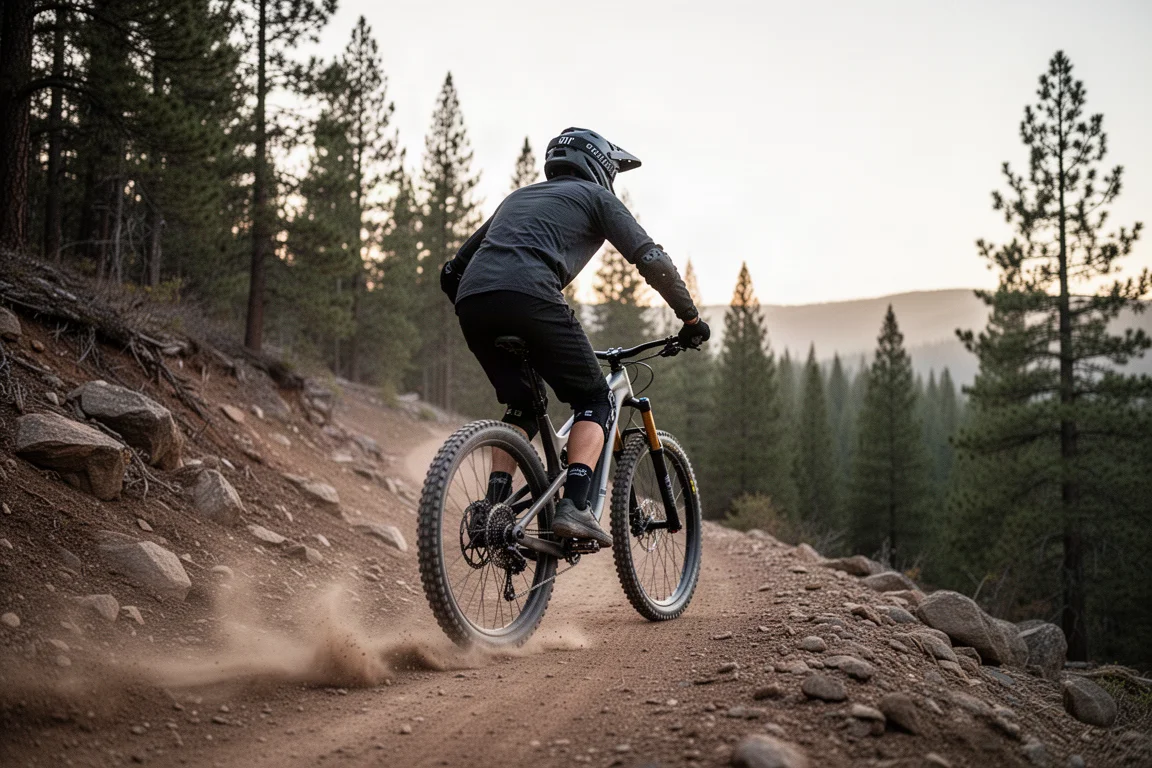
Value and adjustability were weighted just as heavily as outright performance. A bike that can be reconfigured, or one that undercuts similarly equipped rivals by a wide margin, is a genuinely better purchase for most riders than a marginally faster race bike. We also noted where a platform is starting to age, because that usually means better deals and a clearer idea of what you are buying.
Specialized Enduro
The Enduro is the oldest design in this group, last updated in 2019, and it may be due for a replacement. Even so, it remains one of the most appealing enduro bikes around. Its carbon frame runs 170mm of travel with 29-inch wheels at both ends, and it still includes internal frame storage, a feature only one other bike here offers.
The geometry holds up well: a 63.9-degree head angle and a 347mm bottom bracket height in the low setting, a 76-degree seat angle across every size from S2 to S5, and a 464mm reach on the S3, which is roughly a medium. The Horst Link suspension is compatible with both air and coil shocks, with higher anti-squat than its predecessor for better pedalling and a more rearward axle path for bump absorption.
What it misses compared with newer rivals is a smaller 27.5-inch rear wheel option and SRAM’s UDH standard, which matters if you want to run the latest Transmission drivetrains. The Enduro Comp is the pick of the range, with a carbon frame, RockShox ZEB Select fork, Super Deluxe Select Plus coil shock, SRAM GX drivetrain, Code RS brakes and Specialized’s T9 rubber, at around $5,500 or £5,000. Previous-year models have been discounted heavily, so it is worth shopping around.
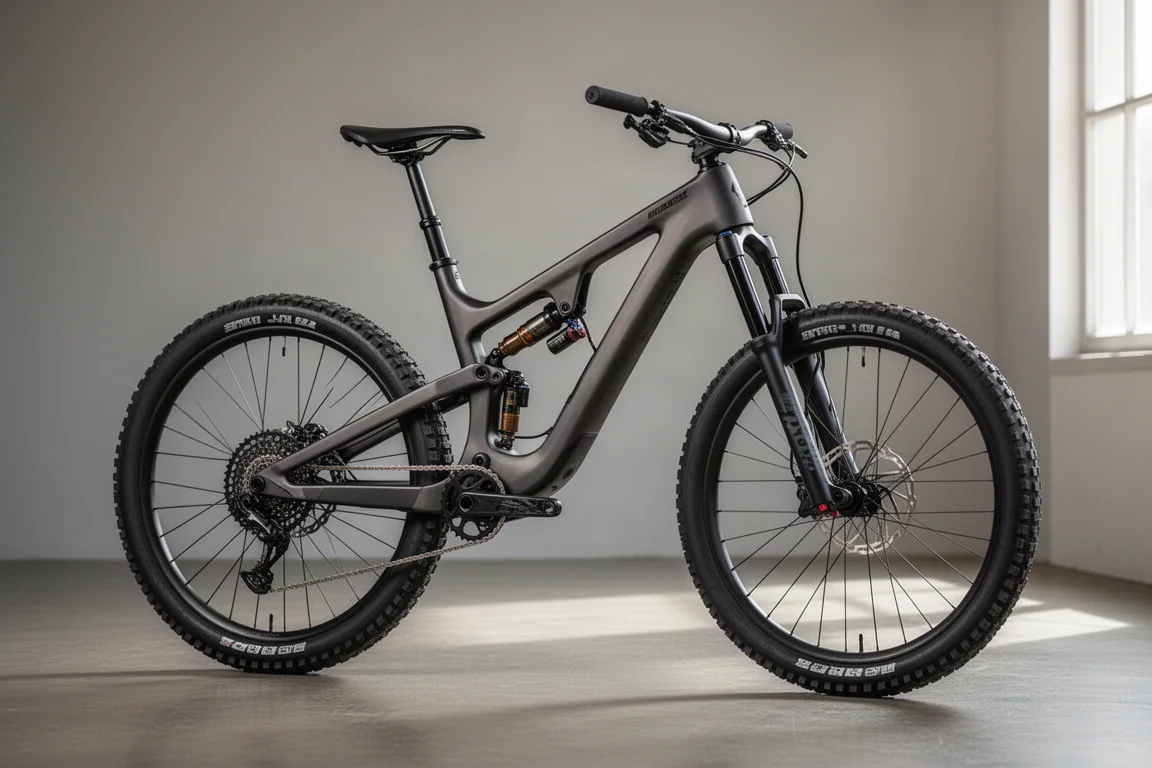
Ibis Mojo HD6
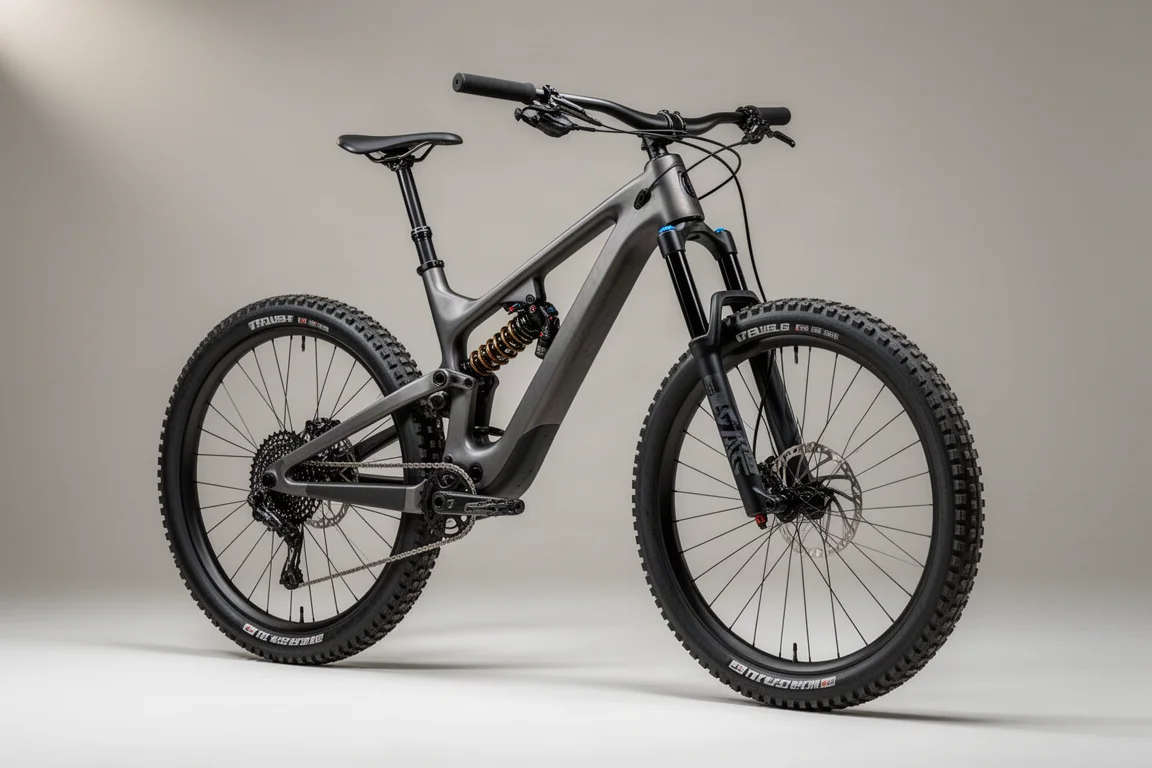
The Mojo HD was one of the first full-carbon enduro bikes, and the HD6 continues that lineage, now as a mullet-only bike with 165mm of rear travel and a 180mm fork. Suspension is handled by the long-standing DW-link design, which pairs anti-squat for strong pedalling with low shock damping so the rear wheel stays planted. It is also compatible with all coil shocks, which is not a given on every enduro bike, though stock builds ship with a Fox Float X2 Factory air shock.
The geometry is thoroughly modern. Five sizes are offered with size-specific seat tube angles that get steeper as the frame grows, so taller riders stay as centred as shorter ones. A size 3 runs a 76.1-degree seat angle and a 480mm reach, while every size gets a 64-degree head angle, 435mm chainstays and short seat tubes for maximum dropper post insertion. The size 5 has a 541mm reach, which will appeal to very tall riders.
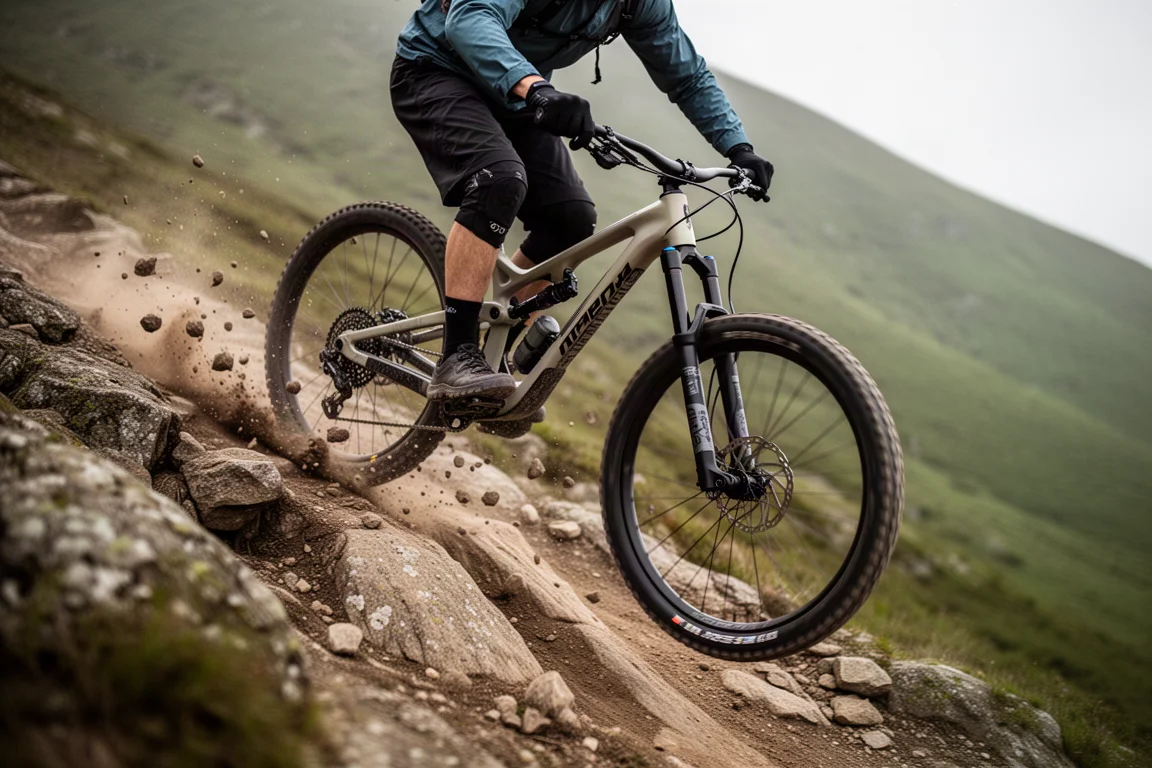
Five builds are available, plus a frame and shock option, and the SLX build looks like the sweet spot. It pairs full Factory suspension with a Shimano SLX drivetrain and four-piston brakes, a Bike Yoke Revive dropper post and Ibis Blackbird wheels, which is a sensible balance of cost and capability.
Orbea Rallon
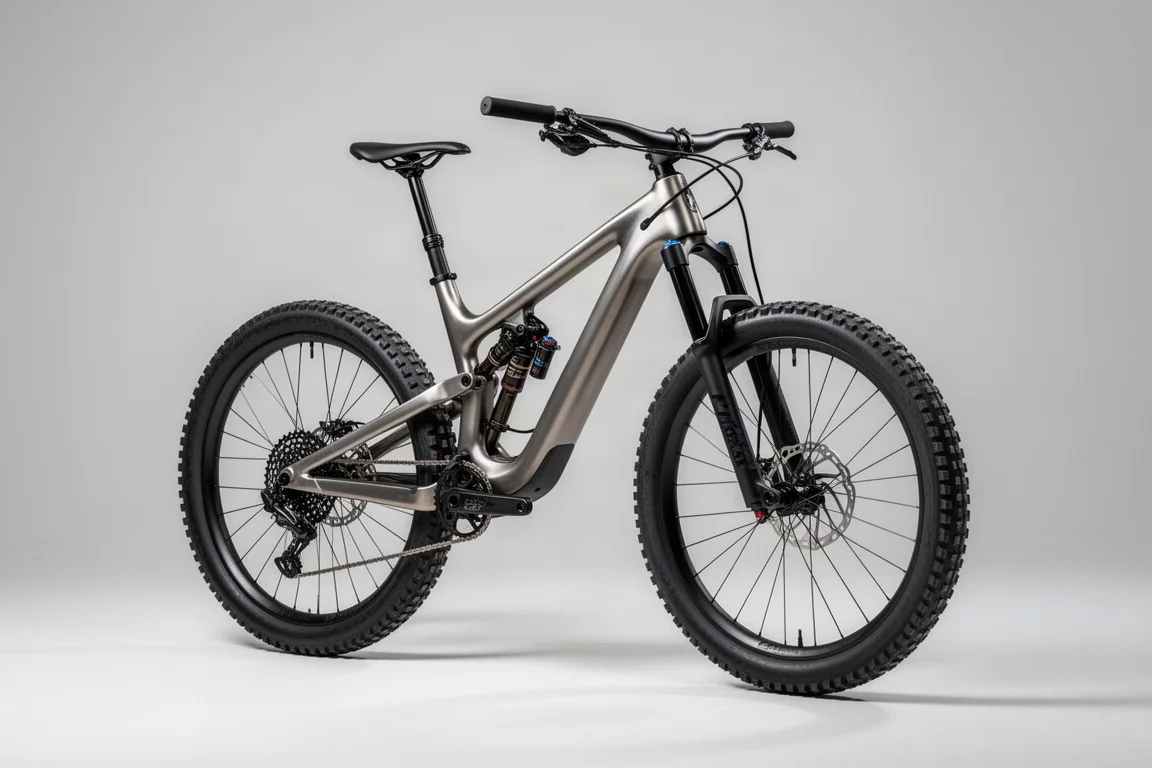
Orbea has been building bikes for well over a century, and the Rallon arrives with more travel and revised geometry. Rear travel is now 167mm, up from 160mm, which leaves plenty in reserve for the roughest enduro courses. The head angle sits at 64 degrees and can be slackened further to 63.5 degrees, while the seat tube is steep at 77 degrees.
That steep, short seat tube has enough insertion depth for a 200mm dropper post even on the smallest sizes, which is a real advantage on long descents. The bike runs 29-inch wheels as standard and can be converted to a mullet setup aftermarket, or ordered that way through Orbea’s MyO programme, which also lets you customise the colour and adjust the stock configuration of each model.
The Rallon is carbon only. Prices start at around $5,299 for the entry model and climb steeply towards a limited top-end build.
Canyon Strive
The Strive is an unapologetic enduro race bike, and its defining feature is Canyon’s Shape Shifter system. An underbar remote lever actuates a Fox-built air piston at the upper shock mount, changing the shock’s position and, with it, the geometry and suspension kinematics while you ride.
Shred mode is set up for racing, with a 63-degree head angle and 36mm of bottom bracket drop. Pedal mode steepens the angles, cuts travel to 140mm and changes the leverage ratio, giving a 78-degree effective seat angle and a 64.5-degree head angle for climbing and pedalling. A medium has a rangy 480mm reach that can be adjusted 5mm in either direction, and chainstays are a shorter-than-expected 435mm.
The base CFR Underdog is the pick of the range, pairing quality Fox suspension with a full Shimano XT drivetrain and DT Swiss wheels at around $4,999 or £4,799. That is a lot of race bike for the money.
YT Capra
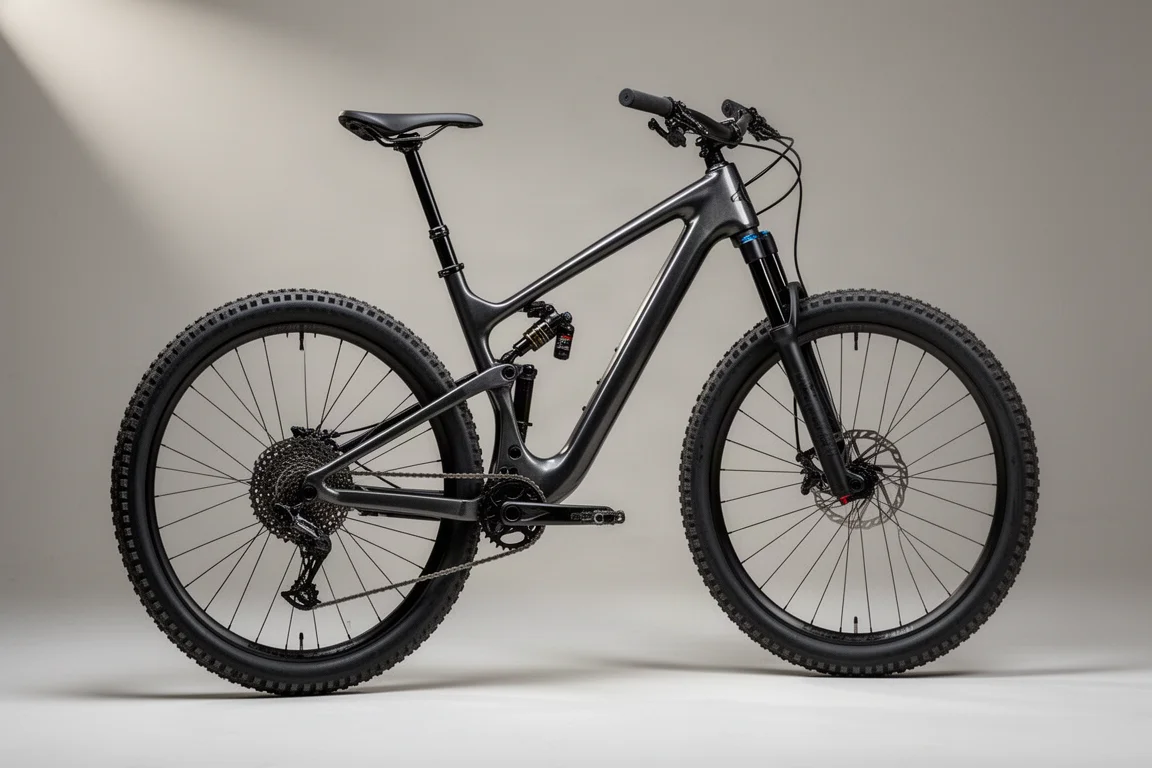
Few bikes match the Capra on value. The aluminium Capra Core 1 starts at £2,699, and even the top model with SRAM Transmission, a RockShox Flight Attendant and a carbon frame is keenly priced at £5,999, which was reduced to £5,399 at one point. That is close to half the price of similarly equipped rivals.
Value is not the only argument in its favour. The Capra is available in carbon or aluminium and as a full 29er or a mullet, and its geometry is competitive: a 64-degree head angle and a 77.4-degree seat angle on a size large. Reach is on the short side at 467mm on a large, so riders chasing ultimate stability at speed may want to size up, though the longer seat tubes make that harder for some. There is also no internal frame storage.
Buying Advice: Matching a Bike to Your Riding
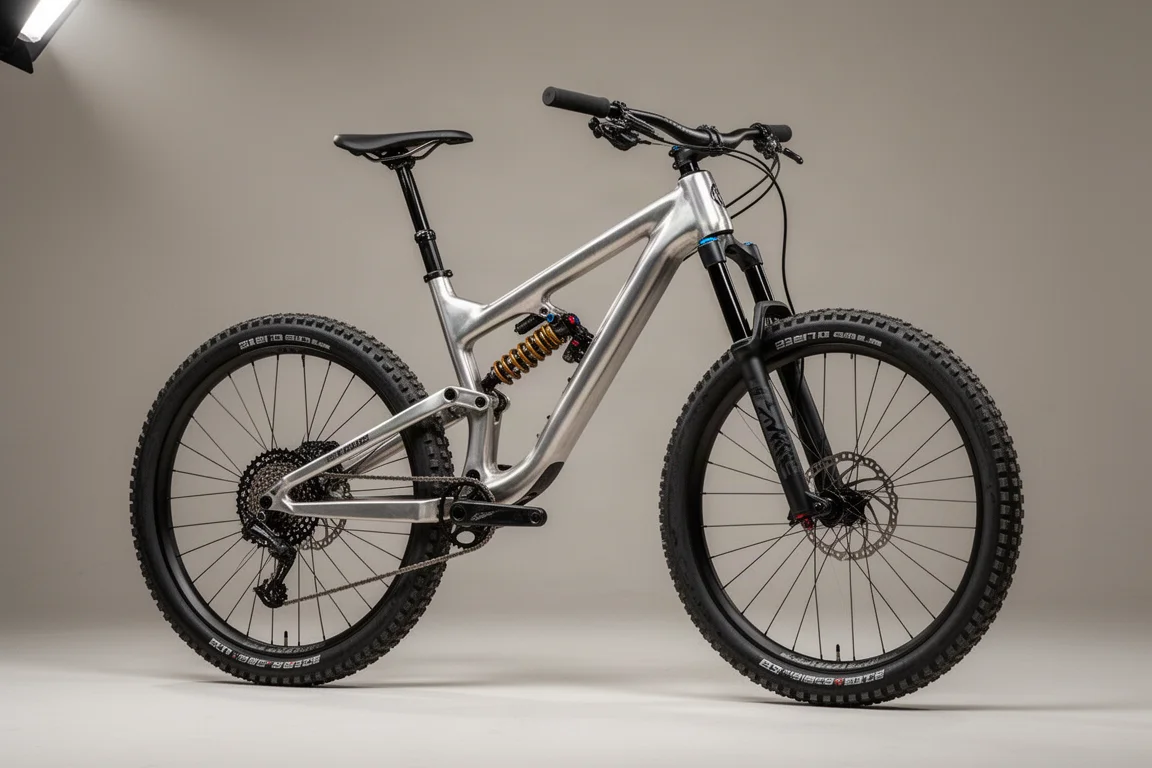
If racing is the priority, the Canyon Strive’s on-the-fly geometry change is the most directly useful feature here, letting you switch between a slack descending setup and a more efficient climbing one without stopping. Riders who want to tune colour, spec and wheel format should look at the Orbea Rallon and its MyO programme, and anyone who values internal frame storage and a proven suspension platform will find the Specialized Enduro hard to argue with, especially with previous-year discounts in play.
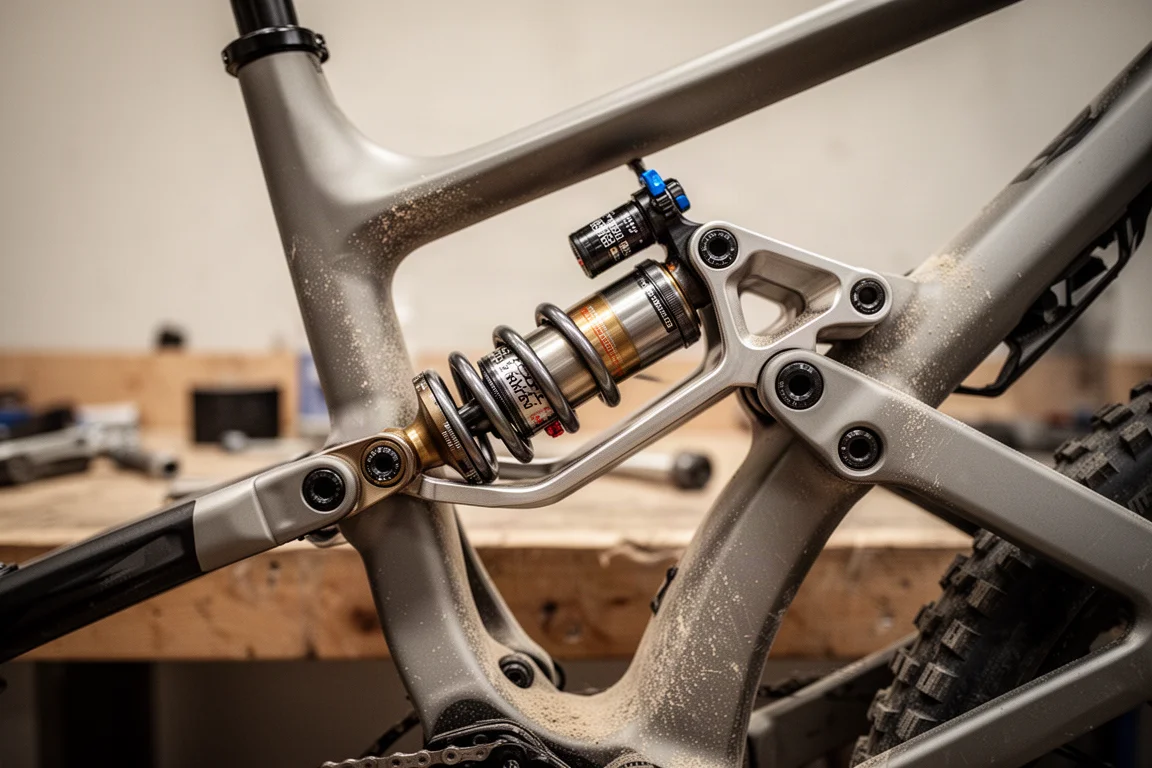
For riders who want a mullet setup, coil shock compatibility and a suspension design that pedals well, the Ibis Mojo HD6 covers all three, though it sits at the premium end of this group. If budget is the deciding factor, the YT Capra undercuts everything else here by a wide margin without giving up modern geometry. Match the bike to the riding you actually do most, and check shock compatibility and dropper insertion depth before you commit.
Conclusion
All five of these bikes can handle a full day of climbing and a full day of descending, which is exactly what enduro bikes are for. The differences come down to priorities: race-day adjustability on the Strive, customisation on the Rallon, internal storage and a proven platform on the Enduro, mullet and coil versatility on the Mojo HD6, and standout value on the Capra. Pick the one whose strengths line up with your terrain and your budget, and it will keep up with you for years.
Further reading
Related Reviews
Mountain Bikes
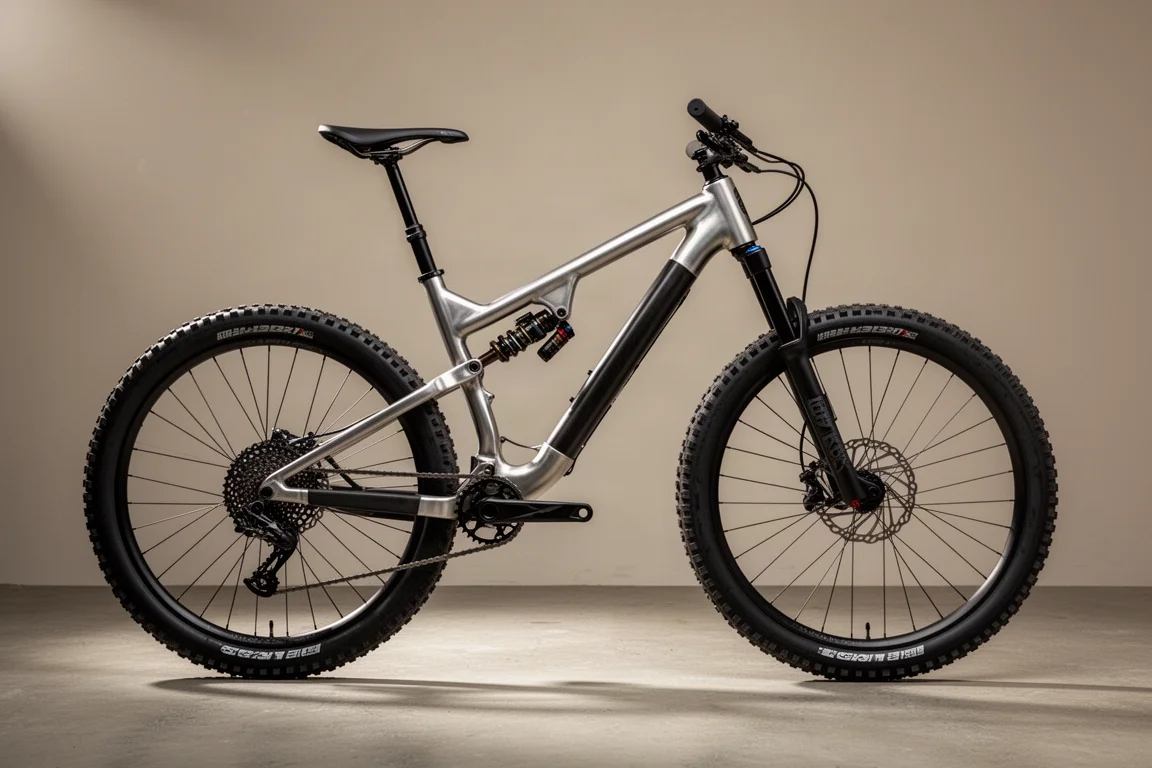
Atherton AM.130 Review: 3D-Printed Titanium Lugs and a 130mm Trail Bike That Descends Like a Bigger Machine
The Atherton AM.130 pairs 3D-printed titanium lugs with carbon tubes and a DW6 suspension platform. Here is how it rides, what the build delivers, and who it suits.
Mountain Bikes
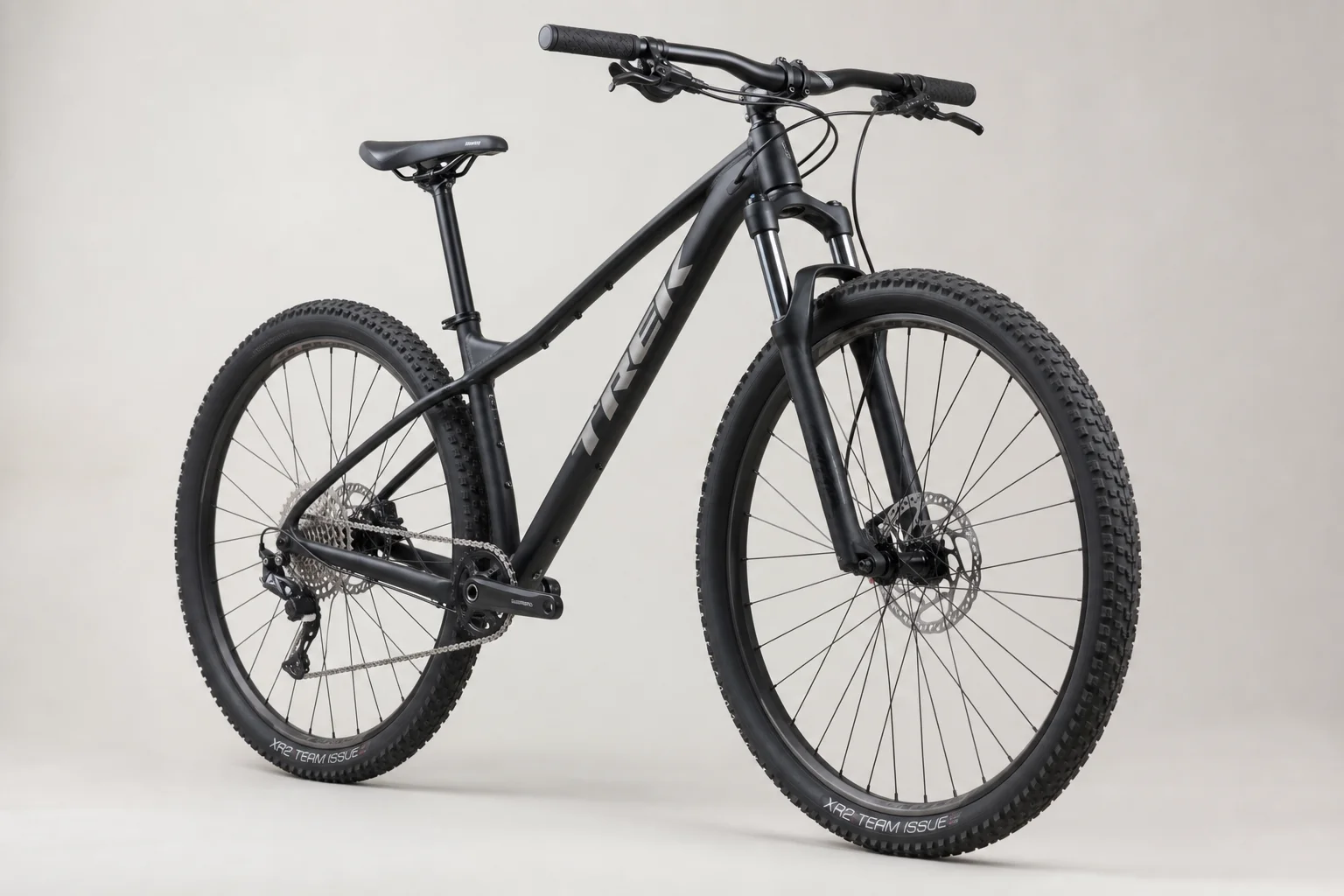
Beginner Mountain Bike Buying Guide: What to Look For in a Trailworthy Hardtail
A practical framework for evaluating beginner mountain bikes, whether new or used, by examining key components that indicate real trail capability.
Mountain Bikes
Best Aluminum Mountain Bikes 2026: Five Alloy Bikes Worth Your Attention
Five aluminum mountain bikes that show how far alloy has come, from a 120mm trail bike and a versatile machined frame to a 180mm freeride machine.