Mountain Bikes
Best Enduro Bikes: Three Standout Machines Compared
A close comparison of three enduro mountain bikes with very different frames, suspension layouts and priorities, plus guidance on which one suits which rider.
Introduction
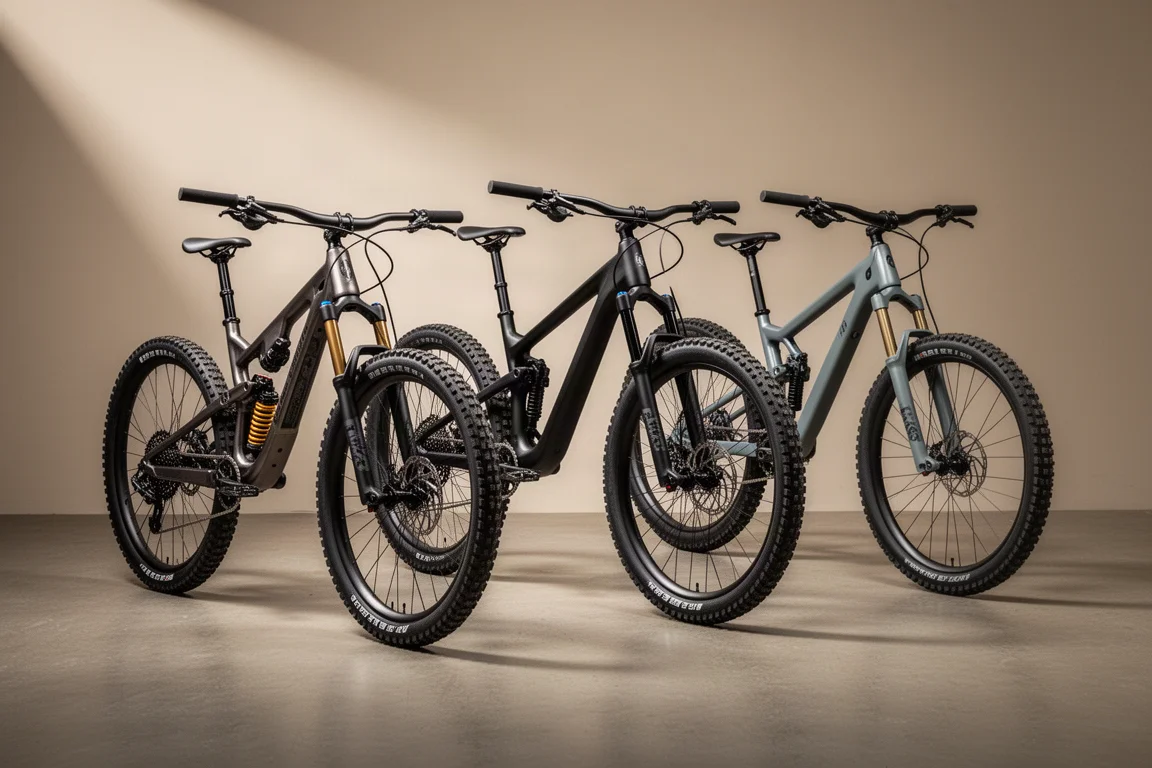
Enduro bikes are expected to climb efficiently, stay composed at speed and absorb whatever the descent puts in front of them. After weeks of riding, three machines separated themselves from the rest of the field, and each one takes a genuinely different route to the same goal. The Marin Alpine Trail XR, the YT Capra Core 4 and the Trek Slash 8 Gen 6 share a broad brief, yet their frames, suspension layouts, geometry and component choices push them in different directions.
What makes the comparison interesting is that the three bikes do not line up neatly with their prices. The only carbon frame in the group belongs to the mid-priced option, while the most expensive bike is alloy and the cheapest bike carries the most distinctive suspension design of the three.
What Separates These Three Enduro Bikes
Frame material is the first dividing line. The YT Capra uses a carbon frame, while the Trek Slash and the new Marin Alpine Trail XR are both built from alloy. The Trek and the Marin come with mixed wheel sizes as standard, while the Capra rolls on 29-inch wheels at the front and rear.
Suspension layouts differ even more. The Capra uses YT’s virtual four-link platform to deliver 165mm of rear wheel travel. The Alpine Trail XR adopts a four-bar linkage, a significant change for the brand after years of a single pivot with a linkage-actuated shock, and rear travel rises from 150mm to 160mm. The Slash takes a different approach with a high pivot design, which gives a more rearward axle path through its 170mm of travel in an effort to deal with momentum-sapping square-edge hits.
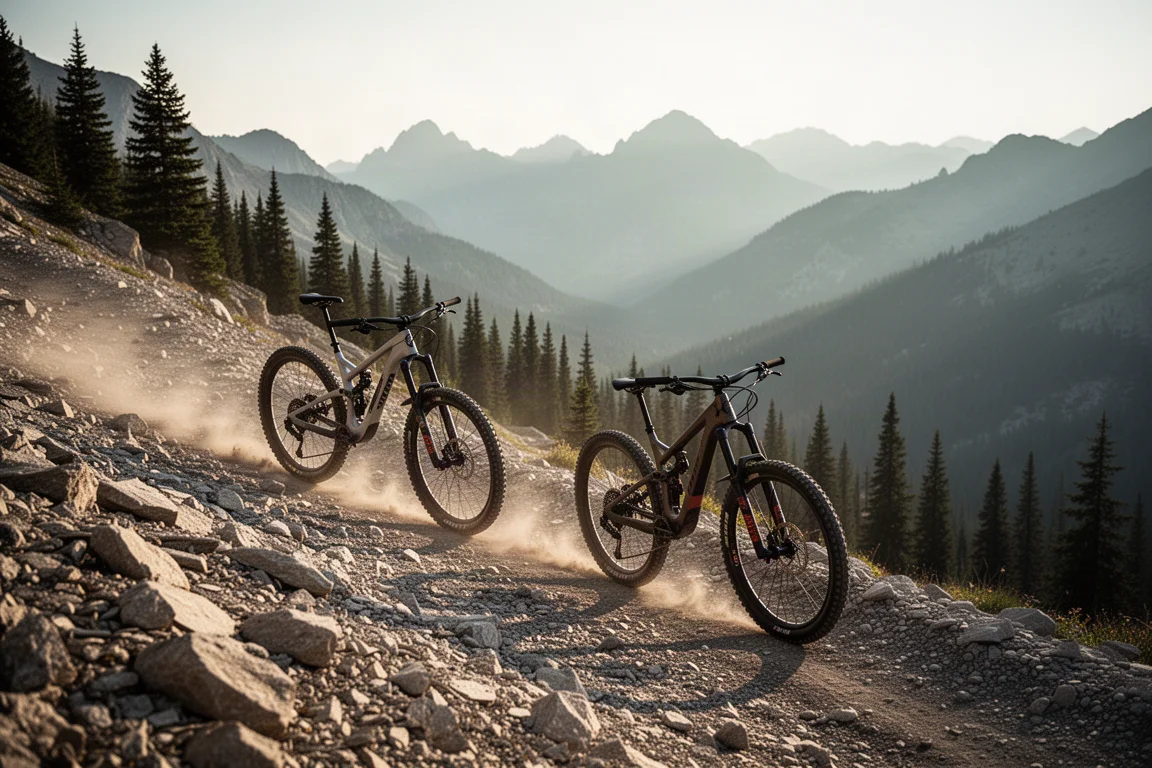
Geometry shows how far apart the three sit. Head angles measure 63.9 degrees on the Capra and 63.4 degrees on the Slash, while the Alpine Trail XR is the slackest at 62.1 degrees in its slack setting, which can be altered with the supplied headset cups. That relaxed front end contributes to an 825mm front center, longer than either of the other two. All three use steep seat tube angles for a comfortable and efficient climbing position, and the Marin is the most upright at 79.6 degrees effective. Reach figures are close across the medium-sized frames, with the Capra shortest at 447mm and the Marin longest at 454mm.
Adjustability is available on all three through flip chips, and the Trek also accepts aftermarket shock mounts and headset cups. It is worth remembering that slacker and longer does not automatically mean better, especially on a bike that has to cope with a wide variety of terrain.
Marin Alpine Trail XR
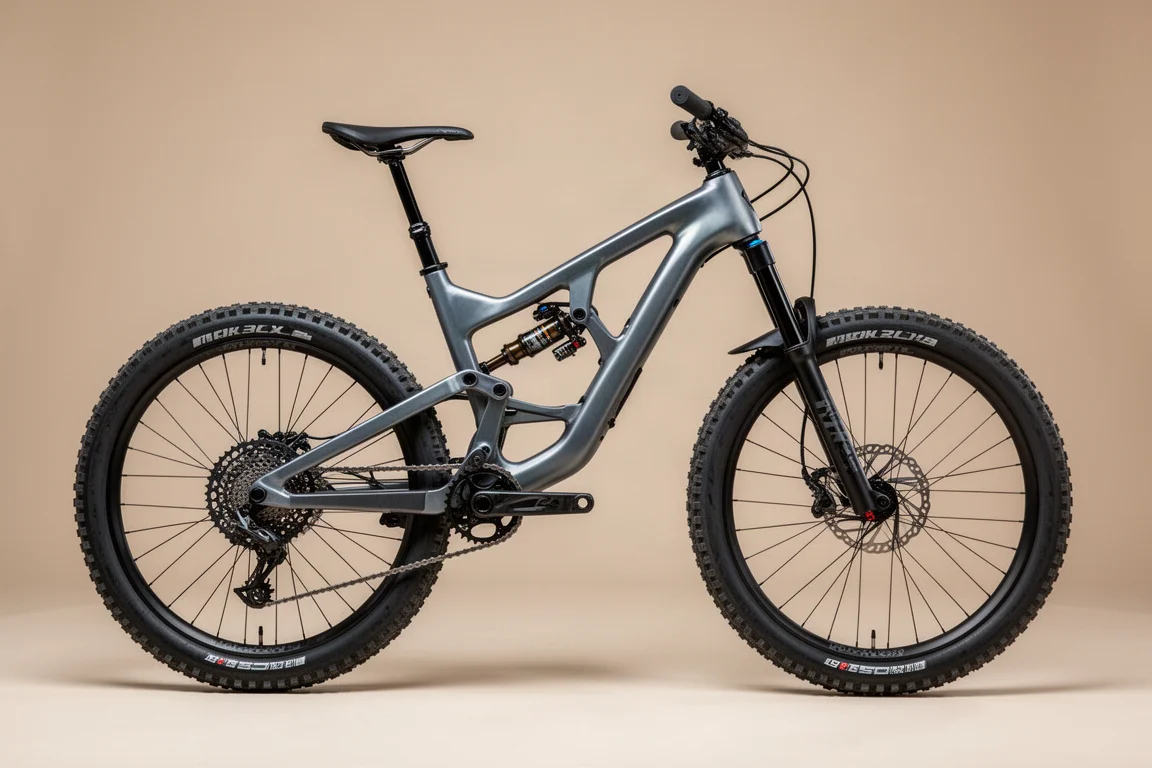
The Alpine Trail XR is the most expensive bike here and the least shy about its intentions. Suspension comes from a RockShox Zeb fork paired with a Super Deluxe Ultimate coil rear shock, a combination chosen to maximise rear wheel traction. Gearing is SRAM’s GX Eagle AXS Transmission, brakes are SRAM Code, and the tires are Maxxis Assegai in the 3C Max Grip compound at both ends.
On shallower gradients the Marin asks for more muscle than the other two. The supple suspension, tacky rubber and a freehub with gappy engagement make it hard work to build speed back up through slow turns, and swapping the rear tire for a faster-rolling option made a noticeable difference through the bulk of testing. Point it downhill and the picture changes completely. The slack front end and long wheelbase deliver stability, the low bottom bracket encourages commitment through turns, and the 160mm of rear travel soaks up impacts smoothly, with the Zeb fork matching that composure in rock gardens.
The wheels are the weak point for the money. Own-brand rims and hubs feel lackluster, and the freehub engagement becomes noticeable when accelerating out of slow corners.
YT Capra Core 4
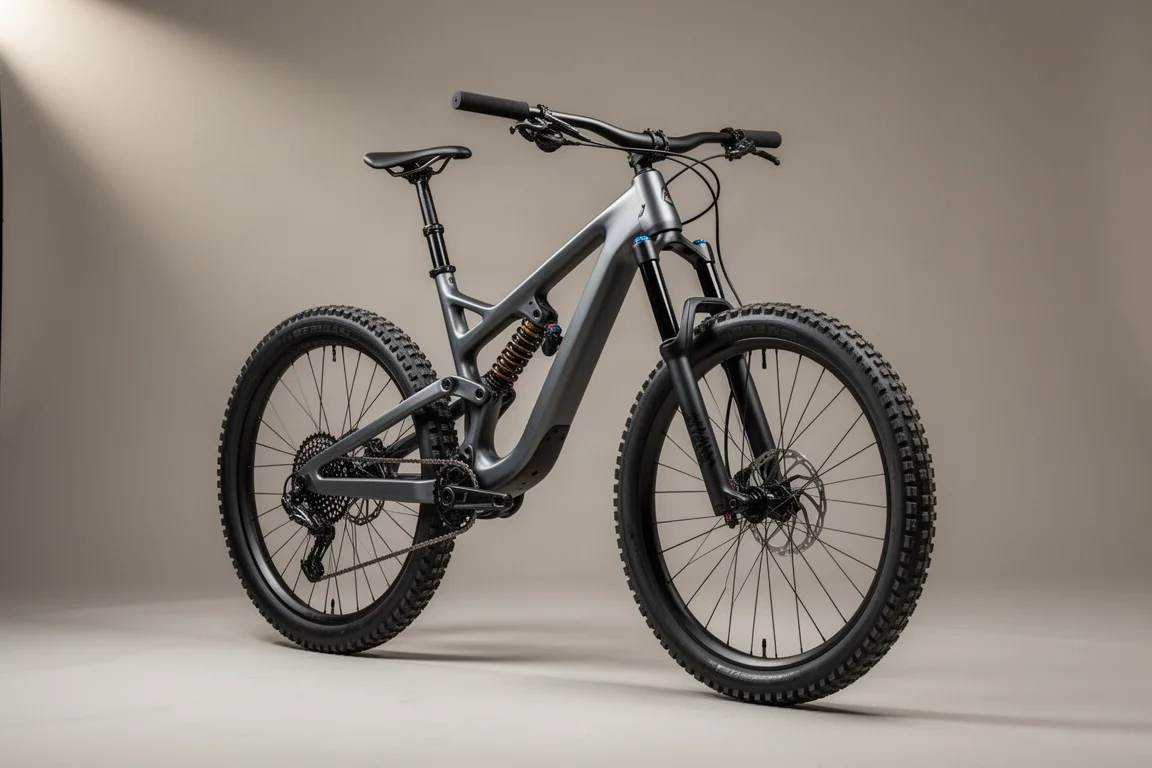
The Capra is the mid-priced option of the three, and it is the bike with the fewest obvious holes in its specification. RockShox supplies a 170mm Zeb Ultimate up front and the latest Vivid Ultimate shock at the rear. The drivetrain is SRAM GX Eagle AXS Transmission, the brakes are SRAM Code, and the wheels are Crankbrothers Synthesis alloy hoops. Tire choice is excellent: a Maxxis Assegai with 3C Max Grip rubber at the front and a Minion DHR2 in the faster-rolling 3C Max Terra compound at the rear, both in tough Double Down casings.
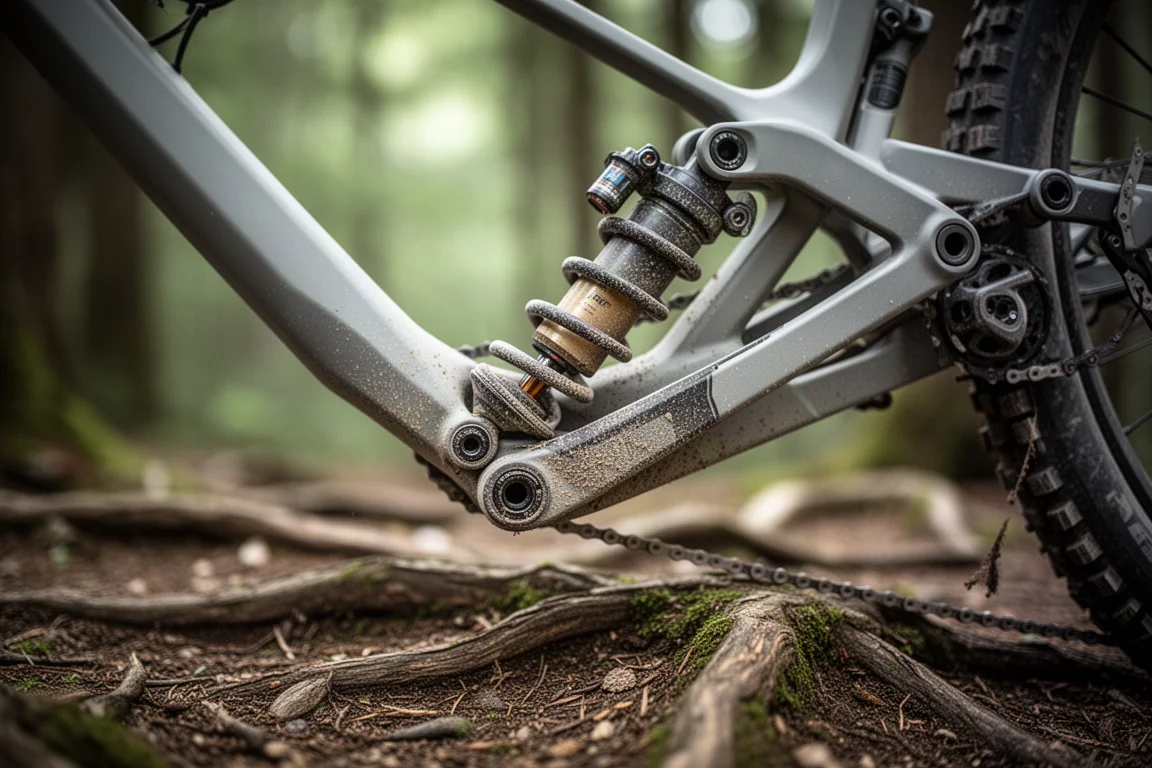
On the trail, that balance shows. The Capra feels calm under power, bobbing less and sitting higher in its travel than the version tested a year earlier, and its seated position is comfortable and efficient enough to make long climbs feel pleasant. On flatter, slower tracks it is immediately comfortable and eager, ducking in and out of turns and holding speed with ease. Push it onto steeper, rougher ground and it stays composed, carrying momentum without feeling harsh or uncomfortable, while remaining reactive enough to switch lines quickly. Riders on the lighter side might prefer a lighter compression tune in the shock.
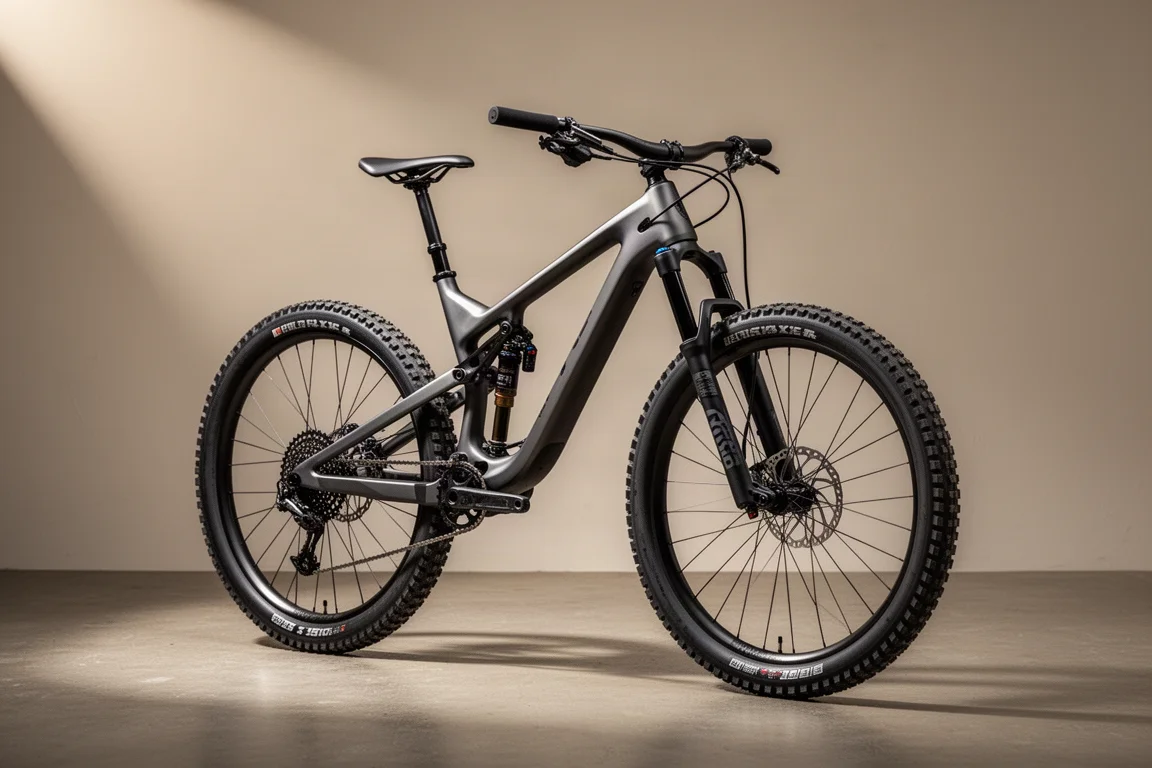
Trek Slash 8 Gen 6
The Slash is the cheapest of the three by a clear margin, and Trek has spent the money where it counts most. A Fox 36 Rhythm fork provides 170mm of travel with a GRIP damper that offers limited adjustment next to the Charger 3 units on the other two bikes. At the rear, a Fox Float X Performance shock has been tuned well to manage the same 170mm of travel, and a flip chip at the lower shock mount adjusts progression if you want to run a coil shock.
The Shimano XT drivetrain is a genuine workhorse, and although Trek has fitted a Deore crank set to keep costs down, shifting performance holds up. Shimano’s brakes deserve more credit than they often get here: power, punch and lever feel come into their own on steeper, longer descents. The high pivot suspension does an excellent job of taking the edge off ugly square-edge hits, keeping the bike online and composed at speed.
The compromises are concentrated in the tires and the fork. Bontrager XR5 Team Issue tires roll fast but lack grip when it matters, and higher pressures were needed to stop them burping in high-load turns. The fork is superbly comfortable, but push the Slash hard and it starts to feel flustered, requiring higher spring pressures to create enough front-end support. The Bontrager wheels do pick up quicker than the Marin’s, which helps.
Climbing is where the Slash surprises. The comfortable seated position works with a stable back end that stays remarkably still when grinding at the pedals, making it the least fussy of the three on the way up. On mellower trails the well-tuned rear shock gives it a lively, playful feel that makes slower technical sections genuinely fun.
Which Enduro Bike Offers the Best Value
Looking purely at what you get for the money, the direct-to-consumer YT Capra comes out on top. Top-level RockShox suspension, wireless SRAM transmission, a well-judged Maxxis tire pairing and Crankbrothers alloy wheels make it hard to beat at its price, and nothing on the bike needs changing out of the box.
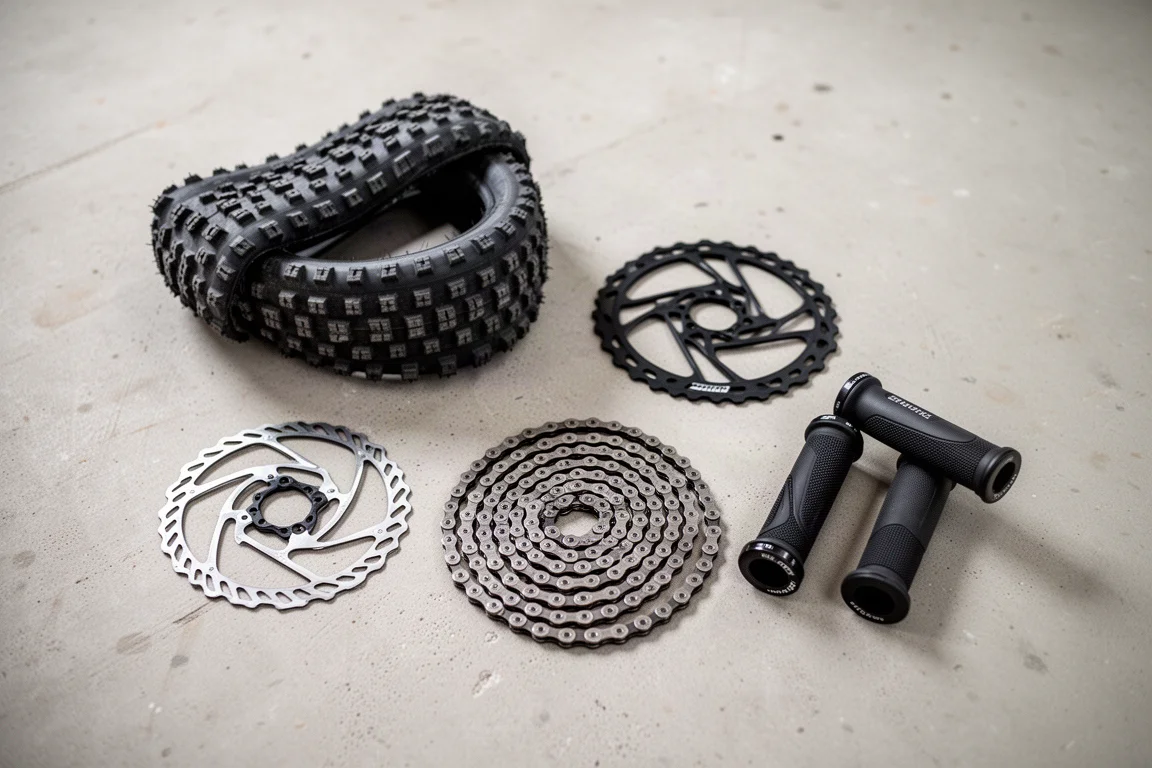
The Trek makes a strong case at the lower end. The Shimano XT drivetrain and Shimano brakes are dependable, and the high pivot frame is the most distinctive design of the three, but the Bontrager tires and the GRIP damper fork are where the savings show. A tire swap would unlock noticeably more from the bike.
The Marin is the hardest to justify on specification alone. It is the most expensive of the three, yet the own-brand wheels and hubs and the gappy freehub engagement fall short of what the price suggests, and the Max Grip rubber at both ends costs rolling speed. Its strengths are real, but they are concentrated in descending.
Buying Advice for Enduro Riders
Match the bike to the terrain you actually ride. The Marin Alpine Trail XR makes the most sense for riders who spend their time on steep, fast, gravity-focused trails and are willing to accept extra effort on slower, flatter ground and on the climbs. Its stability at speed and its ability to soak up rough ground are the reasons to choose it.
The Trek Slash 8 Gen 6 suits riders who want a capable enduro bike at the lowest price of the three and who value climbing comfort, a playful feel on mellower trails and a suspension design that deals with square-edge hits. Budget for a set of tires to get the most from it.
The YT Capra Core 4 is the pick for riders who want a single bike that works well everywhere. It is not the longest, the slackest or the lowest of the three, but it consistently performs across a wide range of conditions with fewer weaknesses than its rivals, which is exactly what most riders need from an enduro machine.
Conclusion
Each of these three bikes has a distinct character, and each one shines in specific situations. The Marin Alpine Trail XR is an unapologetic downhill machine, the Trek Slash 8 Gen 6 is a playful and comfortable all-rounder that needs better tires to reach its potential, and the YT Capra Core 4 quietly disposes of trail after trail with a calmness and pace that few can rival. For riders who want the strongest overall package for the money, the Capra has the edge.
Further reading
Related Reviews
Mountain Bikes
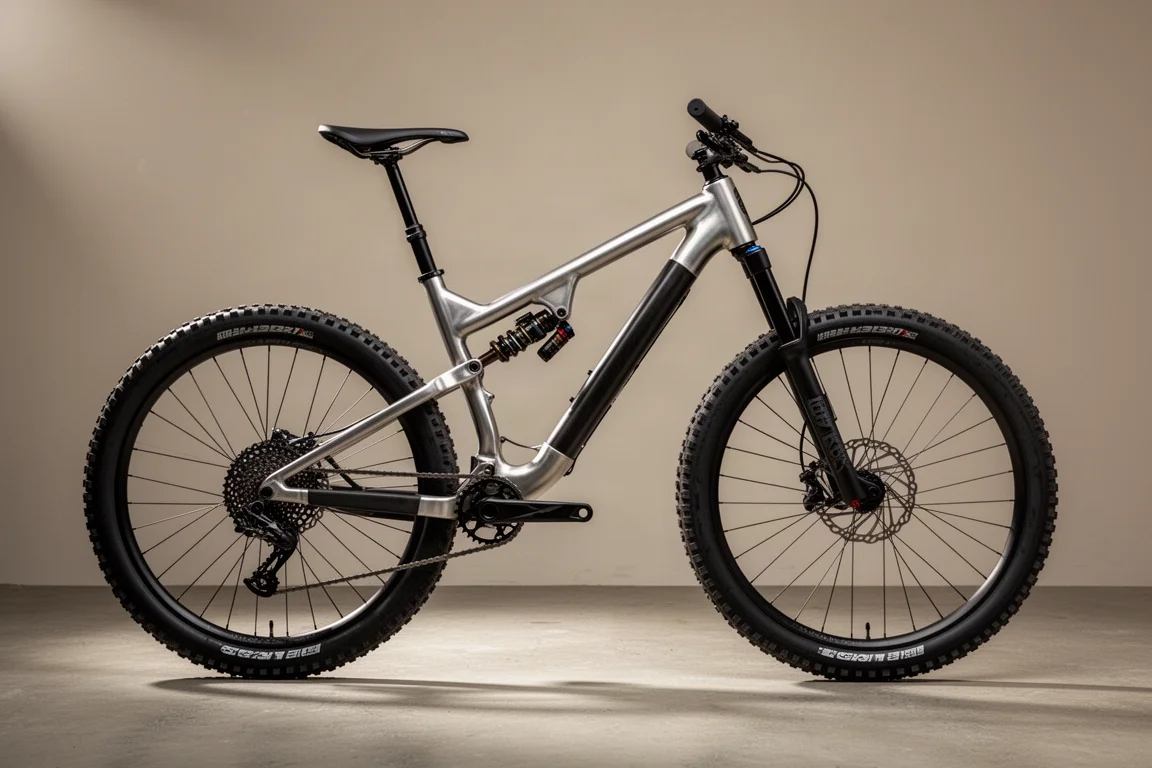
Atherton AM.130 Review: 3D-Printed Titanium Lugs and a 130mm Trail Bike That Descends Like a Bigger Machine
The Atherton AM.130 pairs 3D-printed titanium lugs with carbon tubes and a DW6 suspension platform. Here is how it rides, what the build delivers, and who it suits.
Mountain Bikes
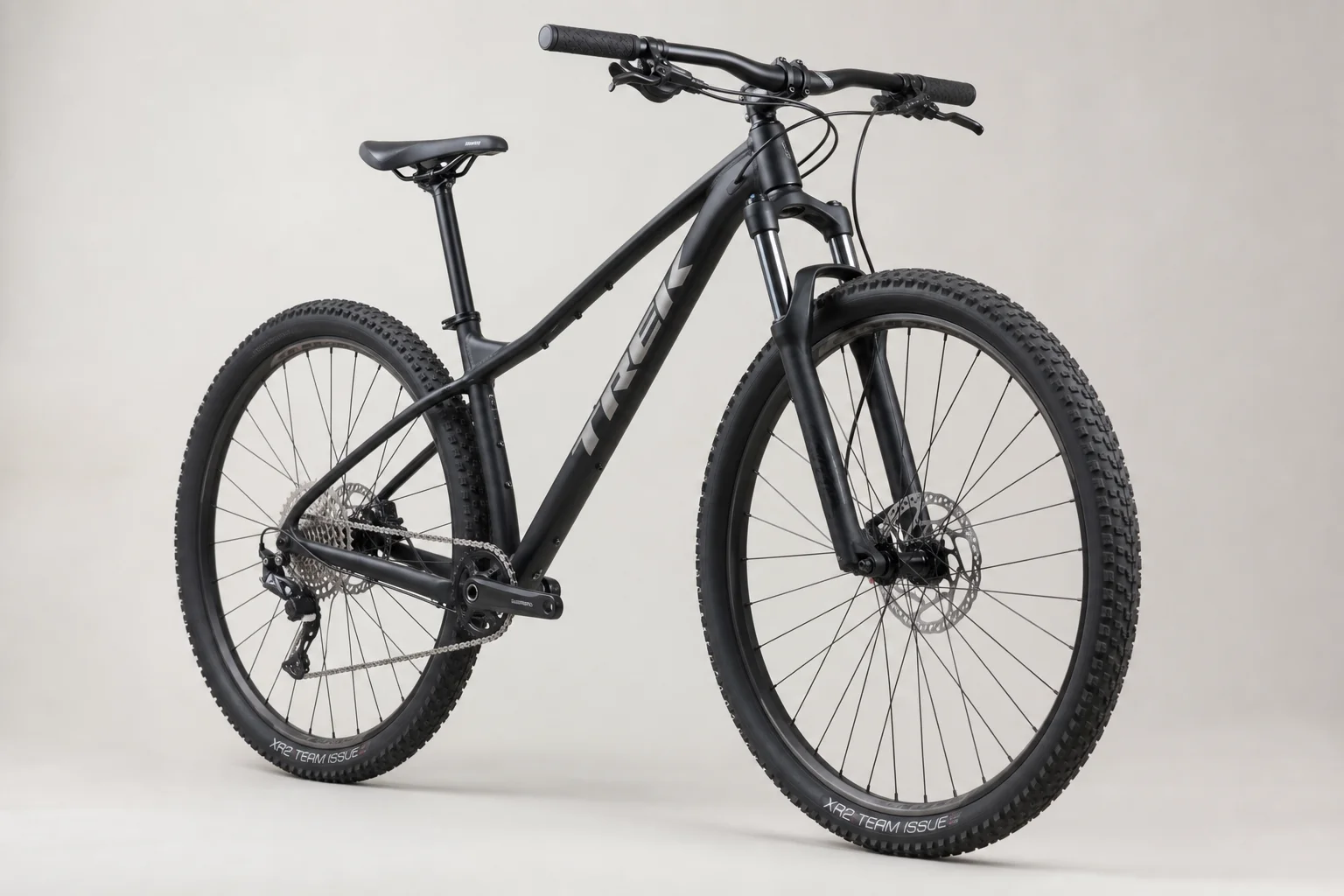
Beginner Mountain Bike Buying Guide: What to Look For in a Trailworthy Hardtail
A practical framework for evaluating beginner mountain bikes, whether new or used, by examining key components that indicate real trail capability.
Mountain Bikes
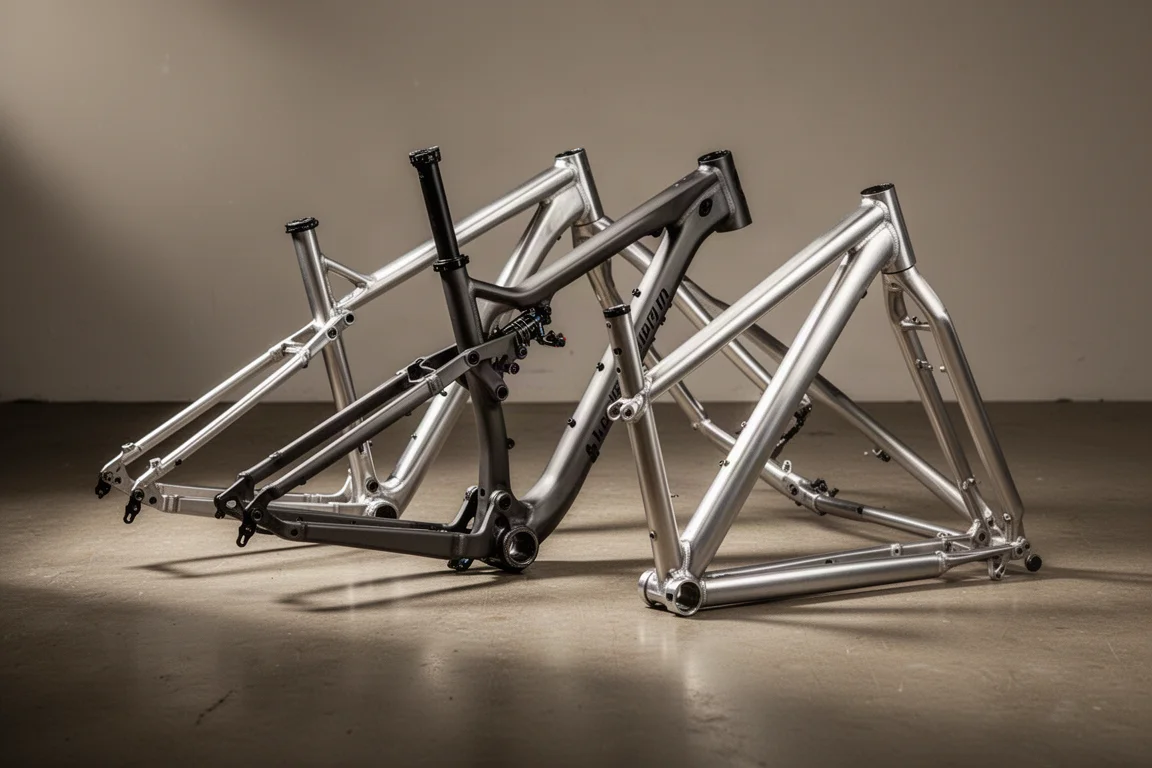
Best Aluminum Mountain Bikes 2026: Five Alloy Bikes Worth Your Attention
Five aluminum mountain bikes that show how far alloy has come, from a 120mm trail bike and a versatile machined frame to a 180mm freeride machine.