Mountain Bikes
Best Enduro Bikes: Three Carbon Race Bikes Compared
Three carbon enduro bikes with very different geometry and suspension approaches, compared for climbing comfort, descending stability, and component value.
Introduction
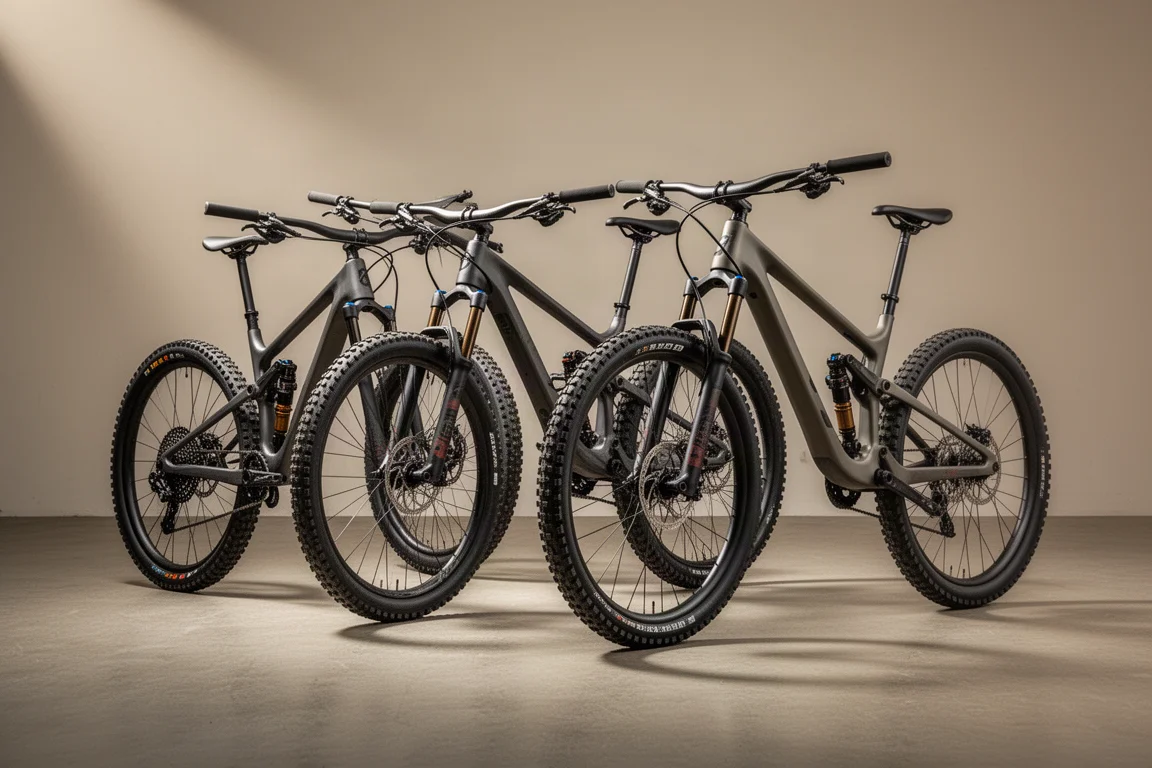
Narrowing a field of strong enduro bikes down to three finalists took months of riding across steep natural tech and high-speed bike park tracks, followed by time on rockier, more demanding terrain abroad. The three bikes that survived the cut were the Nukeproof Mega 297 Elite Carbon, the Merida 160 6000, and the YT Capra 29 Core 4.
All three share carbon frames, generous rear travel, and a clear bias toward descending speed, but they arrive at that result in noticeably different ways. One runs a mixed wheel setup, one is a full 29-inch build, and one uses a flex-stay rear end that is unusual in this travel bracket.
This guide breaks down how their geometry, suspension, and component choices differ, and then explains which type of rider each bike suits best.
What to Look For in an Enduro Bike
The whole premise of an enduro bike is compromise. A machine that climbs comfortably, stays calm when the trail turns steep, and holds up over months of abuse is worth far more than one that wins a single category outright.
Four things tend to decide whether a bike works for you. Geometry sets your seated position and your stability at speed. Suspension travel and support determine how much of the trail you feel. Component specification decides how reliable and how easy to service the bike will be. And weight, or rather how the bike carries it, shapes both the climb and the way it changes direction.
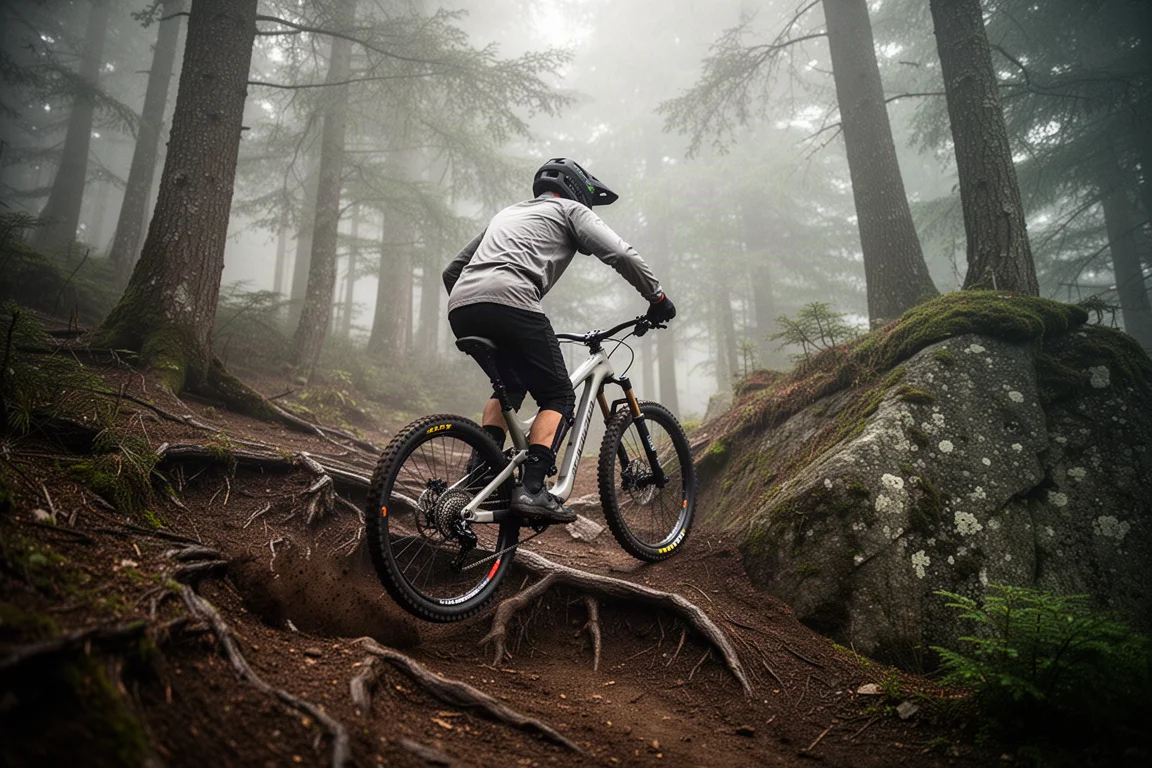
Above all of that sits the cockpit and the contact points. Seat angle and effective top tube length have a bigger influence on long climbs than most riders expect, while head angle, reach, and rear centre length quietly govern how confident the bike feels once gravity takes over.
It is also worth checking the details that rarely appear in a headline spec list. All three bikes here use a Maxxis Assegai up front and a Minion DHR II at the rear, in MaxxGrip and MaxTerra compounds respectively, and each brand matched the tyre casings sensibly to the intended use. Nukeproof fits the tougher Double Down casing front and rear, Merida pairs an EXO Plus front with a Double Down rear, and YT uses the lighter EXO Plus throughout. Dropper post travel is another quiet deal breaker on steep terrain, and it varies considerably between these three.
Geometry and Suspension Compared
The YT Capra 29 is the only bike here with 29-inch wheels at both ends. On a medium frame its reach measures just under 450mm, which is the shortest of the three, while a slack 64-degree head angle pushes the front wheel out far enough to produce an 800mm front centre. The rear centre is the longest of the group at a fraction under 440mm, a figure partly explained by the larger rear wheel.
The Nukeproof Mega 297 takes the mixed wheel approach, with a 29-inch front wheel and a 27.5-inch rear. It offers a little more reach than the Capra at 455mm, with a nearly identical 63.9-degree head angle and a similar front centre. Rear travel is 165mm, delivered through a four-bar linkage with a pivot on the chainstays.
The Merida 160 6000 posts the most striking numbers. The medium frame we looked at has 470mm of reach, a 63.7-degree head angle, and a 435mm rear centre, with a 589mm effective top tube. Like the Mega it runs a smaller 27.5-inch rear wheel, and it carries more travel than either rival at 171mm. Rather than a physical pivot at the rear, it relies on flex in the seat stays, making it a single-pivot design with a linkage-actuated shock, something rarely seen on longer travel bikes. All three frames can be run with a coil shock if you swap out the air units they ship with.
Seated geometry separates them further. The Capra 29 and Mega 297 sit at very similar effective seat angles of 77.5 degrees, with the Mega offering a longer 593mm effective top tube against the Capra’s more compact 586mm. The Merida is the outlier with a 79-degree seat angle, the steepest of the three, and a 589mm effective top tube that lands almost exactly between the other two.
Adjustability is less consistent than you might expect. Only two of the three offer any form of geometry adjustment, and they work differently. YT uses a flip chip at the base of the shock that changes head and seat tube angles by 0.3 degrees and alters bottom bracket height by 5mm. The adjustment on the Merida instead lets you switch between the standard 27.5-inch rear wheel and a larger 29-inch hoop while preserving the geometry. The Mega and the Capra are both available as either full 29ers or mixed wheel builds, but you cannot simply swap the rear wheel to change between them.
Nukeproof Mega 297 Elite Carbon
The Mega 297 pairs its mixed wheel setup with 165mm of rear travel and a four-bar linkage, giving it a planted, low-slung stance. On tamer trails it still feels lively, but it clearly leans toward stability rather than playfulness, and it feels meatier and rawer than the YT.
Suspension comes from Fox, with a 38 Performance Elite fork running the GRIP2 damper. It does without the Kashima stanchion coating found on the YT, but the damper offers the same range of adjustment. The Performance-level X2 shock is a little more limited in its tuning range, though it still performs well on the trail.
The build is heavily oriented toward electronics and value. A SRAM GX Eagle AXS electronic drivetrain handles shifting, while own-brand Horizon V2 wheels and Nukeproof finishing kit keep the package cohesive and sensibly priced. The move to electronic shifting is part of why the Mega 297 Carbon Elite was bumped up in price.
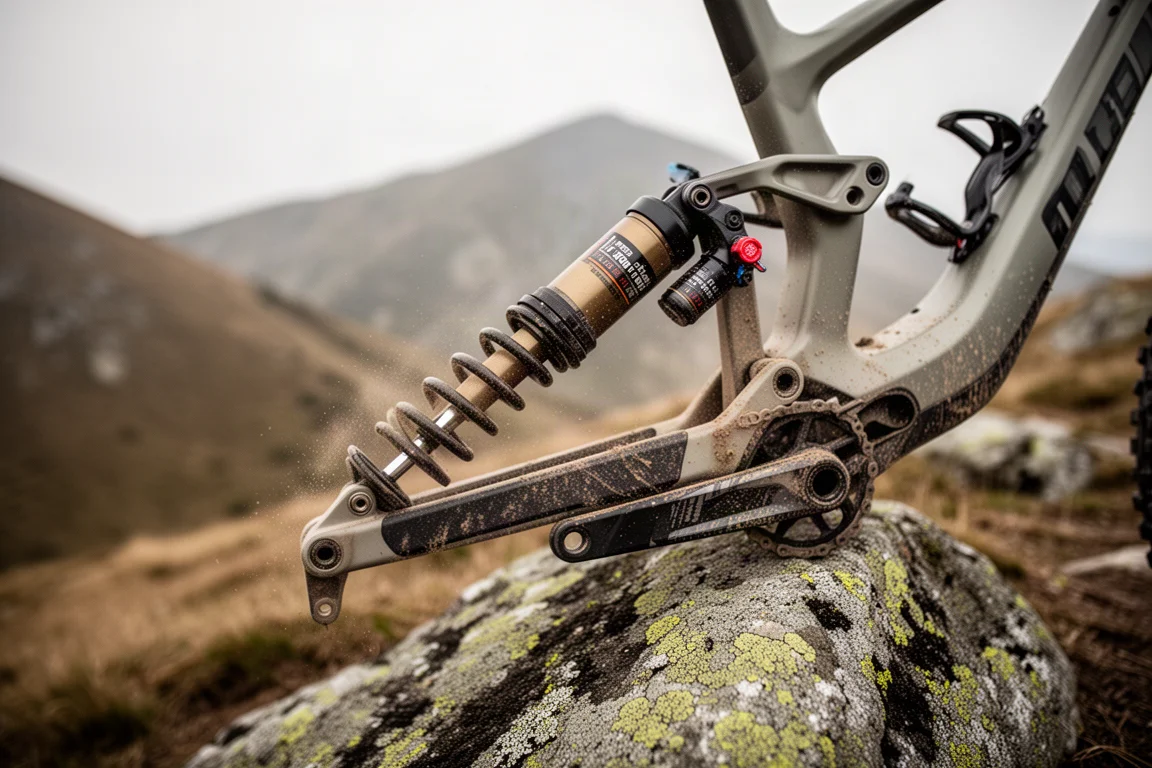
The weakest link is braking. SRAM DB8 brakes do not match the smooth modulation and outright power of the Shimano SLX units on the Merida or the Code RSC brakes on the YT. They feel more binary in operation. Swapping the stock 200mm rotors for 220mm items added punch, but it did not fix the feel.
Where the Mega earns its place is on genuinely steep terrain. Slithering through near-vertical turns at speed, it felt more planted than the Capra, and it handles rowdy conditions without flinching.
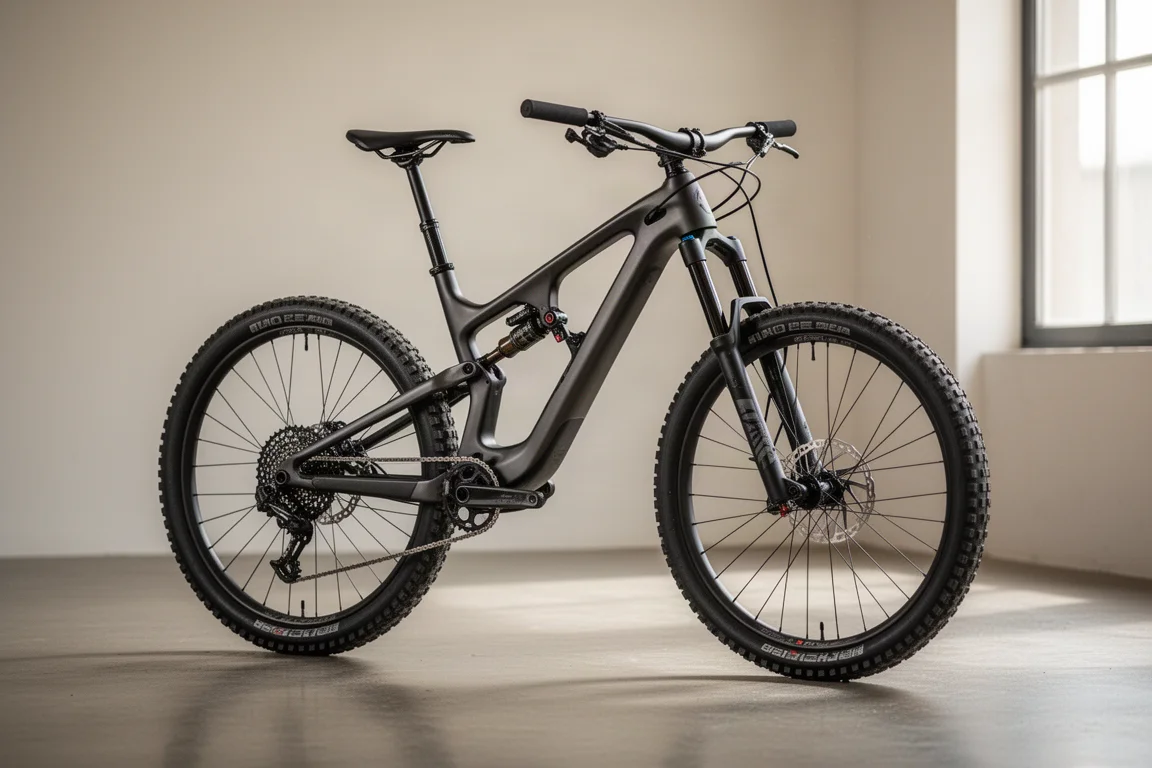
Merida 160 6000
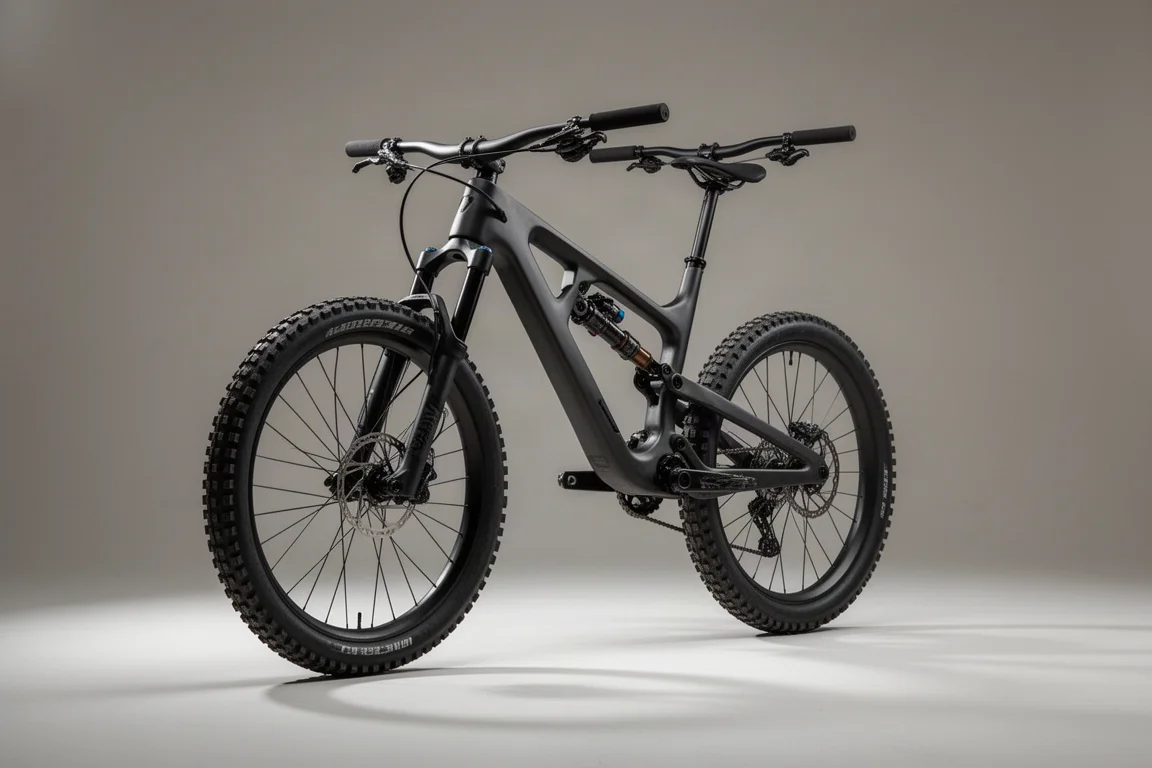
On paper, the Merida 160 6000 has the least flashy specification of the three. In practice it is a thoroughly safe bet, and it turned out to be the bike that kept surprising us no matter what the trail did.
Start with the climbing position. The steep 79-degree seat angle sets your hips over the bottom bracket and distributes weight evenly between the wheels, so the front wheel stays planted even on steep pitches. The suspension is unusually stable under seated pedalling with almost no bob, which means the shock can be left fully open so the rear wheel keeps tracking over obstacles. On long drags it can genuinely feel like a short travel trail bike until the tyres remind you otherwise.
Frame features are generous. There is internal storage accessed from the underside of the down tube, an Allen key with four and six millimetre bits that slots into the rear axle, and a multi-tool stashed under the saddle. Cables route internally through tubes, making them easier to re-thread, though they enter through the headset, which will not appeal to everyone.
The component mix is understated but dependable. Shimano SLX brakes and gearing handle stopping and shifting, with a Race Face crank set, a RockShox Zeb Select fork, and a Super Deluxe Select Plus rear shock. The own-brand dropper post is a standout, letting you set drop anywhere between 30mm and 230mm, although its performance softened very slightly over three months of use.
Tyre spec is well judged too, with an EXO Plus casing up front and the tougher Double Down at the rear.
On the trail, the stretched-out geometry and supportive suspension make the Merida feel fast in a way that takes some adjusting to. You can drive your weight down through the bike to pump an undulation or land the backside of a jump, and it simply rocks forward. There is more feedback through the carbon chassis than on the other two, but the suspension still mutes rough terrain impressively and lets you hold tricky lines at speed.
YT Capra 29 Core 4
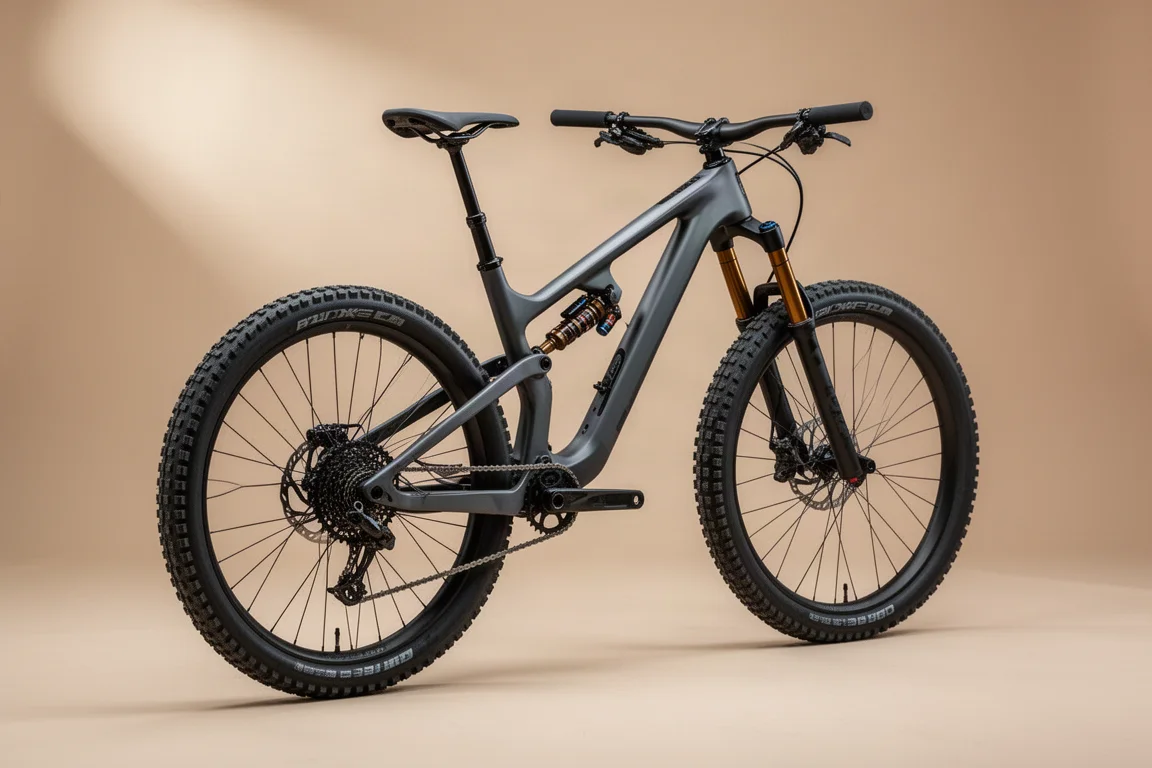
The Capra 29 Core 4 is the easiest of the three to get along with. Setup takes minutes, and as soon as you ride at pace it feels comfortable straight away. It holds speed well and offers enough pop and agility that mellower gradients never become dull.
Its specification is genuinely desirable. A Fox Factory 38 fork and X2 shock deliver plenty of adjustment and a notably smooth feel, while SRAM X01 Eagle gearing and Code RSC brakes give the bike a factory race character. Renthal bar and stem complete the cockpit, and the Crankbrothers Synthesis Enduro alloy wheels are a strong choice.
That specification is reflected in the price, which sits above the other two bikes in this comparison. YT’s own Postman dropper post is the one clear weak point, offering only 125mm of drop on the medium bike, which is not enough to get the saddle out of the way when the trail turns steep. It is fixable, but at extra cost.

On fast, rocky trails the Capra’s fork is the most sensitive and smoothest of the three, and the bike carries speed impressively. The rear suspension is less plush than the Mega’s despite matching 165mm of travel, so it isolates the rider less from chunder beneath the tyres. On steeper, more technical ground it also feels a little taller and less confident than the Nukeproof or the Merida, with a shorter reach and a marginally higher bottom bracket contributing to that impression. Lighter riders should find the EXO Plus casings entirely adequate.
Climbing, Descending, and Trail Feel
Going uphill, one bike clearly makes life easier. The Merida’s steep seat angle and stable suspension put it ahead on long drags, and the front wheel never once lifted. The Capra 29 and Mega 297 both offer comfortable seated positions, but neither feels as sprightly on extended climbs. On both of those bikes a low-speed compression lever helps sit the shock higher in its travel and reduces bob, and while it improves efficiency it does not fully lock out the shock, so the wheel keeps tracking over lumps and bumps.
Point them downhill and the differences become more personal. The Capra is a doddle to ride fast, with an easy-going nature that flatters almost any rider. The Mega feels more stable and lower slung, and remains just as much fun on tamer trails. The Merida’s supportive suspension and stretched proportions reward a more aggressive approach, letting you squeeze speed out of a trail without even turning the pedals.
Steep technical terrain exposes the gaps. The Mega’s DB8 brakes do not offer the modulation of the Shimano SLX or Code RSC units, and the Nukeproof and Merida felt more planted in near-vertical turns than the Capra, which sits taller and is less stretched out. The Capra’s limited dropper travel made itself felt here too, since getting the post down and out of the way matters enormously on steep ground.
On faster, rockier trails all three feel assured, for different reasons. The Capra brings the smoothest fork and impressive speed retention. The Mega’s rear suspension has more depth, isolating the rider more effectively from rough ground. The Merida transmits a little more feedback through its carbon chassis, but still mutes the terrain well enough to hold difficult lines at speed.
Buying Advice
If climbing efficiency and all-round pace matter most, the Merida 160 6000 is the one to look at first. Its steep seat angle, stable pedalling platform, internal storage, and genuinely broad dropper adjustment make it easy to live with, and its suspension support rewards riders who ride aggressively. Accept the headset cable routing and the understated spec sheet as part of the package.
If stability on steep, technical trails is the priority, the Nukeproof Mega 297 Elite Carbon is the stronger choice. Its mixed wheel setup, low-slung frame, and 165mm of supportive travel make it feel planted where it counts, and the electronic drivetrain plus own-brand wheels and finishing kit represent sensible value. Budget for a brake upgrade or at least larger rotors if modulation matters to you.
If you want a race-ready specification and immediate comfort at speed, the YT Capra 29 Core 4 delivers it. The Fox Factory suspension, X01 Eagle drivetrain, and Crankbrothers wheels are a serious package, and its easy-going nature suits riders who want to go fast without fighting the bike. Factor in a longer dropper post, since the standard 125mm of drop is limiting on steep ground.
Whichever you choose, all three accept coil shocks, all three run well-chosen Maxxis rubber, and all three use carbon frames with integrated rubberized protection and internally routed cables.
Conclusion
Choosing between these three was genuinely difficult, which says a lot about how strong the category is. The YT Capra 29 Core 4 is the easiest to recommend to a wide range of riders thanks to its factory-level build and effortless speed. The Nukeproof Mega 297 Elite Carbon counters with composure and stability when things get seriously steep.
It was the Merida 160 6000 that ultimately took top honours. Its proportions, supportive suspension, and remarkable turn of speed let it tackle some of the roughest trails around, skimming over jagged rock and drifting through loose turns at serious pace. For riders who want one bike that climbs well and descends even better, it is the most convincing package here.
Further reading
Related Reviews
Mountain Bikes
Atherton AM.130 Review: 3D-Printed Titanium Lugs and a 130mm Trail Bike That Descends Like a Bigger Machine
The Atherton AM.130 pairs 3D-printed titanium lugs with carbon tubes and a DW6 suspension platform. Here is how it rides, what the build delivers, and who it suits.
Mountain Bikes
Beginner Mountain Bike Buying Guide: What to Look For in a Trailworthy Hardtail
A practical framework for evaluating beginner mountain bikes, whether new or used, by examining key components that indicate real trail capability.
Mountain Bikes
Best Aluminum Mountain Bikes 2026: Five Alloy Bikes Worth Your Attention
Five aluminum mountain bikes that show how far alloy has come, from a 120mm trail bike and a versatile machined frame to a 180mm freeride machine.