Electric Mountain Bikes
Best eMTB Bike of the Year: Santa Cruz Bullit vs Whyte e180 vs Orbea Wild
Three long-travel electric mountain bikes finished within touching distance of each other. Here is how the Santa Cruz Bullit, Whyte e180 and Orbea Wild differ, and which one suits your riding.
Introduction
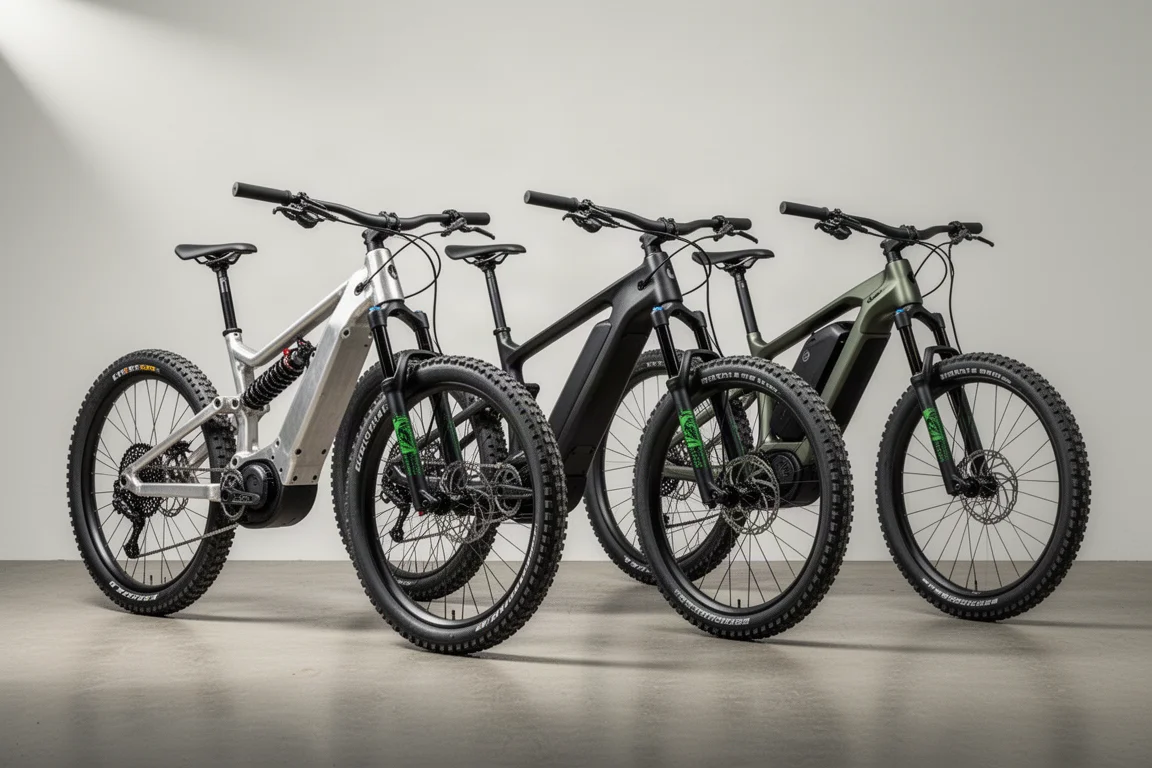
Three long-travel electric mountain bikes finished this year’s eMTB Bike of the Year test with almost nothing between them. The Santa Cruz Bullit, the Whyte e180 and the Orbea Wild all scored close to the top of the field, and the gaps separating the runners-up from the winner were among the smallest of the whole test. Swapping their finishing order would have been easy to justify.
That is genuinely good news for anyone shopping in this bracket. Whichever of the three you end up on, you are buying one of the best long-travel electric mountain bikes currently available. What follows is a practical breakdown of how they differ, where each is strongest, and which type of rider each one suits.
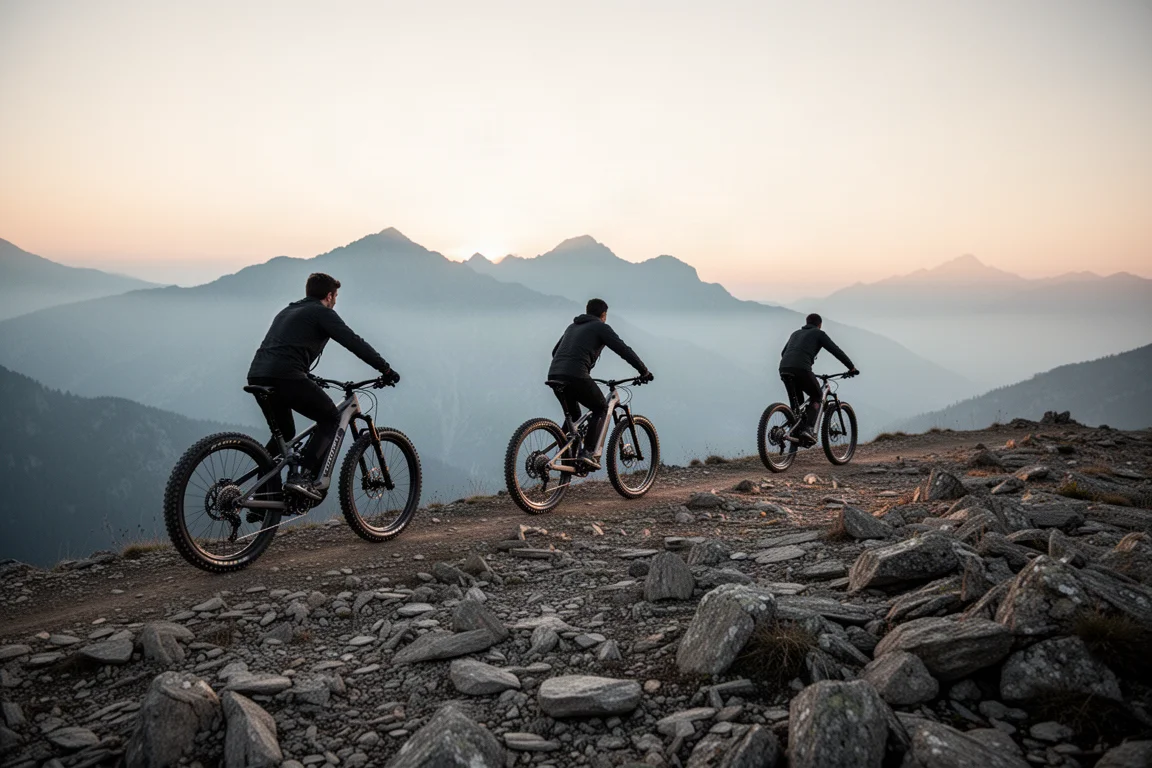
All three were ridden hard on harsh, brutal terrain where weaknesses show up quickly, and none of them fell apart under it. The differences that matter are in motor character, battery range, geometry and how the suspension behaves when the trail turns nasty.
How These eMTBs Compare
The three bikes do not share a single design philosophy. Whyte builds the e180 from 6061 T6 aluminium, a material used widely elsewhere in the bike industry. Santa Cruz uses its CC carbon layup on the Bullit, claimed to be lighter while just as strong as the brand’s lower-grade material. The Orbea Wild uses OMR carbon fibre, described as tough and stiff while staying light.
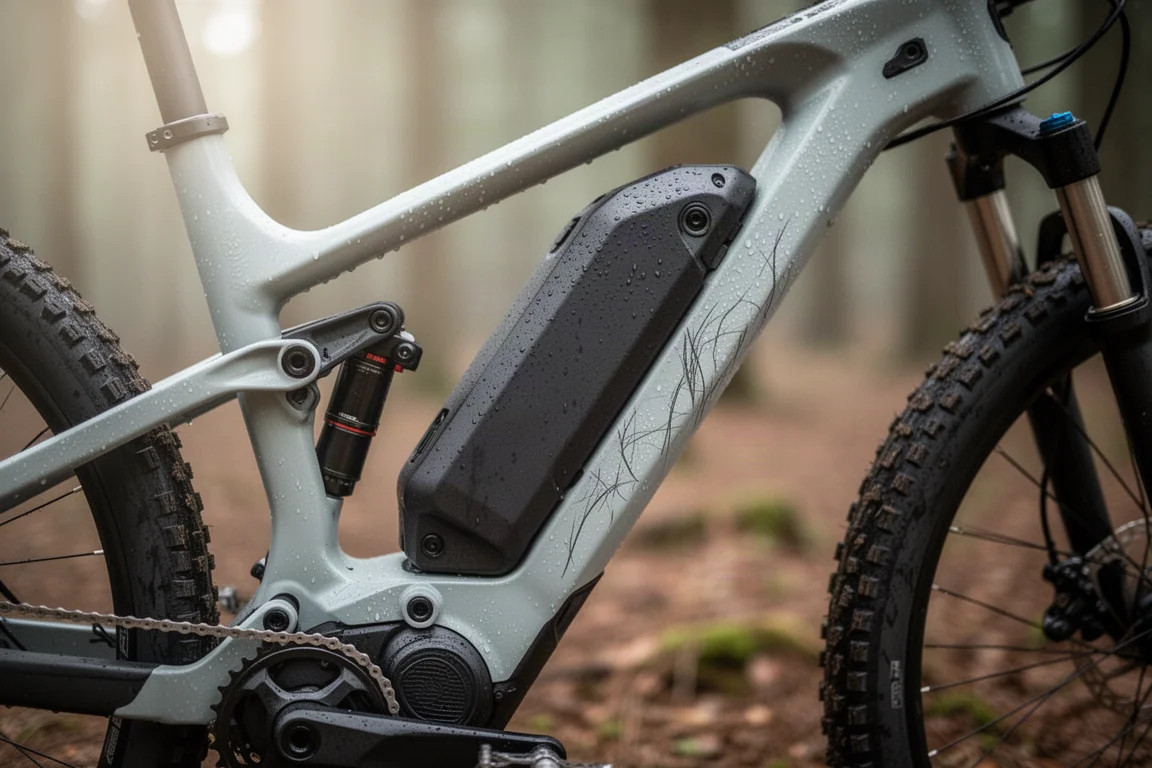
Battery integration splits them further. Orbea and Whyte both avoid the usual downtube battery cutout in the name of strength, sealing the downtube completely and sliding the Bosch power unit into the base of the tube on a rail. Whyte goes a step further by rotating the front of the motor upwards so the battery sits beneath it rather than directly on top, keeping the bulky pack lower in the frame. Santa Cruz keeps the conventional downtube cutout, which makes battery removal quick and easy, and places the rear shock low to keep the centre of gravity down.
Cable routing differs as well. All three run cables internally. Whyte and Santa Cruz route them through ports on the side of the downtube, while Orbea’s enter through the headset. That approach tidies up the front of the bike but can affect headset bearing longevity, complicate cable installation and lock owners into a specific headset design.
Rear suspension travel is close across the group. The Bullit offers 170mm, the e180 sits at 165mm and the Wild at 160mm, a 10mm spread between the longest and shortest. The layouts behind those numbers are quite different. Santa Cruz uses a counter-rotating twin-link VPP system with a virtual pivot point that moves as the suspension compresses, Whyte uses a more traditional horst link design with the rear axle and brake attached to the seatstay, and Orbea positions the seatstay and chainstay pivot concentric to the rear axle to separate braking and suspension forces.
Geometry is where the personalities emerge. The Bullit and the Wild both use fixed figures, with 64-degree head angles and seat tube angles around 77 degrees. Their chainstays are a millimetre apart at 449mm and 448mm, and reach measures 475mm on the Bullit against 480mm on the Wild. The e180 takes its own path, using a flip chip in the shock yoke to slacken the head angle and lower the bottom bracket. In its high setting it runs a 63.2-degree head angle, a 75.2-degree seat angle, 444mm chainstays and 483mm of reach.
Motors and batteries divide the trio in two. Whyte and Orbea both use Bosch’s Smart System Performance Line CX motor with a 750Wh PowerTube battery, while the Bullit runs Shimano’s EP8 motor with a 630Wh battery. Both systems pair with a smartphone app for tuning motor output and recording rides, and both rely on discreet controllers and mode indicators rather than a large colour display.
Santa Cruz Bullit CC
The Bullit is the lightest bike of the three at 22.81kg in a size large without pedals, and it is also the least expensive at £8,699. Its 170mm of rear travel is the longest here, and its Shimano EP8 motor with a 630Wh battery is the outlier in a group otherwise built around Bosch power.
Component choice is sensible rather than flashy. Nothing on the build is a range-topping part, but there is little you would want to swap out to go faster, and in some cases, such as the Performance level 38 fork, the damper is arguably better suited to the job than the more advanced Grip 2 alternative.
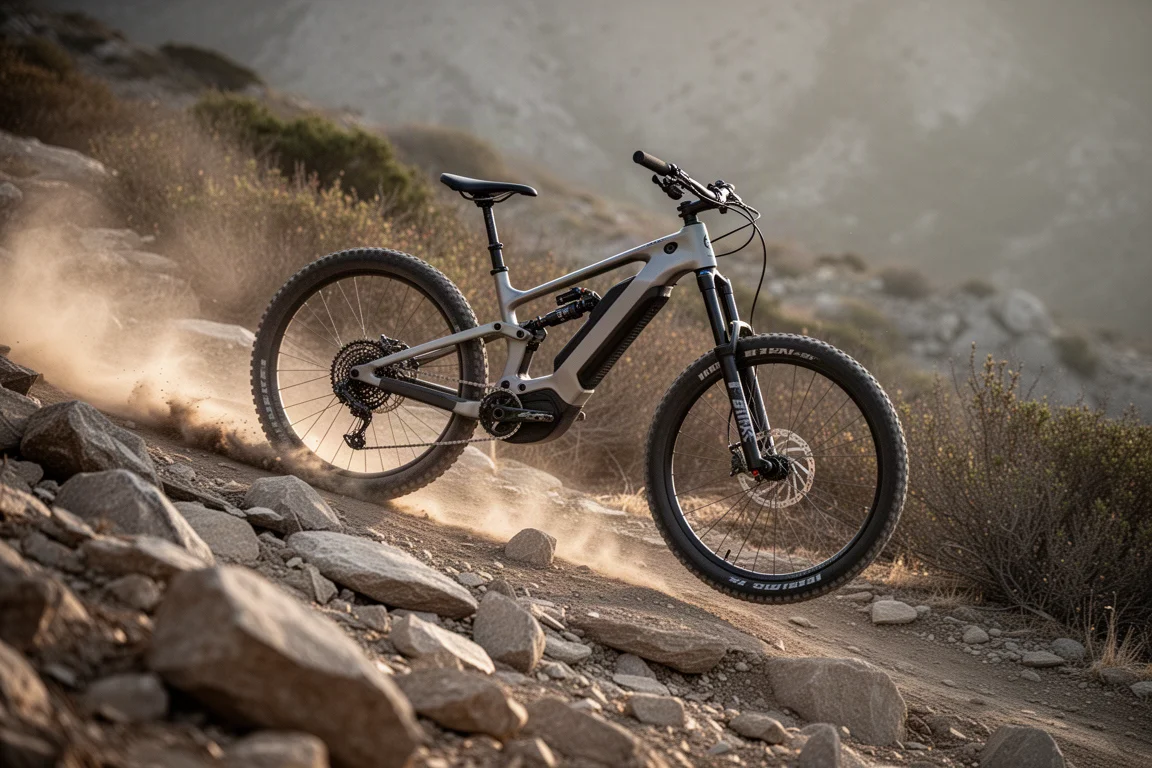
On the trail the Bullit is an impressive performer across a wide range of terrain, but it truly excels when things get rough, fast and steep. Its suspension smoothness dominates, with a predictable, grip-rich ride, and a supple, well-controlled beginning stroke that irons out even the worst rock gardens. Bigger impacts use more travel, but it moves into its mid-stroke progressively rather than hitting a wall of progression and kicking back harshly through the pedals. It feels stuck to the floor, delivering masses of grip even on greasy, slimy ground, helped by a MaxxGrip front tyre and MaxTerra rear.
The standing position is biased by a taller front end and lower bottom bracket, and the higher front end makes total sense for how the bike rides, giving it a natural feel with minimal rider input needed to keep it on line. It also feels great in the bends, switching direction quickly and responsively.
Climbing is where the Bullit asks for more effort. Its numbers suggest a compact, upright seated feel, but out on the trail it rides more stretched out, lowering your shoulders towards the bar and giving it a trail bike character that encourages you to push harder. The EP8’s power delivery tapers off the harder and faster you pedal, which feels natural but leaves it behind Bosch-powered rivals in a straight drag race. Range is shorter too: the 630Wh battery delivered around 1,600 metres of ascent in Shimano’s Trail mode, where a Bosch-equipped bike reached beyond 2,000 metres in Turbo.
Whyte e180
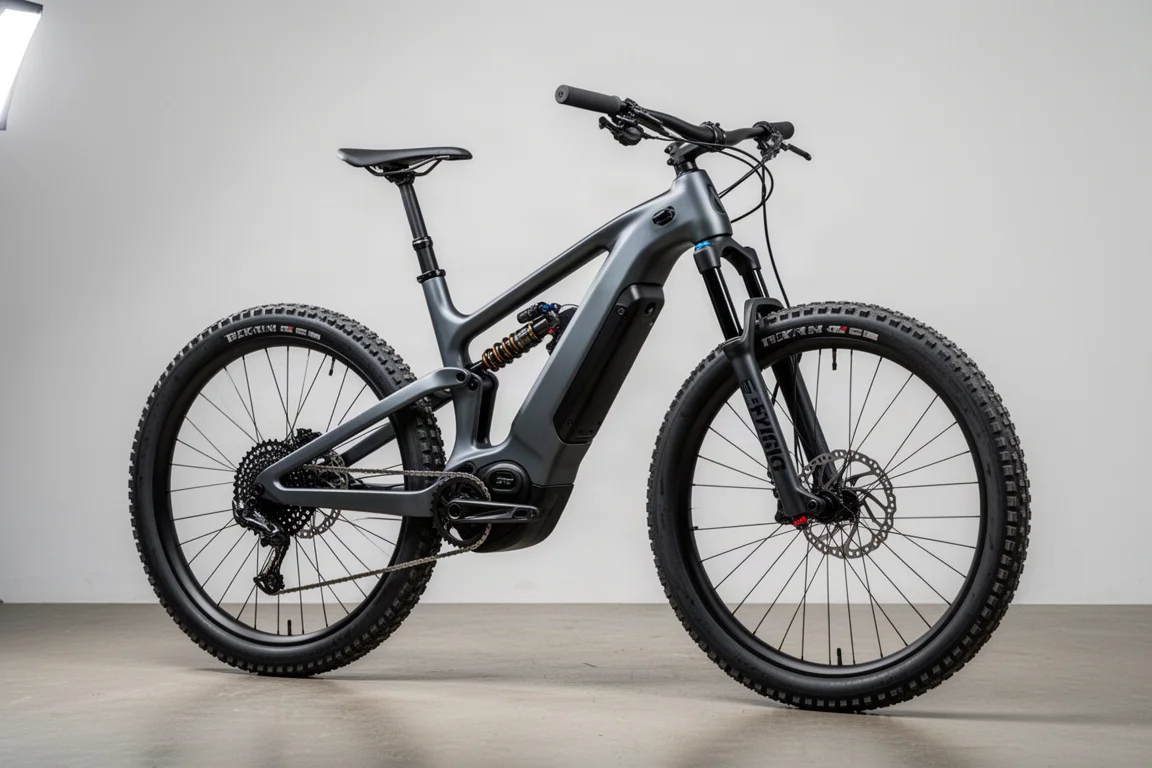
The e180 sits one model below Whyte’s range-topping e180 Works and costs £8,799. The build pairs a Fox Factory level 38 fork with a Float X2 shock, a SRAM X01 Eagle drivetrain with 12-speed gearing and Code RSC brakes, with MaxxGrip compound Maxxis Assegai tyres wrapped around Hope Fortus 30 wheels.
That burly spec and the chunky aluminium frame make it the heaviest bike here at 26.88kg in a size large without pedals, and you feel that weight when lifting it onto a rack rather than when riding it.
On technical climbs the e180 is comfortable and stable. Its balance, created by the stack, bottom bracket and geometry figures, makes grip easy to find, and fore and aft weight shifts do not send the front or rear wheel light, lifting or spinning. Traction and tracking are good. The 75.2-degree seat angle could still be steeper, and there are moments when your feet feel stretched out in front of your hips, marginally reducing pedalling efficiency on very steep gradients. Sliding the saddle forward and angling the nose down helps, but it is not a substitute for a steeper angle.
Point it downhill and the e180 exceeds expectations for stability, flying in the face of the mullet bike cliche of a party at the back and grip at the front. It stays controlled and composed regardless of speed or how gnarly the trail becomes. Combine that traction-rich, super stable platform with a great front to back balance and the descending performance is virtually untouchable. A supple beginning stroke absorbs small bumps for comfort and grip, while a robust ramp up through the mid part of the travel maintains geometry in high-load turns and drives speed from the terrain. The Float X2 air spring and kinematics work together to cushion big, deep hits, and there is scope to run the bike harder for a racier setup or softer for more comfort and grip. To get the most from it, though, it needs to be ridden hard and fast with plenty of confidence.
Orbea Wild M-Team
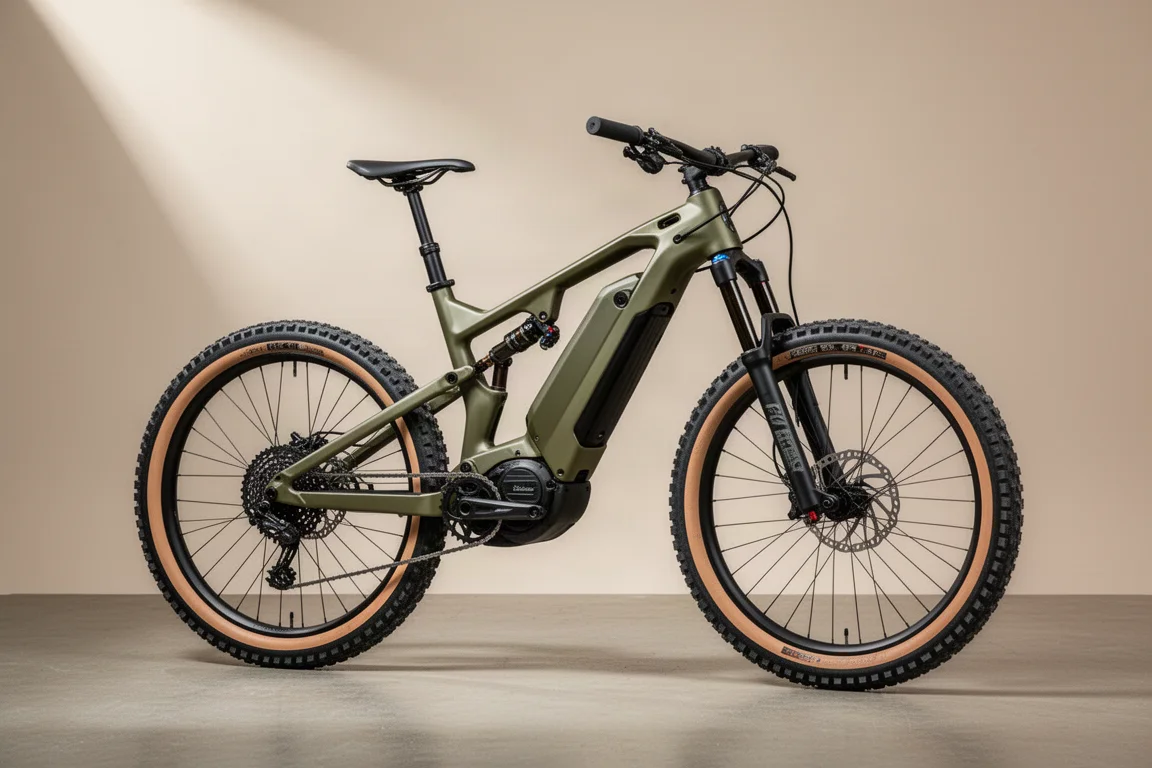
The Wild was tested in M-Team spec, and Orbea’s MyO programme allows components to be upgraded or swapped at the point of order, including frame colours. The test bike carried DH casing tyre upgrades and a Fox Transfer Factory dropper, with the standard M-Team build otherwise intact: a Fox Factory 38 fork, Float X2 shock, Shimano XT drivetrain and four-piston brakes, plus a host of finishing kit from Orbea. A size large without pedals weighed a respectable 23.73kg including those upgrades, and the build tested costs £9,027.
Seated, the Wild feels closer to its own paper figures than the Bullit does, with a more upright position that resembles a standard gravity-focused enduro bike. The steep seat tube angle and 448mm chainstays pay dividends by placing your weight centrally. Even on very steep climbs there is no need to slide onto the nose of the saddle to keep the front wheel down while maintaining rear wheel traction. Weight is spread evenly between your hands and your backside, and when seated your hips sit directly above the cranks, which improves both efficiency and comfort.
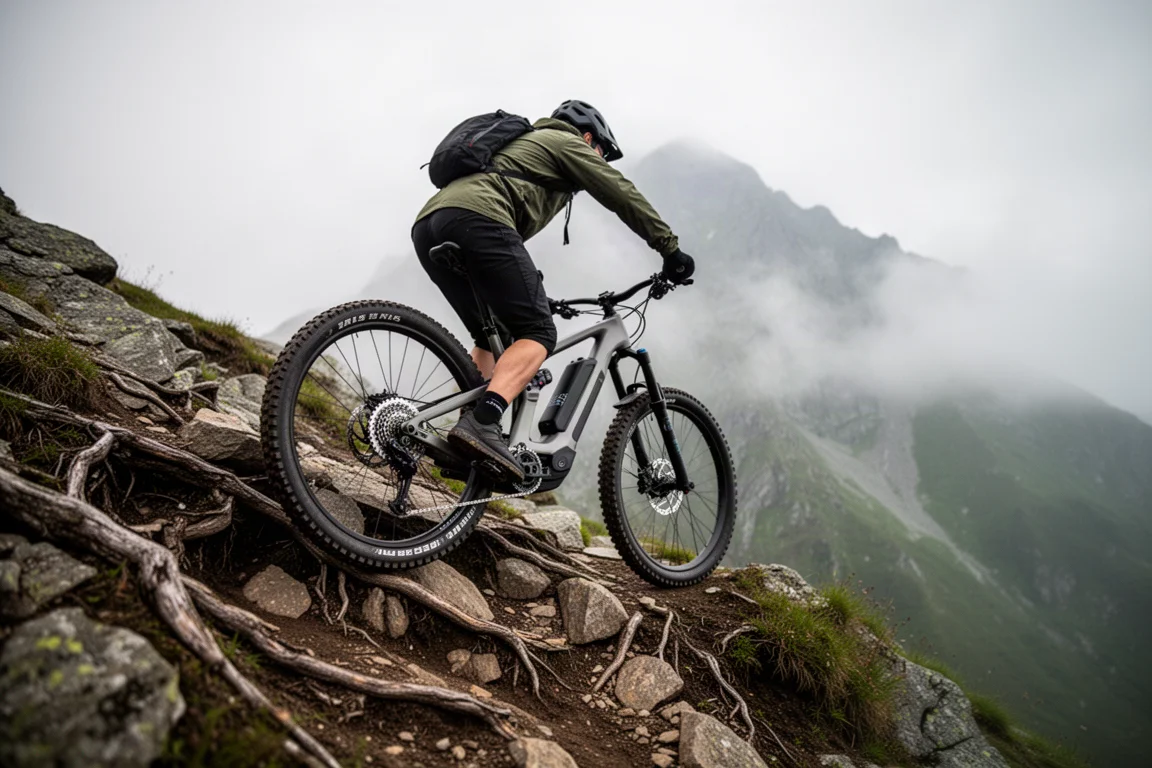
Descending, the Wild offers a wider range of performance than either of the other two, with a truly commanding sense of stability thanks to impressively absorbent suspension that irons out the roughest chatter with total competence. That insulative quality helps keep the bike level over large, choppy bumps, so fewer corrective weight changes are needed to hold speed and control. DH casing MaxxGrip tyres front and rear, plus the suspension and geometry, give it a muted and smooth overall feel.
Leaning it into turns requires little effort, and it squats into its mid-stroke predictably and comfortably, helping you hook corners. Changing direction needs only light, deliberate movements, and the suspension can be loaded up to pop you into the next turn. It is incredibly balanced, yet still fun to ride. Taken as a whole, that extremely well-rounded performance is what made it the winner of this eMTB Bike of the Year test.
Overall Buying Advice
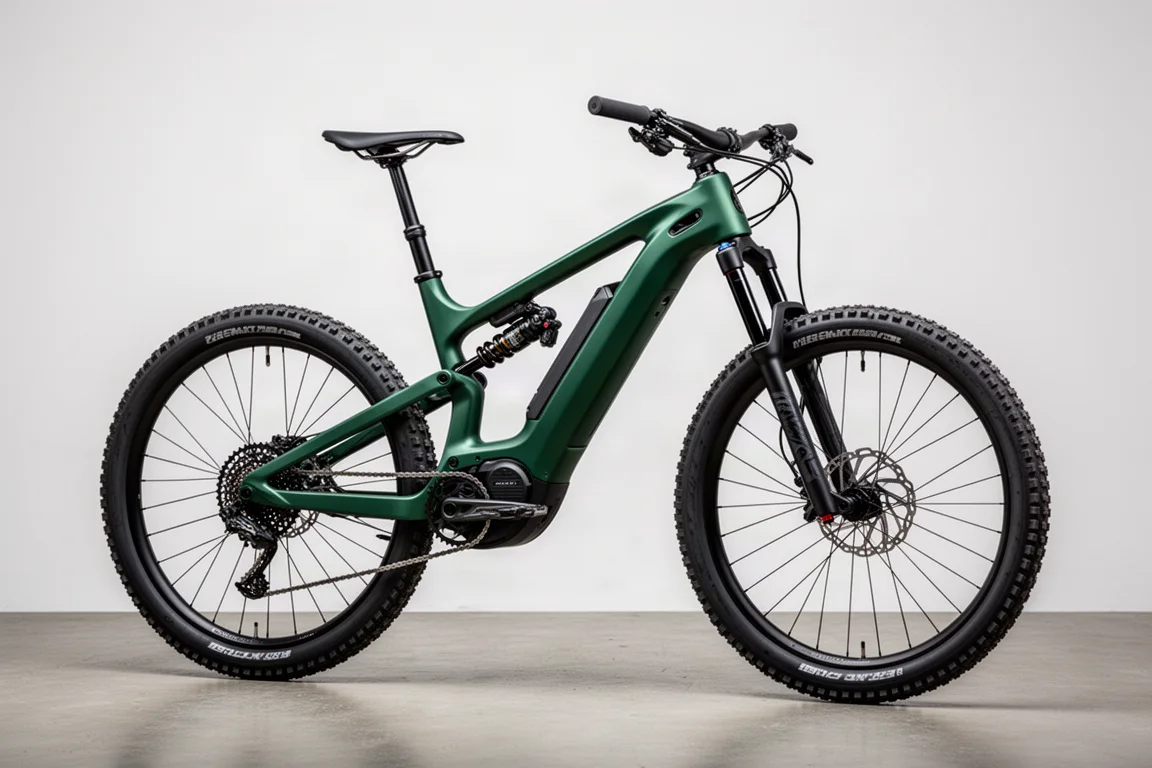
Separating these three comes down to the smallest of differences, and each one offers a grin-inducing high-speed ride on every trail you can find. The decision is really about which character suits your riding and your budget.
If outright motor power and battery range matter most, the Bosch-equipped Whyte and Orbea have the edge, with their assistance strengthening as rider input and cadence rise. The Shimano-powered Bullit feels more natural and tapers off as you pedal harder and faster, which is rewarding in its own way but leaves less in reserve. In practice, the Bosch bikes reached beyond 2,000 metres of climbing on a single charge where the Bullit managed around 1,600 metres in its equivalent trail mode.
Weight and price pull in different directions. The Bullit is the lightest and cheapest of the three at 22.81kg and £8,699, but its trail-focused riding position and lower motor output will not suit everyone. The e180 is the heaviest at 26.88kg but costs slightly less than the Wild at £8,799, and its focus on speed and outright control makes it brilliant for aggressive riders. The Wild is the most expensive at £9,027, roughly £500 more than the e180 before upgrades, and its on-trail balance is what justifies that premium: forgiving suspension and chassis make it one of the most easy to ride fast bikes around.
If you ride mostly steep, rough descents, all three will serve you well. If you spend long days in the saddle and want a bike that climbs as comfortably as it descends, the Wild’s upright seated position and steeper seat angle give it a clear advantage over the e180, while the Bullit asks for a more committed, forward-leaning approach on the way up.
Conclusion
Any of these three bikes puts you in an enviable position, and whichever you choose you can be confident you are riding one of the very best long-travel electric mountain bikes on the market. The Bullit is the light, affordable, rough-terrain specialist; the e180 is the burly, high-speed control machine that wants to be ridden hard; and the Wild is the most complete of the three, equally at home on the roughest descent or the longest day in the saddle. That balance is exactly why it took the top spot in this year’s eMTB Bike of the Year test.
Further reading
Related Reviews
Electric Mountain Bikes
Best E-Mountain Bikes: Five Electric Trail and Enduro Bikes Compared
A practical look at five electric mountain bikes, from a lightweight carbon trail build to long-travel enduro machines, with the trade-offs that matter before you buy.
Electric Mountain Bikes
Best Electric Mountain Bikes 2026: Four Price Points Compared
Four electric mountain bikes from £999 to £9,999 compared on motor power, battery capacity, weight, and trail performance.
Electric Mountain Bikes
Best Electric Mountain Bikes: Five E-MTBs Worth Shortlisting
Five full-suspension electric mountain bikes compared, from lightweight trail machines to full-power enduro rigs, with the strengths and trade-offs to weigh before buying.