Electric Mountain Bikes
Best Electric Mountain Bikes: What Four Price Points Actually Get You
Four electric mountain bikes at four price points, from a £999 hardtail to a £10,000 flagship, and where the extra money genuinely changes the ride.
Introduction
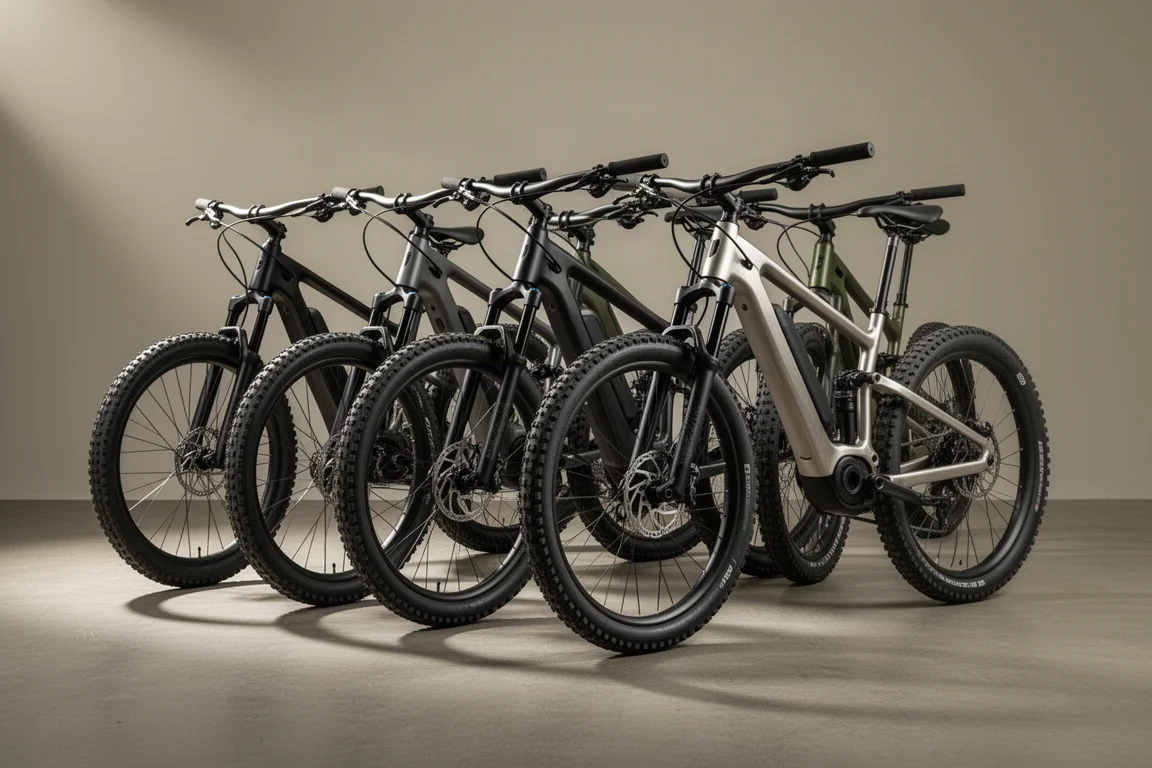
Electric mountain bikes now cover an enormous price range, from around £1,000 for a basic hardtail to £10,000 for a carbon flagship. The obvious question is whether the expensive bikes are better. The more useful question is where the extra money actually starts to matter, and where it stops returning much at all.
This guide covers four electric mountain bikes at four very different price points: the Decathlon E-ST 100 at £999, the Canyon Grand Canyon:ON at £3,999, the Specialized Turbo Levo SL at £5,250, and the Propain Ekano 2 CF Ultimate at £10,000. Each sits at a distinct stage of the market and suits a different kind of rider.
What Separates These Four Bikes at Each Price Point
Four things separate these bikes more than anything else: the motor and battery system, the frame and suspension design, the geometry and controls, and the overall weight.
Motor and battery output is the clearest dividing line. The Decathlon uses a rear hub motor with a 380Wh battery. The Canyon steps up to a Bosch Performance Line CX motor and a 750Wh battery, the largest capacity here. The Specialized runs a smaller 320Wh battery paired with a lighter, less powerful motor. The Propain combines a 650Wh battery with the most torque of the group at 90Nm.
Suspension and frame design follow a similar curve. Two of these bikes are hardtails with a front fork only, and two are full suspension machines with a rear shock. Brake specification, drivetrain quality and the presence of a dropper post change how a bike feels on a real trail just as much as the headline motor figures.
Weight, meanwhile, does not track price neatly. The most expensive bike here is not the lightest one, and the cheapest is not the heaviest.
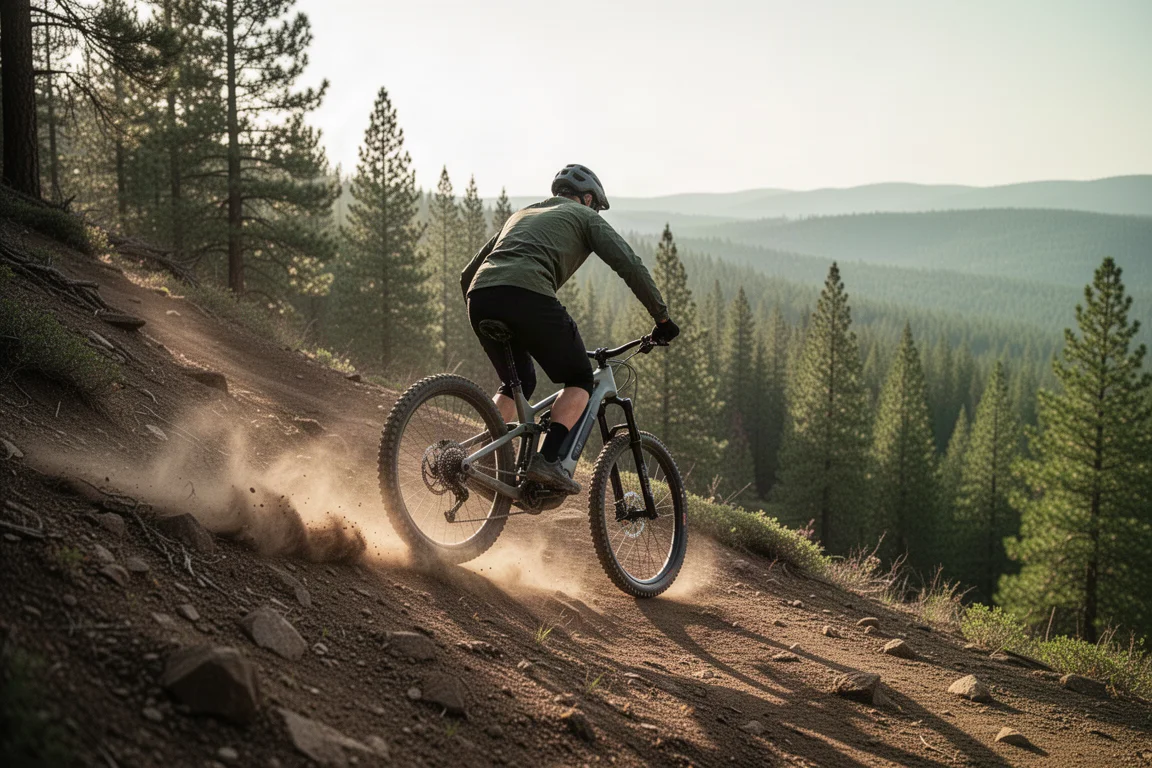
The practical takeaway is that each price step buys a different kind of improvement. Spending more tends to buy control and composure rather than raw speed, and the biggest jumps in capability do not always line up with the biggest jumps in price.
Decathlon E-ST 100: Strong Value for Fire Roads and Easy Trails
The E-ST 100 is one of the cheapest mainstream electric bikes you can buy at £999. It is not sold in the US, where the equivalent is roughly $1,300. It is a heavy machine at 22.2 kg, and that weight is easy to feel.
For the money you get a hardtail mountain bike with a frame-mounted 380Wh battery and a 250W rear hub motor producing 42Nm of torque. It is a purpose-built electric bike rather than a converted one, so manufacturer and dealer support come with it. There are three assistance modes and an LCD control screen showing a range of ride data.
The component list is modest but not as basic as the price suggests: a 100mm travel suspension fork with a quick release axle, an 8-speed drivetrain with a fairly narrow range cassette, and mechanical disc brakes. The 27.5-inch wheels at both ends are tubeless ready, though the tires fitted are not.
On flat terrain and on climbs it works well, and for general riding and fire roads it is perfectly capable. Push it onto steeper, rougher descents and the limits show quickly. The brakes feel underpowered, the tires offer very little grip, and the geometry is basic. For red-graded singletrack it is a hard pass.
Canyon Grand Canyon:ON: More Motor, More Battery
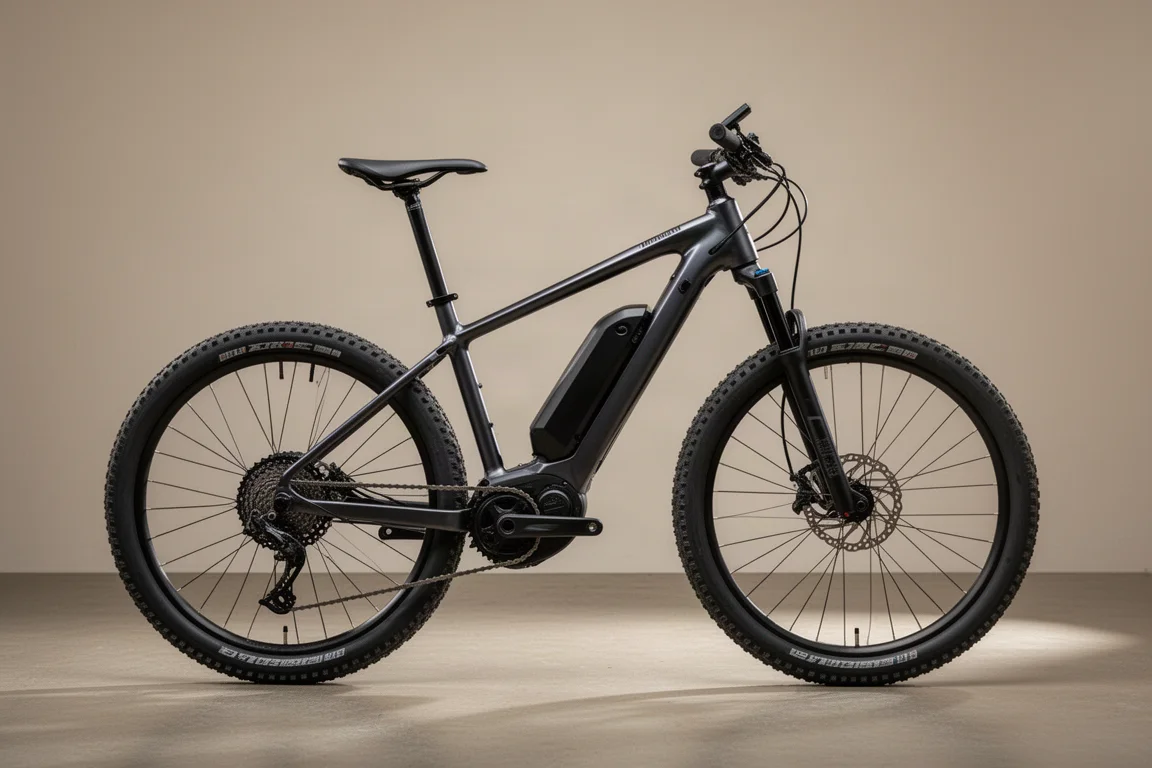
The Grand Canyon:ON costs £3,999 and remains a hardtail, but the motor and battery are a huge step up. It uses Bosch’s range-topping Performance Line CX motor and a 750Wh battery, the biggest of any bike here. That large battery also makes it the heaviest bike in this group at 24.3 kg.
Where it should shine is on longer, less technical rides. The big battery should deliver plenty of range, while 29-inch wheels and chunky but modestly treaded tires should add grip, control and rolling speed. The RockShox Judy Silver fork is a basic unit, but it uses an air spring rather than a coil and offers adjustable damping across 120mm of travel. Brakes are hydraulic SRAM DB8 units, and the drivetrain is Shimano’s Deore 12-speed, a solid and widely respected setup.
What is missing is a dropper post, which is a surprising omission at this price. Everything else is capable rather than spectacular, with the motor and battery doing the heavy lifting.
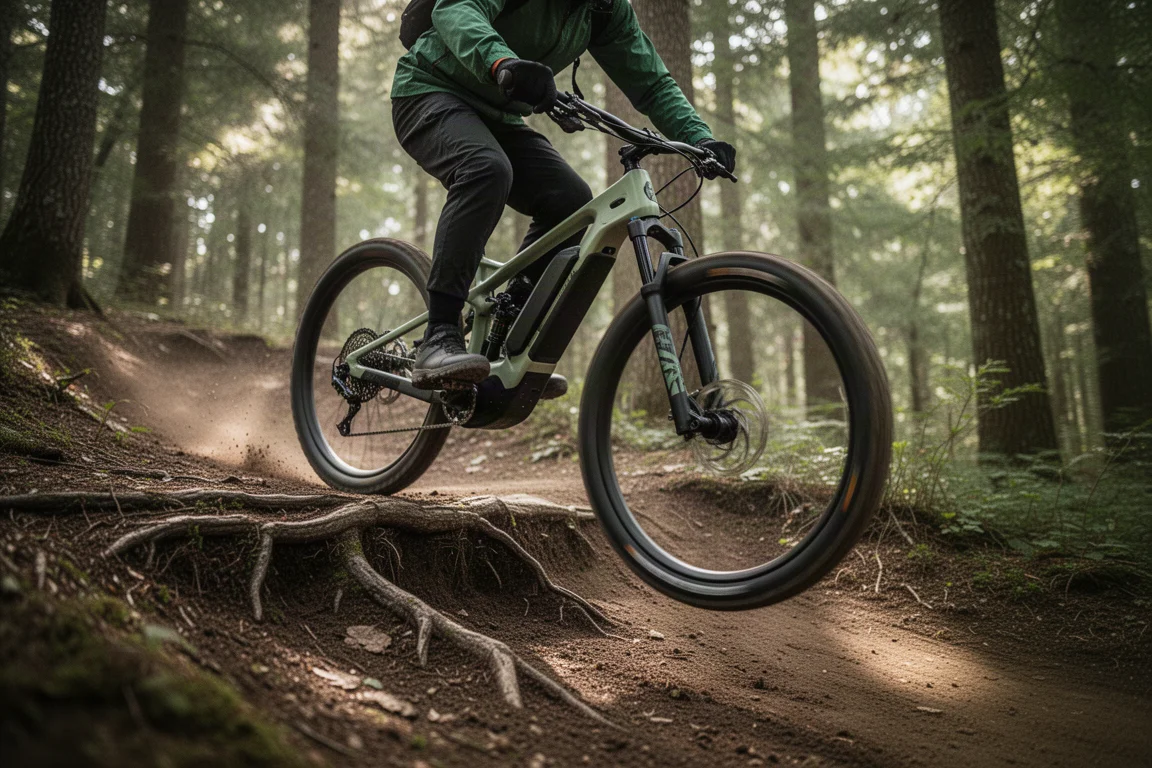
On the trail the difference is immediate. The Bosch motor is still fairly noisy, but the gap in speed and efficiency compared with the hub motor is enormous, and the whole bike feels smoother and more refined. The bigger wheels, better tires, smoother gears and air-sprung fork combine to make it a comfortable and planted place to be, and it handles lower-graded trails with real confidence.
Specialized Turbo Levo SL: The Full Suspension Sweet Spot
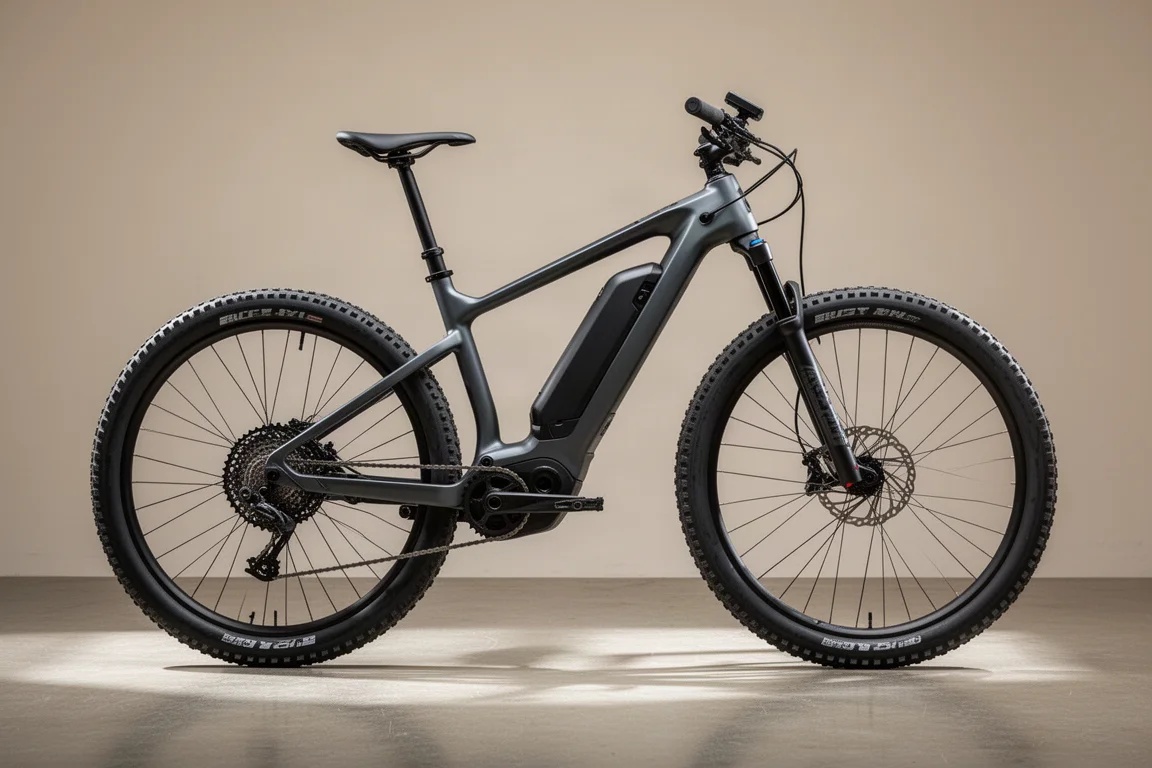
The Turbo Levo SL costs £5,250, or around $7,000, and it is the first bike here with full suspension. The frame is still aluminium and the battery is still mounted in the main frame, but the manufacturing, tube shaping and geometry are on a different level. The geometry is long, low and slack, with plenty of adjustment so you can dial in the handling.
Alongside the rear shock you get a dropper post, a 1x12 drivetrain, powerful four-piston hydraulic brakes, a mixed wheel setup with a 29-inch front and 27.5-inch rear, and quality Fox suspension. As a lightweight electric mountain bike, its battery is actually smaller than both cheaper bikes here at 320Wh, with up to 320W of assistance and 50Nm of torque. At 20.1 kg it is the lightest bike in this group.
That lighter build makes it nimble on the move, but the less powerful motor means it does not have the same kick as the Bosch unit, even in its highest assistance mode. On climbs it asks for noticeably more effort than the Canyon, and roughly as much as the far cheaper Decathlon.
The trade is deliberate, and the descents are where it pays off. The dropper post means you can drop the saddle and roll straight in without stopping, and the geometry and suspension make the bike feel far more confident than either hardtail. Rough, rooty trails can be attacked much harder and ridden much faster, and for most riders the suspension is more than enough.
Propain Ekano 2 CF Ultimate: Automatic Shifting at the Top End
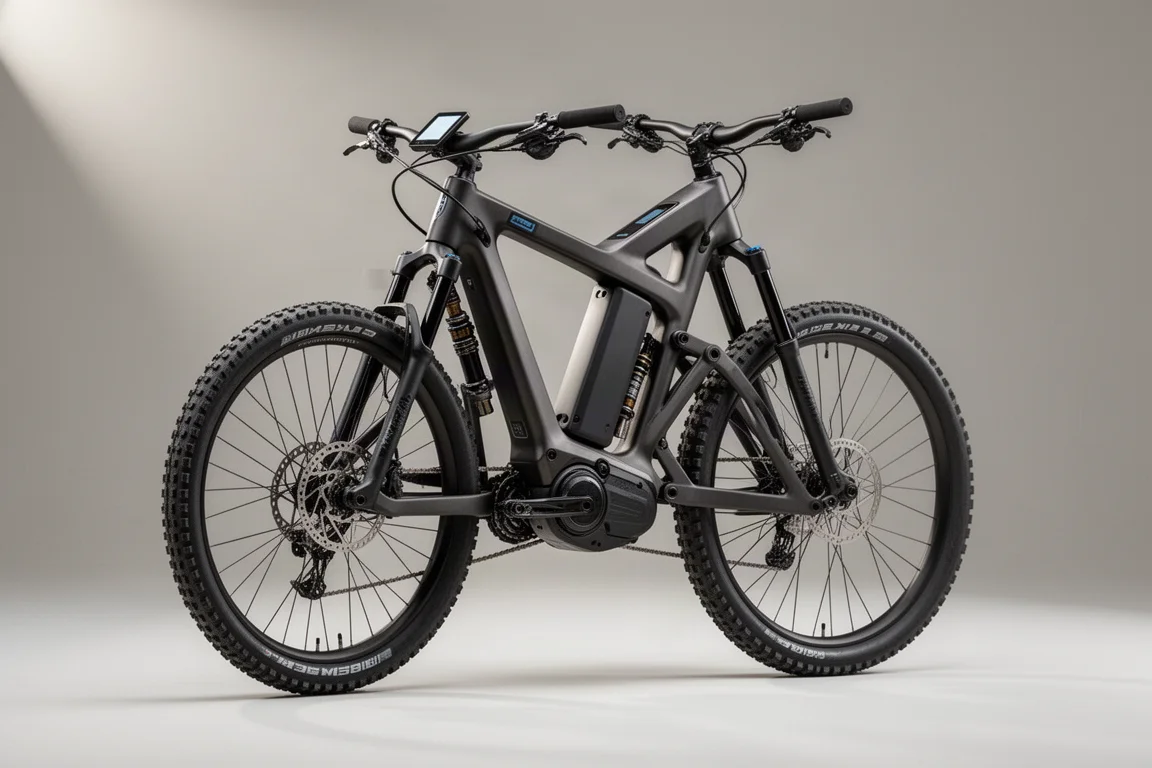
At £10,000, the Ekano 2 CF Ultimate is the most expensive bike here and one of only a few bikes to use SRAM’s new Powertrain system. SRAM is a major player in bicycle drivetrains, and this is its first e-bike motor. It integrates with the brand’s wireless AXS transmissions, using sensors to work out which gear you need and change it automatically as you ride.
The result is a remarkably clean cockpit with no mess of cables around the handlebar, controlled by AXS Pod controllers that also operate the wireless Reverb AXS dropper post. The battery is 650Wh, and the motor produces 90Nm of torque and 680W of assistance, the most of any bike here. The frame is carbon fibre, though at 23.7 kg it is still the second heaviest bike in this group.
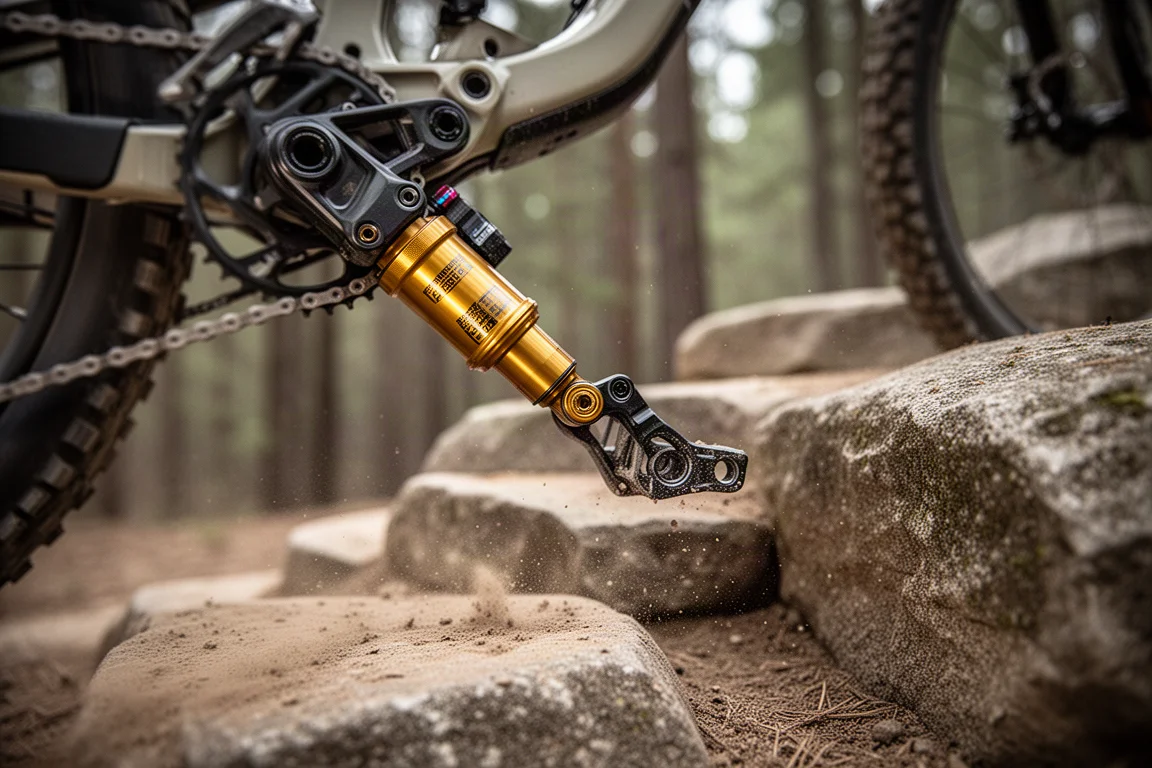
On the trail the motor is exceptionally good and one of the quietest here, and the extra torque is immediately obvious. The automatic shifting genuinely works, changing gear as speed rises without any input from the rider. The build is hugely capable, with a big RockShox Zeb fork up front and a downhill casing, super soft compound tire at the rear.
The question is whether any of that is necessary. The automatic shifting is genuinely impressive, but it is hard to argue that it is essential, and the bike is not quite as far ahead of the Specialized motor as the price difference suggests.
Overall Buying Advice
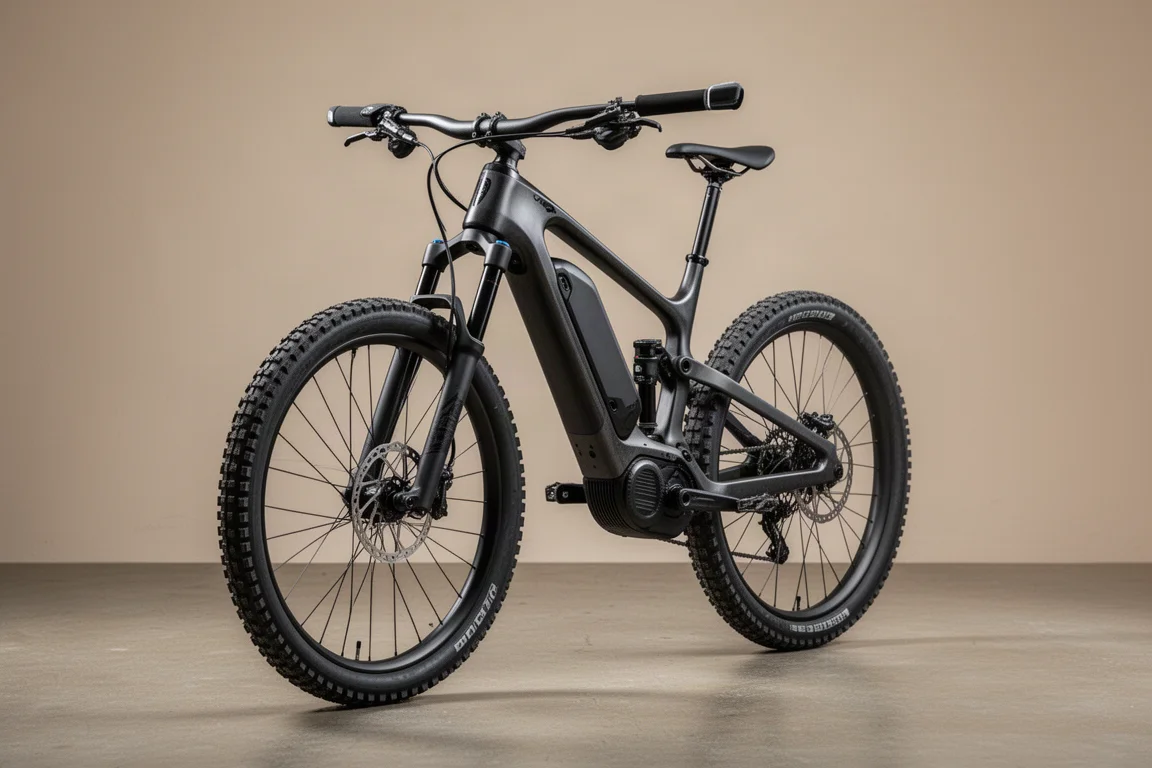
If the choice came down to one bike, the Specialized Turbo Levo SL is the standout. It is not the fastest climber and it is not the most feature-packed, but it balances capability, weight and control better than anything else here, and bikes around this price would be a sensible shortlist for anyone spending their own money.
The Propain is the most capable machine in the group and rides beautifully, but it is hard to justify at nearly twice the price of the Specialized. The automatic shifting and the wireless cockpit are genuinely clever, yet the performance gap does not match the gap in cost.
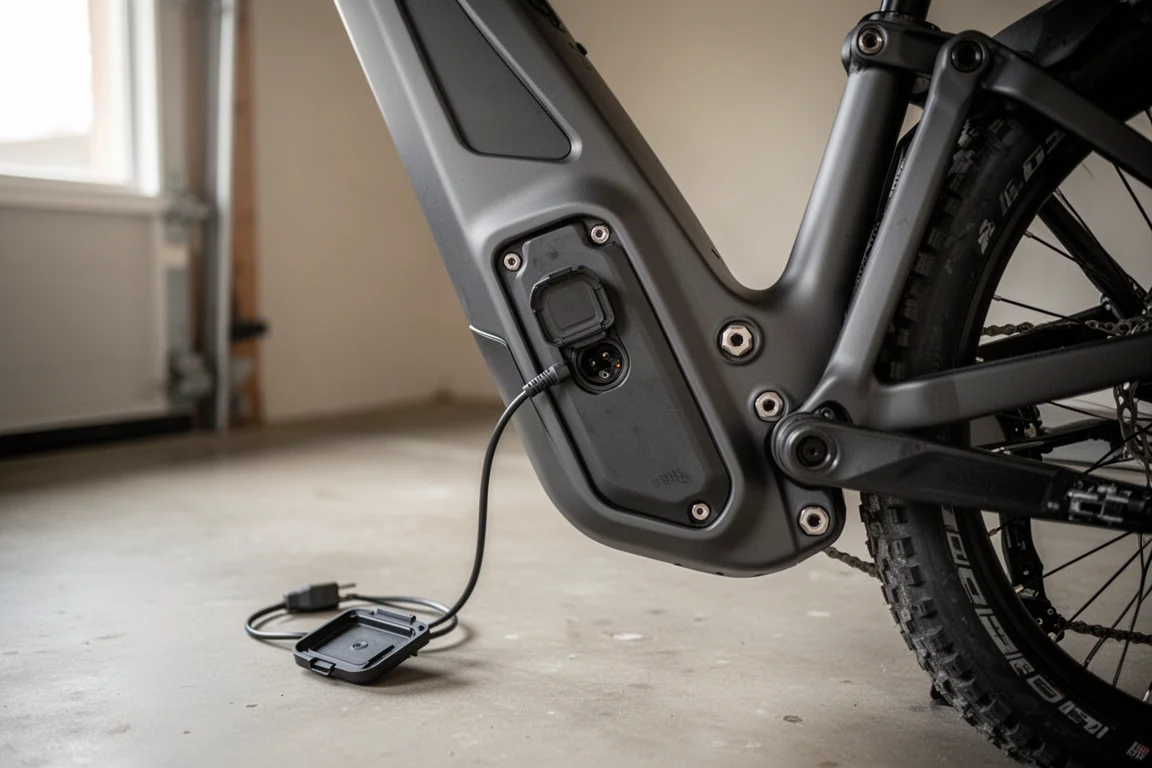
At the other end, the Decathlon E-ST 100 is excellent value for riders who want steady miles on fire roads or tarmac with a bit of assistance, and it does that job well. The Canyon Grand Canyon:ON is the natural next step for anyone wanting more refinement: it handles lower-graded mountain bike trails competently, and fitting a dropper post would make it more capable still. Full suspension electric mountain bikes are available at similar prices, but accommodating the rear suspension usually means the motor and battery are not as strong as the Bosch unit on the Canyon.
Step up to the £4,000 to £5,000 bracket with a bike like the Turbo Levo SL and you get everything needed to tackle almost anything, with an excellent motor, battery and component set. It may not be the bike of your dreams, but it will comfortably exceed what most riders need.
Conclusion
The electric mountain bike market rewards a clear-eyed look at what you are actually paying for. The cheapest bike here is genuinely useful within its limits, the mid-price hardtail buys a far better motor and battery, and the full suspension option at around £5,000 is where the package starts to feel complete. The £10,000 flagship is the most impressive machine of the four, but the law of diminishing returns arrives well before that price.
Further reading
Related Reviews
Electric Mountain Bikes
Best E-Mountain Bikes: Five Electric Trail and Enduro Bikes Compared
A practical look at five electric mountain bikes, from a lightweight carbon trail build to long-travel enduro machines, with the trade-offs that matter before you buy.
Electric Mountain Bikes
Best Electric Mountain Bikes 2026: Four Price Points Compared
Four electric mountain bikes from £999 to £9,999 compared on motor power, battery capacity, weight, and trail performance.
Electric Mountain Bikes
Best Electric Mountain Bikes: Five E-MTBs Worth Shortlisting
Five full-suspension electric mountain bikes compared, from lightweight trail machines to full-power enduro rigs, with the strengths and trade-offs to weigh before buying.