EDC Pouches
Best EDC Pouches Compared: Maxpedition Mini, Vanquest Slim, NutSac Admin Pouch and Alpaca Utility Pouch
Four everyday carry pouches tested for visibility, layout, build quality and value, with a clear verdict on which one works best for building a kit.
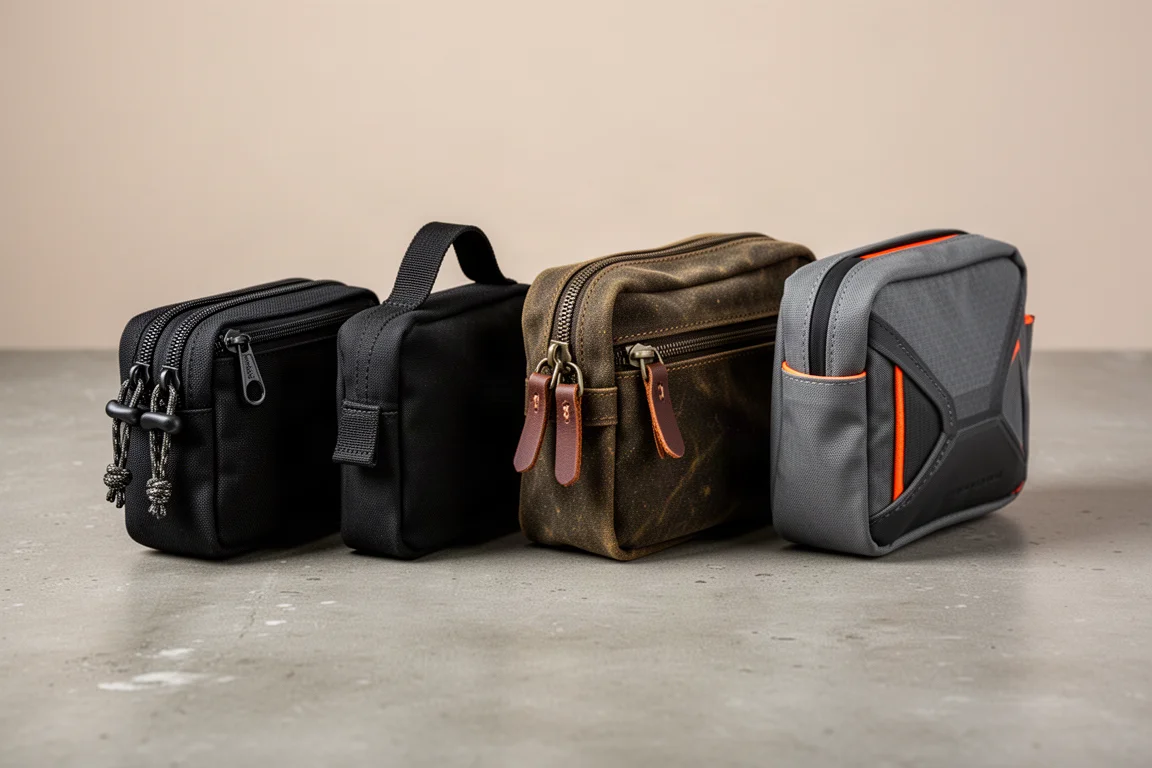
Introduction
Whatever your hobby, job or travel style, a well-chosen pouch can quietly remove a lot of friction from everyday life. A thoughtfully arranged pouch groups items that perform one specific function, like a first aid kit, a bike tool set or a travel tech kit, and makes them instantly accessible when you need them.
We looked at four popular options to see which ones actually earn a place in a bag: the Maxpedition Mini, the Vanquest Slim, the NutSac Admin Pouch and the Alpaca Utility Pouch. The evaluation focused on how each pouch opens, how well it organizes contents, how it is built and what it costs.
Why a Pouch Belongs in Your Everyday Carry
One important distinction: pouches are not for pocket carry. Keys, wallet, a knife and a flashlight stay in pockets. Pouches work best for collections of items that perform a specific function and are used together. When assembling a kit, focus on what you actually use or expect to use, because that determines the pouch size you need.
Visibility is the single biggest factor in whether a pouch gets used or forgotten. The best designs open fully flat and keep contents visible the moment you unzip them, so you never hunt around trying to remember what is inside.
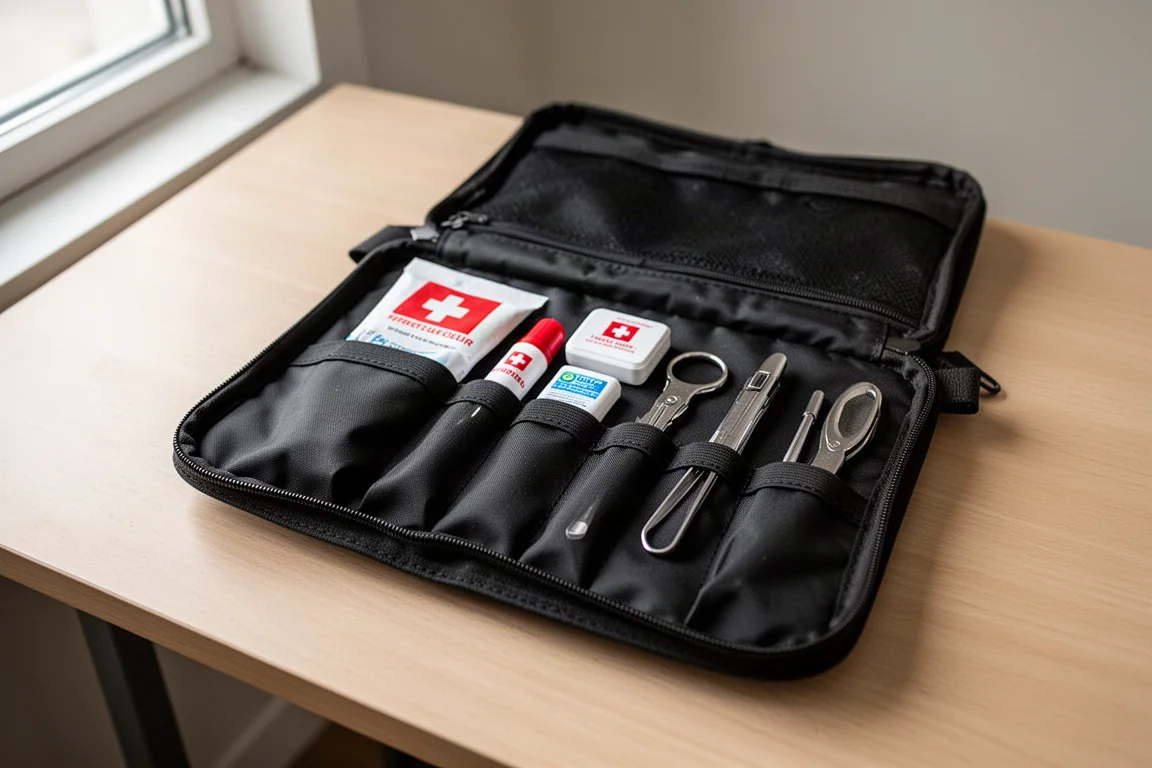
Weight and bulk matter too, especially for kits that travel with you over long distances. Lighter fabrics and leaner layouts make a real difference here.
Maxpedition Mini: The All-Round Favourite
The Maxpedition Mini quotes an internal space of six by four by one inch, though the space is not rigid, so slightly thicker items will fit at the expense of something else. At 90 grams it is light, and the lightweight, waterproof, abrasion-resistant nylon is Teflon coated so dirt wipes away easily.
For a pouch to work well it has to open fully flat, and the Mini does that very well. Double-layered elasticated loops in various sizes keep contents immediately visible on opening. The main flaw: the loops sit opposite each other, so filling both sides with bulky items can prevent the pouch from closing. Careful placement usually solves it, but it can feel like a jigsaw puzzle.
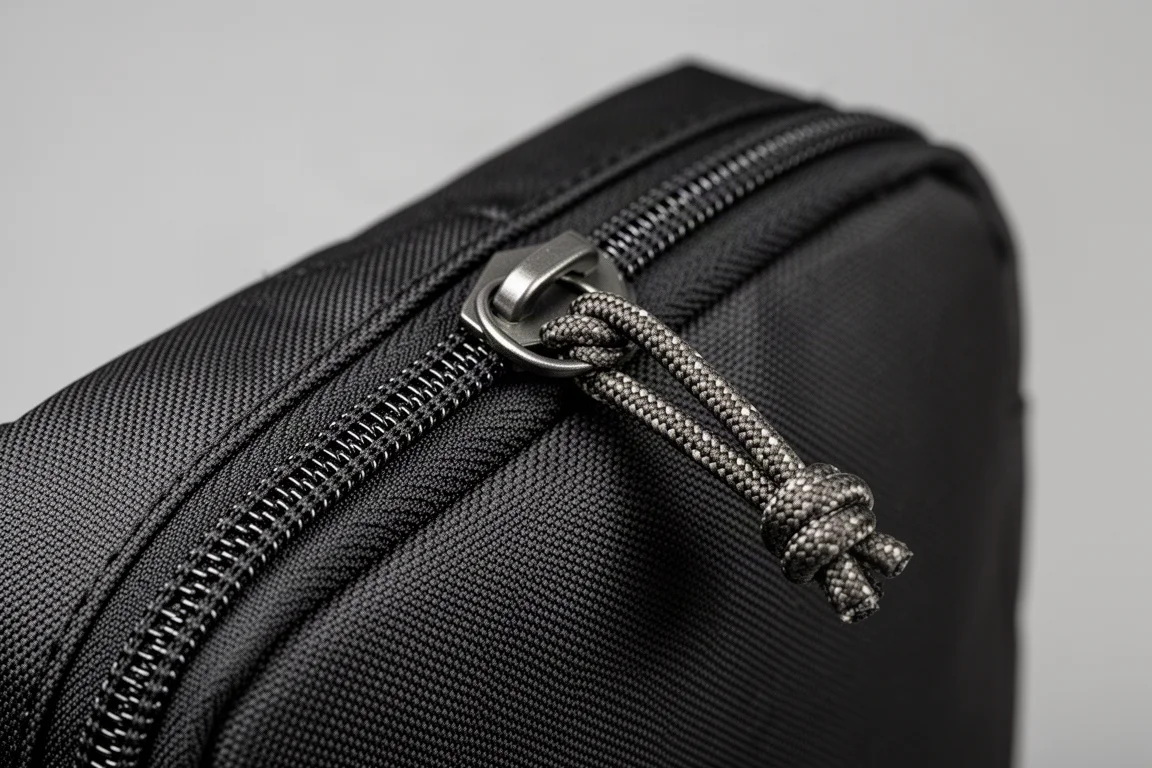
Other details include two flat-item slip pockets, an attachment loop, a mesh front pocket with velcro fastening, a velcro patch area, an oversized grab handle for hanging or grabbing in a hurry, and PALS webbing on the back. The YKK double zippers with paracord pulls are excellent, and quality hardware like this is a strong sign the pouch will last.
At a price in the mid-20s, in pounds or dollars, it feels reasonable for something built to last. Maxpedition also offers this size in many variants, from the smaller Micro to the EDC, Fatty, Skinny and beyond, with multiple colour options, which makes matching pouch to kit size much easier.
Budget Alternative: A Maxpedition Clone
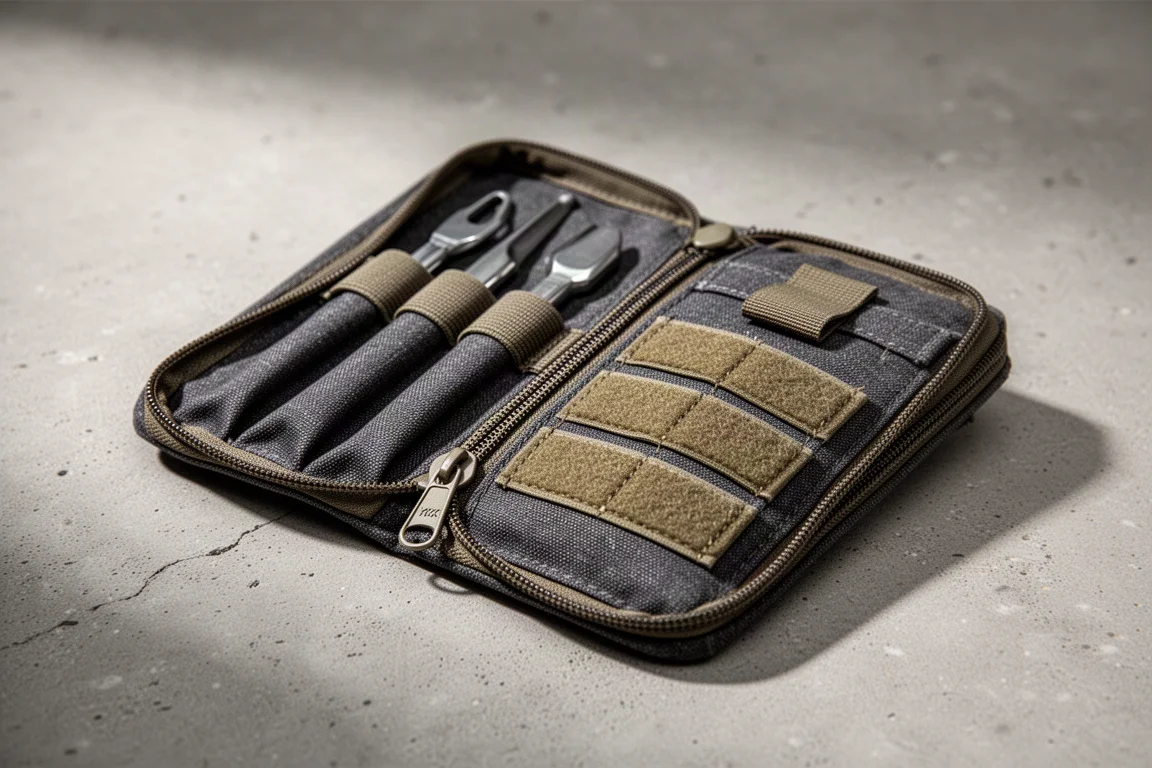
A Maxpedition-style clone at 10 pounds or dollars, less than half the price, is worth mentioning. It looks similar and uses nylon throughout, but there is no mention of Teflon coating, it is heavier at 108 grams, the velcro panel shows loose threads and slight misalignment, and the zippers are not YKK. It is functional and might suit a very tight budget, but it does not look or feel as refined, and may not last as long. Paying more for the original seems the better trade.
Vanquest Slim: Inspired, Not Copied
The Vanquest Slim is inspired by the Maxpedition rather than simply copying it, with some thoughtful changes. Materials match, including the Teflon coating, and the YKK zippers signal a genuine emphasis on quality. The velcro front pocket is not mesh, so contents are hidden, but it looks neater, as does the shorter, folded and sewn grab handle.
Inside, a brighter lining makes contents easier to see, and the offset elasticated loops help prevent items interfering with each other when closing. However, the loops are single-layered rather than double-layered, which reduces flexibility in the size of items they can hold. Loop positioning could also be better executed.
In practice, transferring the contents of a full outdoor kit did not quite work: the Slim is thinner at 0.75 inches versus one inch, and slightly smaller overall, so the pouch would not close. It works well in its own right, but the Maxpedition loops hold items better and pull on the lining less. Priced at the high end of the 20s, it is actually slightly more expensive than the Maxpedition.
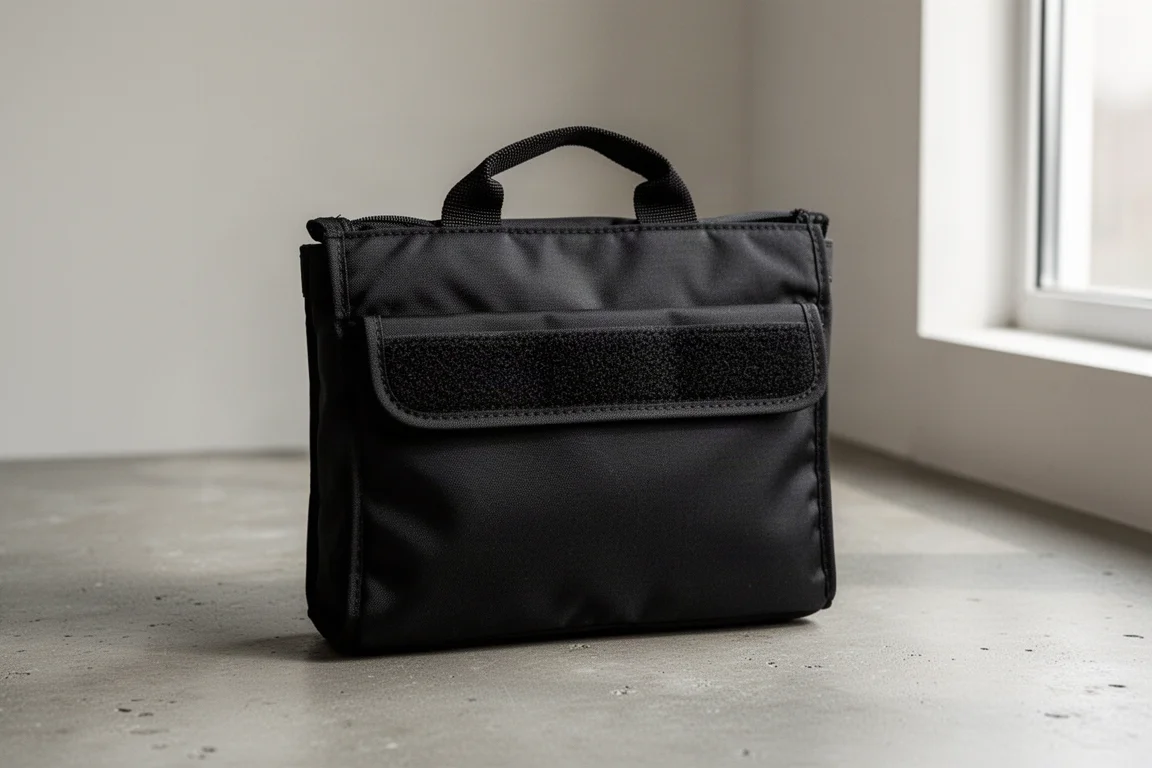
NutSac Admin Pouch: Premium Materials, Flawed Layout
At the premium end, the NutSac Admin Pouch is made in the USA and the quality is immediately obvious, as you might expect at an 89 price tag. It is larger than the others at six and a half by four and a half by one and a half inches, built from heavy-duty wax canvas, and relatively heavy at 160 grams. Bar-tack stitching everywhere, YKK zippers with leather pulls, and even branded velcro fastenings underline the build quality. PALS webbing appears on both the back and the front, the latter useful for holding flashlights, pens or knives in place.
The layout, however, has weaknesses. Three rows of elasticated loops are all one size, lining up with the webbing on the other side, while the opposite side offers just three tight gear pockets, better for pens and small knives, and a missed opportunity for better space use. The pouch does not open fully flat, which is fine when strapped to a pack but a disadvantage when used standalone.
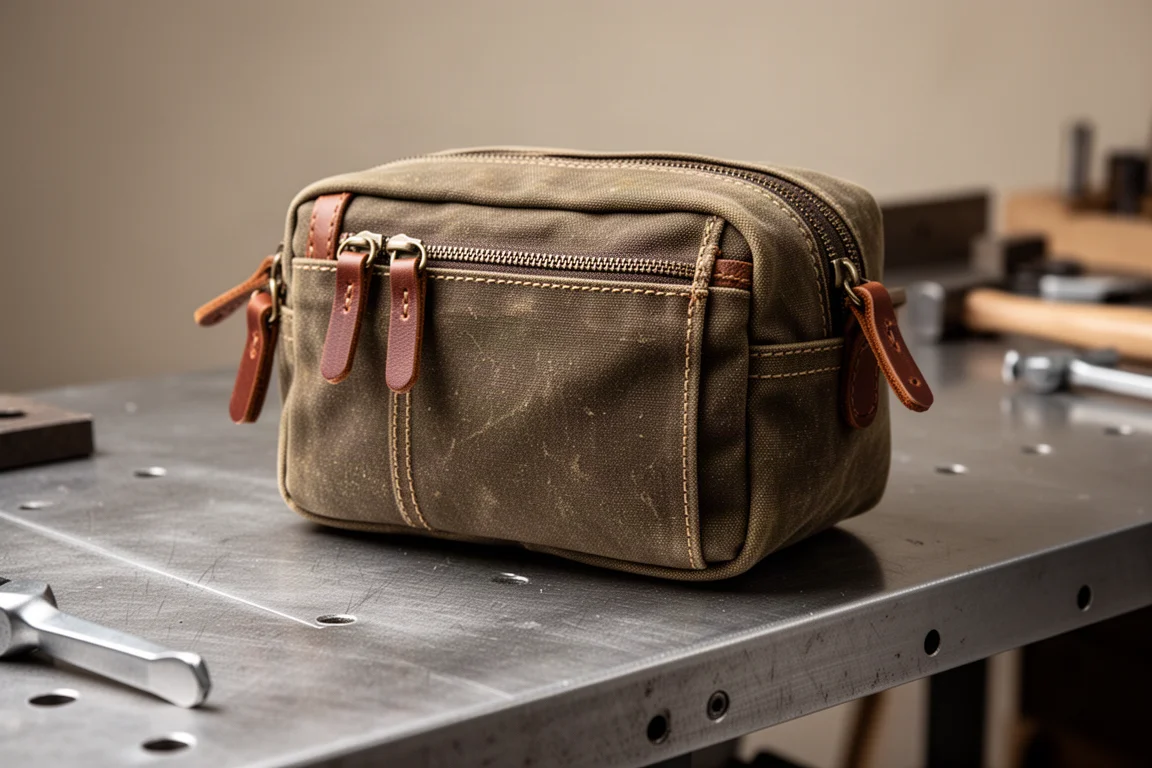
Loading a typical outdoor kit proved difficult despite the larger size: the loops are too small for a flashlight, flat items like a mirror or notepad have nowhere to go, and the tension pulls the pouch inward. It would likely outlast everything else here, but for practical use, a flat pocket and more varied loop spacing would help enormously.
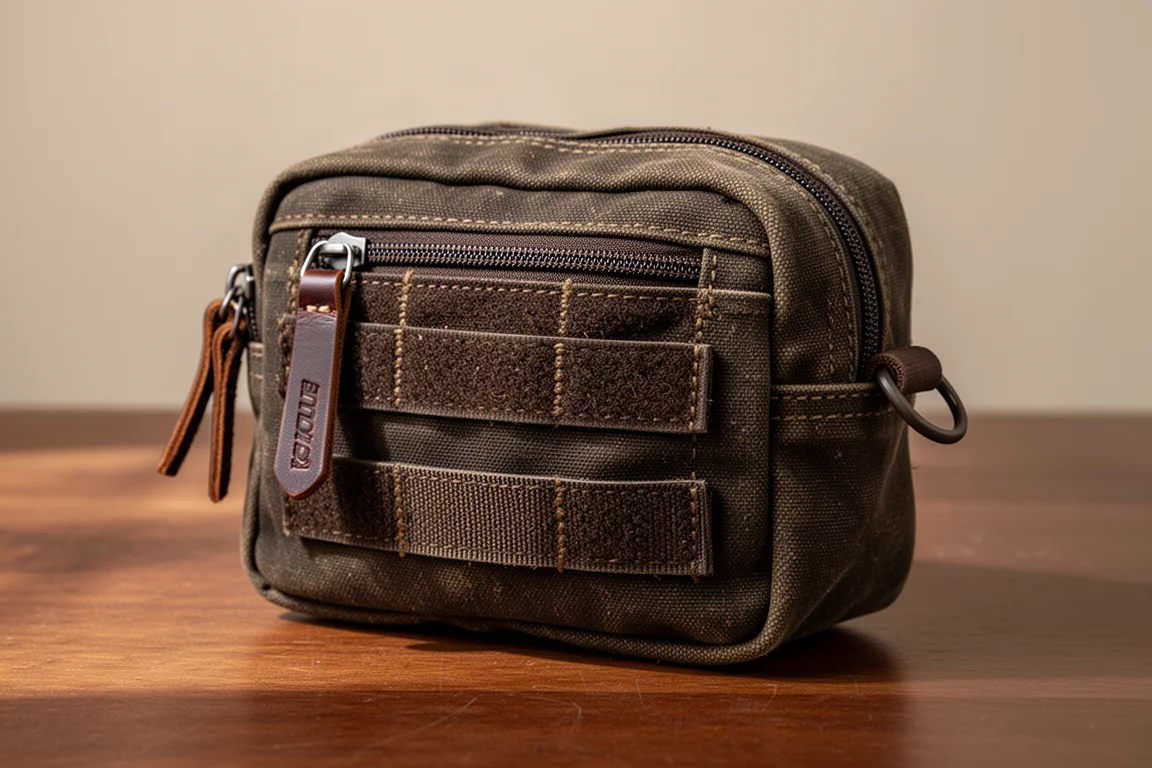
Alpaca Utility Pouch: Tech Styling With Trade-Offs
The Alpaca Utility Pouch moves away from the military field toward a more tech feel. It is a bit bigger than the Maxpedition Mini at 20 by 4.5 by 12 centimetres and weighs 143 grams without the shoulder strap, which it does include, so it can be worn like a sling, though a dedicated sling may serve better for that use.
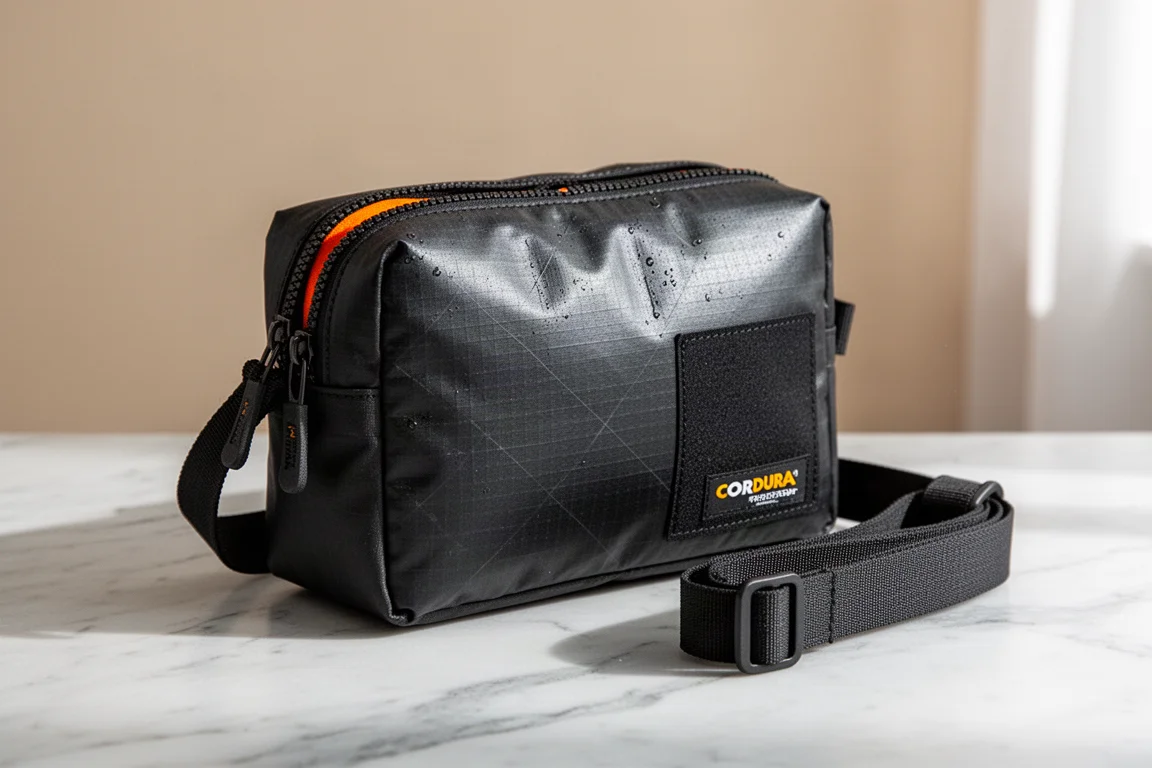
There is a lot going on for around 50 pounds or dollars: waterproof X-Pac fabric, Cordura on the back, weatherproof YKK zippers, full lining with attractive orange highlights, a zipped flat pocket on the back, a roomy zipped front pocket, a carrying handle and, importantly, it opens fully flat.
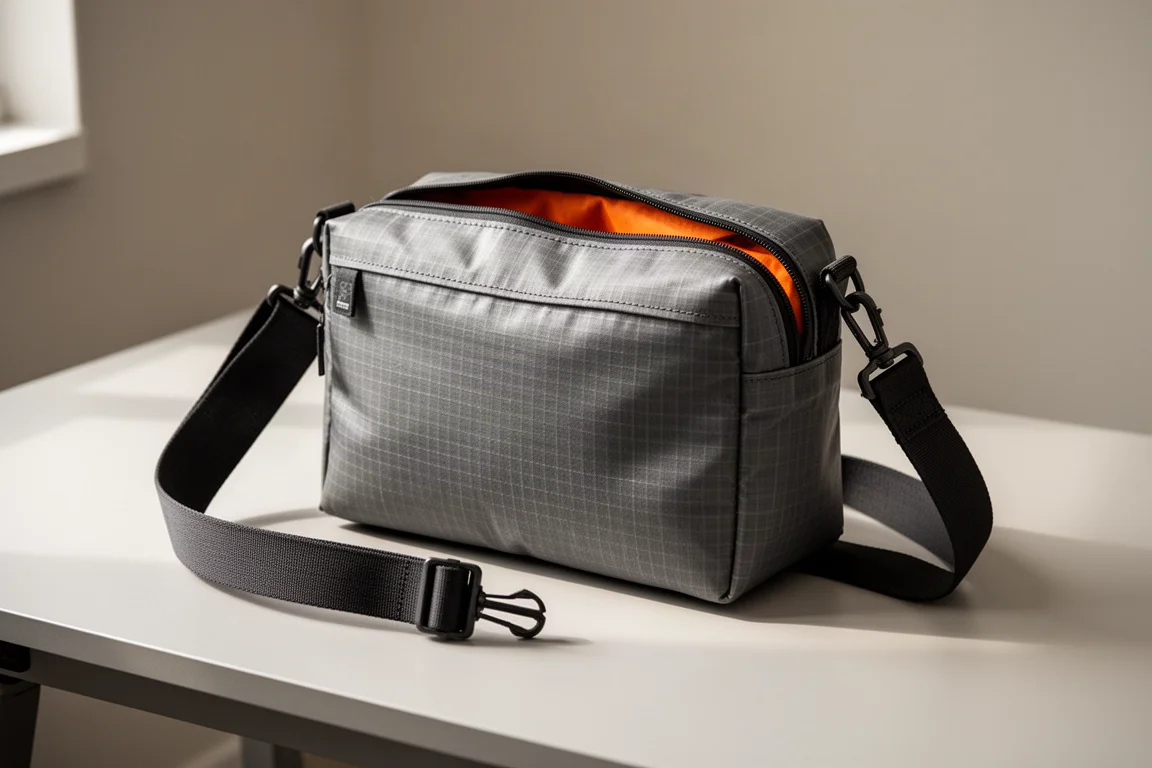
The organization, though, works against it. Inside there are a large slip pocket, another slip pocket, a zip and three smaller pockets, plus a couple of elasticated loops in front of two pockets. Many spaces are concealed, so once loaded it is hard to see what you have and where it is. Bulky items stick out and stop the zip working, and small items placed in the smaller pockets would be impossible to zip shut. Quality is very good, but remembering where everything lives is a challenge.
The Verdict
After living with these pouches, it is easy to see why Maxpedition dominates this space. Elasticated loops use space efficiently and keep gear visible, the pouches open flat for easy access, they are well made, lightweight and affordable, and the wide size range means you can match pouch to contents precisely. Add colour options and good availability, and the formula is hard to beat.
For half the price, a Maxpedition clone is a false economy at this quality level. The Vanquest is a valid alternative with a neater front pocket and brighter lining, but the Maxpedition’s double-layered loops are more flexible and hold items better. The NutSac is expensive but lovely, with internal organization that could be better. The Alpaca is genuinely high quality but its internal layout does not work for kit building.
View more details for Maxpedition Mini
Conclusion
The Maxpedition Mini comes out on top, especially for creating a functional kit, thanks to its visibility-first layout, low weight and sensible price. The Vanquest Slim is a close second if you prefer its styling, while the NutSac and Alpaca reward buyers who prioritize materials over organization. Whichever you choose, match the pouch to a real kit you will actually carry, and it will earn its place in your bag.
Further reading
Related Reviews

Backpacking Gear
Building a 10 lb Base Weight: An Ultralight Backpacking Gear List
A practical walkthrough of the ultralight pieces behind a 10 lb base weight, from a 765 g pack and a roomy one-person tent to a full camp chair and a dependable water filter.

Road Bikes
10 New Road Bikes Worth Watching: Aero, Titanium, Steel and Endurance Standouts
A practical roundup of 10 new road bikes, from aero flagships chasing single-watt gains to titanium, steel and endurance platforms built for real roads.
Bikepacking Gear
11 Bikepacking Essentials for Long-Distance Cycling
Eleven bikepacking essentials for long-distance cycling, from a steel gravel frame and a two-person tent to helmet lights, packable gloves, and a frame bag that puts weight in the right place.