Mountain Bikes
Best Downcountry Bikes: Five Fast, Capable Trail Machines Worth Considering
Five downcountry bikes that blend cross-country climbing speed with genuine descending attitude, from US-built carbon to steel and race-ready builds.
Introduction
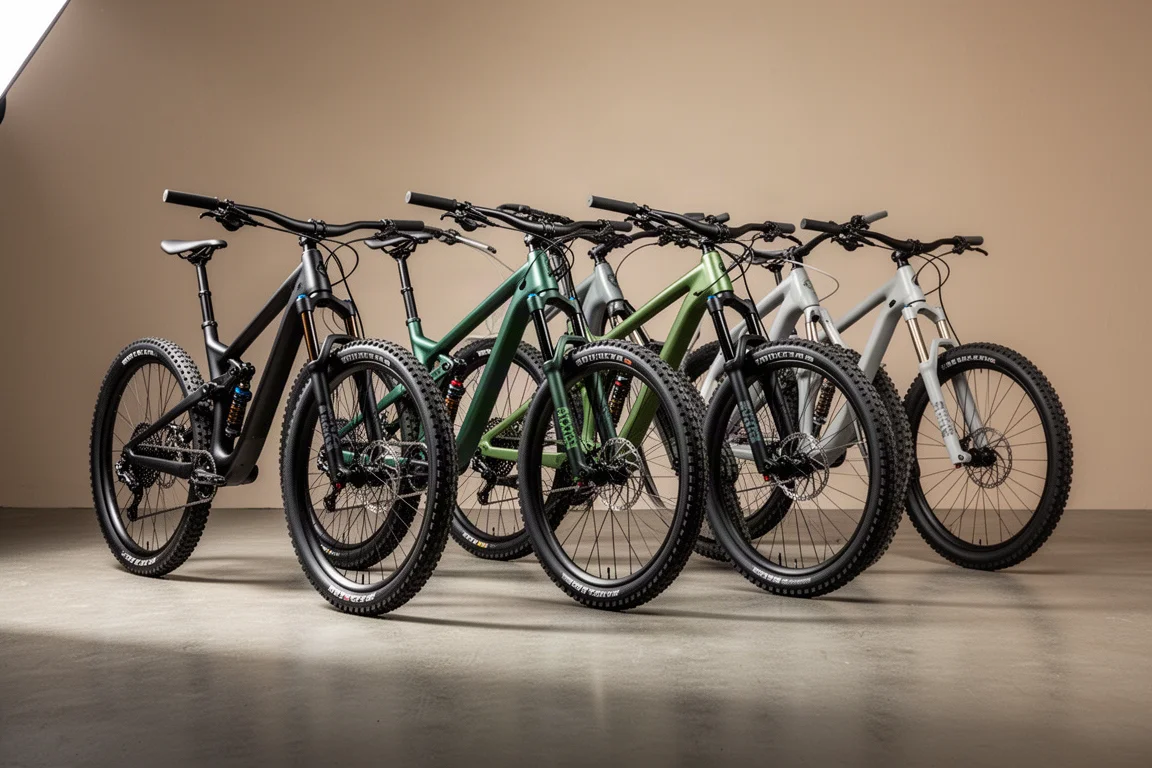
Downcountry bikes take the light, eager feel of their cross-country origins and add a serious dose of descending attitude. The result is a class of bike that climbs with genuine urgency and still holds composure when the trail tilts downwards.
The five machines here take noticeably different routes to that same goal. One is a hand-built carbon frame from the United States with a huge range of finish options. One decouples its fork from the rear lockout to run a more adjustable damper. One is steel, and proud of it. One is a race-bred build with a single, uncompromising specification. And one is a long-running all-rounder that has evolved steadily over more than a decade.
Allied BC40: Hand-Built Carbon Speed
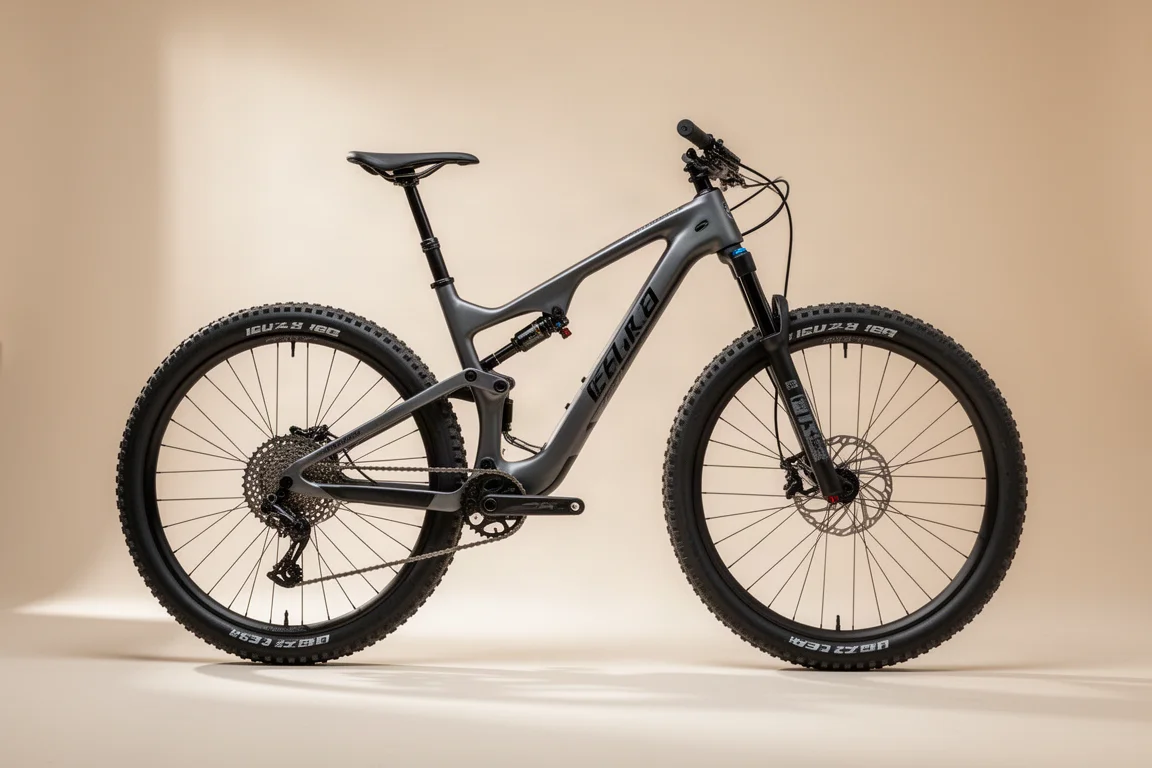
Allied is better known for road and gravel bikes, and the BC40 is the brand’s first downcountry model. The frame is hand built in the United States, and while that is reflected in the pricing, it also means buyers can choose from a wide range of frame and decal colours to customise their ride. There is even a replica version of a team rider’s personal BC40, finished in an eye-catching splatter fade paint scheme.
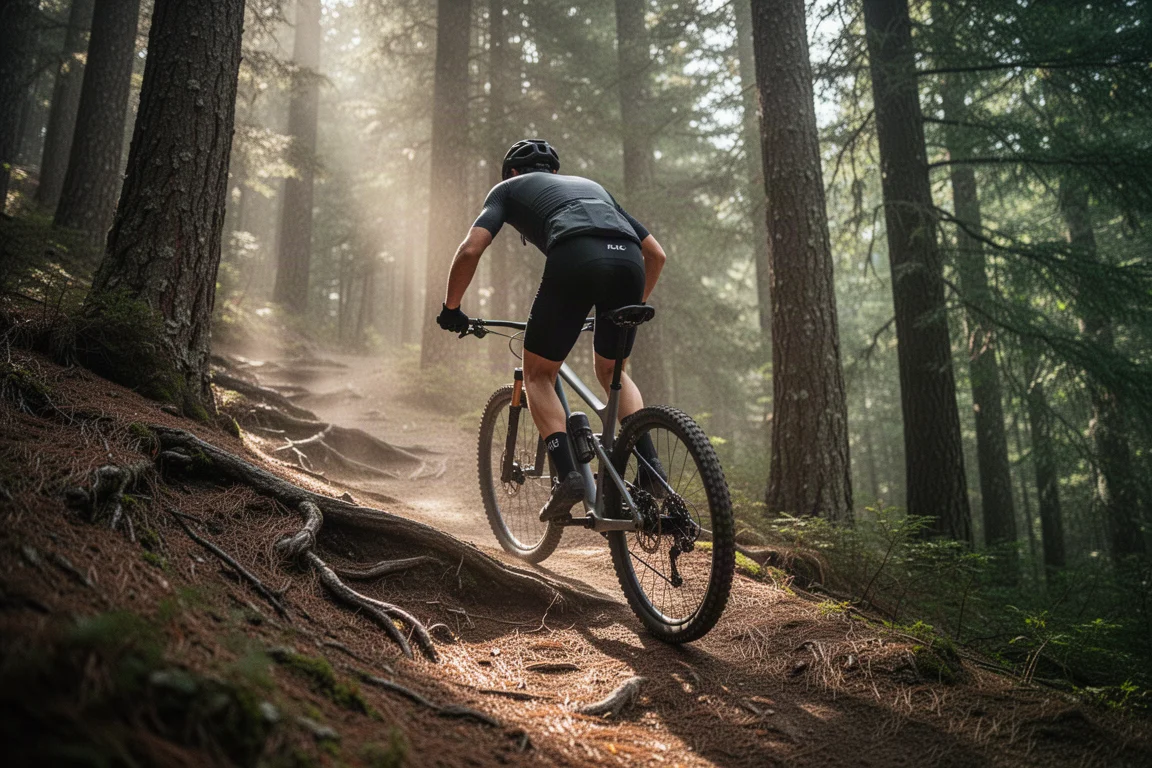
The frame is exceptionally light at under two kilograms for the frame, shock and all hardware. Travel is 120mm front and rear via a single pivot suspension system with flex stays, and Allied claims second-to-none pedalling performance. A 66.5-degree head angle and a long 475mm reach on a size large should give the BC40 descending ability to match its climbing chops.
Practical details are well covered: two bottle cages fit inside the front triangle, there is SRAM’s UDH derailleur hanger, neat internal cable routing, and the option of a remote lockout if you like to stamp on the pedals. The BC40 is available as a complete bike or as a frameset, with pricing starting at 4,995 for the frame with a RockShox SIDLux shock, rising to 7,725 for the most affordable XT build.
Scott Spark ST: Super Trail Suspension, Cross-Country Pace
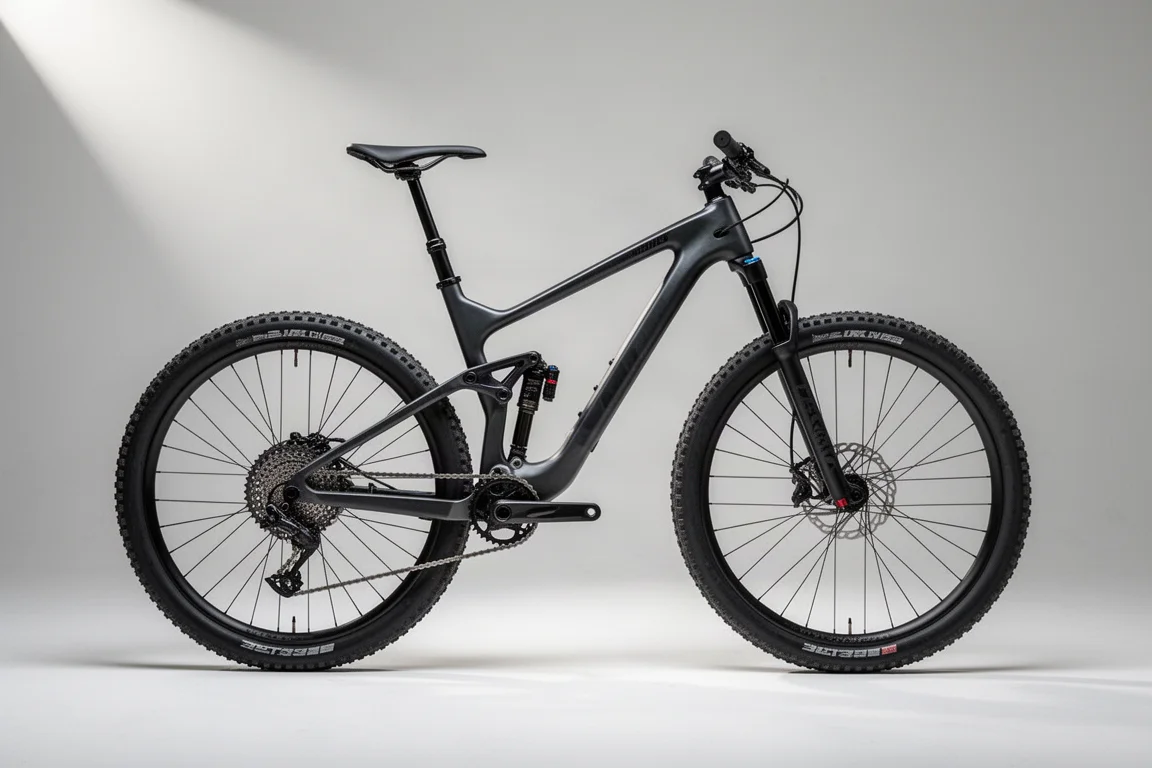
The Spark was one of the first cross-country race bikes to spawn a more capable 120mm downcountry version, before downcountry was even a recognised category. Scott’s ST naming stands for Super Trail rather than short travel, and the Spark ST backs that up with a longer 140mm fork.
The interesting part is that this fork is deliberately not linked to Scott’s TwinLoc system. That means it can be equipped with a more adjustable damper, such as the Fox GRIP 2 or RockShox Pike Ultimate found on the two ST models, while the rear shock keeps its on-the-fly adjustment. For riders who have wanted maximum front-end tuning without giving up quick rear lockout, this addresses a long-standing request.
Both ST models also get Fox Float X Nude shocks with a piggyback reservoir, which Scott claims makes them better on longer, rougher descents. Elsewhere the frame is the same as a standard Spark: an HMF carbon frame with the shock hidden inside to deliver 120mm of travel, plus internal cable routing that enters through ports in the headset. The Spark ST is offered in two complete builds in the UK, with a single ST 900 Tuned model in the US.
Cotic FlareMax: Steel That Flies in the Face of Convention
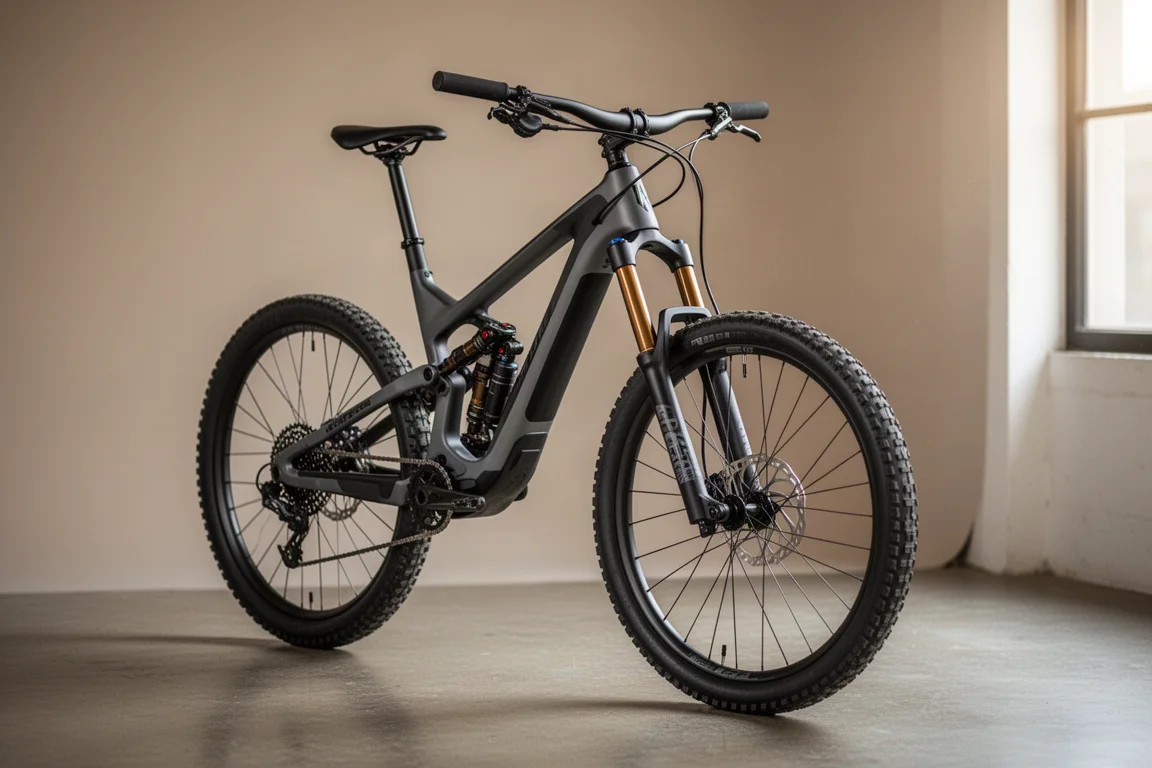
The FlareMax is a British take on the downcountry formula, and it uses steel rather than carbon. It can still hang with the crowd thanks to rowdy geometry and the feedback-rich ride feel that steel is known for. Build it with a 130mm or 140mm fork and it behaves more like a trail bike; fit a lightweight 120mm fork and it is ready to hammer the pedals.
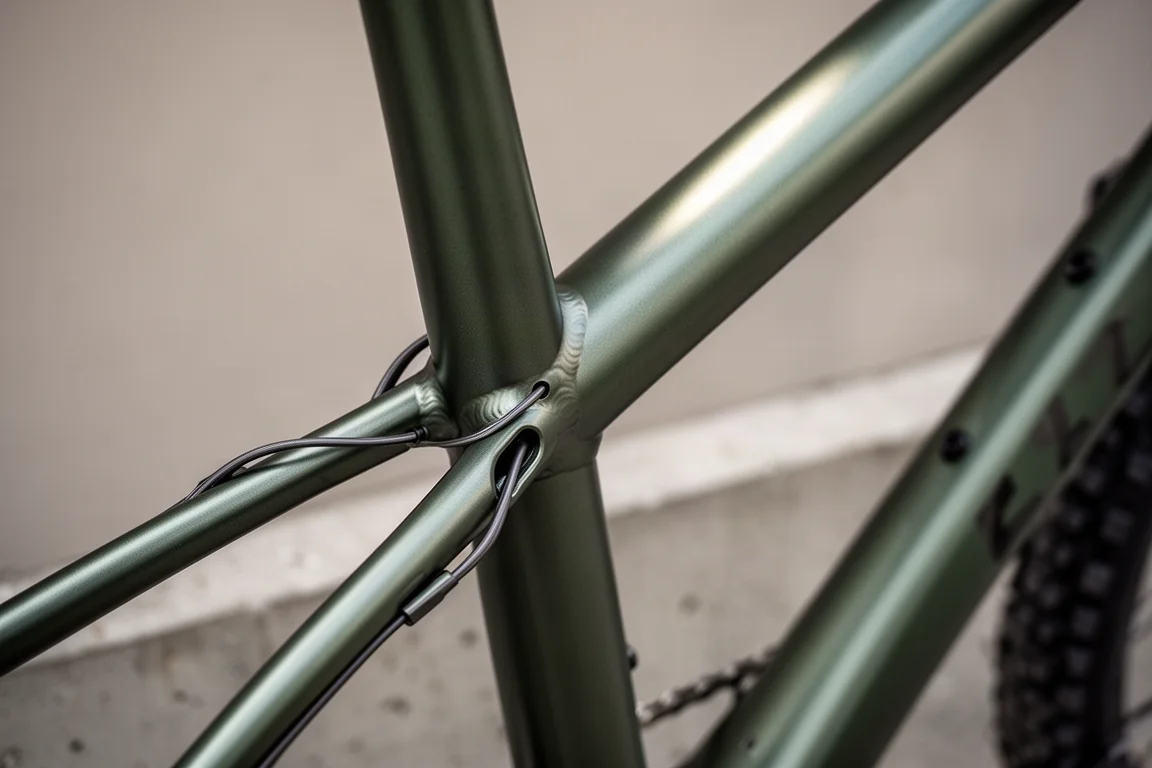
Now in its fourth generation, the most recent update brought Cotic’s Drop Link suspension kinematic, first introduced on the Jeht, to both the steel and aluminium frames. Cotic claims this keeps the progression curve more consistent through the travel. The revised pivot location also frees up 20mm of extra space for longer dropper posts and allows the use of the more common metric 210x50mm shock size.
Geometry is largely unchanged from the proven Longshot layout, with a slack 66-degree head angle and a deep 76-degree seat angle when the bike is fitted with that lightweight 120mm fork. Reach is a healthy 468mm on a size medium, while 448mm chainstays bring plenty of stability at speed. Those numbers place the FlareMax at the aggressive end of the downcountry scale.
The Reynolds 853 front end uses Cotic’s signature Ovalform top tube, and steel here is anything but low-tech: there is internal cable routing through the rear triangle, a dedicated 1x-only design with a tidy integrated chain guide, and a future-proof 44mm head tube that accepts virtually any fork on the market. Weight is competitive too, at 12.9kg for the Gold spec bike with a RockShox SID fork and lightweight Wolfpack tyres. Complete bikes start at 3,499 pounds, and there is a frameset-only option at 1,799 pounds if you would rather build your own.
YT Izzo Uncaged 7: Race-Bred Trail Weapon
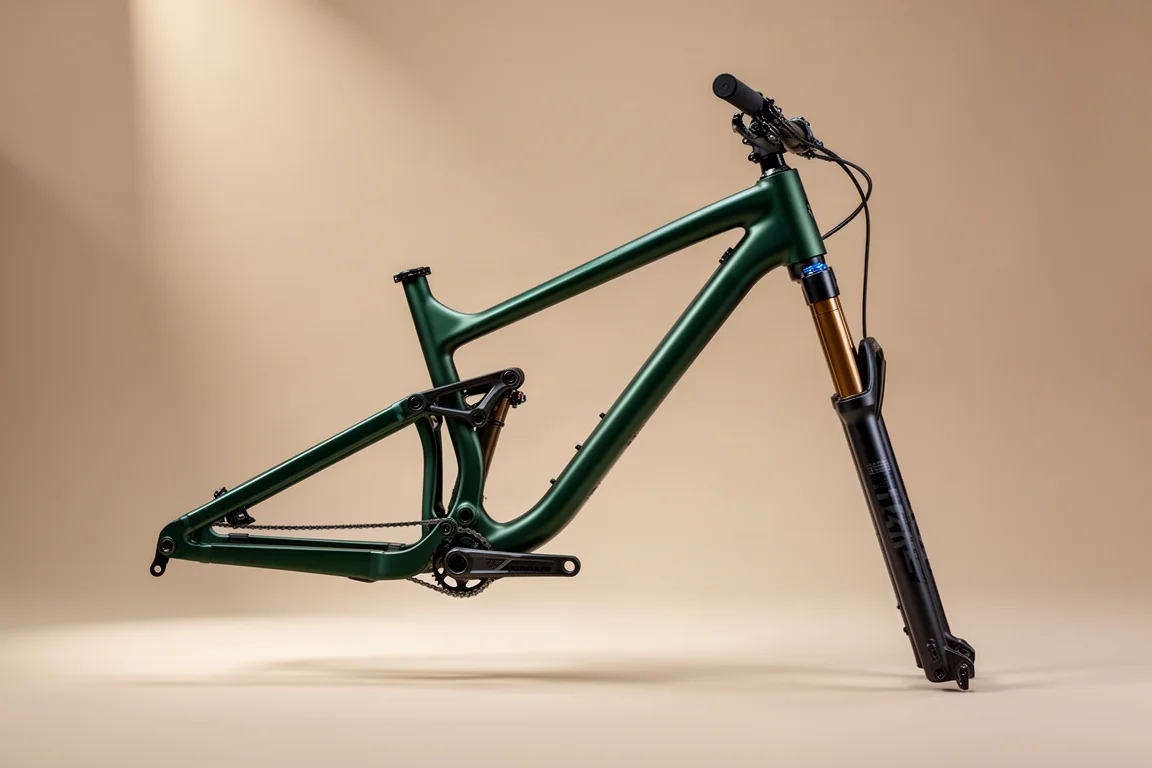
The Izzo Uncaged 7 is a standalone model in the Izzo range that trades the usual 130mm of travel for a more cross-country focused 120mm. The full carbon frame is shared with the rest of the range, but the suspension is swapped for a RockShox SIDLux with a shorter stroke and a 120mm SID fork. Both are paired with the RockShox TwistLoc remote lockout, which gives a real edge on intense out-of-the-saddle climbs and sprints.
The geometry flip chip in the rocker link offers 0.4 degrees of adjustment to the head and seat angles along with five millimetres of bottom bracket adjustment. In the slack setting that produces a 66.5-degree head angle and a very steep 77.5-degree seat angle, an aggressive stance for a bike that sits between cross-country race whippet and hard-charging trail bike.
The specification matches that intent. DT Swiss XRC 1200 SPLINE carbon wheels are paired with Maxxis Recon Race rubber in a 2.4-inch width, a setup that points clearly at going fast. A SRAM XX1 Eagle AXS drivetrain reinforces the racing purpose, while a RockShox Reverb AXS dropper post and four-piston SRAM G2 Ultimate brakes add control on the way back down. It all adds up to a 12.1kg bike. There is just one model to choose from, at 6,299 pounds or 6,499.
Ibis Ripley: Generations of Capability
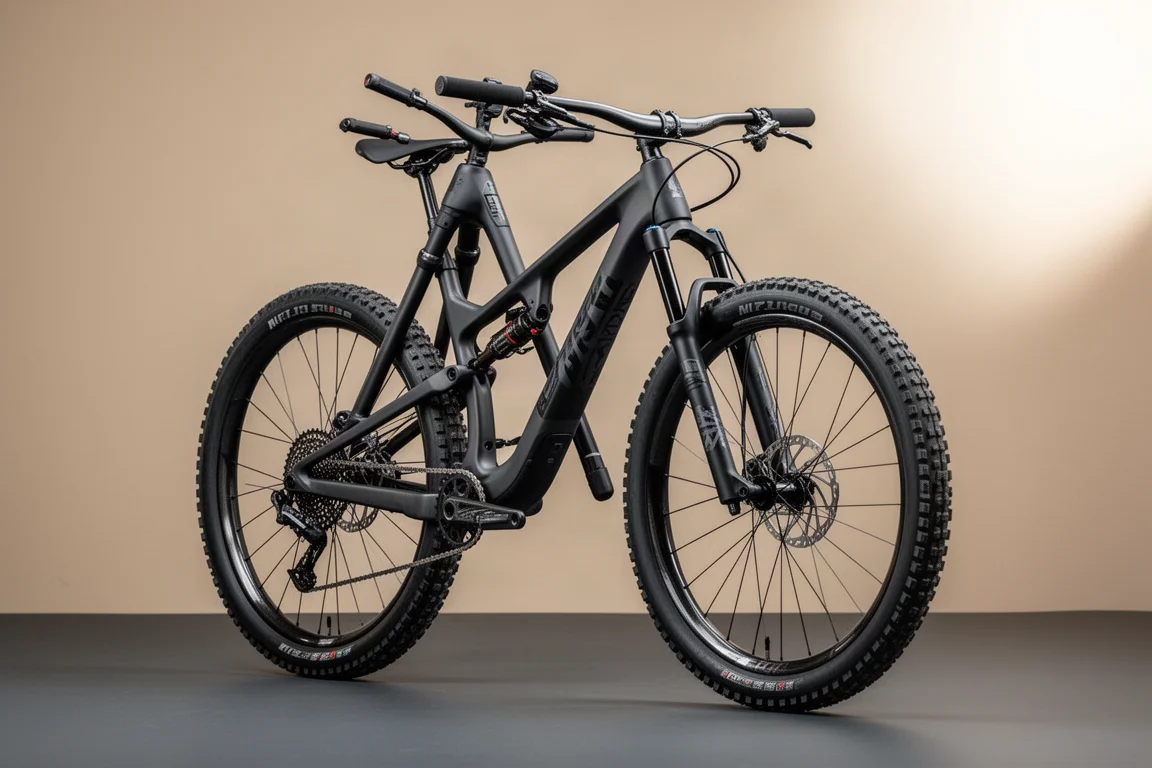
The original Ripley was one of the first genuinely capable 29ers when it was released, and it has grown more capable with each passing iteration. Compare the latest geometry with the original and the difference is stark: the head angle is almost five degrees slacker than it once was.
The Ripley V4 moved away from the unique eccentric DW link design of the original to a more traditional layout. The latest V4S adds an updated swingarm with SRAM’s UDH derailleur hanger, improved swingarm protection and a 55mm chainline that results in a stiffer chainstay. Beyond that, the changes are limited to a new brand logo and refreshed aesthetics, with the proven performance carried over.
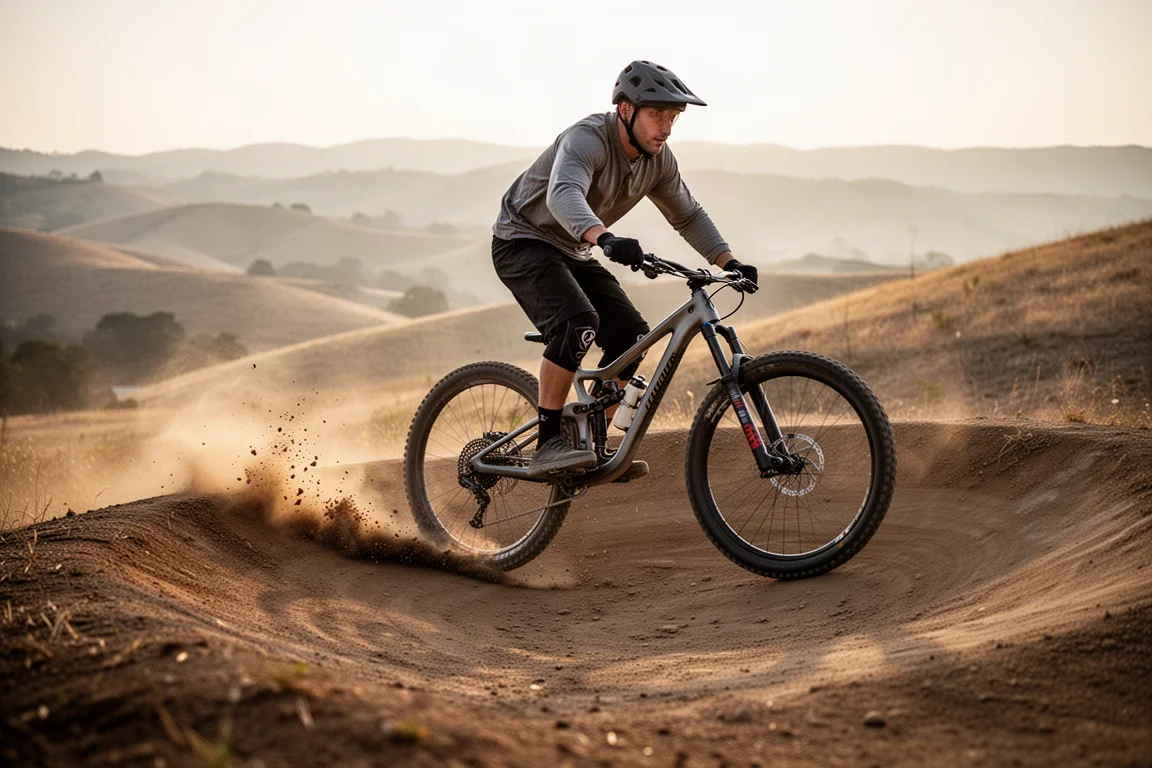
The DW link suspension is credited with giving the Ripley excellent climbing traction, and the frame has room for a 2.6-inch tyre with a claimed five pound frame weight without shock. Together that points to one of the better technical climbing bikes around. Progressive geometry and a short seat tube give it plenty of attitude on the descents, and a 130mm fork with 120mm of rear travel should make it a ripper on flowy and technical trails alike.
Being fully made from carbon fibre, the Ripley is priced in line with other premium rivals. Carbon framesets start at 3,499 pounds, with complete builds from 6,499 pounds in the UK or 5,599 in the US for the NGX build. An alloy Ripley AF is also available for riders who prefer an aluminium frame.
Value and Build Options: What the Numbers Show
Four of these five bikes can be bought as a frameset as well as a complete build, which matters if you already have a set of wheels and a preferred cockpit. Frameset pricing ranges from 1,799 pounds for the Cotic FlareMax to 3,499 pounds for the carbon Ibis Ripley, with the Allied BC40 sitting at the upper end once its shock is included.
Complete builds span a wide band. The FlareMax starts at 3,499 pounds for a bike with a RockShox SID fork and lightweight tyres, and the Ripley’s entry point is 5,599 in the US for the NGX build. The Izzo Uncaged 7 sits above those at 6,299 pounds or 6,499, but it arrives with carbon wheels, a fully wireless drivetrain and dropper post, and four-piston brakes, which goes some way to explaining the gap.
Weight is worth watching across the group as well. The Allied BC40’s sub-two-kilogram frame with shock and hardware is the lightest headline figure, the YT Izzo Uncaged 7 comes in at 12.1kg complete, and the steel Cotic FlareMax is a very competitive 12.9kg in its Gold spec. None of these bikes is carrying obvious excess.
Buying Advice: Matching a Downcountry Bike to Your Trails
Start with the frame material and finish you actually want to live with. The Allied BC40 offers the lightest frame here along with an unusually wide choice of colours and decals, and its US hand-building is central to the price. If customising the look of your bike matters as much as the numbers on a scale, that range of options is a genuine draw.
If suspension tuning is your priority, the Scott Spark ST is the outlier. Decoupling the 140mm fork from the TwinLoc system means you can run a more adjustable damper up front while keeping quick on-the-fly rear lockout, which is a meaningful advantage for riders who want the front and rear of the bike to behave differently.
For ride feel over outright frame weight, the Cotic FlareMax makes a strong case at a competitive price, and its 120mm-fork option keeps it honest as a downcountry machine despite the steel construction. Riders chasing race pace should look at the YT Izzo Uncaged 7, whose 120mm travel, remote lockout and carbon wheelset are all pointed at speed, provided the single build and its price suit you.
Finally, the Ibis Ripley remains the safe, proven all-rounder. The DW link climbing traction, 2.6-inch tyre clearance and progressive geometry make it a bike that flatters technical climbs and stays composed on the descents, and the availability of an alloy AF version means there is a more accessible route into the platform.
Conclusion
There is no single right answer in this group, and that is the point. The Allied BC40 is for riders who value a light, hand-built carbon frame and want to specify its finish. The Scott Spark ST suits those who want a more adjustable fork without losing quick rear lockout. The Cotic FlareMax proves steel can still be aggressive and competitively light. The YT Izzo Uncaged 7 is the race-focused option with a single, high-end build. And the Ibis Ripley is the well-rounded, long-developed choice that has earned its reputation across many generations.
Further reading
Related Reviews
Mountain Bikes
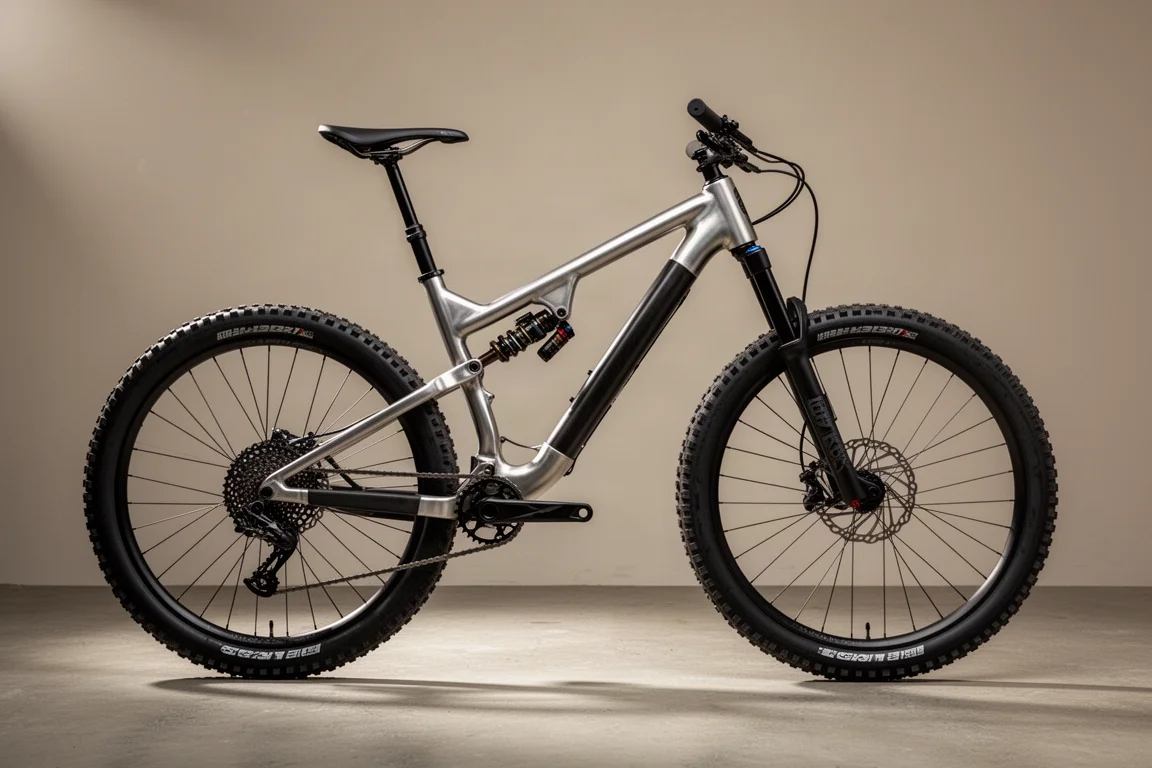
Atherton AM.130 Review: 3D-Printed Titanium Lugs and a 130mm Trail Bike That Descends Like a Bigger Machine
The Atherton AM.130 pairs 3D-printed titanium lugs with carbon tubes and a DW6 suspension platform. Here is how it rides, what the build delivers, and who it suits.
Mountain Bikes
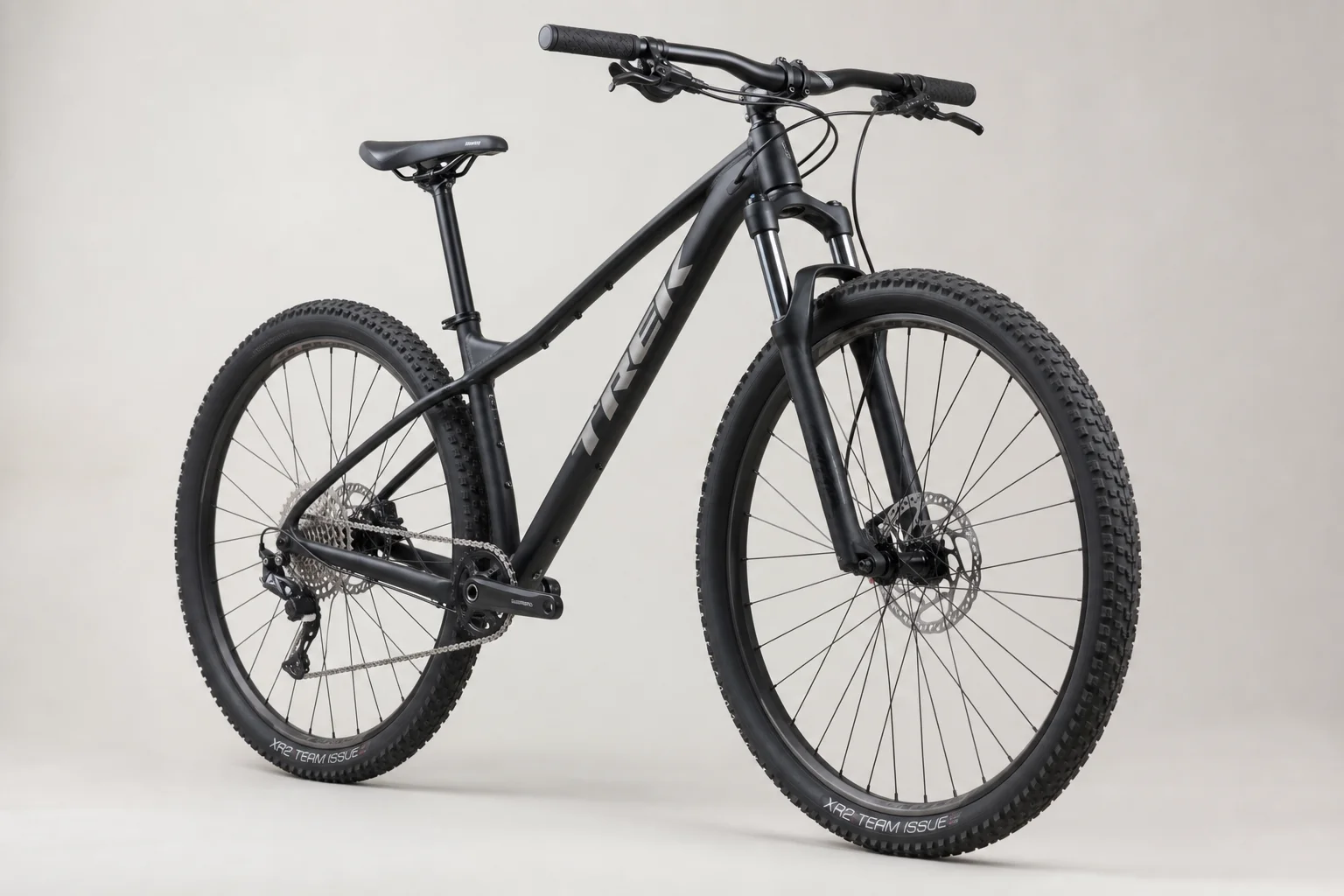
Beginner Mountain Bike Buying Guide: What to Look For in a Trailworthy Hardtail
A practical framework for evaluating beginner mountain bikes, whether new or used, by examining key components that indicate real trail capability.
Mountain Bikes
Best Aluminum Mountain Bikes 2026: Five Alloy Bikes Worth Your Attention
Five aluminum mountain bikes that show how far alloy has come, from a 120mm trail bike and a versatile machined frame to a 180mm freeride machine.