Sleeping Bags
5 Best Down Sleeping Bags and Sleep Systems for Backpacking
Five premium down sleeping bags and sleep systems compared on construction, zipper layout and modularity, with clear guidance on which one suits your trips.
Introduction
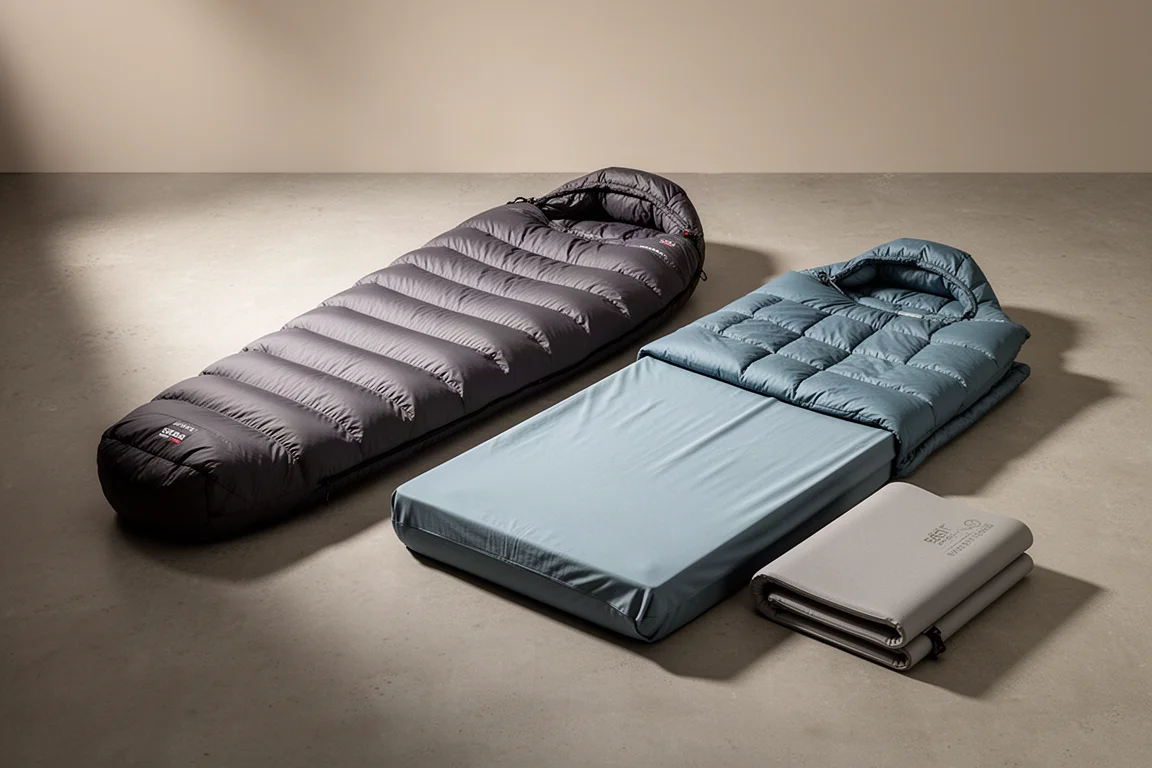
The five sleep systems below were selected from a full year of backpacking trips, and they share a clear set of traits. All of them use down insulation, all carry Responsible Down Standard certification, temperature ratings sit between 15 and 30 degrees Fahrenheit, and fill powers run from 750+ to 850+. They also share a price bracket: roughly $350 at the low end and close to $600 at the top. That places every one of them in premium territory, so this guide is about investing well rather than spending as little as possible.
Two of them are conventional mummy bags. The others take a more modular approach, using inner and outer layers, pad sleeves, or a quilt that clips to a fitted sheet. Which one makes sense depends less on specifications and more on how you sleep and how you pack.
What These Five Bags Have in Common
All five use down insulation, with fill powers ranging from 750+ to 850+. Higher fill power means more loft for the same weight, which is why these bags stay packable without giving up warmth. Several also use a treated down that resists moisture, an important detail if you camp in damp conditions.
Construction is where they separate. Two of them use a differential cut, meaning the inner shell is cut smaller than the outer shell. That keeps your elbows, knees and heels from pressing the down flat when you move, which is exactly what creates the cold spots that make a bag feel far less warm than its rating suggests.
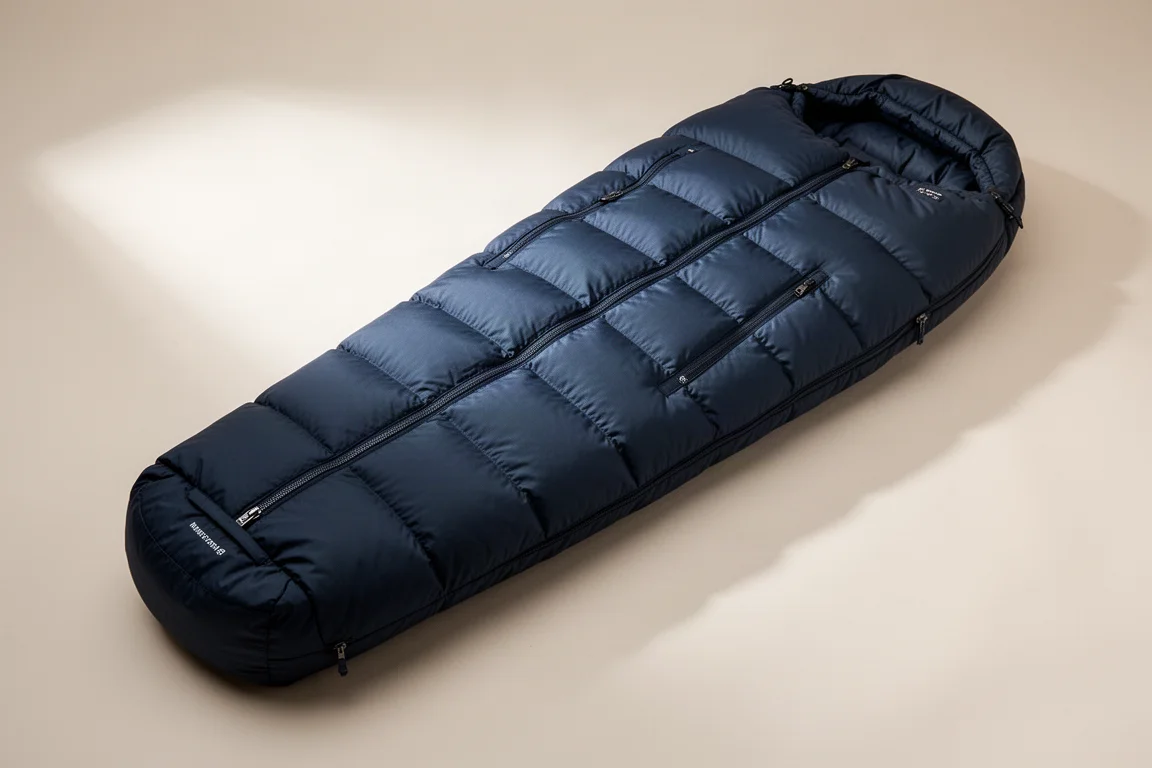
Zipper layout matters more than most buyers expect. A single full-length zipper is simple and light. Multiple zippers add weight but allow venting and let a bag open out flat. A center zipper trades heat retention for easy access. And modular systems add a pad sleeve, an inner layer, or a clip-in quilt, which brings flexibility at the cost of more moving parts.
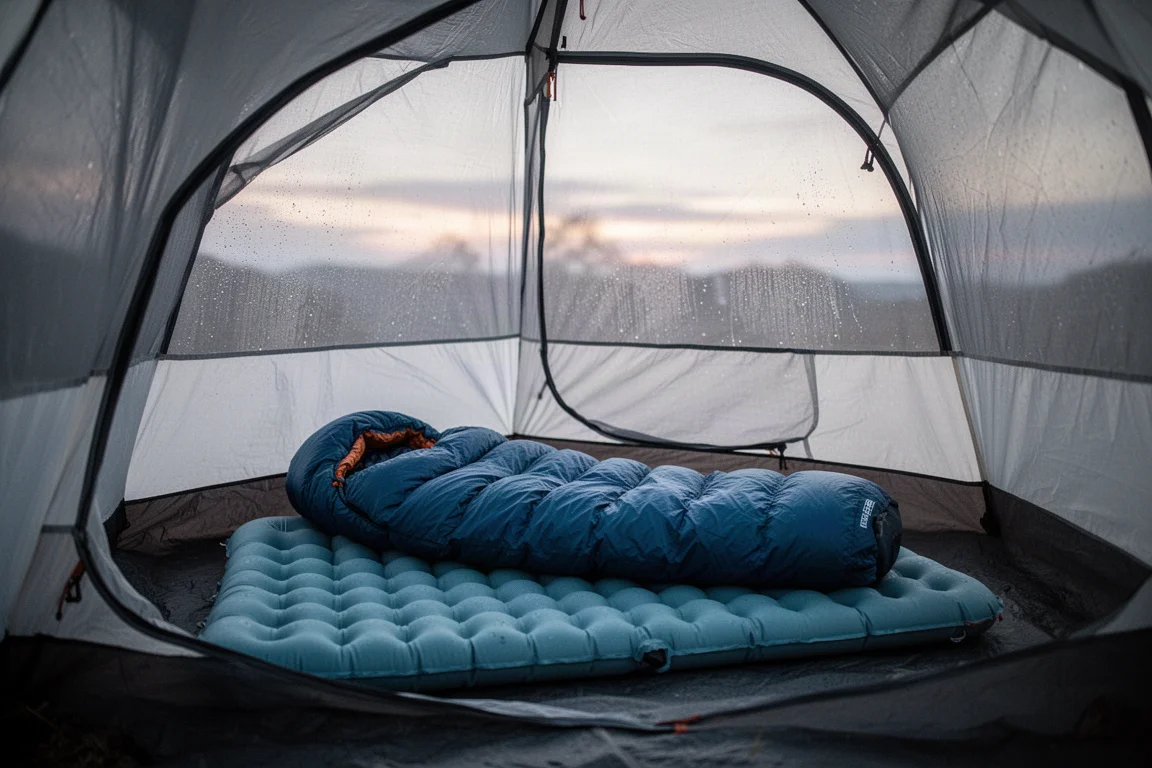
Shape is the last variable. A traditional mummy cut leaves less dead air to heat, so it is efficient but can feel restrictive. Wider cuts and quilt-style systems feel roomier and more bed-like, but they ask more of your sleeping pad and your layering choices.
Outdoor Vitals Summit 30: A Lightweight 30-Degree Bag
The Outdoor Vitals Summit 30 is the warmest-weather option in this group, and it uses 800 fill power HyperDry down that carries a water-resistant coating, so damp conditions are less of a concern than they would be with untreated down. The shell is a 10D ripstop nylon that feels soft rather than sticky, a clear improvement over earlier Summit Series bags.
The foot box is anatomically shaped and genuinely roomy, and the bag uses a differential cut that keeps the loft intact as you move around. Shoulder width, knee room and foot room are all generous, and the hood does its job without feeling tight. A draft tube runs down both sides of the zipper to seal off drafts along the closure.
Two details hold it back. The center zipper is the big one: opening the bag down the middle releases a lot of trapped heat at once, which makes middle-of-the-night exits less appealing. The draft collar also uses a velcro closure that is not especially intuitive, a compromise tied to the center zip design. It is a comfortable, well-made bag, but it is not the strongest all-round pick here.
Big Agnes Lost Ranger 15: A Modular 3-in-1 Sleep System
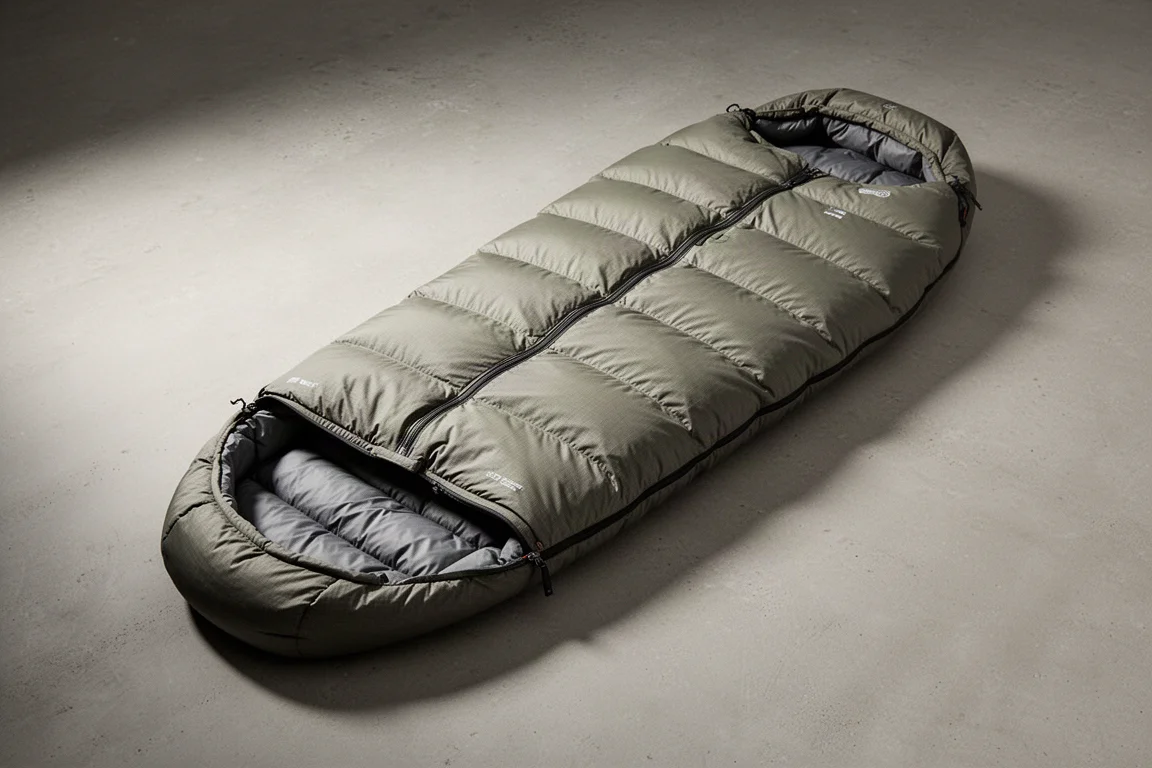
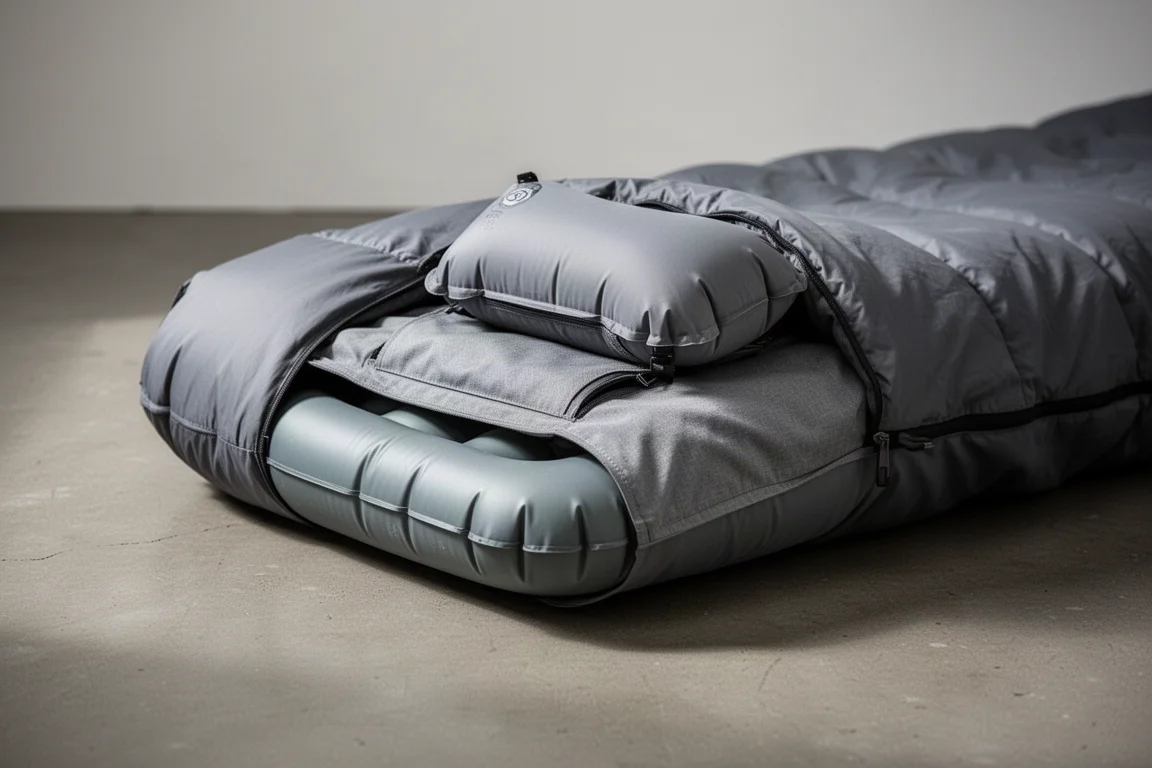
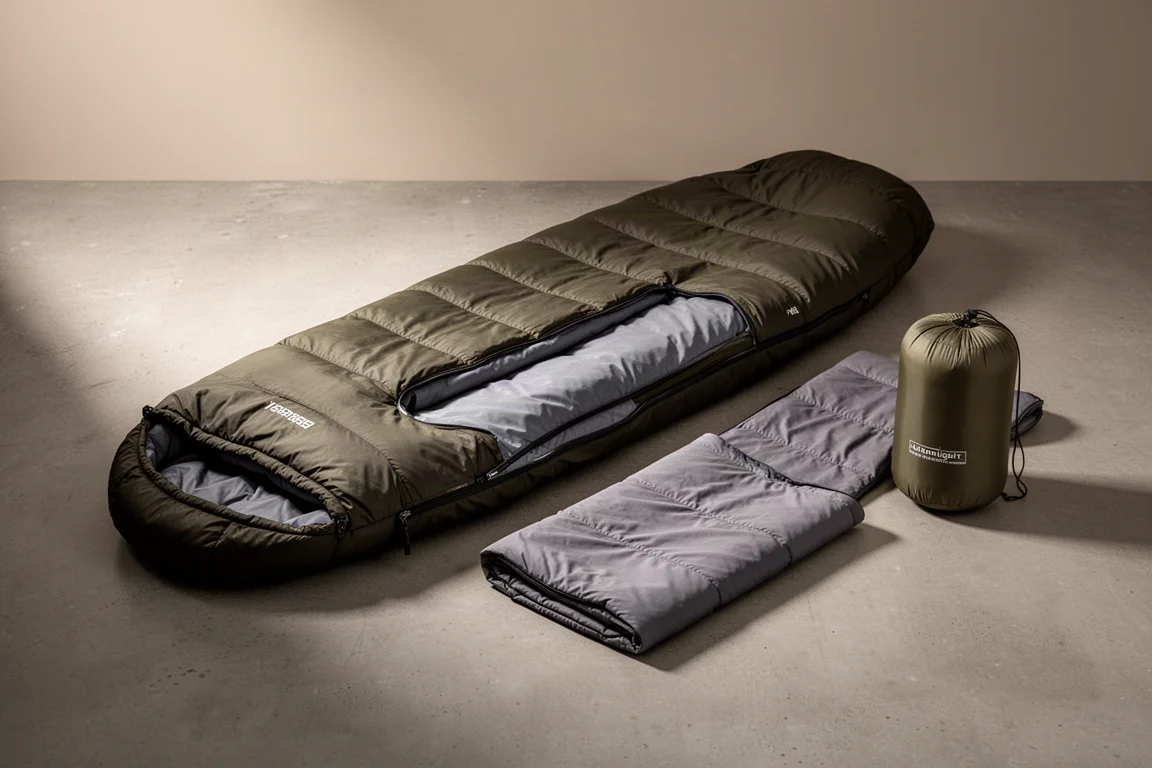
The Lost Ranger 15 is the most unusual design in this guide. It is a three-in-one system: an outer bag with a pad sleeve, plus a separate inner bag. You can sleep in the outer bag alone, the inner bag alone, or both together, which covers a wide range of conditions with one purchase. Fill power is 850, so the full system stays light for how warm it sleeps.
The layering is smarter than it first appears. Both layers use sewn-through baffle construction, which normally leaves cold spots, but because the baffles of the inner and outer bags do not line up, the gaps are offset and the system insulates well. The pad sleeve holds and adjusts on your sleeping pad, and a pillow barn at the head end keeps a camp pillow from sliding away overnight.
The trade-offs are real. This is an expensive system, priced above what the materials and flexibility alone would justify for many buyers. It is also not the place to start if you are moving from a traditional bag to an ultralight setup; a single 20-degree bag is simpler, cheaper and easier to live with. The single full-length zipper on the left side opens the outer bag easily, but the inner bag zipper is fiddlier and the inner layer feels more enclosed. Getting out quickly at night means dealing with two zippers.
None of that makes it a bad system. It is modular, comparatively light for what it delivers, and genuinely comfortable once you are inside. It simply rewards a buyer who wants options more than simplicity.
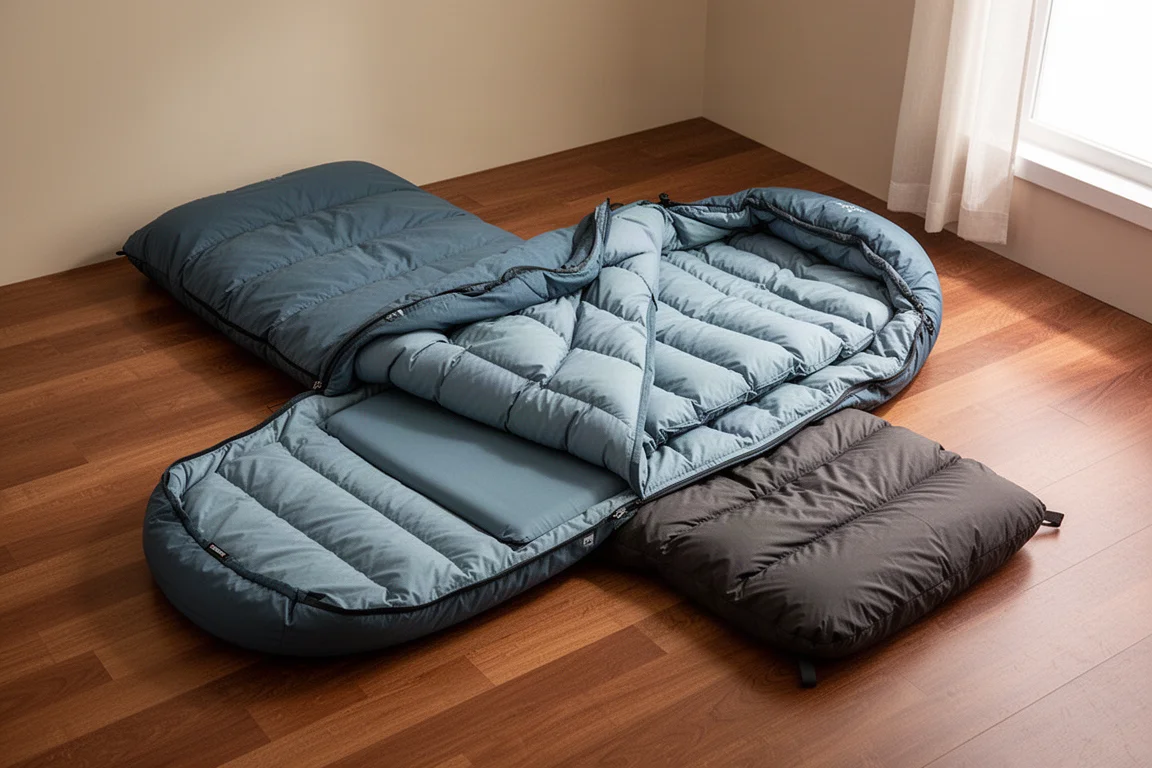
ZenBivy Light Bed: A Quilt and Sheet System That Sleeps Like a Bed
The ZenBivy Light Bed is a top quilt that clips to a full fitted sheet, which is what makes it feel like a bed rather than a bag. Side clips join the quilt to the sheet so there is no gap for cold air to creep through, and the quilt can be opened wider on warm nights for more room to move.
The hood is one of the best parts. There is a lot of space inside it, enough to hold a full-size camp pillow and still cover your head. A curved collar design cinches tighter only across a small section, which lets the side wings tuck in around the hood and close off drafts without squeezing your face. The baffling is zoned, with vertical baffles through the torso and horizontal baffles elsewhere to keep the down from shifting.
Inside the baffles is 800 fill power HyperDry down, so the system stays light and handles moisture better than untreated down. At under $400 for the complete setup, it also undercuts most of the field here. There is very little to criticise: it is a well-thought-out, high-quality system that performs as well as anything in this guide.
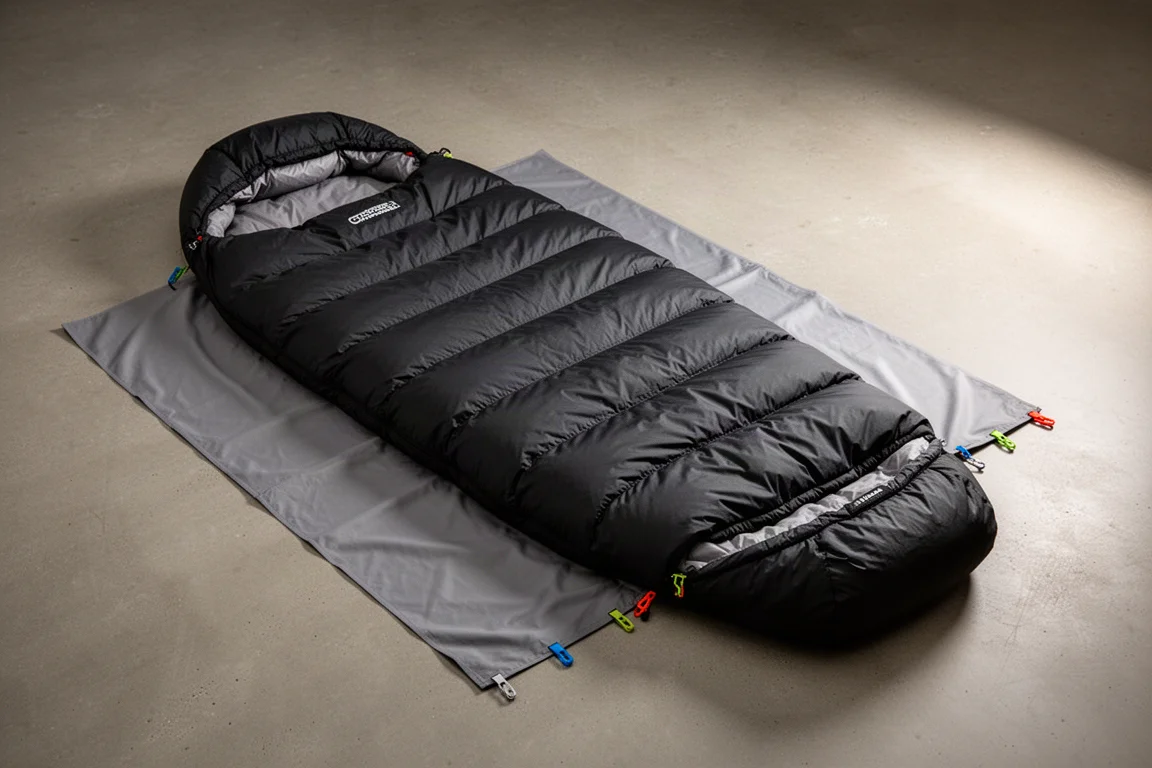
Western Mountaineering Ultralight 20: The Premium Mummy Bag
This is the highest-quality bag in the group, and it shows in every detail. It is made in the USA, and the down is rated at 850+ fill power, though the actual fill in these bags is often reported to be higher still. The result is a very light bag with a lot of loft, and it is the one bag here that has never felt cold, even when sleeping in fewer layers than expected.
The shape is a traditional mummy cut, which leaves less dead air to heat and therefore sleeps warmer for its weight. The foot box still has enough room to move your feet, and a differential cut keeps the down lofted as you shift around. Fill is consistent across the back of the bag too, so side sleepers do not wake up on a cold patch.
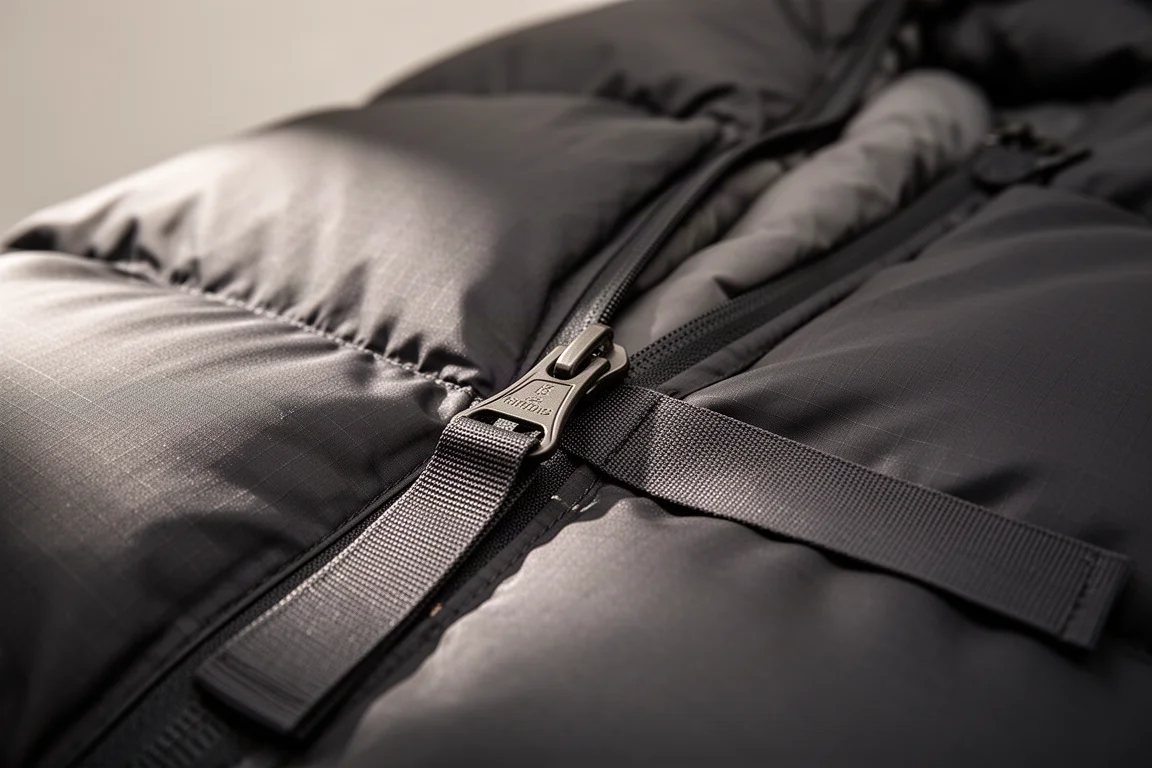
The zipper deserves its own mention. Wide anti-snag tape runs along both sides and the zipper itself is a robust size 5, so it glides smoothly and never catches. A draft collar with an internal cinch lets you seal the opening down tight.
The catch is price. At close to $600, this is the most expensive bag in the guide by a wide margin. The mummy cut is also the most restrictive shape here, which some sleepers find claustrophobic. If you need a bit more shoulder girth, the Alpen Light from the same maker is worth a look.
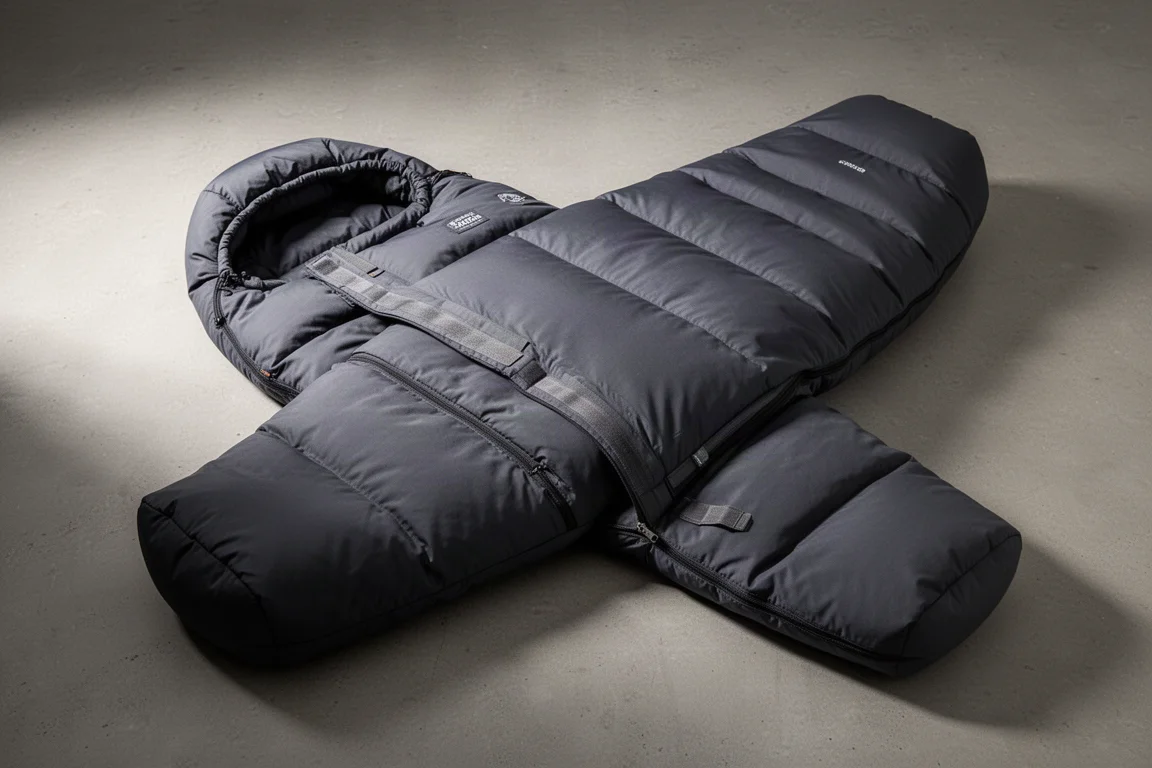
Sea to Summit Ascent ACII 15: The Most Versatile Zipper Layout
The Ascent ACII 15 stands out for its zipper arrangement: a full-length zipper down the left side, a half-length zipper on the right, and a third zipper across the foot box. That layout turns a single bag into something close to a multi-tool. You can vent the torso on a warm night, keep your arms out while sitting up during a storm-bound afternoon in the tent, or open the whole bag flat and use it as a quilt or blanket.
The 750+ fill power down keeps the bag light, though it is not as high a fill power as some options here, which adds a little weight. The shape is comfortable and bed-like, and the hood, while a bit awkward in its design, does not stop the bag from being genuinely pleasant to sleep in.
The trade-off is straightforward. Every extra zipper adds weight, and this bag carries a high price for what it weighs, more than makes sense for a down bag at this temperature rating. There are stronger value options in this guide at 15 degrees. If versatility is what you want, though, few bags offer this much of it.
Buying Advice: Matching a Bag to Your Trips
Start with shape. If you sleep warm and want the best warmth-to-weight ratio, a traditional mummy bag like the Western Mountaineering Ultralight 20 is hard to beat. If you roll around, sleep on your side, or simply dislike feeling enclosed, a quilt-and-sheet system such as the ZenBivy Light Bed will be far more comfortable and just as warm when it is set up properly.
Then decide how much modularity you actually want. The Big Agnes Lost Ranger 15 gives you three configurations in one purchase, which is useful if you camp across a wide range of temperatures. It also means more zippers, more parts and a higher price. A single well-rated bag is the simpler answer for most people.
Think about night-time exits before you buy. A center zipper releases heat the moment you open it, and a two-layer system means two zippers to negotiate in the dark. If you get up often, a single side zipper with a proper draft tube is easier to live with.
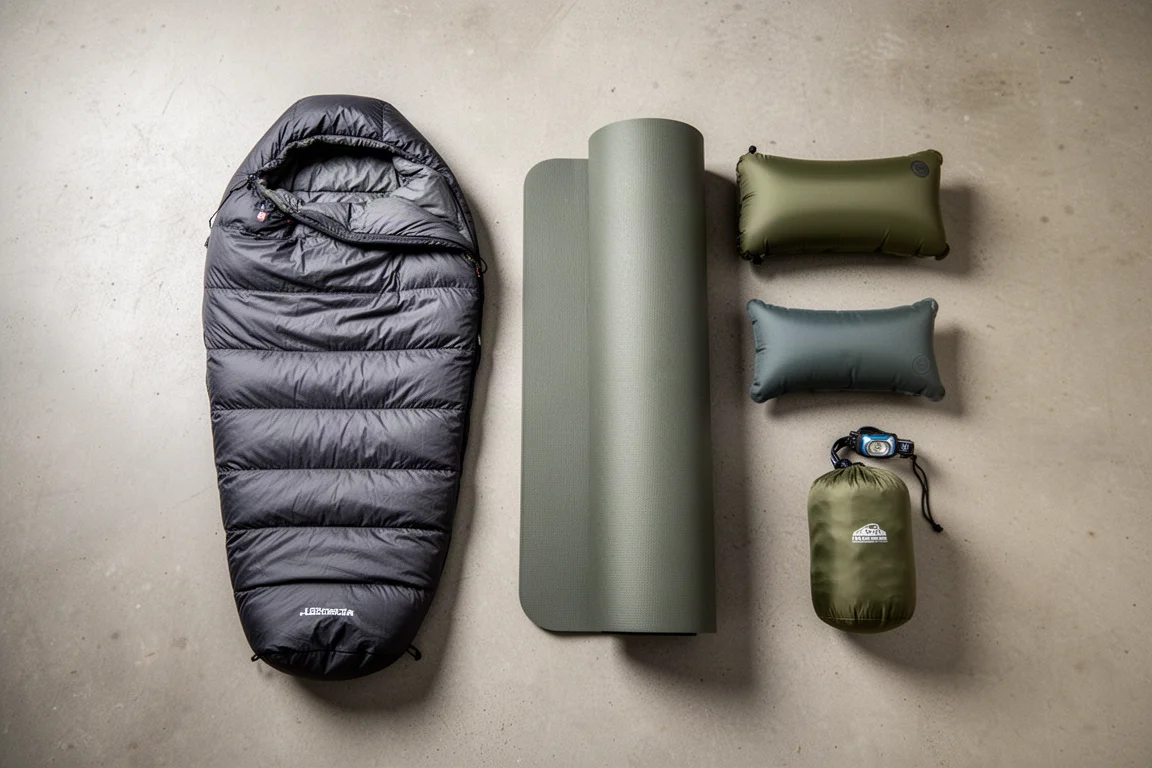
Finally, budget. All five of these sit between roughly $350 and nearly $600. Paying more buys lighter materials, better baffle construction and more refined details, not a different category of warmth. Match the temperature rating to the conditions you actually camp in, and put the rest of your budget into the wider sleep setup.
Conclusion
Each of these five sleep systems earns its price in a different way. The Outdoor Vitals Summit 30 is a solid, roomy 30-degree bag with a center zip that will not suit everyone. The Big Agnes Lost Ranger 15 is the most modular option and the most expensive route to that flexibility. The ZenBivy Light Bed delivers the most comfort per dollar in this group. The Western Mountaineering Ultralight 20 is the finest-built bag here, with a price tag to match. And the Sea to Summit Ascent ACII 15 offers the most flexibility for campers who want one bag to do several jobs.
If you want a single recommendation, the ZenBivy Light Bed is the easiest to justify for most backpackers, while the Western Mountaineering Ultralight 20 is the one to choose when budget is not the deciding factor.
Further reading
Related Reviews
Sleeping Bags
Best Down Sleeping Bags Under $300: Four Backpacking Options Worth a Look
Four down sleeping bags that stay under $300, compared on fill power, baffle design, hood comfort, and packed size.
Sleeping Bags
Best Sleeping Bags and Sleep Systems: Five Premium Down Picks Compared
Five premium down sleeping bags and sleep systems compared on warmth, weight, construction, and value.
Sleeping Bags
Big Agnes Lost Ranger UL 3-in-1 Sleeping Bag System Review: One Bag, Three Setups
A practical look at the Big Agnes Lost Ranger UL 3-in-1 Sleeping Bag System, covering how the three configurations work, where it shines, and the details worth weighing before buying.