Outdoor Gear
Best Down Puffy Jackets for Backpacking: Three Lightweight Options Compared
Three lightweight down puffy jackets for backpacking, compared on warmth, weight, hood design, packability, fit, and price.
Introduction
A down puffy jacket is one of the few pieces of backpacking gear where the differences between models become obvious within a day or two on trail. Weight, fill power, hood design, and overall length all change how a jacket behaves when it is worn in camp, on a cold morning start, or underneath a rain shell.
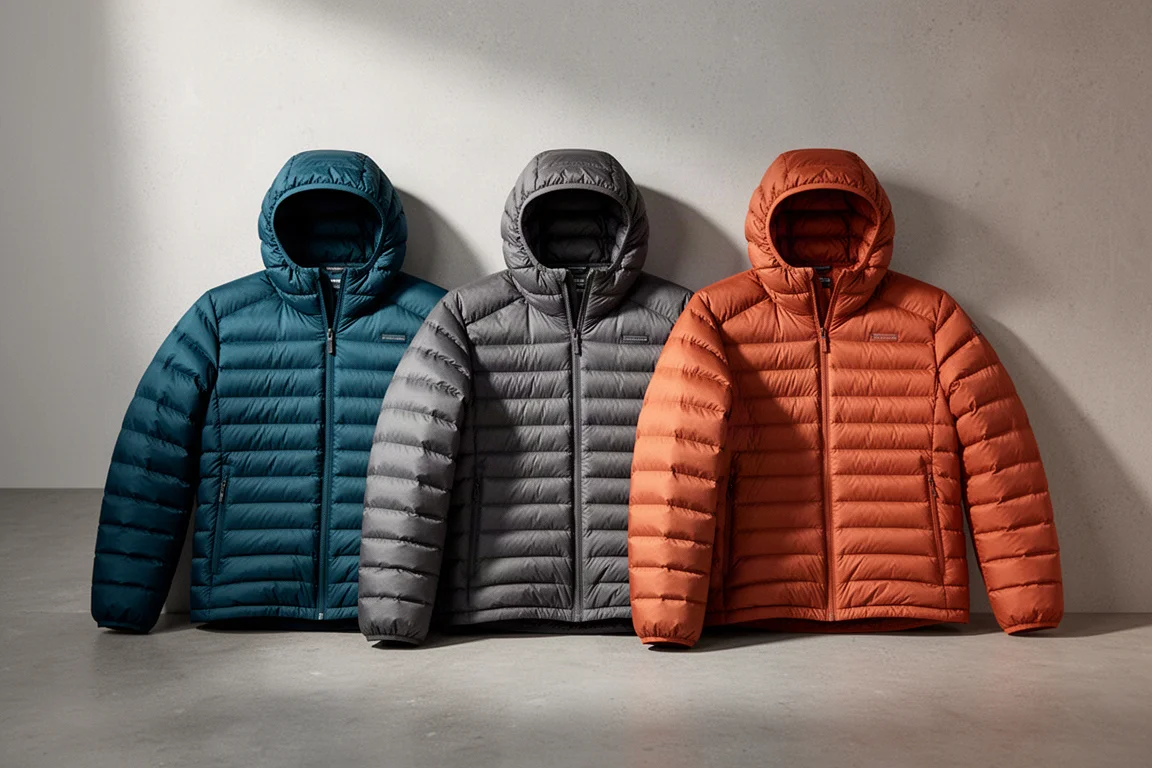
Three lightweight down jackets stand out for very different reasons: the Arc’teryx Women’s Cerium LT Hoodie, the Mountain Hardwear Ghost Whisperer Down Jacket, and the Montbell Plasma 1000 Alpine Down Parka. All three have been used on backpacking trips in cold and wet conditions, and each one earns its place for a specific kind of user.
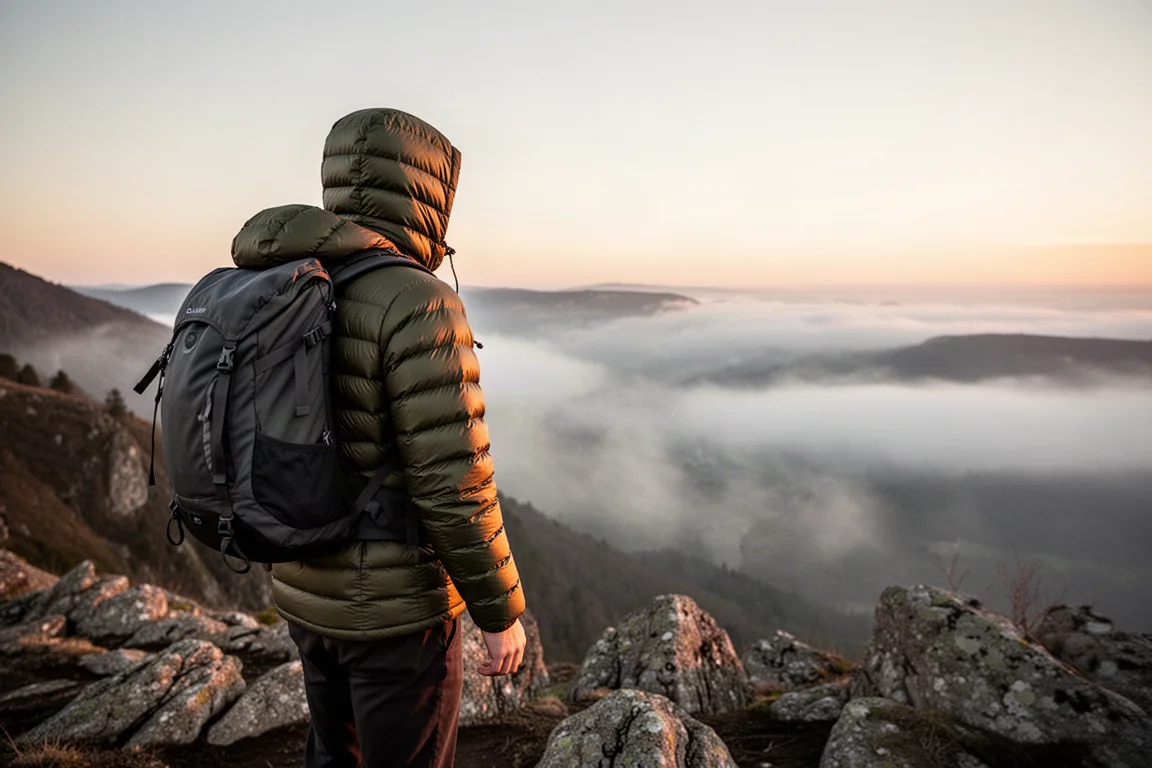
That is what this guide covers: what each jacket does well, where it falls short, and which type of backpacker it actually suits.
What Separates a Good Backpacking Puffer
Five things matter most. First, weight. The three jackets here range from just under 10 ounces down to 7.9 ounces in a women’s cut, and every ounce counts when the jacket spends most of the day inside a pack. Second, fill power, which describes how much loft the down provides relative to its weight. The options here run from 800 fill power up to 1000 fill power.
Third, the hood. An adjustable hood can be cinched around the face and locked down in wind, while a fixed hood is simpler and lighter but far less controllable. Fourth, fit and length, which matter enormously for taller frames with long torsos and long arms. Fifth, packability and price, both of which vary more than expected across such a small group of jackets.
Third Place: Arc’teryx Women’s Cerium LT Hoodie
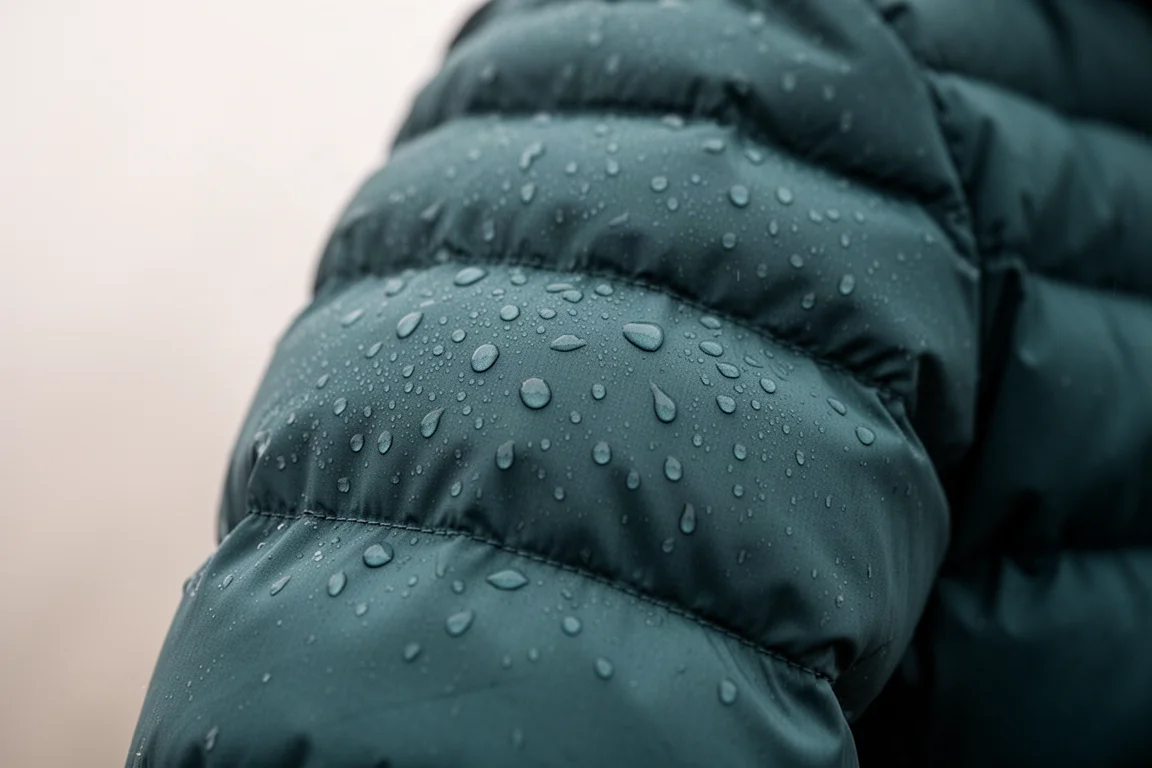
The Cerium LT Hoodie is a genuinely warm jacket. It weighs just under 10 ounces and uses 850 fill power down, and by feel it runs warmer than the Ghost Whisperer. The shell also shrugs off moisture well. Worn through rain, sleet, and snow on a trail day, water and snowflakes brushed off without soaking through, which is more than most down jackets manage.
Two design details stand out. There is an interior pocket, useful for keeping a phone or a small item more secure than an open hand pocket. The hood is adjustable as well, though the adjustment sits behind the head, so cinching it down takes both hands reaching back, which is awkward with trekking poles in hand. There is also a wide range of color options, with one caveat: on lighter colorways, darker down feathers can be visible through the fabric.
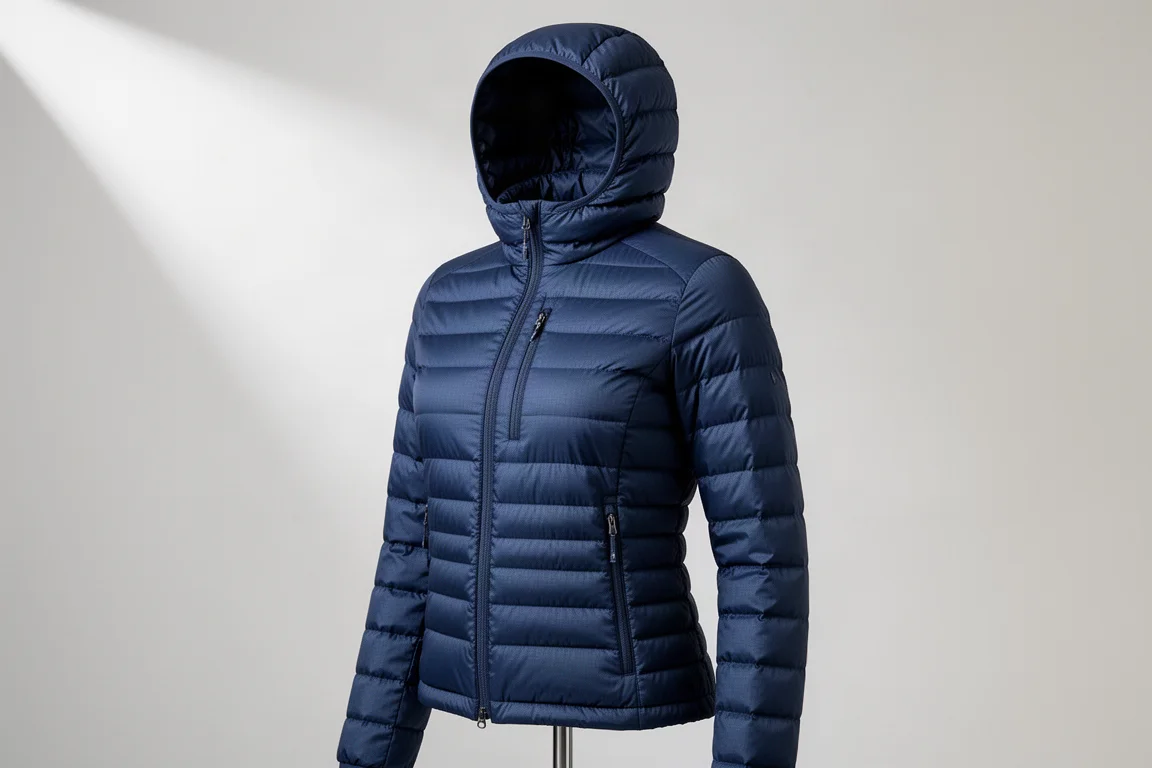
The trade-offs are what push this jacket to third place. It does not compress down as far as the other two, so it takes up more room in a pack. More importantly, the cut is short. On a longer torso the hem rides high, and with the arms extended the wrists are exposed. Backpackers with a shorter torso may find the fit ideal, but taller frames will notice the difference immediately. It cost $379 at the time of purchase, which made it the least expensive of the three at that point.
Second Place: Mountain Hardwear Ghost Whisperer Down Jacket
The Ghost Whisperer has been a go-to for years, and the appeal is easy to explain. It weighs only 8 ounces, uses 800 fill power down, and packs down into a remarkably small ball, so it disappears into a pack until it is needed. The fit is solid. It could be slightly longer, but torso coverage has never been a complaint.
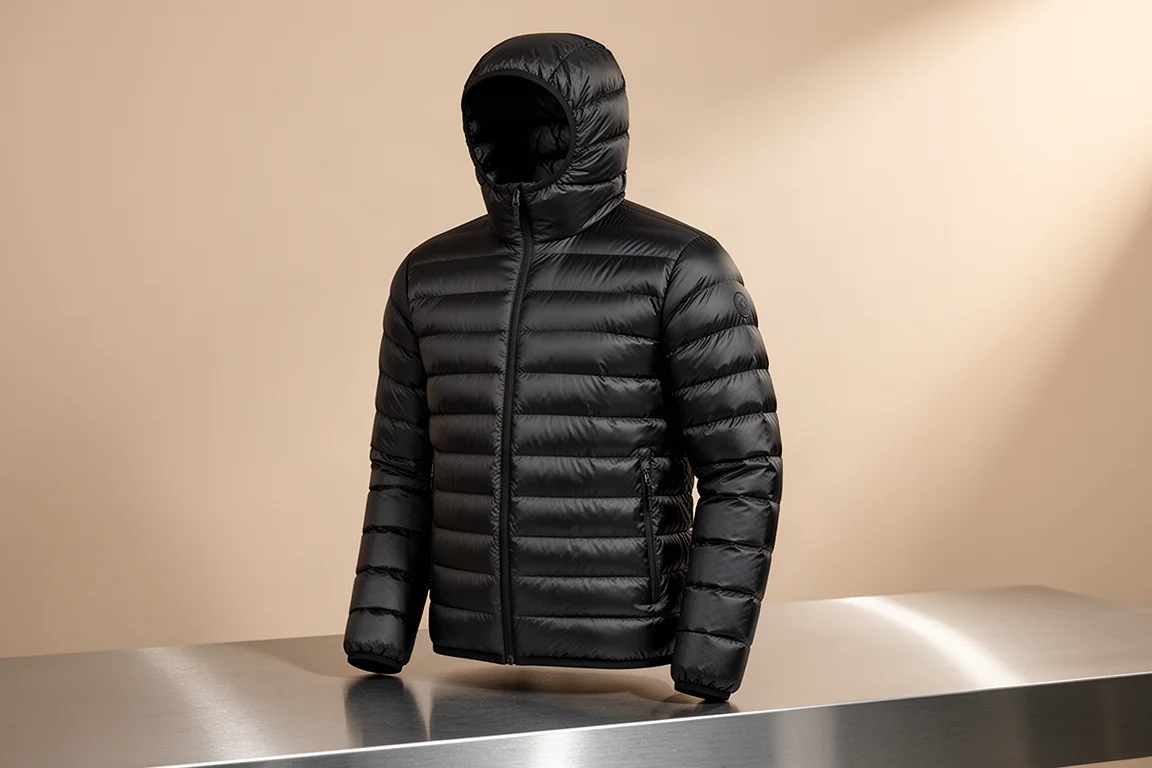
Pricing has shifted over time. The jacket was closer to $400 when purchased, and it is now commonly available online for around $200 depending on where it is bought. Mountain Hardwear also offers a 1000 fill power version of the same jacket for $375, which makes for an interesting comparison against the Montbell below.
The one real limitation is the hood, which is not adjustable. In strong wind it can be difficult to keep in place, and there is no way to cinch it tighter to trap warmth around the head. For everything else, this remains a dependable, proven layer that has held up to years of hard use in camp.
First Place: Montbell Plasma 1000 Alpine Down Parka
The Plasma 1000 Alpine Down Parka is the warmest and lightest jacket of the group. It uses 1000 fill power down, and the difference is obvious the moment it goes on: the loft is immediately apparent and the warmth is instant. The men’s version weighs 8.4 ounces, while the women’s version comes in at 7.9 ounces, which is lighter than the 8-ounce Ghost Whisperer.
The hood is the standout feature. It adjusts in two ways, so it can be cinched around the face and also tightened to reduce the gap between the head and the body of the jacket. That combination is uncommon, and it makes a real difference on exposed, windy campsites.
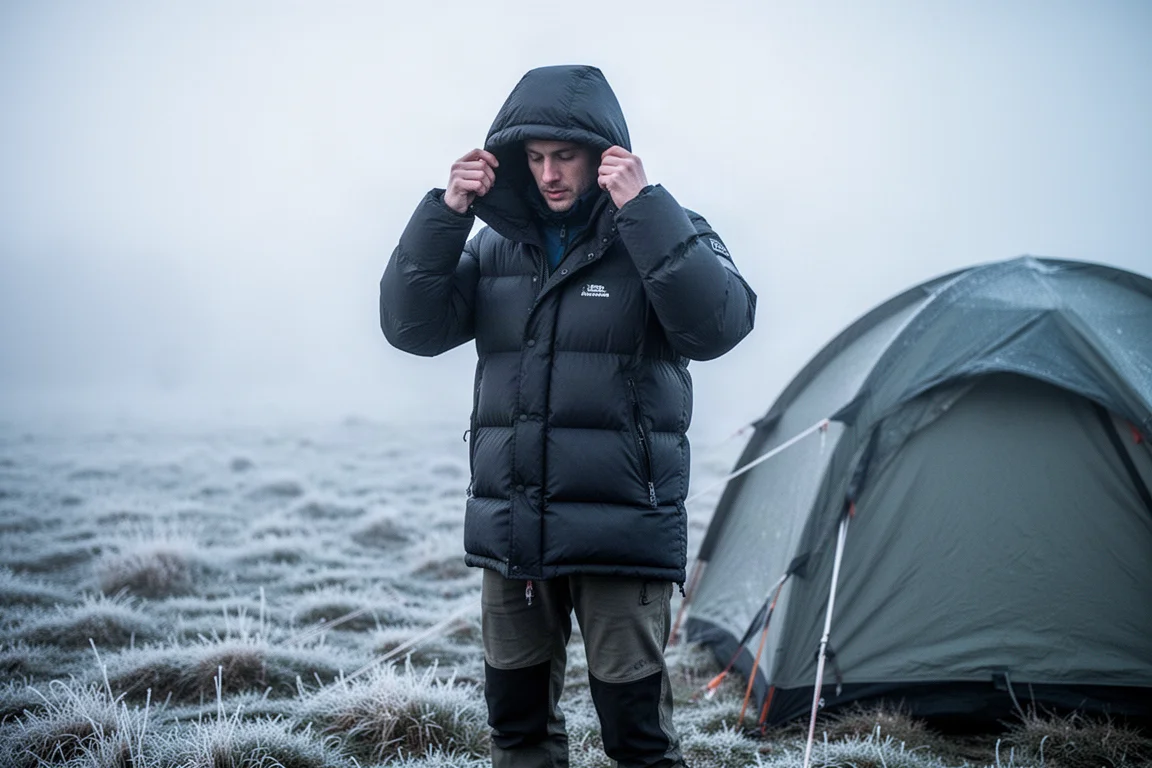
The main drawback is price. At $440 it is expensive even by down jacket standards. The second consideration is warmth itself. For anyone who is not particularly cold-natured, this jacket may simply be too much. It warms you up quickly, which means stopping to take it off and pack it away, then unpacking it again at the next break. A lighter, less insulated layer can be the better match for that stop-and-start rhythm.
Warmth Versus Weight: Matching a Puffer to Your Layering Style
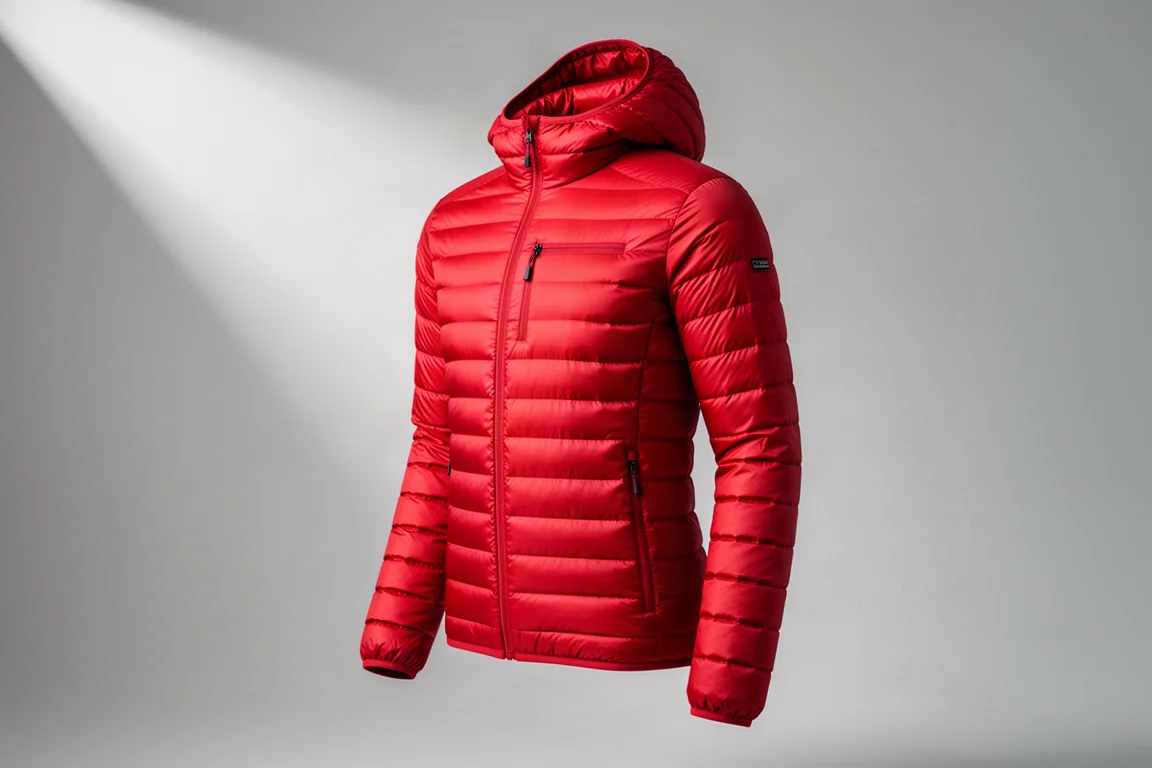
The right choice here depends less on specifications and more on how a person runs. A very cold-natured backpacker will happily carry a little more insulation, and paying $65 more for roughly half an ounce of additional weight in the women’s sizes is a straightforward trade. For that user, the Plasma 1000 is worth it.
A backpacker who runs warm may prefer the Ghost Whisperer, which delivers enough warmth for camp and cold mornings without tipping into overkill. The Cerium LT Hoodie sits between the two in warmth, with the shortest cut of the group.
Buying Advice: You Do Not Have to Spend $400
Down puffy jackets are expensive, and most models in this category land somewhere between $200 and $500. That is a lot for one piece of equipment, and it is worth saying plainly: a down puffer is not required to go backpacking.
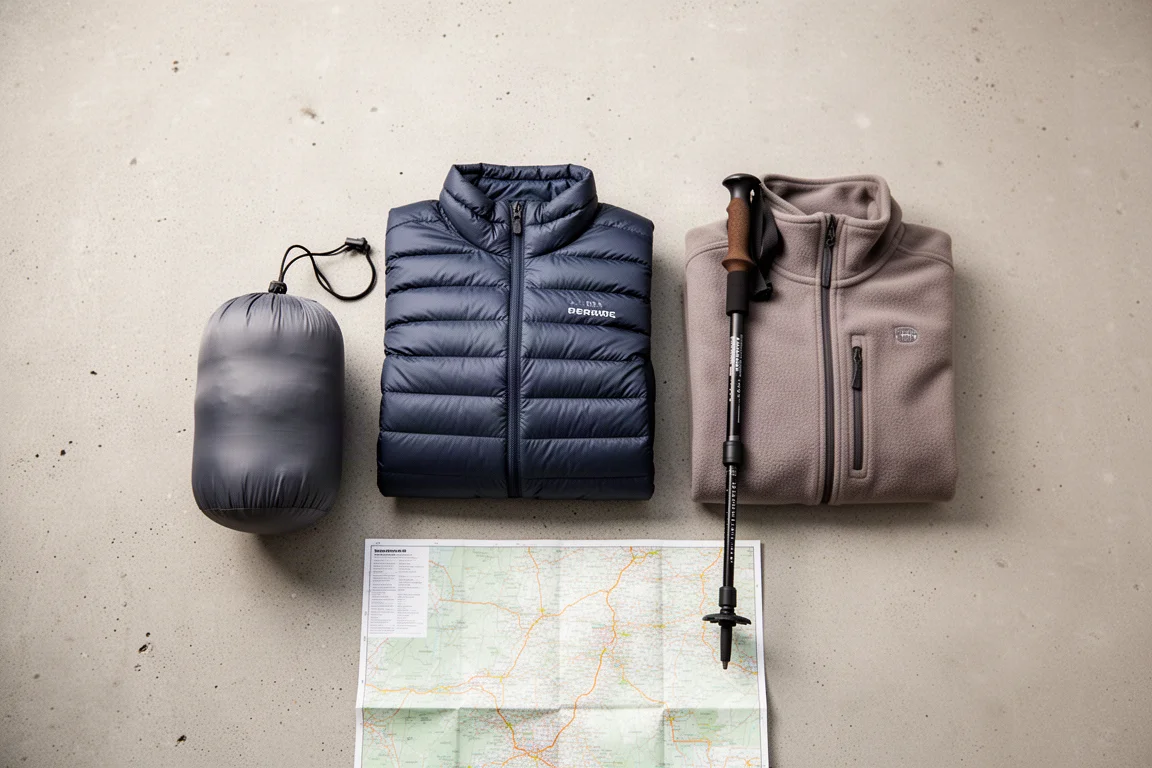
There are several lower-cost routes. A fleece midlayer provides useful warmth on its own. Thrift stores turn up serviceable jackets regularly. Synthetic insulation costs less than down and still handles cold, damp conditions. Used gear groups on social platforms are full of puffy jackets and other equipment at roughly half price, and larger outdoor retailers sometimes hold periodic yard sales for members where returned items are sold at a discount.
If the budget allows and the jacket will be used for years, the three options above are all sound. If the budget is tight, a synthetic or second-hand puffer will still keep a backpacker warm on a cold morning.
Conclusion
After using all three, the ranking comes down to fit and warmth rather than any single specification. The Montbell Plasma 1000 Alpine Down Parka takes first place for its combination of 1000 fill power down, low weight, and a genuinely effective two-way adjustable hood. The Mountain Hardwear Ghost Whisperer remains the reliable middle ground at around $200, with its fixed hood as the main compromise. The Arc’teryx Women’s Cerium LT Hoodie is warm and well-featured, but its shorter cut and bulkier packed size make it a better match for shorter torsos than for tall frames.
Further reading
Related Reviews
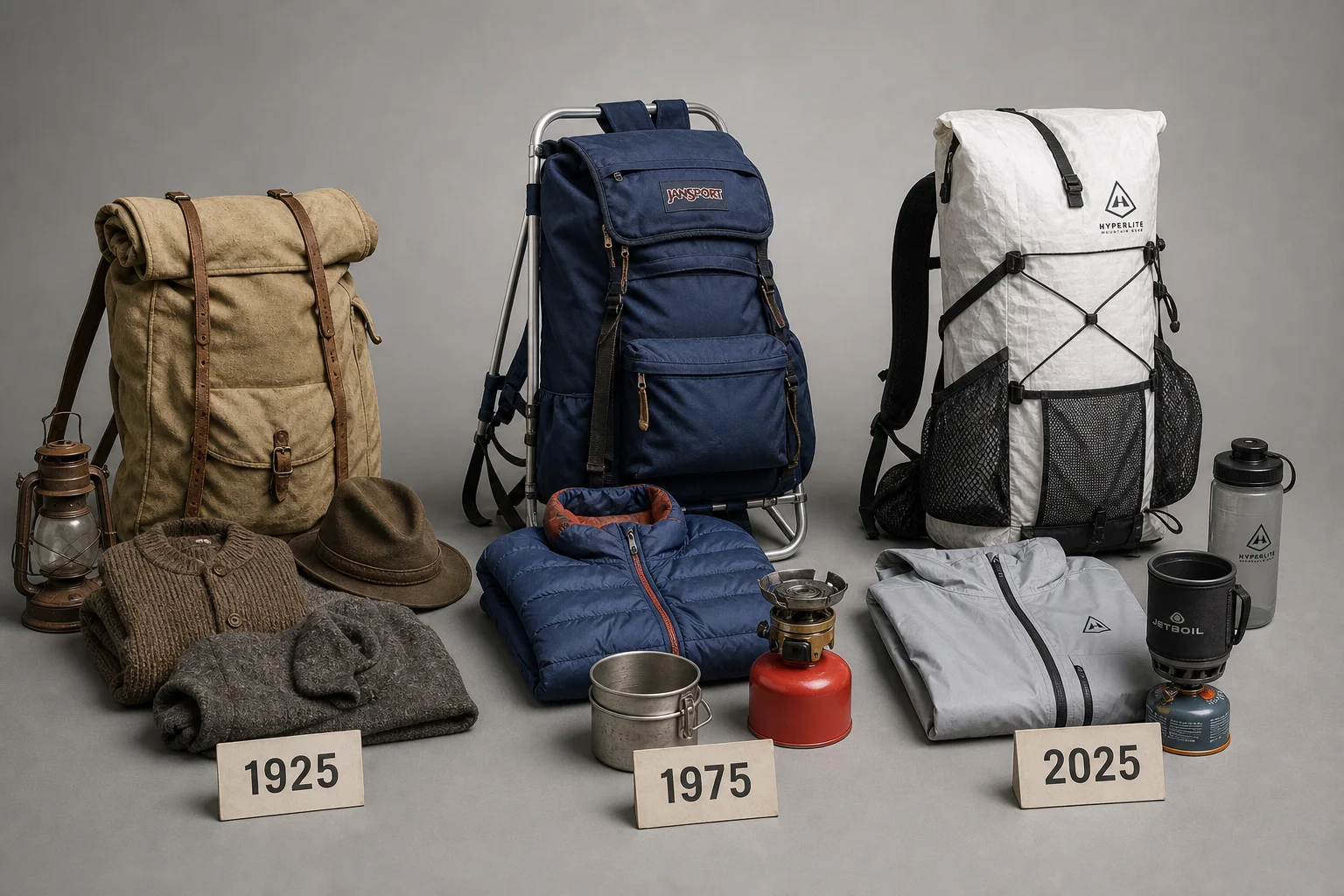
Outdoor Gear
Backpacking Gear Evolution: 100 Years of Technology Compared
We tested backpacking gear from 1925, 1975, and 2025 across a three-day hike in Yosemite. Here's how technology has transformed comfort, weight, and the outdoor experience.
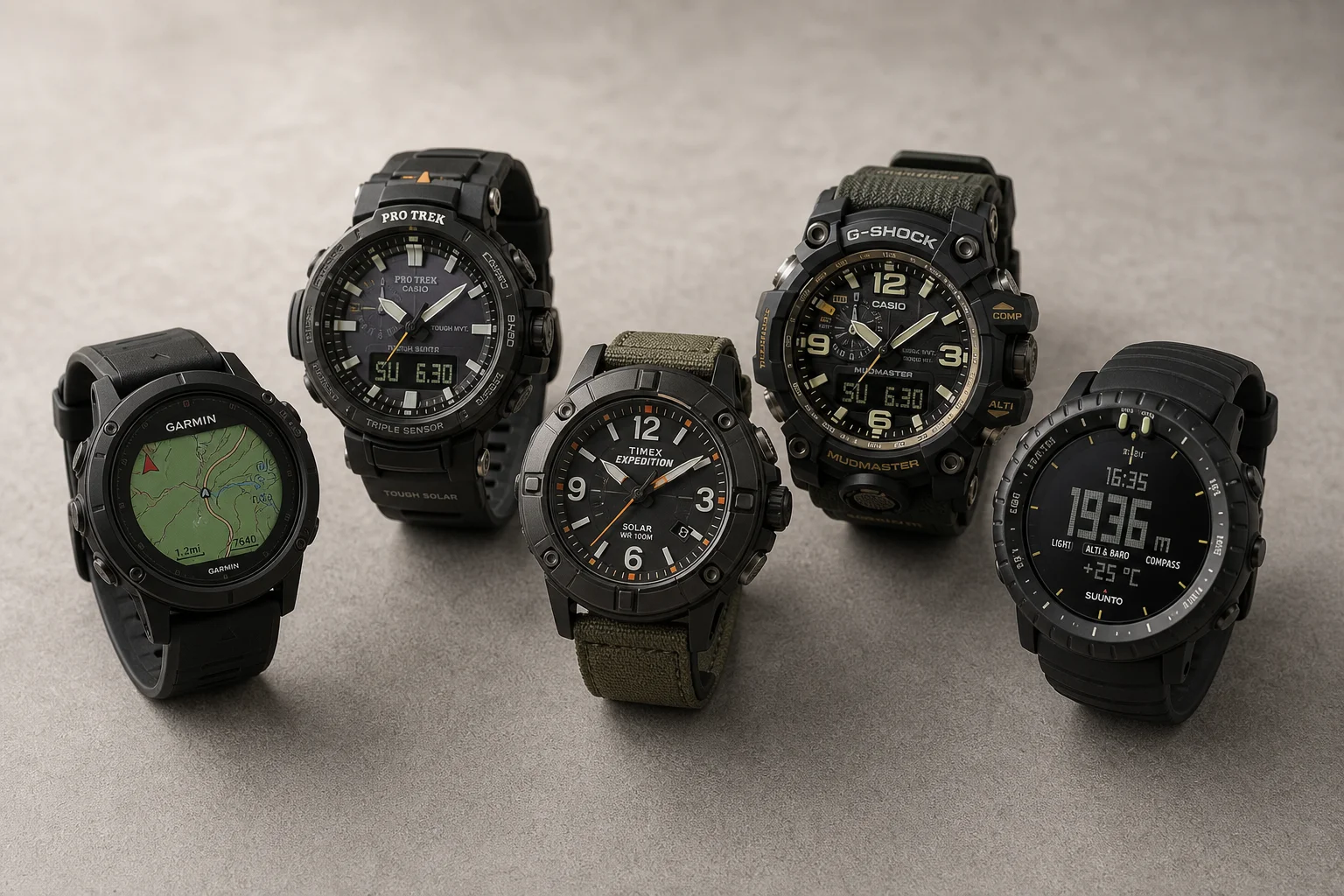
Outdoor Gear
Best Affordable Hiking Watches: Five Rugged Options for Outdoor Adventures
Five durable hiking watches that balance ruggedness, functionality, and value for outdoor enthusiasts who need reliable GPS tracking and weather resistance.
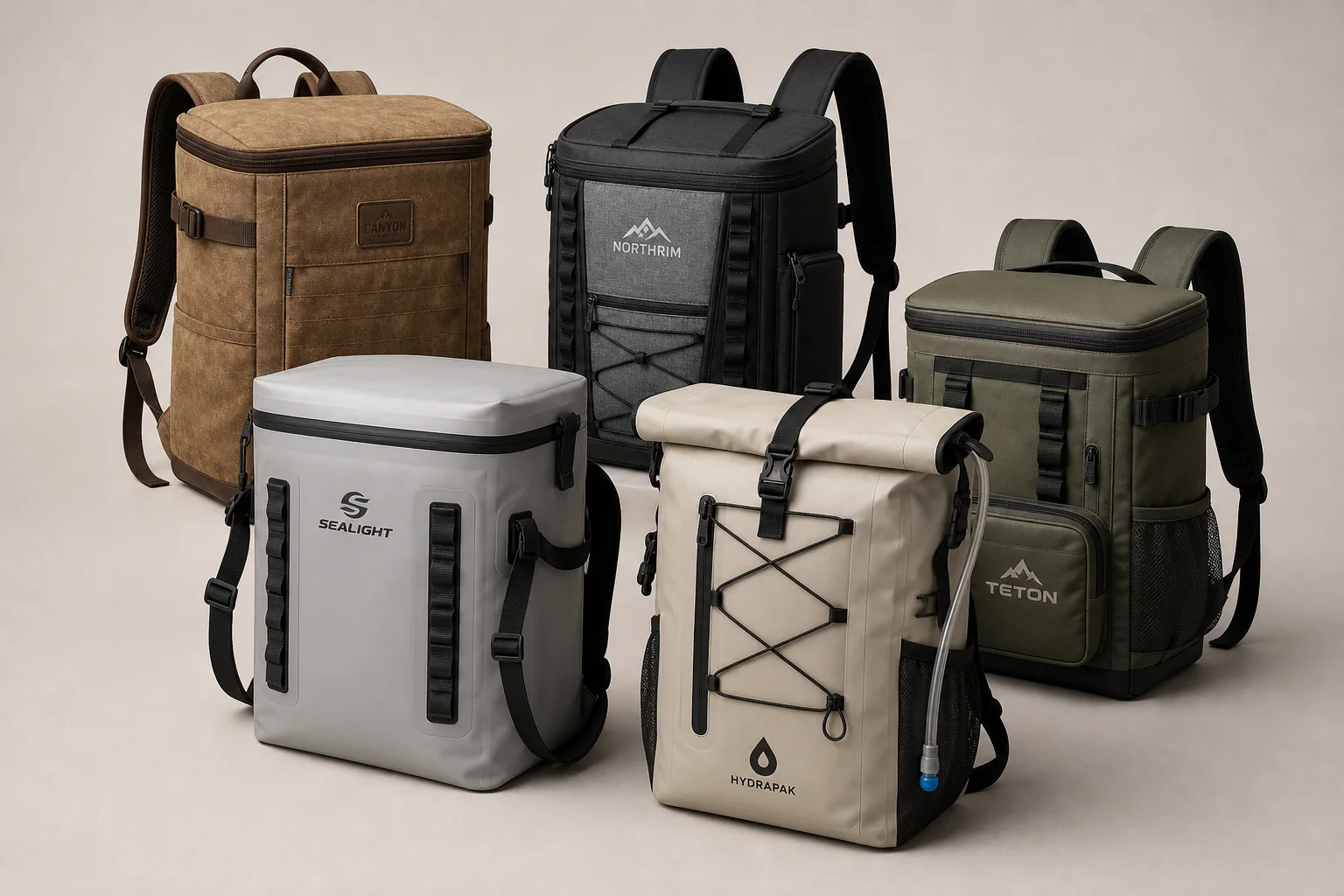
Outdoor Gear
Best Backpack Coolers 2026: Five Practical Options for Outdoor Adventures
Five backpack coolers with distinct cooling capabilities, storage features, and design trade-offs to help you choose the right one for your outdoor needs.