Mountain Bikes
Best Down Country Bikes: Five Fast, Capable Mountain Bikes Worth Considering
Five down country mountain bikes compared, covering carbon and steel frames, travel, geometry, build weights and pricing to help you choose with confidence.
Introduction
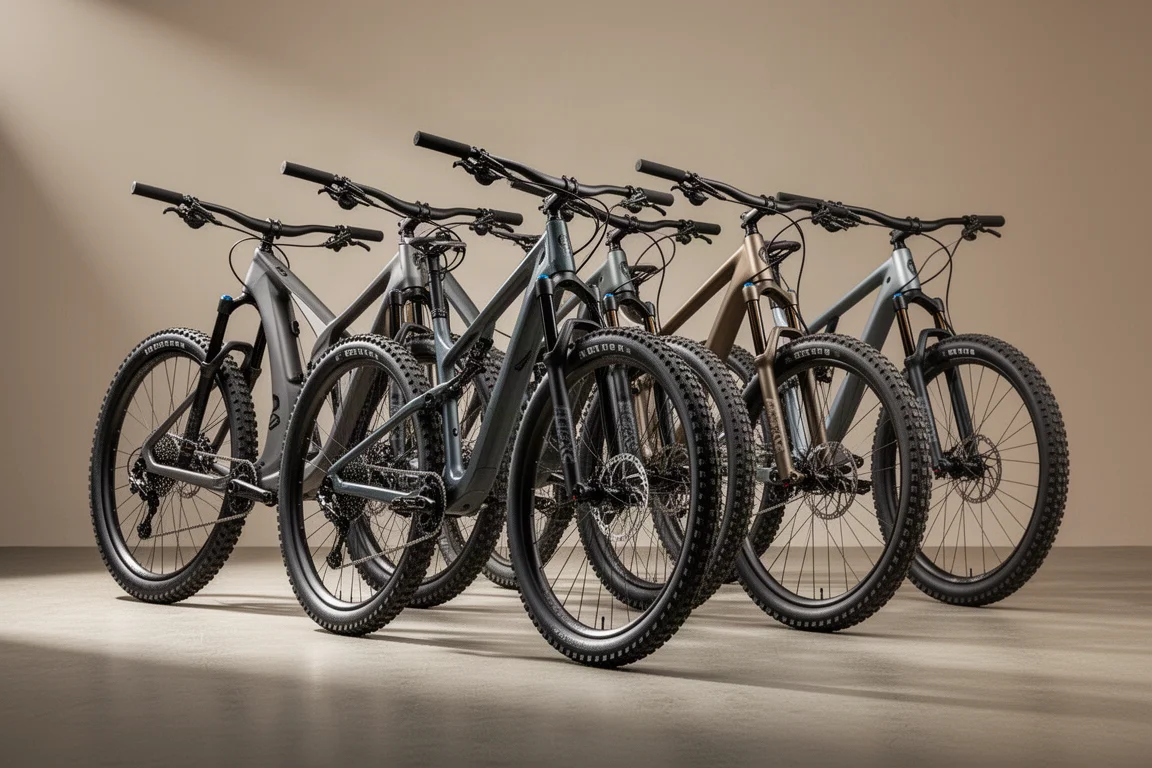
Down country bikes take the light, eager feel of a cross-country race bike and add a generous dose of descending attitude. Frames stay light, travel stays modest, and the geometry leans noticeably slacker than a pure race machine, which makes these bikes far more enjoyable on rough, technical trails without giving up climbing speed.
The five bikes below represent very different answers to the same brief. Two are carbon, one is steel, one hides its shock inside the frame, and one has been refined across several generations. Each has a distinct character, and understanding that character matters more than comparing spec sheets line by line.
What Defines a Down Country Bike
Most down country bikes settle around 120mm of rear travel paired with a 120mm to 140mm fork. Frames are built to be light, often in carbon or slim steel tubing, and the geometry is more relaxed than a cross-country race bike: slacker head angles, steeper seat angles, longer reach figures and short chainstays that keep the bike lively once the trail tilts downhill.
Suspension design matters just as much. Some bikes use a simple single pivot with flexing chainstays, others use multi-link layouts, and a few hide the shock inside the frame entirely. Those choices show up in pedalling efficiency, service access and how the bike behaves on longer, rougher descents.
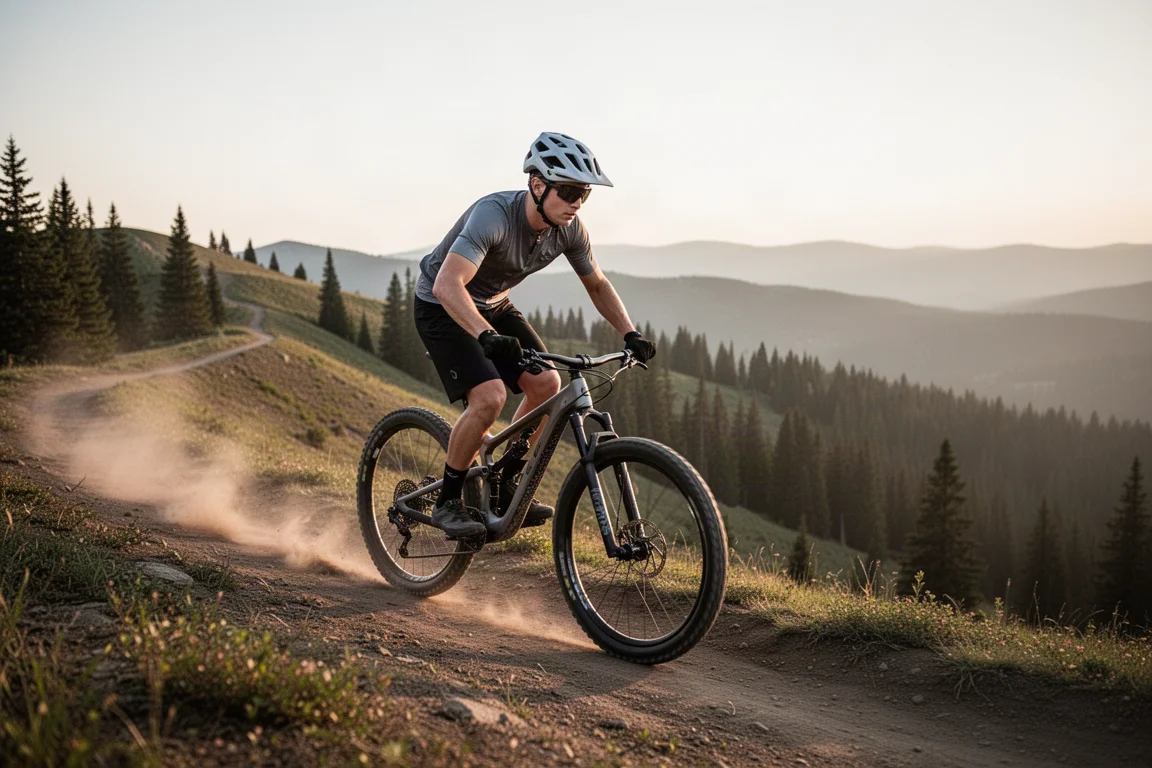
Price is the other dividing line. Down country bikes sit at the premium end of the mountain bike market, and the five models here range from a hand-built carbon frameset to a steel frame that can be built up gradually over time. What follows is a closer look at each one, with the details that matter most when you are deciding where to spend.
Allied BC40: Hand-Built Carbon Speed
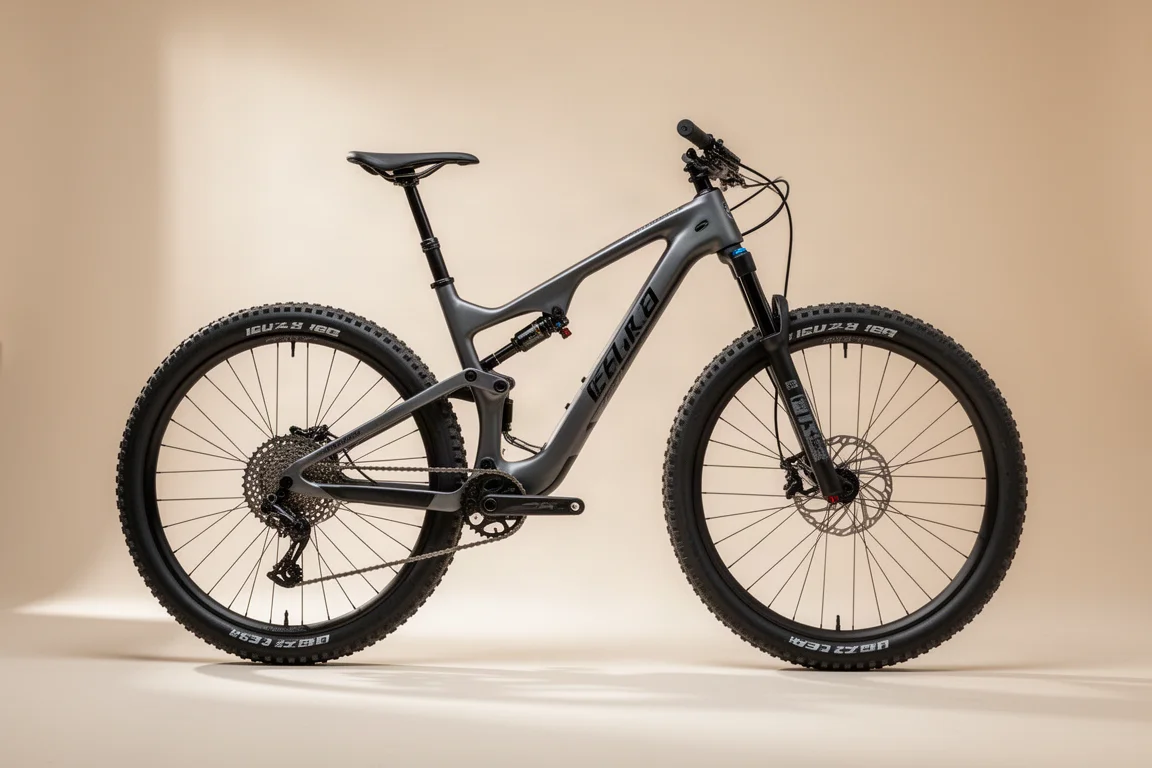
Allied is better known for road and gravel bikes, and the BC40 is the brand’s first down country model. The frame is hand built in the United States, and that shows in the details: a claimed weight of under two kilograms for the frame, shock and all hardware, plus a wide choice of frame and decal colours. There is even a replica version of a team rider’s personal BC40 with a splatter fade paint finish.
The numbers line up with the category. Travel is 120mm front and rear through a single pivot suspension system with flex stays, and Allied claims second-to-none pedalling performance. A 66.5 degree head angle and a long 475mm reach on a size large should give it the descending ability to match its climbing chops.
Practical touches include two bottle cages inside the front triangle, a SRAM UDH derailleur hanger, neat internal cable routing and the option of a remote lockout if you like to stamp on the pedals. The BC40 is sold as a complete bike or as a frameset, with the frame and RockShox SidLux shock starting at 4,995 dollars and the least expensive XT build at 7,725 dollars.
Scott Spark ST: A Super Trail Take on Down Country
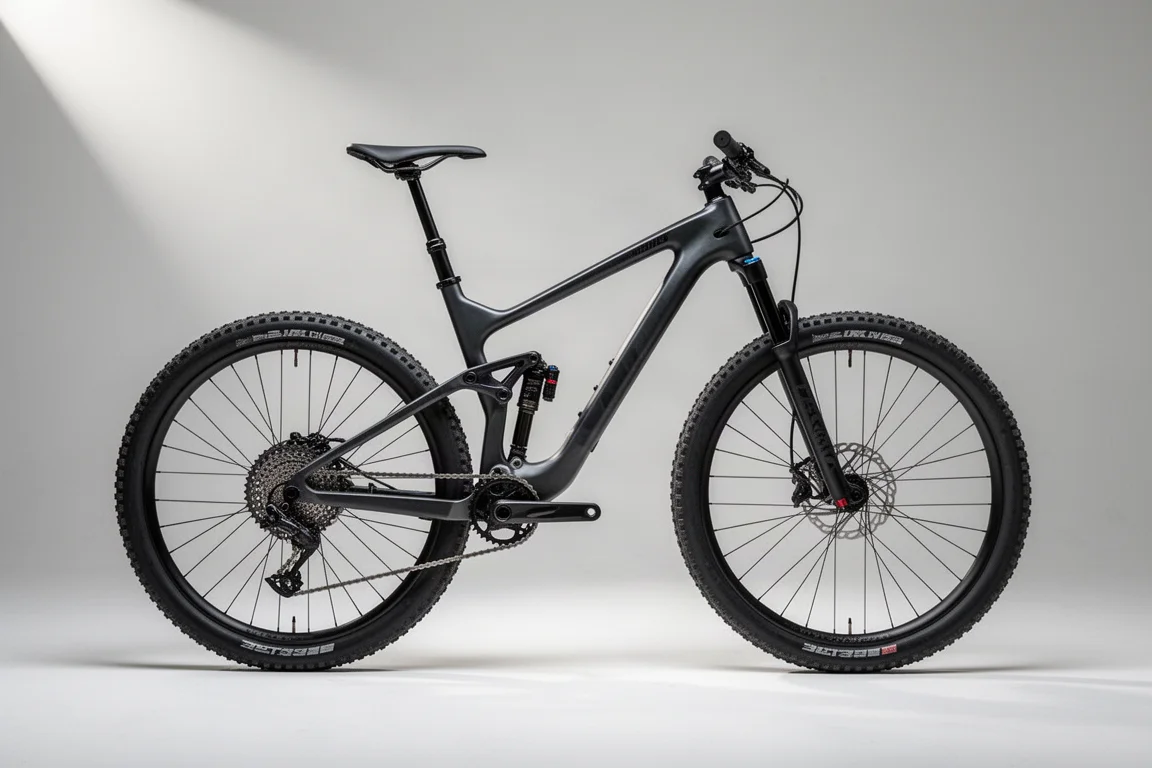
The Spark was one of the first cross-country race bikes to spawn a more capable 120mm travel version, long before down country became a recognised category. The latest Spark arrived in 2021 and pushed that idea further, and the Spark ST takes it another step.
ST here stands for Super Trail, and the headline change is a longer travel 140mm fork that is deliberately not linked to the brand’s TwinLoc system. That frees the fork to run a more adjustable damper, such as a Fox Grip 2 or a RockShox Pike Ultimate on the two ST models in the range, so riders get maximum adjustment at the front while keeping on-the-fly adjustment for the rear shock.
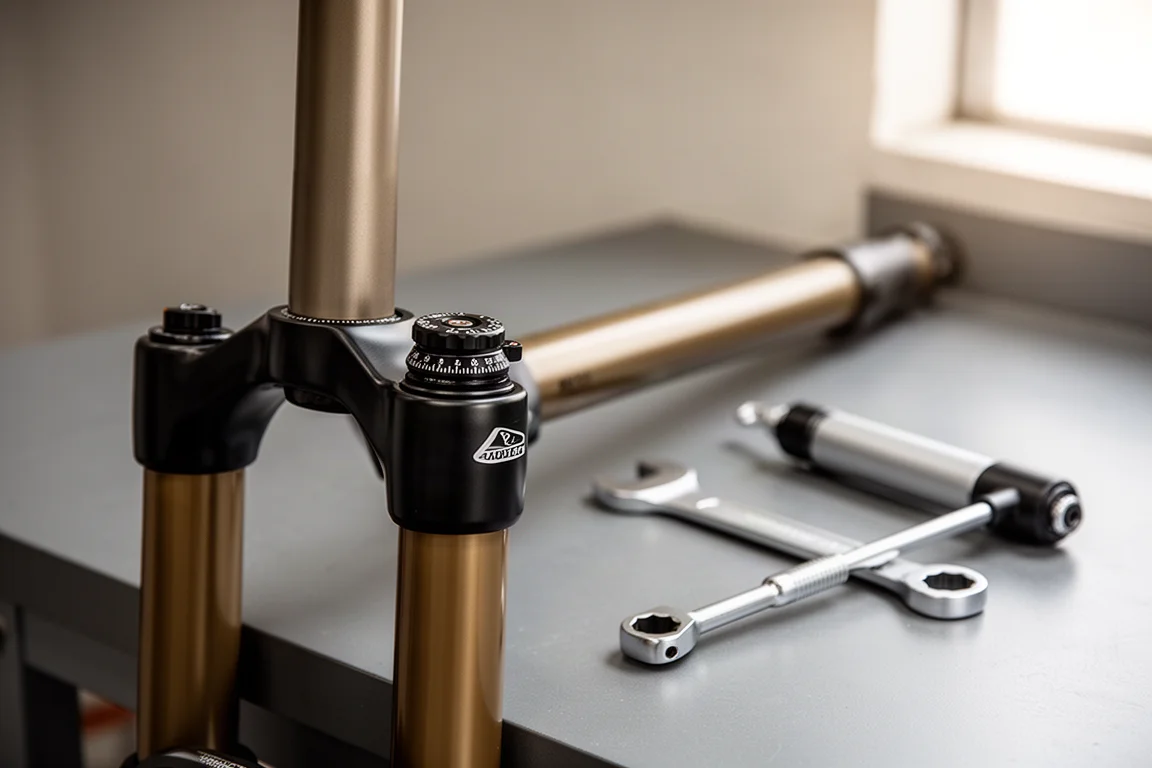
Both ST models also use a Fox Float X Nude shock with a piggyback reservoir, which is claimed to make them better on longer, rougher descents. Elsewhere the frame is the same as a standard Spark: HMF carbon with the shock hidden inside the frame to deliver 120mm of travel, plus internal cable routing that enters through the headset. That routing choice continues to divide opinion, so it is worth deciding how you feel about it before you commit.
Cotic FlareMax: Steel With Rowdy Intent
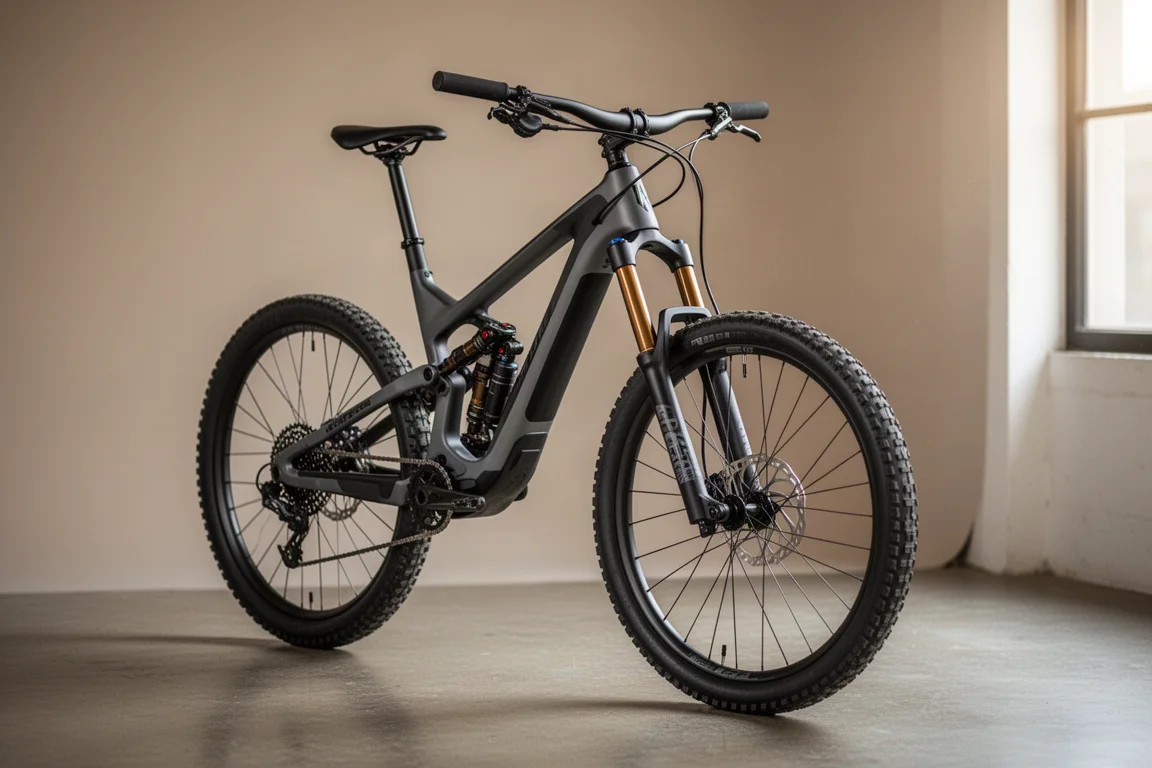
The FlareMax is a British take on down country, and it makes its case with steel rather than carbon. The frame uses a Reynolds 853 front end with an oviform top tube, and the feedback-rich ride feel that comes with steel is a large part of the appeal.
Versatility is built in. The frame can take a 130mm or 140mm fork for a ride closer to a trail bike, or a lightweight 120mm fork for a sharper down country build. Now in its fourth generation, the FlareMax uses the drop link suspension kinematic first introduced on the brand’s Jeht model, which is claimed to keep the progression curve more consistent through the travel. An updated pivot location adds 20mm of space for longer dropper posts and allows the use of more common metric 210 by 50mm shocks.
The geometry sits at the aggressive end of the category: a 66 degree head angle, a 76 degree seat angle, 468mm of reach on a size medium and 448mm chainstays when fitted with the 120mm fork. Steel does not mean old-fashioned here either, with internal cable routing through the rear triangle, a dedicated one-by design with a tidy integrated chain guide and a 44mm head tube that accepts pretty much any fork on the market. The gold spec build with a RockShox Sid fork and lightweight tyres comes in at 12.9kg, complete bikes start at 3,499 pounds and a frame-only option is available at 1,799 pounds.
Whyte Uncaged 7: Racing Intent With Trail Attitude
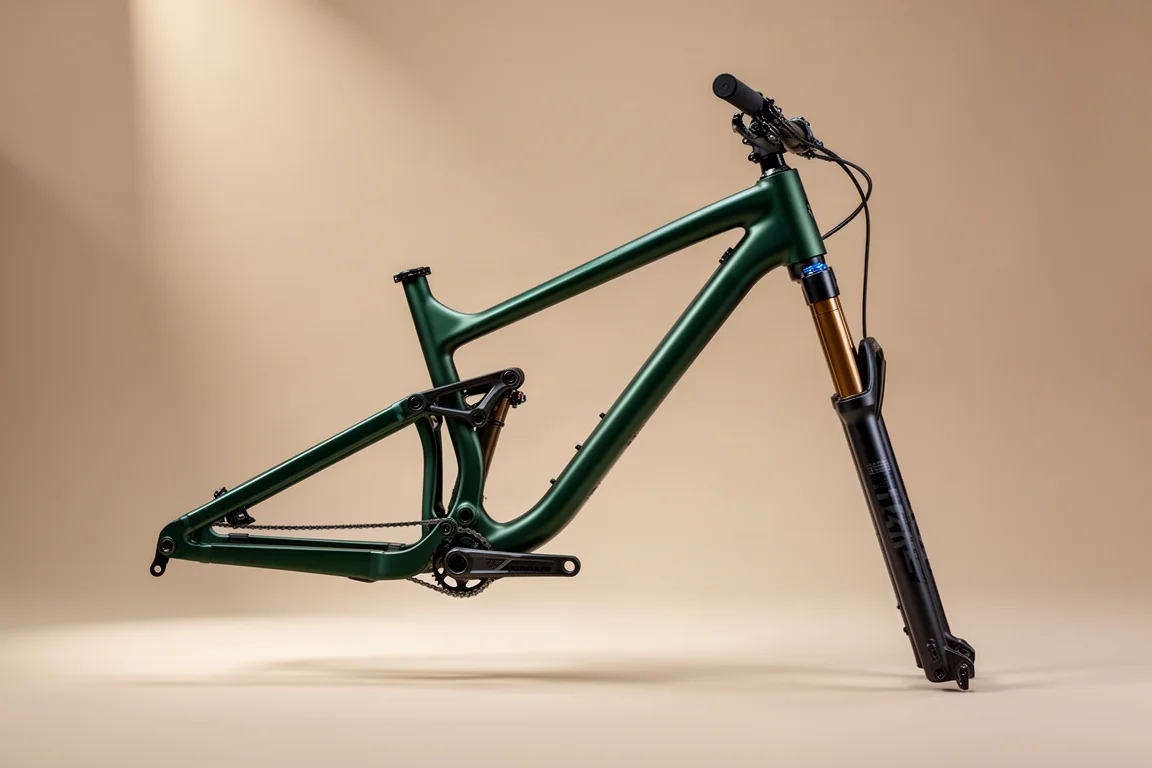
The Uncaged 7 is a standalone model rather than part of the regular range, and it trades 130mm of travel for a more cross-country focused 120mm. The full carbon frame is shared with the rest of the range, but the suspension is swapped for a RockShox SidLux shock with a shorter stroke and a 120mm Sid fork, both paired to a RockShox TwistLoc remote lockout for intense out-of-the-saddle climbs and sprints.
A geometry flip chip in the rocker link offers 0.4 degrees of adjustment to the head and seat angles plus 5mm of bottom bracket adjustment. In the slack setting that produces a 66.5 degree head angle and a steep 77.5 degree seat angle, an aggressive stance for a bike that flows between cross-country pace and hard-charging trail riding.
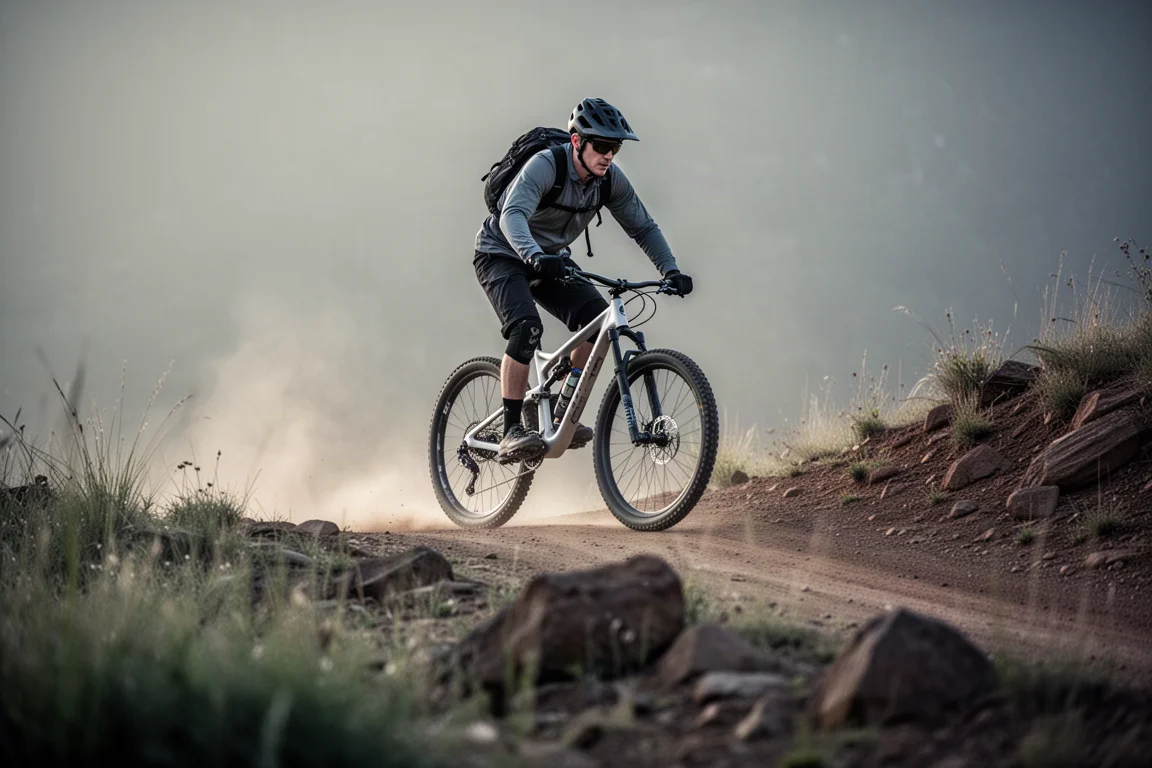
The specification matches that intent. DT Swiss XRC 1200 Spline carbon wheels are paired with Maxxis Recon Race tyres in a 2.4 inch width, while a SRAM XX1 Eagle AXS drivetrain, a RockShox Reverb AXS dropper post and four-piston SRAM G2 Ultimate brakes complete the build. It all adds up to a claimed 12.1kg. There is only one model to choose from, and it costs 6,299 pounds in the UK or 6,499 dollars in the US.
Ibis Ripley: A Proven All-Rounder, Refined
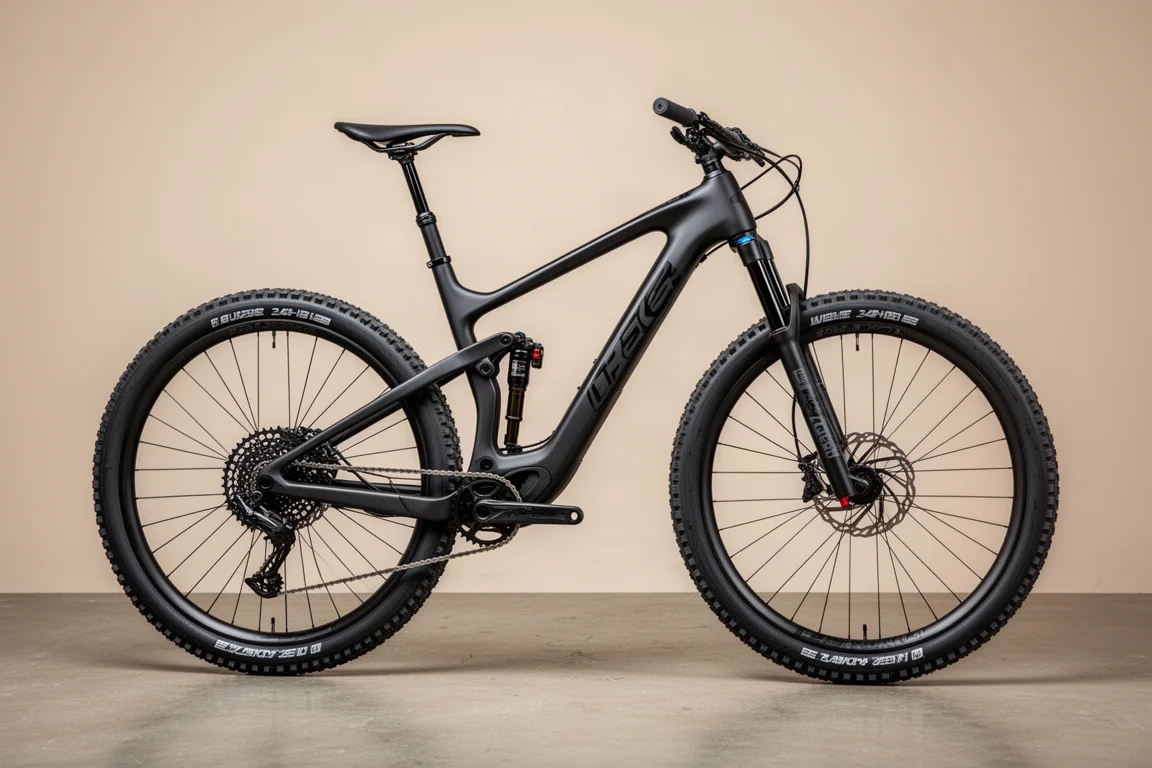
The original Ripley was one of the first capable 29ers when it launched in 2013, and it has grown more capable with each passing iteration. The latest geometry is a long way from the original, with a head angle almost 5 degrees slacker than the first version.
The Ripley V4 moved away from the eccentric DW link design of the original to a more traditional layout, and the V4S adds an updated swing arm with a SRAM UDH derailleur hanger, improved protection for the swing arm and a 55mm chainline that results in a stiffer chainstay. Beyond that, changes are limited to the brand’s updated logo and aesthetics, so the proven performance carries over intact.
That performance is centred on the DW link suspension, which is designed to deliver strong climbing traction. There is room for a 2.6 inch tyre and a claimed frame weight of five pounds without shock, which together make the Ripley a strong candidate for technical climbing. A 130mm fork and 120mm of rear travel give it the attitude to match on the descents, so it should feel at home on flowing and technical trails alike.
The Ripley is carbon throughout and priced in line with other premium rivals, with frame-only builds starting at 3,499 pounds or 3,499 dollars and complete builds from 6,499 pounds in the UK for the SLX build or 5,599 dollars in the US for the NGX build. An alloy version, the Ripley AF, is also available, and a frame-only option exists there too.
Buying Advice: Matching the Bike to Your Riding
If the lightest possible package and a custom finish matter most, the hand-built carbon Allied BC40 is the most focused option here, and the frameset route lets you build it exactly as you want it.
Riders who want a longer travel fork without giving up remote rear shock control should look closely at the Scott Spark ST. The Cotic FlareMax suits anyone who prefers the feel of steel and wants one frame that can be built as either a trail bike or a sharper down country machine.
The Whyte Uncaged 7 is the most race-oriented build of the group, with its remote lockout, lightweight carbon wheels and 12.1kg claimed weight. The Ibis Ripley sits comfortably in the middle, with a proven suspension design, generous tyre clearance and an alloy alternative for riders who want similar geometry at a lower cost.
Whichever way you lean, budget is the single biggest factor. Frame-only options from Allied, Cotic and Ibis let you spread the cost and choose your own components, while complete builds from Scott and Whyte remove the guesswork. Match travel to the terrain you actually ride most often, and be honest about how much you value low weight versus long-term durability.
Conclusion
Down country bikes have matured into a genuinely useful category, and these five show how broad it has become. The Allied BC40 is the lightweight carbon specialist, the Scott Spark ST is the most adjustable on the descents, the Cotic FlareMax brings steel character and build flexibility, the Whyte Uncaged 7 is the raciest complete package, and the Ibis Ripley remains a well-rounded all-day machine.
None of them is a compromise on climbing speed, and each adds real composure once the trail points down. Pick the one whose character matches the riding you do most, and you will get far more out of it than a bike that simply wins on paper.
Further reading
Related Reviews
Mountain Bikes
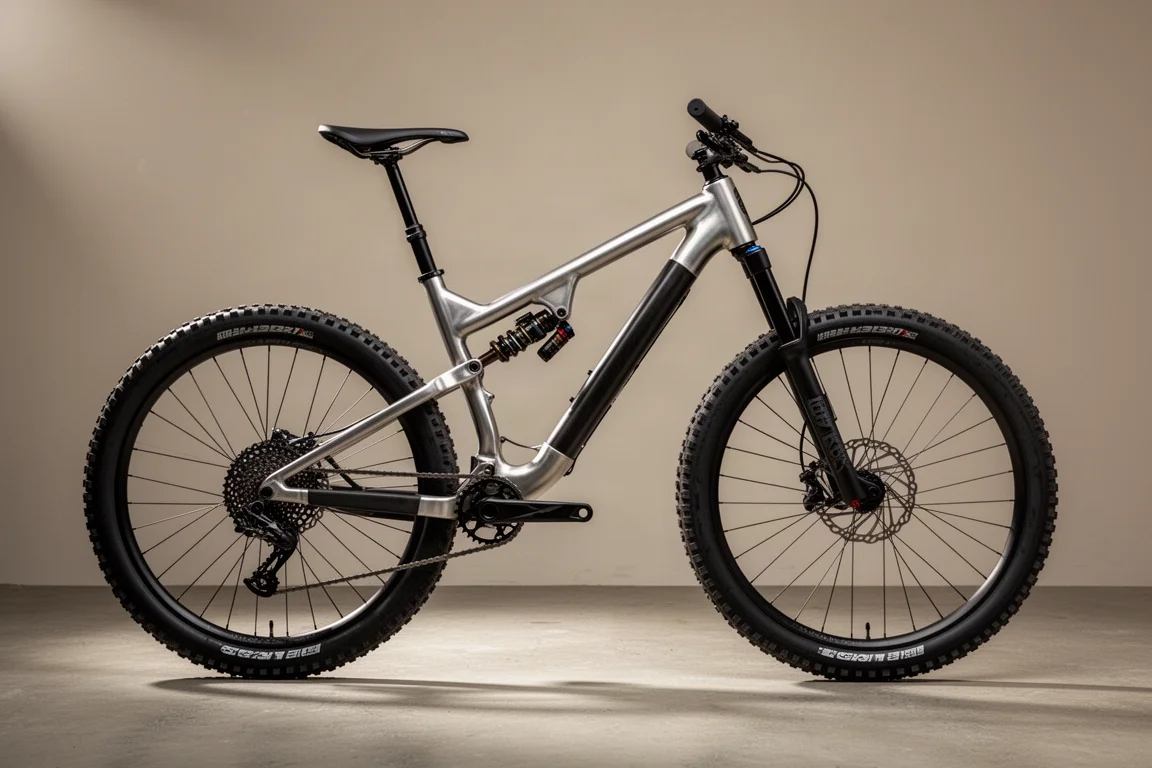
Atherton AM.130 Review: 3D-Printed Titanium Lugs and a 130mm Trail Bike That Descends Like a Bigger Machine
The Atherton AM.130 pairs 3D-printed titanium lugs with carbon tubes and a DW6 suspension platform. Here is how it rides, what the build delivers, and who it suits.
Mountain Bikes
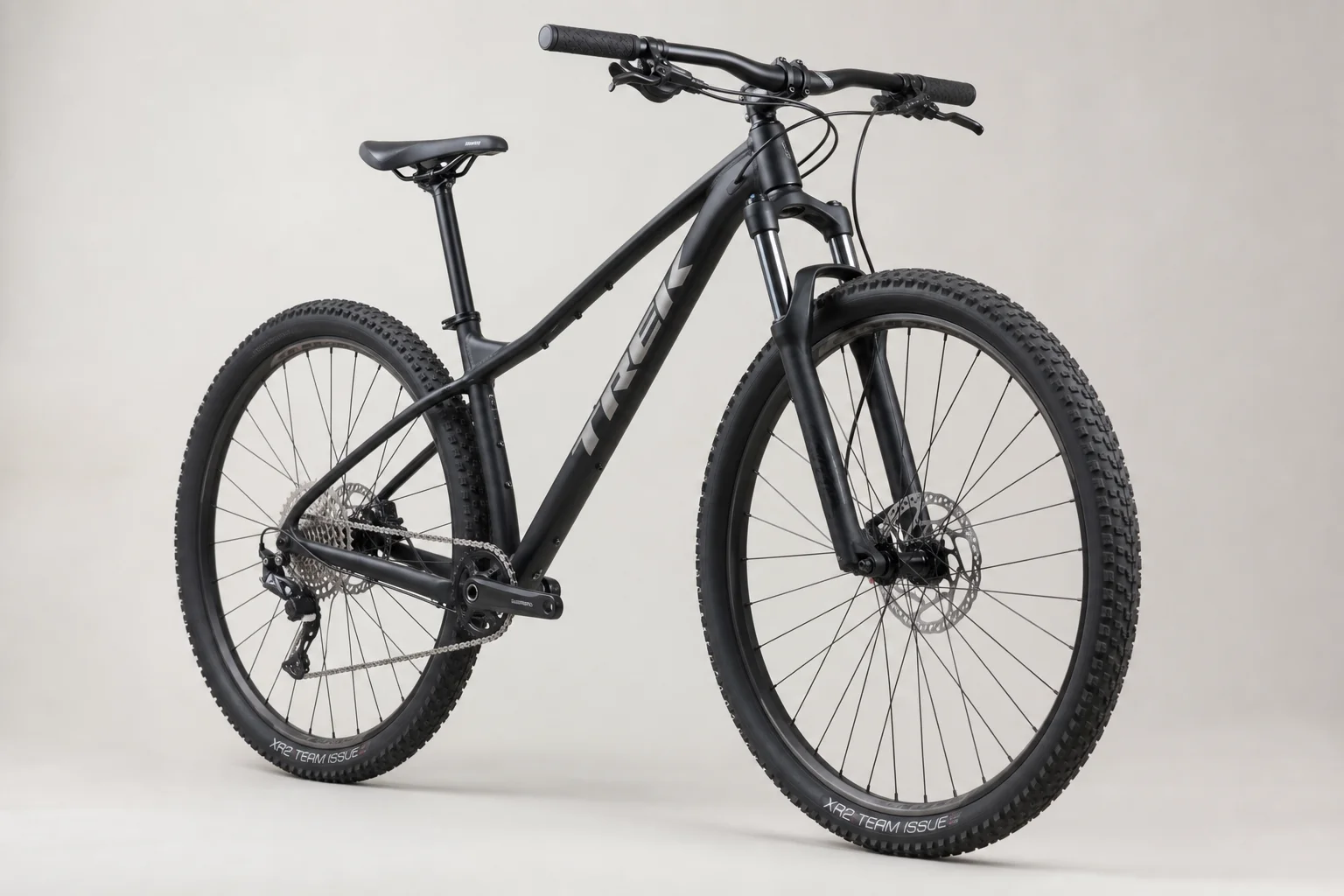
Beginner Mountain Bike Buying Guide: What to Look For in a Trailworthy Hardtail
A practical framework for evaluating beginner mountain bikes, whether new or used, by examining key components that indicate real trail capability.
Mountain Bikes
Best Aluminum Mountain Bikes 2026: Five Alloy Bikes Worth Your Attention
Five aluminum mountain bikes that show how far alloy has come, from a 120mm trail bike and a versatile machined frame to a 180mm freeride machine.