Mountain Bikes
Best Down Country Bikes 2026: Five Efficient Trail Rippers Worth Considering
Five down country mountain bikes that balance efficient pedaling with downhill capability, plus the key details to compare before buying.
Introduction
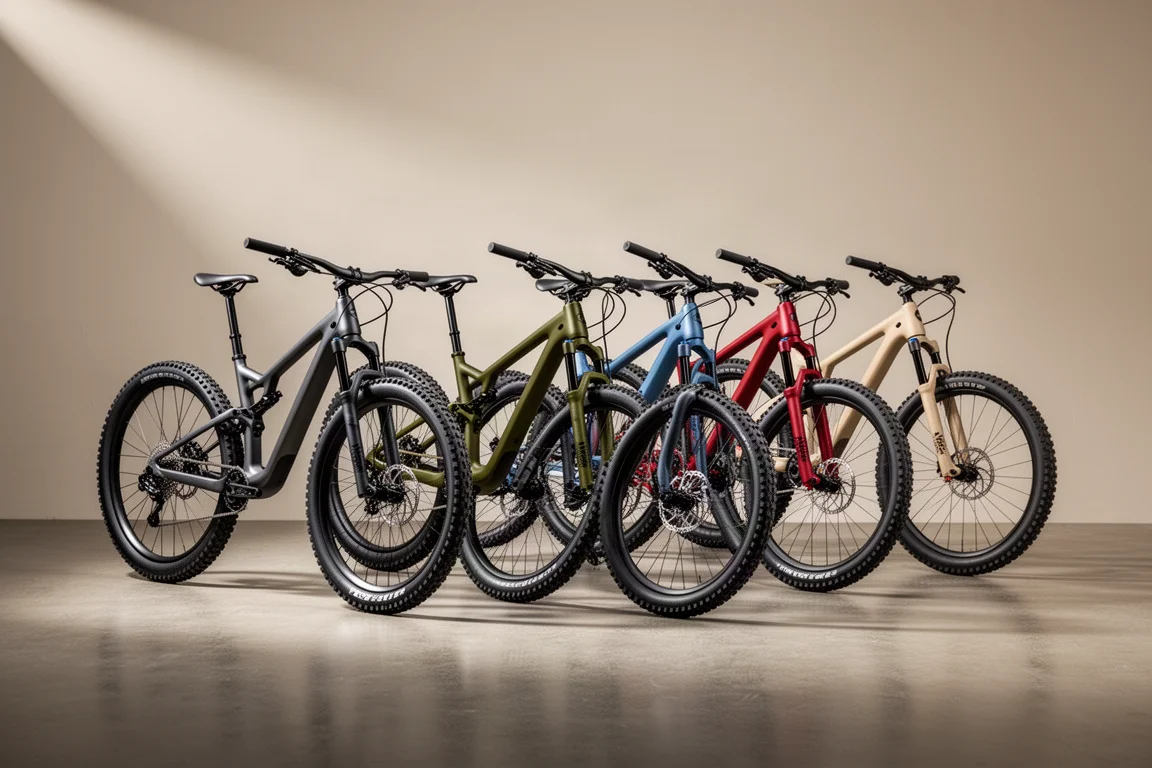
Down country bikes sit between cross country race machines and longer-travel trail bikes. They pair lightweight, efficient pedaling with stronger downhill capability, and they are happiest when ridden flat out in both directions. The category has its critics, but the bikes themselves make a strong case.

The five models below cover a wide range of budgets and priorities. Some favor premium efficiency, others focus on value, and a few offer geometry adjustment or frame storage. The common thread is a short-travel platform that can handle more than a pure race bike.
Transition Spur
The Transition Spur remains one of the most respected down country bikes. The latest version keeps the same geometry and 120mm travel at both ends, now controlled by Fox suspension with a 34 fork and a Float DPS shock. A 66-degree head angle, 480mm reach on a size large, and a 75.9-degree seat angle keep it planted on descents without losing climbing pace.
The main update is the SRAM UDH interface at the dropout, which allows the use of SRAM T-Type transmissions. Transition has also added two new frame colors, though only one build kit is available at present alongside a frameset option. Cables for the gear and dropper route through the frame rather than the headset, and the rear brake remains externally routed.
The top X0 build is priced at $7,695 or £7,999. A frameset build may appeal if you prefer to choose your own parts, and cheaper build options with the new colors and rear end are expected later this year. Existing Spur owners should note that UDH rear triangles are not being offered separately.
Specialized Epic 8 Evo
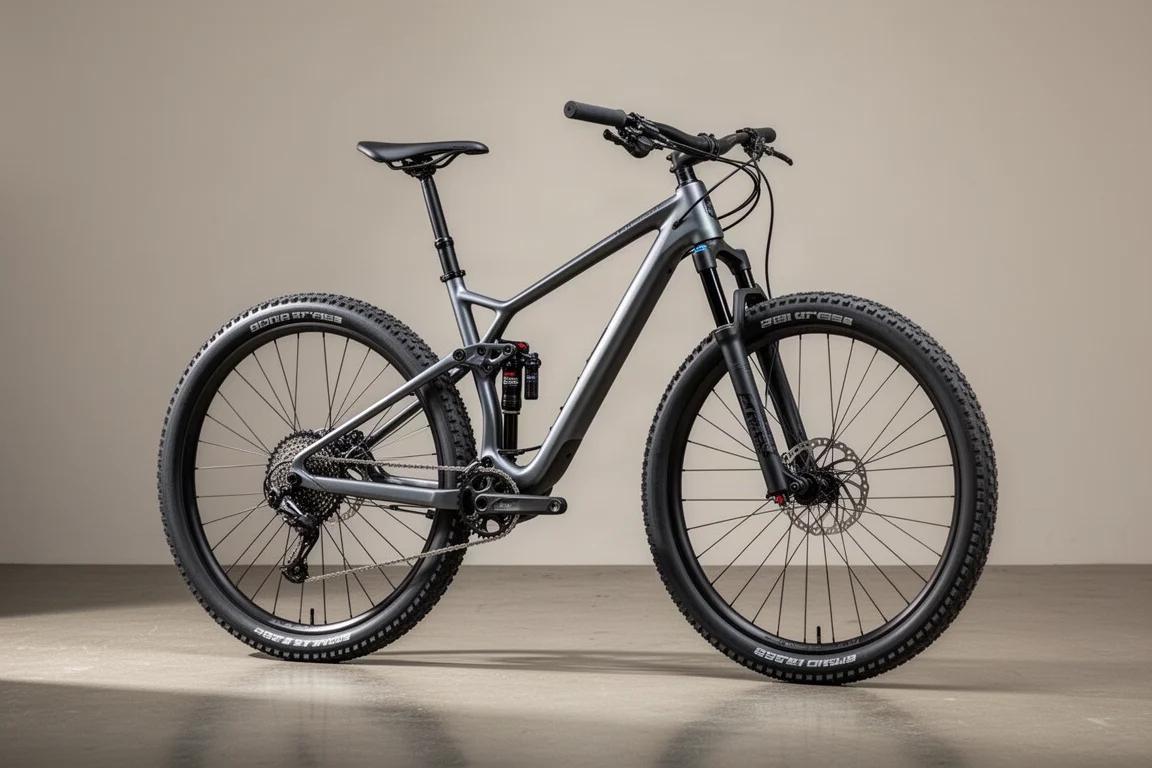
The Specialized Epic 8 Evo takes the proven Epic platform and adds more downhill capability. It shares the same frame and 120mm of rear travel as the regular Epic 8, but the component choices shift the focus. A 130mm Fox 34 fork replaces the 120mm RockShox SID, and a Fox Float shock replaces the custom SID unit. Both are adjusted manually rather than through a handlebar remote.
The longer fork slackens the head angle to 65.4 degrees in the low position, which improves stability on steep terrain. It also slackens the seat angle, so climbing position is less upright than before. Specialized fits a grippier Purgatory tire up front and a Ground Control out back, with the Purgatory using the same softest T9 compound found on the brand’s downhill tires. Brakes use large rotors, and the handlebar is slightly wider with a higher rise.
Because the frame matches the regular Epic 8, you still get SWAT down tube storage and the same updates. The range-topping Epic 8 Evo Pro is the headline model, but the Epic 8 Evo Comp at $5,000 or £4,250 is the value pick. It uses the same 11m carbon frame with a regular non-wireless drivetrain and fewer carbon parts elsewhere.
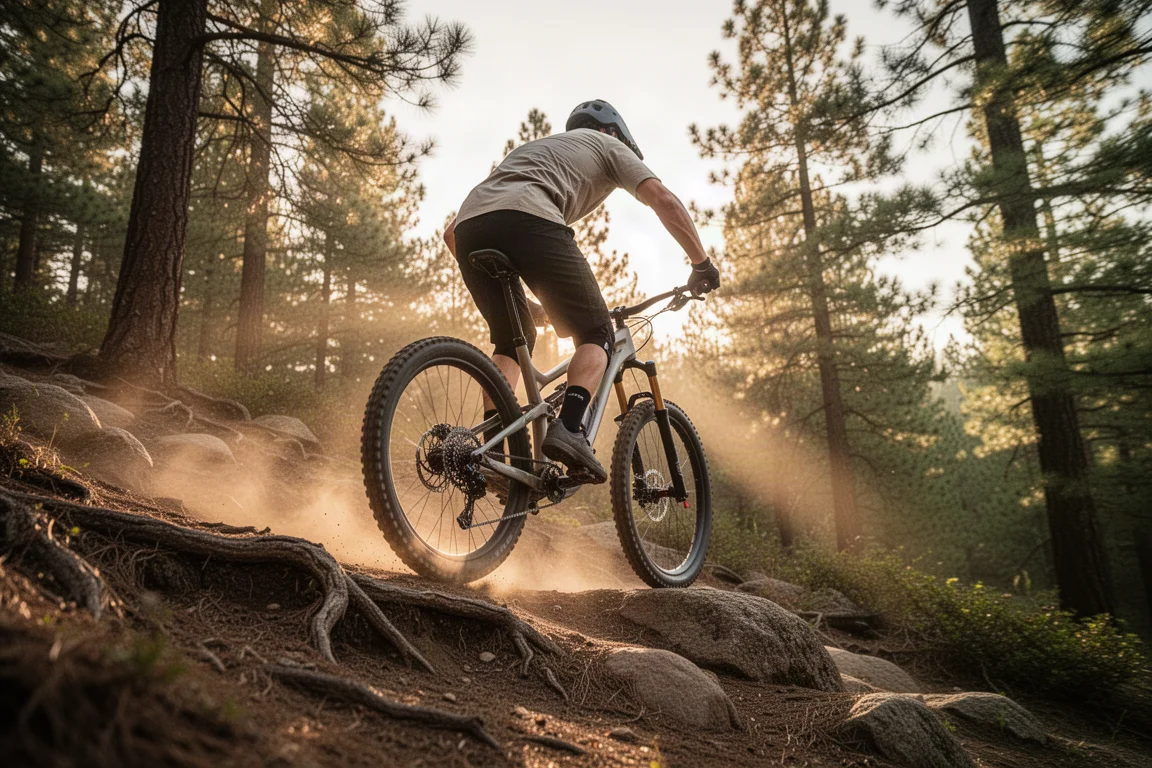
For riders who want to shred during the week and still race on weekends, the Epic 8 Evo is a very close look indeed.
Canyon Lux Trail
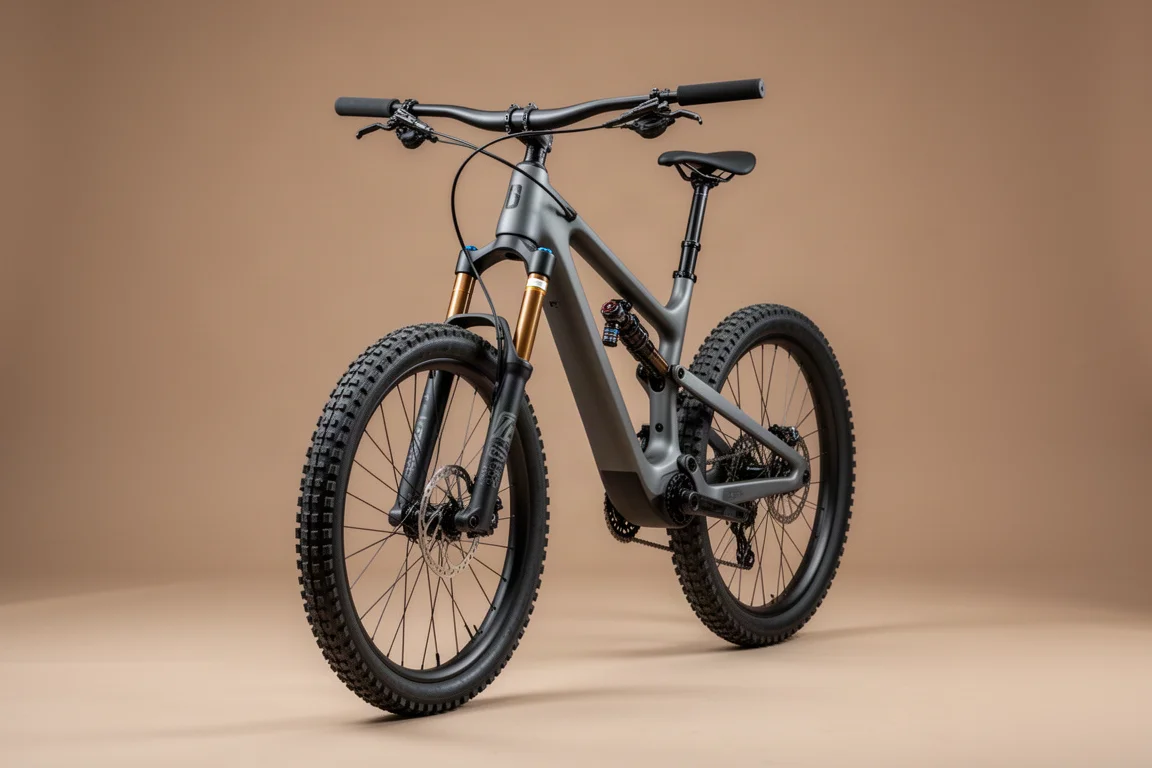
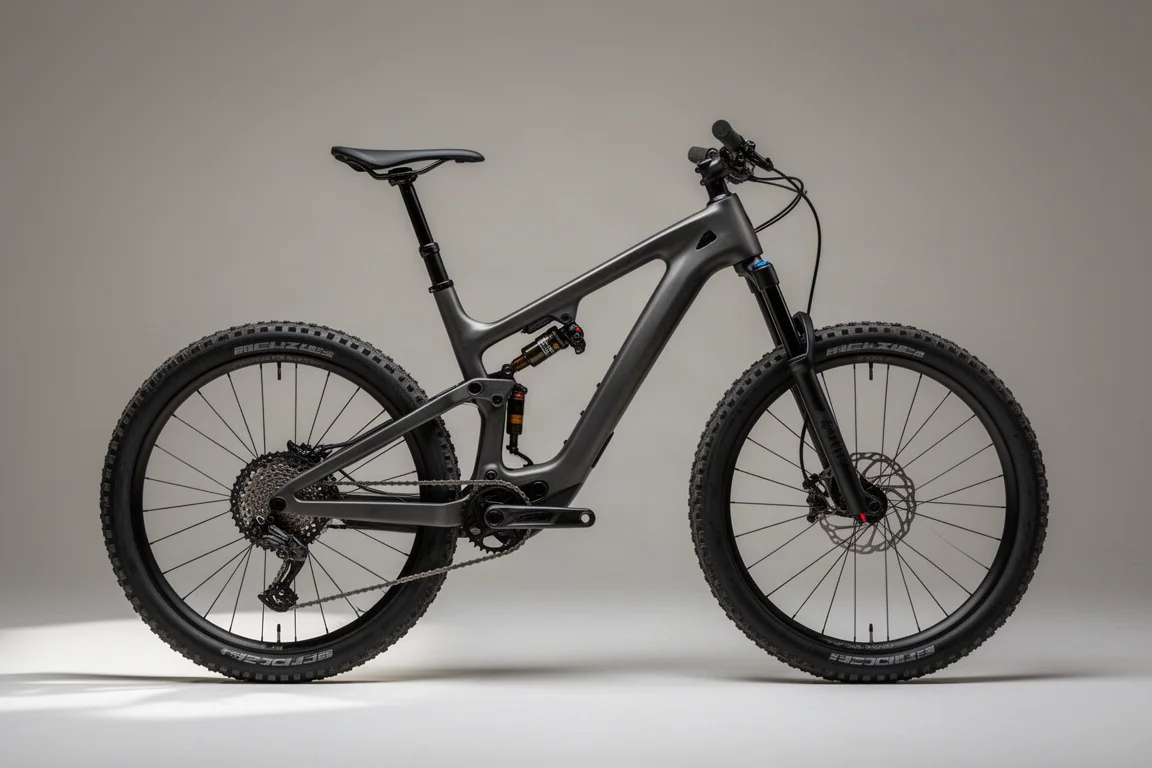
The Canyon Lux Trail is a completely different bike from Canyon’s earlier attempt at a more capable Lux. The frame is designed from the ground up, with neither end shared with the cross country race model. The front end is slacker at 67 degrees, and the seat tube is 76 degrees, a full 1.5 degrees steeper than the old bike. The seat tube is also much shorter at 450mm on a size large, which brings it closer to the other bikes here.
Travel sits in the down country ballpark, and the frame includes internal storage in the down tube plus a neat multitool hidden under the top tube. The CFR Limited flagship is priced at £8,099 and delivers a fast, efficient ride with a brilliant spec, though it is expensive for a bicycle. It is still cheaper than similarly spec bikes from other brands.
The CF7 model at $3,999 or £3,499 is the smarter choice for most riders. It uses a slightly heavier frame and cheaper components, but the same suspension design and a rapid all-round ride. You get reasonably priced high-performance parts for less than half the flagship price.
Merida 120
The Merida 120 aims to make down country more affordable. It blends trail bike geometry with down country travel and a cost-conscious aluminium frame. The large 12,700 model weighs 15.3kg, so it is not a lightweight build, but the base 12300 starts at just $1,900, which is undeniably cheap for the category.
A strong choice in the range is the 700 model. It uses a 130mm RockShox Pike Select fork to support a 66-degree head angle, paired with a RockShox Deluxe shock. That suspension package lets you throw the bike around more than its weight suggests. An NX drivetrain and DB8 brakes complete a build that offers solid value, especially when you can buy in a shop and get hands-on after-sales support.
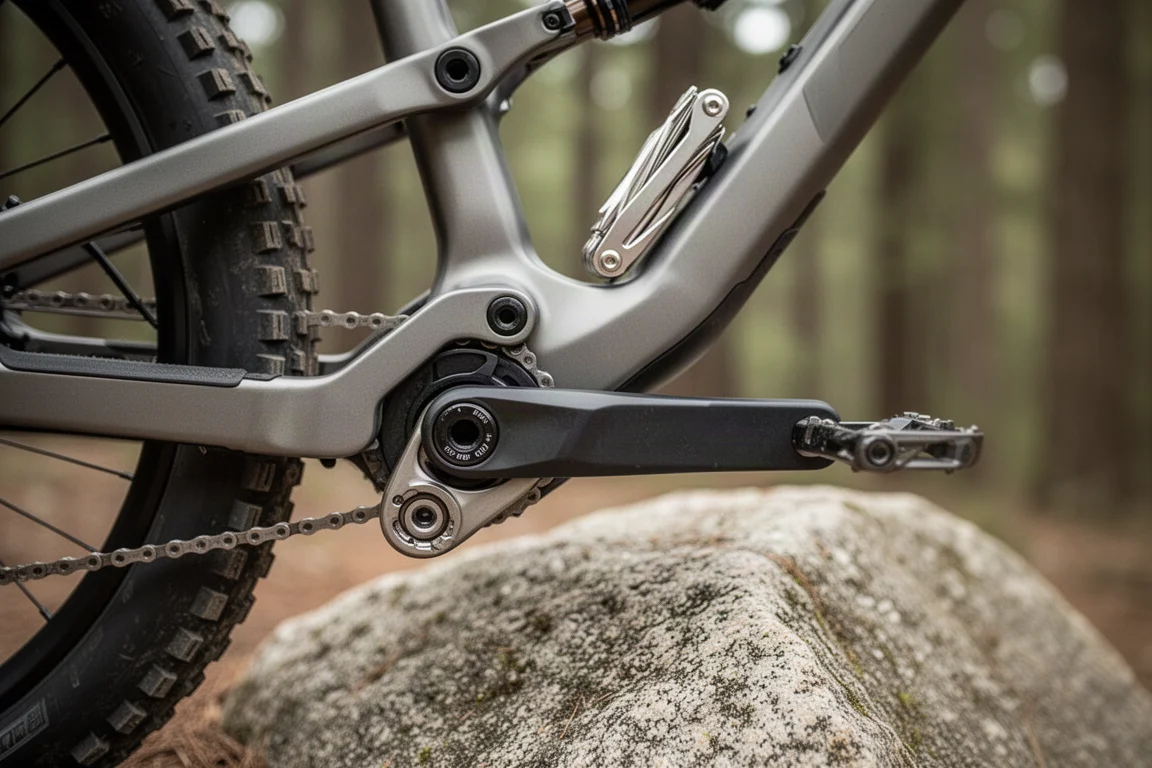
The Merida 120 rewards riders who prioritize capability and price over low weight. Its geometry is capable enough for real trail riding, and the aluminium frame keeps the entry cost within reach.
Giant Trance
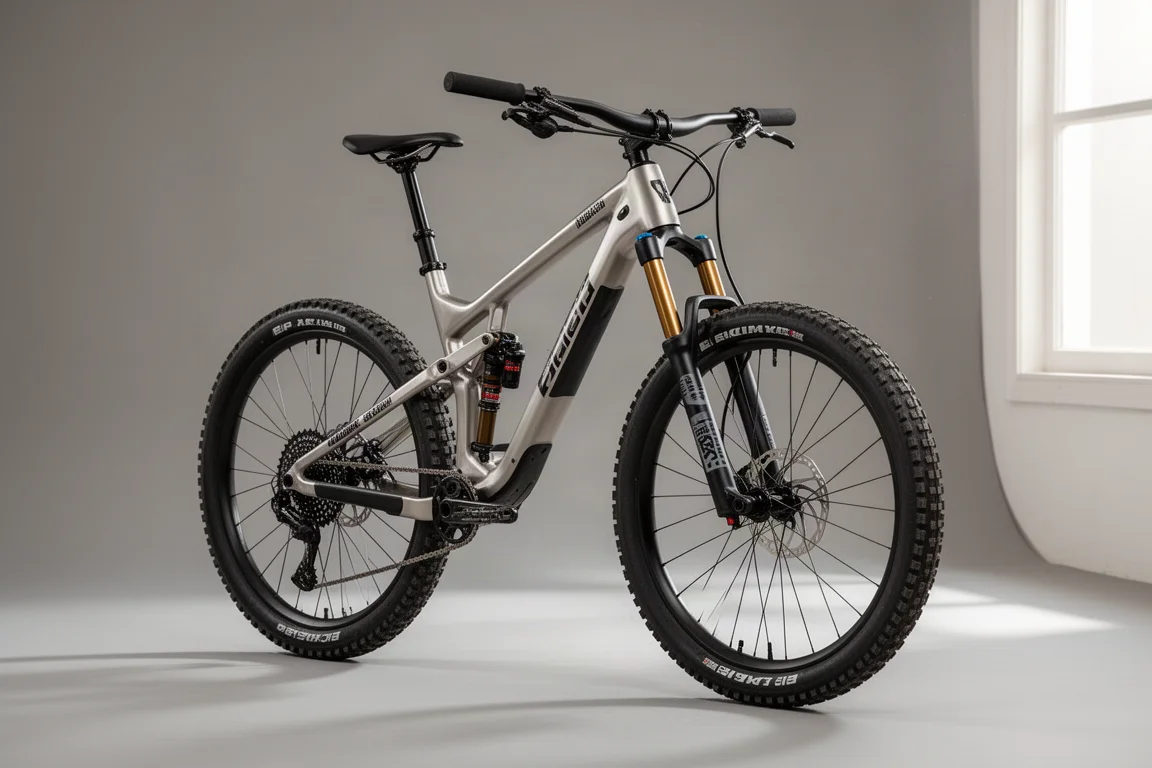
The Giant Trance has been around for nearly two decades, and the recipe is still much the same as it was in 2005. It is an all-around bike built around the brand’s Maestro suspension system. Compared with the original, the wheels are now 29-inch front and rear instead of 26-inch, travel is up to 120mm out back and 130mm up front from 100mm all around, and the geometry is longer, lower, and slacker.
That geometry is adjustable via a flip chip at the pivot between the upper rocker link and the seat stays. It switches the head angle between 65.5 and 66.2 degrees, alters the seat angle from 76.3 to 77 degrees, and changes reach from 472 to 480mm on a size large. Those numbers put it right in the ballpark with its rivals.
The Trance is available in aluminium or advanced carbon, with prices starting at $2,800 or £3,299 and rising for higher-spec models. The Advanced Pro 29 2 is a sensible carbon pick. It gets carbon wheels and Fox suspension, while Shimano Deore and SLX handle drivetrain and braking. It also does without Fox Live Valve suspension, which was considered an unnecessary complication. The latest tech does not always make a bike better.
Overall Buying Advice
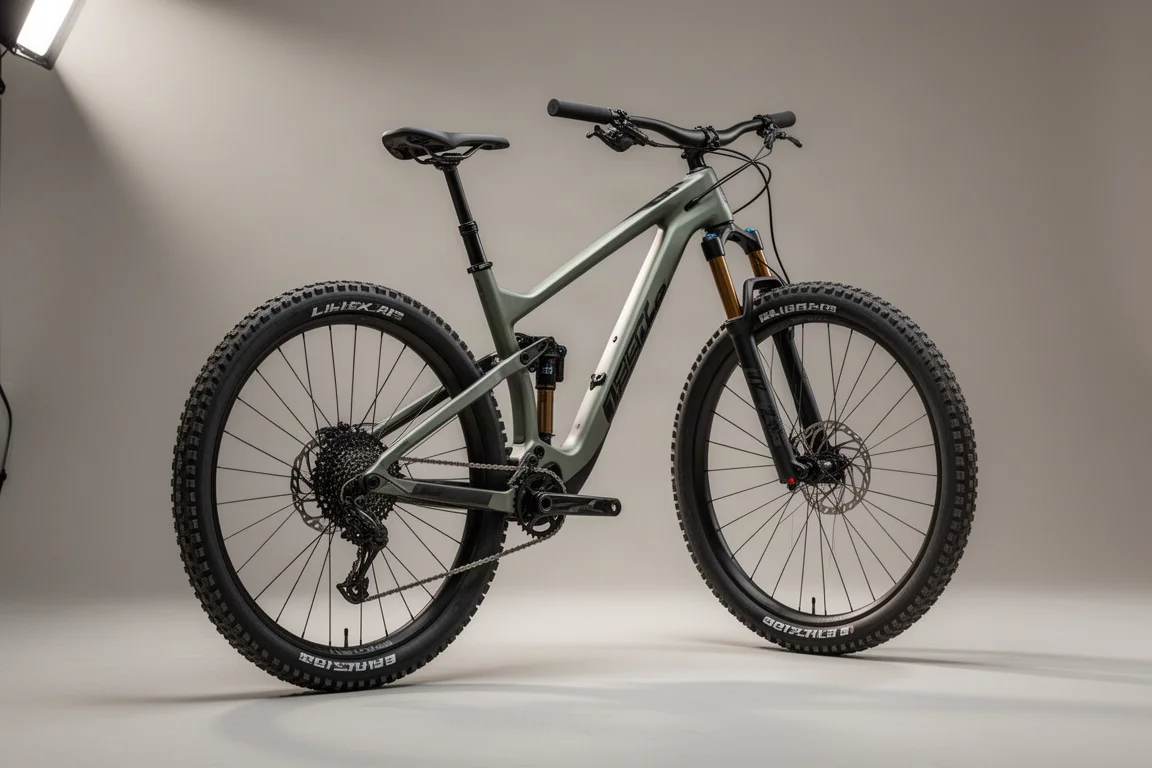
Choosing a down country bike comes down to how you weigh efficiency, downhill composure, and price. The Transition Spur is the premium option for riders who want a proven platform with the latest SRAM UDH compatibility. The Specialized Epic 8 Evo suits riders who want race-bike efficiency with a more aggressive fork and tires. The Canyon Lux Trail offers modern trail geometry and a strong value pick in the CF7. The Merida 120 is the budget-friendly aluminium choice, and the Giant Trance is the versatile all-rounder with adjustable geometry and a long history.

If your priority is low weight and sharp climbing, look at the Spur, Epic 8 Evo, or Lux Trail. If you want to keep costs down, the Merida 120 and the lower-priced Giant Trance models make more sense. Geometry adjustability on the Trance and the UDH update on the Spur are useful details for riders who like to fine-tune or upgrade over time.
Conclusion
The down country category may be controversial, but these five bikes show why it exists. Each one blends efficient pedaling with real trail capability, and the differences come down to budget, suspension feel, and how much you value the latest standards. Pick the one that matches your riding and your wallet, and you will have a bike that is happy to be ridden flat out up or down.
Further reading
Related Reviews
Mountain Bikes
Atherton AM.130 Review: 3D-Printed Titanium Lugs and a 130mm Trail Bike That Descends Like a Bigger Machine
The Atherton AM.130 pairs 3D-printed titanium lugs with carbon tubes and a DW6 suspension platform. Here is how it rides, what the build delivers, and who it suits.
Mountain Bikes
Beginner Mountain Bike Buying Guide: What to Look For in a Trailworthy Hardtail
A practical framework for evaluating beginner mountain bikes, whether new or used, by examining key components that indicate real trail capability.
Mountain Bikes
Best Aluminum Mountain Bikes 2026: Five Alloy Bikes Worth Your Attention
Five aluminum mountain bikes that show how far alloy has come, from a 120mm trail bike and a versatile machined frame to a 180mm freeride machine.