Home Theater
Best Dolby Atmos Soundbars 2025: Five Picks for Every Room and Budget
Five Dolby Atmos soundbars for 2025, from a $499 entry point to a standalone flagship, with the trade-offs that matter before you buy.
Introduction
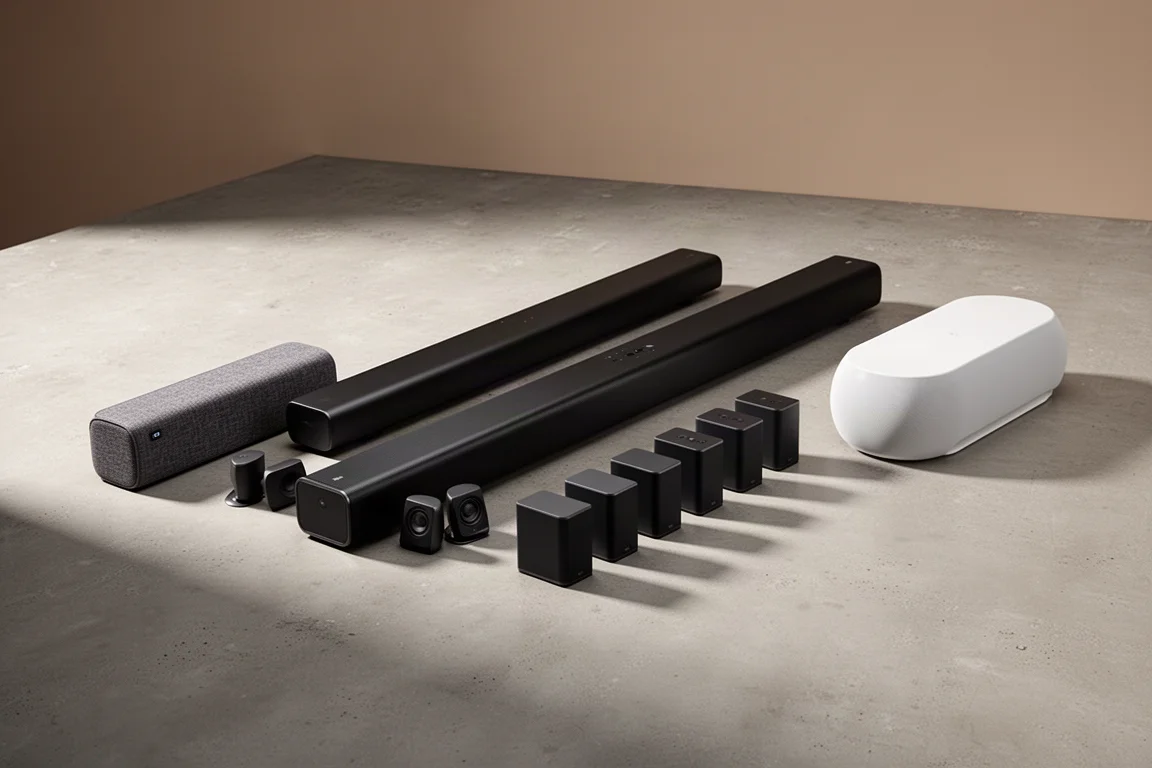
A soundbar remains the simplest route to Dolby Atmos in a living room, but the category is wide enough that two bars at similar prices can deliver very different experiences. Some rely on upward-firing drivers that physically bounce sound off the ceiling. Others simulate height and rear effects through processing. Neither approach is wrong, but they suit different rooms and different expectations.
This roundup covers five Dolby Atmos soundbars across five clear use cases: the best option under $500, the best under $1,000, the best all-in-one system, the best soundbar alternative, and the best standalone bar. Every pick supports Dolby Atmos and HDMI eARC, so a single TV remote can handle power and volume.
How We Chose These Dolby Atmos Soundbars
Three requirements shaped this list. First, genuine Dolby Atmos support rather than a marketing label. Second, HDMI eARC for clean integration with a modern television. Third, a price that makes sense for what the bar actually delivers.
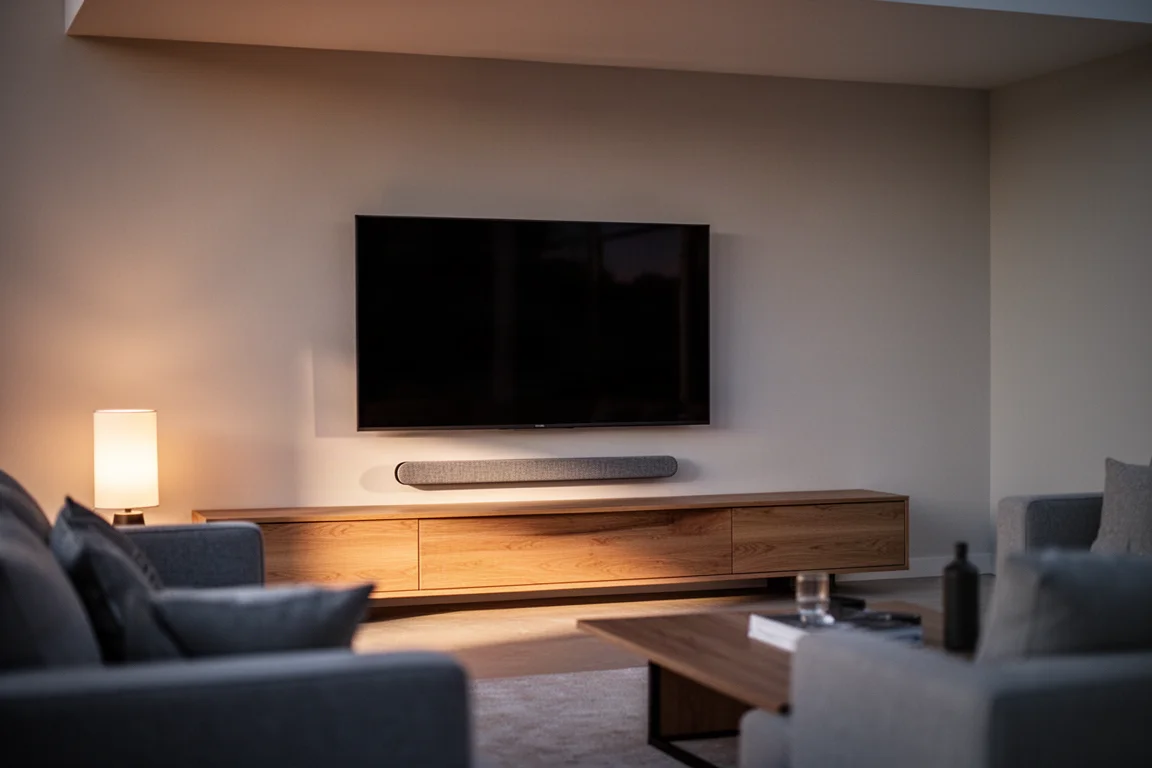
The most important distinction is how each bar creates height. True upward-firing drivers bounce audio off a flat ceiling and back to the listener, which tends to sound more convincing than virtualized processing. Virtualization still has a place: if the bar has to sit inside a cabinet, or the ceiling is angled or obstructed, processed height effects can be the more practical choice.
Expandability matters just as much. A bar that accepts a subwoofer and surround speakers later can grow with a room, while a standalone design trades that flexibility for simplicity and a smaller footprint.
Best Under $500: Klipsch Flexus Core 200
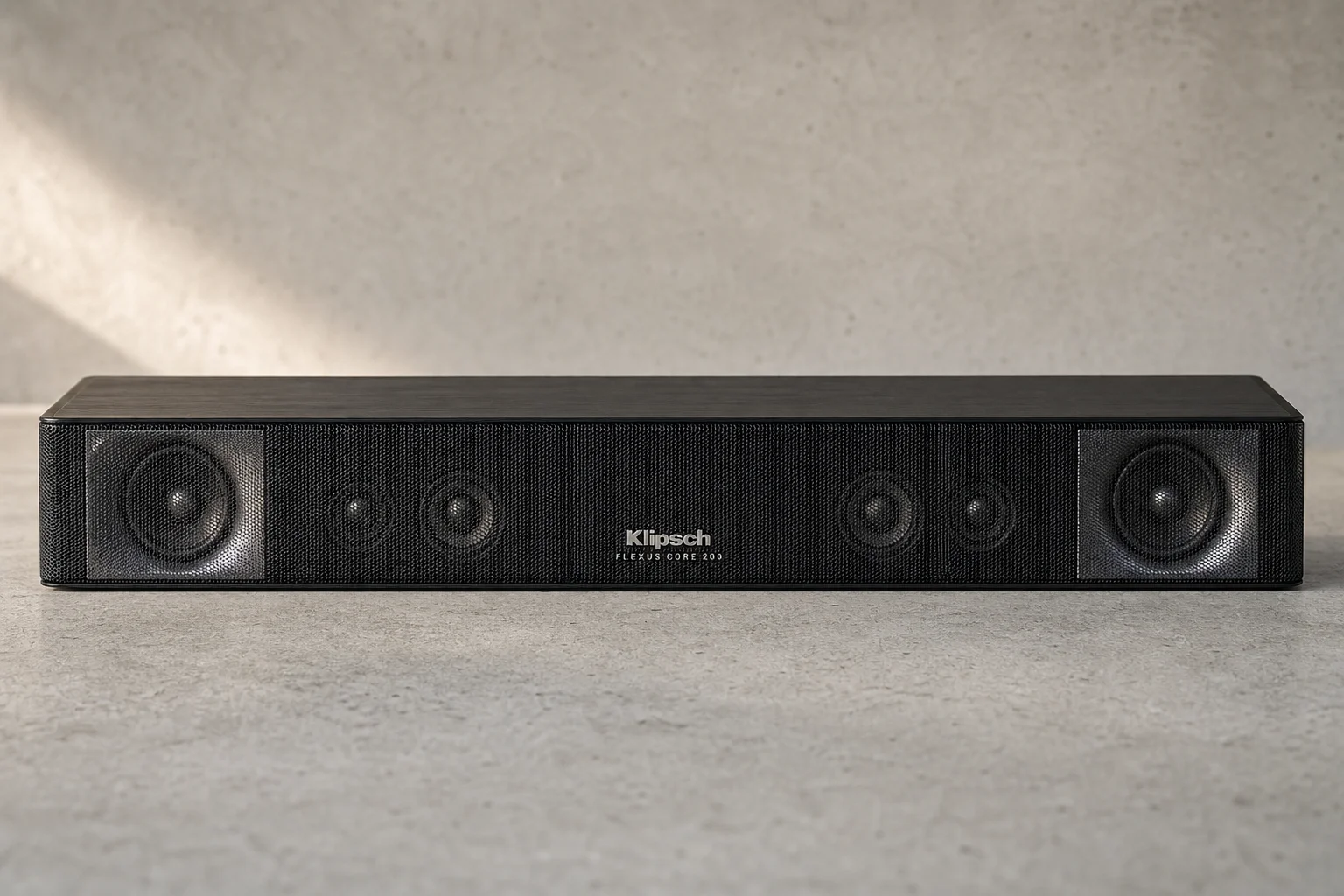
The Flexus Core 200 arrives at $499 as a 3.1.2 Dolby Atmos soundbar, introduced in 2024. Its standout feature at this price is a pair of 2.25-inch upward-firing drivers, so the height layer comes from sound physically bouncing off the ceiling rather than from processing alone. It also carries four front-firing drivers, dual 4-inch built-in subwoofers, and a dedicated centre channel tweeter.
Dialogue clarity is a clear priority here. The dialogue boost control offers three levels, low, medium, and high, which is more granular than the simple on or off switch found on many rivals. A companion app adds EQ adjustment and a night mode that reduces sudden loud peaks. Bluetooth is included for streaming from a phone.
The compromises are specific. There is no AirPlay, no Spotify Connect, no Wi-Fi audio, and no automatic room correction. For a flat ceiling with an unobstructed placement, though, the Core 200 delivers an immersive Atmos presentation, and it can later be paired with the optional Flexus Sub 100 and Surround 100 speakers to build out a fuller system.
Best Under $1,000: Sonos Arc Ultra
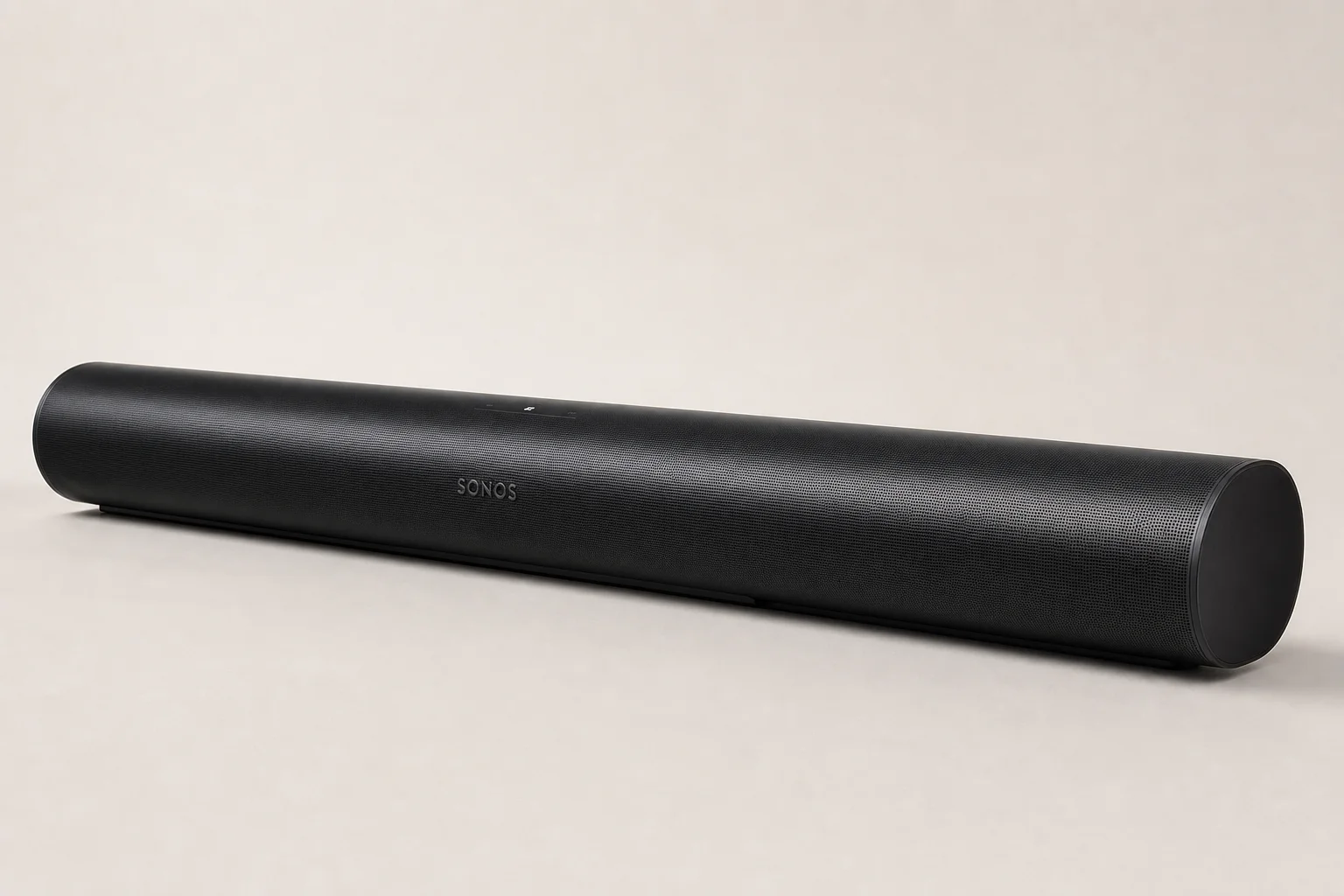
The Arc Ultra is a 9.1.4 Dolby Atmos bar and a substantial rework of the Arc that launched in 2020. It keeps the slim silhouette of the original, adds a touch bar on the back, and introduces sound motion technology that pushes bass performance further than the previous generation. Automatic room calibration is included.
Connectivity is broad: Alexa, Sonos Voice Control, Spotify Connect, AirPlay 2, Bluetooth, and control through the Sonos app. Owners of Sonos headphones can hand audio off to them with dynamic head tracking. Speech enhancement offers low, medium, and high settings for dialogue.
At just under $1,000, the Arc Ultra is convincing on its own, but it benefits from a staged upgrade path. Adding a Sonos subwoofer first makes the biggest difference, freeing the bar to concentrate on midrange and treble and improving vocal clarity. From there, one or two subwoofers plus Era 100 or Era 300 speakers as surrounds turn it into a full home theater system.
Best All-in-One: JBL Bar 1300X
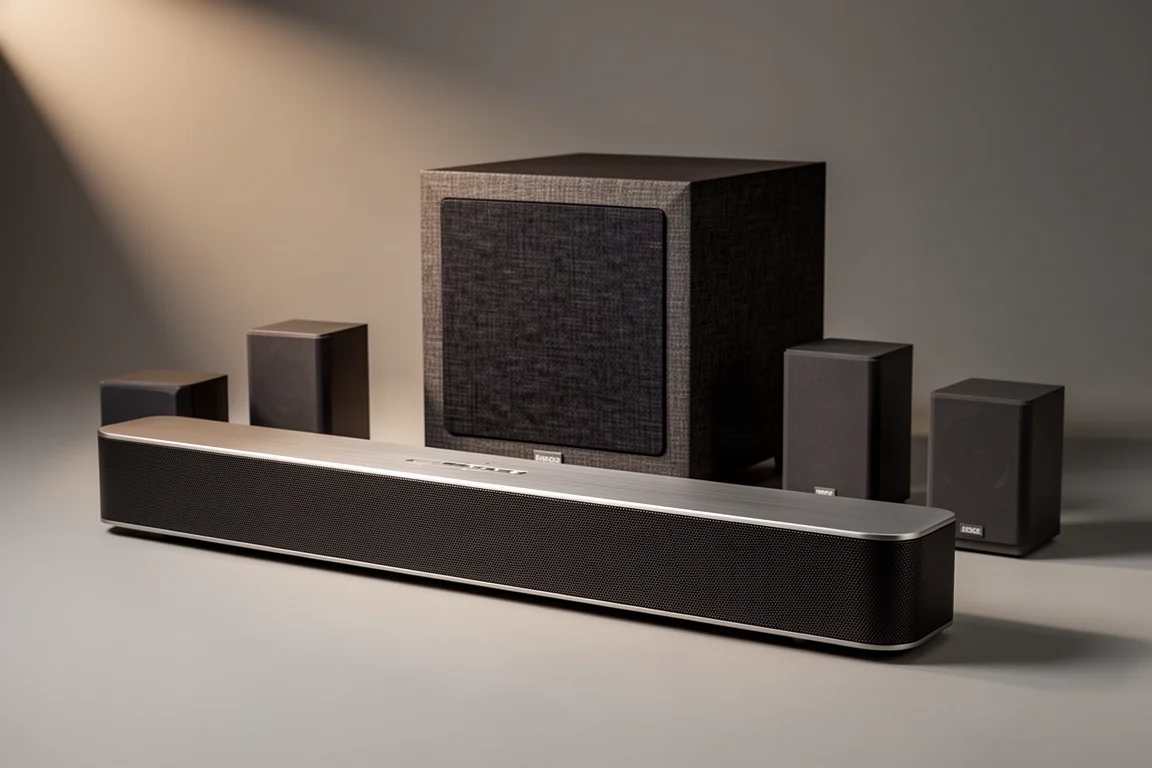
The Bar 1300X is an 11.1.4 system with a 12-inch subwoofer and 1,170 watts of total power. Its signature feature is a pair of detachable, rechargeable surround speakers that run for around 10 hours per charge. They can sit on shelves, on stands, or on wall brackets, then dock back onto the bar or recharge over USB-C.
Setup flexibility is matched by input flexibility. Three HDMI inputs let a games console, a Blu-ray player, and a cable box connect directly to the bar, with a single eARC cable running to the television. That passthrough supports 4K at 120 frames per second alongside uncompressed Dolby Atmos, HDR, and Dolby Vision, which matters for current-generation consoles.
The app handles EQ, automatic room calibration, music services, and Wi-Fi playback, and the bar supports Alexa, Google Assistant, Siri, AirPlay, and Chromecast. Pure Voice improves dialogue, though it is a simple on or off toggle rather than an adjustable scale.
Best Soundbar Alternative: Sony Bravia Theater Quad
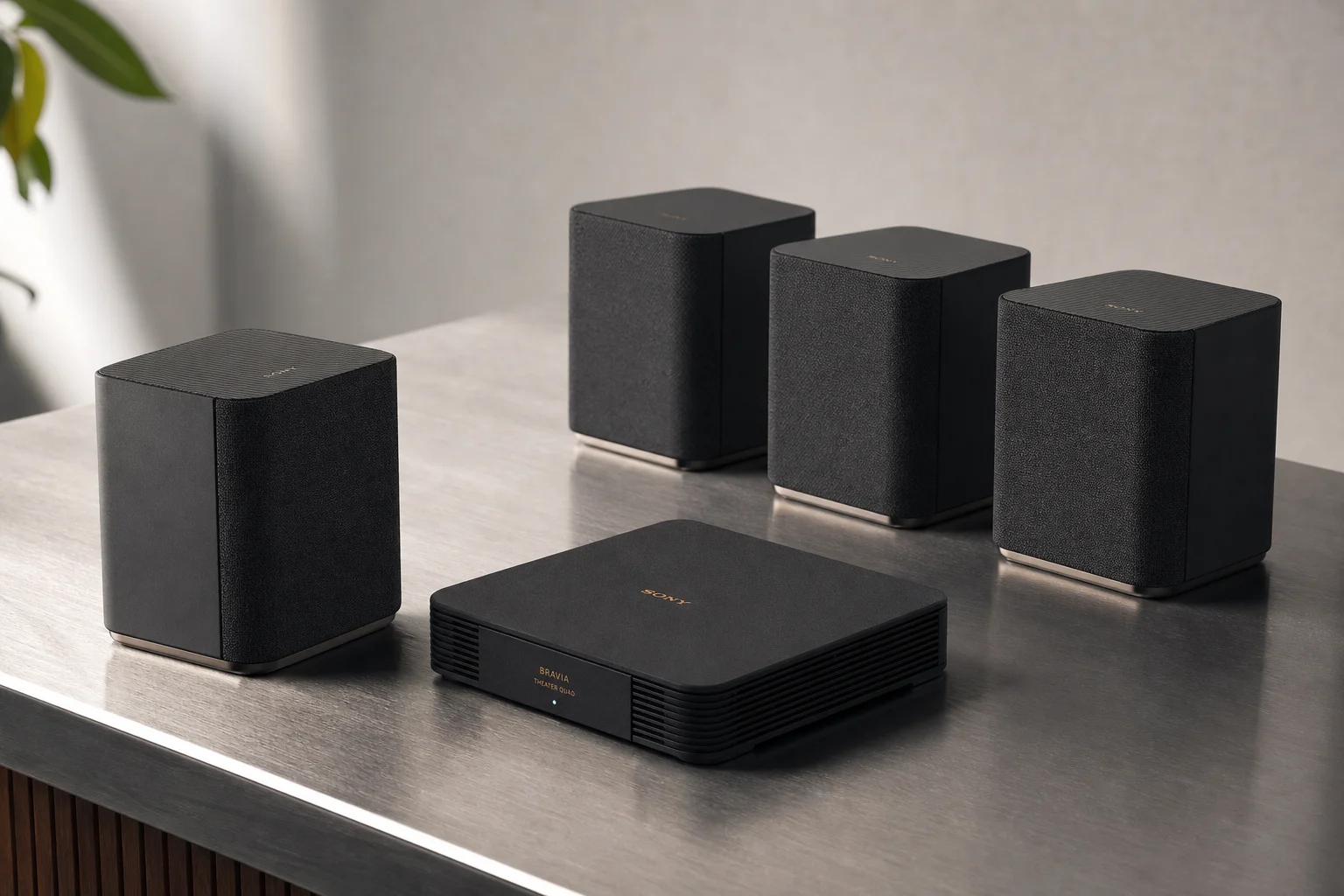
The Bravia Theater Quad is not a soundbar, and that is the point. It is an upgraded version of the four-speaker Sony system, built from four three-way modules. Each speaker pairs a 3 3/8-inch woofer, a 2 3/8-inch midbass driver, and a 3/4-inch tweeter facing forward, with a 3 1/8-inch upward-firing Atmos driver on top. A separate control box connects to the television over eARC.
Format support is extensive: 8K HDR, 4K120, Dolby Vision, 360 Reality Audio, Dolby Atmos, IMAX Enhanced, DTS:X, and high-resolution audio. For gaming on a PS5, VRR, ALLM, and SBTM are supported. Spotify Connect, Apple AirPlay, and Bluetooth handle wireless playback.
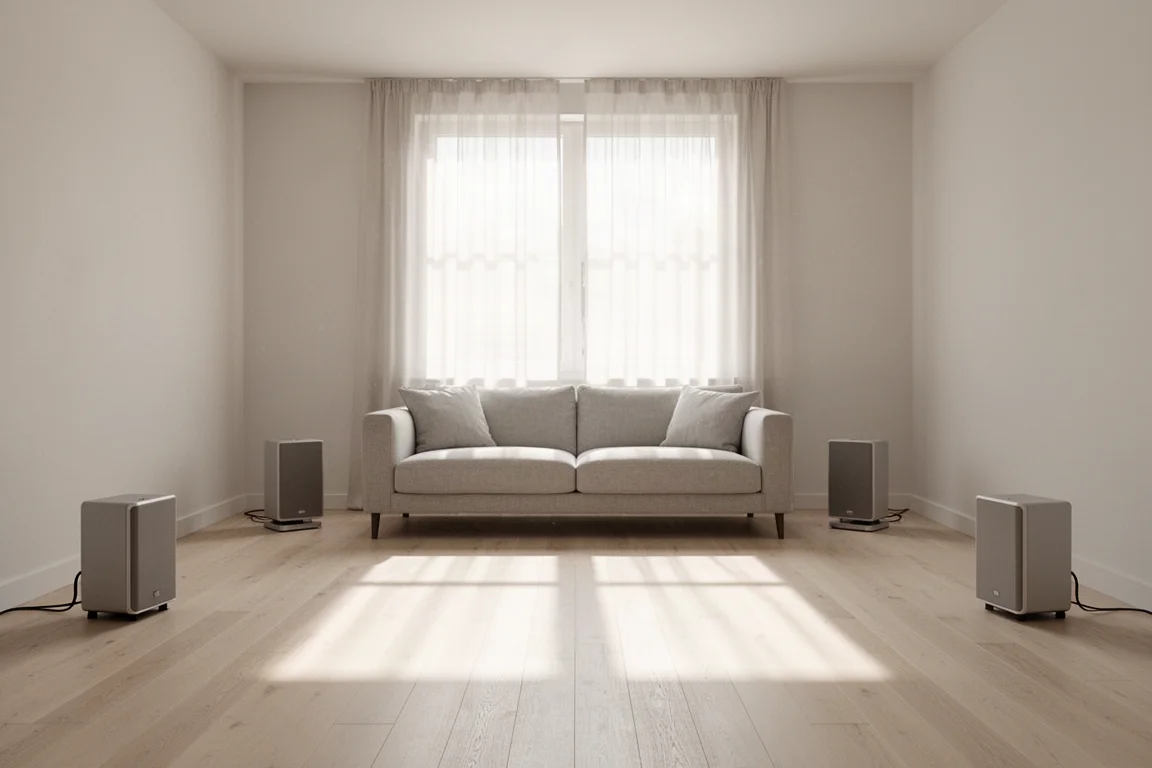
The practical advantage is placement. Sound field optimization means the four speakers do not need to sit in textbook positions, which suits rooms with awkward layouts. Voice enhancement keeps dialogue anchored to the screen without a dedicated centre channel. The important caveat is the low end: this system needs a Sony wireless subwoofer, either the SA-SW3 or the SA-SW5, to be worth considering, and that adds cost.
Best Standalone Soundbar: Devialet Dione
The Dione delivers 5.1.2 channels of Dolby Atmos from a single slim bar with a distinctive sculpted shape. Inside are 17 drivers and eight built-in SAM-powered subwoofers, and the bar adapts acoustically to whether it is wall-mounted or resting on a credenza.
That driver count is the reason the Dione stands apart. Bass response from the bar alone is deep and controlled enough that it can feel as though a separate subwoofer is in the room, which is unusual for a standalone design. Vocals stay warm and natural, and the presentation holds together on bass-heavy action scenes. Space, AVL, SAM, and ORB processing are all handled by the bar’s onboard intelligence.
The trade-off is deliberate: this is the only pick here that cannot accept rear speakers or a subwoofer. If spatial effects beyond the bar itself are the priority, a multi-speaker system will go further. If the goal is one box, no extra cables, and the best possible sound without additions, the Dione sits at the top of this list.
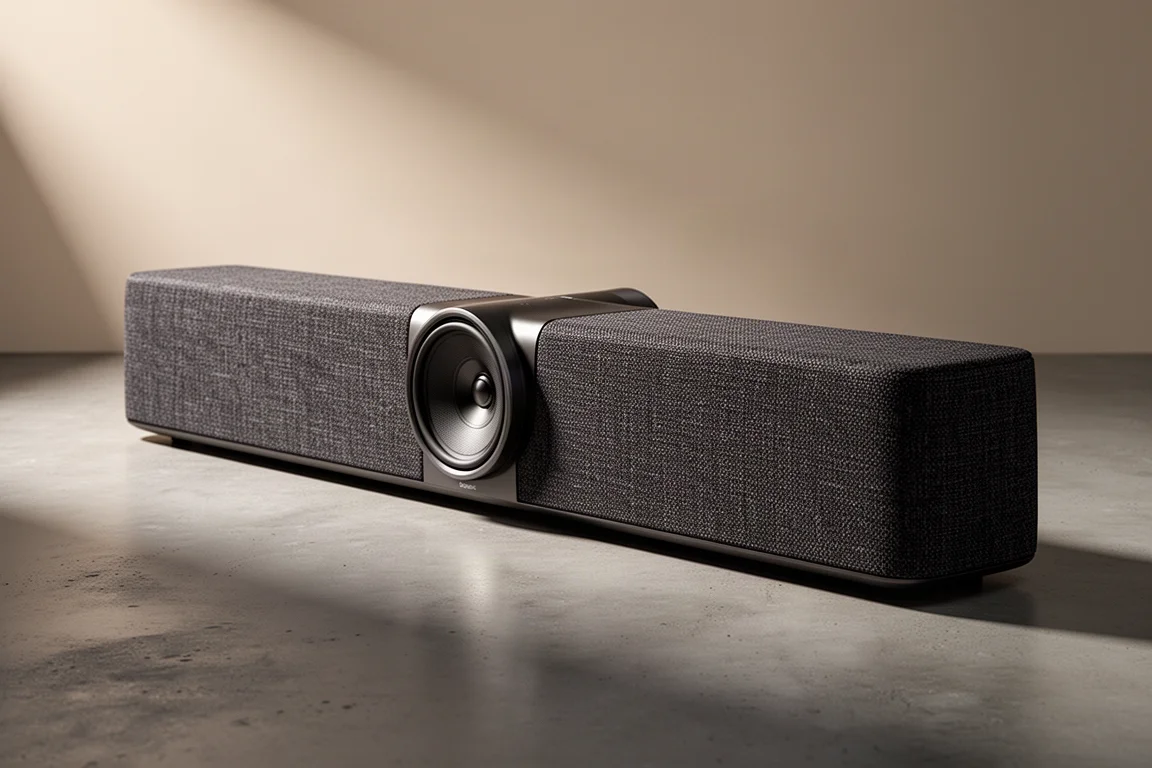
Buying Advice: Which Dolby Atmos Soundbar Fits Your Room?
Start with the ceiling and the furniture. True upward-firing drivers need a flat, unobstructed ceiling and a clear position on a console or wall. If the bar has to live inside a cabinet, or the room has a sloped ceiling, a design that leans on processing for height effects will be less compromised.
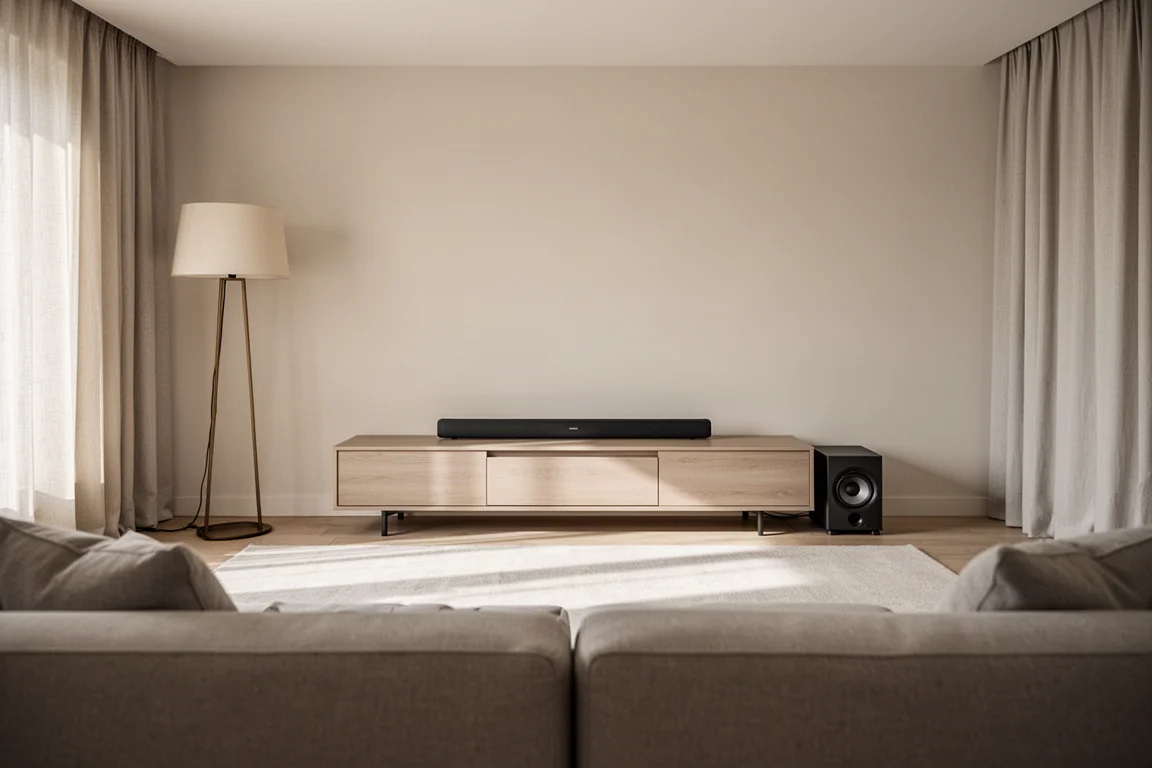
Then decide whether you want one box or a system. The Klipsch Flexus Core 200 and the JBL Bar 1300X both accept optional or included extras, and the Sonos Arc Ultra is designed to grow with subwoofers and surround speakers. The Devialet Dione takes the opposite path and does everything from a single enclosure.
Count your HDMI sources too. If a console, a disc player, and a set-top box all need to connect, the JBL Bar 1300X is the only pick here with three HDMI inputs. Finally, weigh streaming: Wi-Fi audio, AirPlay, and Spotify Connect are convenient, but they are not universal at every price point.
Conclusion
Each of these five bars solves a different problem. The Klipsch Flexus Core 200 brings genuine upward-firing Atmos to a $499 price. The Sonos Arc Ultra pairs a strong standalone performance with the most complete upgrade path. The JBL Bar 1300X covers flexibility, power, and connectivity in one package. The Sony Bravia Theater Quad trades the bar format for placement freedom, provided you budget for a subwoofer. And the Devialet Dione is the answer for anyone who wants one enclosure and nothing else.
Match the pick to your room and your sources rather than to the spec sheet, and any of these will be a meaningful step up from the speakers built into your television.
Further reading
Related Reviews
Home Theater
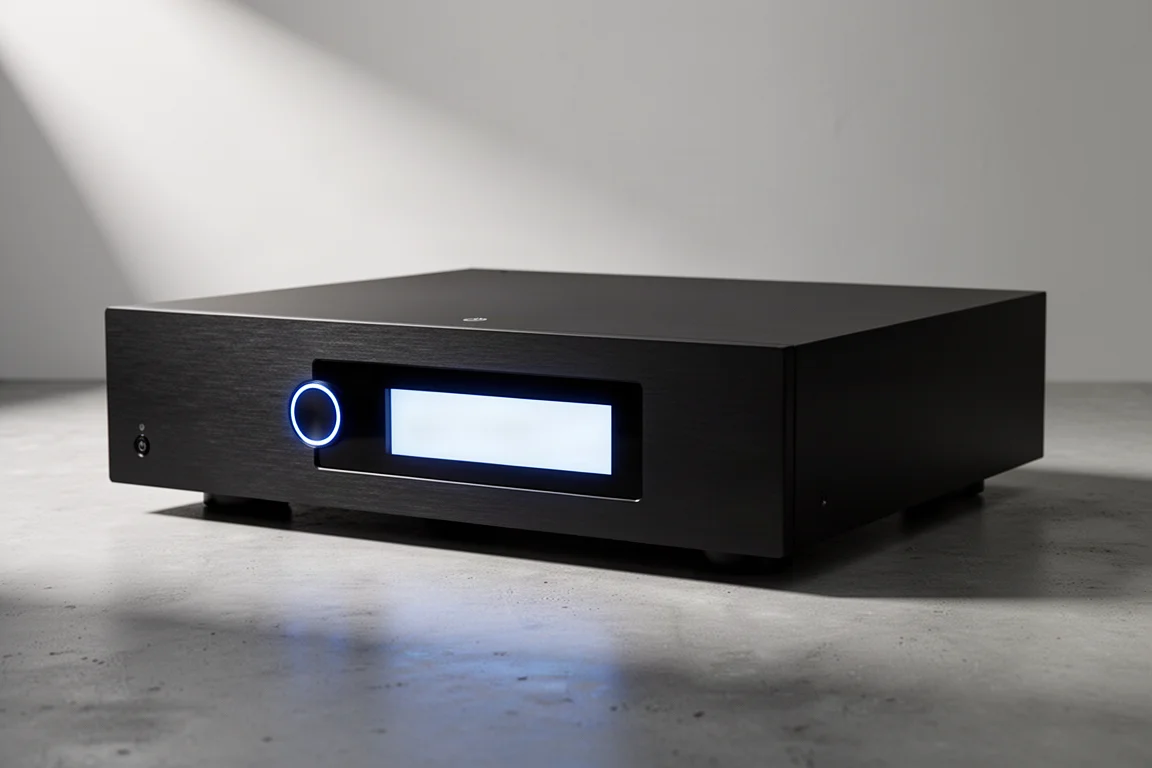
Anthem AVM 90 Review: A 15.4-Channel Flagship Preamp Processor
A close look at Anthem's flagship preamp processor, covering its dual ESS DAC architecture, 15.4-channel layout, ARC Genesis calibration and four independent subwoofer outputs.
Home Theater
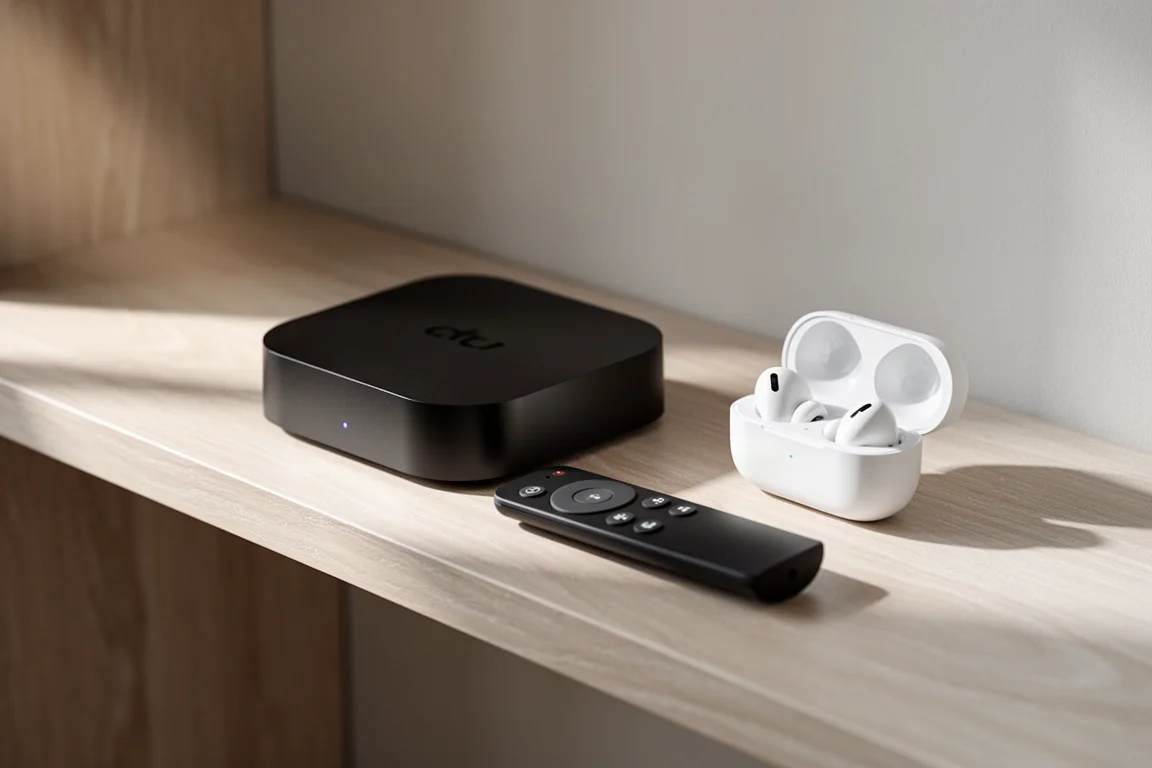
Apple TV 4K With AirPods: A Best-Value Home Theater Setup
An Apple TV 4K paired with AirPods over Bluetooth makes a compact home theater setup for movies, spatial music and late-night viewing, and it can be assembled for as little as $300.
Home Theater
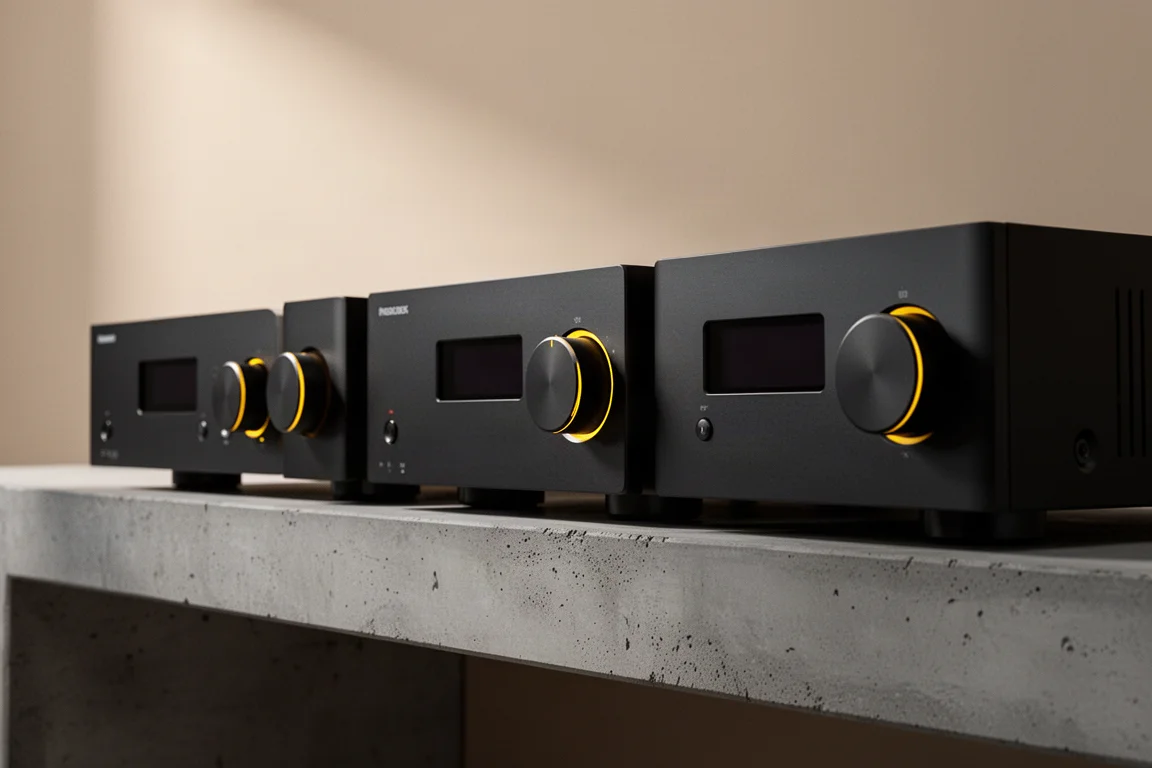
Arcam AVR15, AVR25, AVR35, and AVP45 Compared: Which AV Amplifier Fits Your System?
Four new Arcam home theater components share nine-channel amplification and Dirac Live, but differ in power, processing ceiling, and channel flexibility.