Home Theater
Best Dolby Atmos Demo Scenes: 12 Films That Put a Home Theater to the Test
Twelve films with Dolby Atmos mixes that exercise height channels, subwoofers, and center-channel dialogue, with notes on what each scene actually tests.
Introduction
A Dolby Atmos system only proves itself when the mix gives the height and surround channels something real to do. The twelve films below are worth keeping on hand for exactly that reason: drone swarms that track across the ceiling, arrow volleys that land behind the seating position, spacecraft that lift the score above the listener, and dialogue that has to stay intelligible while bullets ricochet around a bomber cabin.
Each entry explains what happens in the scene, which parts of the speaker array it exercises, and what it will tell you about your own setup.
What Makes a Strong Dolby Atmos Demo Scene
A great demo scene is not simply a loud one. The clips that hold up over repeated listening tend to share a handful of qualities:
- Discrete object placement. Sounds that move overhead and behind the listener reveal whether height and surround speakers are positioned and calibrated properly.
- Low-frequency extension. Sustained bass from explosions, engines, or heavy impacts exposes subwoofer headroom and how cleanly the lowest notes integrate with the rest of the mix.
- Dialogue under load. Conversation that stays clear while effects surround it tests the center channel far more honestly than a quiet dialogue scene.
- Dynamic range. A scene that moves between near-silence and full-scale effects shows how gracefully a system handles sudden swings.
The films below cover all four, and most of them are demanding enough to expose problems in a room that sounds perfectly fine with ordinary content.
If a scene fails to impress, the cause is usually calibration rather than the mix itself. Channel levels, speaker placement, and crossover settings do more for Atmos than any single hardware upgrade.
Angel Has Fallen: Drone Attack and Underwater Escape
Angel Has Fallen follows a Secret Service agent who has been wrongly accused of attempting to assassinate the president. The opening attack is the demo moment: a swarm of drones carries out the assault, moving overhead and around the listening position as the effects track from speaker to speaker. Explosions underneath supply the low-frequency punch.
Later in the sequence, the president and the agent plunge into water to escape a drone bomb. The underwater passage wraps the room in dense surround information, and the explosion above is rendered through the height channels, so the impact lands over the seating position rather than in front of it.
6 Underground: The Florence Opening Chase
The opening chase in 6 Underground, available to stream on Netflix, runs a high-speed car chase through the streets of Florence, Italy. Engines roar, tires screech, and metal crashes, and the mix keeps the action moving instead of parking it in the front three channels.
What sets the sequence apart is its use of height effects. As the chase threads narrow streets and alleys, vehicles pass above and around the room, building vertical movement into a scene that would otherwise play out on a flat plane. It is a strong test of how well overhead channels integrate with everything else.
A Quiet Place: Height-Channel Monster Movement
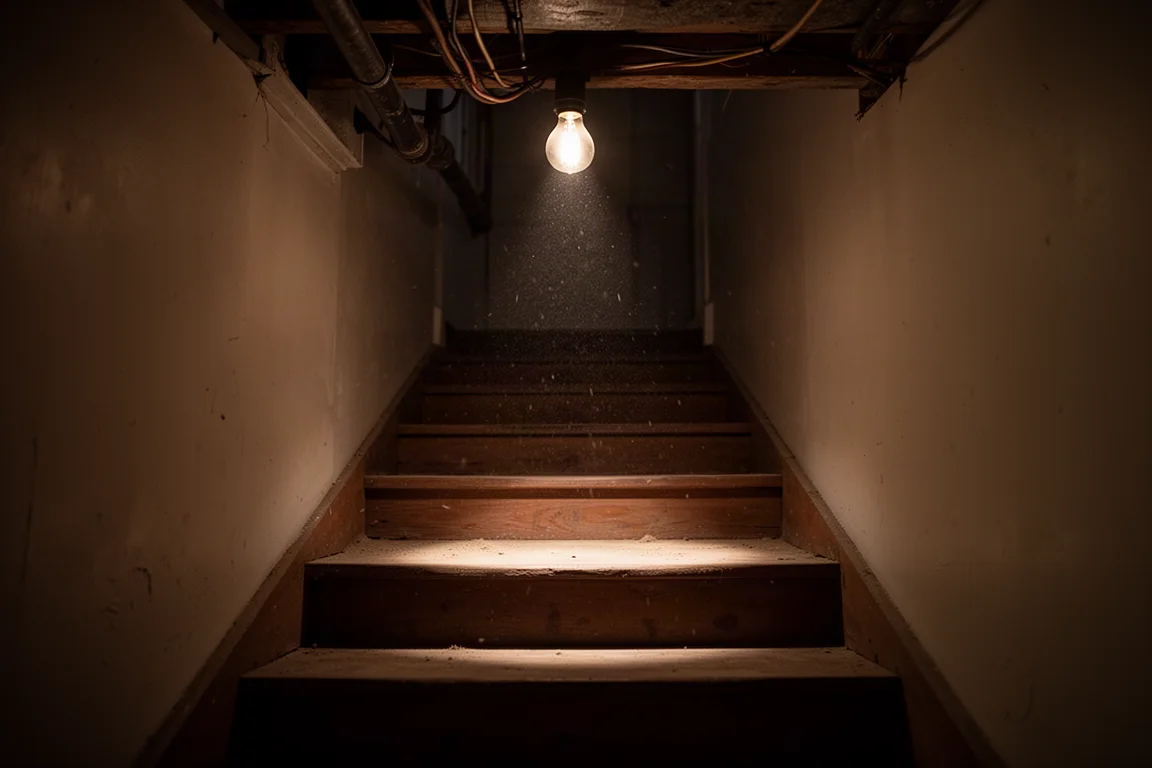
A Quiet Place is a quieter demo, which is exactly why it works. During the basement sequence, the creature is placed in specific height channels: first in the front left height speaker as it walks above, then in the back left height channel as it moves down the stairs, panning around the room. Scenes like this reveal whether overhead speakers are positioned and calibrated well enough to localize a single moving object.
The film also delivers jump scares and solid low-end extension, so it doubles as a check on dynamics and subwoofer integration.
For a system with well-placed overheads, the effect is unmistakable. For a system with the height channels set too low or aimed poorly, the movement collapses and the scene loses most of its point.
Blade Runner 2049: Opening Immersion and Deep Low End
Blade Runner 2049 is a reference title for Atmos systems from the very first frame. The opening scene places the score around and above the listener while the height channels stay engaged, so the music functions as an enveloping element rather than a front-stage accompaniment. Any time a spacecraft is in frame, that score lifts and wraps around the room.
The film also carries a large amount of low-frequency effects throughout, which makes it a useful test for subwoofer headroom and for how cleanly the lowest notes integrate with the rest of the mix.
300: The Arrow Storm and the Opening Thunder Strike
The 4K disc release of 300 includes a Dolby Atmos mix, and it announces itself early: a thunder strike moves from the front height left channel, over the listener’s shoulder, to the surround back right, timed to the studio logo that opens the film.
The signature demo moment arrives later, in the battle where arrows are loosed into the sky and fall on the Spartans. Arrows whoosh past the ears, thud into shields, and land in the sand, with the effects spread across the height and surround channels. It is a clean test of overhead panning and of how precisely a system places fast-moving objects.
Mission: Impossible Fallout: The Helicopter Chase
Mission: Impossible Fallout keeps Atmos busy throughout, and the nightclub material is a good example: muffled, echoey bass kicks fill the room with the ambience of the space rather than sitting flat in the mix. Score and suspense cues are just as active.
The helicopter chase and the crash that follows are the highlight. Rotors, wind, and impacts move around and above the seating position, and the sequence rewards a system that can keep up with rapid dynamic shifts.
Unbroken: Bomber Sequence and Center-Channel Clarity
Unbroken, a World War II film, contains a bomber scene that works as a two-part test. The first part is dialogue: with a latch stuck and the crew working to release their bombs, there is a lot of conversation happening while bullets ricochet through the fuselage from the sides, from above, and from all around. If the center channel is not up to it, the dialogue disappears into the effects.
The second part is timing. When the bombs are finally released, the impact does not arrive until several seconds later, which makes the scene a good check on low-frequency accuracy and on whether the subwoofer is integrated tightly enough to keep the moment convincing.
Ready Player One: King Kong Through the City
Ready Player One is built for demonstration. When King Kong rises through the city, the bass from his impacts on the buildings and the ground is enormous, and the sound of racers collecting coins moves around the listening position at the same time.
That combination of sustained low-frequency output and busy surround activity makes the scene an excellent subwoofer test. It is also a straightforward way to show what a well set up Atmos system does with a dense action mix.
The Batman: The Highway Chase
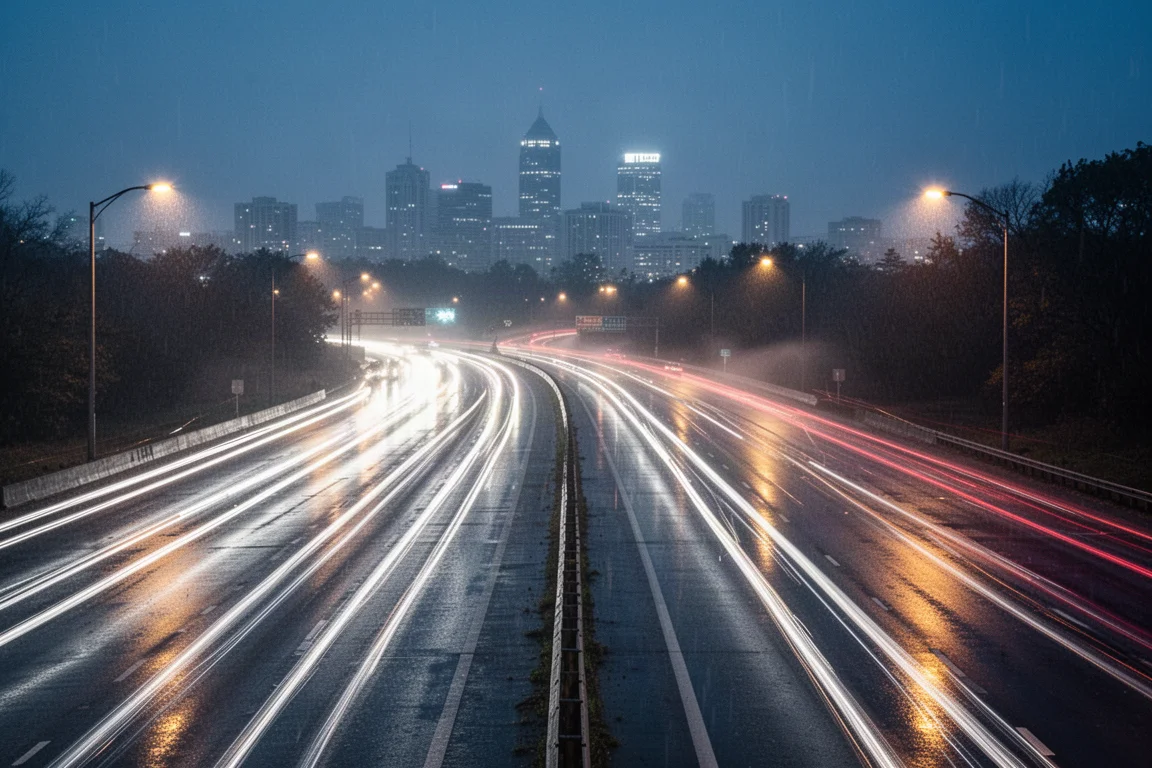
The highway chase in The Batman is a full-system workout. Batman pursues the Penguin down the freeway, and the mix stays bombastic from the first moment. The standout detail arrives when Batman hits the rear of the Penguin’s car and the cargo tumbles out: glass breaks, debris scatters, and the sound travels from the side surrounds up and over the top of the room.
Heard properly, that effect shows whether a system resolves fine detail rather than just loud effects. It is one of the clearest demonstrations of what height channels add to a chase scene.
Gravity: Spacewalk Chatter and Weightlessness
Gravity needs the Dolby Atmos release to show what it can do. In the opening spacewalk, before the debris field arrives, the scene is mostly communication: Mission Control chatter and the astronauts talking to one another. With good speaker placement and clean separation between channels, different elements of that dialogue arrive from different speakers, including the overheads.
The result is a feeling of weightlessness and slow tumbling that a conventional surround mix struggles to reproduce. It is a strong demonstration of immersive audio and of how much a well-calibrated room adds to a quiet scene.
Midway: Dive-Bombing the Japanese Fleet
Midway covers the World War II battle between American and Japanese forces at Midway. Around the one hour and thirty minute mark, American pilots come in to bomb Japanese ships, and the defending guns open up: a deep, repetitive thump that puts the subwoofers to work.
At the same time, bullets whiz past the pilot, so the surrounds, rears, overheads, and front channels are all active at once. The result is a visceral, in-the-cockpit feeling that only works when the entire speaker array is contributing.
Ford v Ferrari: The Final Race at Le Mans
Ford v Ferrari dramatizes the 1960s rivalry between Ford and Ferrari at the 24 Hours of Le Mans, and it holds up as a film even for viewers with no particular interest in racing. Around one hour and forty to forty-five minutes in, the final race begins, and the mix moves cars from the rear channels to the front as they overtake one another.
There are wrecks and explosions, and a soundtrack with real weight behind it, all of which puts the listener in the driver’s seat. It is a scene that shows off both low-frequency impact and surround movement without ever feeling like a technical exercise.
How to Choose Your Next Dolby Atmos Demo Disc
Treat these films as a small test suite rather than a playlist. Start with something that isolates a single capability: A Quiet Place for height-channel localization, or Unbroken for center-channel intelligibility under heavy effects. Move on to low-frequency material with Blade Runner 2049, Ready Player One, or Midway, then finish with a dense action mix such as The Batman or 6 Underground to see whether the system stays composed when every channel is working at once.
Two release notes are worth checking before buying. Gravity needs the Dolby Atmos release to demonstrate the spacewalk communication described above, and the 4K disc release of 300 carries the Atmos mix that includes the arrow storm.
Owning the right version matters more than owning the most discs. A single well-chosen scene, played at a level the room can sustain cleanly, tells you more about a system than a shelf full of titles that never get used.
Conclusion
The best Dolby Atmos demo material does one thing well: it gives the height and surround channels a job that the listener can hear immediately. Drone attacks and arrow storms prove overhead placement. Spacecraft scores and spacewalk chatter prove immersion. Bomber dialogue and delayed bomb impacts prove center-channel clarity and low-frequency timing.
Pick two or three of these scenes, listen to them at a sensible volume, and use what you hear to decide whether the next upgrade belongs in your speakers, your subwoofer, or simply in your calibration settings.
Further reading
Related Reviews
Home Theater
Anthem AVM 90 Review: A 15.4-Channel Flagship Preamp Processor
A close look at Anthem's flagship preamp processor, covering its dual ESS DAC architecture, 15.4-channel layout, ARC Genesis calibration and four independent subwoofer outputs.
Home Theater
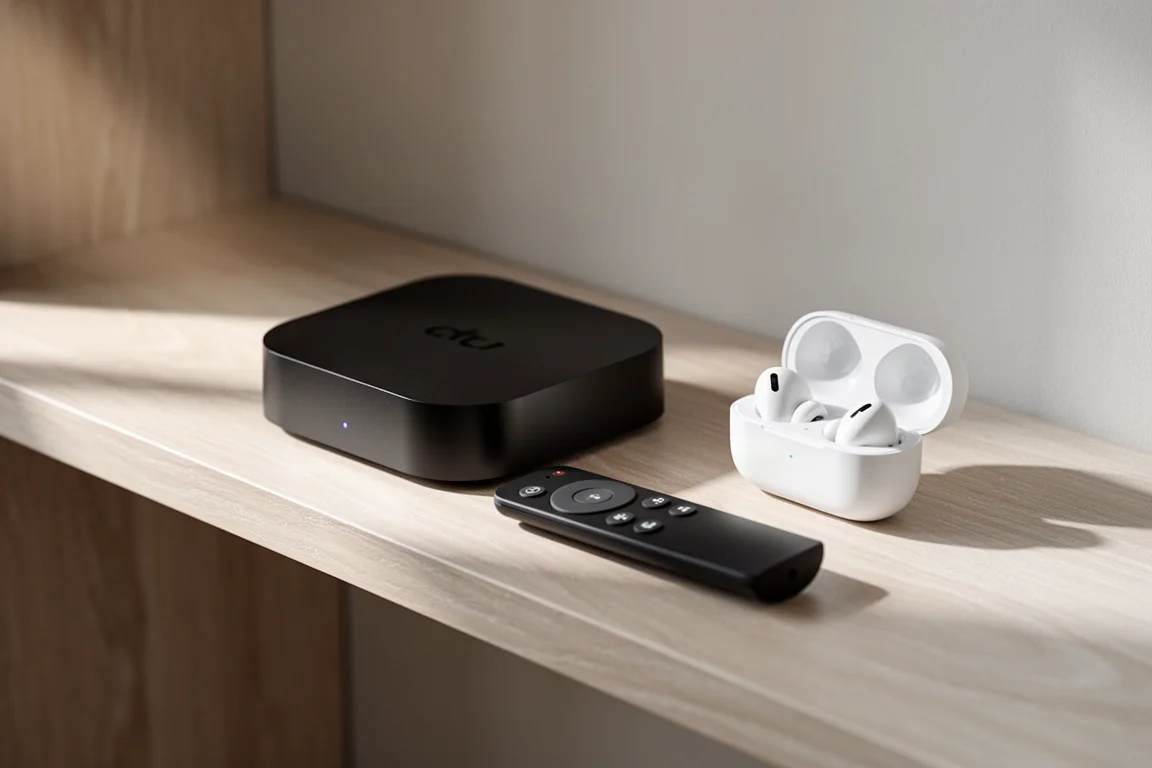
Apple TV 4K With AirPods: A Best-Value Home Theater Setup
An Apple TV 4K paired with AirPods over Bluetooth makes a compact home theater setup for movies, spatial music and late-night viewing, and it can be assembled for as little as $300.
Home Theater
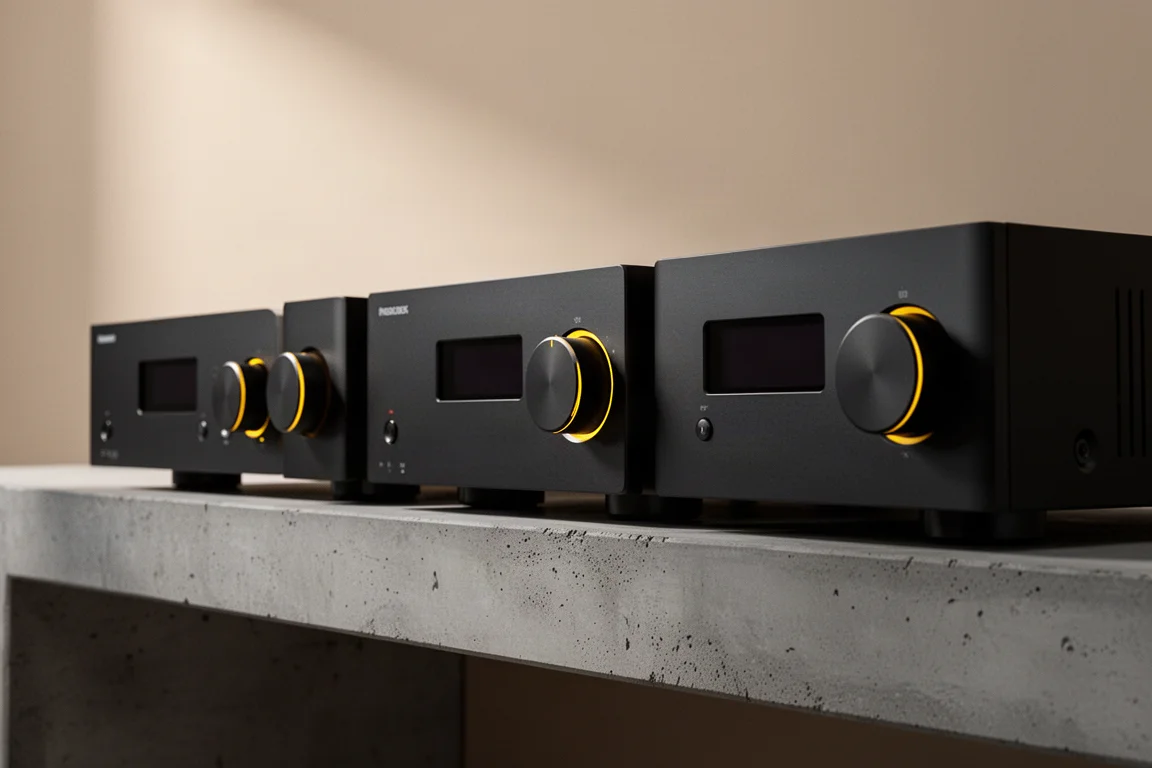
Arcam AVR15, AVR25, AVR35, and AVP45 Compared: Which AV Amplifier Fits Your System?
Four new Arcam home theater components share nine-channel amplification and Dirac Live, but differ in power, processing ceiling, and channel flexibility.