Hi-Fi Audio
Best Disc Players in 2026: Five CD and SACD Machines Worth Buying
A practical look at five disc players across the price spectrum, plus the cases where a Blu-ray player makes more sense than a dedicated CD player.
Introduction
Compact discs remain a format worth building a system around in 2026, and the player you choose matters more than most buyers expect. The genuinely surprising part is that a Blu-ray player often handles CD playback with more precision than a dedicated CD player, and at some price points it is simply the better purchase. Dedicated machines still have a place, mainly for people who want faster disc handling, no screen in the way, or SACD support done properly.
This guide covers five disc players spanning roughly $400 up to several thousand dollars, with what each one does well and what you give up in return.
How These Players Compare
Five things matter most when choosing a disc player. The first is format support, since some machines play only CDs while others add SACD, DVD-Audio and Blu-ray Audio. The second is the output stage, because balanced analog outputs and a well-built digital-to-analog converter shape the sound more than most specification sheets suggest. The third is the transport, the mechanism that actually reads the disc. The fourth is convenience, including whether a player needs a screen before it will play music. The fifth is price, which quietly influences every other decision.
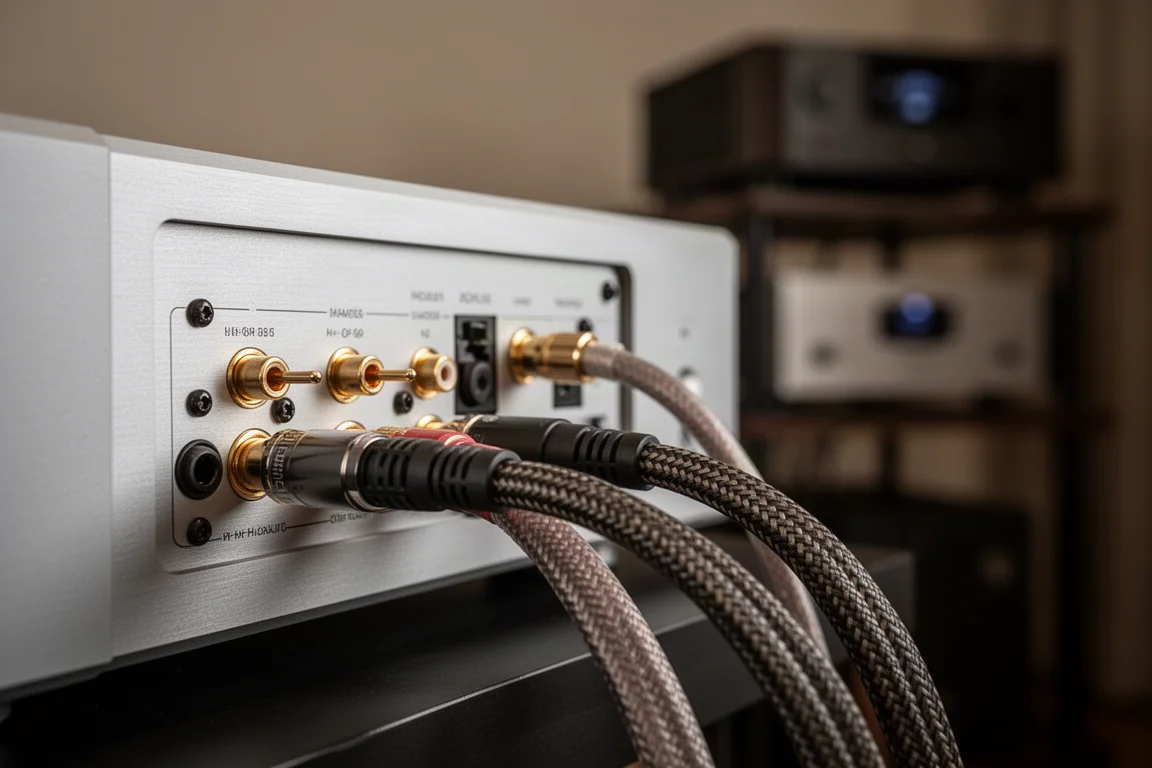
At the very bottom of the market, the cheapest route into CD playback is a second-hand DVD or Blu-ray player with a coaxial or optical digital output. Connect that to the digital input on an integrated amplifier and the amplifier’s own converter does the decoding work. Players found at thrift stores or as open-box units can cost very little, and many integrated amplifiers include a digital section that makes the arrangement sound respectable. On their own, though, cheap players tend to sound muffled and jumbled, so the workaround only pays off when the amplifier has a decent digital input.
Once your budget passes roughly $300, a dedicated CD player becomes a genuinely reasonable choice. That is where this list begins.
Best Value CD Player: Onkyo Icon
The Onkyo Icon is a new CD player priced at $400, and it makes a strong argument for a dedicated machine rather than adapting a video player. It sounds excellent for the money and keeps the experience simple: you load a disc and it plays, with no television or menu standing between you and the music.
If you prefer a changer, Onkyo also offers a six-disc carousel that looks like it came straight out of 1990. It is regularly discounted to around $300 against a normal price closer to $350, and it sounds great. Higher up this bracket, a tube-based CD player from Advance Paris sits around $1,000 and sounds noticeably better than the Onkyo Icon, though it feels slightly overpriced for what it offers.
For a CD-only system under $500, the Onkyo Icon is the straightforward pick.
Best High-End SACD Player: Marantz SACD 30N
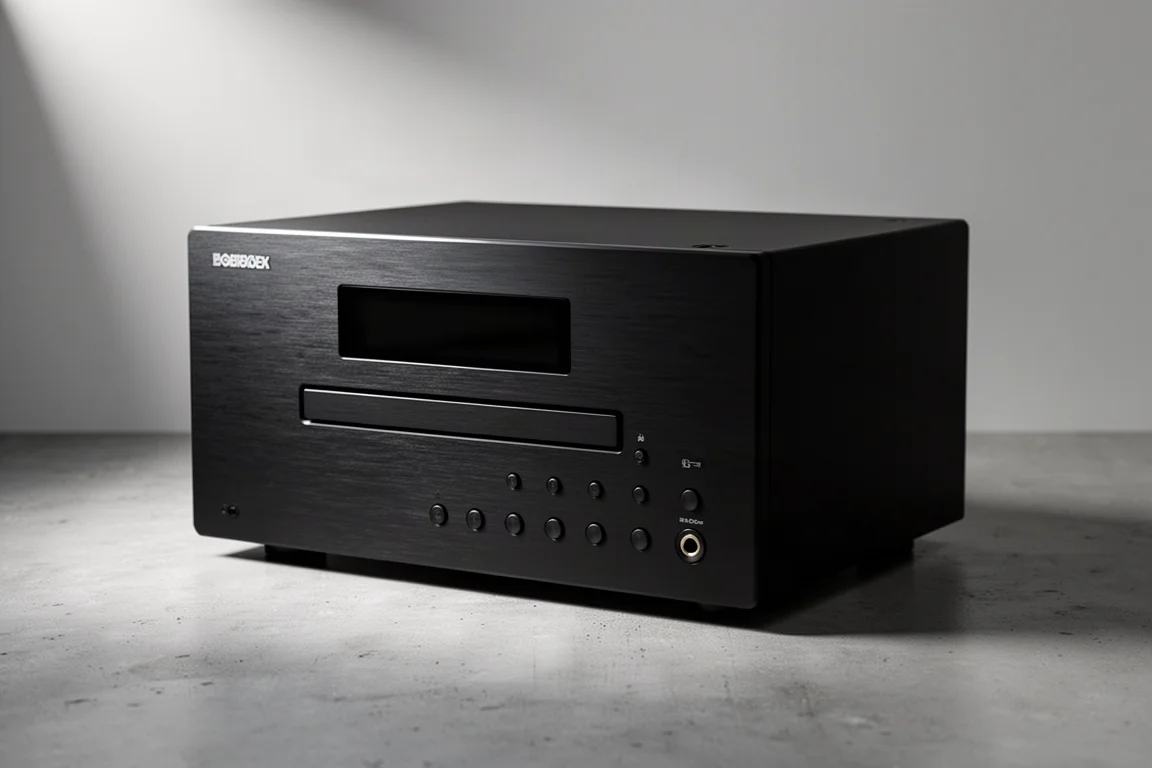
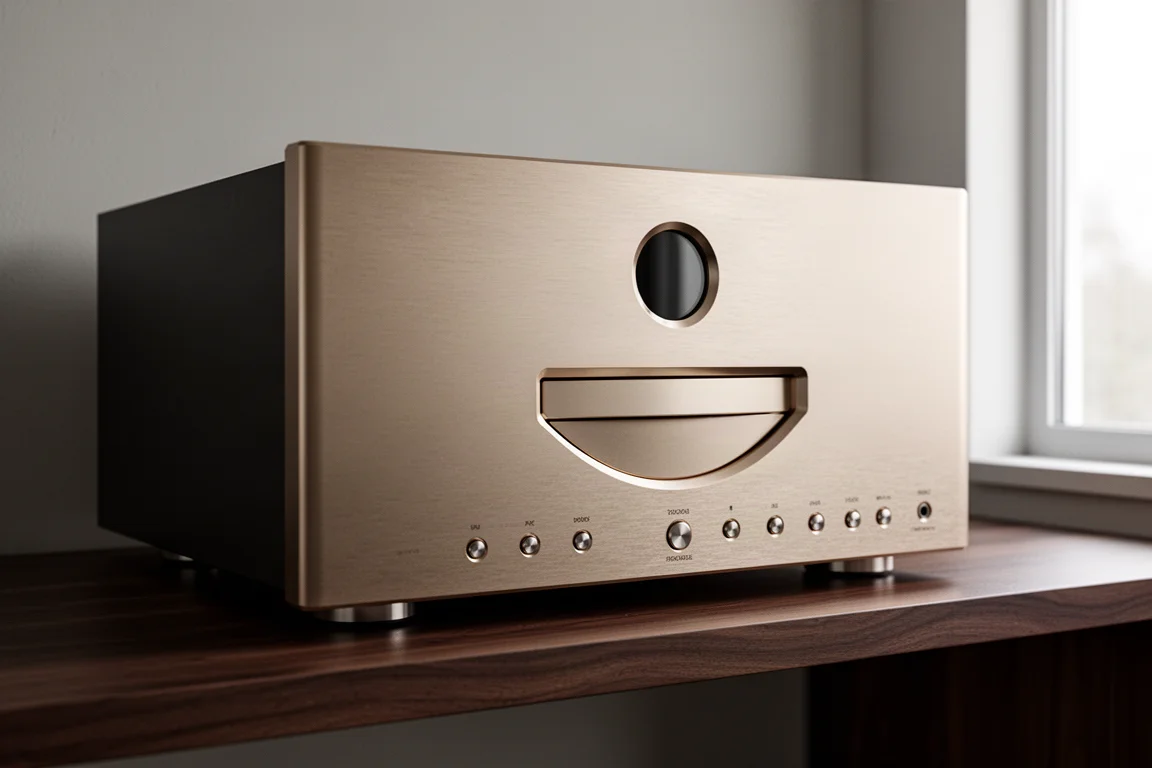
The Marantz SACD 30N is a premium machine at $3,500 that plays both CDs and SACDs, and it is a genuinely beautiful piece of equipment. For listeners who want a dedicated high-end disc player from an established hi-fi name, it is one of very few options that covers the SACD format at this level.
The trade-off is what you do not get. The Marantz does not offer balanced outputs, and at $3,500 it costs $100 more than the Magnetar UDP-900 Mark II, which does. If SACD playback is a priority and balanced connections matter to your system, that comparison deserves careful thought before you commit.
If your system is built around single-ended connections and you want a dedicated player rather than a multi-format machine, the Marantz remains a refined choice. It is the kind of purchase made for the object as much as for the format support.
Best All-Rounder With Balanced Outputs: Magnetar UDP-900 Mark II
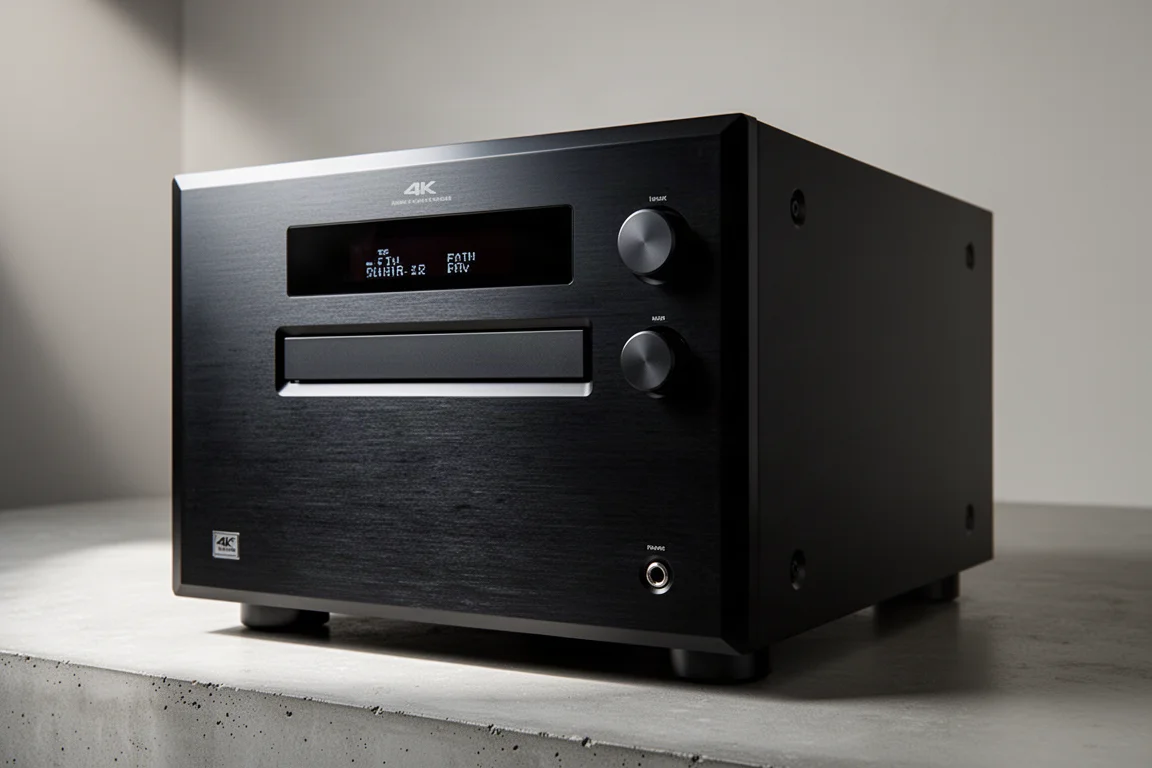
The Magnetar UDP-900 Mark II costs $3,400 and makes the strongest case for skipping a dedicated CD player altogether. It plays SACDs, it offers balanced outputs, and it uses a better digital-to-analog converter than the Marantz. Its analog output stage is a serious piece of engineering, which means the workarounds required on cheaper 4K Blu-ray players are simply not necessary here.
There is more to it than music. The UDP-900 Mark II also handles 4K Blu-ray, DVD-Audio at 5.1 and Blu-ray Audio at 7.1, including Dolby Atmos tracks. Roughly a thousand titles exist on Blu-ray Audio, and the format has attracted careful mastering work from engineers with long track records in high-resolution audio. If you watch concerts and films as well as listen to discs, one machine covers everything.
Physically it is substantial. The UDP-900 Mark II weighs around 35 pounds, and everything outside the disc mechanism is built by Magnetar itself. The mechanism comes from Sony, which is what allows the player to read SACDs in the first place.
Best Value 4K Blu-ray Player for Music: Magnetar UDP-800 Mark II
The Magnetar UDP-800 Mark II is the more approachable route into the same idea. It plays SACDs, it offers balanced outputs, and its digital-to-analog converter is good enough that music sounds genuinely convincing. To most ears it sits close to a dedicated tube CD player costing around $1,000, and it is not embarrassed by far more expensive machines, even if it does not match the finest CD-only player for outright detail.
If you are curious about 4K Blu-ray and want a single machine that handles films, SACDs and CDs without a stack of workarounds, the UDP-800 Mark II is an easy recommendation.
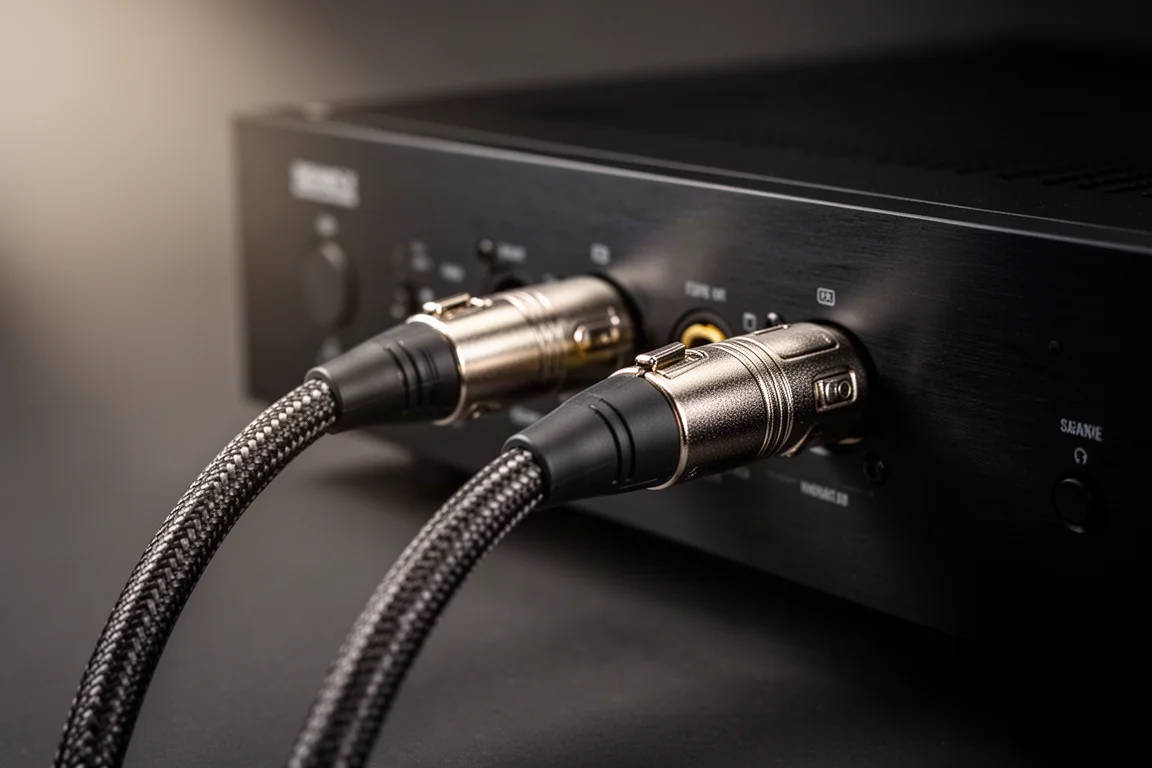
One caveat applies to almost every affordable 4K Blu-ray player, and it is worth understanding before you buy. SACD uses DSD, and DSD cannot be passed over a digital output to your amplifier’s converter. On a budget player, that leaves you with the internal converter, and an SACD can end up sounding worse than a regular CD played the same way. The Magnetar players avoid that problem because their analog output stage is good enough to use directly.
Best Standalone CD Player for Pure Sound: TEAC VRDS 701
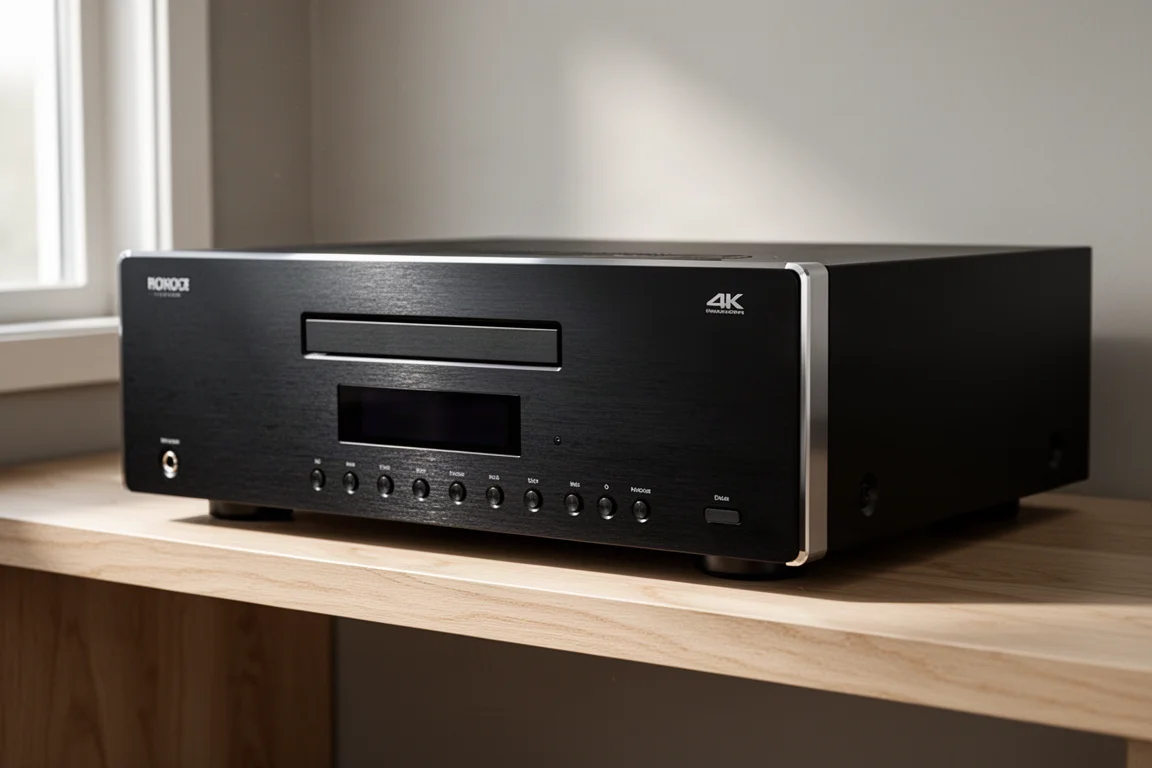
If budget is not a concern and you simply want the best CD playback available, the TEAC VRDS 701 is the standout. It delivers more detail than the Magnetar UDP-800 Mark II, and it is the finest standalone CD player in this group.
The reason a dedicated player still has a place comes down to speed and focus. A CD carries far less data than a 4K Blu-ray disc, so a CD-only transport uses a wider laser and reads at roughly 1.5 megabits per second. A 4K Blu-ray player reads around 25 times more data with a much narrower laser and far stricter error correction, because a dropped frame would ruin the picture. That precision is impressive, but it also means more waiting and, on some players, a screen before playback begins. A dedicated CD player skips all of that.
Buying Advice: Which Disc Player Makes Sense for You
Under $300, the sensible move is a used DVD or Blu-ray player with a digital output feeding the converter in your integrated amplifier. It is the cheapest way to start, and it works well as long as the amplifier’s digital section is decent.
Between $300 and $1,000, the picture splits. If you only play CDs and have no interest in films, the Onkyo Icon is the straightforward choice. If you also want 4K Blu-ray, buy a 4K Blu-ray player and run a digital output to your amplifier. Affordable Sony models in this range can even play SACDs, though remember the DSD limitation: through their internal converter an SACD may sound worse than a CD, and the digital workaround is not available.
Above $1,000, the argument tilts firmly toward Blu-ray players, because their transports are more stable and more precise than a CD-only mechanism. The Magnetar UDP-900 Mark II is the pragmatic answer if you want SACDs, balanced outputs and one machine for films and music. The Magnetar UDP-800 Mark II delivers most of that for less. The Marantz SACD 30N suits buyers who want a dedicated premium player and do not need balanced connections. The TEAC VRDS 701 is the choice when CD playback quality is the only thing that matters and the budget is open.
One final consideration: if you have no interest in movies and do not want to connect a player to a television at all, a dedicated CD player is the better fit. Blu-ray players can take longer to start playing music and sometimes require a screen just to navigate.
Conclusion
Disc players are not obsolete, but the logic of buying one has shifted. At the entry level, a cheap second-hand DVD or Blu-ray player paired with a good amplifier converter gets you listening for very little. Above $300, a dedicated CD player such as the Onkyo Icon earns its place through speed and simplicity. At the top of the market, a 4K Blu-ray player like the Magnetar UDP-900 Mark II or UDP-800 Mark II simply does more and does it with greater precision. Dedicated machines still make sense for listeners who want the best CD-only sound, which is where the TEAC VRDS 701 sits, or a refined premium SACD player in the Marantz SACD 30N. Match the machine to the discs you actually own, and the decision becomes much simpler.
Further reading
Related Reviews
Hi-Fi Audio
Accuphase C-57 vs Allnic H-7000V: Two High-End Phono Stages Compared
A fully balanced solid-state phono stage with a pitch-black noise floor meets a tube design built for well-loved records. Here is how to choose between them.
Hi-Fi Audio
Active vs Passive Hi-Fi: Five Components for a Modern System
Five components that define modern active and passive hi-fi systems, with the strengths, trade-offs and setup details worth weighing before you buy.
Hi-Fi Audio
Advance Paris A10 Apex Review: A Hybrid Integrated Amplifier That Covers a Lot of Ground
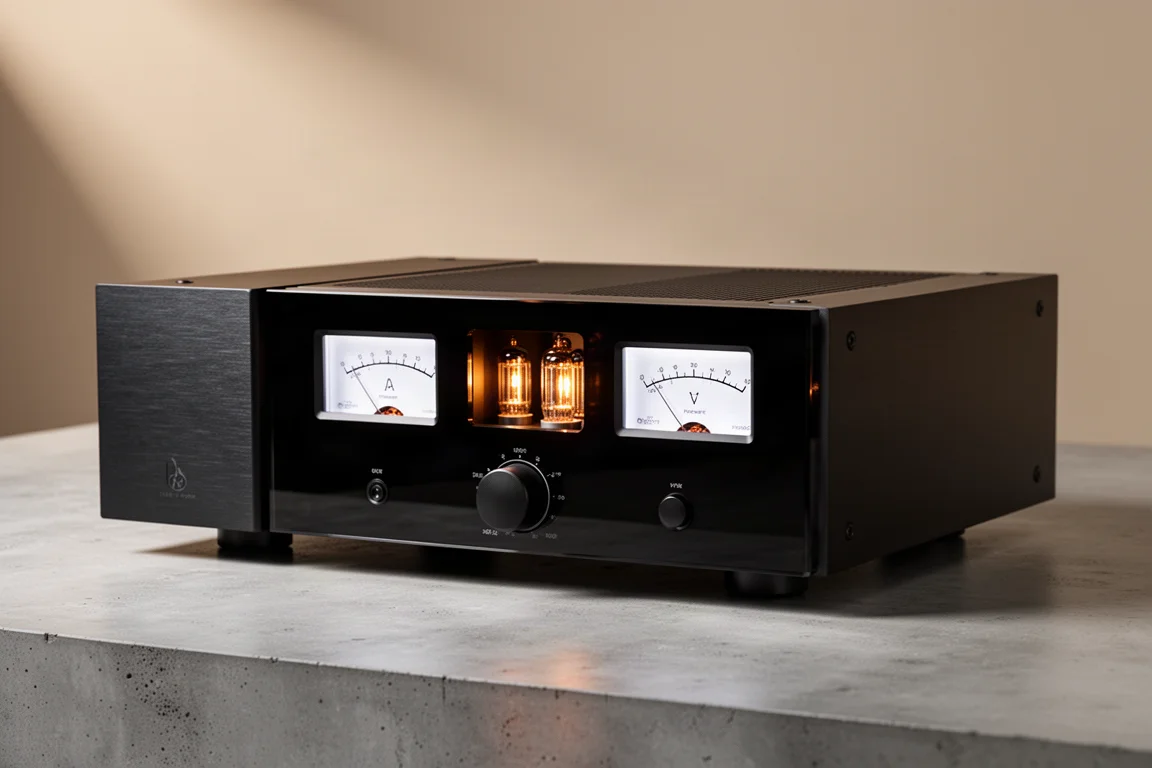
A French hybrid integrated amplifier with a class A tube preamp stage, analogue power meters, and an internal DAC and phono stage good enough to make extra boxes unnecessary.