Hi-Fi Digital Sources
Best Digital Sources: Streamers and DACs From £699 to £4,500
Eight digital sources, from compact network streamers around £700 to a 19 kg reference converter, compared on inputs, platform and sound.
Introduction
Digital sources are the part of a high fidelity system that moves fastest. Streaming platforms, conversion architectures and connectivity standards all shift from year to year, and the gap between a good entry point and a genuinely high-end converter is narrower than the price tags suggest.
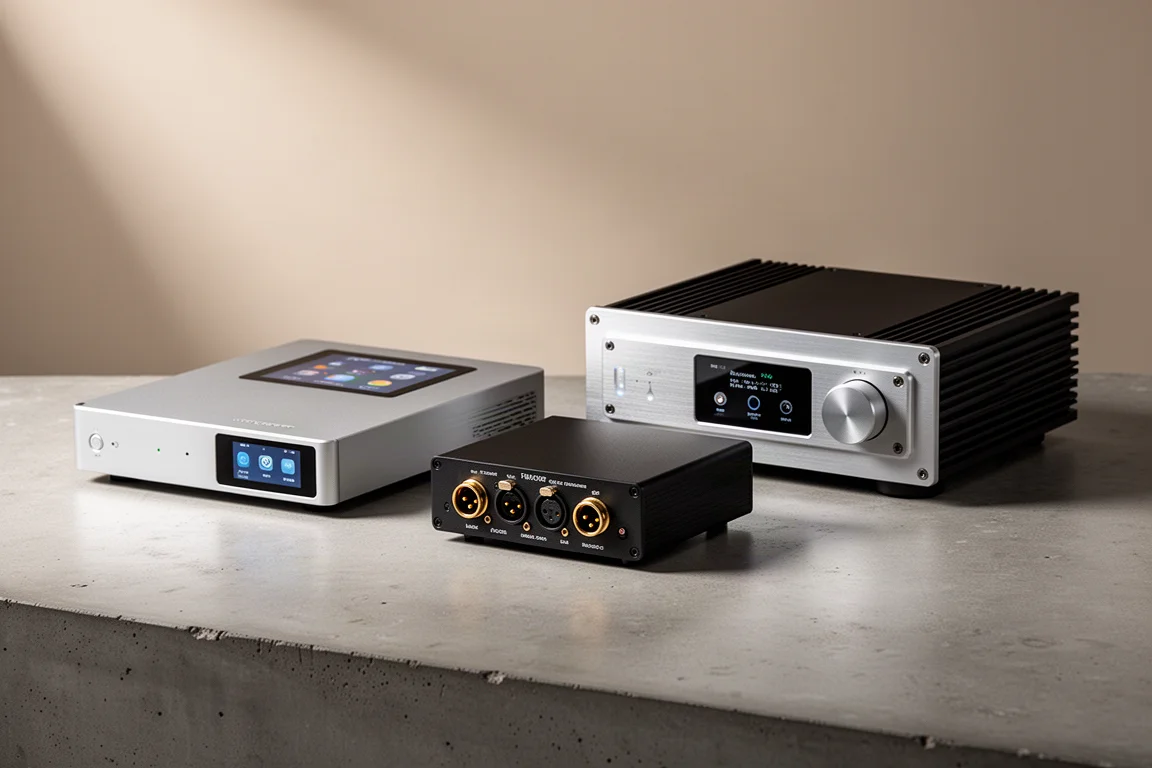
This guide covers eight digital sources, from compact network streamers around £700 to a 19 kg reference converter that sits above £4,500. All of them handle the same basic job: take a digital signal, whether from a network, a computer, a television or a transport, and turn it into something an amplifier can use. What separates them is how they do it, what they will accept as an input, and how they sound in a real system.
If you already know whether you need a streamer, a converter, or a single box that does both, the product sections below will help you narrow the field. If you are still deciding, the criteria section is the place to start.
What to Look For in a Digital Source
Conversion architecture matters more than the marketing suggests. Most converters at these prices use delta-sigma chips from AKM or ESS, often paired with a linear power supply and a discrete output stage. R2R ladder designs take a different route and are prized for a natural tonality and a three-dimensional quality that many chip-based converters find harder to achieve. A third approach converts everything, including incoming PCM, to DSD.
Inputs decide how the converter fits into your system. I2S lets you connect an external digital-to-digital converter, which can optically isolate digital inputs from noise and supply a superior clock. HDMI eARC is what makes a streamer practical in a family room, because it lets a television send audio to the hi-fi and lets the TV remote control volume. USB, coaxial and optical inputs cover computers, CD transports and older sources, and balanced XLR outputs are worth having if your amplifier accepts them.
The control platform matters as much as the hardware. A fast, well-organised app with reliable streaming support is the difference between a device you use every day and one you stop bothering with.
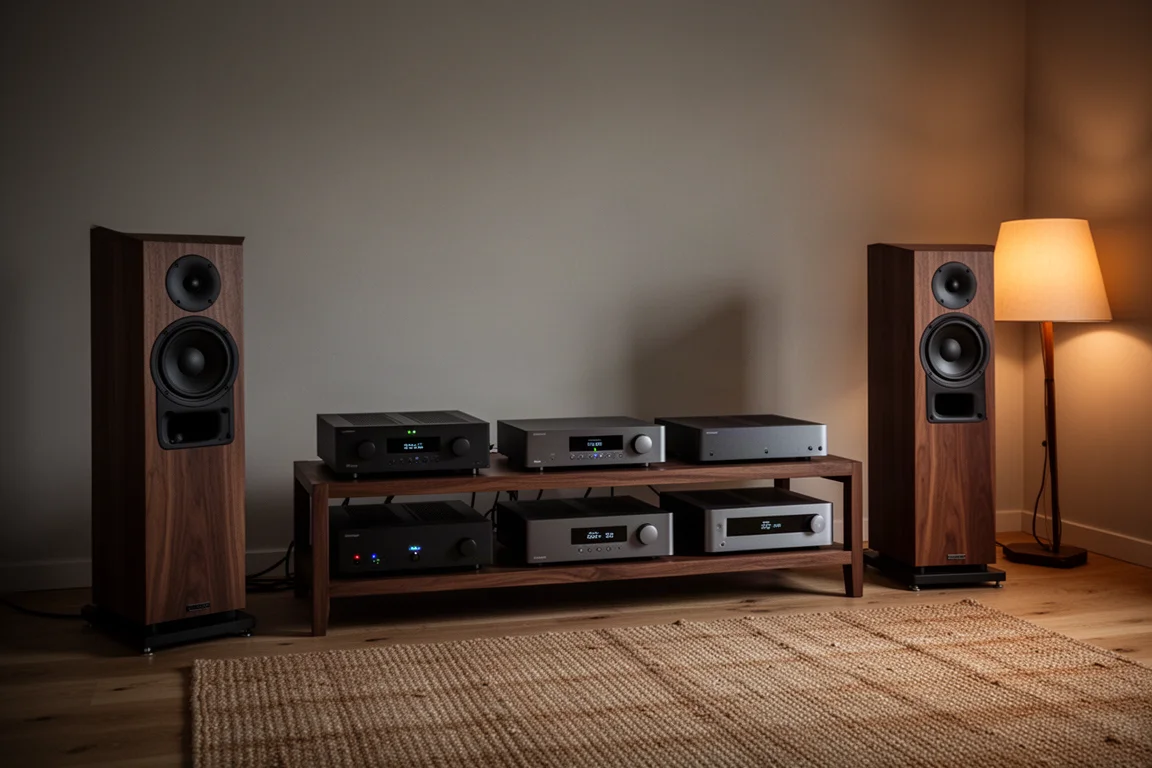
Finally, consider the practical side: how much rack space the unit needs, whether the display is readable from your listening position, and what support looks like if something goes wrong. A converter bought through a local dealer and one bought directly from overseas can perform identically and still offer very different ownership experiences.
Bluesound Node X: A Compact Streamer at £699
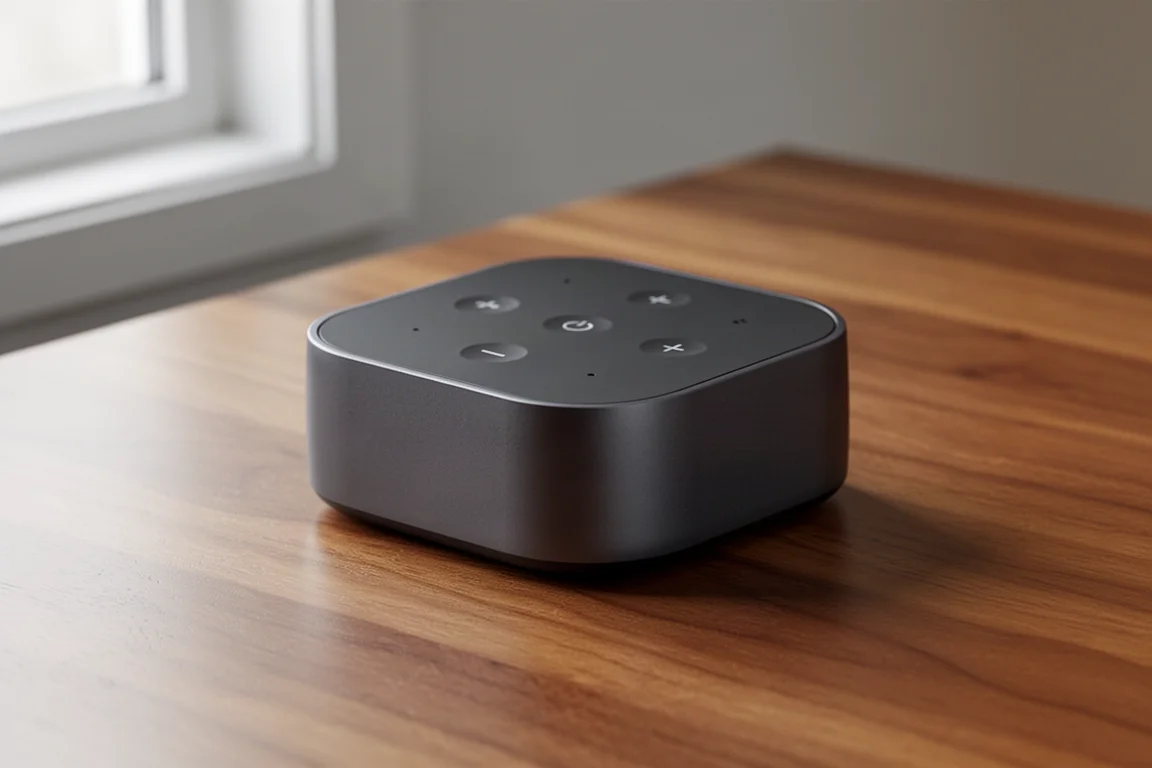
The Node X retails at £699 in the UK and is the most domestically discreet option here. The casework is plastic rather than metal, but it is nicely finished and well put together, and the simple, understated styling would not look out of place in a room where the hi-fi has to share space with everything else.
Connectivity is where it earns its place. There is a headphone jack on the front, and the rear panel carries coaxial, optical, USB and HDMI eARC digital outputs, so a television can feed the Node X and its own remote can control volume. One limitation is worth knowing about: with only a single USB port, attaching an external hard drive uses up the connection you would otherwise want for an external converter.
The BluOS app, now at version 4.0, is slick, intuitive and fast. Screens can be customised and playlists can be built across platforms. Sonically, the Node X resolves at a similar level to a well-sorted Auralic based streaming setup with an external linear power supply, but it is more coloured, with a distinctly warm presentation built on a weightier bass and lower midrange. It also throws a bigger presentation with a wider soundstage than that reference combination.
Eversolo DMP-A6: A Touchscreen Streamer at £759
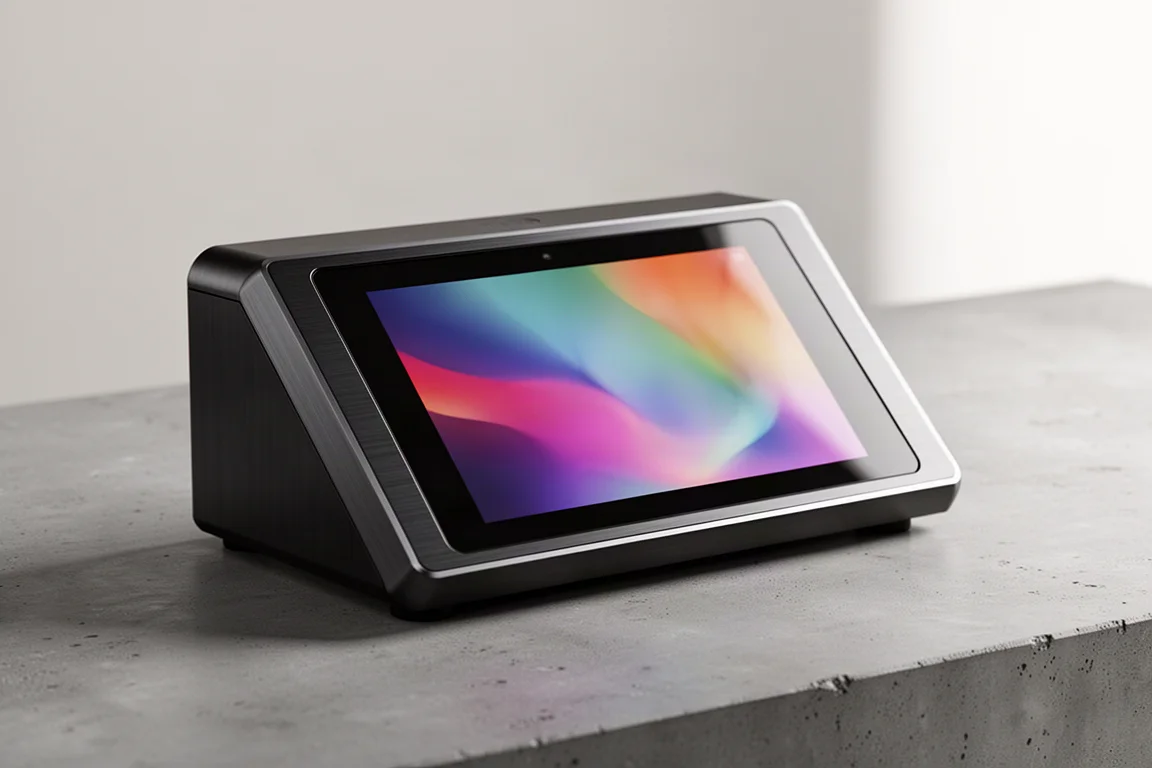
At £759, the DMP-A6 delivers CNC machined aluminium casework of a type normally reserved for devices costing twice as much, along with a 150 mm six-inch LCD touchscreen that is genuinely unusual at this price. The screen gives direct access to menus with plenty of customisation and can display cover art while music plays.
The rear panel covers virtually every digital input and output you could ask for, with two significant exceptions: there is no I2S, and there is no HDMI eARC. The HDMI port is used to output multichannel audio instead. There is also no headphone socket. The conversion stage is fully balanced and built around two ESS Sabre 9038Q2M chips, with balanced XLR and single-ended RCA analog outputs.
Internally, the DMP-A6 accepts an SSD of up to 4 TB, which turns it into a cost-effective music server. The interface is derived from Google’s Android 11, with menus where you would naturally expect to find them and processing that is easily a match for BluOS. The one gap is cross-platform playlists, which are not available yet.
In use it pulls more information out of recordings than the Node X or a comparable Auralic streamer, making it the most resolving of the group at this level. It also adds a little colouration, with extra emphasis in the upper midrange and treble that can sound bright in systems already leaning that way. Set against the overall package, the value is hard to argue with.
Denafrips Ares 12th Anniversary: R2R Ladder Conversion Around £1,000
The Ares 12th Anniversary is an R2R ladder converter at around £1,000. Compared with the standard model it brought updated software, minor internal changes and, most importantly, an I2S input that lets it connect to external digital-to-digital converters.
That input is the reason the Ares is worth considering beyond its price. Paired with a Denafrips Iris DDC, all digital inputs are optically isolated from noise and the converter benefits from a superior clock, taken from the Denafrips Venus rather than the Pontus, with temperature controlled crystal oscillators. Adding the Iris at £600 takes the Ares from one of the best stacks at just over £1,000 to one of the best below £2,000.
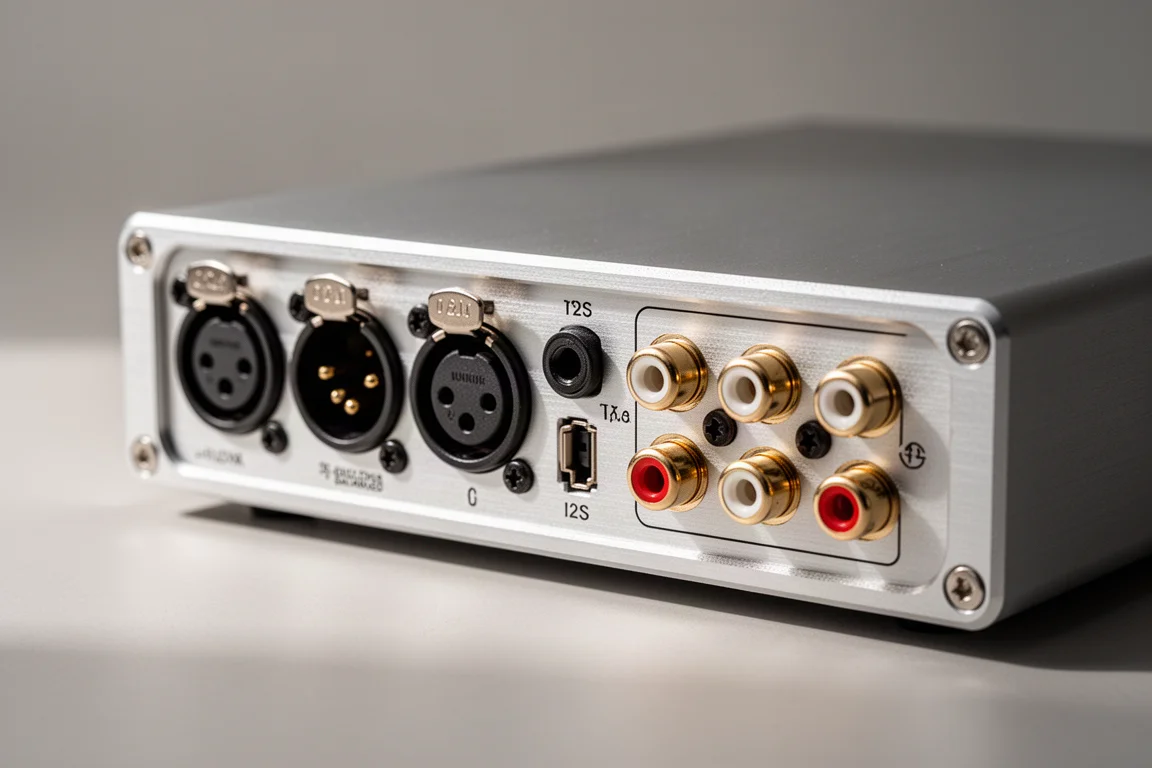
In character, the Ares is warm and full, with a tonality that suits long listening sessions rather than short analytical ones. The 12th Anniversary model has since been replaced by the 12-1, which is the same converter in nicer clothing: billet aluminium casework, CNC machined in the same style as the more expensive models in the range. If the warm, weighty presentation appeals and you want a staged upgrade path, the Ares is an easy recommendation.
Gustard R26: A Resolving R2R DAC Around £1,600
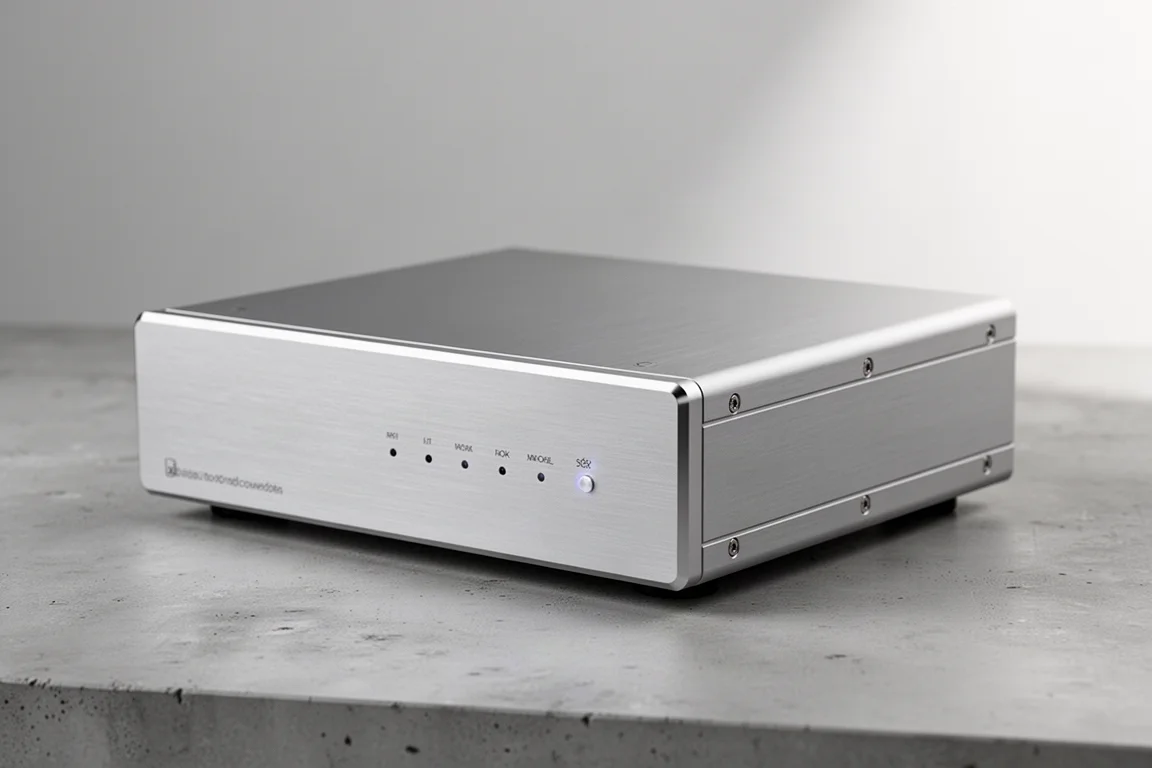
The R26 retails directly out of China for around £1,600 and arrived with unusual momentum behind it. The build is impressive inside and out, with separate transformers feeding the digital and analogue sections, Nichicon Gold Tune capacitors in the power supply, and clearly partitioned, well laid out circuitry. The R2R ladder network and fully discrete output stage sit on the right of the board.
The R26 is fully balanced, with XLR and single-ended RCA analog outputs and every digital input you would expect, I2S included. It is more than a converter as well: a basic streamer supports third-party UPnP and DLNA streaming services, so a simple network library can be played without extra hardware.
Sonically it is a step up from the Ares and closer in performance to the Pontus, but the presentation is different from the Denafrips house sound. It is more precise, more analytical and drier in tone. It is also very resolving, with the three-dimensional quality associated with the best R2R ladder converters, something chip-based designs often struggle to match.
Merason Frerot: A Neutral Swiss DAC With an Optional Power Supply
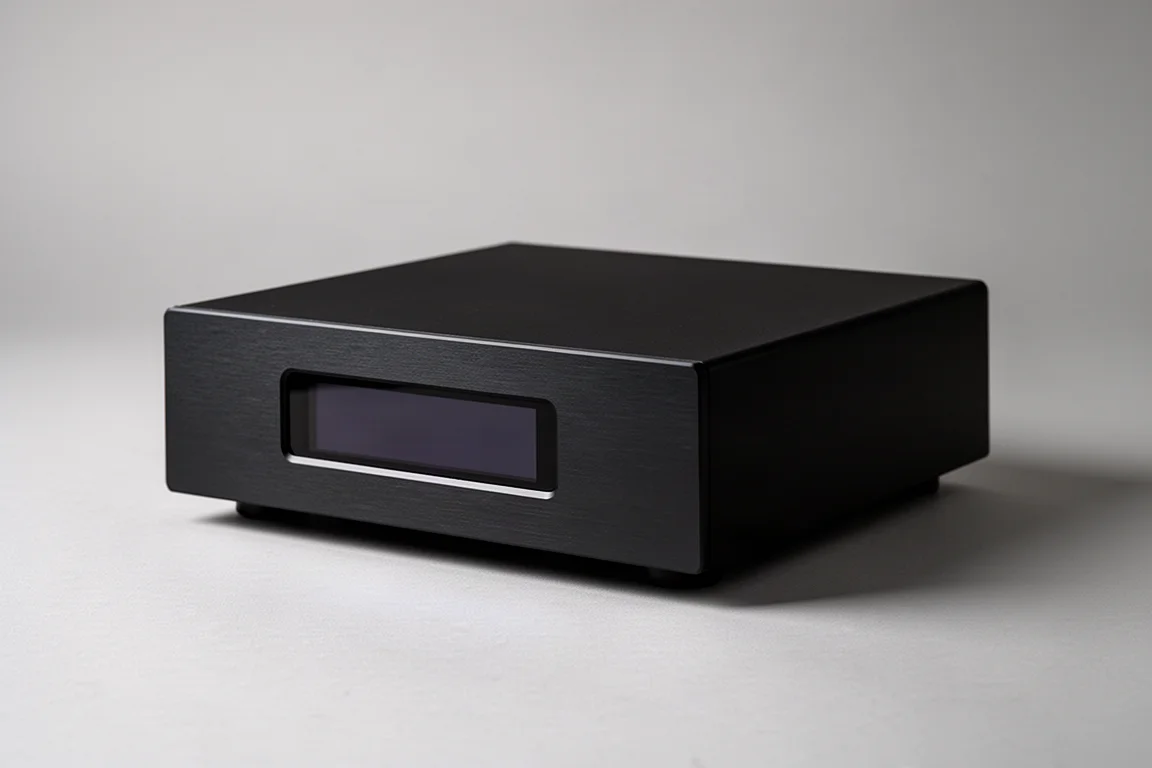
The Frerot is a Swiss-built converter retailing at £1,500, with an optional external linear power supply at £850, or £2,200 for the pair. The casework is all metal but nowhere near as substantial as the Chinese converters in this guide. This is a pure converter: one LED lights up when it powers on and another illuminates when it locks onto one of its five inputs.
Connectivity is modest but sensible. There are balanced XLR and single-ended RCA analog outputs on the back, and two coaxial, two optical and one USB digital inputs. That will cover most systems, though anyone looking for I2S or AES/EBU will need to look elsewhere.
The optional Power One connects through a five-pin DIN cable supplied in the box. Inside, it uses three transformer windings to feed three entirely independent supplies: one for the left analogue channel, one for the right and one for the digital section. The Frerot itself applies galvanic isolation to all digital inputs to suppress noise, and the Burr-Brown PCM1794A chip is a hybrid, using delta-sigma conversion for the lower 18 bits and multi-bit conversion for the top six.
Performance is comparable to the Denafrips Ares 12th Anniversary. The Frerot has more agile bass and a more neutral tone than the warmer, fuller Ares, and its multi-bit architecture gives it reasonable soundstage depth, though it cannot quite match the Denafrips converters for soundstaging or top-end resolution. Adding the Power One widens the soundstage from narrower than the Ares to wider, with more precise imaging, and high frequency detail also leapfrogs the Ares, although it still is not as resolving as the Gustard R26.
Auralic Altair G1.1: A One-Box Streaming DAC at £2,699
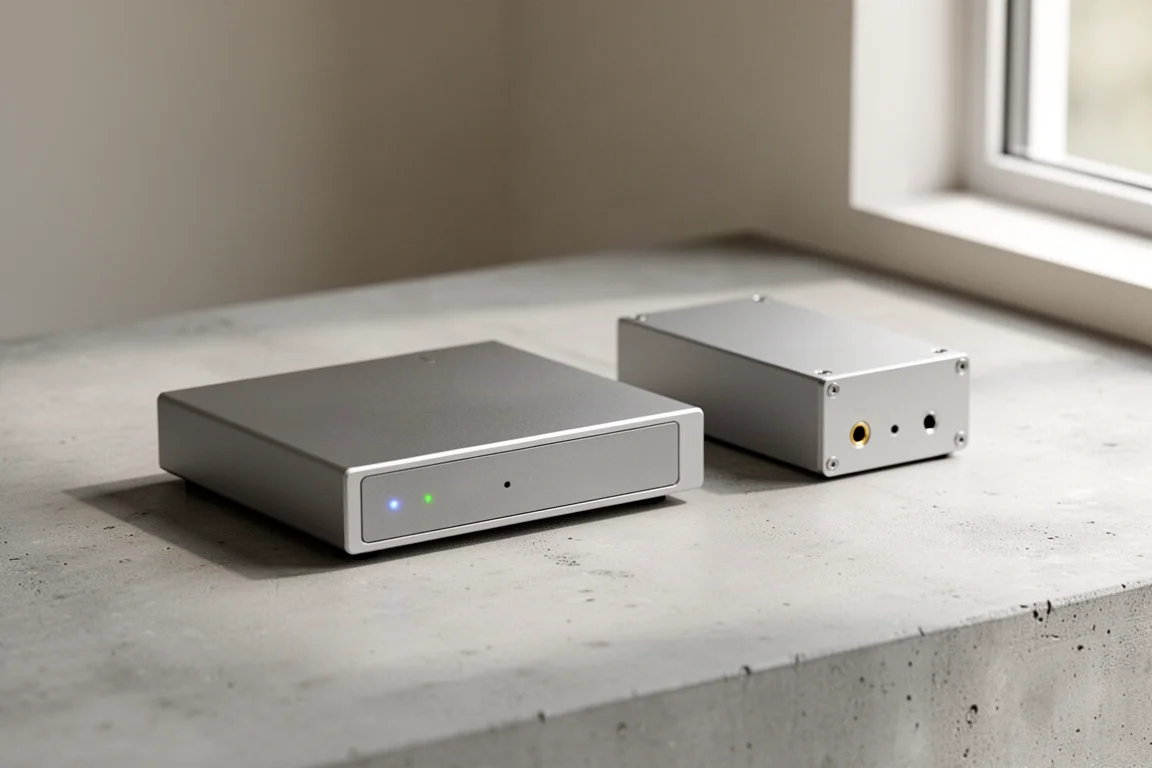
At £2,699 the Altair G1.1 is a streaming converter with heavy-duty casework slightly more substantial than the Gustard R26, and a great deal going on under the hood to suppress noise, deliver clean power, reduce jitter and optimise wireless transmission. The conversion chip is a conventional ESS 9038Q2M, but Auralic do not use its built-in digital filter, opting instead for their own proprietary design.
Digital inputs and analog outputs are well catered for, with the only obvious omission being I2S for use with external DDCs. The one genuine complaint is the display, which is not a touchscreen. Given what devices at a third of the price now offer, that is something worth addressing in a future generation.
Sonically the Altair G1.1 is excellent. It sounds very close to the Gustard R26, with the main difference being a slightly wider soundstage, and it is detailed, refined and three-dimensional, which is likely down to that proprietary digital filter. The digital volume control is decent and does not compromise performance much, so the unit can serve as a digital hub. It is also bought through a dealer rather than a website overseas, which can mean a different level of support if something goes wrong. As a one-box digital solution at this price, it is a strong answer.
Cen.Grand DSDAC 1.0 SC: DSD Conversion at £3,200
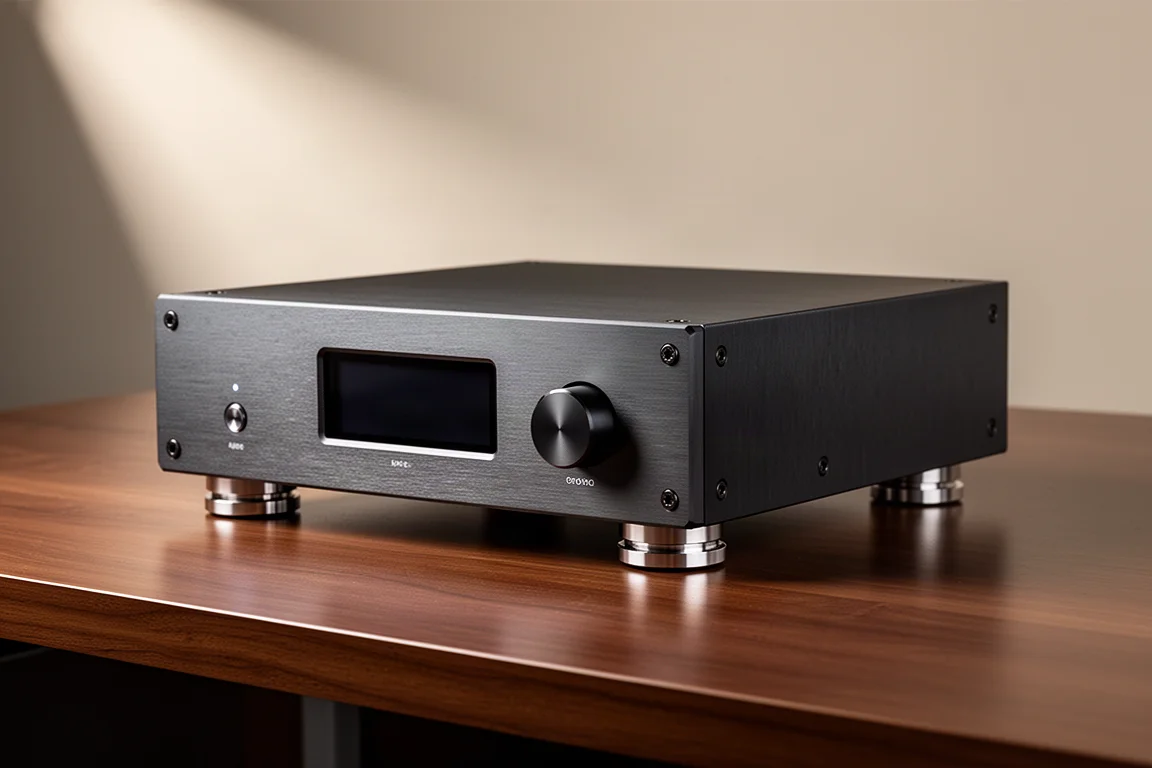
The DSDAC 1.0 SC takes a third route. It is neither R2R nor delta-sigma: everything, including incoming PCM, is converted to DSD, and the DSD signal can be upsampled from DSD64 to DSD128, 256, 512 and 1024. At £3,200 it has the battleship build quality that has become associated with premium converters from China.
In effect, the converter turns data of the type found on a CD into the type found on an SACD. DSD is prized for its natural tonality, and that is what the DSDAC delivers.
Not everything is polished. The display is too dim, and its layout is a little confusing to navigate. It is also clearly intended as a single-box solution: there are no I2S or master clock inputs, though there are five digital inputs and both single-ended RCA and balanced XLR analog outputs.
Where it excels is scale and dynamics, with very good detail and the immersive, three-dimensional soundstage that recurs throughout this group. Compared with a Denafrips Venus, which retails for around £100 more, the DSDAC is bigger and bolder thanks to a beefier bass response and a more fleshed-out midrange, while the Venus is more detailed and precise. That is the familiar trade-off between acoustic mass and resolution, and neither presentation is inherently better than the other.
Denafrips Terminator II 12th Anniversary: The Reference End of the Group
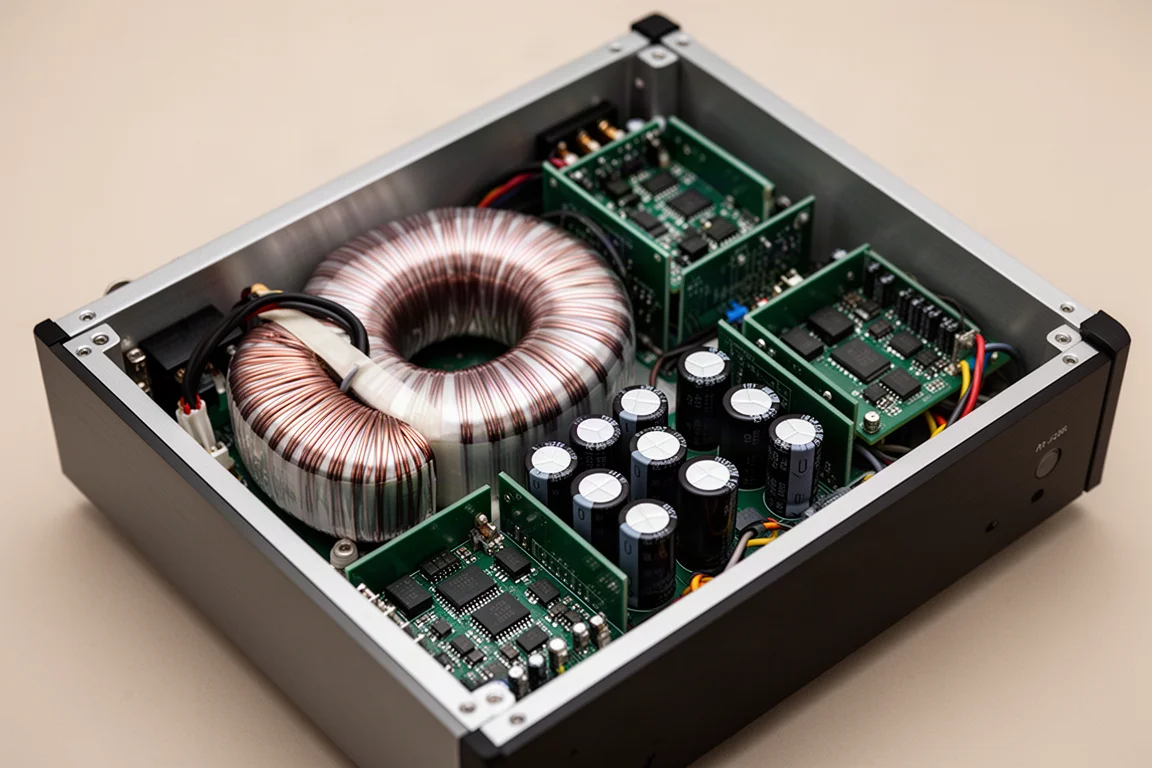
Spending just over £4,500 puts you into Terminator territory, and the Terminator II 12th Anniversary is a colossal piece of equipment at 19 kg, heavier than many power amplifiers. Internally it is clear where the money has gone: top quality parts throughout, two very large toroidal transformers in a compartment below the main board, and a substantial bank of capacitors for power filtering. A shielded enclosure houses oven controlled crystal oscillators.
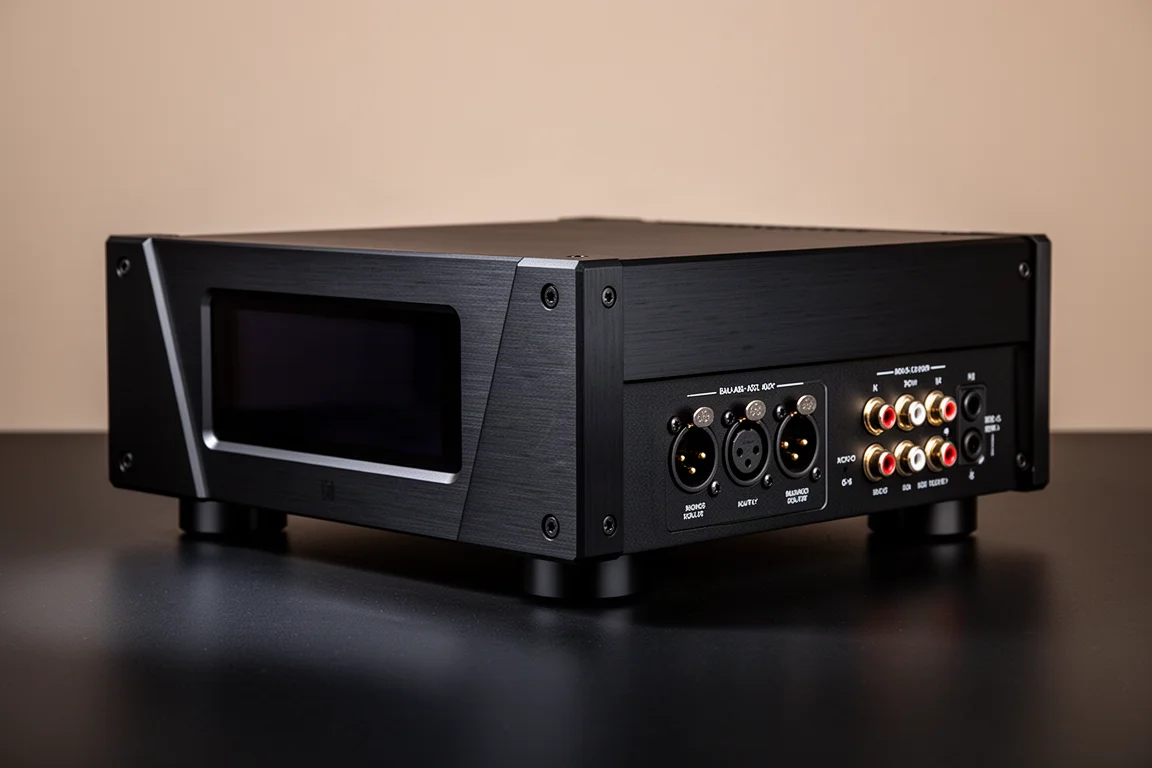
The rear panel carries all the digital and analog connections you could reasonably want, including I2S and master clock connections for further upgradeability. Against the Denafrips Venus, the Terminator gives you more detail, a wider and deeper soundstage and greater precision of imaging.
It represents the top of this particular group, and the differences it brings are the ones that matter most at the reference end: resolution, soundstage depth and imaging precision. Buyers at this level should still audition it in their own system, because the presentation differences between the best converters here are real and personal.
Buying Advice: Matching a Digital Source to Your System
The price bands here are useful, but the decision is really about inputs, platform and tonal fit.
Around £700 to £800 you are choosing between convenience and capability. The Node X is the more domestically friendly option, with HDMI eARC and a mature app, while the DMP-A6 gives you a touchscreen, balanced outputs, internal storage and more resolution for a similar outlay. If a television is part of your system, that single input can decide the question for you.
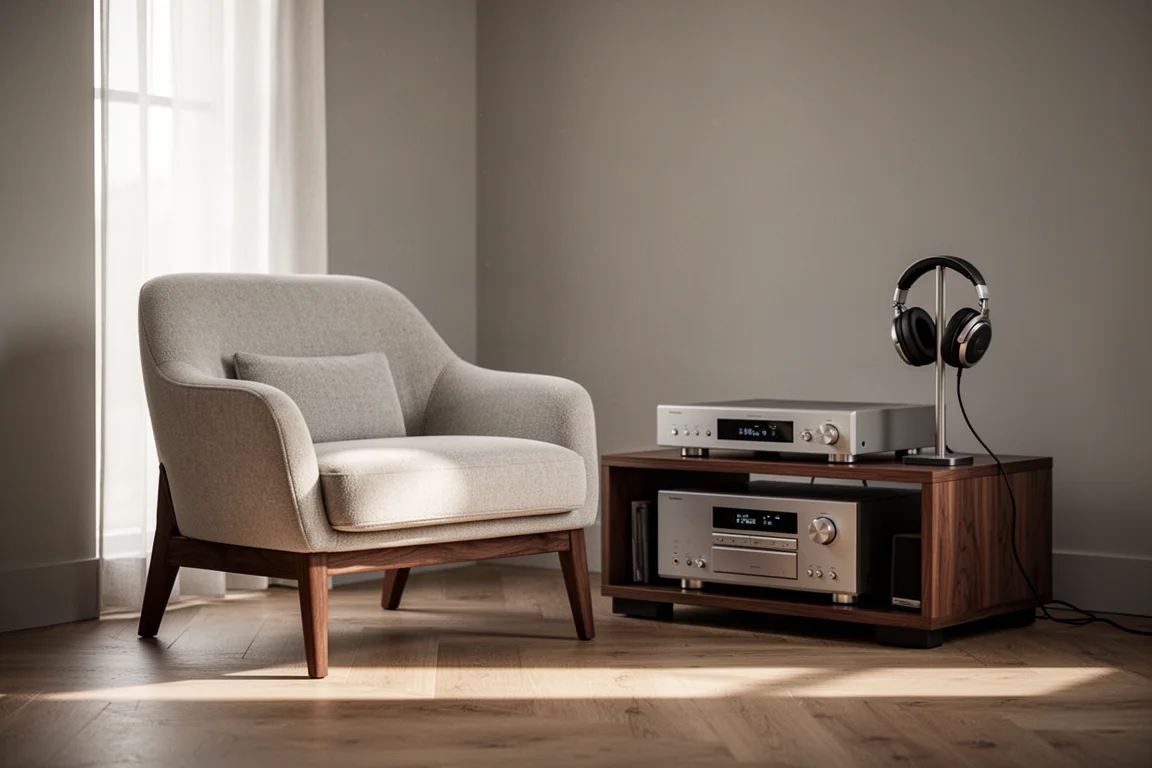
Between roughly £1,000 and £2,700, the choice is mostly about architecture and character. R2R designs such as the Ares and the R26 tend to deliver a natural tonality and a three-dimensional presentation, with the Ares warmer and fuller and the R26 more analytical. The Frerot is the neutral European alternative, particularly with its optional power supply, and the Altair G1.1 bundles a capable streamer into the same box.
Above £3,000, the DSDAC and the Terminator II trade different strengths. The DSDAC offers DSD conversion, scale and a bolder tonal balance; the Terminator II offers more detail, a deeper soundstage and finer imaging. Both reward a system that is already transparent. One practical note applies across the whole group: if your amplifier or speakers already lean bright, the more forward-sounding converters here can push a system too far, while the warmer options can add welcome body. Matching character matters as much as matching specifications.
Conclusion
Eight digital sources, one shared goal: getting the most from a digital library or a streaming subscription. The Node X and the DMP-A6 make the strongest case at the entry point, the Ares, R26, Frerot and Altair G1.1 cover the middle ground with distinctly different characters, and the DSDAC and Terminator II sit at the reference end for listeners who want the last degree of resolution and soundstage.
The safest approach is to decide which inputs you cannot live without, choose the platform that suits how you listen, and then pick the tonal character that fits your system. Do that and any of these will serve as a dependable digital front end for years.
Further reading
Related Reviews

Backpacking Gear
Building a 10 lb Base Weight: An Ultralight Backpacking Gear List
A practical walkthrough of the ultralight pieces behind a 10 lb base weight, from a 765 g pack and a roomy one-person tent to a full camp chair and a dependable water filter.

Road Bikes
10 New Road Bikes Worth Watching: Aero, Titanium, Steel and Endurance Standouts
A practical roundup of 10 new road bikes, from aero flagships chasing single-watt gains to titanium, steel and endurance platforms built for real roads.

Bikepacking Gear
11 Bikepacking Essentials for Long-Distance Cycling
Eleven bikepacking essentials for long-distance cycling, from a steel gravel frame and a two-person tent to helmet lights, packable gloves, and a frame bag that puts weight in the right place.