Digital Audio
Best Digital Source Components of 2025: DACs, Streamers, and Transports
A category-by-category guide to the standout DACs, streamers, and CD players of 2025, with a clear pick at every budget level.
Introduction
Digital source components had a strong 2025. Ladder DACs arrived at prices that would have looked impossible a decade ago, a new generation of streaming transports narrowed the gap to high-end designs, and software quality became as important as circuit design. Established names in the DAC market faced serious pressure from newer arrivals, and buyers were the ones who benefited.
This roundup covers the DACs, streamers, and CD players that stood out over the year, grouped by price category, with one clear pick in each. Some of these are converters, some are pure transports without a DAC inside, and one is a power supply that transforms a transport you may already own.
What Separates a Good Digital Source
A digital source has to do three jobs well: pass or convert a signal cleanly, stay out of the way tonally, and behave itself in daily use. In practice, the third one trips up more products than the first two. Input switching that refuses to release a source when it drops into standby, apps that need rebooting, and network limitations all undermine otherwise excellent sound.
Tonality matters just as much. A source with a cool, analytical character can make an entire system sound lean, while a warm, richly voiced component can flatter lesser recordings. Neither approach is automatically better. What counts is whether the source suits the rest of your system and the sound you actually want to live with.
Resolution, sound stage depth, and bass control are the practical measures that separate a competent source from a memorable one. Connectivity runs a close second, because a DAC or streamer that cannot accept every source you own will eventually become the bottleneck in a system.
Best Value DAC: Cambridge Audio DacMagic 200M
At £349 in the UK, the DacMagic 200M is one of the more accessible routes into a serious desktop DAC. It uses twin ESS Saber 9028Q2M converters and offers single-ended RCA and balanced XLR analog outputs alongside Bluetooth, coaxial, two optical, and USB digital inputs. That is generous connectivity at this price.
The sound is warm and rich without ever feeling slow, helped by decent dynamics and well-controlled bass. That warmth is a welcome change of pace from the cooler tonality that defines many competing DACs around this price. Resolution is very good, and the presentation is noticeably wider and deeper than several rivals, helped in part by a proprietary interpolation filter implemented on an FPGA.
It will not match the Chord Mojo 2 for instrument separation, but it runs that DAC close overall and avoids the input-switching quirks that make some alternatives awkward in a desktop setup.
Best Value Streamer: Cambridge Audio MXN10
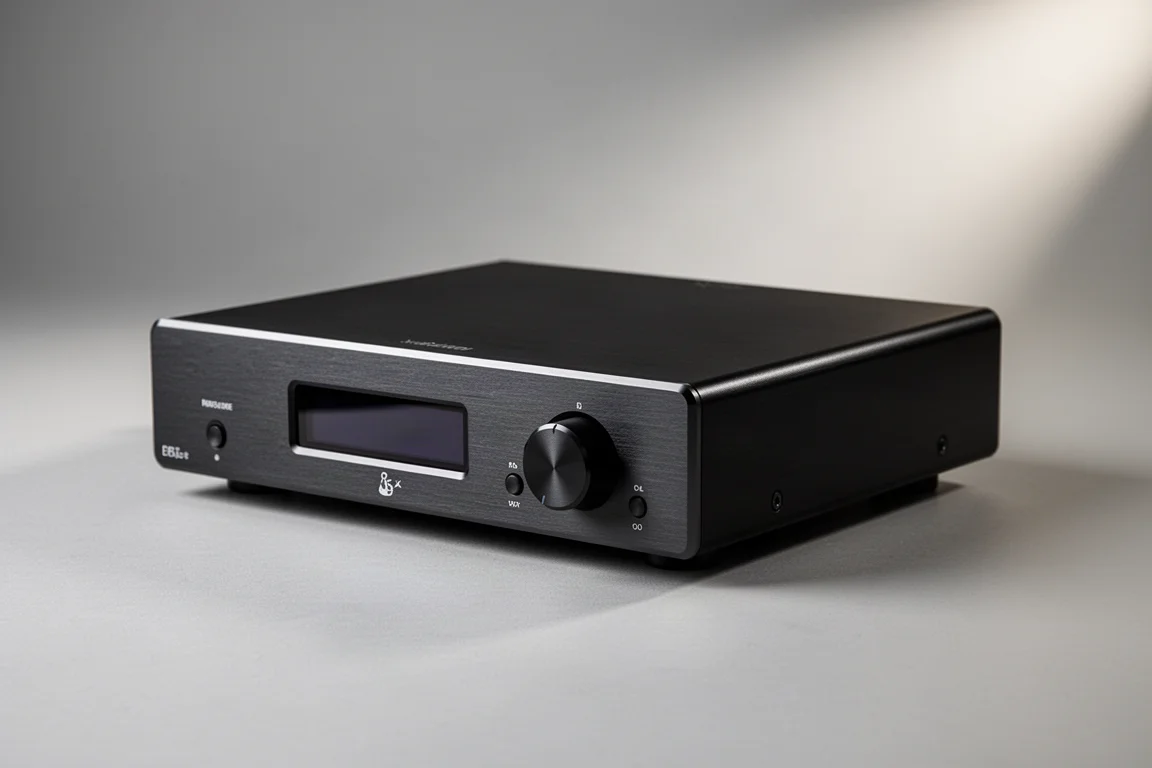
The MXN10 is a deliberately plain streamer, also £349. There is no display and no remote control, and the emphasis falls on transport duties rather than conversion. Single-ended RCA analog outputs and coaxial and optical digital outputs let you feed an external DAC, which is the recommended upgrade path over the built-in ESS-based design.
Tonally it delivers the familiar Cambridge Audio house sound: warmth married to very good fidelity. It is not as resolving as the similarly priced Bluesound Node Nano, but its presentation is persuasive enough to win plenty of listeners over. For a £350 streaming device, there is not much more to ask for.
Compact Streamer Alternative: Bluesound Node Nano
The Node Nano sits at a similar price to the MXN10 but takes a different route. It is the more resolving of the two, and detail retrieval is the quality that defines it. Listeners who prioritise insight into a recording over tonal warmth will find it the stronger choice at this level, and it became the reference point against which the more expensive Node Icon was judged.
It is a straightforward sub-£500 streamer with a neutral, detail-led character rather than a flattering one. That makes it a natural fit for systems that already lean warm, and a less obvious match for brighter setups.
Best Source Component Below £1,000: Bluesound Node Icon
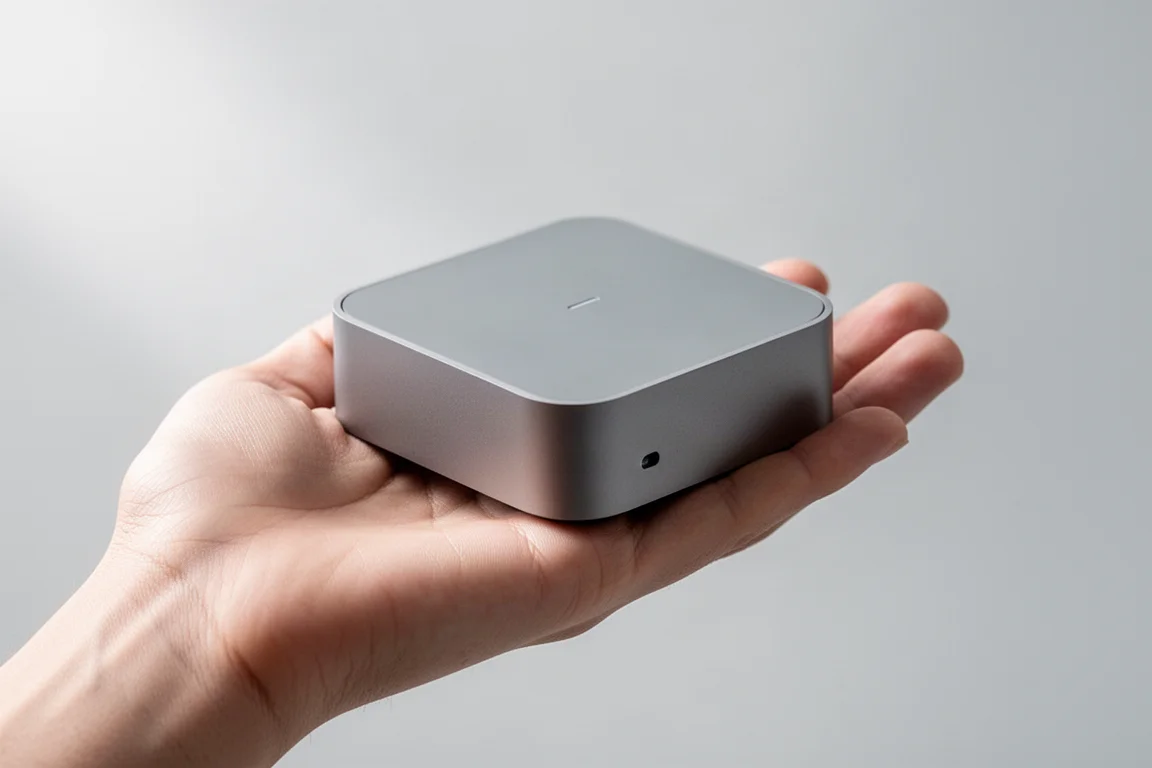
The Node Icon is the pick of the sub-£1,000 group and the best source component of 2025 below that mark. At £899 it combines the bass weight and mid-range acoustic mass of the MXN10 with the detail retrieval of the Node Nano, then adds an extra sense of scale and fullness that neither of the cheaper streamers manages.
Its feature set is what turns it from a streamer into a proper digital hub: single-ended and balanced analog outputs, coaxial and optical digital inputs, three USB ports, and HDMI eARC. There is a display, though it is not a touchscreen. For anyone already running a WiiM-based setup, the Icon is the natural step up, and judged on features and sound quality together it is the most complete digital product available on the right side of £1,000, CD players included.
R2R Alternative: Holo Audio Cyan 2
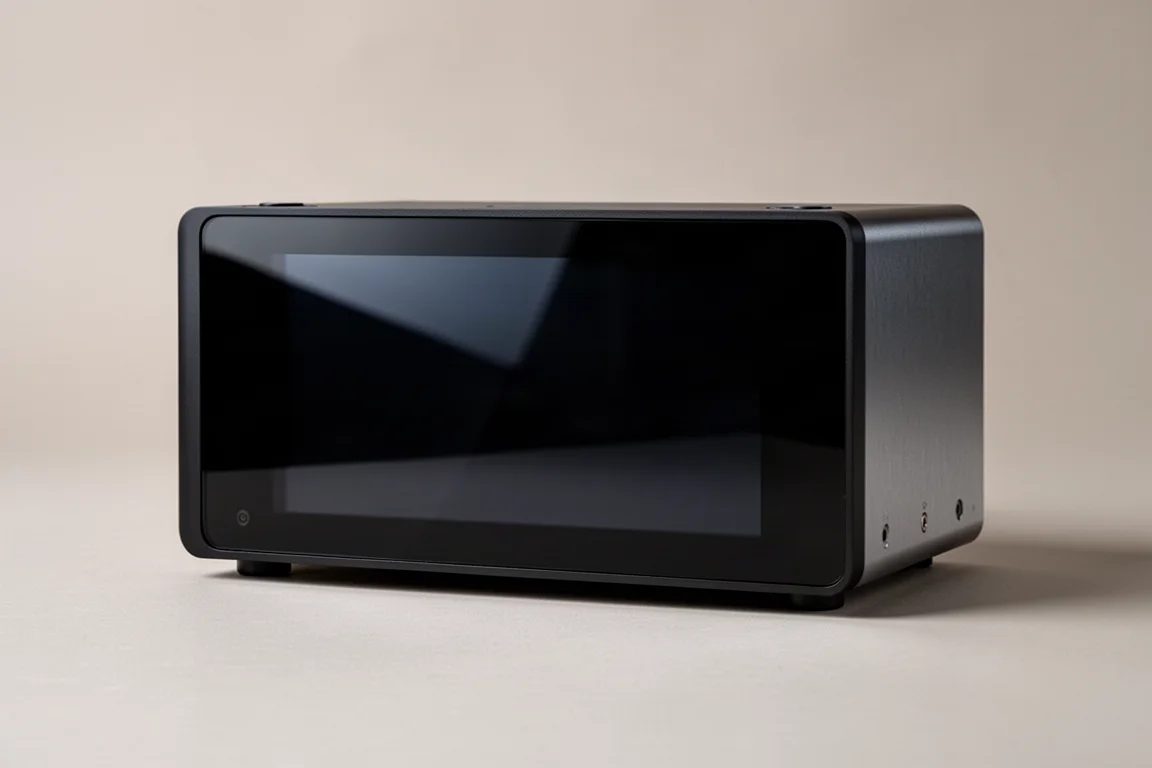
For listeners drawn to ladder DACs, the Cyan 2 is a direct competitor to the Denafrips Ares 15th at €1,149 plus shipping and taxes. It is beautifully constructed inside and out, and it shares one frustrating trait with some rival designs: its automatic switching holds on to an input even when the upstream source drops into standby, which effectively limits it to one connected source at a time.
The sound is on a par with the Denafrips Ares 12th. The Cyan 2 is cleaner in the bass and leaner through the mids, with highs that roll off a little earlier. That combination gives it a tidier, more restrained character than warmer ladder DACs, and it makes sense for anyone who wants R2R tonality with a lighter touch.
Most Reliable Streaming Transport: Lumin U2 Mini
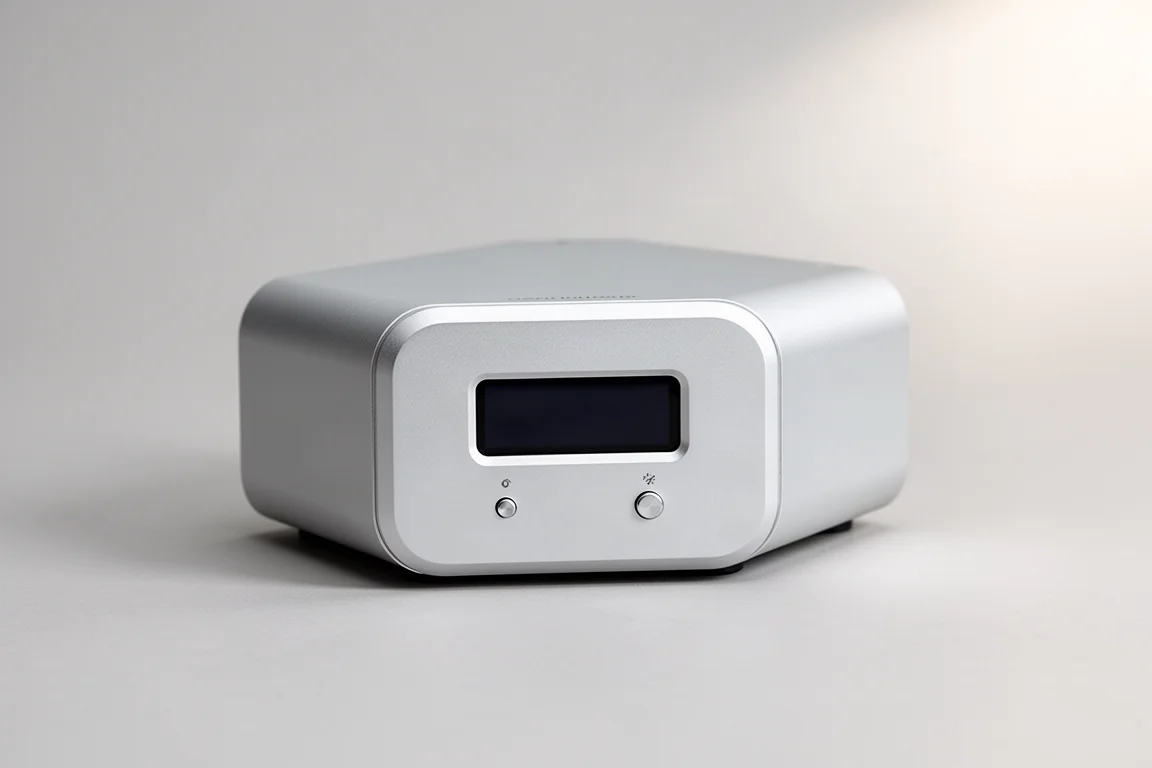
A streaming transport contains no DAC of its own, so it hands the signal to a converter of your choosing. The U2 Mini is the entry point to that approach from a high-end brand, and at £1,995 it is priced accordingly. What stands out is how closely it performs to far more established transports: similar levels of clarity, a similar sonic profile, and a tonality that sits just on the warm side of neutral.
The companion app confirms the brand’s reputation for reliability. It ran for weeks without a single glitch and never felt laggy. The trade-offs sit elsewhere. The basic features and graphics look like they were pulled from the 1990s, and there is no Wi-Fi support at all, so a wired Ethernet connection is required.
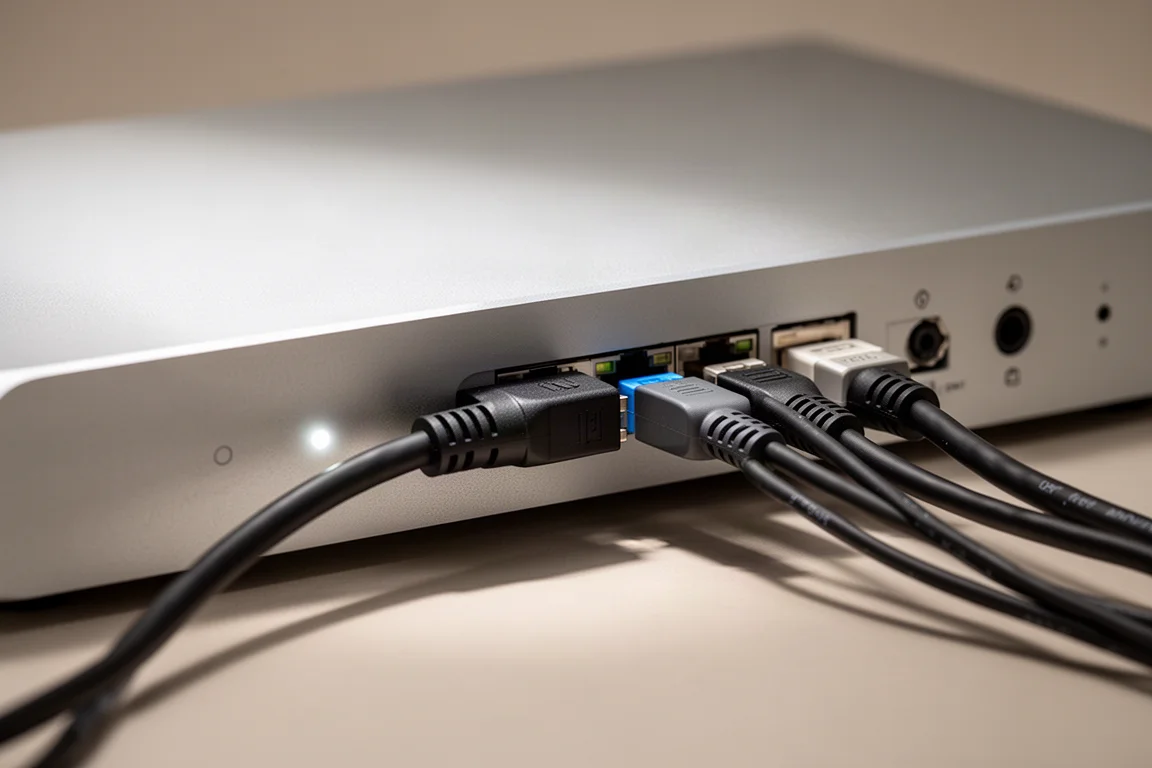
For listeners who already run Ethernet to their rack and do not need a showy interface, that is a fair exchange for stability and consistent sound quality.
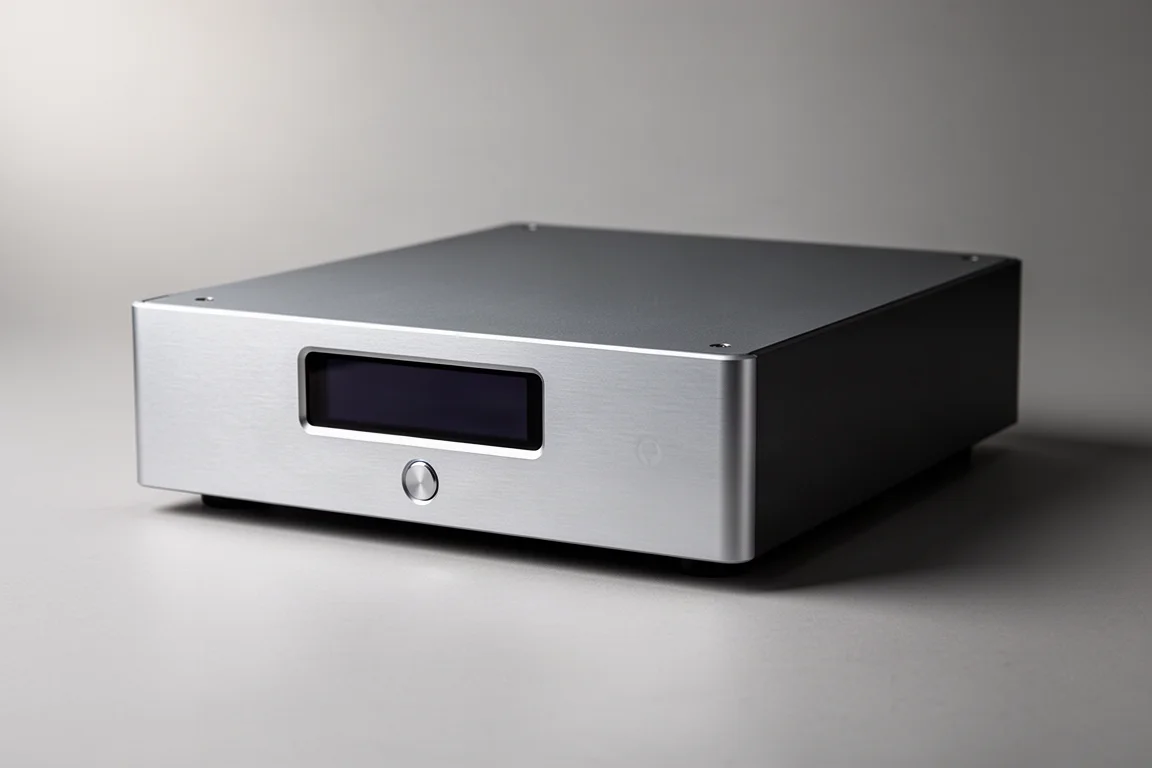
Feature-Rich Streaming Transport: EverSolo T8
The T8 is EverSolo’s first dedicated streaming transport, priced at £1,289, and it exists because the brand’s streamers with built-in DACs have always leaned cool and flat in presentation. Removing the internal conversion and improving the transport section widens its appeal considerably, letting buyers pair it with a DAC whose character they already trust.
Software is where EverSolo holds an advantage. The company keeps around 70 people dedicated to software development, which is why its interface is slick and reliable and why it can offer features such as parametric EQ and room correction. Most high-end streaming brands have a handful of people on software by comparison, and their rudimentary interfaces show it. The T8 is well built with excellent connectivity, and for just under £1,300 it is money well spent. The caveat is tonal: next to something like the Lumin U2 Mini it still sounds dry and analytical.
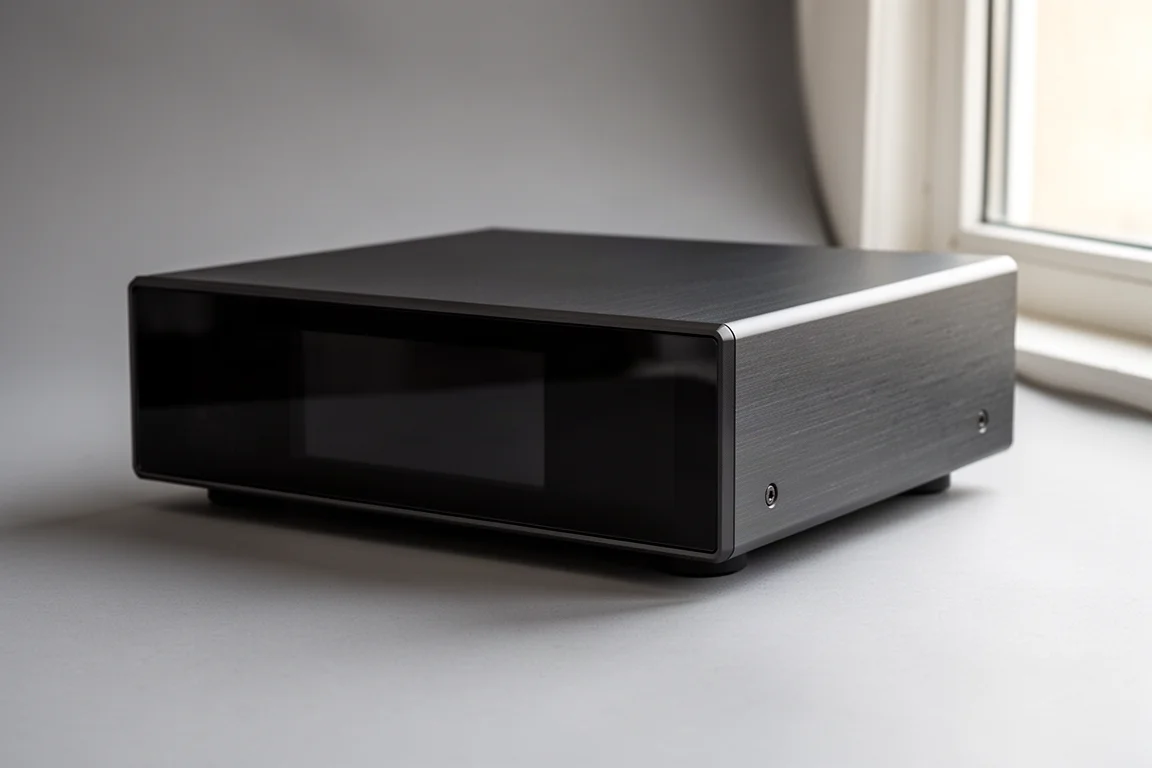
Giant-Killing Streaming Transport: Volumio Rivo
The Rivo is the standard model in a small Italian brand’s transport range, priced at £849, and it belongs in the price category below its more expensive sibling. Even in stock form it is a touch more resolving and more neutral in tone than the EverSolo T8, which is a remarkable result for the money.
The app is fast, but it does not offer parametric EQ or room correction, and it has been a little buggy, crashing a couple of times a week. A recent major software update has improved reliability. The honest advice is straightforward: if rebooting an app, and occasionally the player itself, a couple of times a week is unacceptable, the EverSolo T8 and the Lumin U2 Mini are the safer options. If you can live with that, the Rivo’s sound quality more than justifies the compromise.
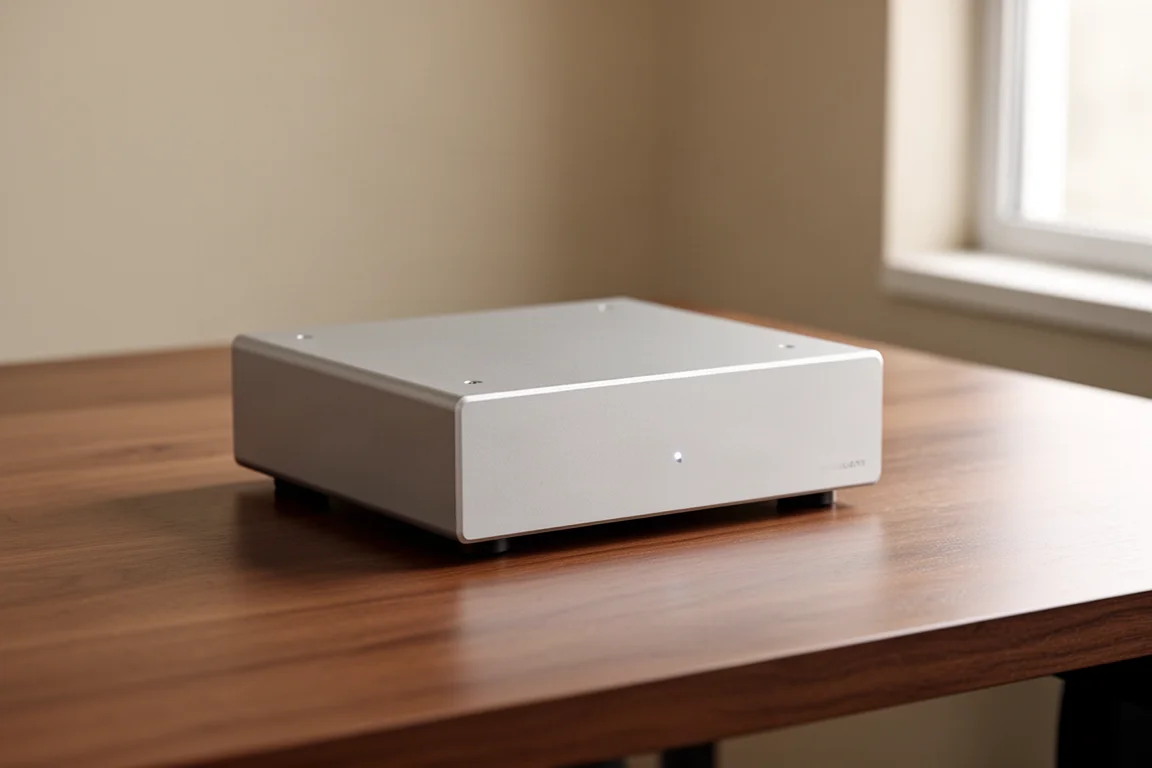
The Upgrade Path: Volumio Lineo 5
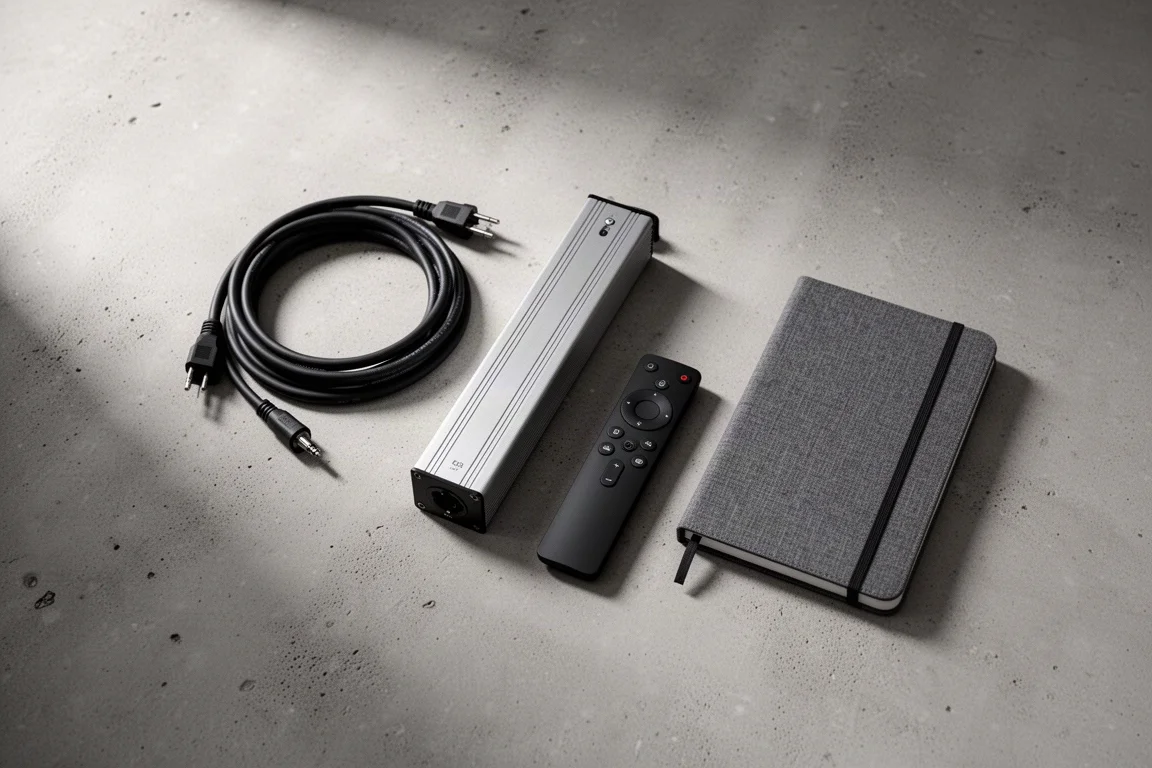
The Lineo 5 is a linear power supply that replaces the basic wall adapter supplied with the Rivo, and at £350 it is a bargain compared with what many competitors charge for similar upgrades. Its effect is easy to hear: clarity improves and the sound stage opens up. With the Lineo 5 in place, the Rivo combination rivals the Lumin U2 Mini for sheer sense of scale.
That is a meaningful result at this price. The Lumin still has the richer tone, but the gap narrows to a matter of flavour rather than capability, which makes this power supply one of the more cost-effective upgrades in the whole roundup.
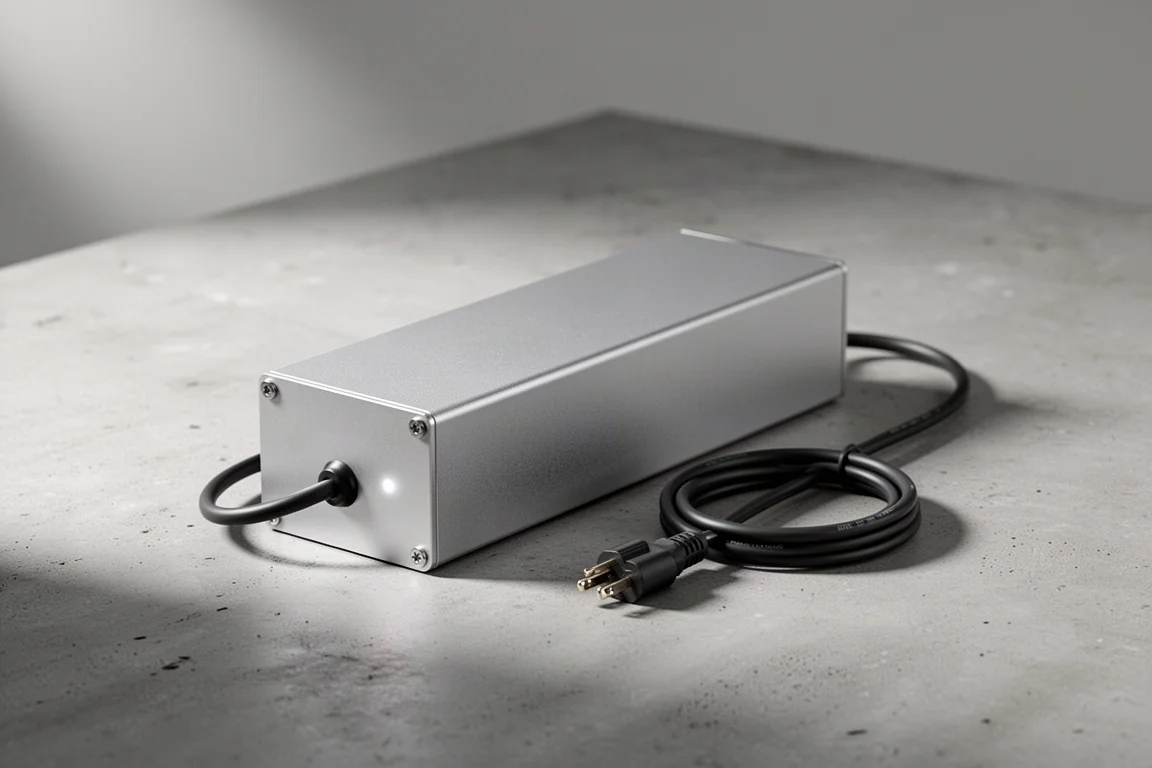
Best Between £1,000 and £2,000: Volumio Rivo Plus
The Rivo Plus is £1,099 and adds an improved internal clock and an I2S connection to the standard design. Even on the standard wall power supply it extracts a little more detail than the standard Rivo running with a linear supply, and it has a darker background. The neutral, natural tonality carries over unchanged.
Add the Lineo 5 to the Rivo Plus and the result is the most resolving, least coloured, most open sounding source with the most focused sound stage we have encountered to date. That is why the Rivo Plus paired with the Lineo 5 is the best source component of 2025 between £1,000 and £2,000.
Best CD Player: Rega Saturn Mk3
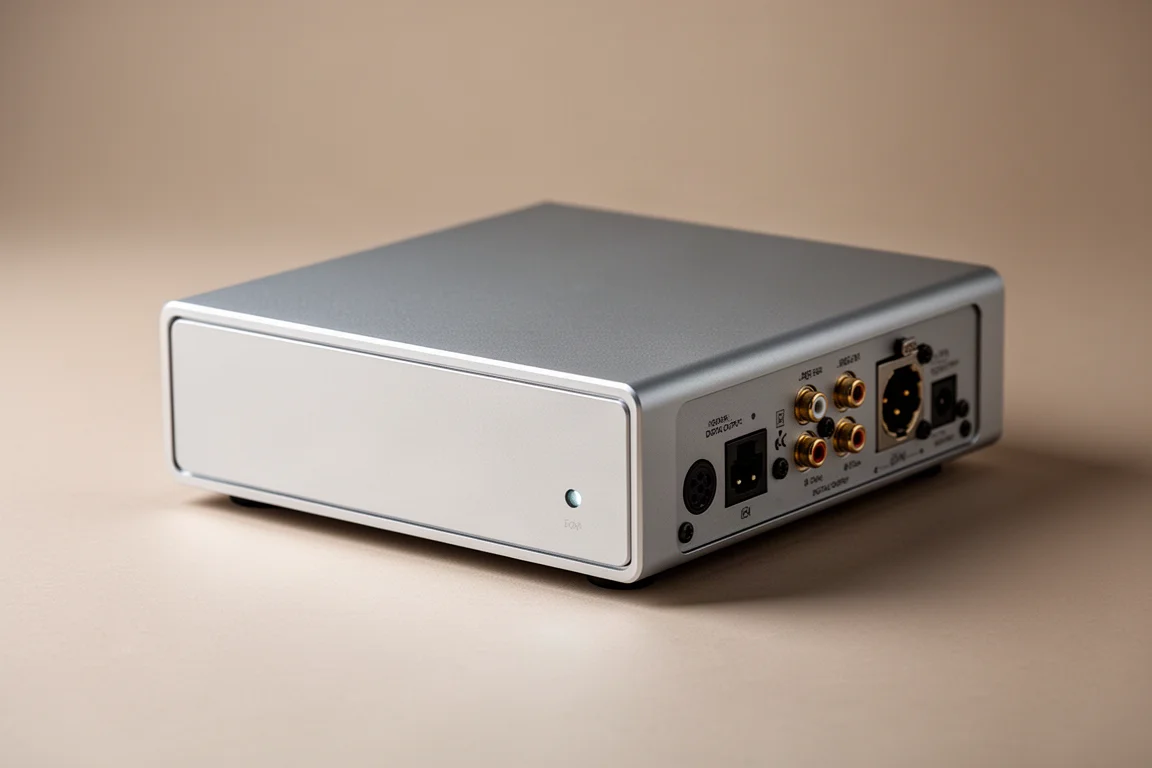
CD players were harder to source this year, but the Saturn Mk3 earned its place at £2,000. It is a sturdily constructed top loader that is genuinely satisfying to operate, and it was originally developed as a DAC, which explains the single USB, two optical, and two coaxial digital inputs. The absence of AES/EBU, I2S, and balanced XLR analog outputs is a sign of its age.
Inside, the DAC section is built around two Wolfson WM8742 chips running in dual mono to reduce noise. Those converters typically impart a richer tone than modern ESS and AKM alternatives, and the Saturn Mk3 is voiced warm, with reasonable dynamics and a wide sound stage.
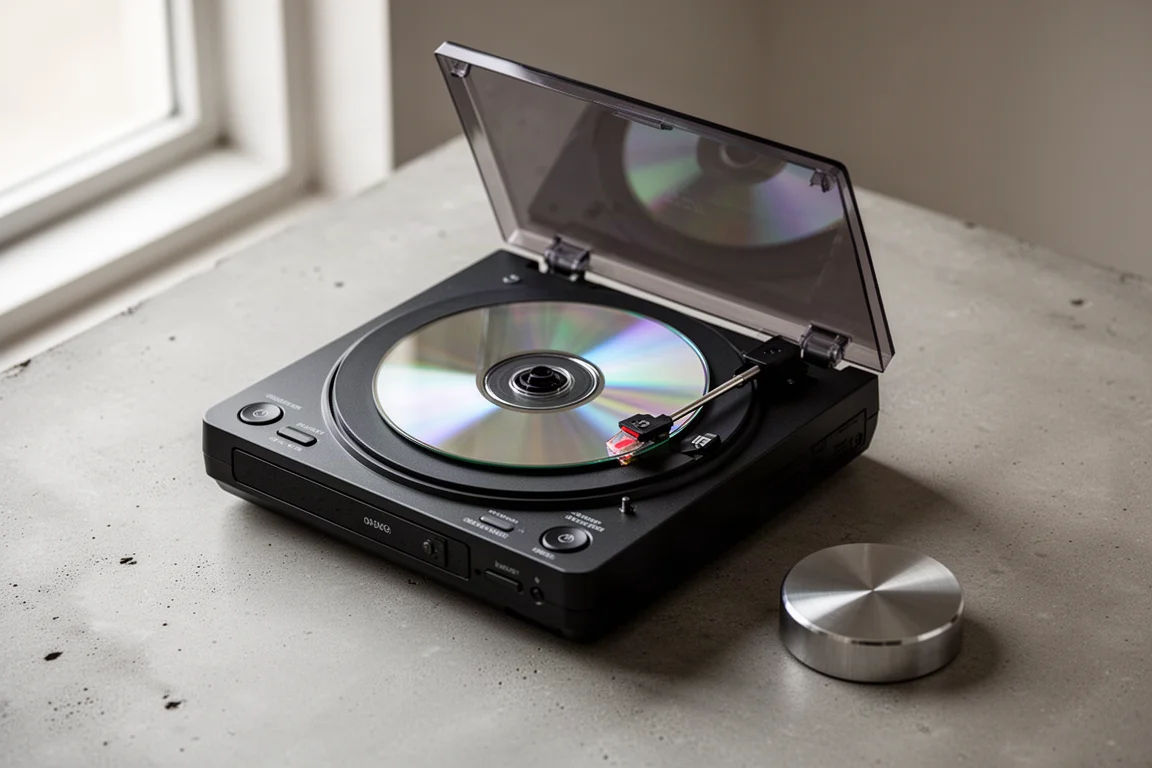
The engineering does get a lot out of those older chips, though resolution is ultimately mediocre by current standards. As a one-box CD player and DAC solution, it remains a solid product.
Benchmark R2R DAC: Denafrips Pontus 15th
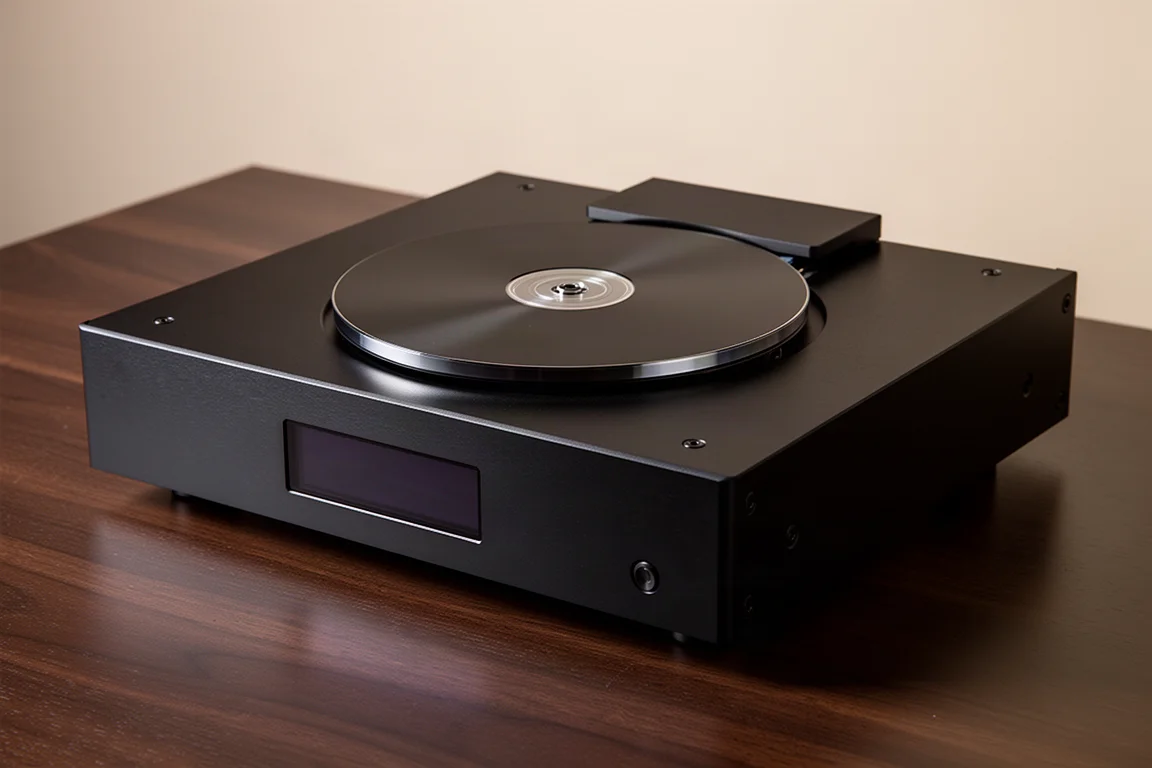
At £2,100, the Pontus 15th is a benchmark ladder DAC. Its architecture includes multiple 26-bit discrete R2R ladder networks built from hand-selected resistors with a 0.005% tolerance, plus power supplies that would not look out of place in an amplifier. Everything about it is meticulously put together. It is essentially the same converter as the previous-generation Venus 12th with a few design tweaks, and the Venus 12th sold for £3,000, which puts the pricing in perspective.
The sound is natural in tonality, with exceptional resolution and a beautifully three-dimensional, layered sound stage. It is the kind of component that can make committed vinyl listeners reconsider the idea that digital audio sounds artificial. In most years it would win this category outright. This year it was narrowly pipped.
Best Above £2,000: Gustard R30
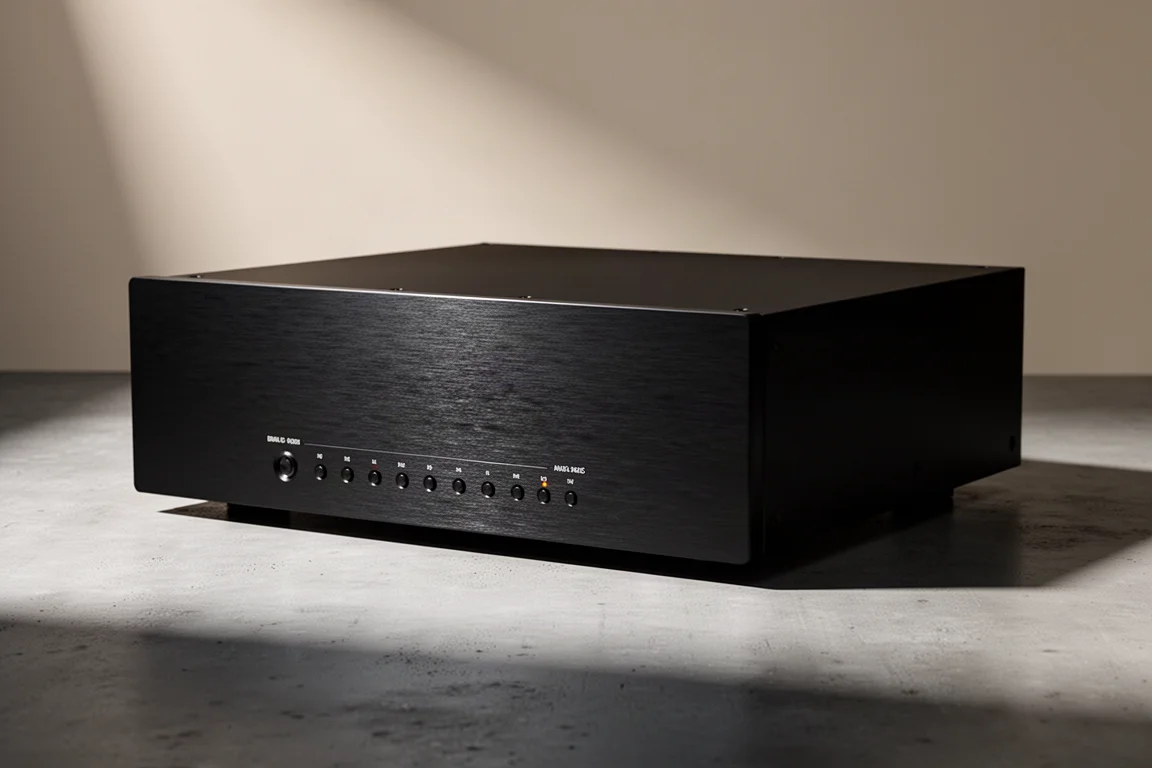
The R30 arrived in September 2025 at £3,000 and is Gustard’s flagship ladder DAC. The design effort is obvious: individual transformers separately feeding the digital and analog sections, Nichicon capacitors, dual balanced 27-bit discrete ladder networks, and an oven-controlled crystal oscillator feeding the clock.
The sound is where it separates itself. The bass is cleaner, the mid-range more resolving, and the highs more open than the Denafrips Pontus 15th, with everything presented with a greater sense of focus. The Pontus 15th has the richer tone, which is a matter of preference. The R30 presents music without embellishment and is the superior deck, which is why it takes the top spot above £2,000.
Buying Advice
The right digital source depends on what you already own. If you have a DAC you like, a streaming transport such as the EverSolo T8, the Lumin U2 Mini, or the Volumio Rivo Plus lets you keep it and upgrade only the streaming side rather than paying twice for conversion. If you are building from scratch, a combined streamer and DAC such as the Bluesound Node Icon covers more ground in fewer boxes and brings a genuinely useful set of inputs with it.
Market context matters too. It has become increasingly difficult for traditional Western hi-fi brands to compete on price and performance with what is arriving from Chinese manufacturers, especially in DACs. Denafrips, for example, moved away from a global distributor to selling direct through a small number of selected dealers, which is part of how the Pontus 15th holds at £2,100.
It is also worth weighing software and daily usability as heavily as sound. An app that crashes, or an input that will not release a standby source, will wear you down faster than any tonal shortfall. Buy with the inputs you actually need in mind, decide whether you want your source to add warmth or stay neutral, and set a firm budget before you start comparing. Beyond that, the differences between these components are real but incremental.
Conclusion
2025 was a strong year for digital sources, and the most notable pattern is how much performance now arrives below £1,000. The Bluesound Node Icon sets the standard there, the Volumio Rivo Plus with the Lineo 5 takes the £1,000 to £2,000 band, and the Gustard R30 claims the top spot above £2,000. The Denafrips Pontus 15th remains a benchmark that only narrowly missed out, and it is a keeper regardless of category.
Whichever bracket you are shopping in, the deciding factors stay consistent: clean conversion or transport, a tonality that suits your system, and software and switching behaviour you can live with every day. Get those three right and the rest of the system has a much easier job.
Further reading
Related Reviews
Digital Audio
Best DACs and Streamers: 11 Standout Picks for Better Digital Audio
A practical roundup of desktop DACs, headphone amplifiers, and streamers, from an $80 starter converter to a fully specified flagship, with clear guidance on which one fits your system.
Digital Audio
Hi-Fi Rose RS-130 Review: A Flagship Network Transport for Serious Digital Systems
A detailed look at the Hi-Fi Rose RS-130 network transport, covering its linear power supply, OCXO clocking, fiber inputs, video output, and who should consider it.
Digital Audio
McIntosh DS200 Review: A Flexible High-End Streaming DAC and Digital Preamplifier
A close look at the McIntosh DS200, a standalone streaming DAC that also works as a digital preamplifier, and who it makes sense for.