Digital Audio
Best DACs and Streamers: 11 Standout Picks for Better Digital Audio
A practical roundup of desktop DACs, headphone amplifiers, and streamers, from an $80 starter converter to a fully specified flagship, with clear guidance on which one fits your system.
Introduction
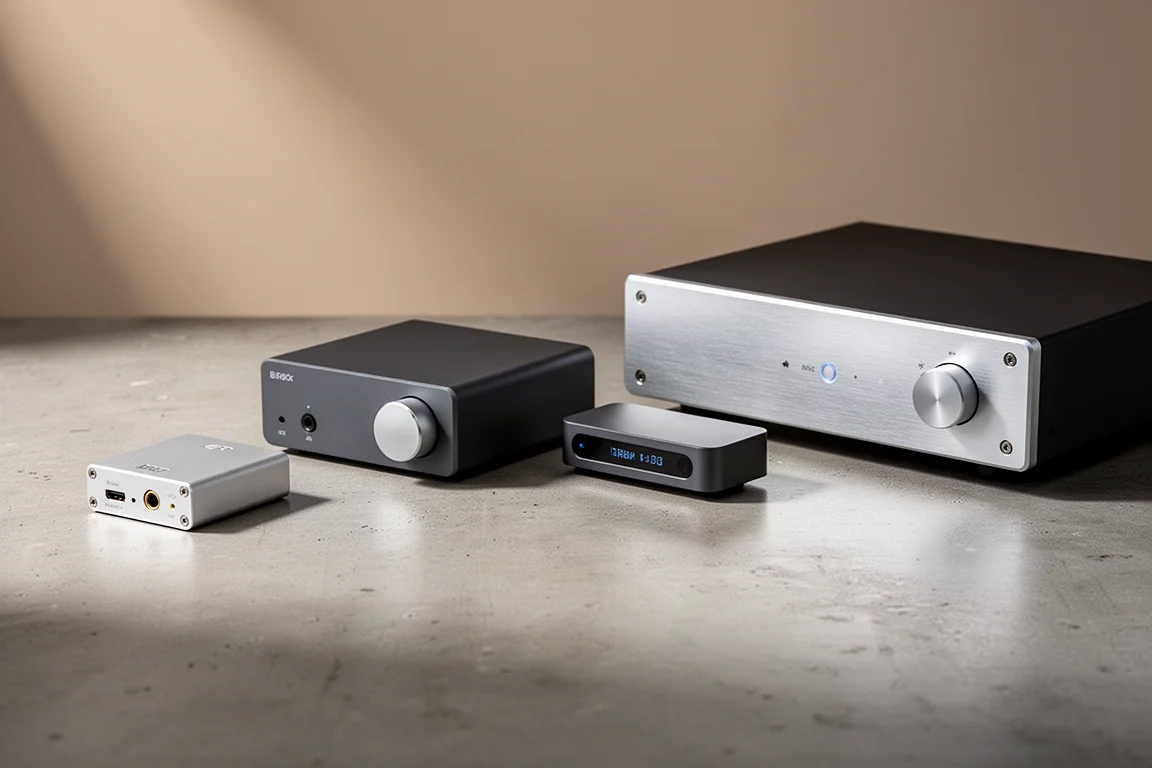
A DAC converts the digital signal from a computer, phone, television, or streaming service into an analog signal that an amplifier or a pair of headphones can use. Because most listening now starts as a digital stream, a good converter is one of the fastest and most affordable ways to hear a genuine improvement, and the difference is clear even to listeners who have never owned separate audio gear. This roundup collects the desktop DACs, headphone amplifiers, and streamers that stood out over the past year, from an $80 starter box to a fully specified flagship.
What to Look For in a Desktop DAC or Streamer
Three things separate a satisfying purchase from a frustrating one: the converter chip and how it is implemented, the connections you actually need, and whether you want a converter on its own or a converter with streaming built in.
Chip families are a useful starting point. AKM parts appear in several of the picks below, Cirrus Logic chips show up in compact all-in-one units, and Sabre ESS chips appear in the larger components. The chip alone does not decide the sound. Power supply design, output stage, and op-amp choices shape the result just as much.
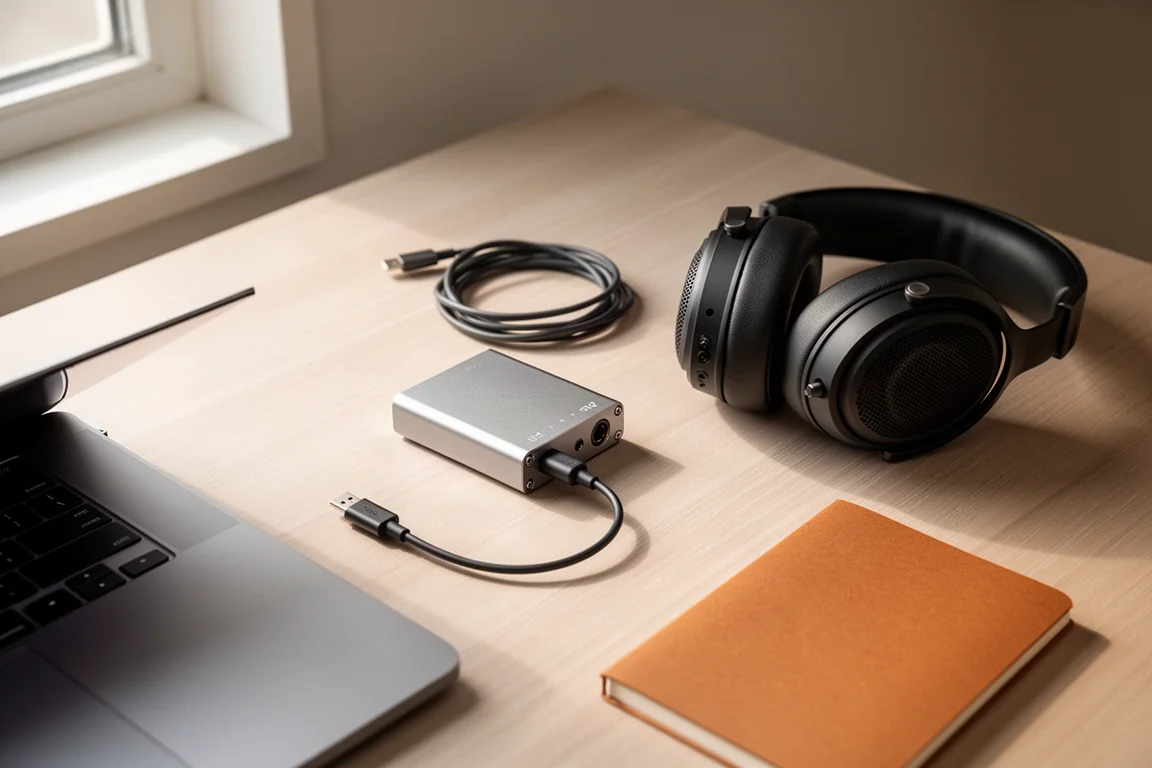
Connections matter more than specifications on a real desk. USB-C, optical, and coaxial inputs cover computers, televisions, and disc players, while Bluetooth adds convenience for casual listening. If you use powered speakers or an integrated amplifier, look for RCA outputs, and if your amplifier has balanced inputs, XLR or TRS outputs let you take advantage of them.
Finally, decide whether you need an amplifier stage. A converter with a headphone output removes a box from the desk, and a model with analog inputs can double as a preamp for a turntable or another source. If you already own a good converter, a streamer without a built-in DAC is the more sensible purchase.
Best Budget DAC: SMSL SU-1
The SMSL SU-1 is the smallest and least expensive component here, and it may be the easiest recommendation for anyone starting out. It runs on 5V over USB-C, so a spare phone charger is all the power it needs. Inside is an AKM 4493 chip, and the front panel carries a single button that cycles through USB-C, optical S/PDIF, and coaxial S/PDIF inputs, which is enough to run three digital sources through one palm-sized box.
There is no remote control and no menu system, which keeps the price low and the operation simple. What it delivers is a clean, dynamic sound with a large soundstage. At around $80, and occasionally closer to $70 on sale, it punches far above its price and remains the natural first step for anyone curious about better digital audio.
Best Compact DAC and Headphone Amp: SMSL M300 SE
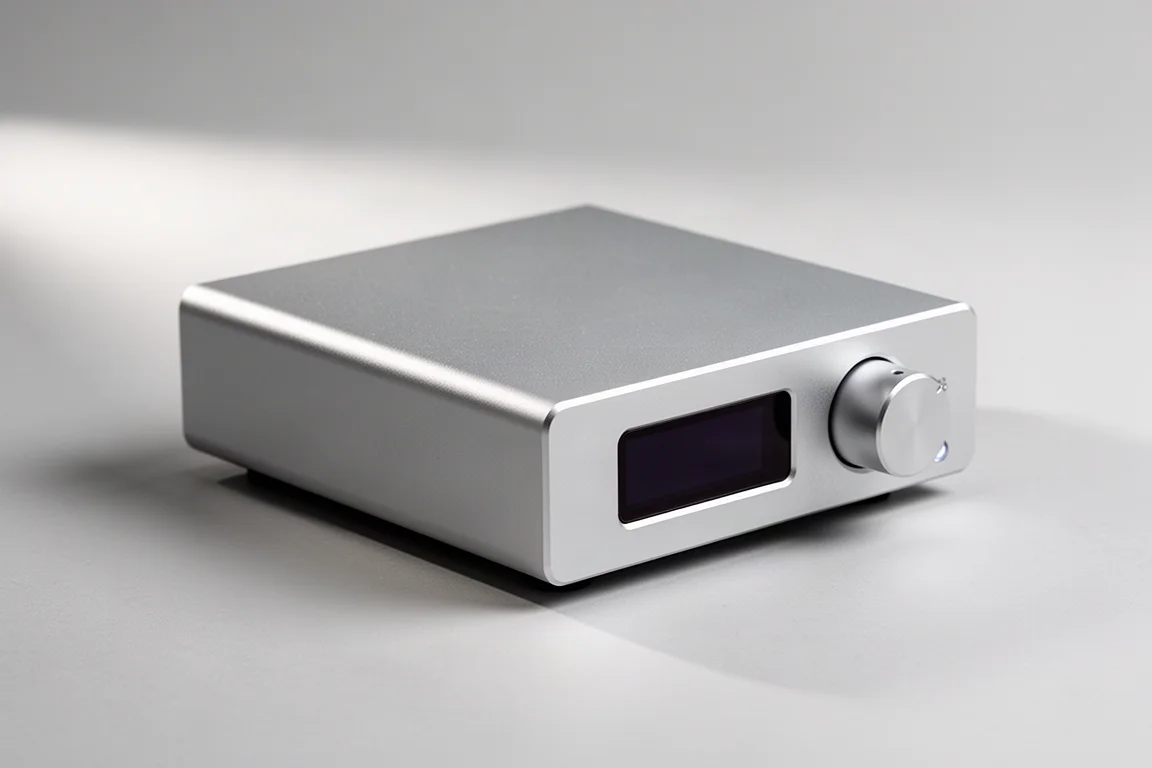
The SMSL M300 SE steps up in price and adds a headphone amplifier. It uses a Cirrus Logic chipset with two CS43131 chips, and the op amp sits inside the DAC chip itself, so the same small chassis handles both conversion and headphone drive.
On the back there are XLR outputs for amplifiers with balanced inputs, so it can act as a digital preamp, along with a 3.5 mm output that needs a 3.5 mm to RCA cable for conventional stereo gear. At around $130, and nearer $116 on sale, it is an easy box to move between a desk at work and a corner of the living room.
Best Affordable Desktop DAC and Amp: SMSL DL200
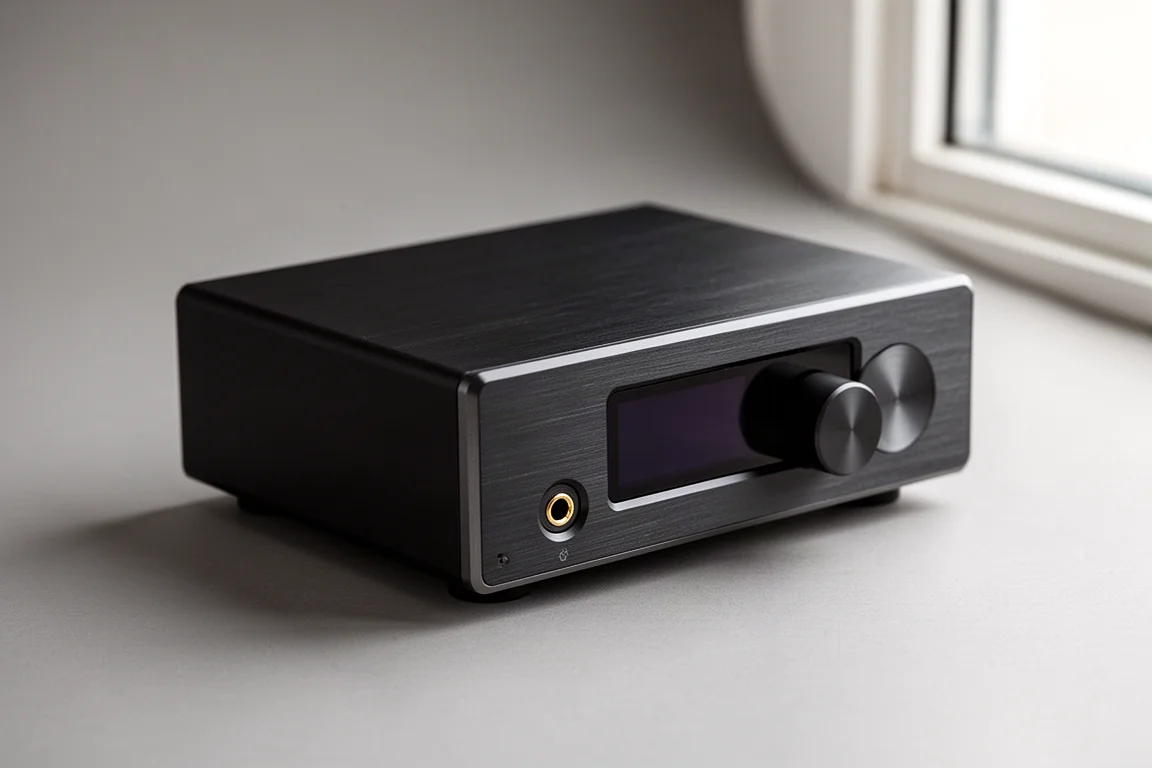
The SMSL DL200 is built around a Sabre ES9039Q2M chip and offers a 6.35 mm single-ended headphone output plus a 4.4 mm Pentaconn output on the front panel. Around the back you get RCA and balanced TRS outputs alongside Bluetooth, coaxial, optical, and USB-C inputs, which covers almost every source you are likely to own.
The form factor is genuinely good, and the build suggests a much more expensive product. At around $190 it is picking fights with components that cost two or three times as much. Network streaming would need a small streamer such as a WiiM Mini, although Bluetooth is there if you would rather skip that step.
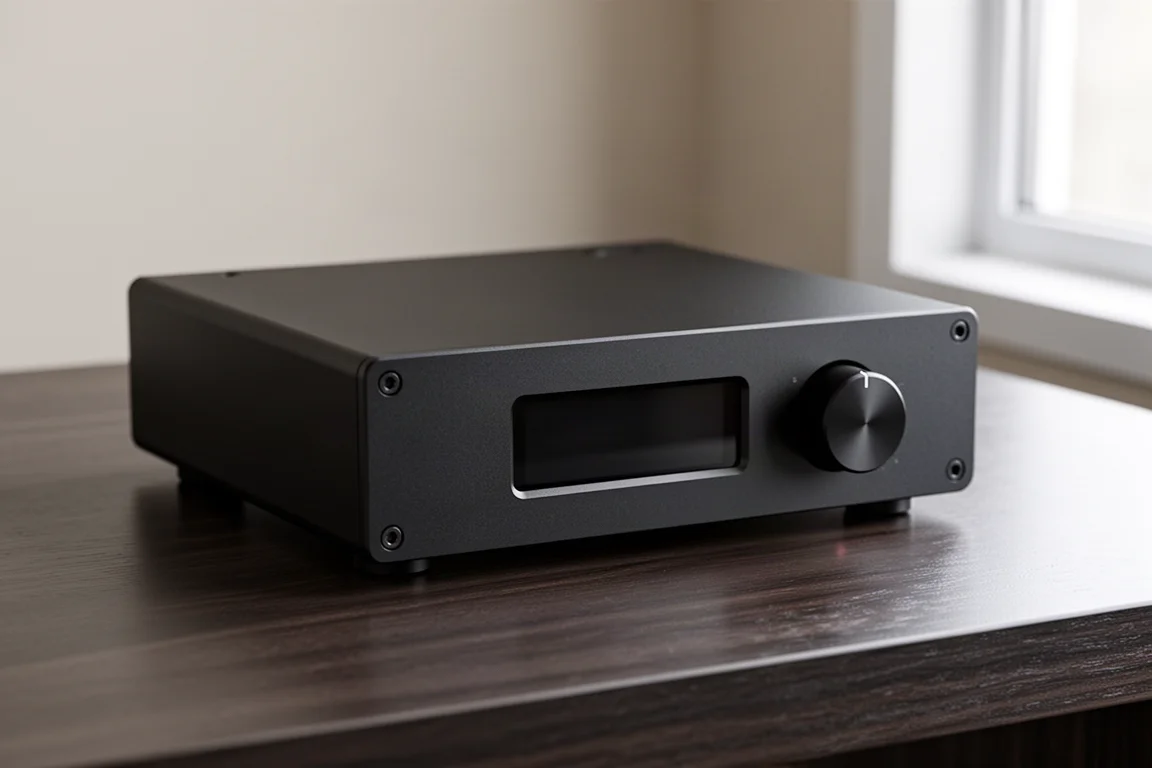
Best Streamer with a Built-In DAC: WiiM Pro Plus
The WiiM Pro Plus combines a streamer and an AKM 4493 DAC in one small chassis, and it comes with a remote control. It also has an analog input, so it can serve as a genuine preamp for a phono stage or any other analog source, and its digital inputs make it a complete hub for a small system.
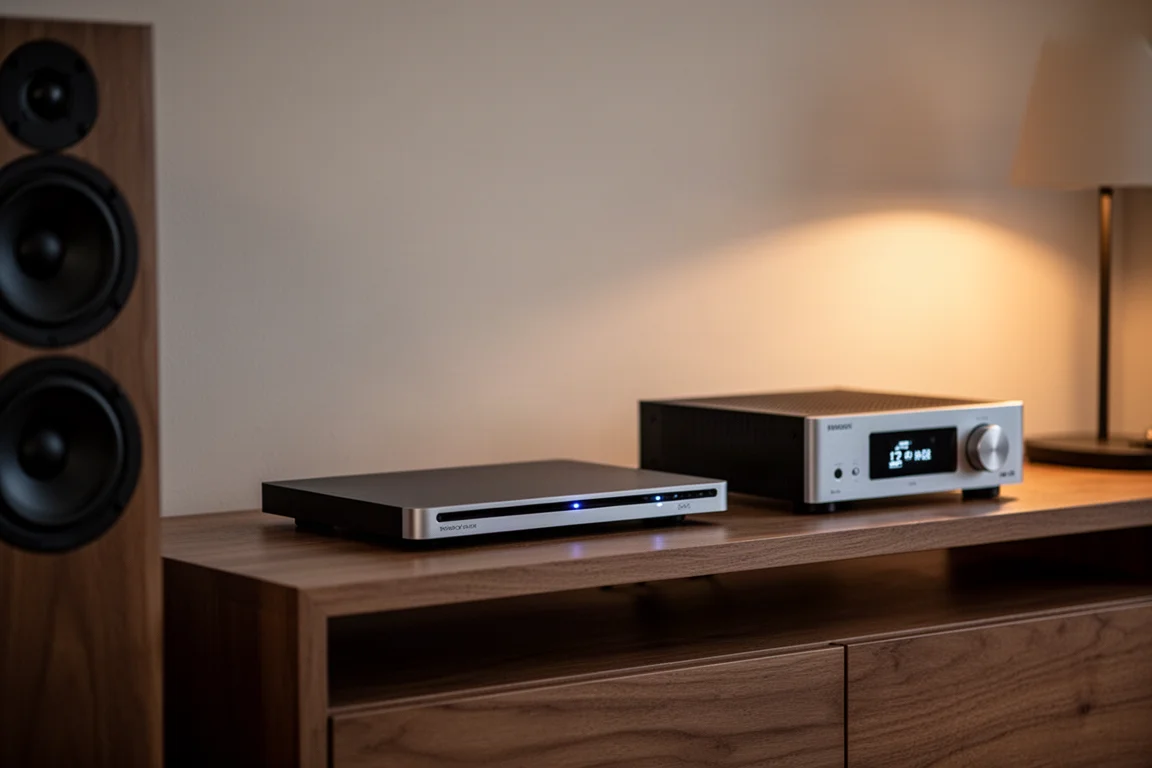
Its streaming platform is the most complete of the group: Tidal Connect, Spotify Connect, AirPlay 2, Chromecast, and Roon support, all at around $200. The WiiM Pro Plus is remarkable value, though if you already own a decent DAC, the standard WiiM Pro does almost the same job for less.
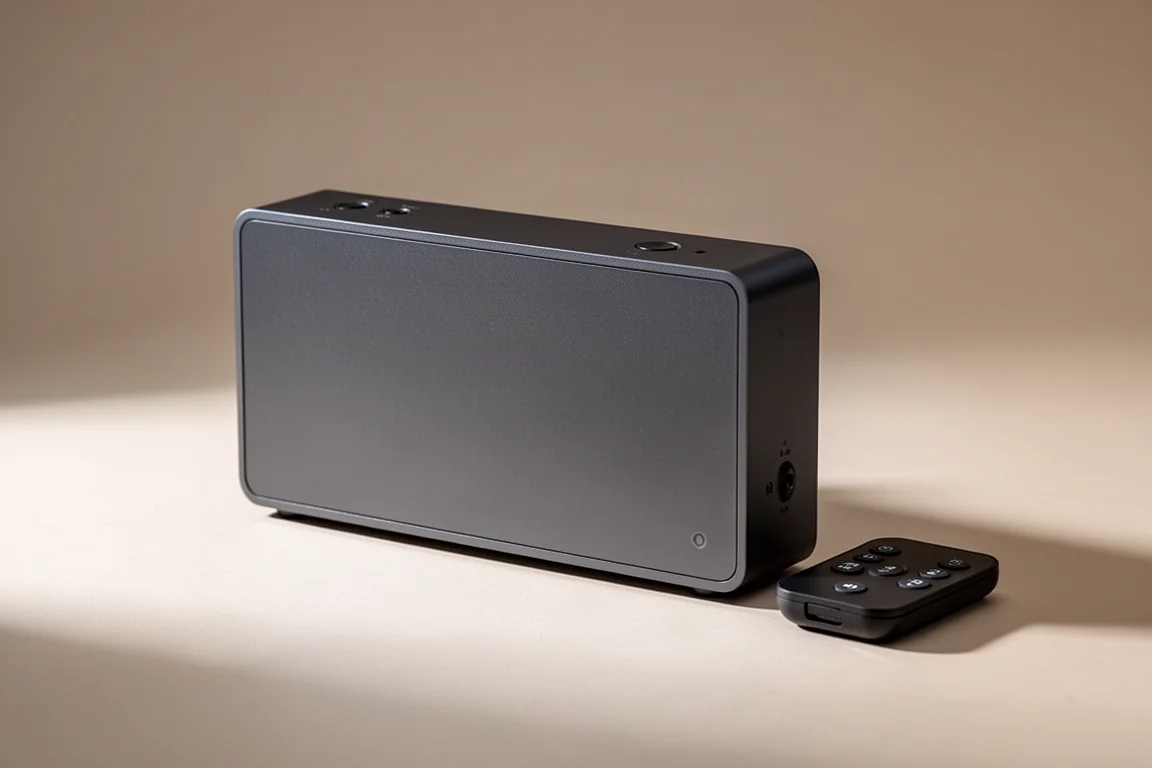
Best Streamer for Existing DAC Owners: WiiM Pro
The WiiM Pro shares the same streaming platform as the Pro Plus but omits the AKM 4493 DAC inside. For around $150 it does everything the Pro Plus does apart from conversion, which makes it the logical choice for listeners who already own a converter they are happy with.
Most Versatile All-in-One: FiiO R7
The FiiO R7 is an all-in-one with a streamer, a capable DAC, and a headphone amplifier in a single unit. Because it is built on an Android-based platform, apps such as Apple Music can be installed directly, which is unusual in this category.
At around $600 it offers a lot in one box, and its flexibility is the reason it earns a place here. The headphone amplifier is the one part of the package that holds it back, so buyers who plan to drive demanding headphones should weigh that carefully.
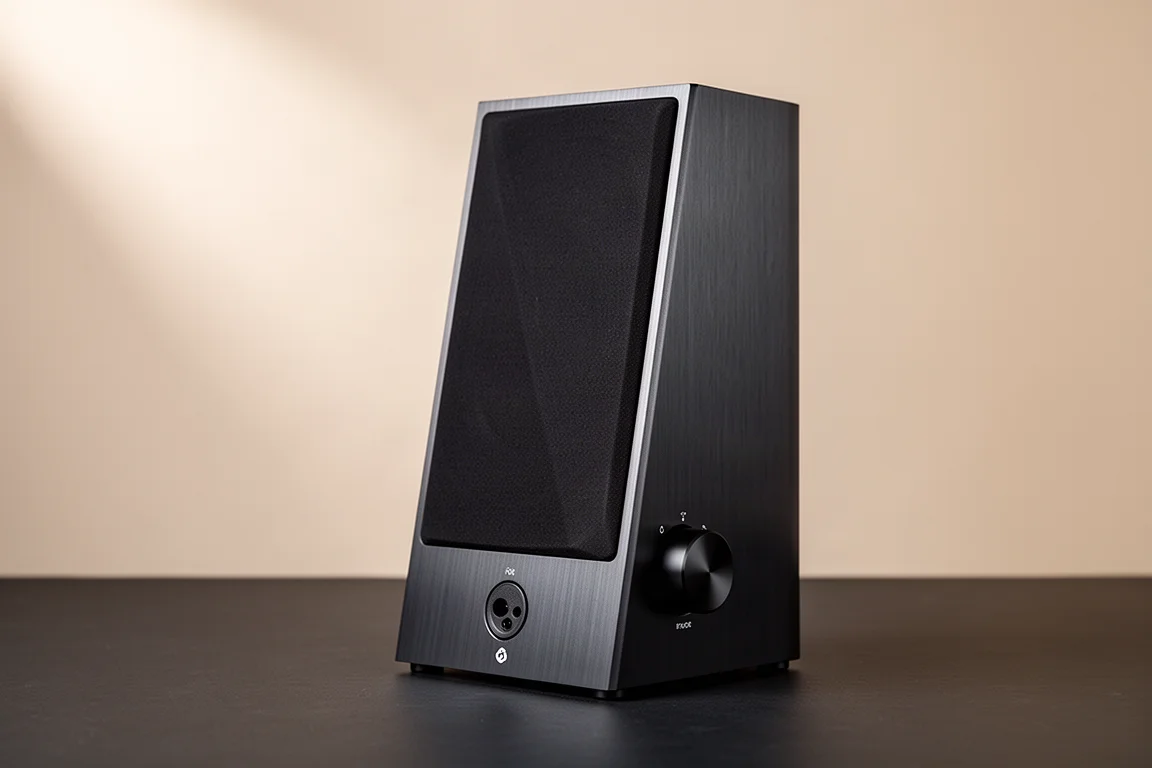
Best All-in-One Streamer for a Stereo Rack: EverSolo DMP-A6
The EverSolo DMP-A6 is a streamer and DAC built on a Sabre ES9038Q2M chip, and it feels more at home on a stereo rack than on a desk. It has no headphone amplifier, but the connectivity is unusually generous: optical, USB-C, coaxial, and Bluetooth inputs, optical and coaxial outputs, HDMI out, and both balanced and single-ended outputs.
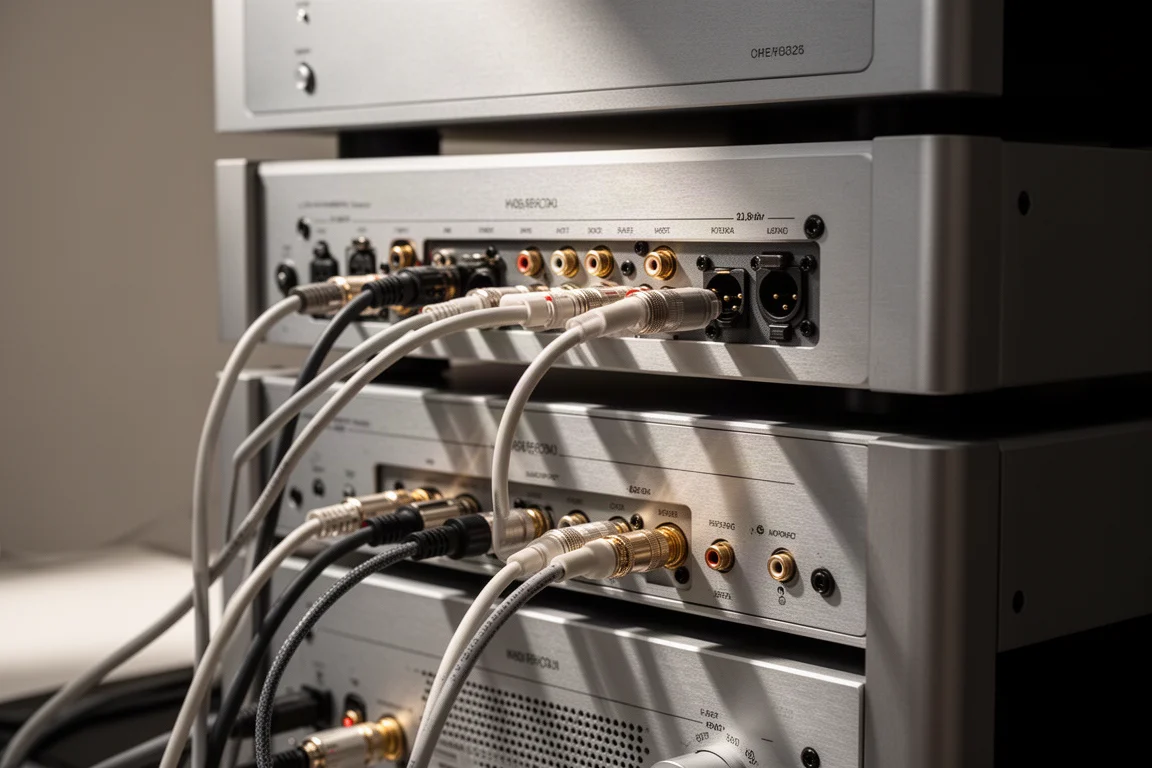
A display shows album art, and the unit supports Apple Music and Roon, which explains why it has become a popular choice. At $860 it is expensive, and a few less expensive separates can match it sonically, but nothing in that stack delivers the same convenience in one box.
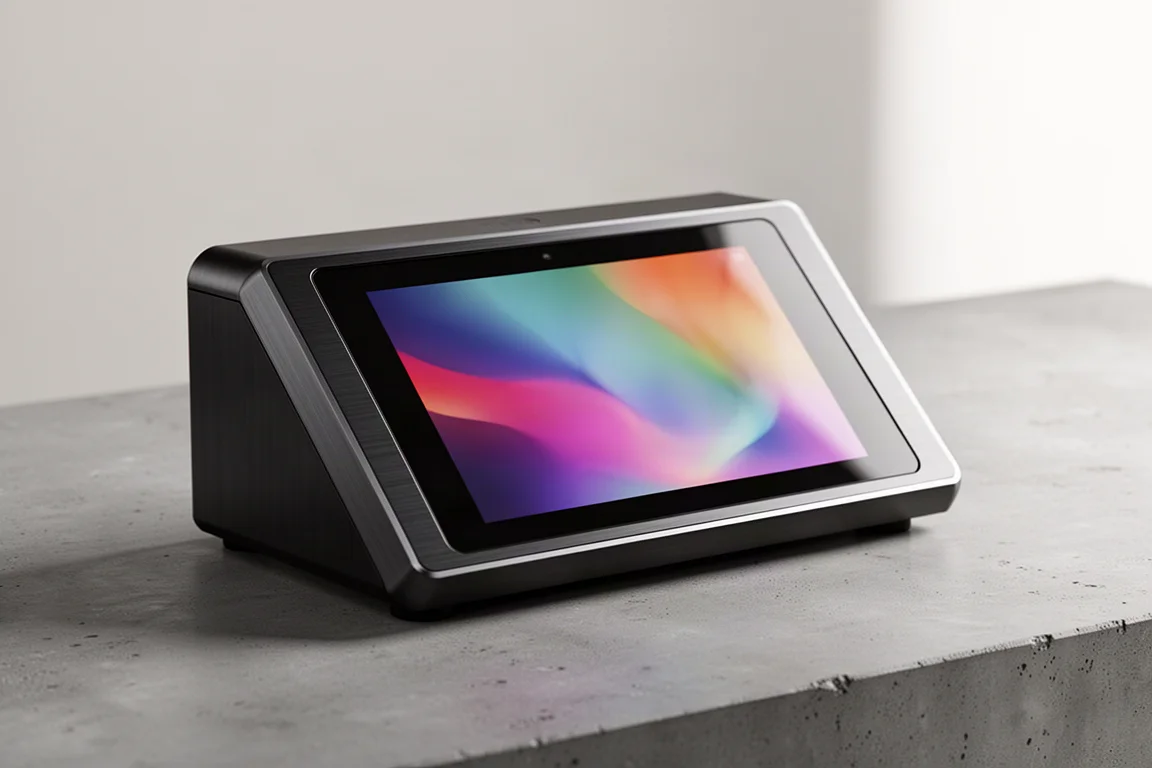
Best Traditional Component DAC: Emotiva XDA-3
The Emotiva XDA-3 is a full-width component that works as both a DAC and a preamp. It uses the same Sabre ES9038Q2M chip found in the DMP-A6 and adds HDMI ARC, two optical inputs, two coaxial inputs, a full-size USB input, balanced outputs, and a differential output for use with a matching differential amplifier.
Two RCA inputs, one balanced and one single-ended, let it handle analog sources as well, and there is an RCA output for a subwoofer plus a headphone output on the front. At $700 it is the most flexible traditional component here and a natural fit for a two-channel or 2.1 system.
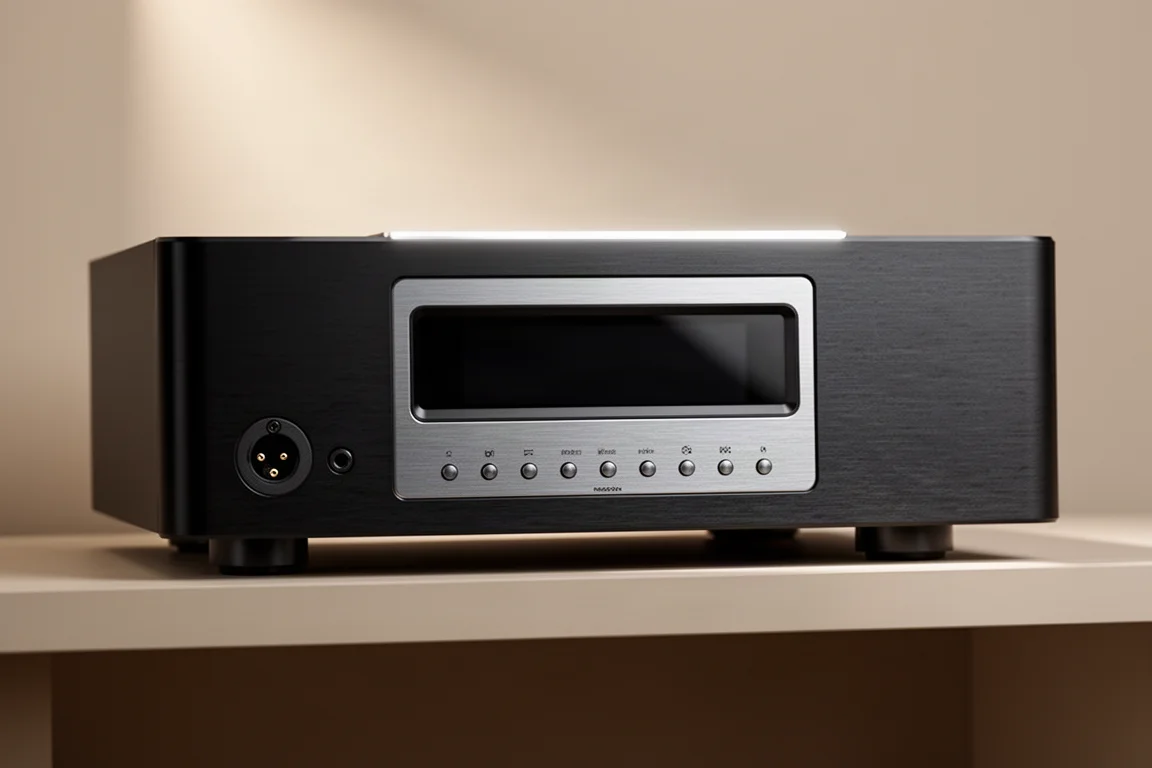
Most Unusual Design: Schiit Syn
The Schiit Syn is difficult to categorize, which is exactly the point. It is a DAC, a multi-channel decoder, and a headphone amplifier in one chassis, with an optical input, a USB-C input, a subwoofer output, and five speaker outputs.
That last detail means you need several amplifiers, or one multi-channel amplifier, to use it fully. Sonically it can be bettered by less expensive DACs, but no other product in this roundup does what it does. At around $400 it is a genuinely fun and unique piece of equipment for multi-channel listening in a small room.
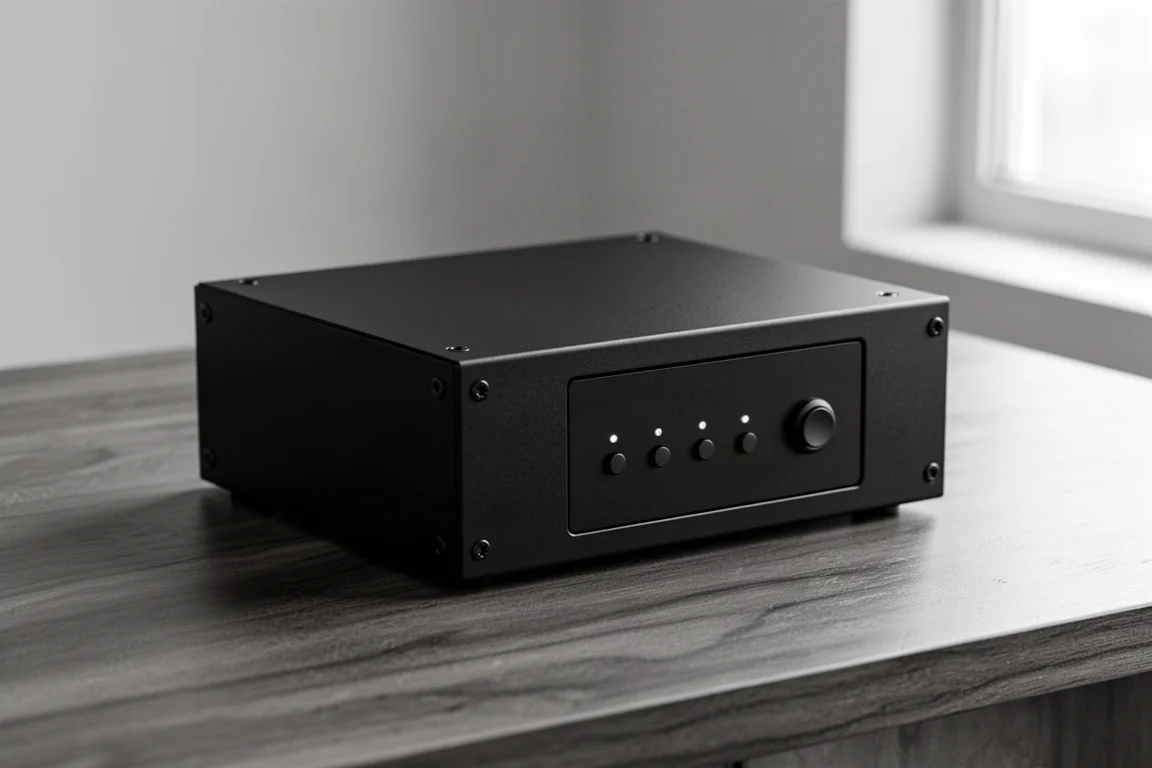
Solidly Built Reference Pick: Aune S9c
The Aune S9c is a reference-grade DAC and headphone amplifier with a linear power supply and a very substantial, heavy-duty build. Its headphone output stage has serious power on tap, and it offers a generous set of inputs and outputs along with clocking inputs for listeners who want them.
It is a little pricey at around $600 to $700, and its feature set leans toward the more specialist end of the hobby, but it sounds excellent and is built to last.
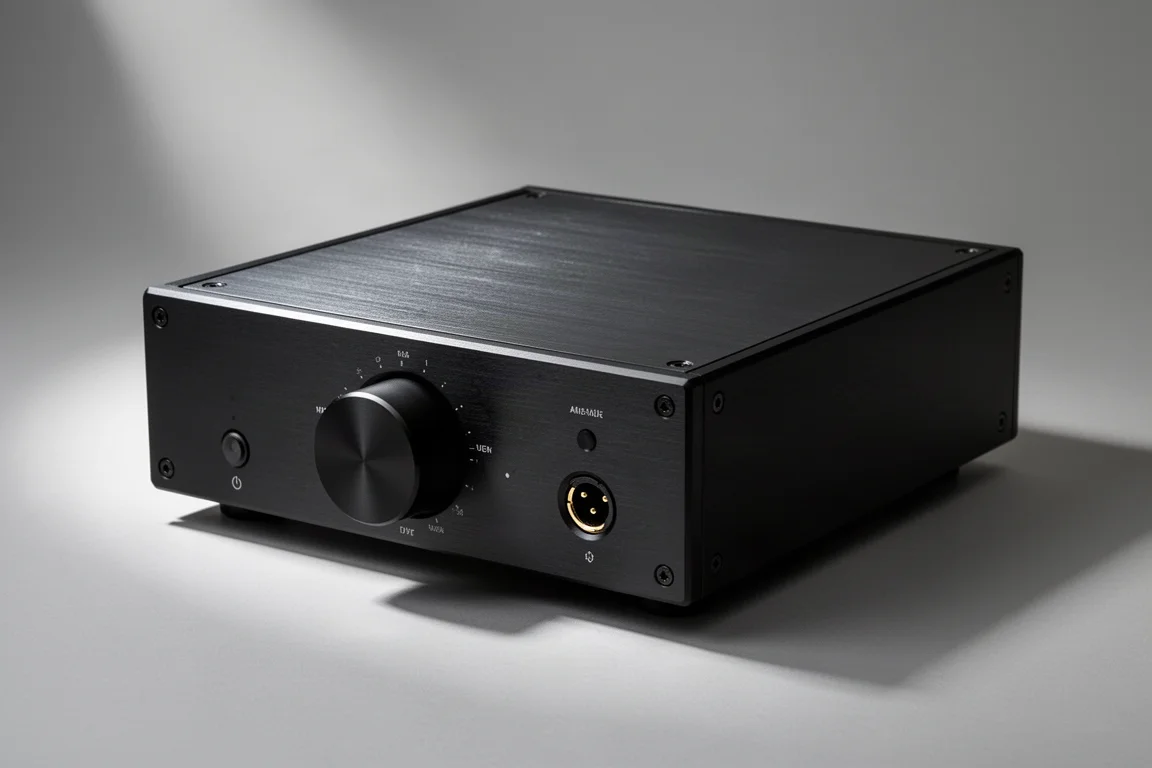
Best Overall DAC: Geshelli Labs J2
The Geshelli Labs J2, in its AKM 4499 version with Sparkos op-amp upgrades, is the best-sounding converter here. Fully specified it comes in around $700, and if you only run single-ended connections you need just one op-amp upgrade rather than the full set.
The result is a huge, immersive, and addictive soundstage that brings a level of realism to vocals and acoustic instruments that is hard to find elsewhere. Bass is dynamic and well controlled, and the sense of openness and space carries through even on headphones. The trade-offs are practical rather than sonic: there is no volume control, just push buttons with LEDs, and the looks and interface will not suit everyone.
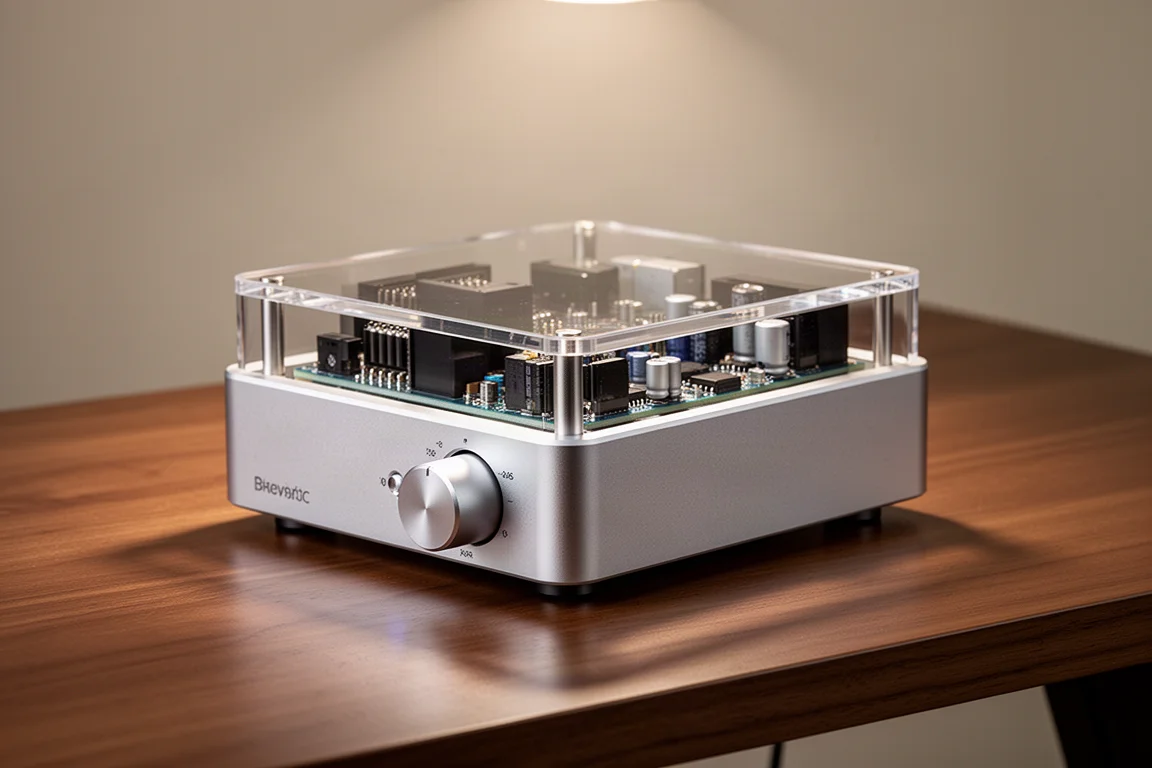
Overall Buying Advice
Start with the question you are actually trying to answer. If you simply want better sound from a computer or television and you already own an amplifier, a budget converter such as the SMSL SU-1 delivers most of the benefit for the least money.
If you listen on headphones, prioritize a unit with a proper amplifier stage, which makes the SMSL M300 SE and the SMSL DL200 the strongest value picks. If you want streaming in the same box, the WiiM Pro Plus is the obvious starting point, while the WiiM Pro suits anyone who already owns a converter. For a rack system that must handle many sources, the Emotiva XDA-3 is the most flexible choice, the EverSolo DMP-A6 is the most convenient all-in-one, the Schiit Syn covers multi-channel listening, and the Geshelli Labs J2 is the pick when sound quality comes first.
One point worth keeping in mind is that diminishing returns arrive quickly in this category. Spending more usually buys features, inputs, and build quality rather than a dramatic change in sound, so match the box to your system rather than to its price tag.
Conclusion
The best value in this roundup sits at the bottom of the price range: the SMSL SU-1 for a first converter and the WiiM Pro Plus for a first streaming system. Move up only when you know what you are missing, whether that is a headphone amplifier, balanced outputs, multi-channel decoding, or the last word in sound quality from the Geshelli Labs J2.
Further reading
Related Reviews
Digital Audio
Best Digital Source Components of 2025: DACs, Streamers, and Transports
A category-by-category guide to the standout DACs, streamers, and CD players of 2025, with a clear pick at every budget level.
Digital Audio
Hi-Fi Rose RS-130 Review: A Flagship Network Transport for Serious Digital Systems
A detailed look at the Hi-Fi Rose RS-130 network transport, covering its linear power supply, OCXO clocking, fiber inputs, video output, and who should consider it.
Digital Audio
McIntosh DS200 Review: A Flexible High-End Streaming DAC and Digital Preamplifier
A close look at the McIntosh DS200, a standalone streaming DAC that also works as a digital preamplifier, and who it makes sense for.