Hi-Fi Audio
Best Digital Components: Three Hi-Fi Sources Worth Building Around
A slim CD player with streaming built in, a dedicated streaming transport and an R2R ladder DAC, with the real strengths and trade-offs of each.
Introduction
Choosing a digital source is really a question about what your system is missing. A CD collection that deserves a better transport, a DAC that could be fed by a cleaner signal, or a streamer that has quietly become the weakest link all lead to different purchases.
The three components below compete in three different segments. One is a slim CD player with a streaming platform built into the same chassis. One is a dedicated streaming transport with no DAC section at all. The third is a heavyweight ladder DAC designed to sit at the centre of a high-end chain. Each has a clear case, and each has a trade-off worth understanding before you commit.
For readers who want the short version, the Denafrips Venus II is the standout of the group, chosen on the basis that it offers the widest benefit to the largest number of listeners who already own a price-appropriate and suitably revealing system.
What Sets These Three Components Apart
Three factors separate these components more than any specification sheet. The first is build. All three use substantial chassis work, from the slim but solid Primare case, to the thick aluminium plate of the AURALiC transport, to the 12.5 kg body of the Denafrips DAC. Physical rigidity and vibration control matter in digital playback, and each of these designs takes that seriously.
The second is connectivity and role. A CD player with a built-in streamer, a transport with no DAC, and a standalone DAC each occupy a different position in a system. Buying the wrong one means either paying for a function you will never use, or discovering that your existing components cannot be combined the way you intended.
The third is sonic character. The Primare leans toward harmonic richness and a wide, deep soundstage. The AURALiC transport adds clarity, focus and three-dimensionality when the rest of the system is already resolving. The Denafrips sharpens transients, darkens the background between notes, and gives vocals and instruments a stronger sense of tangibility. Prices sit at roughly £1,650, £2,499 and £3,100 in the UK respectively, which places all three in the more serious end of the market.
Primare CD15 Prisma: A Slim CD Player With Streaming Built In
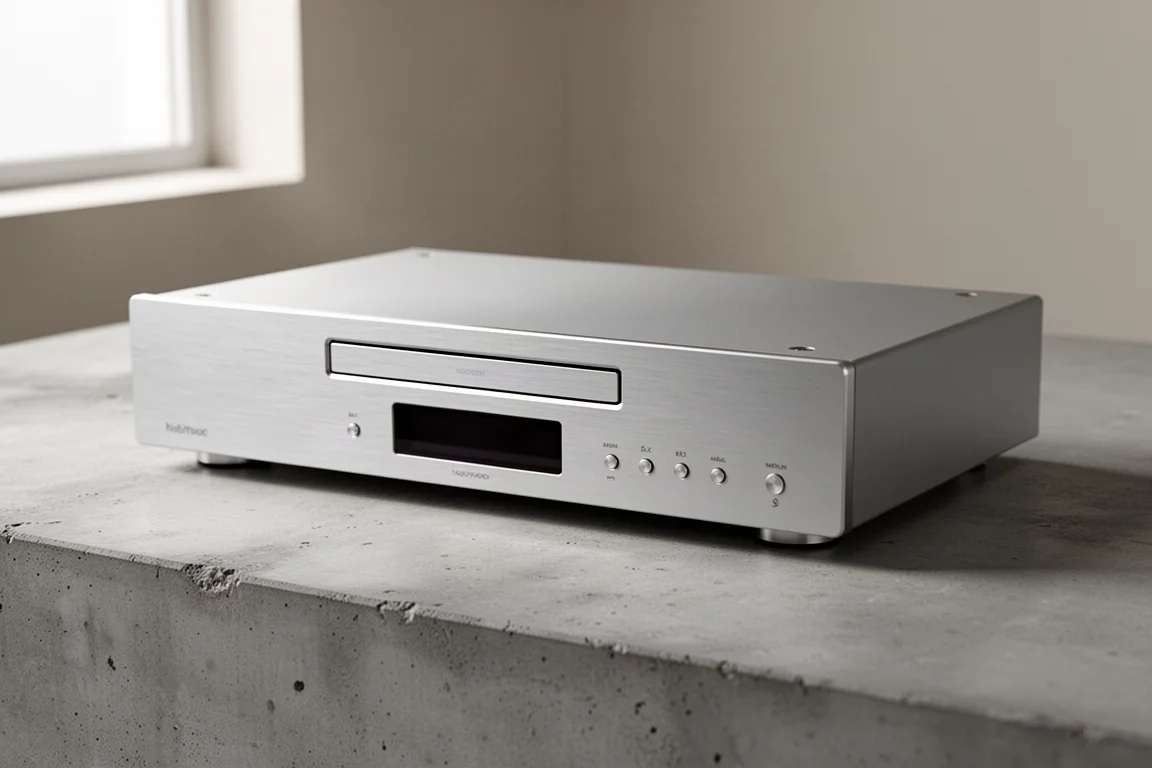
The Primare CD15 Prisma is a slim, solidly built CD player that incorporates the Primare Prisma network platform, and it is also available in a titanium finish. The streaming board is taken from the standalone NP5 unit, which sells for £475 on its own, so the CD player carries genuine streaming capability rather than a token add-on.
The front panel is deliberately minimal, in the restrained Scandinavian style Primare is known for. Purists may prefer a tray to a slot, but the slot-loading mechanism here operates smoothly. The supplied remote handles the menu functions, including fixed versus variable volume control, the auto dim interval and the standby timer. It is a decent size, well laid out, and can also control other Primare devices.
Setup is a two-app process. The Google Home app configures the player and connects it to your network over Ethernet or Wi-Fi, then the Prisma app provides access to internet radio, music stored on USB drives, and the usual streaming services, including Spotify, Tidal and Qobuz. The menus are basic but functional. You are not locked into the app either, since the Prisma platform also supports Chromecast, AirPlay 2, Spotify Connect and Roon.
Connectivity includes one set of analogue RCA outputs, plus optical and coaxial digital outputs for feeding an external DAC, a USB port for stored music, and an RS-232 port for system control. There is no way to feed external digital sources through it, which means the CD15 Prisma cannot be used as a standalone DAC for other components.
That omission is the main frustration, because the internal DAC section is excellent. It has the clarity and refinement normally associated with a very good £1,000 standalone chip-based DAC, but without the flat soundstage and slightly thin harmonics that often come with that class of converter. Instead it offers a wide, deep soundstage and a harmonic richness that makes for a natural presentation. In this respect it sits only marginally behind the Denafrips Pontus II, a £2,000 standalone DAC in its own right.
Primare already builds a digital preamp with what is likely the same DAC section in the £1,450 SC-15 Prisma network player, so a version of the CD15 Prisma that accepted external optical, coaxial and USB sources would be a compelling front end, even at £500 to £600 more.
AURALiC Aries G1.1: A Dedicated Streaming Transport
The AURALiC Aries G1.1 is a streaming transport, which means it is purely a streaming source with no DAC section inside. At £2,499 in the UK, that can be a difficult idea to accept when streamers with built-in DACs sell for under £500. What the money buys is engineering that a budget box cannot match.
The chassis is constructed from thick aluminium plate work, unusually robust even at this price, and that rigidity helps dampen vibrations before they reach sensitive electronics. A four-inch high-resolution screen displays menus and cover art, a detail that is typically absent from inexpensive streamers.
Inside, the design trickles down from the Aries G2.1. The Tesla G2 streaming platform is 50 percent faster and has twice the processing power of the Tesla G1 platform used in its predecessor, and removing the DAC section brings its own sonic benefits. The Aries G1.1 also uses dual power supplies, right down to the two transformers. One looks after the processing circuit, the LCD display and storage devices, while the other serves sensitive audio components such as the femto clocks and the USB audio output. Both supplies are galvanically isolated from each other to eliminate EMI interference between them.
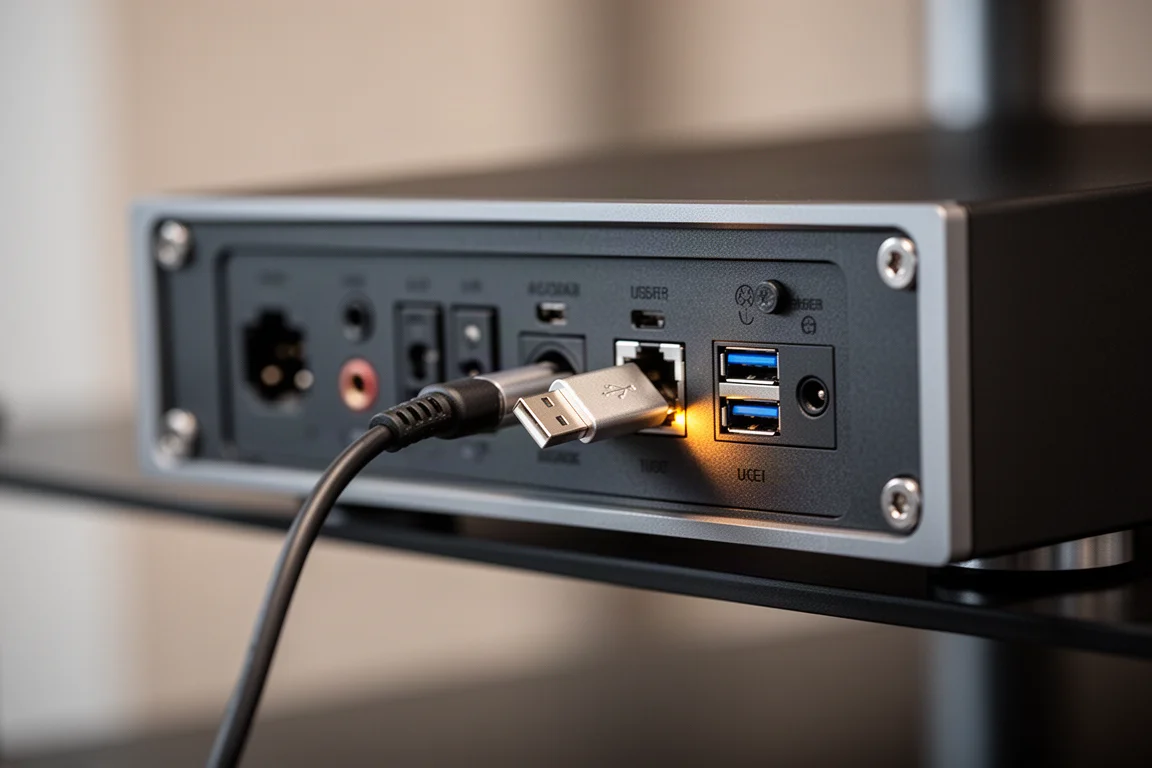
The transport also deploys AURALiC’s second-generation Active USB. USB is an asynchronous connection type that helps reduce jitter, but the standard implementation can transfer EMI noise because the power lines run alongside the data lines. Active USB bypasses the USB power stream and draws power from the internal linear power supply instead.
Sonically, this is an excellent streaming transport. In a system that already has strong clarity, soundstage width and depth, and harmonic richness, the step up in focus and three-dimensionality is significant, particularly compared with an Aries Mini fitted with an upgraded linear power supply. Listeners currently streaming from a sub-£500 box with a built-in DAC are the most likely to notice what it adds.
Denafrips Venus II: An R2R Ladder DAC Built Like a Flagship
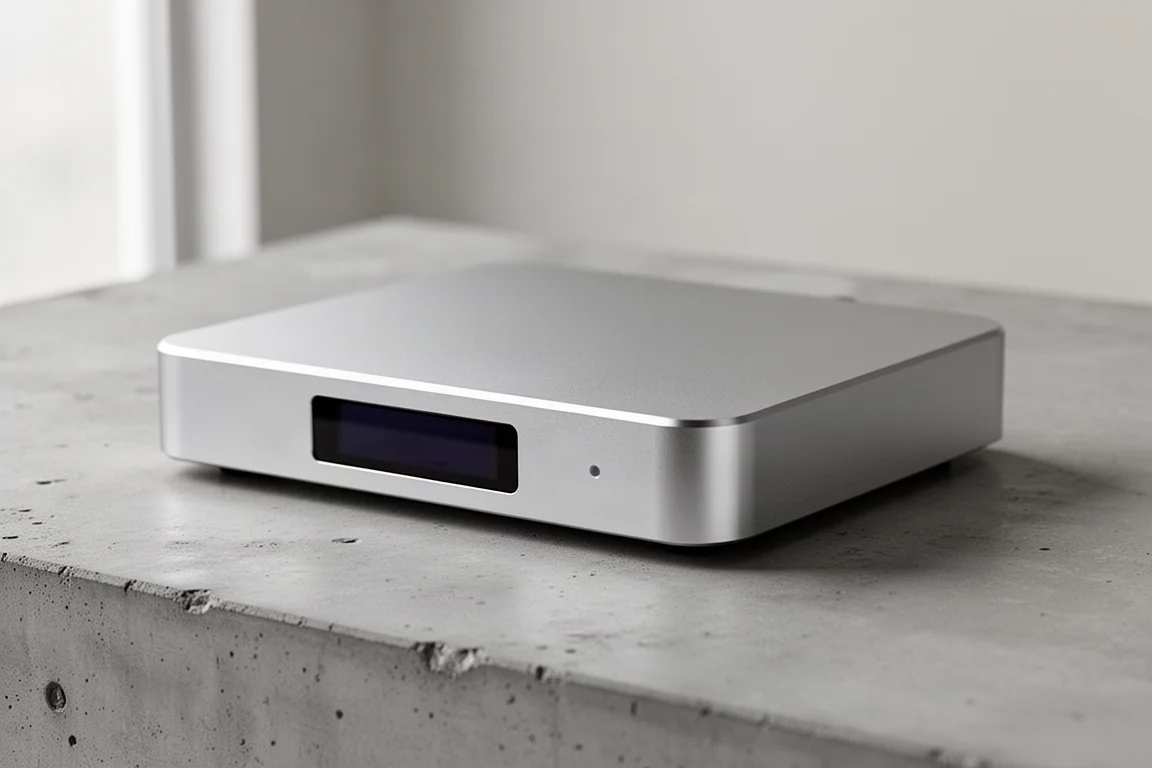
The Denafrips Venus II is an R2R ladder DAC that sits in the middle of the Denafrips range. It retailed at £3,100 in the UK before the arrival of the 12th anniversary models. At 12.5 kg, or 27.6 pounds, it weighs more than many amplifiers, which gives a fair idea of its battleship build quality.
The design shares a similar architecture with the original Terminator DAC, which was Denafrips’ flagship at the time of its launch. Compared with the Pontus II below it in the range, the Venus II adds improved power supply shielding, temperature-compensating crystal oscillators rather than simply good quality voltage control devices, and almost twice the number of resistor ladders. That last change allows Denafrips to sum the output and take an average in order to lower distortion.
Connectivity is comprehensive. It is a fully balanced DAC with XLR and single-ended RCA outputs, two coaxial digital inputs, two balanced AES/EBU inputs, and optical, USB and I2S inputs.
The internal upgrades sharpen the sonic performance noticeably. Against the Pontus II, the Venus II offers greater clarity, slightly sharper transients, and decays that fall into a darker background. Micro details, such as the reverb in the middle of a note, are far more obvious. Soundstaging is a little wider and a little deeper, but more importantly everything is more solidly locked down, and vocals and instruments take on a much greater sense of tangibility.
Not every listener will hear those differences. The rest of the system needs the resolving power and the ability to produce three-dimensionality, and you need to know what to listen for. Once you do, it is difficult to go back, which is why this is the component here that most justifies building a system around it.
Matching a Digital Source to Your System
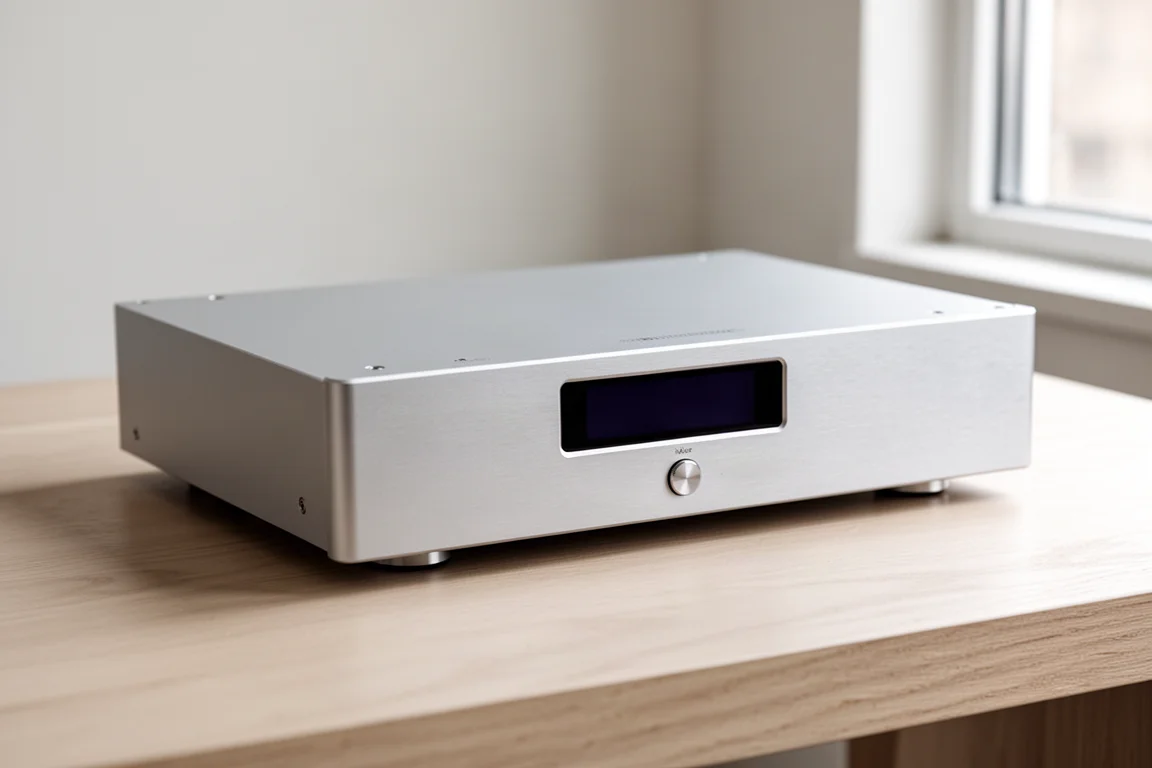
The right choice depends less on which component is best in isolation and more on what already sits in your rack. If you have a large CD collection and want streaming in the same box, the Primare CD15 Prisma covers both jobs with a DAC section that punches well above its price. If you already own a DAC you are happy with, the AURALiC Aries G1.1 gives that DAC a cleaner, better-focused source without asking you to pay twice for conversion.
If you are building around conversion itself, the Denafrips Venus II is the anchor. Its resistor ladder architecture, comprehensive input set and physical mass make it the natural centre of a high-end digital chain.
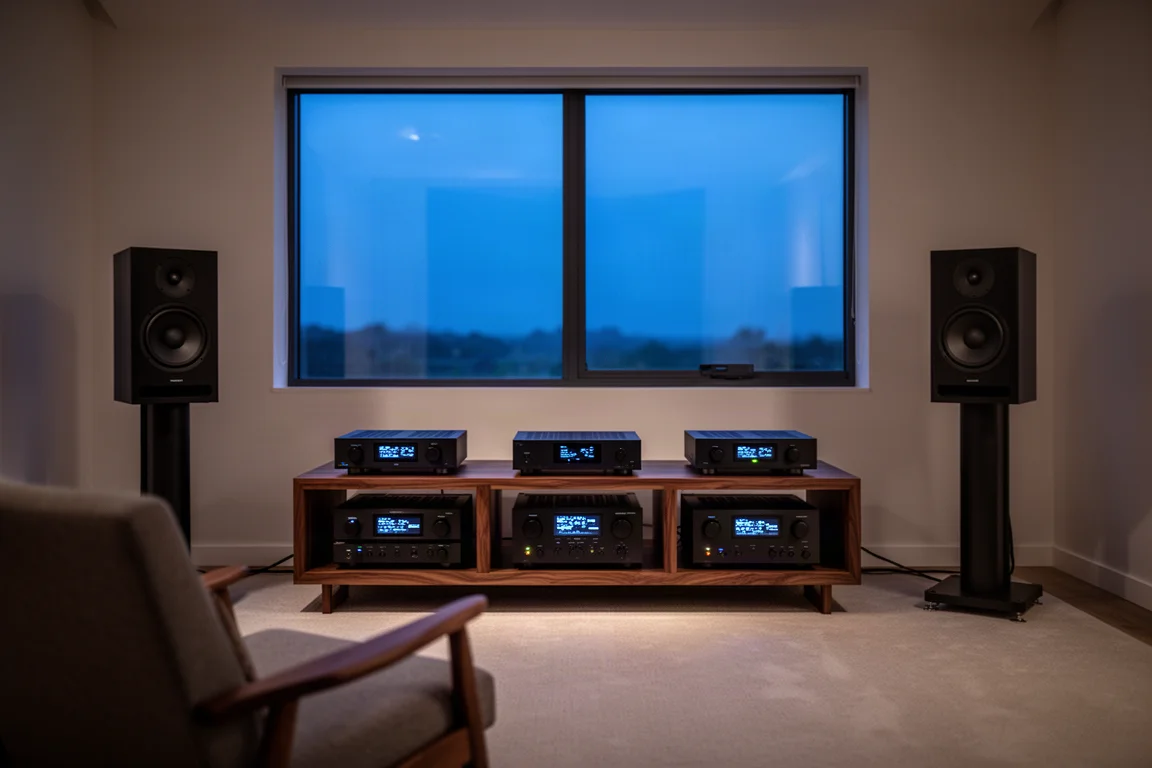
It is worth being honest about system balance. The Venus II and the Pontus II are close relatives, and the differences between them only become obvious in a system with real resolving power and a genuine sense of three-dimensionality. The same logic applies to the AURALiC transport: it rewards a revealing chain, and it will not transform a system that is already the limiting factor.
What to Check Before You Buy
Budget is the first consideration, and all three components assume that the rest of the system can keep up. Spending at these levels on a source or a converter makes most sense when the amplifier and speakers are already capable of showing what the source is doing.
Function is the second. None of these products does everything. The Primare cannot act as a standalone DAC for external digital sources. The AURALiC has no DAC section at all. The Denafrips is a converter, not a source, so you will still need something to feed it.
Setup and ecosystem matter too. The Primare relies on the Google Home app for configuration and the Prisma app for browsing, although it also supports Chromecast, AirPlay 2, Spotify Connect and Roon, so you can bypass the app entirely if you prefer. The AURALiC and the Denafrips are more traditional in operation, and both offer the digital inputs you would expect at their price points, including USB and I2S on the DAC.
Overall Buying Advice
The Primare CD15 Prisma is the most complete single-box solution if you have CDs and want streaming in the same chassis, and its internal DAC is good enough that it will not feel like a compromise. The AURALiC Aries G1.1 makes the most sense for listeners with an established DAC who want the cleanest possible streaming source and are prepared to pay for a quiet, rigid, well-isolated transport.
The Denafrips Venus II is the pick of the three for anyone prepared to invest in a dedicated converter that will reward a revealing system over the long term. It is the component most listeners would benefit from if they were making a price-appropriate outlay, and it is the one that most clearly justifies the space it takes up.
Conclusion
Three excellent components, three different jobs. Buy the Primare if you want one elegant box that plays discs and streams. Buy the AURALiC if your DAC is settled and your source needs to be better. Buy the Denafrips if conversion is where you want to invest, and if the rest of your system is ready to show the difference.
Further reading
Related Reviews
Hi-Fi Audio
Accuphase C-57 vs Allnic H-7000V: Two High-End Phono Stages Compared
A fully balanced solid-state phono stage with a pitch-black noise floor meets a tube design built for well-loved records. Here is how to choose between them.
Hi-Fi Audio
Active vs Passive Hi-Fi: Five Components for a Modern System
Five components that define modern active and passive hi-fi systems, with the strengths, trade-offs and setup details worth weighing before you buy.
Hi-Fi Audio
Advance Paris A10 Apex Review: A Hybrid Integrated Amplifier That Covers a Lot of Ground
A French hybrid integrated amplifier with a class A tube preamp stage, analogue power meters, and an internal DAC and phono stage good enough to make extra boxes unnecessary.