Diesel Additives
Best Diesel Anti-Gel Additives: Tested for Cold Weather, Lubricity and Corrosion
Fourteen diesel additives tested side by side for gelling protection, lubricity, corrosion resistance, water dispersion and rescue performance in deep-freeze conditions.
Introduction
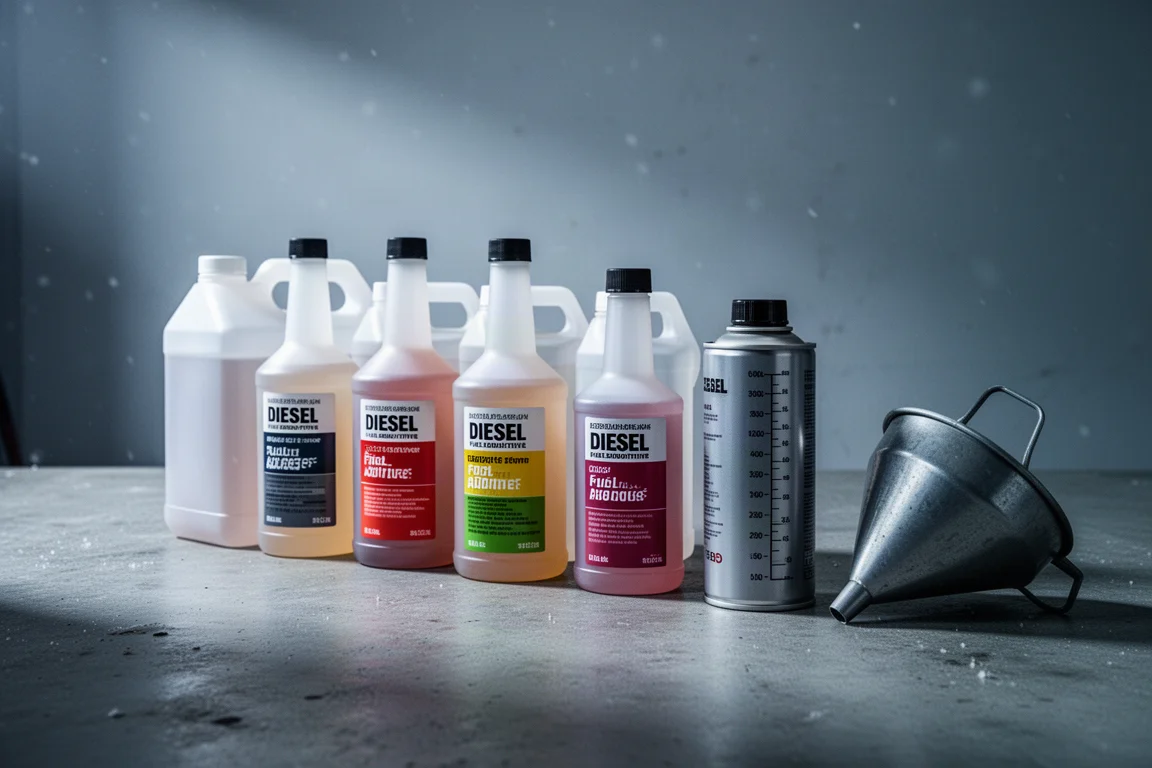
Every winter, diesel owners end up stranded because their fuel has gelled solid in the cold. The obvious follow-up question is which additive actually prevents that from happening, and, if you are already stranded, which rescue product does the best job of thawing gelled fuel.
This comparison tested fourteen diesel treatments across four categories: anti-gel performance at deep-freeze temperatures, lubricity, corrosion protection, and emergency de-gel rescue ability. Water dispersion and cold-start flammability were also checked. The results separated the field sharply.
How the Products Were Tested
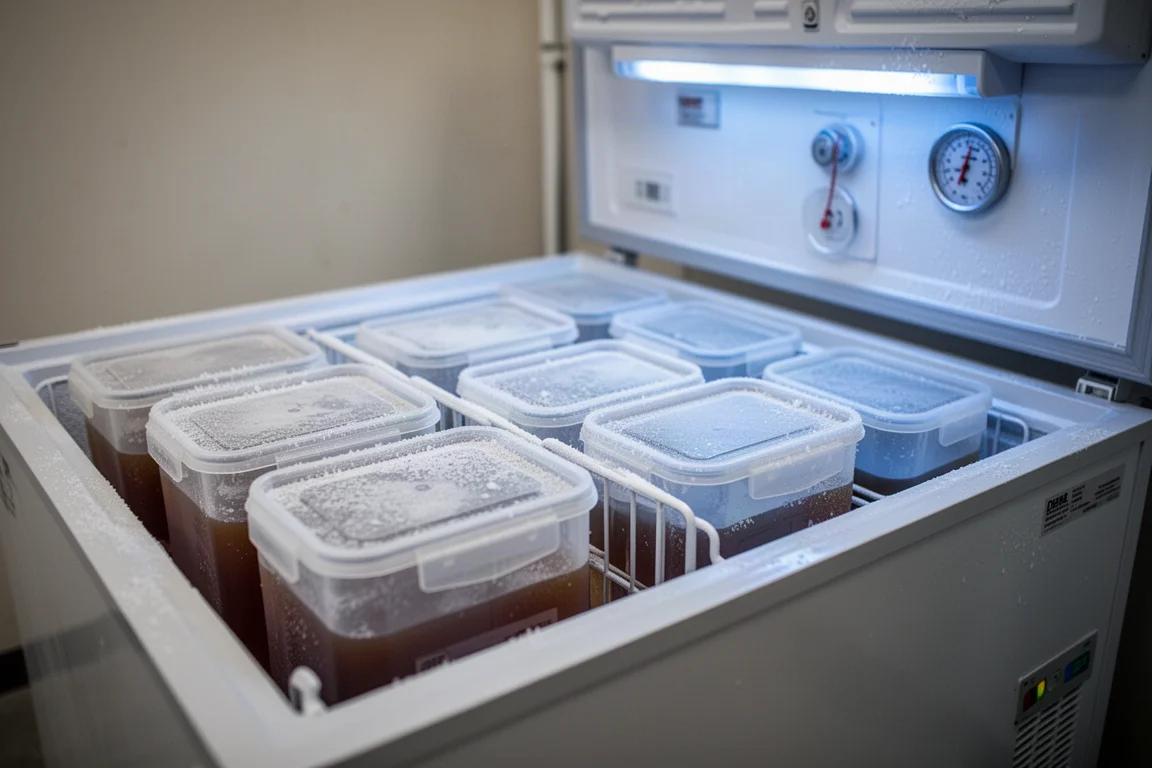
For the anti-gel test, a half gallon of untreated ultra-low sulfur diesel was added to each test container, then each product was dosed according to its label, with dosage doubled where the manufacturer calls for it below zero temperatures. The containers were chilled in a commercial freezer set to -38°F and checked after 24 hours.
Lubricity was measured with a bench rig using 40 mL samples, recording the energy draw and measuring the wear scar on the test pin under a microscope. Untreated diesel produced a wear scar of 9.34 mm, which sets the baseline. Corrosion was tested by applying each product directly to bare steel panels and attacking them with an aggressive rusting agent of hydrogen peroxide, vinegar and salt.
One important note before the results: the sulfur-reduction process used to make ultra-low sulfur diesel also strips out much of the fuel’s natural lubricity, which increases wear on fuel injection components. That is why lubricity matters as much as anti-gel performance here.
Anti-Gel Test Results
Each product below was chilled to -38°F, first at the standard winter dosage and then at a doubled dosage to see whether more product genuinely helps.
Lucas Anti-Gel Diesel Treatment
Lucas costs $14 for 64 oz (about 22 cents per ounce), and one bottle treats 300 gallons down to -10°F, with a second bottle needed down to -40°F. It claims real water dispersants and is made in the USA. In the freezer test, the Lucas-treated fuel came out completely solid, and doubling the dose still left some gelled fuel and heavy cloud point. It also did the worst job of blocking corrosion, and its lubricity wear scar of 9.21 mm was barely better than untreated diesel.
Howes Diesel Treat
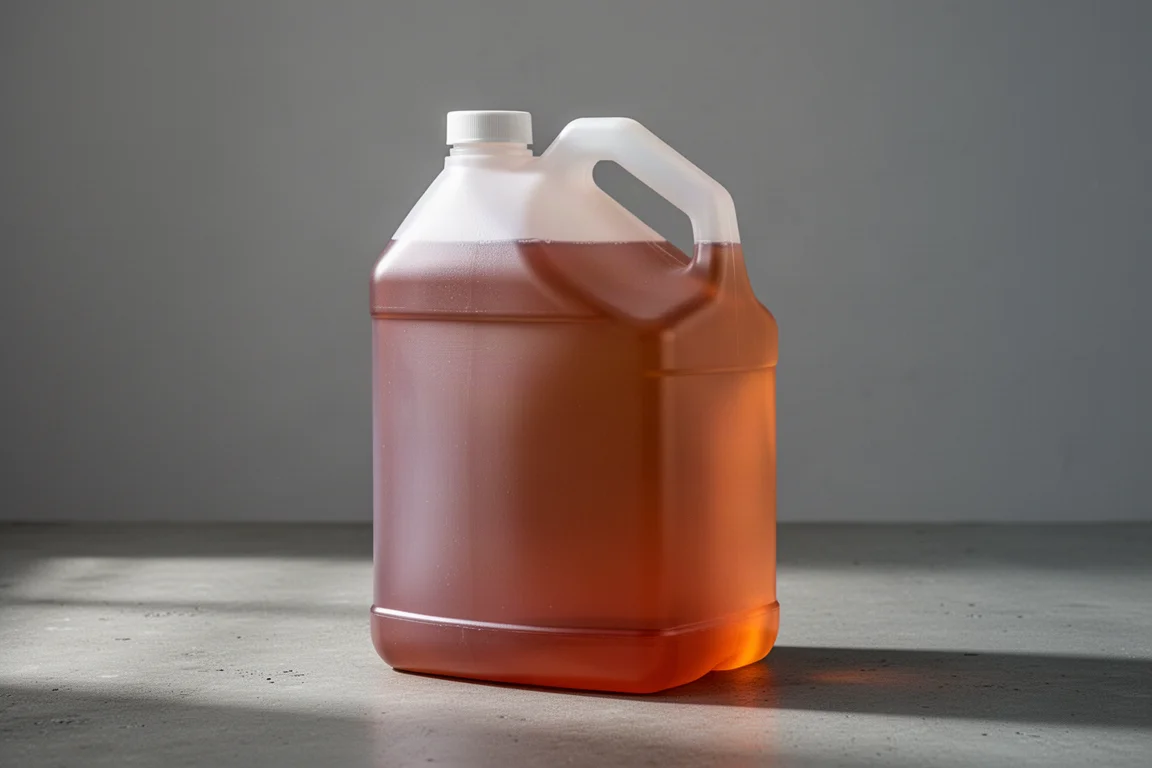
Howes costs $20 for 64 oz (about 31 cents per ounce), treats 5 gallons per ounce down to 0°F, claims added lubricity and water removal, and is made in Canada. At the first dosage the fuel stayed liquid, though all of it reached cloud point, which will still plug a fuel filter. Doubling the dose helped noticeably. Lubricity was modest at 8.8 mm, and corrosion protection landed mid-pack.
Power Service Diesel Treat
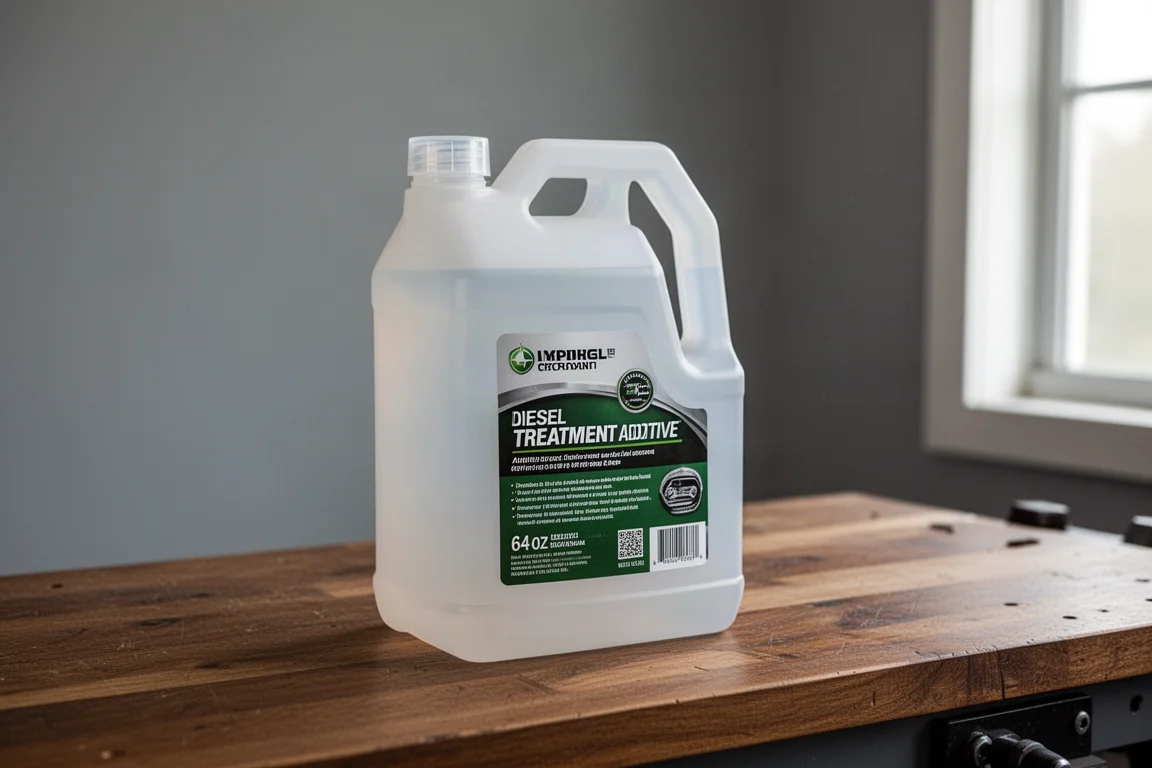
Power Service costs $27 for 64 oz (about 42 cents per ounce), with 64 oz treating up to 250 gallons for below-zero temperatures. It contains a “slick diesel” lubricator and is made in the USA. Lubricity improved clearly over the first two brands with a 6.83 mm wear scar, but the fuel reached cloud point across the whole container in the freezer. Corrosion performance was poor, finishing second to last.
Stanadyne Diesel Formula
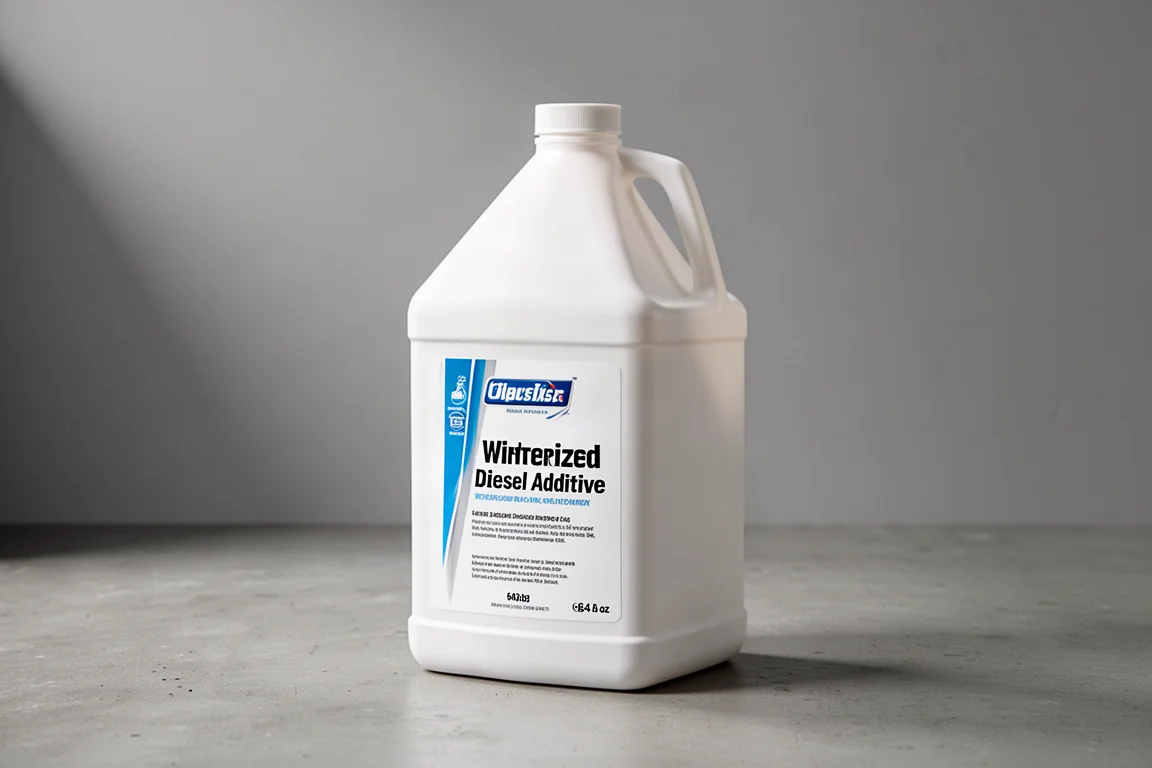
Stanadyne costs $15 for 32 oz (about 47 cents per ounce), treats 250 gallons, is rated to -40°F without doubling the dose, and claims lubricity, water demulsification and corrosion prevention. Despite the concentration, the fuel froze solid from top to bottom at the first dosage. Lubricity was also a big disappointment at 9.07 mm, nearly as bad as Lucas, though corrosion protection was surprisingly excellent, finishing in third place overall.
Peak Anti-Gel Diesel Supplement
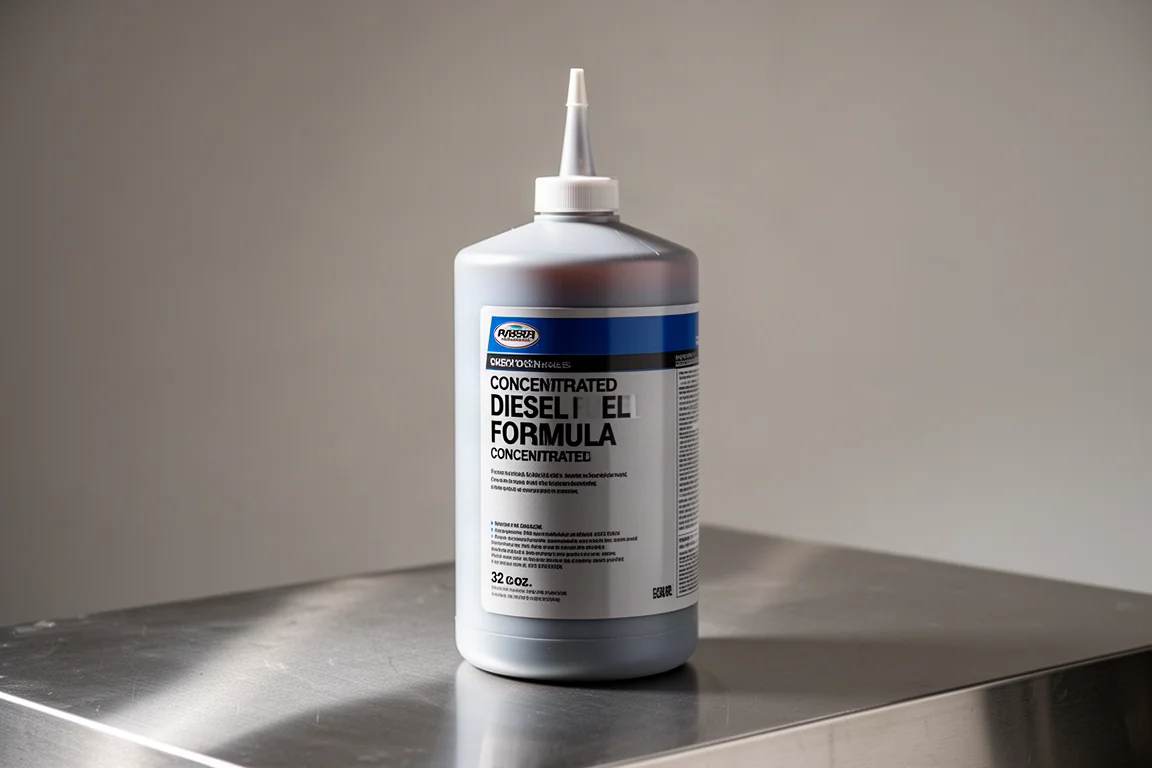
Peak costs $17 for two 16 oz bottles, with each bottle treating up to 80 gallons. It claims to lower the cold filter plugging point by up to 30°F, the pour point by up to 39°F, and boost cetane by up to four numbers. Doubling the dose is required below zero. In the freezer test it performed the best of all brands at the first dosage, with the top inch of fuel never even reaching cloud point, and it earned a top rating of two. Its 5.34 mm wear scar was also among the very best.
Ford Motorcraft Diesel Additive
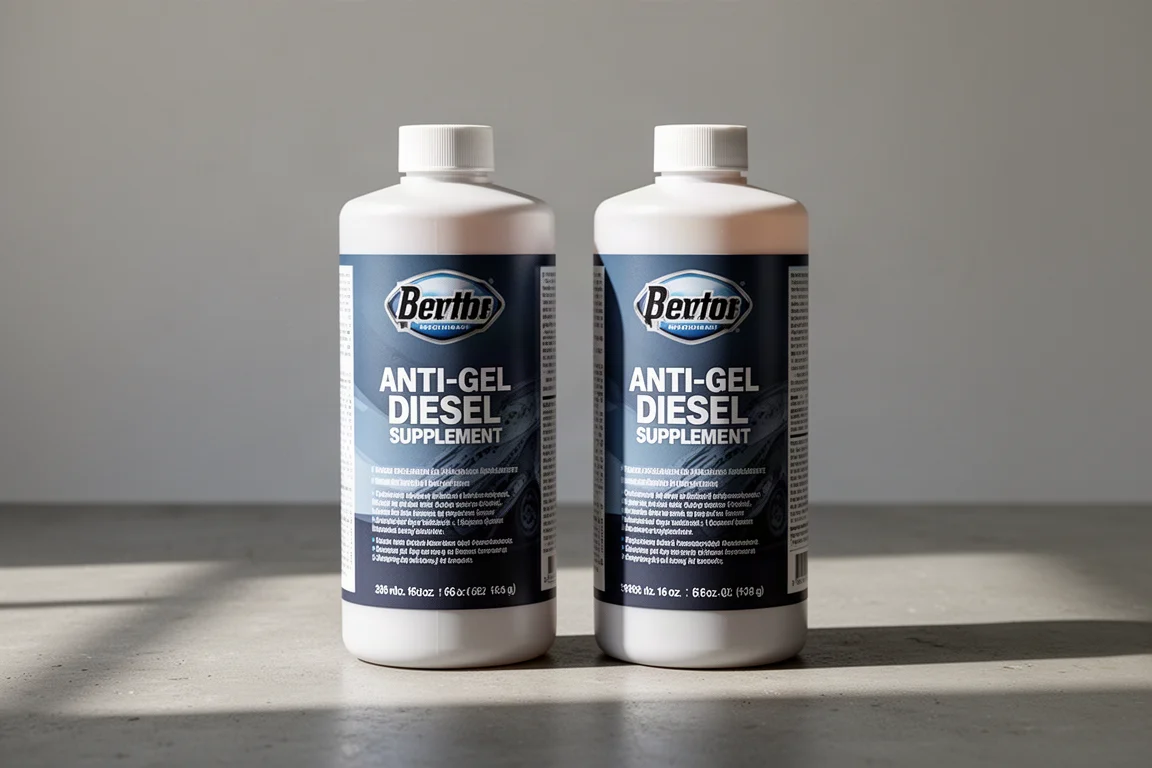
The Ford additive adds lubricity to reduce engine wear and claims to improve cold starting and fuel economy, requiring less product than most brands. In the freezer, though, it struggled, with most of the fuel turning to a slushy mix. Lubricity was middling at 7.83 mm, and corrosion protection finished in ninth place. It performed better than average overall but not at the top of the field.
AMSOIL Diesel Additive
AMSOIL costs $12 for 16 oz, with the bottle treating up to 80 gallons and improving the cold filter plugging point by up to 40°F. In the freezer it reached a low viscosity after doubling, comparable to Peak and Ford. Its 6.41 mm wear scar comfortably beat Ford, and it finished just ahead of Howes in the corrosion test with only superficial rust. It also performed well in the flammability test, which relates to cold starting.
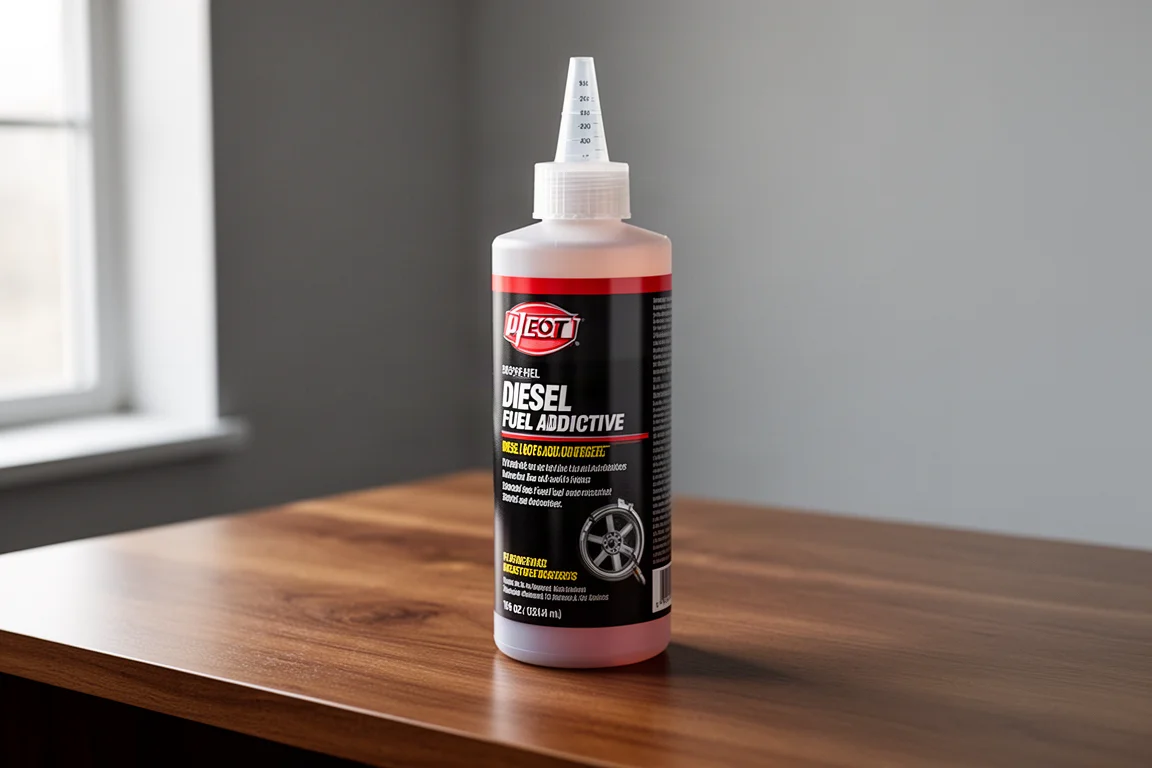
Opti-Lube Diesel Additive
Opti-Lube costs $32 for 32 oz, roughly a dollar per ounce, and below 20°F the bottle treats just over 60 gallons. It claims faster warm-ups, rust and corrosion prevention and enhanced lubricity. The fuel reached cloud point like most brands, with a viscosity a bit higher than AMSOIL. Its 5.72 mm lubricity result was a solid third place at the time, and it did demulsify water, but corrosion protection was weaker than most.
Hot Shot’s Secret Diesel Extreme
Hot Shot’s Secret costs $17 for 16 oz and is a highly concentrated formula requiring about half the product of most rivals. It claims a pour point down to -65°F, fuel line freeze protection to -40°F, moisture dispersion, added lubricity and better fuel economy. In the freezer it matched Peak at the top with a rating of two, and the top inch of fuel never reached cloud point. Its 5.2 mm wear scar was good enough to take the lubricity lead at that point. Combined with the best overall average rating of 1.6 across all tests, it is the standout pick.
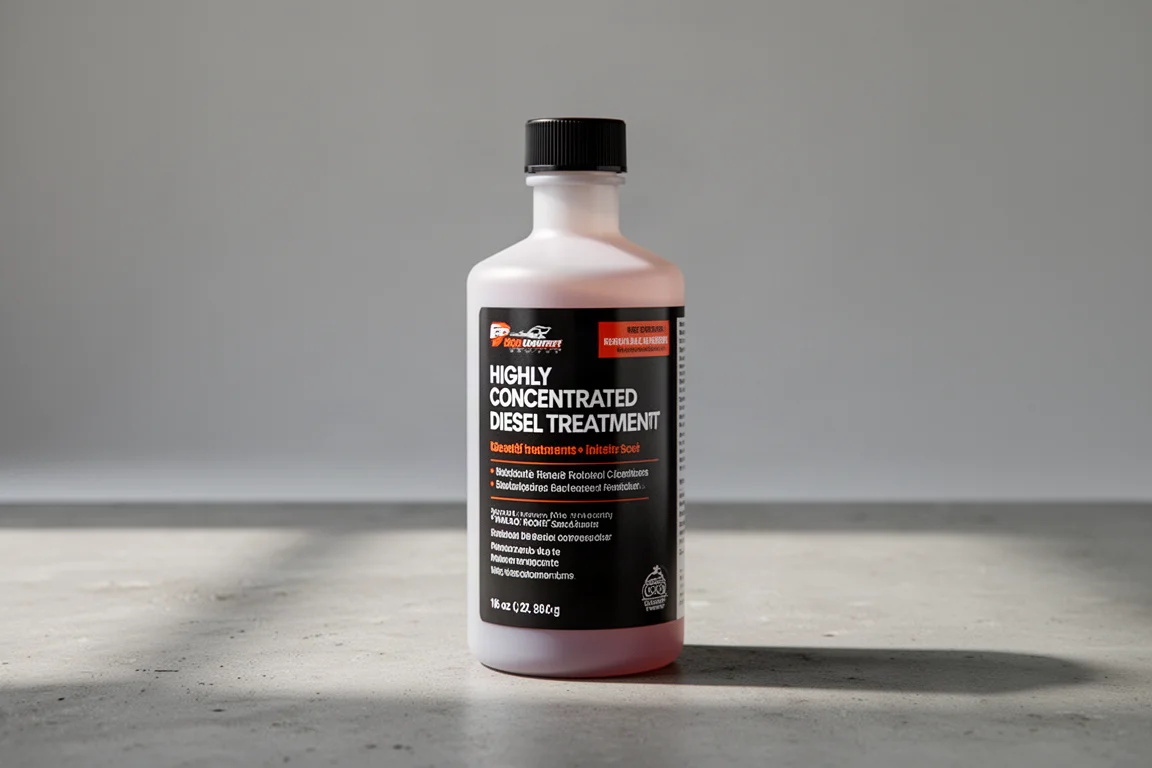
Archoil Diesel Fuel Treatment
Archoil costs $45 for 41 oz, treats 10 gallons per 3 oz, and claims a pour point down to -44°F plus fuel system lubrication. It is concentrated but needs about twice as much product as Hot Shot’s Secret. In the freezer all the fuel reached cloud point, though with a low viscosity. Where it shines is lubricity: a 5.17 mm wear scar was the best result of the entire test, just edging out Hot Shot’s Secret.
Two-Stroke Oil Comparison
As a curiosity, AMSOIL two-stroke oil was mixed at a 40:1 ratio to see whether a cheap lubricity booster could substitute for an anti-gel product. Lubricity was genuinely good at 5.89 mm, better than most dedicated additives, and corrosion protection looked superficial and strong. But as expected, it did nothing to stop the fuel from freezing solid. It is not an anti-gel product, and that distinction matters.
Lubricity Test Results
Archoil took the overall lubricity win with the smallest wear scar at 5.17 mm, with Hot Shot’s Secret right behind at 5.2 mm and Peak at 5.34 mm. Opti-Lube (5.72 mm) and even two-stroke oil (5.89 mm) beat most of the field. At the bottom, Lucas at 9.21 mm and Stanadyne at 9.07 mm offered almost no improvement over the untreated baseline of 9.34 mm.
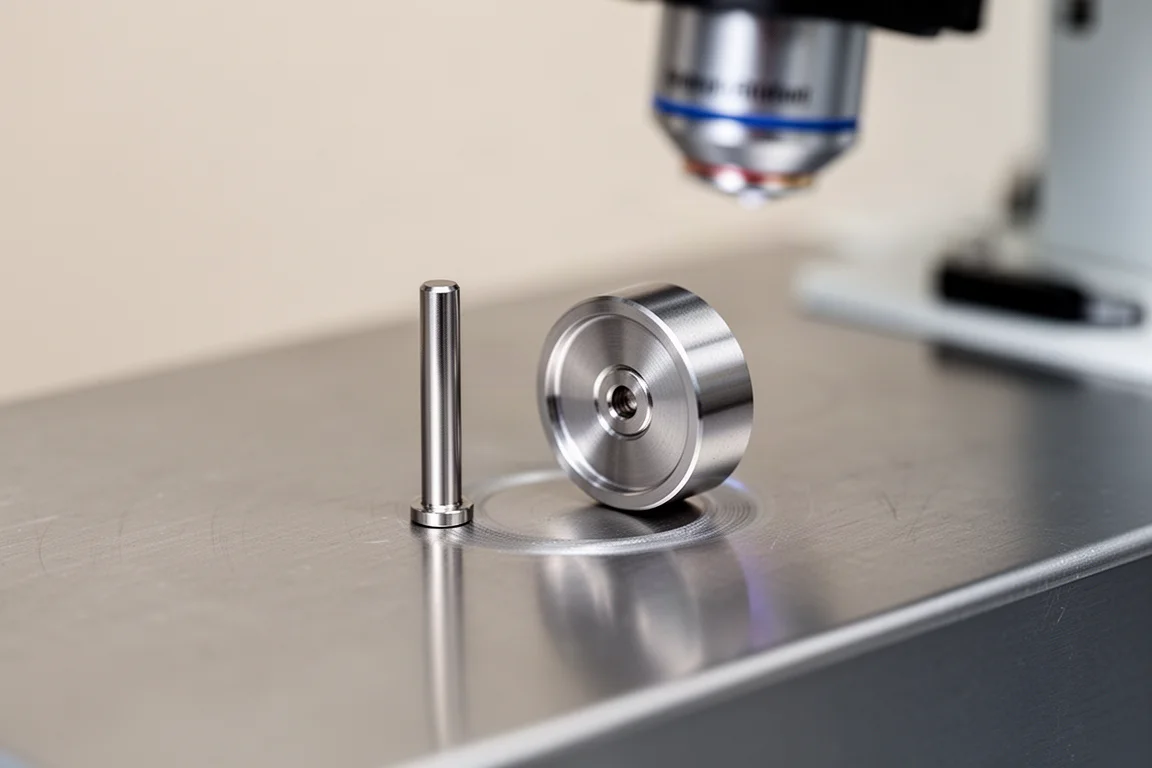
If protecting expensive fuel pumps and injectors from ultra-low sulfur diesel wear is your priority, Archoil is the strongest performer here, with Hot Shot’s Secret a very close second.
Corrosion Protection Results
Corrosion testing is inherently subjective, but the ranking was clear. Hot Shot’s Secret finished first with a large area of the steel panel completely free of rust and only light, superficial oxidation elsewhere. Untreated diesel finished second, and Stanadyne finished third. AMSOIL, Howes, Stanadyne-adjacent results aside, the worst performers were Power Service Diesel Treat and Lucas, with oxidation appearing almost everywhere on the panels.
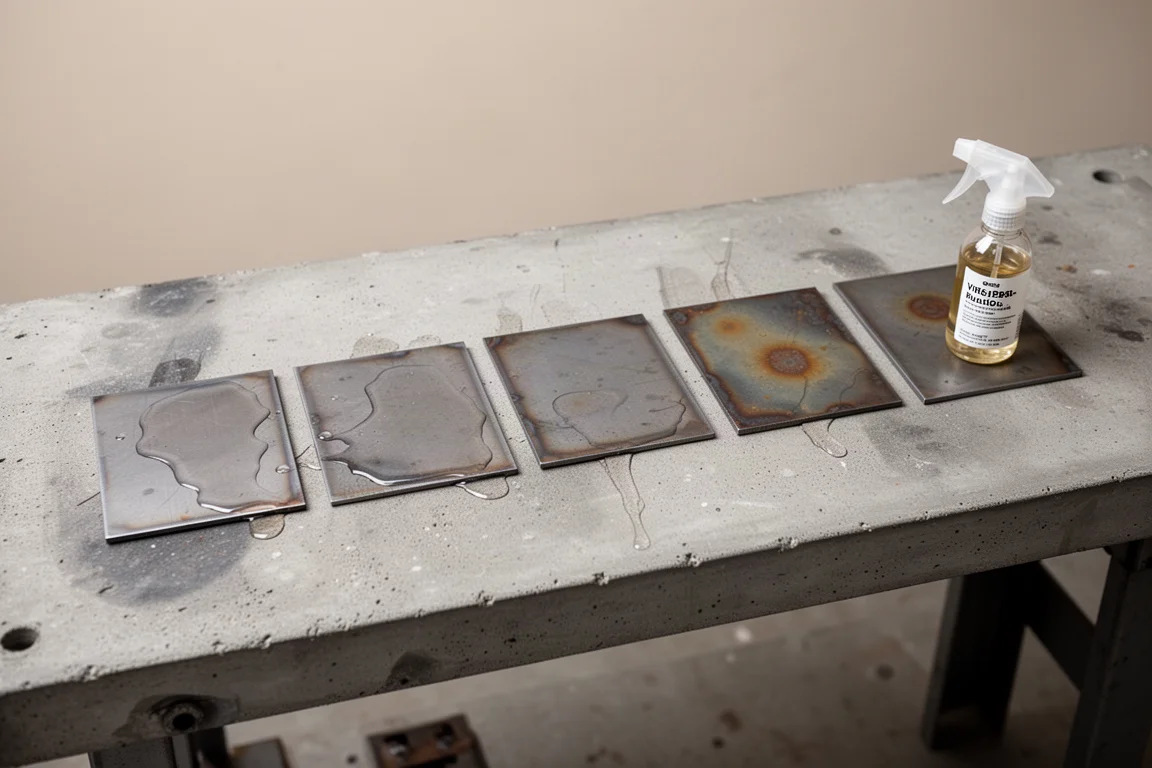
Peak, Howes and AMSOIL all offered solid, above-average corrosion protection if that matters for long-term storage or humid climates.
Emergency Rescue Products
When prevention fails, the six rescue products were tested on fuel frozen solid at -38°F. First, the recommended dosage was added and the containers were returned to the freezer for 20 minutes. None of them made meaningful progress melting fuel in genuinely frozen conditions, which matches the field experience that rescue products on a really cold day are rarely effective.
At room temperature around 70°F, the results improved. Hot Shot’s Secret Winter Rescue ($15 for 32 oz, treating up to 40 gallons) thawed the fuel fastest and finished first. FPPF Diesel 911 ($15 per bottle, treating 125 gallons, with a 15 to 20 minute wait before restarting) took second, followed closely by Power Service Diesel 911 ($32 for 64 oz, treating up to 250 gallons) in third and AMSOIL’s rescue formula ($16) in fourth. Howes’ emergency formula and Clean Boost De-gel trailed slightly behind.
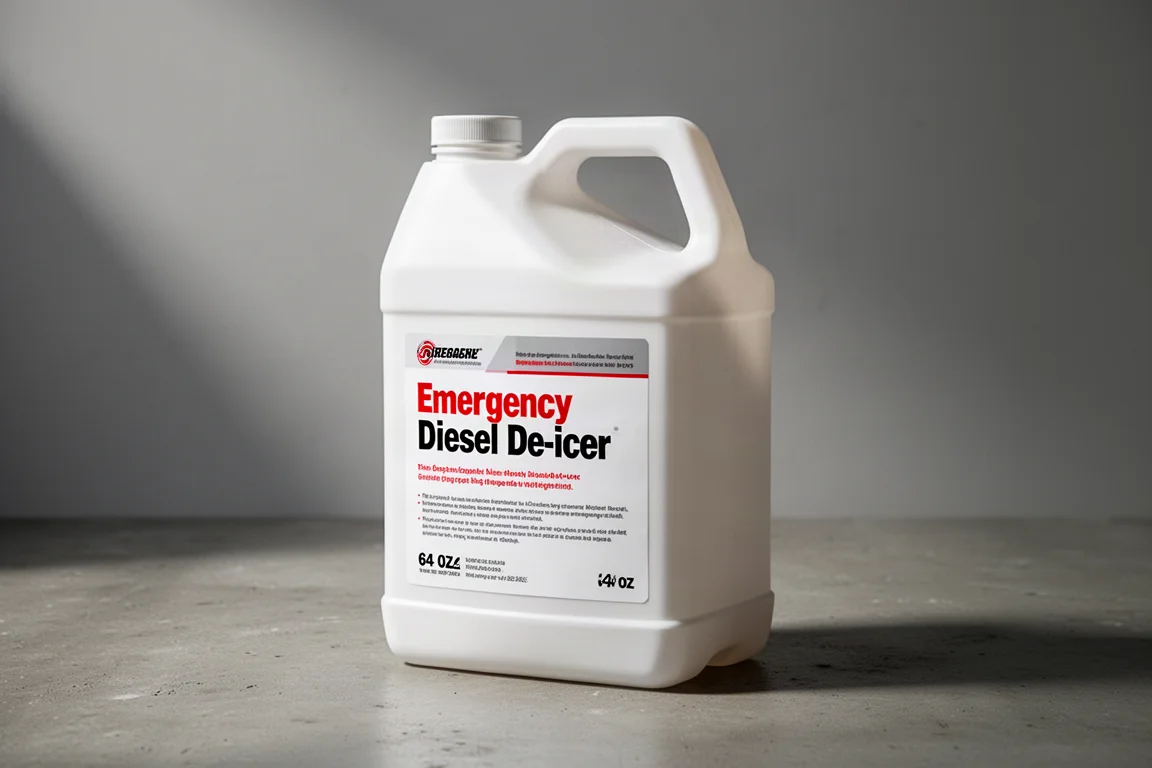
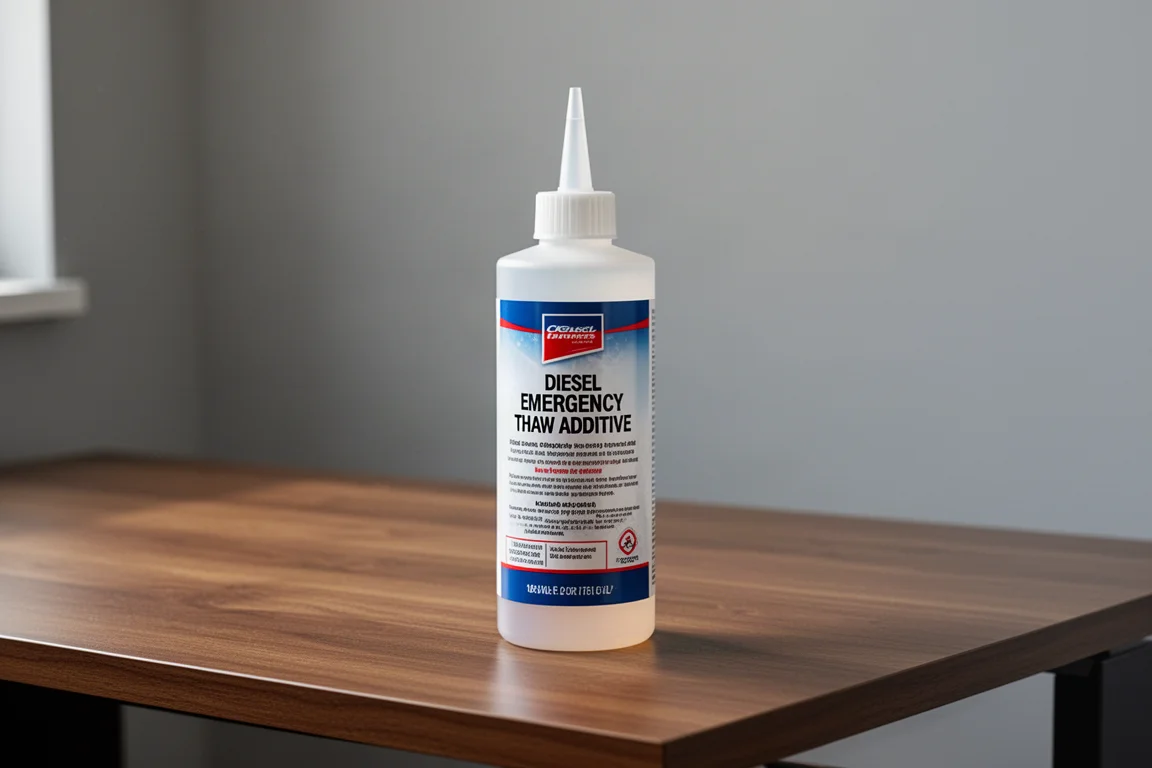
The practical takeaway: keep Winter Rescue on hand, but do not rely on rescue products as your primary strategy. Prevention with a proper anti-gel additive is far more effective.
Water Dispersion and Cold-Start Performance
Several products claim to demulsify water. In the beaker test, Lucas, Stanadyne, Opti-Lube, Hot Shot’s Secret and Archoil all broke water beads down into tiny droplets that settled at the bottom. Howes, Power Service Diesel Treat, Peak, Ford and AMSOIL made no visible difference to the water, though Howes and Power Service do not claim dispersants.
Flammability, which indicates easier vaporization and ignition in cold starts, produced a clear winner. Hot Shot’s Secret earned the best possible rating, with Power Service Diesel Treat and AMSOIL next. Peak and Stanadyne showed little benefit, and Lucas was no more flammable than plain diesel, which is fair since Lucas makes no cetane or cold-start claims.
Final Verdict
Hot Shot’s Secret Diesel Extreme came out on top overall with the best average rating of 1.6, performing well in every single category: anti-gel, lubricity, corrosion, water dispersion and cold-start flammability. It would be the first pick for anyone running diesel through a genuine winter.
Peak is the runner-up and a strong choice if Hot Shot’s Secret is not available, leading the first-dosage freezer test and delivering near-top lubricity. Archoil is the pick if maximum lubricity is the priority. And if you want a rescue bottle for emergencies, Hot Shot’s Secret Winter Rescue was the fastest at thawing gelled fuel at ambient temperature.
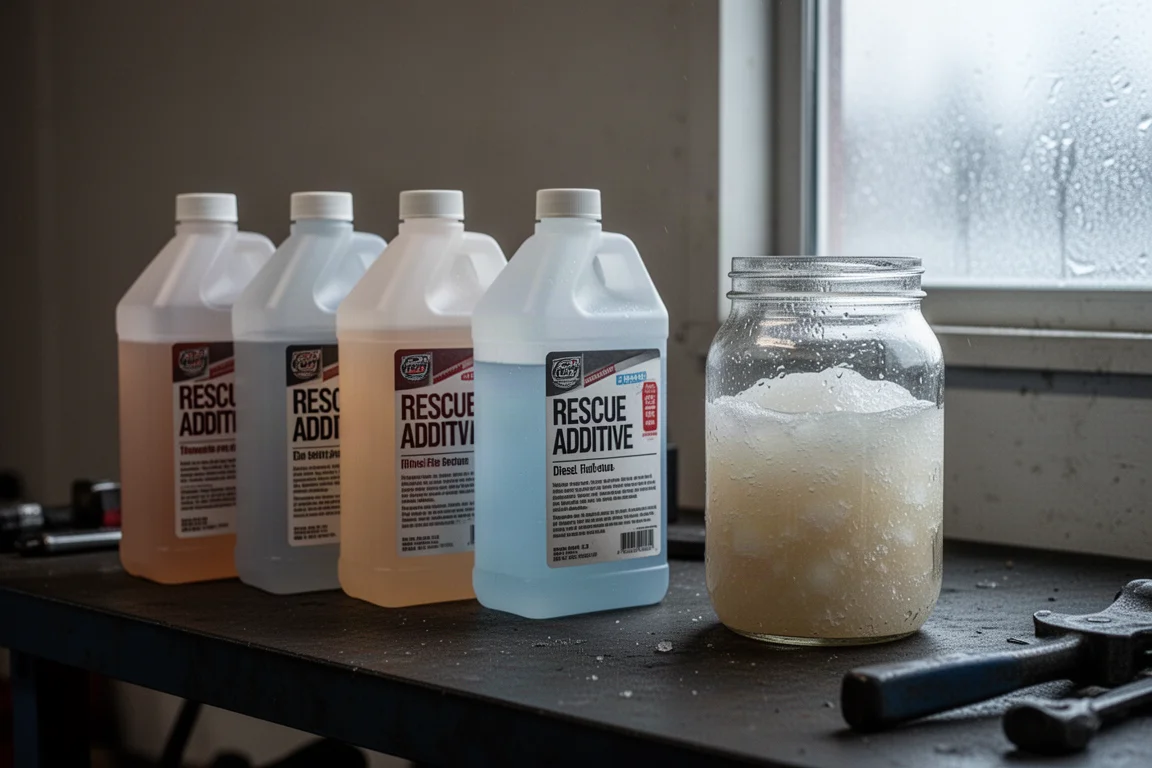
One last warning from the results: choosing the wrong product makes a real difference. Rescue products cannot reliably fix a gelled system on a cold day, so treat the fuel before the cold arrives.
Conclusion
The best strategy for winter diesel is prevention: dose with Hot Shot’s Secret Diesel Extreme or Peak before the temperature drops, keep a rescue product like Winter Rescue or FPPF Diesel 911 as a backup, and remember that even the best emergency additives struggle against fully frozen fuel. Treated early, the top products kept fuel liquid and filterable at -38°F conditions, which is exactly the margin a winter fill-up needs.
Further reading
Related Reviews

Backpacking Gear
Building a 10 lb Base Weight: An Ultralight Backpacking Gear List
A practical walkthrough of the ultralight pieces behind a 10 lb base weight, from a 765 g pack and a roomy one-person tent to a full camp chair and a dependable water filter.

Road Bikes
10 New Road Bikes Worth Watching: Aero, Titanium, Steel and Endurance Standouts
A practical roundup of 10 new road bikes, from aero flagships chasing single-watt gains to titanium, steel and endurance platforms built for real roads.
Bikepacking Gear
11 Bikepacking Essentials for Long-Distance Cycling
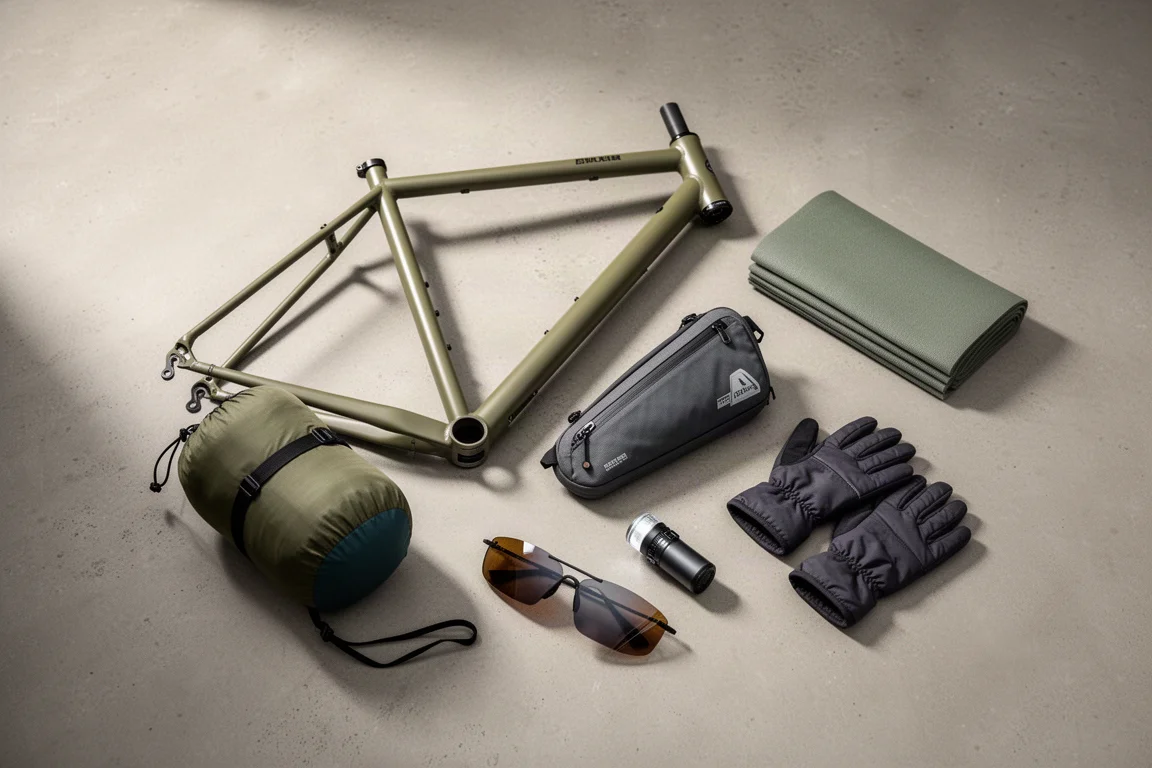
Eleven bikepacking essentials for long-distance cycling, from a steel gravel frame and a two-person tent to helmet lights, packable gloves, and a frame bag that puts weight in the right place.