Recording Gear
Best DI Boxes for Recording: Passive and Active Direct Boxes Compared
A practical guide to seven direct boxes, from budget passive units to premium active models, with clear guidance on matching each DI to the source you are recording.
Introduction
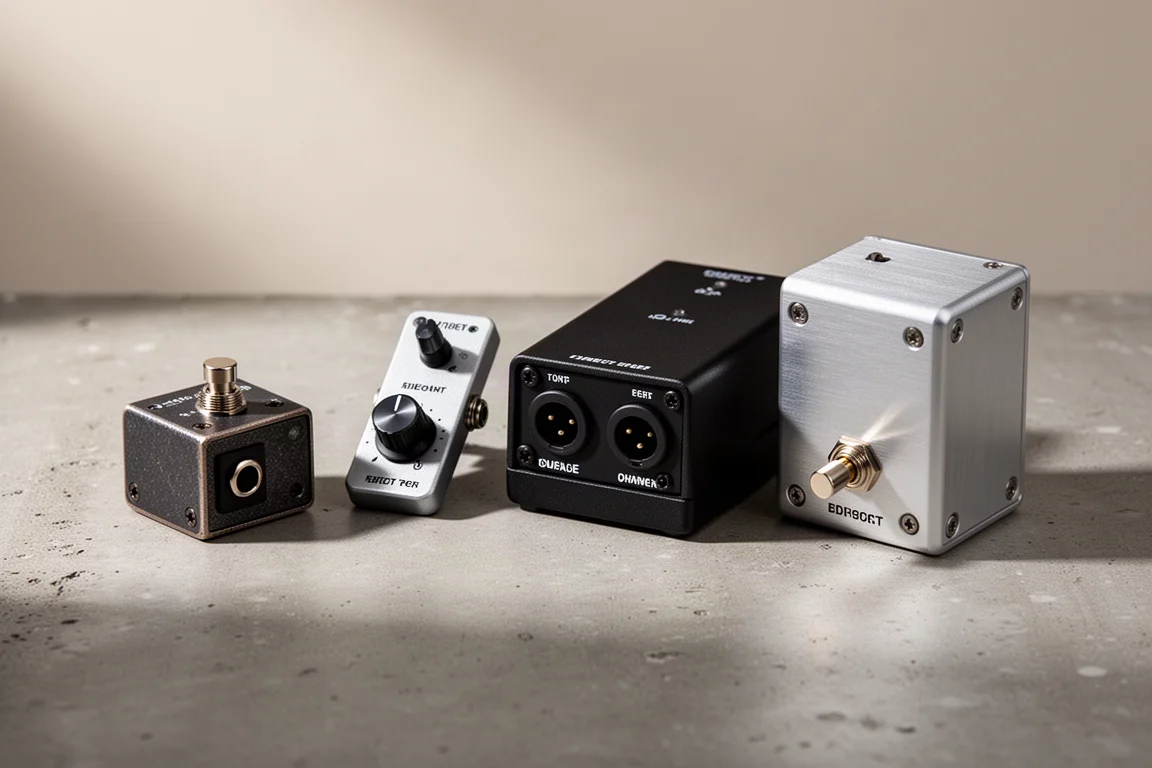
A DI box does two jobs. It lets you connect an instrument or another source to a microphone input, and it balances the signal so it can travel down a long cable run without picking up noise. Budget direct boxes start at around $25, and they will usually get the job done. Spending a little more, though, tends to buy better sound quality, better isolation, and a chassis that survives years of load-ins and sessions.
This guide covers seven direct boxes across a range of prices and use cases, from passive workhorses for keyboards and guitars to active models built for passive pickups, plus one premium option for players who want to capture the sound of a tube amp without a microphone.
What to Look For in a Direct Box
Ground lift is one of the most useful features on any DI. It helps eliminate the buzz or hum that creeps in when a ground loop forms between two pieces of gear. Nearly every direct box worth buying includes one, and it costs nothing to use.
Build quality matters more than it looks. On cheaper direct boxes the transformer is often glued to the chassis. Better units rivet the transformer in place, which reduces the chance of it working loose over time. Units with a riveted transformer have a habit of keeping on working long after the printed label has worn away.
A pad is the other feature worth checking for. A 15 dB pad lets you turn down a source that is running too hot, which keeps a loud instrument from distorting the input. It is a small addition that saves a lot of trouble when you are recording something with a strong output.
Finally, think about the signal path itself. Clean phase behaviour and a well-executed isolation stage are what separate a direct box that flatters a source from one that simply passes it along.
Matching the Right DI to Your Source
The most common rule of thumb is to pair a passive DI with an active source and an active DI with a passive source. Keyboards and synthesizers are active sources, so a passive direct box suits them well, although a passive DI can also be used with a passive source.
Passive direct boxes do not require power to function, which makes them simple to deploy and hard to break. Active direct boxes generally take their power from a battery or from phantom power on the console, and they are the usual recommendation for a bass or guitar with passive pickups.
Both approaches are valid. The right answer depends on the instrument in front of you and the input it needs to reach.
Whirlwind IMP 2: The Budget-Friendly Passive DI
The Whirlwind IMP 2 sits at around $65, and it has built a strong reputation for both sound quality and durability at that price. It is a passive direct box, so it needs no power, and it handles guitar, keyboard, and bass duties without complaint.
Look closely and you can see where the money goes. The transformer is riveted to the chassis rather than glued, which sets it apart from some of the cheaper options on the market. It also includes a ground lift, the feature that so often clears up buzz or hum caused by a ground loop.
For anyone working to a tight budget, this is a sensible place to start. It is a straightforward single-channel design that does its job quietly and keeps doing it.
Radial Pro DI: More Isolation and a Tougher Chassis
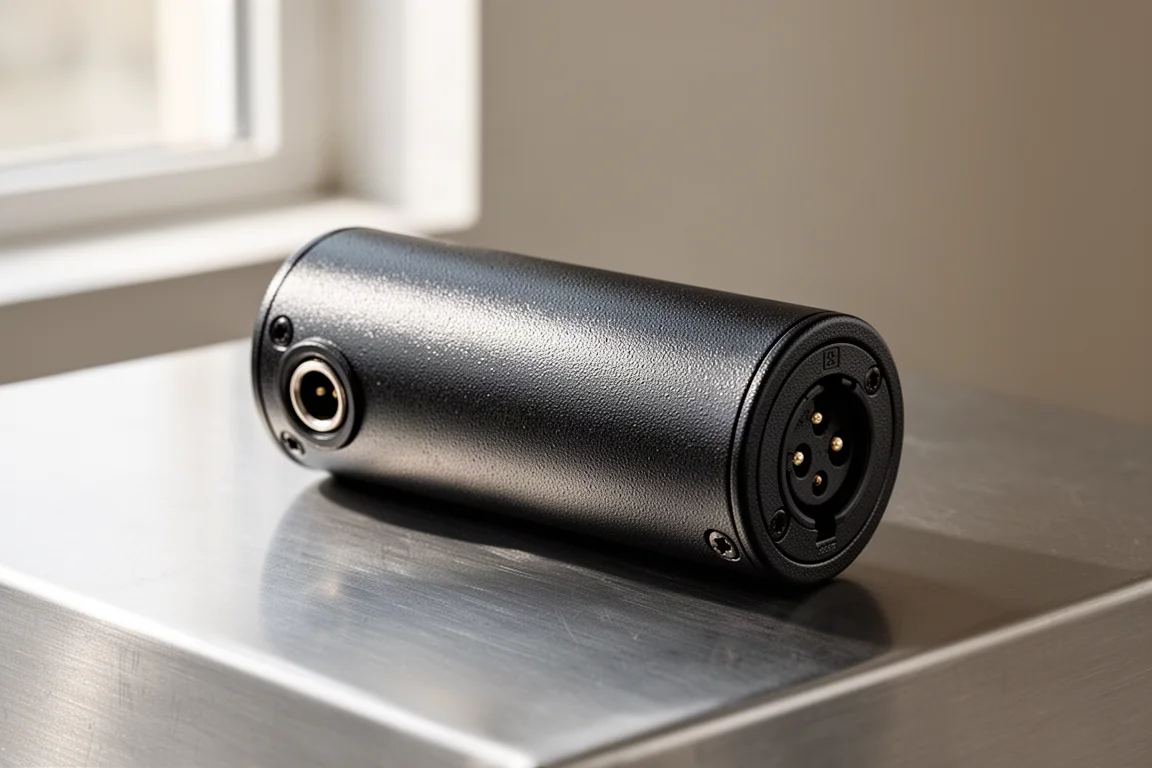
The Radial Pro DI is a popular step up, and the difference you are paying for shows up mostly in phase and isolation performance. It is also built to a more rugged standard, with a design that reduces the movement inside the box that can lead to faults over time.
Like the Whirlwind, it is a passive direct box, so no power is required. It includes a ground lift, and it adds a 15 dB pad for sources that are running too hot and need to be brought down to avoid distortion.
That combination makes it a flexible choice for a studio or a live rig where the same box might see a keyboard one day and a guitar the next. If you want a passive DI that will take some abuse and still behave predictably, this is a reasonable place to spend a little more.
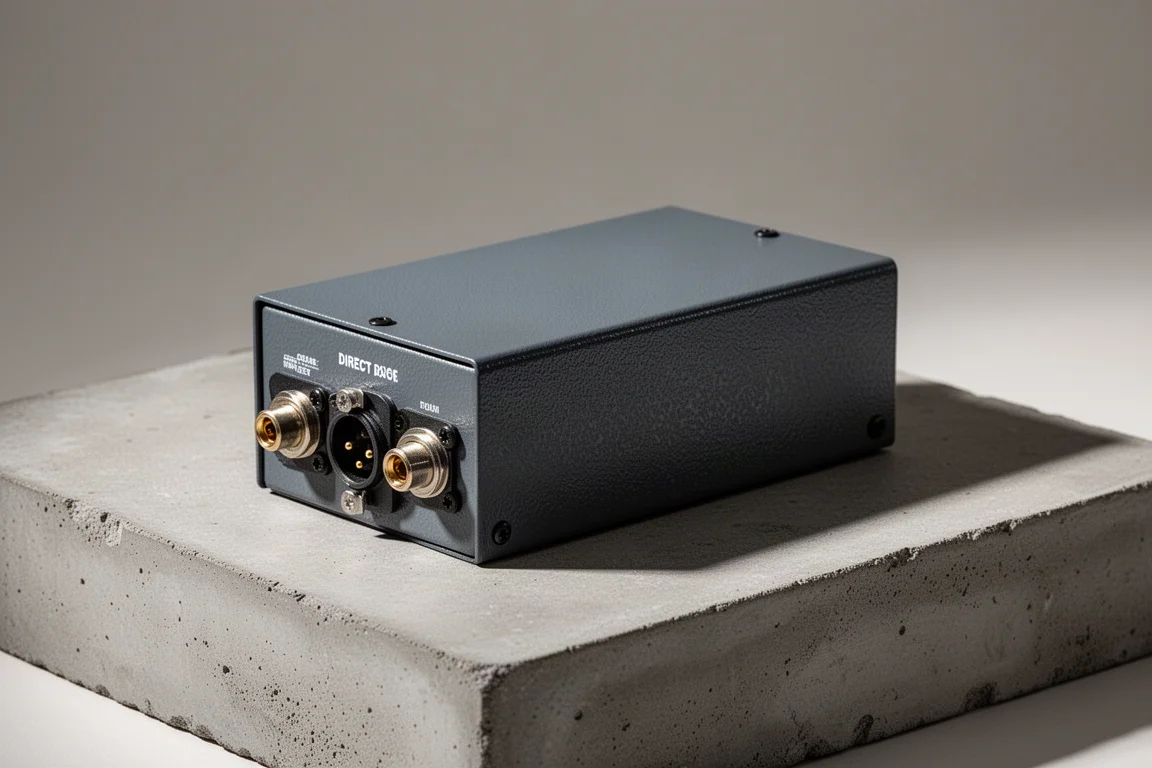
Radial Pro D2: Two Channels in One Box
The Radial Pro D2 takes the same approach as the Pro DI and doubles it. It is a two-channel direct box rather than a single-channel unit, which means one box can handle two sources at once and take up less space in a rack or a gig bag.
That extra flexibility is useful when you are tracking a stereo keyboard rig, a pair of guitar sources, or two channels of a multi-instrument setup. Instead of reaching for two separate direct boxes, you patch both sources into one unit and keep the signal path tidy.
For anyone who regularly records or performs with more than one source at a time, the two-channel format is the practical choice.
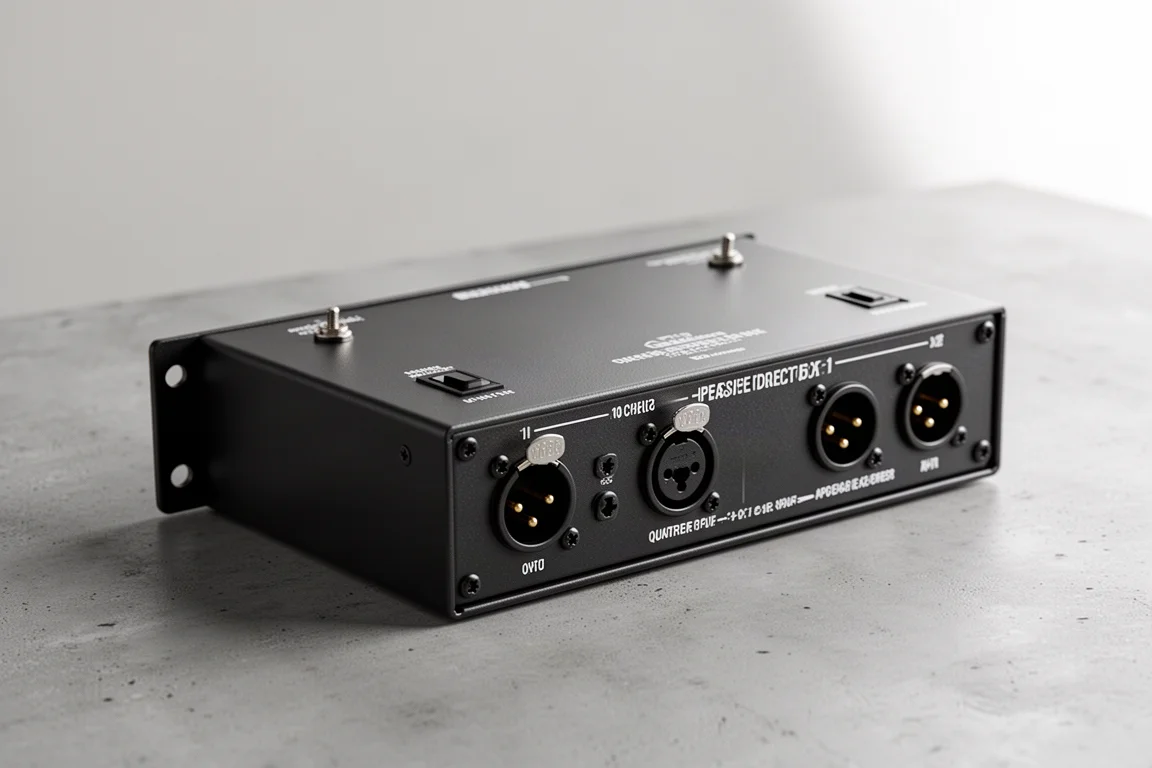
Radial Pro AV2: Built for Stereo Sources
The Radial Pro AV2 is designed specifically for stereo sources with RCA or quarter-inch outputs. That makes it a natural fit for consumer and prosumer gear, including keyboards, media players, and other devices that present a pair of unbalanced outputs.
Rather than adapting cables to fit a standard DI, you connect the source directly and let the box handle the balancing. The result is a cleaner setup with fewer adapters in the chain, which is exactly what you want when the source is already stereo.
If your rig is built around RCA or quarter-inch stereo outputs, this is the version of the Pro series to look at.
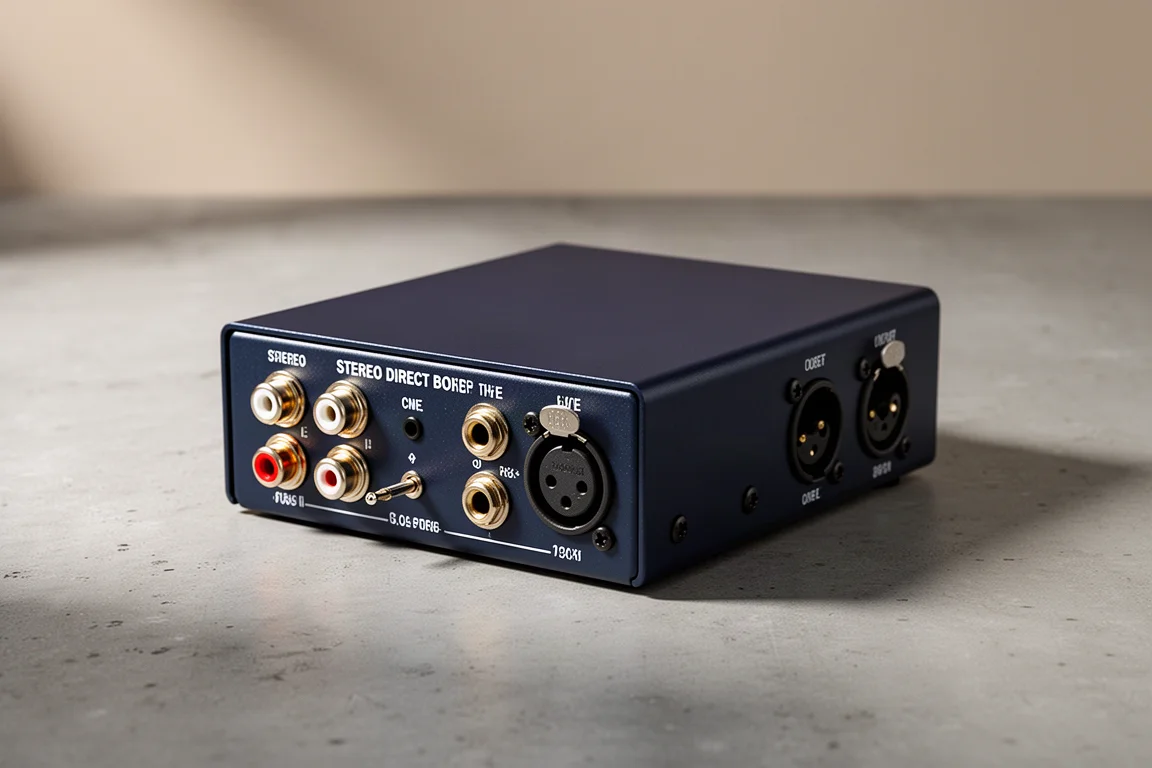
Radial J48: A Popular Active DI
The Radial J48 is one of the most common active direct boxes, and it earns that position. It sounds great in practice, and it is the right tool when you are connecting a bass or guitar with passive pickups.
Active direct boxes typically draw their power from a battery or from phantom power, so there is no need for an external supply. That convenience, combined with a clean and consistent tone, is why active DIs like the J48 are a default recommendation for passive instruments.
It is a dependable choice for players who want a direct box that simply works, session after session.
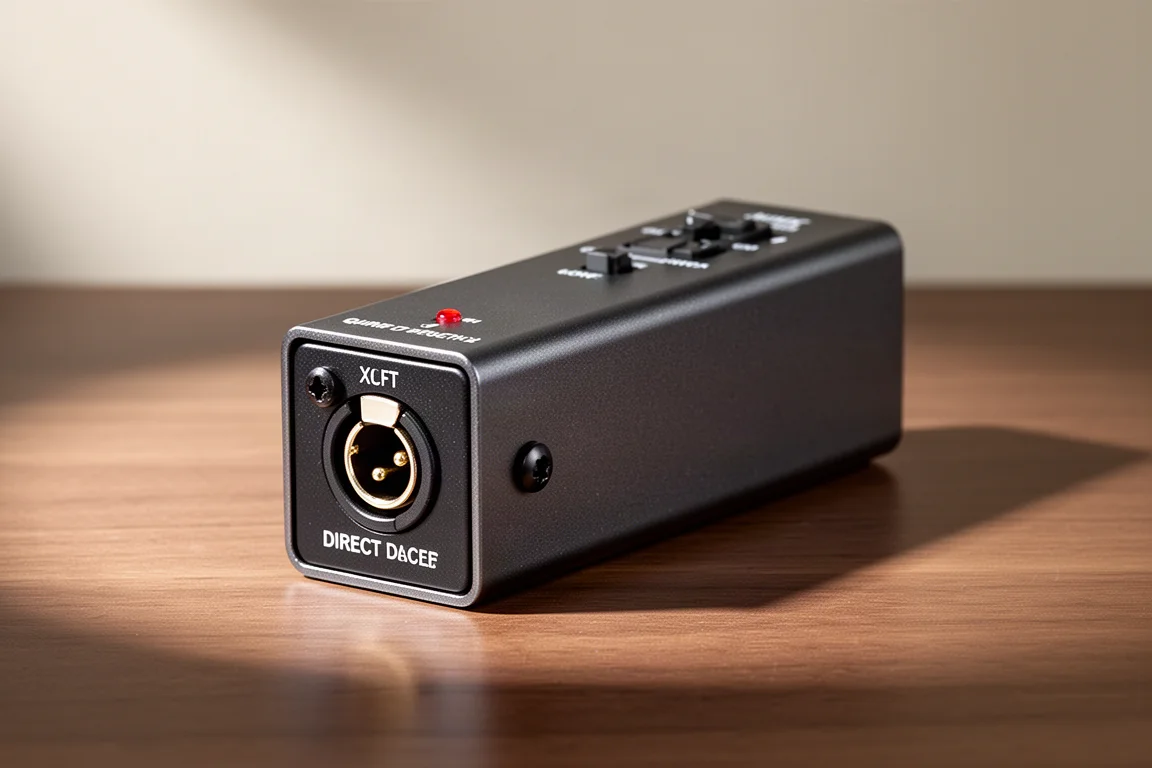
Countryman Type 85: Another Active Workhorse
The Countryman Type 85 is the other active direct box that comes up again and again in this category. Like the J48, it is designed for passive sources such as guitars and basses with passive pickups, and it delivers strong results.
It is a long-standing option rather than a novelty, and that track record is part of the appeal. When a direct box has been used on countless sessions, you can be reasonably confident about how it will behave when you plug in.
Paired with a passive bass or guitar, it does what an active DI should. It presents the instrument properly and keeps the signal clean on the way to the console.
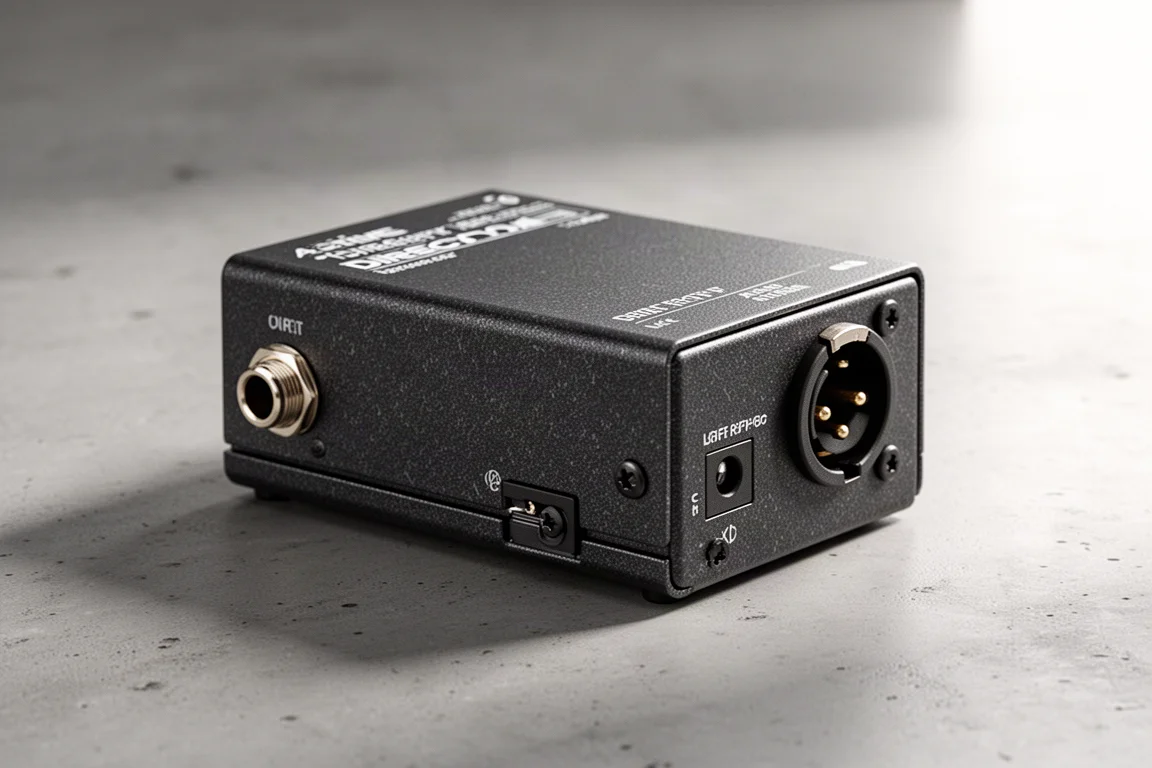
Rupert Neve RNDI: The Premium Choice for Guitar and Bass
The Rupert Neve RNDI is the standout option here for recording bass and guitar. Like the others, it accepts an instrument or line level signal, but it goes further than that.
Flip the switch to speaker mode and the direct box will accept up to a 1,000 W signal. For guitarists this is genuinely useful, because it allows the guitar signal to be captured after the preamp stage of a tube amp, or even after the power amp stage. Much of a tube amp’s character comes from those preamp tubes, and this makes it possible to record that character without placing a microphone in front of a speaker.
There is an important precaution. When connecting a power amp output to the DI, connect a speaker with a through output so the amplifier stays properly loaded. Without that load, the amp can be damaged.
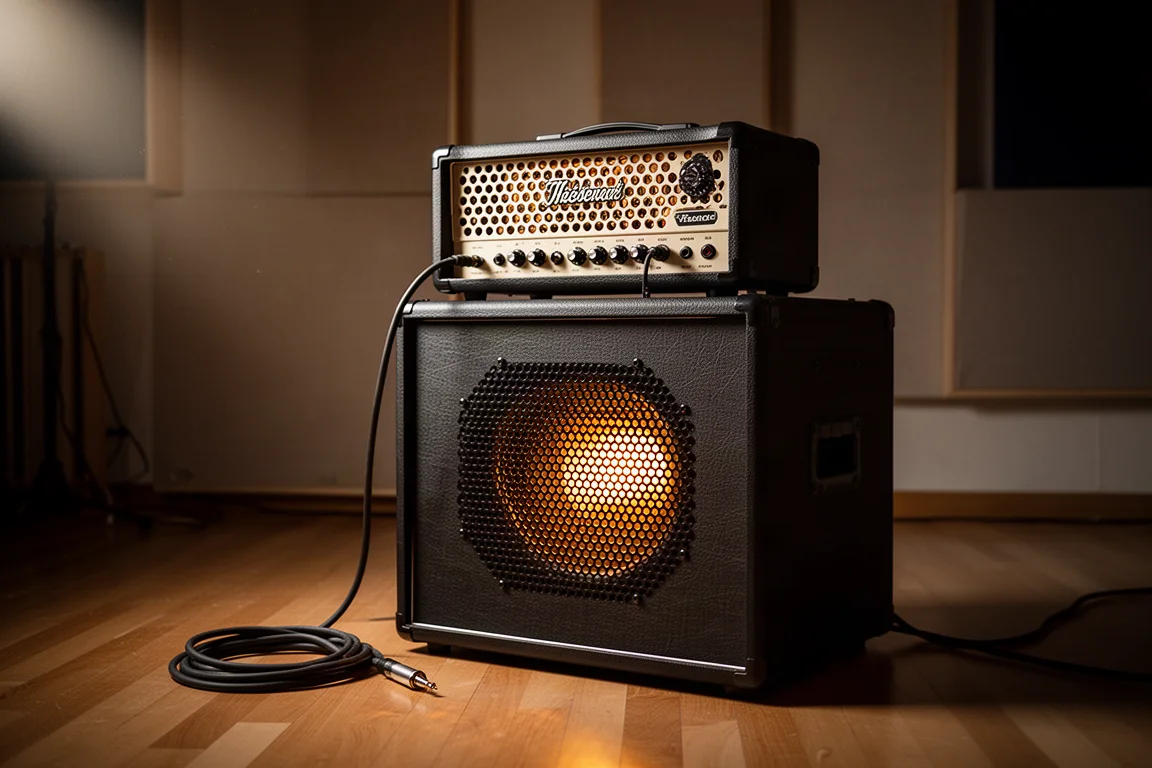
The RNDI also delivers the best sound quality of anything in this group, and the features and performance come at a cost. At around $300, it is the most expensive option here, and it is worth the outlay if the budget allows.
Conclusion
The right direct box depends on what you are plugging into it. On a tight budget, the Whirlwind IMP 2 covers guitar, keyboard, and bass duties for around $65, with a riveted transformer and a ground lift. The Radial Pro DI adds isolation, a tougher chassis, and a 15 dB pad, while the Pro D2 and Pro AV2 extend that formula to two channels and to stereo sources with RCA or quarter-inch outputs.
For passive instruments, an active DI is usually the better match. The Radial J48 and the Countryman Type 85 are both proven, great-sounding choices in that role. And if you want to record the sound of a tube amp without a microphone, or you simply want the strongest sound quality in this group, the Rupert Neve RNDI is the one to stretch for.
Check your source first, then your budget. Those two answers will point you to the right box.
Further reading
Related Reviews

Backpacking Gear
Building a 10 lb Base Weight: An Ultralight Backpacking Gear List
A practical walkthrough of the ultralight pieces behind a 10 lb base weight, from a 765 g pack and a roomy one-person tent to a full camp chair and a dependable water filter.

Road Bikes
10 New Road Bikes Worth Watching: Aero, Titanium, Steel and Endurance Standouts
A practical roundup of 10 new road bikes, from aero flagships chasing single-watt gains to titanium, steel and endurance platforms built for real roads.
Bikepacking Gear
11 Bikepacking Essentials for Long-Distance Cycling
Eleven bikepacking essentials for long-distance cycling, from a steel gravel frame and a two-person tent to helmet lights, packable gloves, and a frame bag that puts weight in the right place.