Backpacking Gear
Best Dependable Backpacking Gear: 11 Field-Proven Favorites
A roundup of backpacking staples that have earned long-term trust, from an ultralight pillow and trekking poles to socks, water bladders, sleep layers and sleeping pads.
Introduction
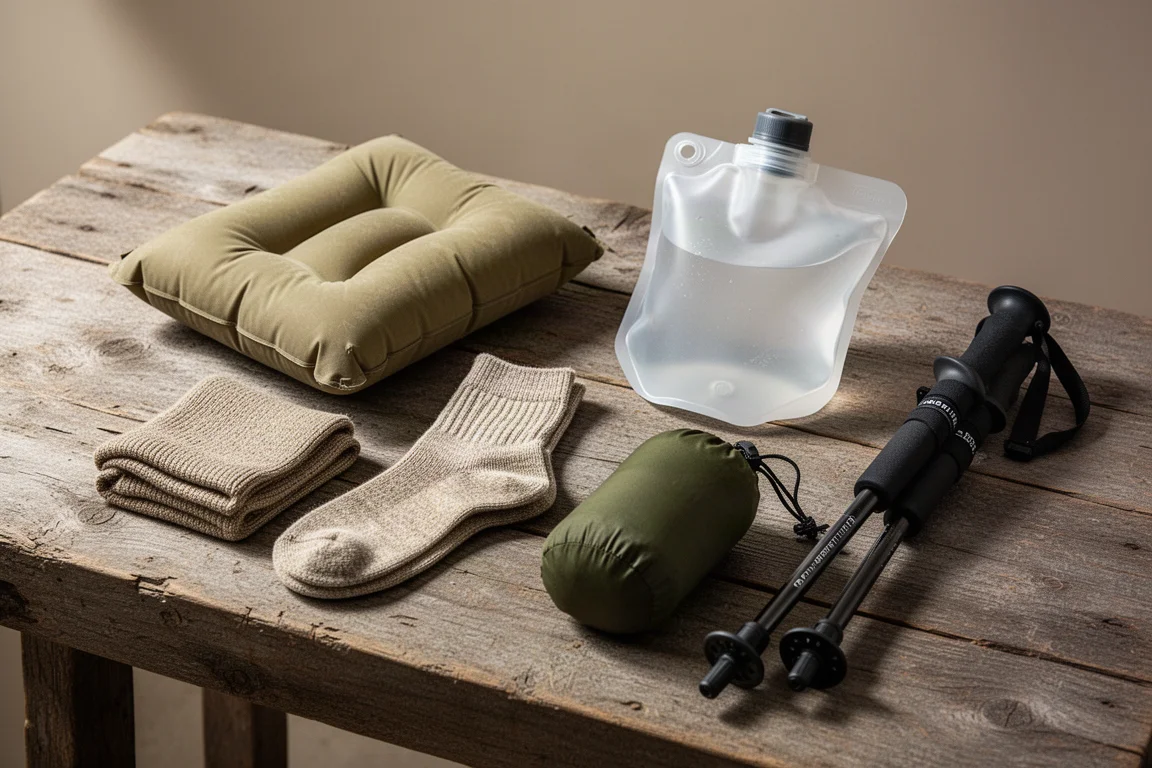
Every long-distance backpacker eventually builds a short list of items that never leave the pack. Tents, backpacks and shoes rotate as conditions change, but a handful of pieces stay in the kit season after season because they simply work. The gear in this roundup has been carried over thousands of miles of backpacking, thru-hiking and bikepacking, and each item earned its place by being light enough to justify, durable enough to trust and comfortable enough to use night after night.
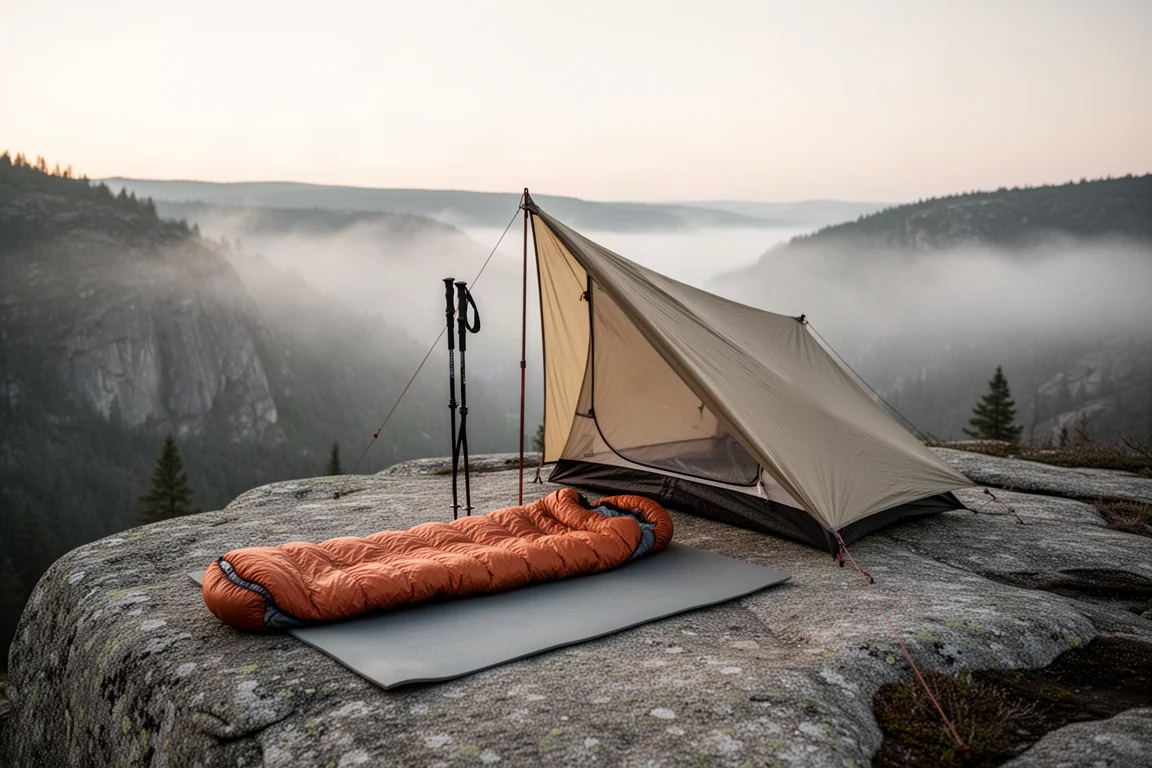
What separates a long-term favorite from a temporary purchase is reliability. These are rarely the flashiest items in a kit. They are the ones you can grab without thinking, pack without second-guessing the weight, and depend on when the weather turns or the day runs longer than planned.
What Makes a Piece of Gear Worth Keeping
Four things decide whether an item survives years of use: weight, durability, comfort and dependability. Weight is the easiest to measure and the least interesting on its own. Durability shows up slowly, usually as the absence of a failure you were expecting. Comfort is what determines whether a piece actually gets used rather than left at home. Dependability is the sum of all three, and it is the only criterion that really matters over a full season.
The list below is deliberately conservative. Nothing here is an experiment. Each item has been carried through enough trips that its behavior is predictable, which is exactly what a settled gear list is built on.
Sea to Summit Aeros Ultralight Pillow
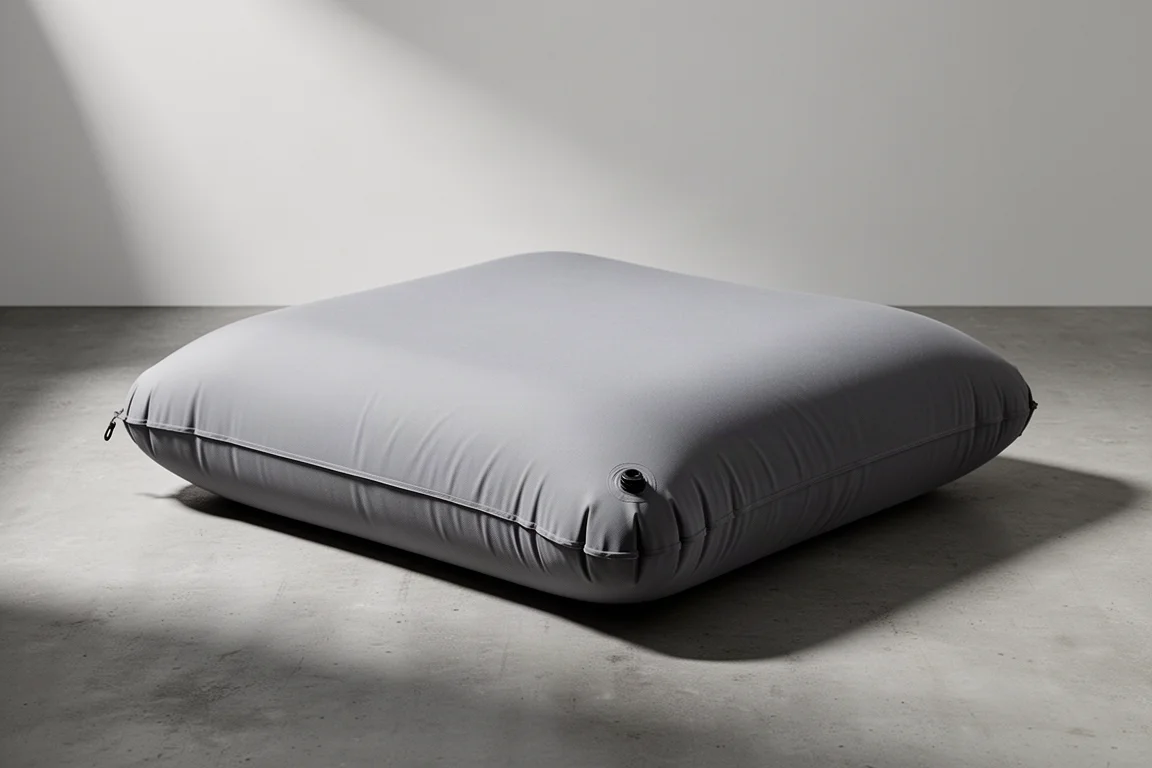
Inflatable pillows look like an unnecessary luxury until the first cold night on a long trail. The Sea to Summit Aeros Ultralight Pillow weighs around 2 oz, inflates and deflates quickly, packs down small and slides into the footbox of a quilt, so it is always in the same place when camp goes up. An early version was used for years before its internal baffles eventually failed, and it was replaced with a newer model that has been in use on every trip since.
For anyone who sleeps badly in the backcountry, the difference in rest quality is the real argument for carrying it. It suits backpackers who have tried sleeping on a bundled jacket and decided the small weight penalty is worth paying.
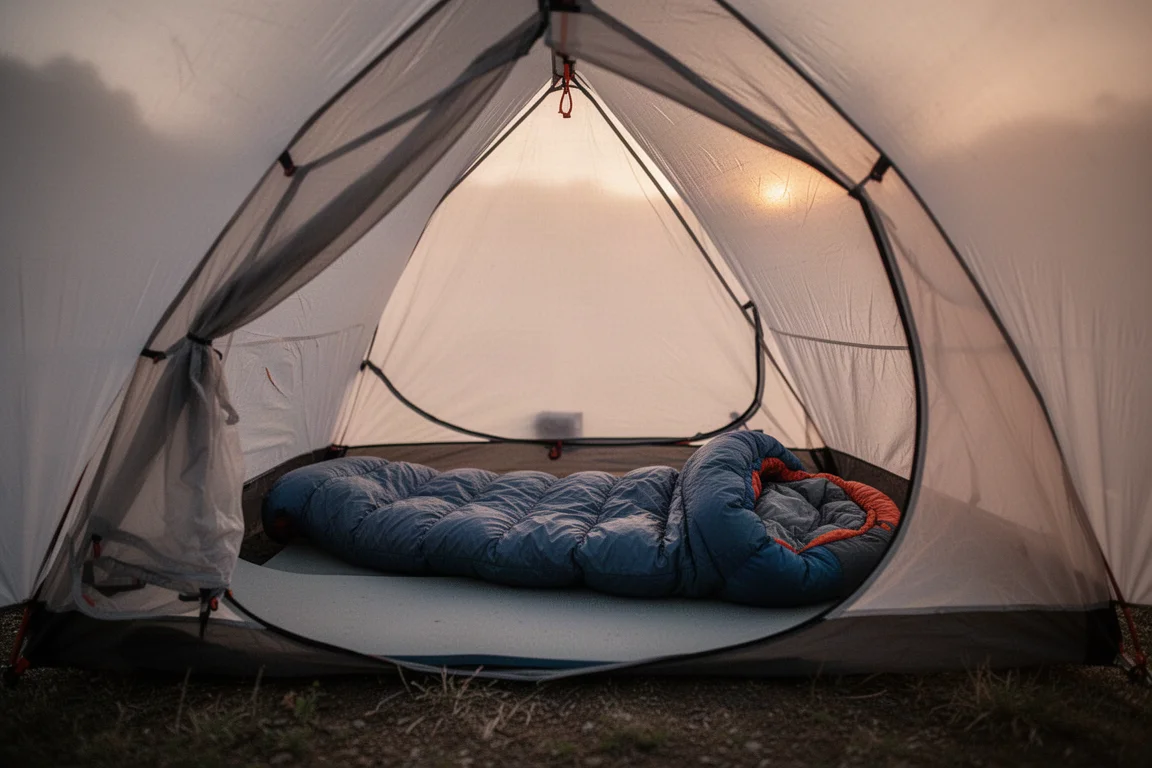
The packed size is the detail that makes it easy to live with. Because it stores inside a quilt or sleeping bag, it never becomes one of those items that gets left behind to save a few grams.
Black Diamond Trekking Poles
Trekking poles take more abuse than almost anything else in a kit. They are planted thousands of times a day, used as shelter supports and leaned on during steep descents, so failures tend to arrive at the worst possible moment. The two poles below have been the dependable option across long trails and rough terrain, and both come from the same build philosophy: light enough to carry all day, sturdy enough to trust with body weight.
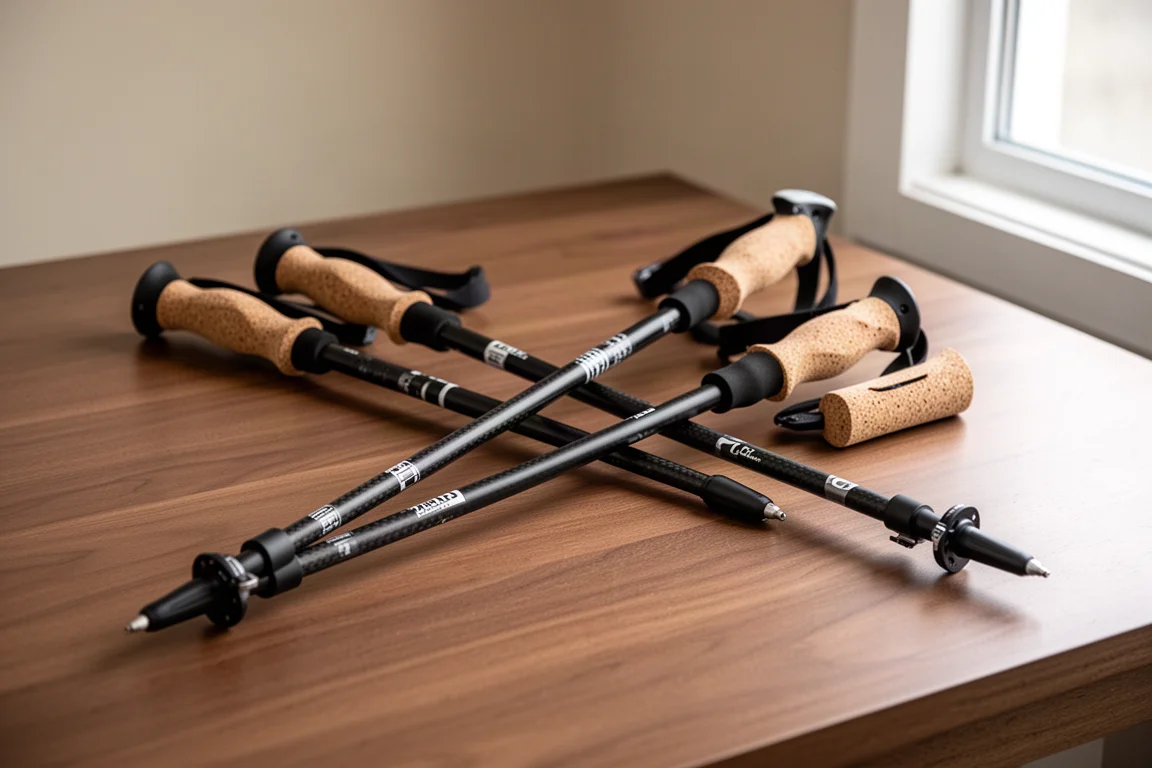
Black Diamond Alpine Carbon Cork
These carbon poles with cork grips have moved in and out of gear lists since 2016 and have covered serious ground, including long-distance trails that wore the original tips down to nubs. The cork handles stay comfortable in heat and wet conditions, the length adjusts easily for shelter pitches, and the carbon shafts keep the weight low without feeling fragile.
They remain the pair to reach for when the priority is a pole that will not snap mid-trail, and the wear on the tips is the clearest evidence of how much use they have absorbed.
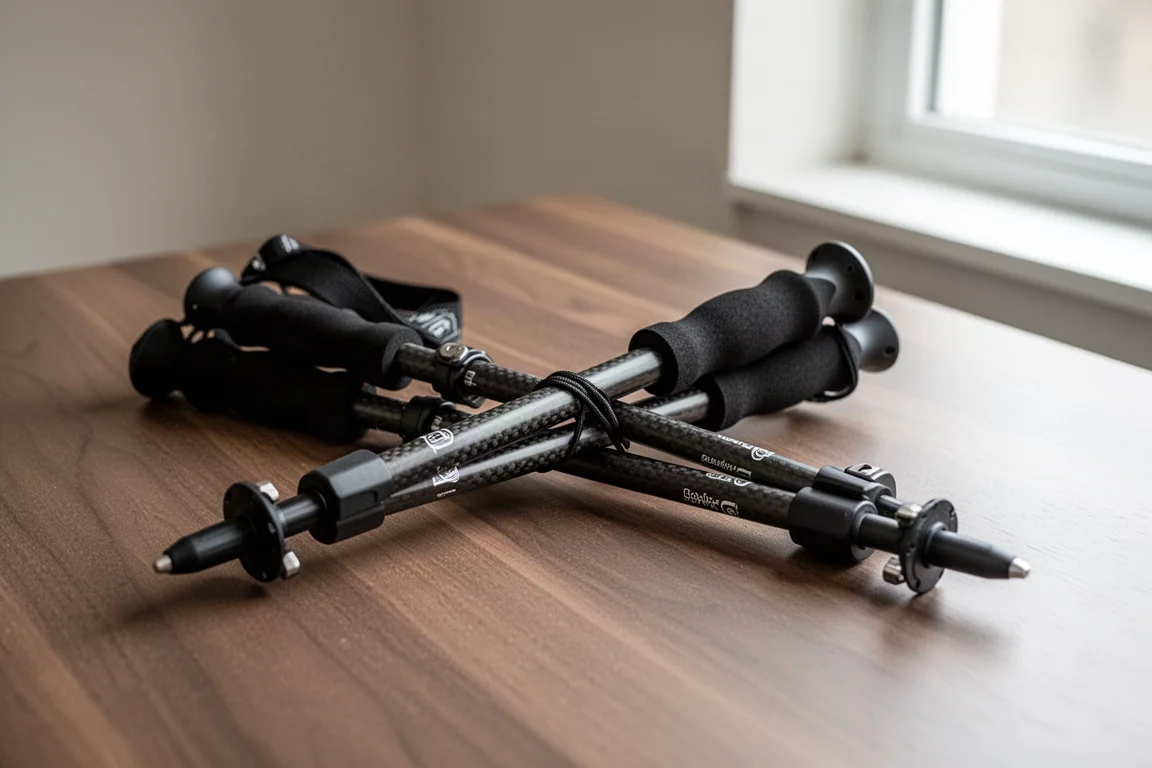
Black Diamond Alpine Carbon Z
The Alpine Carbon Z takes the same dependable construction and folds into a Z configuration, which makes it easier to strap along the side of a backpack. That matters on routes with hand-over-hand climbing, on mountaineering objectives, or on trail runs where a full-length pole is awkward to carry. The folding layout is the main reason to choose this version over the cork-handled one.
Darn Tough Socks
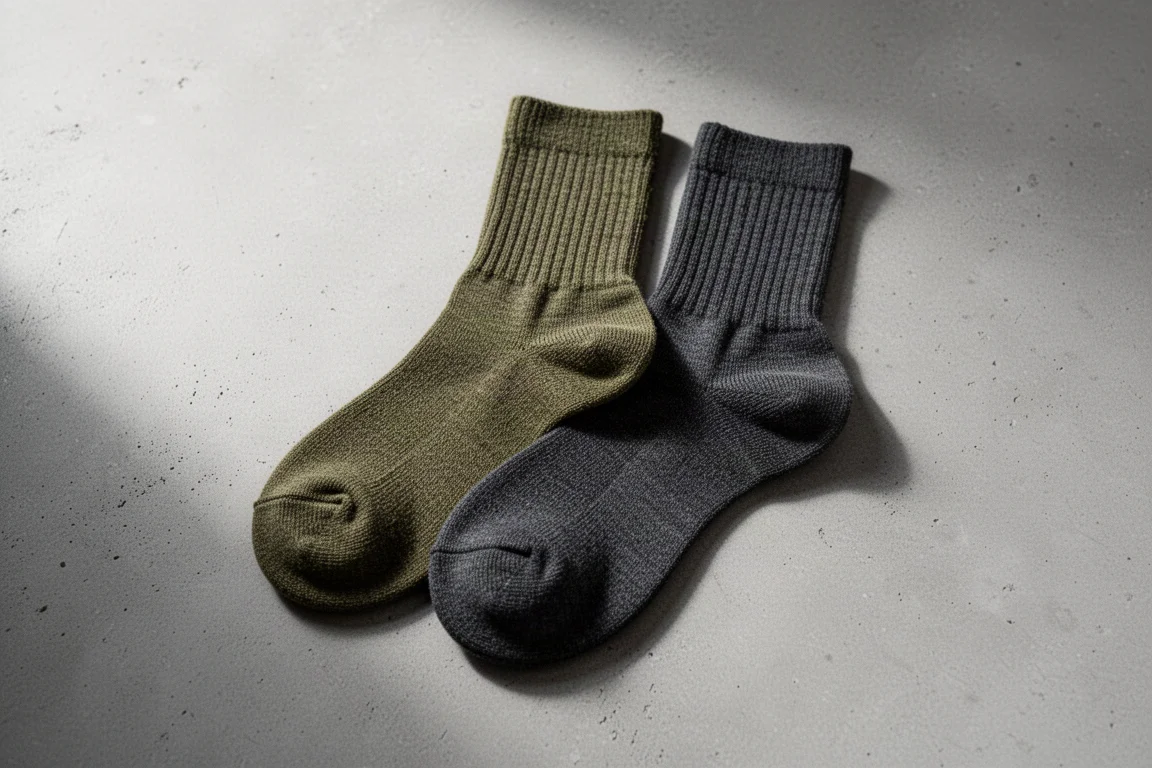
Socks are apparel to most people and essential gear to anyone covering big miles. Merino wool Darn Tough socks have been the only socks used for hiking across the last eight years, through thru-hikes, backpacking trips and bikepacking trips, and they are also the everyday sock of choice around town. The switch came after other socks broke down quickly and caused persistent blister problems that required a liner sock underneath. With Darn Tough, the blisters stopped and the liners went away.
Durability is the other half of the story. The socks hold up over long distances, and the company backs them with a lifetime replacement policy, so a worn-out pair can be exchanged for a new one. The range covers lightweight running styles, merino options and heavier cushioned boot socks, which means there is a version for most conditions and seasons.
CNOC Vecto Water Bladder
The Vecto solved a small but constant annoyance: filling a filter bag through a narrow opening. One end carries the standard 28 mm thread used by common squeeze filters, and the other end has a wide-mouth opening with a sliding lock that lets you scoop water straight from a stream or pool. The same design makes the bag easy to rinse out when it gets grimy, which matters on longer trips.
A larger 48 mm thread version is available for bigger filter systems. The 2 L size is the common choice, with a 3 L option for hikers who carry more water between sources. Across thousands of miles, the sliding lock has stayed shut and the bag has never leaked inside a pack.
It is a straightforward upgrade for anyone still filling a filter bag with a cup, and the wide opening makes resupply stops noticeably faster.

Goose Feet Gear Down Socks
Cold feet at night are one of the most common reasons for poor sleep in the backcountry, especially for hikers with weaker circulation. Down-filled sleep socks from Goose Feet Gear were the answer, picked up in 2014 to keep feet warm overnight, and they still hold plenty of loft years later. They are light, pack down small and live in the footbox of a quilt so they are ready on cold nights.
An insulated sleep sock is a small addition that changes how a night feels. It is one of the easiest comfort upgrades to justify for anyone who runs cold, and it takes up almost no space in a pack.
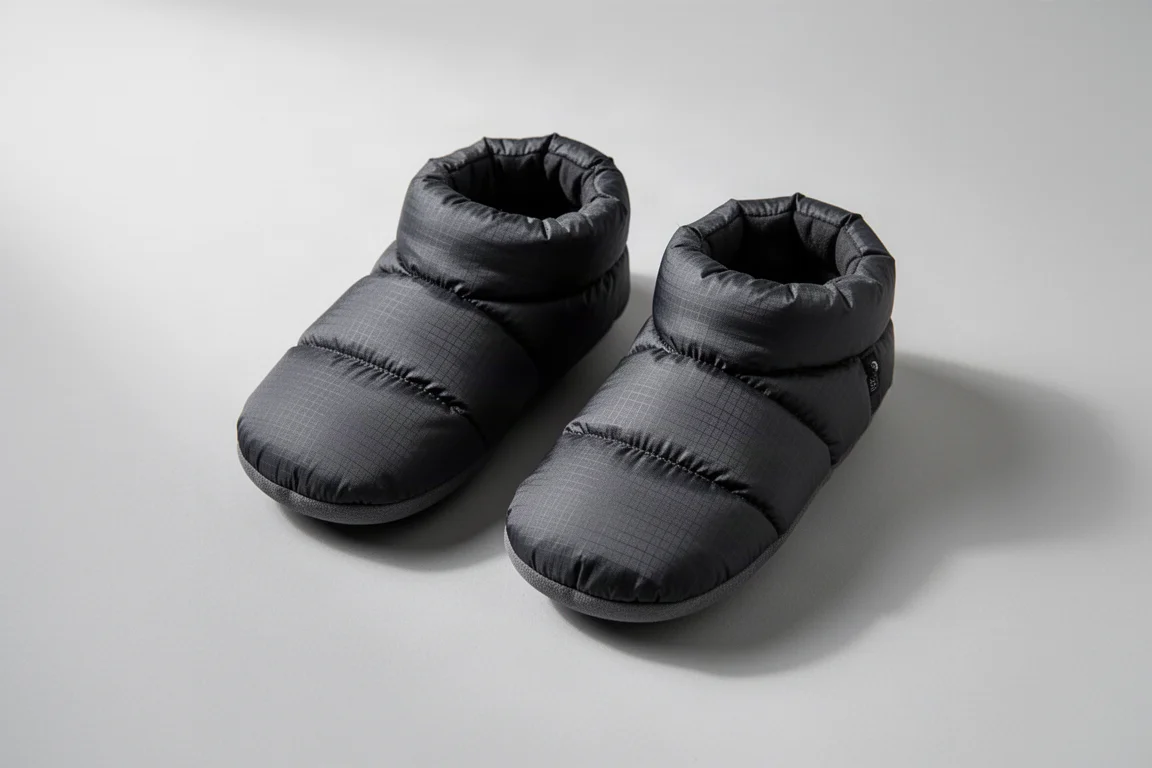
Enlightened Equipment Torrid Insulated Booties
The Torrid insulated booties from Enlightened Equipment, previously sold under another name, are the synthetic counterpart to down sleep socks. Synthetic insulation handles damp conditions better and dries faster, which makes these a good match for wet climates and longer trips where moisture builds up inside a sleeping system. They are lightweight and compress small enough to store in a quilt footbox alongside a pillow.
Choosing between the down and synthetic options comes down to climate and how much moisture a sleeping kit tends to collect. For wet regions, the synthetic pair is the more forgiving choice.
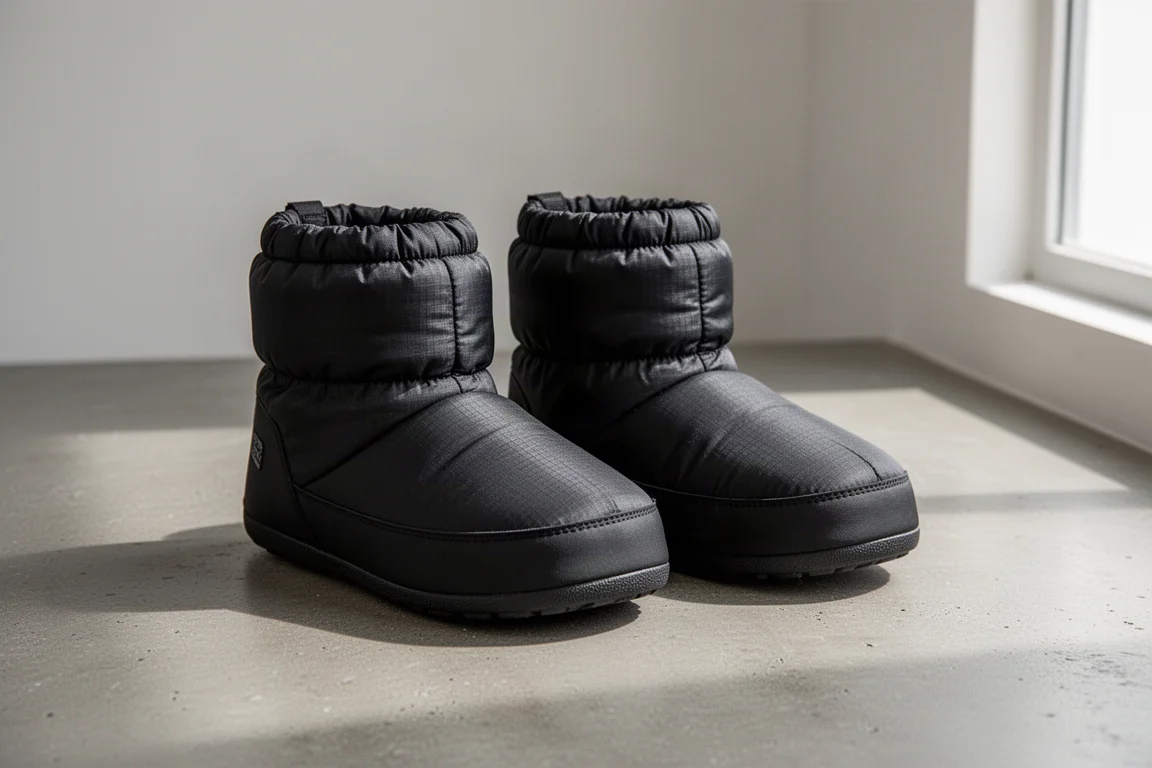
Therm-a-Rest Sleeping Pads
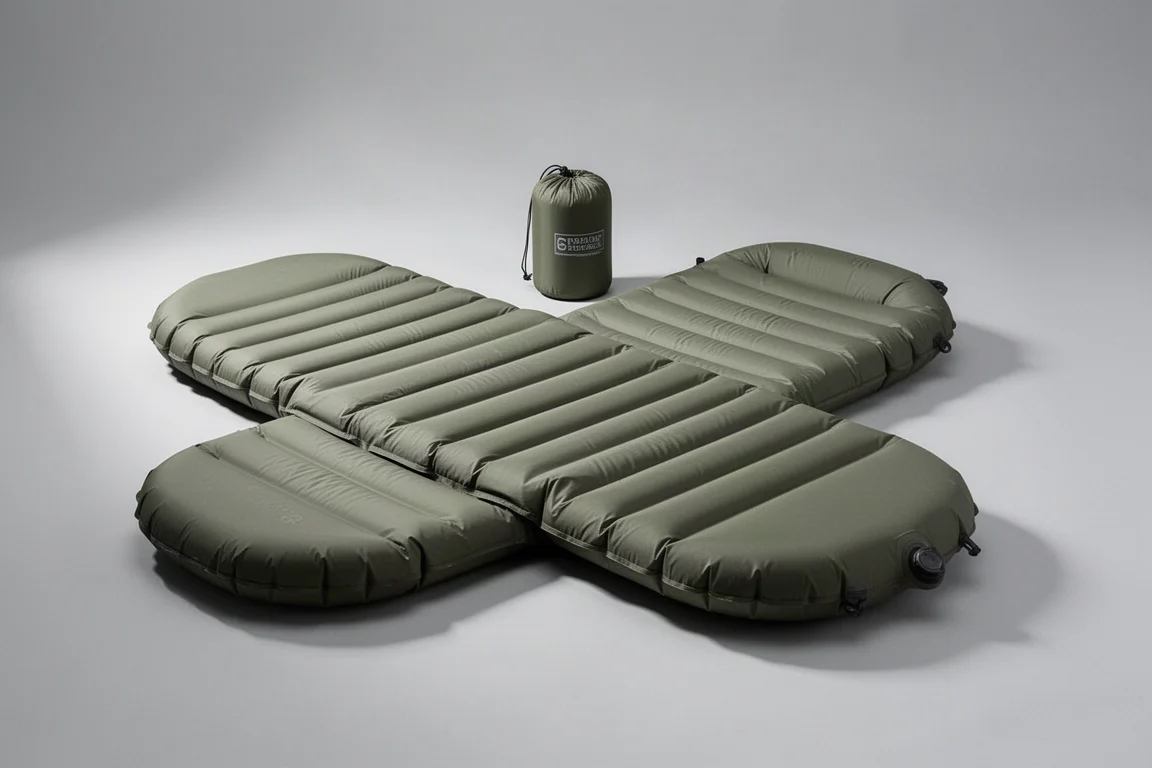
Sleeping pads are the single biggest factor in how well a night in the backcountry goes. The Therm-a-Rest X series has covered almost every condition, and the three pads below split the job by warmth: a light option for warm sleepers and three-season trips, a mid option for colder nights, and a high-warmth pad for snow and winter mountaineering. All three share the same dependable valve and construction.
Therm-a-Rest UberLite
The UberLite is the lightest of the group and the pad used the vast majority of the time. It has a modest warmth rating that suits warm sleepers and three-season conditions, and it has covered thousands of miles without a puncture or a leaking valve. For anyone who sleeps warm and counts grams, it is the obvious starting point.
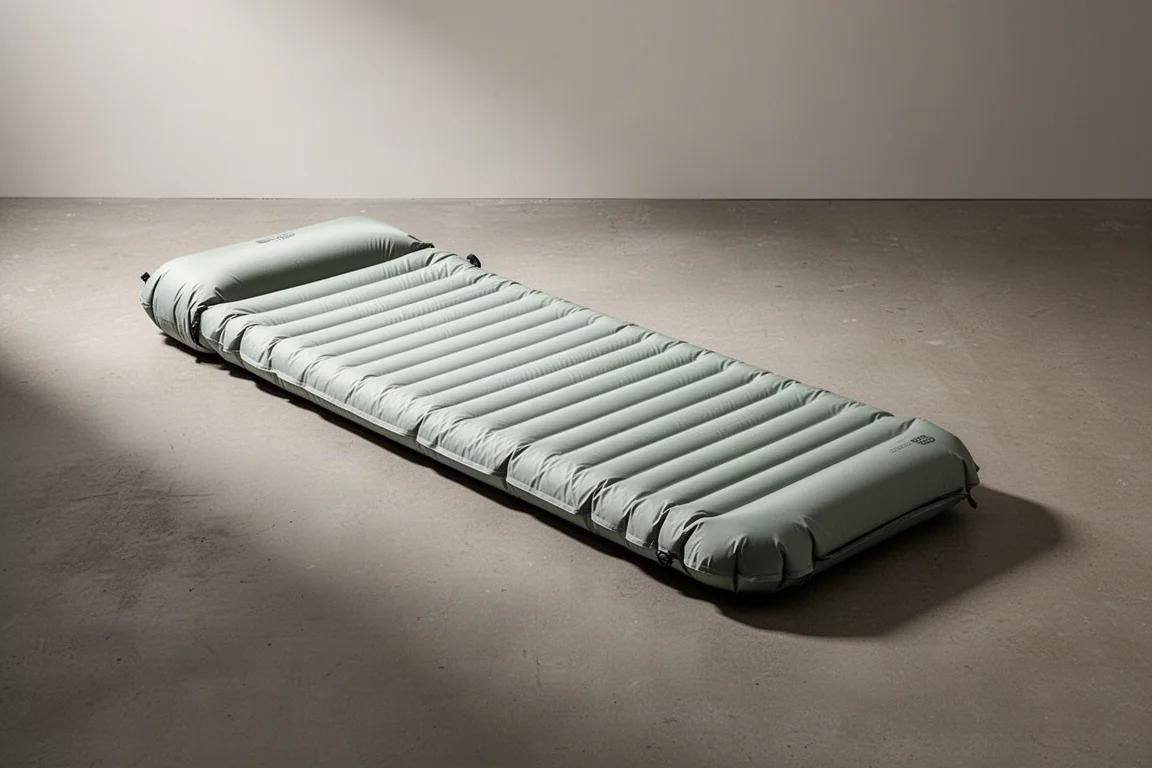
Therm-a-Rest XLite
The XLite is the classic crinkly yellow pad that many backpackers recognize, and it sits a step above the UberLite in warmth. That makes it the pick for shoulder-season trips and colder nights when the UberLite is not quite enough, while still keeping pack weight reasonable.
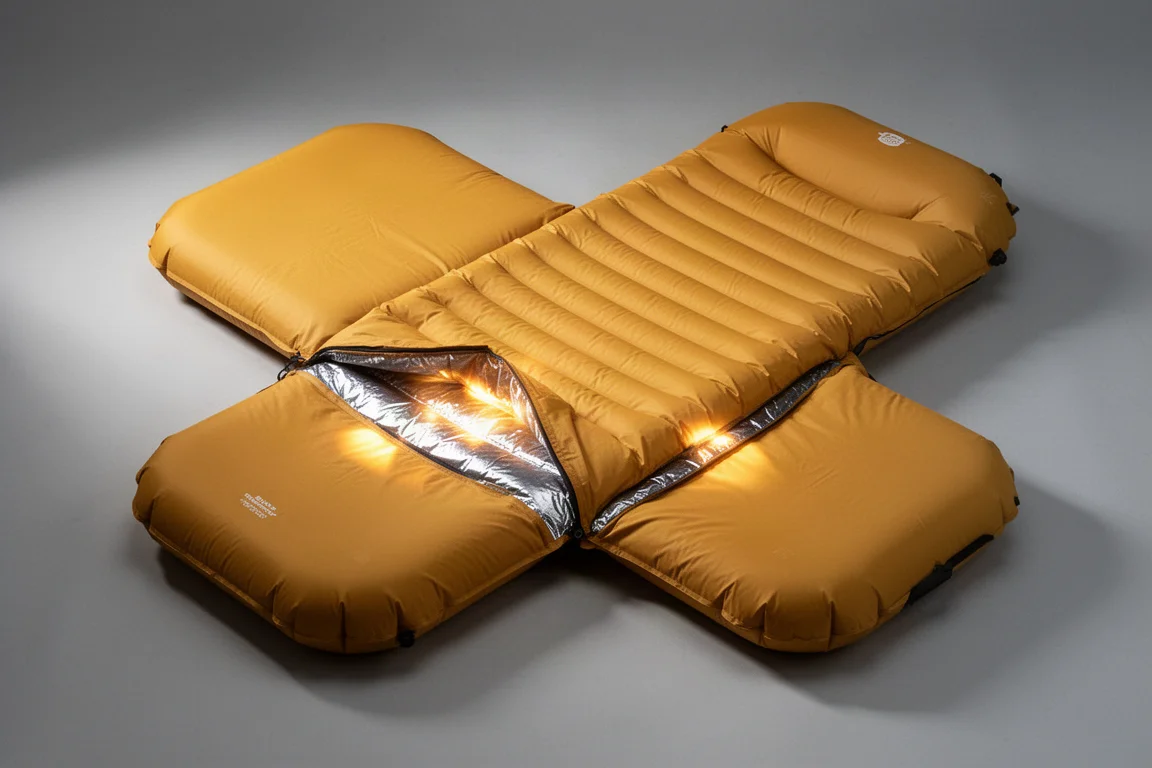
Therm-a-Rest XTherm
The XTherm is the warmest of the three and the pad reserved for snow camping, winter trips and mountaineering objectives. It carries more weight and bulk than the other two, which is the trade-off for staying warm on frozen ground and for insulation that holds up in serious cold.
Lightload Towels
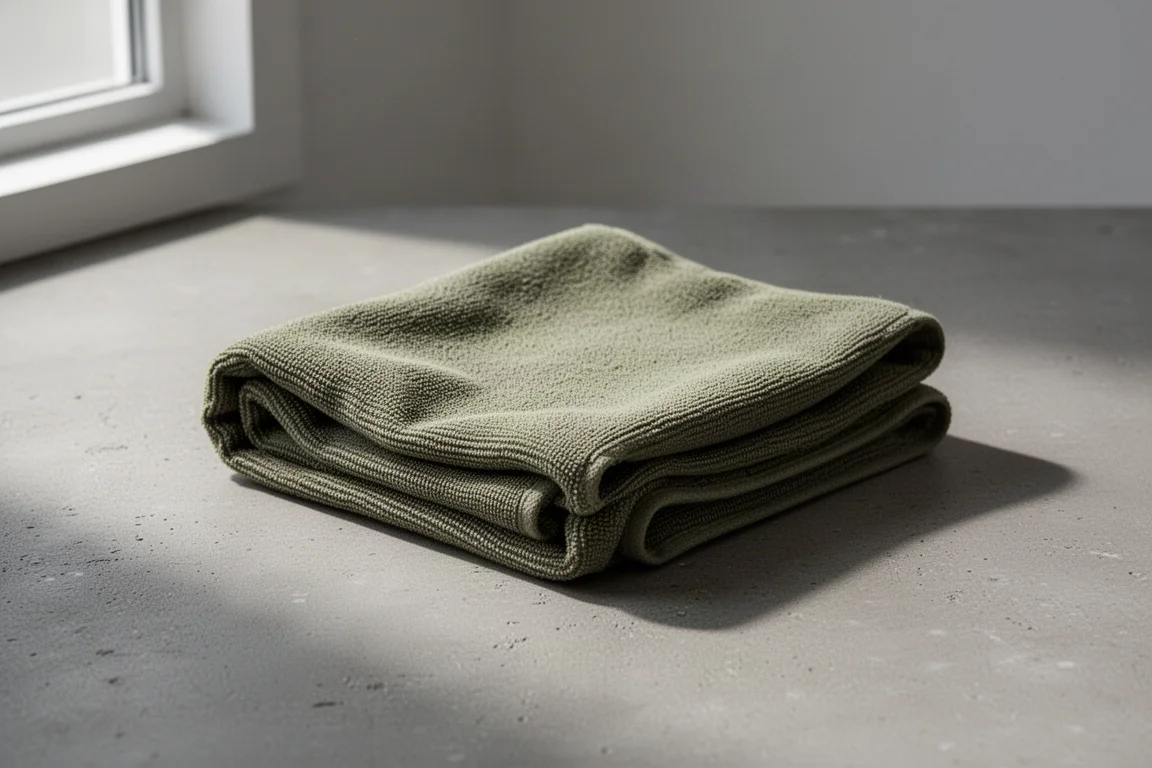
A small Lightload towel has lived in every cook kit for more than a decade. It wraps around a gas canister to stop it rattling inside a titanium cup, and then doubles as a multi-use rag for wiping out a pot, clearing condensation from a tent wall, or washing up at the end of the day. It is inexpensive, light and genuinely used on almost every trip.
That combination of low cost and constant utility is why it keeps earning a place in the kit even when everything else gets re-evaluated.
How to Choose Which Pieces Belong in Your Pack
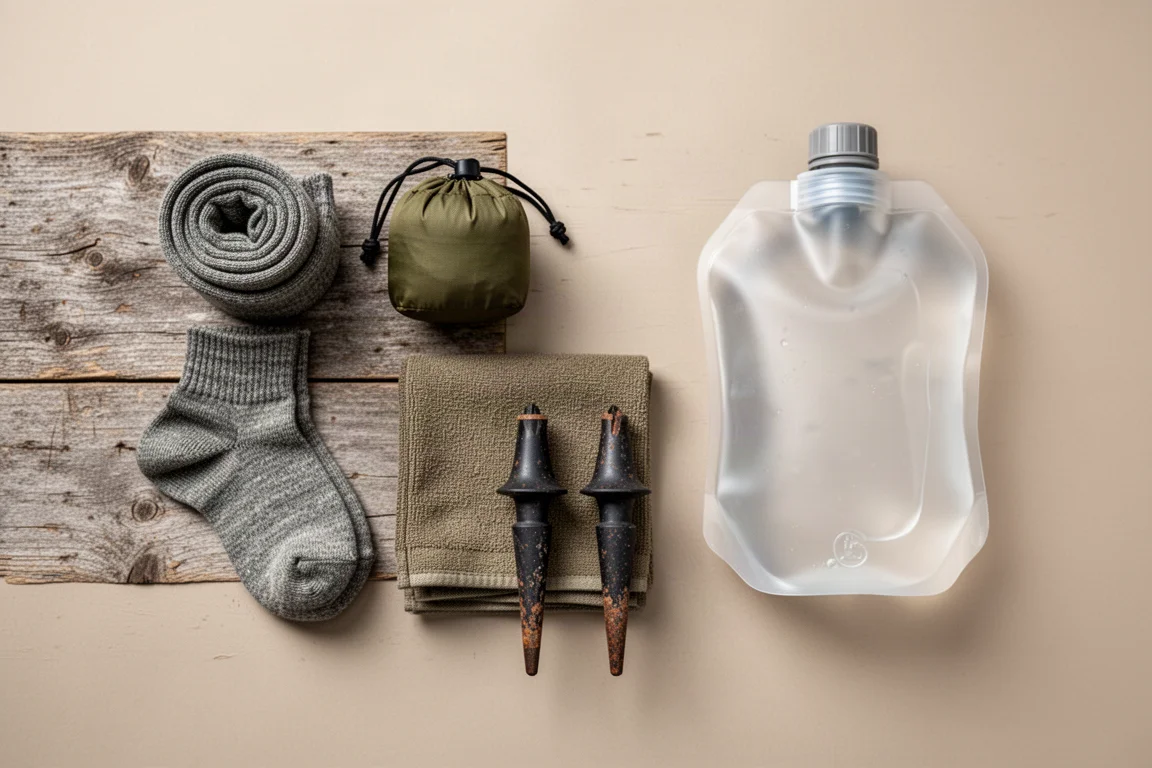
None of the items here are exotic. They are the pieces that survive the constant churn of a gear list because they keep solving the same problems: sleep quality, foot comfort, hydration, warmth at night and small camp chores. That makes them a reasonable place to start when building or rebuilding a kit.
A practical way to decide what to add is to look at what keeps going wrong. If nights are uncomfortable, start with a pad and a pillow. If feet are the limiting factor, socks come first. If resupply stops are slow or messy, a wide-mouth water bag pays for itself immediately. If the same small annoyance shows up on every trip, the fix is usually worth the weight.
Buying for dependability rather than novelty tends to cost less over time. A piece that lasts several seasons and never needs replacing is better value than a lighter item that fails halfway through a trip.
Conclusion
The common thread across this list is trust. Each item has been carried long enough that its behavior is predictable, and that predictability is what makes a gear list feel settled. Start with the category where your current setup causes the most trouble, add one piece at a time, and let the rest of the kit prove itself over a season.
Further reading
Related Reviews

Backpacking Gear
Building a 10 lb Base Weight: An Ultralight Backpacking Gear List
A practical walkthrough of the ultralight pieces behind a 10 lb base weight, from a 765 g pack and a roomy one-person tent to a full camp chair and a dependable water filter.

Backpacking Gear
A 15-Pound Lightweight Backpacking Gear List for Solo Trips
A beginner-friendly 15-pound backpacking setup built from easy-to-find gear, with notes on what each piece does, how it packs, and where to spend your attention.
Backpacking Gear
8 Ultralight Backpacking Gear Upgrades Worth Carrying
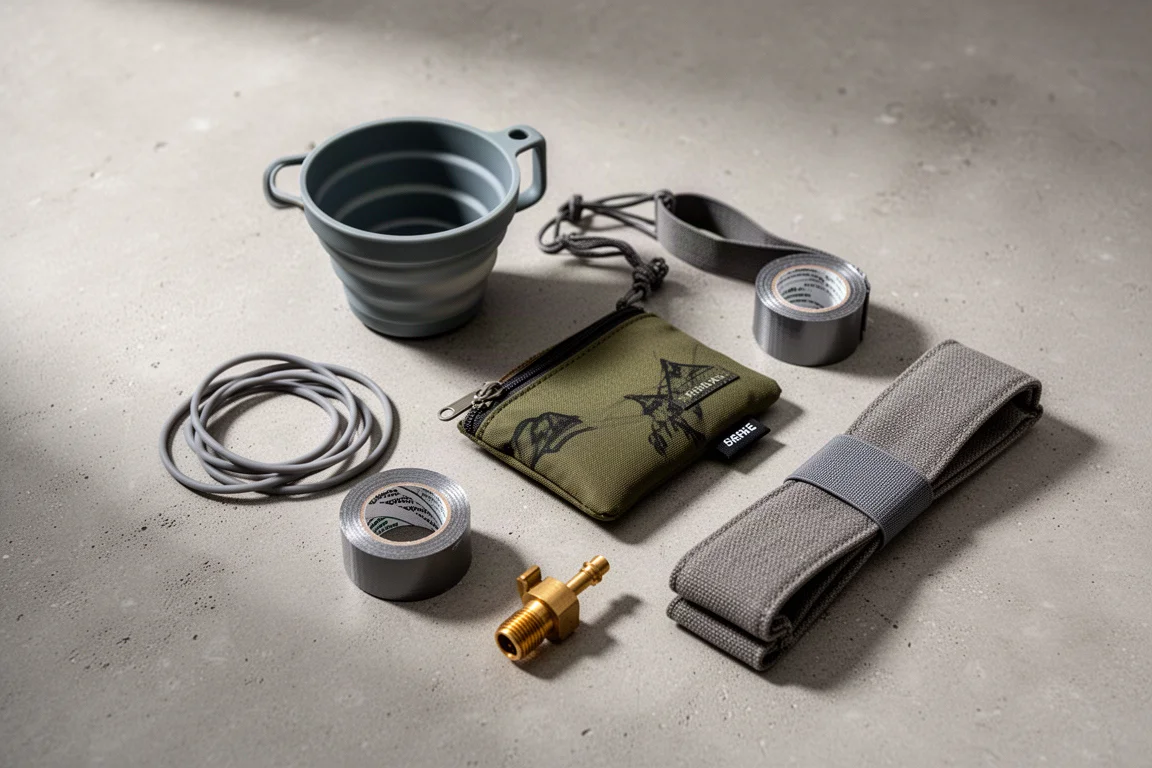
Eight small, affordable backpacking upgrades that solve real trail annoyances, from a pillow that stays put to a fuel valve that rescues leftover canister gas.