Plumbing
Best Delta Shower Valves: Which One Fits Your Shower Remodel
A practical guide to Delta shower valves for copper, PEX B, and PEX A supply lines, including handheld shower options and ballpark replacement costs.
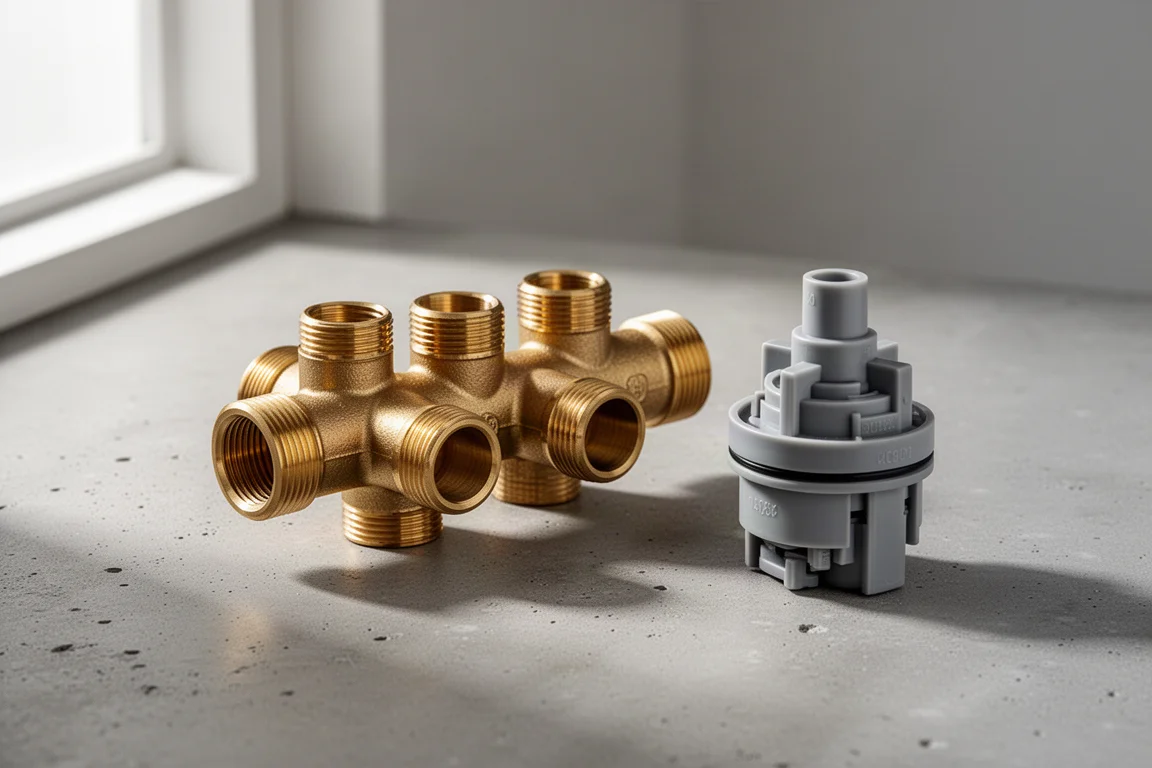
Introduction
Choosing the right shower valve can be confusing. Should you install a single valve or two valves? Is it best to use copper or PEX? What parts do you actually need, and what is the total cost?
This guide walks through the Delta shower valve lineup, explains which valve matches which type of water supply line, and breaks down the ballpark cost of a valve replacement during a shower remodel.
What Is a Shower Valve and Why Does It Matter?
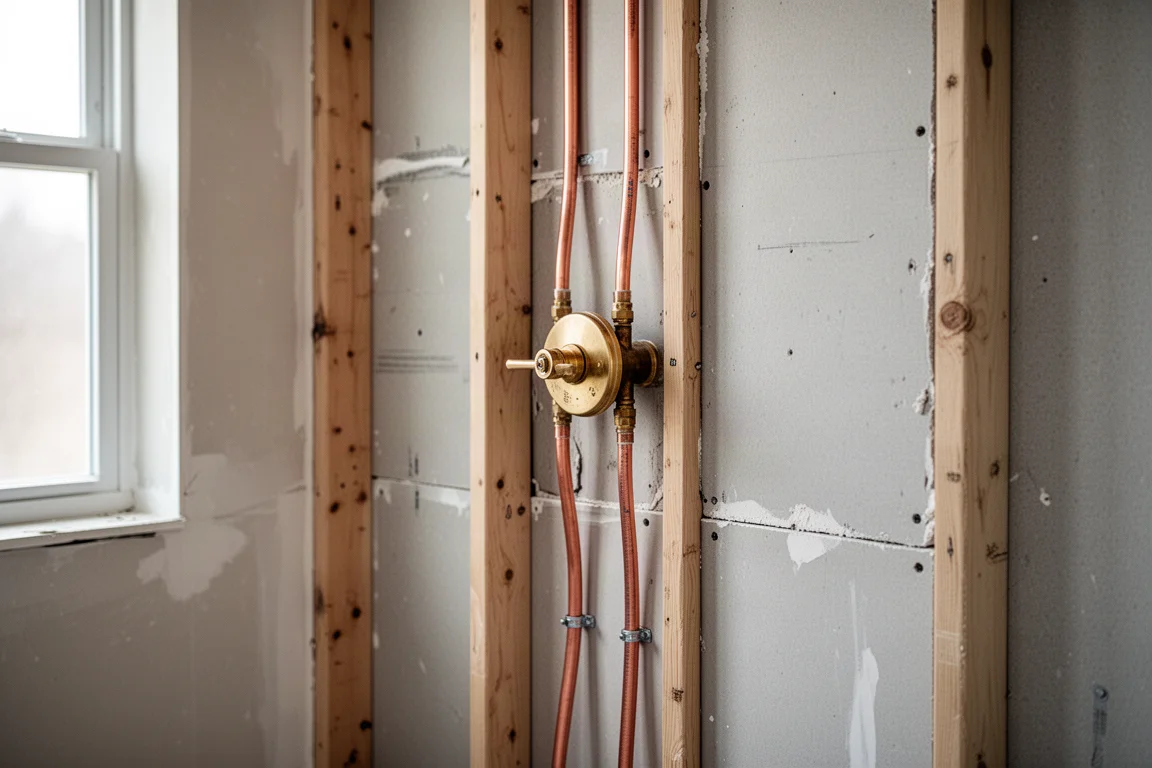
A shower valve is the component located behind the shower trim, which is what you see on the shower wall. It controls the water flow and the water temperature in the shower.
The valve is installed at the beginning of a shower remodel. The shower is then waterproofed and the tile is butted against it. The final step is installing the cartridge, trim, and handles. Ideally, the shower valve should be simple so that it is easy to service and less prone to problems down the road. That simplicity is one of the main reasons Delta valves are recommended here.
Before choosing a valve, assess your needs. Do you just need a single shower head, or do you want a shower head plus a handheld shower wand? Shower wands are genuinely useful for cleaning the shower, bathing pets, or bathing kids. You should also consider the type of water supply lines you will use inside the shower: copper, PEX B, or PEX A. Choose the shower valve based on the supply line type.
Pick the Valve That Matches Your Supply Lines
Delta is a strong choice for showers for a few reasons. First, the price is reasonable: the Delta MultiChoice family runs between $50 and $80 depending on the type of water supply lines being used. Second, you can pick a valve body built for your exact supply lines.
Delta MultiChoice
The Delta MultiChoice is the base platform most Delta shower trim kits are built around. It is the valve you install when you only want a single shower head, and it keeps servicing simple because cartridges, trim, and handles come last.
Delta R10000-UN for Copper
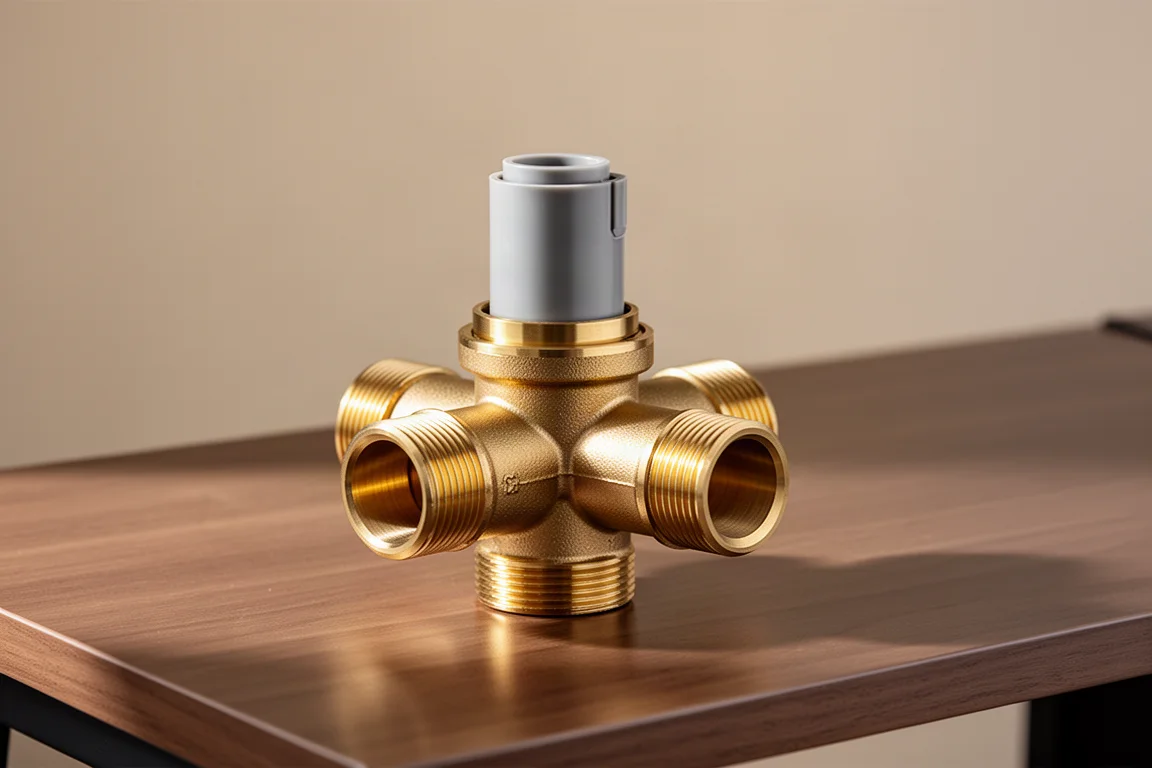
For copper supply lines, the Delta R10000-UN is the match, at roughly $50. You can solder copper lines into all four ports of this valve, which gives you flexibility in how you route the hot, cold, and riser connections.
Delta R10000-PFS-PX for PEX B
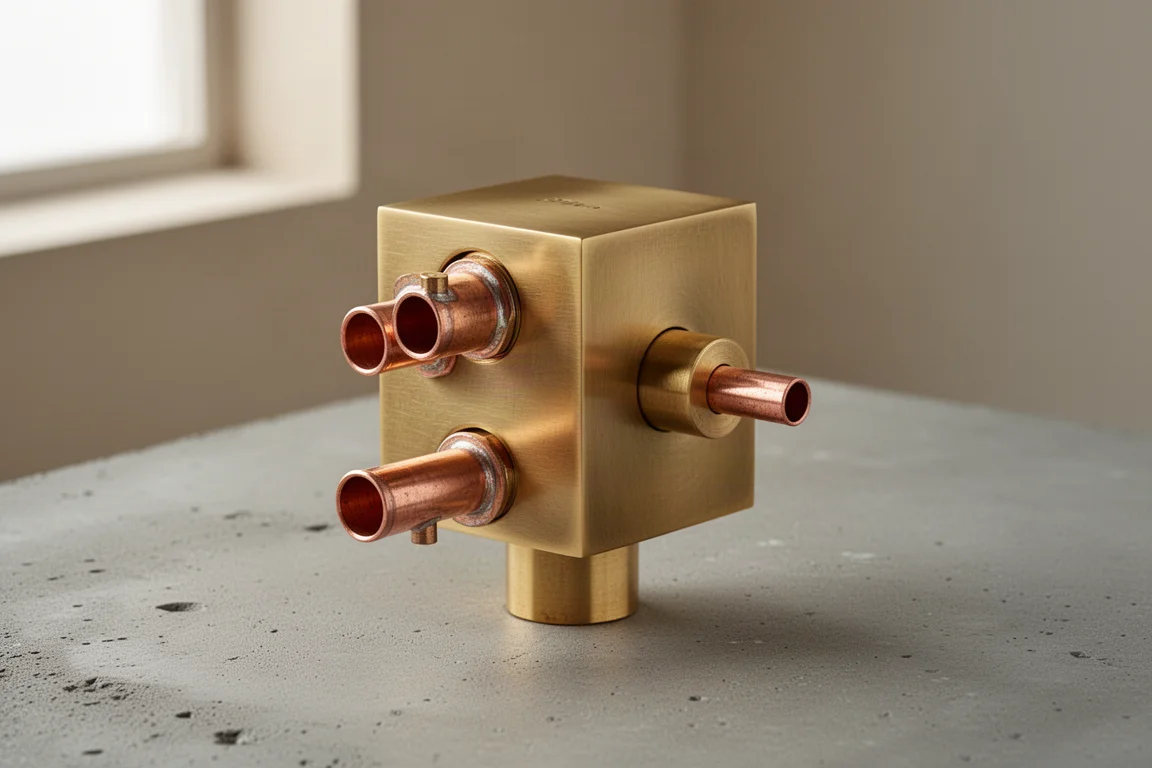
For PEX B, the Delta R10000-PFS-PX costs about $55. Its main advantage is that you can crimp PEX B directly to the valve, which removes the need for extra transition fittings.
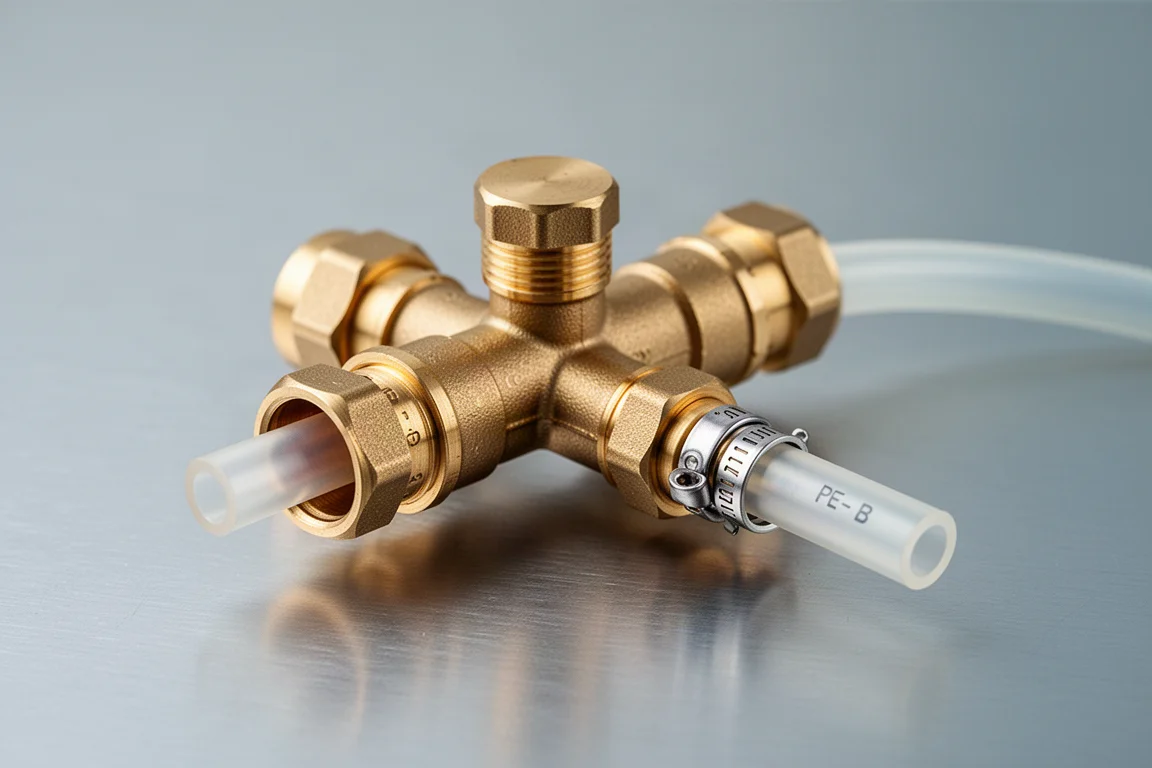
Delta R10000-PFS-MF for PEX A
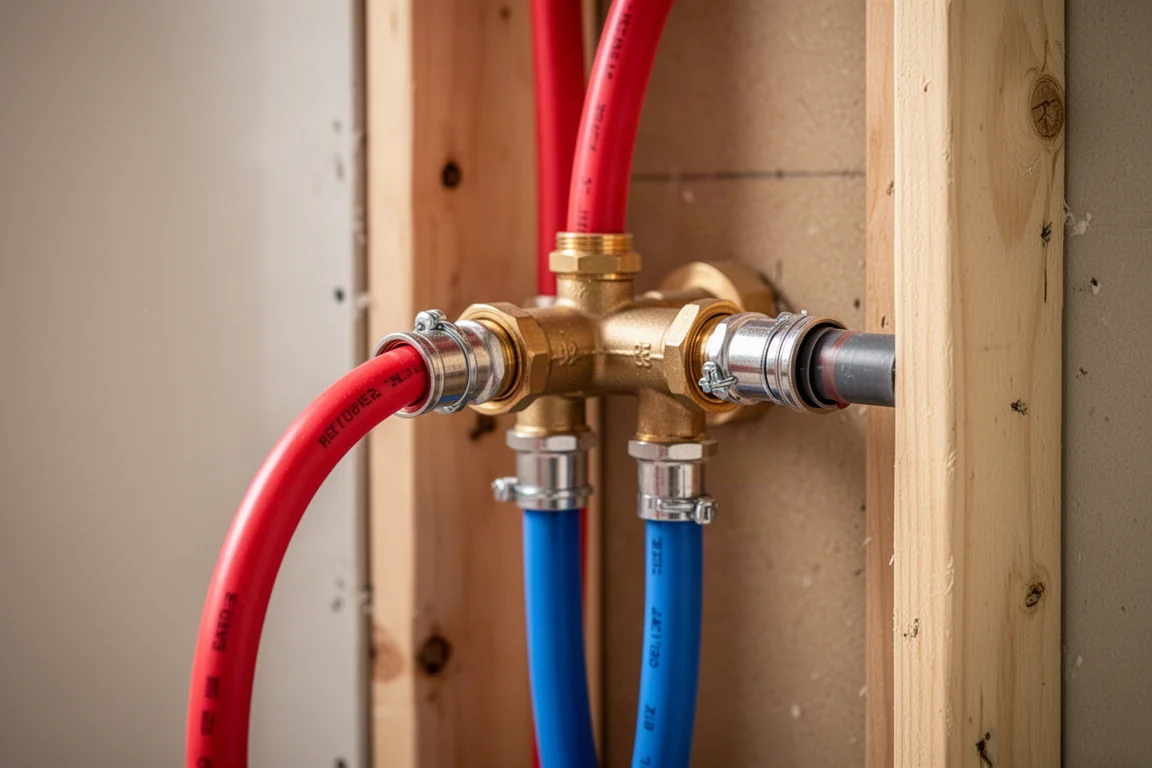
For PEX A, the Delta R10000-PFS-MF costs about $55. You expand the PEX A tubing and install it right into the valve ports, making it the fastest connection method of the three.
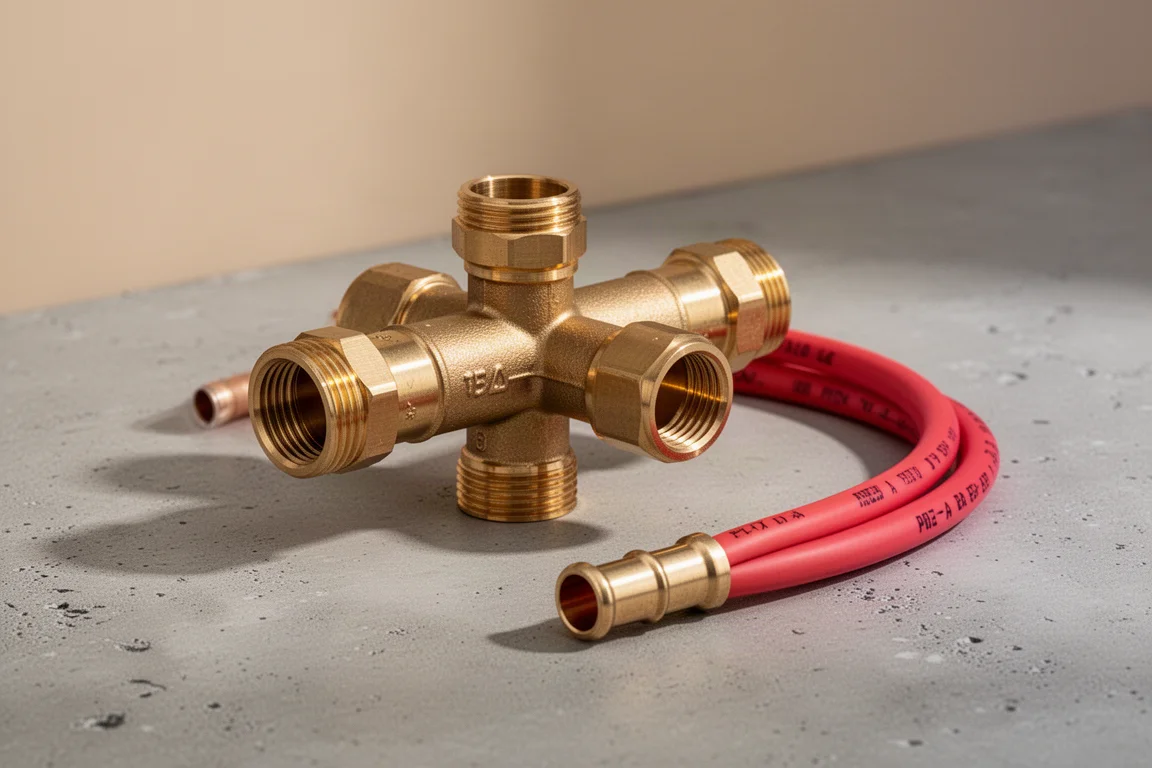
Handheld Shower Options: R22000 or R11000
If you only want a shower head, the three MultiChoice valves above are all you need. But if you want a shower head plus a handheld shower wand, there is a bit more to consider. There are two ways to get there with a Delta valve.
The first is the Delta R22000, which combines the main valve and the diverter valve into one unit. The downsides are having to tile around it, and the fact that you either need to solder copper into it or use additional fittings for PEX.
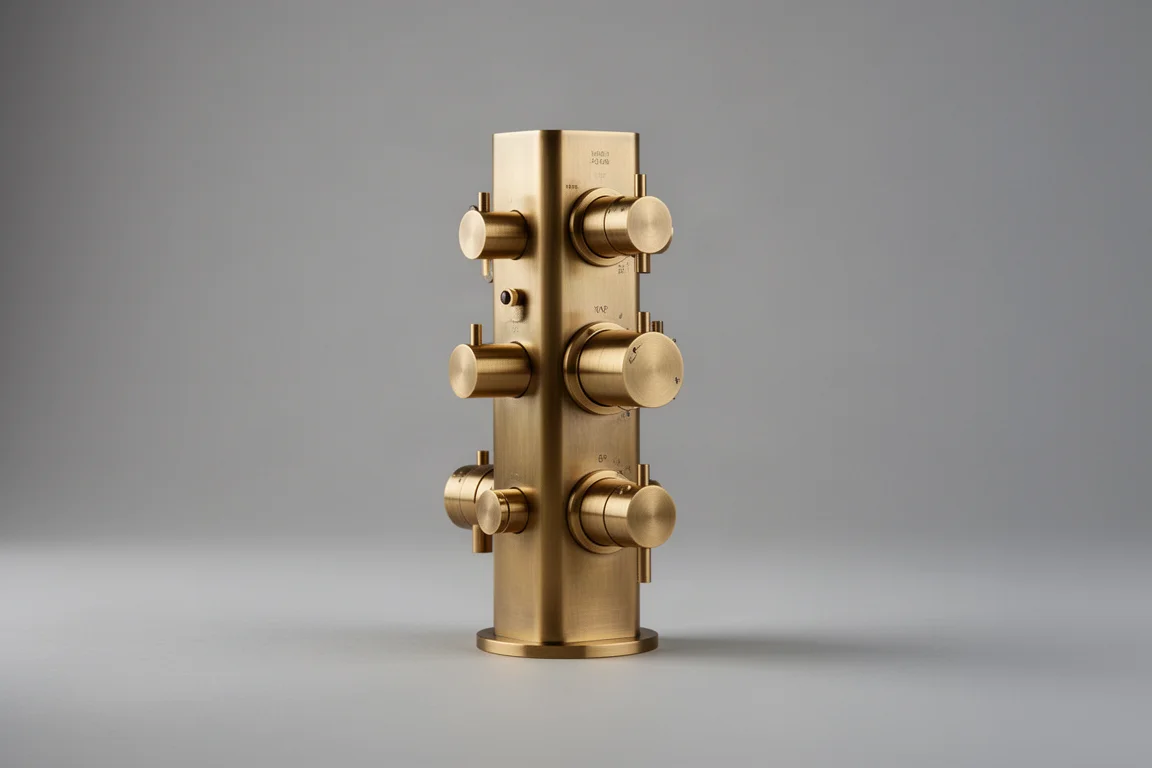
The second option is the Delta R11000 diverter valve. It is smaller than the R22000, but it has to be attached to an R10000 valve. The downsides are similar: you need to solder it to copper or use fittings with PEX A or PEX B. The upside is the size. Being smaller makes tiling around it a bit easier.
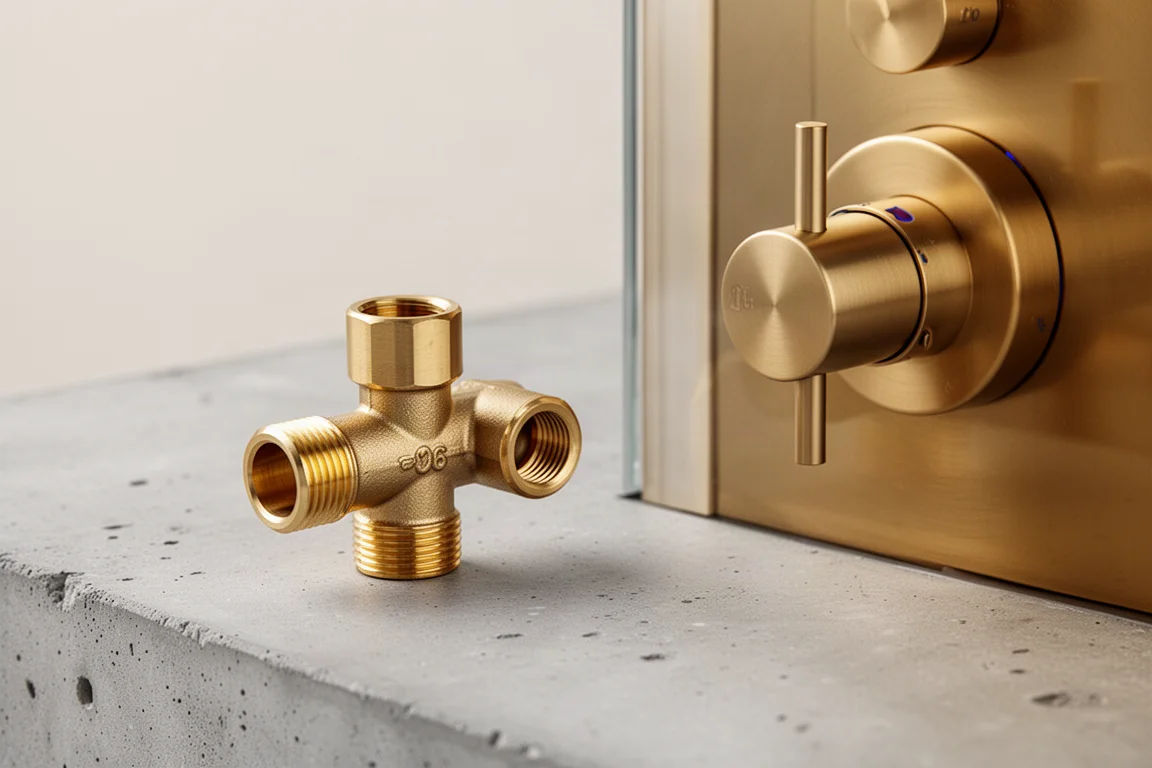
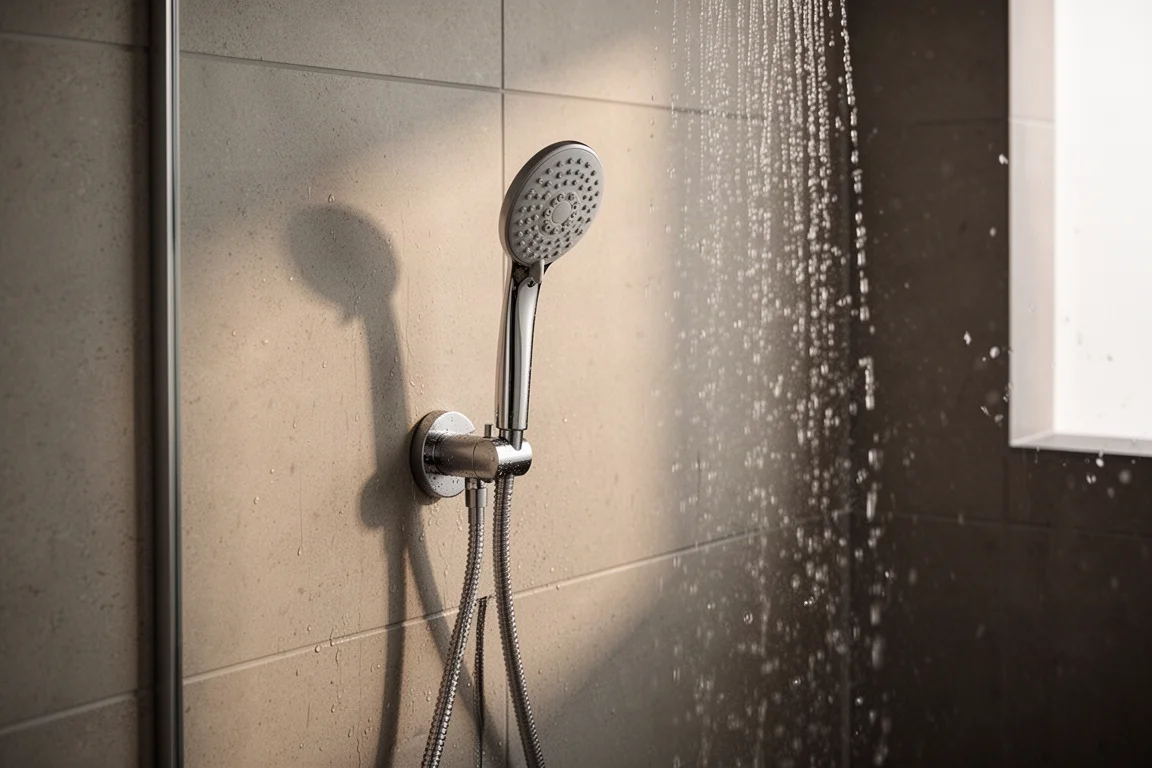
So remember: if you want a handheld shower wand, you will need either the R22000, or an R10000 valve plus the R11000 diverter valve.
What Does a Shower Valve Replacement Cost?
Shower valve replacement cost is tricky, so the numbers below assume a valve replacement during a shower remodel, when the walls are wide open with lots of access.
The Delta MultiChoice runs $50 to $80. If you need a shower wand, add another $100 for the Delta R11000. The Delta R22000 combines the R10000 and R11000 and is about $150.
You will need at least one 1/2 inch 90-degree Drop Ear for the shower head, and a second Drop Ear for the shower wand if you install one. This holds true for copper or PEX. One Drop Ear costs about $12.
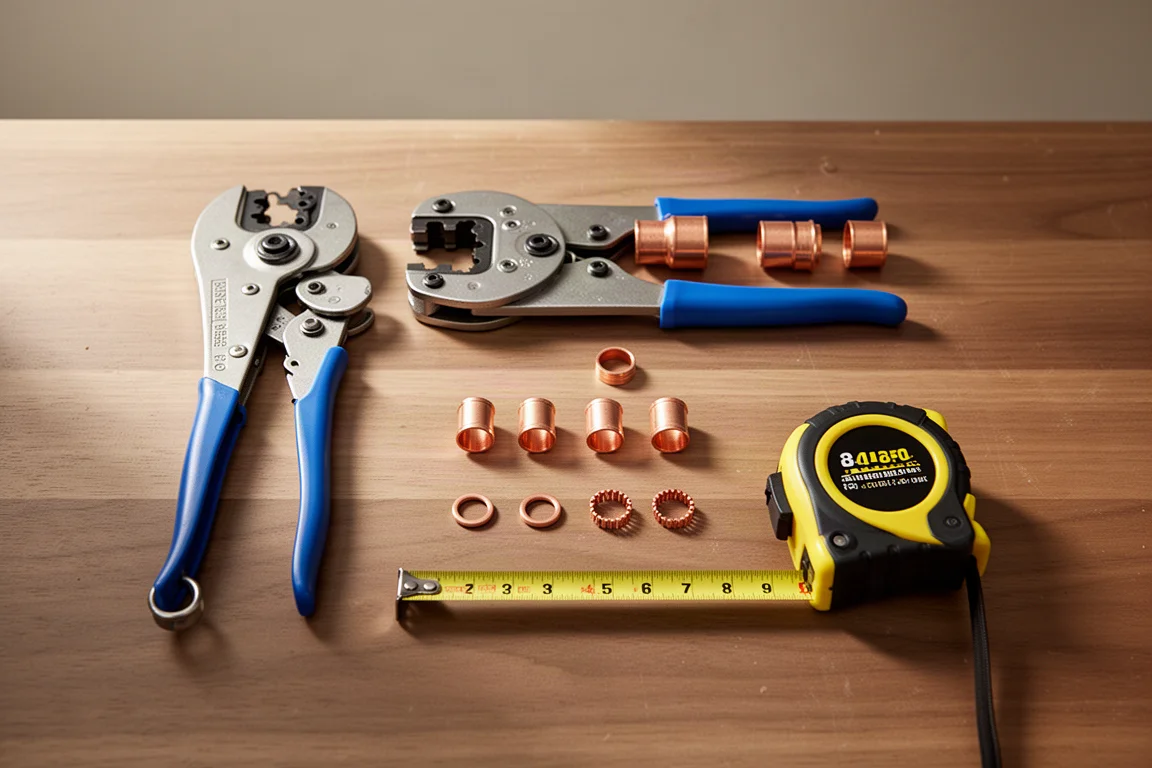
Now for the water supply lines:
- Copper: two 1/2-inch by 10-foot pipes. Type-L at that length is $30 per stick, so two sticks are $60. You will also need fittings and all the soldering tools, which could easily total $100 or more.
- PEX B: 20 feet of pipe is about $10, at $5 per 1/2-inch by 10-foot section. You will need crimp rings, fittings, and a crimping tool, roughly $80 to $100 depending on how many fittings and crimp rings you need.
- PEX A: also about $10 for 20 feet. Use red PEX for hot, blue for cold, and white for the riser pipe. PEX A requires an expansion tool, expansion sleeves, and fittings, and a good expansion tool with an auto-rotating head costs $400 to $500. DIYers should consider renting the expansion tool for $50 to $75 per day, which is far more cost effective than buying one.
Labor can cost $150 to $300 minimum, depending on the time and complexity of the installation.
The ballpark totals:
- Copper with the Delta R10000: $400 to $500
- PEX B with the Delta R10000: $375 to $475
- PEX A with the Delta R10000: $350 to $450, if the expansion tool is rented or your plumber already owns one
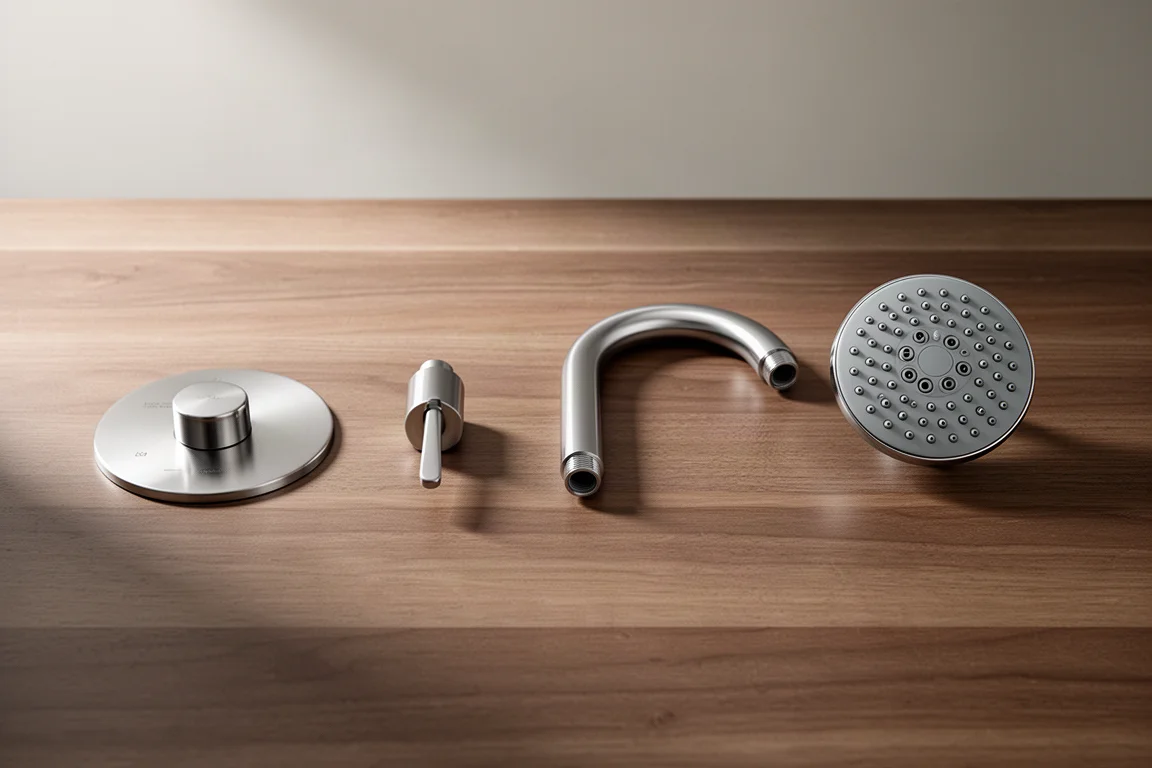
The higher end of each range reflects adding handheld valve components. Also note that these prices do not include the shower valve trim kit, which can cost an additional $150 on up. Trim kits include the escutcheon for the valve, the handles, shower arm, and shower head. Retailers sell packages that include both valves and trim, such as Delta Monitor bundles, so always be aware of this when buying your shower valve.
Fastest Installation: Delta MultiChoice with PEX A
Hands down, the fastest valve to install is the Delta MultiChoice with PEX A. Once you get the PEX A adapters installed, it is remarkable how fast the installation goes. A typical sequence is the hot water line first, followed by the cold, and finishing with the riser to the drop ear.
One important tip: you need to know the backer board and tile thickness before installing any shower valve. That way the valve can be set to the proper depth. Having the backer board and tile on hand when you install the valve is the easiest way to get this right.
Conclusion
For most shower remodels, the decision comes down to two questions: what supply lines are you running, and do you want a handheld wand? Copper points to the R10000-UN, PEX B to the R10000-PFS-PX, and PEX A to the R10000-PFS-MF. Add the R11000 diverter or step up to the R22000 only if a handheld shower is part of the plan. Get the valve depth right, budget for the trim kit separately, and a Delta MultiChoice setup is a straightforward, serviceable choice that should hold up well for years.
Further reading
Related Reviews

Backpacking Gear
Building a 10 lb Base Weight: An Ultralight Backpacking Gear List
A practical walkthrough of the ultralight pieces behind a 10 lb base weight, from a 765 g pack and a roomy one-person tent to a full camp chair and a dependable water filter.

Road Bikes
10 New Road Bikes Worth Watching: Aero, Titanium, Steel and Endurance Standouts
A practical roundup of 10 new road bikes, from aero flagships chasing single-watt gains to titanium, steel and endurance platforms built for real roads.
Bikepacking Gear
11 Bikepacking Essentials for Long-Distance Cycling
Eleven bikepacking essentials for long-distance cycling, from a steel gravel frame and a two-person tent to helmet lights, packable gloves, and a frame bag that puts weight in the right place.