Astrophotography
Best Deep Sky Astrophotography Kit for Beginners: A Complete $2,000 Setup
A lightweight, beginner-friendly astrophotography kit that delivers stunning nebula and star field results, plus the alternative gear worth considering.
Introduction
If you have around $2,000 to spend and want to photograph nebulae and large star fields from scratch, there is a combination of gear that keeps coming up as the smartest place to start. It is lightweight, easy to use, and capable of genuinely impressive results, including detailed shots of targets like the Horsehead Nebula in Orion.
This guide walks through each part of that kit, what it does, and the alternative products worth knowing about before you commit.
What This Kit Is Built For
Deep sky astrophotography means shooting objects outside our solar system: nebulae, galaxies, and star clusters. This kit is optimized for wide-field work, meaning big, creative compositions full of bright stars and colorful gas clouds. It works especially well on large nearby targets like the Orion constellation, and it handles the Andromeda and Triangulum galaxies (M31 and M33) as well as the Magellanic Clouds for southern hemisphere observers.
What it is not built for: planetary imaging. If your goal is a detailed photo of Saturn, you would want a larger telescope with more focal length and a planetary camera instead. This kit is for wide, atmospheric deep sky shots.
The Lens: Rokinon 135mm f/2
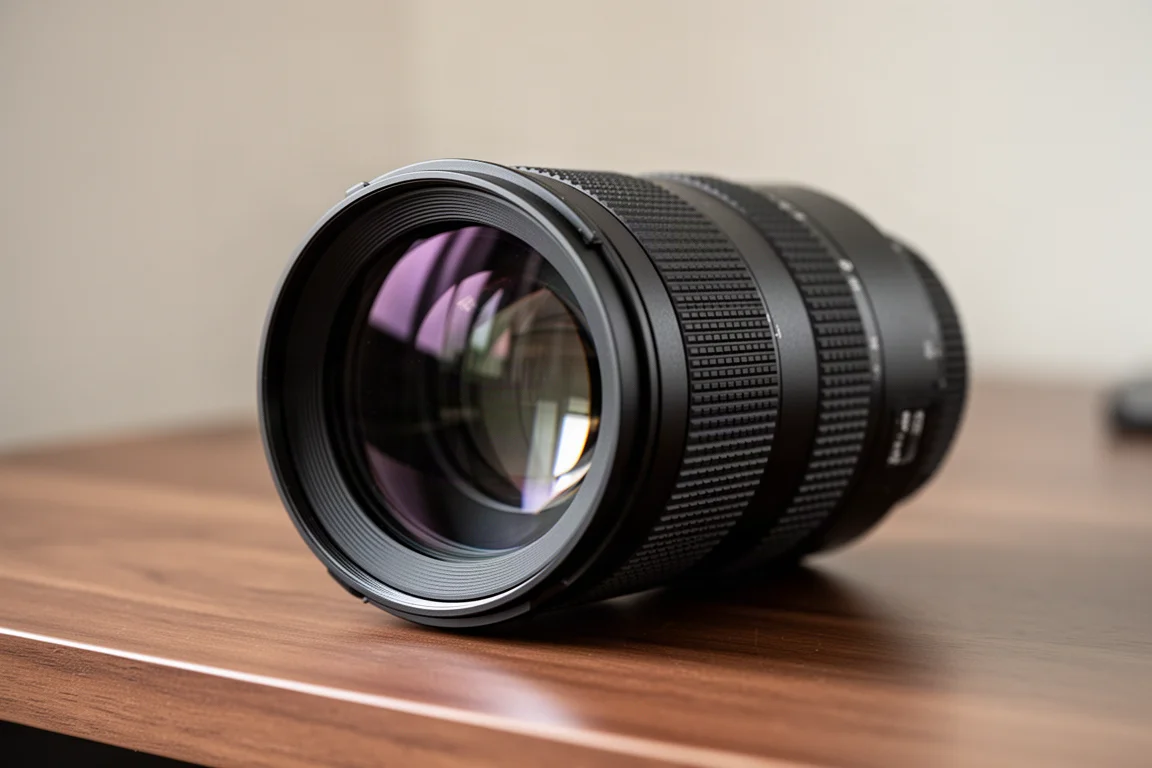
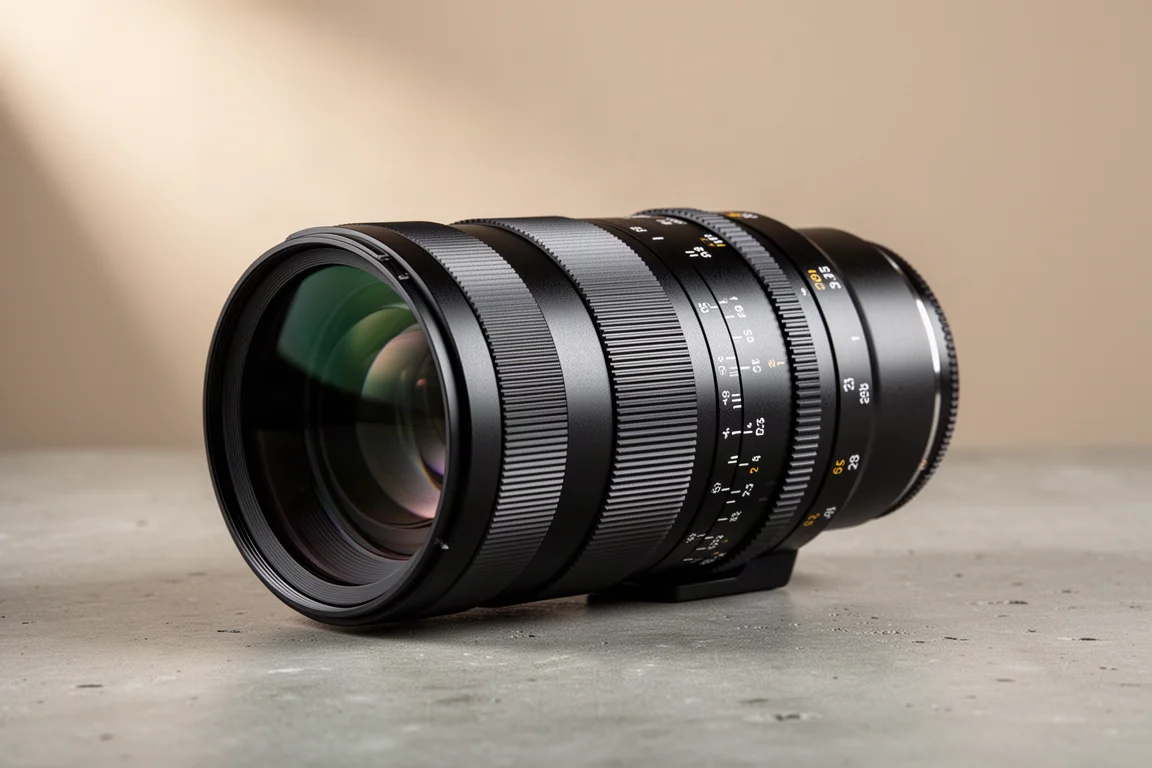
The Rokinon 135mm f/2 (also sold under the Samyang brand) is an easy recommendation because it is hard to find another lens under $500 that matches its sharpness. It is sharp even wide open at f/2, and especially good stopped down to f/2.8. Star shapes stay well corrected even in the corners of the frame, particularly on APS-C sensors. There is a small amount of chromatic aberration, but because the stars are so round, it is easy to remove in processing.
It is also a fast lens, which means it collects more light from your target in the same total exposure time compared to slower glass. The Nikon version is manual for focusing but offers electronic aperture control, which is handy because the aperture setting is recorded in metadata for Lightroom, Bridge, or Photoshop.
The Camera: Astro-Modified Nikon D5300
For the body, an astro-modified full-spectrum Nikon D5300 DSLR is considered a great value in astro imaging. It was never an expensive DSLR, but its sensor performs above its price point with very low noise, producing clean astrophotography data. Full-spectrum modification increases sensitivity to the hydrogen-alpha wavelength that makes emission nebulae glow red, and modified cameras can also be sent out for conversion if you already own one.
One trade-off: the full-spectrum conversion makes many more stars visible and can bloat them slightly, which is why this kit pairs the camera with a specialized filter.
The Filter: An IR Cut Filter for Astrophotography
Because the modified camera is open to infrared light, a front-mounted IR cut filter designed for astrophotography completes the setup. It passes the hydrogen-alpha line associated with red nebulae while blocking infrared, which keeps stars from overwhelming the image while preserving the nebula signal.
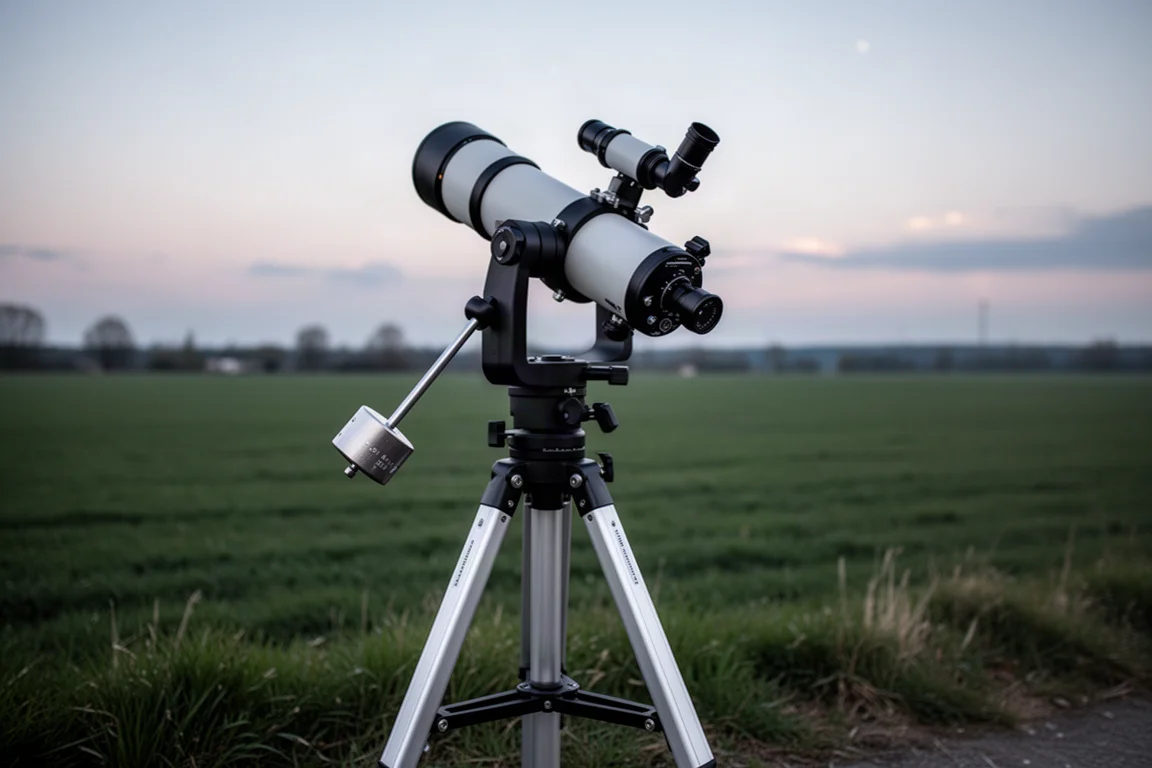
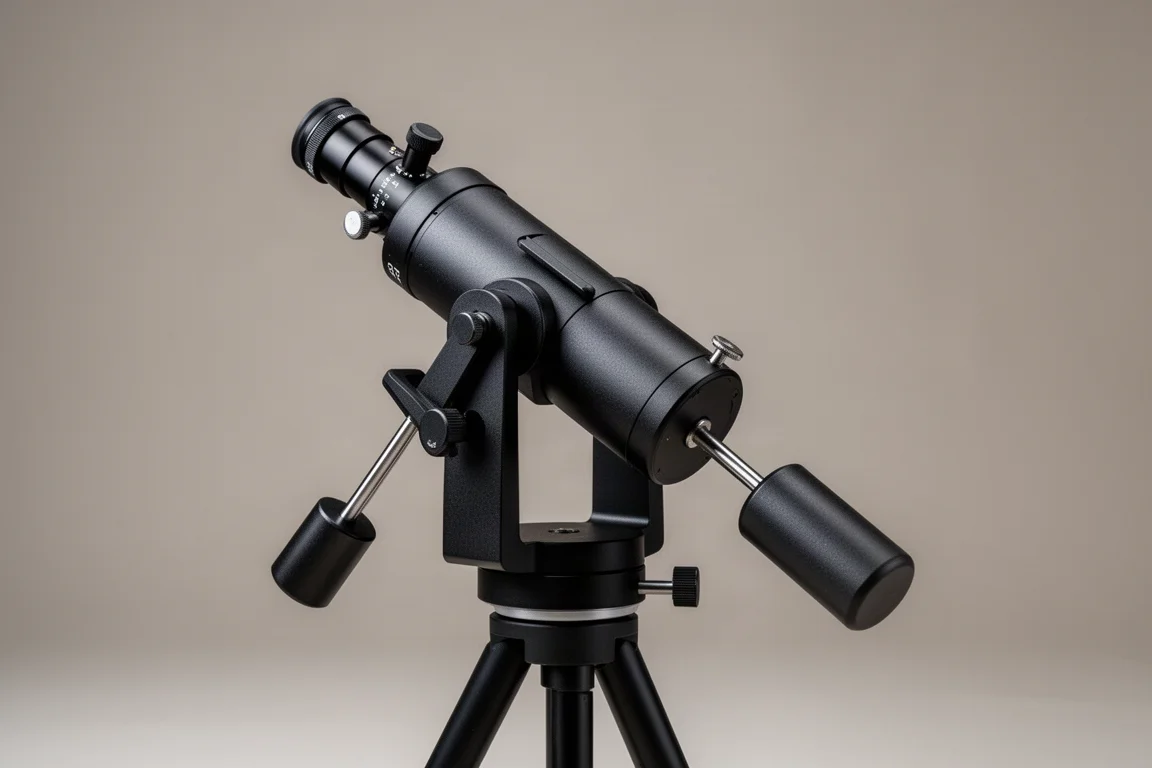
The Star Tracker: Sky-Watcher Star Adventurer Pro Pack
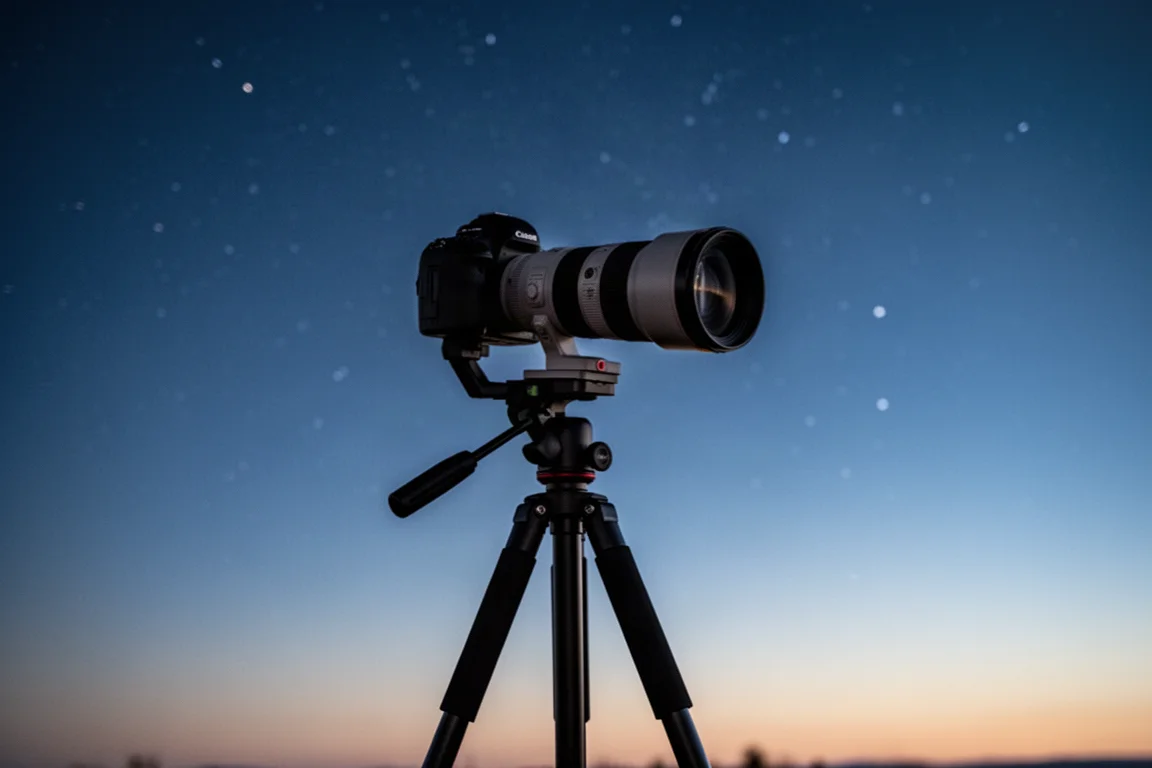
The Sky-Watcher Star Adventurer Pro Pack is a tried-and-true portable tracker. It runs on four AA batteries or a battery pack, can be controlled from a smartphone app, or you can skip the Wi-Fi entirely and just use the dial to start tracking. It is not perfect in every feature, but it is very reliable for basic tracking, which is exactly what it is designed to do.
Buy the Pro Pack specifically: the declination bracket and counterweight system are essential if you want to use a telephoto lens. Pair it with a used aluminium Manfrotto or Bogen tripod with a 3/8-inch stud at the top; no tripod head is needed because the tracker becomes the head. Keep the center column unextended for stability, set the included latitude wedge to your latitude, and do a rough polar alignment during twilight when Polaris is easy to spot.
The Smaller Essentials
A handful of accessories make the whole system work smoothly in the field:
- A 128GB SD card so you can shoot several nights before offloading files
- A 4TB Western Digital Elements USB 3 external hard drive (around $100), because stacking hundreds of RAW files with calibration frames eats storage fast
- A Coast headlamp with separate white and red light switches, running long on three AAA batteries
- A USB-powered lens warmer plugged into an Anker battery pack to keep the front element clear of dew and frost
- A 3D-printed Bahtinov mask for precise focusing on a bright star
- A Huion LED tracing panel for taking flat calibration frames
- A Pixel wireless intervalometer that slots into the hot shoe and runs your exposure sequence automatically
A practical shooting recipe that works well with this kit: 30-second sub exposures at ISO 1600 at f/2.8, and take as many frames as you can in a session.
Upgrade Option: William Optics RedCat 51
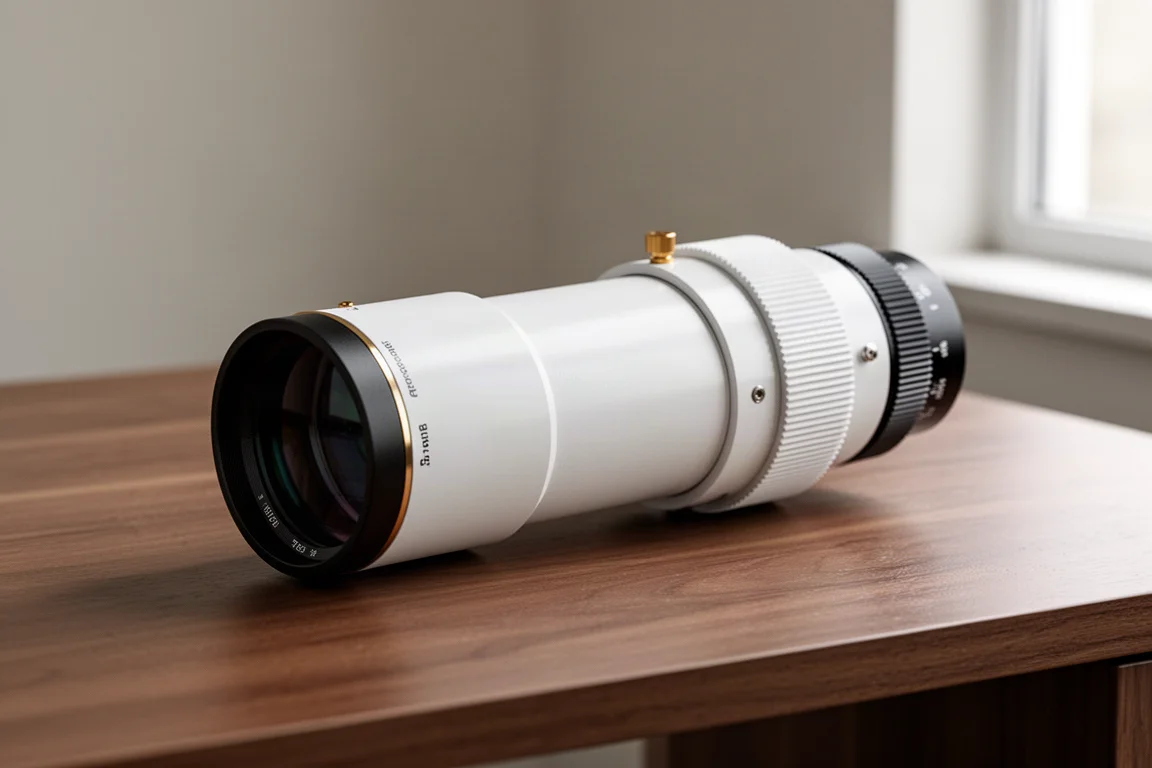
If you want a step up from the Rokinon, the William Optics RedCat 51 is a small telescope with a fixed f/4.9 aperture and a 250mm focal length. It is slower than the 135mm lens but better corrected optically.
The reason it is not the default pick in this kit comes down to budget and practicality: 135mm is arguably a better match for the Star Adventurer tracker, and the longer focal length of the RedCat often pushes users toward adding auto-guiding, which starts to bump against the tracker’s weight limit.
Alternative Path: Celestron NexStar 8SE
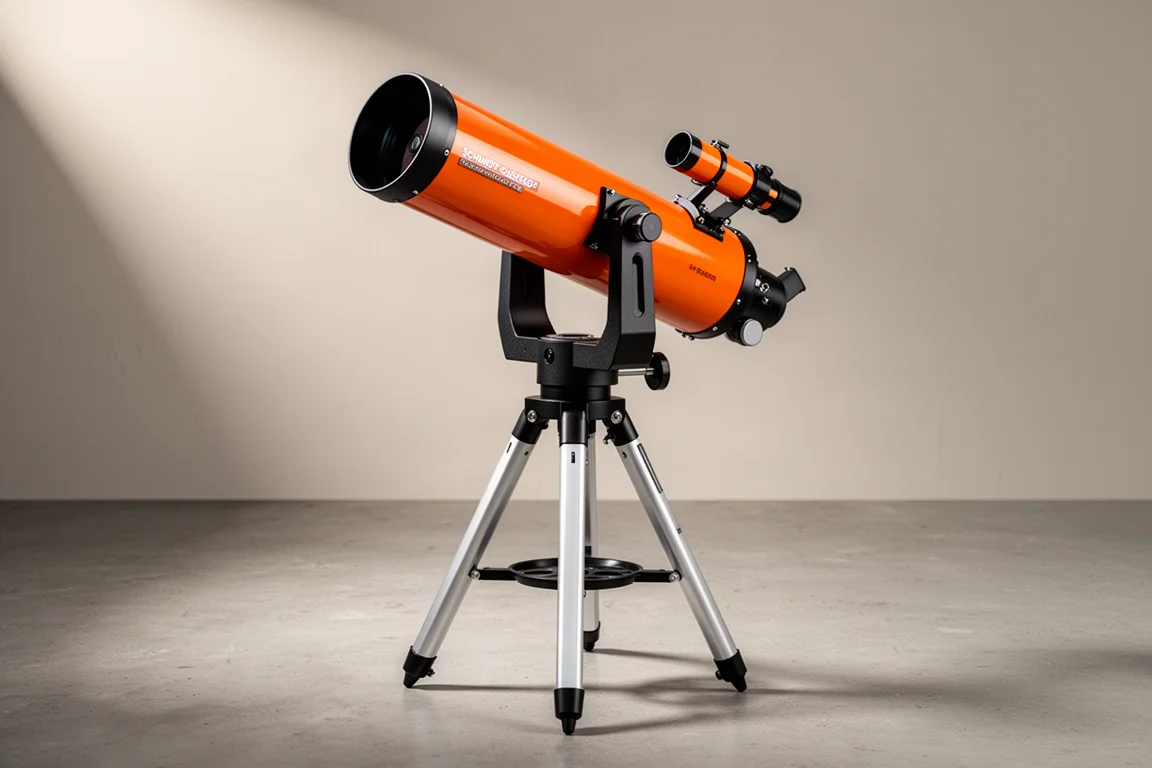
If wide-field nebulae are not actually your goal and you would rather photograph planets, the Celestron NexStar 8SE is the better direction. Combined with a planetary camera, it gives you the aperture and focal length that a wide-field kit simply cannot deliver for targets like Saturn.
Processing Your First Image
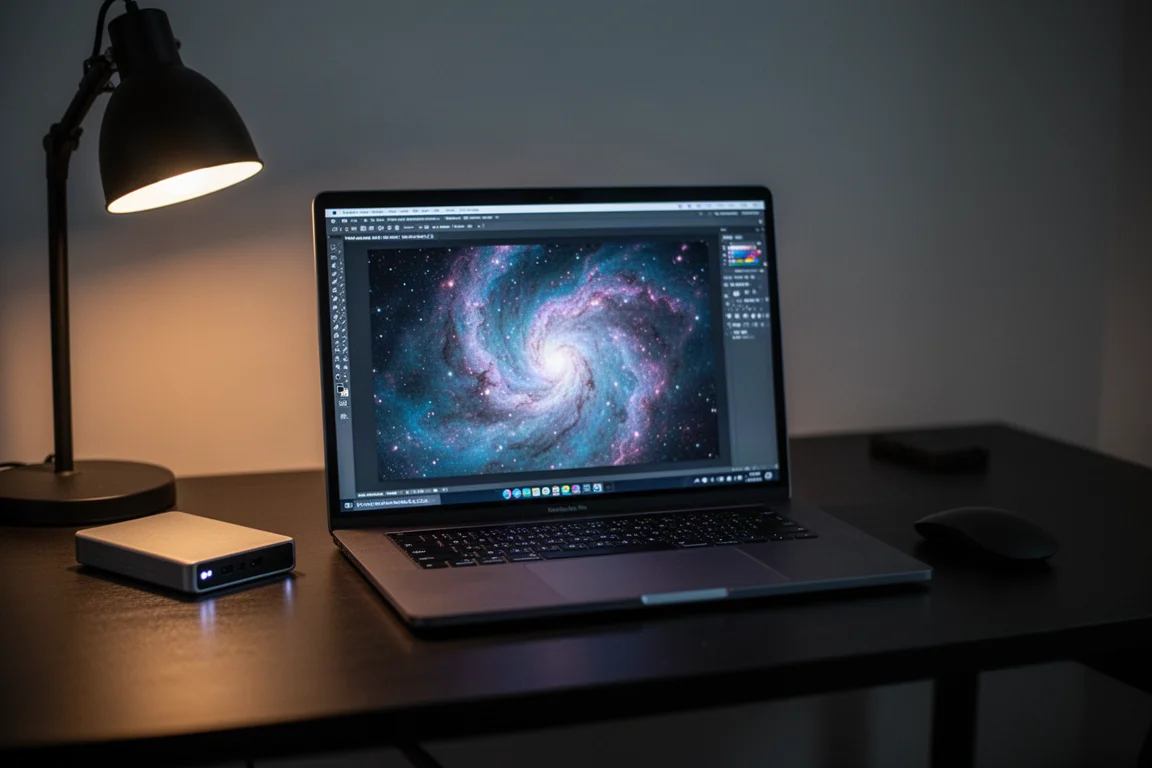
The workflow after a night of shooting is very approachable. Organize your files into bias, dark, flat, and light folders, then let the free Siril software (siril.org) run its one-shot-color pre-processing script: it calibrates, debayers, registers, and stacks everything automatically. On a slower laptop this can take hours; on a capable desktop it can finish in minutes.
For flats taken with an LED panel or screen, add diffusion such as a couple of layers of white t-shirt so your flat exposures run around 1/40th of a second or longer. This avoids horizontal banding from the panel’s power supply refresh cycle, which can otherwise quietly ruin your stack.
After stacking, use Siril’s background extraction and histogram stretch tools to bring the image to life, then export a 16-bit TIFF. A tool called StarNet can then separate the stars from the nebula, letting you process the dust and gas on their own before recombining the layers in Photoshop. Free alternatives like Deep Sky Stacker can handle stacking on Windows if Siril gives you trouble.
Overall Buying Advice
This kit works because every piece plays well with the others: a sharp fast lens, a low-noise modified sensor with an IR filter to tame the star bloat, and a lightweight tracker that comfortably carries the load. Stay disciplined about the field routine, level the tripod, roughly align on Polaris during twilight, balance in right ascension, focus with a Bahtinov mask, and take your calibration frames on-site. Follow that process and the results can genuinely surprise you.
Conclusion
For around $2,000, this combination of the Rokinon 135mm f/2, a modified Nikon D5300, and the Sky-Watcher Star Adventurer Pro Pack is a proven entry point into wide-field deep sky astrophotography. If your interests lean toward planets instead, the Celestron NexStar 8SE path is the better spend, and if you want more reach later, the RedCat 51 is a natural upgrade. Match the gear to the targets you actually want to shoot, and the night sky will reward you.
Further reading
Related Reviews
Astrophotography
ASKAR FRA400C Review: A Versatile 400mm Refractor for Astrophotography and More
The ASKAR FRA400C is a compact 72mm refractor that balances reach, versatility, and portability for astrophotographers and visual observers.
Astrophotography
Askar SQA106 Review: A Premium 106mm Astrograph With Exceptional Optics
The Askar SQA106 is a premium 106mm quintuplet astrograph with impressive sharpness across full-frame sensors, though its price and weight demand careful consideration.
Astrophotography
Astro Imaging Gear 2026: Eight New Products Worth Watching
A look at the most interesting new astrophotography and astronomy products announced this year, from fast telescopes to smart cameras and wireless accessories.