Hi-Fi Audio
Best DACs at Every Price: Eight Converters From $80 to $1,300
Eight digital-to-analog converters that cover the full price range, from a $79.99 starter box to a made-to-order reference unit, with the trade-offs that actually matter.
Introduction
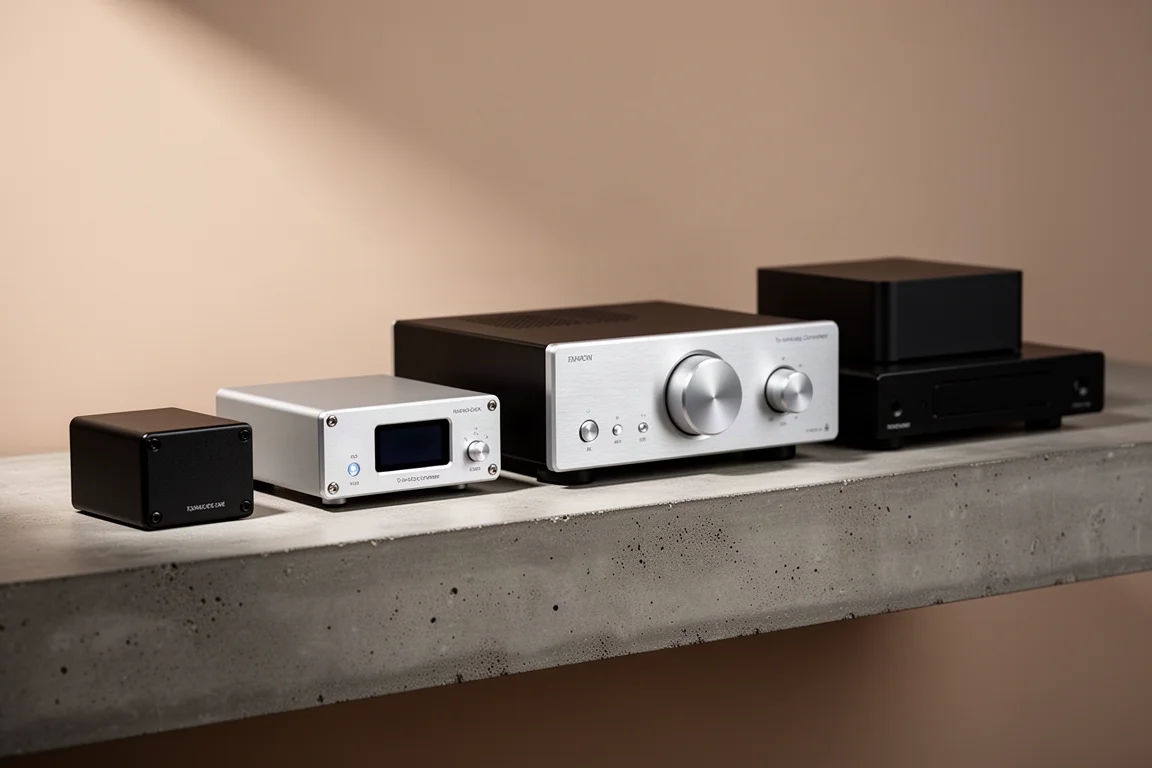
A digital-to-analog converter is one of the quickest and most affordable ways to improve how a hi-fi system handles digital sources. Streamers, televisions, and CD transports all benefit, and the entry point is far lower than most listeners expect.
This guide covers eight converters that span roughly $80 to $1,300. Some are tiny USB-powered boxes that disappear behind a shelf, some are full-width components with preamp functions and HDMI ARC, and two use resistor ladder conversion. Each one earns its place for a specific reason rather than for a number on a spec sheet.
What to Look For in a Desktop DAC
Conversion architecture gets most of the attention, but the analog output stage usually has more influence on the final sound. Two converters can share the same chipset and still sound completely different, so the implementation matters far more than the part number.
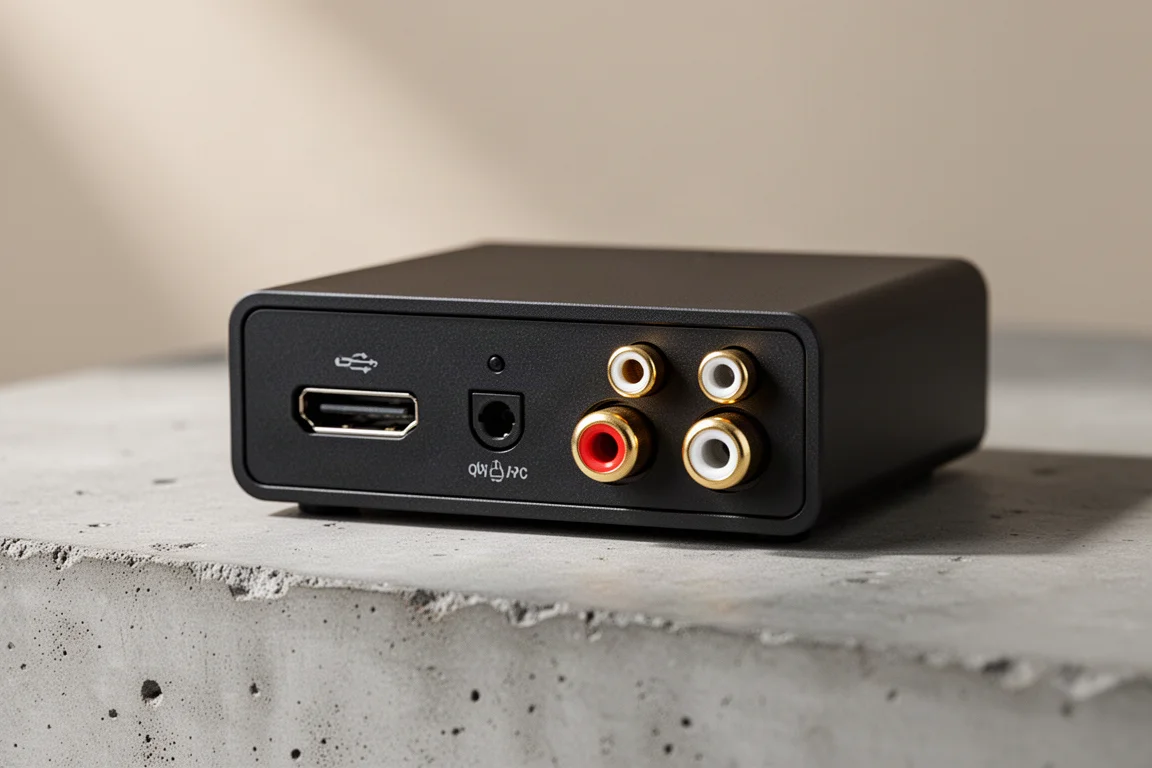
Output type is the other big decision. Several models here use a fixed output voltage, which means volume is adjusted on the preamp or amplifier rather than on the converter itself. That suits listeners who prefer a simpler signal path, though it is less convenient in a desktop setup driving active speakers directly.
Inputs deserve their own checklist: USB-C, optical, coaxial, HDMI ARC for a television, and in one case LDAC Bluetooth. Balanced outputs appear at the higher price points, and a 12V trigger is worth having if the converter will sit in a rack with other components that should power on together.
SMSL SU-1: The Budget Benchmark
The SU-1 costs $79.99 and measures roughly the size of a deck and a half of cards. It runs a single AKM 4493S chipset, and the analog output section is what makes it stand out rather than the chip itself. The same chipset appears in other converters that do not sound nearly as good.
Connectivity covers a USB-C input that also powers the unit from 5V, an optical input, a coaxial input, and a single pair of RCA outputs. Output is fixed, so volume control lives downstream. For a first converter, a budget build, or a second room, it is the obvious place to start.
Topping D50 III: Clean, Detailed, and Feature-Rich
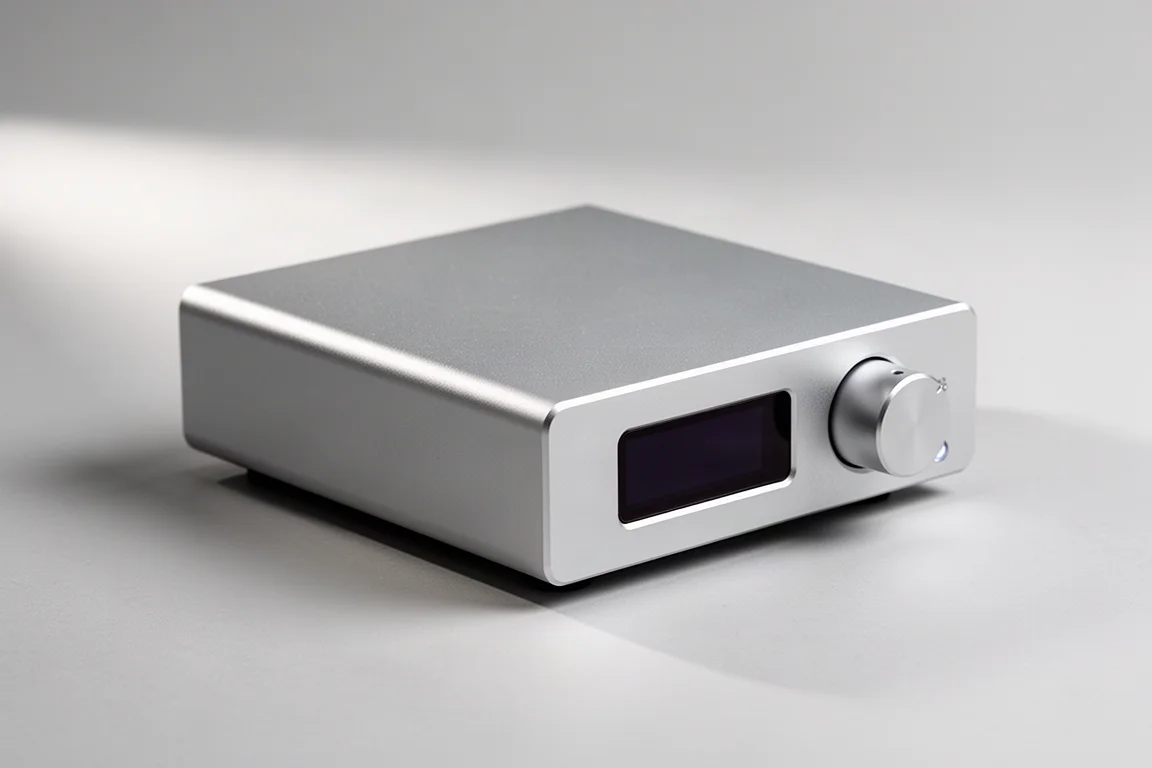
At $230, the D50 III steps up to dual Sabre ES9039Q2M chips, with one handling the left channel and one handling the right. It stays very small, adds a small display, and includes a remote control, so volume can be adjusted from the listening position when it feeds an amplifier.
Bluetooth is on board in the form of LDAC, with the usual caveat that both ends of the connection have to support it, which in practice usually means an Android device. Balanced TRS outputs sit alongside single-ended RCA, the USB-C input is separate and powered from 5V, and there is optical, coaxial, and a 12V trigger that can switch on a compatible amplifier automatically. The sound is clean and articulate with strong top-end detail, though it is not quite as dynamic as the cheaper SU-1.
Schiit Modi Multibit: Multibit Character for Under $300
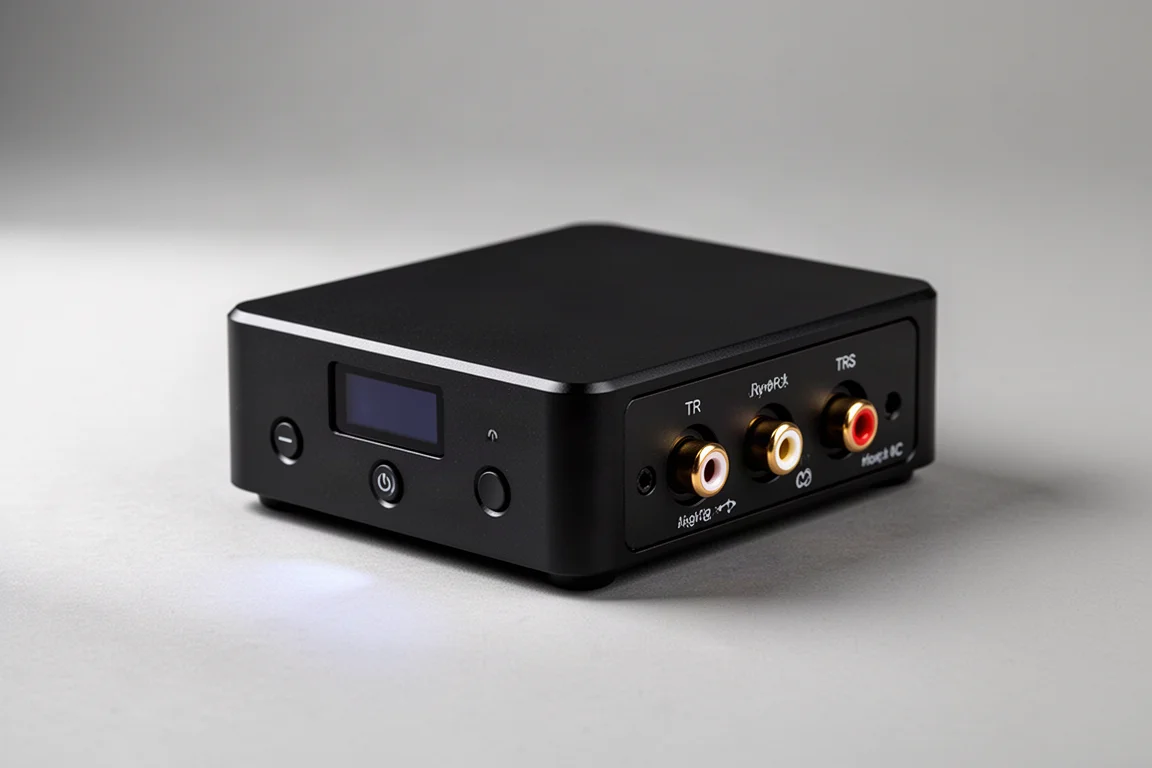
The Modi Multibit is $299 and uses multibit conversion, a hybrid approach that sits between delta-sigma and pure resistor ladder designs. The company has built multibit converters for years, and the Modi Multibit is now consistently available rather than intermittently in stock.
The presentation is balanced, with more openness and air than other converters in the same family, and the soundstage is larger and more engaging. It is made in Texas. There is no volume control here, so a preamp or amplifier handles level.
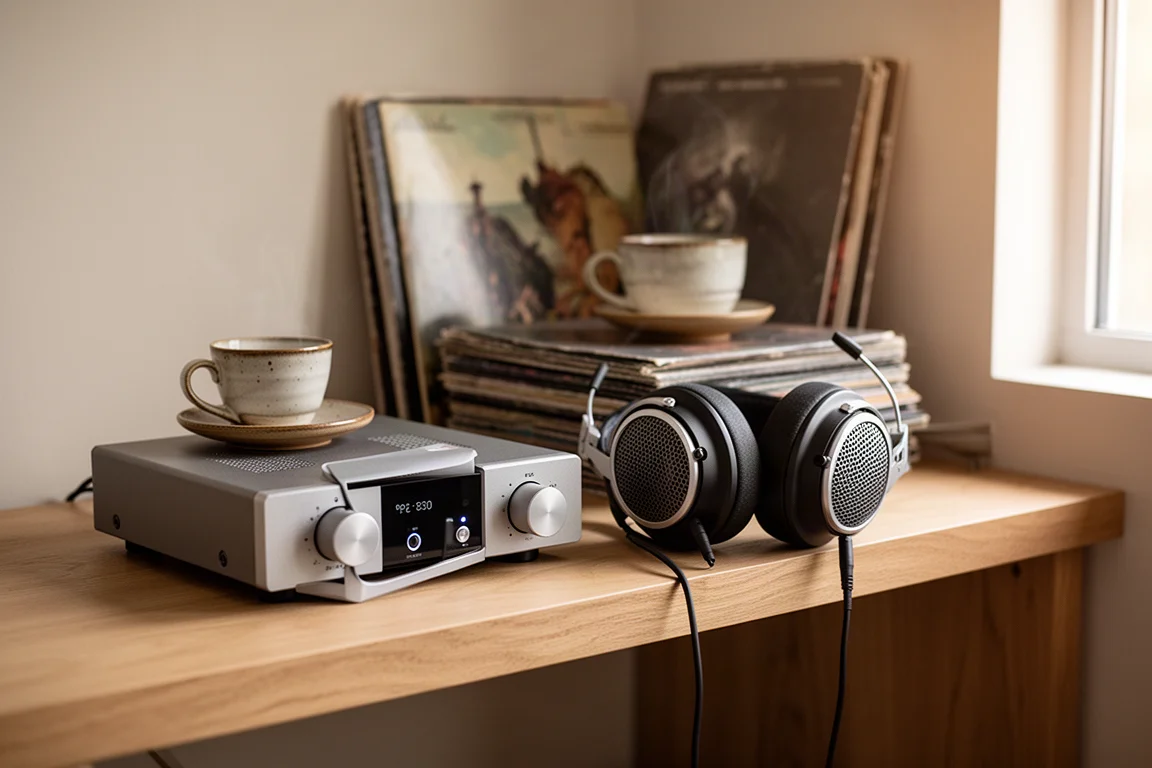
For listeners who want a taste of ladder-style character without committing to a full resistor ladder component, this is the least expensive route into it on this list.
Geshelli Labs J2: American-Made Flexibility
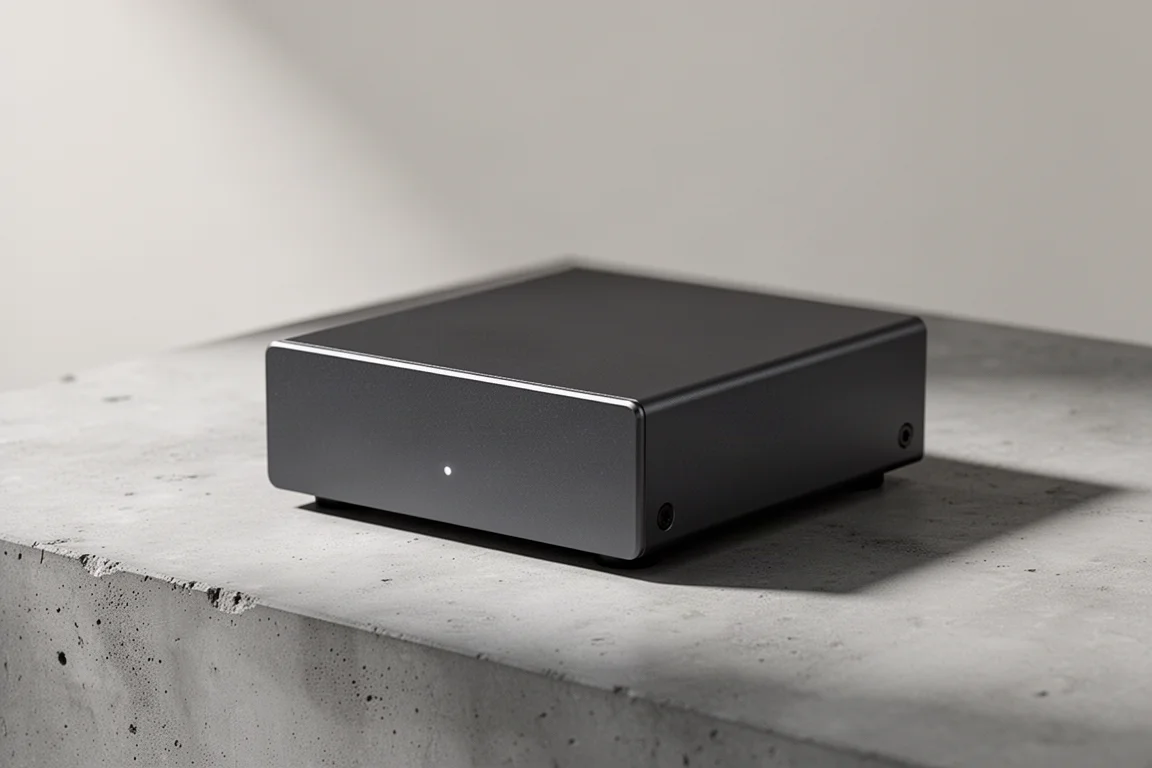
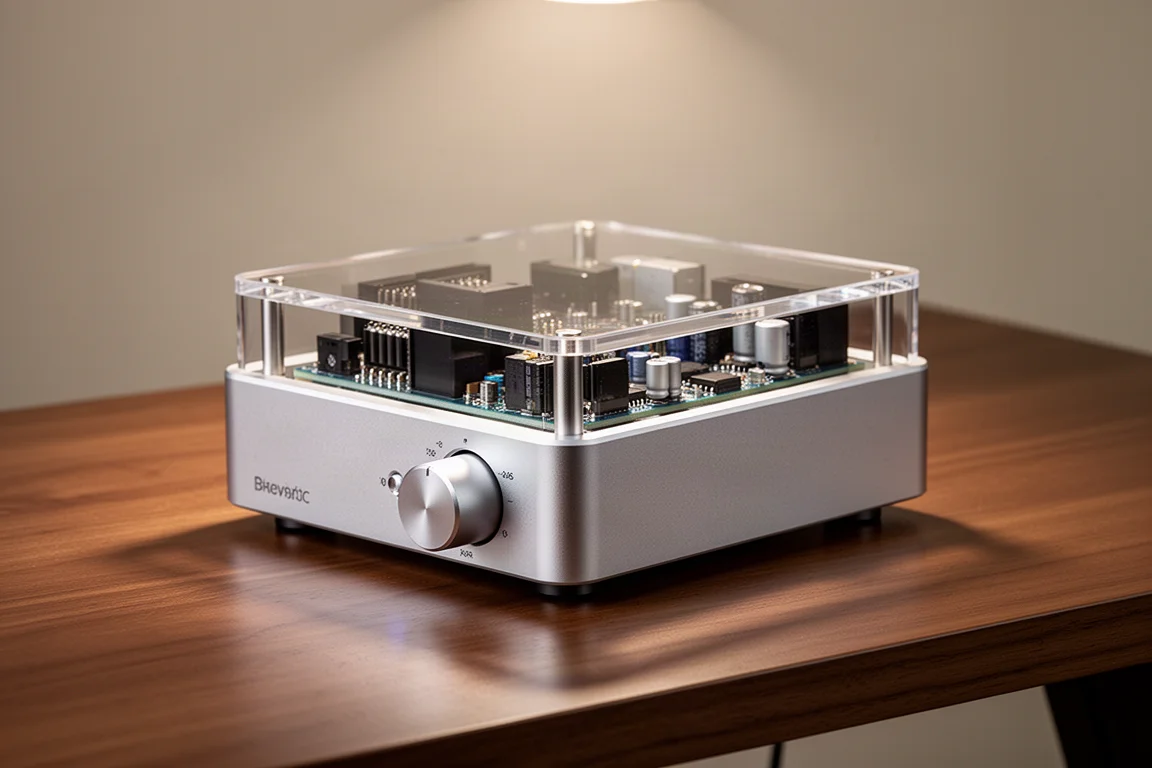
The J2 comes from Geshelli Labs in Florida and lands somewhere around $300 to $400 depending on how it is configured. The socketed board option allows opamps to be swapped, which hands owners direct control over the sound.
Skipping the USB input saves roughly $50 to $60, which makes sense for a system fed only by optical or coaxial. Output is fixed voltage, so level is set downstream. The case choice affects the price as well, with acrylic, aluminium, and wood options. The AKM 4493 is the preferred chip option, with an AKM 4499 available as a step up, and the stock opamps are Texas Instruments parts, with Sparkos or Burson alternatives available later.
Geshelli Labs J3: The Sibling Option
The J3 sits alongside the J2 in the same lineup at a modest price difference. It follows the same made-in-the-USA approach and the same fixed-output philosophy, and the same configuration decisions apply: whether to include the USB input, which case material to choose, and which opamps to fit.
For anyone weighing the two, the practical answer is to settle the feature set first and the model second, because the configuration has as much effect on the final price and character as the badge on the front panel.
Emotiva XDA-3: A Fully Balanced DAC and Preamp
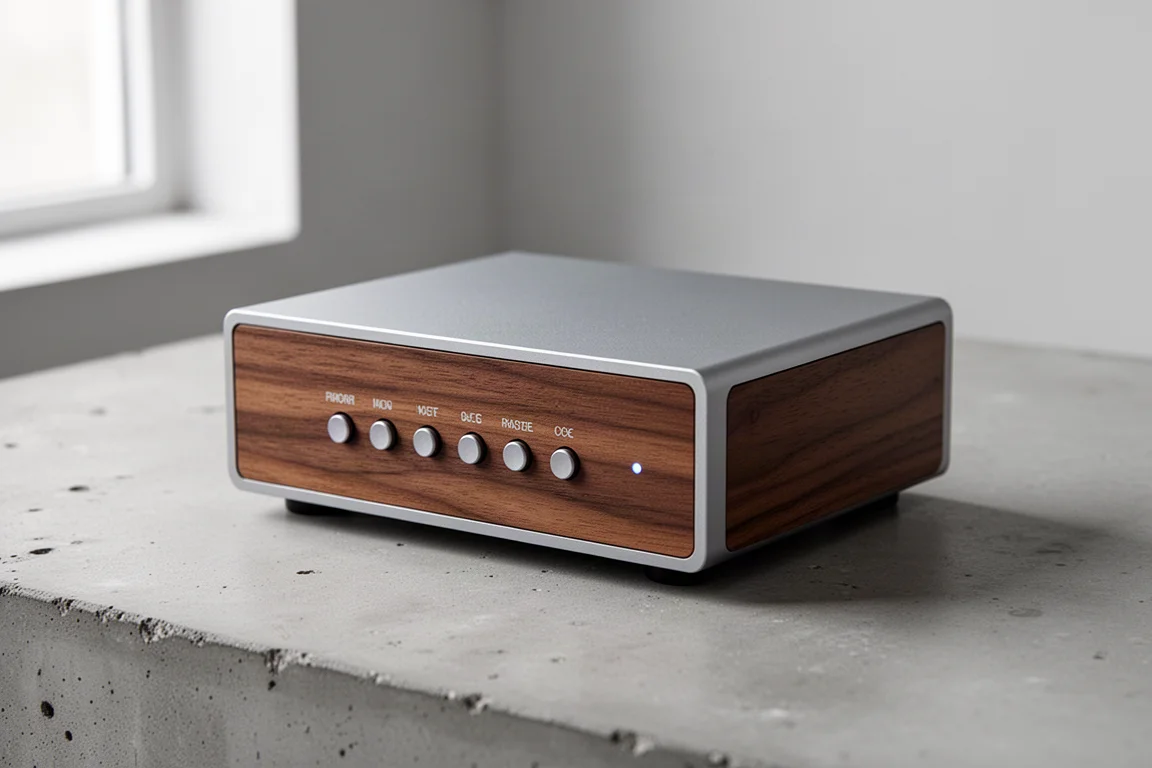
The XDA-3 is $800 and is a full-size component rather than a desktop box. It is a differential design, fully balanced throughout, and it doubles as a preamp with one balanced and one single-ended analog input.
Digital inputs are generous: USB, HDMI ARC, two optical, and two coaxial, backed by an internal power supply and both trigger in and trigger out. A Sabre 9038Q2M handles conversion, there is a headphone amplifier built in, and an aluminium remote control is included.
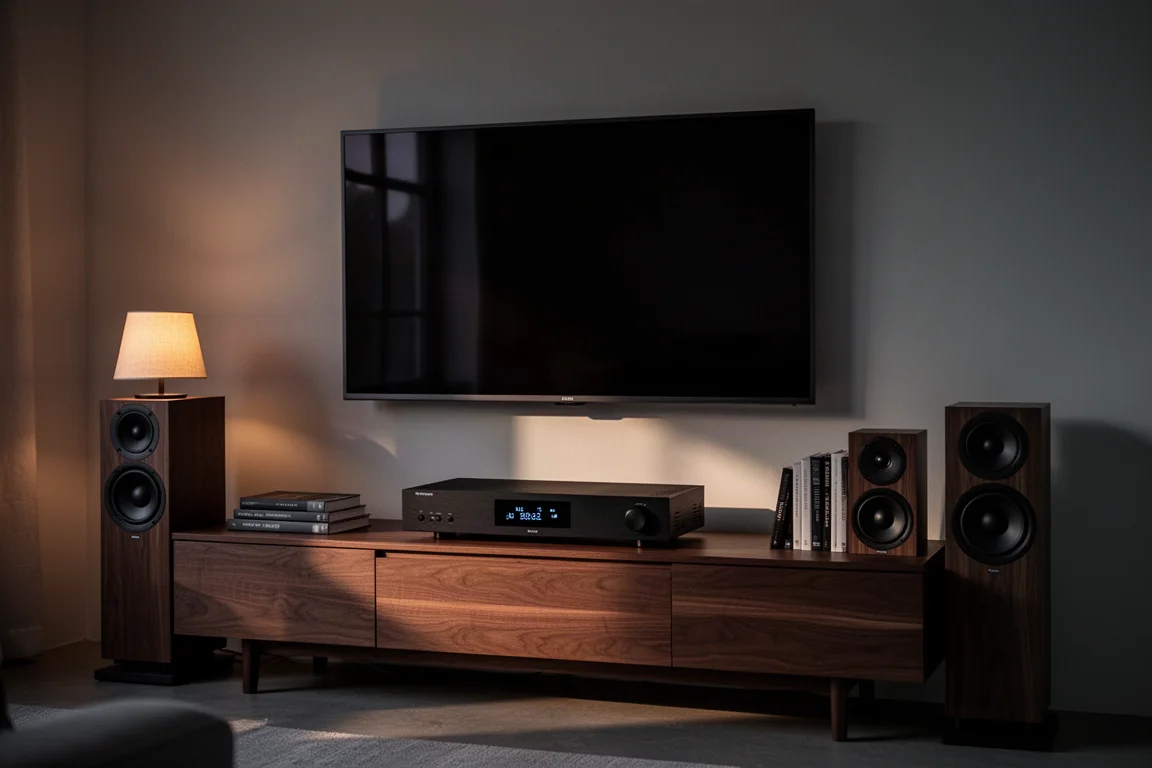
HDMI ARC at this price is the headline feature. For a system that needs television audio and a capable converter in one chassis, it is one of the more efficient ways to get there, and for listeners with few analog sources it can serve as the only preamp the system needs.
Denafrips Ares 12th: Entry Into R2R
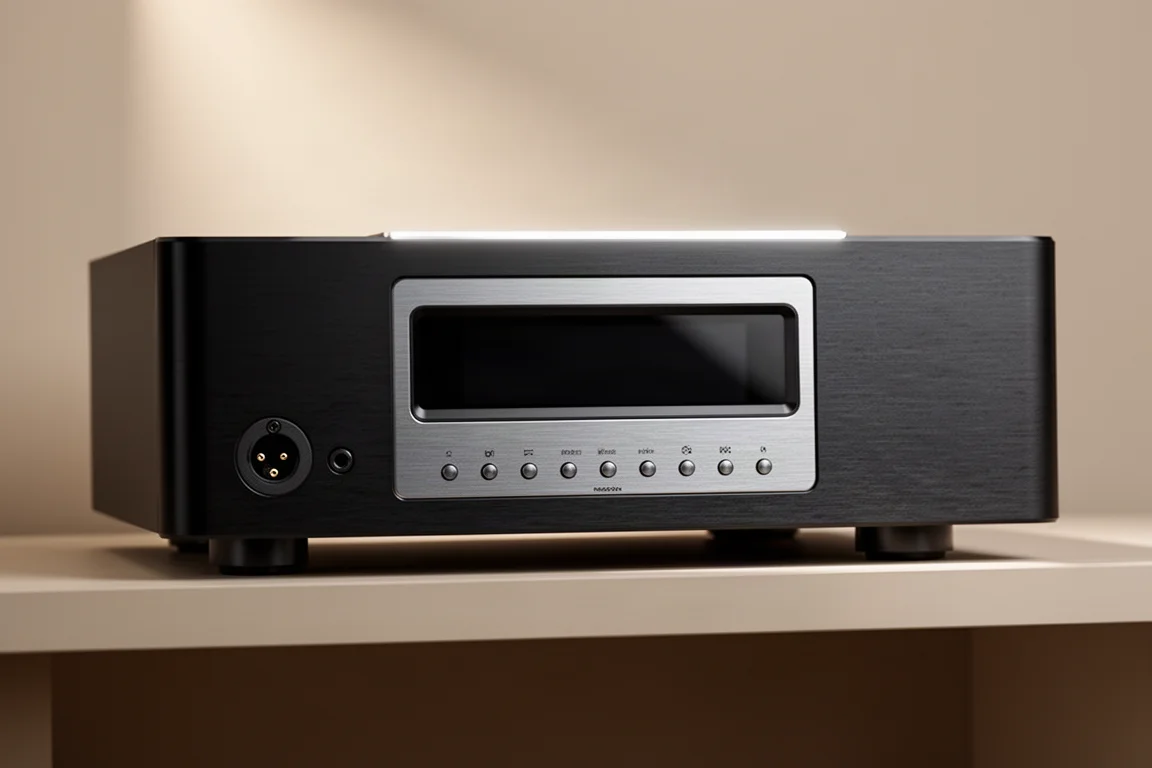
The Ares 12th is a resistor ladder converter at $1,200. R2R designs never go obsolete in the way chip-based converters can, which is a large part of the appeal for long-term owners.
Sonically it is airy, fun, dynamic, and three-dimensional. The caveat is on the commercial side: the brand has moved to selling direct to customers, and the newer Ares 15th carries the same $1,200 figure, which raises fair questions about pricing and about support and distribution in the United States. Even so, at this price it remains a strong value for a ladder converter.
Geshelli Labs Daisy: The Reference Pick
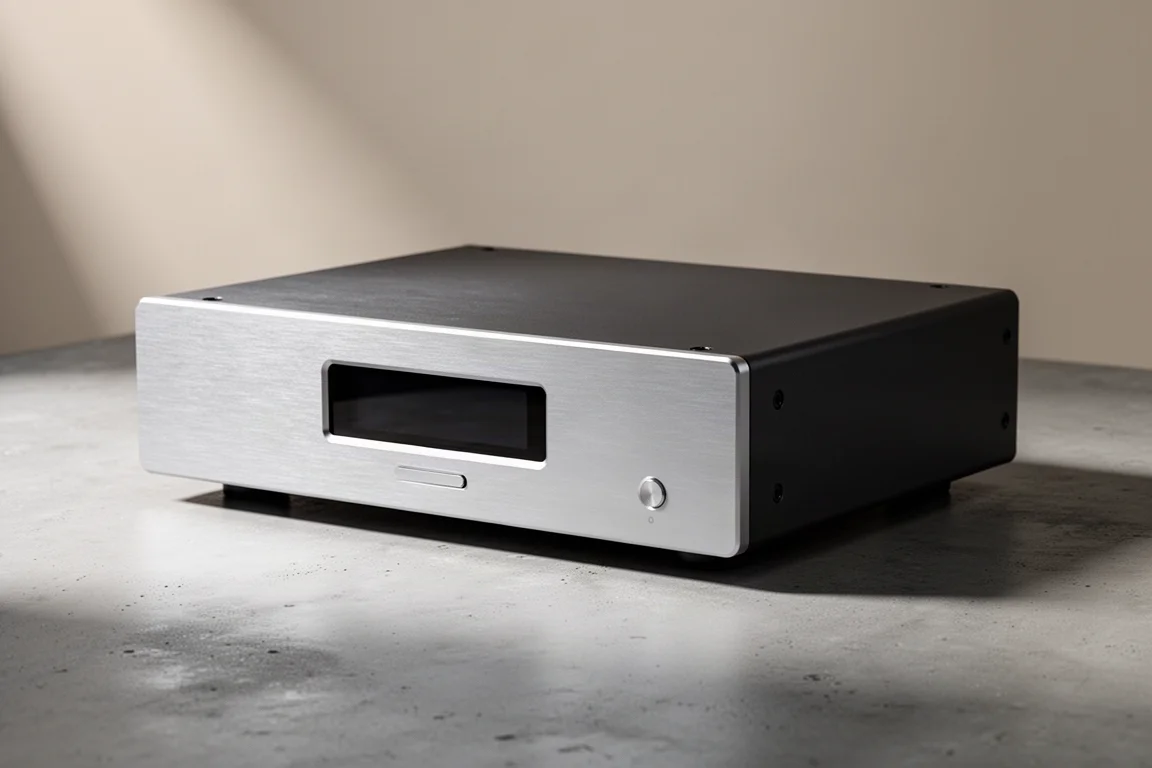
The Daisy is fully differential and amounts to two J2s under one chassis. Inside are eight opamps, all swappable, with Texas Instruments parts fitted as standard. The presentation is remarkably airy and large.
Big push buttons handle input selection, and there are extensive pass-through options for routing other sources through the unit. Pricing lands around $1,200 to $1,300, and every unit is made to order: buyers contact Geshelli Labs directly to specify the build, including a wooden or acrylic case. It is the reference converter here.
Overall Buying Advice
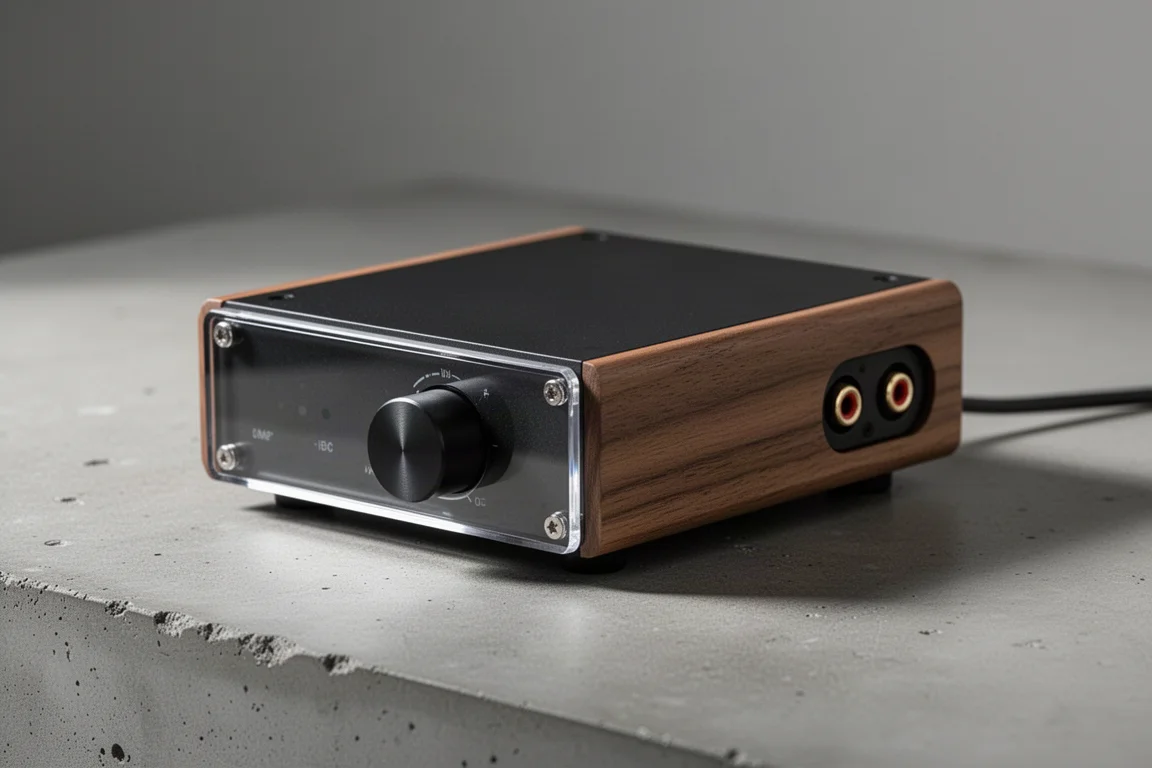
Good sound is available across the whole range, from $80 to $1,300, so the decision is mostly about features and architecture rather than about crossing some threshold of quality.
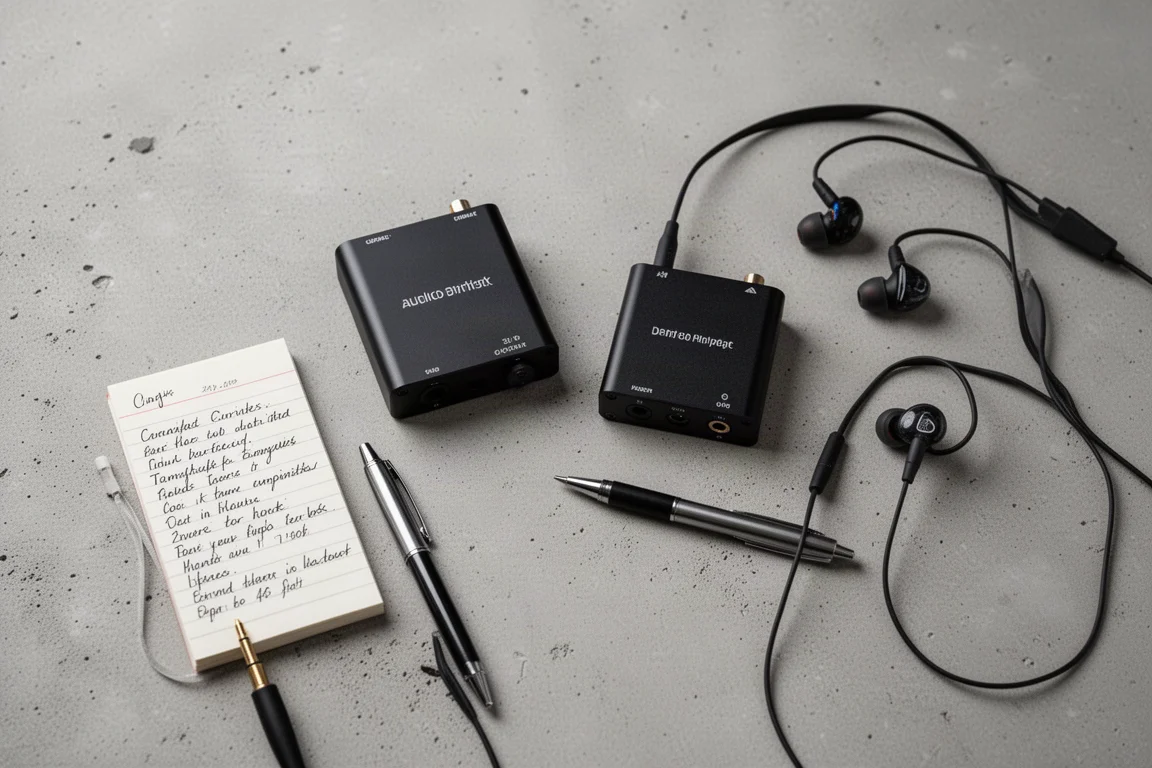
For delta-sigma designs, and particularly for the SMSL and Topping models, there is a practical ceiling. Once spending reaches roughly the $500 mark, the differences become small enough that a $200 to $300 converter and a $1,000 converter from the same brand are difficult to tell apart. If the budget allows a genuine jump, the better move is to change topology instead: a resistor ladder design, a fully balanced component, or a made-to-order reference unit. Spending more inside the same family rarely delivers the same return.
Two practical notes before ordering. First, most converters here use a fixed output, so a preamp or an integrated amplifier is doing the volume work, and that should be part of the plan. Second, configuration is not a side detail with the made-to-order units: case material, USB input, and opamp choice all move the price, so decide the build before comparing totals.
Conclusion
There is no single best converter on this list, only the right one for a given system. A small $79.99 box handles a second room without compromise, a $230 unit adds a remote and balanced outputs, and a $299 multibit design offers a different character altogether. Above that, the meaningful steps are architectural: a fully balanced preamp with HDMI ARC, a resistor ladder converter, or a made-to-order reference piece. Match the feature set to the system, and the price will make sense on its own.
Further reading
Related Reviews
Hi-Fi Audio
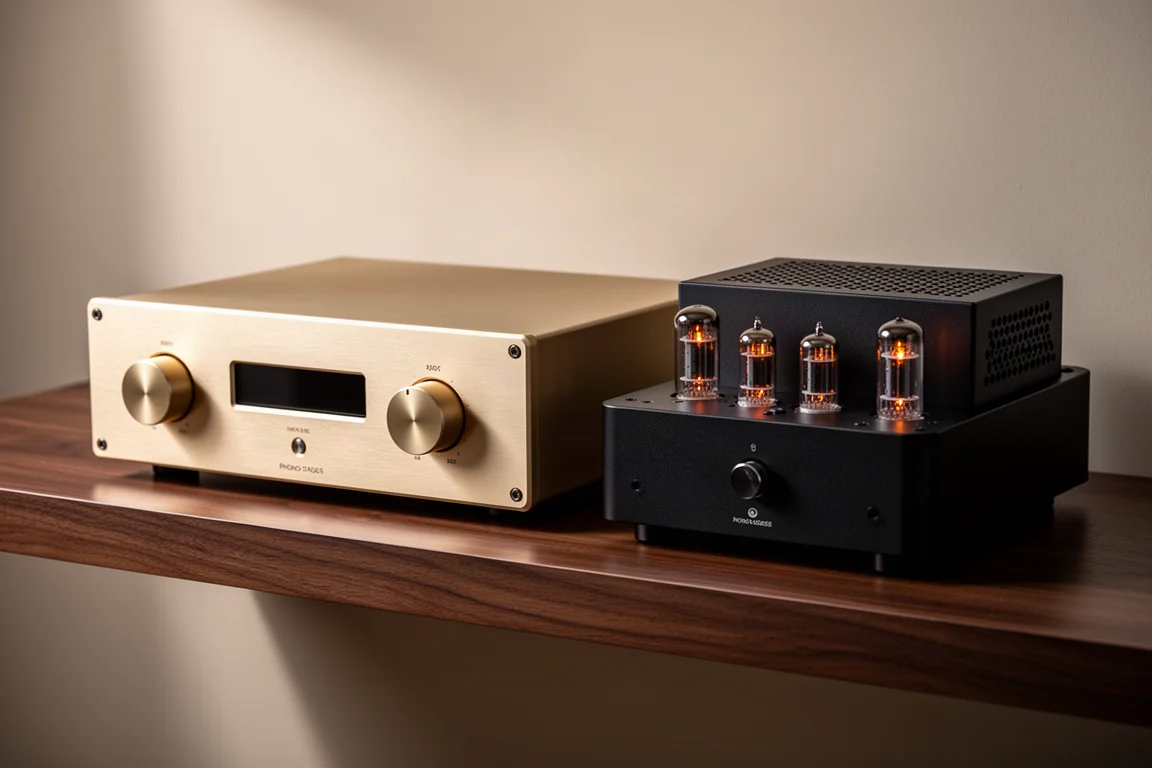
Accuphase C-57 vs Allnic H-7000V: Two High-End Phono Stages Compared
A fully balanced solid-state phono stage with a pitch-black noise floor meets a tube design built for well-loved records. Here is how to choose between them.
Hi-Fi Audio
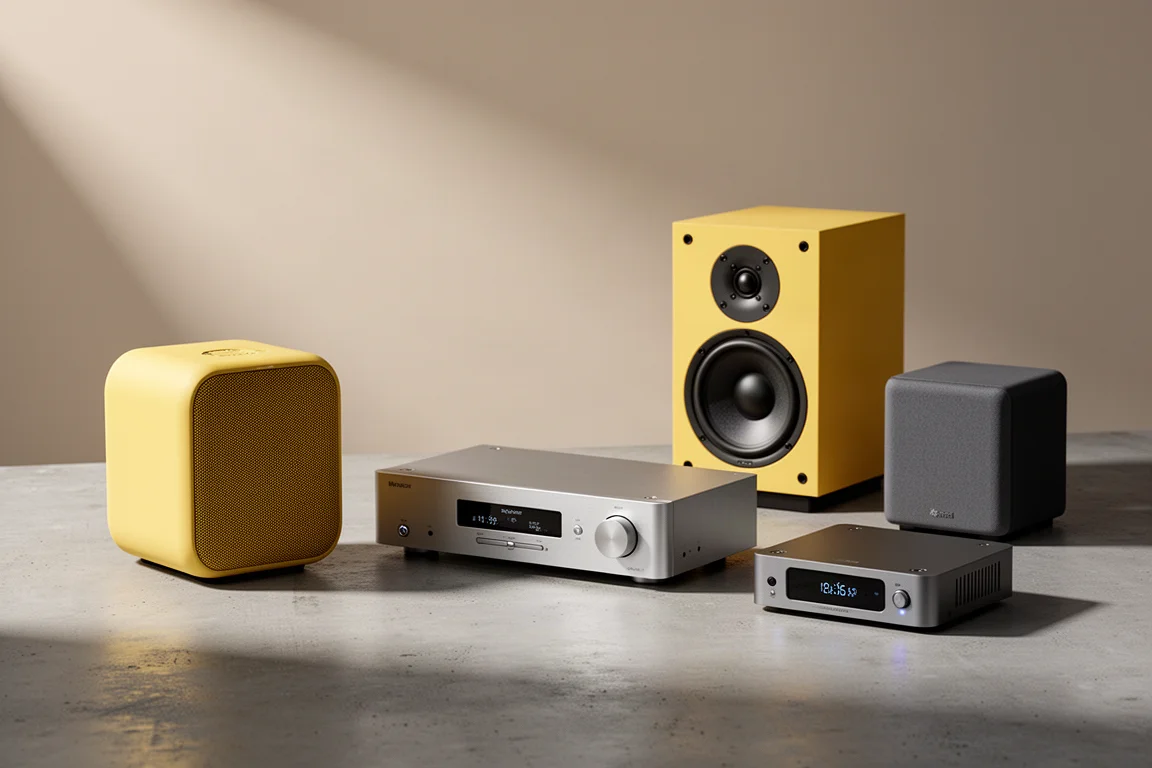
Active vs Passive Hi-Fi: Five Components for a Modern System
Five components that define modern active and passive hi-fi systems, with the strengths, trade-offs and setup details worth weighing before you buy.
Hi-Fi Audio
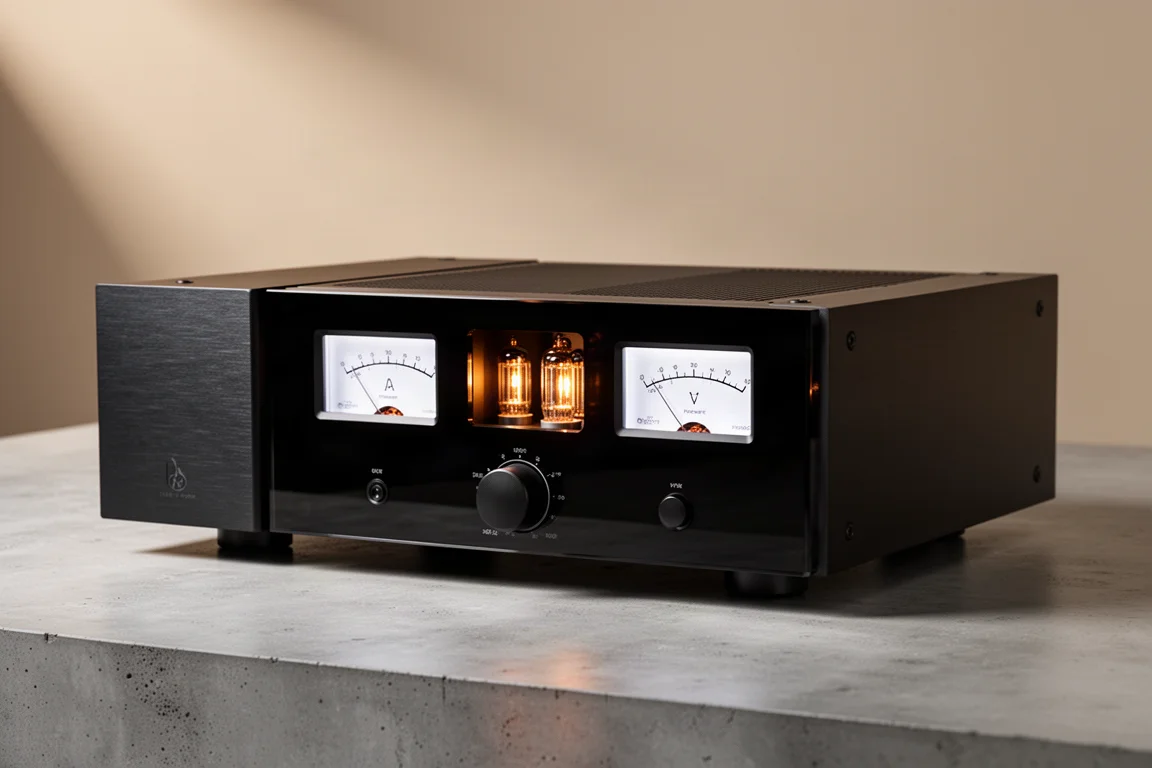
Advance Paris A10 Apex Review: A Hybrid Integrated Amplifier That Covers a Lot of Ground
A French hybrid integrated amplifier with a class A tube preamp stage, analogue power meters, and an internal DAC and phono stage good enough to make extra boxes unnecessary.